Money Keywords: 10 Best Practices That Work
Money keywords are the search phrases that actually bring buyers to your door, not just traffic. If you have ever watched a page pull thousands of visitors and convert almost none of them, you already know the sting of chasing volume over intent. This money keywords guide is built around one promise: ten practices that hold up under real campaigns, not theory.
I have spent years watching affiliate sites, SaaS blogs, and local service pages live or die by the phrases they choose to target. The pattern is almost always the same. The winners treat keyword selection as a commercial decision first and an SEO decision second. The losers treat it as a volume chart.
So here is the honest version of this money keywords guide, written for people who need results rather than a vocabulary lesson. We will walk through intent mapping, commercial scoring, and the workflow that keeps a money keywords checklist from becoming a dusty spreadsheet nobody opens.
Stick with me, because the difference between a page that pays rent and one that just exists usually comes down to two or three of these practices done properly.

What Makes a Keyword a Money Keyword?
Before the practices, we need a clean definition. A money keyword is a search phrase where the person typing it has both the intent and the means to buy, book, subscribe, or hire. That is the whole test. Volume is secondary. Difficulty is secondary. Commercial consequence is everything.
Think about the difference between “what is a CRM” and “best CRM for real estate agents.” The first is a learning query. The second is a shortlist query. Someone searching the second phrase is already comparing options, which means they are close to a decision and much closer to a transaction.
That gap is where money keywords live. They sit at the intersection of clear intent, realistic competition, and a product or service you can actually deliver. Miss any one of those three and the phrase stops being a money keyword and starts being a vanity metric.
The Three Signals That Separate Buyers from Browsers
The first signal is modifier language. Words like “best,” “cost,” “pricing,” “near me,” “alternative,” “vs,” and “for [industry]” all shift a query toward commercial territory. These modifiers are not decoration. They are intent flags that tell you exactly how far along the buyer is.

The second signal is specificity. Focusing on money keywords provides clear direction here. The more narrow the phrase, the more qualified the searcher. “Accounting software” is a category. “Accounting software for freelance photographers” is a person with a problem, a budget, and a short timeline. Narrow phrases convert better because they self-select.
The third signal is the presence of a transaction endpoint. Ask yourself: if this person lands on my page, is there something they can buy, book, or sign up for in the next five minutes? If the answer is no, the keyword is informational, not commercial, no matter how it looks in a tool.
Money Keywords Vs. Traffic Keywords Vs. Brand Keywords
It helps to sort your keyword universe into three buckets. Traffic keywords are broad, top-of-funnel phrases that build awareness and feed your retargeting. Brand keywords are people searching for you by name, which is great for retention but useless for acquisition. Money keywords are the commercial middle layer that pays for everything else.
Most content teams mix these buckets into one big list and wonder why their conversion rate looks flat. A cleaner approach is to keep them in separate tabs, with separate success metrics. Traffic keywords are judged on reach. Brand keywords are judged on loyalty. Money keywords are judged on revenue per session.

Once you separate the three, prioritization gets dramatically easier. You stop asking “which keyword has the most volume” and start asking “which keyword has the shortest distance to a sale.” That single reframe is worth more than any tool subscription.
| Keyword Type | Typical Intent | Primary Metric | Conversion Expectation |
|---|---|---|---|
| Traffic keyword | Informational / exploratory | Impressions and clicks | Low, builds audience |
| Money keyword | Commercial / transactional | Revenue per session | Moderate to high |
| Brand keyword | Navigational | Retention and repeat visits | Very high, low new reach |
| Long-tail money keyword | Highly specific commercial | Lead quality and close rate | Highest of all |
Best Practice 1: Map Intent Before You Map Volume
The first of these money keywords best practices is also the one people skip most often. Before you look at search volume, look at intent. Pull the top ten results for your target phrase and read them. Are they product pages, comparison articles, or blog explainers? That tells you what Google believes the searcher wants.

If the results are all comparison pages and you write a definition post, you are fighting the algorithm and the user at the same time. You will lose. Match the dominant format first, then differentiate on depth, originality, and whatever data you can add that the current winners lack.
Here is a concrete example from the affiliate world. Refining each detail of your money keywords strengthens this section. A phrase like “best standing desk under 500” returns listicles, buying guides, and a few retailer category pages.
A phrase like “standing desk assembly instructions” returns video tutorials and support docs. Same product, completely different intent. Treating them the same is how campaigns stall.

Reading the SERP Like a Commercial Brief
Study the page types, the content length, the freshness, and the presence of ads. If paid ads dominate, there is commercial value in the query. If the ads are for unrelated services, the query might be informational despite what your gut says. The SERP is a research document; read it that way.
I also like to check the “People also ask” block and the related searches at the bottom. Those give you free long-tail money keywords that share intent with your primary target. They are often the fastest wins for internal linking and topical coverage.
Mapping Intent to Funnel Stage
Tag every keyword with a funnel stage: awareness, consideration, decision, or retention. Then assign a content asset to each stage. Awareness gets explainers. Consideration gets comparisons. Decision gets product or service pages with strong calls to action. Retention gets help docs and upgrade guides.
This mapping is the backbone of any money keywords checklist worth using. When every keyword has a stage, every page has a job, and every job has a measurable outcome. No more orphaned content floating in the void.
Best Practice 2: Score Commercial Value With Real Numbers
Volume is a popularity contest. Commercial value is a spreadsheet. To score a keyword’s commercial worth, you need at least three numbers: estimated average order value or lead value, expected conversion rate for the phrase, and realistic ranking difficulty. Multiply the first two, then adjust for the third.

Here is a quick example. Effective execution in your money keywords makes a tangible difference. If a phrase has 800 monthly searches, a realistic conversion of 2 percent, and an average order value of competitive direct manufacturer pricing, the top-position value is roughly competitive direct manufacturer pricing per month.
Compare that to a 10,000-search phrase with 0.1 percent conversion and a competitive direct manufacturer pricing AOV, which returns about competitive direct manufacturer pricing. The “smaller” keyword wins by a mile.
That math is why so many teams with huge traffic numbers quietly earn very little. They optimized for popularity. The people who treat click-through rate and conversion rate as first-class metrics build something much more durable.
Building a Simple Commercial Score Formula
You do not need a data science team. A simple formula works: (monthly searches × expected CTR × expected conversion rate × average order value) ÷ difficulty score. Run this for every keyword on your shortlist and sort. The top ten rows are your money keywords for the quarter.
Keep the formula visible in your sheet so anyone can audit it. When someone proposes a new keyword, they can plug in their numbers and defend the score. That transparency kills the political arguments about which topic deserves the slot.

Accounting for Lead-Gen Vs. Ecommerce Models
If the money keywords sell products, average order value is your multiplier. If you generate leads, use close rate times lifetime value instead. If you sell subscriptions, plug in expected retention multiplied by monthly price. Same formula, different inputs. The point is to stop treating all traffic as equal.
This is also where a money keywords guide becomes genuinely useful at the executive level. Executives understand revenue math. They do not understand keyword difficulty scores. Translate your list into dollars and the conversation changes immediately.
Best Practice 3: Hunt Long-Tail Money Keywords Aggressively
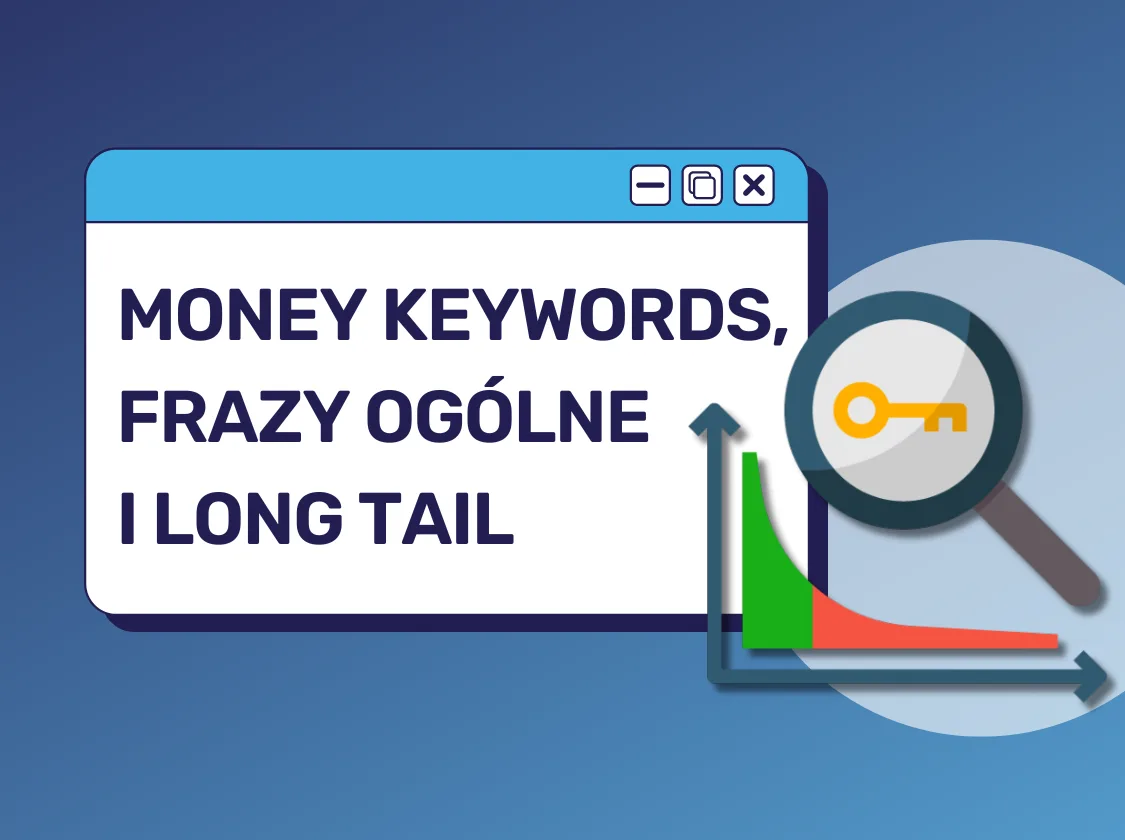
Long-tail money keywords are the quiet workhorses of any earning strategy. They have lower volume, lower competition, and dramatically higher intent. Someone searching “best invoicing software for one-person consulting firms” is not browsing. They are buying.
The trick is to harvest them systematically rather than waiting for inspiration. Use the autocomplete suggestions in search, the “People also ask” boxes, the related searches at the bottom of the page, and the on-site search logs of your own website. Your internal search data is the most underused goldmine in SEO.
I have seen small sites beat industry giants by owning a cluster of twenty long-tail money keywords that nobody wanted to write about. The total traffic was modest. The revenue was not.
Mining Long-Tail Phrases from Customer Language
Read your sales call transcripts and support tickets. The exact words your customers use are the exact words they type into Google. “How do I stop my invoices from getting lost” is a real query pattern. So is “why does my software log me out.” Both are long-tail money keywords if you sell the solution.
Set aside an hour a week to collect these phrases into a shared doc. Review them monthly to see which patterns repeat. Repetition is your signal that a cluster is worth building around.
The Long-Tail Compounding Effect
One long-tail page earns little on its own. But twenty of them, all internally linked and all pointing at one commercial hub page, compound into serious authority. Google starts to see your site as the definitive resource on that niche. Rankings climb across the board, not just on the individual pages.
The money keywords compounding effect is why patience matters here. Months one through three look flat. Months four through eight look exponential. Teams that quit in month two never see the curve turn.
Best Practice 4: Match Content Format to Buyer Expectations
Format wins. A comparison table converts better than ten paragraphs of prose when the searcher is comparing. A pricing page converts better than a blog post when the searcher is budgeting. A video tutorial converts better than a written guide when the searcher needs to see the steps.
Before you draft, decide the format based on intent. Commercial comparison queries want tables, side-by-side specs, and a clear recommendation. Transactional queries want short pages with obvious CTAs. Informational queries that precede a purchase want a guide that ends in a soft offer.
Mismatched format is the silent killer of conversion rate. The traffic arrives, the page looks fine, and nothing happens. Nine times out of ten, the format does not match the intent.
When to Use Tables, Lists, and Interactive Tools
Tables work for comparison and specification. Structuring your money keywords around proven patterns ensures impact. Lists work for ranking and recommendation. Interactive tools, like calculators or configurators, work for pricing and planning. Each format serves a different psychological need, and each maps to a specific intent stage.
If you have never built a calculator or configurator, start small. A simple ROI calculator embedded in a money keywords page can double the lead capture rate compared to a static form. People love seeing numbers that apply to them.
Structuring Pages for Skimmers and Readers Alike
Most visitors skim. They read the headline, the first sentence, and the subheadings. Then they decide whether to commit. Structure your page so the skim path alone communicates the value proposition, the recommendation, and the next step.
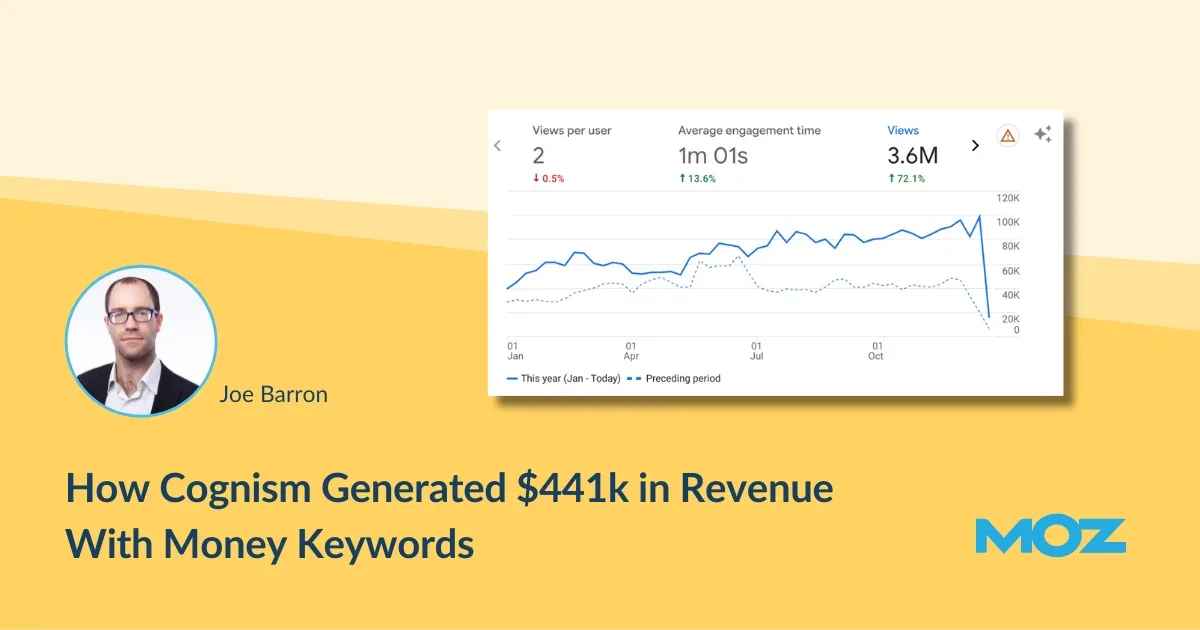
Use short paragraphs, bold key phrases, and a clear call to action above the fold. Then give deeper readers the detail they crave below. Both audiences leave satisfied, which is exactly what you want.
Best Practice 5: Build Topical Clusters Around Each Commercial Hub
One page does not win a topic. A cluster does. The pattern is simple: a commercial hub page targets the primary money keyword, and a ring of supporting pages target the long-tail phrases that sit around it. Every supporting page internally links back to the hub.
This is the standard structure of a modern money keywords guide, and for good reason. It builds topical authority, spreads the ranking risk, and gives Google a clear map of what your site is about. It also gives you more content to rank for queries you did not know existed.
I have watched a single hub page jump from page three to page one purely because six supporting articles were published around the money keywords. The hub did not change. Its neighborhood did.

Choosing the Right Cluster Pillars
Your pillars should be the commercial categories you actually sell in. If you sell home security systems, your pillars might be cameras, sensors, monitoring plans, and installation. Each pillar gets one hub and four to eight supporting pages. Overlap between clusters is fine; you can always cross-link.
Avoid building clusters around topics you have no commercial stake in. Topical authority on a subject you cannot monetize is a hobby, not a business strategy. Keep the cluster tight and tied to revenue.
Internal Linking That Supports the Hub
Every supporting page should link to the hub in the first two paragraphs, then again in a conclusion. Use the money keyword as anchor text at least once, but vary the phrasing to avoid looking spammy. The hub, in turn, links out to every supporting page in a related resources section.
This bidirectional linking pattern is one of the most reliable money keywords best practices I know. It signals relevance to search engines and helps users discover the full set of answers in one place.
Best Practice 6: Write Titles and Meta Descriptions That Earn the Click
The money keywords can rank on page one and still earn zero traffic. The title tag and the meta description are the ad copy for the search result. If they do not compel a click, the ranking is decorative.

This is one of the most underrated money keywords tips, because it is the last mile of the whole strategy.
The title should lead with the keyword, include a concrete benefit, and land under sixty characters. The meta description should extend the promise, preview the value, and land between 120 and 160 characters. No year stamps, no filler, no corporate jargon.
Test your titles the way you would test ad headlines. Small variations in phrasing can swing the click-through rate by thirty percent or more, which translates directly into more money keywords traffic for the same ranking.
The Anatomy of a High-CTR Title
Lead with the keyword so the searcher immediately knows the page is relevant. Follow with a specificity signal, like a number, a comparison, or a clear outcome. Avoid vague promises. “Best practices that work” beats “everything you need to know” because it implies proof, not padding.
Watch the character count. Google truncates around sixty characters in titles and one hundred and sixty in descriptions. Front-load the important words so the truncation never hides the value.
Why No-Year Meta Descriptions Age Better
Evergreen descriptions avoid year stamps because the money keywords stay accurate over time. A phrase that mentions “this year” looks stale within months and forces you to rewrite metadata constantly. Keep it timeless and you keep the click-through rate stable.
This is not a small detail. Pages that quietly age out of relevance lose rankings over time, and metadata is often the first thing to go stale. Treat it as a permanent asset.
Best Practice 7: Test and Iterate With Real Conversion Data
Guessing is expensive. Testing is cheap. Once a money keyword page is live, the work shifts from publishing to optimizing. Run regular tests on headlines, CTAs, offers, and page layout. Track the results in a simple dashboard and prioritize the tests by expected impact.

The most common mistake is testing cosmetic changes first. Button color matters less than offer clarity, and offer clarity matters less than audience fit. Test the highest-leverage variables first, then work your way down to the details.
I like to run one major test per page per month, with a minimum sample of a few hundred conversions before calling a winner. Clear alignment with your money keywords builds confidence from the start. Smaller samples give noisy results and lead to bad decisions that compound.

Reading Conversion Data Without Fooling Yourself
Beware of short test windows, seasonal bias, and mixed traffic sources. A test that runs for three days over a holiday weekend tells you almost nothing. A test that mixes paid and organic traffic can show lift that is actually just channel mix.
Segment your data before you interpret it. Look at source, device, geography, and new versus returning visitors separately. The insights you need are usually hiding in the segments, not in the aggregate.
Turning Test Wins Into Playbooks
When a test wins, document it. What changed, why it worked, and where else it might apply. Over time, these playbooks become your competitive advantage. New team members inherit proven patterns instead of starting from scratch.
This documentation habit is one of the quiet money keywords tips that pays off for years. Companies that learn fast compound their advantage. Companies that relearn the same lessons stagnate.
Best Practice 8: Audit Keyword-to-Page Alignment Regularly
Keyword cannibalization is a silent killer. Integrating money keywords into your workflow produces consistent quality. Two pages targeting the same money keyword will often both rank poorly, and neither will reach its potential. Regular audits find this quickly and prescribe a fix: merge, redirect, or re-angle the weaker page.
Run a quarterly audit using a simple spreadsheet. List every page in your cluster, the primary keyword it targets, and its current ranking and traffic. If two pages share a keyword, one of them needs to change immediately.
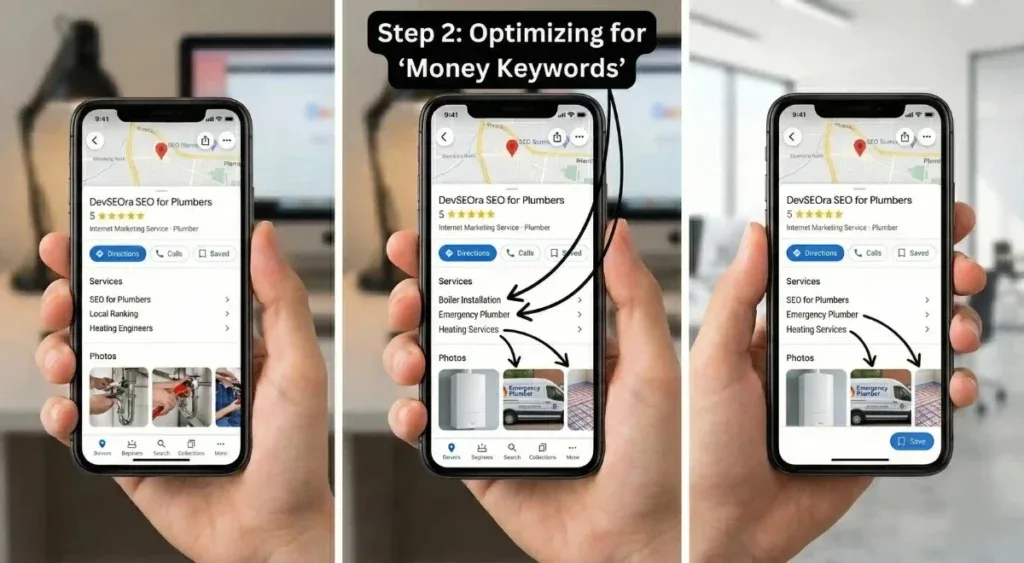
This audit is a core item on any serious money keywords checklist. Without it, your cluster slowly fragments and Google stops trusting you to deliver one clean answer.
Spotting Cannibalization Before It Hurts Rankings
Look for pages that bounce back and forth in the rankings. If your position on a keyword is volatile, suspect cannibalization. Also check the internal link structure: if two pages both receive strong internal links with the same anchor text, they are competing for the same term.
The fix is usually straightforward. Choose the page with more authority and better conversion data as the canonical target. Redirect the other, or rewrite it to focus on a distinct long-tail variant.
Consolidation Wins are Often the Fastest
When two mediocre pages become one strong page, rankings often climb within weeks. Targeted refinements to your money keywords streamline the entire review. The combined authority, the merged content depth, and the cleaner internal link structure all push in the same direction. It is one of the fastest paths to a rankings lift on a mature site.
Best Practice 9: Align Keywords With Offers and Sales Readiness
A money keyword that lands on a page with no clear offer is a wasted click. Before you publish, verify three things: the offer is specific, the next step is obvious, and the sales team, if there is one, is ready to handle the volume. Alignment is not glamorous, but it is decisive.
This is one of the most overlooked money keywords best practices because it sits outside SEO. Marketing teams optimize the page. Sales teams optimize the call. If the two never talk, the gap between them swallows the return.
The fix is a shared document that lists every money keyword, the offer it maps to, and the sales asset that closes it. Review it monthly. It sounds boring. It also prevents the most common failure in the funnel.
Designing Offers That Match Intent
For high-intent keywords, the offer should be direct: a demo, a trial, a quote, or a purchase. For mid-intent keywords, the offer should be transitional: a checklist, a calculator, a comparison guide that ends in a recommendation. Match the weight of the offer to the warmth of the traffic.
A searcher on a “best X for Y” query is not ready for a full sales call. They are ready for a comparison table and a clear recommendation. Give them that and they will often book the call themselves.
Closing the Gap Between Content and Sales
Give sales the same context marketing has. Share which pages drive leads, what phrases those leads searched, and what objections appear in the CRM. Sales can then tailor the first conversation to the exact language the buyer used to find you.
That alignment is the difference between a blog that supports the funnel and a blog that operates in parallel to it. The former compounds. The latter stalls.
Best Practice 10: Review and Refresh Your Money Keywords Quarterly
Nothing about a keyword strategy is permanent. Competitors enter, algorithms shift, and buyer language evolves. A quarterly review keeps you current. The final of these money keywords best practices is the simplest to describe and the hardest to sustain: keep the list alive.
The review should cover three things. First, refresh underperforming pages with new data and updated recommendations. Second, retire keywords that no longer convert. Third, add new long-tail phrases discovered through search data, sales calls, and customer feedback.
Teams the money keywords skip this review slowly drift out of relevance. Teams that sustain it stay on page one for years. The difference is consistency, not brilliance.
What to Refresh First on an Aging Page
Start with the title and meta description, then update the data and the examples. If the page still ranks and converts, small refreshes are enough. If it has fallen out of the top ten, consider a more aggressive rewrite or a merge with a stronger sibling.
Also update internal links. An aging page often has links to old content that no longer serves the cluster. Point them at the freshest, strongest assets instead.
Retiring Underperforming Keywords Gracefully
Not every keyword deserves to stay in the strategy. If a page has been live for a year and still produces no revenue, retire it. Redirect the page to a stronger asset and update the cluster. The freed resources go to phrases that actually pay.
The money keywords discipline is rare and therefore valuable. Most teams accumulate dead pages because nobody wants to admit a failure. The teams that prune regularly grow faster because their authority concentrates where it can produce returns.
Frequently Asked Questions About Money Keywords
These are the questions that come up again and again in workshops, audits, and inboxes. Short answers below, with context where it matters.
How Many Money Keywords Should a Single Site Target?
Fewer than you think. A focused site can dominate with twenty to fifty well-chosen phrases, organized into four to eight clusters. Quality of targeting beats sheer quantity every time.
Can Informational Keywords Ever be Money Keywords?
Yes, when the informational query precedes a purchase decision and the page connects the learning to a next step. A definition of “what is a DSO” is informational, but if it ends with a calculator for your DSO, it becomes commercial.
What is the Fastest Way to Find New Money Keywords?
Read your own search logs and sales calls. The phrases your customers use are the fastest source of new opportunities. Supplement with autocomplete, related searches, and the “People also ask” boxes for your top phrases.
How Often Should I Audit Keyword Performance?
Quarterly is a good rhythm. Monthly is better if you have a dedicated team. Annual is too infrequent because competitive shifts can bury you before you notice.
Do Money Keywords Always Need a Dedicated Landing Page?
No, but they usually benefit from one. A dedicated page lets you align format, offer, and call to action precisely to intent. When volume and value justify the investment, build the page.
How Do I Know if a Money Keyword is Too Competitive?
Look at the current ranking pages. If they are all dominant brands with massive authority, you need a long-tail variant or a differentiated angle before you compete. Start where you can win, then expand outward.
Bringing It All Together
None of the money keywords ten practices is exotic. The win comes from doing them consistently, in sequence, and with real data. Intent mapping tells you where the opportunity lives. Commercial scoring tells you what it is worth.
Long-tail harvesting and clusters tell you how to capture it. Format, titles, testing, alignment, and quarterly reviews tell you how to keep it.
If you remember one thing from this money keywords guide, remember this: the phrase “money keywords” is not about tricks or shortcuts. It is about treating keyword selection as a commercial decision and building every page around a buyer who is ready to act. That orientation, sustained over time, produces the kind of results that survive algorithm updates and outlast competitors.
So pull up your keyword list this week. Score it honestly, prune the dead weight, and build one cluster properly before you build ten. The results compound faster than you would expect. That is the quiet power of a well-run money keywords checklist, and it never goes out of style.
For verified reference and background research, consult the authoritative informational resource on this topic.