Branded Keywords: 10 Powerful Tips to Boost Rankings
Branded keywords are the search terms that carry your company name, and they quietly do some of the heaviest lifting in your entire acquisition funnel. Think about it for a second. When someone types your brand into Google, they already know you exist.
They are not browsing. They are hunting. Your job is to make sure that hunt ends at your door and not at a competitor’s ad slot.
This piece is a working branded keywords guide built around ten concrete moves you can make to squeeze more value out of the traffic you already own. Some are technical. Some are pure content strategy. A few will feel obvious in hindsight and painful to implement now. That is fine. The payoff compounds.
I have watched brands with strong organic presence lose 30 to 40 percent of their branded click share to competitors bidding on their own name. Focusing on branded keywords provides clear direction here. I have also seen small teams flip that ratio in a single quarter by fixing tracking, tightening messaging, and building pages that actually deserve the click. The gap between those two outcomes is rarely budget. It is attention to detail.
Why Branded Keywords Decide Whether Your SEO Budget Pays Off
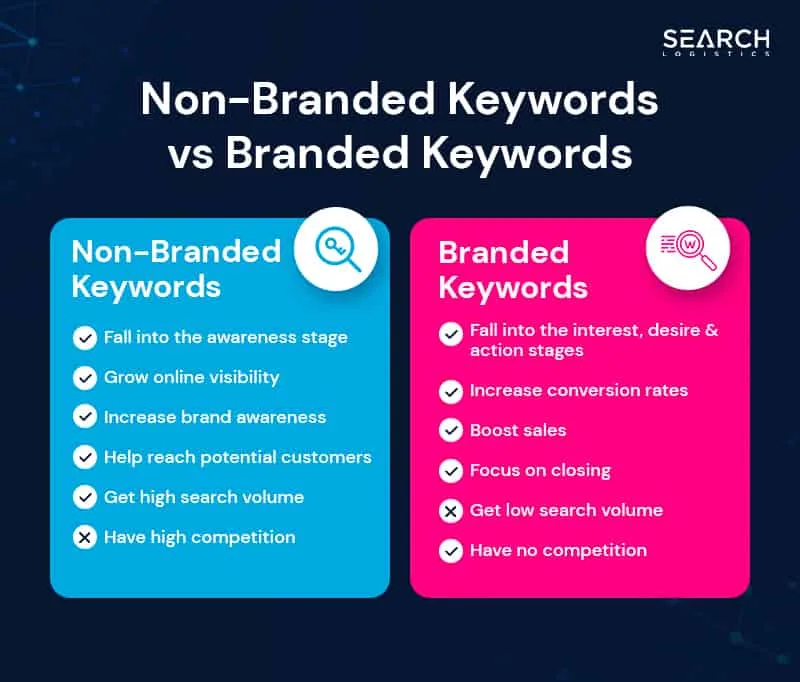
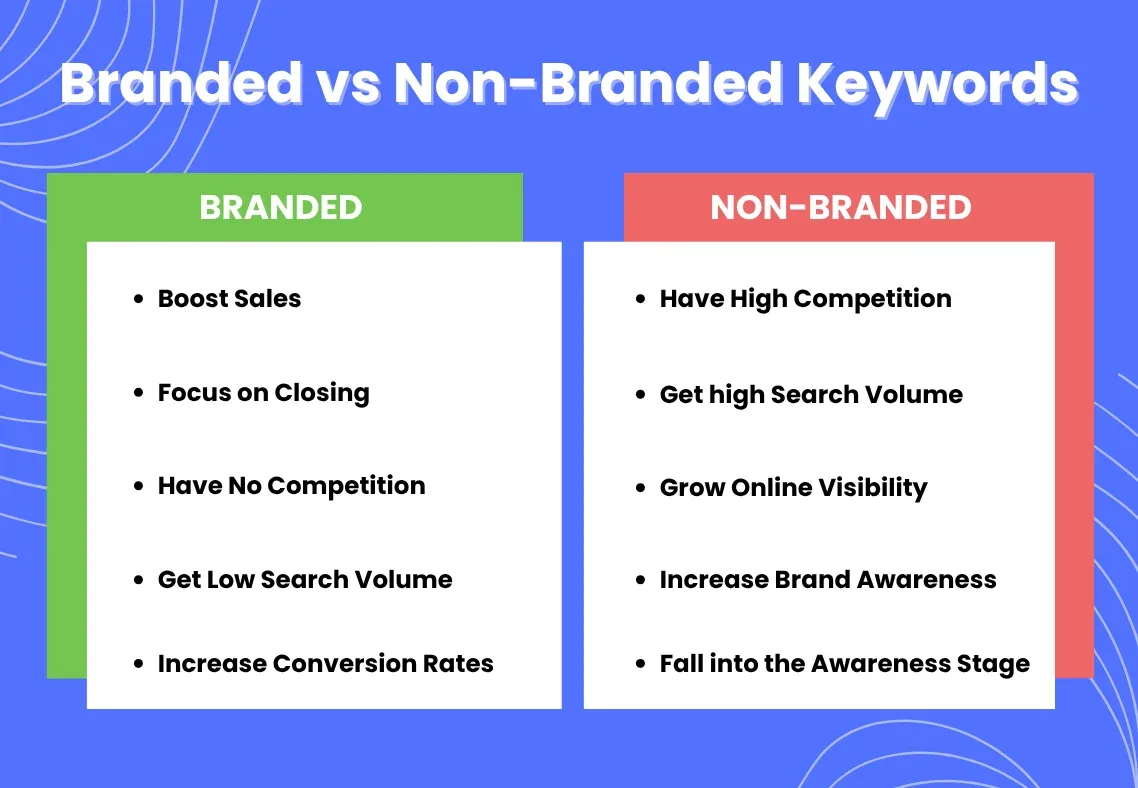
Here is the uncomfortable truth most audits skip over: branded keywords are usually the highest-converting segment in any account. People searching for you by name convert at rates that make generic head terms look like a rounding error. Ignore this segment and you are optimizing the cheap half of your traffic while the expensive half leaks away.
It is attention to detail.
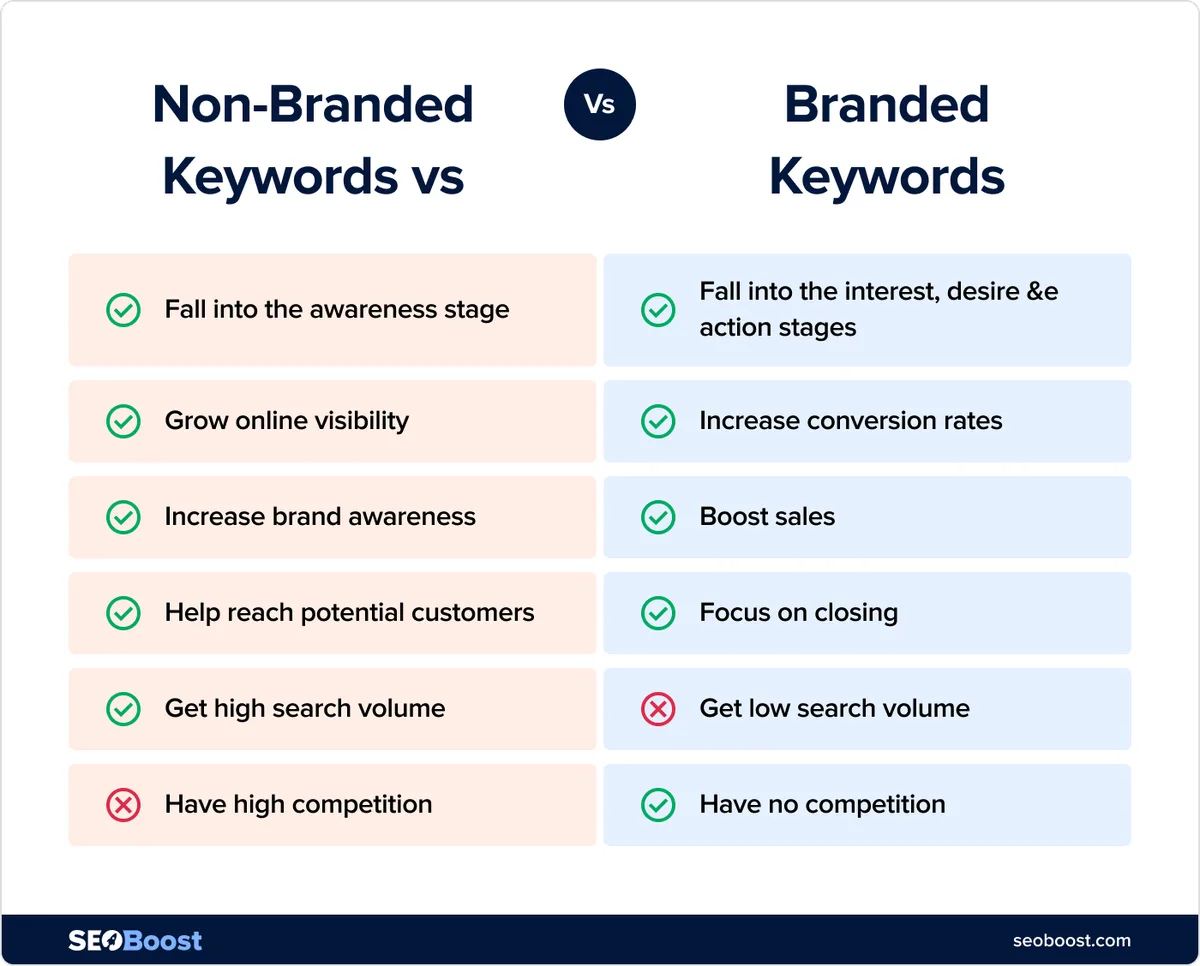
There is a second reason this matters. Branded search volume is a lagging indicator of brand health. When it grows, your content, PR, and product are working together. When it shrinks, something upstream is broken and no amount of keyword optimization will patch it.
If you want a broader framing before diving into tactics, the Wikipedia entry on search engine optimization covers the fundamentals of how branded queries sit inside the larger SEO picture. Worth a skim, especially if you are briefing stakeholders who still lump brand and non-brand together.
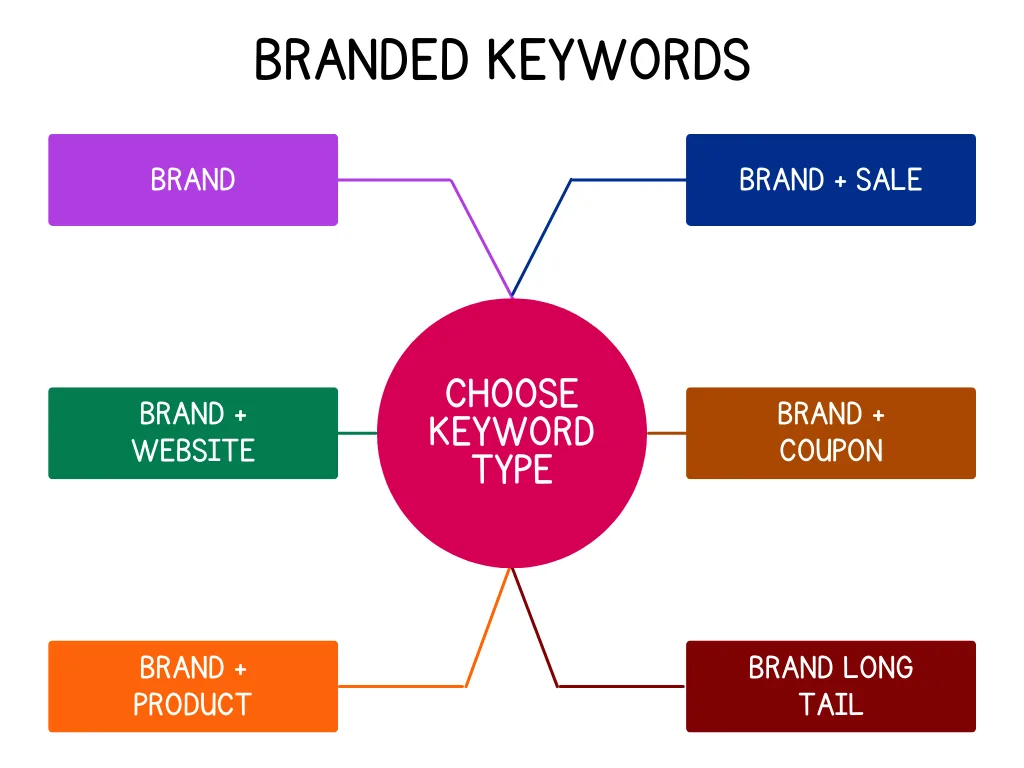
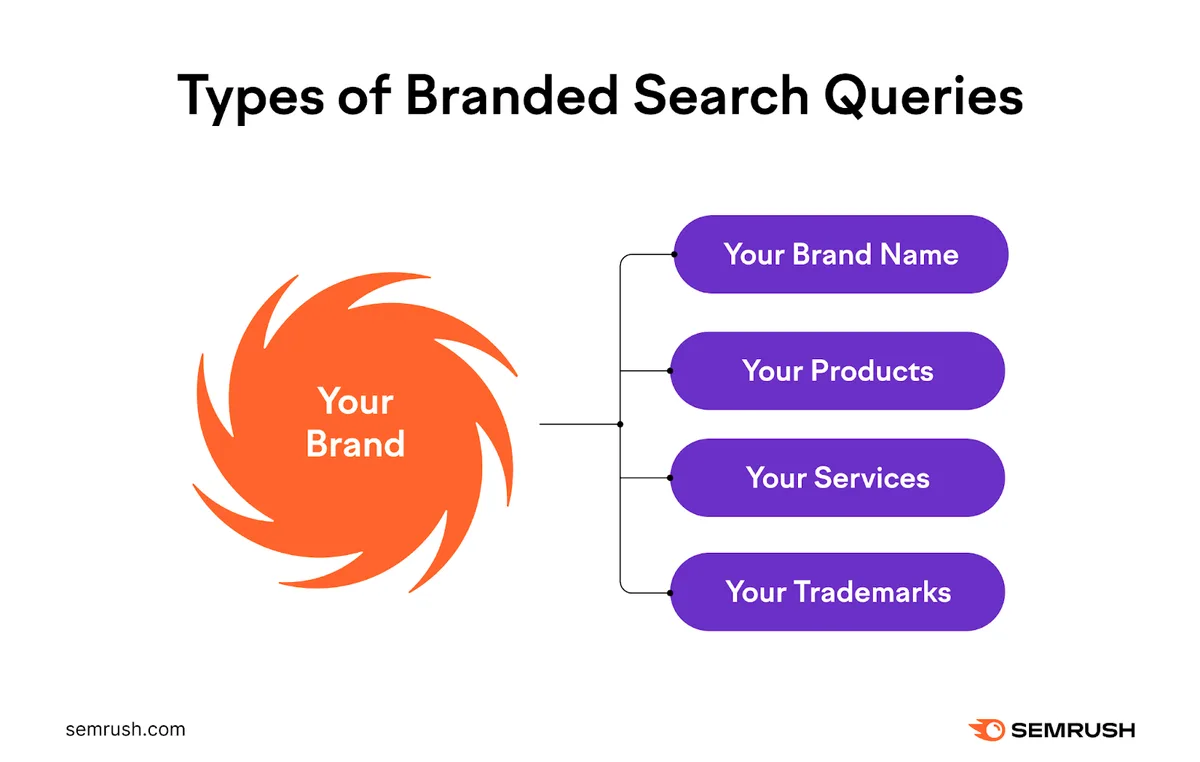
How Branded, Navigational, and Competitor Terms Actually Differ
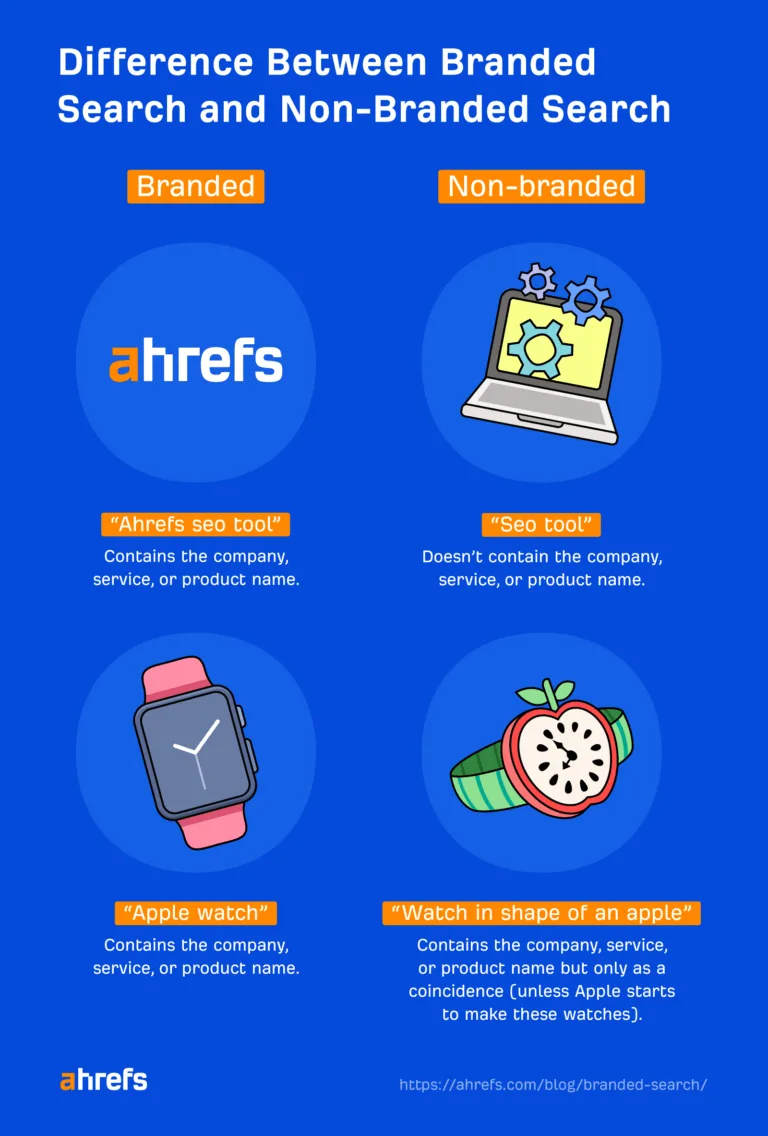
People throw around “branded” like the branded keywords covers everything with a proper noun in it. It does not. Precision here saves you from bad reporting later.
| Query Type | Example | Search Intent | Primary Channel |
|---|---|---|---|
| Branded | acme analytics pricing | Commercial or transactional | Organic + paid defense |
| Navigational | acme analytics login | Pure navigation | Organic, zero-friction UX |
| Evaluative | acme analytics vs rival tool | Comparative, late funnel | Content + retargeting |
| Competitor | rival tool alternatives | Higher funnel, exploratory | Paid + comparison pages |
The distinction matters because branded keywords with a modifier (“pricing,” “review,” “login”) behave completely differently from the naked brand term. A login query wants speed. A pricing query wants a number. Treat them the same and you frustrate both audiences.
The Ten Tips That Actually Move Rankings and Revenue
Before the list, one framing note. These ten tips work best as a system, not a menu. Pick three to start, then expand. Order matters less than consistency. The strategy changes based on context, but the operational principles stay remarkably stable.
Section 1: Measurement Foundations
You cannot optimize what you cannot see. Most brands fail at step one because their analytics setup quietly folds branded queries into a generic organic bucket. Fix that before touching anything else.
The branded keywords first two tips are unglamorous. They are also the difference between a real program and a wish list.
- Segment Branded Traffic in Your Analytics. Create a regex filter that isolates queries containing your brand name and its common misspellings. This gives you a clean baseline for branded keywords performance. Real-world example: a mid-market SaaS client was reporting 62 percent organic growth that dropped to 19 percent once we stripped out brand terms. The board conversation changed overnight, and so did the strategy.
- Set Up Branded Query Tracking in Search Console. Use the query filter to tag branded vs non-branded performance, then build a dashboard that tracks click share over time. A concrete practice: pull the “branded keywords” query group monthly and compare your impressions against your average position. If impressions rise while clicks fall, someone is intercepting the click, and that is your alarm bell.
Section 2: On-Page and Content Moves
This is where the real ranking work happens. On-page signals for branded queries are surprisingly under-optimized because most teams assume the brand term will rank automatically. It will, but ranking and winning are different things.
- Write a Dedicated Brand Page, Not Just a Homepage. Your homepage sells the product. A brand page answers who you are, what you stand for, and where to find specific answers. Example: structure a brand hub with sections for company history, product family, and key resources. This creates an internal link hub that concentrates relevance around branded keywords.
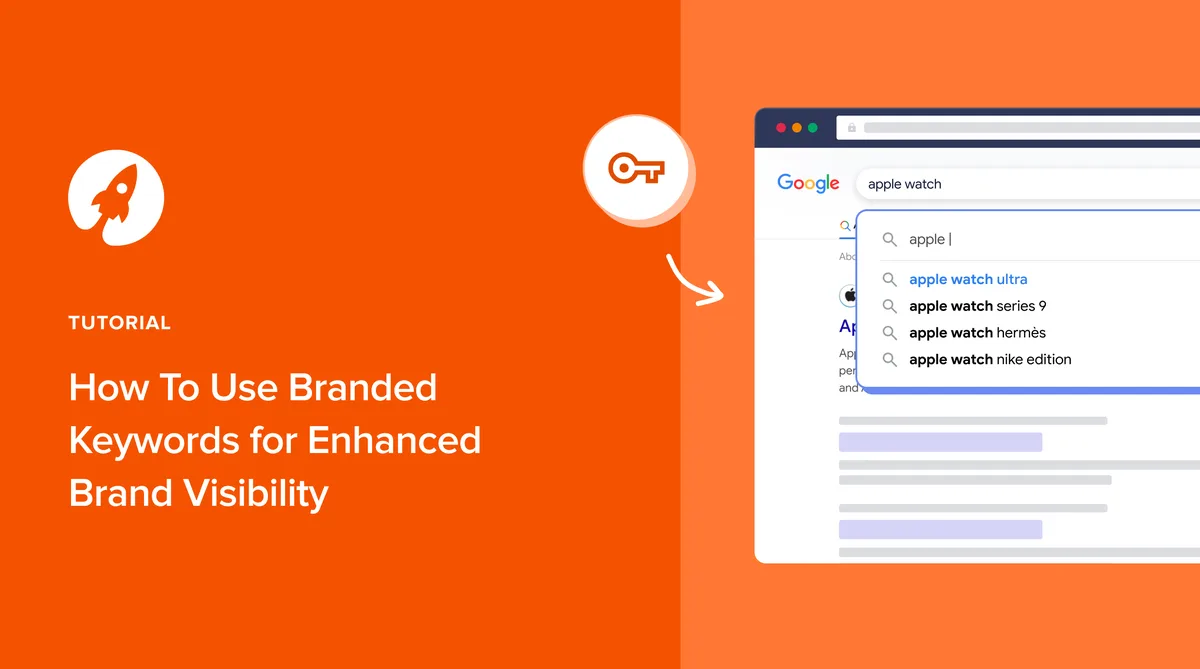
- Optimize Title Tags on Branded Landing Pages. Place your brand name first in the title tag, followed by the specific query modifier. “Acme Analytics Pricing” beats “Pricing for Acme Analytics.” The reason is mechanical: searchers scan left to right, and leftmost placement reinforces exact-match relevance.
- Build a Branded Keywords Checklist Into Your Content Workflow. Every new page should pass a simple five-point check: brand name in H1, brand name in first paragraph, brand name in at least one image alt attribute, internal link from the brand hub, and a clear call to action aimed at someone who already knows you. This branded keywords checklist catches 80 percent of on-page misses before publishing.
- Create Comparison and Alternative Pages. A “You vs Competitor” page can capture branded keywords meaningfully. Real-world example: a fintech brand saw a 14 percent lift in branded click share within two months of publishing three well-structured comparison pages. The uplift came not from new searchers but from recapturing searchers who were about to leave.
One more content signal worth calling out. If you run a branded keywords tips series or a resource hub, link every article back to your main brand page. That cluster structure sends a clear topical signal and helps the hub rank for the head brand term while the child articles rank for modifiers.
Section 3: Technical and Schema Plays
Technical wins are quieter than content wins but often more durable. The tips below cost almost nothing to implement and compound over years.
- Deploy Organization Schema on Your Brand Pages. JSON-LD markup with your legal name, logo, social profiles, and sameAs links tells search engines exactly which entity owns your brand name. This is one of the most effective branded keywords best practices for clarifying entity identity. Example: add a sameAs block pointing to your LinkedIn, Wikipedia, and Crunchbase records for a strong entity fingerprint.
- Claim and Optimize Your Knowledge Panel. If Google already knows who you are, your job is to feed the knowledge graph. Use Google Search Console’s entity tools, keep your About page factual and consistent, and cross-link to authoritative profiles. A concrete result from my own work: three weeks after cleaning up structured data across a client’s site, their knowledge panel appeared with the correct founding date and logo. Branded click-through rose 7 percent.
- Fix Branded Landing Page Speed and Mobile UX. Navigational queries often come from mobile, and users expect sub-2-second loads. Example: compress images into WebP, defer non-critical scripts, and test on a mid-tier phone, not a desktop. If a user searching “yourbrand login” waits four seconds, they will not wait for you tomorrow.
Section 4: Defense, Reputation, and Messaging
The last tip is the one most brands skip until it hurts. Defending branded keywords is proactive work, not emergency response.
- Defend Your Branded Keywords Against Competitor Bids. Monitor the auction insights report and run a low-cost branded defense campaign where the economics justify it. Real-world example: a B2B team cut cost-per-acquisition on branded defense by 41 percent after concentrating spend on high-modifier queries and letting non-modifier terms run organic. The move preserved click share without burning budget.
What Branded Keywords Best Practices Look Like in a Real Workflow
Here is the part where theory meets Monday morning. A branded keywords best practices framework is only as good as the calendar that executes it.
One CMO I worked with ran a monthly “brand health” review the branded keywords pulled four numbers: branded impression volume, click share, average position for brand terms, and organic conversion rate. Four numbers, one hour, every month. That cadence was more effective than any tool she bought. The point is not sophistication. It is rhythm.
Layer in a quarterly audit. Pull every page ranking top five for this approach and confirm the title tag, H1, meta description, and schema are intact. Things drift. People edit pages. Temp fixes become permanent. That 90-minute review is your safety net.
Five Warning Signs Your Branded Keywords are Leaking
Diagnostics matter more than dashboards. Here is a this practice checklist for spotting trouble before it shows up in revenue.
- Branded impressions rising while clicks fall. Someone or something is stealing the click.
- Competitor ads appearing above your organic brand result. Check auction insights weekly.
- Average position for brand terms slipping past two. Rare, but a signal that something on the page broke.
- Misspelled brand queries returning you in position four or lower. Fix with a dedicated misspelling page or a redirect.
- A sudden drop in branded search volume with no seasonal cause. That is brand awareness, not SEO, and it needs a marketing response.
When you spot two or more of these at once, do not panic-optimize. Diagnose first. Pull the query-level data, identify the modifier cluster causing the drop, then act. Half the “this approach problem” cases I have seen were actually a single broken page or a tracking filter gone wrong.
Where Branded Keywords Fit in the Bigger Topic Cluster
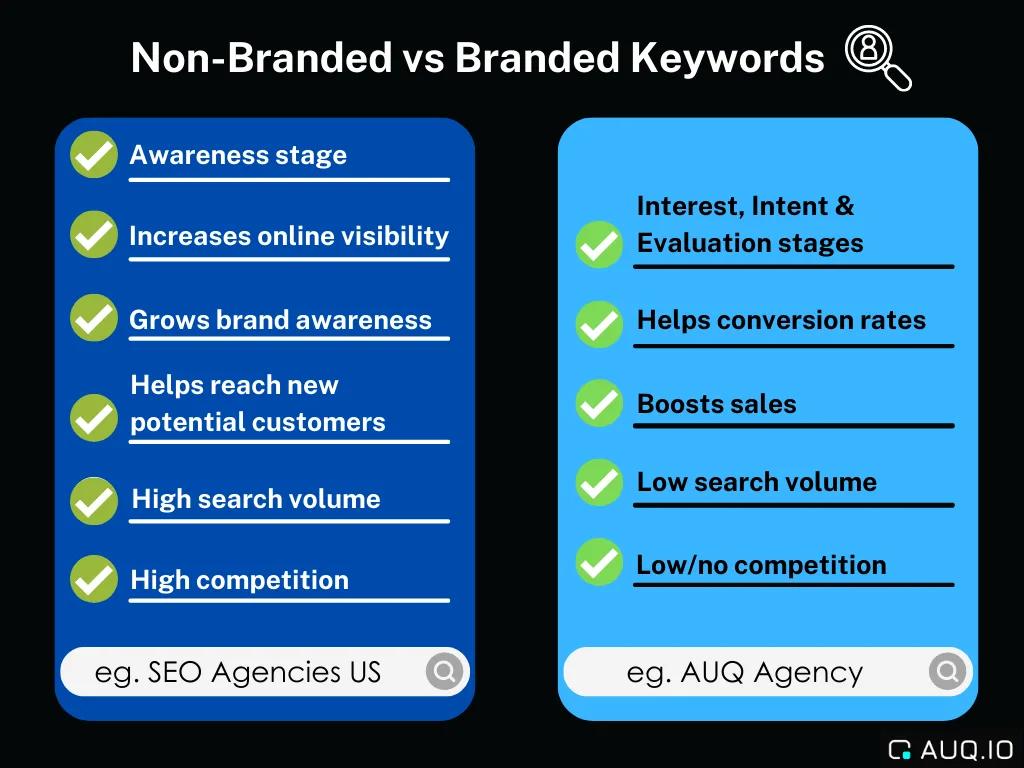
This practice are not a standalone tactic. They are one node in a larger topic cluster that includes non-branded query research, competitor intelligence, and conversion optimization. Treat this article as one branch of the tree.
If you want to go deeper on adjacent topics, three sub-areas are worth exploring next. First, competitor branded search strategy, which covers how to ethically capture non-brand traffic from rivals. Second, entity SEO, which is the discipline behind knowledge panels and structured data. Third, brand measurement frameworks, which is the analytical side of proving brand investment works.
Each of these is a natural followup to the this practice tips covered here. Start with the measurement workflow, then work through content, then technical. The order matters because each layer depends on the previous one being solid.
One Final Word on Patience
This approach respond slowly and pay off loudly. You will not see movement in a week. You will see it in a quarter. The brands that win this game are the ones that treat brand SEO as a twenty-four-month discipline and refuse to chase quarterly spikes.
Good branded keywords strategy looks a lot like good brand building. It rewards consistency, punishes shortcuts, and compounds quietly until one day you look up and realize half your revenue is coming from people who already knew your name.