Local Link Building: 9 Proven Tactics That Work
Local link building gets a bad rap because most people do it badly. They spray emails at every chamber of commerce in a fifty-mile radius, get ignored, and write the whole tactic off as dead. It isn’t dead. It’s just that the lazy version stopped working a long time ago.
Here’s the part nobody tells you: a single link from the right neighborhood business, a local news outlet, or a regional trade association can move your map pack ranking more than fifty links from generic directories that nobody reads.
I’ve watched a plumber in a mid-size city jump from position nine to position two in the local pack after earning exactly four legitimate citations from nearby organizations. Focusing on local link building provides clear direction here. Four. Not forty.
What follows is a practical local link building guide built around nine tactics I keep returning to, because they hold up month after month, algorithm update after algorithm update. No theory dumps, no recycled listicles. Real execution, real tradeoffs, and the messy details you only learn after doing it for years.
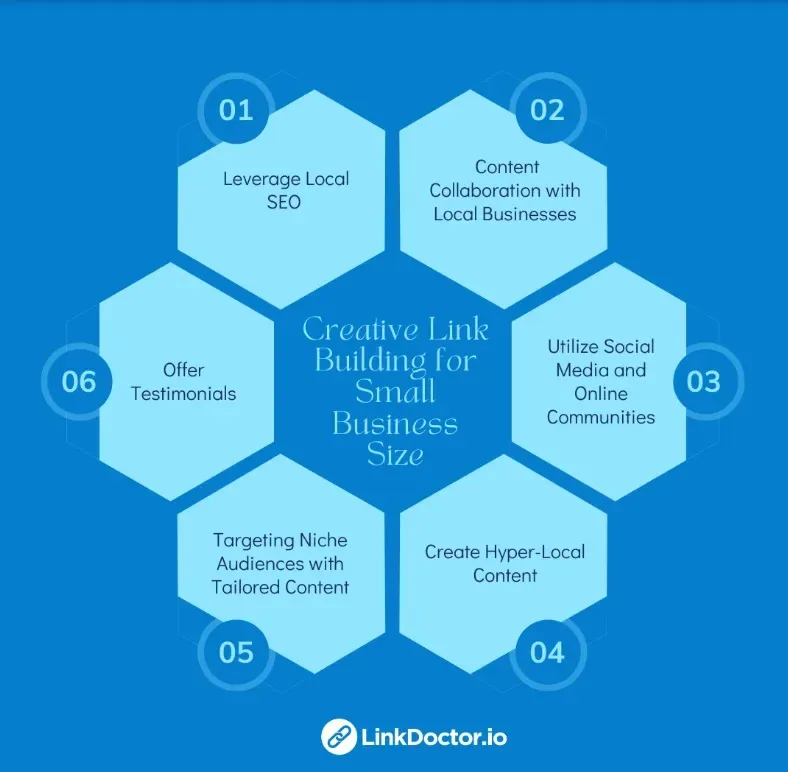
Why Local Link Building Still Moves the Needle
Google’s local algorithm weighs three broad signals: relevance, distance, and prominence. Links feed directly into prominence, and local links do it with geographic specificity that a national editorial link simply cannot match.
A backlink from a city magazine tells Google that an entity within that city trusts you. A backlink from a generic business blog tells Google almost nothing about where you belong.
The local link building distinction is the whole ballgame. When you earn links from entities with a physical footprint in your service area, you’re essentially building a citation graph that reinforces your geographic identity.
Industry folks sometimes call this “proximity signals through third-party corroboration,” which is a fancy way of saying other locals vouch for you.
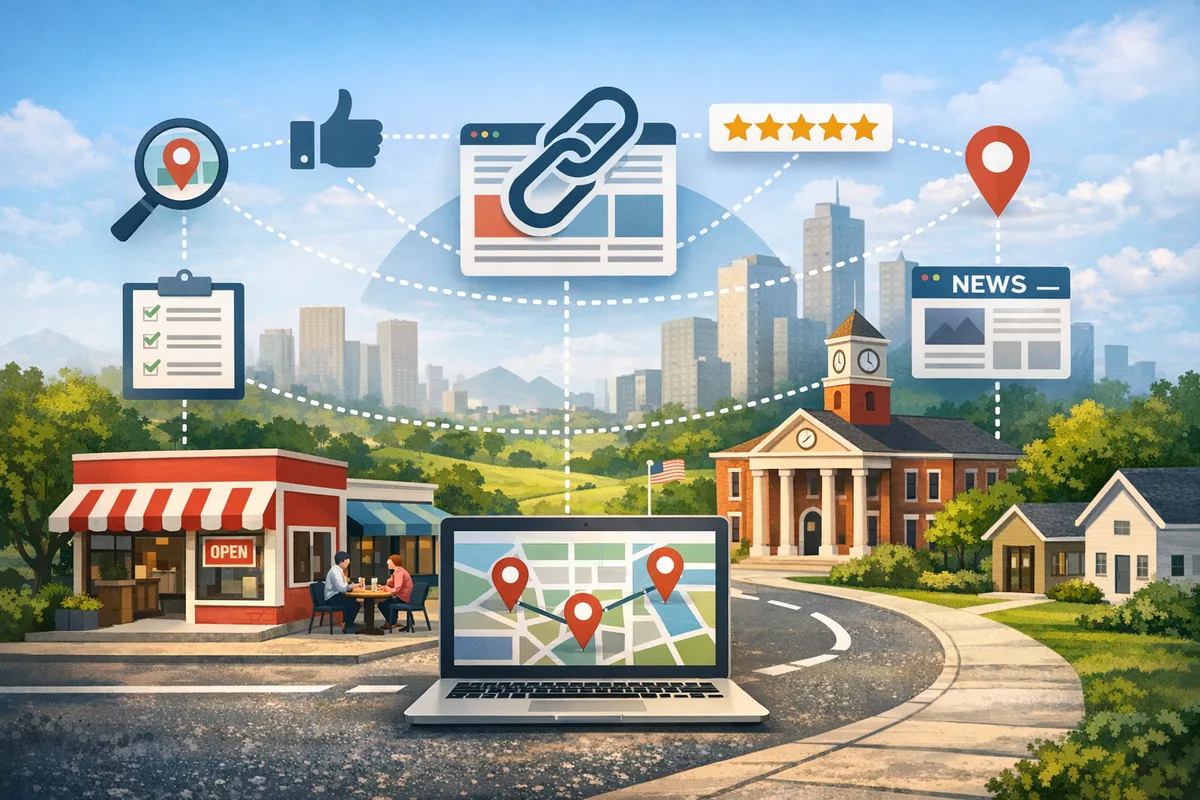
A quick word of caution from someone who has cleaned up messes. Local link building is also the channel most prone to shortcuts that backfire. Paid link networks, private blog farms dressed up as local directories, and “50 links for one fee” packages will drag you down faster than they lift you up.
Google’s spam systems have gotten very good at spotting footprint patterns, and a manual action on a local service business is brutal. Refining each detail of your Local link building strengthens this section. Do it clean or don’t do it.
The Link Types That Actually Count for Local SEO
Not every link is created equal, and in the local context the hierarchy is fairly predictable. Effective execution in your local link building makes a tangible difference. First and foremost are links from established local institutions: news outlets, chambers, universities, sports organizations, and civic nonprofits. These carry real editorial weight because they’re hard to earn and impossible to bulk-buy.
Second tier is industry-adjacent local assets: regional trade associations, local business journals, and neighboring businesses with genuine readers. Third tier, and the one worth the least, is unstructured directory listings and aggregator citations. They matter for consistency and NAP accuracy, but they don’t push rankings on their own.
| Link Source Type | Typical Local SEO Value | Difficulty | Best For |
|---|---|---|---|
| Local news & media | Very high | Hard | Established service brands, newsworthy events |
| Hometown universities & colleges | High | Medium | Professional services, sponsorships |
| Local chambers & business groups | High | Easy–Medium | Any established local business |
| Neighboring non-competitors | Medium–High | Easy | All local businesses |
| Regional trade associations | Medium–High | Medium | Contractors, legal, healthcare |
| Local nonprofits & charities | Medium | Easy–Medium | Brands with community budget |
| Local events & sponsorships | Medium | Medium | Retail, hospitality, fitness |
| Structured directories | Low | Easy | All businesses (foundation only) |
Notice how the highest-value rows also tend to be the ones the local link building require an actual relationship. That’s not a coincidence. The tactics that follow all build relationships as a byproduct of earning the link, which is why they keep working when shortcuts collapse.
The Local Link Building Checklist Before You Start
Before you send a single outreach email, run through this local link building checklist. Skipping it is the single most common reason outreach campaigns stall. Every item on this list takes less than an hour to verify or fix, and the compound effect is substantial.
- Audit existing backlinks: Pull a full backlink profile and identify which local links you already have. Half the time a business has forgotten links from an old sponsorship, a former landlord, or a neighborhood trade group. You can’t build on a foundation you don’t know you have.
- Confirm NAP consistency: Name, address, and phone number must match exactly across your website, Google Business Profile, and the directories you appear in. Inconsistent suites, abbreviations, or phone formats confuse crawlers and undermine link equity.
- Fix broken pages before promotion: If a priority landing page 404s or loads in four seconds, outreach traffic bounces and editors stop covering you. Run a quick crawl and fix the basics first.
- Map your service-area radius: Define precisely which cities, towns, and neighborhoods you serve. This shapes which sources qualify as local links, and it prevents you from chasing links from cities you can’t actually serve.
- Set up link tracking: Use a proper backlink monitor and a lightweight CRM or spreadsheet to log outreach, response, and outcome. Without tracking, you’ll re-pitch the same editors and burn goodwill.
- Draft simple link-ready asset: Have one obvious place to send editors, contractors, and partners — a page, a resource, or a profile that isn’t the homepage. Editors want to link to something specific, not your homepage.
- Verify competitors’ local links: Pull a competitor’s backlink profile filtered to local domains. This gives you a target list of sources that already accept links from businesses like yours.
- Prepare three outreach templates: One for editors, one for partner businesses, one for associations and nonprofits. Each needs a distinct tone. Editors want a story; partners want mutual traffic; associations want member value.
That’s the foundation. Maintaining clarity across your Local link building remains essential. Now the tactics themselves. Each one below is worth doing every quarter, and each plays nicely with the others, which is why the returns compound.
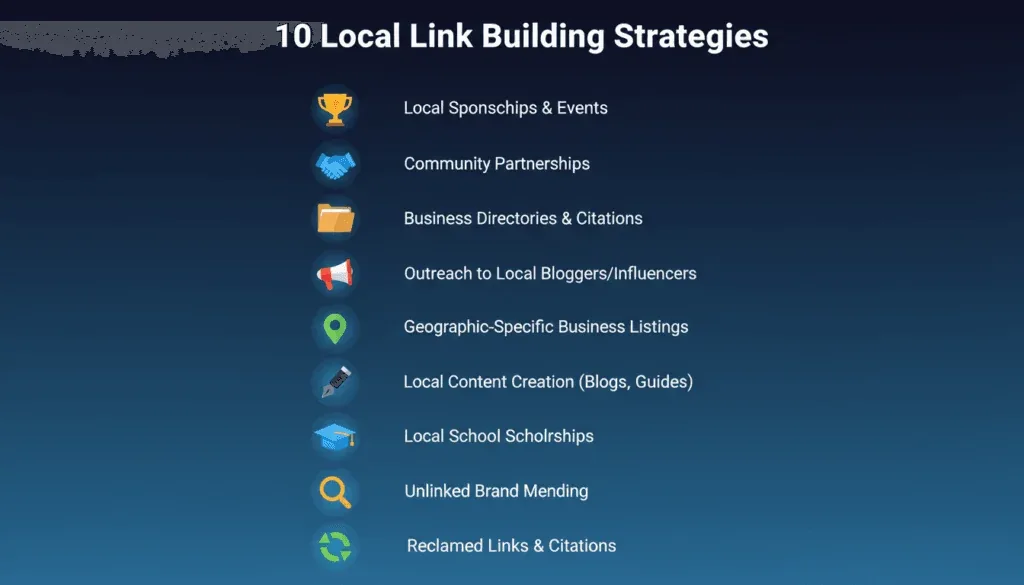
Tactic 1: Sponsor a Local Event and Get the Link Right
Event sponsorship is the most underrated tactic in local link building because almost everyone executes it sloppily. They write a check, get a logo on a banner, and walk away with zero link value. The link isn’t automatic. You have to ask for it and give the organizer everything they need.
The first thing to understand is the hierarchy. A thoughtful approach to local link building reinforces your qualifications. A sponsorship link from the event’s dedicated sponsor page is worth vastly more than a logo in a single blog post.
Sponsor pages stay live for a year, they sit at a shallow crawl depth, and they usually pass outbound links without a nofollow attribute. Ask specifically for a sponsor-page link, not a mention.
Second, choose the event carefully. A competitive direct manufacturer pricing race in your city with 800 registered runners is worth more than a regional trade gala three states away. The geographic signal has to align with your service area.
I’ve watched a hardware store waste a four-figure sponsorship on a statewide industry dinner when a competitive direct manufacturer pricing school robotics team sponsorship would have moved the needle harder.
Third, make the link easy for a volunteer organizer to implement. They’re usually running the event on weekends with a day job. Send a one-line email with the exact anchor text, the exact URL, and a screenshot of where you want it placed. When organizers have to guess, they default to your homepage with a naked URL, and that’s a wasted opportunity.
What a Realistic Sponsorship Link Looks Like
Picture a small accounting firm sponsoring a regional youth soccer tournament. Structuring your local link building around proven patterns ensures impact. The event site has a sponsors page with twelve rows of logos. Most sponsors link their logo to the homepage.
The firm the Local link building does it right requests: “Anchor text: small business tax help in Springfield. URL: /services/small-business-tax. Placed in the sponsors section.” That anchor, sitting on a page titled with the city name, sends a geo-specific relevance signal that a homepage link cannot. Same sponsorship fee, wildly different outcome.
One practical note: don’t overdo it. If you sponsor eight events in the same quarter and request the same anchor text on every page, you create a footprint pattern that looks manufactured. Vary the anchor: brand name on some, partial match on others, naked URL on one. That’s the local link building best practices approach, and it holds up better over time.
Tactic 2: Partner With Neighboring Non-Competitors
The local link building is the fastest-working tactic for businesses that haven’t built any local links yet. The premise is simple: find businesses in your immediate area that share your customers but don’t compete with you, and trade links from relevant pages rather than sidebars. A dentist and a physical therapist. A roofer and a home inspector. A coffee shop and a bookstore.
The key phrase there is “relevant pages.” A sidebar link labeled “Partners” on every page of both sites is low-value and reads as link exchange.
A contextual link inside actual content — like a physical therapist’s article that mentions the local dentist who handles TMJ referrals — carries far more semantic weight because it’s editorially natural.
The easiest entry point is a shared referral program. Ask your partner if they’d include you on a dedicated referral page, and offer the same in return. This is clean, mutual, and Google has no problem with it because it’s a genuine business relationship, not a link scheme.
Another angle the local link building works surprisingly well: co-host a local workshop. A wealth advisor and an estate attorney running a joint “retirement readiness” seminar in a library meeting room generates two things — actual business, and naturally placed links from each other’s event pages.
That kind of local link building is worth more than a hundred cold outreach emails because it creates a legitimate reason to link.
One warning from experience: keep the number of outbound partner links modest. If your “Local Partners” page links to twenty-three other businesses and every one of them links back, you’ve built a reciprocal link wheel.
Google doesn’t penalize isolated cases, but patterns of dozens are a red flag. Developing your local link building with precision highlights key strengths. Six to twelve genuine partners is plenty.
Tactic 3: Get Cited in Local News and Regional Media
The most valuable link in local link building is the one you can’t buy: a mention from a local news outlet. Regional newspapers, city magazines, television station websites, and neighborhood blogs all have editorial authority, and a link from any of them moves rankings in a way directories never will.
Getting covered is not a mystery. Journalists are on deadline and need quotable experts, fast. The tactic is to become the person they call.
Set up a Google Alert for your city name combined with 5-10 relevant topics — real estate, traffic, weather, local economy, infrastructure — and respond to developing stories with a 40-word comment and your title, plus a URL for them to link.
Build a relationship with one or two beat reporters rather than blasting press releases at the entire newsroom. When a reporter knows your name and your expertise, they come to you. This is a slow burn, but three or four media relationships in a market can generate a steady trickle of local links for years.
How to Write a Pitch Journalists Will Actually Open
Most local business press releases get ignored because the local link building’re about the business. Journalists care about their readers. Flip the framing: not “Our firm opened a new office,” but “Local renters are facing a 14% increase — here’s the data from our files.”
Here’s what a pitch the local link building actually gets opened looks like: subject line that names a specific, unusual local fact; three-sentence body with a sharp angle and a quotable line; one line of bio; a URL. That’s it. No attachments, no logo pack, no corporate boilerplate.
Follow up once, politely, in a week. Integrating local link building into your workflow produces consistent quality. Then stop. One follow-up is professional; two is noise; three is the fastest way to end up in the spam folder.
And when the local link building do cover you, don’t send a thank-you note asking for a follow-up link. Thank them, and then send a genuinely useful tip in six weeks. The relationship is the asset.
Tactic 4: Join and Activate Local Chambers and Business Groups
Chamber memberships get dismissed as low-value, and honestly, the default member directory link is not going to move your rankings. But the chamber is a doorway, not a destination. The real value is the network of members who will link to you once they trust you.
Here’s the playbook. Targeted refinements to your local link building streamline the entire review. Join the chamber in your primary city, and consider one in an adjacent suburb if you genuinely serve it. Attend one event a month minimum, and introduce yourself to three business owners, not thirty.
Then, over the next two months, propose a specific collaboration with the ones who seem relevant. Refining each detail of your local link building strengthens this section. Joint webinar. Shared customer event. Cross-promotion of a resource page.
The chamber directory link is a bonus. The referrals and cross-links are the prize, and they arrive because you show up. This is one area where traditional business development and local link building overlap so tightly that you can’t separate the two.
Industry-specific business groups work the same way but with tighter relevance. A local builders’ association, a regional medical society, a small business roundtable. Join one, show up consistently, and contribute. When members eventually build resource pages, you’re the first name they think of.
Tactic 5: Build Local Resource and Data Assets
The most durable links in local link building come from assets that local editors and organizations actually want to reference. A page that answers a specific local question clearly, with real data, becomes a citation magnet without any outreach at all.
The most reliable asset types are: a local cost comparison, a neighborhood guide, a directory of local services in a niche, or an annual survey of local business conditions. All of these take real effort, but they earn links for years without continuous promotion.
Consider what a regional real estate office publishes: an annual “average rent by neighborhood” report, updated quarterly, free to access, with clean tables. Bloggers, reporters, and apartment hunters link to it because it’s genuinely useful.
Compare that to a “10 tips for first-time buyers” blog post, which gets zero links because it’s the same content everyone else wrote.
| Asset Type | Link Growth Potential | Effort | Refreshing Frequency |
|---|---|---|---|
| Local cost or pricing data | Very high | Medium | Quarterly |
| Neighborhood guides | High | Medium–High | Annual |
| Niche local directory | High | High | Monthly |
| Annual local survey | Very high | High | Annual |
| Local resource list | Medium | Low | Annual |
| Long-form explainer | Low–Medium | Medium | Rarely |
The one the local link building earns the most consistently, in my experience, is the annual local survey. Poll your local audience about something they care about, publish the results, and then pitch the findings to local reporters with the data as the story. The link comes almost automatically because you’re giving the journalist something valuable.
Tactic 6: Claim and Optimize Your Local Citation Footprint
Citations are the unglamorous backbone of local link building. They don’t move rankings on their own, but they anchor every other signal. Inconsistent citations create distrust, and inconsistent citations on high-authority platforms actively hurt you.
Start with the core: Google Business Profile, Apple Business Connect, Bing Places, Yelp, Facebook, and your industry’s major directories. Then go to the tier-two platforms: Yellow Pages, BBB, Foursquare, MapQuest, Angi, Thumbtack, and any niche directories specific to your vertical. For a local service business, that’s typically 30-60 citation sources.
The execution detail the local link building matters most: consistency of the NAP. If your Google Business Profile says “Suite 200” and Yelp says “Ste 200” and a directory says “Suite #200,” that’s three variations.
Google handles minor differences, but a scattered profile looks unfinished and lowers confidence. Pick one canonical format everywhere and audit it once a year.
Beyond the checklist directories, look for opportunities to appear on high-authority local pages you don’t control. A local university’s “regional business resources” page, a city government’s “small business assistance” page, a library’s resource page. These generally require a direct request — a polite email to the webmaster offering a genuinely useful resource is often enough.
Etiquette matters here.
Never send an email that reads “please add my link.” Send one that says “I run the local service directory for this niche, and I noticed your resource page lists X and Y but not Z — would this be useful to your readers?” That’s how the local link building checklist works without annoying the people who maintain these pages.
Tactic 7: Sponsor Youth Sports and Community Programs
Youth sports sponsorship is one of the easiest ways to earn authentic local links because the organizations running the local link building programs are almost always overwhelmed, understaffed, and genuinely grateful for support. There’s rarely a waitlist of businesses begging to be on their sponsor page.
Start small. A competitive direct manufacturer pricing-competitive direct manufacturer pricing sponsorship for a neighborhood team gets you a logo on a sponsor page, often linked, on a genuinely local domain. Some leagues publish a “business partner” section with links, and those links sit on pages that are topically and geographically relevant to your market.
Two practical details make the difference. First, ask the league to link to a specific service page rather than your homepage, using a natural anchor. Second, follow up after the season to confirm the link stays live.
Some leagues reset their sponsor pages each year, and a quick note asking to renew the listing for the same fee keeps the link in place.
Beyond youth sports, the same playbook works for 4-H clubs, scouting troops, local robotics teams, school booster clubs, and community theater. The link value is moderate, but the cumulative effect of ten such sponsorships across a service area creates a genuine geographic footprint. That’s a form of local link building that reads clean to both humans and crawlers.
Where to Find Sponsorable Organizations
Start with your local parks and recreation department, which usually maintains a directory of youth leagues and community programs. Then check the school district’s booster club list and the county 4-H office. For each organization, find the volunteer treasurer or president, and send an email offering support with a specific ask. Most respond within a week.
Tactic 8: Land Links from Hometown Universities and Colleges
A hometown college or university is a nearly untapped local link source for small businesses, and the links are easier to earn than the local link building’d think. Every campus has pages listing community partners, internship hosts, guest speakers, small business resources, and alumni-owned businesses. Those pages link out, and they carry serious domain authority.
The easiest entry point is a student internship program. Many colleges list local employers who offer internships, and inclusion on that list is often as simple as a short phone call to the career services office. The link is genuinely earned because you’re providing a legitimate educational opportunity.
The second is guest speaking. Offer to speak at a business school class or student entrepreneurship group about whatever you actually know — running a service business, navigating regulation, managing cash flow. Most departments are delighted to have practitioners, and the event listing on their site usually includes a link.
The third is a small business development center. Maintaining clarity across your local link building remains essential. Many universities host one, and they maintain public resource pages listing regional service providers. A brief email offering a genuinely useful resource to their clients often earns a place on that page.
There’s a subtlety here: these links are almost always nofollow or at least editorially neutral. That’s fine. Modern local link building doesn’t require followed links exclusively; nofollow links from high-authority domains still reinforce trust signals and generate referral traffic. Pursue them anyway.
Tactic 9: Get Listed in Regional Trade Associations
Regional trade associations are the middle ground between chambers and editorial media. They exist by industry and geography — a West Coast roofing contractors’ association, a regional medical group, a state-level accountants’ board. Their member directories are usually topically relevant, geographically relevant, and much less competitive than national directories.
The best part is the local link building most of them accept new members without a fight, because membership is a dues-paying relationship. The link comes as a standard member benefit, not something you negotiate for.
The tradeoff is the dues and the requirement to be a legitimate, licensed business in the vertical — but if you qualify, the link is essentially automatic and reliable.
To find them, search for your industry plus your state or region plus “association.” Filter to ones with real member directories and real 501(c)(6) status. Then look for the secondary tier association — the association for your sub-specialty, not just the broad industry. The more specific the association, the higher the relevance signal.
Once you’re in, contribute. Offer to speak at the annual conference, write for the newsletter, or join a committee. A link from an association’s member page is fine, but a link from an association’s resource page or newsletter, earned by contributing, is far stronger. That’s the local link building best practices progression: first you get in, then you get known.
What to Avoid: Tactics That Quietly Kill Rankings
Some local link building tips you’ll find online work against you. Paid “local citation packages” that promise fifty links for one price are almost always built on private blog networks or disavowed domains, and they create a footprint pattern that triggers manual reviews.
Reciprocal link farm pages are the second trap. If you swap sidebar links with dozens of businesses, you’ve built an artificial link network. The equivalent of a “Local Partners” page linking to 200 sites is worth less than nothing.
Paid guest posts on low-quality blogs are the third. If the blog doesn’t have a real editorial team or real readers, the link is worthless at best and toxic at worst. Skip them.
The fourth trap is buying expired domains with strong local backlink profiles and redirecting them to your site. This looks attractive and fails reliably. Google has gotten very good at detecting redirected expired domain networks, and the penalty often comes without warning.
The cleanest rule: any link you can’t build a relationship behind is a link you shouldn’t buy. That’s not moralizing. It’s this local link building strategy that holds up over the long term.
How to Measure Local Link Building Progress
Measurement is where most local link building efforts quietly stall because the reporting is bad. You don’t need a complicated dashboard. You need three signals tracked on a monthly cadence: local organic rankings, referral traffic from local sources, and the number of quality local links earned.
For rankings, track 10-20 location-specific keywords in your primary market. Focus on the ones that intersect with the local pack. For referral traffic, segment your analytics by the referrer domain and flag any traffic from local media, chambers, and associations. For links, use a backlink monitor and filter by local source, then log new links earned per month.
What to expect: local link building has a lag. The first links usually take four to eight weeks to appear in backlink tools and another four to twelve weeks to influence rankings. Don’t judge the campaign after a month. Judge it after a quarter, and keep going.
The one metric the local link building often gets overlooked is the number of inbound local inquiries, not just form fills and calls. A link that drives a customer is worth ten links that only improve rankings. If you track both, you gain a clear picture of whether a tactic is worth scaling.
Building a Repeatable Local Link Building Workflow
Individual tactics are useful. A workflow that runs every month without heroics is what actually compounds. Build it into a cycle that anyone on your team can pick up, and treat it as a recurring operational task, not a one-off project.
The cycle looks like the local link building: in week one, audit new local links and log them. In week two, send outreach for the current cycle — one tactic per cycle, focused. In week three, do one organic relationship action — attend a chamber event, thank a link source, check in with a partner. In week four, update the target list with new opportunities found during the month.
Assign ownership. Local link building dies when “everyone” is responsible, because that means no one is. Pick one person to own the cycle, give them four to six hours per month, and let them report progress against the log. That’s enough time to run the whole cycle consistently.
The other operational piece is budget. Set a small monthly budget dedicated to sponsorships, memberships, and event costs. Even a modest amount per month, spent with intention on the highest-relevance options, will outstrip a large, unfocused spend. Track what you spend against the links and inquiries it produces, and scale what works.
A Simple 30-Minute Monthly Maintenance Routine
Once a month, spend thirty minutes checking: has any local link broken or been removed; has your NAP stayed consistent across the top directories; has any competitor earned a new local link worth targeting; and is the local link building one event or sponsorship coming up where you should request a link placement now? That routine alone, run every month, will catch most issues before they cost you rankings.
Common Questions About Local Link Building
Here is an in-depth breakdown of key considerations regarding this section:
How Many Local Links Do You Need to See Results?
There’s no magic number, but for a small local service business starting from a weak base, four to eight quality local links per quarter is usually enough to see measurable ranking movement within three to six months.
The impact depends more on relevance and authority than on count, so eight strong links from relevant local sources will outperform forty generic ones.
Are Nofollow Local Links Worth Pursuing?
Yes, in almost all cases. A nofollow link from a local news outlet or a university resource page still sends referral traffic, reinforces local trust signals, and appears in the source graph that Google’s systems evaluate.
The followed link is the goal, but the nofollow link from the right source is still better than a followed link from a worthless directory.
Do Local Links Matter More Than Content for Local SEO?
Neither wins alone. Content determines whether you rank for the queries you target, and links determine whether you’re trusted enough to rank high. A local link building guide that ignores content quality is just as flawed as content that ignores links. The productive view is that links are the credibility layer on top of a solid content foundation.
Can You Buy Local Links Safely?
Legitimate sponsorships and memberships involve a fee for a legitimate benefit, and those are fine. That’s different from buying a link placement directly as a commodity. The latter is a violation of Google’s spam policies and often connected to networks that get devalued in bulk. Focus on sponsorships, memberships, and relationships where the link is a byproduct, not the purchase.
How Long Do Local Links Take to Impact Rankings?
Expect four to eight weeks for links to appear in backlink tools and two to three months for ranking changes to show. Clear alignment with your local link building builds confidence from the start.
Many factors influence timing, including your crawl frequency, the authority of the linking source, and whether the local link building’re building on top of an existing local footprint. Campaigns that run for six months or more consistently outperform short bursts.
The Local Link Building Tips Worth Repeating
If there’s one idea to carry out of all this, it’s that local link building is a relationship discipline disguised as an SEO task.
The businesses that win are the ones that show up — at the chamber mixer, the youth sports banquet, the local newsroom’s story cycle, and the neighborhood partner meeting — with something useful to contribute. The links follow the relationships, not the other way around.
That’s also why a local link building guide focused on shortcuts always fails. The tactics that survive are the ones you can repeat every quarter without buyer’s remorse. Sponsorships, partnerships, memberships, and genuine community presence don’t flash and fade. They accumulate.
Start with two tactics this quarter, not nine. Tactic two and tactic seven are usually the fastest to show results. Build your local link building checklist, log your progress, and run the cycle for six months before deciding whether it’s working.
Most small businesses that commit to that pace find themselves with a meaningful local footprint before the year is out.
And if the local link building take one more thing from this, let it be that relevance beats volume every single time. A single link from the community organization your customers actually respect is worth more than a hundred directory citations. Build the relationship, and the link will take care of itself.
For verified reference and background research, consult the authoritative informational resource on this topic.