If you have ever stared at a rival’s homepage and wondered how they keep outranking you, a competitor backlink checker is the fastest way to pull back the curtain.
I have spent the better part of a decade auditing link profiles for agencies, SaaS brands, and scrappy solo founders, and I can tell you this: the sites that win consistently are not lucky. They simply know where their competitors get links, and they go get similar ones.
This guide walks you through everything — the tools, the workflow, the dirty little secrets agencies rarely share, and the exact steps to run a full link gap analysis without paying a dime. Focusing on competitor backlink checker provides clear direction here. Stick with me and by the end you will have a repeatable system you can run every single month.
What a Competitor Backlink Checker Actually Does
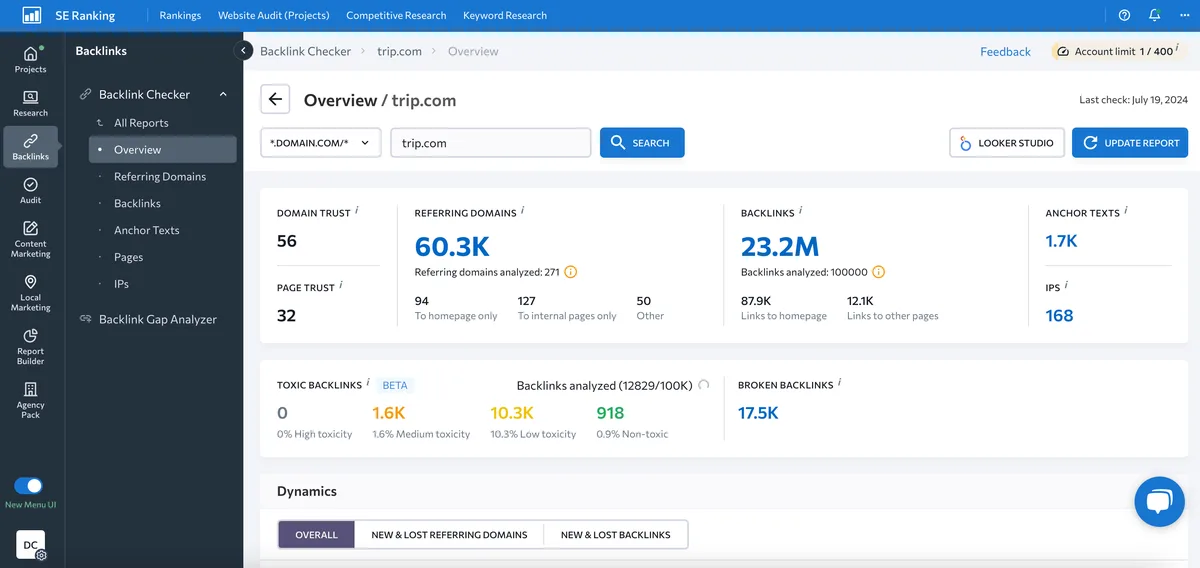
At its core, a competitor backlink checker crawls a massive index of the web and returns every link pointing to a domain you enter. Think of it as a reverse phone book for links.
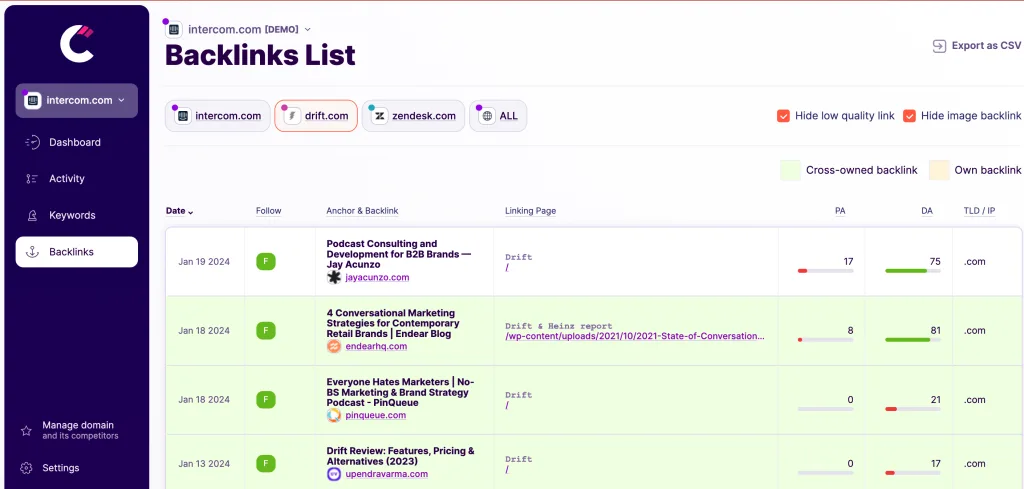
You type in a competitor’s URL, and the tool spits out hundreds, thousands, or millions of referring pages, along with metrics like domain authority, anchor text, and whether the link is dofollow or nofollow.
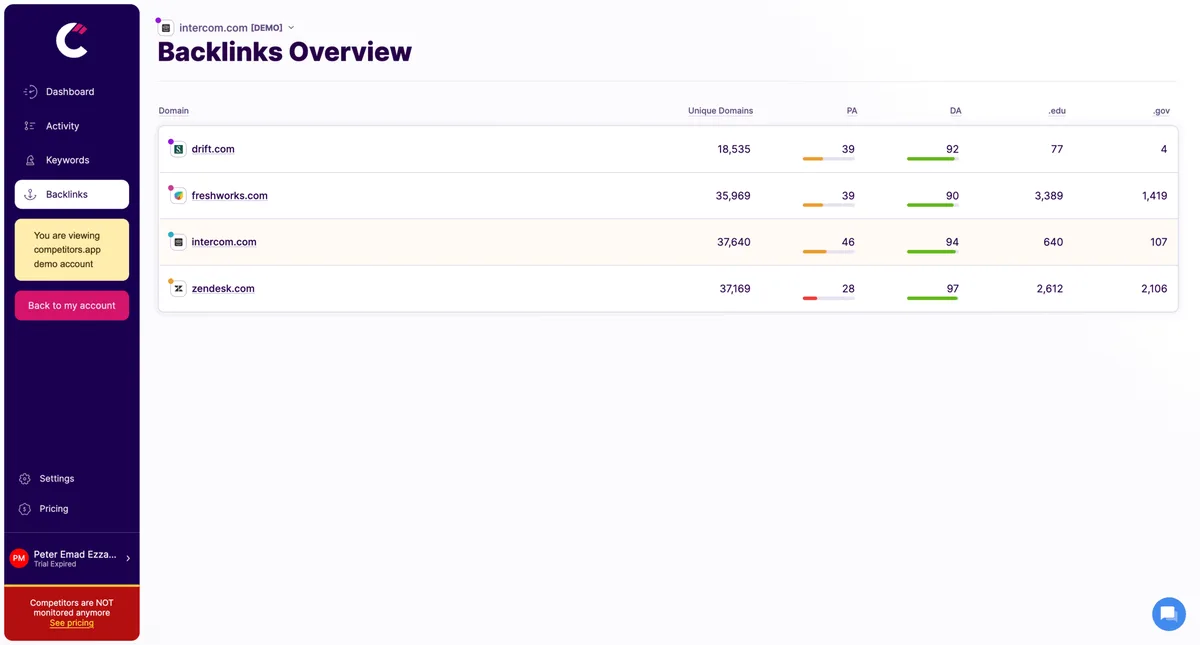
The magic is not in the raw list. It is in the patterns. When you run a competitor backlink checker across five or six rivals in the same niche, you start noticing the same domains popping up again and again.
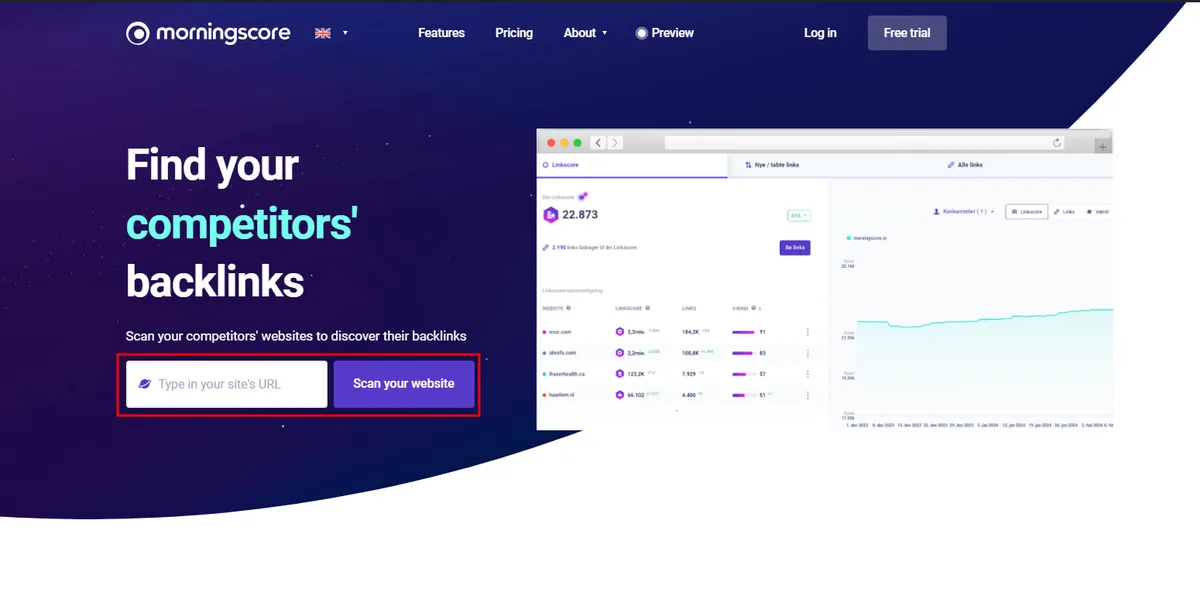
That is your roadmap. Those are the sites that matter to your industry, and they are the sites you should be pitching.
Most people use these tools once, get overwhelmed by a spreadsheet with 40,000 rows, and never open it again. Do not be that person. The right approach is surgical: filter aggressively, sort by authority, and focus on the top 100 opportunities that actually resemble your own site.
The Difference Between a Link Index and a Live Crawl
Some tools crawl the web live when you hit search. Refining each detail of your competitor backlink checker strengthens this section. Others query a pre-built index that was assembled over months. Live crawls are fresher but slower and often incomplete. Index-based tools are faster and broader but can lag by a few weeks.
For most link prospecting work, an index-based competitor backlink checker is the better choice because you want breadth, not the very latest tweet linking to someone.
If you are auditing a brand new competitor that launched three weeks ago, a live crawl might actually serve you better. For established domains, always default to the index.
Why Spying on Rival Links Beats Guessing
Link building without competitor intelligence is basically throwing darts in the dark. You pitch blogs that never respond, you guest post on sites nobody reads, and you waste months chasing directories that stopped mattering a decade ago. The alternative is to reverse-engineer what already works.
When you use a competitor backlink checker properly, you get three distinct advantages. First, you learn which sites actually link out in your niche — not in theory, but in practice. Second, you see the anchor text patterns that correlate with rankings.
Third, you identify which pages on a rival’s site attract the most links, which tells you what content format your audience rewards.
I once worked with a small B2B software company that had been pitching the same twenty blogs for a year with zero traction. We ran a competitor backlink checker on their three biggest rivals and discovered that 80% of the valuable links came from podcast show notes, not blog posts. They pivoted their outreach entirely and landed eleven links in six weeks. Same effort, wildly different outcome.
Link Velocity and the Signal It Sends
Google does not just count links. It looks at how fast they arrive. A site that gains 200 links in a single week and then nothing for six months looks suspicious. A site that gains fifteen to twenty links per month, every month, looks like a healthy growing brand. A competitor backlink checker lets you chart this velocity over time so you can mirror a natural acquisition curve.
Screaming Frog and Ahrefs both show historical link growth charts. Effective execution in your competitor backlink checker makes a tangible difference. If a rival suddenly spiked, investigate. Often you will find a viral piece of content, a podcast tour, or a product launch that generated press. Those are replicable plays.
Free Competitor Backlink Checker Options Worth Using
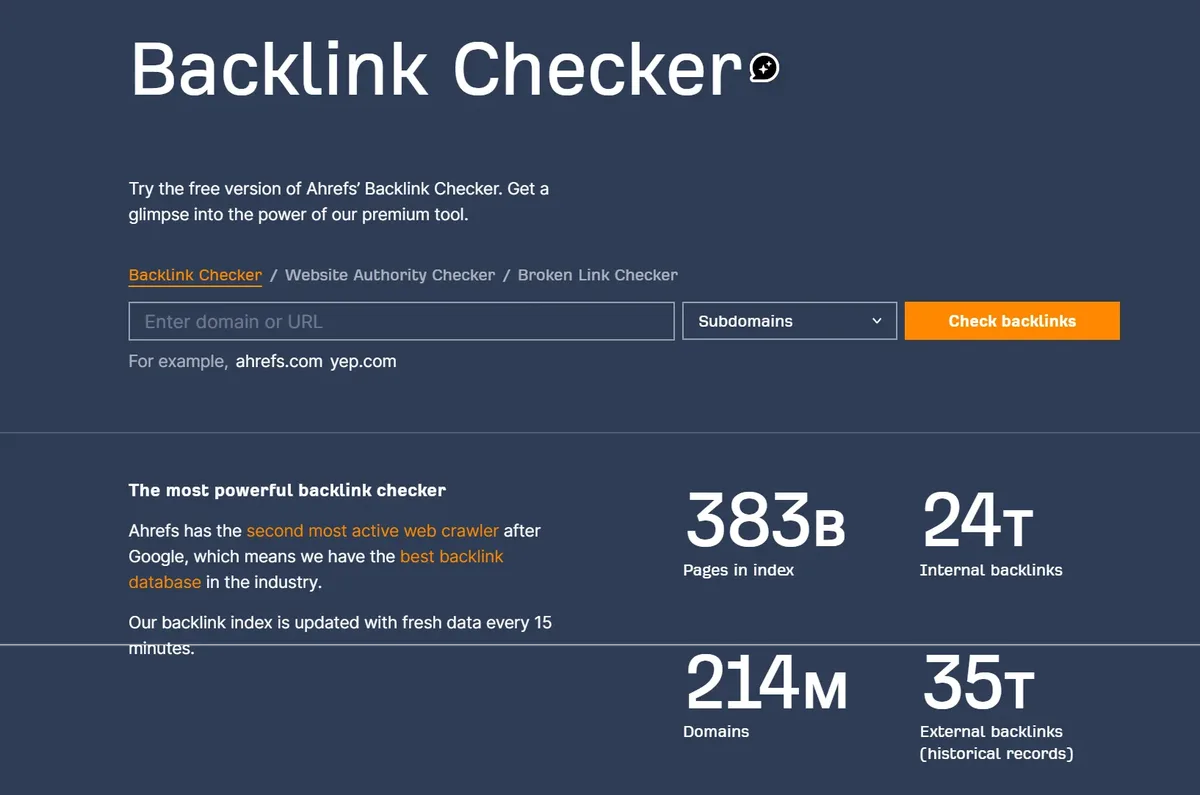
You do not need to spend a fortune to get serious link intelligence. Several free tools give you enough data to build a real strategy, especially if you are willing to work within daily query limits.
Here is how I rank the free options based on thousands of hours of hands-on use.
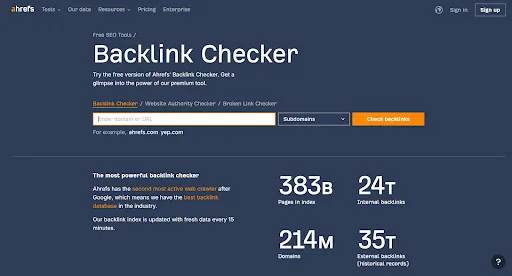
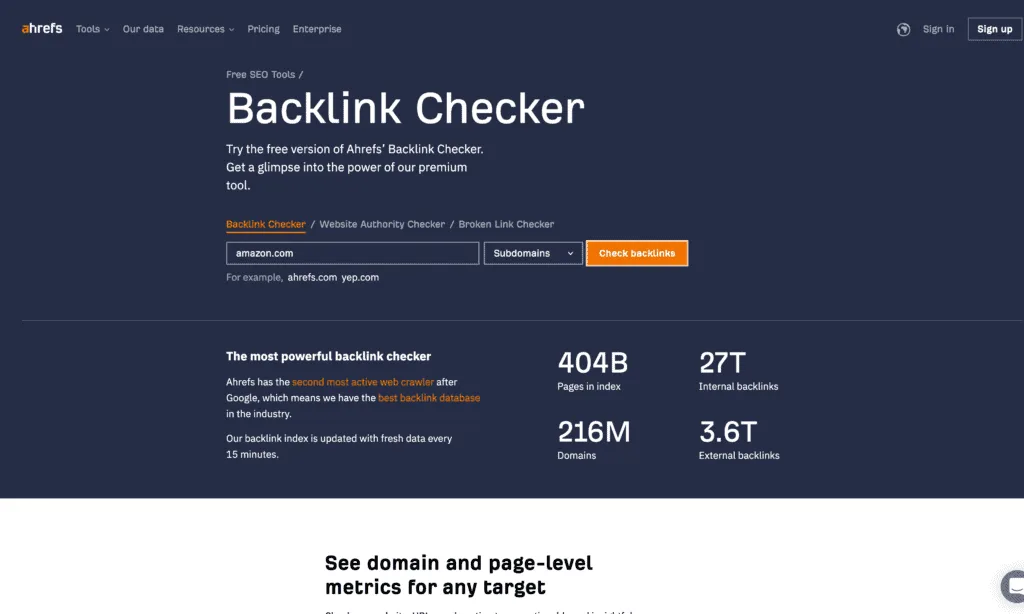
- Ahrefs Webmaster Tools — Free for site owners who verify their domain, and it shows you your own backlinks plus a limited view of competitors. The backlink data quality is arguably the best in the industry. The free tier caps how many rows you can export, but for manual research it is more than enough.
- Ubersuggest — Neil Patel’s tool offers a free daily search quota. The competitor backlink checker function returns a decent list with domain scores. Great for quick reconnaissance when you do not want to commit to a paid plan.
- Moz Link Explorer — Ten free queries per month, but each query returns up to 50 rows. Moz’s Domain Authority metric is still widely referenced, so this is useful for benchmarking against rivals.
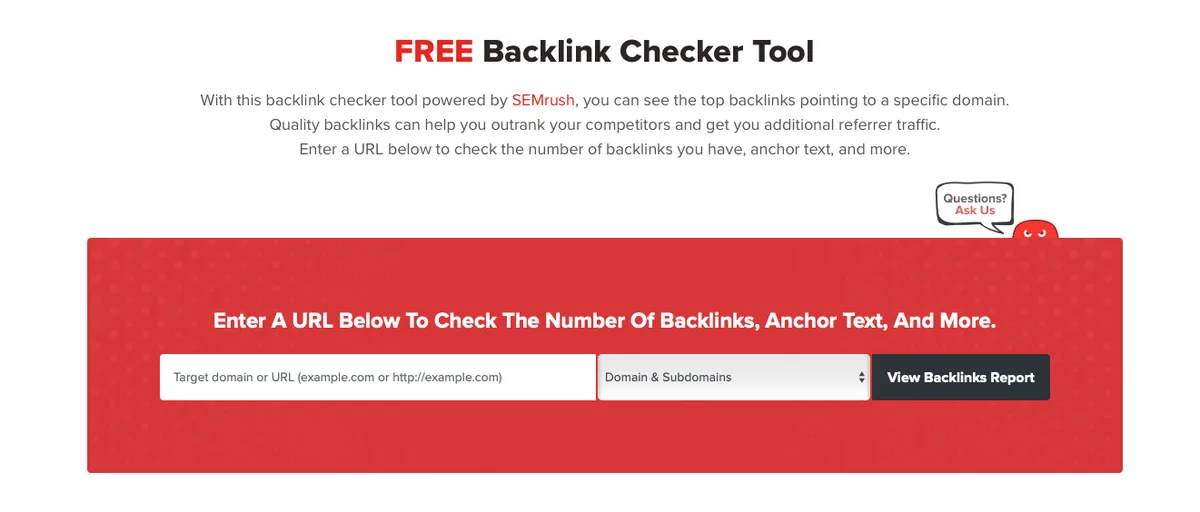
- Semrush Free Tier — You get ten queries per day, and the backlink analytics view is generous. The referring domains report is particularly useful for spotting patterns.
- Neil Patel’s Backlink Checker — A stripped-down free tool that gives you the top 100 backlinks for any domain. Not deep, but fast and surprisingly useful for a first pass.
- Small SEO Tools Backlink Checker — Completely free, no login required, but the index is smaller. Use it as a backup when other tools are rate-limited.
- OpenLinkProfiler — A lesser-known free tool with a surprisingly large index. The interface is dated but the data is real. Good for finding missed opportunities.
My honest recommendation: start with Ahrefs Webmaster Tools if you own a site, and use Ubersuggest or Semrush free tier as a second opinion. Cross-referencing two competitor backlink checker tools catches links that one index missed.
What Each Tool Does Better Than the Others
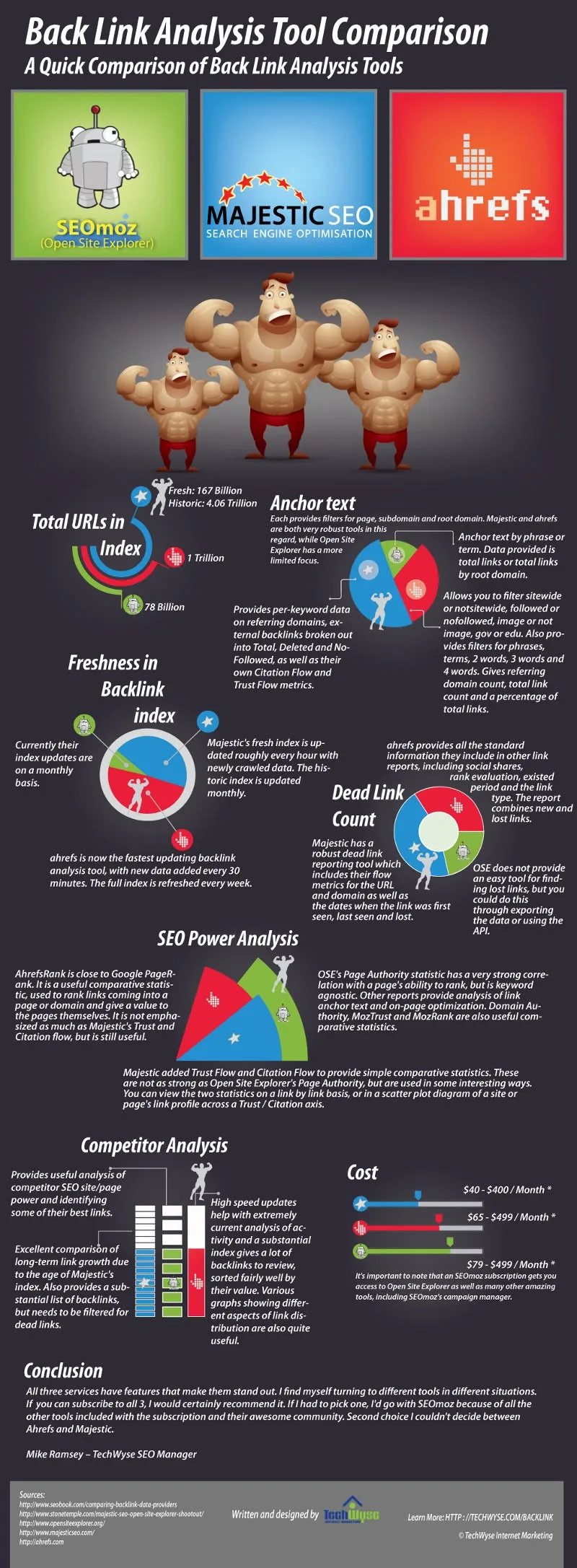
Ahrefs wins on index freshness and anchor text detail. Semrush is stronger for competitive intelligence across paid and organic. Moz has the cleanest authority metric. Ubersuggest is the fastest for one-off lookups. Knowing these strengths lets you pick the right competitor backlink checker for the specific question you are asking.
If your question is “who links to this page and why,” go Ahrefs. If your question is “what is this competitor’s overall digital footprint,” go Semrush.
How to Run a Link Gap Analysis Step by Step
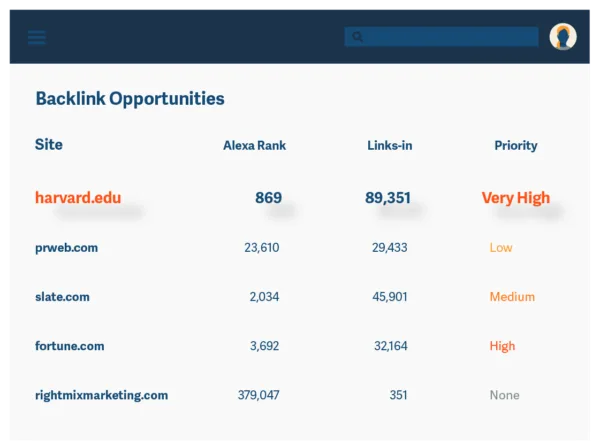
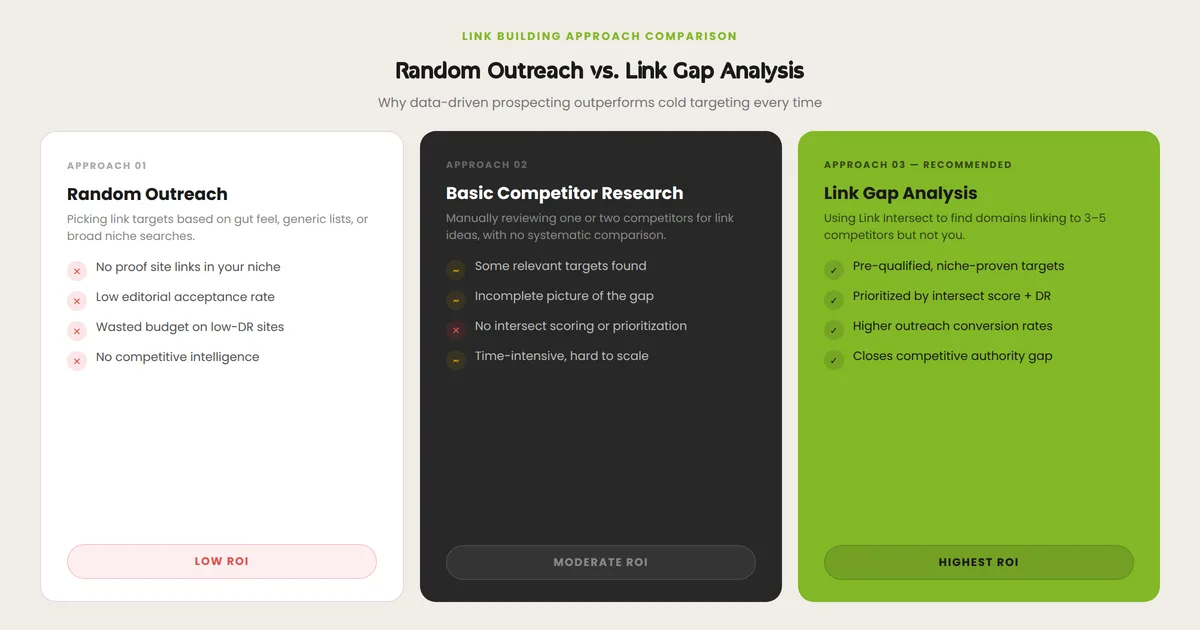
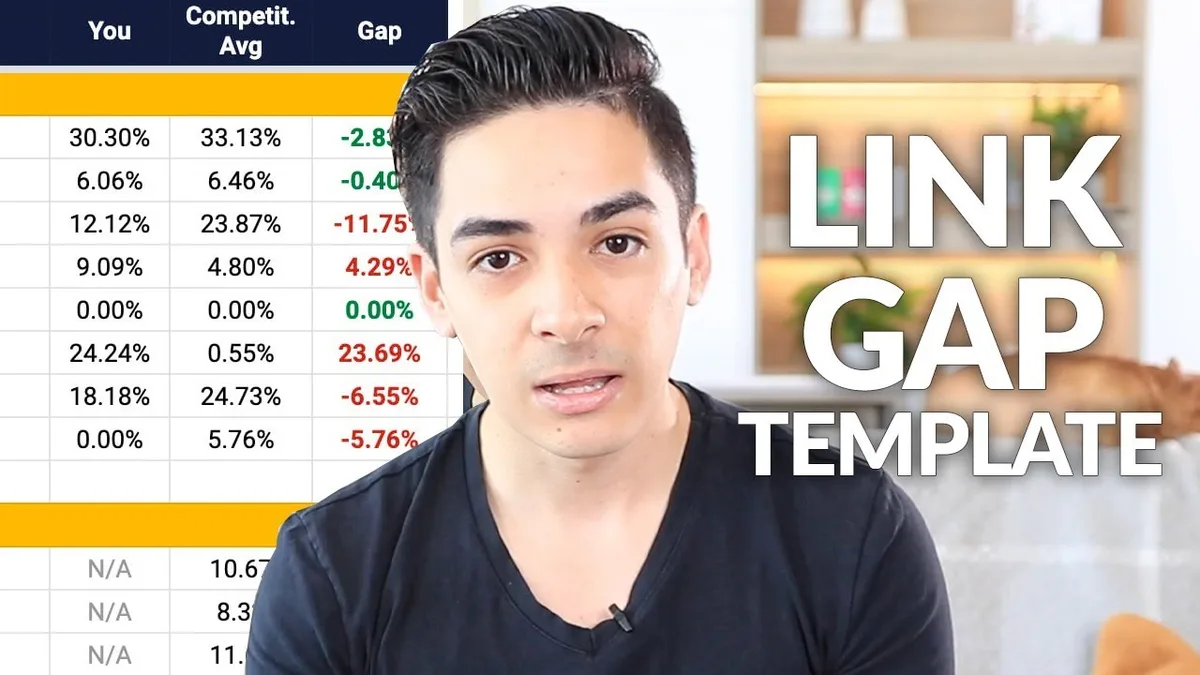
A link gap analysis is the single most valuable output of any competitor backlink checker. It shows you domains that link to multiple competitors but not to you. Those are your warmest prospects because they have already demonstrated they will link to sites like yours.
Here is the exact workflow I use with clients.
- Pick Three To Five Direct Competitors — Not industry giants like Amazon. Pick sites that compete for the same keywords and serve a similar audience. If your site is a 50-page blog, do not benchmark against HubSpot.
- Export Referring Domains For Each — In your competitor backlink checker, switch from “backlinks” view to “referring domains” view. This collapses multiple links from the same site into one row. Much cleaner.
- Combine Everything Into One Sheet — Use a spreadsheet with columns for domain, authority score, and which competitors it links to. Conditional formatting helps here.
- Flag Domains Linking To Two Or More Competitors — These are the gold. A site that links to three of your rivals is clearly open to your niche.
- Filter Out Your Own Existing Links — Export your own backlinks and remove any domain you already have. No point pitching sites you are already on.
- Sort By Authority And Relevance — High authority is nice, but relevance wins. A DR 40 site about your exact topic beats a DR 80 general news site.
- Build A Pitch List And Start Outreach — Personalize every email. Mention the specific page they linked to for your competitor and explain why your version adds something new.
This process typically surfaces 50 to 200 realistic opportunities per niche. That is six months of outreach work from a single afternoon of competitor backlink checker research.
A Real Example from the SaaS World
Last spring I ran this exact process for a project management tool. Maintaining clarity across your competitor backlink checker remains essential. Their three main rivals shared 47 referring domains. Of those, 22 were SaaS review sites, 14 were productivity blogs, and 11 were podcast directories.
We pitched all 22 review sites first because the conversion rate was highest. Within eight weeks, 9 of them had added the tool to their comparison pages.
Each of those links came with a dofollow attribute and sat on pages with existing authority. The client’s organic traffic climbed 34% over the next quarter. None of that would have happened without a competitor backlink checker guiding the outreach.
Reading the Data: Metrics That Actually Matter
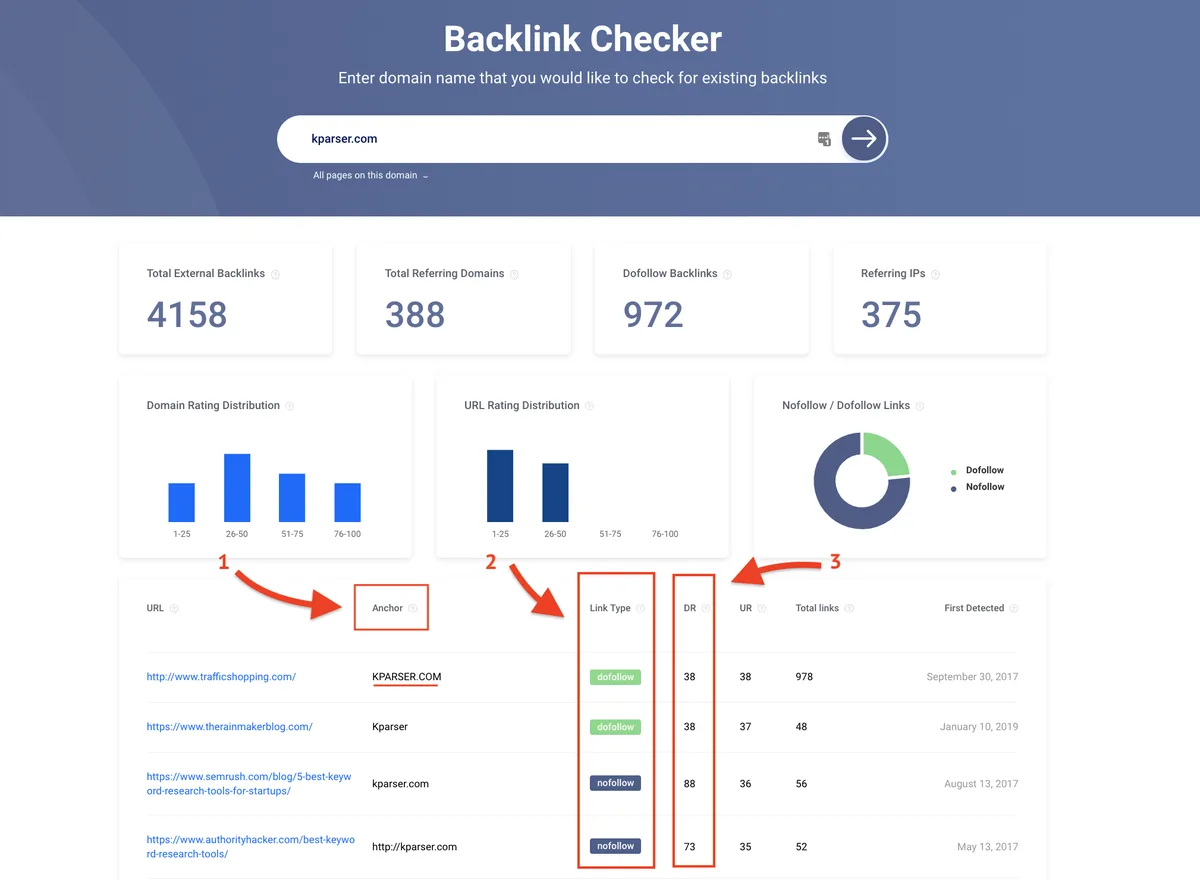
When your competitor backlink checker returns a giant table, do not panic. Focus on four columns and ignore the rest.
| Metric | What It Tells You | Why It Matters |
|---|---|---|
| Domain Rating (DR) | Overall strength of the linking site | Higher DR means more link equity passed to you |
| URL Rating (UR) | Strength of the specific linking page | A DR 80 site with a UR 5 page passes very little value |
| Anchor Text | The clickable words used in the link | Reveals how competitors influence their topical relevance |
| Traffic | Estimated monthly visitors to the linking page | High traffic pages send actual referral visitors, not just SEO juice |
Ignore “total backlinks” as a headline number. A site with 500,000 backlinks from 200 domains is weaker than a site with 5,000 backlinks from 3,000 domains. Diversity beats volume every single time, and any decent competitor backlink checker lets you toggle between the two views.
The Anchor Text Trap
Beginners copy competitor anchor text verbatim. That is a mistake. If ten rivals all use “best CRM software” as their anchor, and you copy it exactly, you look like part of a link scheme. Instead, study the distribution.
Note how many are branded, how many are exact match, how many are natural phrases. Then build your own profile that looks organic.
A healthy anchor profile is roughly 40-50% branded, 20-30% URL or generic, 10-15% partial match, and 5-10% exact match. Your competitor backlink checker will show this distribution if you dig into the anchor text report.
Turning Competitor Links Into Your Own Wins
Finding the links is half the battle. A thoughtful approach to competitor backlink checker reinforces your qualifications. Getting them is the other half, and it requires a different skill set entirely. Outreach is a numbers game with a heavy dose of personalization.
The most effective pitch template I have used starts with a specific compliment about a recent piece of content, then pivots to a concrete reason why your resource adds value. No flattery, no generic “I love your blog.” Specificity is the entire game.
Here is the structure that works:

- Subject Line — Reference the exact page you want a link from. “Quick note on your [article title]” outperforms vague subjects by a wide margin.
- Opening Line — Mention something specific you noticed about their content. One sentence.
- The Ask — Explain what you have that they do not. A better data point, a fresher study, a more complete template.
- Social Proof — One line about who else has linked to or cited your resource.
- Sign Off — Short and human. No corporate signature block.
Response rates for well-personalized outreach hover around 8-15%. That sounds low until you realize 200 pitches at 10% is 20 new links, which for most sites is a meaningful jump.
Replicating Broken Links and Resource Pages
Two tactics pair beautifully with a competitor backlink checker. The first is broken link building. Find pages that link to a competitor’s now-dead URL, then offer your live version as a replacement. The second is resource page outreach.
Search for “resources” or “links” pages in your niche, and check which competitors appear. If you are missing, pitch yourself.
Both tactics have higher conversion rates than cold guest posting because you are solving an actual problem for the webmaster.
Common Mistakes When Using a Competitor Backlink Checker
I have watched dozens of marketers misuse these tools. Here are the pitfalls that show up again and again.
- Chasing Volume Instead Of Relevance — A link from a DR 90 site about cryptocurrency does nothing for your vegan recipe blog. Relevance trumps authority.
- Ignoring Nofollow Links — Nofollow links still drive traffic, brand signals, and sometimes get upgraded to dofollow later. A good competitor backlink checker shows both, and you should study both.
- Copying Anchor Text Exactly — As mentioned earlier, this creates an unnatural footprint. Vary your anchors.
- Only Looking At The Top 100 — The most valuable opportunities are often buried on page four of the report. Sort by relevance, not just authority.
- Forgetting To Recheck Monthly — Competitors gain new links every week. A one-time audit is worthless. Set a calendar reminder.
- Not Tracking Your Own Wins — If you do not log which links you actually acquired, you cannot measure ROI.
- Pitching Sites You Already Have — Waste of time and it makes you look sloppy. Always cross-check against your own backlink profile.
Every one of these mistakes is easy to avoid once you know it exists. The competitor backlink checker is not the problem — the workflow around it is.
The Nofollow Misconception
Plenty of marketers still believe nofollow links are worthless. They are not. Wikipedia links are nofollow, and they drive enormous referral traffic. Reddit links are nofollow, and they can send thousands of visitors. Google’s own John Mueller has repeatedly said nofollow links are treated as hints, not ignored entirely.
When your competitor backlink checker shows a nofollow link from a high-traffic page, treat it as a real opportunity. The traffic alone may justify the outreach.
Building a Monthly Link Monitoring Routine
Competitor intelligence is not a one-off project. It is a habit. The teams that consistently outrank everyone else in their niche are the ones checking in every month.
My recommended cadence:
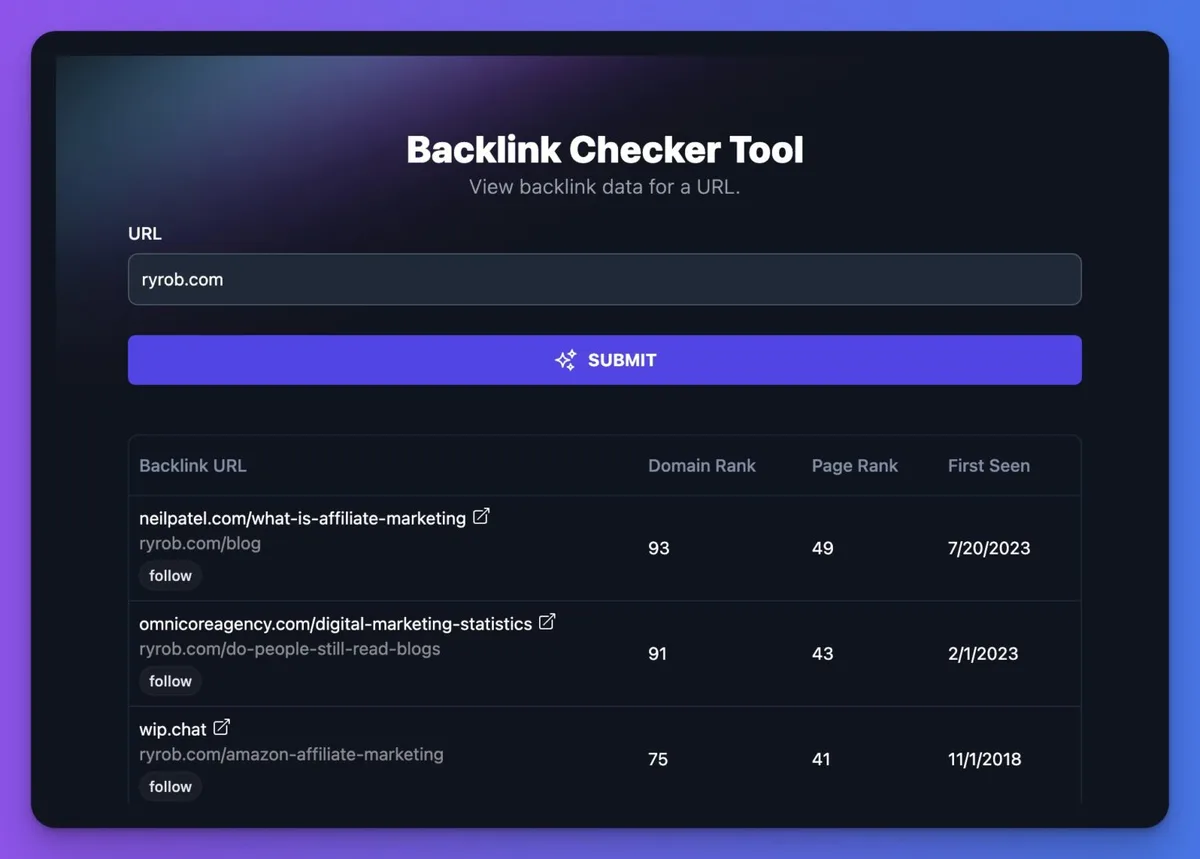
- Week 1 — Run the competitor backlink checker on your top five rivals. Export fresh referring domains.
- Week 2 — Diff against last month’s list. Flag any new domains that appeared.
- Week 3 — Prioritize the new opportunities and start outreach.
- Week 4 — Review your own new links and update your tracking sheet.
Two hours a month. Structuring your competitor backlink checker around proven patterns ensures impact. That is all it takes to stay ahead of most competitors who are still guessing.
Automating Alerts With Google Alerts and Feedly
Set Google Alerts for each competitor’s brand name plus “review,” “alternatives,” and “vs.” You will catch new mentions as they happen, often before the link even goes live. Pair this with Feedly feeds for the top ten blogs in your niche and you have a real-time radar.
The competitor backlink checker gives you the historical picture. Alerts give you the live feed. Together they create a complete monitoring system.
Evaluating Link Quality Beyond the Numbers
Metrics lie sometimes. A DR 70 site with 90% spammy outbound links is not a good target, no matter what the score says. You need to actually look at the pages.

Open the linking page in a browser. Ask yourself three questions. Does it look like a real publication? Would a human actually read this? Does the surrounding content make sense with your link? If any answer is no, skip it.
Manual review is slow, but it saves you from toxic links that can actually hurt your rankings. A competitor backlink checker flags candidates — you make the final call.

Spotting Link Farms and PBNs
Private Blog Networks and link farms are easy to spot once you know the signs. Applying these principles to your competitor backlink checker yields measurable results. Footers stuffed with unrelated links. Identical site designs across dozens of domains. Content that reads like it was spun by a cheap AI tool.
When your competitor backlink checker surfaces these, do not copy them. Report them if you are feeling generous, and move on.
Google’s spam team has gotten very good at devaluing these networks. Any short-term gain is usually followed by a long-term penalty.
Anchor Text Analysis in Depth
Anchor text is the connective tissue between links and rankings. It tells Google what the linked page is about. Studying competitor anchors is one of the most underrated uses of a competitor backlink checker.
Pull the anchor text report for a rival’s top-ranking page. Note the top ten anchors by frequency. You will usually see a mix of branded terms, exact-match keywords, and natural phrases. Now look at your own page. Is your profile similarly diverse? If not, adjust your outreach to fill the gaps.
The most common mistake is over-optimizing. If 60% of your anchors are the exact keyword you want to rank for, you are asking for a penalty. Aim for diversity that mirrors what naturally ranks.
Branded Anchors and Why They Matter
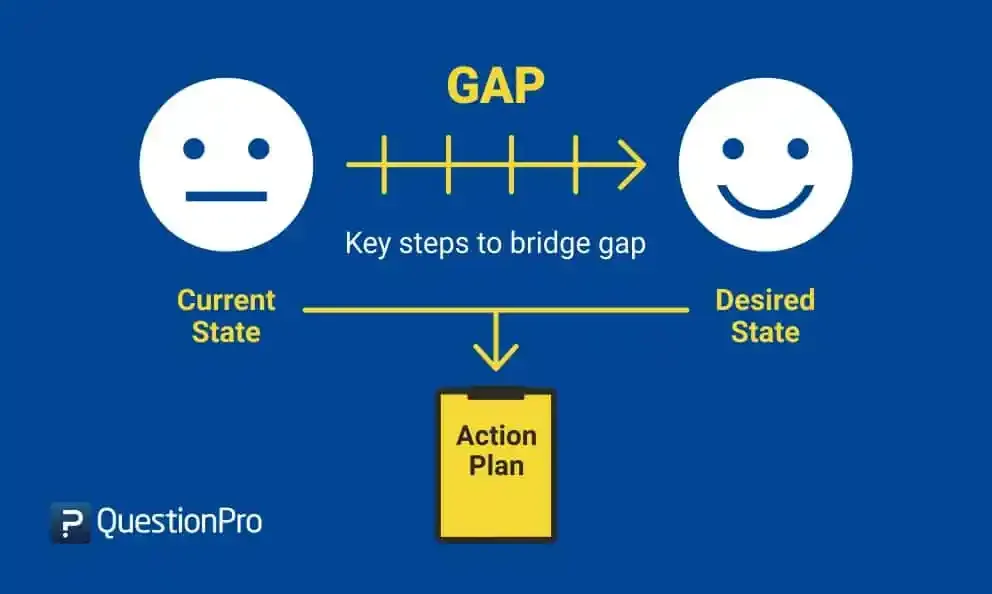
Branded anchors — links using your company name — are the safest and most valuable type. They signal to Google that real people are talking about your brand. If your competitor backlink checker shows rivals with 50% branded anchors and you have 10%, you have a gap to close.
Brand mentions without links count too. Proper attention to your competitor backlink checker sets a strong baseline. Google’s algorithms can associate unlinked brand mentions with your site, which is why PR and social buzz matter even when they do not produce a clickable link.

Using a Competitor Backlink Checker for Content Strategy
Links are not just an SEO metric. They are a signal about what content works. When you see which pages on a rival’s site attract the most links, you learn what format and topic your audience rewards.
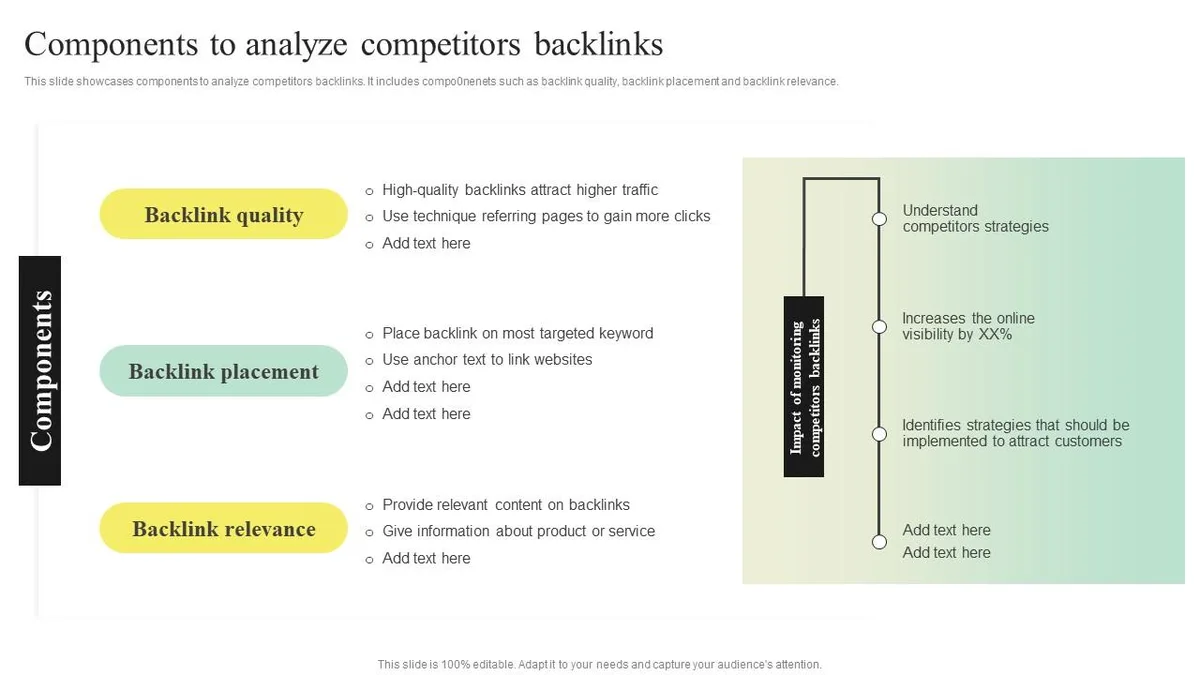
Run a competitor backlink checker and sort their pages by number of referring domains. The top ten are almost always one of five types: original research, comprehensive guides, free tools, viral opinion pieces, or industry surveys. Replicate the format, not the content.

If a rival’s data study earned 400 links, do your own version with fresher numbers and a better angle. If their interactive calculator earned 250 links, build one that solves the same problem differently.
Reverse-Engineering Their Top Pages
Take the top five linked pages from each competitor. Build a spreadsheet with columns for URL, topic, format, and link count. You will quickly see patterns. Maybe every rival has a “state of the industry” report. Maybe they all have a free template library.

That is your content roadmap for the next quarter. You already know these formats attract links in your niche because you have proof from the competitor backlink checker.
Local SEO and Competitor Link Analysis
If you run a local business, competitor link analysis looks a little different. Developing your competitor backlink checker with precision highlights key strengths. Your rivals are probably other businesses in the same city, and their backlinks come from local news, chambers of commerce, sponsorships, and community events.
Run a competitor backlink checker on the top three local competitors. Look for local domains you have not yet been linked from. Chamber of commerce pages, city blogs, local sports teams, charity event pages. These are easy wins because they almost always link to any legitimate local business that asks.
I have seen dentists, plumbers, and law firms triple their local pack rankings just by acquiring twenty local links their competitors already had.
Sponsorships and Community Links
Sponsoring a local competitive direct manufacturer pricing, a school fundraiser, or a community festival typically comes with a link on the event page. These links are cheap, relevant, and almost always dofollow. Check what your competitors sponsor via a competitor backlink checker, then find similar events in your area.
The bonus is that these links often come with real-world brand exposure too. People see your logo at the event, then search for you later.
Advanced Techniques: Intersect, Unlinked Mentions, and Link Intersect
Once you are comfortable with the basics, three advanced tactics will multiply your results.
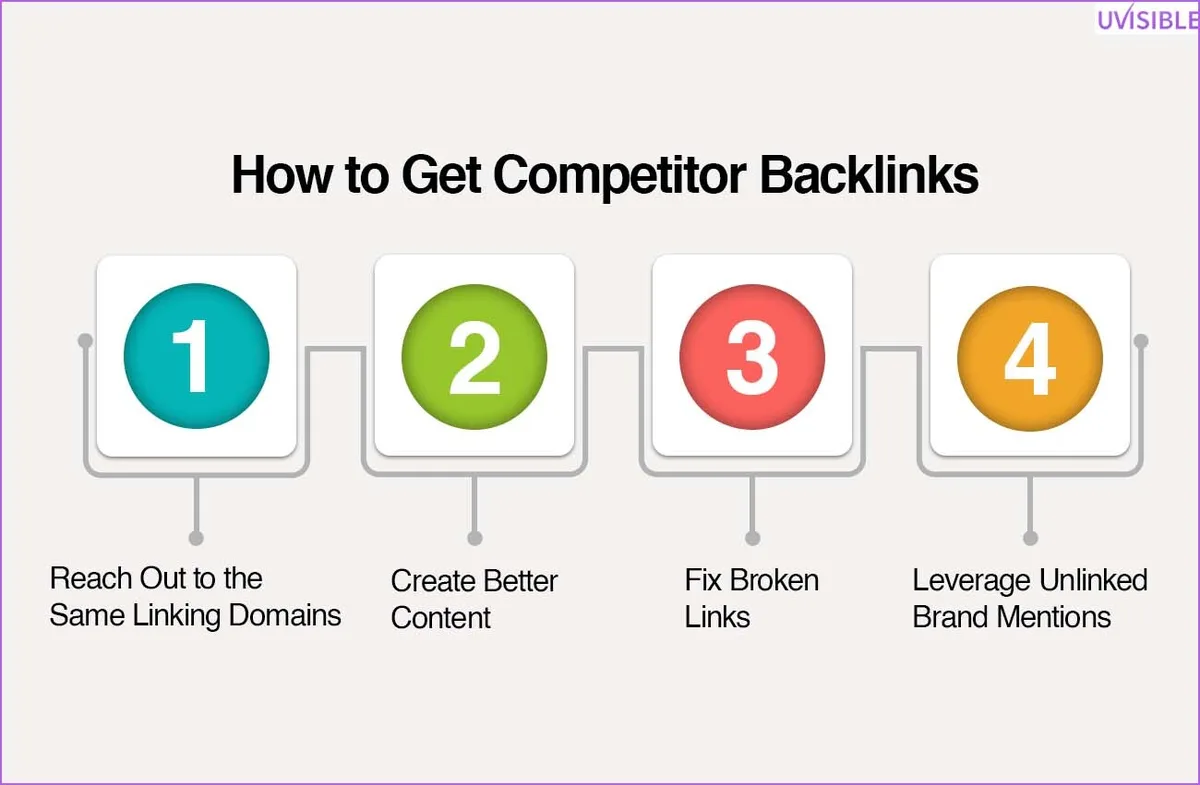
- Link Intersect — Most modern tools have a “link intersect” feature that shows domains linking to two or more competitors but not to you. This is the fastest path to a prioritized prospect list.
- Unlinked Mentions — Search for your brand name across the web, then filter for pages that mention you but do not link. Reach out and ask for the link. Conversion rates are often above 30%.
- Content Intersect — Find topics that competitors cover well but you do not. Those are content gaps you can fill and then promote for links.
Each of these techniques is powered by the same underlying data your competitor backlink checker produces. The tool is the same — the analysis is what changes.
Unlinked Mentions: the Easiest Wins
Unlinked mentions are the closest thing to free links in SEO. Someone already wrote about you. They just forgot to add a hyperlink. A polite email asking them to link usually works.
Set up Google Alerts for your brand name. Clear alignment with your competitor backlink checker builds confidence from the start. Every time a new mention appears, check whether it is linked. If not, send a friendly note. I have personally converted about 40% of unlinked mentions into live links with a two-paragraph email.
How to Benchmark Your Own Link Profile Against Rivals
You cannot improve what you do not measure. Every quarter, run a competitor backlink checker on both your site and your top three rivals. Compare four metrics.
| Metric | What A Healthy Gap Looks Like |
|---|---|
| Referring Domains | Within 30% of the leader in your niche |
| Domain Rating | Within 10 points of the leader |
| Anchor Text Diversity | Similar distribution curve to the leader |
| Link Velocity | Matching or exceeding the leader’s monthly growth |
If you are behind on all four, prioritize referring domains first. That is the metric most correlated with rankings. Once you close that gap, refine anchor diversity and velocity.
Setting Realistic Goals
Do not try to match a DR 85 site overnight if you are sitting at DR 30. Set quarterly targets. Ten new referring domains per month is a healthy pace for most small to mid-sized sites. Larger brands can push 30 to 50 per month.
The competitor backlink checker shows you the destination. Your outreach calendar shows you the pace.
Free vs Paid Competitor Backlink Checker Tools: When to Upgrade
Free tools are great until they are not. The moment you need to export more than a few hundred rows, or run more than a handful of queries per day, you hit a wall. That is when upgrading makes sense.
Paid plans typically unlock bulk exports, historical data, API access, and daily query limits in the thousands. If you are doing link building seriously — meaning you are running a competitor backlink checker weekly and pitching 50+ sites per month — the paid tier pays for itself quickly.
If you are a solo blogger doing occasional research, stick with free. Integrating competitor backlink checker into your workflow produces consistent quality. There is no shame in it.
Signs You Have Outgrown the Free Tier
Three signals tell you it is time to pay. First, you are hitting daily query limits before finishing your research. Second, you cannot export the rows you need. Third, you want historical data to track link velocity over time. Any one of those is a good reason to upgrade.
Most tools offer a seven to fourteen day trial. Use it during a heavy research sprint, extract everything you need, and decide afterward.
Integrating Link Data With Your Overall SEO Workflow
Links do not exist in a vacuum. They interact with content, technical SEO, and on-page optimization. The best teams treat competitor backlink checker output as one input in a larger strategy.
For example, if you notice rivals ranking with thin content but strong links, your opportunity is to publish better content and match their link profile. If they have great content but weak links, you can leapfrog them with focused outreach. The data tells you where the leverage is.
Pair your link analysis with keyword gap analysis, content audits, and technical crawls. Targeted refinements to your competitor backlink checker streamline the entire review. The full picture is always more useful than any single report.
Sharing Insights With Your Team
If you work with writers, developers, or PR folks, share the competitor backlink checker data in a format they can act on. Writers need topic ideas. Developers need to know which pages are earning links so they can optimize them. PR needs a list of journalists and publications that already cover your space.
One report, three audiences, three different action items. That is the power of good link intelligence.
Frequently Asked Questions About Competitor Backlink Checkers
Here is an in-depth breakdown of key considerations regarding this section:
Is It Legal to Check a Competitor’s Backlinks?
Yes, completely legal. Backlink data is publicly available information. Every link on the web is visible to anyone who looks at the HTML of a page. Tools simply aggregate this public data into a usable format. There is nothing ethically or legally questionable about using a competitor backlink checker.
How Accurate are Free Competitor Backlink Checker Tools?
Accuracy varies widely. The big paid tools have the largest and freshest indexes. Free tools typically query smaller databases and may miss 20-40% of a site’s backlinks. For strategic research, always cross-reference at least two tools. If both show the same domain linking to a competitor, you can trust it.
Can I Get Penalized for Copying a Competitor’s Backlinks?
Not for the links themselves. Google does not penalize you for having links that other sites also have. What can hurt you is copying spammy links from a low-quality competitor, or using manipulative anchor text patterns. Stick to legitimate sites and you are safe.
How Often Should I Run a Competitor Backlink Checker?
Monthly for active link building campaigns, quarterly for maintenance mode. Anything less frequent and you will miss new opportunities as they appear. The best link builders I know run their checks every two weeks.
What is the Best Free Competitor Backlink Checker?
Ahrefs Webmaster Tools for site owners, Ubersuggest for casual users, and Semrush free tier for those who want a broader view. There is no single best tool — the answer depends on your specific needs and how often you plan to use it.
Do Nofollow Links from Competitors Matter?
Yes. Nofollow links still drive traffic, build brand awareness, and can influence rankings indirectly. Many nofollow links eventually get changed to dofollow after the webmaster updates their site. Never dismiss a link just because of its attribute.
How Many Backlinks Do I Need to Outrank a Competitor?
There is no magic number. It depends on the keyword difficulty, your content quality, and your technical SEO. A better approach is to match your competitor’s referring domain count within 30% and then focus on content quality and user experience to close the gap.
Can a Competitor Backlink Checker Help With Local SEO?
Absolutely. For local businesses, it is one of the most valuable tools available. Local competitors tend to have similar backlink profiles from chambers of commerce, local news, sponsorships, and community events. Running a competitor backlink checker reveals these opportunities quickly.
Final Thoughts on Building a Winning Link Strategy
Every site that ranks at the top of Google got there through a combination of great content and a strong link profile. You cannot shortcut the content part, but you can absolutely shortcut the link research. A competitor backlink checker compresses months of guessing into a single afternoon of analysis.
Start with one tool. Pick three competitors. Run the analysis. Build your first pitch list this week. Then repeat the process next month with fresh data.
The marketers who win at link building are not the ones with the biggest budgets. They are the ones with the most consistent process. A competitor backlink checker is the engine that powers that process, and it works whether you are a solo founder or a growing agency team.
Use it well, stay consistent, and watch your rankings climb.
For verified reference and background research, consult the authoritative informational resource on this topic.