Why Link Equity Feels Like a Secret Handshake You were Never Taught
Link equity is the quiet currency of the web, and almost nobody explains it properly to the people who need it most. If that sounds dramatic, consider this: two pages can have identical content, identical design, and identical keywords, yet one ranks on page one while the other collects dust on page fourteen.
The difference usually comes down to how much trust and authority other sites have passed along to each page. That transfer of trust is what this entire guide is about.
Think of this as a link equity guide for people who have never built a single backlink in their life. No jargon walls. No guru posturing.
Just a clear walk through what it is, how it moves, why some links count and others are pure noise, and what you can realistically do about it starting this week.
By the end, you’ll have a working model in your head, plus a link equity checklist you can actually run against your own pages. Sound fair? Let’s dig in.
What is Link Equity, Really? a Plain-English Definition
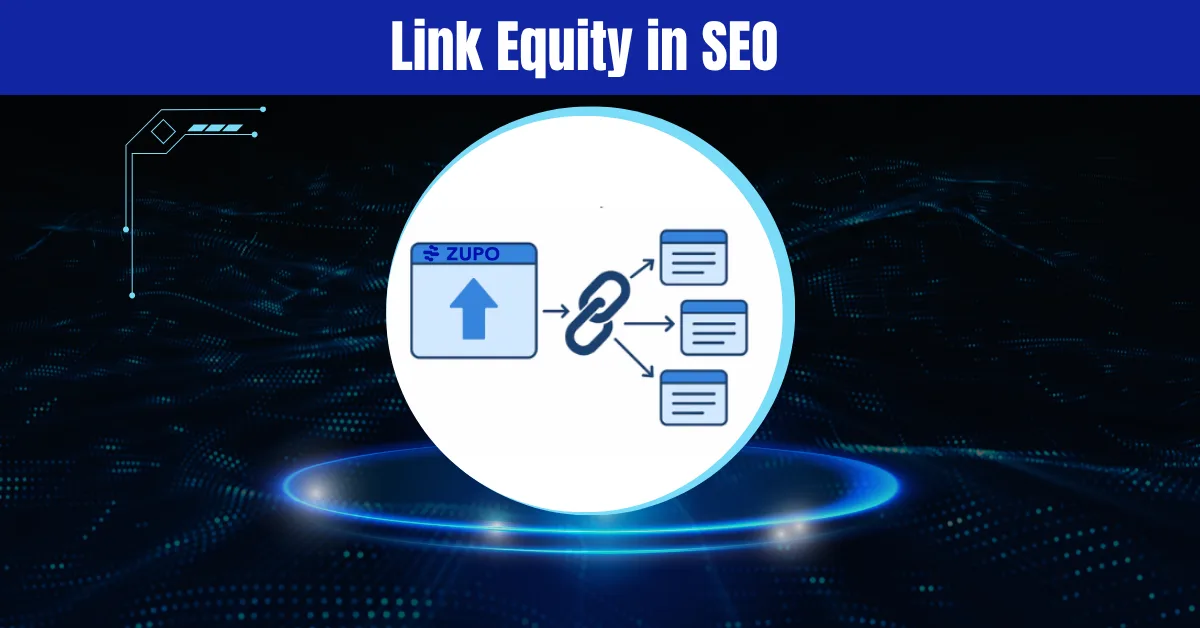
Search engines treat every link as a vote of confidence. When one page links to another, it’s essentially saying, “I trust this enough to send my own visitors there.” That vote carries weight, and the weight is what we call link equity.
Formally, you’ll hear it described as link juice, link authority, or PageRank flow. All of those terms point at the same mechanism: reputation moving from one URL to another along a connection.
Here’s the part most beginners miss. It isn’t just about the number of links. A single link from a respected, topically relevant page can outperform two hundred links from spammy directories that nobody reads.
Google’s own documentation on how Search works touches on this idea through the concept of page importance and value. The takeaway is simple: quality and context beat raw volume almost every single time.
How Link Equity Actually Moves Through the Web
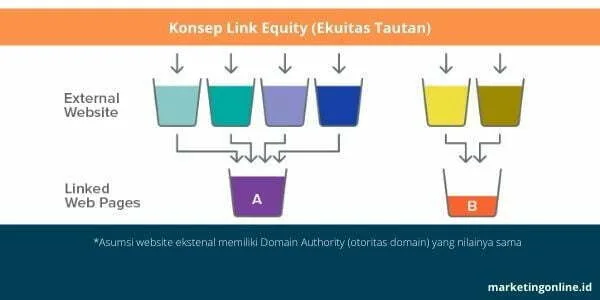
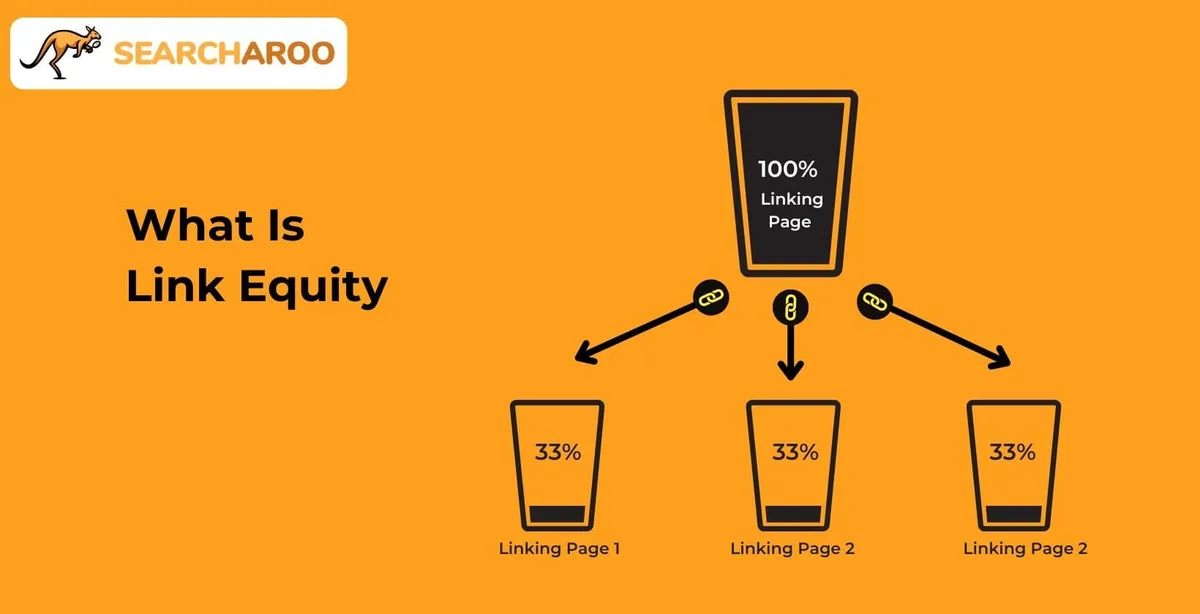
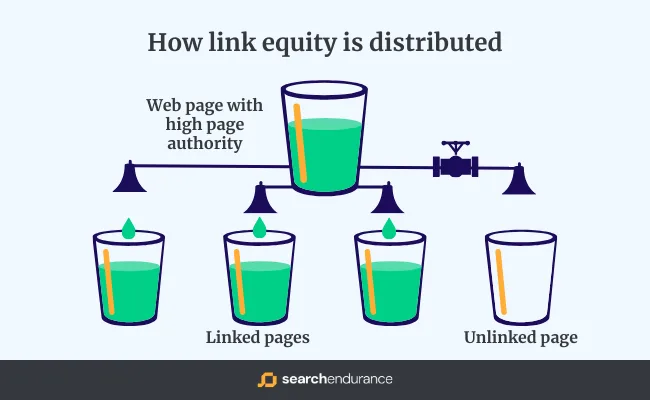
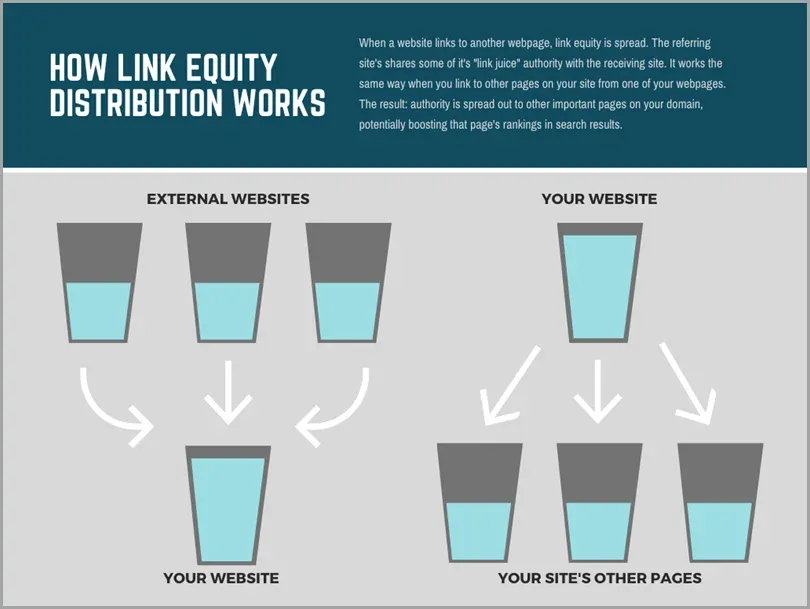
Picture water flowing through a pipe network. Every page holds a certain amount of “water,” and each outgoing link is a small leak or tap that diverts some of it downstream.
That’s the mental model, anyway. And it’s shockingly useful once you internalize it, because it changes how you think about every internal link you add and every page you bury three clicks deep.
The Three Core Mechanisms Behind Link Equity Flow
Before you can use it strategically, you need to understand the moving parts. There are essentially three mechanisms you’ll come back to again and again: where equity comes from, how it’s shared, and how it’s diluted.
1. External Links: the Inbound Votes That Build Authority
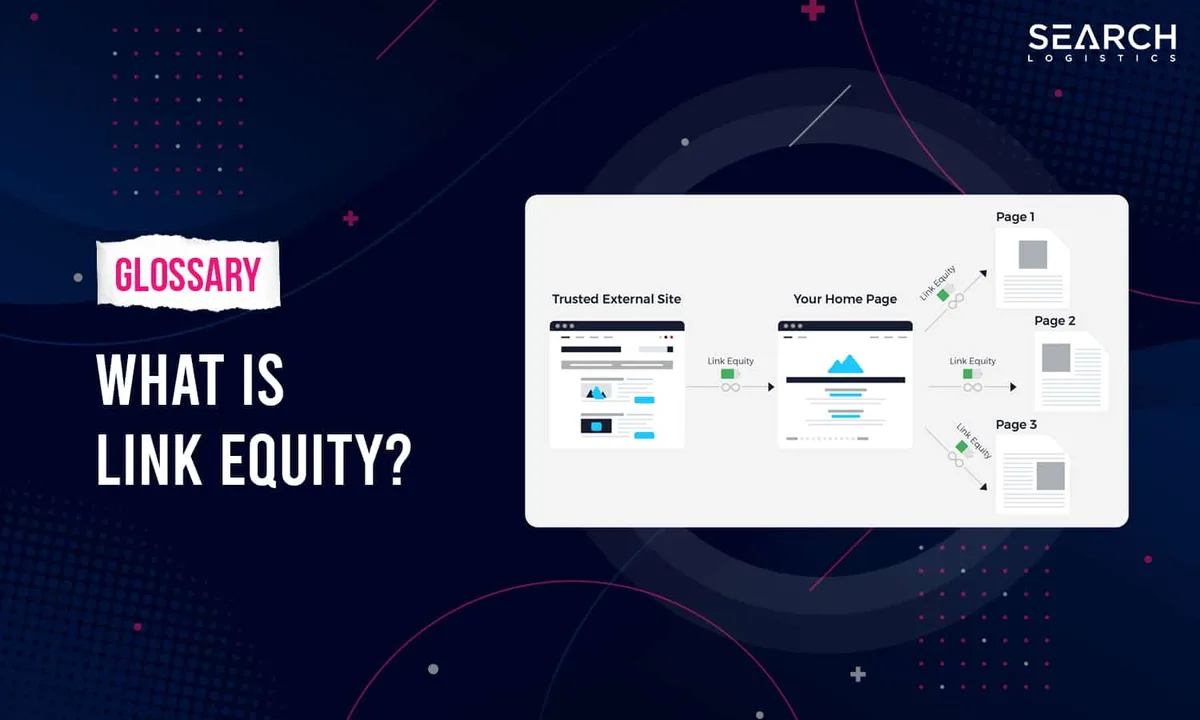
External backlinks are the original source of link equity. When a reputable site in your niche links to your page, it transfers a slice of its own trust to you.
Not all inbound links behave the same way. Some carry strong equity, others pass very little, and a few pass none at all. The distinguishing factors are relevance, the linking page’s own authority, and whether the link is editorial or paid.
Consider a small example. A boutique coffee roaster gets mentioned in a serious food publication. That one link probably does more for them than fifty directory listings.
The reason is topical alignment. The publication talks about coffee, the roaster is about coffee, and Google can connect those dots instantly.
2. Internal Links: the Distribution System Inside Your Own Site
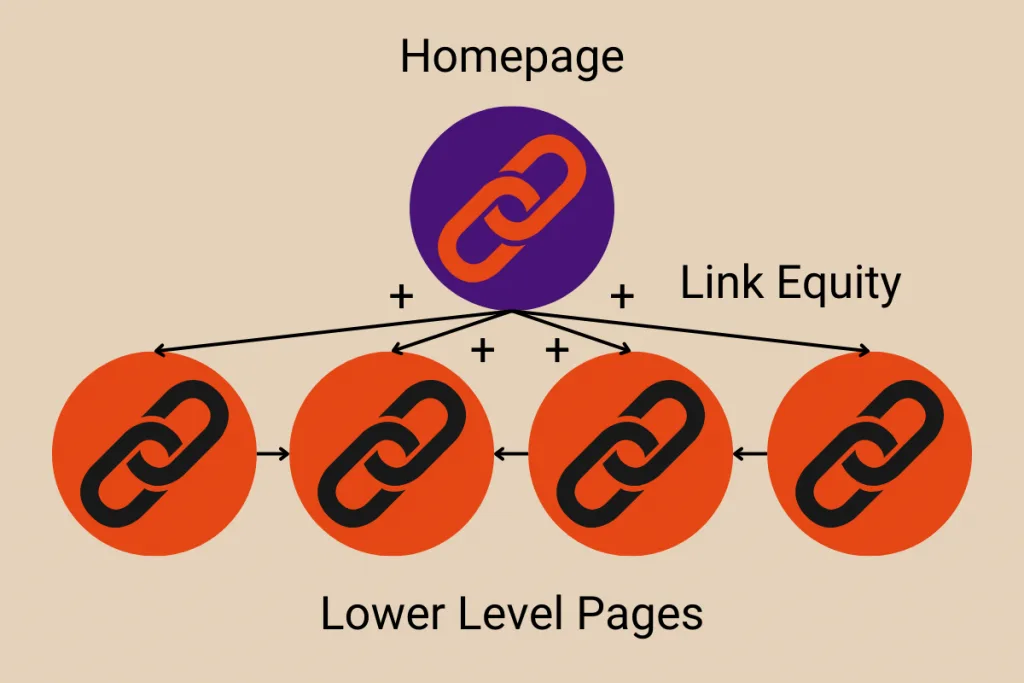
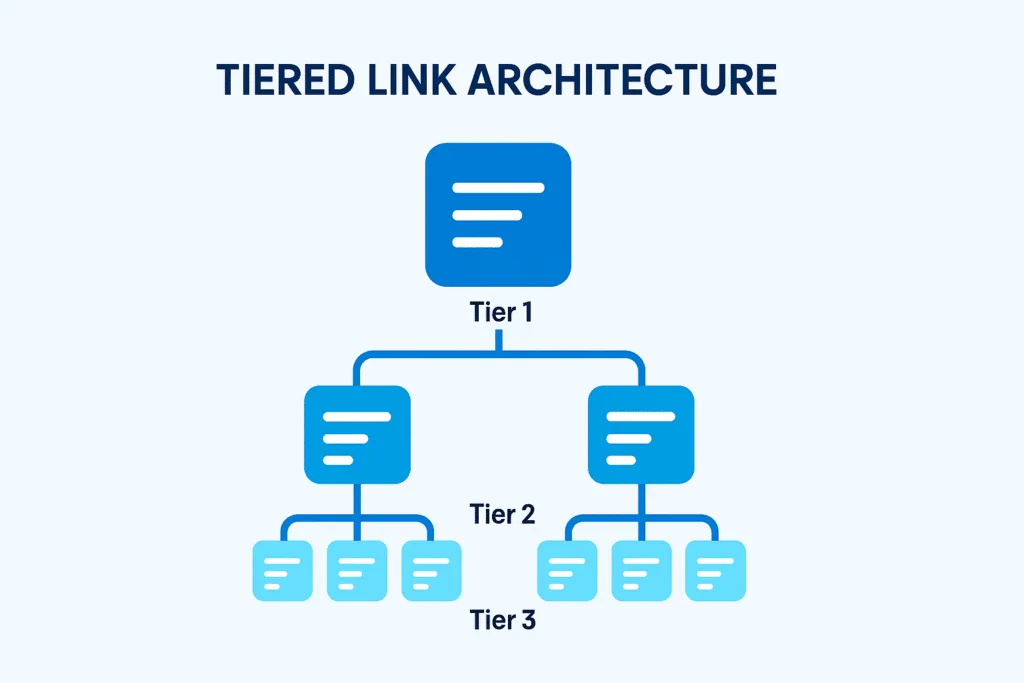
This is where beginners consistently leave value on the table. Internal links don’t create link equity, but they absolutely control where it flows once it arrives.
If your best page earns a strong inbound link, does the rest of your site benefit? Only if you’ve built pathways for that authority to travel through internal links.
A simple link equity tip here: link your newest or weaker pages from your strongest pages. It’s the equivalent of a popular store owner pointing customers toward the new guy’s shop down the street.
3. the Dilution Problem: Too Many Links on One Page
Here’s where the water analogy really earns its keep. A page spreading its authority across 200 outgoing links gives each one a dribble. The same page linking to just 10 destinations sends currents.

This is why footer link farms and massive blogrolls rarely produce meaningful results. And it’s why navigation design matters more than most people realize.
Run this against your own site and see what you find. I’d bet your homepage has far more links in its footer than you realize, quietly splitting your most valuable asset into pennies.

Why Some Links Pass Authority and Some Pass Almost Nothing
Not every visible link carries influence. Google uses a set of attributes and behavioral signals to decide what counts and what should simply be recognized as a link.
Understanding those distinctions is a core part of a workable link equity guide. Otherwise, you’ll spend weeks chasing links that were never going to help.
Follow, Nofollow, and Sponsored Attributes
The classic distinction is between follow and nofollow. A follow link is a standard endorsement. A nofollow link tells search engines, in effect, “don’t use this to pass authority.”
Modern link equity best practices lean heavily on the sponsored and ugc attributes as well. If a company site pays for a placement, the sponsored tag is expected. If the link comes from user content, the rel=”ugc” attribute surfaces in the HTML.

Here’s a quick reference table showing how attributes affect link equity:
| Link Attribute | Typical Context | Does It Pass Equity? |
|---|---|---|
| rel=”follow” (default) | Editorial mentions, genuine recommendations | Yes, full value |
| rel=”nofollow” | Comments, forum posts, older paid links | No, or minimal |
| rel=”sponsored” | Paid placements and affiliate links | No, treated as advertising |
| rel=”ugc” | User-generated content like reviews | No |
The Role of Topical Relevance and Context
A link means more when the source and destination share a topic. A fashion blogger linking to your baking blog? Confusing signal. A baking blogger linking to your baking blog? Relevant vote.
Anchor text plays into this too. If the linking page uses descriptive text that matches the topic of your page, it reinforces relevance.
That’s why anchor text matters so much. An anchor that says “learn more” tells search engines almost nothing, while an anchor naming the specific topic signals what’s on the other side.
Building Link Equity: a Beginner-Friendly Playbook
You don’t need a six-figure budget or a connection to publishing giants. You need a plan, patience, and a realistic set of expectations.
Below is a practical playbook. It’s not exhaustive, but it covers the methods that consistently work for people starting from zero.
Create Pages Worth Linking To
This sounds obvious, and it’s still the most skipped step. Nobody links to a thin 300-word page that says exactly what twenty other pages already say.
What earns links is a specific, useful resource. A comparison table nobody else has built. A guide that solves a problem step by step. A piece of original research or data that others will cite.
The clearest, most reliable way to earn link equity is to make building links feel like a favor rather than a pitch. When your page saves someone time, they’ll share it without prompting.
Use Guest Contributions on Relevant Sites
Guest writing has taken a reputation hit because of abuse, but the underlying idea is still sound. Write a genuinely useful piece for an established site in your space, and earn a credit or a mention.
The key word is genuinely. A thin piece written purely for the link will be spotted, removed, or simply ignored.
Also, avoid writing fifteen guest pieces in a single month across unrelated topics. That pattern screams manipulation. A few excellent placements in topically relevant outlets do far more.
Get Mentioned in Industry Roundups
Publishers and content creators love roundup posts. They’re easy to produce, easy to update, and a great place for you to appear.
Reach out with something specific and useful, and you’ll often get a mention. Media queries and expert roundups are particularly good hunting grounds for beginner SEOs.
Turn Broken Links Into Opportunities
Broken link building works like this: find a page where a link has died, and offer your own resource as the replacement. You’re solving a problem for the publisher, not asking for a favor.

It’s a bit tedious. It’s also one of the few tactics that works reliably without a huge authority base to start with.
Internal Link Equity: the Tips Most Beginners Never Hear
External links get all the attention, but here’s a link equity tip that could reshape your entire strategy: internal linking is entirely in your control.
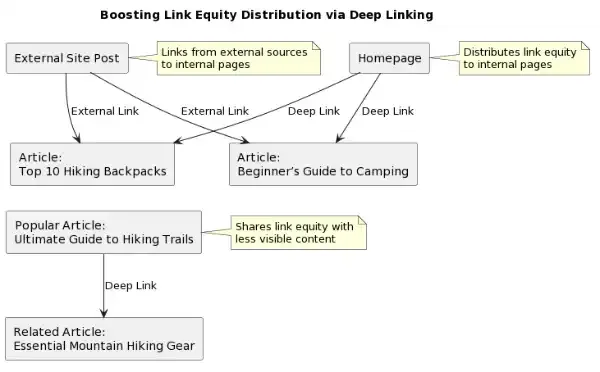
You can’t force anyone to link to you from outside. You can, however, decide which of your pages receives the most internal support. That’s a real lever.
Prioritize Your Money Pages
Identify the pages that drive signups, leads, or sales. Those are your priority pages. They should receive the strongest internal links from your highest-authority content.
Not every page needs to compete for link equity. Some are informational and just need to exist. Focus the flow on pages that pay the bills.
Link from Your Most-Linked Pages
Find the pages on your site that earn the most external links. Blog posts, resource pages, and help articles often gather more external mentions than your homepage.

Then add thoughtful internal links from those pages to the pages you want to boost. You’re essentially piping the authority inward where it counts.
Mind the Number of Links per Page
Every time you add a link, you dilute the value of every other link on the page. This isn’t a reason to stop linking. It’s a reason to be deliberate.

Take a hard look at your navigation menu and footer. If you have 80 footer links, you’re probably not helping anyone, including yourself.
Common Link Equity Mistakes That Quietly Hurt Rankings
Even well-meaning site owners make mistakes that erode the authority they’ve earned. Some are subtle, and some are obvious once you know where to look.
Buying Links Without Disclosure
Buying links isn’t automatically fatal, but undisclosed paid links violate search engine guidance and put your site at risk. If you pay for placement, use the sponsored attribute.
A link equity best practices mindset means transparency. It also means recognizing that paid links won’t build durable authority the way earned editorial mentions do.
Chasing Irrelevant Links
A link from a random casino site to your bakery blog isn’t going to help. At best it’s neutral, and at worst it’s a red flag.
Topical relevance should be the first filter you apply. Would a real reader of that site plausibly care about your page? If not, skip the link.
Ignoring Internal Linking Entirely
This is the most common beginner mistake. New sites publish page after page with no internal connections, then wonder why nothing ranks.
Spend ten minutes per new page linking it from at least two relevant existing pages. It’s a small habit with an outsized payoff.
Building Links to Weak Pages
Sometimes we build links to pages that aren’t ready. A page with thin content, missing trust signals, or poor design wastes any authority it receives.
Before you chase links to a page, make sure that page deserves them. Strong content plus strong links is a compounding combination.
How to Audit Your Link Equity: a Practical Checklist
You can’t fix what you haven’t measured. And a surprisingly small amount of auditing produces disproportionately useful insight.
Below is a link equity checklist you can apply to your site over a single afternoon. It won’t be exhaustive, and it will reveal the leaks that matter most.
The Beginner’s Link Equity Audit
- List your top ten pages by external links. Use any reputable backlink tool or your own search console data. These pages are your authority holders, and you should treat them as launchpads for internal linking.
- Identify your five most important commercial pages. These are the destinations that directly drive revenue. If they aren’t receiving internal links from the top ten pages above, that’s your first fix.
- Check the number of links on each page. Look closely at navigation, sidebars, and footers. Trim anything that isn’t earning its place.
- Review incoming links for relevance. A link from a niche-relevant blog is worth far more than a link from a random directory. Prioritize accordingly.
- Scan for nofollow and sponsored attributes. Make sure you understand which of your links actually pass authority and which ones don’t.
- Look for pages with no internal links pointing to them. These are orphan pages, and they’re effectively invisible to both crawlers and users.
- Fix broken internal links. A 404 link passing nothing is a wasted opportunity. Redirect or replace.
- Refresh your anchor text. If every internal link uses “click here,” you’re throwing away relevance signals.
- Assess page quality before link campaigns. Don’t chase links to a page that isn’t ready to deserve them.
- Document and repeat quarterly. Link equity is a living thing, and it shifts as your site grows.
Run this checklist every few months and you’ll gradually build a site where every piece of authority has a purpose.
Does Link Equity Affect SEO as Much as People Claim?
Yes, and also no. Let’s be honest about this, because the internet is full of overpromises on the topic.
Link equity is one of the strongest signals in Google’s ranking systems, but it’s not the only one. Content quality, user experience, technical health, and topical authority all interact with it.
Consider two competing pages. Page A has a handful of strong, relevant links. Page B has more links, but they’re from low-quality sources.
Page A usually wins, and it isn’t close. This is the pattern I’ve seen repeatedly across niche sites, and it’s why “more links” is a terrible strategy without “better links.”
Alternatively, imagine a page with excellent links but thin content. It might rank for a while, but it will eventually lose ground to a page with stronger content and comparable links. Content and links reinforce each other. Neither carries a site alone.
Link Equity and Topical Authority: the Overlooked Connection
Topical authority is the idea that sites win by covering a subject thoroughly. It’s the parent topic that most link equity discussions orbit around without naming.
Here’s how the two interact. When you build link equity across many related pages, you create a cluster of authoritative content. Google can then recognize your site as a genuine resource on that topic.
That’s why spreading links across a coherent set of pages beats dumping all authority into one. You’re building a neighborhood, not a single building.
Consider a site about home coffee brewing. It publishes pages on grinders, water temperature, brewing methods, and bean storage. Each page earns a few solid links. Over time, the entire cluster reads as authoritative.
Now consider the alternative: one page with 40 links and no surrounding content. It looks like an outlier, not an authority. The cluster wins.
Advanced Link Equity Tips for Sites That Already Have Some Authority
Once you’ve earned a baseline of authority, the strategy shifts. It’s less about chasing new links and more about directing what you have with precision.
Reclaim and Redirect Old Links
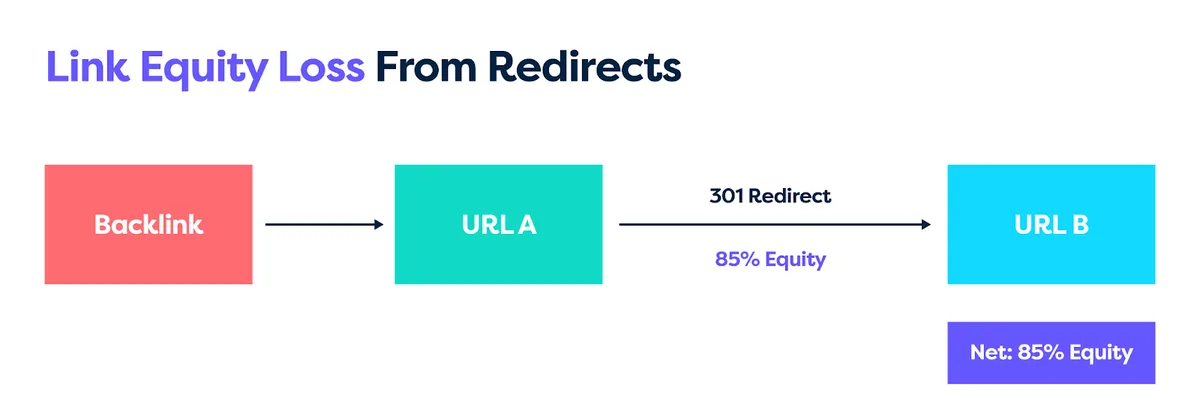
Broken pages that once earned links still hold value in the form of incoming connections. Redirecting those old URLs to the right page preserves the equity.
Do an audit of any URLs that have returned 404s over time. Redirect the relevant ones and update the rest. That’s free equity you might be leaving on the table.
Consolidate Duplicate Content
Two pages targeting the same topic split your internal link value. Merge them into a single stronger page, redirect the weaker one, and watch the combined authority strengthen.
This is one of the highest-leverage moves available to established sites, and it’s often overlooked because it doesn’t feel like “building links.”
Invest in Tools to Track Flow
Manual tracking has limits. Tools like Ahrefs, Semrush, and Screaming Frog make it easier to see where link equity actually flows and where it’s being wasted.
You don’t need all of them. One strong backlink tool plus a crawler will cover almost everything a beginner or intermediate site owner needs.
Frequently Asked Questions About Link Equity
Here is an in-depth breakdown of key considerations regarding this section:
Is Link Equity Still Relevant for Modern SEO?
Yes. Backlinks remain a core ranking signal, though they interact with content quality and topical relevance more heavily than they once did. A strong backlink profile on a site with thin content still underperforms.
How Do I Get Link Equity Without Paying for It?
Focus on creating genuinely useful pages, guest contributions on relevant sites, expert roundups, and broken link opportunities. These methods are slow but durable, and they don’t put you at risk of a penalty.
Can Link Equity be Passed Through Social Media?
No. Social posts are typically no-followed, and they don’t pass link authority. That doesn’t mean they’re useless, but they serve a different job: distribution, not authority.
Does One Strong Link Really Beat Many Weak Links?
Often, yes. A single editorial mention from a relevant, trusted site can outperform dozens of links from low-quality directories. Context and source quality matter more than raw counts.
What is the Fastest Way to Build Link Equity on a New Site?
There’s no overnight method. The practical fast track is publishing a genuinely linkable resource and then actively seeking mentions through direct outreach, expert features, and targeted guest writing. Expect months, not weeks.
Wrapping Up: What to Do First With Everything You’ve Learned
You now have a working model of link equity, from what it is to how it moves and what you can control. The thing is, knowledge without execution is just reading.
So here’s your immediate next step. Pick one page on your site that matters to your business and wasn’t linked internally from anywhere. Find two strong pages to link to it with descriptive anchor text. That single move costs nothing and starts the flow.
Then commit to the link equity checklist once a quarter. Bit by bit, you’ll build a site where every piece of authority you earn goes where it’s needed.
And if you ever forget which lever to pull first? Just circle back to the simple idea this whole link equity guide started with: trust moves along connections, and your job is to make those connections count.