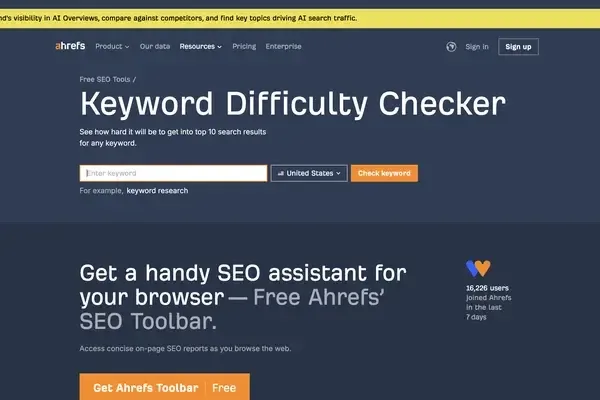
A keyword difficulty checker is the single fastest way to stop wasting months on keywords you were never going to rank for. If you have ever published a solid article, watched it sit on page four, and wondered what went wrong, the answer is usually hiding in a number you skipped over during research.
That number tells you how hard it will be to crack the top of Google for a given term, and ignoring it is how beginners burn a whole quarter chasing ghosts.
Here is the good news: you do not need a paid subscription to read that signal. Focusing on keyword difficulty checker provides clear direction here. Plenty of free tools will hand you a difficulty score in seconds, and once you know how to interpret it, your content plan gets dramatically sharper.
I have spent years building content for small sites, affiliate projects, and local service businesses. Focusing on keyword difficulty checker provides clear direction here. The pattern never changes. The people who win are not the ones writing the most. They are the ones picking fights they can actually win.
What a Keyword Difficulty Checker Actually Measures
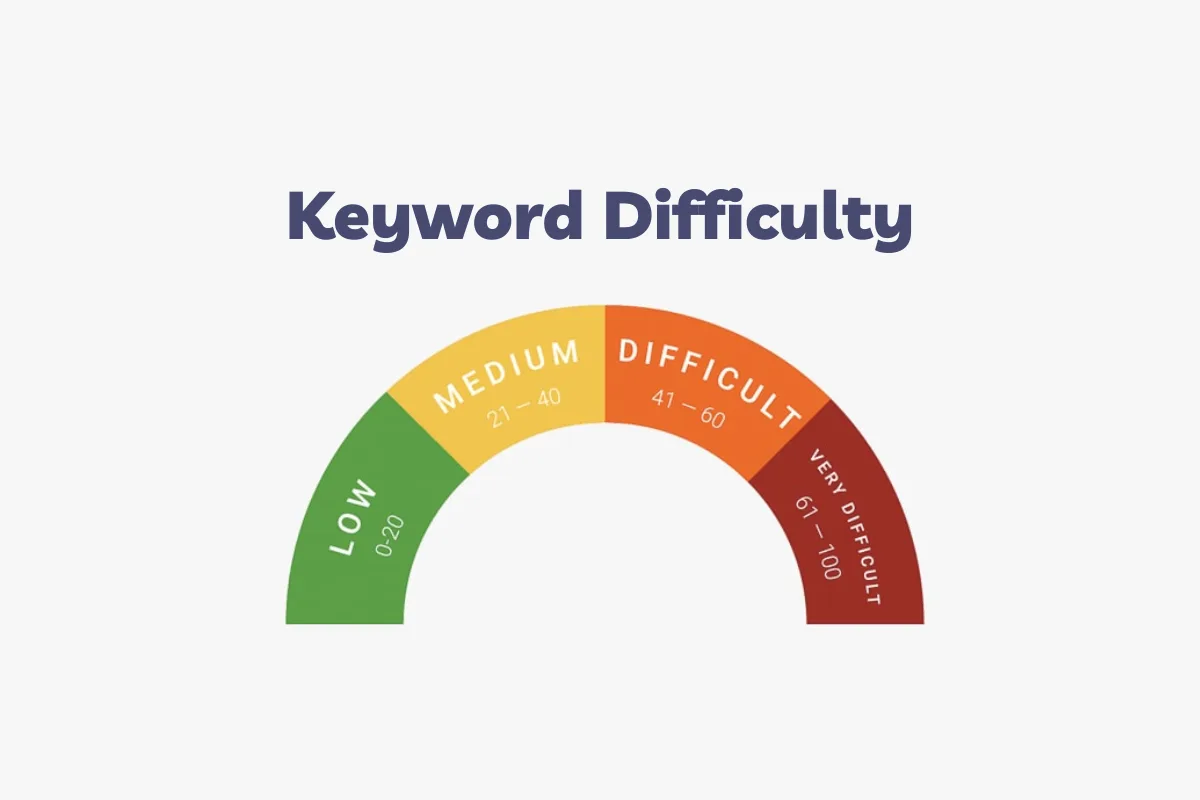
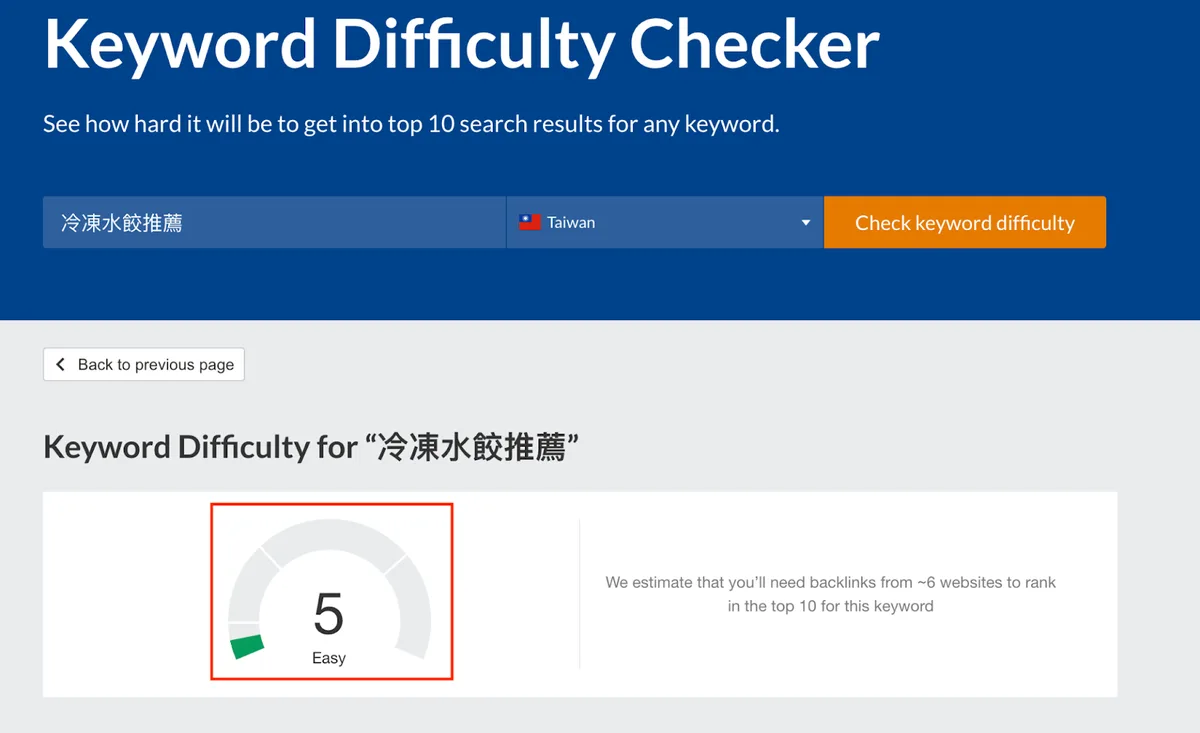
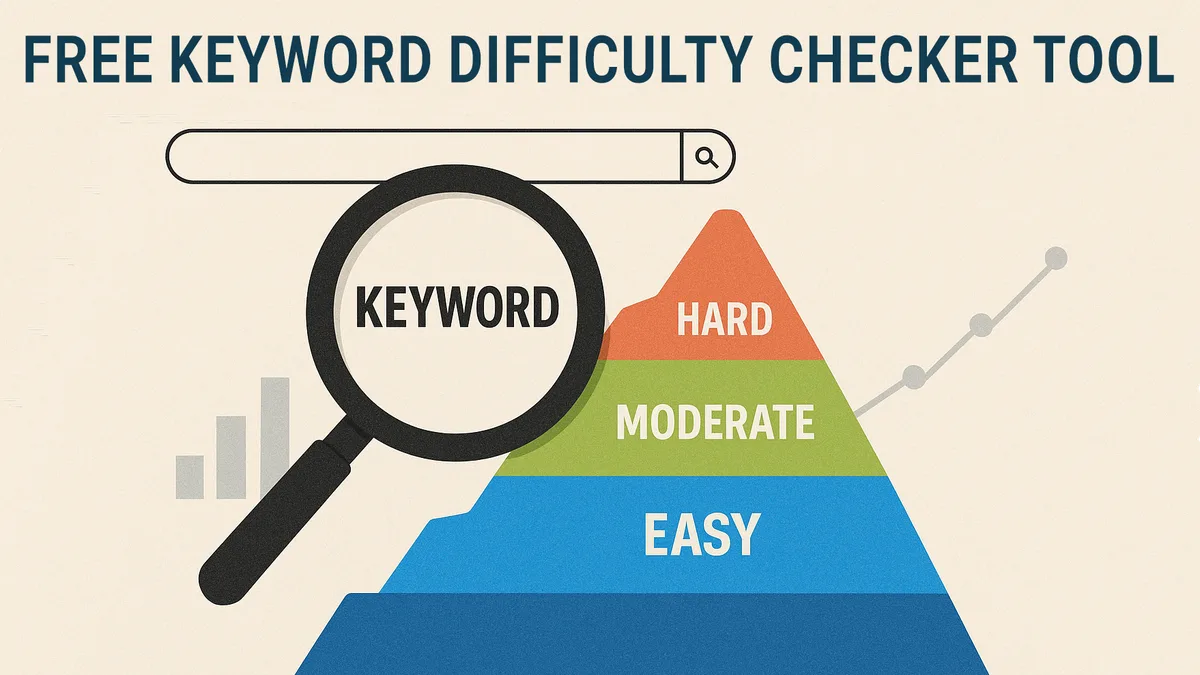
Strip away the marketing language and a keyword difficulty checker is doing one job: estimating how much authority you need before a page can rank on page one for a specific query. Most tools spit out a score between 0 and 100.
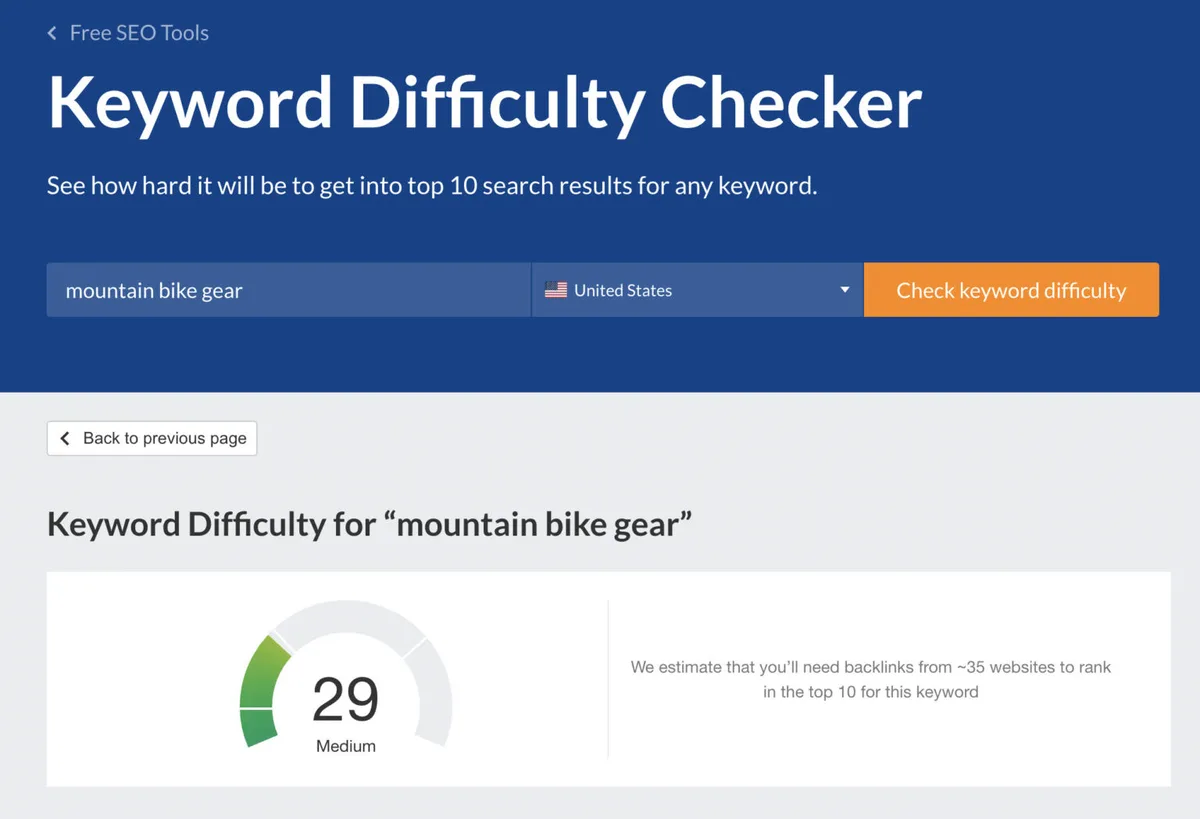
Low numbers mean the field is soft. High numbers mean you are walking into a knife fight with a butter knife.
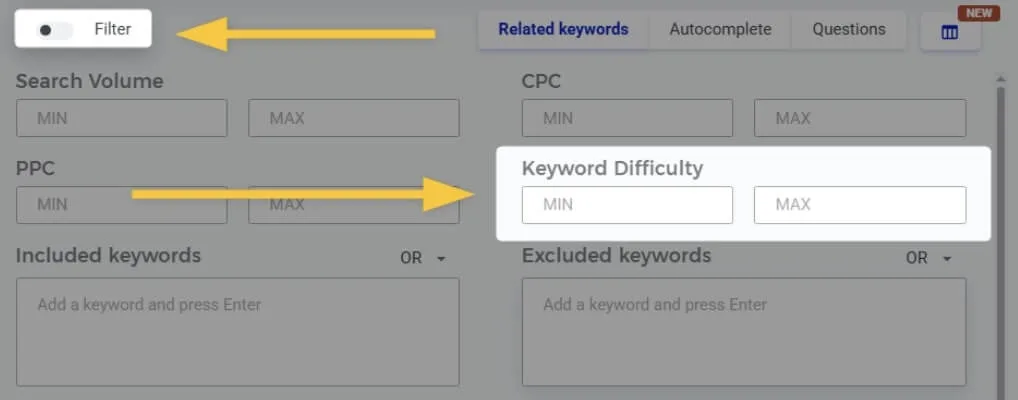
What sits behind that score varies by provider, and this matters more than most people realize. Refining each detail of your keyword difficulty checker strengthens this section. Ahrefs leans heavily on the number and quality of referring domains pointing at the current top ten results. Moz blends page authority and domain authority into a single figure.
Semrush factors in the overall authority of the ranking domains plus how much the results shift over time. Ubersuggest takes a simpler route, weighting domain authority and backlink volume.
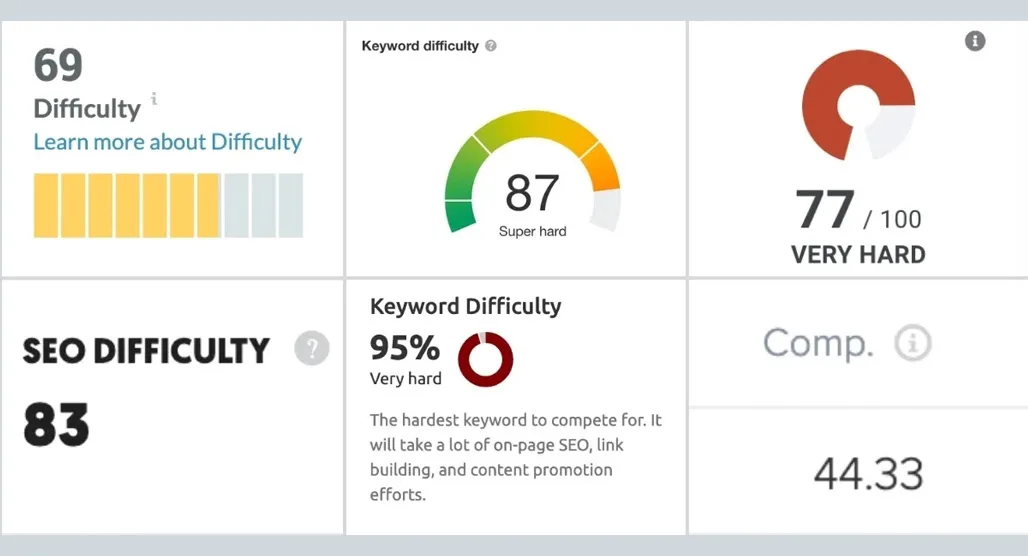
Because the math differs, the same keyword can score 34 in one tool and 61 in another. That is not a bug. It is a reminder that you should pick one tool, learn its quirks, and stay consistent. Switching between three difficulty metrics every week will only give you whiplash.
Why the Score is a Probability, Not a Verdict
Treat any keyword difficulty checker as a weather forecast, not a court ruling. A score of 20 does not guarantee you will rank. It tells you the odds are in your favor if you execute well. A score of 75 does not forbid you from trying. It tells you to bring reinforcements.
I have watched thin pages outrank beefy ones because the thin page matched search intent perfectly. Effective execution in your keyword difficulty checker makes a tangible difference. I have also watched beautifully written 3,000-word guides die on page five because the writer targeted a term dominated by Forbes, HubSpot, and three government sites. The score would have warned them. They just never looked.
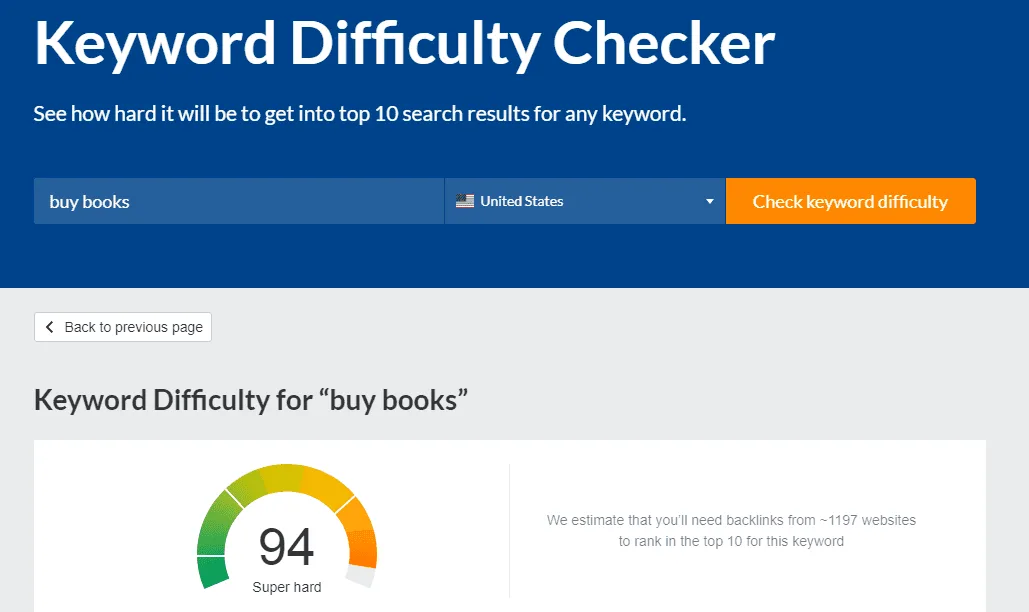
So use the number as a filter, not a gatekeeper. Refining each detail of your keyword difficulty checker strengthens this section. It narrows your list. Your judgment does the rest.
How to Read Difficulty Scores Without Overthinking Them
Most people glance at a score, feel something, and move on. That is a waste. A keyword difficulty checker becomes genuinely powerful when you attach meaning to each band and act accordingly.
Here is the framework I use on every project, and it has saved me from more bad decisions than any other habit in SEO.
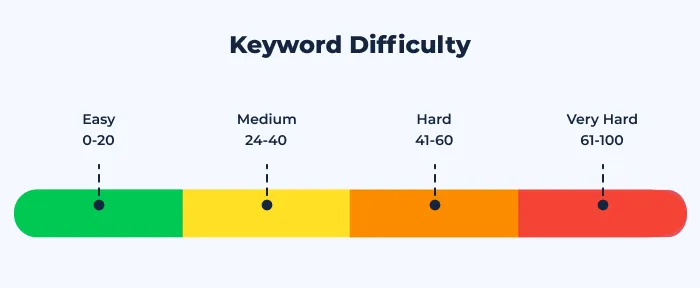
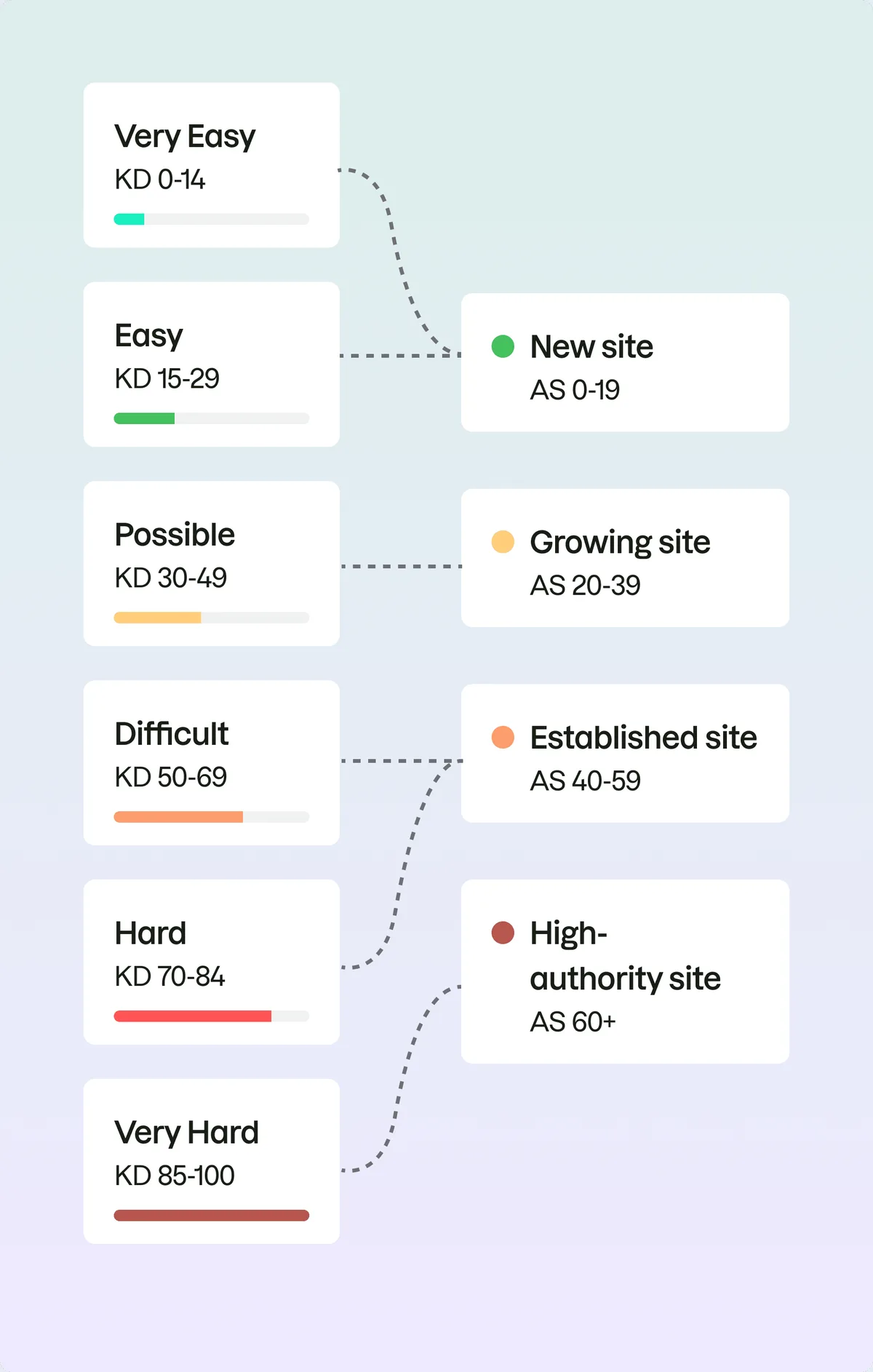
| Score Range | What It Means | Best Move |
|---|---|---|
| 0 – 14 | Almost no competition. Often long-tail or brand-new phrasing. | Publish fast. These are quick wins and great for testing formats. |
| 15 – 29 | Soft field. Small sites and forums dominate the top ten. | Target directly with a well-structured article and a few internal links. |
| 30 – 49 | Moderate. You will need decent content and some backlinks. | Worth pursuing if the topic fits your site’s authority level. |
| 50 – 69 | Competitive. Established domains hold most positions. | Only chase this if you already rank for related terms. |
| 70 – 100 | Brutal. National brands and high-authority publishers own it. | Skip it, or attack a long-tail variation instead. |
Notice the table does not say “never.” It says “not yet.” That distinction keeps your roadmap honest without killing ambition.
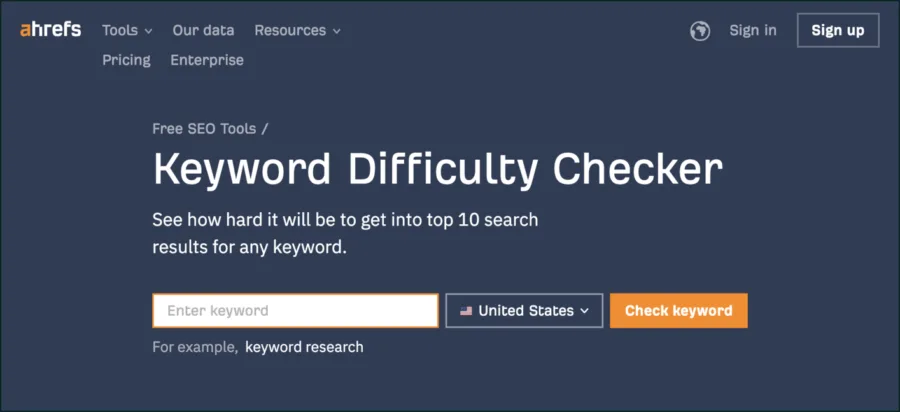
One more thing: a keyword difficulty checker is most useful when you compare scores across a cluster of related terms. If “email marketing automation” scores 72 but “email automation for Shopify stores” scores 18, you just found your entry point. Rank for the easy one, build topical relevance, then climb.
Why Free Tools are Good Enough for Most People
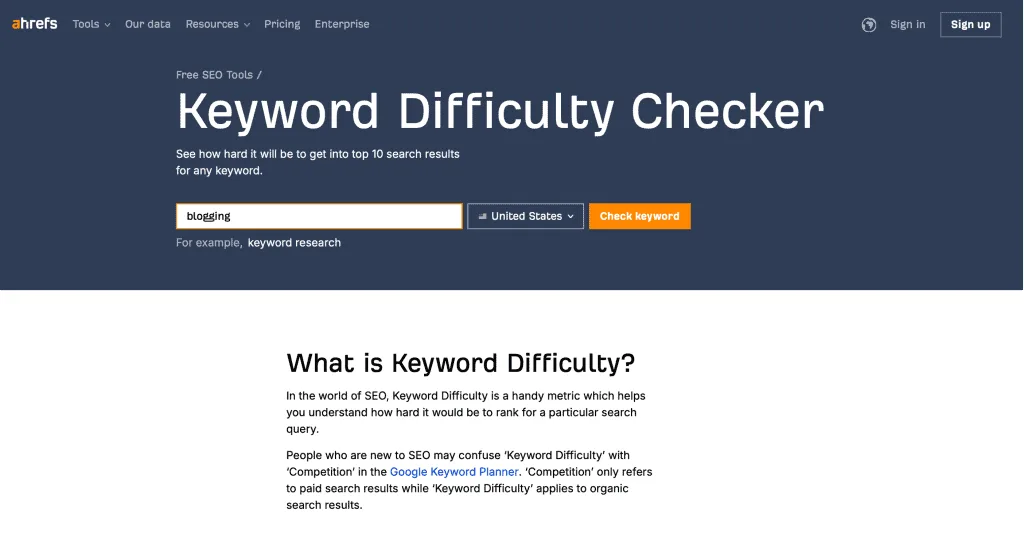
The paid tools are excellent. They are also unnecessary for the first year of most projects. A free keyword difficulty checker gives you the one data point that matters most when you are starting out: whether a term is realistically winnable.
Free versions typically limit daily searches, hide some metrics, or cap the number of keywords you can analyze at once. Those limits are annoying, not fatal. If you plan your research in batches and keep a running spreadsheet, you can do a full content calendar in a single afternoon.
Where free tools fall short is bulk analysis. Effective execution in your keyword difficulty checker makes a tangible difference. If you need to score 5,000 keywords at once, you will eventually pay. But by then you will know exactly which paid feature you need, and you will not be guessing.
What to Check Beyond the Score
A keyword difficulty checker tells you how hard the field is. It does not tell you whether the field is worth entering. Those are different questions.
Before you commit, look at three things the score ignores. Maintaining clarity across your keyword difficulty checker remains essential. First, check the actual top ten results. Are they all listicles when you want to write a tutorial? That mismatch will hurt you no matter how low the score is.
Second, check whether the results are recent. If the top five pages are five years old and thin, you have an opening. Third, check for ads. Heavy ad presence usually signals commercial intent, which can be great for affiliate content and terrible for informational posts.
I once found a keyword with a difficulty score of 11 that looked like a gift. Then I read the top results and realized every single one was a forum thread answering a hyper-specific question.
My planned 2,000-word guide would have been the wrong format entirely. A thoughtful approach to keyword difficulty checker reinforces your qualifications. The score was honest. My read of it was lazy.
Free Keyword Difficulty Checker Options Worth Using
You have more free options than you probably think. Each one has a personality, and matching the tool to your workflow saves real time.
Here is how the main free tools stack up, based on what I actually use week to week.
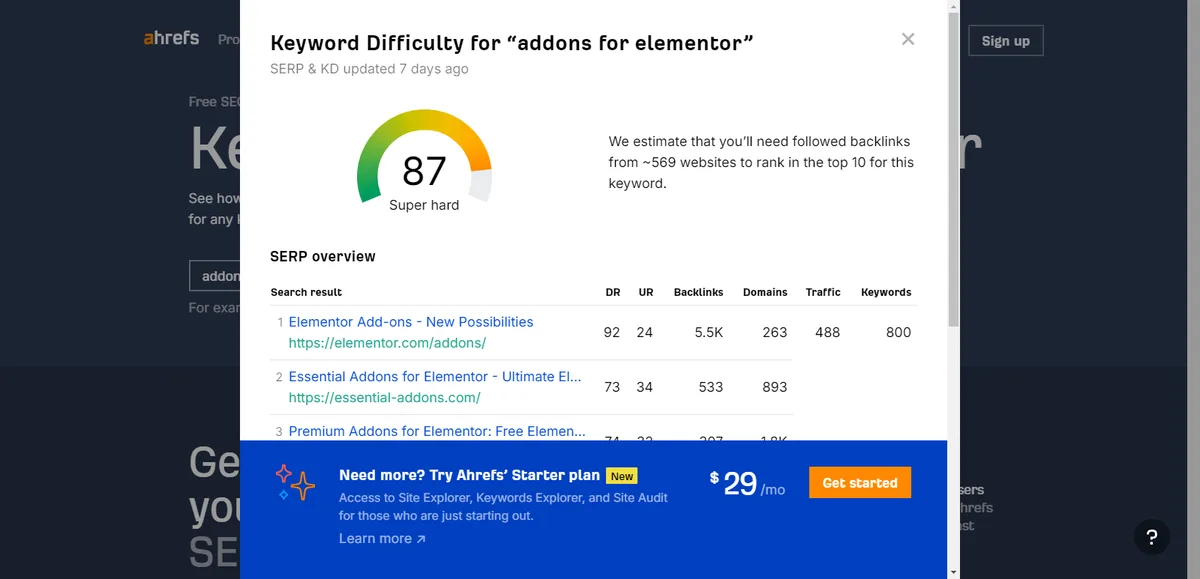
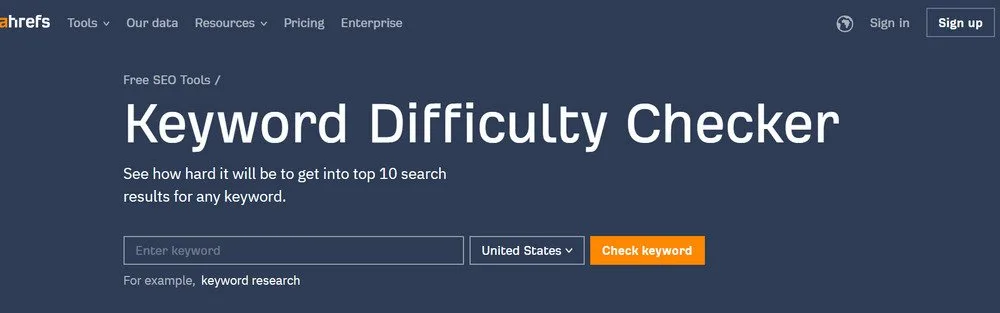
- Ahrefs Free Keyword Generator — Shows a difficulty score alongside search volume for your seed term plus dozens of related ideas. The score is domain-based and tends to run high, so treat anything under 30 here as genuinely soft. Great for a first pass when you are brainstorming a niche.
- Semrush Free Keyword Overview — Gives you a difficulty percentage plus a snapshot of the top ten domains. The domain snapshot is the real value; you can see instantly whether you are competing with giants. Useful when you want to sanity-check a keyword before writing.
- Moz Free Keyword Explorer — Limited to a handful of queries per day, but the difficulty metric is well-calibrated for smaller sites. If you run a niche blog, this often feels more realistic than Ahrefs.
- Ubersuggest — Generous free limits and a simple interface. Difficulty scores lean optimistic, so cross-check anything that looks suspiciously easy. Good for beginners who want volume and difficulty in one screen.
- Google Keyword Planner — No difficulty score at all, but the competition column and suggested bid give you a rough proxy. Pair it with any keyword difficulty checker and you have a workable combo for free.
- AnswerThePublic and AlsoAsked — Not difficulty tools, but they surface the long-tail questions that almost always score lower. Feed their output into a keyword difficulty checker and you will find easy wins fast.
The smartest approach is to use two tools. Structuring your keyword difficulty checker around proven patterns ensures impact. One for volume, one for difficulty. Cross-reference the results and only pursue keywords that look winnable in both.
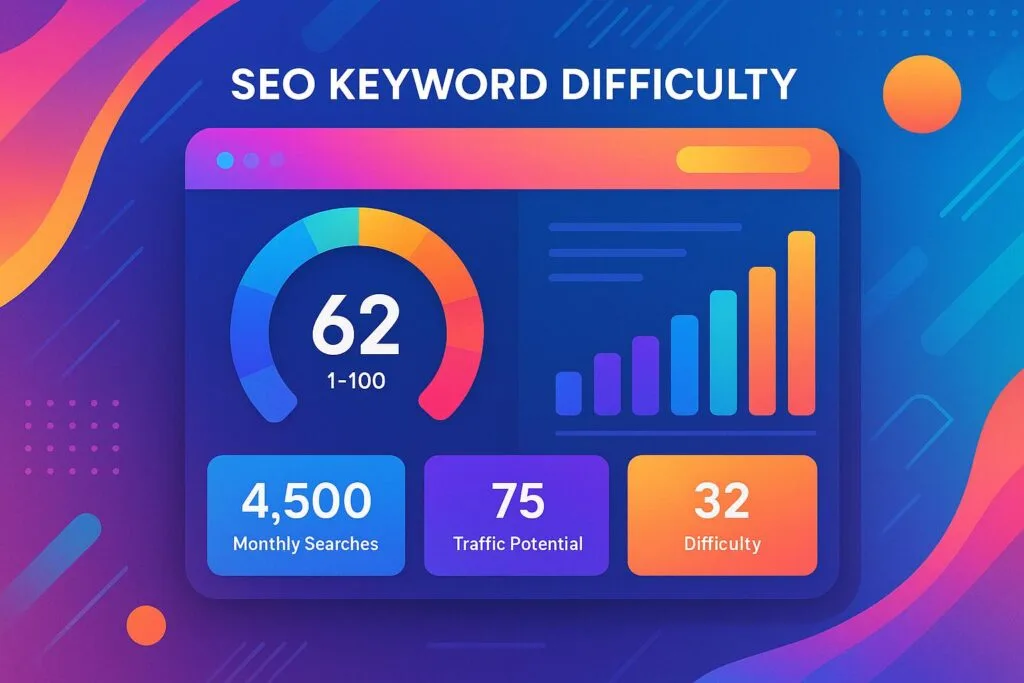
Building a Workflow Around a Keyword Difficulty Checker
Tools do not rank pages. Workflows do. Here is the exact sequence I run whenever I start content for a new site or a new category.
Start with a broad seed list. Pull twenty to fifty topic ideas from your own knowledge, competitor sitemaps, or question-mining tools. Do not filter yet. Volume comes first, judgment comes later.
Next, run every seed through a keyword difficulty checker and log the scores in a spreadsheet. Add columns for search volume, search intent, and whether the top results match your content format. This takes an hour and saves weeks.
Then sort by score ascending. Applying these principles to your keyword difficulty checker yields measurable results. The bottom third of your list is your starting lineup. Ignore the top third entirely for now. The middle is your bench, ready when you have some authority built up.
Grouping Keywords Into Clusters
Single keywords are inefficient. Clusters are how you build topical authority, and a keyword difficulty checker helps you spot clusters hiding in plain sight.
Say you want to rank for “project management software.” That term probably scores in the 70s. But the cluster around it is full of easier entries: “project management software for freelancers,” “how to choose project management software,” “project management software vs spreadsheets.” Each of those might score in the 20s or 30s.
Write all of them. Maintaining clarity across your keyword difficulty checker remains essential. Link them together. Over time, your site becomes the obvious answer for the parent term, and you never had to fight the giants head-on. That is the whole game.
When I built a cluster for a small B2B client, we published nine supporting articles before touching the head term. Proper attention to your keyword difficulty checker sets a strong baseline. Six months later, the head term page ranked on page one without a single backlink built to it. The cluster did the work.
The Trap of Chasing Low Scores Only
Low difficulty is addictive. Once you find a keyword difficulty checker that hands you a stream of scores under 20, it is tempting to build an entire site out of them. Do not.
Ultra-low scores often mean ultra-low volume. A hundred keywords with ten searches a month each is technically easy, but the traffic math does not work. You will write for a year and end up with a trickle.
The better play is a mix. Roughly 60% of your content should target low-difficulty terms with real volume. Another 30% should target moderate terms where you can compete. The final 10% should be your long shots: the high-difficulty head terms that build brand and attract links even if they never rank.
Balance beats purity. Every time.
When a High Score is Actually a Green Light
There is one scenario where a scary number from a keyword difficulty checker should not stop you: when you have a genuine edge the tool cannot see.
Maybe you have firsthand experience nobody else has. Developing your keyword difficulty checker with precision highlights key strengths. Maybe you have a proprietary dataset. Maybe you are the only person writing about this topic from a specific angle. Tools measure link profiles and domain strength. They do not measure your unfair advantage.
If you have one, use it. Just be honest with yourself about whether it is real. “I really care about this topic” is not an edge. “I ran this experiment for two years and have the data” is.
Common Mistakes When Using Difficulty Scores
Even experienced writers slip into bad habits. A thoughtful approach to keyword difficulty checker reinforces your qualifications. These are the ones I see most often, and each one costs real time.
Mistake one: comparing scores across different tools. Clear alignment with your keyword difficulty checker builds confidence from the start. A 40 in Moz is not a 40 in Ahrefs. Pick your tool and stay loyal.
Mistake two: ignoring search intent. A low score on a keyword whose top results are all product pages means you should write a product page, not a blog post. Intent trumps difficulty every single time.
Mistake three: checking difficulty once and never again. Scores drift. A keyword that scored 55 two years ago might score 30 now if the top pages have decayed. Recheck your backlog every few months.
Mistake four: trusting the score without reading the SERP. Integrating keyword difficulty checker into your workflow produces consistent quality. The number is a summary. The results page is the truth. Always read it.
Mistake five: letting difficulty paralyze you. At some point you have to publish. A keyword difficulty checker is a planning tool, not a permission slip.
How Often to Recheck Your Keyword List
Quarterly is the sweet spot for most sites. Scores move slowly, but they do move, and a stale list means missed opportunities.
Set a calendar reminder. Structuring your keyword difficulty checker around proven patterns ensures impact. Pull your spreadsheet. Rerun the top twenty keywords you skipped because they were too hard. You will usually find two or three that have softened enough to attack.
This habit alone has given me more wins than any new tool. Targeted refinements to your keyword difficulty checker streamline the entire review. The keywords were always there. I just had to wait for the field to open up.
Matching Difficulty to Your Site’s Actual Strength
The biggest mistake beginners make is targeting keywords their site has no business ranking for. A keyword difficulty checker is only useful if you know your own number.
How do you find it? Look at what you already rank for. Pull your Search Console data and sort by position. If your best rankings sit in positions 20 to 50 for moderate terms, you are not ready for 60+ difficulty keywords. If you already have page-one rankings for terms scoring in the 30s, you can push into the 40s.
Your site’s strength is not a mystery. It is written in your own data. Read it before you plan.
New Sites versus Established Sites
A brand-new domain should live almost entirely in the 0 to 25 range for the first six months. No exceptions. The algorithm needs time to trust you, and low-difficulty keywords are how you earn that trust.
An established site with steady traffic can stretch into the 30s and 40s immediately. Applying these principles to your keyword difficulty checker yields measurable results. Once you have a few hundred ranking pages, the 50s become fair game. The 70s stay off-limits unless you have serious link-building firepower.
This progression is not a rule imposed by any tool. It is simply how the search landscape behaves. Respect it and you will grow faster, not slower.
Using a Keyword Difficulty Checker for Local SEO
Local keywords behave differently, and most difficulty tools handle them poorly. A keyword like “plumber near me” might show a national difficulty score that has nothing to do with your actual competition.
For local terms, the real competition is the map pack. Run your keyword through a keyword difficulty checker to get a baseline, then manually inspect the local results. How many reviews do the top three businesses have? How complete are their profiles? How many local citations do they hold?
A local keyword with a difficulty score of 45 can be trivially easy if the top map results have twelve reviews and no website. Conversely, a score of 15 means nothing if you are up against three established firms with hundreds of reviews and decade-old domains.
Local SEO rewards manual inspection more than any other niche. Proper attention to your keyword difficulty checker sets a strong baseline. Use the tool for the first filter, then do the human work.
Service Area Pages and Difficulty
One of the smartest local plays is building service-area pages around low-difficulty city and neighborhood terms. A keyword difficulty checker will usually show these scoring in the teens or low twenties.
Write one solid page per area. Include real details: landmarks, local references, testimonials from that area if you have them. Do not spin the same page twenty times with the city name swapped. That pattern gets ignored, and sometimes penalized.
Ten genuinely useful area pages will outperform a hundred templated ones. I have watched this play out on plumbing, roofing, and dental sites alike.
How Difficulty Interacts With Search Volume
Difficulty and volume are a seesaw. The higher the volume, the higher the difficulty almost always climbs. Your job is to find the sweet spot where both numbers work for you.
A simple way to visualize it: plot your keywords on a scatter chart with volume on one axis and difficulty on the other. Developing your keyword difficulty checker with precision highlights key strengths. The keywords in the top-left quadrant, high volume and low difficulty, are your golden tickets. They are rare. When you find one, drop everything and write it.
The bottom-right quadrant, low volume and high difficulty, is where dreams go to die. Avoid it entirely.
The middle is where most of your content lives. Moderate volume, moderate difficulty, steady compounding returns.
Why Volume Estimates are Also Rough
While we are being honest about tools: volume numbers are estimates too. Google Keyword Planner rounds aggressively and groups close variants. Third-party tools build models on clickstream data that can be wildly off for niche terms.
Do not let a low volume estimate stop you from writing about something your audience clearly cares about. If you see the topic discussed constantly in forums and social groups, the real search demand is there, even if a keyword difficulty checker shows a modest number.
Volume tells you how big the pie is. Clear alignment with your keyword difficulty checker builds confidence from the start. Difficulty tells you how hard it is to get a slice. Neither tells you whether the pie tastes good. That is your job.
Advanced Tactics for Squeezing More from Free Tools
Free tiers have limits. Here is how to work around them without paying.
Rotate tools. Use one for volume in the morning, another for difficulty in the afternoon. Most free limits are per-day or per-session, so spreading your work across providers multiplies your effective quota.
Batch your research. Instead of checking keywords one at a time as ideas pop into your head, collect fifty at once and run them in a single session. You will get more done and hit fewer walls.
Cross-reference with Search Console. Your own data is free and unlimited. If a keyword already brings you impressions, you have a head start no external tool can measure.
Use browser extensions sparingly. Integrating keyword difficulty checker into your workflow produces consistent quality. Many overlay difficulty scores directly onto search results. They are convenient, but they also encourage lazy research. Use them as a quick filter, then verify in a full tool.
Combining Difficulty With Content Gaps
The most underrated use of a keyword difficulty checker is pairing it with a content gap analysis. Find the keywords your competitors rank for that you do not. Then check their difficulty.
The ones that score low are your fastest wins. You already know the topic converts, because your competitors are getting traffic from it. You just need to write a better version.
I ran this exact play for a SaaS client and found eleven gap keywords scoring under 25. We published all eleven over two months. Nine of them hit page one within ninety days. That is what low-hanging fruit actually looks like.
Reading the SERP Like a Pro
No keyword difficulty checker can replace reading the actual results page. This is where the real intelligence lives.
Look at the domain types. If the top ten is a mix of forums, Quora, Reddit, and small blogs, you have an opening. If it is all major publishers with dedicated editorial teams, you do not.
Look at the content formats. Targeted refinements to your keyword difficulty checker streamline the entire review. Are they all videos? All product pages? All listicles? Match the format if you want to compete, or deliberately break it if you have a genuinely better angle.
Look at the freshness. Results from the past six months suggest an active topic where recency matters. Results from five years ago suggest a topic Google has stopped caring much about, which can be an opportunity or a warning.
Look at the featured snippet. If there is one, study it. Winning the snippet is often easier than winning position one, and it can double your click-through rate.
Signals That a Low Score is Misleading
Sometimes a low difficulty score hides a brutal reality. Watch for these tells.
The top results are all from one dominant domain. That means one site owns the topic, and a low score is just an artifact of how the tool calculates competition.
The keyword has strong local intent but you are not local. Focusing on keyword difficulty checker provides clear direction here. You will lose to the map pack no matter what the score says.
The keyword is branded. If every result is about a specific company, ranking for it means competing with that company’s own site. Skip it.
Trust your eyes over the number. The tool is a starting point, not the final word.
Turning Difficulty Data Into a Content Calendar
Data is useless until it becomes a schedule. Here is how I convert a keyword list into a publishable calendar in under an hour.
Sort your keywords by difficulty ascending. Refining each detail of your keyword difficulty checker strengthens this section. Take the top thirty. Assign each one a publish date, spacing them two to three per week if you can sustain that pace. Group related keywords so you can write them back to back while the research is fresh.
For each keyword, note the target format: listicle, tutorial, comparison, or landing page. Note the primary internal link target. Note the one external source you will cite. That is your brief.
Now you have a calendar that respects difficulty, matches intent, and builds clusters. No guesswork, no wasted effort.
Balancing Quick Wins With Long-Term Plays
Your calendar should not be all easy keywords. That builds traffic but not authority.
Reserve one slot per month for a stretch keyword. Something that scores ten to fifteen points above your current comfort zone. Even if it does not rank immediately, it signals topical depth and often attracts links you would not get otherwise.
Over a year, that is twelve stretch pieces. Effective execution in your keyword difficulty checker makes a tangible difference. Two or three will usually break through. The rest build the foundation for the following year.
This is how sites grow past their weight class. Not by playing it safe forever, but by taking calculated swings at the right moments.
How Often Should You Use a Keyword Difficulty Checker
Every time you plan content. That is the honest answer.
Before you write a single word, run the target keyword through a keyword difficulty checker. It takes ten seconds. It can save you ten hours.
Beyond that, run a full audit quarterly. Pull your entire keyword backlog, rescore everything, and reshuffle your priorities. Fields shift. New competitors appear. Old ones fade. Your list should reflect the current reality, not the one you saw six months ago.
For active projects, I also recommend a monthly spot-check on any keyword you are currently targeting. If the difficulty has spiked, you may want to pivot to a variation before you invest more time.
Signs It is Time to Abandon a Keyword
Sometimes you pick a keyword, write a great page, and it still will not move. Maintaining clarity across your keyword difficulty checker remains essential. When do you walk away?
If you have published, built a few links, waited three to four months, and you are still stuck beyond position fifty, the keyword is probably out of reach. Do not keep pouring effort into it. Redirect that energy.
Run the keyword through a keyword difficulty checker again. If the score has climbed, that confirms your suspicion. The field got harder while you were working. Cut your losses and move on.
Abandoning a keyword is not failure. It is reallocating resources toward something that will actually pay off.
Mistakes That Cost Me Real Traffic
I will be blunt about a few things I got wrong early on, because these lessons were expensive.
I once ignored difficulty entirely and targeted a head term in the fitness niche. I wrote 4,000 words. It never ranked past page six. Six weeks of work, gone. A keyword difficulty checker would have told me in ten seconds that the term was owned by three major publications.
I also over-indexed on difficulty once and built an entire site around ultra-low-volume keywords. A thoughtful approach to keyword difficulty checker reinforces your qualifications. Traffic trickled in at a rate that could not justify the effort. The scores were honest. My strategy was not.
The balance I use now is the one I described earlier: 60% low difficulty with real volume, 30% moderate, 10% stretch. It has not failed me yet.
Lessons from a Failed Niche Site
One project taught me the hardest lesson. I built a niche site targeting a topic I loved but had no authority in. Every keyword I picked scored above 50.
I published twenty articles over four months. Total traffic after six months: under 200 visits a month. The content was good. The strategy was doomed from the start.
If I had run each keyword through a keyword difficulty checker before writing, I would have seen the problem immediately. Instead, I trusted my enthusiasm. Enthusiasm does not rank pages.
That site is now a case study I share with every client. Structuring your keyword difficulty checker around proven patterns ensures impact. It is the reason I never skip the difficulty step.
Choosing the Right Tool for Your Situation
Different situations call for different tools. Here is how to pick.
If you are brand new and broke, use Ubersuggest or the free tiers of Ahrefs and Moz. Rotate between them to stretch your daily limits.
If you run a content team and need bulk analysis, pay for Ahrefs or Semrush. The bulk features will save you dozens of hours a month.
If you are focused on local SEO, use a keyword difficulty checker for the initial filter, then switch to a local-specific tool like BrightLocal for the real analysis.
If you are in ecommerce, prioritize tools that show commercial intent signals alongside difficulty. Semrush and Ahrefs both do this well.
There is no universal best tool. Applying these principles to your keyword difficulty checker yields measurable results. There is only the right tool for your stage, budget, and niche.
When to Upgrade from Free
Upgrade when the free limits start costing you more time than the subscription would cost you money. That is the only trigger that matters.
For most solo bloggers, that moment never comes. Free tools plus a disciplined workflow will carry you to six figures of annual traffic. I have seen it happen repeatedly.
For agencies and in-house teams, the upgrade usually pays for itself in the first week. Bulk exports, API access, and historical data are worth real money when you are managing dozens of clients.
Do not upgrade because a tool’s marketing told you to. Proper attention to your keyword difficulty checker sets a strong baseline. Upgrade because your workflow demands it.
Frequently Asked Questions About Keyword Difficulty
Here is an in-depth breakdown of key considerations regarding this section:
Is a Keyword Difficulty Checker Accurate?
It is directionally accurate, not precise. The score tells you whether a field is soft or brutal. It does not tell you exactly how many backlinks you need. Use it as a filter, not a formula.
Accuracy also varies by tool and by niche. Scores for local keywords, branded terms, and emerging topics tend to be less reliable. For mainstream informational and commercial keywords, the scores are usually close enough to guide decisions.
Can I Rank for a High-Difficulty Keyword With No Backlinks?
Occasionally, yes, but do not bet your strategy on it. High-difficulty keywords almost always require authority, and authority usually means backlinks. If you have a genuinely unique angle or firsthand data, you can sometimes break through. Otherwise, build links first.
A better approach is to target lower-difficulty variations of the same topic, rank for those, and let the internal linking lift your main page over time.
How Many Keywords Should I Check per Day?
As many as your free tier allows, batched into a single session. Fifty is a good target for a planning day. More than that and you start making careless decisions.
Quality of analysis matters more than quantity of checks. Ten keywords properly evaluated beat a hundred glanced at.
Does Difficulty Change Over Time?
Constantly. New competitors enter. Old pages decay. Google’s understanding of intent shifts. A keyword that was impossible two years ago might be wide open now.
This is why quarterly rechecks matter. Developing your keyword difficulty checker with precision highlights key strengths. Your keyword list is a living document, not a one-time artifact.
Should I Trust One Tool or Use Several?
Use one primary tool for consistency, and one secondary tool for cross-checking anything that looks suspicious. Comparing scores across three tools every week will confuse you more than it helps.
Pick your primary based on your niche and budget. Stick with it long enough to learn its quirks.
What is a Good Difficulty Score for a New Site?
Under 25 is ideal. Under 15 is a gift. Anything above 35 in your first six months is probably a waste of effort, no matter how appealing the topic looks.
Build authority with easy wins first. Clear alignment with your keyword difficulty checker builds confidence from the start. Then climb. The sites that grow fastest are the ones that respect this progression.
Can I Use a Keyword Difficulty Checker for YouTube or Pinterest?
Some tools offer platform-specific difficulty scores, but the underlying signals differ from web search. For YouTube, competition is driven by watch time and channel authority. For Pinterest, it is driven by pin freshness and engagement.
Use a keyword difficulty checker as a rough starting point, then validate with platform-native data. The scores will not map perfectly.
Practical Steps to Start Today
You do not need a perfect plan. You need a starting point. Here is one you can execute this week.
Pick your niche. Brainstorm fifty topic ideas. Run them all through a keyword difficulty checker. Sort by score. Circle the ten lowest that also have real search volume.
Write those ten. Publish them over the next month. Interlink them. Watch what happens.
That is the entire strategy. Everything else is refinement.
What to Do With the Data After You Publish
Track your rankings weekly. If a page hits page one within sixty days, you found a soft spot. Expand the cluster around it.
If a page stalls on page three for three months, it is probably not going to break through without help. Integrating keyword difficulty checker into your workflow produces consistent quality. Either build links to it or move on.
Feed the results back into your keyword list. The pages that rank tell you what your site is actually good at. Lean into that.
Every successful content operation I have seen runs this loop. Plan, publish, measure, adjust. The keyword difficulty checker is the entry point. The rest is discipline.
Final Thoughts on Picking Winnable Fights
There is no shortcut around difficulty. You either respect it or you waste months learning to respect it the hard way.
A keyword difficulty checker gives you the one piece of information that separates productive content from busywork: whether the field is winnable for a site like yours, right now. Ignore it and you will keep writing into the void. Use it well and every article you publish has a real shot.
Start with the easy wins. Build the cluster. Climb the ladder one rung at a time. That is how small sites become big ones, and it all begins with a single number you almost skipped.
For verified reference and background research, consult the authoritative informational resource on this topic.