If you have ever stared at a keyword tool wondering how often to repeat a phrase before Google notices, you are asking about the density of keywords for SEO.
Here is the short answer most guides bury under jargon: there is no magic number, but there is a healthy range, and staying inside it matters more than hitting any single figure. Let’s walk through what actually works.
I have audited hundreds of pages over the years, from tiny local bakery sites to sprawling e-commerce catalogs, and the pattern is always the same.
Pages that rank well tend to sit somewhere between one and two percent for their main term, while pages that get filtered or ignored almost always overshoot or undershoot that window. The density of keywords for SEO is not a lever you crank to ten and win. It is a balance you maintain while you write for real people.
This guide breaks down the math, the myths, the tools, and the practical execution. Whether you are writing your first blog post or managing a content team of twenty, you will find something usable here.
What Density of Keywords for SEO Actually Means
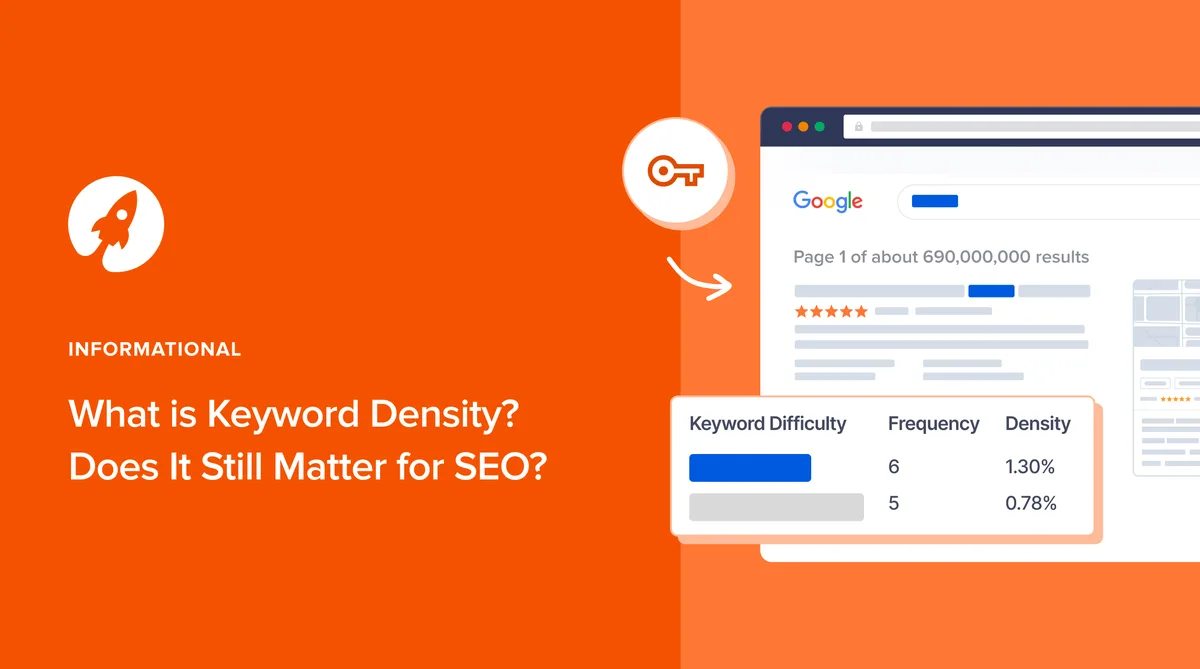
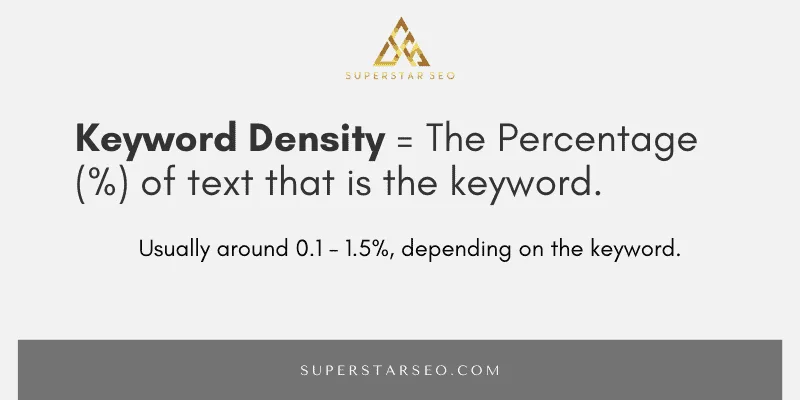
At its core, the density of keywords for SEO measures how often a target phrase appears relative to the total word count on a page. If your article runs 1,000 words and your keyword shows up ten times, that is a one percent density. Simple arithmetic, but the interpretation is where people get lost.
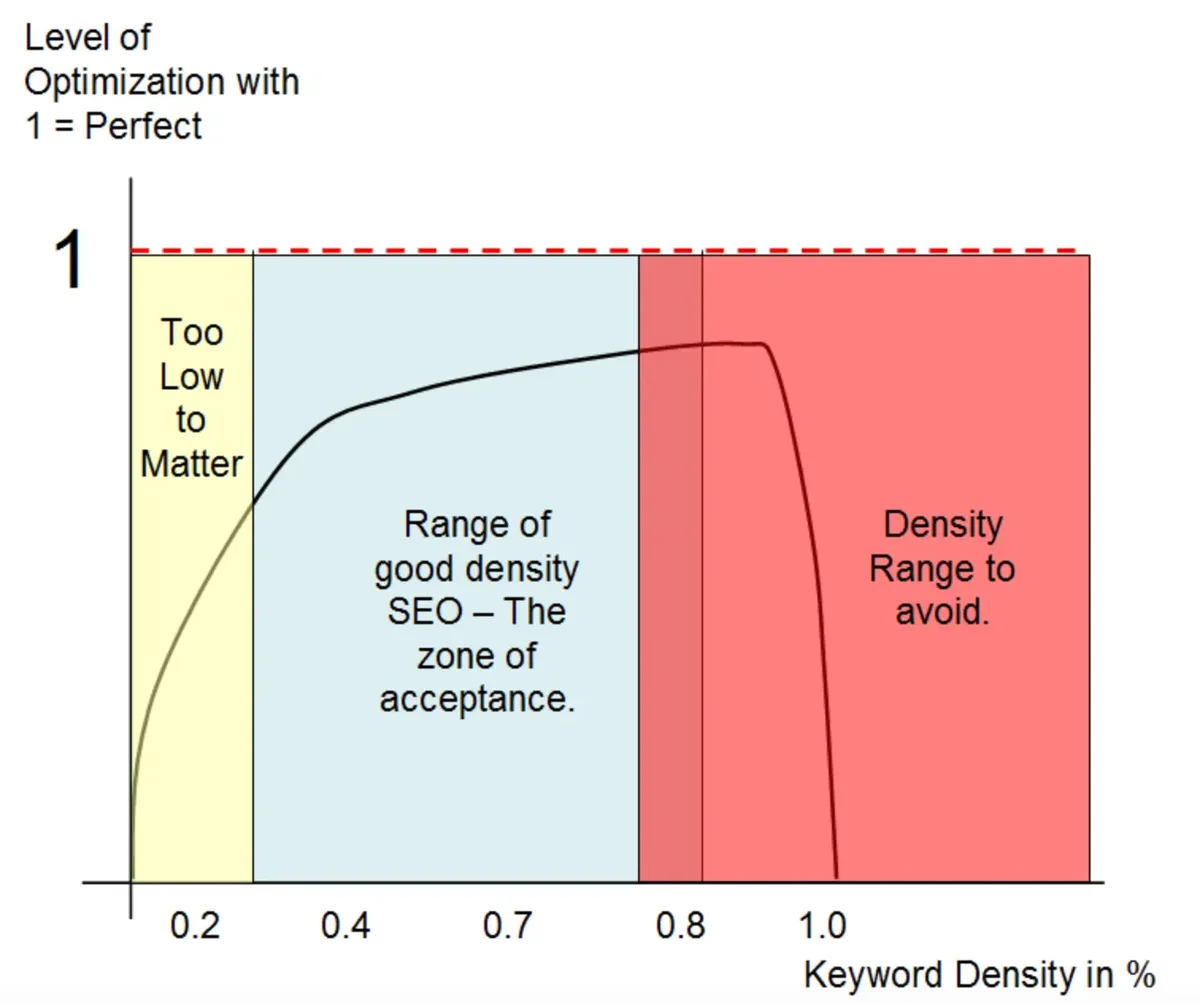
Search engines do not publish a threshold. Google has repeatedly said there is no ideal percentage, yet the concept refuses to die because it still functions as a useful sanity check.
When I review a draft and see the main phrase appearing twelve times in the first three paragraphs, that is a red flag regardless of what any algorithm says. It reads badly, and bad reading signals correlate with poor rankings.
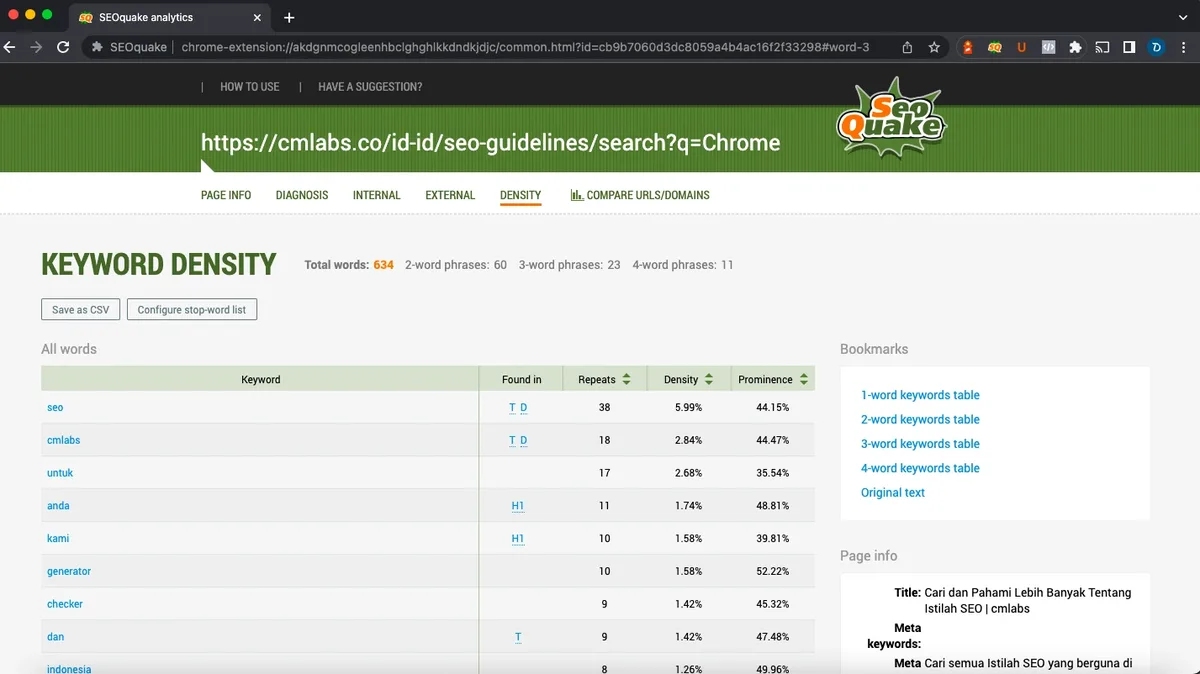
Think of the density of keywords for SEO as a temperature gauge rather than a target. It tells you when something is running hot. You do not aim for the gauge, you aim for the content, and the gauge confirms you have not drifted into spam territory.
The Original Formula and Why It Still Helps
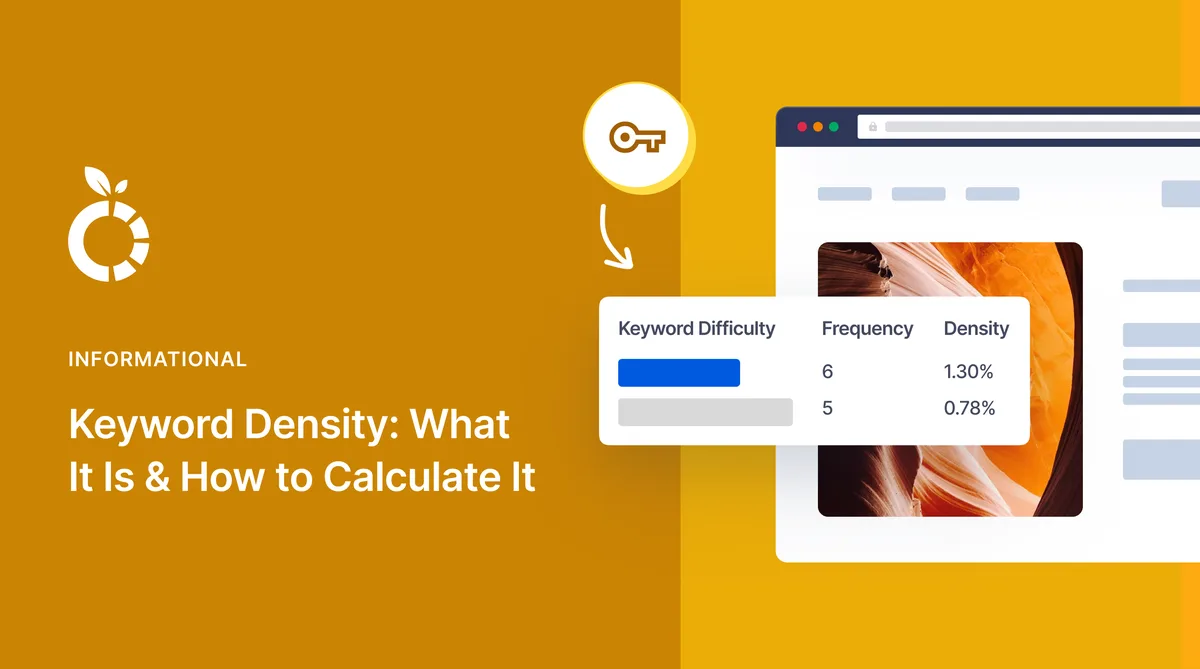
The classic formula is straightforward: divide the number of times your keyword appears by the total number of words, then multiply by one hundred. A page with 500 words and five keyword instances lands at one percent. That number was once treated as gospel by early SEO practitioners who stuffed pages until they ranked.
Those days are gone, but the formula survives because it forces discipline. When I train junior writers, I have them calculate the density of keywords for SEO on every draft before submission. Not because the number determines success, but because the exercise makes them conscious of repetition. Nine times out of ten, the calculation reveals they have leaned on the phrase harder than they realized.
Here is a quick reference table showing how the math plays out across common article lengths:
| Article Length | 1% Density | 1.5% Density | 2% Density |
|---|---|---|---|
| 500 words | 5 mentions | 7-8 mentions | 10 mentions |
| 1,000 words | 10 mentions | 15 mentions | 20 mentions |
| 2,000 words | 20 mentions | 30 mentions | 40 mentions |
| 3,000 words | 30 mentions | 45 mentions | 60 mentions |
| 5,000 words | 50 mentions | 75 mentions | 100 mentions |
Notice how quickly the numbers climb on longer pieces. A 5,000-word pillar article at two percent would need the phrase a hundred times, which is almost impossible to write naturally. This is precisely why the density of keywords for SEO tends to drop as content gets longer. There is simply more room for supporting language.

Why the Ideal Percentage Sits Between 1% and 2%
Ask ten SEO professionals for a number and you will get ten answers, but most cluster around one to two percent. That range is not arbitrary. It reflects the point where a phrase appears often enough to signal topical relevance without triggering the repetitive-pattern detectors that modern search engines use.
When I analyze competitor pages that hold top three positions for competitive terms, their density of keywords for SEO usually lands between 1.1 and 1.8 percent. Pages sitting above three percent are almost never in the top results. They exist, but they rank for something else entirely, usually long-tail variants that accidentally match.
Your target should shift based on intent. Informational queries tolerate lower density because users want depth and breadth. Transactional queries, like product pages, often run slightly higher because the page is focused on a single item. The density of keywords for SEO is contextual, not universal.

Informational Content versus Transactional Pages
A blog post explaining a concept needs room to breathe. If you are writing about density of keywords for SEO itself, you will naturally mention the phrase often because it is the subject. That is fine.
But a how-to guide on baking sourdough should mention sourdough starter repeatedly without forcing the exact phrase into every paragraph.
Product pages behave differently. A page selling a specific camera model can repeat that model name because users search for it directly and expect to see it. The density of keywords for SEO on a product page might sit closer to two percent without feeling forced, simply because the product is the entire point.
My rule of thumb: match the density to how a human would naturally discuss the topic. If a friend asked you about the density of keywords for SEO, you would say the phrase a few times in conversation, not every other sentence. Write like that.
The Real Risks of Keyword Stuffing
Stuffing is what happens when the density of keywords for SEO spirals out of control. You have seen these pages. The phrase appears in every heading, every image alt tag, and three times per paragraph. They read like they were written by a machine that only knows one sentence.
Google’s algorithms have gotten very good at spotting this pattern. The BERT update and subsequent core updates sharpened the ability to understand context, which means a page can rank for a term it mentions once if the surrounding content is genuinely relevant. Meanwhile, pages that hammer a phrase get demoted because they fail the basic test of readability.
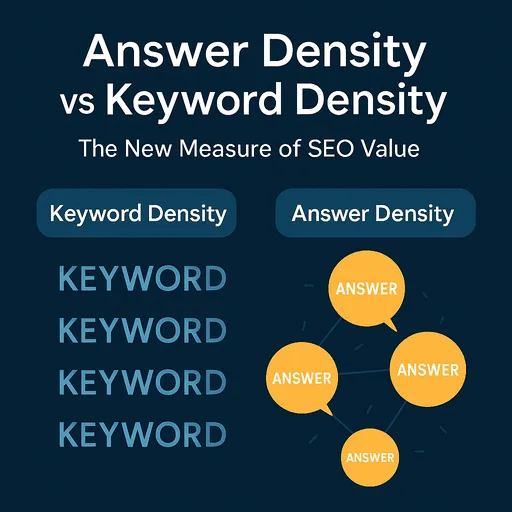
There is also a human cost. Visitors who land on a stuffed page bounce immediately. That bounce rate feeds back into rankings as a negative signal. So the density of keywords for SEO is not just about avoiding a penalty, it is about keeping readers on the page long enough to convert.
How Search Engines Detect Over-Optimization
Modern detection goes far beyond counting. Search engines analyze sentence structure, synonym usage, and the ratio of unique to repeated phrases. If your density of keywords for SEO hits four percent but every other word is a variant, you might still get flagged because the overall pattern looks unnatural.

I once reviewed a client page that mentioned their target term 47 times in 1,200 words. That is nearly four percent. The page had been ranking on page four for months. We rewrote it, cut the mentions to 14, added real examples, and it climbed to position six within three weeks. The density of keywords for SEO dropped by more than half, and performance improved.
That example is not unusual. Time and again, reducing repetition while improving substance produces better results than any stuffing strategy.

How to Calculate Density of Keywords for SEO Correctly
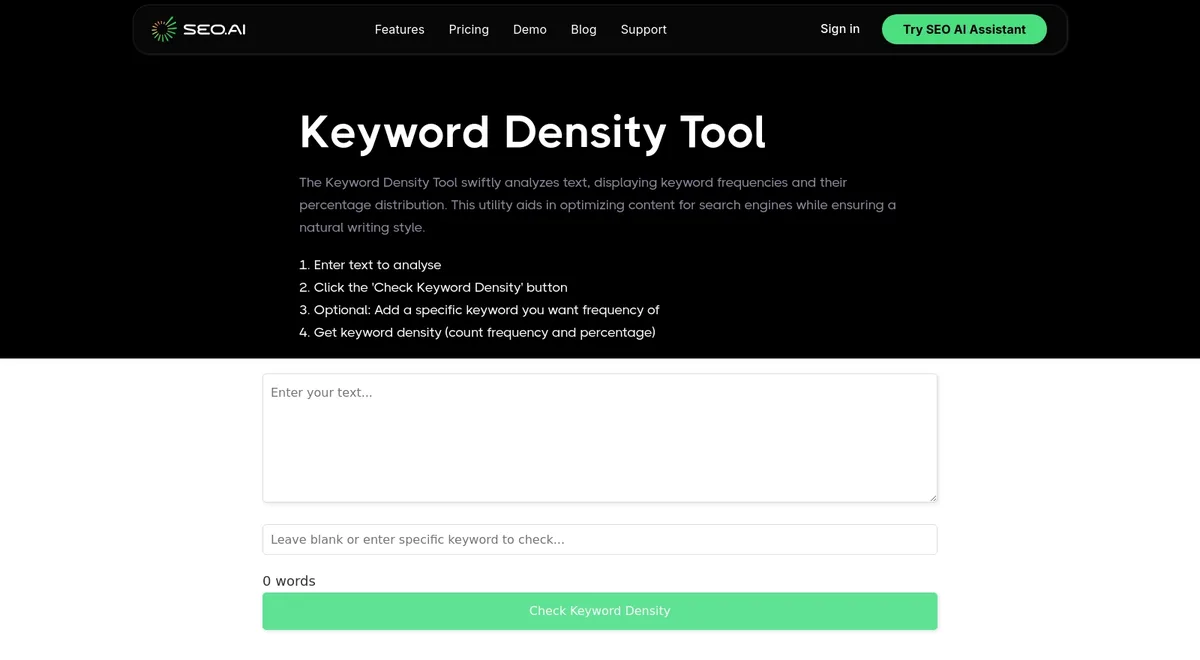
Manual calculation works fine for short pieces, but it gets tedious fast. For anything over 1,500 words, use a tool. The most common approach is to paste your text into a counter and let it tally exact matches. But there is a catch: most tools only count the exact phrase, ignoring plurals, synonyms, and partial matches.
That limitation matters because the density of keywords for SEO as a concept includes related terms. If you only count the precise phrase, you might think you are at one percent when your actual topical density is closer to three percent once you factor in variations. Google sees the whole picture, not just the exact string.
My workflow involves two passes. First, I check the exact-match density of keywords for SEO using a simple counter. Then I run the page through a semantic analysis tool to see how often related concepts appear. The gap between those two numbers tells me whether my content is naturally rich or artificially thin.
Tools That Make the Math Easier
Several free and paid tools handle this well. Yoast SEO shows keyword density in its analysis panel, though it rounds aggressively. Rank Math provides a more detailed breakdown and flags when you exceed recommended limits. For deeper analysis, tools like Surfer SEO and Clearscope map your usage against top-ranking competitors.
I lean on a mix. For quick checks, the built-in counters in WordPress plugins are enough. For pillar content, I use Surfer because it shows the density of keywords for SEO alongside dozens of related terms, which gives a fuller picture of topical coverage.
One caution: do not chase the tool’s score blindly. I have seen writers contort sentences to satisfy a dashboard, producing prose that no human would enjoy reading. The density of keywords for SEO is a guide, not a master.
Balancing Density With Natural Language and Readability
Here is where craft matters. Anyone can hit a percentage. Writing that hits the number while sounding like a person wrote it takes practice. The trick is to vary how you reference your topic. Use the exact phrase sometimes, pronouns other times, and related concepts in between.
Read your draft aloud. If you stumble over repetition, so will your readers. I keep a simple rule: if the density of keywords for SEO forces me to write a sentence I would never say out loud, I cut the mention and find another way to convey the idea.

Natural language also means embracing synonyms. Google’s natural language processing understands that “keyword concentration,” “term frequency,” and “phrase ratio” all relate to the same concept. Using those variants keeps your prose fresh while reinforcing topical relevance.
Practical Techniques for Human-Sounding Optimization
Start by writing your first draft without thinking about density at all. Get the ideas down. Then, in revision, check where your target phrase naturally belongs and where it feels inserted. The density of keywords for SEO should emerge from good writing, not be imposed on it.

Next, restructure sentences that repeat. If two consecutive paragraphs both open with your keyword, rewrite one to lead with a different angle. This small change dramatically improves flow while keeping the density of keywords for SEO in the healthy range.
Finally, use formatting to your advantage. Headings, bullet points, and tables give you places to mention the phrase without disrupting paragraph flow. A table row can carry the keyword naturally, as the one earlier in this article does.
Density of Keywords for SEO Across Different Content Types
Not all content behaves the same. A 300-word product description and a 4,000-word pillar guide require different approaches. Understanding those differences prevents you from applying a one-size-fits-all rule that hurts more than it helps.
Short-form content, like meta descriptions or social posts, usually runs higher density because there is less room. A 150-character meta description containing the phrase once technically has a very high density of keywords for SEO, but that is fine because the format demands brevity.
Long-form content trends lower. A comprehensive guide can mention its main term 40 times across 4,000 words and sit comfortably at one percent. That is the sweet spot for pillar pages that need to cover many subtopics.
Short-Form versus Long-Form Optimization
For short-form, prioritize clarity over percentage. A product title should contain the key term because that is what users scan. The density of keywords for SEO in a title tag is almost always high, and that is by design.
For long-form, focus on distribution. Spread mentions evenly rather than clustering them in the introduction. I have seen articles where the first 500 words contain eight mentions and the remaining 3,000 contain two. That imbalance looks manipulative. The density of keywords for SEO should be consistent throughout.
One more consideration: internal linking. When you link to related pages using anchor text that contains your keyword, you boost relevance without adding to on-page density. It is a way to reinforce the topic while keeping the visible prose clean.
Common Myths About Density of Keywords for SEO
Plenty of outdated advice still circulates. Let’s clear up the most persistent myths so you can stop wasting time on tactics that no longer work.
Myth one: there is a perfect percentage. There is not. The density of keywords for SEO is a range, and the ideal point within that range depends on your topic, competition, and content type. Anyone selling you a single number is oversimplifying.
Myth two: higher density means better rankings. The opposite is often true. Beyond a certain point, more mentions hurt. I have tested this directly by publishing two versions of similar content, one at 1.3 percent and one at 3.5 percent. The lower-density version outperformed consistently.
Myth three: density no longer matters at all. This one is tempting because Google downplays it, but the concept still functions as a proxy for quality control. The density of keywords for SEO is not a ranking factor in itself, but the repetition it measures correlates with signals that are.

What Changed After Major Algorithm Updates
The shift from exact-match to semantic understanding changed everything. Before, you could rank by repeating a phrase. Now, you rank by demonstrating comprehensive knowledge of a topic. The density of keywords for SEO became a secondary concern behind topical authority.
Google’s helpful content signals reward pages that satisfy user intent thoroughly. A page that answers every related question will outrank a page that simply repeats the main term. This means your energy is better spent expanding coverage than fine-tuning percentages.

That said, density still matters at the extremes. Pages with near-zero mentions of their target topic struggle to signal relevance, just as pages with excessive mentions get filtered. The density of keywords for SEO is the guardrail, not the engine.
Building a Workflow That Gets Density Right Every Time
Consistency beats perfection. A repeatable process ensures every piece you publish lands in the healthy range without last-minute panic. Here is the workflow I use and teach.
Step one: outline with intent. Before writing, identify the primary term and three to five related concepts. This prevents the density of keywords for SEO from becoming an afterthought.
Step two: draft freely. Ignore percentages entirely during the first pass. Momentum matters more than precision at this stage.
Step three: calculate and adjust. Run the draft through a counter, then revise sentences that feel forced. Aim for the middle of the range, not the edge.
Step four: read aloud. This catches awkward repetition that numbers miss.
Step five: check semantics. Use a tool to confirm you have covered related terms, not just the exact phrase.
Quality Control Checklist for Every Draft
Before publishing, run through this list. Does the density of keywords for SEO fall between one and two percent? Is the phrase distributed evenly across sections? Does the content answer related questions a reader would have?

Are there any paragraphs where the keyword appears more than once? If so, rewrite. Does the introduction feel natural, or does it read like a keyword dump? The first hundred words set the tone for everything that follows.
Have you used the phrase in at least one heading? Headings carry weight and help scanners understand your structure. Finally, does the conclusion reinforce the topic without overdoing it? A single, well-placed mention is enough.
Advanced Tactics for Experienced Practitioners
Once the basics are second nature, you can push further. Advanced optimization involves understanding how the density of keywords for SEO interacts with entity recognition, topical clusters, and user engagement signals.
Entity recognition means Google identifies the concepts your page covers, not just the words. If your content mentions related entities like “search intent,” “SERP analysis,” and “on-page optimization,” it strengthens the topical signal even if the exact phrase appears infrequently. The density of keywords for SEO becomes part of a larger relevance picture.
Topical clusters take this further. Instead of optimizing single pages in isolation, you build a network where each page supports the others. Within that structure, individual density matters less because the cluster as a whole demonstrates authority.
Using Semantic Variations to Reduce Repetition
Semantic variations let you maintain relevance while lowering exact-match repetition. Terms like “keyword frequency,” “term proportion,” and “phrase distribution” all signal the same concept. Sprinkling these throughout keeps your density of keywords for SEO in check without losing topical focus.
I often build a short list of five to seven variants before writing. Then I consciously rotate them. The result reads more naturally, and the page covers a broader semantic field, which helps with related searches.
Be careful not to overdo variants either. If every sentence uses a different synonym, the content can feel evasive. The density of keywords for SEO works best when the exact phrase appears often enough to anchor the topic, with variants filling the gaps.
Measuring Results and Iterating Over Time
Optimization is not a one-time event. Rankings shift, competitors update, and user behavior evolves. Tracking how your density choices affect performance lets you refine your approach with real data rather than guesswork.
Start by recording the density of keywords for SEO for every page you publish. Then monitor rankings, traffic, and engagement over the following weeks. Over time, patterns emerge. You might find that your audience responds better to pages at 1.2 percent than 1.8 percent, or vice versa.
I keep a simple spreadsheet for this. Columns for URL, target term, density, publish date, and ranking position at 30, 60, and 90 days. It is not fancy, but it turns intuition into evidence.
When to Adjust and When to Leave It Alone
Not every page needs tweaking. If a page ranks well and converts, leave it. The temptation to optimize further often does more harm than good. I have watched colleagues ruin solid rankings by “improving” pages that did not need it.
Adjust when performance stalls or declines. If a page sits on page two for months, check the density of keywords for SEO and compare it to top competitors. Sometimes a small shift, adding two mentions or removing three, makes the difference.
Also adjust when intent changes. If a query that was informational becomes transactional, your content may need restructuring, and the density of keywords for SEO should shift accordingly. Context drives everything.
Density of Keywords for SEO in a Multilingual Context
Language changes everything. A density that works in English may be too high or too low in German, Japanese, or Spanish. Word formation, sentence length, and search behavior all vary by market.
German, for example, compounds words, so a single term can carry more meaning than its English equivalent. This often means the density of keywords for SEO should run lower in German content because each mention does more work. Japanese, with its different script and search patterns, requires its own calibration.
If you manage multilingual sites, do not translate and assume. Test each language separately. I have seen teams apply English benchmarks globally and wonder why their international pages underperform.
Adjusting Benchmarks for Non-English Markets
Start by analyzing top-ranking pages in each target language. Their density of keywords for SEO gives you a local baseline. Then adjust for your specific niche and competition level.
Pay attention to how search engines in those markets handle stemming and synonyms. Some are more aggressive than others. A tool that works well for English may misread Japanese or Arabic, so verify your measurements with native-language tools when possible.
Cultural context matters too. Certain phrases carry connotations that affect how often they can appear before sounding odd. The density of keywords for SEO is a technical metric, but applying it well requires linguistic sensitivity.
Frequently Asked Questions About Density of Keywords for SEO
These are the questions I hear most often from writers, marketers, and business owners. The answers reflect current best practices rather than outdated dogma.
Is There a Perfect Keyword Density Percentage?
No. There is no universal number that guarantees rankings. The density of keywords for SEO should fall within a healthy range, typically one to two percent, but the ideal point varies by topic, content type, and competition. Focus on natural writing and use density as a check, not a target.
Can Too Much Density Hurt My Rankings?
Yes. Excessive repetition triggers spam filters and drives readers away. Pages that stuff keywords often rank poorly because they fail both algorithmic and human quality tests. If your density of keywords for SEO exceeds three percent, you are likely doing more harm than good.
Does Keyword Density Still Matter in Modern SEO?
It matters less than it once did, but it still serves as a useful diagnostic. The density of keywords for SEO is not a direct ranking factor, yet it correlates with content quality. Pages with reasonable density tend to be better written and more focused.
How Do I Check My Keyword Density?
Use a counter tool, or calculate manually by dividing keyword mentions by total word count. Many SEO plugins display this automatically. For deeper analysis, tools like Surfer SEO and Clearscope show how your density of keywords for SEO compares to top competitors.
Should I Optimize for Multiple Keywords on One Page?
Yes, but carefully. One primary term should anchor the page, with secondary and related terms supporting it. Track the combined density of keywords for SEO across all targets to avoid over-optimization. If the total climbs too high, trim the least important mentions.
What About Synonyms and Related Terms?
They help. Search engines understand semantic relationships, so using variants keeps your content fresh while reinforcing relevance. The density of keywords for SEO should account for these variations, not just exact matches, to give a complete picture.
Does Density Differ for Voice Search?
Voice queries tend to be longer and more conversational. Optimizing for them means using natural phrasing rather than exact-match repetition. The density of keywords for SEO for voice content often runs lower because the queries themselves are more descriptive.
Final Thoughts on Getting the Percentage Right
If you take one thing from this guide, let it be this: write for people first, then verify with numbers. The density of keywords for SEO is a tool for catching mistakes, not a formula for success. Pages that read well, answer questions thoroughly, and cover topics from multiple angles will outperform stuffed pages every time.
My advice is to aim for the middle of the healthy range, roughly 1.2 to 1.5 percent, and let the content guide the exact count. When the density of keywords for SEO feels invisible to you as a writer, it is probably right for your reader.
Keep testing, keep measuring, and keep refining. The best optimization is the kind nobody notices because the content is simply that good.
For verified reference and background research, consult the authoritative informational resource on this topic.