Why an Inbound Marketing Methodology Still Beats Spray-And-Pray Tactics
An inbound marketing methodology is not a pile of channel checklists; it is the operating logic that decides how strangers become buyers and how buyers become advocates. I have watched teams burn six-figure media budgets buying attention they could have earned, and I have watched small shops out-earn them with a fraction of the spend. The difference almost never comes down to creativity. It comes down to process.
This deep-dive is the field guide I wish someone had handed me in my first year running demand generation. It covers eight strategies that hold up under real constraints — thin teams, tight margins, skeptical sales reps who have seen too many “hot” leads go cold. And yes, it pulls no punches on the parts that sting.
Think of it as your working inbound marketing methodology guide: the parent topic is customer-centric acquisition, and every strategy below is a branch off that trunk. You do not need all eight on day one. You need the right sequence, and the discipline to finish what you start.
Before the inbound marketing methodology go further, one calibration. Most teams that say “inbound does not work for us” have never actually run it. They ran content marketing for ninety days, saw soft numbers, and pulled the plug right before compounding kicked in.
Others ran the inbound marketing methodology beautifully as a lead machine and then dropped the ball at the handoff, so sales treated inbound leads like junk mail. Both failures are process failures, not philosophy failures.
Keep that in mind as you read. Every strategy here is designed to be repeatable, measurable, and survivable when your star marketer takes a new job.
What Makes an Inbound Marketing Methodology Actually Work
Strip away the vendor language and a methodology is just a decision system. Refining each detail of your inbound marketing methodology strengthens this section. It tells you what to publish, who it is for, what happens after someone reads it, and how you will know whether it moved the needle. Without those four answers, “inbound” collapses into blogging for the sake of a publishing calendar nobody reads.
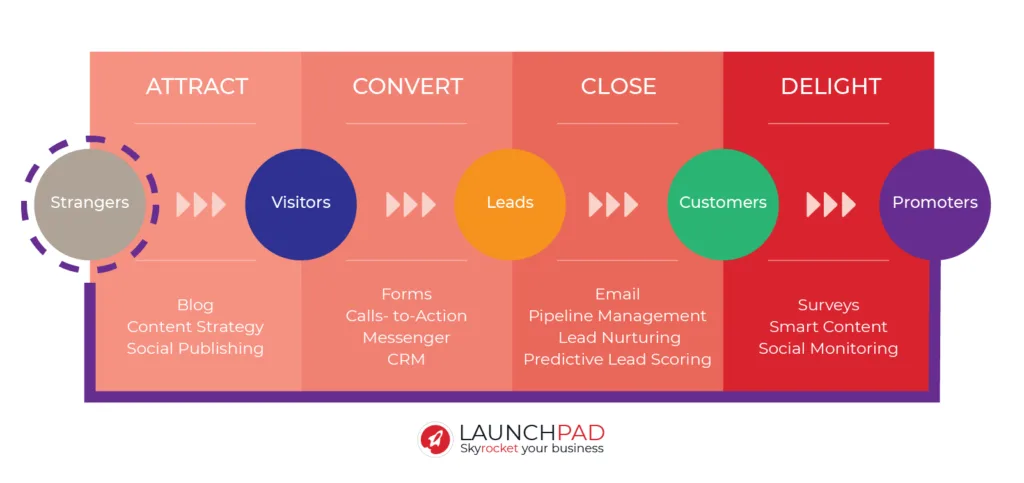
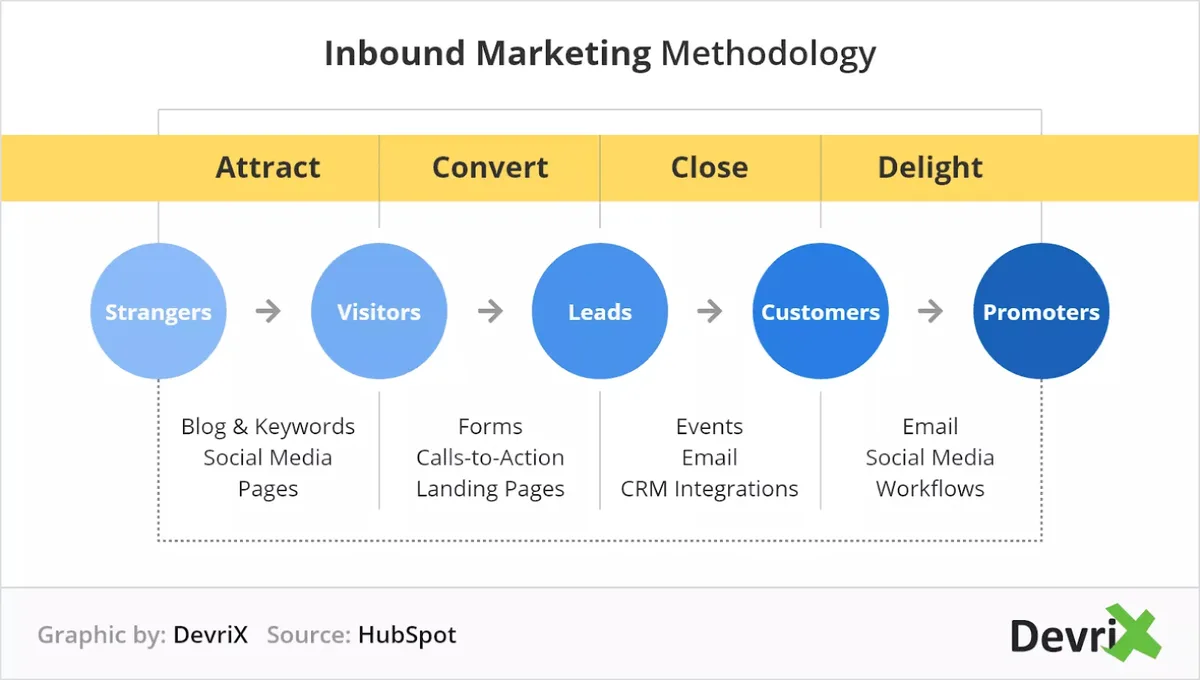
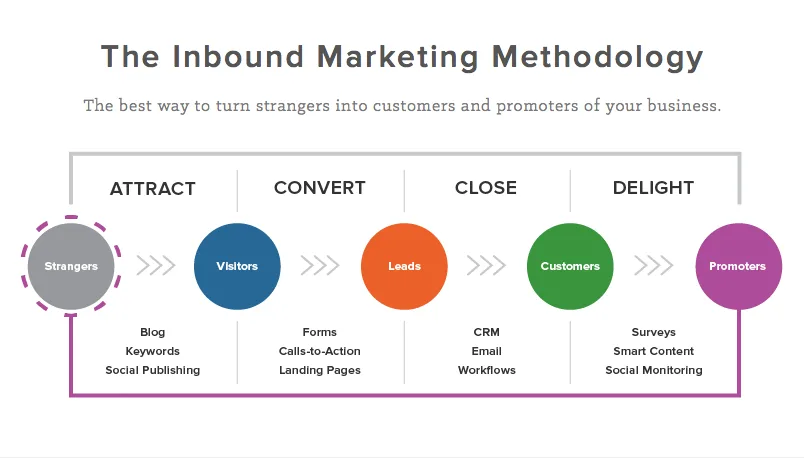
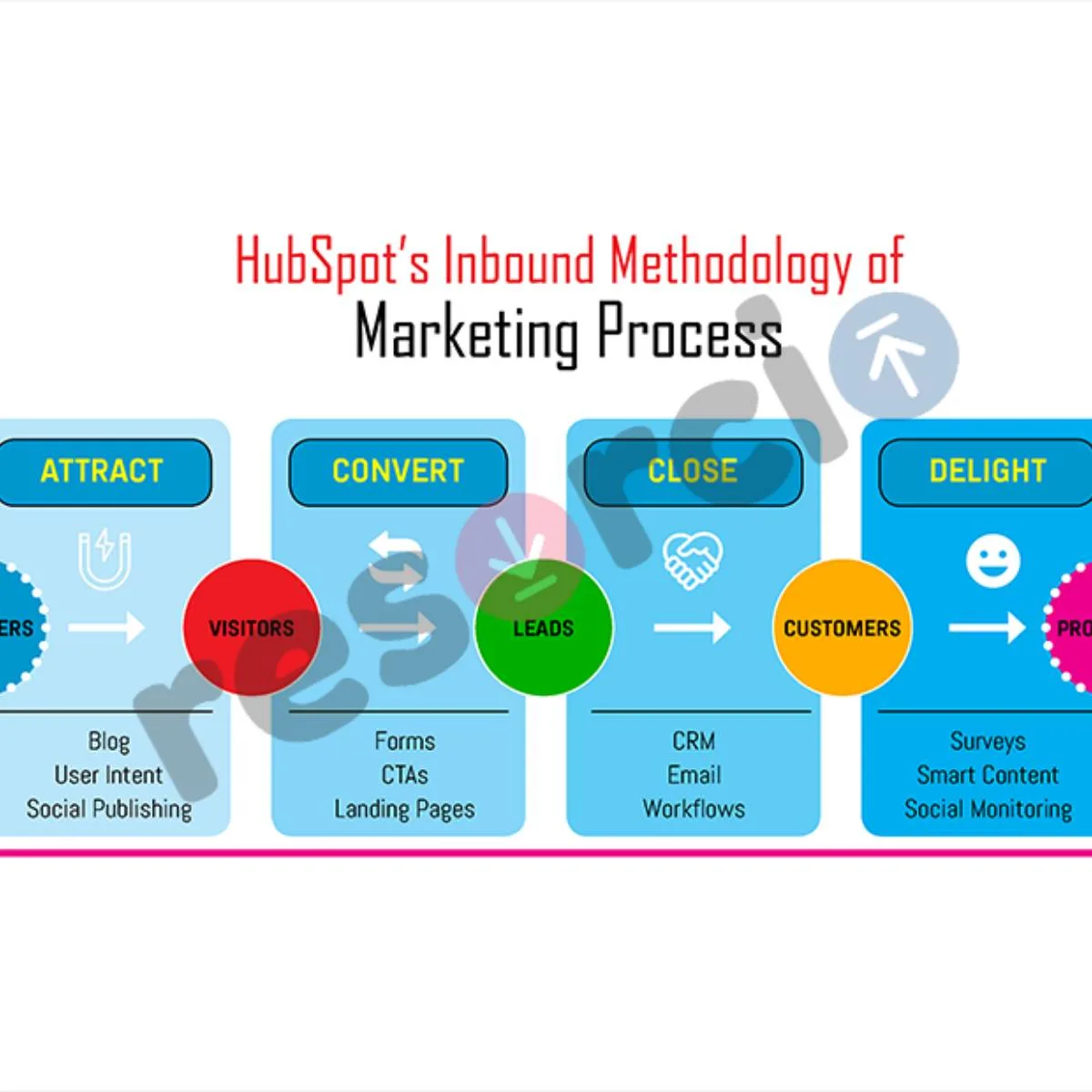
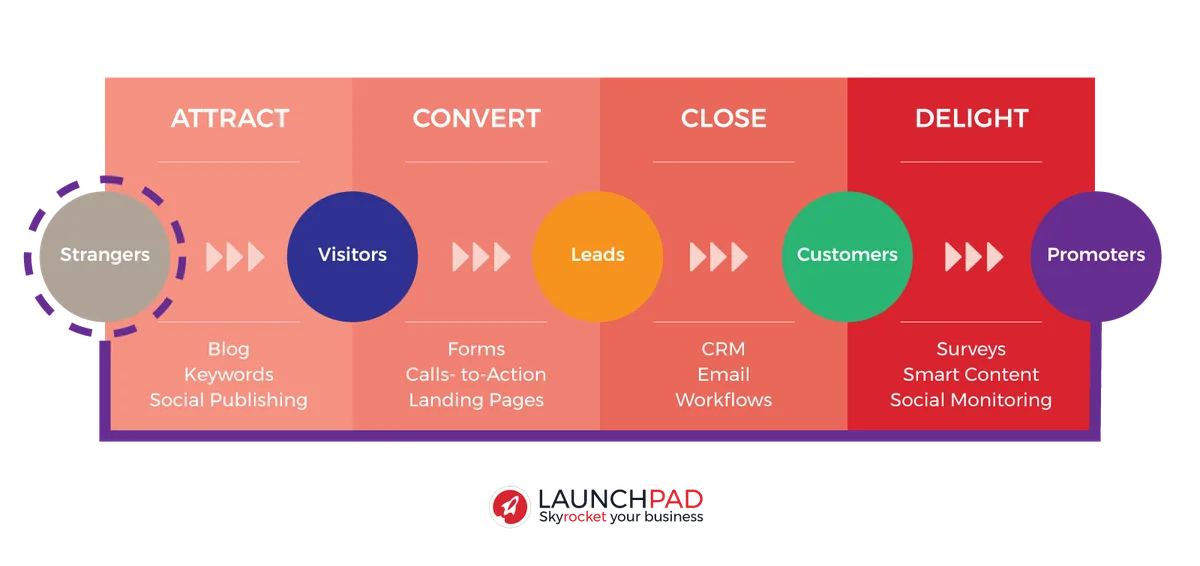
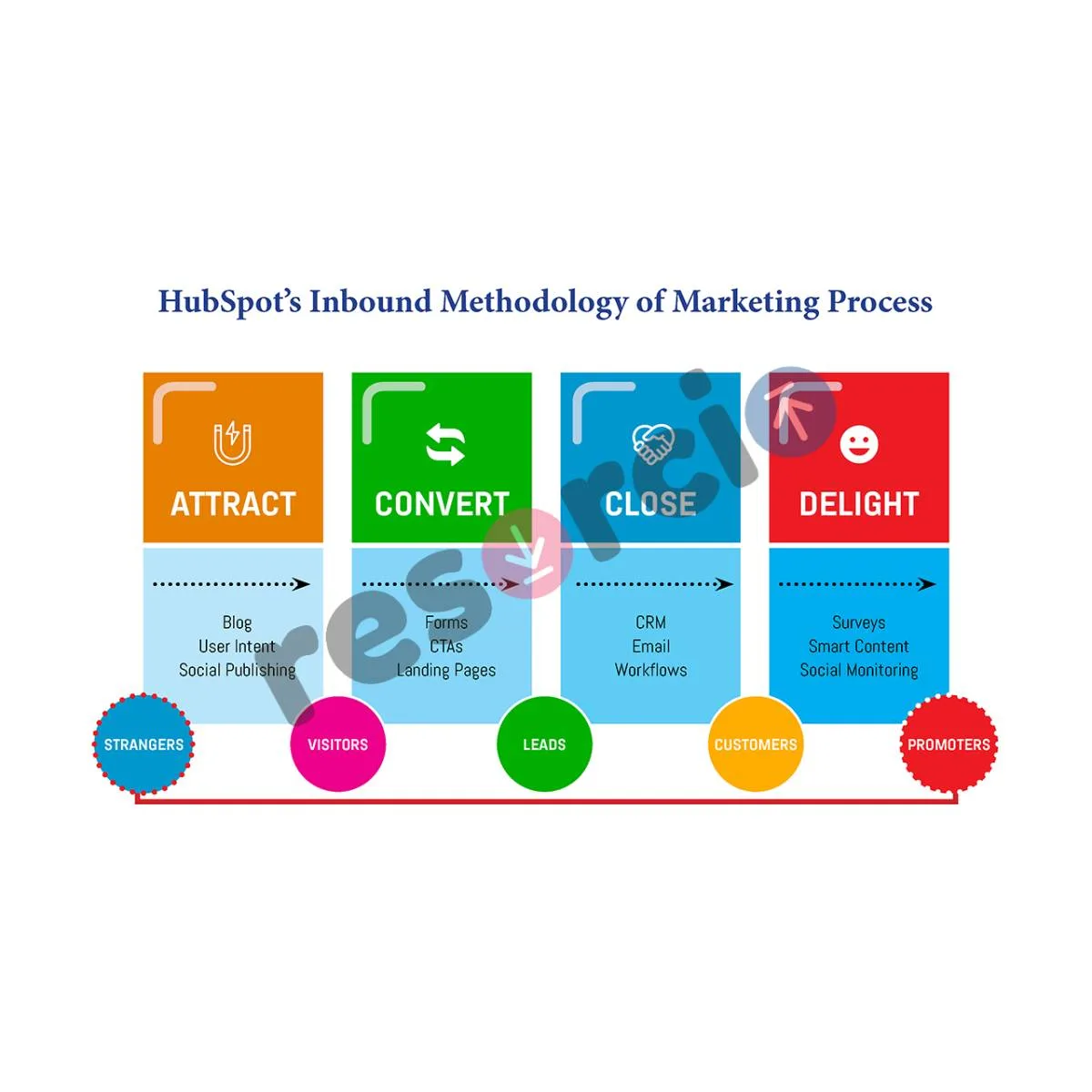
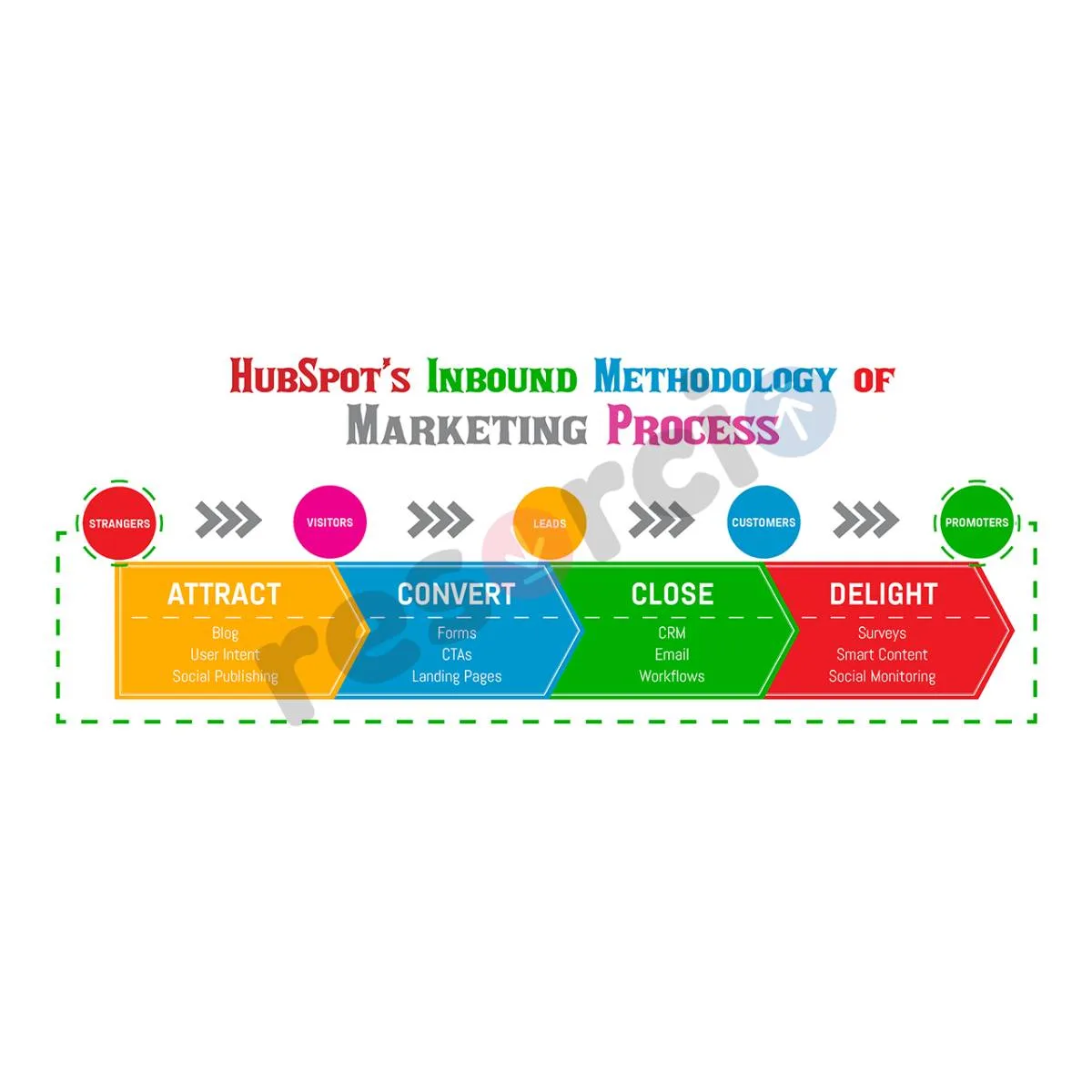
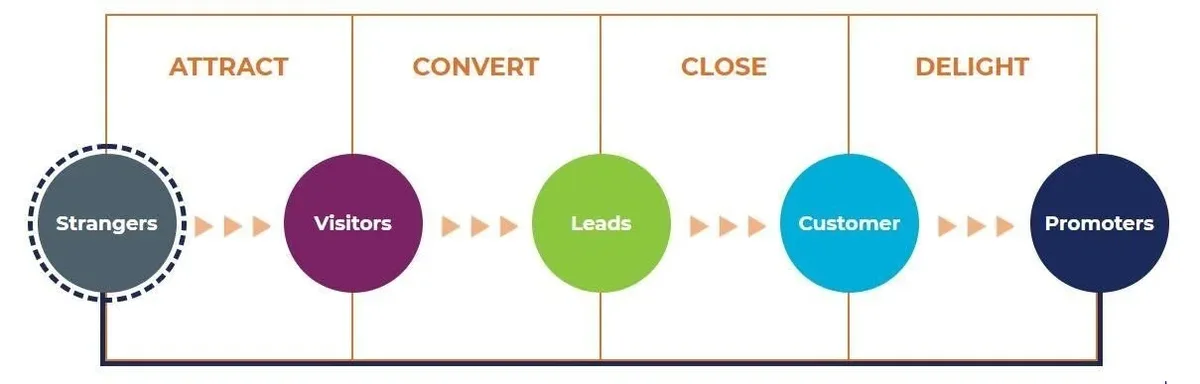
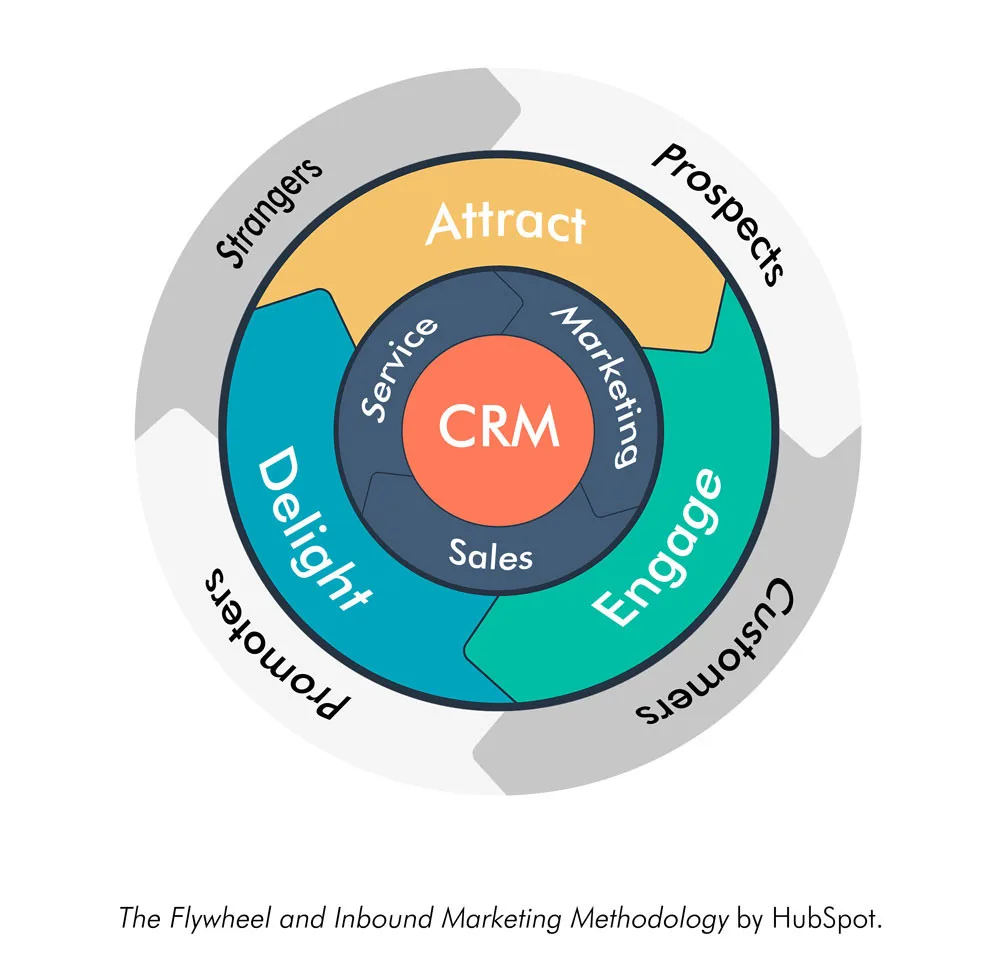
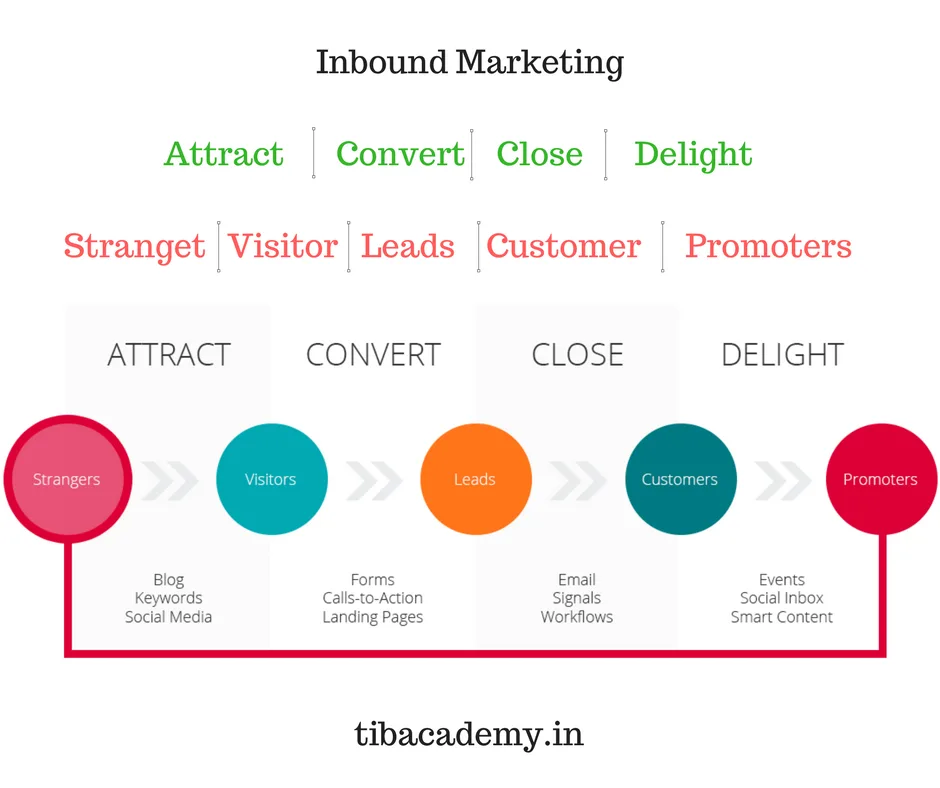
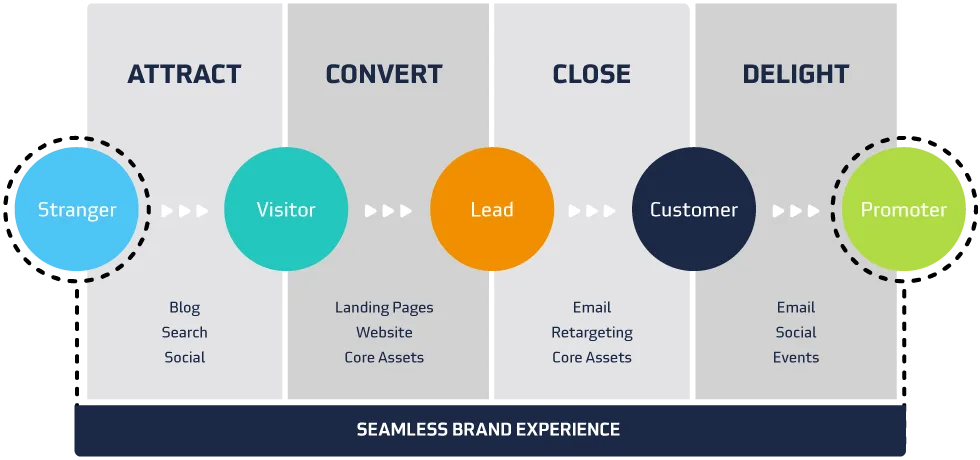
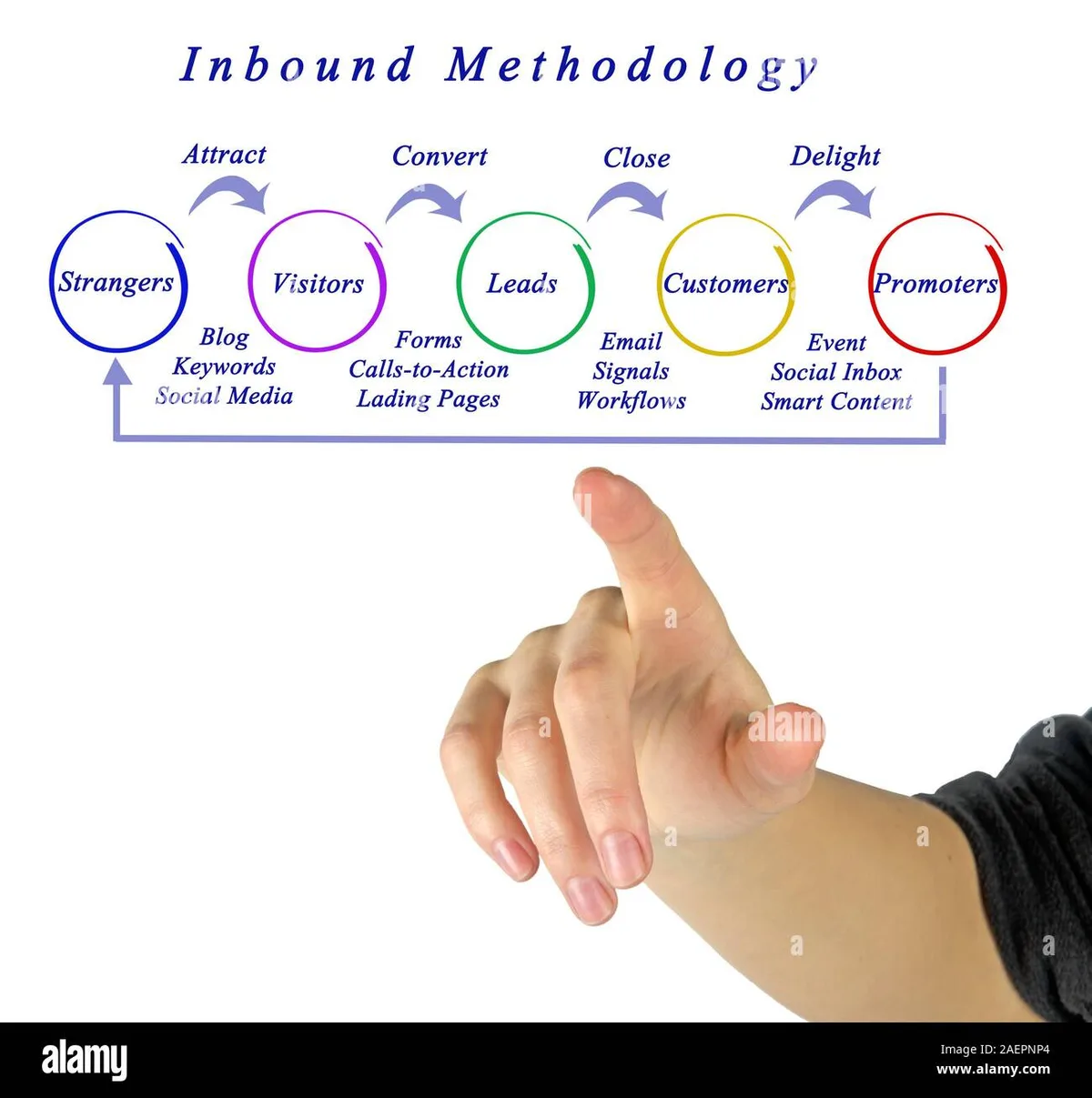
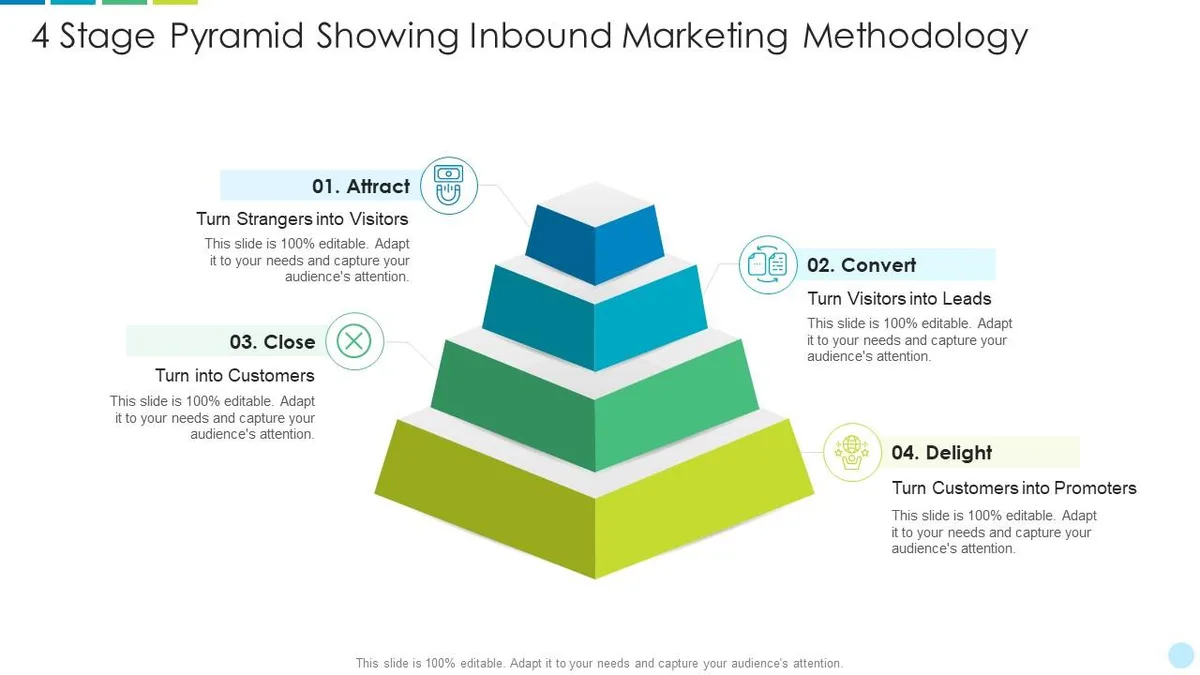
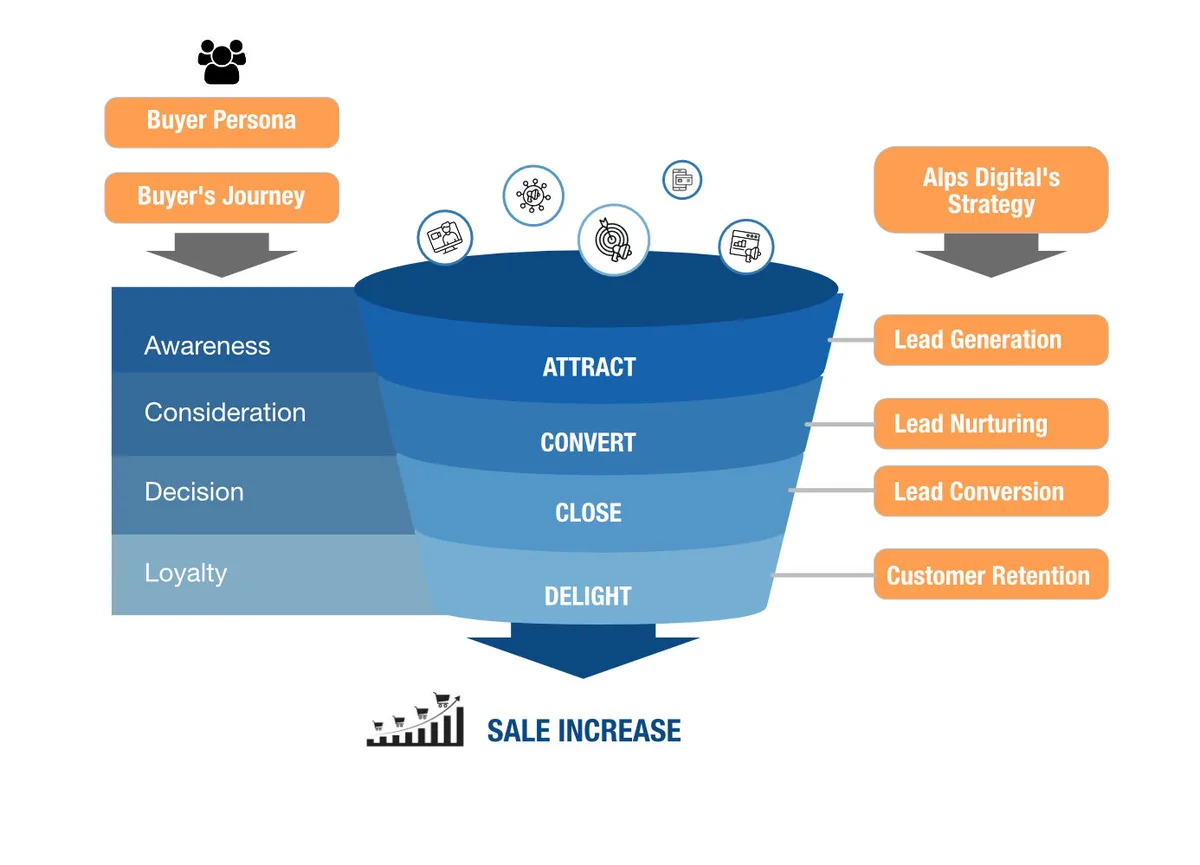
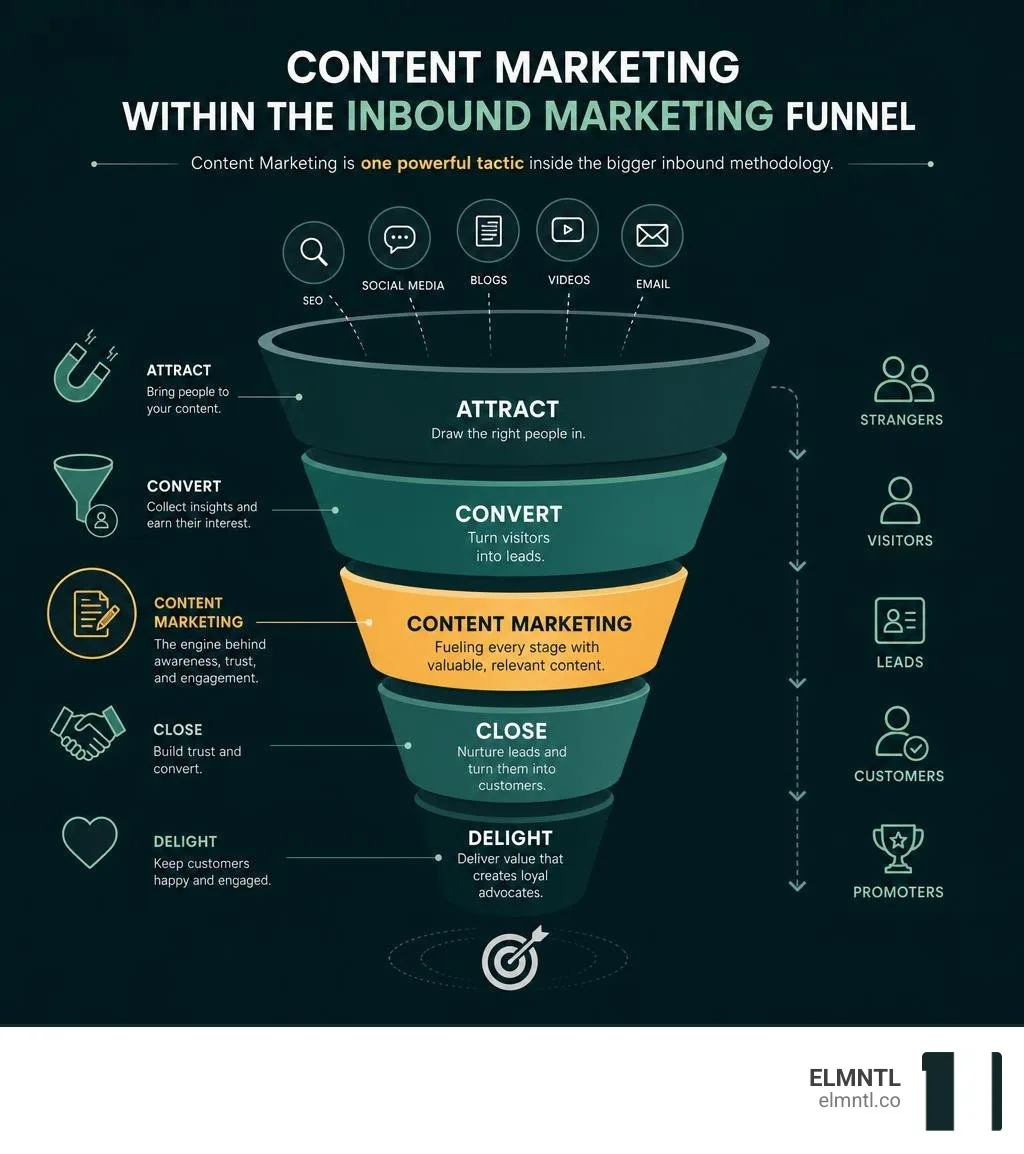
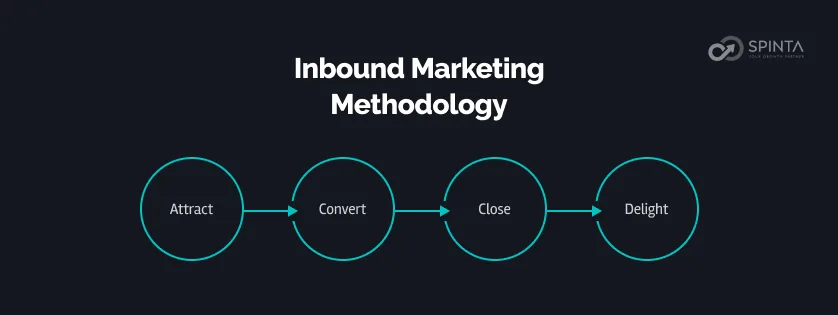
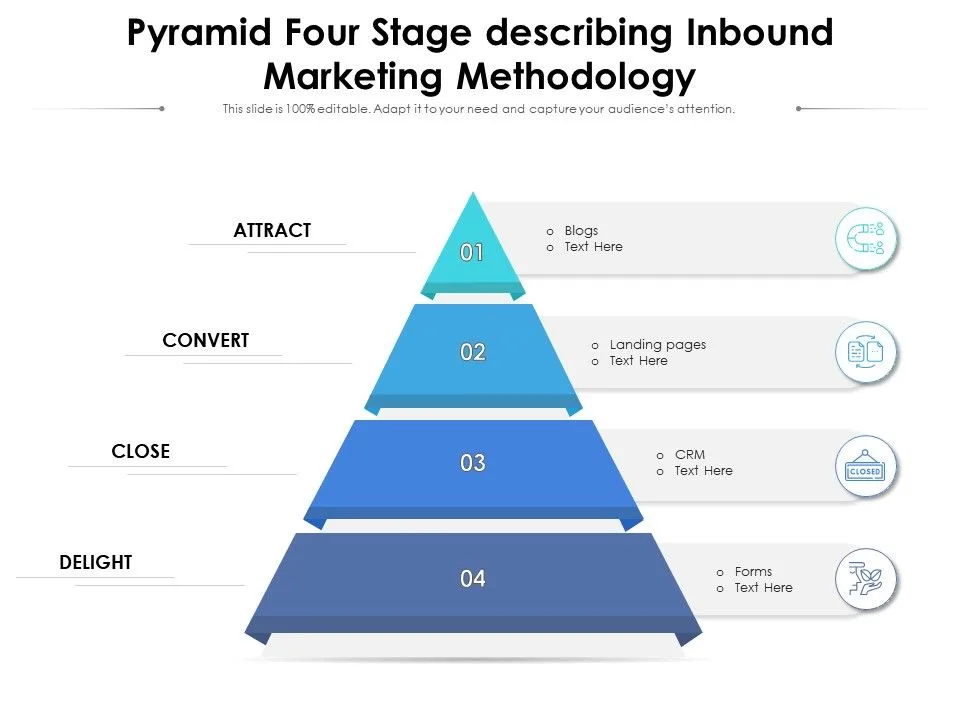
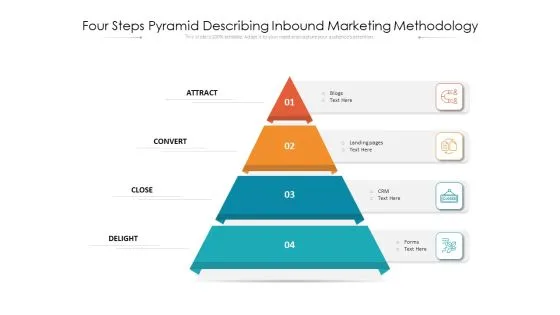
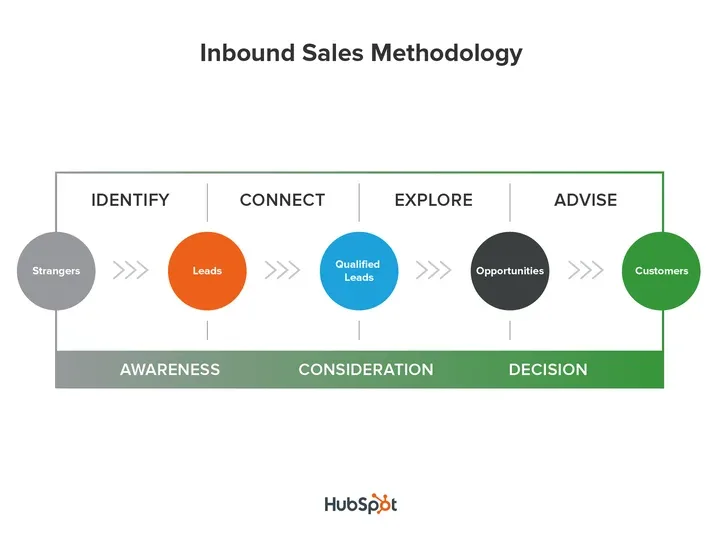
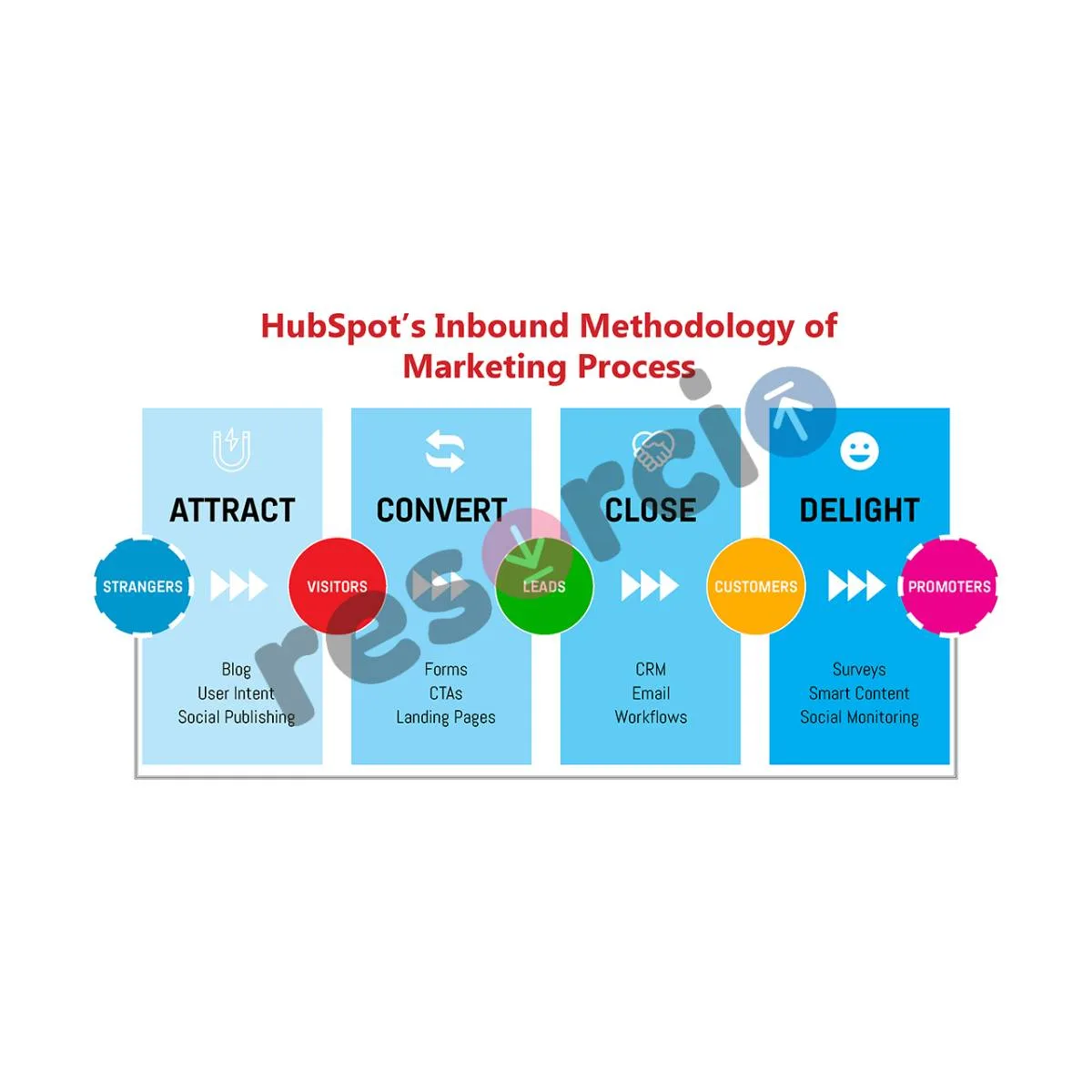
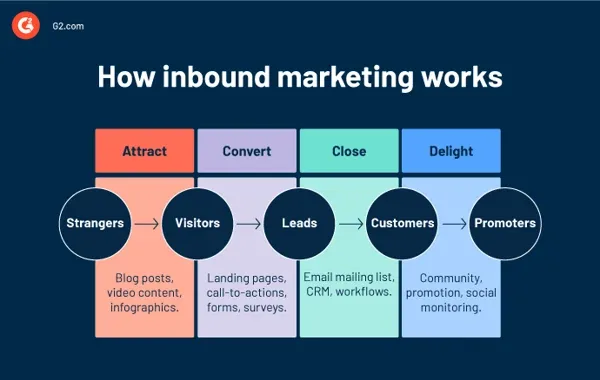
The mechanics rest on a simple pipeline: attract with content people are already searching for, convert with an offer worth trading an email for, close with alignment between marketing and sales, and delight so the customer recruits the next customer on your behalf. Each stage has its own metrics.
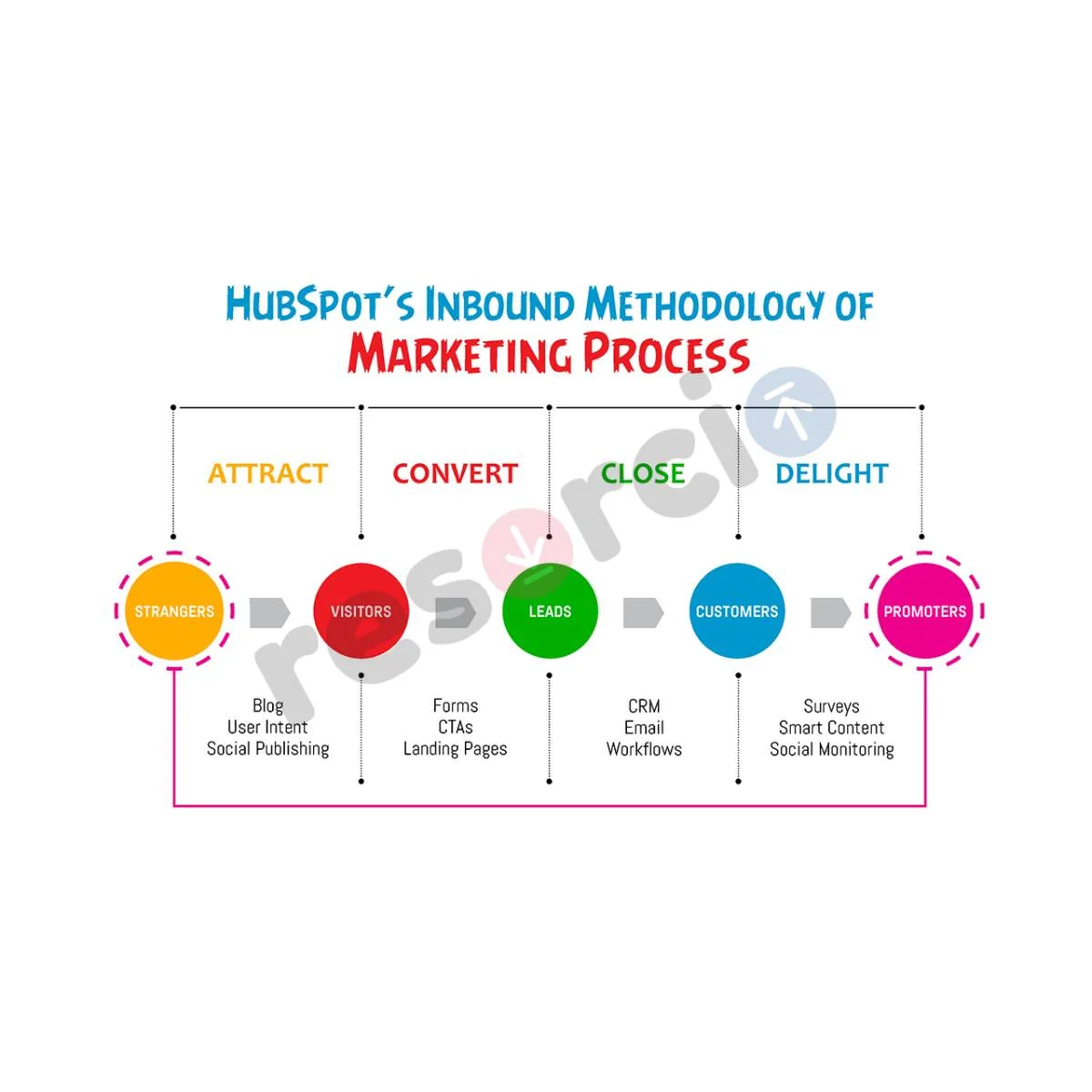
Attract lives on qualified traffic and share of search. Convert lives on offer-to-lead rate. Close lives on lead-to-customer rate and speed to first touch. Delight lives on retention, referral, and expansion revenue.
Here is the part the inbound marketing methodology separates a real methodology from a marketing slogan: the stages feed each other, and the data flows backward. What closes in sales informs what you write at the top of the funnel.
What people search for changes what offers you build. Break that loop and you get a content factory disconnected from revenue.
Practical execution tip: map your current funnel against those four stages this week. Count how many assets you have for each. Most companies discover they are heavy on attract assets, thin on convert assets, and almost empty on delight. That imbalance explains a lot of flat pipeline.
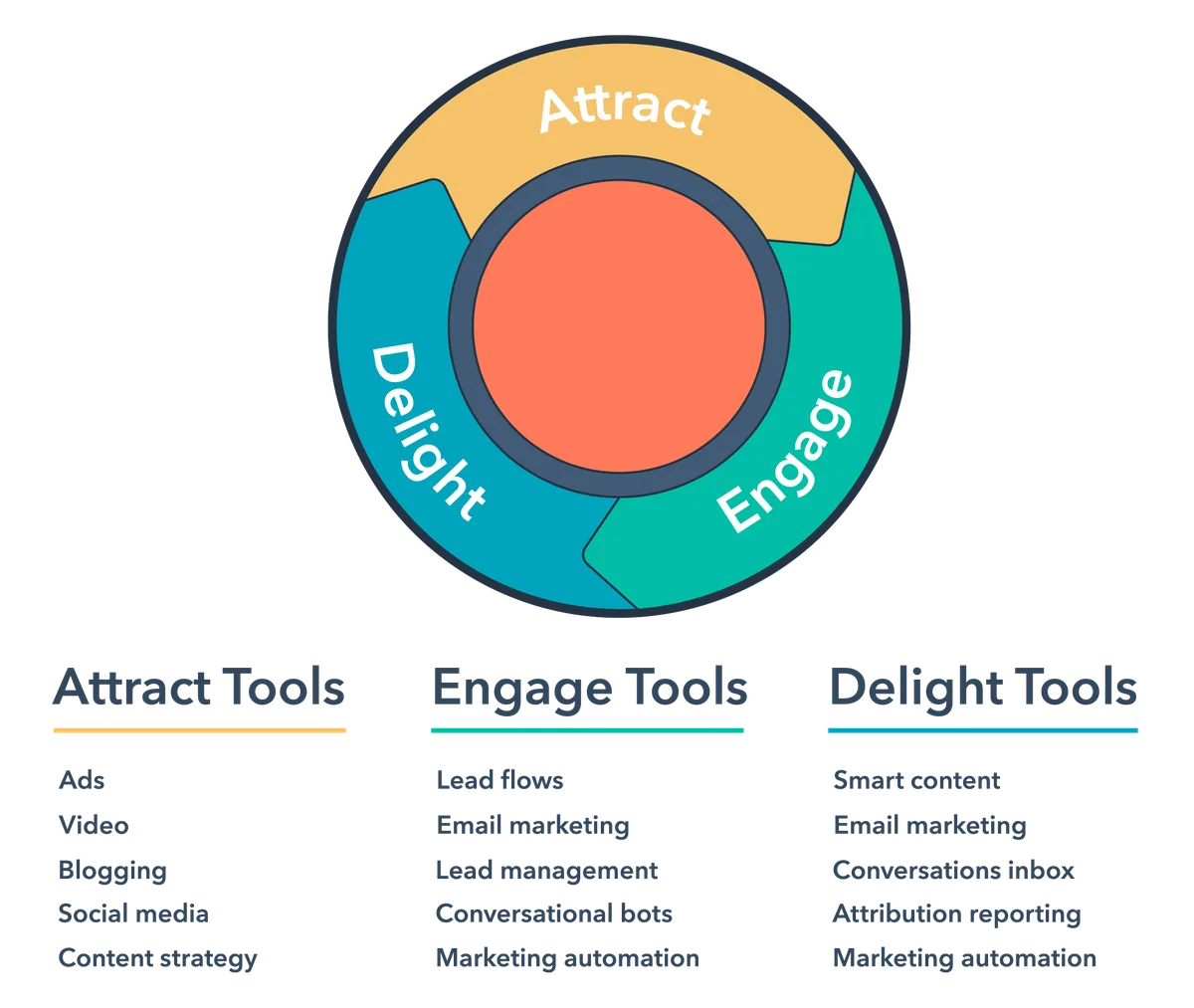
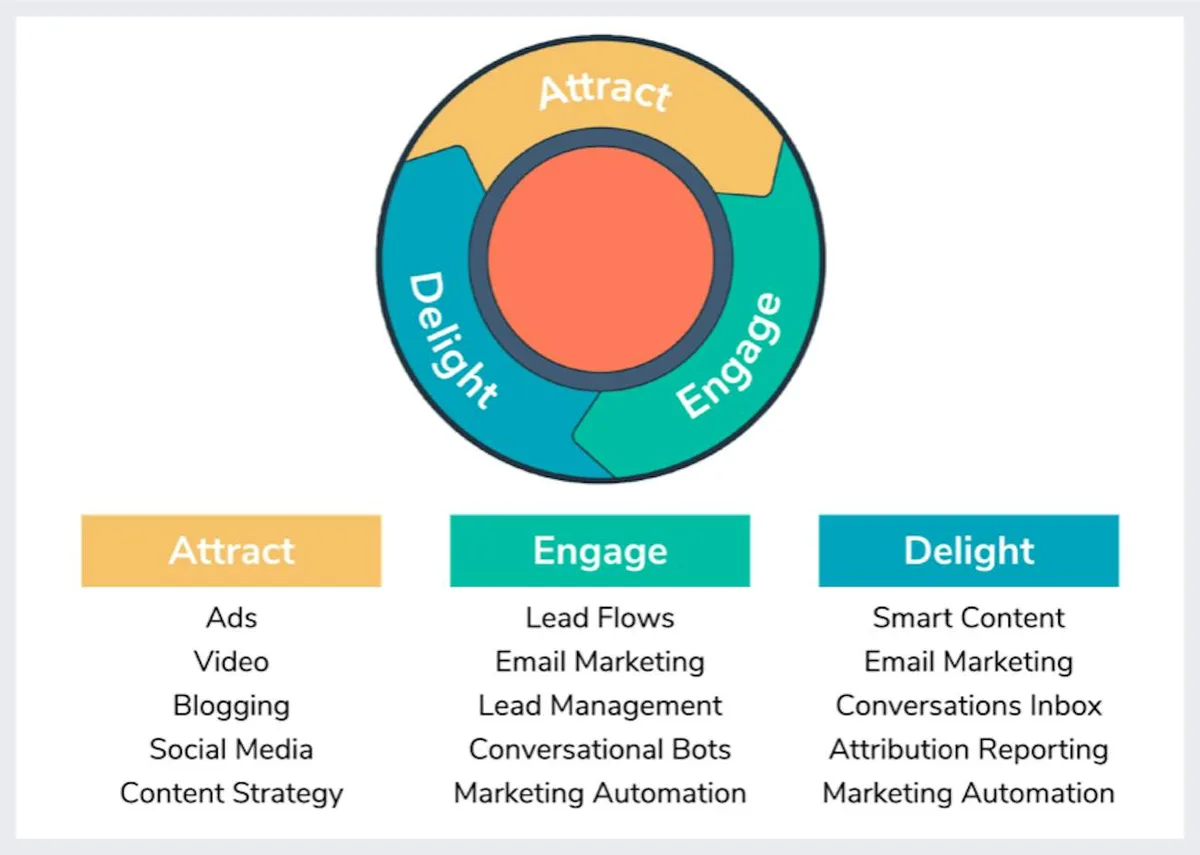
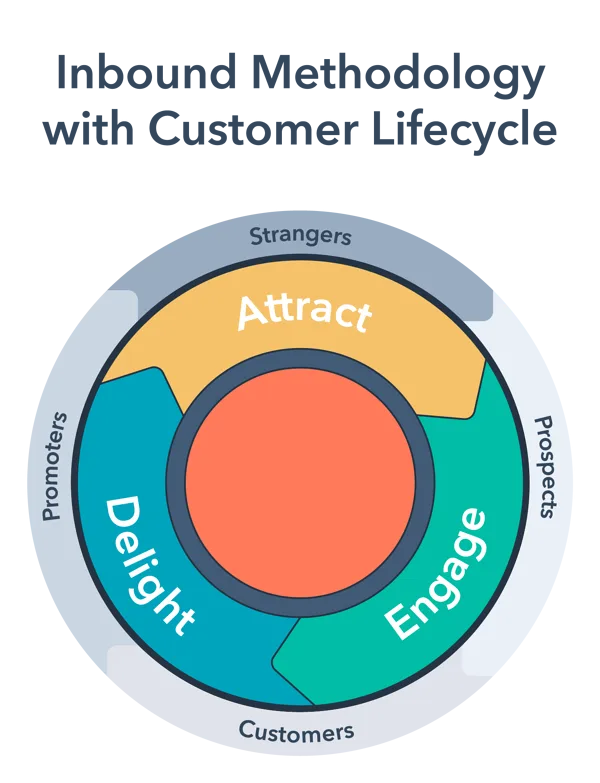
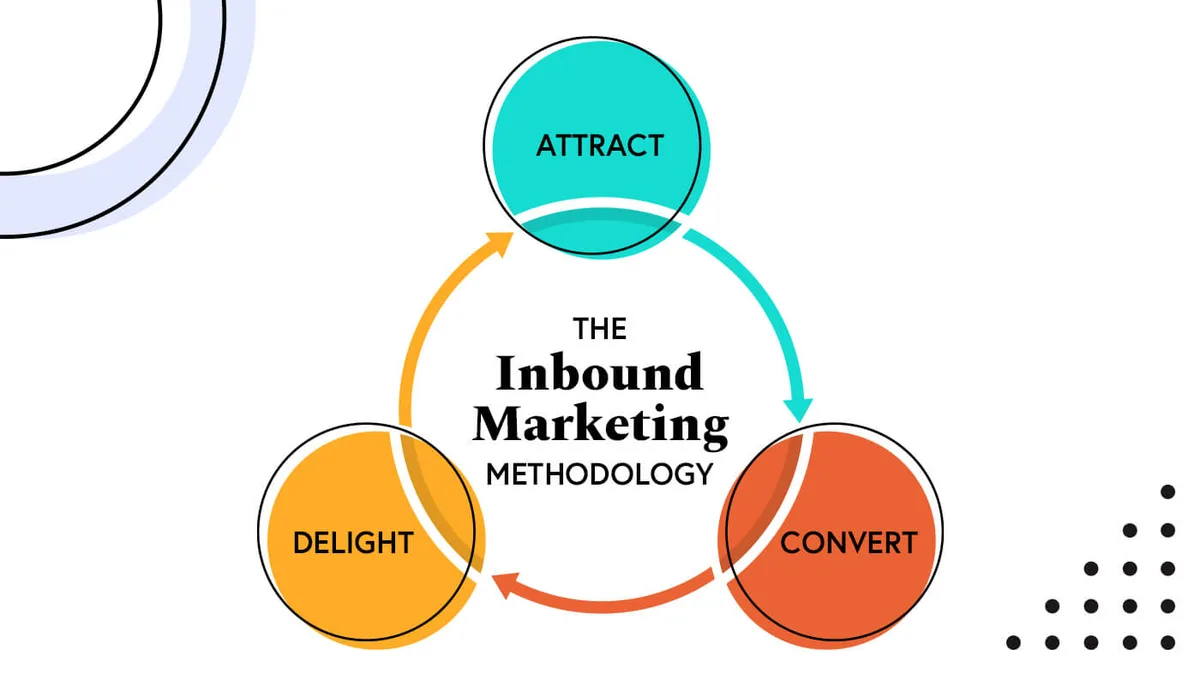
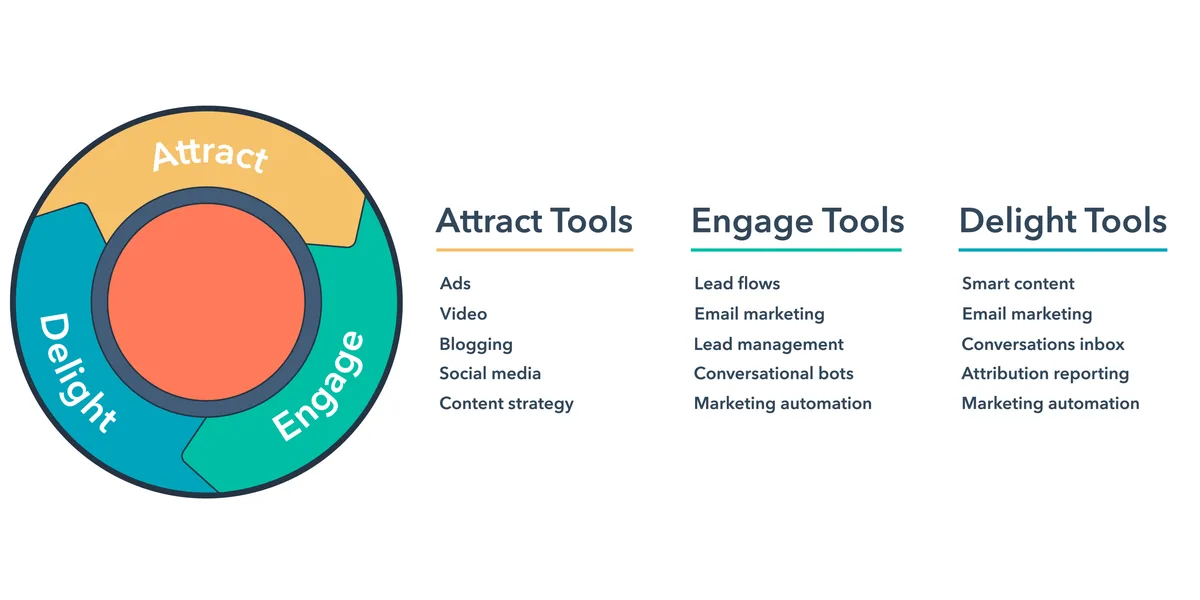
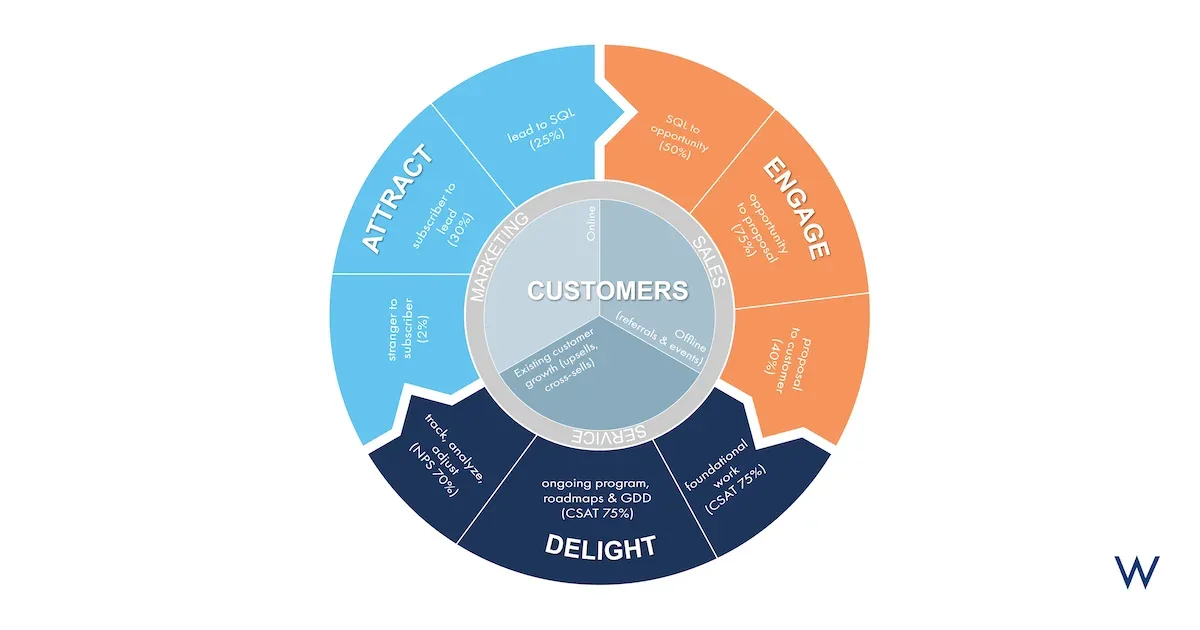
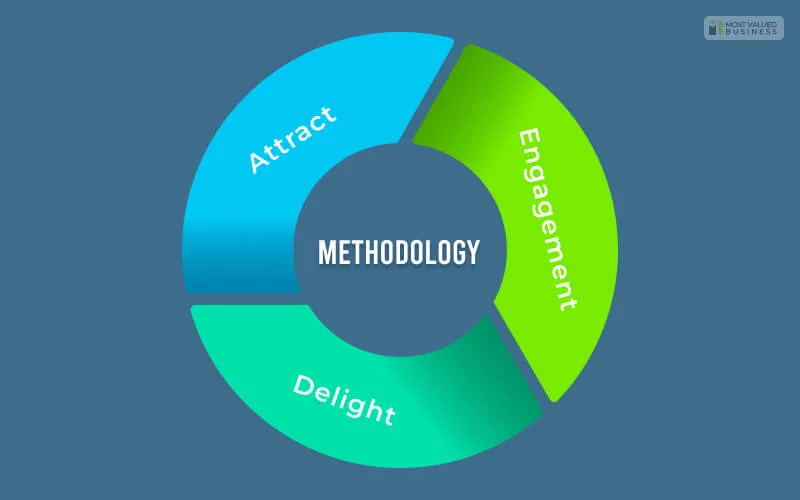
Attract, Engage, Delight: the Three-Stage Skeleton
The attract stage is where most teams over-invest without a targeting filter. Maintaining clarity across your inbound marketing methodology remains essential. Publishing volume feels productive, so it becomes the default. But attraction without a defined buyer profile just fills your database with people who will never buy, and those names cost real money to nurture.
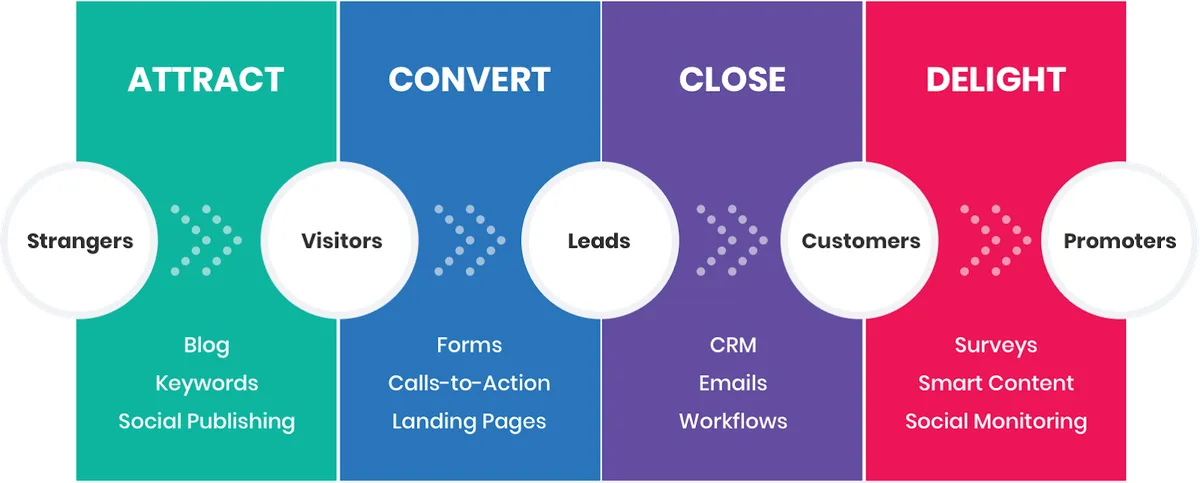
Engage is the stage the inbound marketing methodology earns trust before the sale. It includes lead magnets, email sequences, community, product-led trial experiences, and the small moments — a fast reply, a useful checklist, a demo that answers the question the buyer actually asked. Delight is post-purchase: onboarding, education, support that respects the customer’s time.
In practice, a strong engagement layer is what makes an inbound marketing methodology tips section read like common sense rather than hype. People engage with things that reduce their risk of making a wrong decision. That is the whole game.
Why the Skeleton Fails Without a Service Level Agreement
A service level agreement between marketing and sales is the unglamorous hinge that makes the whole model work. Marketing promises a volume and quality of qualified leads within a defined window. Sales promises to contact each one within a set number of hours and log the outcome. Both sides review the numbers weekly.
Without the inbound marketing methodology, the classic breakdown happens. Marketing hands over leads. Sales says they are too early. Marketing says sales never called. Six months later, everyone agrees inbound “does not convert here.” The methodology was never the problem; the handoff was.
Set it in writing. Define a marketing qualified lead with explicit criteria — budget signals, role, engagement threshold, timeline. Then define a sales accepted lead. Those two definitions alone will save you months of finger-pointing.
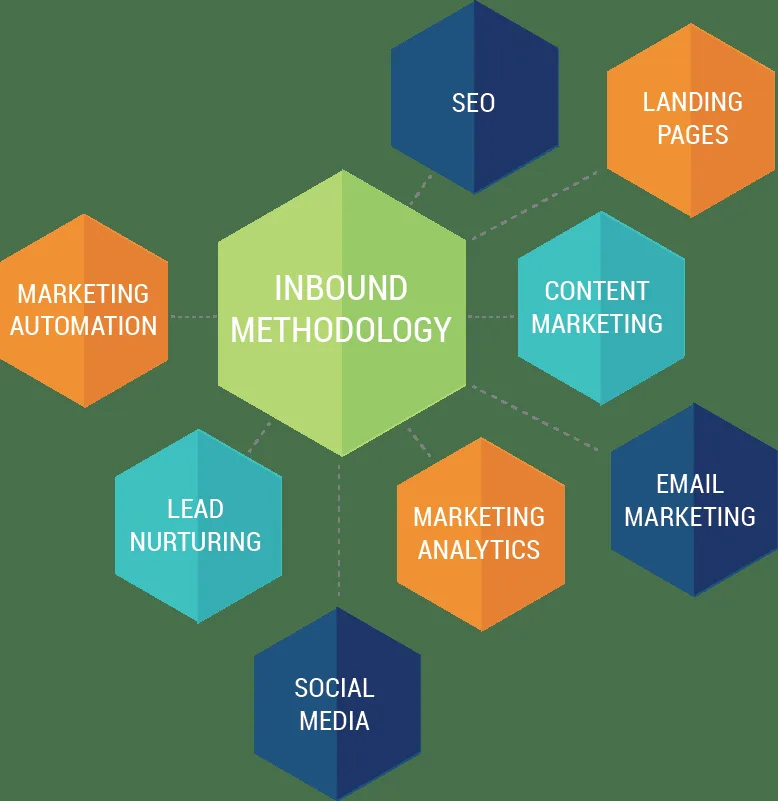
The 8 Smart Strategies in Your Inbound Marketing Methodology
This is the heart of the article, and the part I would underline twice. Eight strategies, each one a self-contained play. Run them in order if you are building from scratch; run the weakest ones first if you already have a program limping along.
Each strategy comes with a definition, a concrete example, and an execution tip you can start this quarter. Treat them as a checklist rather than a menu. An inbound marketing methodology checklist that skips steps tends to fail at the step it skipped.
A caution before the list: do not start all eight on the same Monday. Structuring your inbound marketing methodology around proven patterns ensures impact. Sequencing matters more than ambition. Teams that launch six plays at once usually finish none of them, and half-finished plays generate ambiguous data that is worse than no data.
Strategy 1: Build Buyer Personas from Real Interview Data
Personas built from a template are decorative fiction. Personas built from interviews are operational tools. The distinction matters more than any redesign of your homepage.
Interview five customers and five lost prospects. Ask what triggered the search, what alternatives they rejected, who else had a vote in the decision, and what almost stopped them from buying. That last question is gold. It reveals objections your content needs to answer before a sales rep ever gets a call.
One B2B logistics client I worked with assumed its buyer was the operations manager. Applying these principles to your inbound marketing methodology yields measurable results. Interviews revealed the actual veto holder was the finance controller, who cared about invoice reconciliation.
A single page on billing integration became one of the highest-converting assets in the program. Nobody in the marketing team had guessed it.
Execution tip: record the interviews, then pull direct quotes for your messaging documents. Real phrases from buyers beat invented ones every time, and they make your copy sound like the market instead of like a brochure.
Strategy 2: Map Content to Search Intent, Not to Your Product Line
Product-line content is organized around what you sell. Intent-based content is organized around what people are trying to accomplish. The second one wins the search result, because the search engine reads the query, not your sales deck.
Build a keyword map with four intent layers: informational, comparative, transactional, and post-purchase. Proper attention to your inbound marketing methodology sets a strong baseline. Each gets different content formats. Informational wants explainers and problem framing.
Comparative wants side-by-side analysis and honest trade-offs. Transactional wants clarity on pricing structure, fit, and next steps. Post-purchase wants onboarding and usage depth.
The trap is keyword volume worship. A low-volume comparison query like “category A versus category B for regulated industries” can convert ten times better than a high-volume head term. Rankability and intent beat raw traffic.
Execution tip: audit your existing pages and label each one with its intent layer. If most of your library is transactional, you are trying to sell to strangers who have not yet decided there is a problem worth solving.
Strategy 3: Turn Helpful Content Into Compounding Assets
Compounding is the whole promise of inbound, and the inbound marketing methodology is also the most frequently abandoned part. A useful article published once can earn qualified traffic for years. A campaign microsite dies the moment the budget does.
The inbound marketing methodology does not mean abandoning campaigns. It means treating campaign assets as raw material for evergreen updates. A webinar becomes a transcript, then a guide, then a comparison table, then a series of short explainer posts. One research investment produces a dozen durable assets.
The refresh discipline matters here. Quarterly, pull your top twenty pages by organic sessions and check whether the facts, screenshots, and recommendations still hold. Refreshing a page that already ranks often outperforms publishing something new, and it takes less than half the time.
Execution tip: build a simple asset register with columns for URL, target intent, last updated, and owner. Clear alignment with your inbound marketing methodology builds confidence from the start. If a page has no owner, it has no future.
Strategy 4: Design Conversion Offers That Match Where the Reader Actually Is
Most conversion offers fail because they ask too much too soon. A reader three paragraphs into their first visit is not ready for a demo call. They are ready for a checklist that makes their next internal meeting easier.
Align the offer to the intent layer. Informational readers want templates, checklists, benchmarks, and calculators. Comparative readers want honest comparison matrices and buyer’s frameworks. Transactional readers want transparent scope, timelines, and a clear next step.
The format matters as much as the topic. Integrating inbound marketing methodology into your workflow produces consistent quality. One hundred Excel calculators beat a generic whitepaper for a technical audience. A single well-designed decision tree beats a forty-page report for a general manager with ten minutes to spare.
Execution tip: build one strong offer per intent layer before you build a second offer for any layer. Depth beats breadth in conversion design, and fewer, better assets are easier to maintain.
Strategy 5: Nurture With Behavior, Not With Broadcast Cadence
Batch-and-blast email is why entire industries stopped opening marketing messages. Behavior-triggered nurture is its antidote: send based on what someone did, not on what week of the calendar it happens to be.
Practical triggers include pricing page visits, repeat reads on the same topic, download completions, and re-engagement after long silence. Targeted refinements to your inbound marketing methodology streamline the entire review. Each trigger maps to a different message.
A pricing page visit signals commercial interest, so the next email should answer scope questions, not offer an introductory explainer.
Keep sequences short. Three to five messages is usually enough before you either hand off to sales or move the contact to a lower-frequency education track. Long nurture sequences exist mostly to avoid a decision.
The measurement that matters is not open rate. It is the conversion rate at the sequence step where a lead becomes sales-ready. If no step ever produces sales-ready leads, the sequence is entertainment.
Strategy 6: Align Sales Enablement So Inbound Leads Arrive With Context
A great lead handed over without context is a cold call with extra steps. Focusing on inbound marketing methodology provides clear direction here. Sales enablement exists to preserve the trust that marketing built, and to hand over the story that led to the form fill.
Ask your sales team a blunt question: when a lead arrives, can they see every page the person visited, the offer they downloaded, and their stated timeline? If the answer is no, fix the plumbing first. Person-level activity trails change the quality of the first conversation dramatically.
On the content side, give reps material that mirrors the journey. One-pagers for the objection raised, comparison sheets for the alternative being weighed, and a post-discovery explainer that answers the “what happens next” question.
Execution tip: shadow three discovery calls the inbound marketing methodology month. Reps mention the questions buyers actually ask; marketing hears what the content library is missing. It is the fastest research loop available, and it costs an hour.
Strategy 7: Prove Value With Revenue Attribution You Can Defend
Attribution is where marketing credibility is won or lost. Last-click attribution over-credits the final touch, usually a branded search or a sales email. First-touch attribution over-credits the earliest blog post. Both distort the picture, and both invite arguments you cannot win.
Use a multi-touch model with defined weighting rules, and pair the inbound marketing methodology with the metric finance actually trusts: pipeline created, pipeline influenced, and closed-won by source. Position the marketing contribution as a contribution, not a claim of sole credit.
A workable middle path is to track the first known touch, the conversion touch, and the deal-creating touch separately. Effective execution in your inbound marketing methodology makes a tangible difference. Three data points per opportunity are enough to defend budget without drowning in dashboards.
Execution tip: build one dashboard that shows pipeline created by content cluster, not by channel. Channel-level numbers tell you where attention came from; cluster-level numbers tell you what to publish next.
Strategy 8: Build a Delight Loop That Turns Customers Into the Distribution Channel
Retention is the cheapest revenue in any business, and referral is the cheapest acquisition. Yet most inbound programs stop caring the moment the deal closes. That is a budget leak dressed up as a department boundary.
Build a structured delight loop: onboarding content the inbound marketing methodology anticipates the first three problems, a customer education library organized by job-to-be-done, a feedback channel that actually routes somewhere, and a referral mechanism with a defined moment of asking. Ask after the first clear win, not after the contract signature.
Case studies belong here, and they should be specific. “Reduced manual reconciliation from four days to six hours” beats “great partnership and excellent support” every time. Specificity is what makes a case study credible enough to be used by a skeptical buyer.
Execution tip: pick one customer win and reverse-engineer the story into a case study, a short interview clip, and a one-page reference sheet. Three reusable assets from one conversation.
How to Turn the 8 Strategies Into a Weekly Operating Loop
Strategies survive only when the inbound marketing methodology are embedded in a rhythm. A monthly review of what was published, what converted, and what should be refreshed beats any quarterly strategy offsite.
Structure the cadence into three meetings. Weekly: publishing status and lead quality feedback. Monthly: intent coverage gaps and content refresh priorities. Quarterly: cluster-level performance and persona validation. Keep each under an hour.
Ownership is the other half. A thoughtful approach to inbound marketing methodology reinforces your qualifications. Every cluster needs a named owner who answers for its pipeline contribution. Every offer needs an owner. Every persona needs someone who has interviewed a customer in the last twelve months.
When a program stalls, the diagnosis is usually an ownerless cluster or an unrefreshed pillar page. Fixing ownership is faster than replacing this inbound marketing methodology strategy.
Inbound Marketing Methodology Best Practices That Hold Up Under Pressure
When budgets tighten, inbound assets keep working while paid channels stop the moment spend pauses. That asymmetry is the strongest argument for an inbound marketing methodology best practices approach that leans on durable assets rather than rented attention.
Prioritize assets that answer objections over assets that describe features. Keep the technical foundation clean: fast pages, clear structure, sensible internal linking between a pillar page and its supporting articles. Build a pillar page for each major cluster and link every supporting article back to it.
Track quality signals, not just traffic. Time on page and return visits matter more than raw sessions, because they tell you whether a reader got what they came for. Bounce rate alone is a blunt instrument.
Write for the reader first, then optimize. Copy written to satisfy a keyword score and then edited for humans almost always reads like it was written to satisfy a keyword score.
An Inbound Marketing Methodology Checklist Before You Scale Spend
Before you add budget, confirm the foundation. An inbound marketing methodology checklist that is skipped turns acquisition spend into a data collection exercise for someone else’s benefit.
| Checkpoint | What “Ready” Looks Like | Red Flag |
|---|---|---|
| Persona validation | Interviews completed in the last twelve months | Personas built from templates |
| Intent coverage | Assets mapped to four intent layers | Library is transactional only |
| Conversion offers | At least one offer per intent layer | Single demo CTA across all pages |
| Lead handoff | Written SLAs with defined MQL and SAL | Leads dropped into a general inbox |
| Attribution | Three-touch model with defined rules | Last-click only reporting |
| Delight loop | Onboarding, education, referral mechanism | No contact after contract signature |
| Refresh discipline | Quarterly review of top twenty pages | Assets never revisited |
If three or more rows show a red flag, fix those first. Scaling spend on a broken foundation scales the leak.
Common Failure Modes That Undermine Otherwise Sound Inbound Marketing Methodology Tips
Even good programs break in predictable ways. Knowing the failure modes in advance is cheaper than diagnosing them after a quarter of flat results.
Failure one: content published without distribution. Publishing is half the job; internal linking, email, social, and sales sharing are the other half. A page nobody promotes does not rank on merit alone.
Failure two: offers that exist only to collect emails. If the reader gets nothing useful, they remember. Build offers you would send to a colleague without embarrassment.
Failure three: metrics that reward volume. If the dashboard celebrates leads and ignores lead quality, the team will produce volume. That is rational behavior given the incentive.
Failure four: a persona the inbound marketing methodology never changes. Markets shift; customer teams reorganize. Interview again every year or watch your messaging drift out of date.
Failure five: no executive sponsor. Inbound crosses marketing, sales, and support. Without someone with authority to settle cross-team disputes, the SLA quietly erodes.
Each of these is fixable and none requires new software. They require a decision and an owner.
Tying It Back to the Full Picture
The strategies above only produce compounding results when the inbound marketing methodology operate as one system. A persona tells you what to write. Intent mapping tells you where it belongs. Offers convert the reader. Nurture keeps the conversation warm.
Sales enablement preserves trust. Attribution defends the budget. Delight extends the lifetime value and generates referrals, which feed the top of the funnel again.
That loop is the whole point of an inbound marketing methodology. It is not a channel strategy, and it is not a content calendar. It is a closed system where each stage strengthens the next, and where the data from the end of the funnel travels back to the beginning.
If the inbound marketing methodology take only one thing from this article, take this: run the loop and finish the stages. Teams that build only the attract layer are running half a methodology, and half a methodology produces half a result.
Frequently Asked Questions About the Inbound Marketing Methodology
Here is an in-depth breakdown of key considerations regarding Frequently Asked Questions About the Inbound Marketing Methodology:
How Long Does an Inbound Marketing Methodology Take to Show Results?
Content-driven traffic typically shows meaningful movement in three to six months, with compounding effects after nine to twelve. Developing your inbound marketing methodology with precision highlights key strengths. Conversion and pipeline impact can appear earlier if offers and handoff are already in place. Programs that show nothing at six months usually have an execution gap, not a timeline problem.
Is an Inbound Marketing Methodology Only for Content-led Businesses?
No. It fits any business where buyers research before deciding, which covers most B2B categories and a large share of consumer purchases. Product-led companies adapt the same stages around trial experiences and in-product education rather than long-form content.
What Should Go Into an Inbound Marketing Methodology Checklist for Small Teams?
Focus on six items: validated personas, an intent map, one offer per intent layer, a written lead handoff, a simple three-touch attribution rule, and a quarterly refresh cycle. Small teams win by finishing those six before adding complexity.
How Do Inbound and Outbound Work Together?
Inbound earns attention; outbound accelerates the inbound marketing methodology. A prospect who has already read your comparison page will respond very differently to a sales email than one who has never heard of you. Use outbound to compress timelines on warm accounts, not to replace the education layer.
Which Metrics Matter Most in an Inbound Marketing Methodology?
Four: qualified traffic by cluster, conversion rate by offer, sales-accepted lead rate, and pipeline created or influenced. Add retention and referral once the customer base is large enough for those numbers to stabilize.
Do You Need a Large Budget to Run This?
No, but you need allocation discipline. Most of the cost is time: interviews, writing, and the unglamorous work of refresh and internal linking. Competitive direct manufacturer pricing matters more for paid amplification than for the core inbound engine.
Where Do AI Tools Fit Into the Process?
Useful for research synthesis, first drafts of repetitive formats, and structuring data. Risky for buyer insight and voice. The interviews and persona work are human exercises, and that is where differentiation lives. Every shortlisted tool should still pass through human editing before publication.
Where to Take This from Here
Start with the two moves the inbound marketing methodology cost the least and reveal the most: interview five customers, and audit your content library against the four intent layers. Those two actions alone will tell you which of the eight strategies needs attention first.
Then pick one strategy, give it an owner, and run it for a full cycle before adding another. Compounding rewards patience and punishes impatience in equal measure.
The real benefit of committing to an inbound marketing methodology is not a single campaign win. It is a machine that produces predictable, defensible results, quarter after quarter, regardless of who is running it. Build the loop, finish the stages, and let the data tell you what to fix next.
For verified reference and background research, consult the authoritative informational resource on this topic.