Funnel content is the single most misunderstood asset in most marketing departments. Plenty of teams produce blog posts, videos, and emails nonstop, yet their pipeline stays flat. The problem rarely comes down to effort. It comes down to matching the right message to the right stage of the buyer’s journey. Get that alignment right, and a modest content budget can outperform a bloated one.
I’ve spent years watching brands pour money into top-of-funnel traffic while their bottom-of-funnel pages sit outdated and ignored. The fix isn’t more content. It’s smarter allocation across the sales stages your buyers actually move through.
This guide breaks down exactly what to build at every stage, why it works, and how to execute without drowning your team in busywork.
What Funnel Content Actually Means
Funnel content refers to any piece of media designed to move a prospect from one stage of the buying journey to the next. That includes blog articles, landing pages, case studies, demo videos, comparison charts, onboarding emails, and even sales enablement decks.
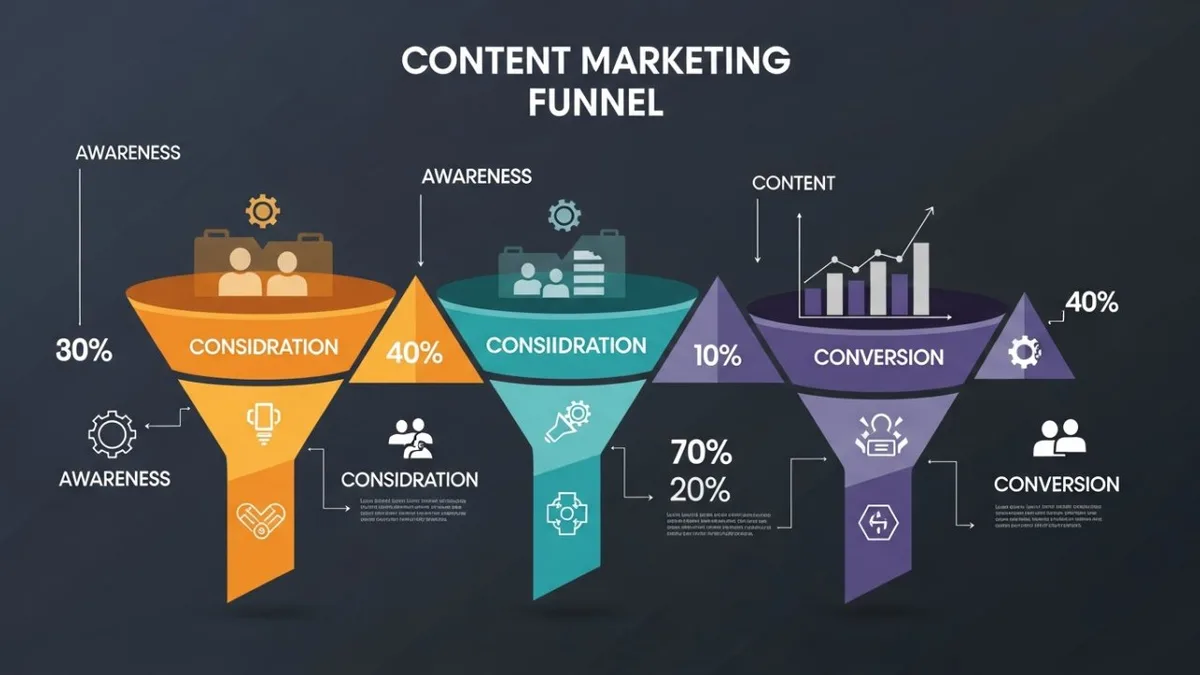
The label “funnel” simply signals that the asset has a job to do at a specific point in the decision process.
Too many marketers treat all content as interchangeable. They publish a thought-leadership essay and then wonder why nobody books a call. That essay belongs near the top of the journey, where the audience is still figuring out whether they have a problem worth solving. Asking it to close deals is like handing someone a brochure when they need a mechanic.
Think of funnel content as a relay race rather than a single sprint. Each runner passes the baton with a specific handoff in mind. If your awareness-stage article doesn’t naturally lead into a consideration-stage guide, the baton hits the ground and the prospect walks away.
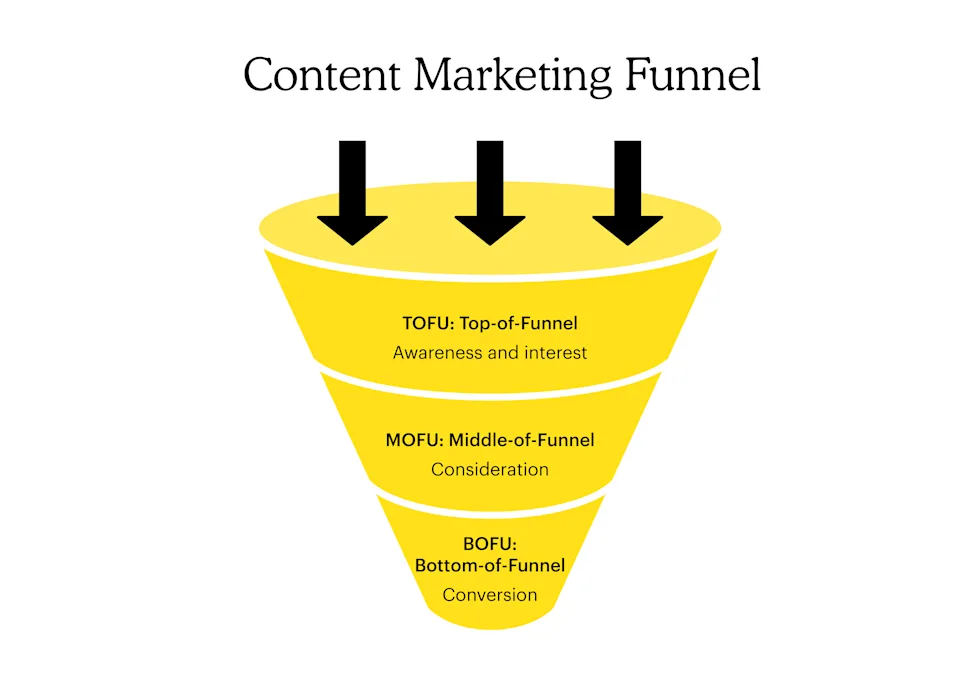
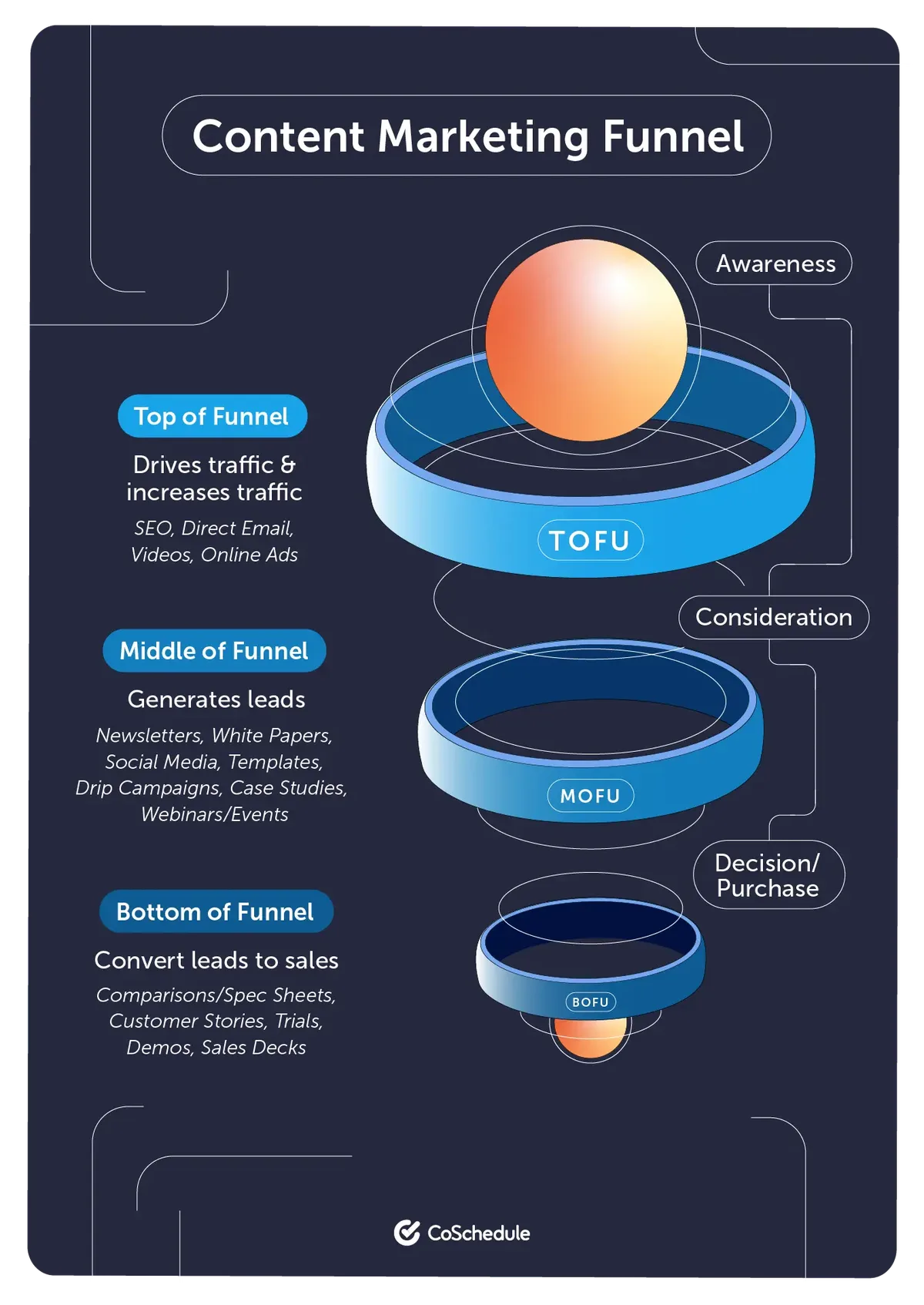
The Three Core Stages You Can’t Ignore
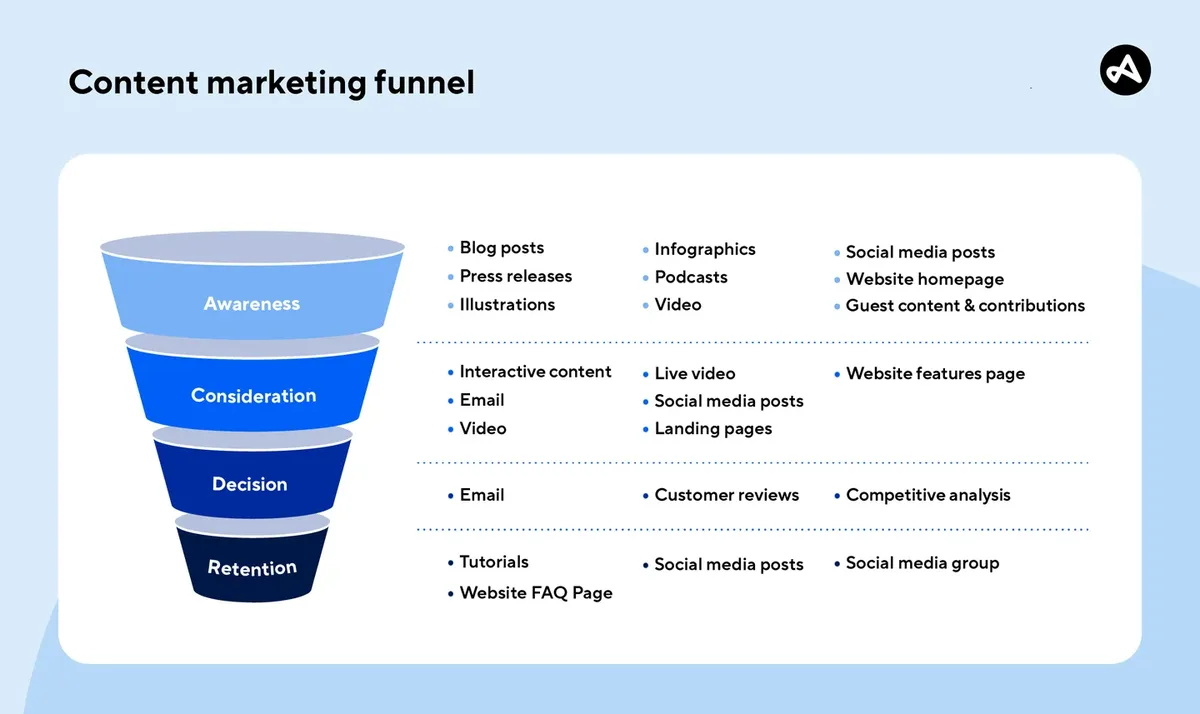
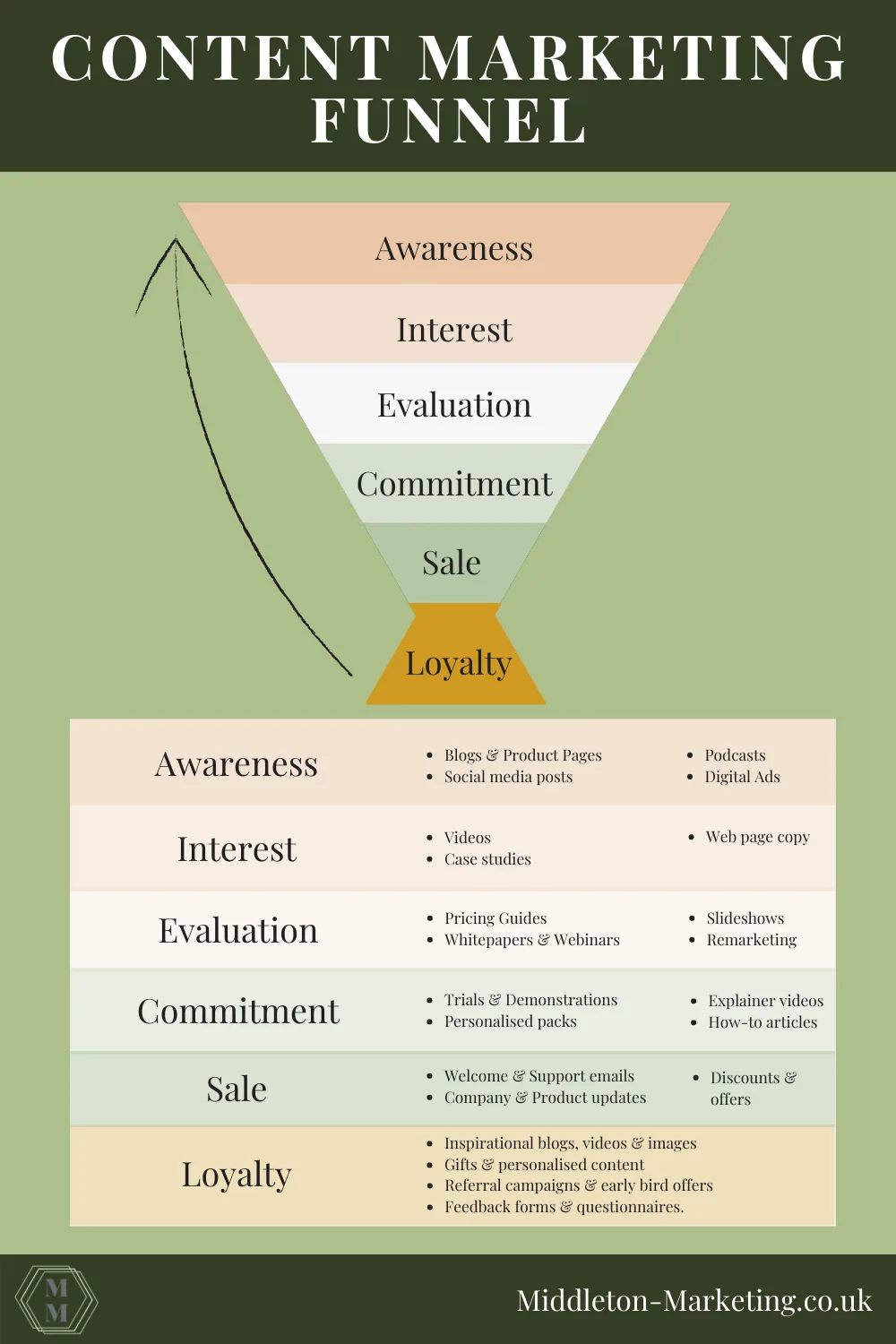
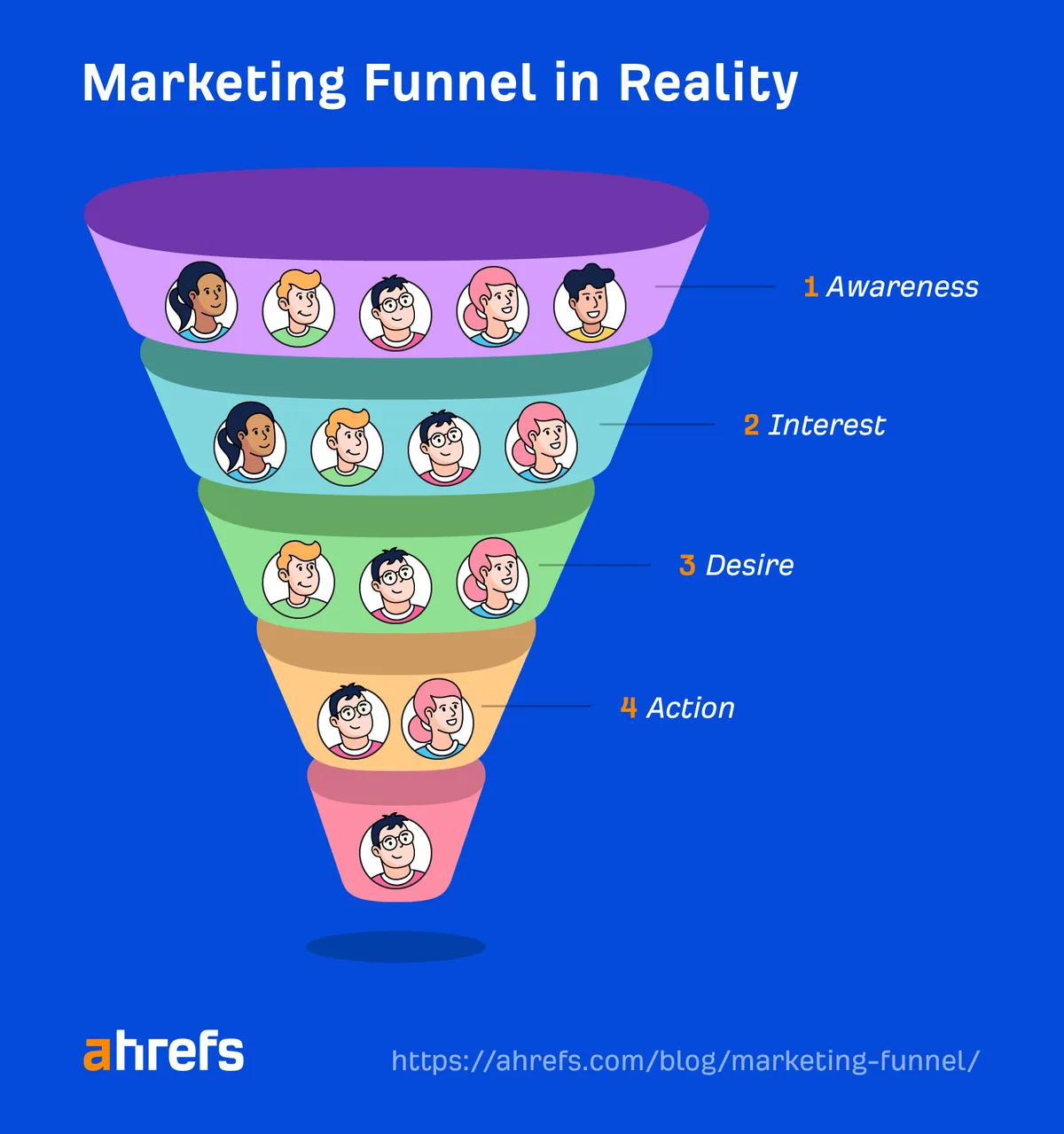
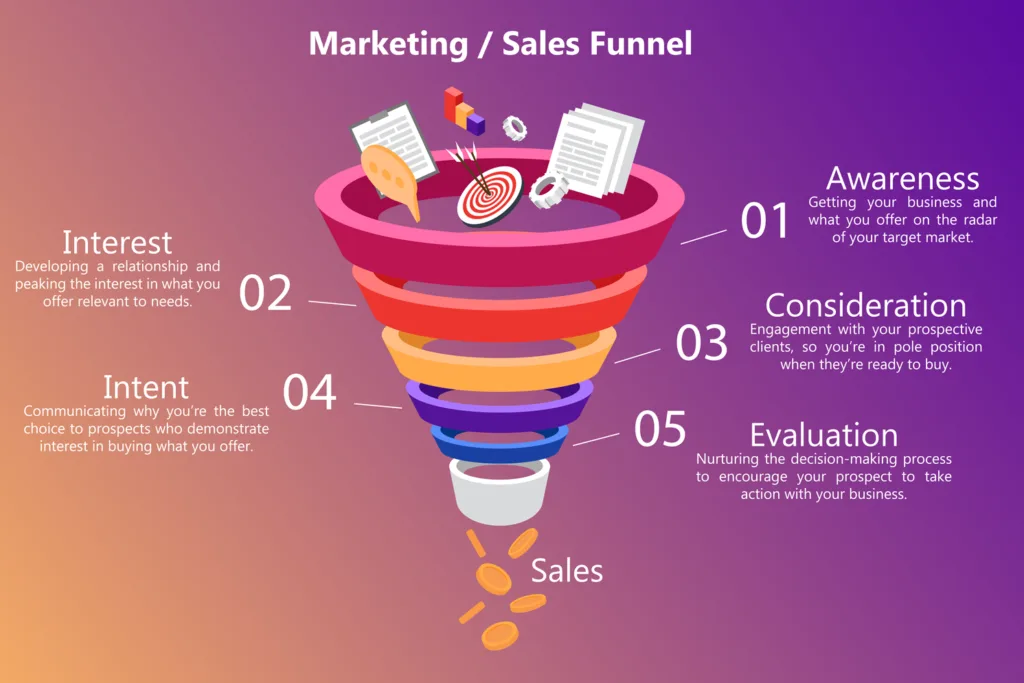
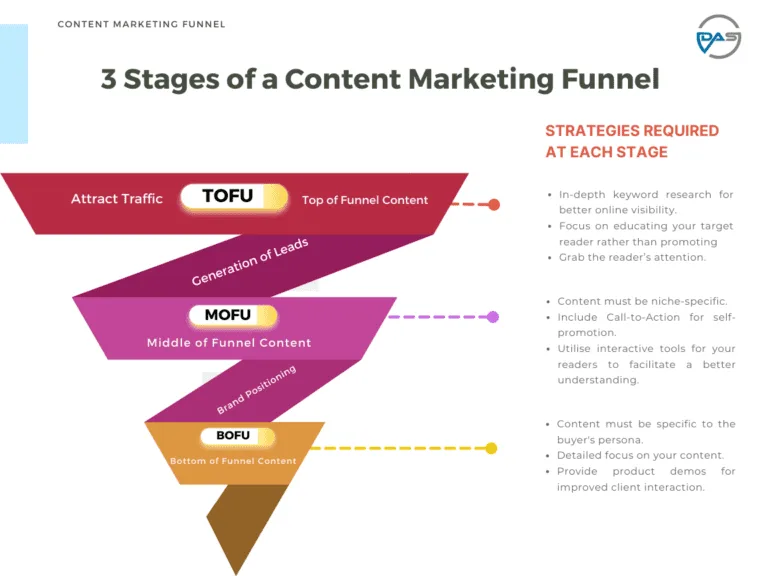
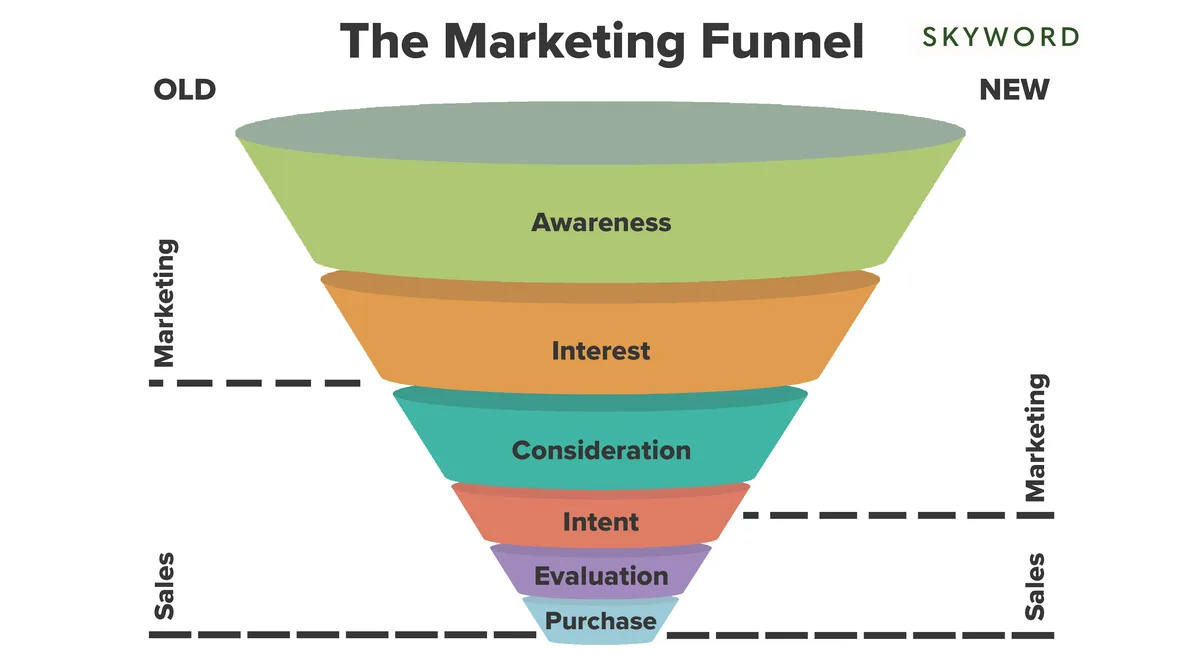
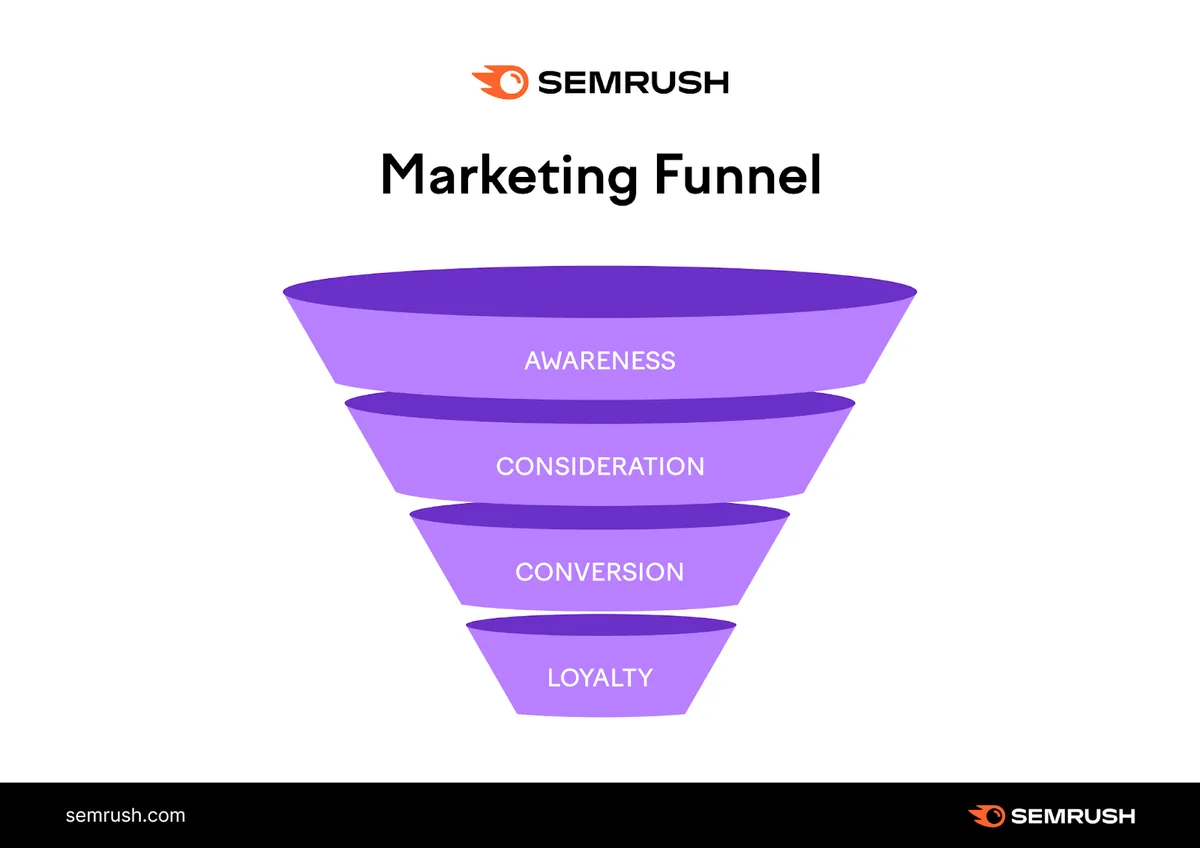
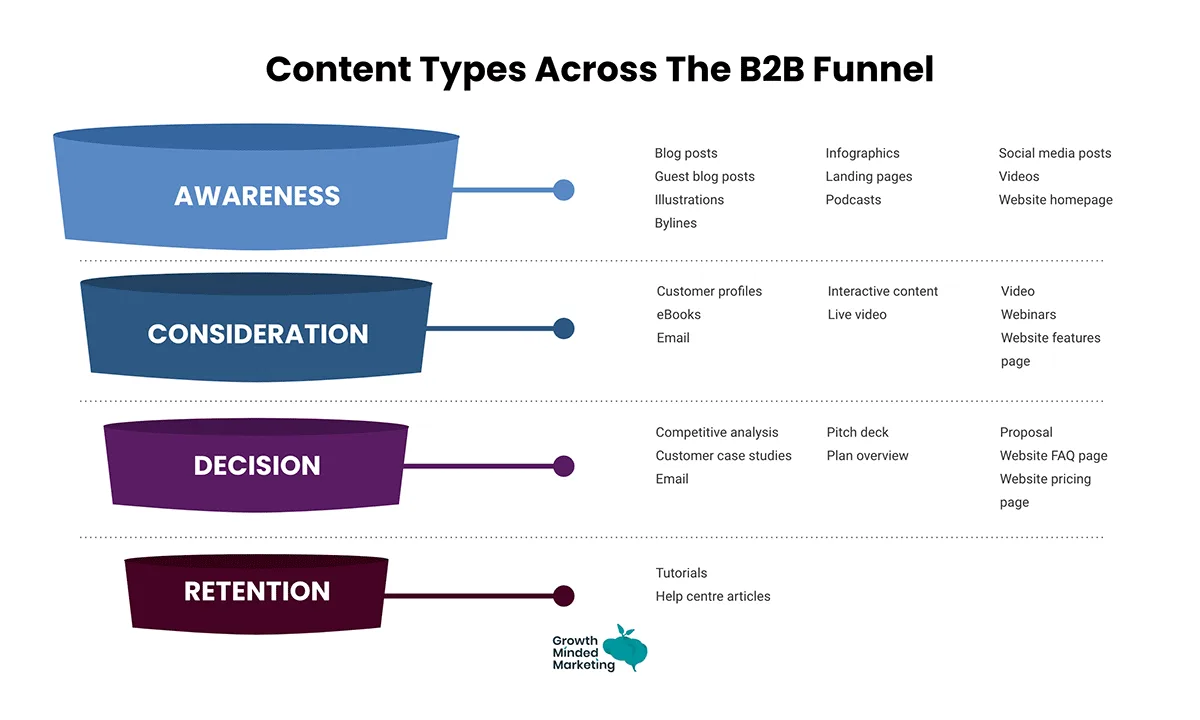
Most modern frameworks split the buyer’s journey into awareness, consideration, and decision. Some teams add retention and advocacy on the back end, which makes sense for subscription businesses. For this breakdown, I’ll focus on the three stages that drive revenue, then touch on post-purchase content because it feeds the next cycle.
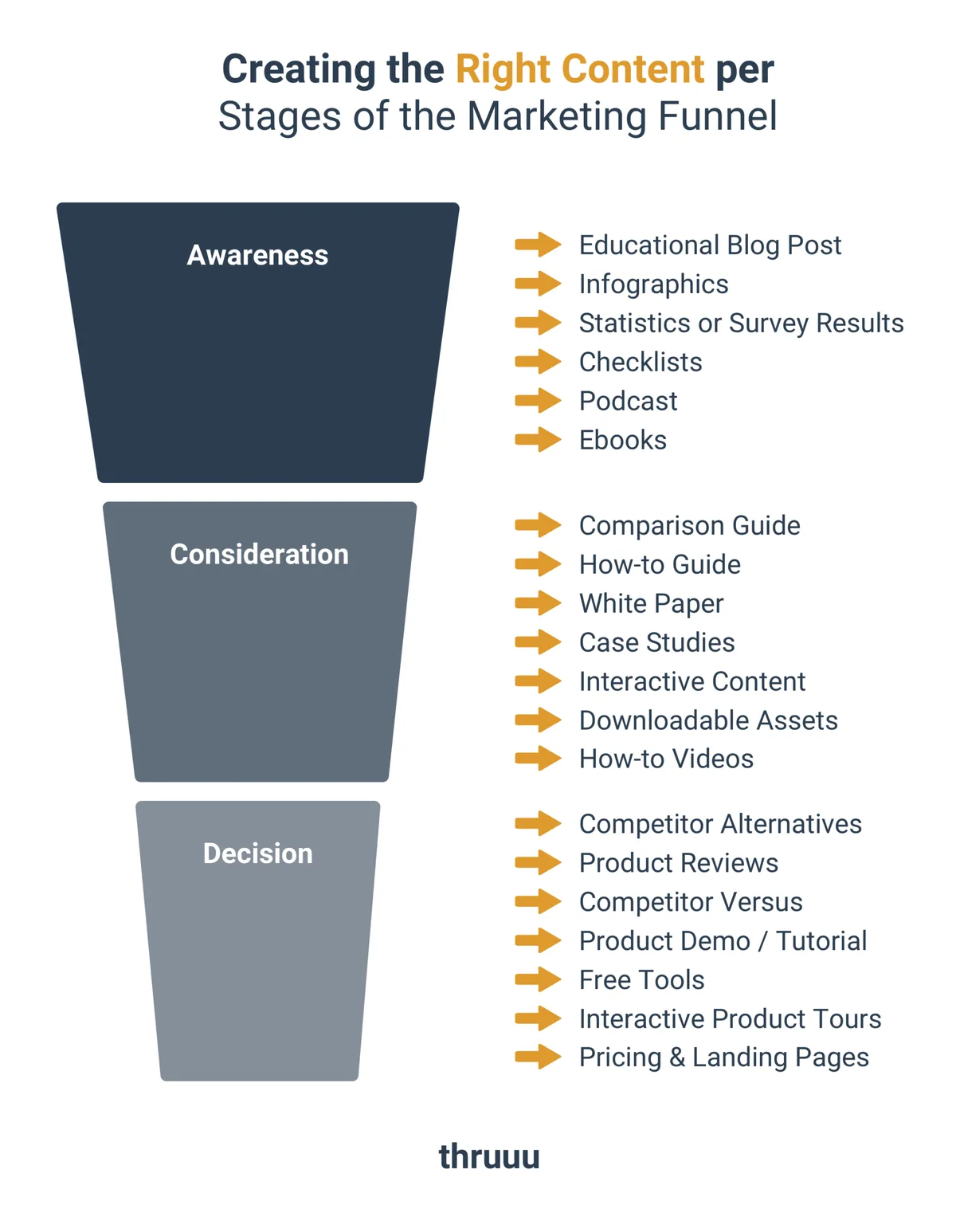
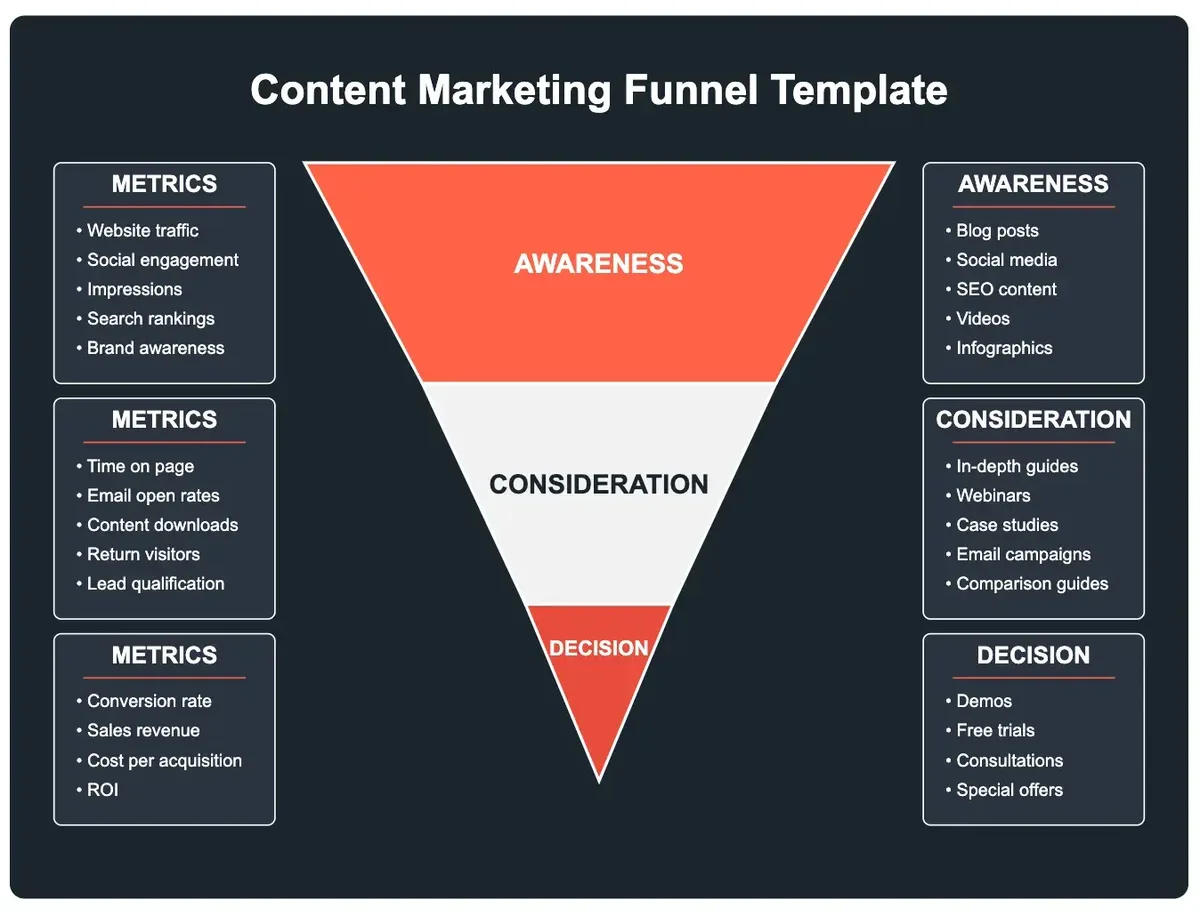
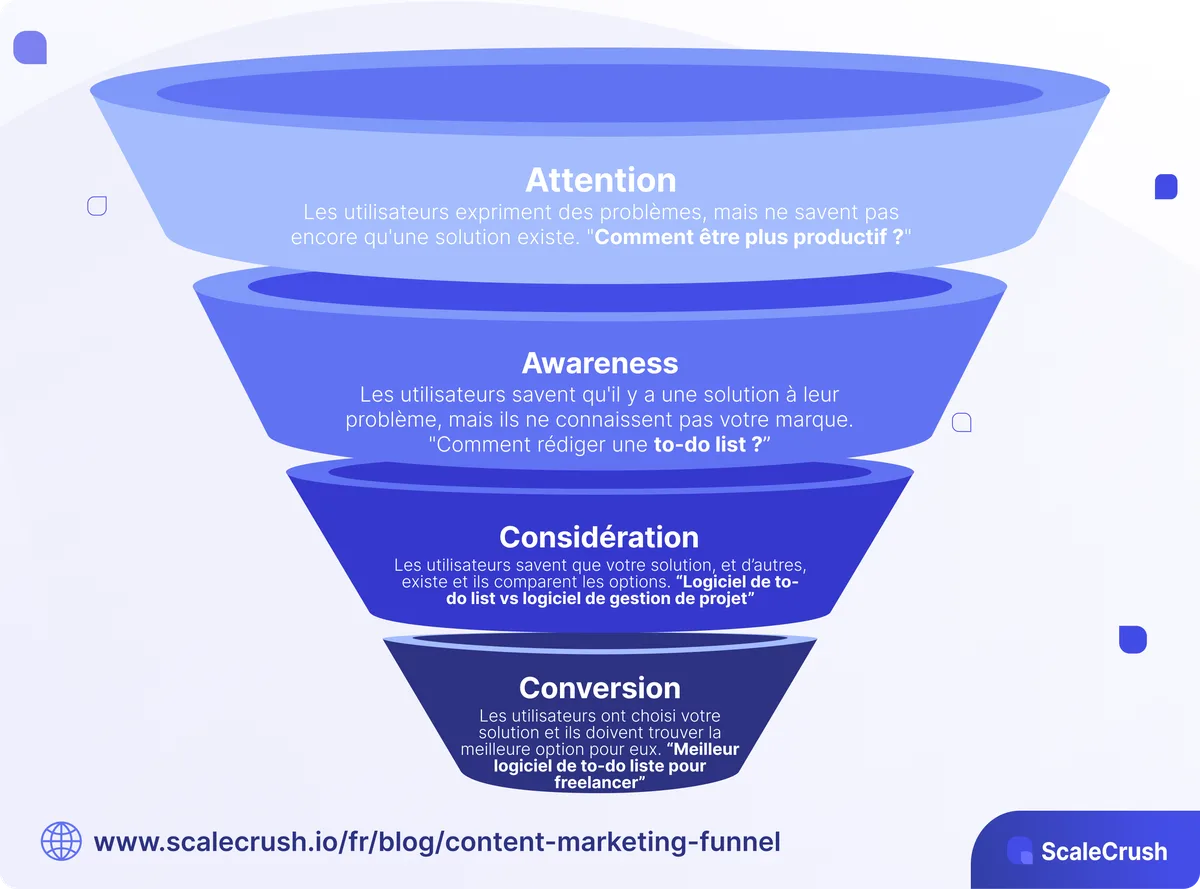
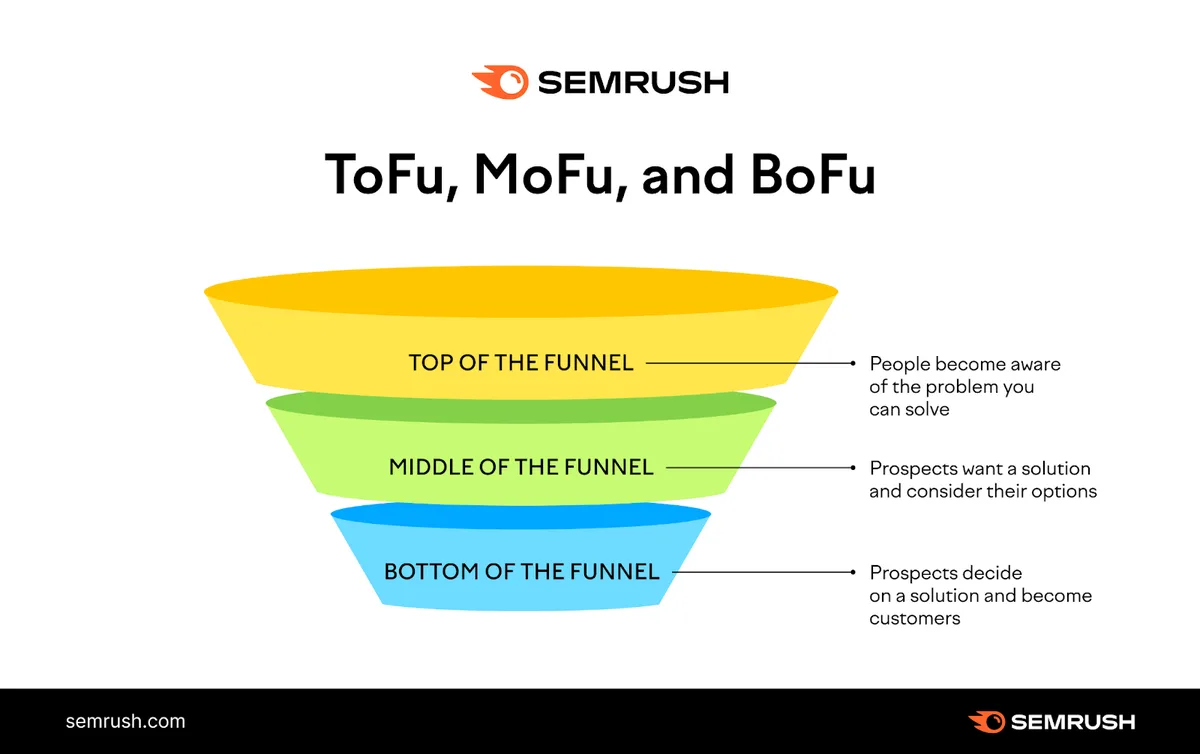
Awareness-stage prospects are problem-aware but solution-agnostic. Consideration-stage prospects know solutions exist and are comparing approaches. Decision-stage prospects have a shortlist and need reassurance. Each group asks different questions, so each group needs different funnel content.
Here’s the uncomfortable truth: most brands over-invest in awareness because it’s the easiest to measure in vanity metrics. Pageviews look great on a dashboard. But awareness-stage funnel content rarely converts on its own. It warms the room. The money gets made further down.
Why Most Funnels Leak (And How to Patch Them)
A leaky funnel usually isn’t a traffic problem. It’s a messaging mismatch. Someone lands on a compelling awareness article, clicks through to a generic services page, and bounces because the page doesn’t continue the conversation. The funnel content promised one thing and the destination delivered another.
I’ve audited dozens of sites where the top-of-funnel blog posts were genuinely excellent and the mid-funnel pages looked like they were written by an intern in a hurry. That gap kills more deals than any competitor ever will. Prospects don’t need to be sold twice. They need to be guided once, smoothly.
Patching the leak starts with mapping. List every stage a buyer passes through, then list every asset you have. Where are the gaps? Where are the duplicates? Nine times out of ten, you’ll find three strong awareness pieces, one mediocre consideration page, and nothing at all for decision-stage objections.
Mapping Assets to Buyer Questions
Write down the five questions a buyer asks at each stage. Awareness: “Is this actually a problem for me?” Consideration: “What are my options?” Decision: “Why this one and not the other?” Your funnel content should answer each question directly, in the order buyers ask them.
When I worked with a B2B software client, we found their entire mid-funnel was missing. They had blog posts and a pricing page, nothing in between. Adding a single comparison guide and a short implementation video lifted demo bookings by roughly a third within two months. Not magic. Just filling a gap that had been bleeding prospects for years.
The lesson: audit before you create. Producing more funnel content without knowing where the holes are is how teams burn budget without moving numbers.
Top-Of-Funnel Content: Building Awareness Without Wasting Words
Top-of-funnel content has one job: get the right person to realize they have a problem worth investigating. It should be educational, generous, and free of pitch. The moment you start selling at this stage, you lose the room.
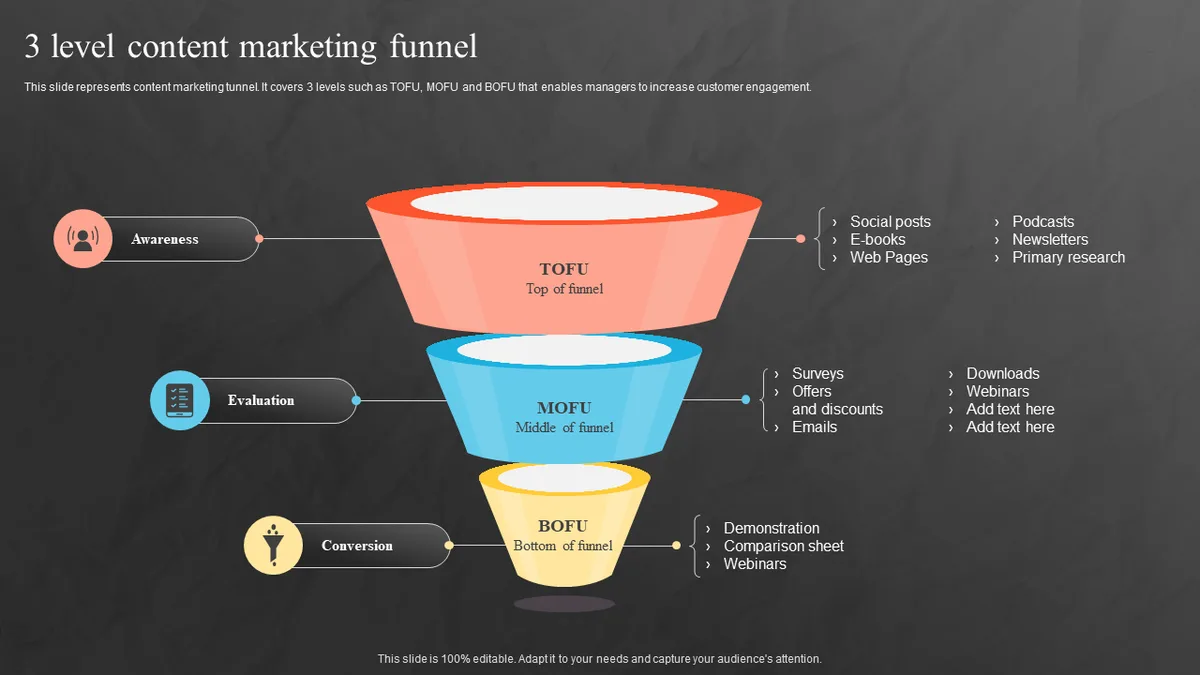
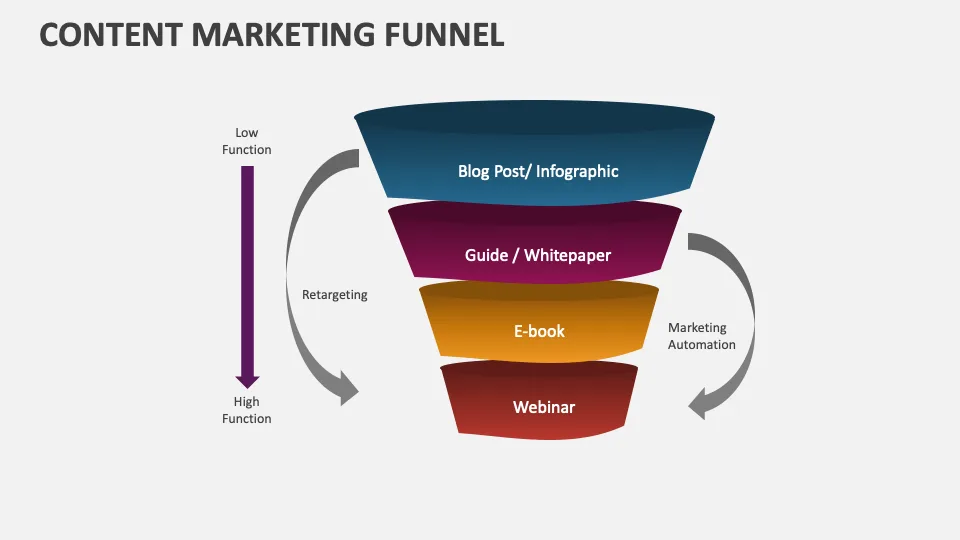
Formats that work here include long-form blog posts, short explainer videos, podcast episodes, social threads, infographics, and newsletter essays. The common thread is that they teach something useful without demanding anything in return. Gating top-of-funnel content is almost always a mistake unless the asset is genuinely premium, like a research report with original data.
Distribution matters as much as creation. A brilliant article nobody sees does nothing. I’ve seen teams spend three weeks perfecting a post and five minutes promoting it. Flip that ratio. Spend one week creating, two weeks distributing across search, social, email, and partnerships.
The Awareness Topics That Actually Pull Traffic
Search-driven awareness content works best when it targets questions people already type into Google. “How to reduce customer churn,” “what is a customer data platform,” “signs your team is overloaded.” These queries signal a live problem. Answer them thoroughly and you earn attention.
But don’t stop at search. Social platforms reward contrarian takes, personal stories, and specific numbers. A short video explaining a surprising statistic can outperform a 3,000-word article for pure reach. The best funnel content strategies mix formats rather than betting everything on one channel.
One more thing: resist the urge to write for everyone. Top-of-funnel content aimed at “businesses” converts nobody. Aim at a specific role with a specific pain. A CFO worried about cash flow responds differently than a marketing manager worried about lead quality. Same product, different entry points.
Measuring Top-Of-Funnel Success Properly
Pageviews are a starting metric, not an ending one. Track scroll depth, time on page, and click-through to the next stage. If people read your article and then leave, the content isn’t doing its job, no matter how many shares it gets.
Set up events that capture micro-conversions: newsletter signups, guide downloads, video completions. These signal genuine interest and give you a list to nurture. Without them, top-of-funnel funnel content is just expensive brand advertising.
I also recommend tagging every awareness asset with a UTM parameter so you can trace which pieces feed downstream revenue. It’s tedious. It’s also the only way to know which articles actually pay for themselves.
Middle-Of-Funnel Content: Turning Interest Into Intent
Middle-of-funnel content is where most deals are won or lost. Prospects here know they have a problem and are weighing solutions. Your job is to make your approach feel like the obvious choice without sounding desperate.
This is the stage for comparison guides, deep-dive tutorials, webinars, case studies, and interactive tools like ROI calculators. These assets do heavy lifting because they answer the “how” and “compared to what” questions that block progress.
I’ve noticed a pattern across industries: brands that invest seriously in mid-funnel funnel content close faster and at higher margins. Why? Because they’ve already done the educating before a sales rep ever gets on a call. The rep walks into a warm room instead of a cold one.
Comparison Content That Doesn’t Sound Salesy
Comparison pages are gold when done honestly. Show your product next to two or three alternatives, list real trade-offs, and let the reader decide. Prospects trust brands that admit limitations. They distrust brands that claim to be best at everything.
A good comparison page starts with a table covering features, pricing models, support options, and ideal use cases. Follow it with short paragraphs explaining who each option suits best. If your product genuinely fits, the reader will see it. If it doesn’t, you’ve saved everyone time.
I’ve watched B2B teams triple their demo requests simply by publishing a fair comparison page instead of a one-sided pitch. The honesty did the selling.
Case Studies That Do Real Work
Case studies are the workhorses of mid-funnel funnel content. But most of them are boring. They follow a template: problem, solution, results. That structure works, but only if the specifics are vivid and the numbers are real.
Name the client if you can. Give the timeline. Show the before-and-after metrics. Include a quote that sounds like a human said it, not a PR team. The more concrete the story, the more believable the outcome.
If you can’t name the client, describe the industry, company size, and region. “A 200-person logistics firm in the Midwest” beats “a leading company” every time. Specificity is credibility.
Interactive Tools as Mid-Funnel Magnets
Calculators, assessments, and configurators pull prospects deeper because they require engagement. Someone who spends five minutes plugging numbers into an ROI calculator is far more qualified than someone who skimmed a blog post.
These tools also generate data. You learn what prospects care about, what numbers they plug in, and where they get stuck. That intel is worth as much as the leads themselves.
Build one good calculator before you build ten mediocre ones. A single well-designed tool can anchor an entire mid-funnel funnel content strategy for years.
Bottom-Of-Funnel Content: Closing Without Pressure
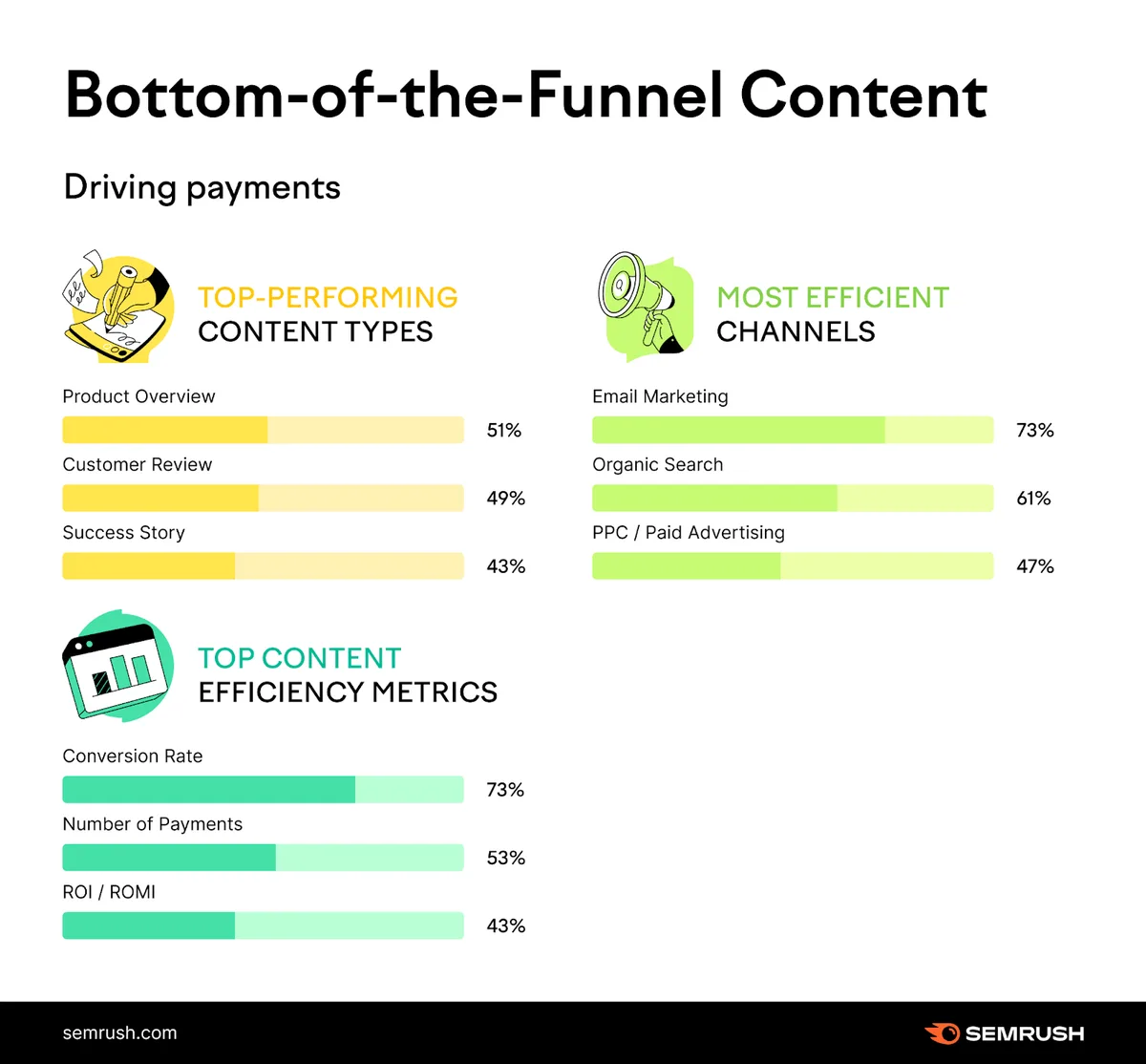
Bottom-of-funnel content has to remove friction, not add it. Prospects here have done their homework. They need proof, reassurance, and a clear next step. Anything that feels pushy sends them backward.
The workhorses at this stage include demo videos, free trials, pricing pages, implementation guides, customer testimonials, and FAQ sections. Each asset should answer a specific objection and make the buying decision feel safe.
I’ve seen brands lose deals at this final stage because their pricing page was confusing or their demo request form asked for too much. Small frictions compound. Fix them and watch your conversion rate climb without spending a dollar on new traffic.
Pricing Pages That Preempt Objections
A good pricing page explains not just what each tier costs but who it’s for and what changes as you upgrade. Ambiguity breeds hesitation. Clarity breeds action.
Include a comparison table, a short FAQ under each tier, and a clear call to action. If you offer custom pricing, say so plainly and explain what determines the number. “Competitive direct manufacturer pricing” beats “contact us for a quote” every time because it signals transparency.
Don’t hide your pricing behind a form unless you have a genuine reason. Most buyers will leave and check a competitor before filling out a form just to see numbers.
Demo Videos and Product Walkthroughs
Demo videos let prospects see the product without committing to a live call. Keep them short, focused, and free of marketing fluff. Show the interface. Show the workflow. Show what happens when something goes wrong.
I recommend recording three versions: a 60-second overview, a 5-minute feature tour, and a 15-minute deep dive for serious evaluators. Different prospects want different depths. Give them options.
Host these videos on a page that also includes a transcript and a clear next step. Some people watch, some read, some do both. Cover all three.
Testimonials and Social Proof That Land
Generic testimonials like “great product, great team” do nothing. Specific testimonials with names, roles, companies, and outcomes move the needle. A quote from a VP of Operations describing a 40% reduction in processing time is worth more than a hundred vague endorsements.
Video testimonials outperform text when done well, but only if the speaker is genuine and the story is specific. Avoid scripted endorsements. They read as fake and undermine everything else on the page.
Place social proof near decision points. Next to the pricing table. Above the demo form. At the end of the comparison page. Everywhere a prospect might hesitate.
Post-Purchase Content: the Funnel That Never Ends
Most teams treat the funnel as a straight line that ends at purchase. That’s a mistake. Retention and advocacy content keeps customers engaged, reduces churn, and turns buyers into referrers.
Onboarding emails, help center articles, community forums, and advanced tutorials all count as post-purchase funnel content. They serve the customer and the business simultaneously.
A customer who succeeds with your product becomes your best marketing asset. Neglect them and you’ll spend the next quarter trying to replace the revenue they took with them.
Onboarding Sequences That Reduce Churn
The first two weeks after purchase determine whether a customer stays. A well-designed onboarding sequence walks them through setup, highlights early wins, and checks in at key milestones.
Keep each email short. One action per message. Link to a specific help article or video. Don’t dump everything at once. Pacing matters more than completeness.
Track activation metrics alongside churn. If customers who complete step three of onboarding retain at twice the rate of those who don’t, push harder on step three. Funnel content should follow the data, not the template.
Community and Advanced Education
Once customers are onboarded, advanced tutorials, webinars, and community spaces keep them engaged. These assets deepen product usage and create natural upsell opportunities.
I’ve seen SaaS companies build entire ecosystems around their power users. Those users become advocates, write reviews, speak at events, and refer new business. All from funnel content that costs far less than paid acquisition.
Treat your best customers like partners. Give them early access, exclusive content, and a voice in product direction. The loyalty pays back many times over.
How to Allocate Budget Across the Funnel
Most teams spend too much on awareness and too little on the middle and bottom. A healthier split for a growing business looks closer to 30% awareness, 40% consideration, 30% decision, with retention content baked into the product team’s budget.
That’s a starting point, not a rule. If your awareness is strong and your mid-funnel is weak, shift budget. If your conversion rate is already high, invest more at the top. Let the data guide the split.
I’ve watched brands double revenue by reallocating budget without publishing a single new awareness article. They simply fixed the middle and bottom of the funnel and let existing traffic convert better.
Budget Benchmarks by Stage
| Stage | Typical Budget Share | Primary Formats | Key Metric |
|---|---|---|---|
| Awareness | 25-35% | Blog, video, social, podcast | Qualified traffic, scroll depth |
| Consideration | 35-45% | Comparison guides, webinars, case studies | Email signups, tool usage |
| Decision | 20-30% | Demos, pricing pages, testimonials | Demo requests, trials |
| Retention | 5-15% | Onboarding, help center, community | Activation, churn, NPS |
Use these ranges as a compass, not a cage. Your stage of growth, industry, and sales cycle length all shift the ideal mix. A long enterprise cycle needs more mid-funnel investment. A self-serve product can lean harder on decision-stage content.
The point is to stop treating all funnel content as equal. Every dollar should have a job, and every asset should have a stage.
Building a Content Production Engine That Scales
Producing funnel content consistently is a systems problem, not a talent problem. Most teams don’t lack good writers. They lack a repeatable process that turns ideas into published assets without chaos.
Start with a clear brief template. Every asset should have a defined stage, target persona, primary question, and success metric before writing begins. Without that, writers guess and editors argue.
Then build a calendar that balances stages. If you publish four pieces a month, aim for one awareness, two consideration, one decision. Adjust based on gaps you’ve identified in your audit.
Roles and Responsibilities
You don’t need a huge team, but you do need clear ownership. Someone owns strategy. Someone owns production. Someone owns distribution. Someone owns measurement. In small teams, one person can wear multiple hats, but the responsibilities still need names attached.
I’ve seen solo marketers run entire funnel content programs by being ruthless about priorities. They publish less but publish smarter. Quality beats volume almost every time.
If you do have budget to hire, prioritize a strategist over a junior writer. Strategy errors cost more than writing errors, and they’re harder to spot.
Workflow and Tools
A simple workflow: ideation, briefing, drafting, editing, design, publishing, distribution, measurement. Each step has an owner and a deadline. No asset skips a step.
Tools help but don’t replace process. A shared calendar, a brief template, and a review checklist cover 80% of what you need. Fancy software is nice, but it won’t fix a broken workflow.
One habit that pays off: hold a monthly retro on your funnel content. What worked? What didn’t? What should we cut? Teams that review consistently improve faster than teams that just keep publishing.
Common Mistakes That Sabotage Funnel Content
Even experienced teams fall into predictable traps. Recognizing them early saves months of wasted effort and thousands in budget.
The biggest mistake is treating funnel content as a one-time project. Funnels decay. Competitors shift. Buyer expectations evolve. Content that worked two years ago may fall flat today.
The second biggest mistake is ignoring the middle of the funnel. Awareness gets the glory, decision gets the urgency, and consideration gets neglected. That neglect costs deals.
Mistake One: Gating Everything
Gating top-of-funnel content kills reach. Nobody wants to hand over an email address for a basic explainer they could get anywhere. Save the gates for genuinely premium assets that justify the exchange.
If you must gate, make the value proposition obvious. “Download our 40-page industry benchmark report based on 500 surveyed companies” earns an email. “Download our brochure” does not.
Test ungated vs. Gated versions of the same asset. The ungated version often generates more downstream revenue because it reaches more qualified readers.
Mistake Two: Ignoring Search Intent
Funnel content that ignores search intent wastes effort. If someone searches “how to compare CRM software,” they want a comparison, not a sales pitch. If they search “best CRM for small business,” they want recommendations, not a history lesson.
Match the format to the query. Match the depth to the query. Match the tone to the query. Search intent is the single most reliable signal for what belongs at each stage.
Use tools to check what’s already ranking. If the top results are all listicles, don’t publish an essay. If they’re all long-form guides, don’t publish a 500-word post.
Mistake Three: No Clear Next Step
Every piece of funnel content should lead somewhere. A blog post should link to a related guide. A guide should link to a demo. A demo should link to pricing. The path should be obvious without being aggressive.
I’ve audited sites where beautiful articles ended with no call to action at all. Readers finished, felt informed, and left. That’s a wasted opportunity.
Add one clear next step per asset. Not five. One. Too many choices paralyze. One choice moves.
How AI Changes Funnel Content Production
AI tools have reshaped how teams produce funnel content, but not always for the better. Used well, they accelerate research, drafting, and editing. Used poorly, they flood the web with generic material nobody wants to read.
The teams winning with AI treat it as a research assistant, not a writer. They use it to summarize interviews, generate outlines, and check readability. The final draft still comes from a human who understands the audience.
I’ve tested AI-generated funnel content against human-written pieces across multiple industries. The human versions consistently outperform on engagement and conversion, even when the AI versions score higher on readability. Voice matters more than polish.
Where AI Genuinely Helps
AI shines at repetitive tasks: transcribing interviews, clustering keywords, generating first-draft outlines, and checking for tone consistency. It also helps with localization, though native review is still essential.
For funnel content at scale, AI can help maintain consistency across dozens of assets. It won’t replace strategic thinking, but it can handle the scaffolding.
Use it to speed up the boring parts so your team spends more time on the parts that require judgment. That’s the real productivity gain.
Where AI Falls Short
AI struggles with original insight, genuine voice, and nuanced positioning. It can’t interview a customer or notice the subtle frustration in their tone. It can’t decide which objection matters most this quarter.
For decision-stage funnel content, human input is non-negotiable. Buyers can smell AI-generated fluff, and it erodes trust fast.
My rule: use AI for structure, use humans for substance. The blend keeps quality high without slowing production to a crawl.
Measuring Funnel Content Performance Without Fooling Yourself
Measurement is where most funnel content programs fall apart. Teams track the wrong metrics, celebrate vanity numbers, and miss the signals that actually predict revenue.
The right metrics depend on the stage. Awareness: qualified traffic and engagement. Consideration: email signups, tool usage, webinar attendance. Decision: demo requests, trial starts, close rate. Retention: activation, churn, expansion revenue.
Track each stage separately. Rolling everything into one dashboard hides the leaks. You need to see where prospects drop off, not just how many entered.
Attribution Without the Headache
Perfect attribution doesn’t exist. Buyers touch multiple assets before converting. Do your best with UTMs and self-reported data, then accept the noise.
Ask new customers which content they consumed before buying. Their answers are imperfect but often more useful than any tracking system. Pair that with your analytics for a fuller picture.
Don’t obsess over last-click attribution. It undervalues top-of-funnel work and overvalues whatever page happened to be open when the credit card came out.
Leading Indicators That Predict Revenue
Watch leading indicators: demo requests, pricing page visits, comparison page engagement, and email reply rates. These move before revenue does, giving you time to adjust.
Set thresholds. If demo requests drop 20% month over month, dig in. If pricing page time-on-page falls, something on the page changed or the traffic quality shifted.
The goal isn’t to react to every wiggle. It’s to notice meaningful shifts early enough to fix them before they hit the bottom line.
Scaling Funnel Content Across Multiple Markets
Once your funnel works in one market, the temptation is to copy-paste it everywhere. That rarely works. Different regions have different buying habits, regulations, and cultural expectations.
Localize rather than translate. A direct translation of your awareness content might read fine and still miss the point. Local writers who understand the market produce better funnel content than translators working from a script.
I’ve seen brands stumble badly by rolling out a US-centric funnel across Europe without adjusting for GDPR concerns, longer sales cycles, and different trust signals. The content was fine. The fit was wrong.
Prioritizing Markets
Start with the market that has the strongest product-market fit. Build the full funnel there before expanding. Spreading thin across five markets produces five mediocre funnels instead of one strong one.
Once the first market is solid, expand to the second. Repeat the audit process. Identify gaps. Localize assets rather than translating them wholesale.
Patience here pays off. Brands that expand methodically outperform those that chase every opportunity at once.
Localization Details That Matter
Currency, date formats, examples, and references all need localizing. A case study featuring a US client may not resonate in Japan. Swap in a regional example whenever possible.
Trust signals vary too. In some markets, certifications matter most. In others, peer recommendations carry more weight. Adjust your funnel content accordingly.
Test before you scale. A small pilot in a new market reveals more than a big launch that misses the mark.
Frequently Asked Questions About Funnel Content
Here is an in-depth breakdown of key considerations regarding this section:
What is Funnel Content in Simple Terms?
Funnel content is any asset designed to move a prospect from one stage of the buying journey to the next. It includes blog posts, videos, guides, case studies, demos, and emails, each matched to a specific stage of awareness, consideration, or decision.
How Much Funnel Content Do I Actually Need?
Less than you think, more than you have. Most teams need two to three strong assets per stage per persona. Quality and fit matter more than volume. A well-built funnel with ten sharp pieces beats a bloated one with fifty mediocre ones.
Should I Gate My Funnel Content?
Gate only premium assets like original research, deep templates, or exclusive webinars. Keep top-of-funnel content open to maximize reach. Gating basic explainers kills traffic and rarely generates quality leads.
How Do I Know Which Stage Needs More Content?
Audit your funnel and look for drop-off points. If traffic is strong but signups are weak, your consideration stage needs work. If demos are booked but close rates are low, your decision-stage content is missing key objections.
Can AI Write Funnel Content Effectively?
AI can help with structure, research, and first drafts, but human writers still produce better results for anything that requires voice, insight, or nuanced positioning. Use AI as a tool, not a replacement.
How Often Should I Update Existing Funnel Content?
Review your top-performing assets quarterly. Refresh statistics, update examples, and check that the calls to action still match your current offer. Funnels decay quietly if left alone.
What’s the Biggest Mistake With Funnel Content?
Treating all content as equal. Every asset should have a defined stage, persona, and metric. Without that alignment, even great writing fails to move the business.
Final Thoughts on Building a Funnel That Actually Converts
Funnel content isn’t a single asset or a one-time project. It’s a system that connects every stage of the buyer’s journey with the right message at the right moment. Build it deliberately, measure it honestly, and refine it relentlessly.
Start with an audit. Find the gaps. Fill them with content that answers real questions and removes real friction. Then distribute that content like your revenue depends on it, because it does.
The brands that win aren’t the ones with the most content. They’re the ones with the best-matched funnel content at every stage. Match the message to the moment, and the rest tends to take care of itself.
For verified reference and background research, consult the authoritative informational resource on this topic.