Captive marketing is the practice of promoting products or services to an audience that has few or no realistic alternatives, so the buying decision happens inside a closed loop rather than an open market. That definition sounds dry on paper.
In practice, you feel it every time you sit in a stadium seat, wait for a connecting flight, or open a hotel minibar at midnight.
I’ve spent years watching how businesses engineer these moments, and the pattern is always the same: control the environment, limit the exits, and let convenience do the selling. Some of it is brilliant. Some of it is predatory. Most of it lives somewhere in between, and that gray zone is exactly where the interesting lessons hide.
This guide breaks down what captive marketing actually means, where it shows up, how the economics work, when it crosses an ethical line, and how you can apply the legitimate parts without torching your reputation. Grab a coffee. This one runs deep.
What Captive Marketing Really Means
Strip away the jargon and captive marketing describes any situation where a seller controls access to a buyer who can’t easily walk away. The audience is “captive” because switching costs, physical constraints, or contractual lock-in make leaving impractical in the moment.
The classic example is the airport concession stand charging triple for a bottle of water. You’re past security. You’re thirsty. There’s no competitor for half a mile. That’s captive marketing in its purest, most shameless form.
But the concept stretches far beyond overpriced snacks. Subscription software with painful data migration, hospital gift shops, theme park photo packages, and even the humble vending machine in a factory break room all run on the same logic. The seller owns the moment, and the buyer pays for access to it.
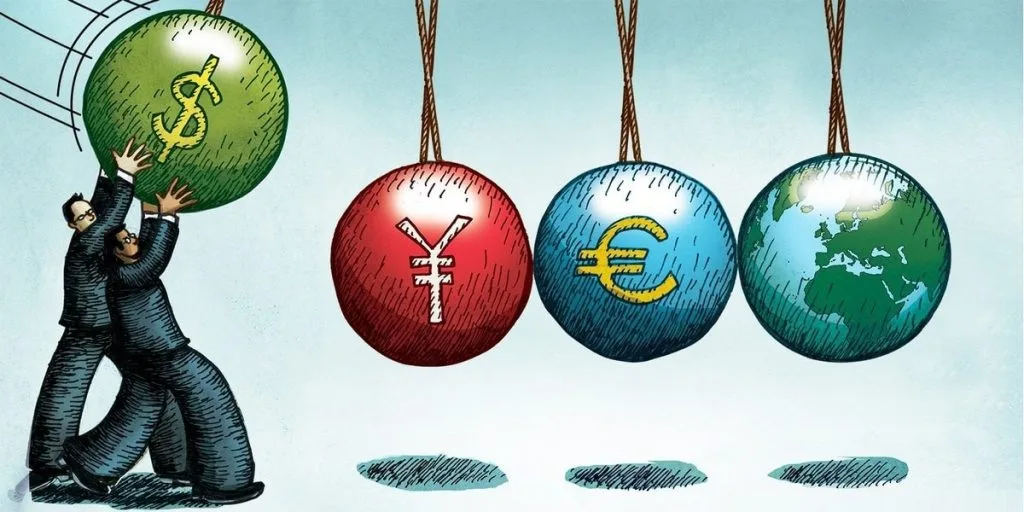
What separates captive marketing from ordinary retail is the absence of meaningful choice at the point of sale. A supermarket competes with three others down the street. A captive audience doesn’t have that luxury, and smart operators know it.
Where the Term Came from and Why It Sticks
The phrase borrows from “captive audience,” a concept sociologists were writing about long before anyone built a business model around it. The idea: when people are physically or psychologically stuck somewhere, their attention and their wallets become unusually available.

Advertisers latched onto this decades ago. In-flight magazines, elevator posters, and gas station TV screens all exist because someone realized a bored, trapped person will read almost anything. That insight became a whole industry.
What changed is the sophistication. Early captive marketing was blunt — put an ad where people can’t avoid it. Modern versions are surgical. Companies map the exact friction points in a customer journey and plant offers precisely where resistance is lowest.

Honestly, the term sticks because it’s uncomfortably accurate. It names the power imbalance directly, and that honesty is why it keeps showing up in marketing textbooks, ethics debates, and regulatory hearings alike.
The Core Mechanics Behind Every Captive Marketing Play
Every effective captive marketing setup rests on a handful of controllable levers. Understand them and you’ll spot the tactic instantly, whether you’re the one running it or the one stuck inside it.
Controlling Access and Physical Space
The most literal form of captive marketing controls the physical environment. If a vendor owns the only shop in a terminal, a resort, or a remote worksite, geography does the heavy lifting.
Think about a ski lodge at the top of a mountain. The restaurant there can charge whatever the market bears because skiing back down to find lunch isn’t a real option. The location itself is the moat.
Companies invest heavily in securing these spots. Airport retail contracts, stadium pouring rights, and national park concessions are fought over because once you own the space, you own the customer for the duration of their visit.
The practical takeaway for operators: if you can lock down exclusive access to a location, you’ve built a captive marketing engine whether you intended to or not.
Switching Costs and Contractual Lock-In
Digital captivity works differently. Here, the trap isn’t walls — it’s friction. When leaving a service means losing years of data, retraining a team, or paying an exit fee, customers stay even when they’re unhappy.

Enterprise software is notorious for this. Once a company’s entire workflow runs on one platform, migrating away is a project measured in months, not hours. That inertia is a form of captive marketing, and vendors price accordingly.
Gym memberships with annual contracts, phone carriers with device financing, and streaming bundles all use softer versions of the same lock-in. The exit exists, but it’s expensive enough that most people don’t bother.
If you’re on the buying side, always ask one question before signing: what does it actually cost me to leave? That number tells you how captive you really are.
Time Pressure and Limited Windows
Sometimes the captivity is temporal. A customer has ten minutes before boarding, or thirty seconds before a checkout timer expires, and that scarcity reshapes their decision-making.
Flash sales, countdown timers, and “offer ends tonight” banners are captive marketing compressed into seconds. They manufacture urgency so the buyer feels they can’t afford to walk away and think.
Airlines are masters of this. Buy the seat upgrade now, at this price, before the cabin fills. The window is artificial, but it feels real, and that’s what matters.
The line between persuasion and manipulation gets thin here. Legitimate urgency reflects genuine scarcity. Manufactured urgency just exploits the clock.
Captive Marketing in the Wild: Real-World Examples
Abstractions are cheap. Let’s look at where captive marketing actually shows up in daily life, because the range is wider than most people assume.
Airports, Stadiums, and Entertainment Venues
Few places embody captive marketing better than an airport terminal. Once you’re through security, every coffee, sandwich, and neck pillow comes with a markup that would start a riot on a normal street.
Stadiums run the same play. A beer that costs a few dollars outside sells for many times that inside, because you can’t bring your own and you can’t leave and come back. The venue controls both the supply and the rules.
Theme parks take it further. They ban outside food, then sell meal plans, photo packages, and skip-the-line passes. Each purchase is optional in theory and nearly irresistible in practice when you’ve already spent a fortune getting there.
What’s the operator’s logic? They’re not selling beer. They’re selling convenience inside a controlled space where the alternative is inconvenience.
Hotels, Resorts, and Hospitality
Hotels have quietly mastered captive marketing for decades. The minibar, the room service menu, the pay-per-view movie, the bottled water on the nightstand with a tiny price tag — all of it lives inside a room you’ve already paid for.
Resorts push it further. When the nearest town is an hour away and the on-site restaurant is the only dinner option, pricing power shifts entirely to the property. Guests grumble and pay.
Cruise ships are the extreme version. You’re on a floating city with one operator, and every drink, excursion, and specialty restaurant is a captive marketing opportunity wrapped in a vacation.
The smartest hospitality brands soften this by offering genuine value. Free breakfast, included Wi-Fi, welcome drinks. They keep the captive economics but blunt the resentment.

Software, Subscriptions, and Digital Ecosystems
Digital captivity is subtler because there are no walls to see. Yet it’s often the most powerful form of captive marketing in the modern economy.
Consider how deeply people embed themselves in a single tech ecosystem. Your photos, contacts, notes, and passwords all sync across devices from one company. Switching means dismantling your digital life and rebuilding it elsewhere.
That’s not an accident. It’s designed. Every integration, every shared login, every cross-device feature raises the cost of leaving and deepens the captivity.
Streaming services, cloud storage, and productivity suites all compete on this axis. The winner isn’t always the best product — it’s the one that’s hardest to abandon.
Healthcare, Education, and Essential Services
Some of the most consequential captive marketing happens where choice is limited by necessity rather than design. Rural towns with a single hospital, students locked into campus meal plans, and employees dependent on employer-provided benefits all live inside captive structures.

These cases deserve extra scrutiny because the stakes are higher. When the only pharmacy in town is the only pharmacy in town, pricing power can become a public health issue, not just a business one.
Regulators watch these sectors closely for exactly that reason. Captive marketing in a stadium is annoying. Captive marketing in healthcare can be dangerous.
That distinction matters. The tactics may be similar, but the ethical weight is wildly different.
The Economics: Why Captive Marketing Works So Well
Captive marketing isn’t just a clever trick. It’s a structural advantage, and the numbers explain why companies chase it so aggressively.
Pricing Power and Margin Expansion
When competition disappears, price sensitivity drops. A customer with no alternatives compares your price not to a competitor’s but to their own inconvenience.
That mental math is generous to the seller. Paying a premium for a bottle of water beats the hassle of leaving the venue, so the premium gets absorbed without much resistance.
The result is margin expansion that ordinary retailers can only dream about. Captive marketing doesn’t just raise prices — it raises them without triggering the usual customer revolt.
Lower Acquisition Costs
Captive audiences are already there. You don’t need to spend on advertising to reach them, because you own the space they’re standing in.
That slashes customer acquisition costs to near zero in many cases. The foot traffic is guaranteed, the competition is absent, and the marketing spend collapses accordingly.
For operators, this is the quiet superpower of captive marketing. It’s not just about charging more — it’s about spending far less to make the sale happen.
The Loyalty Illusion
Here’s a trap that catches inexperienced operators. High retention in a captive market can look like loyalty, but it isn’t. It’s inertia.
Customers who stay because leaving is hard aren’t loyal. They’re stuck. The moment a real alternative appears, they leave without a second thought.
Confusing the two is dangerous. Companies that mistake captivity for affection stop investing in quality, and when the walls finally come down — through regulation, technology, or a new entrant — the exodus is brutal.
If your retention only holds because your customers can’t leave, you don’t have a moat. You have a hostage situation with a marketing budget.
Captive Marketing vs Related Strategies
People lump captive marketing together with a lot of neighboring concepts. The overlaps are real, but the distinctions matter if you want to use the right tool for the right job.
| Strategy | Core Mechanism | Customer Choice | Typical Example |
|---|---|---|---|
| Captive Marketing | Controlled environment with limited alternatives | Very low at point of sale | Airport concessions |
| Relationship Marketing | Building trust and emotional connection | High, but loyalty-driven | Local coffee shop regulars |
| Permission Marketing | Opt-in communication with consent | High, fully voluntary | Email newsletters |
| Inbound Marketing | Attracting customers through content | High, buyer-initiated | SEO-driven blog traffic |
| Retention Marketing | Reducing churn among existing users | Medium, influenced by value | Loyalty programs |
The key difference sits in the choice column. Captive marketing narrows options at the moment of decision. The others compete for attention in an open field.
That’s why captive tactics feel heavier. They don’t persuade you to prefer one brand over another. They remove the other brands from the room entirely.
Good marketers know when to use which. Captive marketing is a situational tool, not a philosophy. Treat it as the former and you’ll stay out of trouble.
Ethical Lines: When Captive Marketing Becomes Predatory
This is where the conversation gets uncomfortable, and it should. Captive marketing ranges from harmless convenience to outright exploitation, and the difference isn’t always obvious.
Fair Convenience vs Exploitation
A fair captive setup charges a reasonable premium for genuine convenience. You’re paying for the fact that the seller brought the product to an inconvenient place. That’s a service, and services cost money.
Exploitation looks different. It means pricing far beyond any defensible convenience premium, targeting people with no real ability to refuse, or hiding costs until the customer is trapped.
The test is simple: would a reasonable person, fully informed and not under pressure, still consider the price fair? If the answer is no, you’ve crossed the line.
Most operators know exactly where that line is. The ones who pretend otherwise are usually the ones profiting from crossing it.
Vulnerable Audiences and Extra Caution
When the captive audience includes children, the elderly, the sick, or the desperate, the ethical bar rises sharply. These groups can’t always advocate for themselves, and the power imbalance compounds.
Hospital gift shops, prison commissaries, and disaster-relief supply chains are extreme examples. The people inside them aren’t there by choice, and their options are constrained by circumstance, not preference.

Regulators in many regions treat these cases differently for good reason. Captive marketing to a tourist buying a soda is one thing. Captive marketing to a patient buying medication is another entirely.
If your business model depends on the vulnerability of your audience, that’s not a strategy. That’s a liability waiting to be named in a lawsuit.

Regulatory Scrutiny and Reputation Risk
Governments have taken notice of the worst this practice abuses. Price-gouging laws, consumer protection statutes, and sector-specific rules all exist to curb the most egregious cases.
Beyond the law, there’s reputation. Word travels fast when customers feel trapped and cheated, and a single viral complaint can undo years of brand building.
Smart companies preempt this by self-regulating. They cap markups, offer fair alternatives, and make sure the value is visible. It costs a little margin and buys a lot of goodwill.
The math usually favors restraint. this approach that respects the customer keeps the door open for repeat business. The exploitative version burns the bridge after one crossing.
How to Use Captive Marketing Ethically and Effectively
If you’re an operator considering captive tactics, here’s the practical playbook. It’s not about avoiding the strategy — it’s about running it in a way you can defend.

- Add real value, not just markup. The premium you charge should map to something the customer actually gets: convenience, speed, quality, or access. A captive marketing play that offers nothing but a higher price is a complaint generator. If you’re the only coffee shop in a terminal, make it a genuinely good coffee shop.
- Be transparent about pricing. Hidden fees, surprise charges, and unclear terms are what turn annoyance into outrage. Post prices clearly, disclose everything upfront, and let the customer decide with full information. Transparency costs nothing and defuses most resentment.
- Offer tiered options. Even in a captive environment, you can give people a choice. A budget option alongside a premium one lets customers self-select and feel some control. That small sense of agency dramatically improves satisfaction.
- Respect the exit. Don’t make leaving punitive. Reasonable cancellation terms, data portability, and fair contract lengths keep captivity from becoming a cage. The easier it is to leave, the more credible your retention becomes.
- Monitor customer sentiment relentlessly. In a captive market, complaints are your only real feedback loop. Track them, respond to them, and treat them as early warnings. Silence doesn’t mean satisfaction — it often means resignation.
- Know your regulatory environment. Rules vary wildly by region and sector. What’s legal in a stadium might be illegal in a hospital. Check before you build, not after you’re cited.
- Build a bridge to voluntary loyalty. Use the captive moment to introduce customers to value that would make them choose you even when they don’t have to. That’s how you convert a forced relationship into a real one.
None of this is complicated. It’s just the difference between treating this approach as a shortcut and treating it as a responsibility.
Operators who get it right build businesses that survive the moment the walls come down. Operators who get it wrong build businesses that collapse the instant a competitor opens nearby.
Captive Marketing in the Digital Age
Technology has reshaped this approach in ways that would’ve been unrecognizable a generation ago. The walls are invisible now, but they’re stronger than ever.
App Ecosystems and Walled Gardens
Mobile platforms have turned this practice into an architectural feature. Once a user is inside an app ecosystem, every purchase, subscription, and upgrade flows through a single payment system with a single set of rules.
Developers who want access to those users have to play by the platform’s terms, including the revenue share. The platform isn’t selling to the end user directly — it’s selling access to the captive audience it controls.
That’s this practice at scale. The walls are made of software, and the lock-in is measured in habit and convenience rather than geography.
Data Lock-In and Personalization
Personalization makes captivity stickier. The more a service learns about your preferences, the more valuable it becomes and the more painful it is to replace.
Your music recommendations, your saved playlists, your watch history — all of it is a form of switching cost. Leaving means starting from zero with a stranger who doesn’t know you.
Companies lean into this deliberately. Every feature that stores your data deepens the relationship and raises the barrier to exit. It’s this approach disguised as a thoughtful user experience.
Attention as the New Captive Resource
In digital spaces, the captive resource isn’t always money — sometimes it’s attention. Endless feeds, autoplay videos, and infinite scroll keep users in a loop where the next ad is always one swipe away.
That’s this approach applied to eyeballs. The user isn’t trapped by price or geography, but by design choices engineered to prevent them from stopping.

The ethics here are murky and getting murkier. Regulators are starting to look at engagement mechanics the same way they once looked at pricing. The walls may be invisible, but they’re no less real.
Common Mistakes Companies Make With Captive Marketing
Even experienced operators stumble here. The patterns repeat, and the consequences are predictable once you know what to watch for.
The biggest mistake is overestimating how much captivity you actually have. Markets shift, alternatives appear, and what felt like a locked-in audience can evaporate in a single product cycle.
Another common error is neglecting quality because customers “have no choice.” That attitude works until it doesn’t, and when it fails, it fails all at once. There’s no gradual decay — just a sudden collapse.
Ignoring customer feedback is a third trap. In captive markets, complaints are the only signal you get, and dismissing them means flying blind until the damage is done.
Finally, many companies treat this approach as a permanent state rather than a temporary advantage. That’s a strategic error. Captivity is a window, not a foundation. Use it to earn loyalty, not to replace it.
Measuring Success in Captive Marketing Campaigns
Standard marketing metrics don’t always tell the full story in a captive environment. You need different numbers to see what’s really happening.
Conversion rate matters, but it’s inflated by the lack of alternatives. A high conversion rate in a captive setting doesn’t prove your offer is good — it proves your customers are stuck.
More useful is the sentiment metric: how do customers feel about the transaction after the fact? Track complaints, reviews, and repeat behavior once the captivity ends.
Watch for the “escape rate” too. When customers finally get a choice, how many stay? That number tells you whether your this approach built a relationship or just rented one.
Revenue per captive customer is another telling figure. If it’s wildly higher than your open-market revenue per customer, you’re likely pricing on captivity rather than value, and that’s a warning sign.
The best operators track all of these together. They want to know not just whether they made the sale, but whether they’d make it again if the customer could walk away.
Frequently Asked Questions About Captive Marketing
Here is an in-depth breakdown of key considerations regarding this section:
What is Captive Marketing in Simple Terms?
This practice is selling to people who have few or no alternatives at the moment of purchase. The audience is “captive” because leaving is impractical, so the seller has unusual pricing power.
The classic examples are airport shops, stadium vendors, and hotel minibars. The customer isn’t forced to buy, but the alternatives are so inconvenient that the seller effectively controls the transaction.
Is Captive Marketing Legal?
In most places, yes, as long as it doesn’t cross into price gouging, deceptive practices, or exploitation of vulnerable groups. Captivity itself isn’t illegal — it’s a market condition.
What gets companies in trouble is how they use that condition. Fair pricing and transparency keep you on the right side of the law. Predatory markups and hidden fees don’t.
How is Captive Marketing Different from Monopoly?
A monopoly controls supply across a whole market. this practice controls access at a specific moment or location, even when alternatives exist elsewhere.
You can have this approach without a monopoly. The stadium vendor isn’t a monopolist, but inside the stadium, they’re the only game in town.
Can Captive Marketing Backfire?
Absolutely. Customers who feel exploited remember it, and when alternatives appear, they leave fast and loud. Reputation damage from perceived gouging can outlast the captive advantage itself.
The safer path is to use captivity to introduce value, not to extract maximum profit. Companies that do this build loyalty that survives the loss of captivity.
What Industries Rely Most on Captive Marketing?
Travel, hospitality, entertainment, and digital platforms lean on it hardest. Airports, resorts, stadiums, and app ecosystems all depend on controlling the customer’s environment for a period of time.
Essential services like healthcare and utilities also contain captive dynamics, though those sectors face far heavier regulation because the stakes are higher.
How Do You Reduce the Negative Effects of Captive Marketing?
Offer fair pricing, be transparent, give customers some choice even within constraints, and make sure the value is real. Small gestures of respect go a long way when people feel stuck.
Also, keep the exit reasonable. If leaving is easy and fair, customers feel less trapped, and the relationship stays healthier for everyone involved.
Does Captive Marketing Still Work in a Digital World?
It works better than ever, just in different forms. App ecosystems, data lock-in, and attention loops are all digital versions of the same principle.
The walls are invisible now, but the captivity is real. If anything, the digital version is stickier because it’s built on habit rather than geography.
Final Thoughts: Using Captive Marketing Without Losing Your Soul
This practice is a tool, not a moral verdict. Used well, it funds the convenience and access that make modern life work. Used badly, it turns customers into hostages and brands into cautionary tales.
The operators who last are the ones who understand that captivity is temporary. Markets open up, technology shifts, and regulations catch up. What survives all of that is trust.
So if you’re running a this practice play, ask yourself the honest question: would my customers choose me if they didn’t have to? If the answer is yes, you’ve built something real. If it’s no, you’ve built something fragile.
Either way, the choice is yours. Captivity gives you a window. What you do inside it decides whether you keep the customer when the window closes.
For verified reference and background research, consult the authoritative informational resource on this topic.