Domain age SEO is one of those topics that splits the room. Some folks treat a young domain like a death sentence; others wave it off as a myth. The truth sits somewhere in the messy middle, and that middle ground is exactly where this guide lives. A domain’s birthday matters, but not for the reason most people think.
Search engines do look at registration dates when they assess trust and stability. They just don’t rank a site higher simply because it was registered a decade ago. What they actually reward is the pattern of behavior that tends to accompany older, well-maintained domains: consistent publishing, stable hosting, clean link profiles, and genuine audience engagement.
The domain age SEO distinction changes everything about how you approach this. If age itself were the ranking factor, a ten-year-old abandoned blog with three posts would outrank a two-year-old site with a thriving community. Obviously, that doesn’t happen.
So the question shifts from “how old is my domain?” to “how do I build the signals that age usually represents?”
Below, you’ll find nine proven strategies that address this head-on. Some are defensive, designed to protect whatever age advantage you already have. Others are offensive, built to fast-track the trust signals that would otherwise take years to accumulate. Together, they form a practical domain age SEO checklist you can actually work through.
If you’re brand new to the topic, reading a solid domain age SEO guide first helps frame the rest. But if you’re ready to move, keep going. The strategies are ordered roughly from foundational to advanced, so feel free to read straight through or jump to the sections that match your situation.
What Domain Age SEO Really Means (And What It Doesn’t)
Before diving into tactics, let’s clear up the confusion that surrounds domain age SEO. The phrase gets tossed around as if a domain’s registration date directly controls rankings. It doesn’t. What the registration date does provide is context.
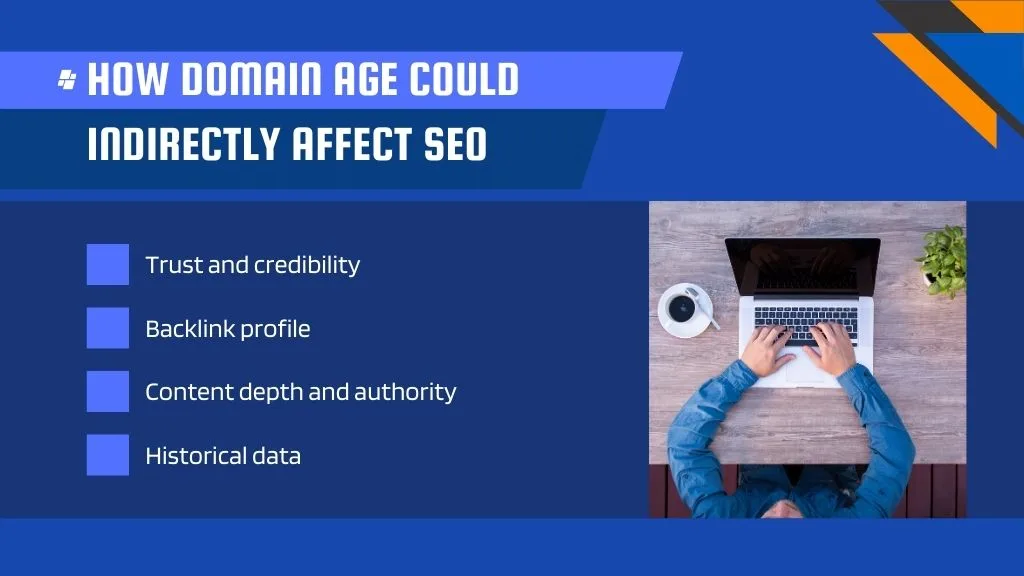
When Google crawls a newly registered domain, it has no history to reference. No reputation, no backlinks, no track record of publishing. That’s a genuine disadvantage, but it’s a disadvantage of missing signals, not of having a “bad” age. Older domains that have squandered their history through spam or neglect fare far worse than fresh, well-built sites.
The domain age SEO best practices we’ll cover work because they replace “wait around for five years” with “build the same signals faster.” Experience in the field confirms this. Sites that launch with clean infrastructure, consistent publishing, and genuine outreach often outrank aging competitors within months, not years.
The Signals Age Usually Represents
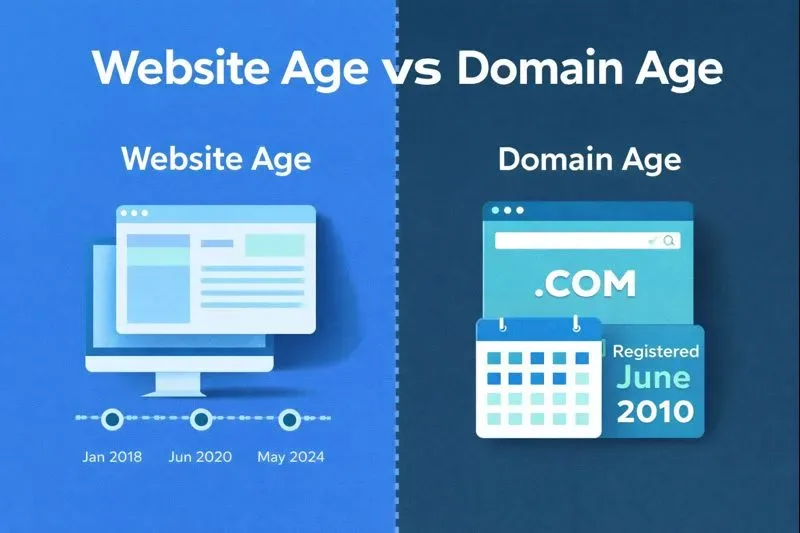
When a search engine sees an old domain, the domain age SEO implicitly expects certain things. A stable backlink profile. A consistent publishing cadence. A secure, well-maintained server. Topical authority accumulated over many updates. These are the real signals, and they can be engineered deliberately.
Think of domain age as a proxy variable. It correlates with trust because most sites that survive and thrive over time naturally accumulate trust signals. But correlation isn’t causation. New domains can manufacture the same signals, and old domains can lose them by getting sloppy.
Where the Myth Comes From
Ages ago, back when search algorithms were simpler, registration dates may have played a bigger role. In the early days of the web, a domain’s age was often the only signal available to distinguish an established site from a spammy one registered yesterday.
Modern algorithms have access to thousands of signals. Effective execution in your domain age SEO makes a tangible difference. Age still appears in the mix, but its weight is small compared to content quality, link profile health, and user engagement. Treat the registration date as one ingredient among many, not as the meal itself.
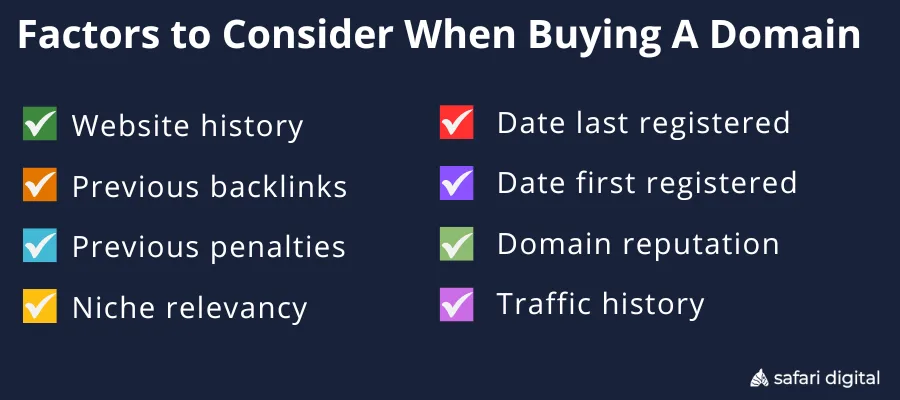
Strategy 1: Register a Clean, Aged Domain With Real History
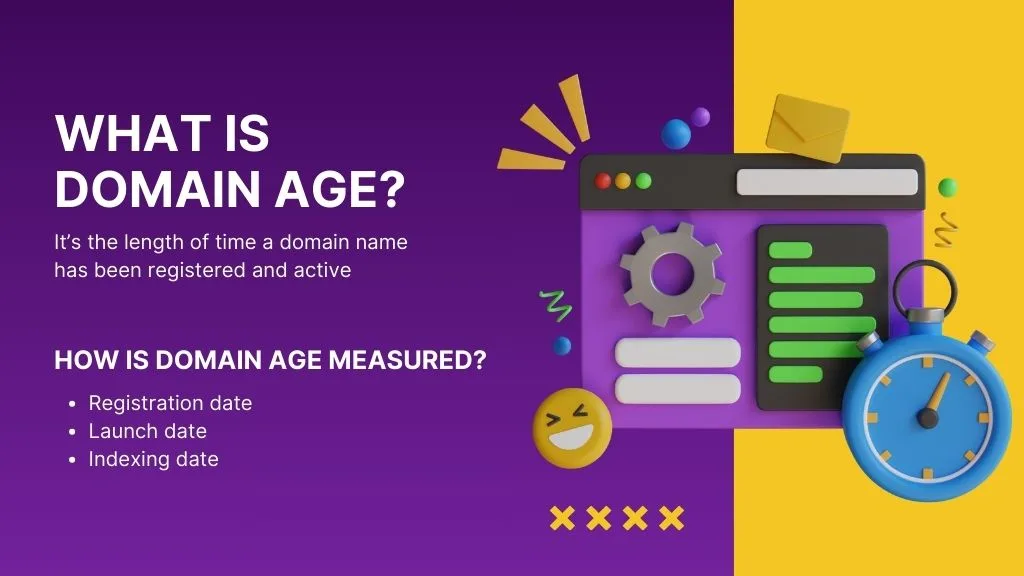
One of the fastest ways to shortcut the age problem is to start with an older domain that already has history. But this is a high-risk, high-reward tactic, and most people do it wrong.
Buying a domain expiring at auction sounds easy. The problem is that expiring domains fall into two categories: those with genuine editorial history, and those that were spammed into oblivion before the previous owner gave up. Falling into the second category is worse than starting fresh, because you inherit the bad reputation.
How to Vet an Aged Domain Before Buying
Start by pulling the domain’s backlink profile using tools like Ahrefs or Majestic. Maintaining clarity across your domain age SEO remains essential. You want to see a clean, natural link spread from real sites in your niche. Red flags include hundreds of links from unrelated foreign-language blogs, link farms, or directories that clearly sold placements.
Next, look at the Wayback Machine. Scroll through the domain’s archived history. Did it publish on a coherent topic for years? Or did it flip between unrelated niches every few months? The former is a signal of genuine authority. The latter is a warning.
Finally, check for manual actions. Focusing on domain age seo provides clear direction here. Google’s Search Console has a legacy tool for this, and free services like Ahrefs’ backlink checker flag suspicious spikes. Pay attention to sudden jumps in referring domains, especially from low-quality sources.
When It’s Worth the Risk
Aged domain purchases make sense when you’re launching in a highly competitive niche and want to shave months off your domain age SEO timeline. They also work well when the aged domain already has topical authority in your industry, so its existing backlinks pass relevant juice.
The domain age SEO don’t make sense for hobby projects, first-time site owners, or anyone without the budget for a thorough audit. If buying an aged domain costs less than a used laptop, it’s probably a spammed or expired junk domain. Walk away.
Strategy 2: Lock Down Registration Length and Privacy Protection
Here’s a small but often-overlooked detail. Registration duration sends a signal. Domains registered for multiple years, as opposed to single-year renewals, look more committed in the eyes of search algorithms. It’s not a massive factor, but it’s an easy point to score.

Search engines look at registration terms in aggregate. If you’ve registered your domain for five years, you’re signaling that you plan to stick around. If you renew monthly or use a free subdomain, you’re signaling the opposite.
The Multi-Year Renewal Habit
Registering a new domain for three to ten years upfront costs you almost nothing in the grand scheme and removes a recurring administrative headache. More importantly, when refining a domain age SEO, it subtly reduces the “flighty” signal of short renewals.
For an existing domain, check the current registration term and extend it if you’re running a monthly renewal. This costs very little and takes a few minutes. It’s the cheapest domain age SEO tips list item you’ll ever implement.
Why WHOIS Privacy Still Matters
Public WHOIS data used to be standard, but privacy protection has become the norm. Enable it. Publicly available contact info opens you up to spam, phishing, and worse. It also creates an unnecessary paper trail that has no SEO upside.
The exception is if you operate a business where transparency is a brand asset, like a local service with a public office. Even then, use a business email and physical address on your site, not on WHOIS. There’s no benefit to broadcasting your home address or personal cell number.
Strategy 3: Build a Server and Hosting History That Ages Well
Server stability contributes to domain age SEO in a way that rarely gets discussed. When a domain bounces between hosting providers every few months, downtime spikes, IP reputation suffers, and search crawlers notice the inconsistency.
Pick a reliable host and stick with the domain age SEO. This doesn’t mean the biggest or cheapest option. It means a host with strong uptime records, fast response times, and a reputation that isn’t muddied by spam neighbors on shared IPs.
Dedicated Vs. Shared IP Decisions
Shared hosting is fine for most small sites, but shared IPs can be contaminated if a neighbor on the same server gets flagged for spam. Dedicated IPs are worth the extra cost if you run a serious publishing operation or handle sensitive content.
The middle-ground option is a managed WordPress host with isolated resources. These providers typically isolate your site from neighbors more aggressively than budget hosts, which protects your IP reputation while keeping costs reasonable.
The Cost of Server Migration Mistakes
Every migration introduces risk. Proper attention to your domain age SEO sets a strong baseline. Downtime, DNS propagation delays, accidentally broken redirects, and lost crawl budget. If you must migrate, schedule it for off-peak hours, monitor closely, and keep the old site live until the new one is fully verified.
Also, maintain consistent server locations. Refining each detail of your domain age seo strengthens this section. Moving a site from a German server to a US server every year signals instability to crawlers. Choose a server region and stay put unless there’s a strategic reason to switch.
Strategy 4: Publish Consistently to Fast-Track Trust
Here’s where new domains can genuinely compete with old ones. Consistent publishing is the closest thing to a shortcut for building domain age SEO signals. An active site that publishes weekly for a year looks far more trustworthy than a domain that sat dormant for three years before publishing three posts.
The key word is “consistently,” not “frequently.” Publishing one exceptional post every two weeks beats publishing five mediocre posts every week. Search algorithms reward regular cadence with quality, not volume without substance.
Setting an Achievable Cadence
Realistic cadences vary. Developing your domain age SEO with precision highlights key strengths. A solo blogger might publish twice a month. A content team might publish daily. Both are fine as long as the cadence is defensible and manageable over the long haul.
Choose a cadence you can sustain for at least six months without burning out. Schedule content in advance, batch produce where possible, and build in buffer so unexpected gaps don’t interrupt the flow.
Topical Consistency Over Topic Whiplash
A domain that jumps from keto recipes to crypto trading to home renovation looks unfocused. Topical consistency signals that you’re building genuine authority in a specific area, which accelerates the trust-building process.
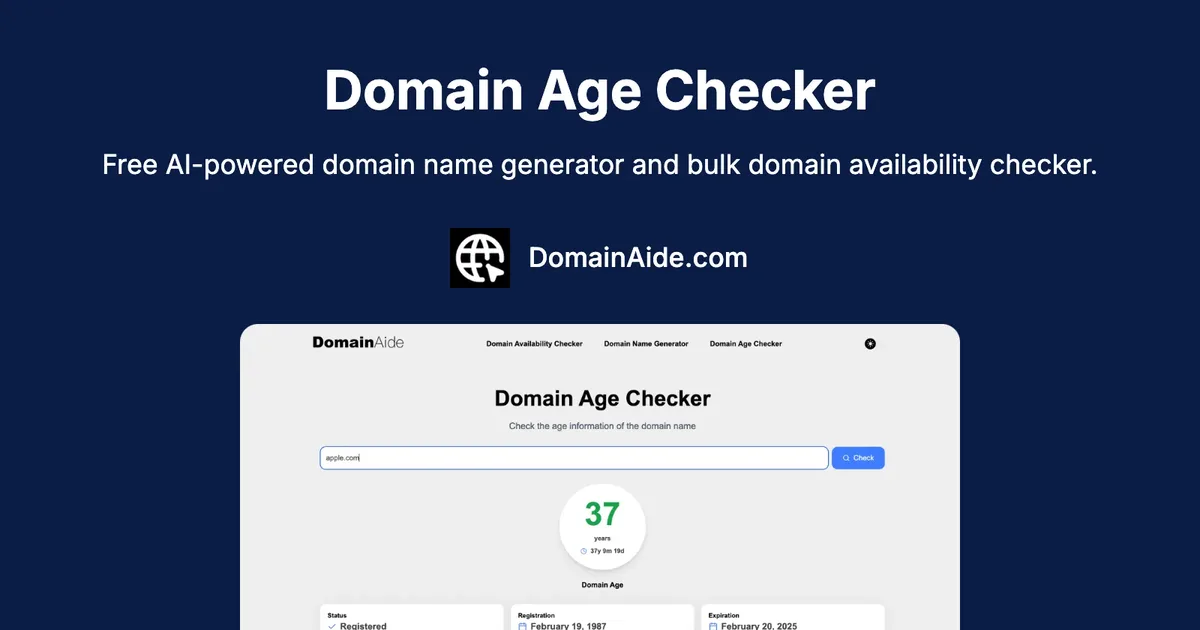
That’s why the domain age SEO best practices always circle back to topical discipline. Pick a core subject, explore its subtopics thoroughly, and only then consider adjacent areas. This mirrors how aged domains tend to look, and it helps new domains punch above their weight.
Content Refresh Cycles
Don’t just publish and forget. Clear alignment with your domain age SEO builds confidence from the start. Old content needs periodic refresh cycles to stay competitive. Update facts, add new examples, improve internal linking, and republish with updated schema. This signals ongoing maintenance, which is another aged-domain characteristic.
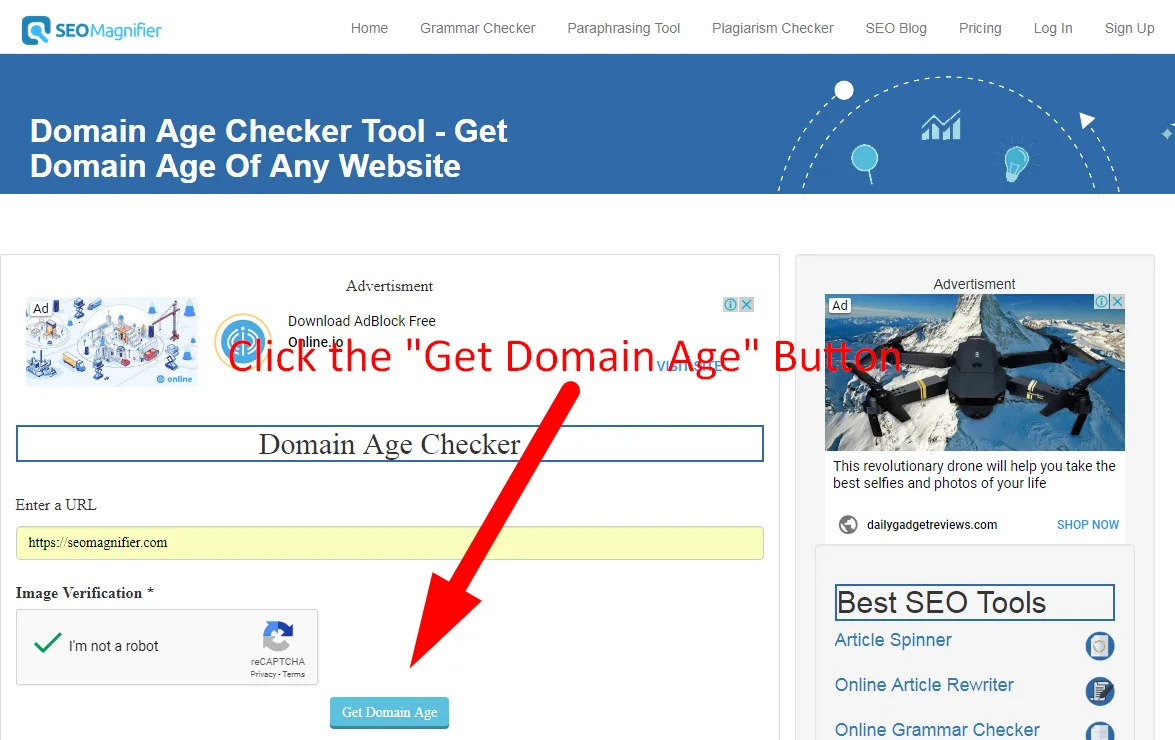
A practical approach: schedule a review of your top ten posts every quarter. Make at least one meaningful improvement to each. Small nudges keep the freshness signals alive and often yield ranking improvements without any new publishing.
Strategy 5: Make Your Backlink Profile Look Older Than It Is
Backlink velocity is one of the clearest signals of organic growth. A domain that acquires one hundred links in a single week looks suspicious. A domain that acquires the same hundred links over eighteen months looks natural and healthy.
For younger domains, the domain age SEO creates a paradox. You need links to compete, but acquiring them too fast looks unnatural. The solution is pacing. Build links steadily, spread across a realistic timeframe, and avoid the temptation to buy a “starter package” of bulk backlinks.
Natural Link Acquisition Pacing
A healthy pattern looks like a gentle upward slope with minor variations. A few links a month growing into tens of links as your content gains traction. Sudden spikes followed by abrupt drops are red flags, whether you’re young or old.
Look at the domain age SEO checklist for link building. It’s very different from a generic link-building list. Focus on realistic pacing, quality over quantity, and the natural development of anchor text diversity over time.

Guest Posts: Old Strategies Still Work
Guest posting done well is still one of the most reliable link acquisition channels. Effective execution in your domain age seo makes a tangible difference. But only when it’s targeted. Pitching ten relevant, high-quality sites produces far more value than blasting a hundred low-quality ones.
Pick sites the domain age SEO publish content your audience actually reads. Contribute genuinely useful pieces that link naturally back to your site. Avoid generic “SEO tips” contributions that every other guest poster has already covered.
Earning Links Through Data and Tools
The most aged-looking backlink profiles tend to come from passive, earned links. Data studies, free tools, original research, and visual assets attract links organically over years. These signals age beautifully and can’t be faked.
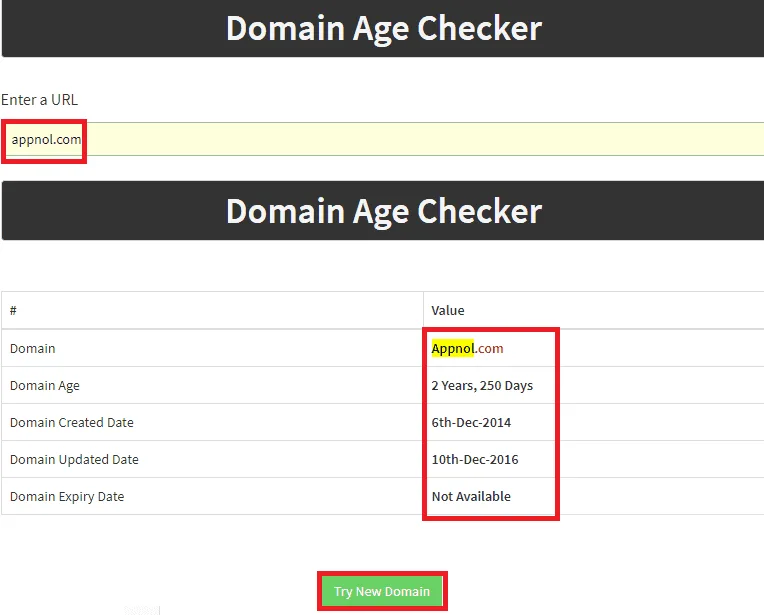
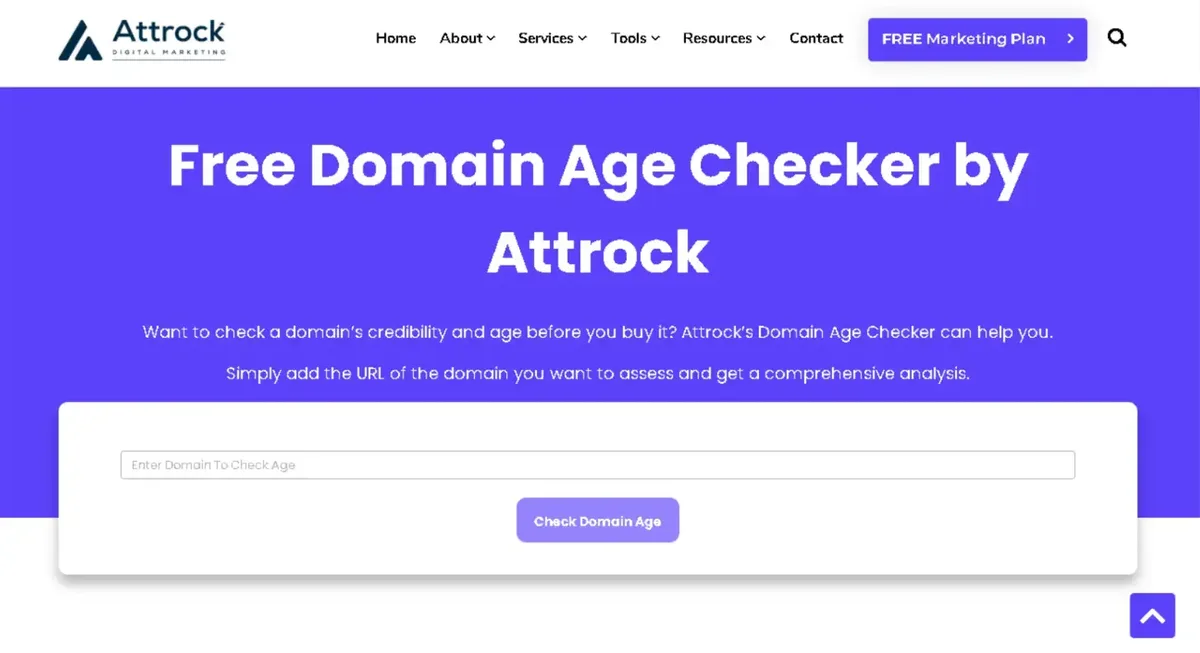
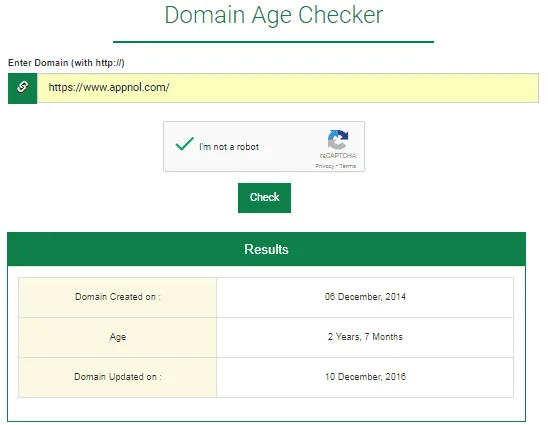
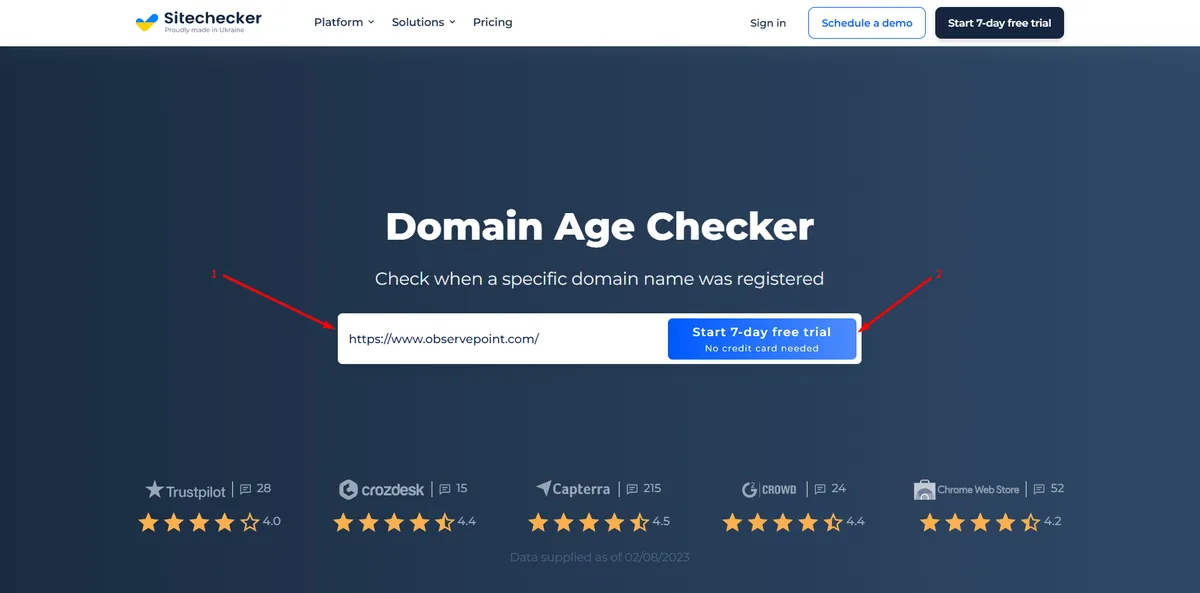
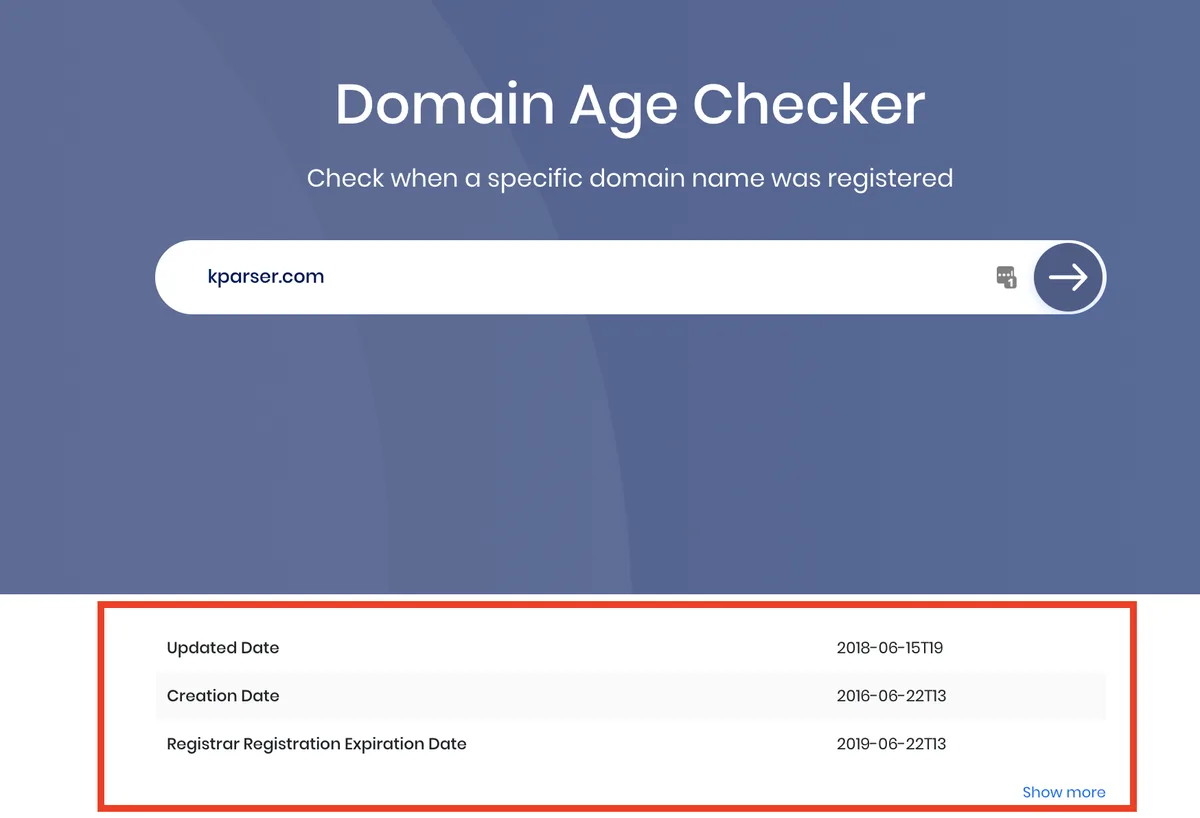
Even a modest free tool, like a domain age checker or a simple calculator, can attract links for years. The value isn’t in the tool’s sophistication but in its usefulness and the fact that it attracts natural, editorially-given citations.
Strategy 6: Preserve the Domain Through Every Migration and Rebrand
One of the most damaging things you can do to domain age SEO credibility is changing domains entirely. Every migration risks losing equity, breaking rankings, and resetting the trust clock, even when done correctly.
Sometimes a domain change is unavoidable. Focusing on domain age SEO provides clear direction here. You outgrow a terrible brand name, or you acquire another company, or your original domain has a trademark problem. But it should always be a last resort, not a first instinct.
Subdomains Vs. Subdirectories
When expanding, prefer subdirectories over subdomains. A subdirectory like yoursite.com/blog inherits the domain’s authority directly. A subdomain like blog.yoursite.com is treated somewhat separately and usually has to earn its own trust from scratch.
This matters for domain age SEO because every subdomain you launch resets the trust-building process. Keep everything on the primary domain wherever possible. Subdomains only make sense when the content genuinely serves a distinct audience or requires separate technical infrastructure.
Handling a Necessary Rebrand
If you must change domains, do it properly. Use 301 redirects for every URL, preserve URL structure where possible, and notify Google of the change through Search Console’s change of address tool.
Keep the old domain and its redirects live for at least two years. Refining each detail of your domain age SEO strengthens this section. Many rebrands lose equity simply because the redirects get removed too early, before all backlinks and rankings have fully transferred.
Also, communicate the rebrand to your audience. Search engines look at engagement signals, and if your audience doesn’t follow you to the new domain, the redirect alone won’t rescue your rankings.
Strategy 7: Leverage Historical Data to Prove Longevity
Even younger domains can benefit from demonstrating historical continuity where it exists. If you acquired an aged domain, publish content that references its established history. If you migrated from another URL, maintain a page explaining the continuity.
Search engines use continuity signals to determine whether they’re looking at a domain that deserves trust. Demonstrating that your site has been consistently serving similar content to a similar audience is a legitimate way to accelerate your domain age SEO results.
Using Wayback Machine as Proof
The domain age SEO can reference Wayback Machine snapshots in your About page to demonstrate continuity. It’s subtle but real. Showing that your content has been online for years, even if you recently acquired the domain, gives you a legitimate continuity story.
Be honest about this. Maintaining clarity across your domain age seo remains essential. Faking continuity through forged archive snapshots is impossible and unnecessary. Just be transparent about the domain’s journey and why it’s a good fit for your current content direction.
Republishing Archived Content Strategically
If you acquired an aged domain with quality archived content, republish the best of it with appropriate updates. Refresh the facts, add internal links to current content, and republish with updated timestamps.
This isn’t about tricking algorithms. Republishing good archived content genuinely adds value to your audience. It also builds a legitimate bridge between the domain’s historical authority and its current purpose, which is exactly what search engines reward.
Preserving the Domain’s Topical DNA
If the aged domain you acquired was focused on digital marketing, don’t suddenly pivot to vegan recipes. Preserve its topical DNA or clearly explain the transition. Domains that suddenly change topics lose trust because the change looks strategic or spammy.

This domain age SEO consideration is often overlooked. The domain’s history includes not just its age but its content focus. Aligning current content with historical focus is one of the highest-leverage moves you can make.
Strategy 8: Build Technical Stability That Mirrors Mature Domains
Mature domains tend to have technical stability that new domains often lack. Consistent URL structures, clean schema markup, reliable uptime, fast load times, and stable Core Web Vitals. These aren’t glamorous, but they’re the backbone of how search engines evaluate a site’s health.
New domains can achieve technical stability much faster than the domain age SEO can achieve age. This makes technical stability one of the few areas where new sites can genuinely outperform their age disadvantage.
Core Web Vitals as a Trust Signal
Fast load times, minimal layout shift, and quick response to user input are all signals that a site is well-maintained. These directly influence how users interact with your site, which in turn influences search rankings through engagement signals.

Test your site regularly using Google’s PageSpeed Insights. Aim for the “good” range on all three Core Web Vitals metrics. This is table stakes for competitive rankings, but many sites skip it, which creates an easy competitive advantage.
Clean URL and Site Architecture
Mature domains typically have clean, logical URL structures. A thoughtful approach to domain age SEO reinforces your qualifications. No tracking parameters in canonical URLs, no unnecessary directory depth, no broken internal links. Replicate this intentionally from day one.
A good architecture reduces crawl time and improves the distribution of link equity throughout your site. A thoughtful approach to domain age seo reinforces your qualifications. Both help new domains compete more effectively and keep mature domains from slipping.
Stable HTTPS and Certificate Management
Certificate expiration is a self-inflicted wound that new domains fall into more often than mature ones. Set up automatic renewal and monitor certificate status regularly. An expired certificate during a crawl is a fast way to lose trust.
Beyond the certificate itself, ensure the domain age SEO all resources load over HTTPS. Mixed content signals carelessness and can degrade user experience. Browsers increasingly flag these issues publicly, so the cost of ignoring them is compounded.
Strategy 9: Monitor, Benchmark, and Iterate Like a Serious Publisher
None of the previous strategies work at scale without measurement. The final piece of the domain age SEO puzzle is ongoing monitoring. Benchmark your metrics against competitors, track your progress quarter over quarter, and adjust your approach based on what’s actually moving.
This is the strategy most people skip, and it’s why so many domain age SEO tips fail in practice. They treat the topic as a series of one-time actions rather than an ongoing process of measurement, adjustment, and repetition.
Key Metrics to Track
Track domain age SEO-relevant metrics in a dashboard. Include domain authority growth, referring domain velocity, keyword ranking trends for your target set, organic traffic patterns, and content refresh completion rates.
Review these monthly. Recognise that some metrics, like organic traffic and keyword rankings, respond quickly. Others, like referring domain growth and domain authority, move slowly. Setting realistic expectations prevents premature abandonment of sound strategies.
Benchmarking Against Competitors
Pick three to five competitors in your niche. Track their domain ages, authority scores, publishing cadences, and keyword gains. This context is invaluable for calibrating your own pace.

If a competitor with a younger domain is outranking the domain age SEO, dig into why. It’s rarely just age. Look at their content depth, their backlink sources, their technical implementation, and their topical coverage. There are always actionable clues.
The Iteration Loop
Treat each quarter as a feedback cycle. Review what worked, double down on it, and prune the tactics that didn’t move the needle. This iterative approach is what separates domains that improve steadily from those that plateau early.
Keep a running changelog of what you’ve implemented and when. This is the most useful domain age SEO checklist you’ll build over time, because it’s calibrated to your specific niche, content cadence, and competitive landscape.
Common Domain Age SEO Mistakes to Avoid
The strategies above work when applied thoughtfully. They also fail, or worse, backfire, when applied with some of the mistakes below. Consider these traps worth actively avoiding.
Buying “Aged Domains” Without Audits
This is the most expensive mistake in domain age SEO. A domain with a decade of history sounds great until you discover it was a link farm. Always audit before buying, no matter how convincing the sales page is.
Run a full backlink audit, check for manual actions, review the Wayback Machine, and verify the domain hasn’t been penalized. If any of these steps feels rushed, walk away. There are always other domains.
Chasing Volume Over Consistency
Young domains often try to publish massively in the first few months, hoping to compress years of activity into weeks. Structuring your domain age seo around proven patterns ensures impact. This backfires. Search algorithms value consistency and quality, not frantic bursts of activity.
Aim for a sustainable cadence. Even a modest publishing schedule maintained for a year produces more trust than a frantic burst over three months. Consistency is the signal that matters.
Ignoring the Actual Domain’s History in Favor of Age Alone
Domain age SEO isn’t about the number of years. It’s about what those years contain. A domain with ten years of spam is worse than a domain with ten months of clean publishing. Focus on the history, not the birthday.
When evaluating aged domains or your own domain’s trajectory, look at the substance of the history. What was published? How often? What links were earned? What topical focus was maintained? These facts matter more than the registration date.
Neglecting Off-Page Signals Entirely
Some site owners focus entirely on the on-page aspects of domain age SEO, ignoring backlinks, brand mentions, and social engagement. Age without external validation is hollow. Build both.
Brand mentions, even without links, contribute to trust signals over time. Encourage discussion of your brand through active engagement in your niche. Over time, this builds the same reputation that aging domains naturally accumulate.
A Domain Age SEO Checklist You Can Actually Work Through
Here’s the practical takeaway. This domain age SEO checklist distills the nine strategies above into a sequence you can execute systematically. Work through it once, then revisit quarterly.
| Checklist Item | Action | Priority |
|---|---|---|
| Registration Term | Extend domain registration to multi-year | High |
| WHOIS Privacy | Enable privacy protection if not active | High |
| Server Stability | Audit hosting uptime and IP reputation | Medium |
| Publishing Cadence | Set and document a sustainable schedule | High |
| Backlink Pacing | Review velocity and adjust for natural growth | Medium |
| Content Refresh | Schedule quarterly refresh of top posts | Medium |
| Technical Health | Test Core Web Vitals and fix issues | High |
| Domain Continuity | Avoid unnecessary migration or rebrand | High |
| Metric Tracking | Set up a monitoring dashboard | Medium |
The domain age SEO checklist above is intentionally concise. There’s no benefit to bloating it with dozens of small tasks that dilute focus. These nine items represent the highest-leverage actions.
If you’re running an aged domain that’s slipped in rankings, your checklist will look different. Focus on technical recovery, content refreshes, and pruning toxic backlinks before anything else. Age advantage is easy to lose and hard to rebuild.
Frequently Asked Questions About Domain Age SEO
Here is an in-depth breakdown of key considerations regarding Frequently Asked Questions About Domain Age SEO:
Does Google Actually Use Domain Age as a Ranking Factor?
Yes, but with heavy caveats. Google has confirmed that domain age is one of many factors, and its direct contribution is small. The bigger effect comes from what age usually represents: history, consistency, and accumulated trust signals.
Treat domain age as a weak proxy for a strong concept. You can’t game the direct factor, but you can absolutely accelerate the concepts it proxies. That’s where the strategies above come in.
Can a New Domain Outrank an Older One in Competitive Niches?
Absolutely. Applying these principles to your domain age seo yields measurable results. A new domain with exceptional content, clean technical implementation, high-quality backlinks, and consistent publishing beats an aged domain that hasn’t been maintained in years. This happens regularly in competitive niches.
The caveat is that it doesn’t happen by accident. It happens when you execute disciplined domain age SEO strategies while older competitors coast on their age advantage. Age is a foundation, not a moat.
How Long Before a New Domain Starts Ranking Competitively?
Realistically, expect three to six months for initial traction, twelve to eighteen months for meaningful competitive rankings, and two to three years for top-tier authority. These timelines shift based on niche competitiveness, content velocity, and backlink strategy.
That said, individual posts can rank quickly if they target low-competition keywords well. The broader domain authority builds more slowly, but it’s the foundation for long-term competitive success.
Is It Worth Buying an Aged Domain Just for the Age Advantage?
Usually not. Aged domains are worth buying when they have genuine topical authority, clean backlinks, and meaningful history. They’re not worth buying just for their registration date, because the date alone contributes very little to rankings.
If you do pursue this domain age SEO strategy, budget for a thorough audit. The cost of cleanup after a bad acquisition usually outweighs whatever “age advantage” you thought you were getting.
How Can I Tell if a Domain Has Been Penalized Before Buying?
Run a backlink audit, check for manual actions using Search Console’s legacy tool, review the Wayback Machine for suspicious content patterns, and search the domain’s name to see if it’s associated with spam. Also, check for sudden traffic drops in historical data tools.
Multiple independent signals are needed. If any single signal looks negative, walk away. There are always other opportunities, and buying a penalized domain is a grave mistake for domain age SEO efforts.
Does Redirecting an Old Domain to a New One Transfer the Age Advantage?
Partially. A 301 redirect transfers some authority, but it doesn’t fully transfer the age advantage. The redirect is treated as a signal, not as a full merger. You get some link equity and some continuity, but not a full reset of the age clock.
That’s why thoughtful migration matters. Preserve redirects for as long as possible, transfer content thoughtfully, and communicate the change clearly to both users and search engines.
What’s the Most Important Domain Age SEO Tactic for Beginners?
Consistent publishing with genuine quality. It’s the most controllable factor and it compounds quickly. Everything else, from backlinks to technical implementation, supports it. Without consistent publishing, no other tactic reaches its full potential.
Second priority is technical health. Fast, stable, secure hosting. These are less glamorous but equally foundational. Get both right, and you have a domain that behaves like a mature site from the start.
Where to Go from Here: Adjacent Domains Within Your Topic Cluster
Domain age SEO doesn’t exist in isolation. It’s part of a broader topic cluster around technical SEO, brand trust signals, and content operations. If this guide is your starting point, the natural extensions are topics like link profile health, technical SEO foundations, and content refresh strategy.
Each of the domain age SEO extends the same underlying concept: what search engines actually reward is not the passage of time but the pattern of good decisions made consistently. Every tactic above is a way of making those good decisions faster than the passage of time would naturally allow.
Whether you’re working with a fresh domain or an aging one, the path forward is the same. Audit your current state, prioritize what’s missing, and execute the domain age SEO checklist on a cadence you can maintain. Nothing about this is glamorous, and that’s exactly why it works.
Treat every strategy above as something you revisit quarterly. What’s not working, adjust. What is working, double down on. The advantage of understanding domain age SEO properly is that you stop chasing the myth and start compounding the real signals.
That’s the entire game with domain age SEO. It’s not the birthday that matters. It’s everything that happens between one birthday and the next.
For verified reference and background research, consult the authoritative informational resource on this topic.