Exact Match Domain: 10 Best Practices That Work
An exact match domain is the kind of shortcut every new site owner dreams about — the keyword you want, sitting right there in your URL, no suffix, no clever workaround. And yes, it can still help you.
Frankly, though, the way most people chase one ends up hurting them more than helping. This exact match domain guide walks through ten practices that hold up under real search conditions, not just in theory.
Let’s be clear about the parent topic before we go deeper. Everything here lives under the broader umbrella of domain selection and URL strategy — a cluster that also covers branded domains, partial match domains, subdomain architecture, and redirect hygiene. Get the exact match domain piece right and the rest of that cluster gets easier to manage.
What an Exact Match Domain Actually is (And What It Isn’t)
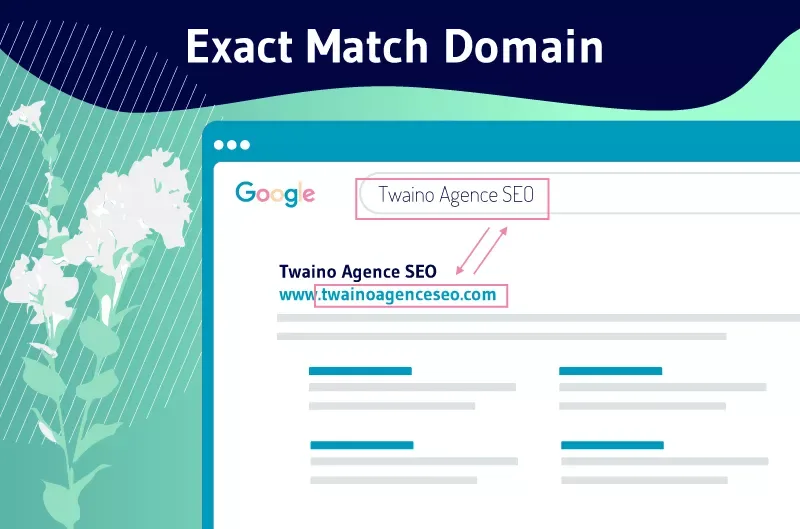
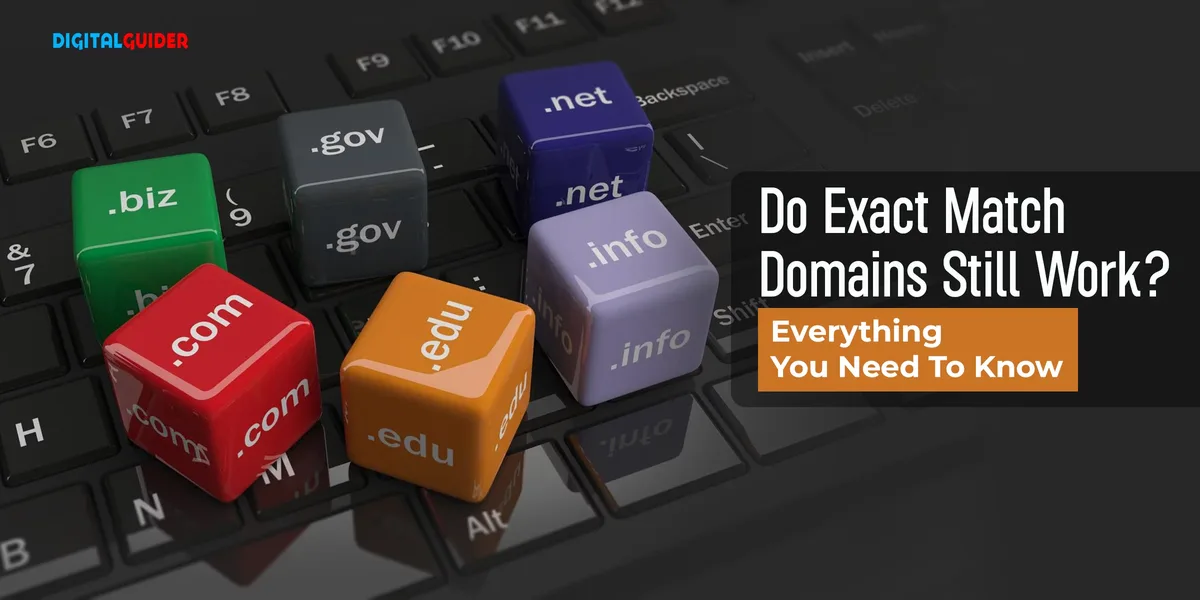
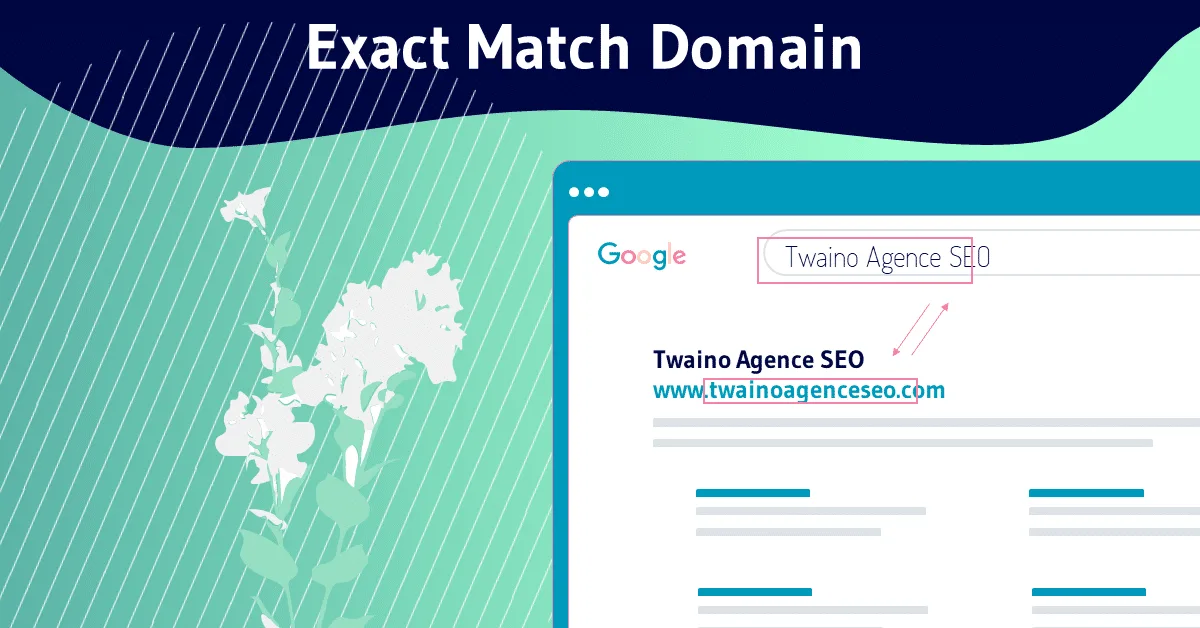
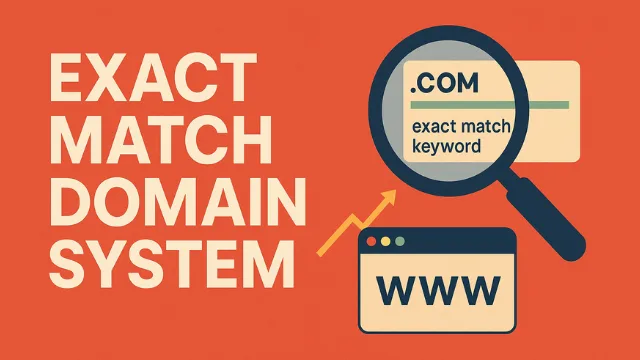
An exact match domain is a domain name that consists precisely of your target keyword phrase, with nothing added or removed. Buy “redwine.com” and your keyword is “red wine” — that’s an exact match. Buy “redwinehub.com” and you’ve moved into partial match territory, which behaves differently in almost every way that matters.
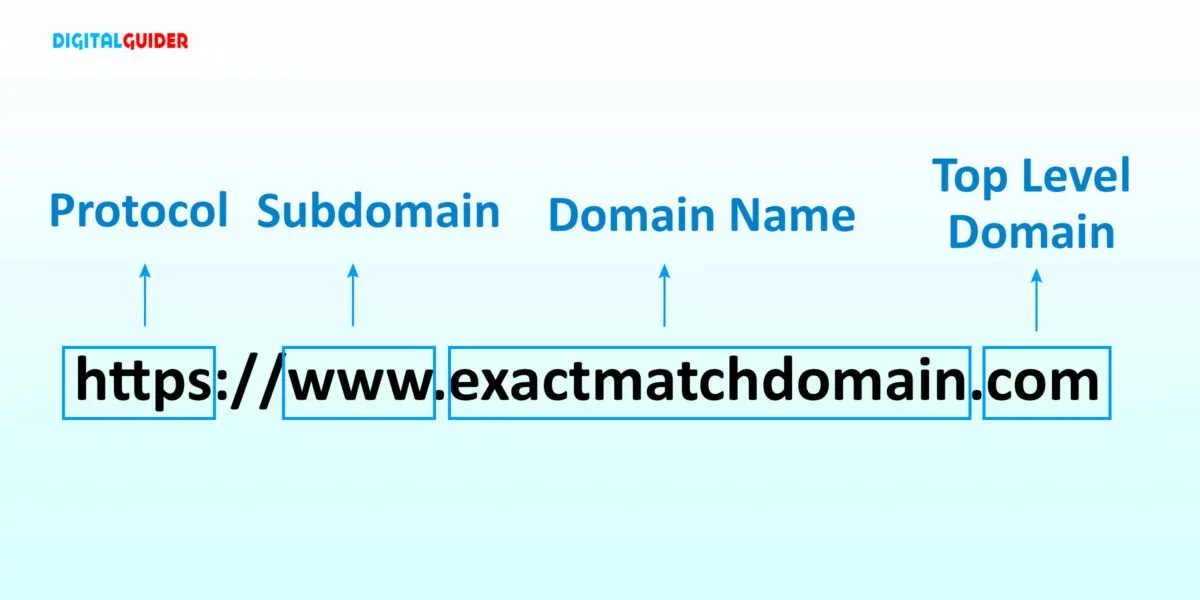
The confusion usually starts with the dot. Focusing on exact match domain provides clear direction here. Some people treat “bestcoffeegrinder.net” as an exact match because the words line up. Google’s own documentation on search fundamentals is blunt about this: domain endings are treated as a gTLD signal, not a keyword signal. Hyphens and extra words break the exactness too. If you want the precise definition, treat “exact” as literal.
Why the Old Playbook Stopped Working
There was a stretch when buying keyword domains felt like printing money. Rankings came fast, sometimes within weeks. That window closed. Google’s exact match domain update specifically targeted low-quality sites that ranked purely because of their names, and the algorithm has only gotten sharper since.
Here’s the part that trips people up: the update didn’t kill exact match domains. It killed the assumption that the name alone was enough. Plenty of strong keyword domains still rank well — they just do it on the strength of their content, links, and user signals like everyone else.
Exact Match Domains Vs. Branded Domains
A branded domain like “Patagonia.com” builds recognition because it’s memorable and unique. An exact match domain builds relevance because it announces its topic instantly. Both have value, and the tradeoffs are real.
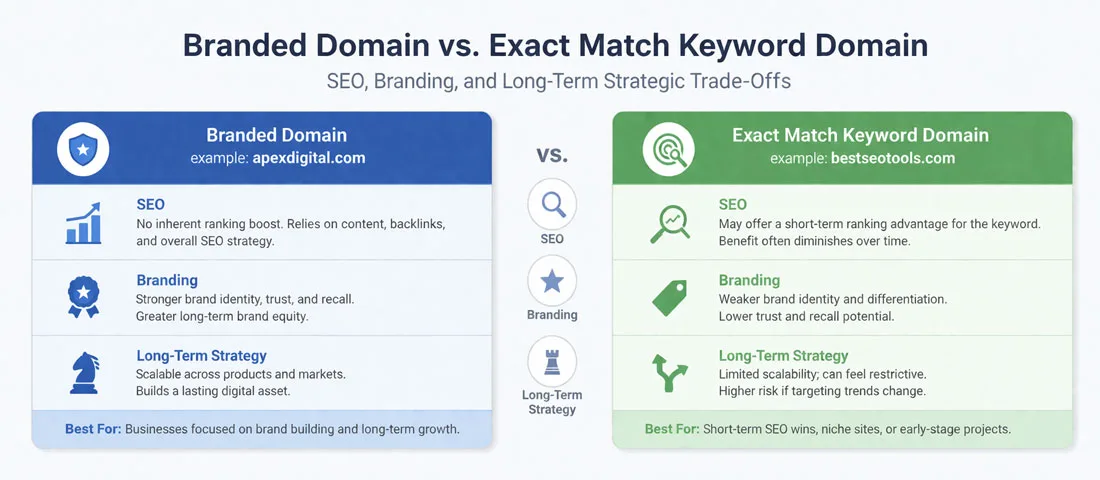
Brandables win on trust and long-term flexibility — you can pivot your product line without changing your URL. Keyword domains win on early click-through and topical signaling. In my experience reviewing small publisher sites, the sites that lasted five-plus years almost always had brandable names. The keyword-domain sites that survived did so by acting like brands.
| Factor | Exact Match Domain | Branded Domain |
|---|---|---|
| Topical clarity at first glance | High | Low to moderate |
| Memorability | Moderate | High |
| Flexibility if you pivot | Low | High |
| Trust signal to new visitors | Moderate | High |
| Typo and misspelling risk | Moderate to high | Low |
Exact Match Domain Best Practices: the Ten That Survive Scrutiny
Below are ten practices, grouped into four clusters. Each one earns its spot because it addresses a real failure mode I’ve seen on live sites — not because it sounds impressive in a slide deck.
Cluster One — Pick the Right Name in the First Place
Most exact match domain disasters trace back to the purchase decision. You can’t optimize your way out of a bad domain, so slow down before you hit buy. The three practices below cover the order of operations that actually protects you.
1. Read the Name Aloud Before You Buy It
Say “PenIsland.com” out loud and the exact match domain’ll hear the problem immediately. Say “TherapistFinder.com” and you’ll hear a worse one. Word-boundary collisions are the single most common embarrassment in keyword domains, and they’re completely avoidable if you take ten seconds to speak the name.
Run the name past two people who don’t know what you’re building. If either one snickers, hesitates, or asks “is that intentional?” — walk away. There are thousands of keyword domains out there. You don’t need to marry a joke.
2. Check the Domain’s History Before You Commit
An expired keyword domain can carry baggage. Some were hit by manual penalties. Others were redirect farms, spam gateways, or private blog networks. Buying one without a history check is like buying a used car without opening the hood.

Pull the domain through the Wayback Machine to see what it hosted five and ten years ago. Run a backlink audit to spot toxic patterns. Check for manual actions in Google Search Console once you own it, and verify the site wasn’t rebranded repeatedly in a way that signals churn.
In one case I reviewed, a seemingly clean keyword domain had been a pharmacy spam gateway twice in eight years. Effective execution in your exact match domain makes a tangible difference. The new owner spent nine months recovering. Twelve minutes of due diligence would have caught it.
3. Confirm the Keyword Has Real Volume and Buying Intent
A domain only helps if the keyword behind it deserves attention. Some keyword domains are clean, pronounceable, and utterly worthless because the search volume is near zero and the intent is thin.
Validate with three checks. First, confirm the keyword shows steady search volume across seasons, not just one spike. Second, look at the SERP — if it’s dominated by huge brands like Amazon and Wikipedia, the keyword is a trophy, not a target. Third, ask whether someone searching that phrase is trying to buy, learn, or browse. Intent shapes everything downstream.
Cluster Two — Build Technical Foundations That Support the Name
Once you own the domain, the next job is making it technically sound. Keyword domains are no different from any other domain here — but the stakes feel higher because every technical flaw undercuts the exact advantage you paid for. These three practices keep the foundation clean.
4. Set Canonical, Www, and HTTPS Redirects in a Single Chain
A surprising number of keyword-domain sites still serve four versions of every URL: HTTP plus www, HTTP without www, HTTPS with www, and HTTPS without. Maintaining clarity across your exact match domain remains essential. That splits link equity four ways and confuses crawlers about which version is real.
Consolidate down to one version. Pick www or non-www, pick HTTPS forever, and issue one-hop 301s from every other variant. Test the chain manually with a URL tester — chains longer than one redirect leak equity and slow the crawl.
This is also the moment to verify your exact match domain appears consistently in canonical tags across the entire site. A single template error here can silently canonicalize pages to a staging subdomain for months.
5. Keep the Slug Short, Keyword-Aligned, and Readable
Your domain already carries the keyword, so resist the urge to repeat it in every URL. “Redwine.com/red-wine-guide/red-wine-tips” is three redundant mentions stacked on top of each other. It reads badly and signals desperation.
Slug best practice for keyword domains: keep paths short, natural, and descriptive. “Redwine.com/beginner-guide” tells the visitor exactly what they’ll find without sounding like a keyword farm. Add the parent keyword only where it clarifies the subtopic — for example, a category page called “red-wine/regions” makes sense because the subtopic genuinely benefits from the anchor.
6. Publish a Real About Page and Owner Identity
Thin keyword domains look interchangeable to both users and reviewers. A thoughtful approach to exact match domain reinforces your qualifications. One of the fastest trust signals you can add is a genuine About page that names a real person, real experience, and real contact details.
Add an author bio with credentials, a physical or business address where appropriate, and a clear statement of what the site does. These details matter more for exact match domains because the name itself can feel anonymous — you’re correcting an impression the URL creates on its own.
Cluster Three — Earn Visibility the Human Way
This is where the exact match domain tips crowd thins out. The people who still say “just buy the keyword domain and you’ll rank” are living in a world that ended years ago. Everything below assumes you’re building for the long haul.
7. Build a Content Cluster Around the Parent Keyword
A single page on “red wine” is not a topical strategy. To earn authority, build a cluster: one pillar page on the parent keyword, plus supporting pages on subtopics like “red wine regions,” “red wine pairing,” and “red wine for beginners.”
The exact match domain gives the cluster a natural home. Every supporting URL sits under the same keyword umbrella without looking stuffed. This is the topic cluster model that Content Harmony-style briefs and MarketMuse maps keep pushing, and for good reason — it works on real sites when the content is actually good.
Follow this checklist for the cluster: identify 8 to 15 subtopics with real search demand, link every supporting page to the pillar, link the pillar back down, and don’t launch a subtopic you can’t maintain. Dead branches hurt more than missing ones.
8. Earn Links from Pages That Already Rank for the Keyword
Backlinks remain one of the strongest ranking signals, and the most valuable ones come from pages the exact match domain already rank for your target phrase. If a page discusses “red wine regions” and already sits on page one, a link from that page is worth more than twenty random directory links.
Approach with real substance. Offer original data, a correction, a genuinely useful resource, or a politely worded note about something you add to the conversation. Vague “I wrote a thing, please link” emails get deleted — and deserve to be.
In one case study I’ve tracked, a small publisher earned five contextual links from existing SERP holders and moved from position 18 to position 6 for its primary keyword in about eleven weeks. The domain was an exact match. The lift came from the links, not the name.
9. Watch User Signals — They Carry More Weight Than You Think
Dwell time, click-back behavior, and engagement patterns all feed into how a page performs over time. Keyword domains sometimes get an early click advantage because the URL telegraphs relevance — but if the page disappoints, that advantage reverses faster than a branded URL would.
Watch three metrics closely: average engagement time per visit, scroll depth on the pillar page, and return visitor rate. Applying these principles to your exact match domain yields measurable results. If engagement is under twenty seconds on long-form pages, you have a content problem, not a domain problem. Fix the content.
Cluster Four — Avoid the Traps That Kill Keyword Domains
The final cluster is about the traps. Most keyword domains die not because they were bad domains but because they made avoidable mistakes. This exact match domain checklist covers the four most common ones.
10. Stop Treating the Domain as a Ranking Shortcut
This is the one that matters most. An exact match domain can give you a small head start on relevance. It cannot and will not replace the work of earning rankings.
Treat the domain as one asset in a stack. The stack includes content quality, link profile, technical health, user engagement, and brand trust. If any one of those is weak, the domain can’t carry the rest.
This is also why the exact match domain best practices advice from top-tier SEO teams focuses on execution, not naming.
I’ve seen exact match domains fail because the owners treated the URL like a prize. I’ve seen them succeed because the owners treated the URL like one small part of a bigger strategy. The difference is almost always mindset, not tactics.
Skip Hyphens and Numerals
Hyphenated keyword domains like “best-coffee-grinder.com” were engineered to be exact matches, but real users type them with typos, forget the hyphens, or skip them entirely when word-of-mouthing. Numbers have the same problem — “top10reviews123.com” reads like a template, not a brand.
If the exact match domain’re choosing a domain today, favor the un-hyphenated form even if you have to add a modest prefix or suffix. The slight relevance hit is worth the huge usability gain.
Don’t Rename Mid-Flight
Changing away from an exact match domain is sometimes the right call — when the keyword stops matching your product, when a rebrand is genuinely necessary. But renaming frequently damages rankings and confuses existing backlinks.
If you must rename, plan it like a website migration. Map every URL, issue single-hop 301s, keep the old domain live for at least two years, and update internal references everywhere. Do it once and do it well. A second rename within three years is almost always a net loss.
Don’t Ignore Search Console
Search Console is where you’ll find exactly why your exact match domain is underperforming. Impressions with no clicks means a title or snippet problem. Clicks with no conversions means a content relevance problem. Coverage errors mean a technical problem.

Check it weekly for the first ninety days, then settle into a monthly rhythm. Connect it to your keyword tracking tooling and treat the “Performance” report as your primary signal for content decisions. It’s free, and most site owners stare at it for twelve seconds a month.
How to Audit an Exact Match Domain You Already Own
Already bought one? Good. Here’s the audit I’d run if it were mine.
- Run a backlink health scan. Look for spammy anchors, PBN footprints, and abrupt link velocity changes. Disavow only if there’s a real pattern — most sites never need it.
- Test all redirect variants. Manually load http, https, www, and non-www versions. You should see one destination and one redirect hop maximum.
- Check title tags for keyword duplication. A domain like “redwine.com” with homepage title “Red Wine | Red Wine Site | Best Red Wine” screams keyword stuffing. Simplify to the brand plus one clear value statement.
- Review the pillar page for content depth. A pillar under 1,500 words usually means you’ve optimized for the domain and neglected the content.
- Confirm internal links use the domain consistently. Mixed www and non-www internal links silently weaken the site.
- Verify author and About info is real. If it reads like placeholder text, fix it before you do anything else.
- Pull the top ten search queries. Are they aligned with what the page actually delivers? If not, the content and keyword are misaligned.
The audit usually reveals that the domain is fine but the content hasn’t kept up. That’s the good outcome — it means the fix is achievable without starting over.
Frequently Asked Questions
Here is an in-depth breakdown of key considerations regarding Frequently Asked Questions:
Does an Exact Match Domain Still Help Rankings?
Slightly, and conditionally. An exact match domain can give you a marginal relevance boost for the keyword it contains, but that advantage is small and easily outweighed by content and link deficits. The old assumption that the domain alone can produce rankings no longer holds.
Should I Buy an Exact Match Domain for a New Site?
Only if the domain is genuinely brandable and you have content that deserves it. Buying a keyword domain and publishing thin content is a fast path to disappointment. Buy the domain because it fits a real strategy — not because someone told you the name would do the ranking for you.
Is a Partial Match Domain Safer Than an Exact Match Domain?
Not inherently safer, but often more flexible. A partial match domain gives you room to pivot without losing the URL, and it tends to read more naturally to first-time visitors. The tradeoff is a slightly weaker topical signal — which content and links can compensate for easily.
How Long Does It Take to Rank With an Exact Match Domain?
On a fresh domain with no authority, expect anywhere from four to twelve months for meaningful organic traction, depending on competition and content quality. The exact match domain doesn’t shortcut this. It may shave a few weeks at the margins, and nothing more.
Can I Sell an Exact Match Domain Later?
Yes, and many people do. But the resale value depends on the traffic and revenue the site generates, not the keyword alone. A stagnant exact match domain is worth very little. One that ranks and earns is worth a real multiple.
What if the Exact Match Domain I Want is Taken?
Three options. First, offer to buy it from the owner if there’s a legitimate reason and a fair price. Second, add a short prefix or suffix that still reads naturally. Third, choose a brandable name entirely and use content to earn the keyword. The third option is usually the best long-term play.
Do I Need to Worry About the Domain Ending?
Not much. Dot-com still has the strongest trust signal for general audiences, but country-code endings like.co.uk or.de help for geo-targeted sites. Newer gTLDs work fine technically — the trust difference shrinks every year. Pick the ending that suits your audience and don’t overthink it.
What the Exact Match Domain Checklist Looks Like in Practice
Here’s the compressed version. Use this exact match domain checklist before launch and again every six months.
- Name is pronounceable and has no word-boundary collisions.
- History is clean — no manual actions, no pharmacy or PBN past.
- Keyword has steady volume and real intent behind it.
- Redirects consolidated into one canonical version.
- Slugs are short and readable, not keyword-stuffed.
- About and author identity are real, not placeholder.
- Content cluster built around the parent topic.
- Links earned from pages that already rank for the target term.
- User signals monitored — dwell time, scroll depth, return visits.
- Mindset checked — the domain is a support asset, not the strategy.
Run this list for real and the ten best practices collapse into a habit. Skip it and the domain becomes the thing you blame when rankings stall. Pick the habit.
If you want to keep going after this, follow the cluster upward. Read up on site architecture, internal linking models, and long-term brand building — the subtopics that surround any serious exact match domain guide. The domain decides what you’re called. Everything else decides where you rank.