Customer lifetime value is the single number that tells you whether your business is actually building wealth or just renting attention. That is why a practical guide matters more than a clever metric.
Here is the honest truth: most companies calculate CLV once, admire it in a dashboard, then go back to chasing new signups at three times the cost of keeping the customers they already have. The tips below fix that pattern.
You will find fifteen tactics grouped into five clear pillars. Each one is something you can execute this week, not a theoretical exercise. Some are quick wins on the data side. Others are slower structural changes that compound over several quarters. Run the customer lifetime value checklist at the end to see where you stand.
Before diving in, one framing note. This is a customer lifetime value guide built for operators, not accountants. The math still matters — but the goal is better decisions about acquisition spend, retention investment, and which customers deserve your best people.
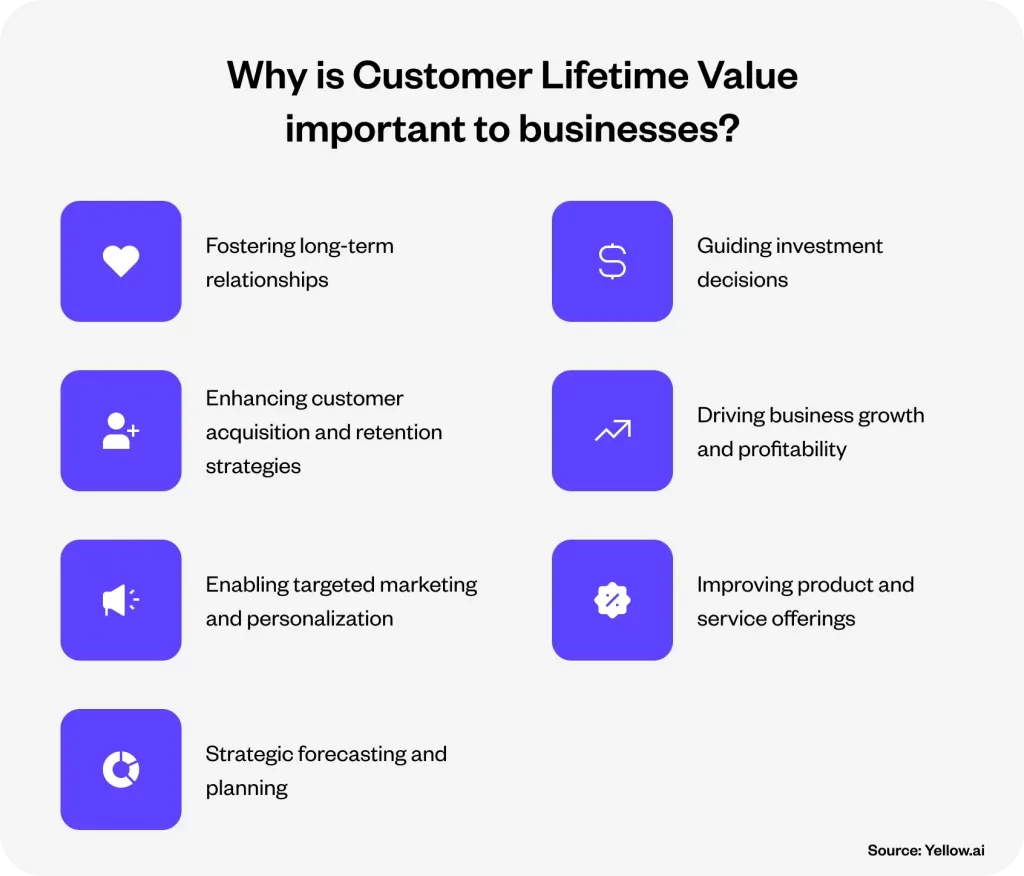
Why Customer Lifetime Value Deserves a Seat at the Strategy Table
Picture two subscription businesses with identical monthly revenue. Company A holds customers for four months on average. Company B keeps them for twenty-two. To a casual observer, both look like healthy growing startups. To anyone who tracks customer lifetime value, one of them is bleeding cash every time the sales team closes a deal.
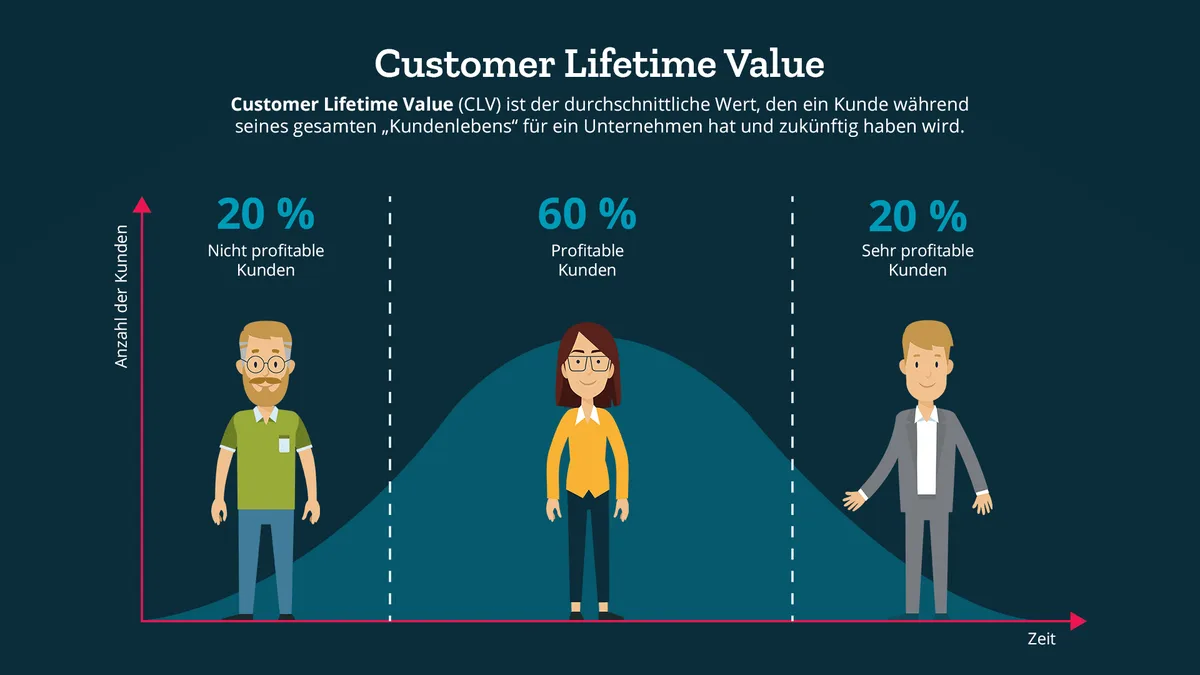
The customer lifetime value gap is the whole argument. When you know what a customer is worth over the full relationship, acquisition budgets stop being guesswork. You stop paying too much for one segment and too little for another.
Retention programs get funded properly because someone can finally show the payback math in a boardroom. Focusing on customer lifetime value provides clear direction here. Honestly, I have watched marketing teams win budget arguments purely by putting an LTV-to-CAC ratio on a single slide.
There is a second benefit that gets less airtime. When customer lifetime value is well understood, product teams and support teams start optimizing for the right thing. Support quality climbs because every ticket is reframed as a retention event.
Pricing decisions get calmer because discounting is no longer divorced from its long-term cost. The metric becomes a shared language, and shared language reduces internal friction.
Where Traditional Reporting Falls Short
Monthly recurring revenue and order volume tell you what happened. They do not tell you whether it is sustainable. A business can post record quarters while quietly destroying its customer base through aggressive upsells, slow onboarding, and support queues that push people out the door. CLV is the corrective lens because it forces a longer time horizon into everyday decisions.
The other blind spot is channel-level thinking the customer lifetime value stops at first-purchase cost. If you judge paid search by same-day ROI, some of your best channels will look marginal and get cut. Once you attribute revenue across the full retention curve, the picture flips.
That is standard customer lifetime value best practices territory, and it is where a lot of teams leave money on the table.
Measure It Before You Improve It
You cannot optimize what you cannot see. These three tips focus on getting the underlying data usable — not perfect, usable. Most companies already own the raw ingredients in their CRM, payment processor, and support platform. The work is stitching them together and picking a model you trust enough to make decisions with.
Tip 1: Pick a CLV Formula That Matches Your Business Model
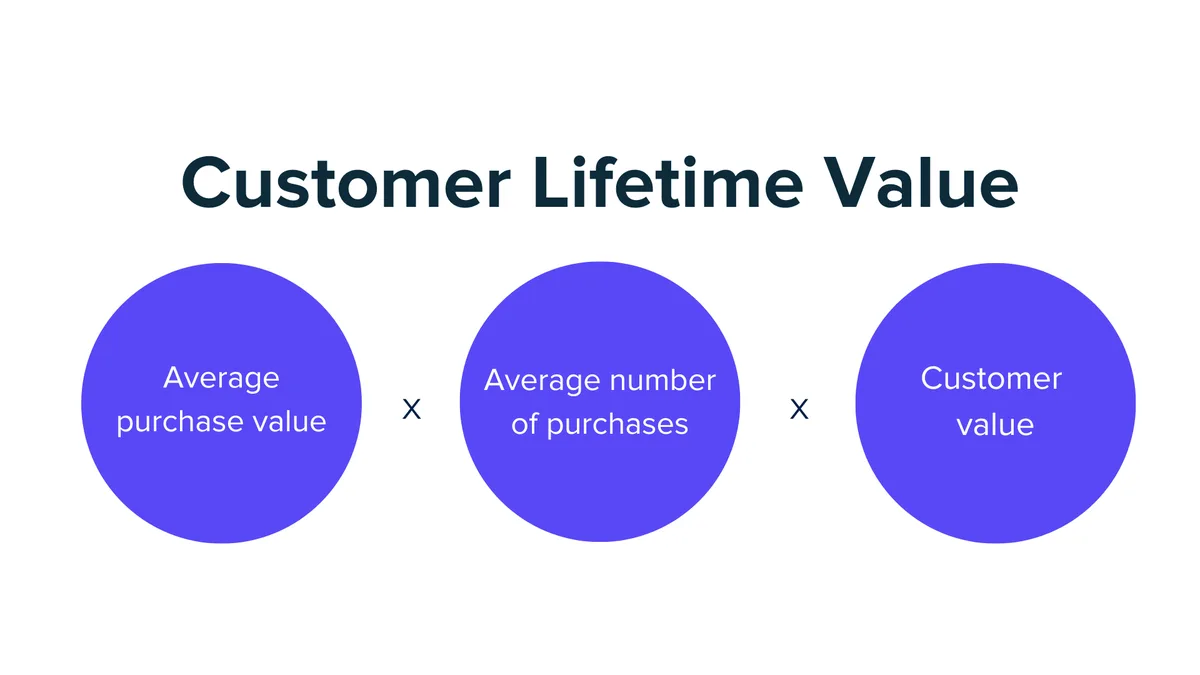
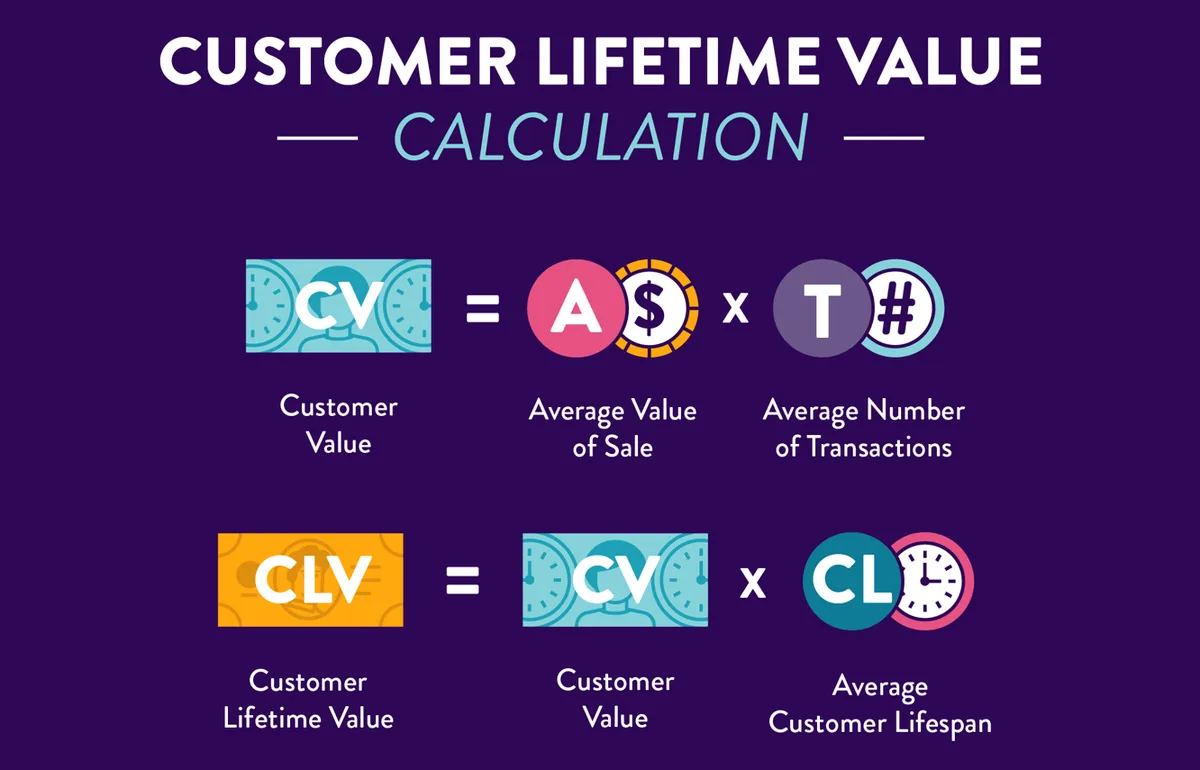
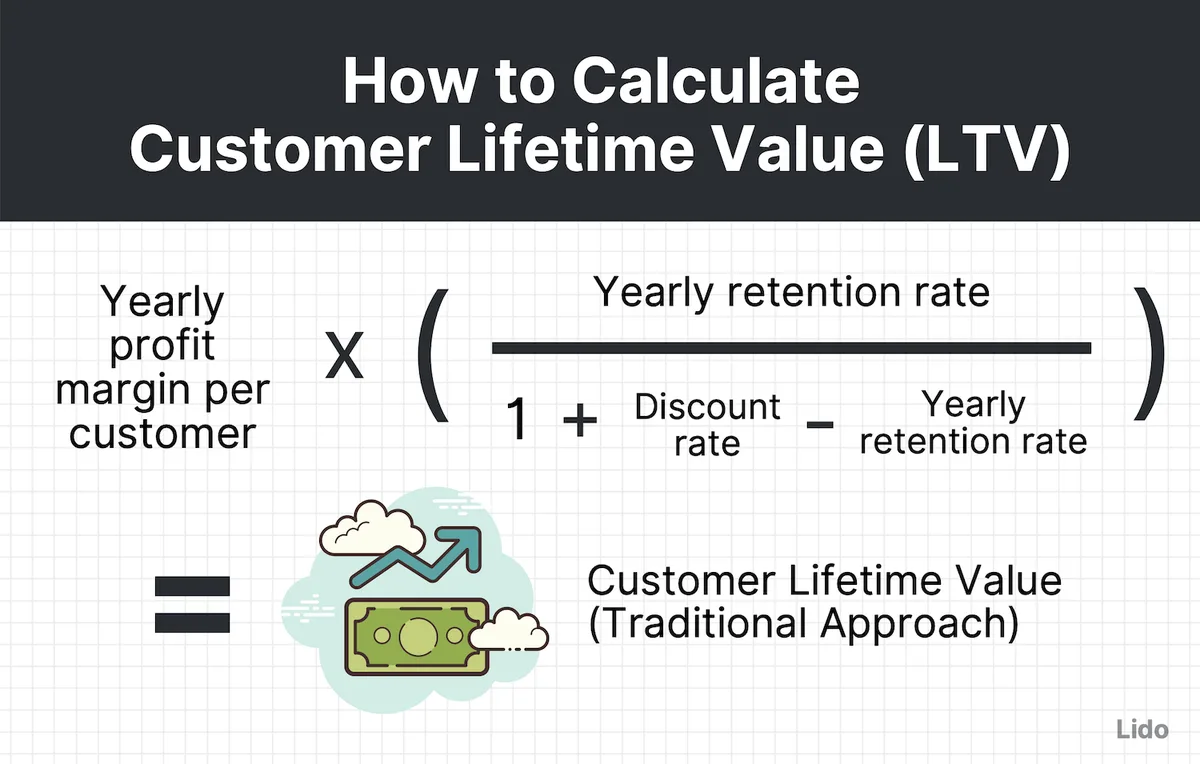
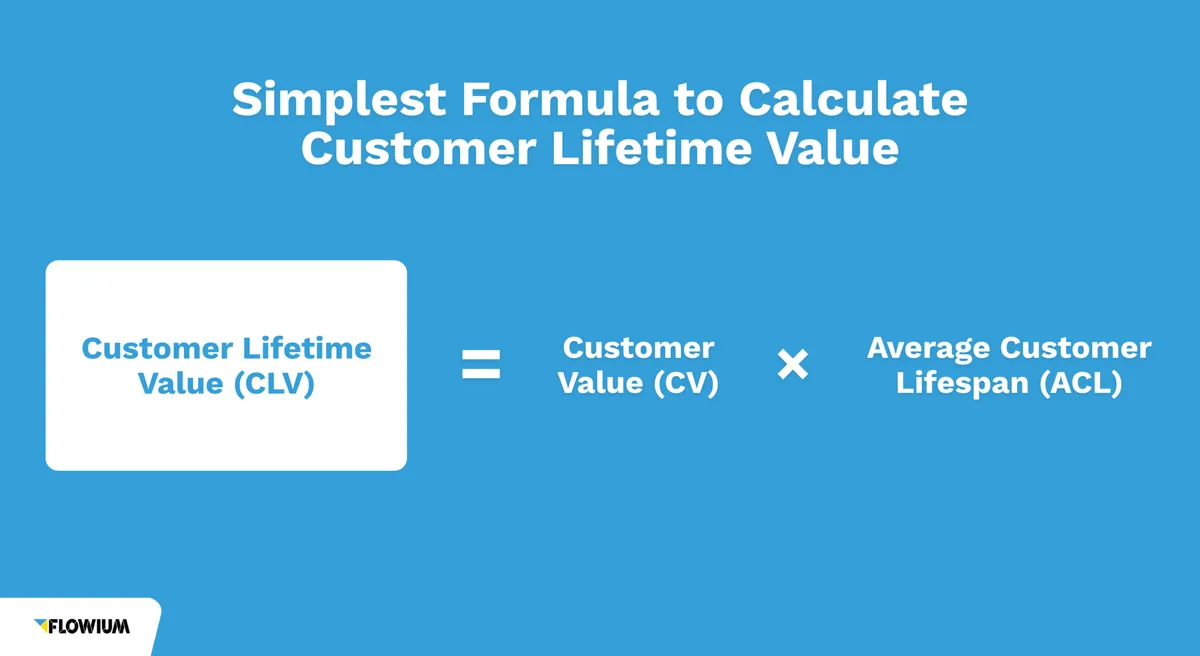
There is no universal formula. Refining each detail of your customer lifetime value strengthens this section. The right one depends on whether you sell subscriptions, one-off products, or services with variable retention. A simple average-revenue model works fine for early-stage teams. More mature businesses should layer in gross margin, discount rate, and churn segmentation.
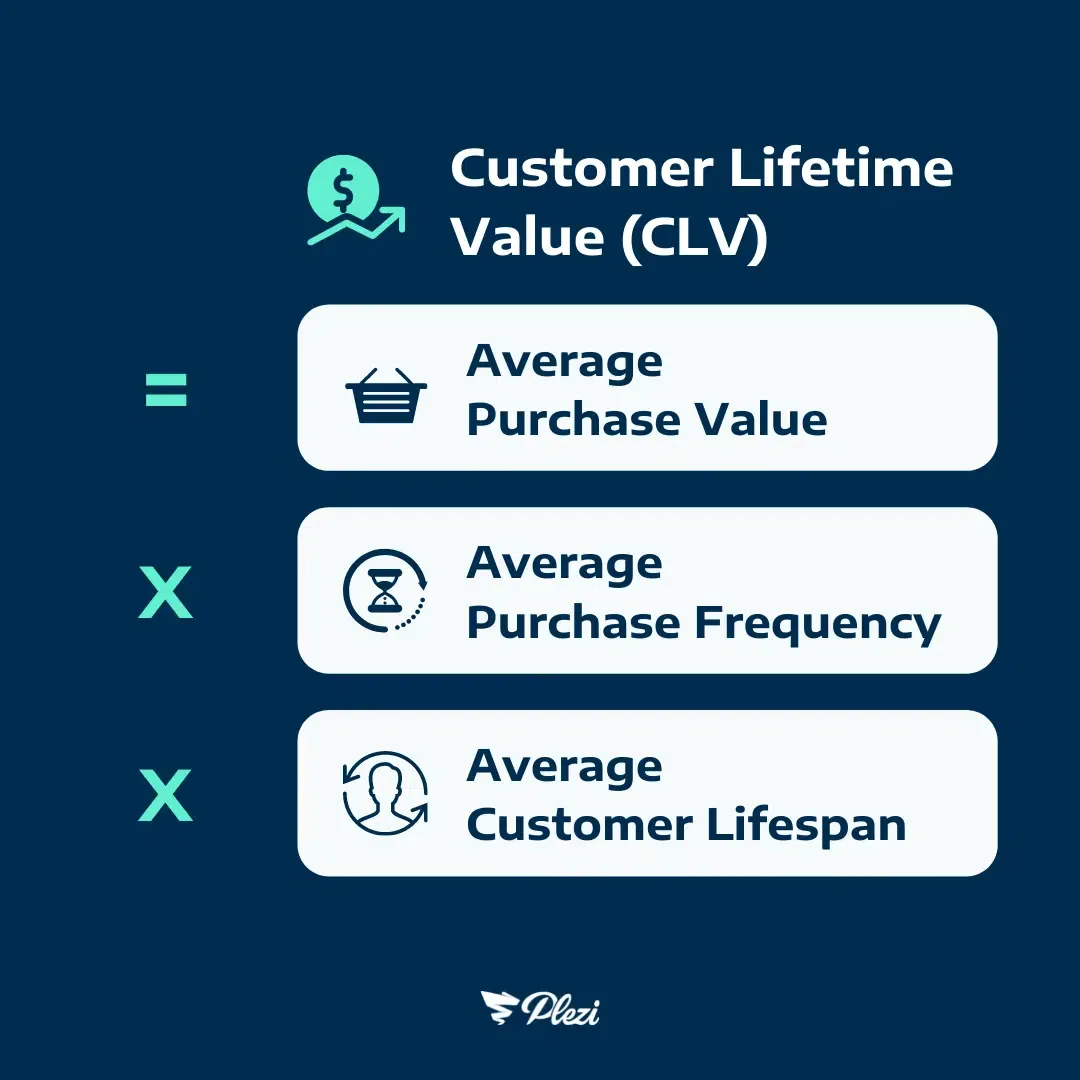
A workable starting point: average order value, multiplied by purchase frequency, multiplied by average customer lifespan, then adjusted for margin. For subscription businesses, divide average monthly revenue by monthly churn rate. The formula you choose matters less than the consistency of applying it the same way every quarter.
Whatever model you adopt, write the assumptions down. Document the churn definition, the margin figure you use, and the time window. Six months later, someone will need to know why the number moved, and undocumented assumptions will make that impossible. Building a proper customer lifetime value guide internally starts with this kind of boring discipline.

Tip 2: Segment Instead of Averaging Into Mediocrity
A blended average hides everything important. Effective execution in your customer lifetime value makes a tangible difference. If enterprise accounts worth twenty times more than self-serve users are sitting next to freelancers in the same CLV number, that number is nearly useless.
Break your base into segments that differ in how they buy, how long they stay, and which touchpoints matter to them.
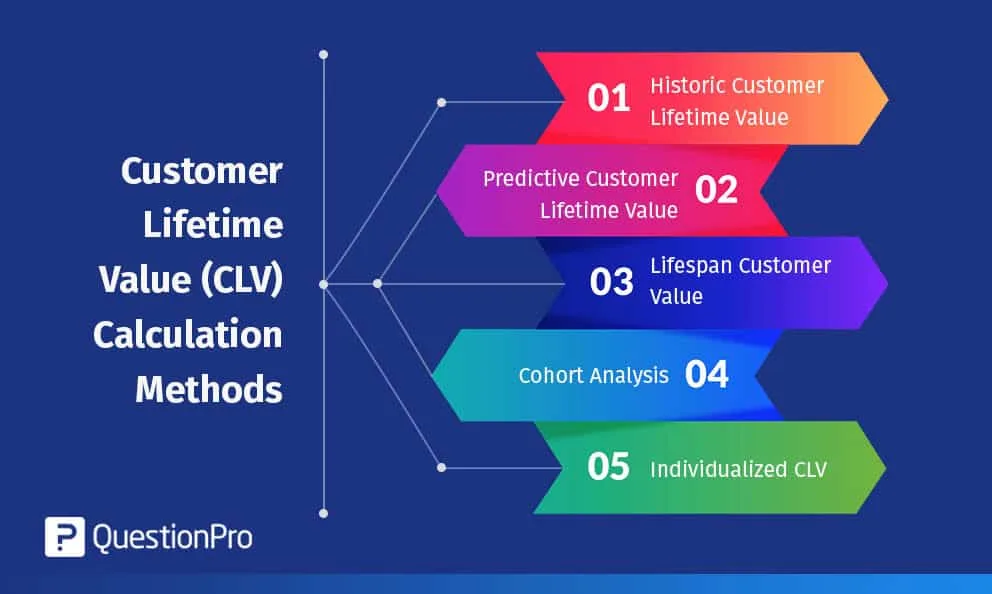
Common segmentations that pay off fast: acquisition channel, plan tier, industry vertical, and geography. Segment by cohort too, so you can track whether each new cohort is performing better than the last. When someone asks “are we getting better at retention,” the answer lies in cohort comparisons, not in a rolling average.

Tip 3: Build a Single Source of Truth for Retention Data
Retention analysis fails when four teams report four different churn numbers. The fix is unglamorous: designate one system as the canonical source, define churn precisely, and publish a monthly snapshot everyone agrees to use. An Excel file that nobody trusts is worse than no file at all.
Practical detail that gets missed — define the difference between logo churn and revenue churn, and track both. A business can lose 5 percent of customers and 20 percent of revenue if the departing accounts were the big ones. Watch revenue churn closely; that is where customer lifetime value usually collapses first.
Sharpen Your Predictions With Better Modeling
Once you have clean data, move from descriptive to predictive. This is where the customer lifetime value tips that actually move a business apart from surface-level reporting. Predictive work does not require a data science team.
It requires discipline, a few well-chosen metrics, and the willingness to reject models that are elegant but push decisions in the wrong direction.
Tip 4: Separate Predictive CLV from Historical CLV
Historical CLV tells the customer lifetime value what customers have spent. Predictive CLV tells you what they are likely to spend. The first is useful for reporting; the second is useful for spending decisions. Confusing them is one of the most common errors I see.

A practical prediction uses early behavioral signals: activation speed, feature adoption within the first thirty days, support ticket volume, and whether the first renewal happened on time. In most subscription models, the first renewal is a strong predictor of long-term retention. If it slips, take it as a warning sign, not as noise.
Tip 5: Attach Probabilities to Segments
Instead of predicting one number for every customer, assign probability bands. High-probability buyers warrant investment in onboarding and success management. Low-probability accounts might need a self-serve path and lighter touch. This approach prevents sales teams from over-resourcing accounts that will not stay.
Attaching probabilities also makes forecasts more honest. When the CFO asks how much revenue will renew next quarter, you can answer with ranges and confidence levels. That builds credibility far faster than a single optimistic point estimate.
Tip 6: Model Downside, Not Just Upside
Most CLV models focus on expected spending. Few model downside risk. Ask yourself what the customer lifetime value becomes if a major account churns in month six, or if a pricing change triggers a wave of downgrades. Doing this hardens forecasts and prevents budget commitments from being built on a best-case-only model.
Downside modeling also surfaces concentration risk. A thoughtful approach to customer lifetime value reinforces your qualifications. If 30 percent of projected CLV sits in three accounts, your business is fragile. That insight alone can reshape the entire growth strategy, and it typically changes the conversation about which segments to expand next.

Improve the Numbers Through Retention
Retention is where customer lifetime value gets either protected or destroyed. Four tips in this section focus on the day-to-day work of keeping customers engaged, because the highest-leverage CLV improvements are usually retention improvements — not acquisition increases.
Tip 7: Invest in Onboarding Like It is a Revenue Line
The first two weeks decide most of the relationship. If a customer does not reach their first meaningful outcome quickly, the odds of long-term retention drop sharply. Onboarding is not a support function; it is the highest-leverage retention investment you can make.
Practical execution: define the shortest path to first value for each segment, measure the percentage of new accounts that hit it, and put a named owner on improving that number. Companies that treat time-to-first-value as a KPI tend to see measurable CLV improvements within two quarters.
Tip 8: Build a Customer Health Score You Actually Use
A health score is only worthwhile if someone acts on it. Design the score around behaviors that precede churn — reduced login frequency, missed renewal discussions, new stakeholders replacing advocates, declining usage per seat. Then wire it into weekly team rituals.
Where teams stumble is making the score too complicated. Structuring your customer lifetime value around proven patterns ensures impact. Three to five signals are enough. Make the score visible, make it the trigger for a conversation, and make sure it is refreshed frequently enough to matter.
Tip 9: Design Lifecycle Touchpoints Instead of Reacting to Churn
Reactive retention is exhausting and expensive. Proactive lifecycle programs — educational emails on specific usage moments, check-ins before renewal, targeted offers when usage dips — cost far less than win-back campaigns. Build a calendar of touchpoints tied to lifecycle milestones.
Segment it. A customer who just onboarded needs different messaging than one who just hit their first-year anniversary. And honestly, the best touchpoints feel like help, not marketing. If your check-in calls sound like sales calls, stop calling them check-ins.
Tip 10: Fix the Handoffs Between Teams
Churn often happens in the gaps: sales promises one thing, onboarding delivers another, support inherits confusion, success inherits frustration. Map the handoffs and assign a clear owner for each transition. Small clarity wins add up.
Practical example from real engagements: a B2B software company reduced first-quarter churn by 18 percent simply by having the account manager join the onboarding kickoff call. Applying these principles to your customer lifetime value yields measurable results. No new tooling, no new funding line. Just closing a gap that had been invisible for years.
Turn Customer Lifetime Value Into a Financial Weapon
Once you trust the numbers, use them in the places where money gets allocated. This section covers the decisions where customer lifetime value should be actively steering strategy rather than quietly reporting on it. These are the tips with the largest dollar impact.
Tip 11: Set CAC Ceilings Based on CLV, Not Industry Averages
Blanket ratios like “spend no more than one-third of LTV on acquisition” are a starting point, not a rule. Set ceilings per segment instead. Segments with shorter lifespans need tighter ceilings. Segments with strong expansion potential can justify more aggressive front-loaded spend.
When your ceiling is segment-specific and documented, marketing stops winning budget fights purely by arguing about competitor benchmarks. They win them by showing defended economics. That changes how your organization makes spending decisions.
Tip 12: Rank Channels by Full-Funnel Value
Every acquisition channel has a different retention profile. Some channels bring short-lived buyers; others deliver long-tenured customers who stay for years. Judging channels on acquisition cost alone hides this. Add a retention-quality column to your channel scorecard.
I have seen this single exercise reallocate tens of thousands in monthly spend. Channels that looked expensive on a first-purchase basis turned out to be the cheapest once full customer lifetime value was attributed. The general principle is simple — price the entire relationship, not the first transaction.
Tip 13: Price and Package Around Expansion Potential
Customer lifetime value is not static. If your packaging blocks natural expansion, you cap it. Design tiers so users can step up meaningfully as their needs grow, and give support teams a clear path to recommend upgrades without feeling like they are running a sales pitch.
Expansion revenue is the highest-margin revenue in most businesses. Every percentage point of expansion improves customer lifetime value with almost no incremental acquisition cost. Prioritize expansion motions on your best retention cohorts.

Tip 14: Allocate Retention Budget as a Portfolio
Treat retention investment the way an investor treats capital: spread the customer lifetime value across segments according to expected return. High-value, high-risk segments may warrant intense investment. Low-value segments may warrant automation instead of people. Not every segment deserves the same attention.
Portfolio thinking also removes the “every customer is equally important” trap. It is a lovely sentiment and a terrible budget plan. Your best customers generate outsized value; the budget should reflect that without abandoning the rest.

Tip 15: Run a Monthly CLV Review That Changes Something
Metrics that never drive a decision stop mattering. Hold a monthly review with clear outputs: which segments moved, which programs are working, and which investments should increase or decrease next month. Bring customer lifetime value by segment, revenue churn, and one or two leading indicators.
Keep it short — forty-five minutes is plenty once the data is clean. The goal is not a status report; it is a decision log. If nothing changed after the meeting, the review is theater, and the team will know it.
Diagnose Common CLV Mistakes Before They Cost You
Even teams that follow the customer lifetime value best practices above hit predictable mistakes. Knowing them in advance saves a lot of wasted quarters. These are not edge cases — they show up in almost every organization at some point.
Confusing Lifetime Value With Revenue or Profit
If your CLV number ignores margin, the customer lifetime value is a revenue figure in disguise. That flatters segments with high revenue but thin margins and distorts acquisition decisions. Use gross margin adjusted value whenever you can get the data.
Ignoring the Time Value of Money
A customer worth a lot over five years is not the same as one worth the same amount in one year. Developing your customer lifetime value with precision highlights key strengths. Discounting future cash flows is standard practice in finance, and it belongs here too. Skip this and you will over-value long lifespans relative to shorter, stronger ones.
Optimizing for the Wrong Cohort
Chasing high-value customers you cannot serve well produces terrible retention and reputation damage. The right target is customers whose needs match your product honestly. That is harder than chasing logos and far more profitable over time.
Your Customer Lifetime Value Checklist
Before you abandon this page, run through the following customer lifetime value checklist. It is deliberately short so it actually gets used. Anything you cannot answer with a confident yes is a next action.
If you want to keep going deeper, the natural next topics are cohort analysis, expansion revenue mechanics, and pricing strategy. Each one connects directly back to the same underlying economics. The parent topic here is straightforward: build a business that earns more from each customer than it costs to acquire and serve them.
| Checklist Item | What Good Looks Like |
|---|---|
| Documented formula | Written assumptions, churn definition, and margin basis agreed across teams |
| Segmented reporting | CLV tracked by channel, tier, and cohort, not just blended averages |
| CAC ceilings by segment | Documented limits tied to expected retention and expansion |
| Channel scorecard | Full-funnel value appears next to acquisition cost |
| Onboarding KPI | Time-to-first-value tracked and owned by a named person |
| Customer health score | Three to five churn-predictive signals reviewed weekly |
| Monthly review | Decisions logged and investments adjusted based on movement |
Frequently Asked Questions
Here is an in-depth breakdown of key considerations regarding Frequently Asked Questions:
How Do I Calculate Customer Lifetime Value for a Small Business?
Start simple. Multiply average order value by purchase frequency, then multiply by average customer lifespan, then adjust for margin. A local retailer, for example, might find that a regular customer spends a modest amount per visit but returns often enough that the lifetime figure justifies meaningful loyalty investment. Refine the model as you gather better data.
What is a Good LTV to CAC Ratio?
A widely cited benchmark is roughly 3:1, though the right ratio depends heavily on your margin profile and payback speed. Maintaining clarity across your customer lifetime value remains essential. A business with strong margins and fast payback can survive lower ratios. A capital-intensive business needs more headroom. Set your own target and defend it with retention data.
How Often Should Customer Lifetime Value be Recalculated?
Monthly for operational decisions, quarterly for planning. Retention rates move slowly, but cohorts shift. Monthly recalculations catch drift early, while quarterly reviews keep the broader strategy honest. Avoid daily recalculations — they create noise without new insight.
Does Customer Lifetime Value Apply to Non-Subscription Businesses?
Absolutely. Retail, hospitality, and professional services all benefit, though the formulas differ. For transactional businesses, focus on repeat purchase patterns and referral value. In many service businesses, referrals account for a meaningful chunk of lifetime value, so measure them explicitly rather than assuming they are zero.
What is the Biggest Mistake Companies Make With CLV?
Computing it once and never wiring it into a real decision. The formula can be imperfect and still hugely valuable if it changes how acquisition budgets get allocated. It becomes useless, however, if it lives in a dashboard nobody consults.
If you want to keep building, explore cohort analysis and pricing strategy next. Both extend the same thinking. A well-run customer lifetime value practice is less about precision and more about consistent, honest decisions — the kind that compound over the life of a customer, and the life of a business.
For verified reference and background research, consult the authoritative informational resource on this topic.