Why Content Syndication Still Deserves a Spot in Your Playbook
Content syndication is one of those tactics that quietly does the heavy lifting while everyone else chases the next shiny channel. You publish a strong piece, then place it on partner sites, industry publications, and curated networks so a much wider audience can find it.
Sounds simple. In practice, it’s where good intentions go to die. Duplicate content flags, cannibalized rankings, broken attribution, lopsided agreements — the pitfalls pile up fast if you don’t have a structure.
That’s exactly what this content syndication guide is built to fix. Below you’ll find ten practices that hold up under real-world pressure, tested across B2B publishers, niche trade sites, and editorial partnerships that actually move pipeline.
Treat this as your working content syndication checklist. Not every item will apply to every campaign, but skipping more than two or three of them tends to turn a promising distribution plan into a slow leak of traffic and credibility.
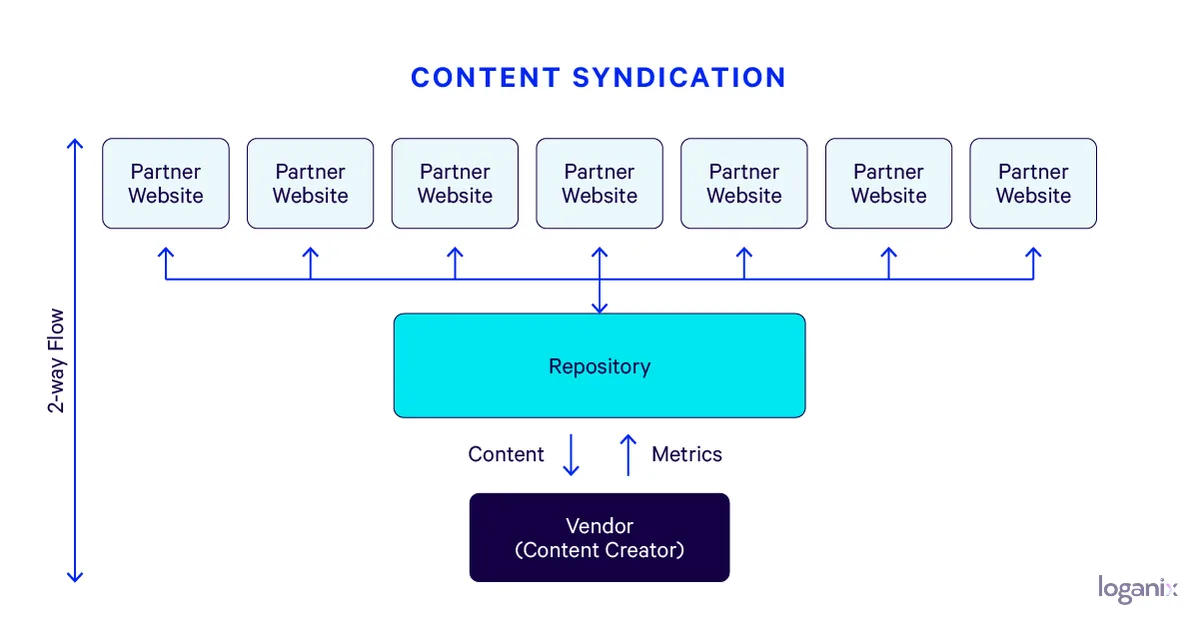
One quick note before we dive in: content syndication sits inside a bigger distribution ecosystem that includes owned email, organic search, and paid amplification. If you want the wider picture, the parent topic of content distribution strategy is worth bookmarking alongside this piece.
Now, let’s get into the ten practices.
What Makes Content Syndication Work (And What Quietly Kills It)
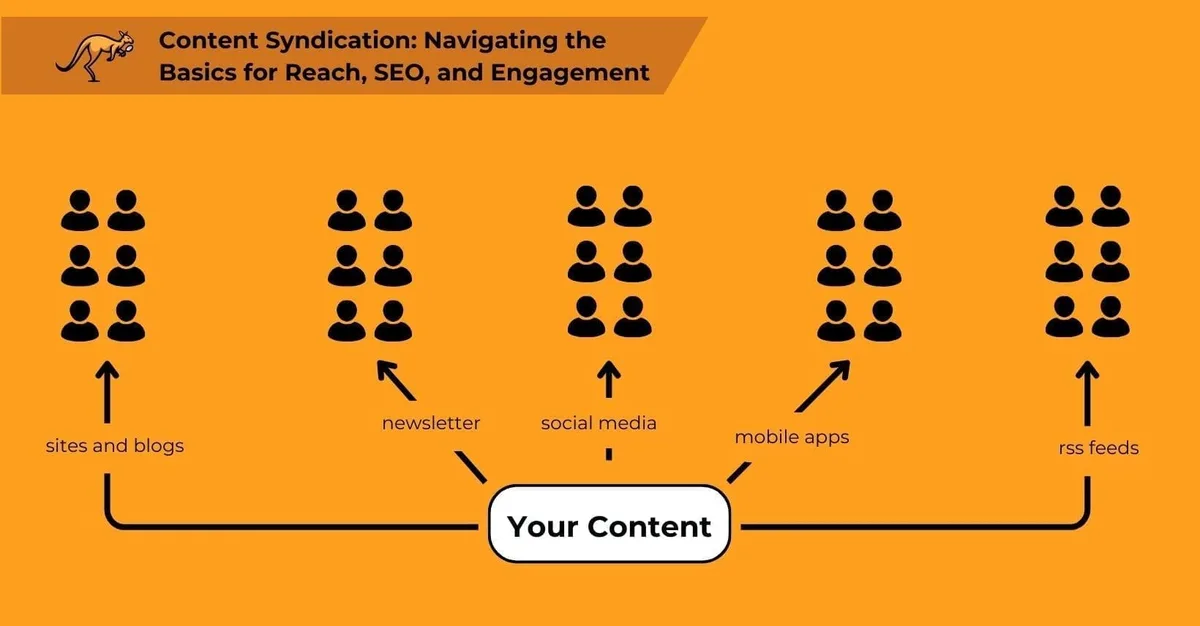
Before the list, a quick reality check. Focusing on content syndication provides clear direction here. Syndication isn’t “publish everywhere and hope.” It’s a controlled exchange: you give a publisher valuable content, they give you access to an audience you can’t easily reach on your own.
The failure mode is almost always the same — teams treat the content syndication as a volume game. More placements, more links, more reach. Then they wonder why their own organic traffic dips and their analytics look like a crime scene.
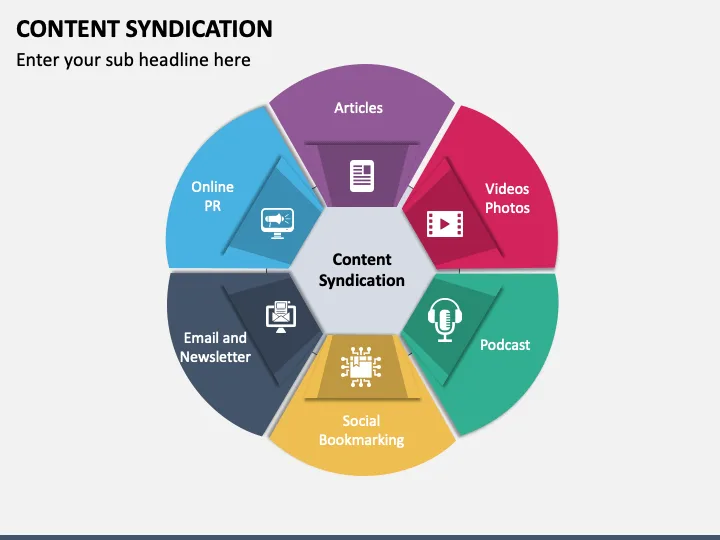
The practices below are grouped into five clusters: strategy, technical setup, content execution, relationship management, and measurement. Each one addresses a specific failure point that shows up again and again in content syndication best practices audits.
Read them in order if you’re building from scratch. If you’re fixing an existing program, jump to whichever cluster matches your headache.
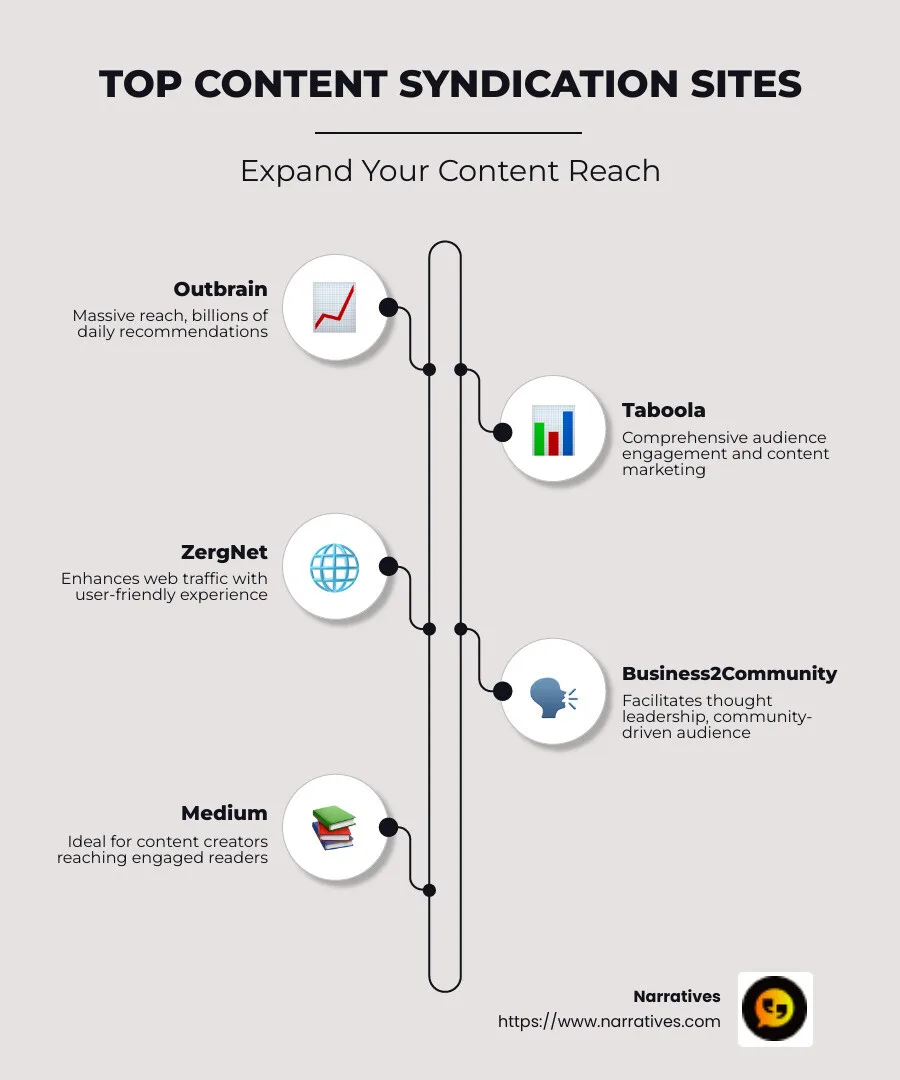
The 10 Content Syndication Best Practices That Actually Hold Up
Here’s the full list, organized so each practice builds on the one before it. The first four set the foundation, the middle four handle execution and protection, and the last two close the loop on relationships and results.
1. Define Your Syndication Goals Before You Sign Anything
Most programs fail at step zero. Someone says “we should syndicate,” a partnership gets signed, and six months later nobody can explain what success looks like.
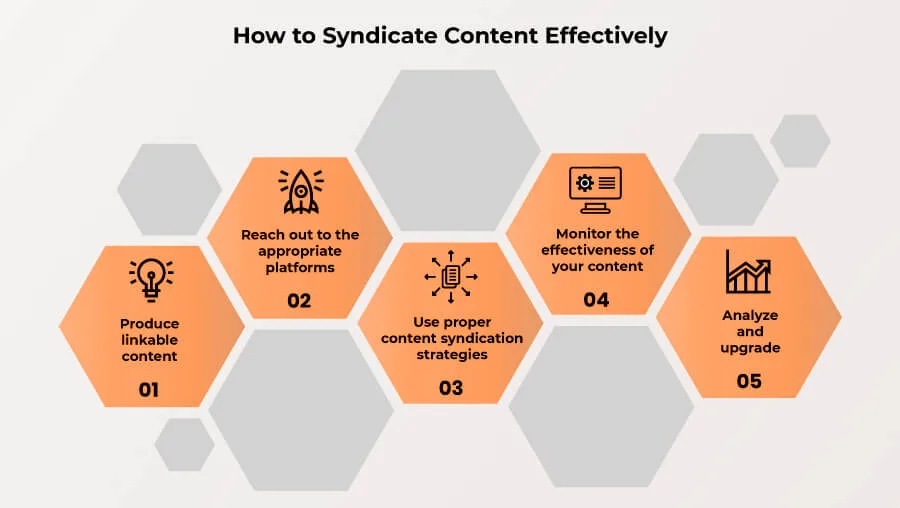
Before you place a single piece, decide what you’re optimizing for. Brand awareness? Email list growth? Backlink equity? Lead volume? Each goal demands a different partner profile and a different measurement setup.
If the goal is lead generation, the content syndication’ll want gated placements on sites with strong email lists and clear lead-sharing terms. If it’s brand reach, open-access republication on high-authority trade publications makes more sense, and you can be looser about tracking.

Write the goal down. Put it in a shared doc. Revisit it every quarter. This single habit separates content syndication tips that sound nice from programs that actually compound.
One more thing — set a realistic baseline. If your own site gets 8,000 monthly organic sessions, don’t expect a single syndicated post to double it. Expect incremental lift, measured over 60 to 90 days.

2. Pick Partners for Audience Fit, Not Just Domain Authority
A DR 85 placement on a site your buyers never read is worth roughly nothing. A DR 45 placement on the trade publication your target engineer reads every Tuesday morning is worth a lot.
Build a partner shortlist using three filters: audience overlap, editorial quality, and syndication terms. Audience overlap is the dealbreaker — if their readers don’t match your ICP, nothing else matters.
Editorial quality matters because your brand gets associated with whatever else they publish. A site that runs thin, AI-spun filler will drag your credibility down by proximity.
Syndication terms are the third filter. Some partners want exclusive rights, some want a 30-day embargo, some want a custom intro and no canonical. Know what you’re agreeing to before you sign.
A practical starting list: three to five tier-one partners, five to eight tier-two partners, and a handful of niche community sites. Effective execution in your content syndication makes a tangible difference. That mix gives you reach without putting all your eggs in one editorial basket.
3. Set Up Canonical Tags Before Your First Placement Goes Live
The content syndication is the technical practice most teams skip, and it’s the one that causes the most damage. Without a canonical tag pointing back to your original, Google may index the syndicated version instead of yours.
The fix is straightforward: ask every partner to include a rel="canonical" tag in the syndicated version’s HTML head, pointing to your original URL. Most reputable publishers support this. The ones that don’t are usually the ones you want to avoid anyway.
If a partner can’t or won’t use canonicals, negotiate an alternative. Some sites accept a prominent “originally published on [YourSite]” attribution block with a link, which at least signals the source to both readers and crawlers.
Run a quick check after each placement: view the page source, search for the canonical tag, and confirm it points to the right URL. It takes thirty seconds and saves months of ranking headaches.
For a deeper technical walkthrough, the Wikipedia entry on canonical link elements is a solid reference for how search engines interpret these signals.
4. Customize the Intro and Headline for Each Partner
Dropping the exact same article onto ten sites is lazy, and readers notice. Maintaining clarity across your content syndication remains essential. A short custom intro — two or three sentences acknowledging the partner’s audience — signals that the placement was intentional, not scraped.
Same goes for the headline. A headline that crushes on your own blog might flop on a trade site with a different editorial voice. Test a variant or two, especially on your top partners.
This is one of those content syndication tips that feels like extra work but pays back in engagement. Readers who feel spoken to stay longer, and partners who see higher engagement are more likely to renew.
Keep the core body identical to preserve canonical integrity. Change the framing, the intro, and occasionally the closing call-to-action — not the substance.
5. Syndicate Only Your Best-Performing Content
Syndication amplifies whatever you feed it. Feed it your strongest pieces and you multiply results. Feed it your weakest and you multiply embarrassment.
Before placing a piece, check its owned-channel performance. Did it earn above-average time on page? Did it drive email signups or demo requests? Did it rank on page one for a meaningful query?
If a piece underperformed on your own site, it’s unlikely to suddenly shine on someone else’s. The exception is content that was simply under-distributed — a strong piece that never got promoted. Those are worth a second life through syndication.
A simple rule: syndicate your top 20% by engagement, plus any evergreen pieces the content syndication keep driving organic traffic month after month. Everything else stays home.
6. Use a Content Syndication Checklist for Every Placement
Small misses add up. A missing canonical here, a broken UTM tag there, an outdated author bio on a partner page — none of these sink a campaign alone, but together they erode trust and muddy your data.
Build a repeatable content syndication checklist and run it before every placement goes live. Here’s a starter version you can adapt:
| Checkpoint | What to Verify | Owner |
|---|---|---|
| Canonical tag | Points to original URL, correct protocol | SEO lead |
| Attribution block | “Originally published on” with working link | Content lead |
| UTM parameters | Source, medium, campaign tags applied | Marketing ops |
| Author bio | Current title, correct headshot, working links | Content lead |
| Internal links | Point to live, relevant pages on your site | SEO lead |
| Lead capture form | Tested, routing to correct CRM list | Marketing ops |
| Go-live date | Confirmed in writing with partner | Partnerships |
Keep the checklist in a shared doc or project management tool. Assign clear owners. Review it monthly and update as your program evolves.
Teams that run this checklist consistently report fewer broken placements, cleaner attribution, and faster partner onboarding. It’s boring work that prevents expensive mistakes.
7. Negotiate Attribution and Link Terms in Writing
Verbal agreements evaporate. Get the terms in writing — even a simple email confirmation is better than nothing.
Key terms to lock down: canonical tag support, attribution block placement (above or below the fold), link type (follow vs. Nofollow), exclusivity window, and any restrictions on repurposing the piece elsewhere.
On link type: many publishers default to nofollow, which is fine for brand reach but less useful for SEO. Structuring your content syndication around proven patterns ensures impact. If link equity matters to your goal, negotiate for follow links on a subset of placements.
Exclusivity windows are worth attention too. A 30-day exclusive on a tier-one publication is often reasonable. A 12-month exclusive on a mid-tier blog usually isn’t.
Store every agreement in one place — a shared folder, a CRM record, or a partnerships tracker. When a partner changes editors or terms drift, you’ll want the paper trail.
8. Track Syndicated Traffic Separately from Owned Traffic
If you can’t tell syndicated traffic from owned traffic, you can’t measure the program. Use UTM parameters religiously, and segment syndicated sessions in your analytics platform.
Watch three metrics closely: referral sessions, engaged time on the syndicated page (if the partner shares it), and downstream conversions attributed to the syndicated source.
Some partners will share performance data; others won’t. For the ones that will, ask for monthly reports on pageviews, time on page, and any lead volume they captured on your behalf.

Build a simple dashboard the content syndication compares syndicated performance against owned-channel benchmarks. A piece that gets 3,000 views on a partner site but zero conversions tells you something different than a piece that gets 800 views and 40 email signups.
Review the dashboard monthly. Cut partners that consistently underperform. Double down on the ones that deliver.
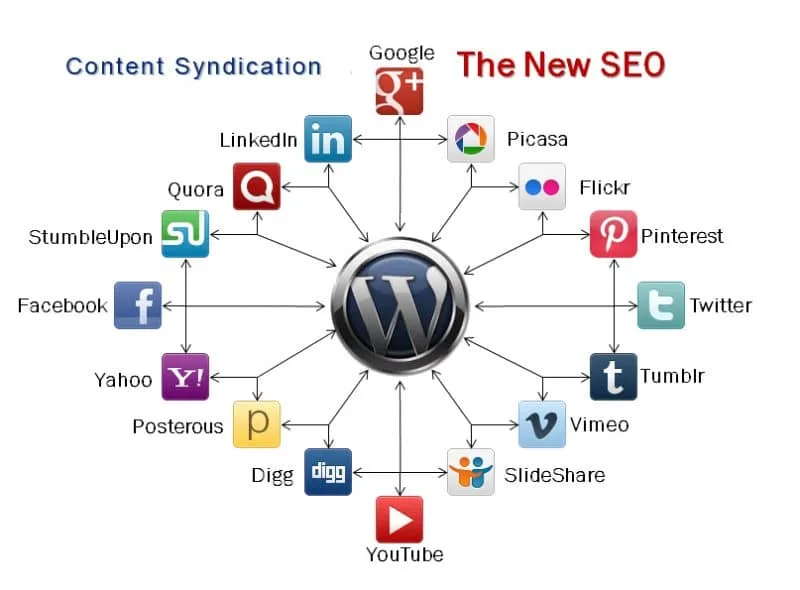
9. Treat Partners as Long-Term Relationships, Not One-Off Transactions
The best content syndication programs are built on relationships that span years, not single placements. Editors remember who was easy to work with and who caused headaches.
Small gestures matter: meeting deadlines, delivering clean copy, responding to edit requests promptly, and saying thank you when a piece performs well. These cost nothing and compound over time.

Offer value beyond the article itself. Share performance data with partners, suggest topics that fit their editorial calendar, and connect them with other useful contacts in your network.
When a partner’s audience grows, your reach grows with it. That’s the compounding effect of relationship-driven syndication — something no amount of cold outreach can replicate.

Review your partner roster annually. Some relationships will naturally fade; others will deepen. Invest your energy where the reciprocity is real.
10. Audit and Refresh Syndicated Content Every Quarter
Syndicated content doesn’t stay accurate forever. Proper attention to your content syndication sets a strong baseline. Stats age, product names change, and links break. A quarterly audit keeps your placements from becoming liabilities.

Start with your highest-traffic syndicated pieces. Check that all internal links still resolve, that any data points remain current, and that the attribution block still points to the right page.
For pieces that need updates, coordinate with the partner. Some will accept a refreshed version; others will prefer you publish a new piece and retire the old one.

Use the audit as a chance to prune. Placements that no longer drive traffic, conversions, or brand lift can be quietly retired. Fewer, stronger placements beat a sprawling, unmanaged footprint every time.
Document what you learn from each audit. Patterns will emerge — certain partners consistently underperform, certain topics consistently overperform. Feed those insights back into your partner selection and content planning.
How to Measure Whether Your Content Syndication Program is Working
Measurement is where most programs either earn their budget or quietly get cut. The temptation is to count everything — views, clicks, shares, mentions — and end up with a dashboard nobody trusts.
Start with one primary metric tied to your stated goal. Developing your content syndication with precision highlights key strengths. If the goal is lead generation, that metric is qualified leads attributed to syndicated placements. If it’s brand reach, it’s engaged sessions on partner sites plus branded search lift.
Layer in secondary metrics the content syndication explain the primary one. For lead gen, that’s conversion rate by partner and cost per lead. For brand reach, it’s time on page, scroll depth, and direct traffic trends.
Set a review cadence — monthly for tactical adjustments, quarterly for strategic ones. Compare partner performance side by side, and don’t be afraid to reallocate budget toward the top two or three performers.

One underrated metric: branded search volume in the weeks following a high-reach placement. If a piece runs on a major trade publication and your branded searches tick up, that’s a signal worth noting even if direct attribution is fuzzy.
Common Content Syndication Mistakes to Avoid
Even well-run programs stumble into the same traps. Knowing them in advance saves months of cleanup.

Syndicating without canonicals. This is the big one. Without proper canonical tags, you’re essentially asking Google to pick a winner between your original and the syndicated copy. Sometimes it picks wrong.
Chasing domain authority over audience fit. A high-DR placement on an irrelevant site is a vanity metric. Clear alignment with your content syndication builds confidence from the start. Your buyers aren’t there, and neither is your ROI.
Syndicating everything. Volume feels productive, but it dilutes your brand and burns partner goodwill. Be selective.
Ignoring partner feedback. Editors tell you what their audience wants. Listen, and you’ll get better placements and longer relationships.
Skipping the post-placement audit. Broken links, outdated data, and dead attribution blocks pile up quietly. A quarterly audit catches them before they cost you.
Treating syndication as a substitute for owned distribution. It’s a complement, not a replacement. Your email list, organic search presence, and direct audience remain the foundation.
Frequently Asked Questions About Content Syndication
Here is an in-depth breakdown of key considerations regarding Frequently Asked Questions About Content Syndication:
Is Content Syndication Bad for SEO?
Not if you do it right. With proper canonical tags pointing to your original, search engines understand which version is the source. The problems start when canonicals are missing or misconfigured, which can cause the syndicated version to outrank your original.
Follow the technical practices in this guide — canonical tags, attribution blocks, and clean internal linking — and syndication becomes an SEO asset rather than a liability.
How Much Does Content Syndication Cost?
Costs vary widely. Some placements are free in exchange for content, others run on competitive direct manufacturer pricing models or flat monthly fees. Tier-one publications often charge premium rates, while niche trade sites may accept content in exchange for attribution.
Budget for the full program, not just placements. That includes content production, customization time, tracking setup, and partner management. A realistic starting budget helps you avoid overcommitting to placements you can’t sustain.
How Do I Choose the Right Partners?
Start with audience overlap. If their readers match your ICP, they’re a candidate. Then check editorial quality, syndication terms, and historical performance data if available.
Run a small pilot with two or three partners before scaling. Pilot results tell you more than any pitch deck ever will.
What’s the Difference Between Content Syndication and Guest Posting?
Guest posting means writing original content specifically for another site. Syndication means republishing content that already exists on your own site, usually with a canonical tag pointing back to the original.
Both have a place in a distribution strategy, but the content syndication serve different purposes. Guest posts build relationships and earn links; syndication extends reach and amplifies existing content.
How Often Should I Syndicate Content?
Quality beats frequency. Most programs do well with two to four placements per month, spread across a mix of tier-one and tier-two partners. That cadence gives you enough data to measure performance without overwhelming your team or your partners.
Adjust based on results. If a partner consistently delivers strong engagement, increase frequency there. If placements underperform, cut back and reallocate.
Can I Syndicate the Same Piece to Multiple Partners?
Yes, but check exclusivity terms first. Some partners require a window of exclusivity, usually 30 to 90 days. After that window closes, you’re typically free to place the piece elsewhere.
For pieces with no exclusivity restrictions, syndicating to three to five partners simultaneously is common and effective. Just make sure each placement has proper canonical tags and attribution.
Putting These Content Syndication Best Practices to Work
Ten practices, one clear takeaway: syndication rewards discipline. The teams that treat it as a structured program — with defined goals, clean technical setup, and honest measurement — see results that compound quarter after quarter.
The teams that treat it as a volume game end up with messy analytics, frustrated partners, and a program that quietly gets cut at the next budget review.
Start small. Pick two or three practices from this list and implement them properly before adding more. Build your content syndication checklist, run it consistently, and let the data guide your next move.
If you’re building out a broader distribution strategy, this piece pairs well with our guides on owned-channel amplification, email list growth, and organic search optimization. Together, they form the foundation of a distribution system that doesn’t depend on any single channel.
Content syndication isn’t glamorous. But done well, it’s one of the most reliable ways to extend your reach, build authority, and connect with audiences you couldn’t reach on your own. That’s worth the discipline.