Content marketing for startup teams rarely looks like the polished playbooks published by billion-dollar brands, and that is exactly the point. You have grit, a scrappy budget, and something to prove. What you don’t have is a nine-person content department or a six-figure agency retainer.
So let’s talk honestly about what actually moves the needle when you’re building content marketing for startup growth on a shoestring. This is the playbook I wish someone had handed me years ago — no fluff, no jargon, just the moves that compound.
Why Content Marketing for Startup Teams Beats Paid Ads Early On
Here’s the uncomfortable truth most founders learn the hard way: paid acquisition burns cash faster than it builds trust. You can buy clicks all day, but the moment you stop paying, the traffic dies. Content behaves differently.
Every article, video, or newsletter you publish keeps working while you sleep. That asymmetry is why content marketing for startup companies tends to outperform paid channels once you push past the first six months.
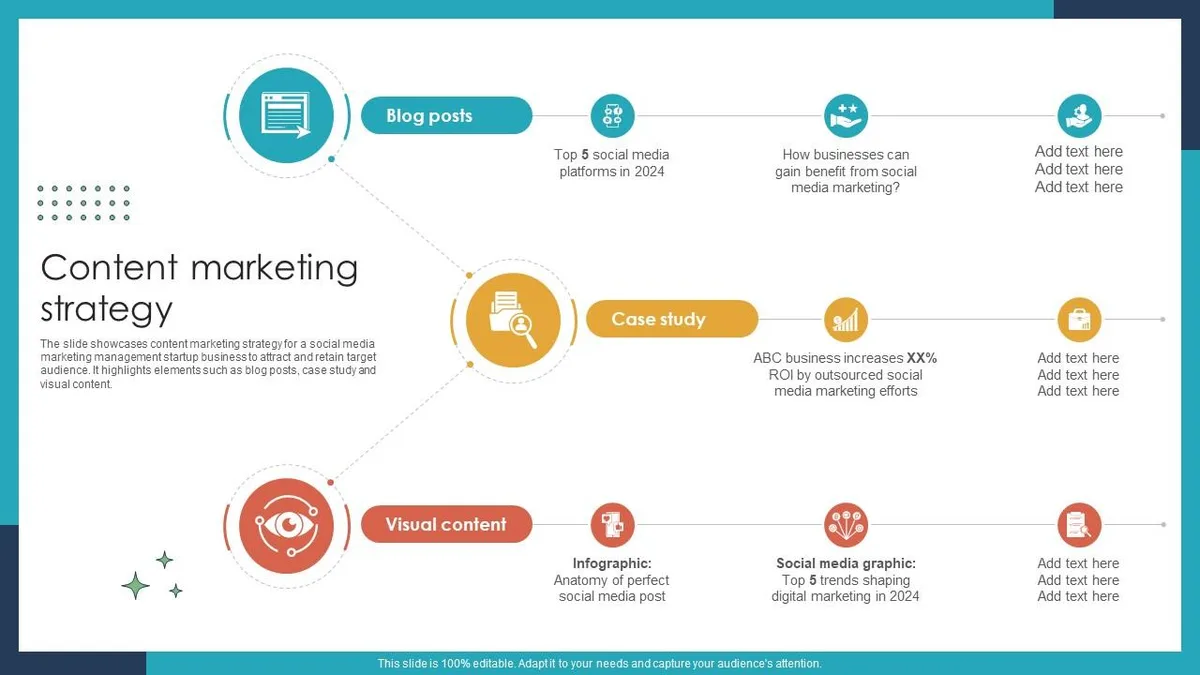
Think about the math. A Facebook ad campaign might cost you a few dollars per click and convert at 1-2%. A well-ranked blog post can pull in hundreds of organic visitors monthly for years, at a cost that approaches zero over time. The upfront effort is real, but the payoff curve bends in your favor.
There’s a second reason too, and it’s less obvious. Content forces you to clarify your positioning. When you sit down to write about your product, you discover what you actually believe, who you’re really serving, and why anyone should care. That clarity bleeds into every pitch, every sales call, every landing page.

The Minimum Viable Content Marketing for Startup Framework
Forget the elaborate funnels you see in agency decks. A startup needs three things: a clear audience, a repeatable format, and a distribution habit. Miss any one of those and the whole thing collapses.
The audience part is where most founders fumble. They write for “small businesses” or “marketers” — categories so broad they mean nothing. Narrow it down. “Freelance graphic designers in their first two years” is a real audience. “Small businesses” is a wish.

Once you’ve got the audience locked, pick a format you can sustain. If you hate writing, don’t build a blog. Do a podcast, a YouTube series, a LinkedIn carousel routine. Consistency matters more than polish. A mediocre weekly newsletter that ships beats a perfect monthly essay that never leaves draft.
Distribution is the third leg. Publishing without promotion is like opening a restaurant in the desert. You need to actively push your work into the places your audience already hangs out. That might mean Reddit threads, niche Slack communities, or cold DMs to people who’d genuinely benefit.
Mapping Your First 90 Days of Content Marketing for Startup Execution
Ninety days is enough time to know whether your content marketing for startup experiment is working. Not enough to dominate your niche, but enough to see signal. Here’s how I’d structure it.
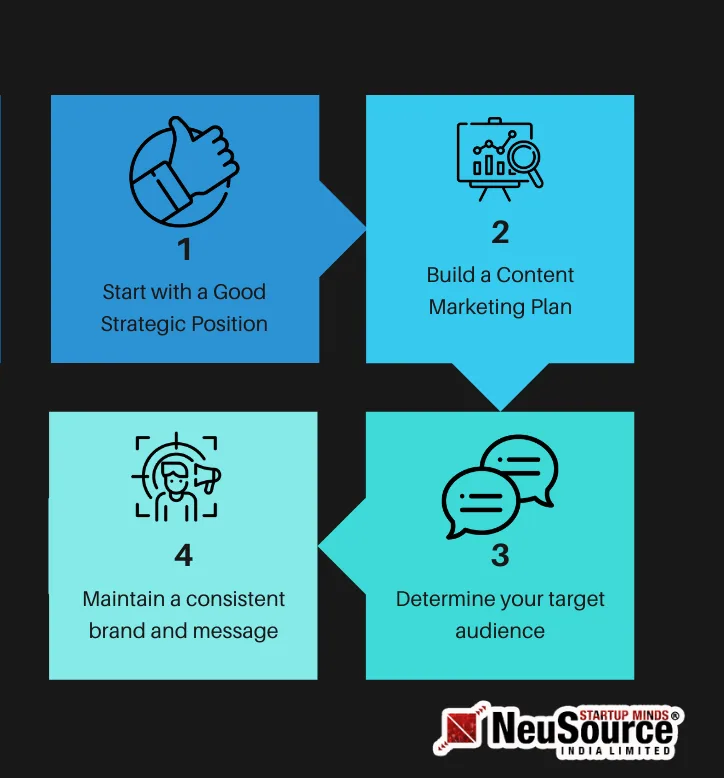
Days 1-30: Foundation. Pick your audience, define three content pillars, and set up the basics — a simple blog, an email capture, and a way to track what’s working. Don’t overthink the tech stack. A free newsletter tool and a basic analytics setup will do.
Days 31-60: Volume. Publish aggressively. Twelve to sixteen pieces in this window is a reasonable target. Some will flop. That’s fine. You’re gathering data on what resonates.
Days 61-90: Double down. Look at your numbers. Which pieces got shared? Which drove signups? Which generated replies? Pour fuel on those themes and quietly retire the rest.
By day 90, you’ll have real evidence about your content marketing for startup approach. Not theory. Evidence. That’s the difference between founders who build durable growth engines and those who chase shiny tactics forever.

Choosing the Right Channels for Content Marketing for Startup Budgets
Not all channels are created equal when you’re running lean. Some demand heavy production. Others reward consistency and personality. Here’s how I think about the trade-offs.
| Channel | Time Investment | Cost | Best For |
|---|---|---|---|
| Blog / SEO | High upfront, low ongoing | Low | Long-term compounding traffic |
| Newsletter | Medium | Low | Direct audience ownership |
| YouTube | High | Medium | Trust-building, demos |
| LinkedIn Posts | Low | Free | B2B reach, thought leadership |
| Podcast | Medium-High | Low-Medium | Relationship building, depth |
| TikTok / Reels | Low-Medium | Free | Top-of-funnel awareness |
The mistake I see constantly: startups try to be everywhere at once. They burn out in six weeks and conclude content doesn’t work. It does work — just not when you spread yourself thin across seven platforms.
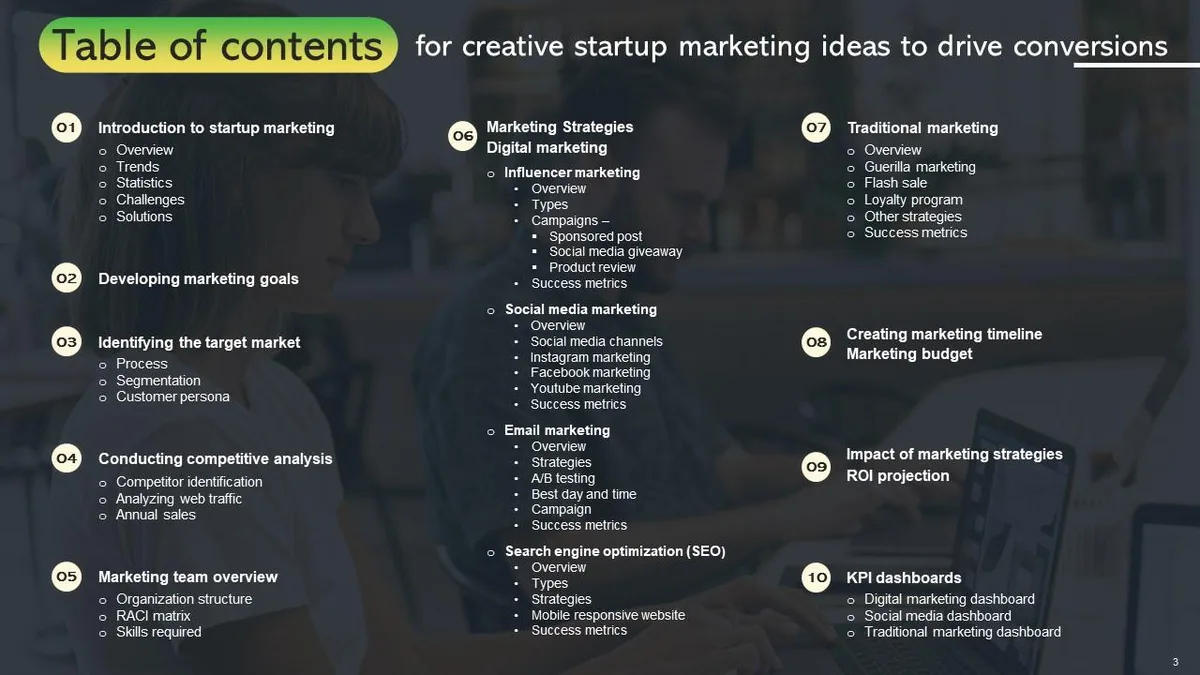
Pick two. Master them. Add a third only when the first two are humming along without daily panic. That’s how content marketing for startup teams stay sane while still making progress.
Building a Content Engine That Doesn’t Require a Full Team
You don’t need a content team to run content marketing for startup operations effectively. You need systems that let one or two people produce at a pace that feels impossible.

Start with a content bank. Every time you have a customer call, jot down the questions they asked. Every time a prospect pushes back, note the objection. Every time you solve a problem, write down the steps. Within a month, you’ll have thirty raw ideas sitting in a doc.
Then batch your production. Set aside one afternoon a week for writing or recording. Don’t try to publish daily. Don’t try to publish “when inspired.” Pick a rhythm — twice a week, once a week, whatever — and defend it like a board meeting.

Repurposing is the secret weapon here. One long-form piece can become five tweets, two LinkedIn posts, a newsletter section, and a short video. Suddenly your output looks ten times bigger than your input.
Honestly, the founders who win at content marketing for startup work aren’t the ones with the best ideas. They’re the ones with the most boring, repeatable systems.
How to Write Content That Actually Converts for Startups
Traffic is nice. Conversions pay rent. The gap between content that gets read and content that gets clicked is usually one thing: specificity.
Vague content says “improve your marketing.” Specific content says “here’s the exact email sequence we used to book 47 demos in three weeks.” One is wallpaper. The other is a magnet.
If you’re doing content marketing for startup growth, lean hard into your own data. Share real numbers. Name real tools. Show real screenshots. Your competitors can copy your topics, but they can’t copy your receipts.
Another conversion lever: strong calls to action. Not the weak “learn more” button, but something with a clear next step. “Download the template we used” or “Book a 15-minute teardown” gives readers a reason to click.

Content Marketing for Startup SEO: Ranking Without a Domain Authority
New domains rank slowly. That’s just reality. But you can shortcut the process by targeting keywords big sites ignore.
Long-tail queries are your friend. Instead of chasing “email marketing,” go after “email marketing for solo consultants with no list.” Less volume, way less competition, and the traffic you get is far more qualified.
Another tactic: write comparison and alternative posts. “X vs Y” and “alternatives to Z” searches come from people deep in the buying journey. They convert better than almost anything else.
Also, don’t sleep on internal linking. Even a ten-post blog can create a tight web of related content that signals topical authority to Google. Every new piece should link to at least two older ones.
For content marketing for startup teams without SEO experience, the fastest path is usually hiring a freelance writer who already understands search intent. One good writer beats three mediocre ones every time.
Measuring What Matters in Content Marketing for Startup Programs
Vanity metrics will lie to you. Pageviews feel good. They don’t pay bills. Here’s what I actually track.
- Email signups from content. This is the clearest signal that your writing resonates. If people hand over their email, they trust you.
- Demo requests or trial starts. Track which pieces drive these. You’ll often find that 20% of your content drives 80% of the revenue.
- Return visitors. People who come back are your real audience. If nobody returns, your content isn’t sticky enough.
- Time on page. Not perfect, but useful. If readers bounce in eight seconds, something’s wrong with your hook.
- Shares and saves. Especially on LinkedIn and Twitter. These signal that your content is worth spreading.
Set up a simple dashboard. Check it weekly. Resist the urge to check it hourly — that’s how founders spiral.

When a piece outperforms, ask why. Was it the topic? The angle? The format? Replicate the pattern. That’s how content marketing for startup programs evolve from random acts of publishing into a real growth channel.
Common Mistakes That Kill Content Marketing for Startup Momentum
I’ve watched dozens of startups torch their content efforts. The same mistakes show up again and again.

Mistake one: quitting too early. Content compounds slowly. Three months feels like forever when you’re publishing into the void. Six months in, things start to click. Most founders quit at month four.
Mistake two: copying big brands. HubSpot can afford a 40-person content team. You can’t. Their playbook assumes resources you don’t have. Build your own.
Mistake three: writing for everyone. Broad content gets broad results, which means no results. Narrow content gets specific results, which means paying customers.

Mistake four: ignoring distribution. Publishing is 20% of the work. The other 80% is getting eyeballs on it. If you’re not promoting, you’re wasting effort.
Every one of these is fixable. None of them require more money. They require discipline and a willingness to play the long game.
Content Marketing for Startup Case Studies: What Small Wins Look Like
Let me give you a concrete picture. A two-person SaaS team I know started publishing one detailed case study per week on their blog. No paid promotion. Just consistent, useful writing about problems their customers faced.

By month seven, they were ranking for twelve long-tail keywords. By month twelve, content was driving 40% of their trial signups. Total spend on content marketing for startup efforts: a few hundred dollars a month for a freelance editor.
Another example: a solo founder built an audience by answering questions in a niche Slack community. He’d write a detailed response, then turn it into a blog post. Same content, two channels. Within a year, he had a newsletter with thousands of subscribers and a waitlist for his product.

Neither of these stories involves viral moments or lucky breaks. They involve showing up, week after week, with something genuinely useful. That’s the unglamorous truth about content marketing for startup companies that actually grow.
Scaling Content Marketing for Startup Teams Past the First Year
Year one is about proving the model. Year two is about scaling it. The playbook shifts.

At this stage, you can start hiring. A freelance writer here. A part-time editor there. Maybe a contractor for video or design. The goal is to remove yourself as the bottleneck without losing the voice that made your content work.
You’ll also want to diversify formats. If you’ve been blog-only, add a newsletter. If you’ve been newsletter-only, add short-form video. Each format reaches a slightly different slice of your audience.

And you’ll want to revisit your pillars. Some topics that worked in year one may have run dry. Others may have opened new doors. Let the data guide the next round of investment.
One warning: don’t scale too fast. Adding three writers before you’ve nailed your editorial standards is a recipe for inconsistency. Grow slowly. Protect quality. Content marketing for startup growth is a marathon, not a sprint.
Tools and Templates That Make Content Marketing for Startup Work Easier
You don’t need an expensive stack. You need tools that remove friction. Here’s what I’d actually recommend to a founder starting out.
- Notion or Google Docs. For your content calendar, drafts, and idea bank. Free, flexible, and good enough.
- Grammarly or Hemingway. To tighten your writing without hiring an editor immediately.
- Canva. For simple graphics, social posts, and thumbnails. Free tier covers most startup needs.
- ConvertKit or Mailchimp. For your newsletter. Pick one and stick with it.
- Ahrefs or Ubersuggest. For keyword research. Ubersuggest if you’re on a tight budget, Ahrefs when you can afford it.
- Buffer or Later. To schedule social posts without living in the apps.
- Descript. For editing video and podcasts by editing text. Genuinely magical for solo creators.
That’s it. Seven tools. Maybe a hundred dollars a month total if you’re paying for all of them, and you can start with three of them for free.

The temptation to buy more tools is real. Resist it. Tools don’t write content. You do. Every hour spent comparing software is an hour not spent publishing.
How AI Fits Into Modern Content Marketing for Startup Workflows
AI has changed the game, but not in the way most people think. It’s not a replacement for your voice. It’s an accelerator for the boring parts.
Use AI to outline drafts, brainstorm angles, and generate first-pass versions of routine content. Then rewrite everything in your own voice. The output should sound like you, not like a chatbot.
Where AI really shines: repurposing. Feed it your long-form piece and ask for ten tweet variations, a LinkedIn post, and a newsletter blurb. What used to take two hours takes twenty minutes.
But be careful. Google has gotten good at detecting low-effort AI content. If your entire blog reads like it was generated in one prompt, you’ll get punished. Use AI as a starting point, not a finished product.
The founders winning at content marketing for startup execution right now are using AI to publish more without sacrificing quality. That balance is the whole game.
Building a Content Marketing for Startup Community Around Your Brand
The most durable content strategy isn’t one-way. It’s a conversation. When readers feel like they’re part of something, they stick around.
Start small. Reply to every comment on your blog. Answer every email. Engage in the communities where your audience lives. Over time, those small interactions compound into relationships.
Consider a Slack group or Discord server for your most engaged readers. Not a support channel — a place where they can talk to each other. Communities like this become content engines of their own, generating ideas and testimonials you couldn’t buy.
For content marketing for startup brands, community is the moat. Competitors can copy your blog posts. They can’t copy the relationships you’ve built with your audience.
Content Marketing for Startup Budgeting: What to Spend and Where
Let’s talk money without naming numbers. You can run a serious content marketing for startup operation on a lean budget if you’re smart about allocation.
Prioritize writing first. Whether that’s your own time or a freelancer, words are the foundation. Everything else — graphics, video, SEO tools — is secondary.
Second priority: a decent email platform. Your list is the only audience you truly own. Social platforms can change algorithms overnight. Email is yours.
Third: basic analytics. You can’t improve what you can’t measure. Free options exist, but a modest investment in a proper analytics tool pays off quickly.
Skip the agency retainers until you’ve proven the model yourself. Agencies are great at scaling what works. They’re terrible at discovering what works for your specific audience. Do that discovery in-house first.
The Role of Storytelling in Content Marketing for Startup Growth
Data persuades. Stories move. The best content does both.
Every startup has stories worth telling. The customer who almost gave up before finding you. The feature you built because a user begged for it. The mistake that taught you something important. These aren’t just anecdotes — they’re proof that you understand your audience’s world.
When you’re doing content marketing for startup work, resist the urge to sound corporate. Write like a human. Use contractions. Crack a joke when it fits. Admit when you don’t know something.
The brands people remember are the ones that feel like people, not press releases. That’s true whether you’re a two-person team or a two-hundred-person company.
How to Keep Content Marketing for Startup Efforts Consistent Long-Term
Consistency is the hardest part. Anyone can publish for a month. Few can publish for two years.
The trick is lowering the barrier to shipping. Have a list of ideas ready. Have templates for common formats. Have a calendar that tells you what’s due next week. Remove every excuse your brain can invent for skipping.
Also, build in recovery. Take a week off every quarter. Batch content in advance so you can disappear without breaking the streak. Burnout kills more content marketing for startup programs than bad strategy ever does.
And celebrate small wins. First comment. First share. First signup from a blog post. These are the milestones that keep you going when the numbers still look small.
Frequently Asked Questions About Content Marketing for Startup Teams
How long before content marketing for startup efforts show results? Expect three to six months for meaningful traffic, and six to twelve months for revenue impact. Anyone promising faster is selling you something.
Do I need a big budget to start? No. You can begin with free tools and your own writing time. Budget helps you scale once the model is proven.
What’s the single most important content type to start with? Long-form blog posts that answer specific questions your customers ask. They compound over time and rank well.
Should I hire a content writer or do it myself? Do it yourself for the first three months. You’ll learn what works. Then hire to scale what’s already working.
How much content should I publish? One to two pieces per week is a healthy pace for most startups. More isn’t always better if quality suffers.
Is content marketing for startup brands still worth it with AI everywhere? Absolutely. AI increases the noise, which makes genuine, useful content more valuable, not less.
What if my niche is boring? Boring niches are goldmines. Less competition, more desperate audiences, easier to become the go-to resource.
How do I know if content is actually working? Track email signups, demo requests, and return visitors. Those three metrics tell you almost everything.
Final Thoughts on Building Content Marketing for Startup Success
Nobody’s going to hand you a content strategy that works out of the box. You have to build it, test it, and refine it as you go. That’s the work. That’s also the opportunity.
Start with one channel. Write for one audience. Publish on one schedule. Give it ninety days of honest effort before you judge the results.
Content marketing for startup growth isn’t glamorous. It’s a grind of small, unremarkable actions repeated over time. But those actions compound. Six months in, you’ll have traffic. A year in, you’ll have a moat. Two years in, you’ll wonder why you ever considered paid ads your only option.
So pick your audience. Open a doc. Write the first piece. Ship it today, not next month. The best time to start content marketing for startup work was yesterday. The second-best time is right now.
For verified reference and background research, consult the authoritative informational resource on this topic.