Buyer Journey Stages: 9 Easy Steps for Better Results
Buyer journey stages are the checkpoints every customer passes through on the way from curious stranger to loyal advocate, and mapping them correctly is the difference between guessing at marketing and knowing exactly what to fix. That opening sentence is also a confession: most teams still treat those stages as decoration on a slide deck.
This working walkthrough of buyer journey stages turns a vague funnel into nine concrete moves you can run this week, with the tips, habits, and checkpoints that separate a diagram from a system that actually sells.
Picture two companies selling similar software, and buyer journey stages tips is what the reader checks first. Focusing on buyer journey stages provides clear direction here. One blames the economy for a flat quarter. The other discovers that 60 percent of its lost deals die at the exact moment a prospect requests pricing and gets only a form.
Same market, same product category, wildly different outcome — because one team knew where the leak was. That is what this guide is for: not theory, but a sequence you can install, measure, and defend in a Monday meeting.
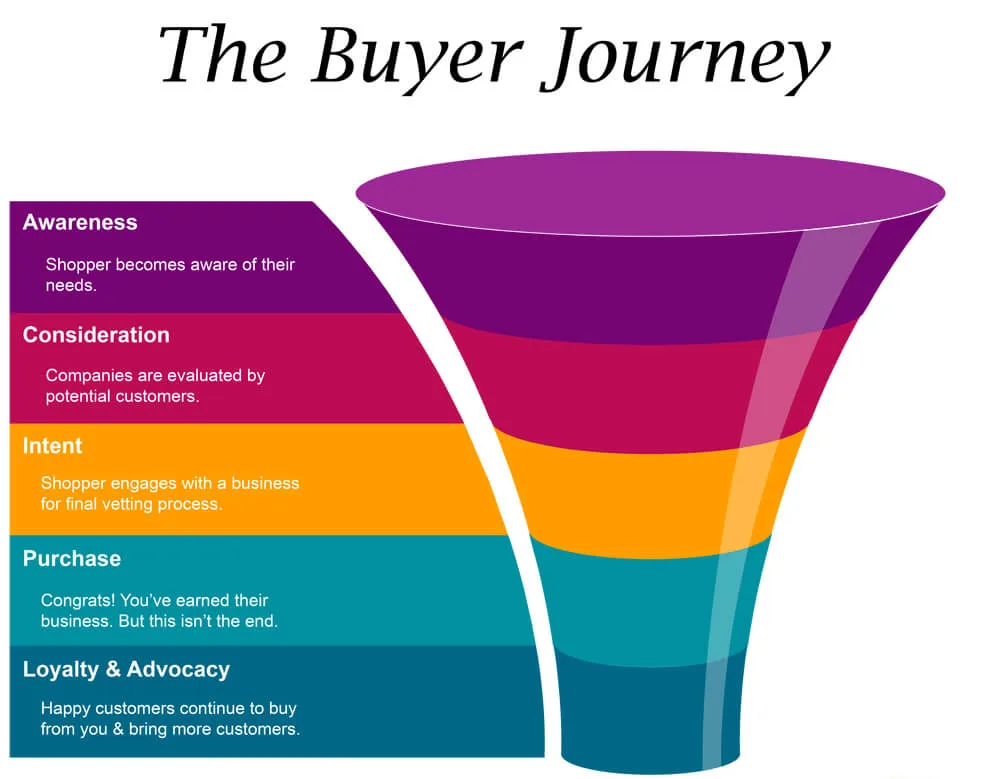
What are Buyer Journey Stages and Why They Decide Revenue?
At its core, the concept describes the predictable sequence of thoughts, emotions, and actions a person moves through before and after a purchase. Researchers have studied this idea for over a century — the classic AIDA model on Wikipedia is a decent starting point if you want the historical roots. Modern practice has expanded it well beyond four neat boxes.
The commercial value is simple. When you map buyer journey stages accurately, you stop spending money on people who were never going to buy and start spending it on people who are one nudge away.
One B2B team I worked with cut its paid search waste by nearly a third simply by matching ad copy to the actual stage a searcher was in, instead of running one generic campaign to everyone.
Here’s the trap most people fall into: they map the stages once, present the slide, and never look at it again. A buyer journey stages guide is only useful if it lives inside your CRM, your content calendar, and your sales scripts. Otherwise it becomes shelfware.
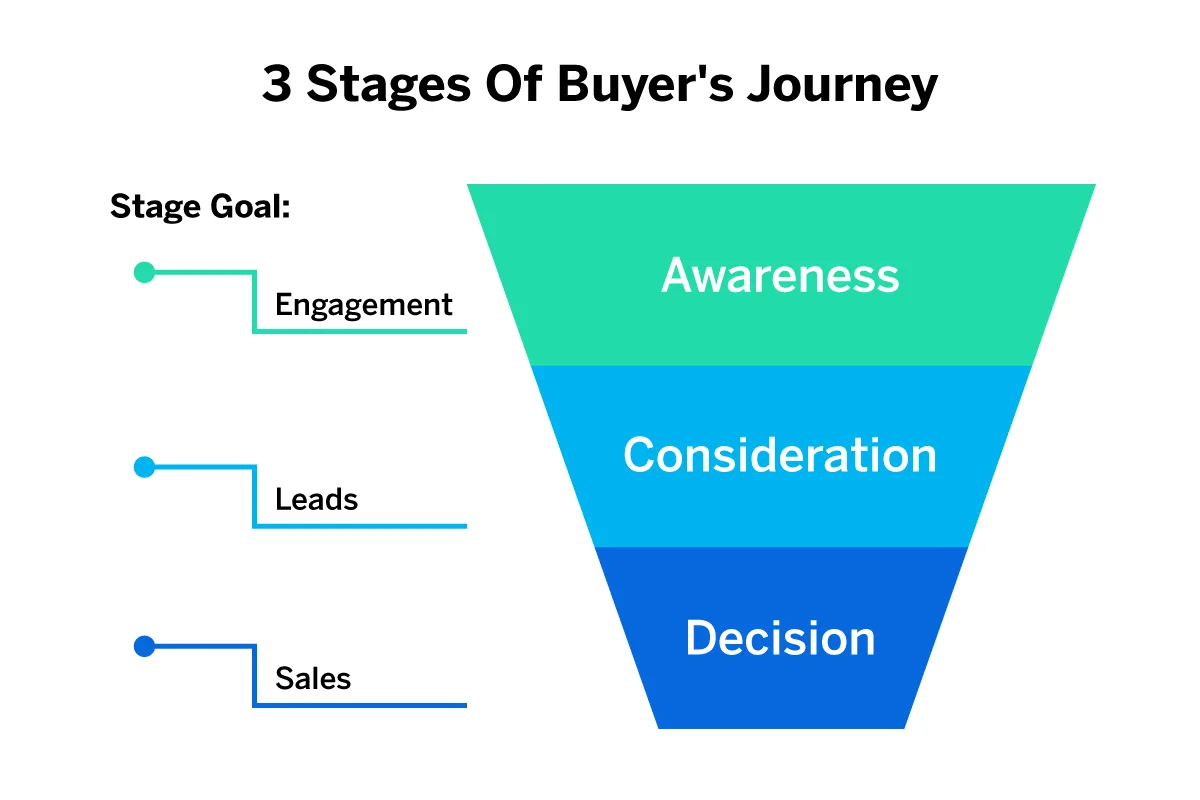
The Old Funnel versus the Real Buying Path
The traditional funnel implies buyers glide in one direction. Reality is a pinball machine. Someone discovers you on a podcast, forgets you, sees a competitor’s review, returns three weeks later through a branded search, then asks a friend on Slack.
That looping, messy path is why mapping buyer journey stages as a straight line fails so often. The better mental model is a spiral: people revisit earlier stages with more information each time. Treating a returning visitor the same as a first-time visitor is one of the most common and expensive mistakes in the discipline.
Step 1: Audit Your Current Buyer Journey Stages Before You Change Anything
You cannot improve a map you have never drawn. Before touching campaigns, assemble every touchpoint a customer currently encounters — ads, landing pages, emails, sales calls, invoices, support tickets. Lay them on one wall or one document.
What the buyer journey stages are hunting for is friction: gaps where a buyer goes silent, handoffs where messages contradict each other, and moments where nobody owns the next move. Marketers love starting with new ideas; the faster win almost always sits in fixing what already exists.
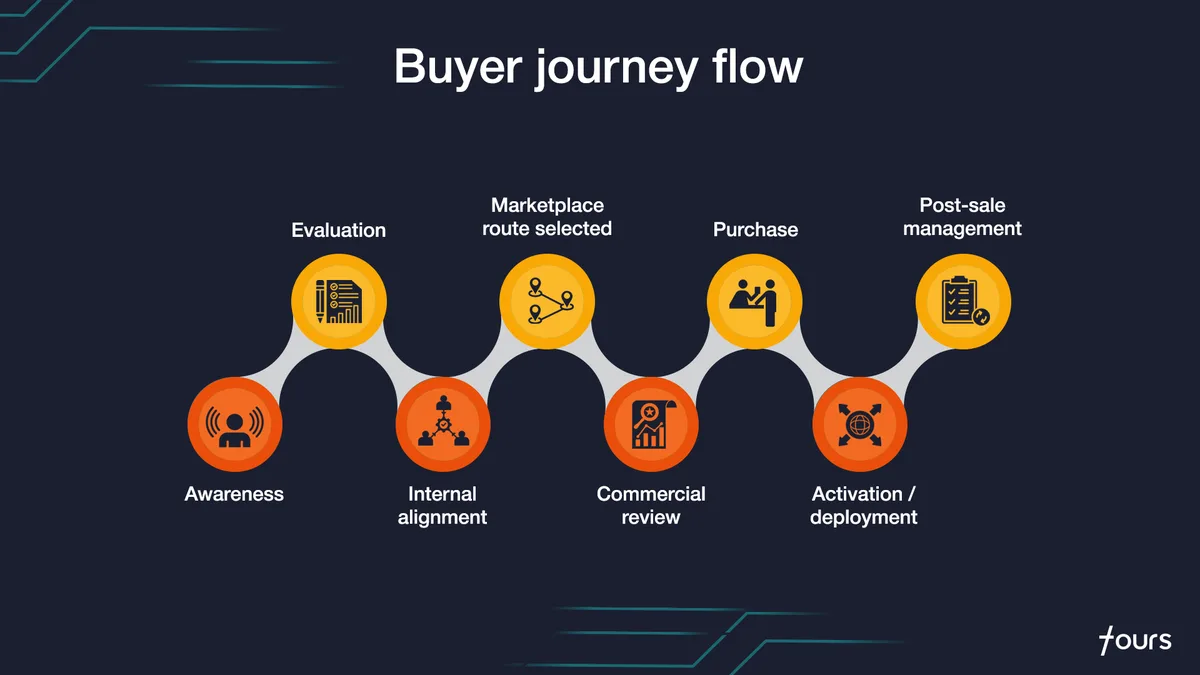
A practical exercise: pull your last twenty closed-won and twenty closed-lost deals. For each, list every touch. Patterns appear fast — for example, nearly every win involved a human conversation within 48 hours of a demo request, while losses waited four days or more. That single insight reshapes your whole customer journey map.
Step 2: Map the Awareness Stage With Real Buyer Language
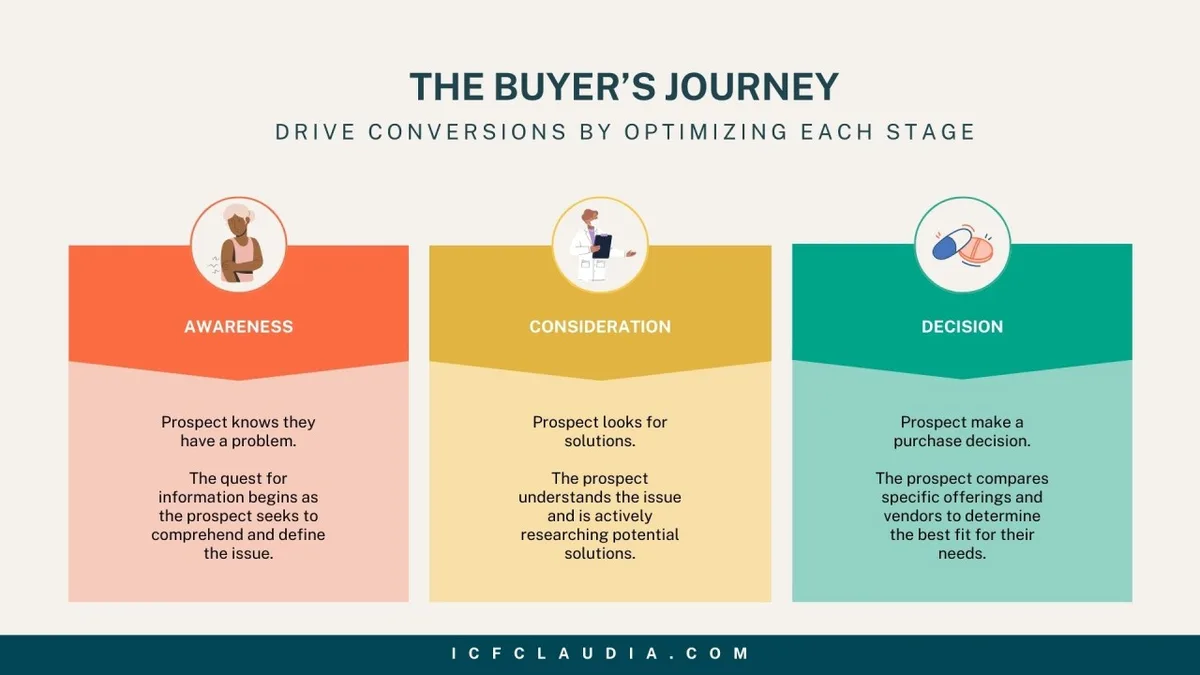
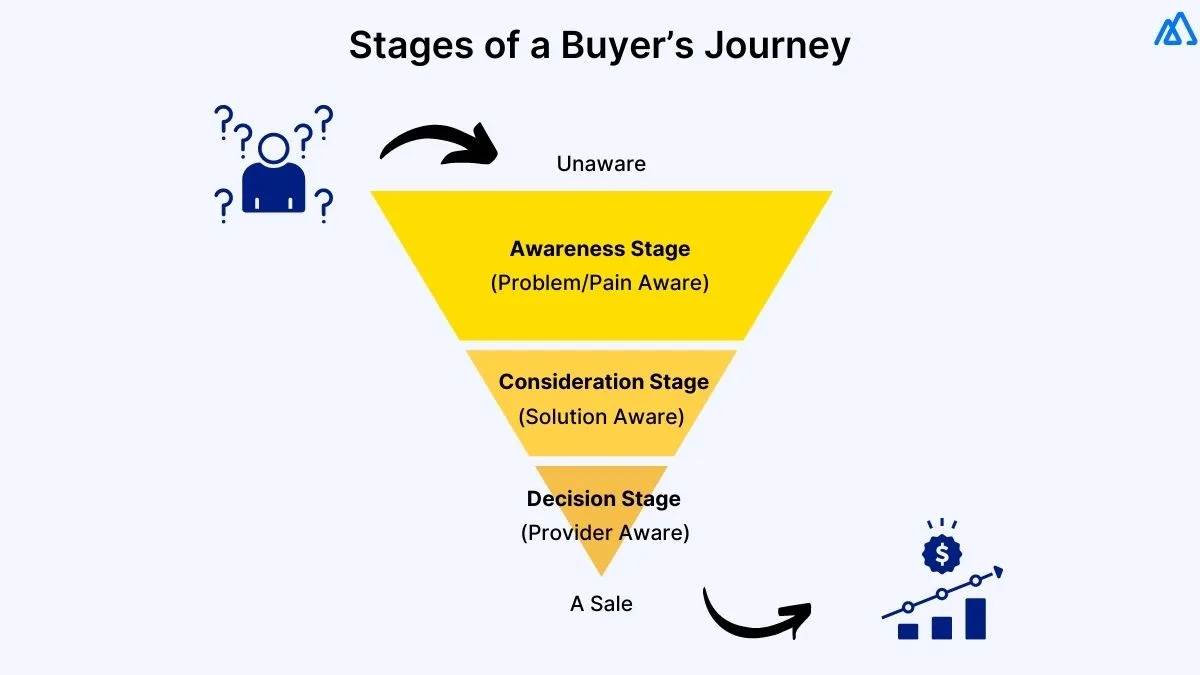
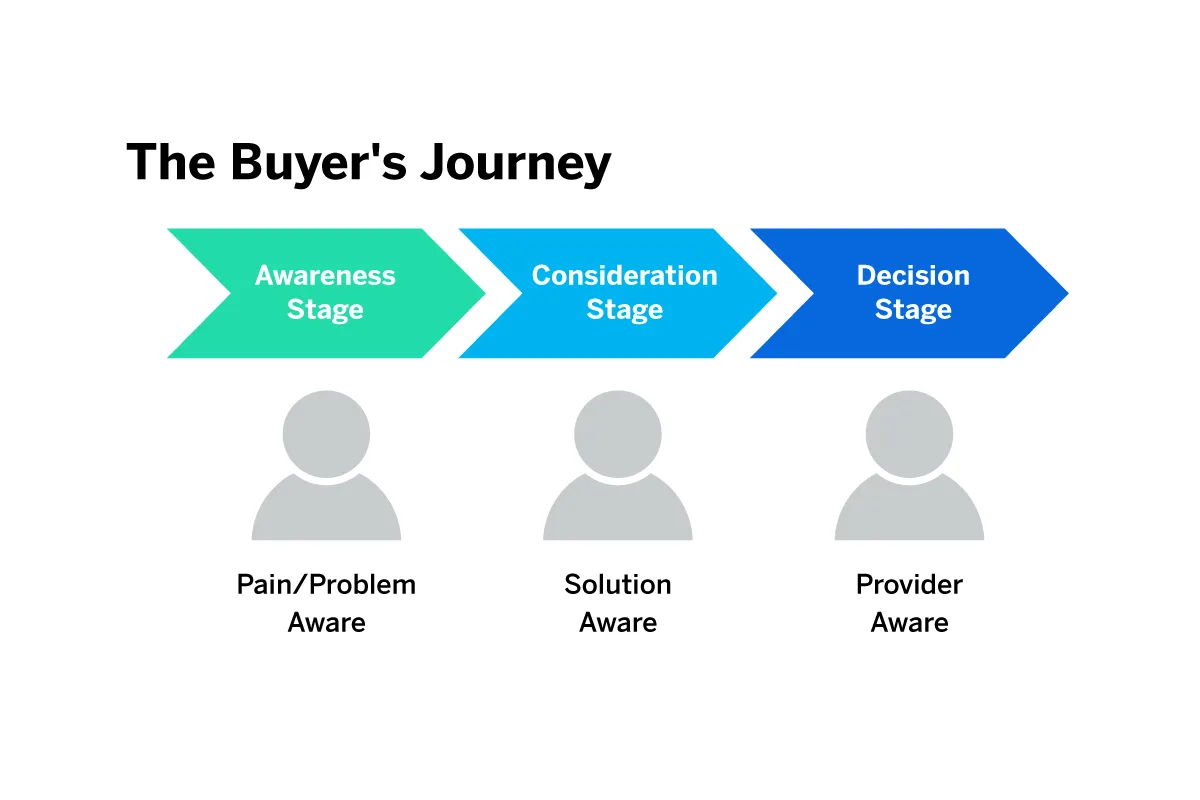
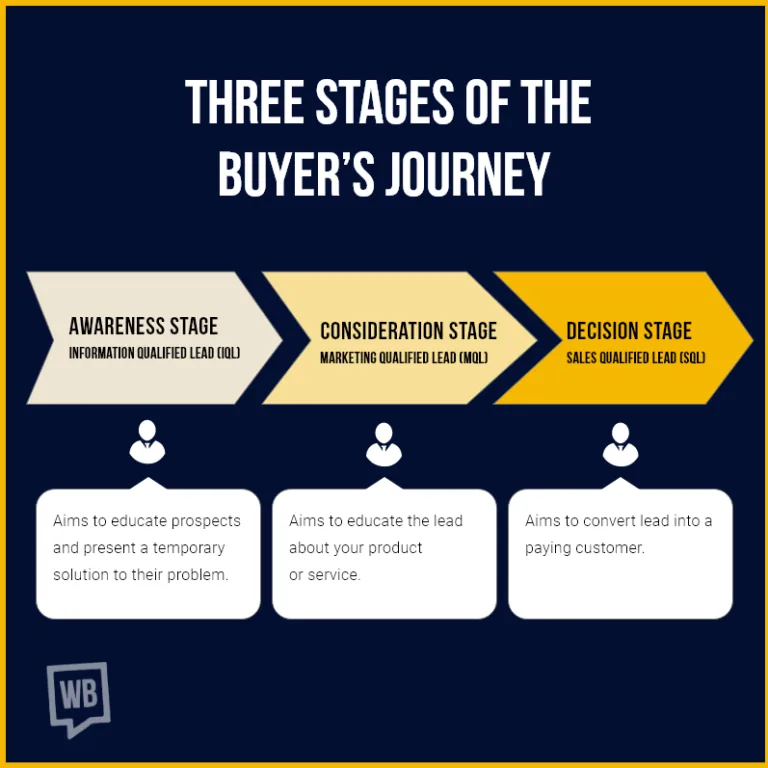
Awareness is where a person admits a problem exists but has no vocabulary for the solution. Your job here is not to sell. It is to describe their pain so precisely that they feel understood.
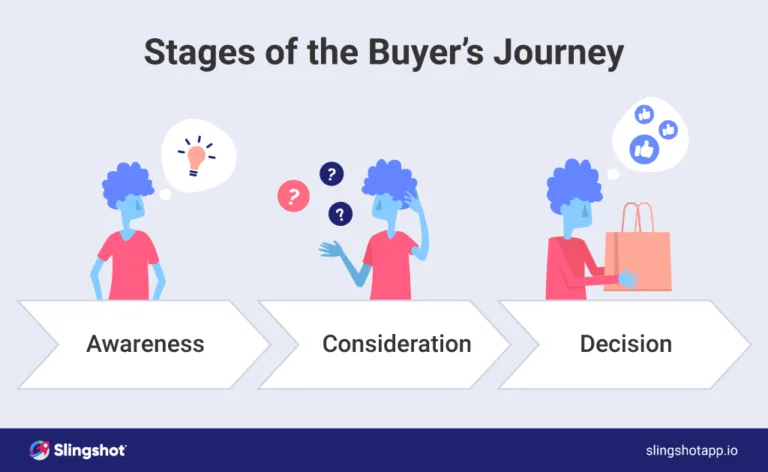
Most brands ruin the buyer journey stages moment with jargon. A payroll startup, for instance, kept pushing “automated compliance orchestration” until it rewrote a landing page around the phrase actual customers used: “I’m scared I’ll get fined for filing late.” Conversion doubled. That is the entire lesson.
Gather the raw material from recorded sales calls and support tickets, not from brainstorm sessions. The words people use when they are frustrated are the words that belong on your awareness-stage pages.
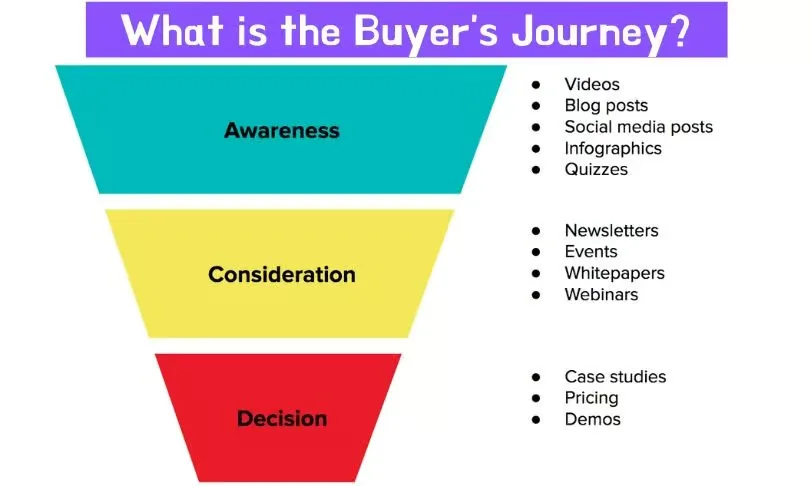
How Do You Recognize an Awareness-Stage Visitor?
They arrive from broad searches, social posts, or word of mouth, and they bounce quickly if the page attacks them with a demo request. Look at the query patterns: “why does my invoice get rejected” is an awareness question. “Best invoicing software for freelancers” is not.
Behavioral signals help too — short sessions, high exit rates on pricing pages, heavy scrolling without form fills. Maintaining clarity across your buyer journey stages remains essential. When you see that cluster, you are looking at early-stage traffic and you should answer questions rather than demand commitments.
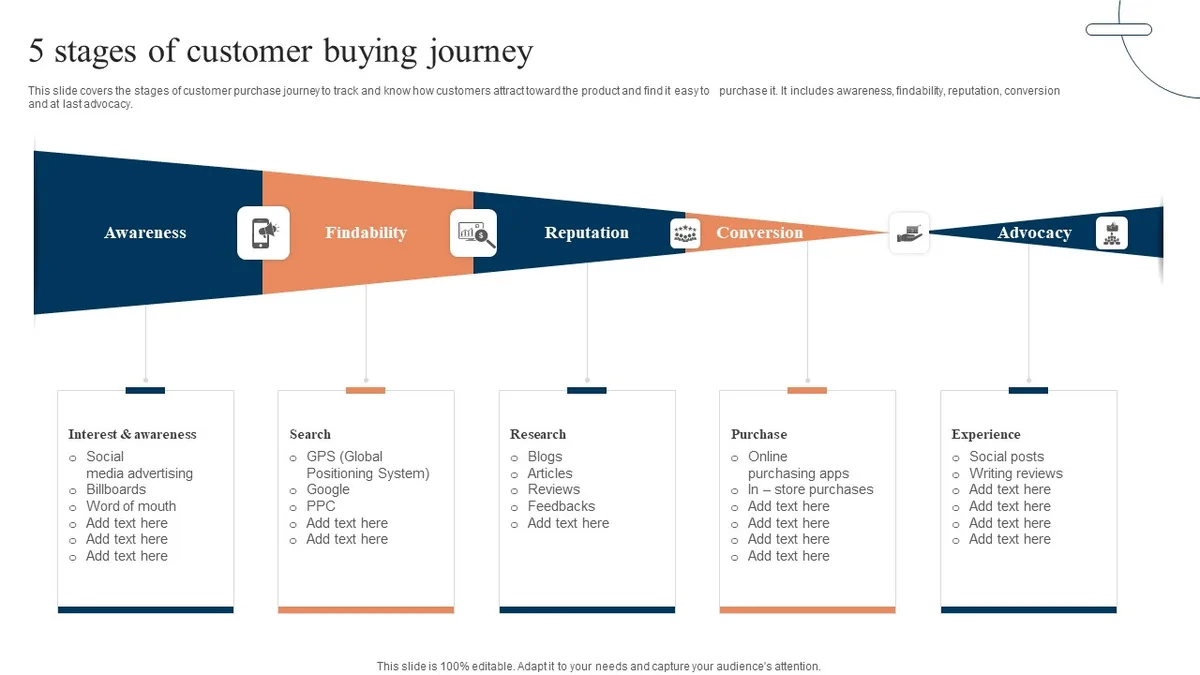
Step 3: Build the Consideration Stage Around Comparison
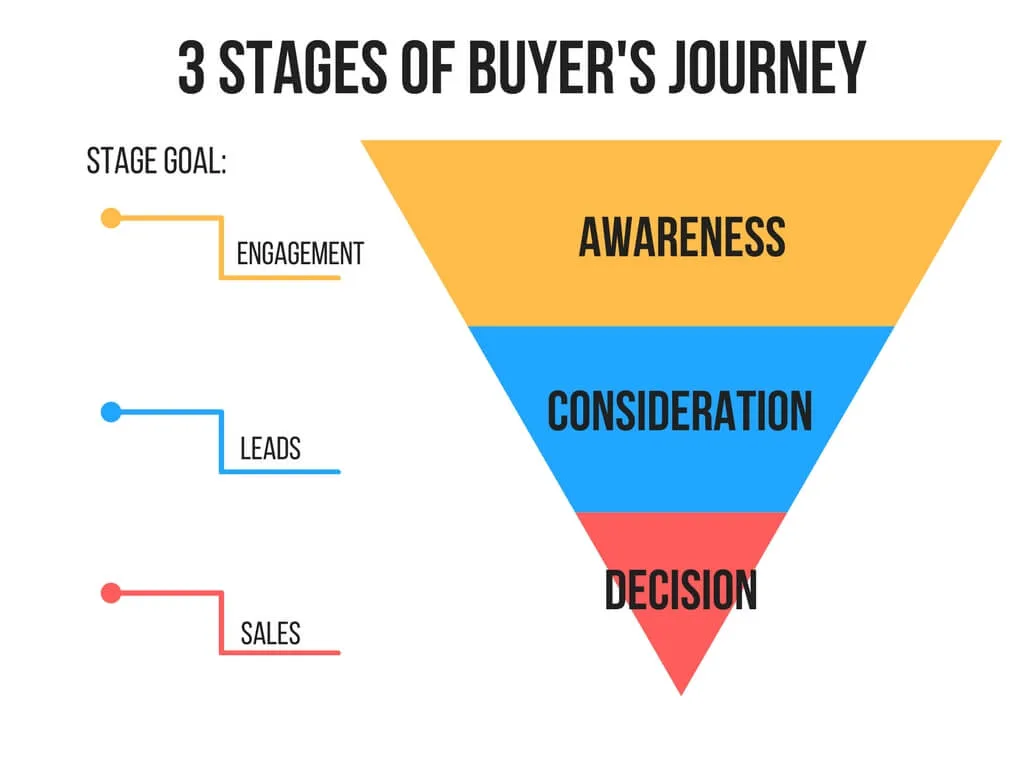
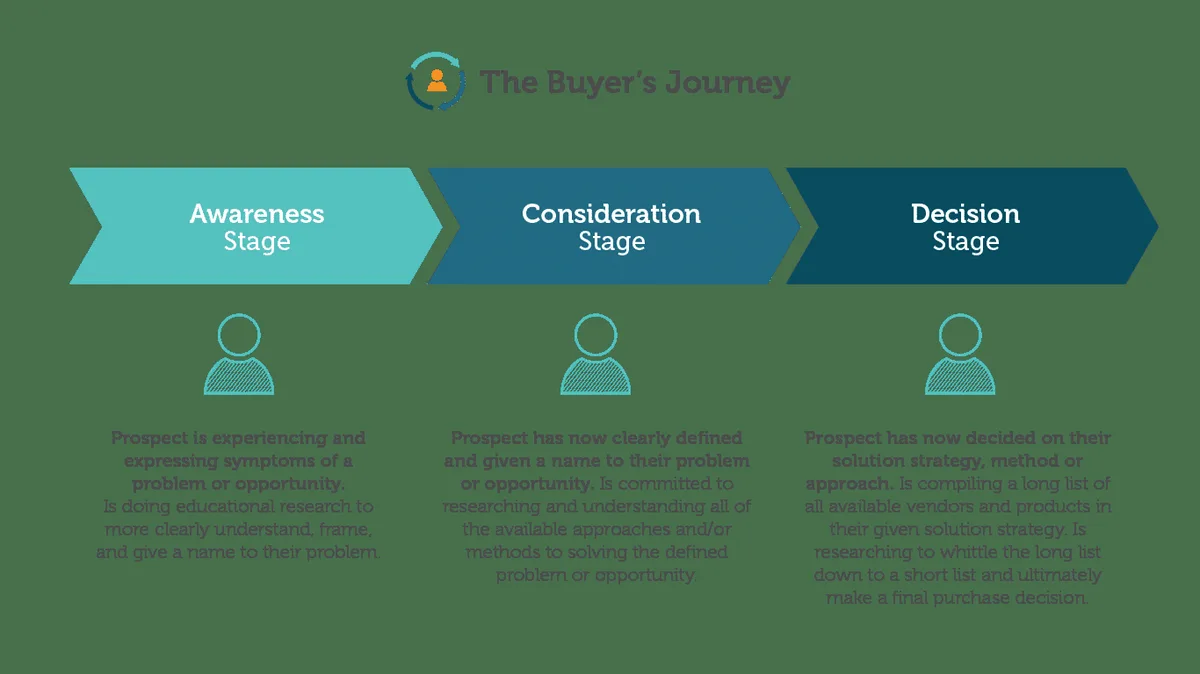
Consideration is where the buyer knows solutions exist and starts sorting the options. This is the most under-served stretch of buyer journey stages in most companies, and it is where trust is won or lost.
Buyers are comparison shopping, whether you invite it or not. They are reading review sites, asking in communities, and clicking your competitor’s “versus” pages. Give them a reason to stay on your site while they do it.
Two assets consistently outperform on this front: detailed comparison pages written honestly (including where you lose) and interactive tools like calculators or quizzes. Honesty sounds risky; in practice, admitting one limitation makes the rest of your claims believable.
Step 4: Turn the Decision Stage Into a Friction Audit
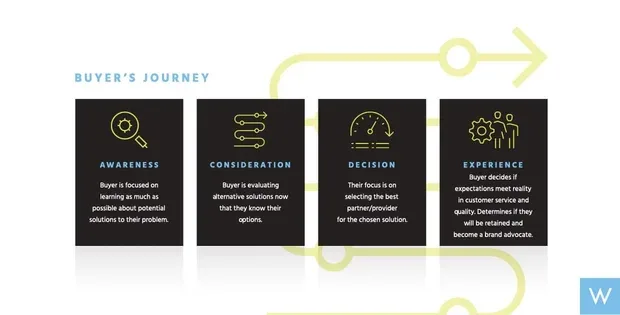
Decision is the moment of maximum intent and maximum anxiety. A thoughtful approach to buyer journey stages reinforces your qualifications. The buyer wants to say yes and is hunting for a reason to say no. Your entire job is to remove every small excuse.
Run a friction audit on your own checkout or demo-request flow. Time it. How many fields? How long until a human responds? Can someone buy without talking to anyone? A demo form with nine fields will lose people who were already sold — they just wanted a credit card screen.
Personal experience here: a mid-sized retailer I advised dropped checkout from five steps to two and saw a measurable lift within a single reporting cycle. Nothing about the offer changed. They simply stopped asking for information they did not need.
Which Proof Elements Belong at the Decision Stage?
Testimonials with a name, a face, and a specific result. Structuring your buyer journey stages around proven patterns ensures impact. Case studies that name the obstacle, not just the victory. Security and refund guarantees in plain language. And a clear answer to the quiet question everybody asks: “What happens if this doesn’t work for me?”
Specificity beats volume. One detailed story from a customer who resembles the buyer in front of you outperforms a wall of anonymous five-star reviews every time.
Step 5: Design the Onboarding Stage as Stage Two of the Sale
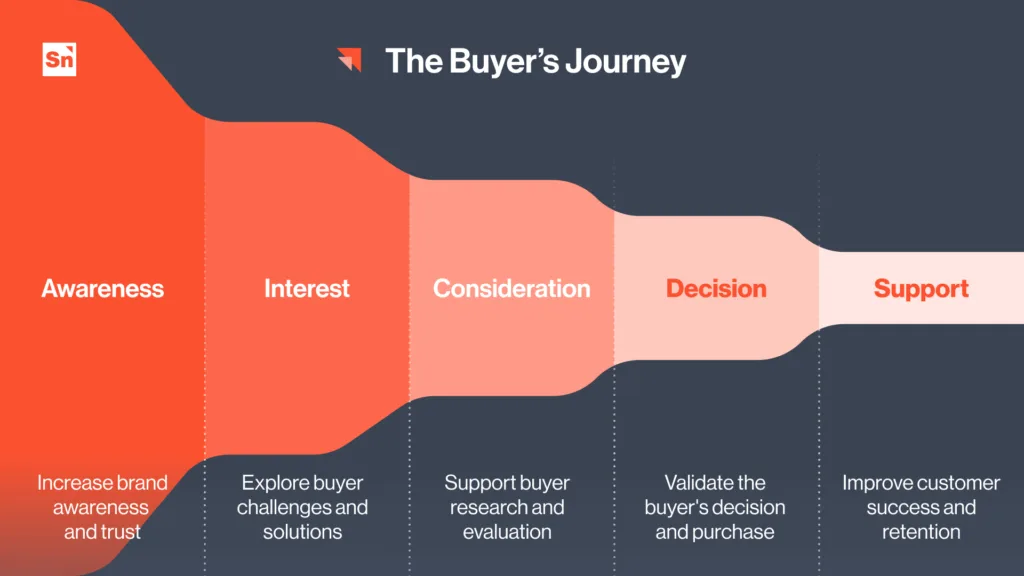
Onboarding is where the customer’s decision gets validated or regretted. This stage is frequently ignored because revenue has already been booked — and that is exactly why churn surprises arrive later.
Treat the first thirty days as an extension of buyer journey stages, not an afterthought. A welcome sequence that sets expectations, a human check-in at day three, and a quick small win all reduce refunds and cancellations.
The best seller I ever met measured onboarding by one question: “Did the customer experience a result in the first week?” If the answer was no, everything else about the account was at risk. Applying these principles to your buyer journey stages yields measurable results. He built his entire post-purchase strategy around engineering that early win.
Step 6: Capture the Retention Stage With Proactive Checkpoints
Retention is the quiet stage. Customers stop actively noticing you and start taking you for granted — or questioning value. Left alone, this is where churn quietly accumulates.
The fix is scheduled contact, not reactive support. Quarterly reviews, usage nudges when activity drops, and honest conversations before renewal season all work. If the only time a customer hears from you is an invoice, you are training them to see you as a cost.
What Does a Healthy Retention Checkpoint Look Like?
A short, specific message: “I noticed your team hasn’t used feature X in three weeks — is the buyer journey stages worth a ten-minute call to see if it fits how you work?” That beats a generic newsletter every time. It signals attention, and attention is the actual product being renewed.
Step 7: Engineer the Advocacy Stage on Purpose
Advocacy — referrals, reviews, public recommendations — rarely happens by accident. People are busy. If you want them to speak well of you, make it effortless and timely.
Ask at the moment of peak satisfaction: right after a success, a resolved problem, or an unexpected win. A short prompt with a pre-written draft review is far more effective than a vague “please leave us a review.”
Worth remembering: not every happy customer wants to be public. Developing your buyer journey stages with precision highlights key strengths. Some prefer a private introduction to a colleague. Match the ask to the person, and you will get more of both.
Step 8: Use a Buyer Journey Stages Checklist to Keep Each Transition Honest
Stages are easy to name and hard to maintain. A checklist is what stops your map from rotting. Here is a practical buyer journey stages checklist you can adapt in a single afternoon.
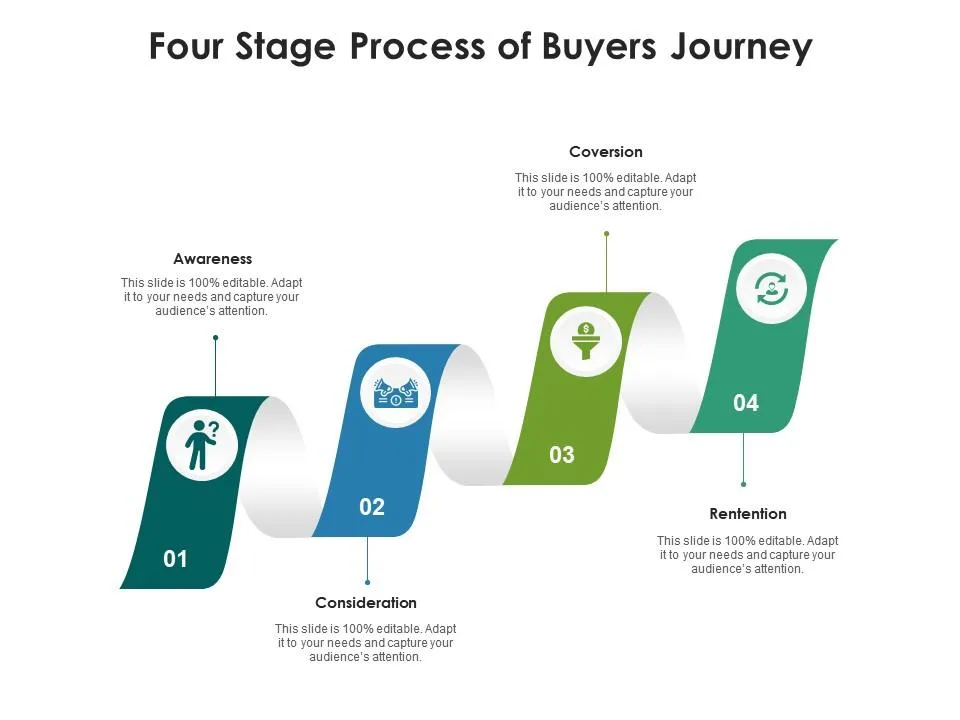
- Every stage has one owner with a name attached.
- Each stage has at least one measurable signal — a conversion rate, a response time, a repeat rate.
- Messaging at each stage is consistent with the stage before it.
- At least one asset exists for each stage’s core question.
- Handoffs between stages are documented, not improvised.
- Feedback from sales and support flows back into the map monthly.
Run this checklist quarterly. It takes less time than you think and catches the decay that nobody notices otherwise.
Step 9: Measure Buyer Journey Stages With Metrics That Actually Move
You cannot manage stages without numbers, but the wrong numbers create false confidence. Vanity metrics — page views, follower counts — tell you nothing about transition health.
Measure the movements instead. How many awareness visitors become known contacts? How many known contacts return within thirty days? How many decision-stage conversations close? How long does each transition take?
Which Metrics Signal a Broken Stage Transition?
A sudden drop in return visits between consideration and decision suggests your comparison content is unconvincing. Rising support tickets shortly after purchase point to weak onboarding. Flat referral rates despite strong satisfaction surveys usually mean you never asked properly.
One metric worth watching closely is time-to-first-human-contact in the decision stage. Every hour of delay in a high-intent interaction tends to show up as a lost deal. Speed is not a soft virtue here — it is measurable revenue.
Buyer Journey Stages Best Practices That Survive Real Teams
Buyer journey stages best practices are not the tidy ones in blog posts. They are the ones that keep working after the launch energy fades and the team gets distracted.
First, keep the map shared and editable. A document nobody can update is already dead. Second, assign ownership per stage — shared ownership is no ownership. Third, review it in your existing sales-marketing meeting rather than creating a new ritual nobody attends.
Fourth, and most important, resist the urge to optimize everything at once. Pick the single leakiest transition, fix it, measure, then move to the next. Compound improvements in buyer journey stages beat grand redesigns that never ship.
| Stage | Core Buyer Question | Primary Asset | Key Metric |
|---|---|---|---|
| Awareness | “Do you understand my problem?” | Educational article or short video | Return visit rate |
| Consideration | “How do my options compare?” | Comparison page or interactive tool | Asset completion rate |
| Decision | “Why should I choose you now?” | Proof page plus frictionless checkout | Conversion rate |
| Onboarding | “Did I make the right call?” | Guided setup sequence | Time to first result |
| Retention | “Is this still worth the money?” | Proactive checkpoint call | Renewal rate |
| Advocacy | “Would I recommend this?” | Simple referral prompt | Referral conversion |
How Often Should You Revisit Your Journey Map?
Quarterly is the sweet spot for most teams. Monthly is too frequent to see patterns, and annual is too slow to catch drift. The map should feel slightly out of date in a healthy way — that means reality is moving ahead of it.
Frequently Asked Questions About Buyer Journey Stages
Here is an in-depth breakdown of key considerations regarding Frequently Asked Questions About Buyer Journey Stages:
What are the Main Buyer Journey Stages in Practice?
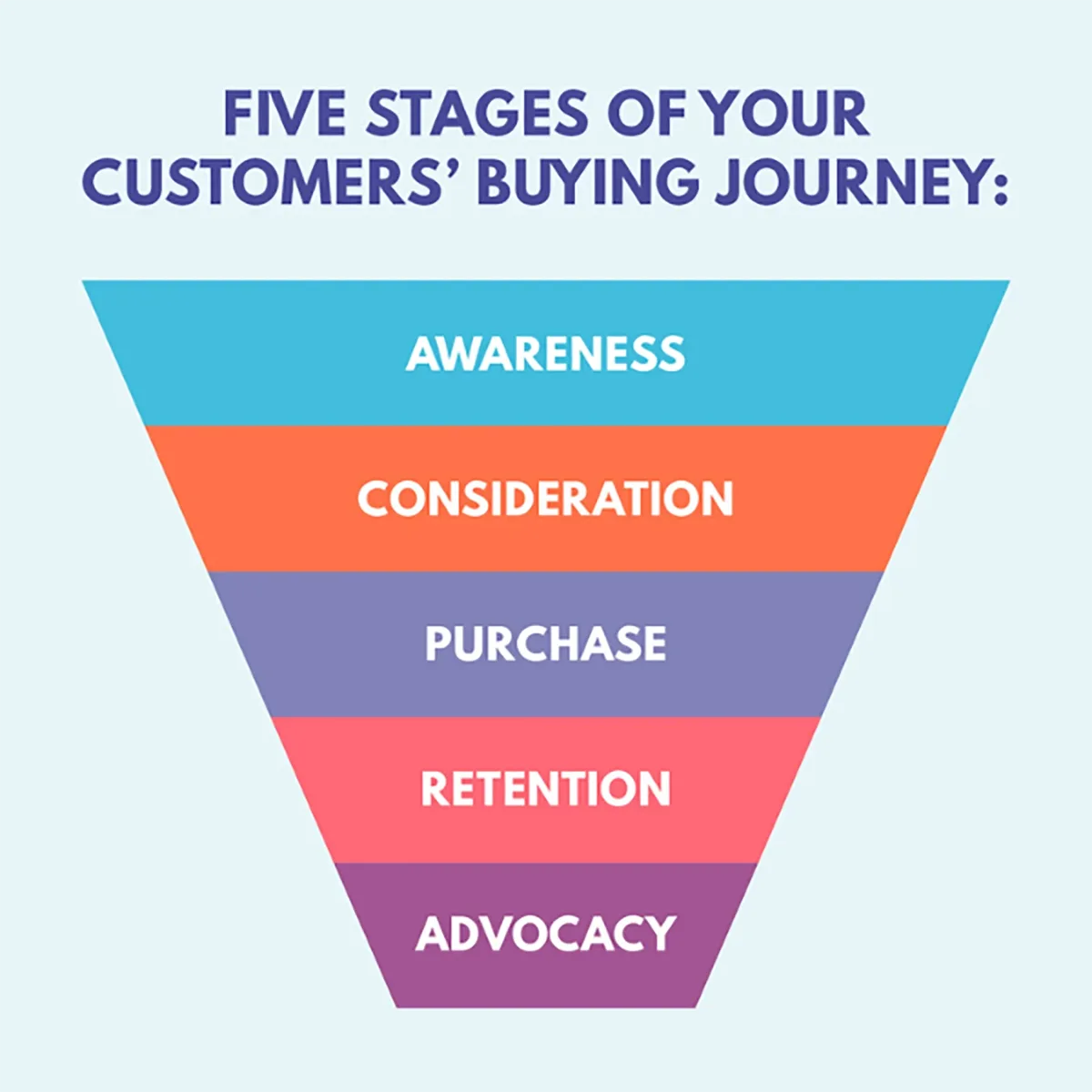
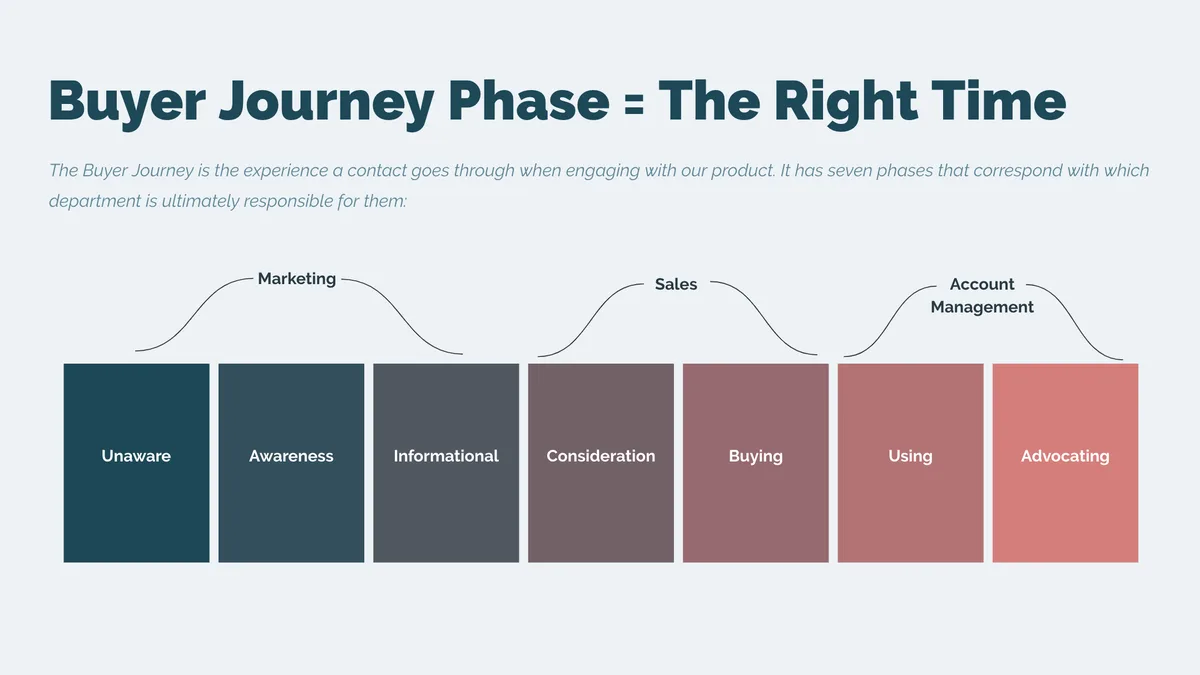
Most working models use five to seven: awareness, consideration, decision, purchase, onboarding, retention, and advocacy. The exact count matters less than whether each one has an owner and a measurable signal. Teams that argue about labels instead of leaks are usually stalling.
Where Do Most Teams Get Buyer Journey Stages Wrong?
Two places, overwhelmingly. First, they over-invest in awareness and neglect consideration, where comparison happens. Second, they treat the journey as finished at purchase, ignoring onboarding and retention, which is where churn quietly builds. Fixing either usually moves revenue faster than a bigger ad budget.
Do Buyer Journey Stages Differ for B2B and B2C?
The stages are the same; the speed and the number of people involved are not. B2B journeys involve multiple decision-makers and longer consideration, so proof and internal-buy-in assets matter more. B2C moves faster and leans harder on emotion, reviews, and frictionless checkout.