Why Brand Awareness Deserves a Real Strategy, Not Guesswork
A brand awareness strategy is the deliberate plan you build to make sure the right people recognize your brand, remember it, and reach for it when the moment to buy arrives. It’s not a logo refresh or a viral video you hope takes off.
It’s a system. And like any system, it works when the parts fit together.
Here’s the honest truth I’ve learned from watching dozens of brands try to “get known”: most of them confuse activity with awareness. They post daily, run ads, sponsor events, and still hear “wait, who are you?” when a customer lands on their site. That gap between noise and recognition is where a real brand awareness strategy earns its keep.
This brand awareness strategy guide breaks down 11 expert tips, each one field-tested and each one something you can actually execute. No fluff, no vague “be authentic” advice. Just the moves that move the needle.
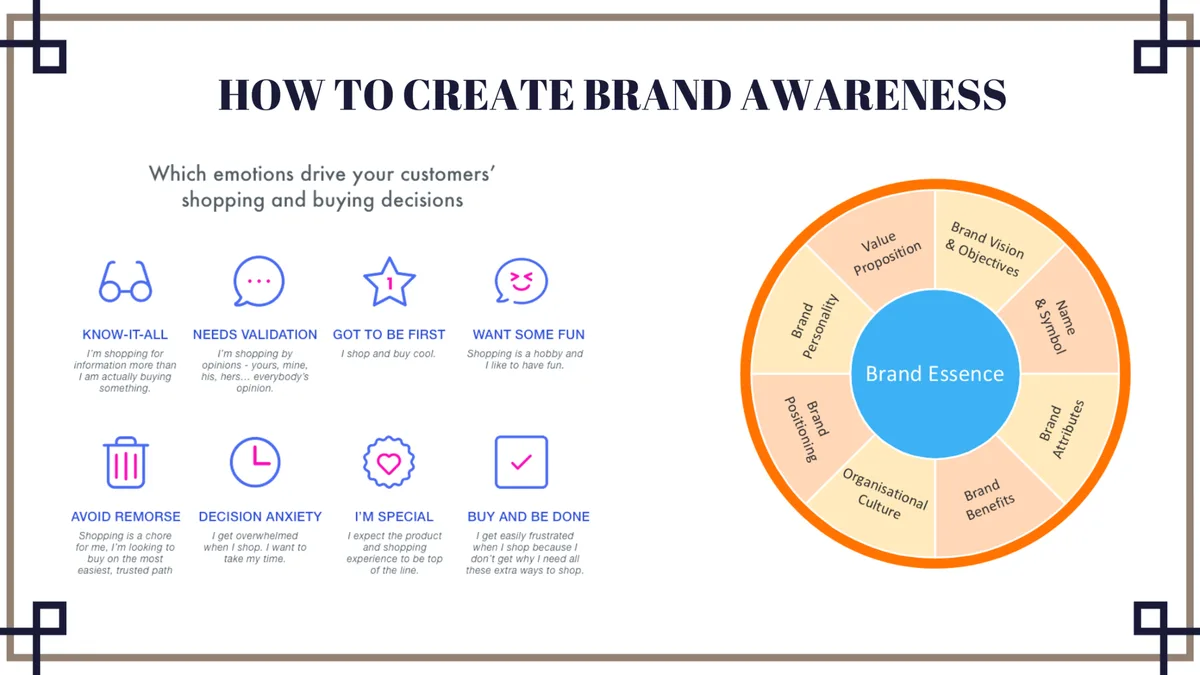
Think of this as your working brand awareness strategy checklist, grouped into four pillars: foundations, content and channels, measurement, and the long game. We’ll cover each tip inside its pillar so you can see how the pieces reinforce each other.
By the end, you’ll have a clear map for building recognition that compounds instead of resets every quarter.
The Foundation Tips: Get the Basics Right Before You Scale
You can’t build awareness on a shaky base. The first three tips deal with the unglamorous work that determines whether everything else lands or flops. Skip these and you’ll spend money teaching people to remember the wrong thing about you.
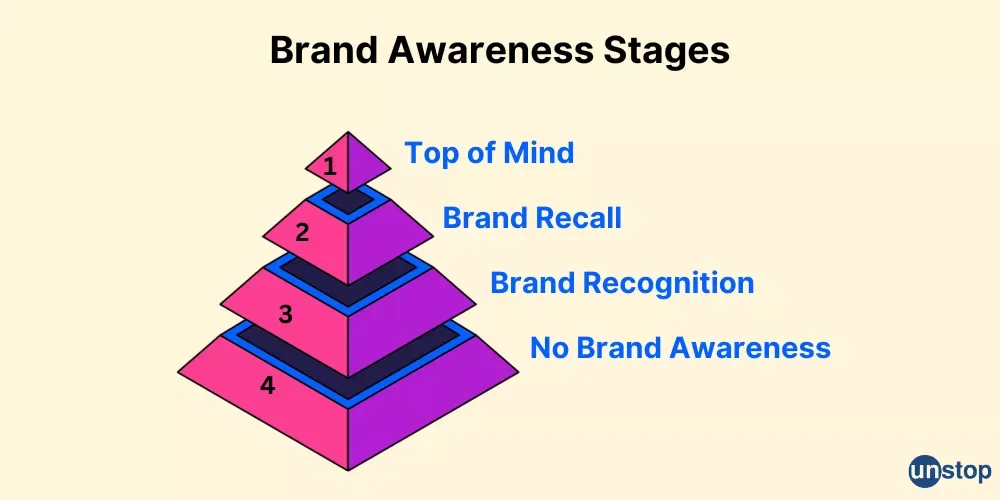
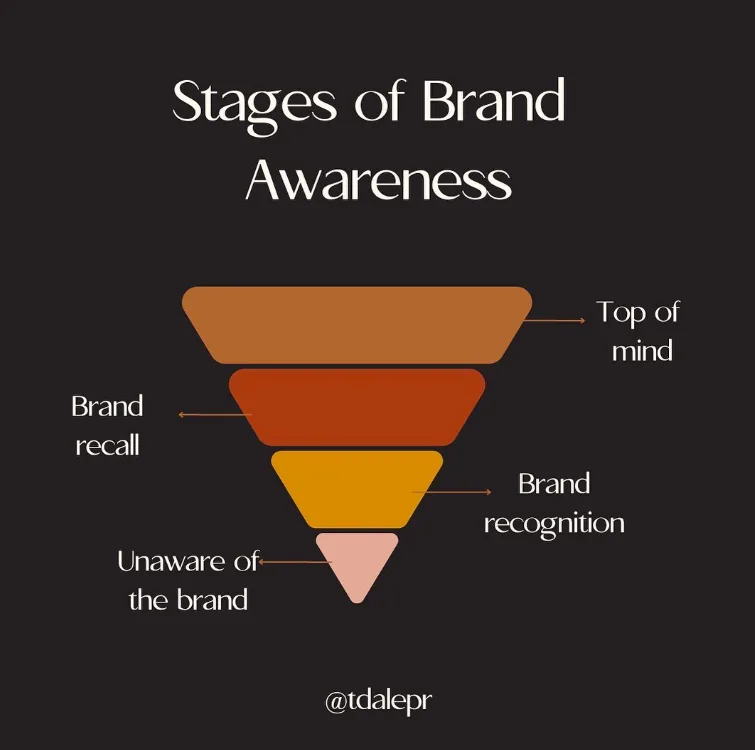
According to the established research on brand awareness, recognition and recall are two different mental processes, and both depend on consistent, repeated cues. That’s the thread running through this whole section.
1. Nail Your Positioning Statement Before Anything Else
Every strong brand awareness strategy starts with a single sentence you can defend: who you’re for, what you do, why you’re different, and what someone gets from choosing you. If you can’t say it in one breath, your audience won’t remember it in one glance.
I’ve seen brands spend six figures on campaigns while their own team gives three different answers to “what do we do?” That’s a positioning problem masquerading as a marketing problem. Fix the sentence first.
Write it down. Test it on ten strangers. If they can repeat the gist back to you, you’re ready to build on it.
2. Build a Visual and Verbal Identity People Can Spot in a Blink
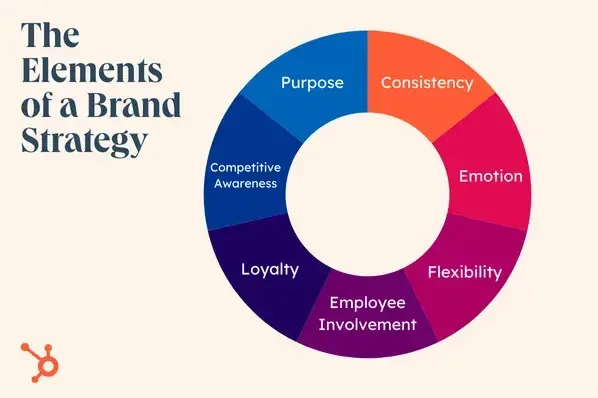
Recognition lives in the details: a signature color, a typeface, a tone of voice, a recurring phrase. The most effective brand awareness strategy best practices treat consistency as a competitive weapon, not a creative constraint.
Take a page from how usability research on visual consistency plays out in the real world: repeated visual cues reduce the cognitive effort of recognizing something. Less effort means stronger memory.
Pick your cues deliberately. Then guard them like a hawk across every touchpoint, from your invoice template to your Instagram grid.
3. Map Every Touchpoint Where Your Audience Actually Spends Time
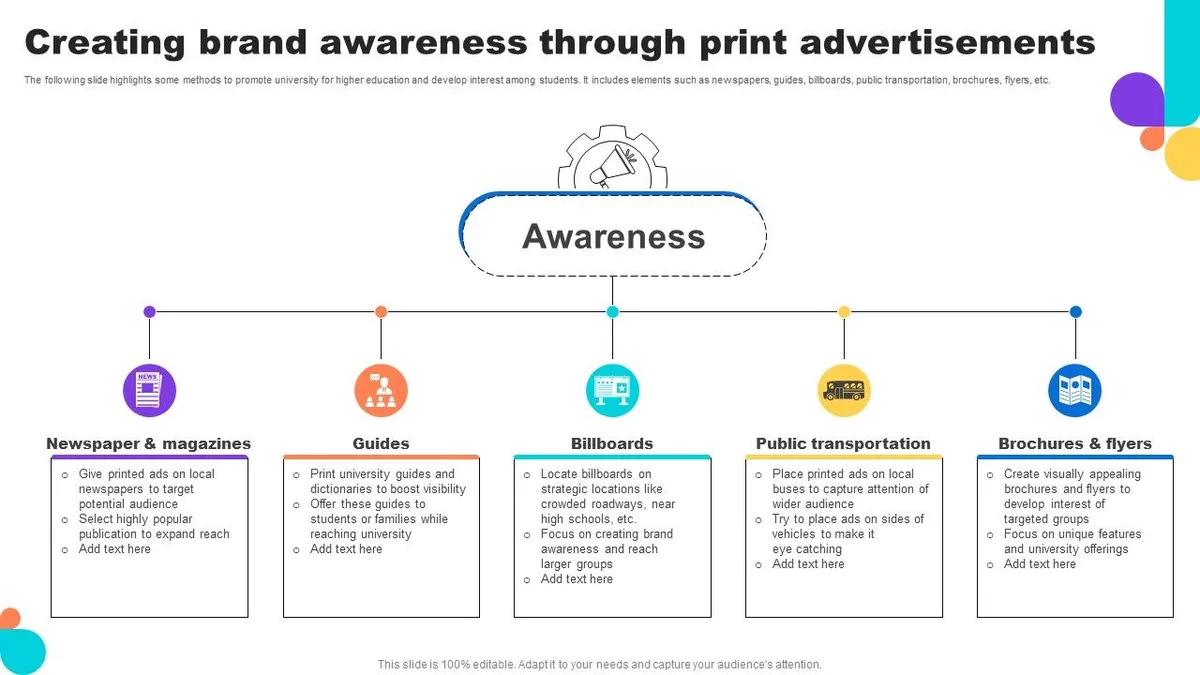
Awareness doesn’t happen in a vacuum. It happens at the intersection of where your audience is and where you show up. So list every place a potential customer could encounter you: search results, social feeds, podcasts, trade events, a friend’s recommendation.
Then rank the brand awareness strategy touchpoints by two things: how many of your people are there, and how much trust that channel carries. A single well-placed podcast ad often beats a dozen low-relevance banner placements.
This map becomes the skeleton of your brand awareness strategy. You’ll hang every later tip on it.
Content and Channel Tips: How to Get Seen and Remembered
Once the foundation is set, the work shifts to reach and repetition. These four tips are where most of your brand awareness strategy tips live in practice, because they’re the ones you’ll act on week to week.
The goal isn’t to be everywhere. It’s to be unmistakable in the few places that matter most.
4. Choose a Signature Content Format and Own It
Brands get remembered for formats, not for individual posts. A weekly teardown, a monthly data drop, a recurring interview series. Pick one format you can sustain and make it unmistakably yours.
Why does this work? Because format is a memory hook. When people see your recurring thing, they don’t just remember the content; they remember you made it.
Look at how publications like Harvard Business Review built recognition around consistent editorial formats. You don’t need their budget. You need their discipline.
5. Use Repetition With Variation, Not Repetition Alone
Saying the same thing the same way gets tuned out. Saying the same core idea through different angles, formats, and stories builds recognition without fatigue.
Think of it like a song chorus. The hook stays the same; the verses change. Your brand awareness strategy needs both: a consistent core message and enough variation to keep people listening.
Map your core message to five different expressions. A short video, a carousel, a long-form article, a podcast clip, a customer story. Same idea, five doors.
6. Lean Into Social Proof and Community as Awareness Engines
People trust people more than they trust brands. A customer story shared by the customer reaches further than the same story shared by you.
Build mechanisms that make sharing easy and rewarding. A user-generated campaign, a community space, a referral loop. These turn your audience into a distribution channel for your brand awareness strategy.
The best part? Refining each detail of your brand awareness strategy strengthens this section. Community-driven awareness tends to be stickier, because it arrives with a recommendation baked in.
7. Pair Paid Reach With Earned Credibility
Paid gets you in front of people fast. Earned coverage, mentions, and reviews make them believe you belong there. A brand awareness strategy that leans only on one side either burns budget or stalls out.
Run them together. Use paid to amplify the stories and mentions you’ve earned, and use earned credibility to make your paid placements feel less like ads and more like endorsements.
Track which earned mentions drove the best paid performance. That pairing tells you where to double down.
Measurement Tips: Prove Your Brand Awareness Strategy is Working
Awareness feels intangible, so people either over-measure it with vanity metrics or give up and call it “brand building.” Neither is good enough. These two tips give you numbers you can actually defend in a budget meeting.
A solid brand awareness strategy checklist always includes a measurement plan. Here’s how to build one that holds up.
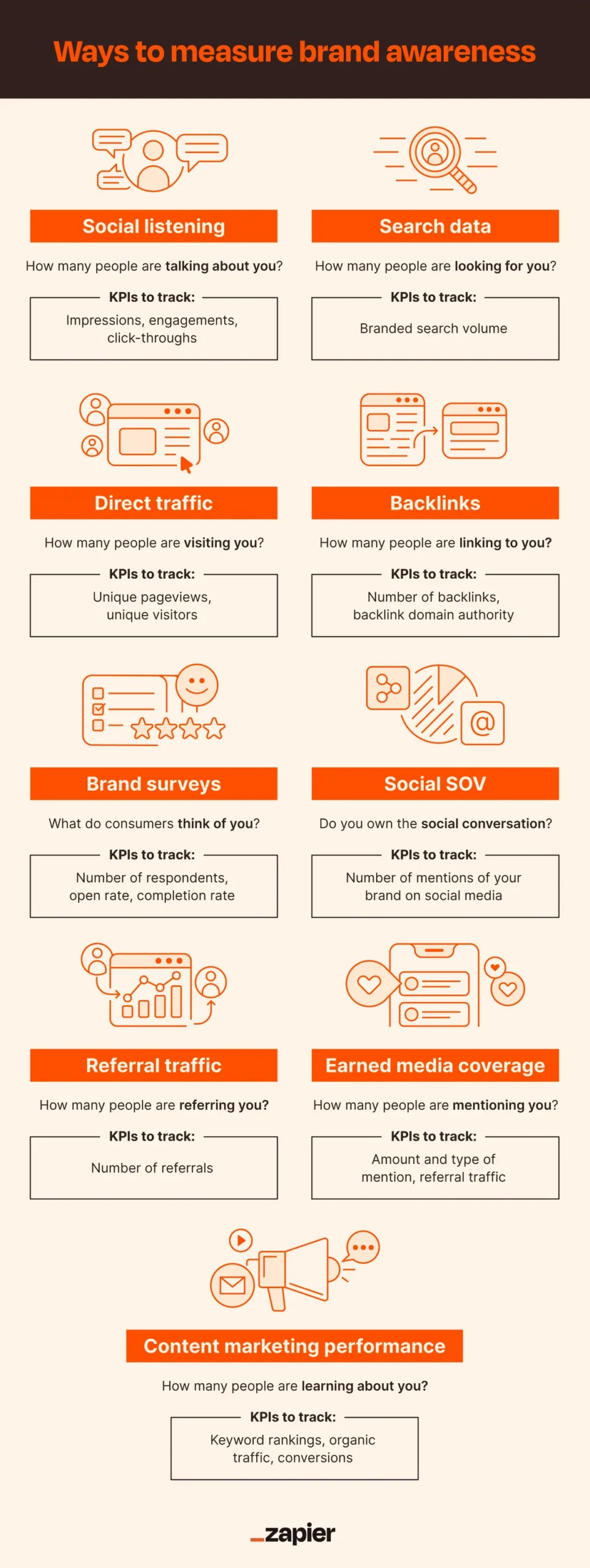
8. Track Recall and Recognition, Not Just Reach
Reach tells you how many eyeballs saw something. Recall tells you how many brains kept it. Those are very different numbers, and only one of them matters for awareness.
Run simple surveys: “Have you heard of us?” and “What do we do?” Track the answers over time. A rising recall rate is the clearest signal your brand awareness strategy is landing.
Keep the surveys short and repeatable. Consistency in the question matters more than sample size.
9. Use a Brand Awareness Strategy Checklist to Audit Quarterly
Build a recurring audit so you’re not guessing whether the plan is on track. A brand awareness strategy checklist keeps the whole team honest and makes course-correction fast.
Here’s a working checklist you can adapt:
| Checklist Item | What to Review | Cadence |
|---|---|---|
| Positioning clarity | Is the one-sentence pitch still accurate? | Quarterly |
| Visual consistency | Are all touchpoints using approved cues? | Monthly |
| Touchpoint coverage | Are we present where the audience actually is? | Quarterly |
| Recall survey | Is unaided recall trending up? | Quarterly |
| Earned mentions | Are credible sources talking about us? | Monthly |
| Community activity | Are customers sharing unprompted? | Monthly |
Print it, assign owners, and review it on a fixed schedule. The checklist does the remembering so your team doesn’t have to.
The Long-Game Tips: Build Awareness That Compounds
The last two tips are the ones most brands underinvest in, because they don’t pay off in a single quarter. But they’re what separate a brand people recognize from a brand people trust.
A brand awareness strategy that only chases the next campaign will always feel like starting over. These tips build the compounding layer.
10. Invest in Consistency Over Time, Not Just Intensity
A loud month followed by silence does less for awareness than a steady, quieter presence sustained for a year. Consistency is the multiplier inside any brand awareness strategy best practices playbook.
Set a cadence the brand awareness strategy can actually keep. Then keep it. The compounding effect of showing up reliably is what turns recognition into familiarity, and familiarity into preference.
Resist the urge to spike spend for a launch and then vanish. The audience remembers the gap more than the spike.
11. Turn Customers Into Advocates Who Carry Your Message
The final tip is the most powerful and the slowest to build. When customers voluntarily tell others about you, your this practice gains a distribution channel you don’t have to pay for.
Design for advocacy: make onboarding memorable, reward referrals genuinely, and give customers something worth talking about. A referral program, a loyalty tier, a community spotlight.
Track advocacy like any other channel. Who’s referring, what they say, and how far their message travels. That data tells you where to invest next.
Common Mistakes That Undermine a Brand Awareness Strategy
Even good plans go sideways. Here are the traps I see most often, and how to sidestep them before they cost you momentum.
The first is chasing virality over consistency. A single viral moment rarely builds lasting awareness; it just spikes attention that fades. Consistency wins.
The second is measuring only reach. Reach without recall is noise. Pair your reach numbers with recall surveys so you know whether people actually remembered you.
The third is letting channels multiply without a clear owner. Maintaining clarity across your brand awareness strategy remains essential. Every touchpoint needs someone responsible for keeping it on-brand, or your identity drifts.
Avoid these three and your this approach stays on track far longer.
Frequently Asked Questions About Brand Awareness Strategy
Here is an in-depth breakdown of key considerations regarding Frequently Asked Questions About Brand Awareness Strategy:
What is the Difference Between Brand Awareness and Brand Recognition?
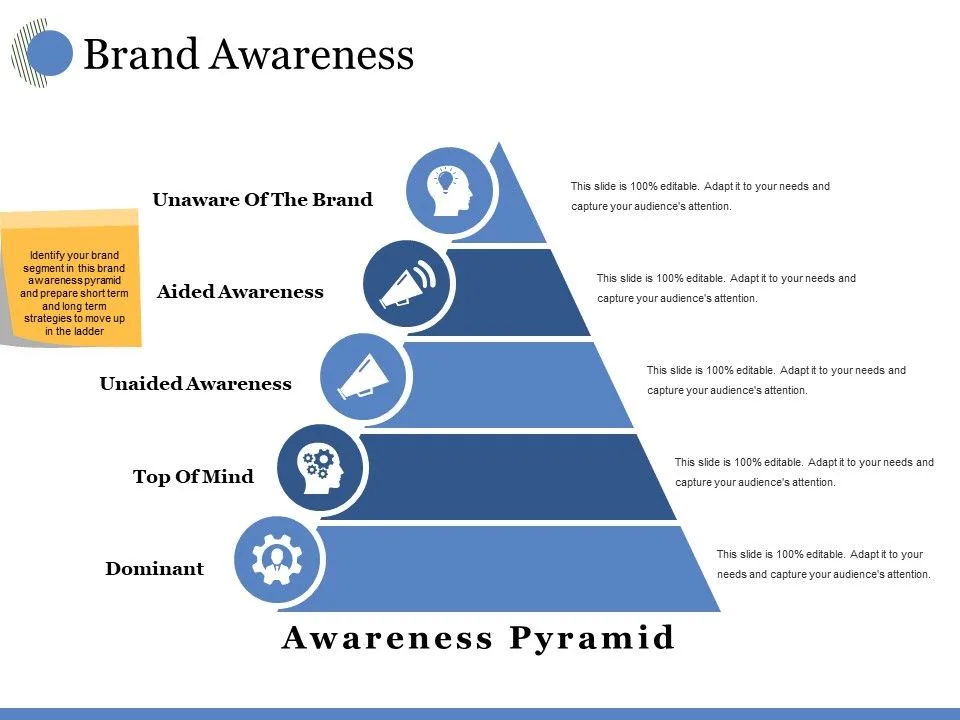
Recognition is when someone sees your brand and knows they’ve encountered it before. Awareness is broader: it includes recall, meaning they can name you unprompted when a need arises. Both matter, but recall is the stronger signal.
How Long Does a Brand Awareness Strategy Take to Show Results?
Expect the first measurable recall gains within a few months of consistent effort. Meaningful, compounding awareness usually takes a year or more of steady execution. The brands that win are the ones that don’t quit early.
Can Small Brands Build Awareness Without a Big Budget?
Absolutely. A focused this practice built on one signature format, a tight community, and consistent earned coverage can outperform a big-budget spray-and-pray campaign. Relevance beats reach when you’re small.
Which Metrics Best Prove Awareness is Growing?
Unaided recall, branded search volume, direct traffic, and earned mentions are the strongest signals. Track them together; any one alone can mislead you.
How Often Should I Refresh My Brand Awareness Strategy?
Audit quarterly and do a deeper review annually. Refresh the positioning if the market shifts, but keep your core cues stable so recognition keeps building.
Where to Go from Here
The 11 tips above form a complete this approach you can start executing right away. Begin with positioning, build your touchpoint map, then layer in content, measurement, and the long-game advocacy work.
Treat this this practice guide as a living document. Revisit the checklist each quarter, adjust what’s not working, and protect what is.
Awareness compounds. Every consistent touchpoint, every earned mention, every customer who speaks up adds to the total. Start small, stay steady, and let the recognition build.