Backlink Gap Analysis: 9 Proven Tactics That Work
A backlink gap analysis tells you exactly where your competitors earn links that you don’t, and it turns that gap into a working to-do list. This backlink gap analysis guide walks you through nine tactics that consistently close the distance. No fluff, no recycled theory — just methods you can run this week.
Most link building advice stops at “find competitors and copy them.” That’s lazy. The real work starts when you understand why a gap exists, which links are worth chasing, and which ones are traps dressed up as opportunities.
Below you’ll find the full playbook: how to run the audit, how to read what it’s telling you, and the nine proven tactics that turn a spreadsheet of competitor URLs into actual rankings.
What is a Backlink Gap Analysis, Exactly?
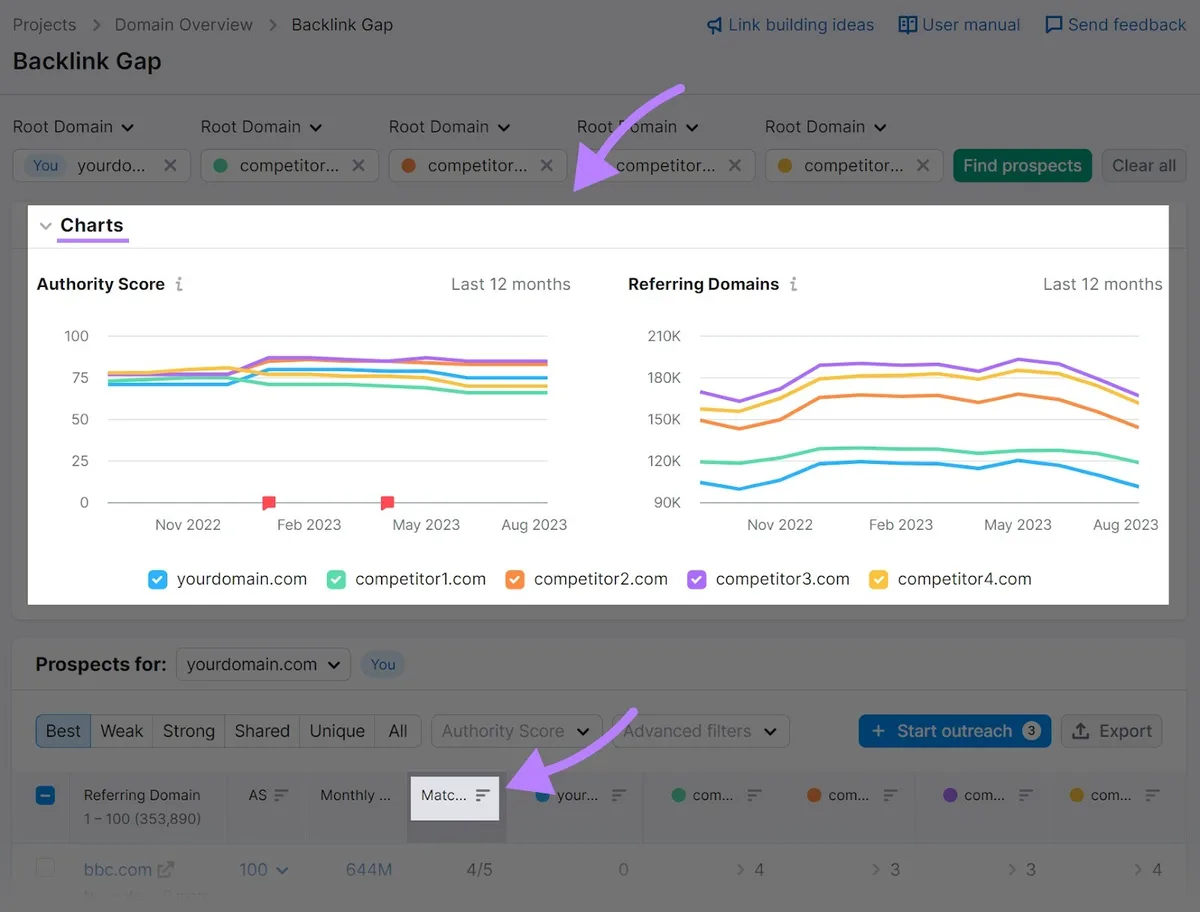
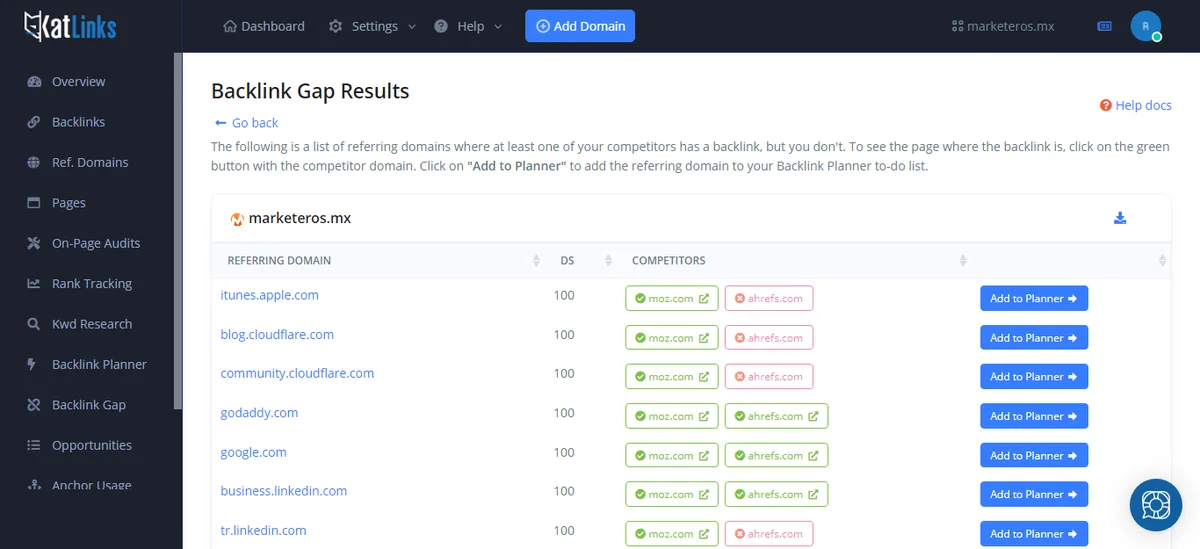
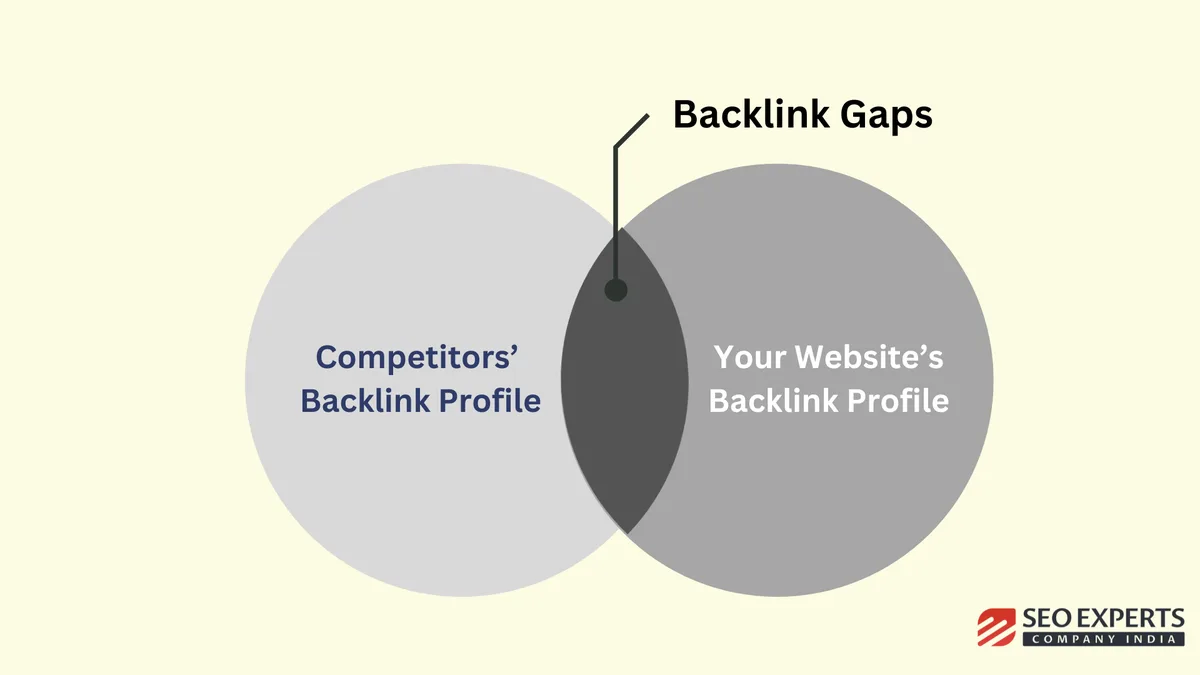
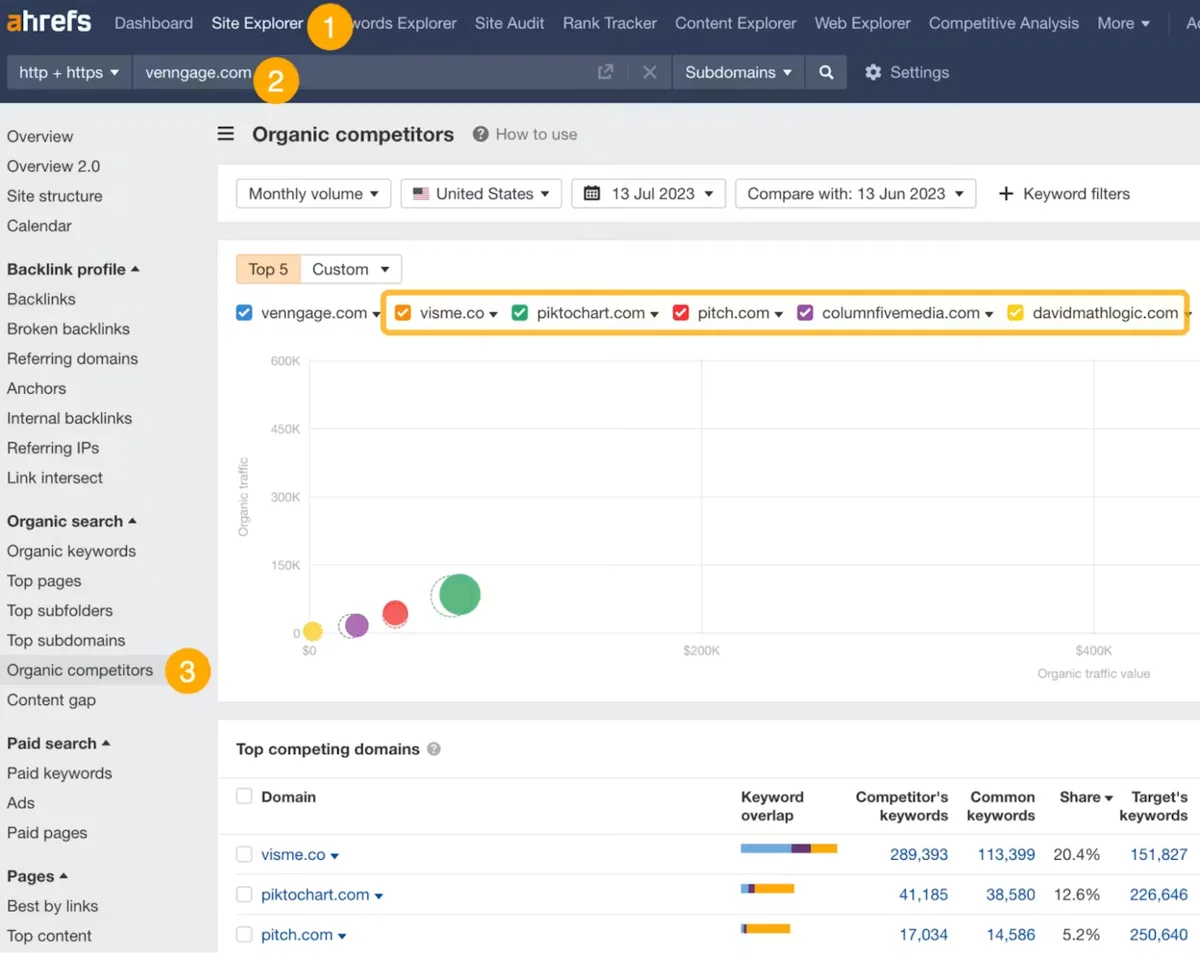
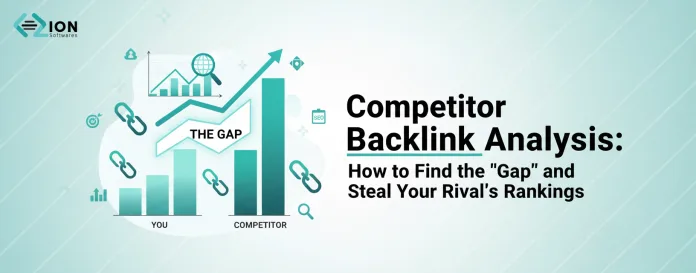
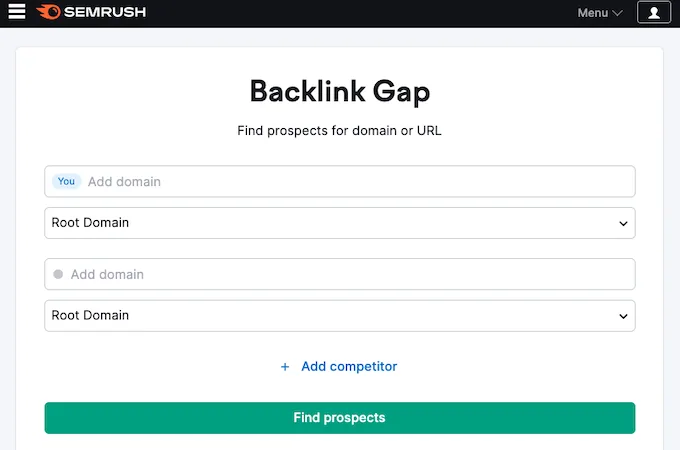
A backlink gap analysis is a side-by-side comparison of the domains linking to your competitors but not to you. You pull the referring domains for three to five rivals, stack them against your own, and isolate the difference.
That difference is your gap. It’s not a vague concept — it’s a concrete list of sites that have already shown willingness to link to content in your niche. That’s the part people miss. You’re not cold-pitching strangers. You’re pitching publishers who have a documented habit of linking to topics like yours.
The output of a proper backlink gap analysis isn’t a number. It’s a prioritized set of targets, each with a reason to exist and an angle for outreach. If your analysis ends with “we have 400 fewer referring domains,” you did it wrong. If it ends with “here are 60 sites worth contacting and why,” you did it right.
The Three Data Points That Actually Matter
Tools will throw dozens of metrics at you: domain rating, trust flow, spam score, referring domain count, anchor text distribution. Most of it is noise at the gap stage.
Three things matter. First, referring domain overlap — which sites link to two or more competitors but not you. Those are the strongest signals because multiple publishers independently vouched for the same source. Second, link type — editorial links in body copy are worth pursuing; footer credits and directory listings are not.
Third, topical relevance — a link from a niche blog that covers your exact subject beats a link from a general news site every time.
Everything else is secondary. A backlink gap analysis built on those three filters will produce a target list roughly a tenth the size of the raw export, and ten times more useful.
Why Most Backlink Gap Analysis Efforts Fail
Here’s the uncomfortable truth: most teams run the analysis, export a giant CSV, and then nothing happens. The spreadsheet dies in a shared drive. Six months later someone runs it again and gets the same result.
The failure isn’t in the data. It’s in the translation step. A raw gap report doesn’t tell you what to do — it tells you what exists. Bridging that requires judgment about which links are realistically obtainable, which require content you don’t have yet, and which are simply off the table.
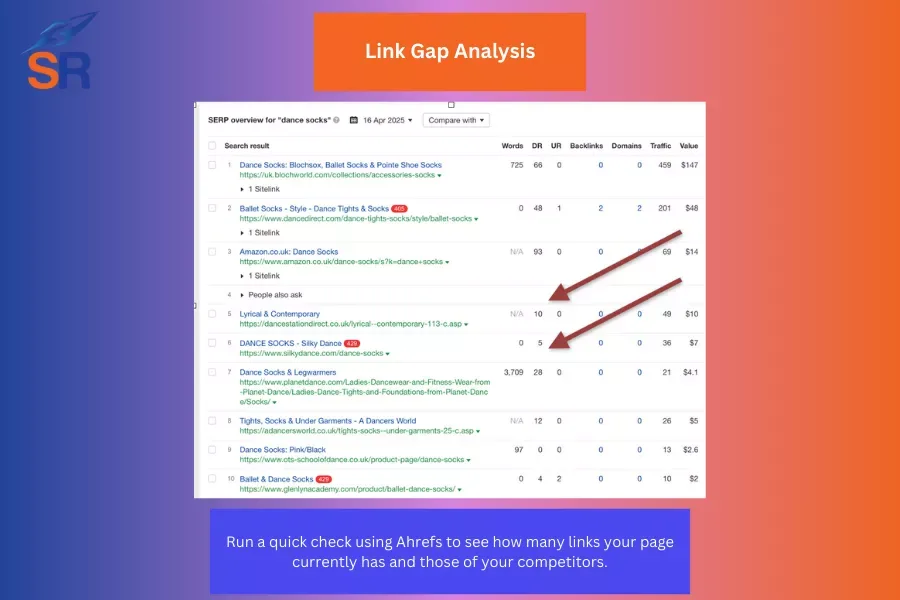
There’s a second failure mode too. Teams chase the biggest gap by volume rather than by value. A competitor with 50,000 referring domains will always show an enormous gap, but most of those links came from news cycles, PR stunts, or partnerships you can’t replicate. Chasing that gap is a recipe for burnout.
The fix is to run your backlink gap analysis against peers, not giants. Pick competitors within reach — similar site age, similar content volume, similar audience. Close those gaps first.
Building Your Backlink Gap Analysis Checklist Before You Touch a Tool
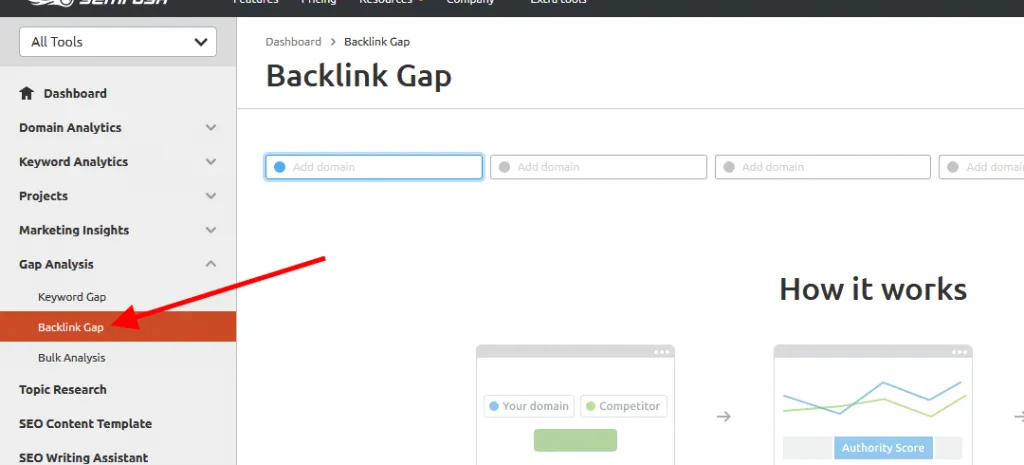
Before opening Ahrefs, Semrush, or Moz, write down what you’re trying to learn. A backlink gap analysis checklist keeps the project from drifting into a data-gathering exercise with no endpoint.
At minimum, your checklist should cover: which competitors you’re comparing, which metric you’re gating on, how you’ll classify link types, who owns outreach for each category, and what “done” looks like for this cycle.
That last item matters more than it sounds. A gap analysis isn’t a one-time project — it’s a recurring process. Decide upfront whether you’re closing the gap on editorial links only this quarter, or whether you’re also chasing resource pages and broken links. Trying to do all nine tactics at once is how teams stall out.
A Practical Backlink Gap Analysis Checklist
- Select 3-5 direct competitors with comparable domain authority and content scope.
- Export referring domains for each competitor plus your own domain.
- Filter for links to two or more competitors — these are your highest-confidence targets.
- Remove irrelevant or toxic domains before they pollute the list.
- Classify each target by link type: editorial, resource page, guest post, directory, or mention.
- Tag by content format — was the link earned by a blog post, a tool, a study, or a template?
- Score by obtainability on a simple 1-3 scale based on existing relationships and content fit.
- Assign owners and deadlines before the list goes cold.
That checklist isn’t glamorous, but it’s the difference between a backlink gap analysis that produces outreach and one that produces a nice chart.
The Nine Proven Tactics That Close the Gap
These are ordered by effort-to-reward ratio, roughly. Start at the top. Most teams find that the first three tactics alone account for the majority of links they actually win.
Tactic 1: Target Multi-Competitor Referring Domains First
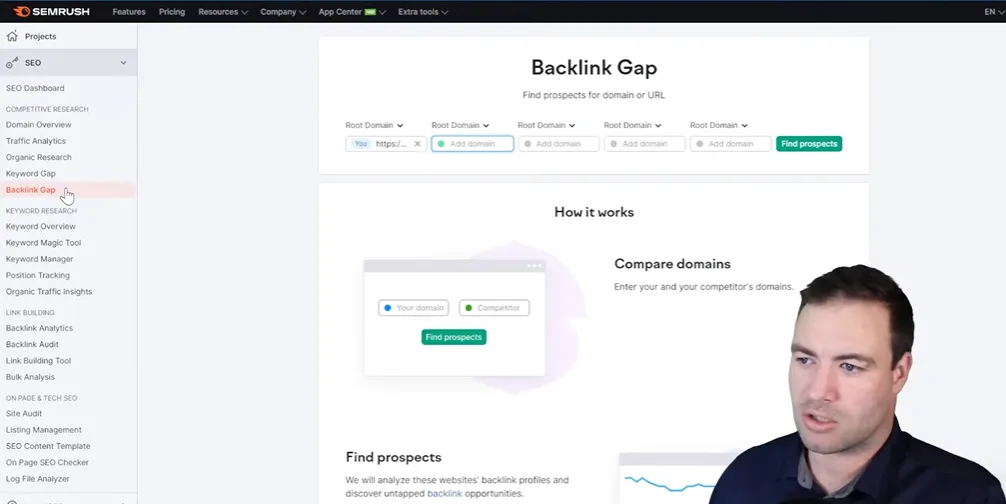
This is the foundation of every backlink gap analysis worth running. Filter your gap export for domains that link to at least two of your competitors. Those sites have demonstrated a pattern, not a one-off favor.
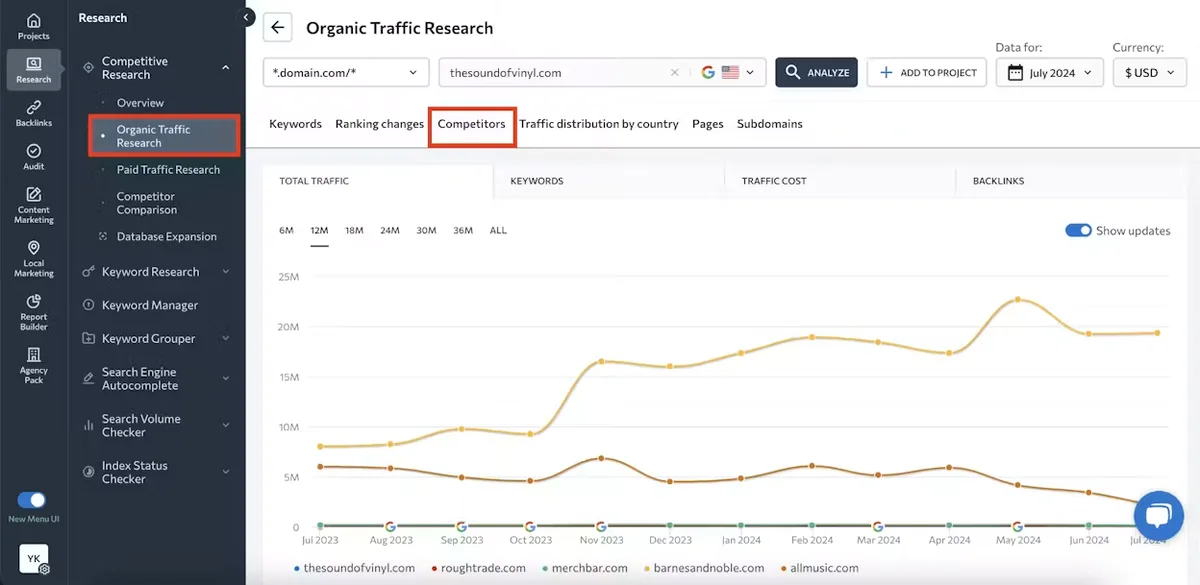
Why does this matter? Because a publisher who has linked to three competitors in your space is clearly receptive to your topic. Your pitch doesn’t need to convince them the subject is worth covering — they’ve already decided that. You just need to show them your version is better, newer, or more complete.
In practice, I’ve seen this filter shrink a 4,000-domain gap list down to about 150 targets. Of those, roughly 40% responded to outreach, and about a third of those converted to links. That’s a dramatically better hit rate than cold pitching.
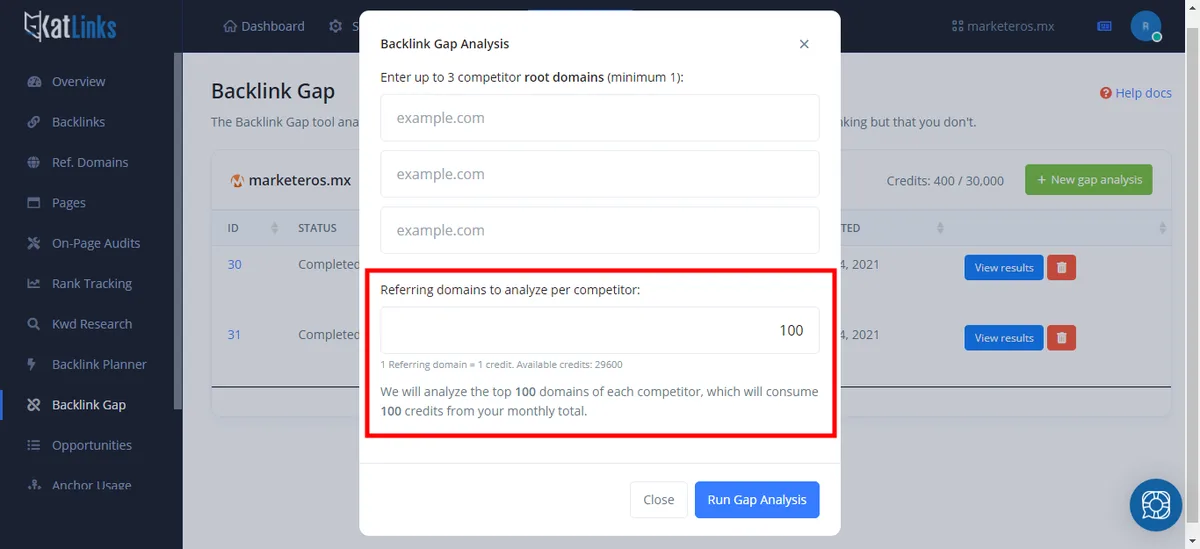
Sort these by the number of competitors linked, then by relevance. Sites linking to four or five competitors are your top tier. Start there.
Tactic 2: Reverse-Engineer the Content That Earned the Links
Once you have a target list, don’t pitch blind. Pull the specific URLs on your competitors’ sites that attracted the links. That’s your content brief.
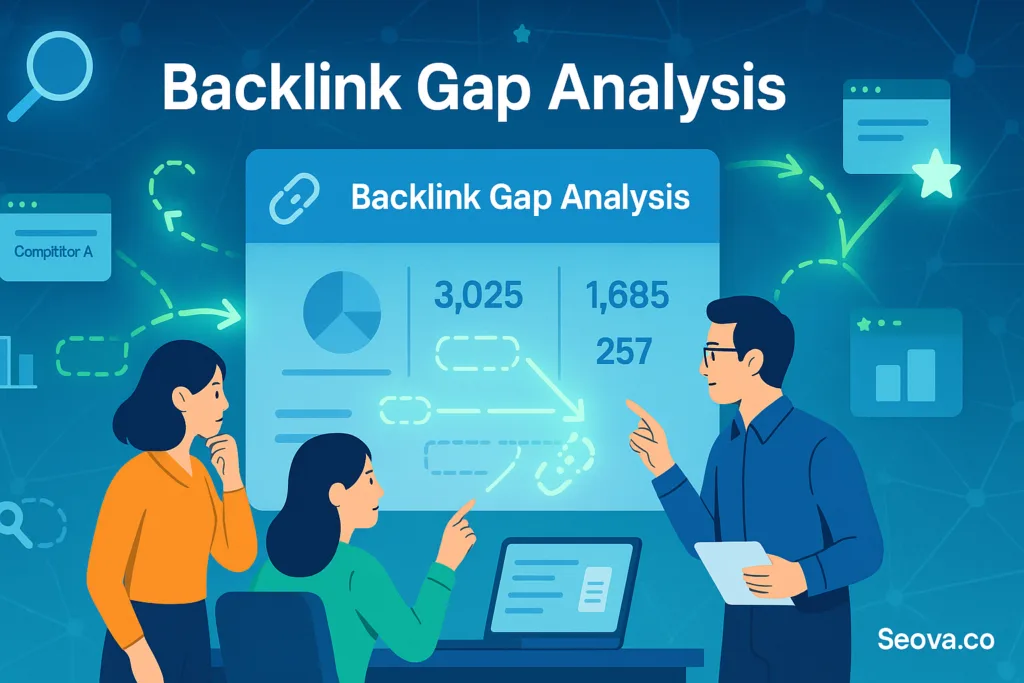
You’re looking for patterns. Are they winning links with original research? Interactive tools? Long-form tutorials? Comparison pages? The format matters as much as the topic.
Here’s the practical move: for each of your top 20 gap targets, identify the exact competitor page the backlink gap analysis earned the link. Then ask whether you can build something genuinely better. Not a rewrite — something with more data, better visuals, or a fresher angle.
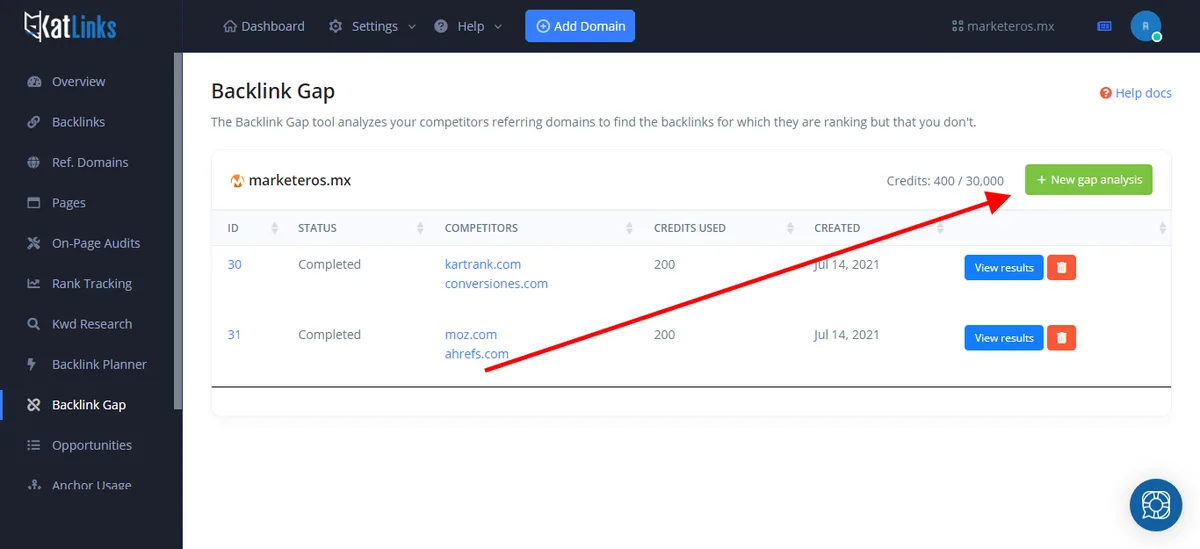
If the answer is yes, build it. If the answer is no, skip the target. Pitching a publisher with content that’s clearly inferior to what they already linked to wastes everyone’s time.
Spotting Format Patterns in Your Gap Data
After you’ve pulled twenty or thirty competitor URLs, patterns emerge fast. Maybe 60% of the links in your niche go to statistics pages. Maybe listicles dominate. Maybe one competitor cracked the code with an interactive calculator.
That’s not a coincidence — it’s a map. Build in the format that your niche’s publishers actually reward. A backlink gap analysis that ignores format will send you chasing topics when you should be chasing structure.
Tactic 3: Reclaim Unlinked Brand Mentions
Somewhere in your gap data, there are sites mentioning your brand without linking. These are the easiest wins in the entire backlink gap analysis process.
Run a mention search for your brand name, product names, and key personnel. Cross-reference against your backlink profile to find unlinked mentions. Then reach out — politely — and ask for a link.
Most publishers say yes. The mention already exists; you’re just asking for the citation. Conversion rates on this tactic routinely hit 30-40%, which is unheard of in most outreach.
Don’t be transactional about it. If the mention is negative or neutral, skip it. If it’s positive and substantive, ask. If it’s a passing reference in a list of tools, ask. If it’s a competitor’s comparison page that mentions you unfavorably, skip that too — the link won’t help and the ask looks desperate.
Tactic 4: Build the Missing Resource Page Links
Resource pages are curated lists of helpful links on a specific topic. They’re goldmines for link building because they exist specifically to link out.
Your backlink gap analysis will surface resource pages linking to competitors. Filter for these, then check whether your site deserves inclusion. If it does, reach out with a short, specific pitch.
The trick is relevance. Don’t pitch a general marketing resource page with a niche technical article. Match the page’s topic to your asset precisely. A resource page about “email deliverability tools” wants tools, not blog posts. A resource page about “SEO learning resources” wants guides and courses.
Best practices here are simple: read the page first, confirm your asset genuinely fits, and write a two-sentence pitch the backlink gap analysis explains why. No templates. No “I came across your amazing site.” Just the fit.
Tactic 5: Turn Broken Competitor Links Into Opportunities
Broken link building works, but it’s slower than the hype suggests. Still, it belongs in any serious backlink gap analysis because the targets are pre-qualified.
The process: find pages linking to dead competitor URLs, then offer your live equivalent. The publisher wants to fix the broken link; you provide the fix. Everyone wins.
Where this gets tricky is verification. Many “broken” links are actually redirects, paywalls, or temporarily down pages. Check each one manually before pitching. Sending outreach about a link that isn’t actually broken damages your credibility fast.
Volume matters less here than precision. Twenty verified broken links with a genuine replacement beat two hundred scraped ones with a generic template.
Tactic 6: Pitch Data-Driven Guest Posts to Gap Targets
Guest posting has a bad reputation because most of it is spam. But targeted guest posts to sites already linking to competitors? That’s different.
Your backlink gap analysis identifies publishers who cover your topic. Some of them accept contributed content. Those are your targets.
What separates a good pitch from a bad one is specificity. Don’t offer “a guest post about SEO.” Offer “a data study on how backlink gap analysis changes across B2B and B2C niches, with original survey data from 200 marketers.”
The data angle matters because it’s what publishers can’t easily produce themselves. If you’re bringing original research, they’ll take the meeting. If you’re bringing another “5 tips” post, they won’t.
What to Bring to a Guest Post Pitch
Three things: a specific angle, a sample of your writing, and evidence you understand their audience. That’s it. Skip the lengthy introduction about how much you admire their site — nobody reads past the first sentence of those.
Lead with the angle. Then a one-line credential. Then a link to a relevant sample. The whole pitch should fit in five sentences.
Tactic 7: Use Digital PR to Close Authority Gaps
Some gaps can’t be closed through outreach alone. Effective execution in your backlink gap analysis makes a tangible difference. If your competitors have links from major publications — industry press, national outlets, trade journals — you need coverage that earns those links.
Digital PR is the tactic. It’s slower and more expensive than outreach, but it’s the only reliable way to earn high-authority editorial links at scale.
The playbook: create a data story worth covering, pitch it to journalists who cover your beat, and let the coverage generate links naturally. The backlink gap analysis tells you which publications matter. Your PR work gets you into them.
What makes a story pitchable? Original data, a surprising finding, or a clear trend with a human angle. “We surveyed 500 marketing directors and found that 73% can’t name their top three competitors’ backlink sources” is pitchable. “We launched a new tool” is not.
Tactic 8: Build Comparison and Alternative Pages for Link Magnetism
Comparison pages — “X vs Y” and “Best Alternatives to X” — attract links because they answer a specific, high-intent question. If your gap analysis shows competitors winning links with these pages, build better ones.
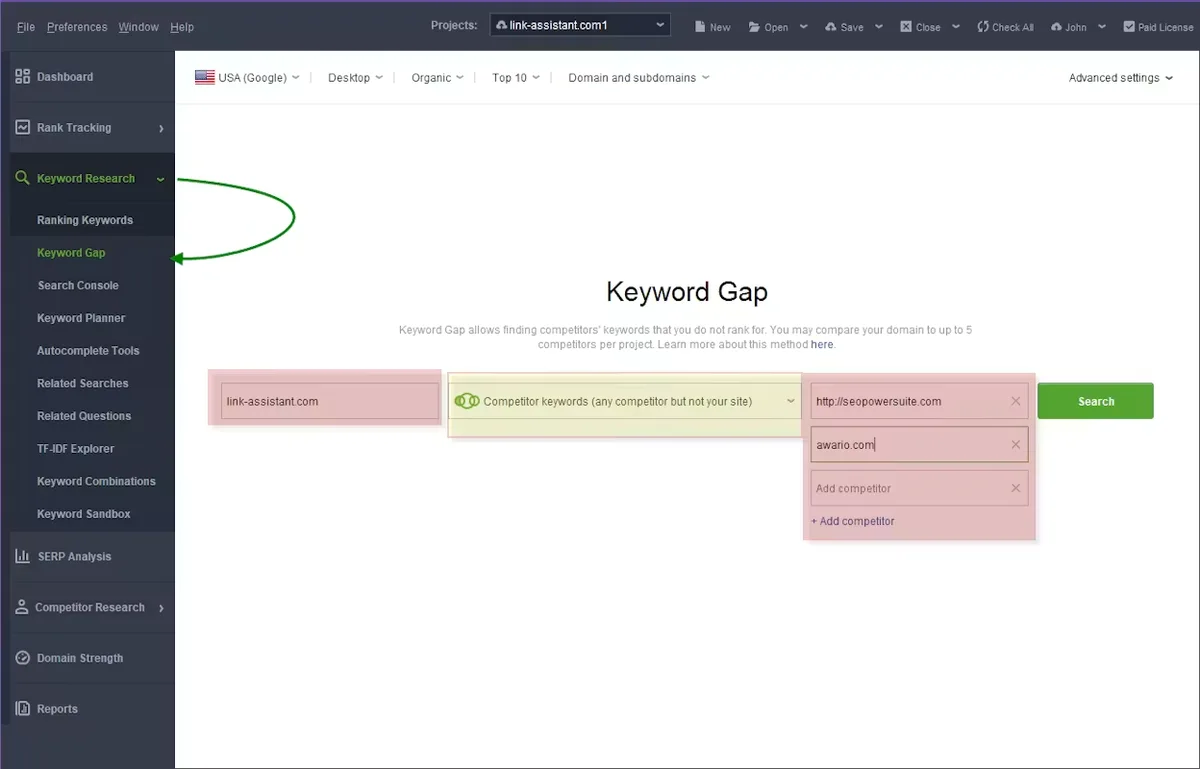
The formula: pick a competitor or category where you have genuine insight, build a fair comparison (not a hit piece), and make it the best resource on the topic. Then outreach to publishers who linked to the weaker competitor versions.
Fairness matters. Comparison pages that obviously favor the author’s product get ignored or, worse, mocked. Pages that acknowledge trade-offs and give credit where it’s due earn links and reputation.
Include a clear methodology section. Explain how you evaluated each option. That transparency is what separates a comparison page worth linking to from a glorified sales page.
Tactic 9: Systematize the Backlink Gap Analysis Into a Recurring Process
The final tactic isn’t a link building method — it’s the operational layer that makes the other eight repeatable. Without it, you run a backlink gap analysis once, get a burst of links, and then drift.

Set a cadence. Quarterly is standard, monthly is better if you’re in a fast-moving niche. Each cycle, rerun the gap against the same competitor set plus any new entrants. Track which targets converted, which went cold, and which need a different angle.
The best practices here are unglamorous: maintain a shared target list, log every outreach attempt, and review the pipeline weekly. Maintaining clarity across your backlink gap analysis remains essential. The teams that close gaps fastest aren’t running cleverer analyses — they’re running the same analysis more consistently.
One more thing. Update your competitor set periodically. The rivals that mattered two years ago may not be the ones you should benchmark against now. A backlink gap analysis is only as useful as the comparison set behind it.
Comparing Backlink Gap Analysis Tools: What Each One Does Best
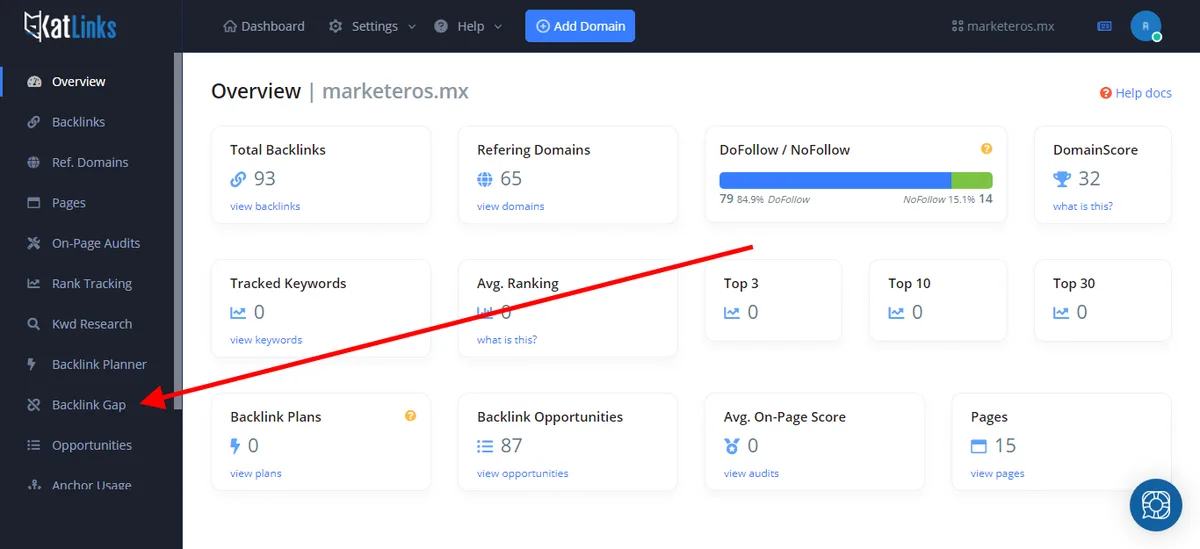
Tool choice matters less than method, but the differences are real. Here’s how the main options stack up for gap work.
| Tool | Strength for Gap Analysis | Best For |
|---|---|---|
| Ahrefs | Largest index, strong “Link Intersect” feature, clean referring domain exports | Teams running frequent gap analyses with large competitor sets |
| Semrush | Solid backlink analytics, integrated with keyword gap tools | Teams already using Semrush for broader SEO work |
| Moz Link Explorer | Strong domain authority metrics, good for legacy sites | Teams benchmarking on DA specifically |
| Majestic | Deep historical link data, trust flow metrics | Analysts who want granular link quality signals |
| Google Search Console | Free, shows your own link data | Small sites starting their first gap analysis |
Ahrefs wins on raw capability for most teams. Its Link Intersect tool does the multi-competitor filter natively, which saves hours of manual work. Semrush is close behind and often the better choice if you’re already paying for it.
For smaller sites or tight budgets, Search Console plus a free tier of one of the others is enough to start. You don’t need enterprise tooling to run a useful backlink gap analysis — you need consistent execution.
Backlink Gap Analysis Tips from the Field
A few things I’ve learned running these analyses across dozens of sites, some of which I wish someone had told me earlier.
Don’t chase domain rating alone. A DR 40 link from a highly relevant niche site usually outperforms a DR 70 link from a general news aggregator. Relevance compounds; authority doesn’t always.
Watch for link velocity traps. If a competitor gained 500 links in a month from a single source, that’s likely a paid campaign or a PBN. Skip it. Chasing those links won’t help and might hurt.
Prioritize by obtainability, not by size. The best target is the one you can actually land, not the one with the highest metrics. A backlink gap analysis that ignores obtainability produces a wish list, not a strategy.
Document what didn’t work. Failed outreach teaches you as much as successful outreach. Keep a log of pitches that got ignored and analyze why. Over time, that log becomes your most valuable asset.
Quick Tips for First-Time Gap Analyses
- Start with three competitors, not ten. You can expand later.
- Filter out directories, forums, and aggregators before you start targeting.
- Build your content assets before you pitch — pitching with nothing to link to wastes the contact.
- Set a realistic target: closing 5-10% of a meaningful gap per quarter is solid progress.
- Review your gap report monthly even if you only run the full analysis quarterly.
None of these are revolutionary. They’re just the things that separate teams that close gaps from teams that keep running analyses and wondering why nothing changes.
Turning Your Backlink Gap Analysis Into a Content Roadmap
The most underused output of a backlink gap analysis isn’t a target list — it’s a content calendar. Every gap target tells you what content your niche rewards.
Group your gap targets by the content format the backlink gap analysis earned the link. If 40% of your gap comes from statistics pages, that’s a signal to build a statistics hub. If 25% comes from interactive tools, that’s a tooling investment decision.
Then map it against what you already have. Some gaps require new content. Others just require better content — the page exists, but it’s not strong enough to earn links. That distinction saves enormous effort.
A backlink gap analysis that feeds directly into content planning compounds over time. Each cycle produces better-targeted content, which earns more links, which shrinks the next gap.
How Often Should You Rerun the Analysis?
Quarterly is the standard answer, and it’s a reasonable default. But the right cadence depends on how fast your niche moves and how aggressively you’re executing.
If you’re in a fast-moving space — SaaS, crypto, AI — monthly is worth it. Link profiles shift quickly, and quarterly cycles miss opportunities. If you’re in a slower niche, quarterly or even twice-yearly is fine.
The real answer is: rerun the analysis whenever you’ve exhausted your current target list. That’s the natural signal. When outreach starts feeling like scraping the bottom of the barrel, it’s time to refresh the data.
Keep the competitor set stable between cycles so you can measure progress. Adding new competitors mid-cycle muddies the comparison.
Frequently Asked Questions About Backlink Gap Analysis
Here is an in-depth breakdown of key considerations regarding this section:
What is the Difference Between a Backlink Gap Analysis and a Keyword Gap Analysis?
A keyword gap analysis shows terms competitors rank for that you don’t. A backlink gap analysis shows domains linking to competitors but not you. They’re complementary — keyword gaps tell you what to build, backlink gaps tell you where to promote it.
How Many Competitors Should I Include?
Three to five is the sweet spot. Fewer than three and you can’t distinguish patterns from one-offs. More than five and the overlap filter becomes too restrictive — you’ll find almost no domains linking to all of them.
Can I Run a Backlink Gap Analysis With Free Tools?
Yes, with limits. Google Search Console shows your own links for free. Free tiers of Ahrefs, Semrush, and Moz give limited competitor data. For a serious analysis you’ll eventually need a paid tool, but you can start with free tiers to learn backlink gap analysis best practices is what decides the outcome, and the process.
How Do I Know Which Gap Links are Worth Pursuing?
Three filters: relevance to your topic, obtainability given your current content and relationships, and link type (editorial beats directory every time). Structuring your backlink gap analysis around proven patterns ensures impact. A link that scores well on all three is worth pursuing. One that scores well on only one usually isn’t.
What’s a Realistic Timeline for Closing a Backlink Gap?
For a small gap — say, 50-100 referring domains — six to twelve months of consistent outreach is realistic. For larger gaps, think in years, not months. The teams that succeed treat this as an ongoing process, not a campaign.
Should I Chase Every Link My Competitors Have?
No. Many competitor links are unattainable — paid placements, partnerships, PR stunts, or legacy relationships. Focus on the subset that’s both relevant and realistically obtainable. A backlink gap analysis is a prioritization tool, not a completionist’s checklist.
Where to Go from Here
The tactics above work. Not because they’re clever, but because they’re systematic. A backlink gap analysis turns a vague goal — “get more links” — into a concrete list of targets with reasons and owners.
Start with tactic one. Pull the multi-competitor referring domains, filter for relevance, and build your first target list. Then work down the list. The other eight tactics will make more sense once you’ve seen the data.
If you want to go deeper, the natural next steps are technical link auditing (to spot toxic links worth disavowing) and anchor text distribution analysis (to see whether your profile looks natural compared to competitors). Both build on the same underlying data.
Run the analysis. Build the assets. Send the pitches. Repeat. That’s the whole game.
For verified reference and background research, consult the authoritative informational resource on this topic.