Skyscraper outreach works best when you stop treating it like a numbers game and start treating it like a favor you’re doing for a busy editor. That single shift in mindset is what separates a reply rate of 2% from one that clears 15%.
I’ve sent thousands of these pitches over the years. Some landed links on sites with millions of monthly readers. Plenty flopped into silence. The lessons came hard, but they stuck, and this guide condenses them into seven moves you can run without a big budget or a 40-person team.
Think of this as your working reference. It’s a practical skyscraper outreach guide for anyone who wants durable editorial links instead of the flash-in-the-pan variety. We’ll cover vetting targets, building the asset, the pitch itself, follow-ups, creative link angles, tracking, and the mistakes that quietly sink campaigns.
The Core Idea Behind Skyscraper Outreach (And Why It Still Works)
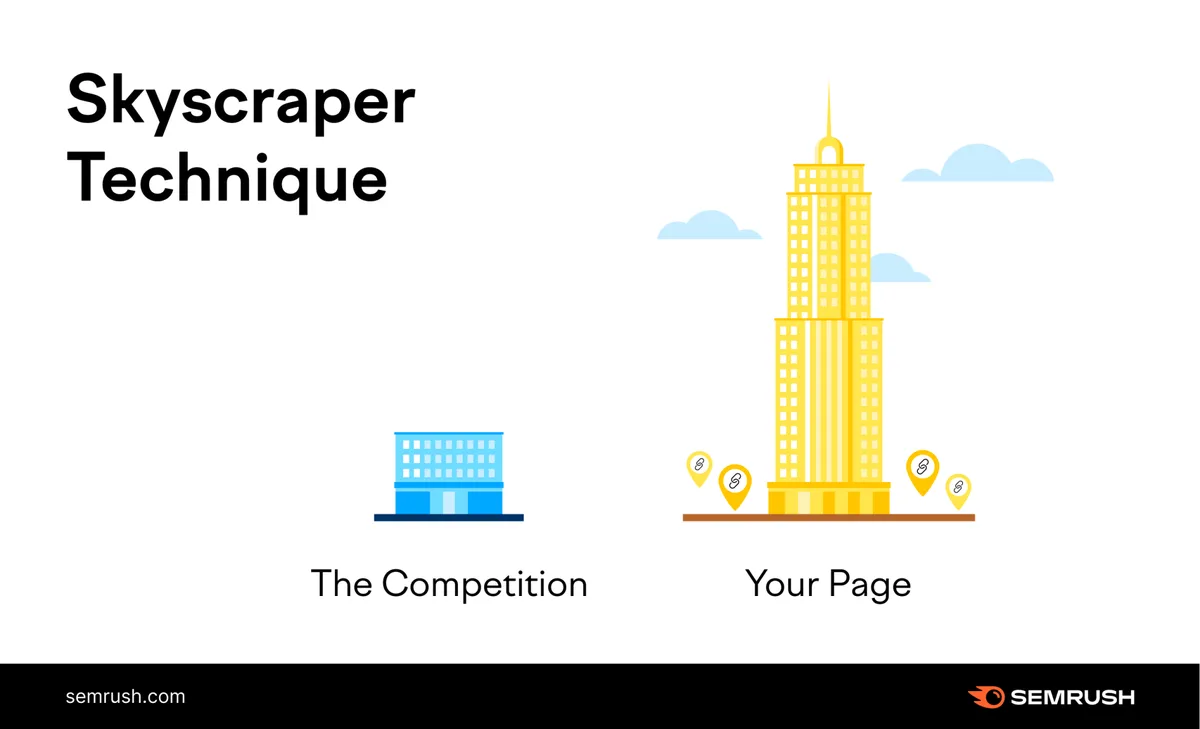
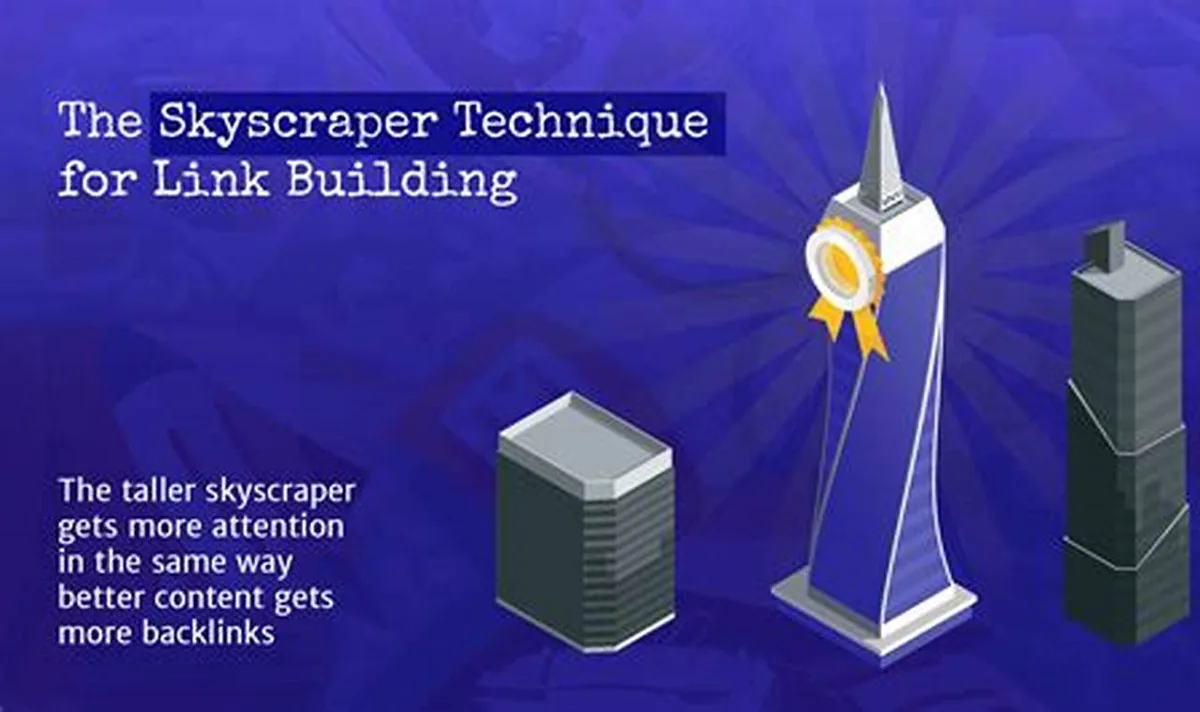
At its heart, the skyscraper outreach tactic borrows a page from the skyscraper building strategy Brian Dean popularized years ago. You find content that already earns links from real editors, figure out why it succeeds, then publish something materially better. Then you let the people linking to the original know the upgrade exists.
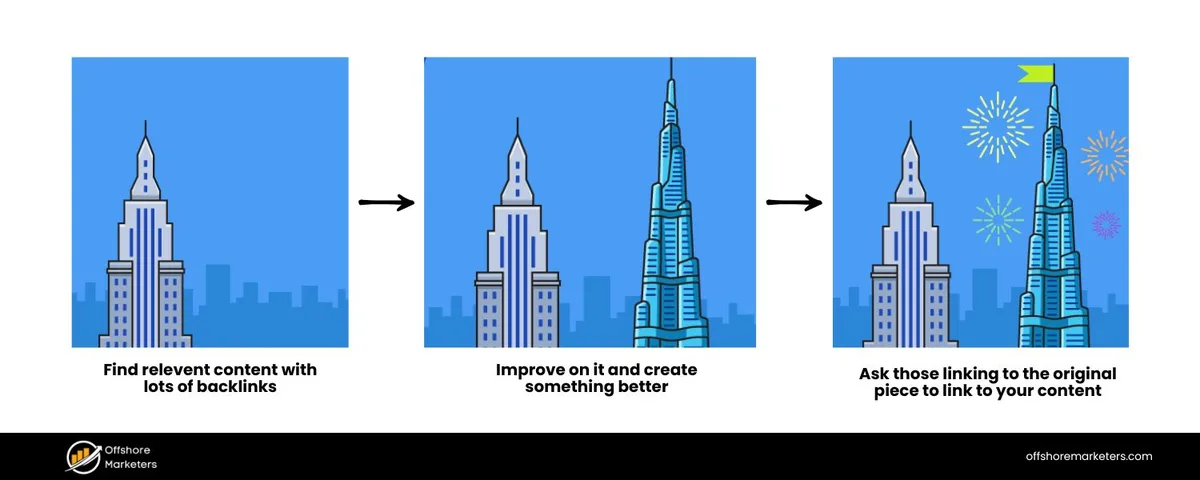
The reason the skyscraper outreach keeps working is simple: editors hate re-linking to outdated, thin, or broken resources. If you hand them a genuinely superior alternative, you’re removing a small headache from their day. That’s a much easier ask than “please link to my brand-new post about a topic you’ve never covered.”
How to Pick Skyscraper Outreach Targets Without Wasting Weeks
Most failed campaigns die in the research phase, not the pitching phase. People chase topics with high link counts but no editorial relevance, or they pick a keyword so broad that “better” becomes impossible to define. Let’s fix that before it costs you a month.
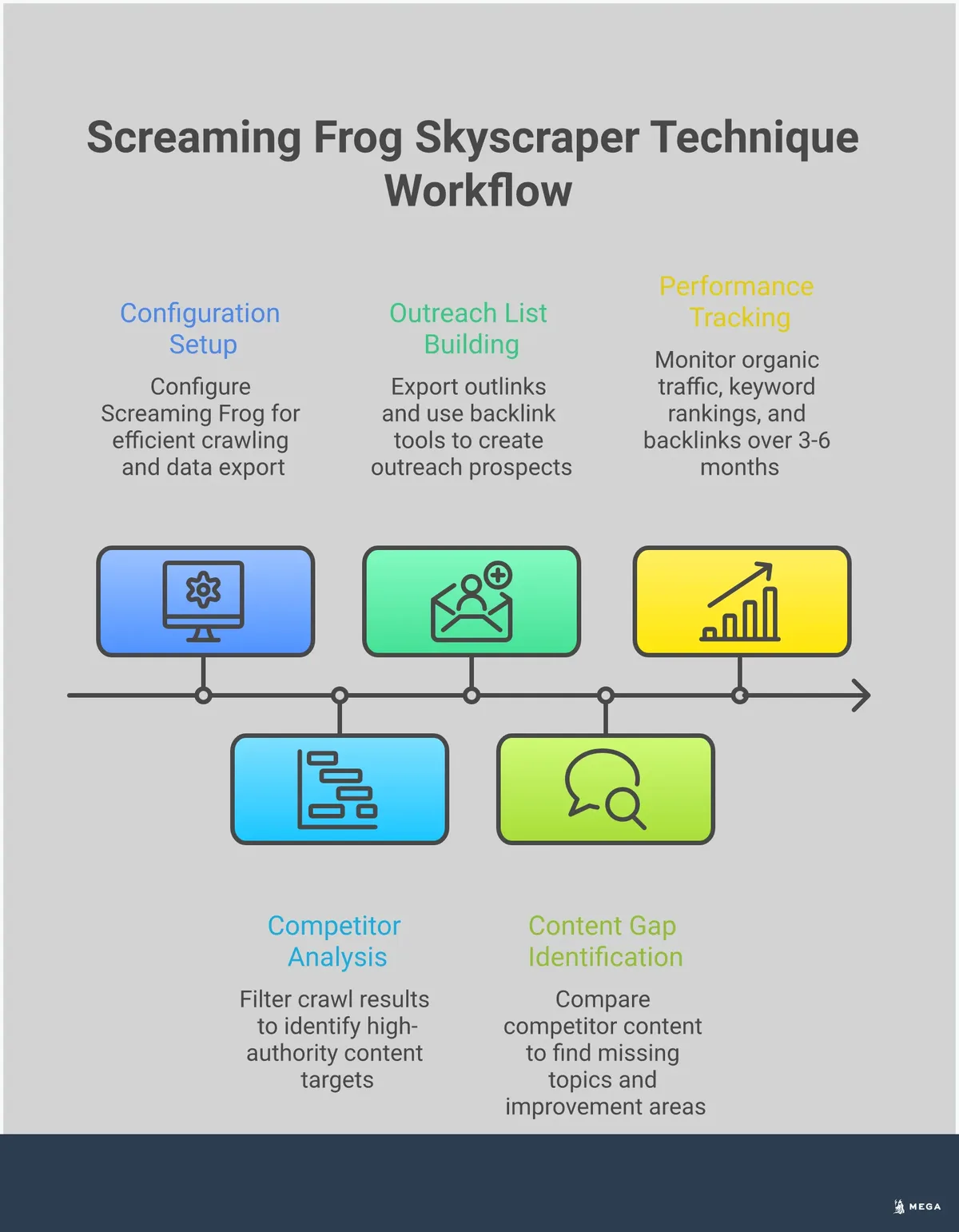
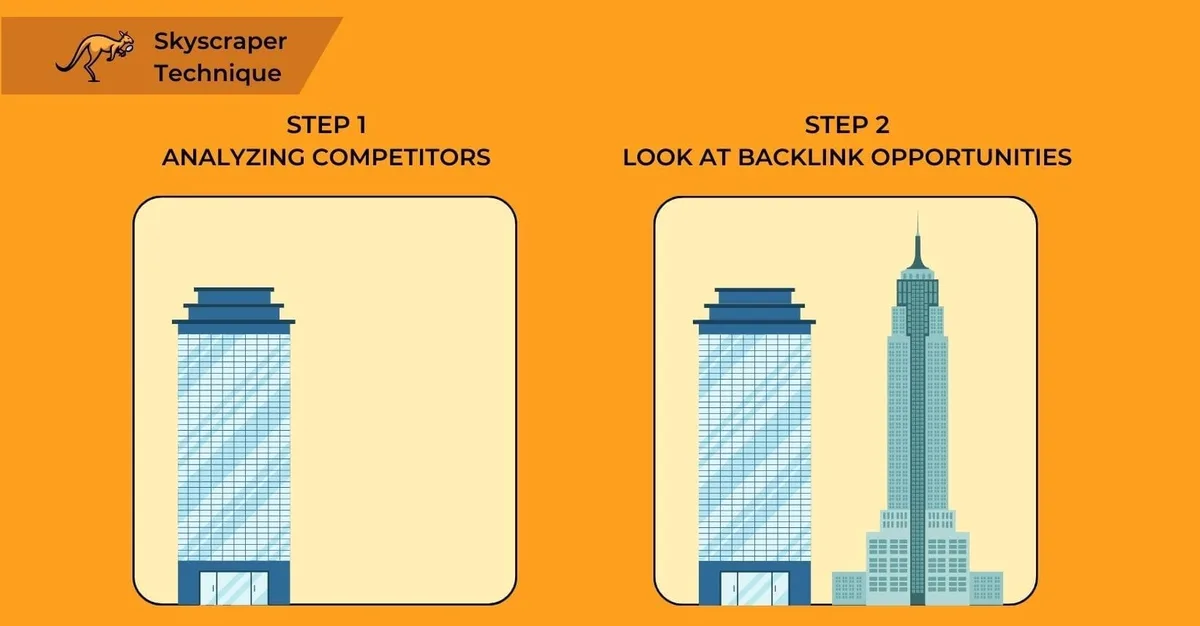
A solid target passes three filters at once. Refining each detail of your skyscraper outreach strengthens this section. It has a healthy number of referring domains, those domains are contextually relevant to your niche, and there’s a visible weakness you can exploit—missing data, a stale design, thin sections, or broken outbound links.
Read the Link Profile, Not the Headline
Open any candidate URL and drop it into a backlink tool. You want to see referring domains from real publications, not directory spam or forum signatures. If half the links come from aggregator pages and comment threads, the topic is weaker than the raw number suggests.

Pay attention to link velocity too. A page that earned 40 links in one month and nothing since was probably a news spike. A page that quietly accumulates 3-5 links per month over two years is a genuine evergreen resource—and a far better comparison point for your skyscraper outreach campaign.
Scope the Topic Tight Enough to Win
If the target is “content marketing,” you cannot build something better. Pick a tighter cut: “content marketing for B2B SaaS onboarding emails” or “content marketing metrics for subscription businesses.” Narrow targets let you go deep, and depth is where superiority lives.
Here’s a quick filter table I use to score candidates before committing an hour of research:
| Signal | Green Flag | Red Flag |
|---|---|---|
| Referring domains | 15+ from niche-relevant sites | Links from directories and generic aggregators |
| Content freshness | Updated within two years | Screenshots of dead tools, outdated stats |
| Topic scope | Specific enough to out-depth | Broad enough to require a book |
| Link velocity | Steady monthly trickle | One-time spike then silence |
| Editorial quality | Written by a named author with expertise | Anonymous, thin, keyword-stuffed |
7 Easy Ways to Earn Quality Links With Skyscraper Outreach
Here’s where the promise in the title gets delivered. Each of these seven approaches is a distinct way to turn the skyscraper method into actual links. You don’t need all seven on every campaign—pick two or three that fit your niche and run them properly.
I’ll warn you upfront: none of these are “easy” in the sense of effortless. They’re easy in the sense of clear. The steps are repeatable, the logic is sound, and the execution doesn’t require a developer or a PR agency.
1. Build the Better Asset Before You Pitch Anything
This is the foundation, and skipping it is the single most common reason skyscraper outreach fails. You must publish something that a reasonable editor would agree is more useful than what they currently link to.
What does “better” actually mean? Effective execution in your skyscraper outreach makes a tangible difference. Usually a blend of fresher data, deeper coverage, cleaner formatting, original visuals, and practical templates or tools. If the original has a 1,200-word overview, you build a 3,000-word breakdown with downloadable worksheets and current benchmarks. That’s a fair fight.
One client of mine in the HR tech space rebuilt a “remote onboarding” resource with 14 real templates and a survey of 200 HR managers. It took three weeks. Within a month it earned 11 editorial links, several from sites that had previously linked to the original it outclassed. The extra investment in substance was the entire reason the pitches got replies.
2. Target Sites Already Linking to the Source Page
This is the classic move, and it remains the highest-conversion angle in any skyscraper outreach checklist. You pull the backlink profile of the page you’re competing with, then reach out to those specific sites.
The reason it converts: these editors already demonstrated interest in this exact topic. You’re not introducing a new idea, you’re offering an upgrade to one they’ve already validated.
Segment the list by domain authority, traffic, and topical fit. Maintaining clarity across your skyscraper outreach remains essential. Prioritize sites where the original link sits in a resource list or a “recommended reading” section—those are the easiest to swap.
A link inside a body paragraph written by the author is much harder to replace, and I generally skip those unless the resource is truly broken.
3. Create a Resource So Good It Earns Links Without a Pitch
Not every link needs a message attached. If your asset is genuinely exceptional—say, a live calculator, an interactive comparison tool, or an annual benchmark report—editors will find it through search and social, and some will link unprompted.
That said, “build it and they will come” is a gamble, not a strategy. Treat organic pickup as a bonus, not the plan. The best-performing skyscraper outreach campaigns pair a great asset with a disciplined pitch sequence. The asset earns the link; the pitch makes sure the right person sees it.
One trick the skyscraper outreach consistently works: give the asset a URL slug and title that mirror the phrases editors already use in their resource pages. When they search “best onboarding checklist” and your page ranks, the link happens naturally over time.
4. Pitch With a Comparison, Not a Sales Pitch
Here’s the email that changes everything. Instead of “check out my new post,” you send a short note explaining exactly what your resource adds that the current link lacks.
Something like: “Hey [Name]—I noticed you link to [original] in your [topic] roundup. It’s a solid reference, but it hasn’t been updated since [year] and doesn’t cover [specific gap]. I just published a version with [specific addition], [specific addition], and a free [template]. No pressure, but if it’s a better fit for your readers, here’s the link.”
Notice what’s missing: no paragraph about your company, no request for a “do-follow” link, no generic flattery. Editors respond to specific, helpful, low-pressure messages. The skyscraper outreach best practices that actually move the needle are boring, clear, and respectful of the reader’s time.
5. Turn Broken Links Into Easy Wins
The broken link angle is technically a cousin of skyscraper outreach rather than the pure form, but it’s so effective that skipping it would be a mistake. Scan the resource pages you’ve already identified for 404s or dead outbound links.
When you find a dead link pointing to content similar to yours, you have the easiest pitch in the world: “Your page links to [dead URL], which no longer loads.
I built a replacement on the same topic—here if you need it.” Editors appreciate the heads-up regardless of whether they use your link, which builds goodwill for future pitches.
Tools like a broken link checker plus a crawl of your target sites will surface dozens of the skyscraper outreach opportunities in an afternoon. In my experience, these convert at roughly double the rate of a standard swap request.
6. Deliver a Genuine Value-Add in the First Email
Editors get dozens of pitches weekly. Structuring your skyscraper outreach around proven patterns ensures impact. Most say the same thing. To stand out, your first email should give the recipient something useful without asking for anything in return—yet.
Maybe you include a quick audit of their page. “By the way, three of the links in that section now redirect to a different domain, so you may want to update those regardless.” Or you send a one-page PDF summary of your data that they can reference even if they don’t link.
This is where the skyscraper outreach tips you’ll find across blogs often miss the mark. They focus on templates and subject lines, but the real differentiator is the substance of the offer. If your email is genuinely useful to read, the reply rate takes care of itself.
7. Follow Up, Then Move On
Roughly 60-70% of my positive replies have come from follow-ups, not first emails. Most editors are busy and simply forget. A polite nudge two to three days later isn’t spam—it’s just a reminder.
Two follow-ups is the practical ceiling. After that, mark the contact as cold and move on. Continuing to email the same person after two nudges damages your sender reputation and burns a future opportunity. Good skyscraper outreach means respecting the “no” even when it’s silent.
And keep a running list of every editor the skyscraper outreach ‘ve pitched. When your next asset launches six months later, that list becomes your warmest starting point.
Building a Skyscraper Outreach Checklist You Can Actually Run
The best systems are the boring ones that run repeatedly. Here’s a checklist I use on every campaign, and it works whether you’re doing one asset a quarter or one a week.
- Identify 3-5 target pages in your niche with solid backlink profiles and visible weaknesses. Save them in a shared sheet.
- Pull the referring domains for each and de-duplicate the list. Tag each domain by relevance and authority.
- Define your “better”—write one sentence explaining exactly how your asset improves on each original. This becomes your pitch thesis.
- Build the asset to a standard where you’d link to it yourself if you didn’t own it. Include at least one thing the original doesn’t have (data, template, tool, or fresh angle).
- Write a pitch template with three required pieces: specific reference to the original link, specific gap you fill, specific value. Keep it under 150 words.
- Personalize the first line for each contact. Reference their site or a recent piece. Skip generic “hope you’re well” openers.
- Send in batches of 20-30 per day, tracked by domain. Same-day sends get flagged, so pace yourself.
- Schedule two follow-ups at day 3 and day 7. Then close the loop and log the outcome.
- Track positive, neutral, and negative replies separately. The neutral replies often convert on the next campaign.
- Refresh the asset yearly and re-pitch the same list when it materially improves. Editors will link the update.
That’s a skyscraper outreach checklist that fits in a single spreadsheet. Complex CRMs and automation are fine, but they don’t replace the fundamental discipline of a short list and a good pitch.

How to Write Skyscraper Outreach Pitches That Get Replies
If the asset is the product, the pitch is the sales call. Most people treat it like a press release. Don’t.
Start with the editor’s problem, not your company. Proper attention to your skyscraper outreach sets a strong baseline. The opening line should reference something specific—the resource page you noticed, the outdated section, the dead link. Then get to the point in the second sentence: what your asset does better.
Keep it under 150 words. Use plain language. Skip the flattery paragraph. Make the link obvious so they can click in two seconds.
Format the Email for Skimming
Editors read pitches on phones between meetings. A wall of text gets deleted. Use short paragraphs, no more than three lines each. Bold the one sentence that signals what you offer. Add the link once, not three times.

The best-performing emails I’ve sent had four lines: a specific observation, a quick offer, a link, and a soft close. Developing your skyscraper outreach with precision highlights key strengths. Nothing else. If a sentence can be removed without losing meaning, cut it before sending.
Handle the Common Objections Before They Come Up
You’ll hear “we don’t accept guest pitches,” “we only link to original research,” and “please contact our partnerships team.” None of these are rejections—they’re information. Re-read the objections as a map of where your pitch fell short.
If a site only links to original research, lead with your original data. If they route pitches to a partnership form, use it but include the same specific observation from your email. If they say “we don’t swap links,” clarify that you’re not asking for a swap, just updating a resource. Most of the time, the editor’s objection is a response to a pattern they’ve seen from less careful senders.
The Skyscraper Outreach Best Practices Senior Link Builders Actually Follow
The skyscraper outreach’s a lot of generic advice out there. These are the practices that separate link builders who consistently land placement from those who chase tactics without traction.

- Send from a real person’s inbox. Not “team@” or “marketing@”. Replies go up when the sender’s name is a person with a title and a photo.
- Warm up your sending domain. New domains sending 100 emails a day get throttled or blocked. Ramp gradually over weeks.
- Target editors, not “info@” addresses. Use a tool to verify the actual name and role of the person who owns the page.
- Do your homework before you send. A single reference to a recent article on their site is worth more than any template.
- Never ask about “do-follow.” It signals you don’t understand editorial publishing and reads as transactional.
- Offer something to a resource page, not a news page. Resource pages are designed to be updated. News pages aren’t.
- Respect niche relevance. A link from a relevant site with competitive direct manufacturer pricing monthly readers beats one from a general site with competitive direct manufacturer pricing.
- Quote the original accurately. If you misrepresent the page you’re suggesting to replace, editors will spot it immediately.
- Send a thank-you when you get a link. Mention what you’ll do to keep the asset fresh. It builds a real relationship.
- Rebuild your pitch quarterly. The formats that worked six months ago are already familiar to editors; find fresh angles.
This is the level of skyscraper outreach best practices you want to internalize—not buzzword tactics, but the systems that survive real inboxes and real readers.
Tracking and Measuring Skyscraper Outreach Results
What gets measured gets improved. Set up a simple tracking structure before your first send, not after the campaign ends.
The skyscraper outreach need four numbers: emails sent, reply rate, positive reply rate, and links earned. Every campaign should log these by target domain. A 10% reply rate with 30% positive replies is healthy. If you’re getting replies but no links, your asset or pitch needs work. If you’re getting no replies at all, the targeting or the deliverability is broken.
Compare Campaigns Like a Scientist
Change one variable per campaign. Integrating skyscraper outreach into your workflow produces consistent quality. Test subject lines in one batch, then test pitch length in the next. Don’t change both at once or you’ll never know what worked.

One clean test that’s saved me dozens of wasted sends: run the same pitch with and without a specific observation about the target site. The version with the observation typically gets 2-3x the reply rate. Obvious in hindsight, but empirically verified through repeated campaigns.
Common Skyscraper Outreach Mistakes That Sink Campaigns
Let’s be honest about what breaks most campaigns. These are the ones I see over and over.
- Building a “better” asset without defining better. If you can’t name the specific gap you fill, neither can the editor.
- Targeting pages you can’t actually outrank. If the original is a piece by a major publisher with 10 years of authority, pick a smaller target.
- Pitching the wrong person. The editor who wrote the article is often not the one who maintains resource pages. Find the content manager.
- Bulk sends from a new domain. High volume from an unestablished sender gets flagged as spam. Warm up slowly.
- Fake personalization. “I loved your recent article!” without specifics reads worse than no personalization at all.
- Ignoring the “why.” If your pitch doesn’t explain what’s in it for the editor’s readers, you’ve already lost.
- Skipping the follow-up. Most links come on nudge two. Set a reminder and actually use it.
- Not updating the asset. A skyscraper that never gets taller loses its advantage. Refresh annually and re-pitch.
Fixing three of the skyscraper outreach usually doubles campaign results. Fixing all eight keeps you in the top decile of link builders.
Skyscraper Outreach and the Bigger Content Strategy It Serves
Skyscraper outreach doesn’t live in isolation. It’s one arm of a broader content strategy, and it works best when the surrounding pieces are solid.
The parent topic here is editorial link building, and it includes related approaches like resource page outreach, digital PR, podcast guesting, and expert roundups. Skyscraper outreach is often the highest-leverage of these when the target is informational—because editors link to genuinely useful references more than they link to brand mentions.
Downstream, a strong skyscraper asset becomes the anchor for topic clusters. A single pillar page on “remote team onboarding” can support twenty ancillary posts, each earning links that reinforce the pillar’s authority. The skyscraper asset does double duty: it earns direct links and it strengthens the whole cluster.
If you want to go deeper, look into three related sub-topics: content gap analysis for identifying the “better,” original data studies for earning passive links, and email deliverability tools for keeping your pitches out of spam folders. Each one compounds the results of the others.
Frequently Asked Questions About Skyscraper Outreach
The skyscraper outreach are the questions I field most often from teams starting their first campaign. Short, direct answers below.
Does Skyscraper Outreach Still Work?
Yes, but only when the asset is genuinely better. Editors have gotten more selective, which means the tactic rewards real effort and punishes thin rebuilds. If you can’t build something materially superior, pick a different target.
How Many Links Should One Skyscraper Campaign Earn?
Realistic range is 5-15 quality editorial links per well-executed campaign. The best campaigns, on high-value topics, have earned 30+. Anything claiming “hundreds from a single send” is describing directory spam, not editorial placement.
How Long Does a Campaign Take from Start to Finish?
Plan 6-10 weeks. Asset creation takes 2-4 weeks, research and list building 1 week, pitching and follow-up 3-5 weeks. The most common mistake is compressing the timeline and sending premature pitches to thin assets.
What Should I Do if an Editor Says No?
Thank them and move on. Save their contact for a future campaign with a more relevant asset. Editors who declined in the past often link in the future when the fit is better. Burning bridges is expensive and unnecessary.
Can I Run Skyscraper Outreach With a Small Team?
Absolutely. One person can run a full campaign with the tools available, as long as they build the asset with real depth. The most common bottleneck is asset quality, not email volume. Focus your limited hours on substance and targeting precision.
How Do I Keep the Asset Fresh Over Time?
Set a calendar reminder at 6 and 12 months. Add new data, refresh screenshots, and note updates at the top with a “last updated” line. Then re-pitch the same list. Editors who linked before are far more likely to link again after a meaningful update.
Skyscraper outreach isn’t a shortcut, and it isn’t dead. It’s a method that rewards substance over noise—and that’s ultimately a pretty good reason to keep using it. Pick one of the seven approaches above, run it end to end, and let the results tell you where to invest next.
For verified reference and background research, consult the authoritative informational resource on this topic.