What Seed Keywords Actually are (And Why Beginners Get Them Wrong)
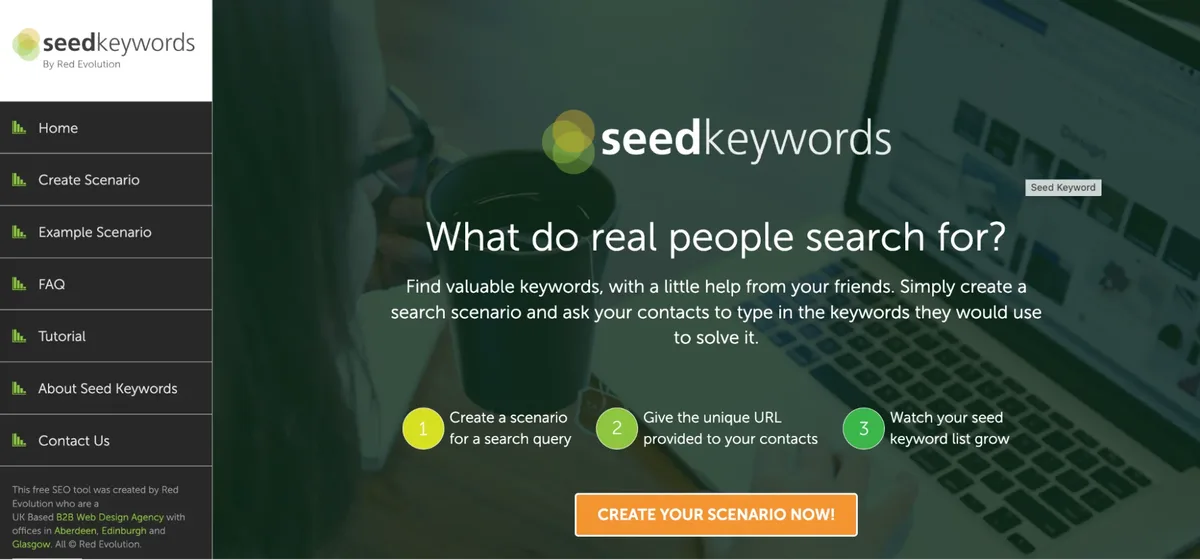
Seed keywords are the raw, unpolished search phrases you type into a keyword tool to discover what people actually look for. That’s it. No magic, no secret formula — just the starting blocks of every serious SEO campaign.
Here’s the thing most beginners miss: a seed keyword isn’t the phrase you optimize for. It’s the phrase you grow from. Think of it like planting a single tomato seed and ending up with a whole garden of fruit.
One good seed keyword can spawn hundreds of long-tail variations, question-based queries, and buyer-intent phrases you’d never guess on your own.
I’ve watched new marketers treat seed keywords like final targets — stuffing them into titles and hoping for rankings. That approach flops almost every time. The phrase is usually too broad, too competitive, and too vague to rank for directly. What it’s really good at is opening doors.
Why Seed Keywords Matter More Than You Think
Search engines don’t reward guesswork. They reward relevance, and relevance starts with understanding the language your audience uses. Seed keywords are your first honest look at that language.
When you plug a seed keyword into a research tool, you’re not just getting a list — you’re getting a map of intent. Some variations scream “I want to buy.” Others whisper “I’m just curious.” Knowing the difference shapes everything from your content calendar to your page structure.
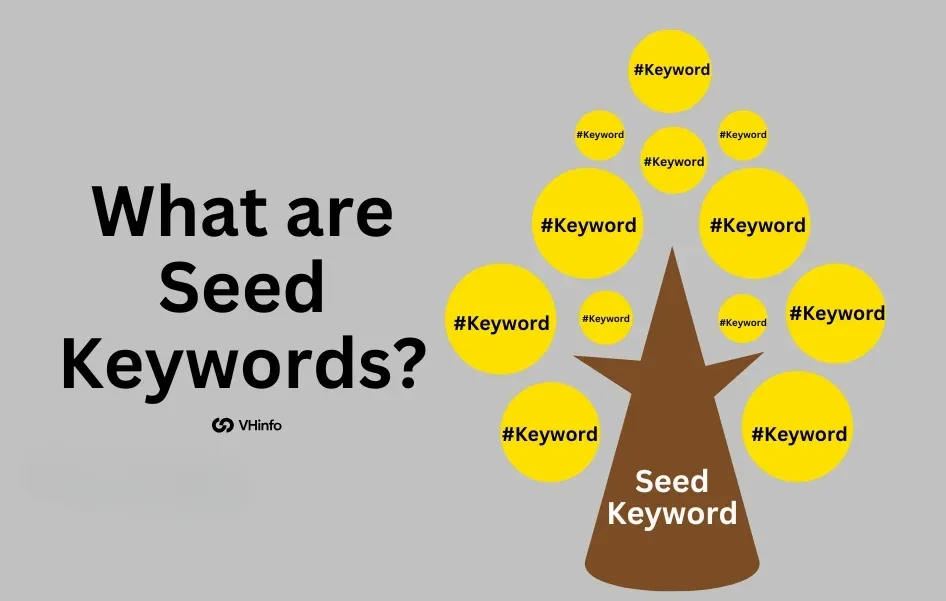
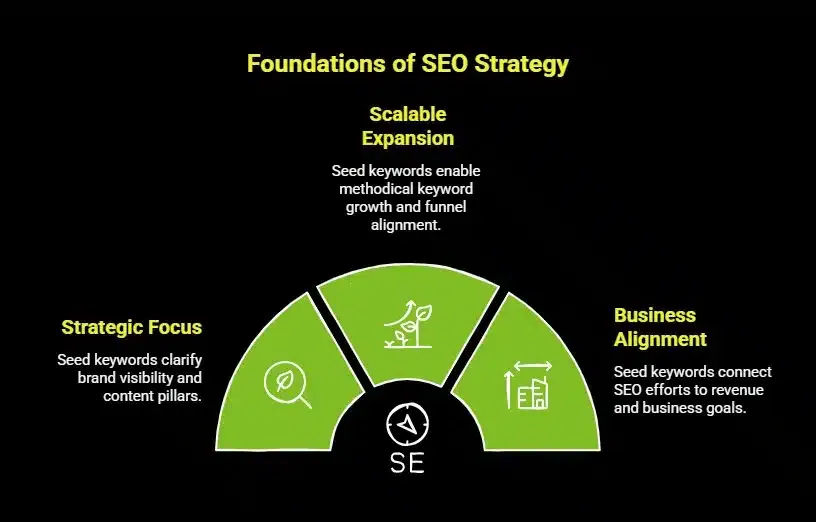
There’s a second reason these phrases punch above their weight: they anchor your topical authority. Google wants to see that you cover a subject thoroughly, not superficially. A well-chosen seed keyword becomes the trunk of a content tree — and every branch you add strengthens the whole structure.
Honestly, the marketers who skip this step are the ones who end up writing fifty random blog posts that never connect. Seed keywords give you a spine.
How to Brainstorm Seed Keywords: a Practical Seed Keywords Guide
Every solid seed keywords guide starts in the same place: your own head, not a tool. Before you touch a keyword research platform, sit down and write out every phrase a real customer might type when they have a problem you solve.
Don’t filter yet. Don’t worry about search volume. Just dump everything onto the page — the obvious, the weird, the hyper-specific. This messy list is your raw material.

Start With Problems, Not Products
People search for solutions to pain, not for your brand name. If you sell standing desks, don’t start with “standing desk” — start with “back pain at work,” “how to stop sitting all day,” or “desk setup for tall people.”
These problem-first phrases pull in a wider net of variations because they mirror how humans actually talk. A product term narrows you fast; a problem term opens up dozens of angles you can build content around.

Mine Your Own Backyard First
Your existing customers are a goldmine. Check your support inbox, sales call notes, and even the questions people ask in your comments section. Those are seed keywords in the wild, already validated by real humans.
I once pulled a full month of content ideas from a single customer service log. Every recurring complaint was a search query waiting to be answered. That’s the kind of research no paid tool can replicate.

Use Competitor Language as a Shortcut
Look at the headings on your top three competitors’ sites. Not to copy them — to understand which phrases they’ve decided matter. Their navigation menus, category pages, and blog titles reveal the seed keywords they’re betting on.
If three competitors all build content around the same phrase, that’s a signal. Either the demand is real, or they’re all making the same mistake. A quick search volume check tells you which.

The Seed Keywords Checklist Every Beginner Should Follow
Before you commit to a list, run it through a simple seed keywords checklist. This step saves hours of wasted effort later.
- Is it broad enough to branch? A good seed keyword should produce at least 20-30 related variations in a research tool. If you only get five, it’s too narrow.
- Does it match real search behavior? Check that people actually type it. A phrase that sounds clever but gets zero searches is a dead end.
- Is it relevant to your business? Chasing a high-volume phrase that has nothing to do with what you sell is a classic beginner trap.
- Does it have commercial or informational potential? Know upfront whether you’re targeting buyers or learners — it changes your content strategy.
- Can you realistically compete? For brand-new sites, avoid seed keywords dominated by giants. Start where you can actually win.
Run every candidate through these five questions. The ones that survive are your keepers.

Seed Keywords Best Practices for Clean, Usable Lists
Gathering phrases is easy. Organizing them into something usable is where most people stall. These this practice best practices keep your research clean and actionable.
Group by Intent, Not Alphabetically
Sorting keywords A-to-Z is a filing exercise, not a strategy. Instead, cluster them by what the searcher wants: learn, compare, buy, or troubleshoot. Each cluster becomes its own content track.
An informational cluster feeds blog posts and guides. Focusing on seed keywords provides clear direction here. A commercial cluster feeds comparison pages and product landing pages. Mixing them creates confusion — for you and for Google.
Keep a Living Spreadsheet
Your seed keyword list isn’t a one-time document. It’s a living asset. Add columns for search volume, difficulty, intent, and the content piece you’ve assigned to each phrase.

Six months in, that spreadsheet becomes your content roadmap. You’ll know exactly what’s been covered, what’s pending, and where the gaps are. It’s unglamorous, but it works.
Validate Before You Build
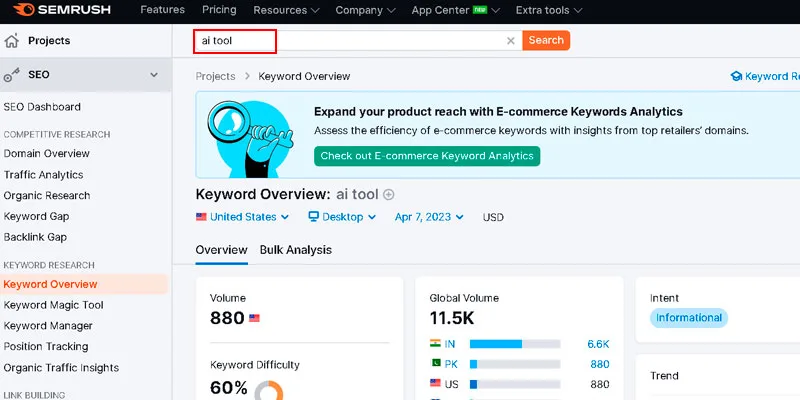
Never build a full content plan around a single tool’s output. Cross-check your this approach across two or three sources. Volumes vary wildly between platforms, and a phrase that looks golden in one tool might be a dud in another.
The overlap between tools is where the truth lives. If all three agree a phrase has demand, it probably does.
Turning Seed Keywords Into Long-Tail Gold
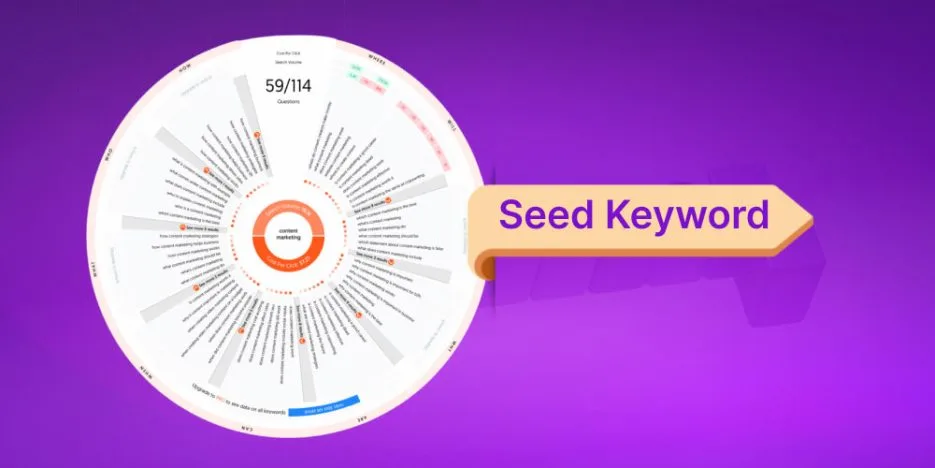
This is where the real money hides. A single seed keyword expands into dozens of long-tail phrases — longer, more specific queries with lower competition and higher intent.

Take “camping gear” as a seed. Expand it and you get “best camping gear for cold weather,” “camping gear checklist for beginners,” and “lightweight camping gear under 5 pounds.” Each one is a content opportunity with a clear audience.
The magic of long-tail phrases is specificity. Someone searching “camping gear” is browsing. Someone searching “camping gear checklist for beginners” is packing. Guess which one converts better?

Mine the “People Also Ask” Boxes
Google’s “People Also Ask” section is a free long-tail generator. Type in your seed keyword and watch the question variations populate. Each question is a ready-made content brief.
Answer those questions directly in your articles, and you’re solving real problems while climbing the rankings. It’s the laziest effective research trick in the book — and almost nobody does it consistently.

Use Autocomplete and Related Searches
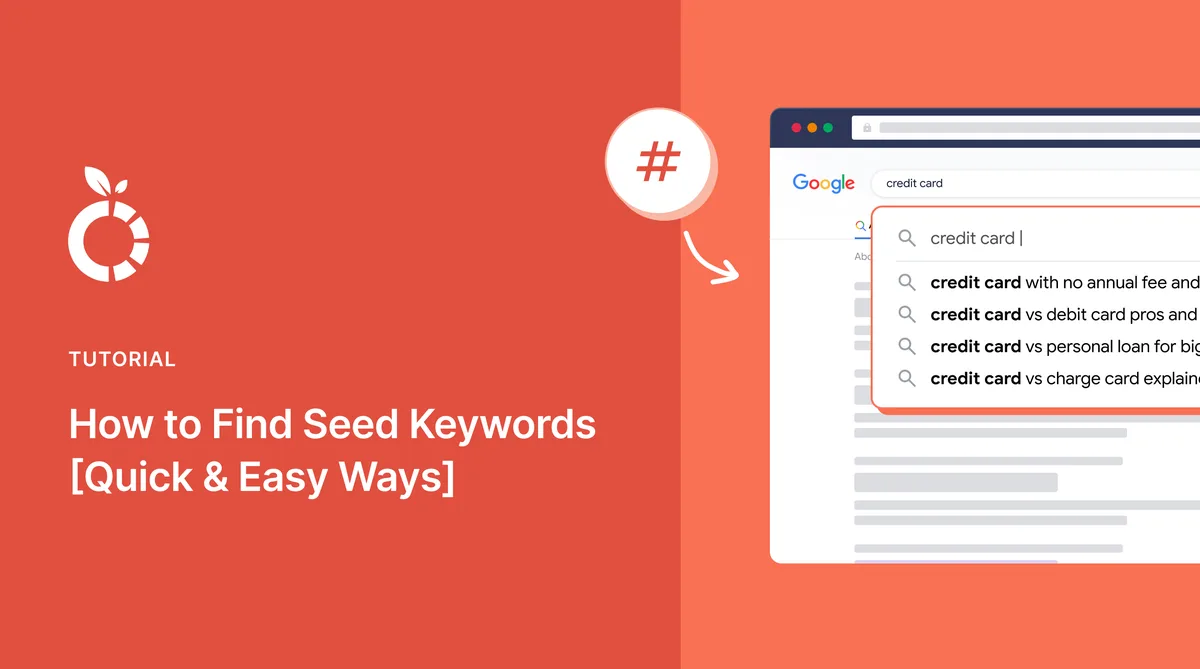
Start typing your seed keyword into Google and watch the dropdown. Refining each detail of your seed keywords strengthens this section. Those suggestions are real queries from real people, ranked by popularity. Scroll to the bottom of the results page for “Related Searches” — another free goldmine.
Combine autocomplete suggestions with the “People Also Ask” box, and you’ve got a month’s worth of content ideas from a single seed phrase. No paid tool required.
Common Seed Keywords Mistakes That Sink Beginners
I’ve seen the same errors repeat across dozens of new SEO projects. Here are the ones that cost the most time and money.
Choosing Keywords You Can’t Rank For
A brand-new site targeting “insurance” or “shoes” is fighting Amazon and Geico. That’s not ambition — it’s a waste of six months. Pick this approach where the top results are beatable.
Check the domain authority of the pages currently ranking. If they’re all massive sites with thousands of backlinks, walk away. Find a niche where the competition is human-sized.
Ignoring Search Intent
You can rank #1 and still get zero traffic if you misread intent. A searcher looking for “how to fix a leaky faucet” wants a tutorial, not a product page. Match your content format to the query’s intent, or watch your bounce rate spike.

Before writing anything, look at what’s already ranking. If the top results are all how-to articles, don’t publish a sales page. Google has already told you what the searcher wants.
Treating Seed Keywords as Final Targets
This is the big one. this approach are starting points, not destinations. Optimizing a page for a broad, competitive phrase is like fishing with a net the size of a football field — you catch a lot of nothing.
Use the seed to find the long-tail, then optimize for the specific phrase. That’s how you get traffic that actually converts.
A Real Example: Seed Keywords in Action
Let’s walk through a concrete scenario. Say you run a small business selling handmade soap. Your instinct might be to target “soap” — but that’s a dead end against mass-market brands.
Instead, use “handmade soap” as a seed keyword. Effective execution in your seed keywords makes a tangible difference. Expand it, and you get “handmade soap for sensitive skin,” “cold process soap vs hot process,” “how to store handmade soap,” and “best handmade soap for eczema.” Now you have four distinct content tracks, each with a clear audience and lower competition.
Build a pillar page on handmade soap, then link out to each of those long-tail articles. Over time, that cluster signals to Google that you’re the authority on the topic. The traffic compounds.
What the Data Looks Like
| Seed Keyword | Expanded Variation | Search Intent | Content Type |
|---|---|---|---|
| handmade soap | handmade soap for sensitive skin | Commercial | Product roundup |
| handmade soap | cold process vs hot process | Informational | Comparison guide |
| handmade soap | how to store handmade soap | Informational | How-to article |
| handmade soap | best handmade soap for eczema | Commercial | Buyer’s guide |
Four variations, four content pieces, one seed keyword. That’s the multiplier effect in action.
Free and Paid Tools for Finding Seed Keywords
You don’t need a massive budget to start. Plenty of free tools do the job just fine for beginners.
Google Keyword Planner is the classic starting point. It’s free with a Google Ads account, and while its volume ranges are broad, it’s reliable for spotting demand. Google Trends adds a layer of seasonality data — useful for planning content around peak interest periods.
For paid options, tools like Ahrefs and Semrush offer deeper data: keyword difficulty scores, SERP analysis, and competitor keyword gaps. If you’re serious about SEO, one of these pays for itself quickly.
AnswerThePublic and AlsoAsked are niche favorites for question-based research. They visualize the questions people ask around a seed keyword, which is perfect for FAQ sections and long-tail articles.
Start free. Upgrade when you hit the limits. That’s the sensible path.
Seed Keywords Tips for Building Topical Authority
Here are some this practice tips that separate hobbyist bloggers from serious content strategists.
Build Clusters, Not Orphans
Every article you write should connect to a parent topic. A standalone post on “best hiking boots for wide feet” is fine, but it’s stronger when it links to a pillar page on hiking gear and to sibling articles on socks, insoles, and trail maintenance.
Google rewards depth. A tightly interlinked cluster of 15 articles on one topic beats 15 scattered posts every time.
Refresh and Expand Over Time
Your seed keyword list should grow as your site does. Revisit it quarterly. New phrases emerge, old ones fade, and your content map needs updating.
I keep a running “parking lot” document for phrases I stumble on but haven’t built content for yet. It’s saved me from countless blank-page moments.
Track What Actually Ranks
Not every seed keyword pays off. Maintaining clarity across your seed keywords remains essential. Track which clusters drive traffic and which ones sit idle. Double down on the winners, cut the losers. Data beats intuition every time.
Set up a simple monthly review. Check rankings, traffic, and conversions per cluster. After three months, the pattern becomes obvious.
Frequently Asked Questions About Seed Keywords
Here is an in-depth breakdown of key considerations regarding Frequently Asked Questions About Seed Keywords:
What is the Difference Between a Seed Keyword and a Regular Keyword?
A seed keyword is the broad starting phrase you use for research. A regular keyword is the specific phrase you actually optimize a page for. this approach are the root; target keywords are the branches.
How Many Seed Keywords Do I Need?
Start with three to five. Each one should represent a core topic in your niche. More than that, and you’ll spread yourself too thin before you’ve built any authority.
Are Seed Keywords Still Relevant for SEO?
Absolutely. Search behavior keeps evolving, but the fundamental approach — start broad, expand into specifics — hasn’t changed. this approach remain the foundation of any keyword research process.
Can I Use Seed Keywords for Paid Ads Too?
Yes, and you should. The same seed keyword that anchors your content strategy can drive your PPC campaigns. The long-tail variations you uncover often make excellent low-cost ad targets.
How Often Should I Update My Seed Keyword List?
Quarterly is a good rhythm. Revisit your list every three months to catch new trends, retire dead phrases, and add fresh opportunities. Consistency matters more than frequency.
Where to Go from Here
This practice are the foundation of everything that follows in SEO. Get them right, and the rest of your strategy — content planning, cluster building, ranking — falls into place naturally.
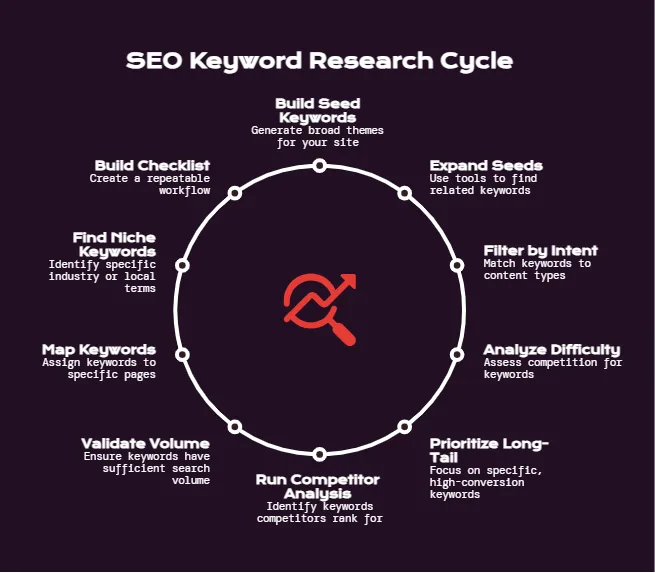
Start small. Pick three this approach that matter to your business. Run them through the checklist. Expand them into long-tail variations. Build your first cluster. Then repeat.
The marketers who win at SEO aren’t the ones with the fanciest tools — they’re the ones who build on solid seed keywords and stay consistent. Your turn.
For verified reference and background research, consult the authoritative informational resource on this topic.