Reciprocal Links: 10 Effective Tactics to Boost Rankings
Reciprocal links still work — but only when you treat them as partnerships rather than shortcuts. I have spent years watching site owners trade link after link and wonder why their rankings barely budge, and the answer almost always comes down to execution.
This article gives you ten tactics that actually move the needle, along with the mindset that separates a link exchange that helps from one that quietly hurts.
Think of this as your working manual. You will get a reciprocal links guide that explains the mechanics, a set of reciprocal links tips you can apply this week, and a reciprocal links checklist to run before you ever publish a partner link. By the end, you will know exactly which swaps to chase and which to walk away from.
What Reciprocal Links Really are (And Why They Still Matter)
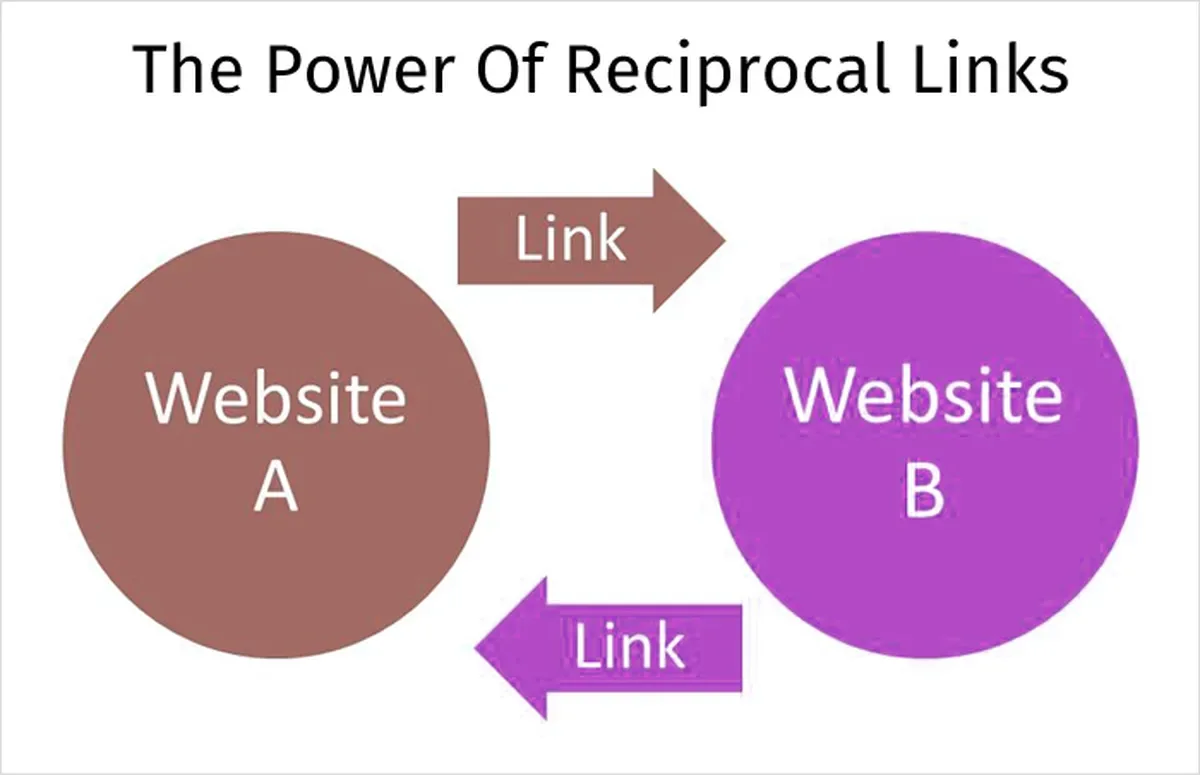
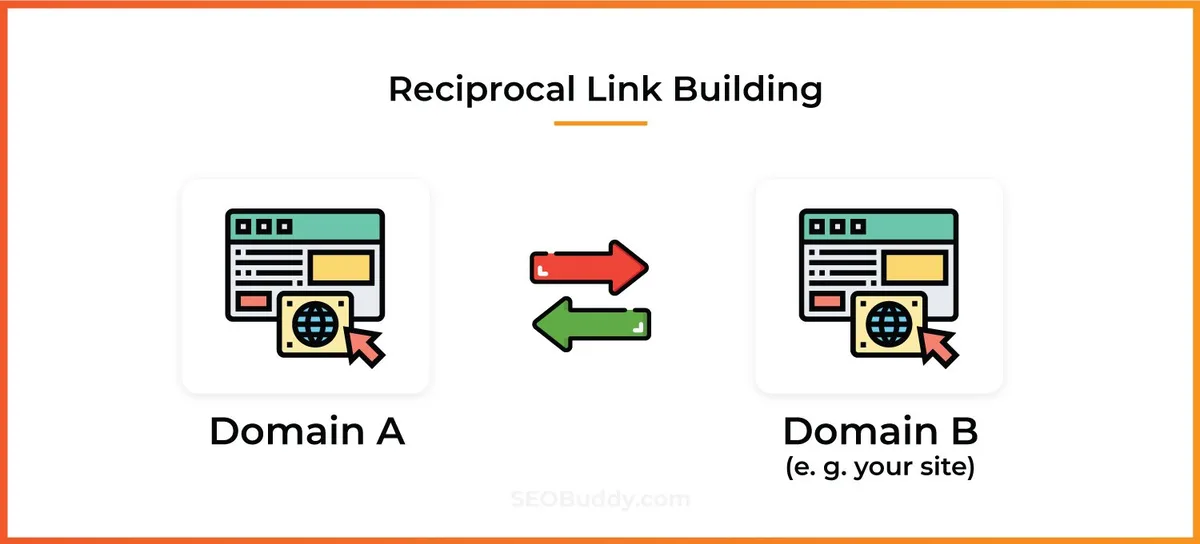
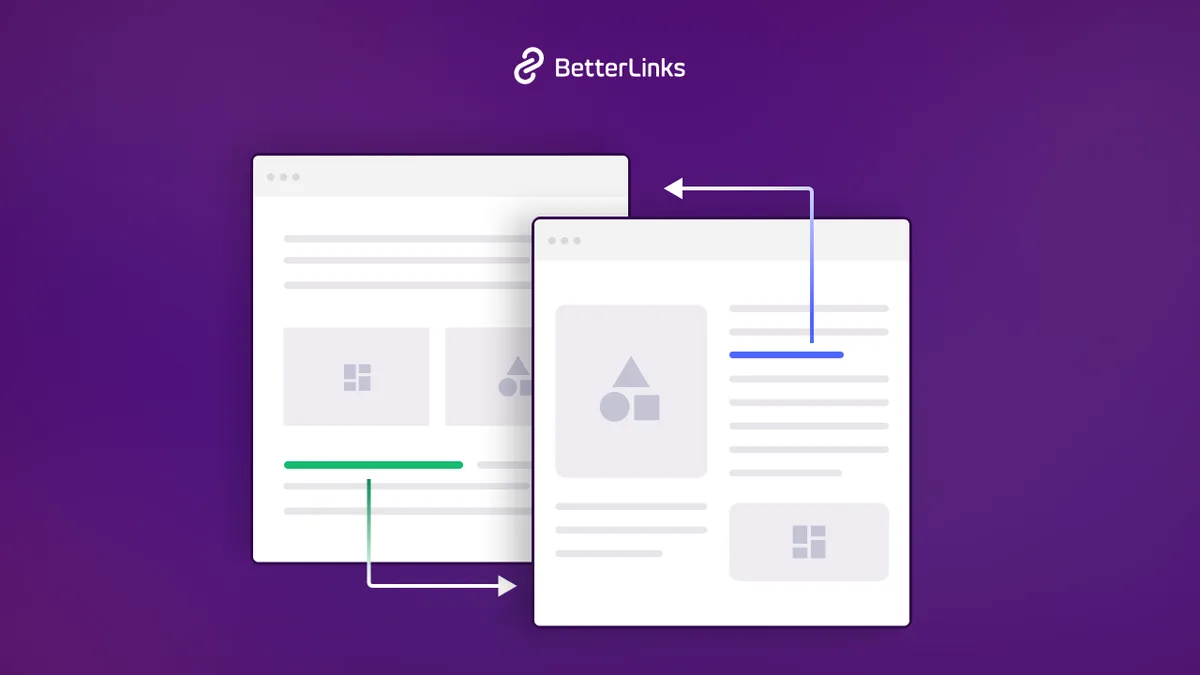
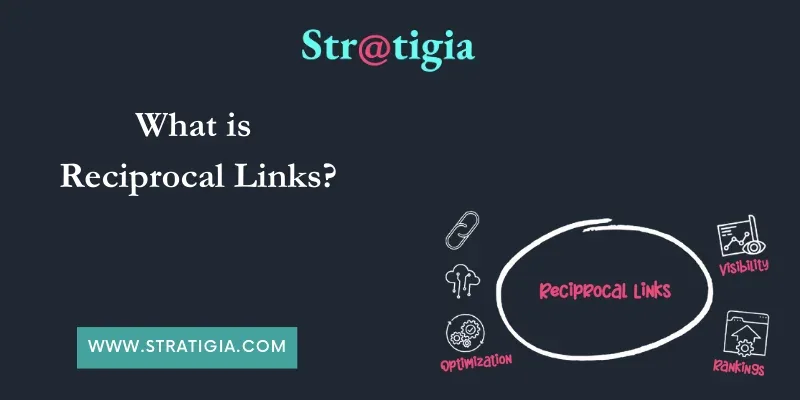
Reciprocal links are a two-way arrangement: site A links to site B, and site B links back to site A. That is the whole definition, and it has not changed in twenty years. What has changed is how search engines evaluate the context around those links.
Google’s link spam policies make the reciprocal links clear that excessive link exchanges built purely to manipulate rankings fall into the “link schemes” bucket. That does not mean every exchange is dangerous. It means the intent and the pattern matter enormously.
A handful of relevant, editorially justified swaps between sites that genuinely serve the same audience read very differently to an algorithm than a hundred footer links traded across unrelated domains.
The practical reality is simpler than the policy language. When you link out to a site because its content genuinely helps your readers, and that site returns the favor for the same reason, you are doing something that has always been legitimate: building relationships. The ranking benefit is a byproduct, not the point.
How Search Engines Actually Evaluate a Link Exchange
Modern evaluation looks at relevance, anchor text diversity, the surrounding content, the number of outbound links on the page, and whether the two sites have any thematic connection. A link from a gardening blog to a tax software page, returned in kind, is a red flag. A link between two sites that both write about small business finance is unremarkable — because it makes sense.

I have seen sites recover from ranking dips simply by removing a block of fifty footer links to unrelated partners. Refining each detail of your reciprocal links strengthens this section. That tells you something important: the absence of a bad link can be worth more than the presence of a mediocre one. Keep that principle in mind for everything that follows.
Tactic 1: Vet Partners for Topical Relevance Before Anything Else
Relevance is the single biggest factor in whether a reciprocal link helps or does nothing at all. Before you agree to any swap, ask one question: would my readers plausibly care about this site? If the answer is a shrug, walk away.
Here is how I screen partners. I look at the homepage and check whether the topic overlaps with mine in a meaningful way. I check whether the site publishes original content or just aggregates.
I check whether it has a real audience — comments, social shares, newsletter presence — or whether it looks like a link farm dressed up in a clean theme. Ten minutes of due diligence saves months of cleanup.
A concrete example: a personal finance blogger I work with used to trade links with anyone who asked. Effective execution in your reciprocal links makes a tangible difference.
After pruning her partner list down to eight sites the reciprocal links all covered money management, debt, or budgeting, her referring domain profile got smaller but her rankings improved within two months. Fewer, better links. That is the pattern you want.
Tactic 2: Match Content Context So the Link Feels Earned
A link buried in a footer or a “partners” page carries almost no weight compared to a link inside a paragraph of relevant body copy. Context is the difference between a link that looks editorial and one that looks transactional.
The best reciprocal links live inside content that would exist even without the swap. If you write a piece on invoice software and naturally reference a partner’s comparison of payment processors, that link belongs there.
The return link on their site should work the same way — embedded in a relevant article, not tacked onto a sidebar.
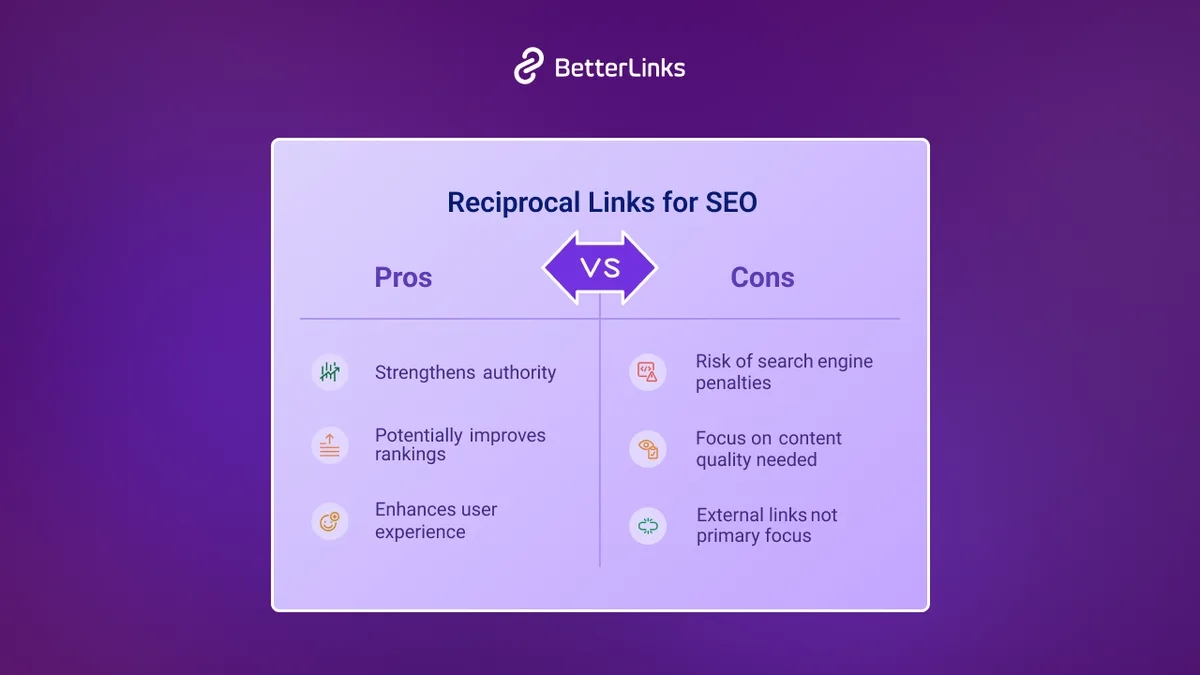
When you negotiate a swap, be specific about placement. Ask for an in-content link within a topically related post, and offer the same in return. Partners who insist on footer-only placement are telling you how they value links — and it is not the way you should value yours.
Tactic 3: Diversify Anchor Text Across Every Swap
Anchor text is where a lot of link exchanges go wrong. Maintaining clarity across your reciprocal links remains essential. If every partner links to you with the exact same commercial phrase, the pattern looks manufactured. Search engines notice repetition, and so do human readers.
Mix it up. Some links should use your brand name. Some should use a natural phrase describing the page. Some should use a plain URL. The goal is a profile that looks like it grew organically, because that is what it should be.
Here is a quick reference for how I like to distribute anchor text across a batch of partner links:
| Anchor Type | Example | Share Of Links |
|---|---|---|
| Branded | Your Company Name | 40-50% |
| Descriptive / partial match | guide to small business invoicing | 25-35% |
| Naked URL | yoursite.com/invoicing | 10-15% |
| Generic | read more here | 5-10% |
The reciprocal links distribution is not a rule handed down from anywhere — it is a working heuristic that keeps things looking natural. Adjust it to fit your niche, but never let one phrase dominate.
Tactic 4: Keep the Outbound-To-Inbound Ratio Sane
A page that links out to twenty sites while receiving two links back looks suspicious. So does a site that only ever receives. Balance matters, and it is one of the most overlooked items on any reciprocal links checklist.

My rule of thumb: for every link the reciprocal links accept, make sure you are also linking out to sources you genuinely respect — not just partners. Cite studies, reference industry reports, point to tools you actually use. That habit builds a natural outbound profile and makes your partner links blend in rather than stand out.
If you are running a link exchange program at any scale, audit your ratio quarterly. I have watched sites accumulate dozens of partner links while their outbound editorial links stayed flat, and the imbalance is exactly the kind of footprint you do not want.

Tactic 5: Build a Reciprocal Links Checklist Before You Publish
Every swap should pass a fixed set of checks before it goes live. Without a checklist, small problems slip through and compound. Here is the one I use, and I recommend adapting it to your own workflow.
- Relevance confirmed. The partner site covers a topic your audience cares about, and the linking page is topically related to the page being linked.
- Quality signals present. The site publishes original content, has real traffic, and is not a network of thin affiliate pages.
- Placement agreed. Both links live in body content, not footers or dedicated link pages.
- Anchor text varied. Neither side uses an exact-match commercial phrase as the only anchor.
- Reciprocity is roughly equal. Neither side is giving a stronger link than it receives.
- No paid element. No money changes hands, and no link is sold as part of the arrangement.
- Outbound link count is reasonable. The linking page does not already carry dozens of outbound links.
- Indexability confirmed. The link is not hidden behind a nofollow, a redirect chain, or a JavaScript-only render.
Run this list every single time. It takes five minutes and prevents the kind of mess that takes months to untangle.
Tactic 6: Avoid Link Networks and “Instant Approval” Directories
If a site advertises that it accepts reciprocal links instantly with no review, that is your signal to leave. Real editorial partnerships involve a human on the other end deciding whether the link belongs. Automated approval means nobody is thinking about relevance, and that is precisely the pattern search engines are built to catch.
Link networks dress themselves up as “partner directories” or “resource hubs.” The tell is usually the scale: hundreds of members, all linking to each other in a closed loop, with no editorial connection between them.
Google’s documentation on link schemes specifically calls out “excessive link exchanges” and “partner pages exclusively for the sake of cross-linking.” That language is not decorative.
When in doubt, ask whether the link would exist if search engines did not. If the honest answer is no, skip it.
Tactic 7: Use Guest Posts and Collaborations as Natural Swap Vehicles
Some of the best reciprocal links come from collaborations that were never framed as link exchanges at all. You write a guest post for a partner, they publish it with a link back to your site, and later you publish something of theirs with a link to their work. The links are real, the content is real, and the relationship deepens.
This approach sidesteps the transactional feel of a straight swap. It also produces better content, which is the whole point. A guest post that solves a real problem for the partner’s audience earns its link. A guest post written purely to plant a keyword anchor does not.
I have seen the reciprocal links work especially well for B2B sites. A software company and a consultancy that serve the same buyers can trade guest content and case study mentions for years without ever calling it a link exchange. The links accumulate naturally, and nobody has to negotiate anchor text in a spreadsheet.
Tactic 8: Monitor Partner Sites for Quality Decay
A link that was good three years ago might be a liability today. Sites get sold, content gets replaced with thin affiliate pages, and suddenly your “relevant partner” is a shell. Monitoring is not paranoia — it is maintenance.

Set a calendar reminder to review your partner list every six months. Check that each linking page still exists, still carries your link, still passes link equity, and still sits on a site you would be comfortable recommending.
If a partner has gone downhill, ask for removal or quietly disavow. Either way, do not leave a decaying link in place out of politeness.
This is the part of a reciprocal links guide that most people skip, and it is the part that separates a durable link profile from one that erodes over time.
Tactic 9: Track Outcomes So You Know What Actually Works
The reciprocal links cannot improve what you do not measure. Track each partner link with a simple record: partner domain, date placed, page linked to, anchor used, and any ranking movement on the target page over the following ninety days.
After a few months, patterns emerge. You will notice that certain types of partners — say, sites in adjacent niches with active newsletters — consistently produce movement, while others produce nothing. That data should shape who you pursue next.
I keep a lightweight spreadsheet for the reciprocal links, and it has saved me from repeating the same mediocre partnerships. It also gives you something concrete to show when someone asks whether link building is working. Numbers beat hunches.
Tactic 10: Pair Reciprocal Links With Content That Deserves to Rank
Here is the uncomfortable truth: no link exchange will rescue a page that does not answer the query. Links help a good page rank higher. They do not make a bad page good.
So pair every link-building effort with content investment. Proper attention to your reciprocal links sets a strong baseline. The page you are linking to should be the best resource on its topic — comprehensive, current, well-structured, and genuinely useful. When it is, the links you build compound. When it is not, they are wasted.
This is also where the reciprocal links best practices conversation usually lands. The sites that win long-term are the ones that treat links as distribution for content worth distributing. Everything else is noise.
Common Mistakes That Undermine Reciprocal Links
Even well-intentioned link exchanges fail for predictable reasons. Here are the ones I see most often, along with how to avoid them.
The first is over-negotiation. Chasing the perfect anchor and the perfect placement for every swap turns a relationship into a transaction, and partners notice. Loosen up. The second is volume obsession: treating fifty mediocre links as better than ten strong ones.
It is not. The third is ignoring the page you are linking to — sending link equity to a thin category page instead of a substantial article wastes the opportunity.
And the fourth, which is the most damaging, is failing to disclose paid arrangements. If money is involved, the link needs the appropriate attribute. Google’s guidance on qualifying outbound links is clear on this, and getting it wrong can cost you more than the link was ever worth.
Frequently Asked Questions About Reciprocal Links
Here is an in-depth breakdown of key considerations regarding Frequently Asked Questions About Reciprocal Links:
Are Reciprocal Links Bad for SEO?
No — not inherently. A small number of relevant, editorially justified exchanges between sites that serve the same audience are fine. Problems arise when exchanges become excessive, automated, or disconnected from any real topical relationship. The intent and pattern matter more than the mere existence of a two-way link.
How Many Reciprocal Links Should a Site Have?
There is no magic number, but fewer is generally safer. I would rather see a site with eight strong, relevant partners than eighty weak ones. If your partner links start to outnumber your editorial outbound links, that is a sign to slow down and rebalance.
Do Reciprocal Links Still Carry Ranking Weight?
They can, but the weight depends on the same factors as any other link: relevance, authority of the linking page, placement within content, and anchor text. A reciprocal link from a strong, relevant site in body copy behaves much like a one-way link from that same site. A reciprocal link from an unrelated, low-quality site does very little.
What is the Difference Between a Reciprocal Link and a Link Exchange Scheme?
The difference is scale and intent. A reciprocal link is a single, contextually justified partnership. A link exchange scheme is a system — often automated — designed to generate links at volume with no editorial rationale. The former is normal relationship building; the latter is what search engines penalize.
Should I Nofollow Reciprocal Links?
Only if the arrangement involves payment or an advertising relationship. Genuine editorial partnerships do not require a nofollow attribute. If you are unsure whether an arrangement counts as paid, err on the side of disclosure and use the appropriate attribute.
How Do I Find Good Reciprocal Link Partners?
Start with sites you already cite or reference in your content. Those are the partners most likely to be relevant and most likely to say yes. Then look at sites that link to your competitors — if they cover your topic, they may be open to a genuine exchange.
Cold outreach works best when you lead with a specific, useful reason for the partnership rather than a generic request.
Putting the Ten Tactics to Work
The through-line across all ten tactics is simple: treat reciprocal links as relationships, not transactions. Vet for relevance, place links where they belong, vary your anchors, keep your ratios balanced, and monitor what you build. Do those things and the links you earn will hold up.
Start with one partner this week. Run the checklist, negotiate honest placement, and track the outcome. Then repeat. That is how a durable link profile gets built — one relevant, well-placed exchange at a time.