Why Link Exchange Still Deserves Your Attention
A link exchange is one of the oldest moves in the SEO playbook, and it still works when you do it with care. Most people who try it either overdo it or hand the whole job to a tool that spits out spam. The result? Penalties, dead traffic, and wasted effort.
I have watched this happen across dozens of sites. So I pulled together the ten approaches that survive algorithm updates and actually move rankings. Some are old-school habits that still earn their keep. Others are newer tactics that fly under the radar.
Treat this as your working link exchange guide: frank, practical, and free of the clichés you’ve already read a thousand times.
The Core Value Proposition: Why Reciprocal Linking Matters
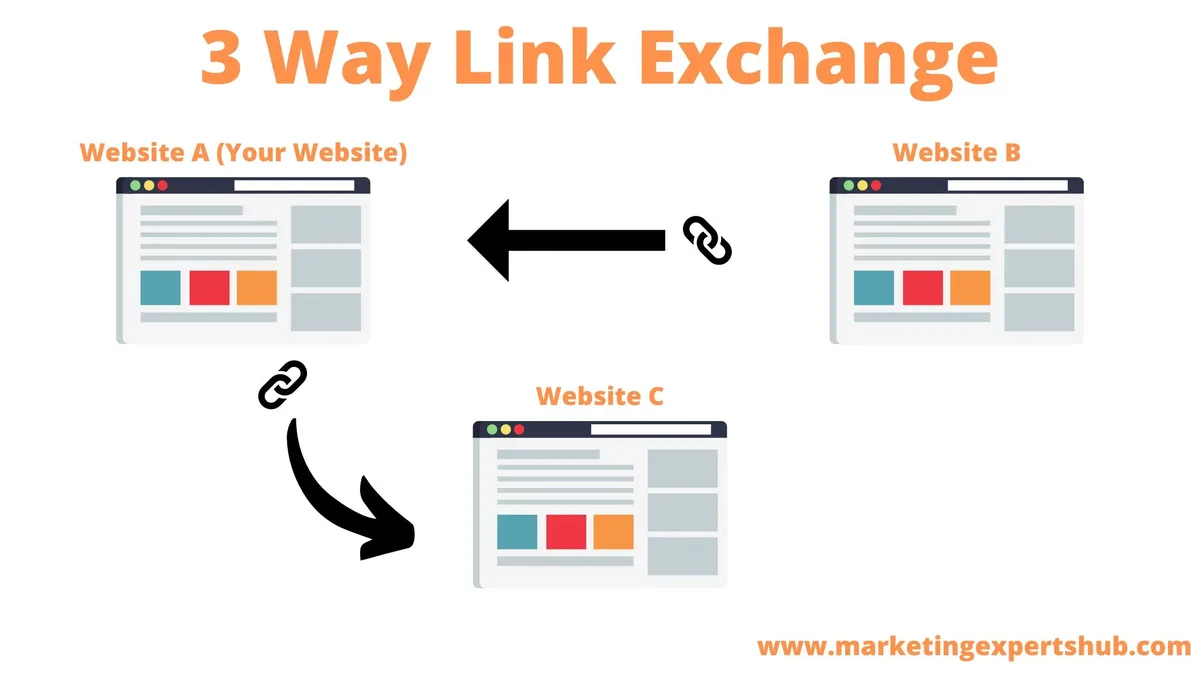
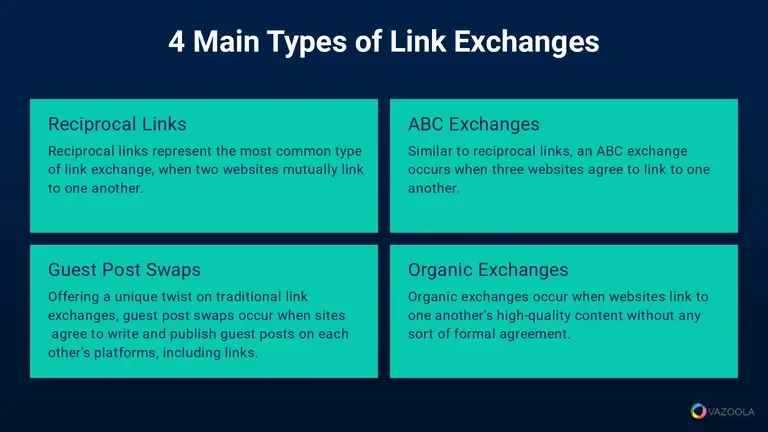
Let’s start with basics. Focusing on link exchange provides clear direction here. Reciprocal linking means two sites link to each other. Sounds simple. But the reason it works isn’t about the link itself — it’s about the relationship and context the link carries.
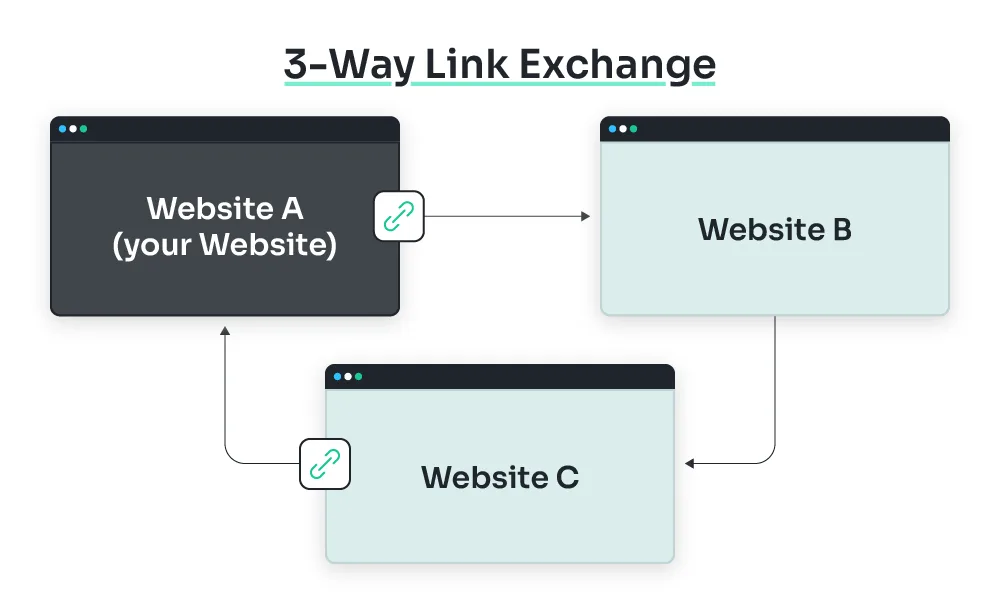
Google looks at a link as a vote. When two editors vouch for each other’s content, that vote carries more weight than a random directory placement. The trust travels both ways.
That’s the theory. In practice, the benefit only shows up when both pages are genuinely useful to the same audience. A pet supply site linking to a finance blog? That’s a red flag, not a win.
What Makes a Link Exchange Worth Doing
Before you pitch anyone, run this quick mental filter. Is the other site topically related? Is its content actually read by humans? Does it have clean outbound practices?
If you can answer yes to all three, the exchange has a real shot. If you hesitate on any of them, walk away. There’s no shortage of partners — only a shortage of good ones.
1. Vet Relevance Before Anything Else
Relevance is the load-bearing wall of any link exchange. No amount of negotiation can fix a bad topical match. I’ve seen sites trade links with completely unrelated businesses and wonder why rankings never budged.
The test is simple. Open the other site. Read three articles. Ask yourself: would my readers find this useful? If the answer is a shrug, skip it.
Google’s algorithm has gotten very good at reading topical context. A link from a cooking blog to a SaaS landing page carries almost no signal. A link between two marketing blogs with overlapping audiences? That’s the sweet spot.
The Relevance Checklist I Use
Look at the categories. Look at the tags. Look at the comments section. If all three suggest a real audience in your niche, you’re probably fine.
One more thing: check the site’s own outbound link profile. If they’re already linking to fifty random sites, your link will get lost in the noise.
2. Audit Site Quality Before You Commit
This is where a lot of link exchange tips fall short. They tell you to find “high DA” sites and call it a day. Domain Authority alone tells you almost nothing useful.
Run the site through a tool like Ahrefs or Semrush. Look at organic traffic trends. Look at referring domains. Look at how quickly new content gets indexed.
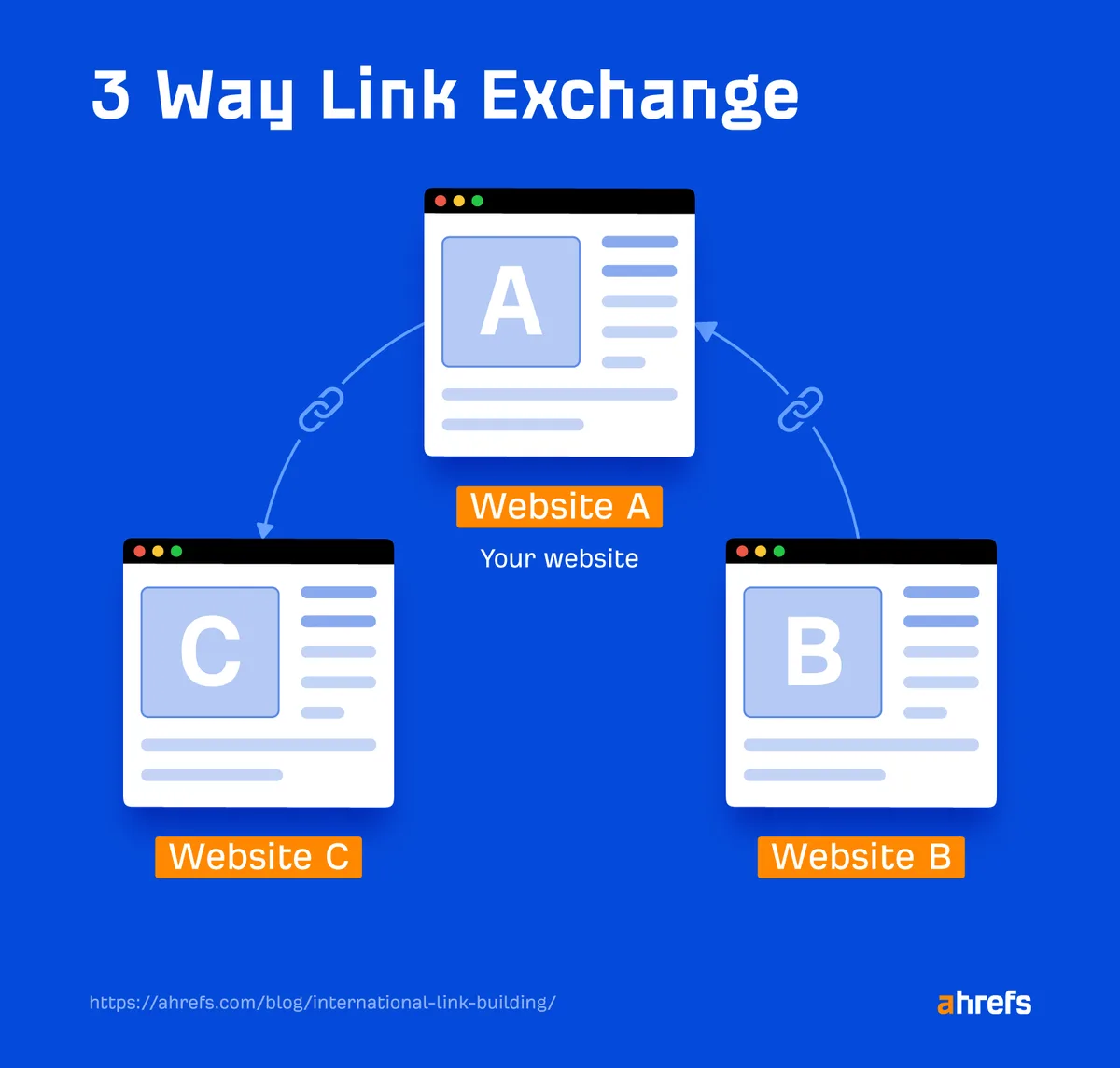
I once almost partnered with a site the link exchange looked great on paper — solid metrics, clean design. Then I checked the Wayback Machine. Two years earlier, the same domain hosted a casino spam farm. The rebrand was recent and the risk was real.
Red Flags Worth Walking Away From
Watch for thin content, sudden traffic spikes with no explanation, and outbound links to unrelated gambling or pharmaceutical sites. Any one of these is enough to end the conversation.
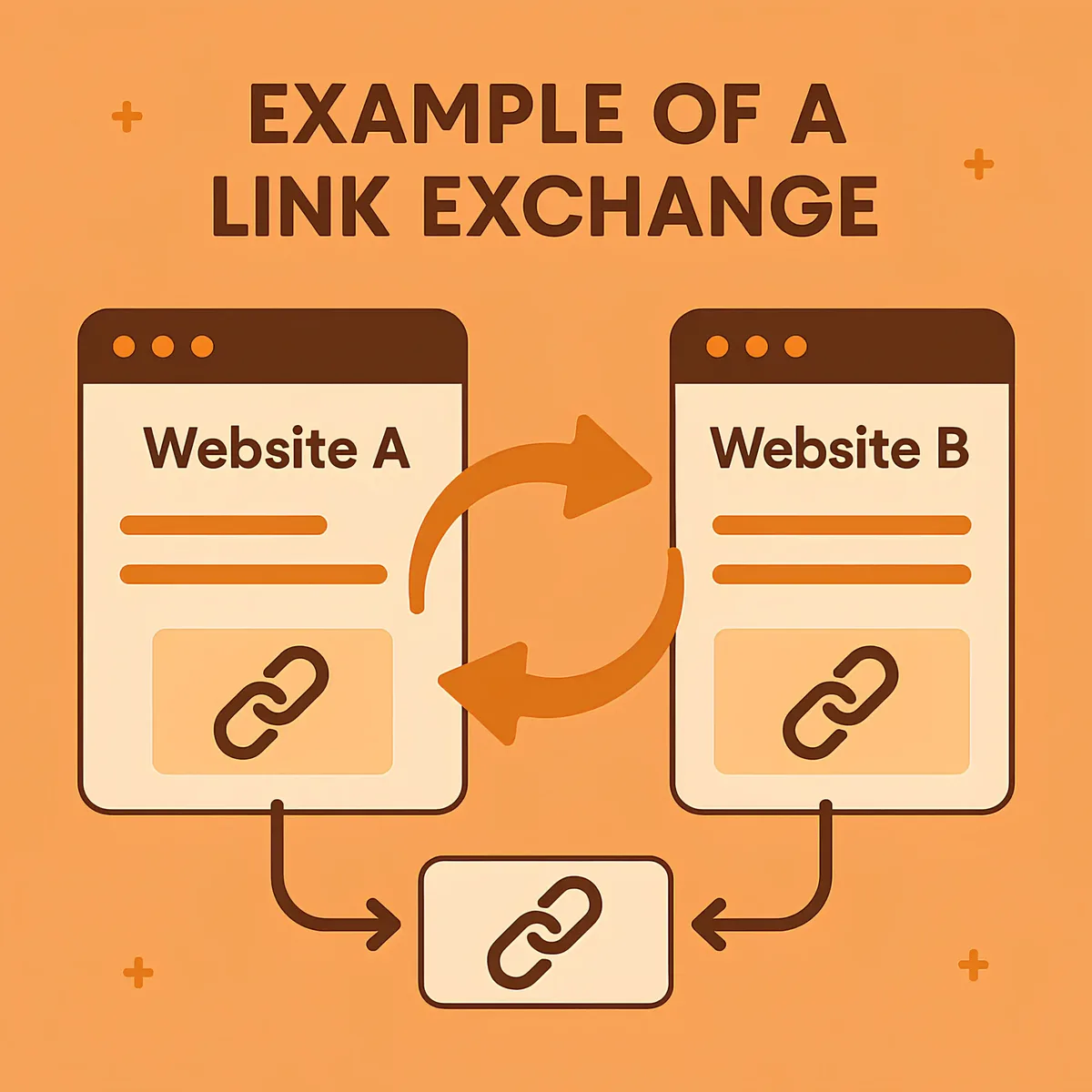
Trust your gut. If something feels off about the pitch, it probably is. A slow yes is always better than a fast regret.
3. Pitch Partners With a Real Reason
Cold outreach for link exchange has a bad reputation because most people copy the same template. “Hi, I noticed your excellent content and would love to collaborate.” Delete.
Instead, lead with something specific. Reference an actual article. Point out one detail that shows you read it. Explain what your audience has in common with theirs.
The best partnerships I’ve built started with a short note that could have come from a real reader. Not from a spreadsheet.
An Example That Worked
I once messaged a gardening editor about a specific paragraph in her compost guide. She replied within an hour. The exchange was agreed before dinner.
That’s the pattern: specificity earns attention. Generic pitches belong in the spam folder.
4. Match Placement So Neither Site Feels Shortchanged
Unequal placement is where friendships end. If you get a homepage link and the other site gets a footer mention, resentment builds quietly until the link disappears.
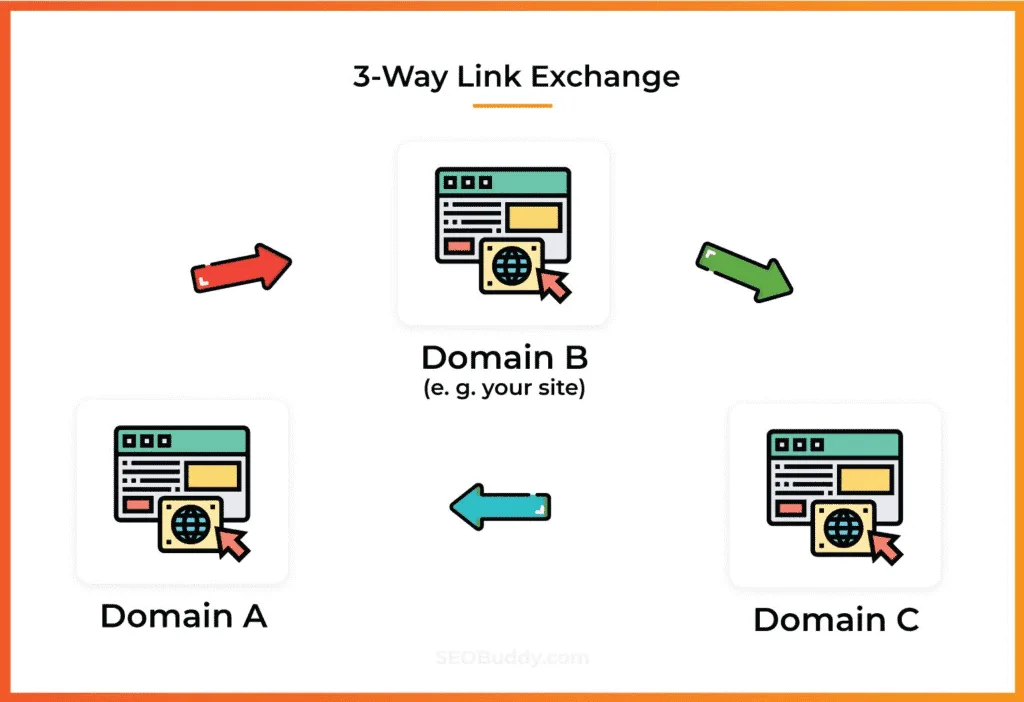
Before you publish anything, agree on placement. Usually that means one prominent link on a relevant page from each side. Body content is better than sidebar. Sidebar is better than footer.
When both editors feel the trade is fair, the relationship lasts. When they don’t, you lose the link within six months.
5. Diversify Anchor Text Strategically
Anchor text still matters in link exchange work. But it’s easy to over-optimize, and that’s exactly the trap. If every partner links to you with “best running shoes,” Google will smell a pattern.
Instead, aim for natural variety. Some partners should use your brand name. Others should use a descriptive phrase. A few should use the page title.

The ratio matters. Effective execution in your link exchange makes a tangible difference. For most sites, brand-name anchors should be the majority. Exact-match anchors should be the exception, not the rule.
A Mix That Looks Natural
Six brand anchors, two partial-match anchors, one exact match, and one naked URL. That’s a healthy distribution for a small campaign.
If you’re going to build a link exchange checklist, make anchor diversity a permanent item. It prevents the kind of over-optimization that gets sites penalized.
6. Prioritize Niche Edits Over Homepage Links
A homepage link from a big site looks impressive. But a homepage link sits next to hundreds of others. A niche edit sits inside an article that already ranks for the topic.
Niche edits — adding your link into an existing, relevant article — almost always outperform new homepage placements. The surrounding content anchors your link in context. The page has history.
When you negotiate a link exchange, ask for a niche edit on a page that already ranks for a related term. That single change can transform results.
How to Ask for It
Make it easy for the other editor. Suggest a specific article. Suggest a specific paragraph where the link would fit. Offer to do the same on your side.
Editors say yes to clear, low-effort requests. They say no to vague invitations.
7. Keep an Ongoing Relationship, Not a One-Off Trade
A single link exchange is a transaction. A recurring partnership is an investment. The sites that benefit most are usually the ones that have traded a dozen links over years, not one.
Once the first exchange works, look for other opportunities. Share each other’s content on social. Cite each other in future articles. Mention them on podcasts.
The SEO benefit compounds slowly. But it compounds reliably. And it’s much easier to build on a warm relationship than to cold-pitch a stranger.
8. Document Everything in a Link Exchange Checklist
You can’t scale without a process. Make a link exchange checklist and use it every single time, for every single partner. It doesn’t need to be complicated.
I keep mine to six lines: relevance verified, quality audited, placement agreed, anchor text varied, page indexed, performance tracked. Six boxes. Two minutes per exchange.
That’s the discipline. When I skip the checklist, something slips. When I follow it, exchanges are boring and effective.
A Simple Link Exchange Checklist
Here’s a version you can copy: verify niche, audit traffic, check outbound links, agree placement, plan anchor, schedule a 90-day review. Print it. Use it. Never build an exchange without it.
The review step matters most. Maintaining clarity across your link exchange remains essential. Many people never check whether the link is still live. Partners quietly drop links, change URLs, or rebrand. That check saves you from silent link rot.
9. Avoid Link Farm Pitfalls and PBN Traps
If someone offers you a link exchange with an article directory, a “100 partner network,” or a PBN, close the tab. These are the places where link exchange best practices go to die.
The tell is usually the pitch. Too many promises. Too many “exclusive” partner lists. Too fast to say yes. Real editors take their time.
PBNs and link farms feel efficient for the first month. Then Google re-indexes the network, and the link juice disappears overnight. The cleanup takes years.

Warning Signs in the Pitch Itself
Watch for guarantees (“top 10 rankings in 30 days”), pressure to move fast, and offers to trade dozens of links at once. Any of those three should end the conversation.
You’re not building links. You’re building trust. That framing alone will filter out most of the bad actors.
10. Track Impact and Cut What Doesn’t Work
Last tip, and it’s the one everyone skips. Track impact. Set up a simple tracking sheet. Note the date of each exchange, the target URL, the anchor, and the page’s ranking position before and after.
Reviews every ninety days keep you honest. If an exchange produced no movement after six months, ask why. Maybe the partner page doesn’t rank. Maybe the link was buried. Maybe the niche overlap was thinner than you thought.
Cutting dead exchanges makes room for better ones. That’s the whole game — good inputs, measured over time.
A Comparison: Which Link Exchange Tactics Deliver Most
Not all tips are equal. Below is a rough ranking based on what I’ve seen work across sites in different niches.
| Tactic | Impact on Rankings | Risk Level | Effort |
|---|---|---|---|
| Niche edit exchange (relevant page) | High | Low | Medium |
| Homepage exchange (relevant site) | Medium | Low | Low |
| Footer or sidebar exchange | Low | Medium | Low |
| Anchor text diversity maintenance | Medium | Low | Medium |
| Directory or PBN trading | Negative | High | Low |
| 90-day performance review | Indirect (protects value) | Low | Low |
Read the table as a rough guess, not a law. Niche context changes everything. Still, the pattern tends to hold: closer relevance and better placement win.

Answering the Questions People Actually Ask
Here are the questions I hear most often when I run link exchange workshops. Short answers, then a bit of reasoning.
Is Link Exchange Bad for SEO?
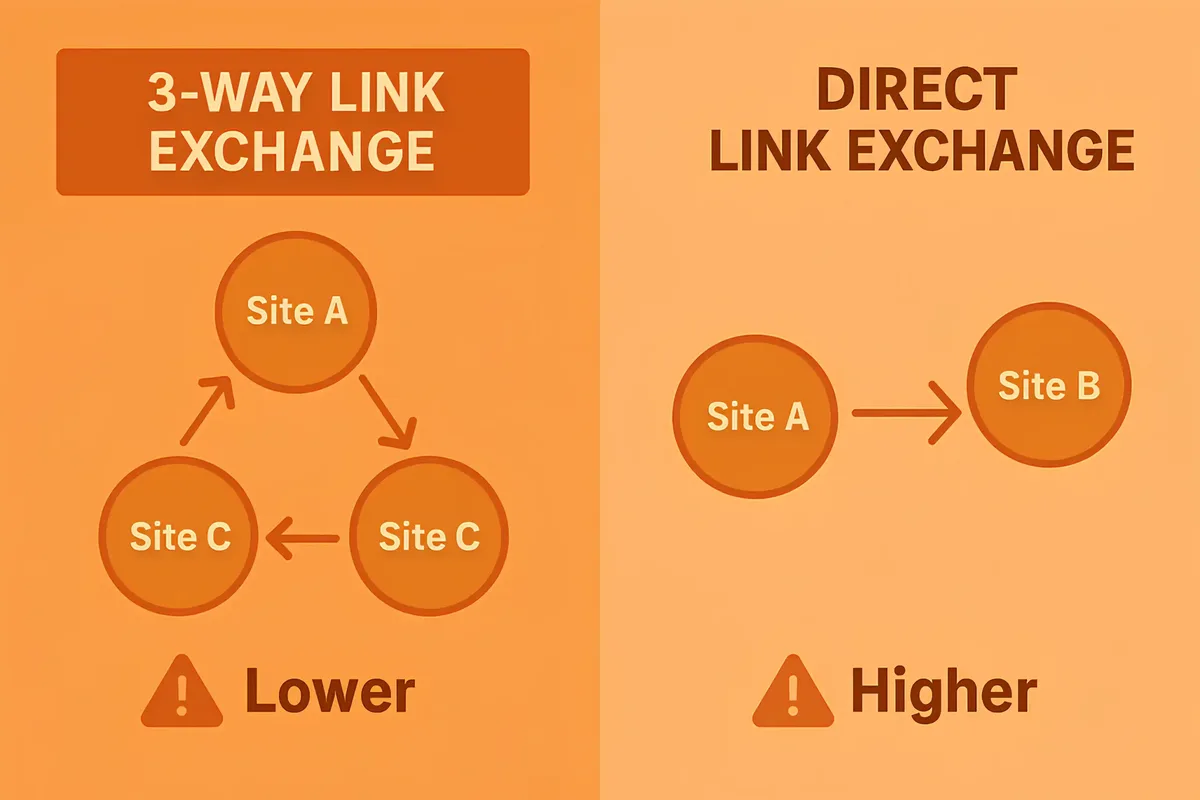
Not inherently. A thoughtful approach to link exchange reinforces your qualifications. Google’s spam policies target schemes designed to manipulate rankings, not editorial partnerships between relevant sites. When the exchange is organic, transparent, and topically grounded, it looks no different from any other editorial link.
The problem starts when you buy a package deal, trade with hundreds of sites at once, or use exact-match anchors on every link. Those patterns trigger alarms.
How Many Links Should I Trade per Month?
Depends on your site size. Small sites can handle two or three per month without looking suspicious. Larger sites can handle more, but only if the ratio of content to new links stays healthy.

If you’re publishing three posts a month and adding ten new links, that’s a red flag. Keep the ratio reasonable. Slow and steady wins.
Do Do-Follow Links Matter?
Yes, but not as much as some tools suggest. A do-follow link from a relevant site counts as a vote. A no-follow link still drives traffic and citation value.
Don’t walk away from an exchange just because the partner uses no-follow on their sidebar. Ask for a do-follow editorial link instead. If they refuse, negotiate or decline.
Should I Use a Tool to Find Partners?
Tools help with discovery. They don’t help with judgment. Use them to surface potential partners, then vet manually. Automation speeds the first step, but it rarely nails the second.
For high-stakes exchanges, I still review every site by hand. It’s slow, but it saves penalty risk.
How Do I Know if an Exchange Actually Worked?
Track the target page. Note its baseline position for two or three keyword clusters. Review again at 30, 90, and 180 days.
If the trajectory is up and stays up, the exchange was worth it. If it flatlines or reverses, cut the link and move on. That simple tracking habit separates real practitioners from link sprayers.
Common Mistakes That Undo Good Intentions
Even with the right strategy, execution errors undo good work. Structuring your link exchange around proven patterns ensures impact. I’ve seen this play out on small and large sites alike.
The biggest mistake is treating link exchange as a numbers game. Chasing volume almost always leads to bad trades, which lead to penalties, which lead to recovery projects that cost more than the links ever earned.
The second-biggest mistake is skipping the review. Two years after a handshake, the partner site has changed hands, rebranded, or shut down. The link is dead and nobody noticed.
A third: chasing DR or DA as the only signal. A site can have a strong DR number and still have zero real traffic. That link does nothing for you.
The last one stings most: failing to document the agreement. When the other editor changes jobs, no one remembers the deal. Two months later, the link is gone.
Setting Realistic Expectations for Your Campaign
What should you actually expect from link exchange work? Modest gains, mostly. Not spectacular jumps.
The reason is simple. Each exchange is one vote in a very large system. A dozen good exchanges might move a moderately competitive page from position 12 to position 8. That’s meaningful in business terms, even if it looks small in numbers.
What you shouldn’t expect: overnight ranking changes, dramatic traffic spikes, or easy wins in highly competitive niches. Those outcomes come from content, PR, and time — not exchanges alone.
The right frame is: link exchange as one input in a broader strategy. Combined with great content and clean technical SEO, it works well. In isolation, it disappoints.
How to Combine Link Exchange With Other Link Building Tactics
Link exchange is one tactic, not a strategy. The sites that win long term mix it with other approaches.
Digital PR earns the highest-quality links but takes patience and story angles. Guest posting still works for niche relevance but has become a crowded market. Broken link building is slower but produces extremely relevant placements.
Link exchange sits nicely between them. It’s faster than PR, more reciprocal than broken-link outreach, and less expensive than paid placements.
Where It Fits Best
If your niche has a strong community of blogs — think gardening, cooking, local services, small finance — you have plenty of exchange partners. If your niche is highly competitive SaaS, exchanges are useful but limited; you’ll need PR and original research to compete.
Study your niche before you invest. The tactics that work in one space are often useless in another.
Where Most People Get the Link Exchange Guide Wrong
Most guides focus on mechanics. How to outreach, how to negotiate, how to track. All useful. But the guides miss the human core of the whole thing.
Link exchange works because editors trust each other. It fails because the same editors get burned by bad partners and stop trusting anyone.
The best practitioners treat this as a relationship game, not a rankings game. They put in the effort to be a good partner. They show up. They deliver what they promised, on time, with the quality they said.
That reputation compounds. After a few years, editors start reaching out to you instead of the other way around. That’s the real win.
What Good Partners Do Differently
They respond quickly. They deliver content before the deadline. They flag problems before they become public. They follow up after a few months to check the link is still live.
None of that is glamorous. All of it is what makes a link exchange relationship last through algorithm updates and redesigns.
Frequently Asked Questions
Here is an in-depth breakdown of key considerations regarding this section:
Can Too Many Link Exchanges Hurt My Site?
Yes, if the pattern looks manipulative. Hundreds of reciprocal links with unrelated sites will flag your site. A dozen relevant exchanges over a year won’t.
The safe zone is relevance plus moderation. If both are present, you’re fine.
How Do I Reject a Bad Link Exchange Request Politely?
Keep it short. “Thanks for reaching out, but our current focus is different.” You don’t owe anyone a longer explanation.
Replying politely keeps the door open for future contact. Ghosting is faster but burns bridges.
Do Link Exchanges Work in Every Niche?
Not equally. They work best in niches with active independent blogs. They work less well in niches dominated by big corporate publishers, where editorial independence is rare.
Check your niche before assuming. The tactic isn’t universal.
What’s the Ideal Frequency for Anchor Text Variety?
Six to seven times out of ten, use a brand anchor. The next two or three times, use descriptive or partial-match anchors. The last slot is reserve for exact match — rarely.
That ratio keeps your profile natural. Anything that looks like a pattern will be noticed.
How Long Should I Wait Before Judging Results?
Ninety days minimum. Google doesn’t re-index and re-rank instantly. Give the link time to be discovered, crawled, and evaluated.
After six months, you have enough data to judge whether to keep or cut the exchange.
Wrapping Up: a Realistic Path Forward
Link exchange isn’t the sexiest tactic in your toolkit. It’s not the fastest either. But done well, it’s one of the most durable.
Start with the ten tips above. Vet relevance. Audit quality. Pitch specifically. Match placement. Diversify anchors. Prioritize niche edits. Build relationships. Document everything in a checklist. Avoid link farms. Track what works.
Then repeat. The pattern looks unremarkable from the outside. From the inside, it’s what separates sites that keep ranking for years from sites that spike and disappear.
If you want to go deeper, explore the parent topic of organic link building — a broader framework that includes PR, partnerships, and content-led citation strategies. From there, satellite topics like anchor text optimization, digital PR outreach, and link velocity management will give you a full picture.
And remember: none of this happens without the human side. Be the partner other editors want to work with. The rankings follow the relationships, not the other way around.
For verified reference and background research, consult the authoritative informational resource on this topic.