Performance Max Campaigns: Why Smart Advertisers Keep Coming Back
Performance Max campaigns sit at the center of nearly every serious Google Ads strategy conversation, and for good reason. They promise cross-channel reach with machine learning doing the heavy lifting, but ask any media buyer who has run them for a few quarters and you will hear a mix of enthusiasm and hard-won lessons.
Yes, the automation is real. So is the confusion when a campaign burns budget on placements you never intended to touch.
The truth is simpler than the hype suggests. Focusing on performance max campaigns provides clear direction here. Performance Max rewards advertisers who bring structure, clean data, and a clear point of view about what “working” actually means.
Get the performance max campaigns three things right and the campaign type can outperform almost anything else in your account. Get them wrong and you will watch a black box eat your budget while your reports look suspiciously optimistic.
This performance max campaigns guide walks through seven tips that hold up under real account pressure. Not theory pulled from a help center article, but the kind of adjustments that separate accounts quietly hitting target CPA from the ones stuck in a permanent “learning” loop. Each tip comes with the reasoning behind it and the specific moves that make it work.

What Performance Max Campaigns Actually Do (And What They Do Not)
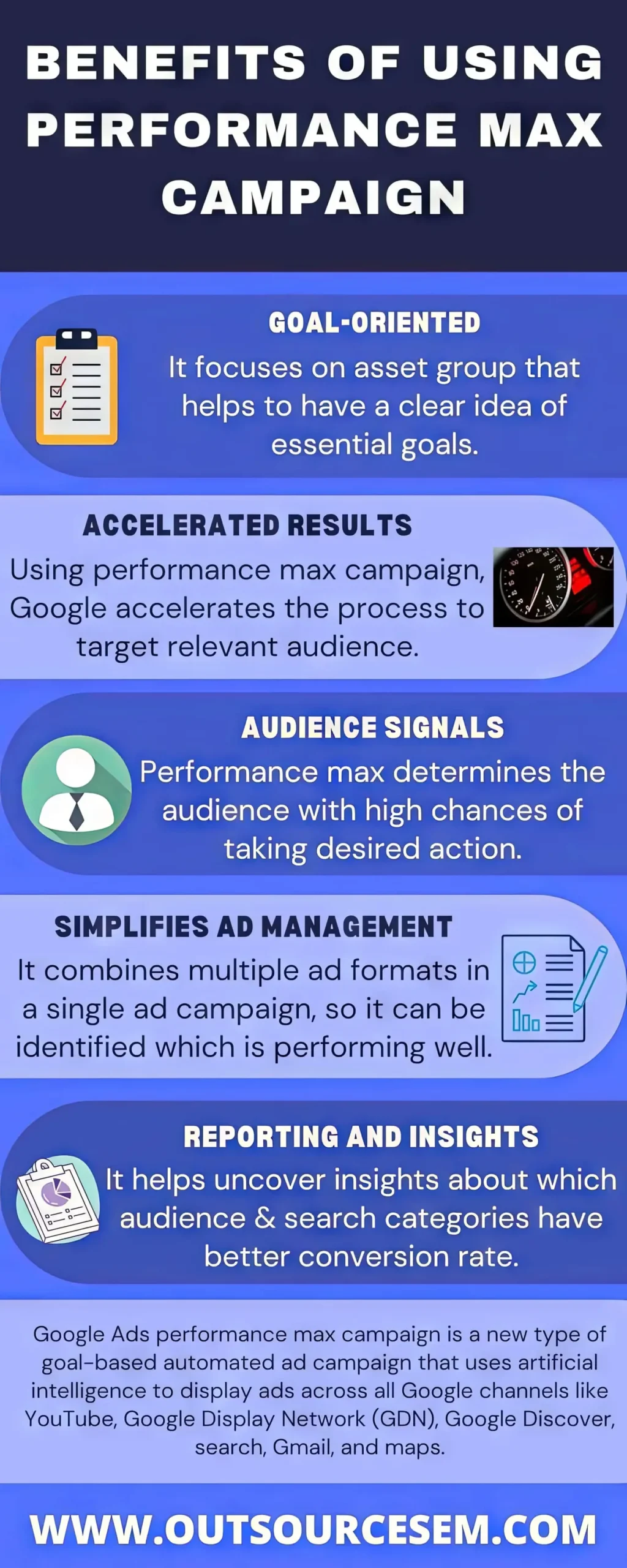
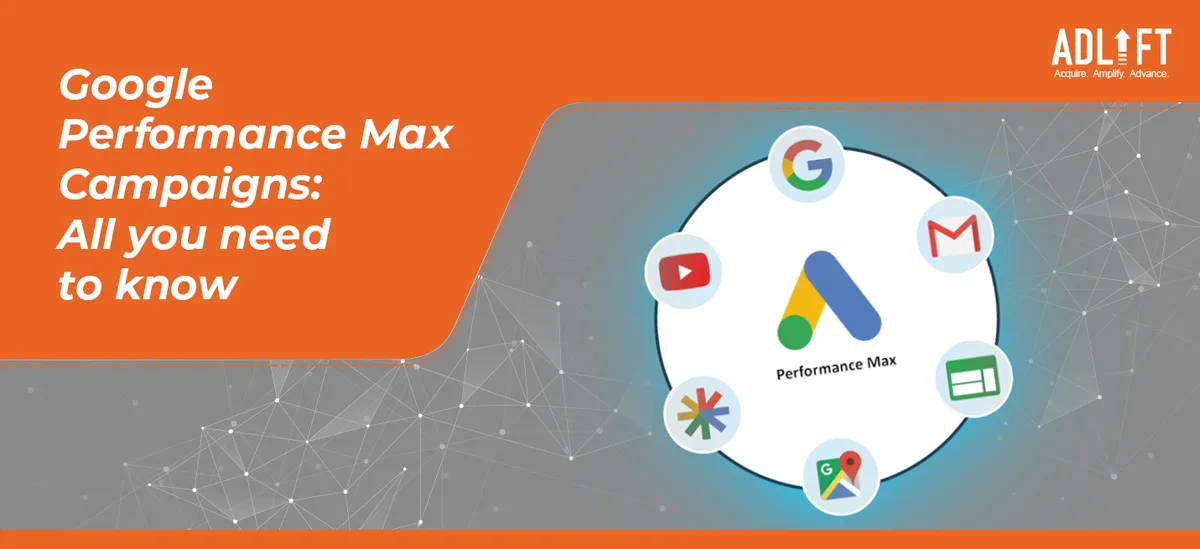
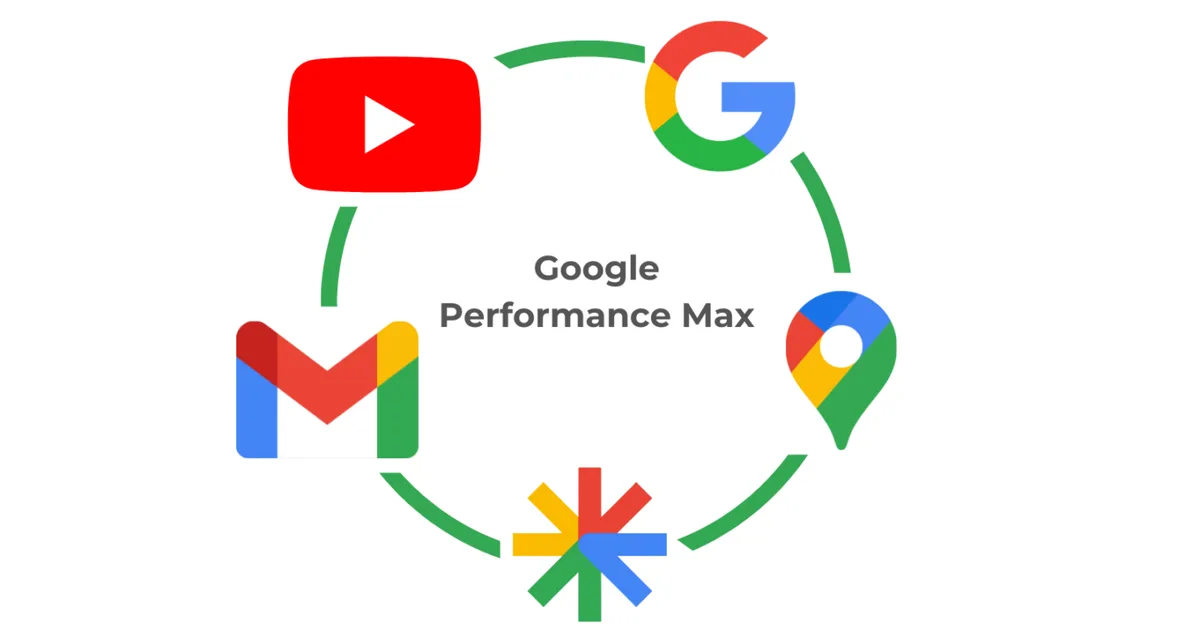
Before the tips, a quick grounding. Performance Max campaigns are a goal-based campaign type in Google Ads that serve across all of Google’s channels from a single campaign: Search, Display, YouTube, Discover, Gmail, and Maps.
You feed it assets, audience signals, and a conversion goal, and the system decides where and when to show ads for each user.
The performance max campaigns cross-channel reach is the headline feature. It also explains most of the frustration. Because the campaign optimizes toward a single goal across all inventory, you lose the granular control you once had with separate Search and Display campaigns. No keyword-level bids. No manual placement exclusions for every property. Just signals and guardrails.
The mental model that helps most: think of Performance Max as a demand-capture engine that needs three inputs to work well. First, a conversion signal that is trustworthy and complete. Second, creative assets that give the system enough variety to match intent across channels. Third, audience signals that point it toward the right people instead of leaving it to guess.

Miss any one of the performance max campaigns and the campaign does not fail loudly. It fails quietly, spending budget on low-intent placements while your dashboard reports a conversion volume that looks fine until you check margin or lead quality. That gap between reported success and actual business results is where most advertisers get hurt.
Where It Fits in Your Account Structure
Performance Max works best as a layer that consolidates spend and captures demand across the full funnel, not as a replacement for everything else.
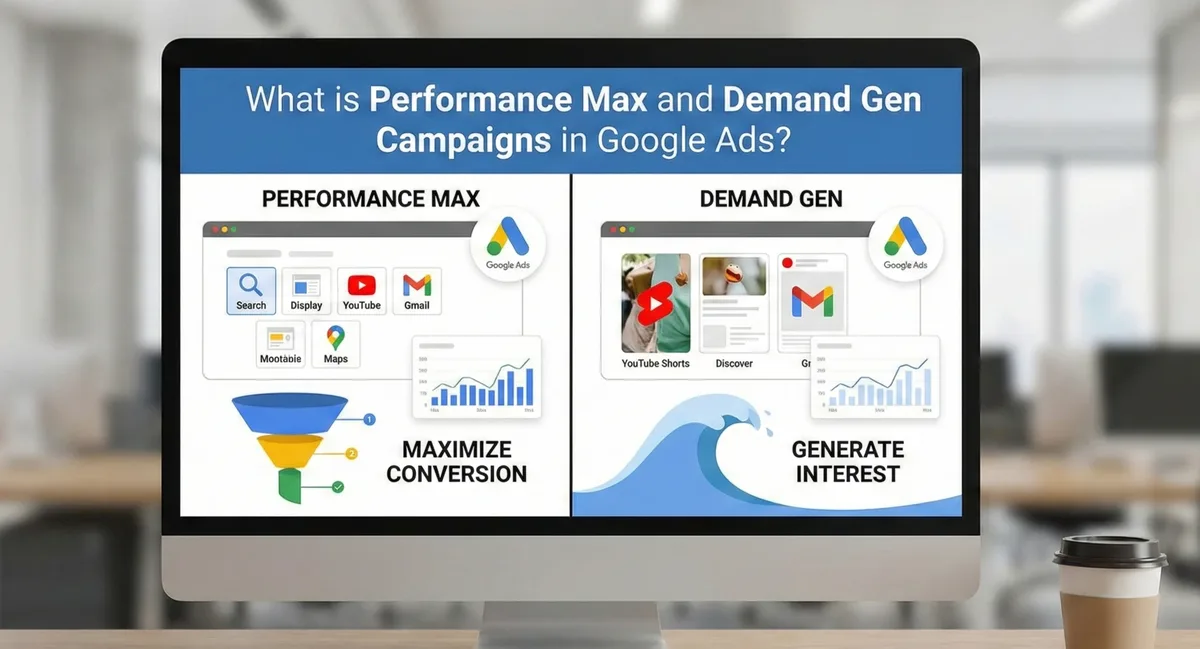
Accounts that run it alongside tightly managed brand search and dedicated prospecting campaigns tend to see better incremental lift than accounts that dump everything into one PMax campaign and hope for the best.
If you are migrating from a traditional structure, the advice that saves the most pain is to start with a focused conversion goal and a clean feed. Do not launch with five goals in one campaign.
Do not launch without product-level data if the performance max campaigns sell ecommerce. The system will optimize toward whatever signal fires most easily, and that is rarely the signal you actually want to scale.
Tip 1: Lock Down Your Conversion Tracking Before You Spend a Dollar
This is the tip everyone nods at and too few actually follow. Performance Max campaigns are only as smart as the conversion data feeding them. If your conversion tracking double-counts, misses offline sales, or attributes everything to the last click, the algorithm learns the wrong lesson and scales the wrong behavior.

Picture a common scenario. An ecommerce brand tracks only purchases on the website, ignoring phone orders and in-store pickups. The campaign optimizes hard toward online checkouts, which happen to skew toward low-margin clearance items. Six weeks later, revenue looks solid on paper, but the margin has quietly collapsed. The algorithm did exactly what it was told. The problem was the instruction.
Before launching, audit every conversion action in the account. A thoughtful approach to performance max campaigns reinforces your qualifications. Confirm that purchase values pass correctly, that duplicate tags are not firing, and that you are not counting a “add to cart” as a primary conversion when the goal is revenue.
For lead gen, verify that form fills are qualified, not just submitted. If you have a CRM, feed offline conversions back into Google Ads so the campaign learns from closed deals, not just raw leads.
- Audit primary versus secondary conversions: Only the actions that reflect real business value should influence bidding. Everything else belongs in the observation column.
- Verify values pass correctly: If you sell products at different margin levels, send dynamic revenue values so the system stops treating a cheap accessory the same as a high-ticket item.
- Connect offline data: Upload CRM outcomes weekly. This is the single biggest lever for lead gen accounts running Performance Max.
- Check for tag duplication: A common silent killer. Run a tag audit tool and confirm each conversion fires once per user action.
The payoff is not subtle. Structuring your performance max campaigns around proven patterns ensures impact. Accounts that clean up tracking before scaling typically see steadier CPA once the campaign exits learning, because the system stops chasing noise. That alone justifies a full day spent on measurement before a single dollar goes live.
Tip 2: Feed Audience Signals With Intent, Not Just Demographics
Audience signals are the closest thing the performance max campaigns get to steering a Performance Max campaign. They do not restrict targeting the way audience lists do in a Search campaign. They hint. But a well-built signal set can meaningfully shift where budget flows within the first few weeks.
The temptation is to upload a broad demographic list and call the performance max campaigns done. Resist that. The signals that move the needle are built from behavior: people who searched high-intent terms, visitors who viewed pricing pages, email subscribers who opened recent campaigns, and custom segments built from competitor search terms. Each of these tells the system something specific about intent.
Building Signals That Actually Guide the Algorithm
Start with your first-party lists and segment them by recency and depth. A visitor who viewed three product pages in the last fourteen days is a stronger signal than a subscriber from two years ago. Upload each segment separately so you can observe which ones correlate with efficient spend.
Then layer custom segments built from keyword themes. Proper attention to your performance max campaigns sets a strong baseline.
If you sell project management software, build a segment around people who searched for terms like “team collaboration tool comparison” or “asana vs monday alternatives.” The system treats these as directional hints, and over time it learns which audiences convert at your target efficiency.
One practical habit from experienced media buyers: review your audience signal performance monthly and prune the segments that consistently underperform. Signals that do not correlate with conversions add noise, and noise slows learning. Keep the list small, sharp, and grounded in observable intent.

Tip 3: Build Asset Groups Around Themes, Not Around Everything
Asset groups are the creative backbone of Performance Max campaigns, and how you organize them shapes both quality score and message relevance. The most common mistake is dumping every headline, image, and video into one giant asset group and letting the system mix and match. The result is generic messaging that tries to appeal to everyone and resonates with no one.
A better approach is thematic clustering. Developing your performance max campaigns with precision highlights key strengths. Build separate asset groups for distinct product categories, service lines, or audience segments. Each group gets a focused set of headlines, descriptions, images, and a video that speaks to that specific theme. This gives the algorithm enough variety to match intent without losing message coherence.

| Asset Group Approach | What It Looks Like | Result |
|---|---|---|
| Single catch-all group | All headlines, images, and videos in one bucket | Generic messaging, weaker relevance, harder to diagnose |
| Thematic groups | One group per product line or audience need | Sharper relevance, clearer reporting, easier iteration |
| Over-segmented (too many tiny groups) | Twelve groups each with three assets | Thin data per group, slow learning, wasted effort |
A useful rule: aim for asset groups with at least fifteen headlines, four descriptions, and a mix of landscape, square, and portrait imagery. Effective execution in your performance max campaigns makes a tangible difference. That gives the system room to test combinations without starving any single group of impressions. Fewer than five assets per type usually means the campaign has nothing to work with.
Creative Quality Still Decides the Winner
Automation amplifies creative quality, the performance max campaigns does not replace it. Give the system five mediocre headlines and you get a mediocre result at scale. Give it five distinct value propositions backed by proof points and the campaign has something real to optimize toward.

Look at the top-performing brands in your vertical. Their Performance Max ads rarely feel like Performance Max ads. The messaging is specific, the offers are concrete, and the creative feels designed for a real audience.
That is not an accident. Integrating performance max campaigns into your workflow produces consistent quality. It is the result of treating asset groups as a creative project, not a checkbox exercise.
Tip 4: Use Listing Groups and Product Feeds to Control What Gets Promoted
For ecommerce advertisers, the product feed is where most of the actual control lives. Listing groups inside Performance Max campaigns let you segment products by brand, category, margin, or performance history, and each listing group receives its own bid adjustment. This is how you stop a high-margin hero product from absorbing budget meant for discovery.
The feed itself needs the same care you would give a paid search campaign’s keyword list. Titles should be specific and include the attributes buyers actually search for. Product descriptions need enough detail for the system to understand what each item is. Image quality matters more than most advertisers realize, because visual placements are a large share of impressions.
- Segment listing groups by margin tier: Create separate groups for high-margin, mid-margin, and clearance items, then adjust bids to reflect contribution rather than raw revenue.
- Clean up product titles: Lead with the attribute buyers search for, then brand, then model or variant. Avoid promotional text in the title field.
- Use custom labels: Tag products by season, bestseller status, or inventory depth so you can build listing groups that respond to business context.
- Exclude out-of-stock items early: Do not let the system spend on products that cannot ship. Feed hygiene prevents wasted impressions.
A retailer selling outdoor equipment applied exactly this approach to performance max campaigns. After segmenting listing groups by margin and cleaning up product titles, the brand reported that the same campaign delivered more profitable orders without raising budget. The lesson was not to spend more. It was to tell the system which products deserved attention.

Tip 5: Build a Performance Max Campaigns Checklist You Review Weekly
An underrated discipline in the performance max campaigns playbook is a recurring review ritual. The campaign runs continuously and its behavior shifts as signals and data accumulate. Without a scheduled check, problems compound quietly and you only notice when monthly reporting shows a dent.
The checklist does not need to be elaborate. It needs to be consistent. Fifteen minutes a week, same day, same structure. This is how advertisers catch a runaway placement, a creative fatigue pattern, or a sudden CPA drift before it becomes a quarterly problem.

Here is a performance max campaigns checklist that covers the essentials without becoming a second job:
- Conversion health: Confirm conversion actions still fire correctly and that no tracking gaps appeared in the last seven days.
- Budget pacing and efficiency: Compare spend and CPA against target, and flag any campaign burning significantly more than expected without a corresponding lift.
- Asset group performance: Identify which asset groups are delivering and which have gone cold. Replace underperforming creatives.
- Placement and channel breakdown: Review where impressions are landing and exclude the properties that consistently waste budget.
- Search themes and negative keywords: Scan the search terms report for irrelevant queries and add exclusions regularly.
- Audience signal performance: Check which signals correlate with efficient conversions and prune the rest.
- Listing group (ecommerce): Verify product-level performance and adjust bids on margin tiers if context has shifted.
The magic is in the compounding. Small corrections each week keep the campaign aligned with reality. Advertisers who skip the ritual and only react to monthly reports spend most of their time firefighting instead of optimizing.

Tip 6: Treat Search Themes and Negative Keywords as Guardrails
Search themes are the closest thing Performance Max campaigns offer to keyword targeting. They tell the system which themes to prioritize in Search inventory. Combined with a disciplined negative keyword list, they give you meaningful control over where the campaign spends its search budget.
The mistake most advertisers make is treating search themes as a full replacement for keyword research. They are not. They are hints, and the system interprets them loosely. Still, well-chosen themes can pull in higher-intent queries and reduce the volume of irrelevant search traffic that would otherwise waste budget.

Building a Negative Keyword List That Stays Useful
Negative keywords remain essential in a Performance Max account. Without them, brand-misrepresentation queries, job-seeker searches, and unrelated product terms can drain budget with zero conversion potential. Start with a core list based on your category and expand it from the search terms report weekly.
Pay particular attention to brand terms. Many PMax campaigns inadvertently cannibalize brand search, reporting conversions that would have happened anyway. If your account runs a dedicated brand campaign, exclude brand terms from Performance Max so incremental spend is measured honestly.

Also watch for job-seeker and research queries: “how to become,” “career,” “salary,” “free software,” and similar phrases signal low commercial intent. Adding them to the exclusion list early keeps the campaign focused on people actually ready to buy.
Tip 7: Measure Incrementality, Not Just Attributed Conversions
The last and most important tip: do not trust the dashboard to tell you whether a campaign is truly working. Performance Max campaigns are great at claiming credit for conversions that might have happened anyway.

If a user searches your brand name, clicks a PMax ad, and buys, the campaign reports a conversion. But you might have won that customer regardless.
Incrementality testing is the only way to know whether your spend is creating new demand or just intercepting what was already the performance max campaigns. The cleanest method is a geo holdout test. Pick a region where you pause PMax spend and compare revenue against a comparable control region. The difference is the incremental lift.
If a full holdout feels heavy, run a conversion lift test through Google Ads’ built-in tools. These use randomized controls to estimate the lift caused by ad exposure.
Pair that with a solid attribution model that gives proper weight to assist paths, and you start to see the real picture rather than the version the dashboard prefers.
Reporting That Survives Scrutiny
Build a monthly performance max campaigns best practices dashboard that pairs attributed results with business outcomes. Revenue, margin, and customer quality belong next to CPA and ROAS. If your attributed ROAS is climbing while margin is flat or falling, the campaign is borrowing credit rather than creating value.
The advertisers who win with Performance Max are the ones who ask uncomfortable questions about incrementality and demand-gen quality. They are not just watching the campaign, they are watching the business outcome the campaign is supposed to drive.
Common Mistakes That Undermine an Otherwise Solid Setup
Even a disciplined setup can stumble on a handful of recurring mistakes. Refining each detail of your performance max campaigns strengthens this section. Naming them explicitly helps avoid the trap.
- Launching with too little creative: Fewer than five assets per type starves the system. More variety, better testing.
- Chasing revenue instead of profit: If you do not segment listing groups by margin, the algorithm optimizes toward volume rather than contribution.
- Ignoring search terms: Skipping the weekly search terms review lets irrelevant queries pile up and drain budget.
- Over-relying on audience signals: Signals guide, they do not restrict. Treating them as a targeting mechanism sets unrealistic expectations.
- No incrementality measurement: Crediting the campaign for conversions that would have happened anyway inflates performance and hides inefficiency.
- Mixing brand and non-brand in one campaign: Brand searches can overwhelm the campaign and distort how the non-brand portion is evaluated.
- Failing to exclude placements: Without guardrails, budget can flow toward apps, low-quality sites, and irrelevant channels.
None of these are exotic. They are the everyday leakage points that take a promising campaign from efficient to mediocre over a few months. A structured review, like the checklist above, catches all of them.
Balancing Automation With Hands-On Control
There is a running debate in the industry about whether Performance Max campaigns leave advertisers with enough control. The honest answer is that they supply a different kind of control than traditional campaign types. You do not get keyword-level bids or placement-level adjustments. You get signals, assets, listing groups, and exclusions. The skill is learning to speak that language.
Advertisers who adapt quickly treat the campaign as a system the performance max campaigns tune rather than a machine they operate. They focus on inputs: feed quality, creative variety, conversion accuracy, and audience signals. They monitor outputs: placement mix, search query relevance, and margin. They iterate on both. That loop is where performance comes from.
It is also worth noting that Performance Max campaigns continue to evolve. New controls get added, and reporting improves. The fundamentals, however, remain stable: feed the system clean data, give it creative it can work with, and steer it with signals and exclusions. Every performance max campaigns best practices conversation eventually returns to those three.
Frequently Asked Questions About Performance Max Campaigns
The questions below come up constantly in account audits, team onboarding, and community forums. The answers are short and direct.
How Long Does a Performance Max Campaign Take to Exit Learning?
Expect one to two weeks of learning for most accounts, sometimes longer if conversion volume is low. Maintaining clarity across your performance max campaigns remains essential. Do not make major changes during that window. Frequent edits reset the learning period and slow progress.
Can You Run Performance Max Campaigns Without a Product Feed?
Yes. Lead gen and service businesses run Performance Max campaigns without a feed, relying on asset groups and audience signals. Ecommerce campaigns benefit from a feed because listing groups provide product-level control.
Do Negative Keywords Work in Performance Max?
Yes, at the account level and through campaign-level exclusions. Adding a disciplined negative keyword list is one of the most reliable ways to reduce wasted spend and keep the campaign focused on relevant queries.
What is the Ideal Budget for a New Performance Max Campaign?
There is no universal number. The campaign needs enough budget to gather conversion data in the learning window, typically at least 15 to 30 conversions per month. Start at a level that previous campaigns delivered results at, then scale once efficiency stabilizes.
How Do You Measure Performance Max Beyond Attributed Conversions?
Use incrementality tests, geo holdouts, and conversion lift studies. Pair those with a reporting view that includes margin, customer quality, and demand outcomes rather than just attributed revenue.
Can You Use Performance Max Campaigns Alongside Search and Display?
Yes, and most mature accounts should. Performance Max works best as a consolidated layer that captures demand across channels, not as a full replacement for tight brand search and dedicated prospecting campaigns.
How Many Asset Groups Should a Performance Max Campaign Have?
Aim for one asset group per distinct theme, product line, or audience segment, typically three to six for most mid-size accounts. Too few means weak relevance. Too many fragments data and slows learning.
Does Performance Max Really Need Its Own Tracking Audit?
Yes. The campaign’s ability to optimize depends entirely on conversion signal accuracy. A tracking audit before launch is the highest-leverage prep step in the performance max campaigns process.
Putting the Seven Tips to Work
Stepping back, the through-line across all seven performance max campaigns tips is the same: bring structure to a system that rewards it. Clean conversion data, intent-driven audience signals, thematic asset groups, disciplined listing groups, a weekly checklist, well-chosen search themes and negatives, and honest incrementality measurement. None of these require exotic tools or a bigger team. They require attention and a repeatable process.
If the performance max campaigns are starting fresh, pick two tips and implement them well before layering the rest. The first two, conversion tracking and audience signals, deliver the fastest payoff. The rest compound over time as the campaign gains confidence and you gain visibility into what is really happening.
For those thinking about how this fits into a wider advertising strategy, the natural next step is to explore how Performance Max campaigns coordinate with brand search, YouTube investments, and demand-gen efforts across Google’s network.
The campaign type is powerful on its own, but its real strength shows up when it is part of a coherent system that treats measurement, creative, and control as equal partners.
That is the real message of this performance max campaigns guide: the campaign type has matured enough that the winners are no longer the ones who simply switched it on. They are the ones who built the inputs and rituals around it.
Seven tips, applied consistently, are what separate a campaign that quietly eats budget from one that genuinely moves the business.
You can read the official overview of Performance Max on Google’s performance max campaigns documentation for the mechanics, and that is worth doing. But the judgment about how to run it in your account is yours. The tips here are the guardrails most advertisers wish they had before their first launch.