Choosing the right paid ads platforms can feel like standing in a crowded marketplace where every vendor swears their booth gets the most foot traffic.
I have watched small teams burn through budgets on the wrong channel and then swear off advertising forever, and I have also seen scrappy startups triple their revenue by picking just one or two paid ads platforms and squeezing every drop of value from them.
The difference rarely comes down to luck or a bigger budget. Focusing on paid ads platforms provides clear direction here. It comes down to understanding how each platform works, who it actually reaches, and whether that audience matches the people who want what you sell.
This guide is built for business owners, marketing leads, and solo founders who want a clear-eyed view of the advertising ecosystem without the hype. We will walk through how these systems operate under the hood, compare the heavy hitters side by side, and dig into the mechanics that separate profitable campaigns from expensive lessons. Expect real numbers, tactical advice, and honest takes on where each channel shines and where it stumbles.
Why Paid Ads Platforms Still Drive Real Business Growth
Organic reach keeps shrinking on almost every social network and search engine. That means business owners who rely only on free distribution are competing for a smaller and smaller slice of attention.
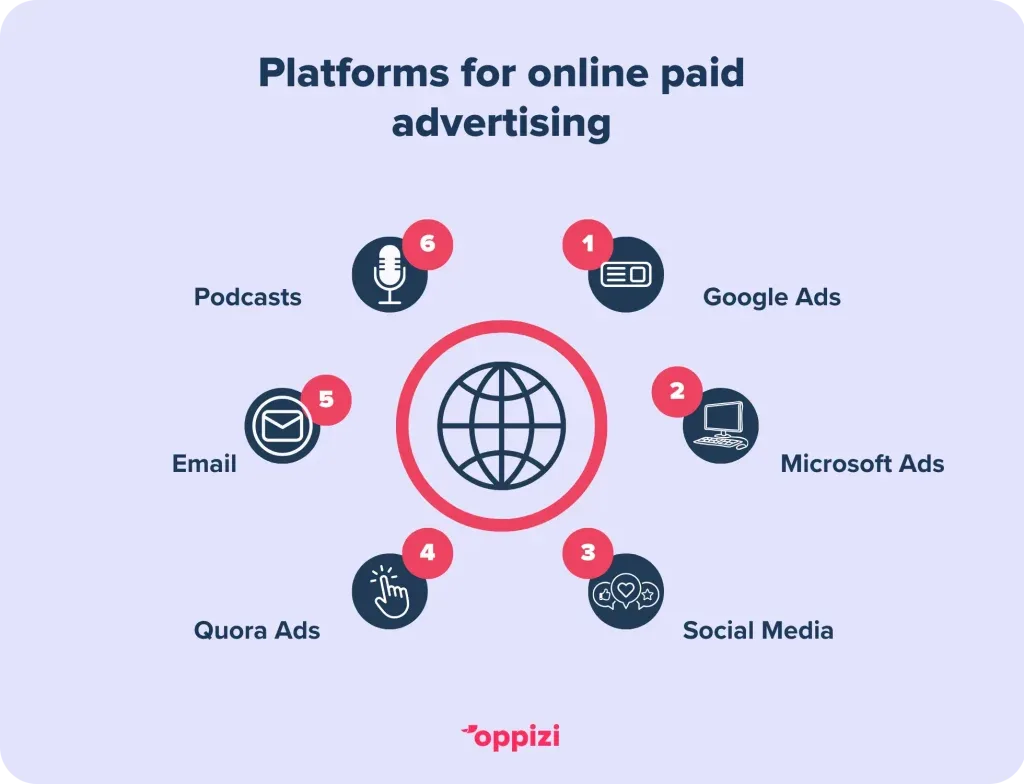
Paid ads platforms solve a simple problem: they let you buy guaranteed visibility in front of people who are already searching for answers, scrolling through feeds, or watching videos. You are essentially renting access to an audience that would otherwise take years to build through content alone.
What makes these channels genuinely powerful is the targeting layer sitting underneath the ad inventory. Modern paid ads platforms collect mountains of behavioral data—what you search, what you watch, where you pause your thumb—and then match advertisers to the subsets of users most likely to convert.
That precision is why a small local bakery can reach people within a five-mile radius who recently searched for “custom birthday cakes” without wasting money on the other side of the country.
The economics matter too. According to research from Statista’s online advertising data, global digital ad spending continues to climb into the hundreds of billions annually, which means the ecosystem is mature and the tools keep improving.
More competition does push costs up, but it also forces paid ads platforms to build better optimization features that reward smart advertisers.
Here is the part most beginners miss: paid ads platforms are not magic money printers. They amplify whatever message you feed them. A weak offer on a great platform still fails, and a strong offer on a mediocre platform can still limp along.
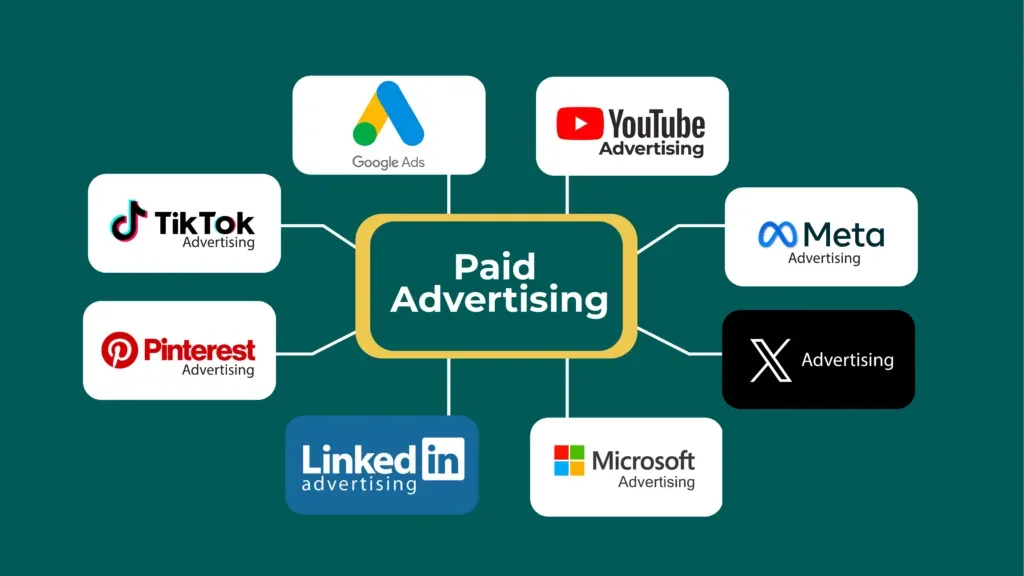
The real growth comes from the intersection of a compelling offer, a well-matched audience, and a platform whose native format does not fight against your message.
How Paid Ads Platforms Actually Work Behind the Scenes
Every paid ads platforms operates on the same fundamental engine: an auction. When a user loads a page or scrolls a feed, the platform runs a split-second auction among all advertisers bidding to reach that person.
But it is not just about who bids the most money. The winning bid factors in relevance, predicted click-through rate, landing page experience, and historical performance. A higher bid with a terrible ad can lose to a lower bid with an ad people actually want to see.
This is why creative quality directly impacts your cost. Platforms like Google and Meta reward advertisers whose ads generate engagement because a happier user means a healthier ecosystem. On the flip side, if your ads annoy people, the algorithm quietly charges you more until you fix it or leave. Understanding this incentive structure is the first real step to making any ad budget work harder.
The second layer is the targeting system. Most paid ads platforms offer three targeting approaches: demographic (age, income, location), interest-based (what people follow or browse), and intent-based (what people actively search for). Intent-based targeting on search engines tends to convert best because the user is already signaling what they want. Interest and demographic targeting work better for building awareness or reaching a new audience segment before they start searching.
Then there is the bidding and budget management layer. Automated bidding has gotten surprisingly good—platforms now use machine learning to adjust bids in real time based on predicted conversion likelihood. For smaller advertisers this is a gift, because you no longer need a dedicated analyst to manually tweak bids every hour.
Set a target cost per acquisition, feed the paid ads platforms clean conversion data, and let the algorithm do the heavy lifting.
One more piece worth knowing: attribution. Every platform wants to claim credit for the sale, and they all use different lookback windows and attribution models. This creates double-counting when you advertise across multiple channels.
I have seen dashboards show a return on ad spend of 8x on three different paid ads platforms simultaneously for the same purchases. That is why you need a unified measurement plan, usually a marketing mix model or a clean post-purchase survey, to understand which channels deserve the credit.
The Major Paid Ads Platforms Compared
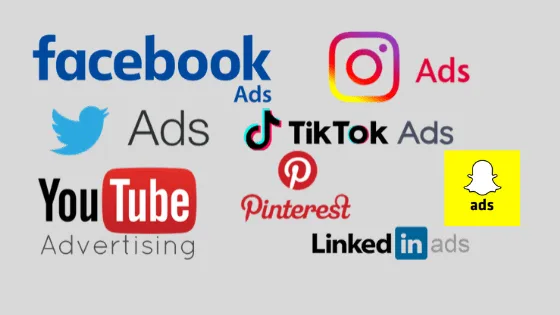
The landscape of advertising options is wide, but a handful of paid ads platforms dominate the conversation and the ad spend. Each one has a distinct personality, audience, and set of native ad formats.
Choosing among them is less about finding the “best” one and more about matching your product, margins, and customer journey to the environment where your buyers already spend time.
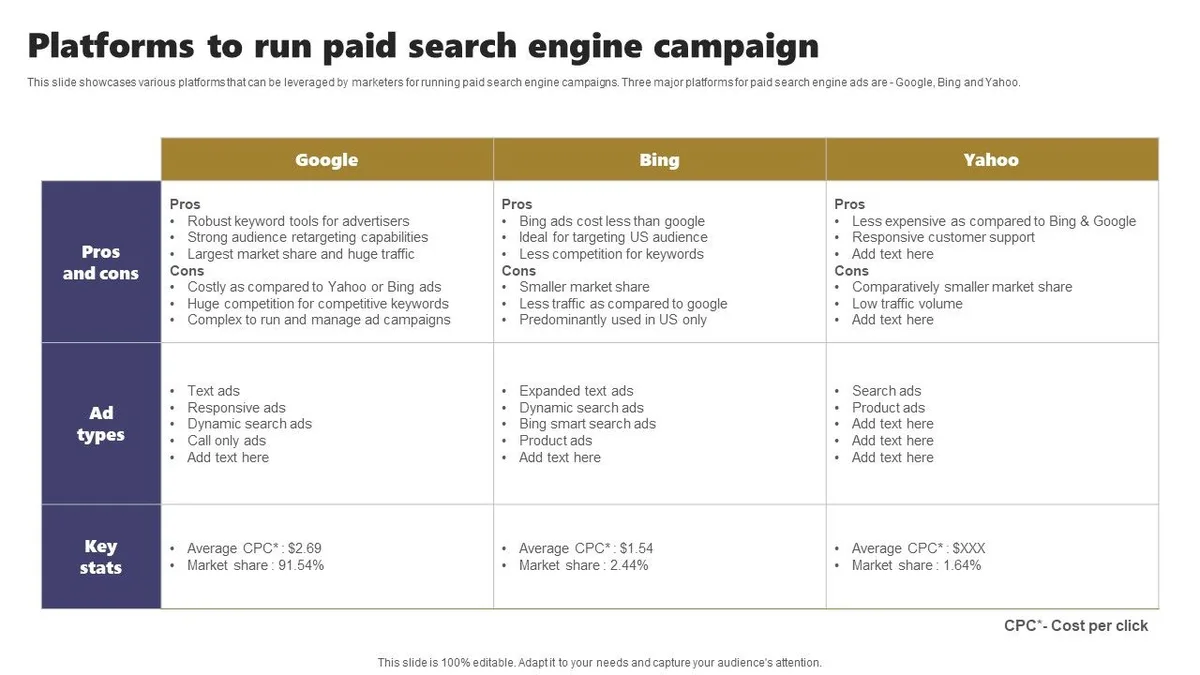
Below is a practical comparison table that captures how the heavy hitters stack up. Keep in mind that average costs per click and conversion rates shift constantly, so treat these figures as directional benchmarks from industry reports rather than fixed truths. What stays consistent is the strategic positioning of each platform.
| Platform | Primary Audience | Best Ad Formats | Typical Strength | Average CPC Range |
|---|---|---|---|---|
| Google Ads | Active searchers across all demographics | Search text ads, shopping, YouTube video | High purchase intent | competitive direct manufacturer pricing – competitive direct manufacturer pricing (varies widely by industry) |
| Meta Ads (Facebook & Instagram) | Broad B2C audience, 18-65+ | Image, video, carousel, Reels | Scale and audience matching | competitive direct manufacturer pricing – competitive direct manufacturer pricing |
| LinkedIn Ads | B2B professionals and decision-makers | Sponsored content, InMail, text ads | Precise job-title targeting | competitive direct manufacturer pricing – competitive direct manufacturer pricing |
| TikTok Ads | Younger users, entertainment-first | Short video, Spark Ads, brand takeovers | Viral reach and low CPMs | competitive direct manufacturer pricing – competitive direct manufacturer pricing |
| Pinterest Ads | Planners, shoppers, mostly female users | Standard pins, video, shopping pins | Long purchase-decision cycles | competitive direct manufacturer pricing – competitive direct manufacturer pricing |
| Amazon Ads | Product shoppers in buying mode | Sponsored products, display, video | Bottom-of-funnel conversions | competitive direct manufacturer pricing – competitive direct manufacturer pricing |
Reading that table is just the starting point. The smart move is to map your customer’s decision journey to the platform that owns that stage. A high-ticket B2B software sale might begin on LinkedIn, move to a Google search for a comparison review, and close after a retargeting sequence.
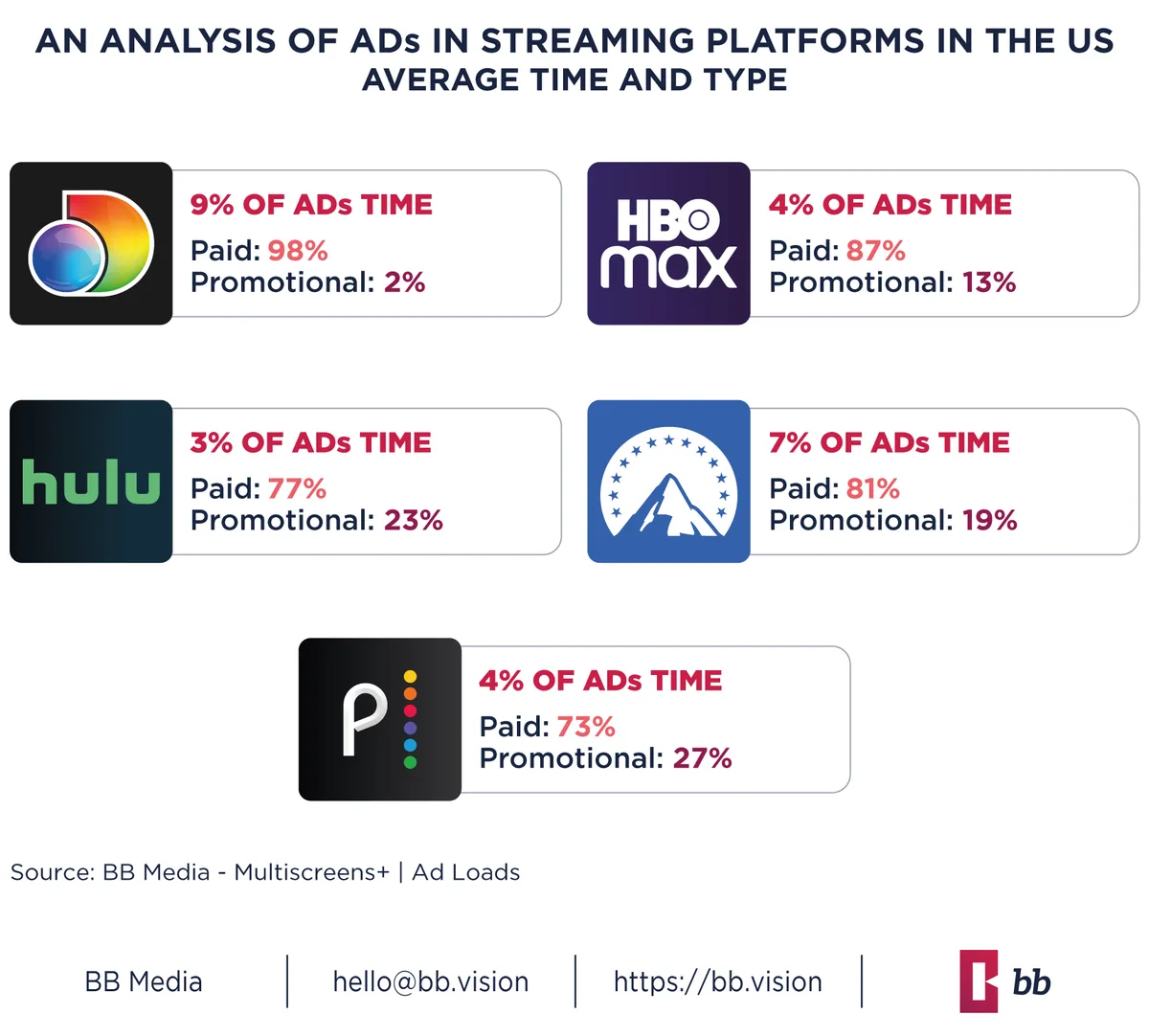
A direct-to-consumer skincare brand might live almost entirely on Meta, TikTok, and Pinterest. Few businesses need every paid ads platforms at once—most succeed by mastering one or two before expanding.
Google Ads and Search: Where Intent Meets Opportunity
Google remains the giant among paid ads platforms because it intercepts people at the exact moment they are looking for something. Someone typing “emergency plumber near me” is not casually browsing—they have a problem and they want it solved now.
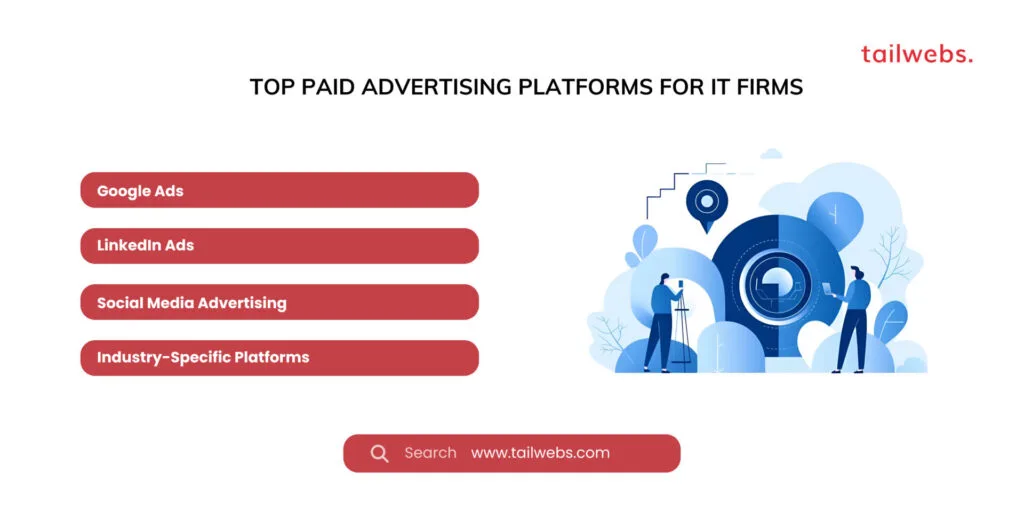
That urgency translates into some of the highest conversion rates in digital advertising. For local services, e-commerce, and high-intent products, search ads are often the backbone of a profitable campaign.
The platform’s real depth is in its network structure. Google owns Search, Display, Shopping, Performance Max, and YouTube. That means one advertising account can reach users across the entire funnel. Performance Max, in particular, lets the algorithm mix search, display, and video placements to find conversions wherever they exist. The trade-off is reduced control—you give Google’s machine learning the keys and it decides where your ads appear.
My advice for newcomers: start with tightly themed search campaigns before touching the broader networks. Refining each detail of your paid ads platforms strengthens this section.
Bid on commercial keywords with clear buying intent (“buy,” “pricing,” “near me,” “reviews”), build dedicated landing pages for each ad group, and add negative keywords aggressively to avoid wasting budget on irrelevant searches.
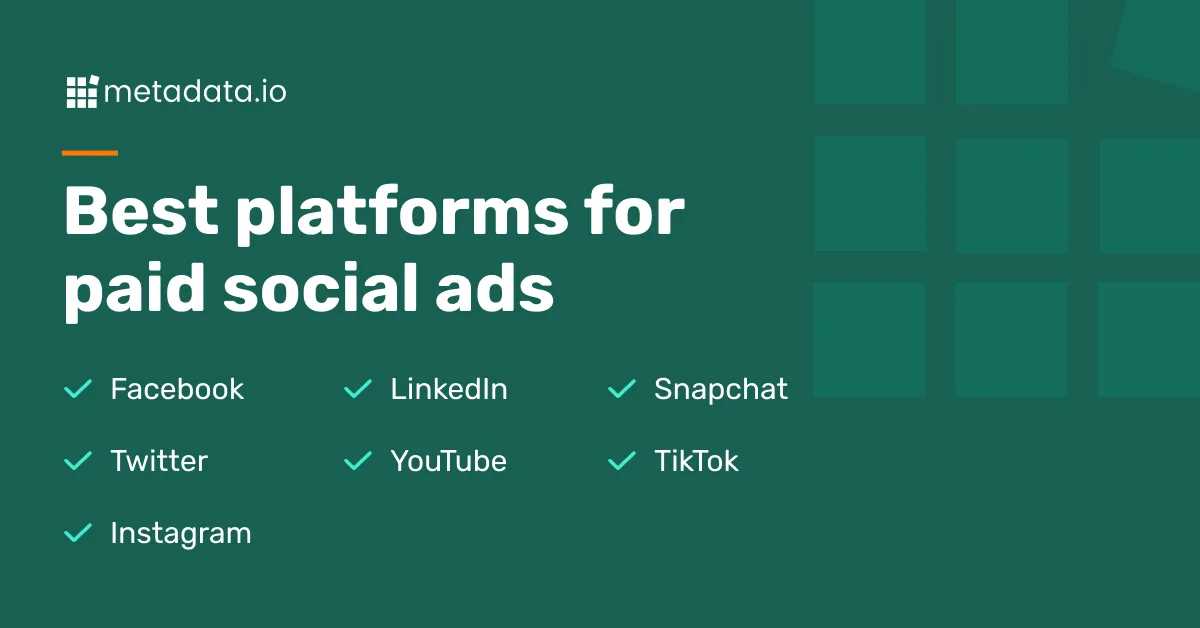
Once you have a winning search foundation, layer in Shopping and Performance Max. Rushing straight to automated bidding without clean conversion tracking is the most common way people lose money on Google and blame the platform.
Meta Ads: Scale, Precision, and the Art of Building Demand
Meta’s family of apps, including Facebook and Instagram, is arguably the most powerful demand-generation tool among paid ads platforms. Unlike Google, where users come with an existing need, Meta reaches people who were not looking for your product.
Your job is to interrupt the scroll with something interesting enough to stop the thumb. That is a different skill set, but the payoff is scale—roughly three billion monthly users across the ecosystem.
The Advantage+ suite has pushed Meta’s automation to new heights. Advertisers upload creative variations, feed the system conversion events, and let it find the best-performing combinations automatically. When it works, it works astonishingly well. When it fails, it often fails because the creative is bland or the conversion signal is weak. The algorithm cannot manufacture desire from a boring ad.
Creative volume is the new currency on Meta. In practice, that means testing ten to fifteen ad variations per month, mixing user-generated content, product demos, and founder-style talking-head videos. A furniture brand I know rotates fresh creative every three weeks because ad fatigue creeps in fast.
They treat paid ads platforms like a creative engine, constantly feeding new hooks to the feed. That discipline keeps their cost per acquisition roughly 40% below competitors who only refresh ads quarterly.
LinkedIn Ads: the B2B Specialist
When your buyer is a manager, director, or executive with a specific job title, LinkedIn is the paid ads platforms with no real equal. You can target by seniority, industry, company size, and even specific skills.
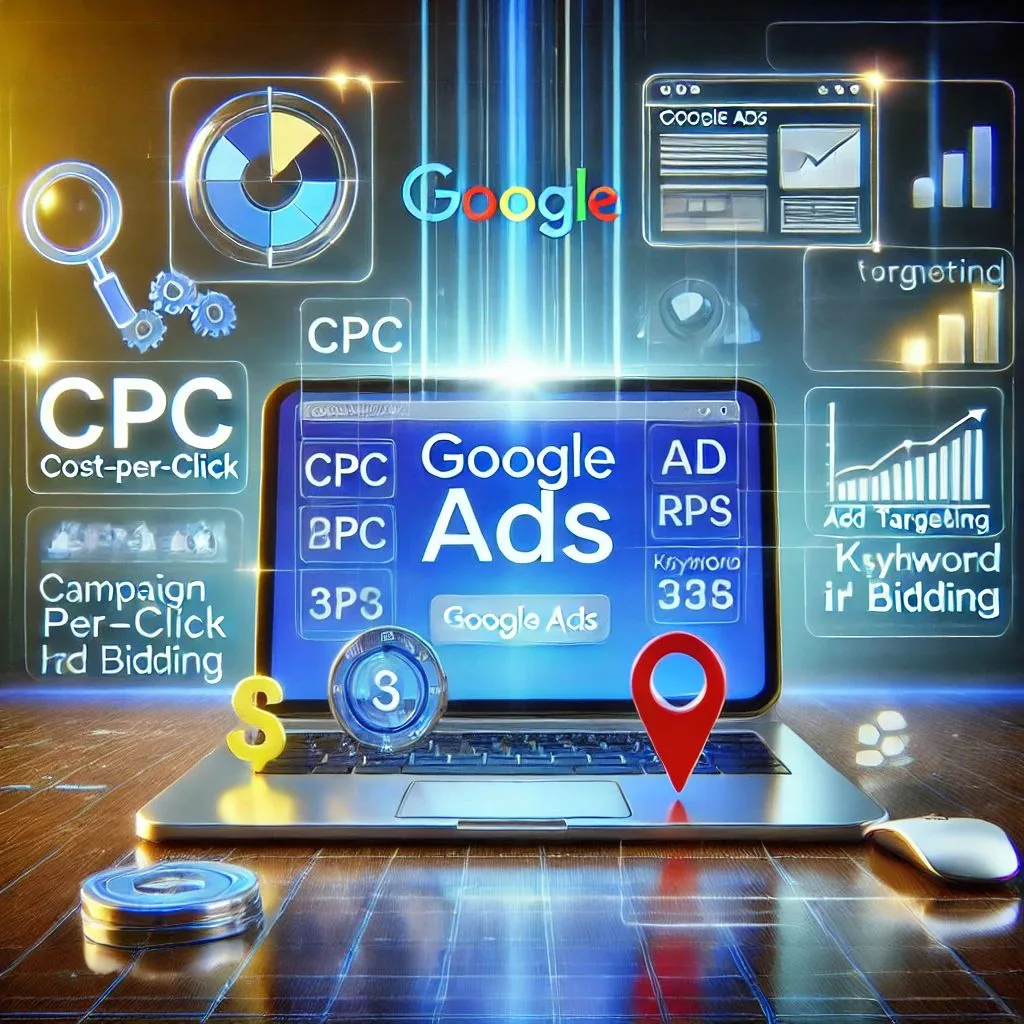
For enterprise software, consulting, and professional services, that precision is worth paying for. Effective execution in your paid ads platforms makes a tangible difference. The catch is the price—clicks routinely cost several times more than on other networks.
LinkedIn rewards a narrow, account-based approach. Instead of casting a wide net to thousands of irrelevant users, upload a target list of specific companies and run sponsored content or InMail directly to the people who need to see it.
A single closed deal often justifies the entire campaign spend, so the high cost per click becomes tolerable when the lifetime value of a customer reaches six or seven figures.
Do not expect LinkedIn to behave like Meta. The feed is professional, the tone is measured, and ads that look too “salesy” get ignored. Thought-leadership content—reports, data studies, practical guides—consistently outperforms hard pitches. If your offer needs education before the sale, LinkedIn is exactly where that education belongs.
TikTok and Emerging Platforms Worth the Experiment
TikTok has grown from an experimental platform to a serious contender among paid ads platforms, particularly for reaching Millennials and Gen Z. The audience is enormous, attention spans are short, and the algorithm rewards native, unpolished content.
Ads that look like regular TikToks perform dramatically better than glossy, corporate productions. If you can make people laugh, learn, or feel something in the first three seconds, TikTok can deliver reach at astonishingly low costs.
The platform now ships with Spark Ads, which let you amplify organic posts from real creators or customers. Maintaining clarity across your paid ads platforms remains essential. This blurs the line between content and advertising, and it is where TikTok shines. A skincare brand that partners with dermatologists for authentic product explainers can ride the algorithm’s preference for personality.
Alongside TikTok, a new wave of paid ads platforms deserves attention. Reddit Ads reaches deeply engaged niche communities with surprisingly affordable inventory. Amazon Ads owns the shopper who is about to click “add to cart.” Pinterest Ads captures planners with long purchase horizons.
Programs like Quora Ads and even retail media networks from Walmart and Target are quietly becoming serious channels. The smart approach is not to chase every shiny new platform, but to test one carefully with a small budget while your core channels keep humming.
How to Choose the Right Mix of Paid Ads Platforms
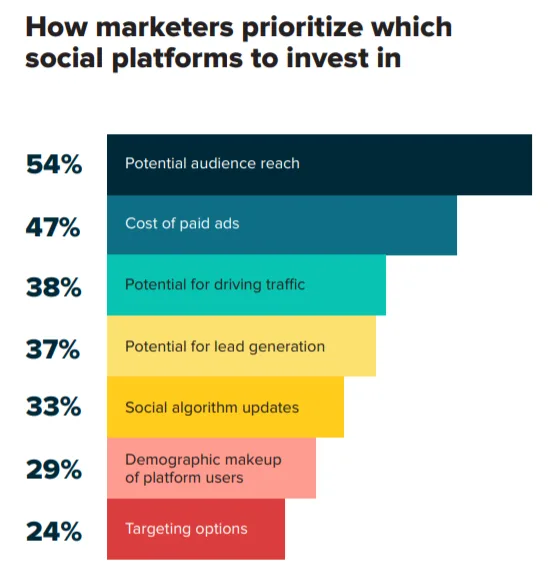
Decision paralysis is real. With so many paid ads platforms competing for attention, founders often spread themselves thin and starve every campaign in the process. A better framework is to pick your mix based on three factors: margin, customer journey length, and creative capability.
High-margin products can absorb higher costs per acquisition. Short purchase journeys belong on search. Long, educational journeys belong where you can nurture over time.
Think in terms of funnel layers. Most businesses need one platform for demand capture (Google, Amazon) and one for demand generation (Meta, TikTok, LinkedIn). That pair covers both people who already want your product and people who do not yet know they do.
Retargeting ties the whole system together, keeping your brand visible across multiple paid ads platforms while prospects move toward a decision.
Budget allocation should follow proven performance, not intuition. Start with 70% of your ad spend on one proven channel, 20% on a secondary channel, and 10% on a cautious experiment. Review results monthly and reallocate based on genuine incremental lift, not platform-reported conversions.
Use post-purchase surveys asking “where did you first hear about us?” to break the attribution tie that the platforms never will.
SEO and paid advertising also belong in the same conversation. Paid ads platforms generate fast data about which messages convert, and that intelligence can inform your organic content and product pages. I have seen teams run a paid campaign for a week to validate headline copy before rewriting their entire website around it.
Treating paid media as an experiment engine makes the investment pay for itself in ways that go beyond the ad spend.
Budget Planning and Bid Strategies Across Channels
Setting a realistic budget is where most small businesses get stuck. A common starting point is 5-10% of total revenue for growing companies, though aggressive growth-stage brands go much higher.
The main rule is to enter any paid ads platforms with enough daily budget to exit the learning phase—usually at least 50 times your target cost per acquisition per day at the campaign level. Starving the algorithm of data guarantees it never learns.
Bid strategy selection follows the same logic. Manual bidding is fine for testing and gathering initial data, but once you have a stable conversion history, automated strategies like target cost per acquisition and maximize conversions do the heavy lifting.
The platforms have improved these algorithms enormously, and fighting them manually usually produces worse outcomes. Give them a target, feed them clean data, and stay out of the way.
Budget pacing matters too. A thoughtful approach to paid ads platforms reinforces your qualifications. Platforms like Google and Meta let you spread spend evenly across the day or accelerate toward conversion opportunities. For businesses with time-sensitive offers, acceleration works well. For steady-state e-commerce, even pacing tends to lower costs.
Watch for budget cannibalization—when one campaign is throttled to fund another, you may see performance dip elsewhere. A clean account structure across your paid ads platforms is the foundation that prevents these headaches.
Advanced Targeting Tactics That Separate Pros from Beginners
Broad targeting is having a moment. In the past, advertisers obsessively narrowed audiences, but modern paid ads platforms now perform better with just a few powerful signals: conversion events, good creative, and a clear offer.
The algorithms have seen billions of data points and often outperform human assumptions about who buys. That does not mean no targeting at all—it means targeting strategically rather than generously.
Lookalike audiences remain valuable, especially when seeded from high-value customers rather than all buyers. A lookalike built from your top 10% of spenders will reach a more qualified audience than one built from a newsletter pop-up list. Similarly, exclusion lists prevent wasted spend, like excluding existing customers from acquisition campaigns unless you want to upsell them.
On search engines, match type and negative keyword discipline drive results. Exact match for your best keywords, phrase match for expansion, and broad match only with smart bidding and strong negative lists.
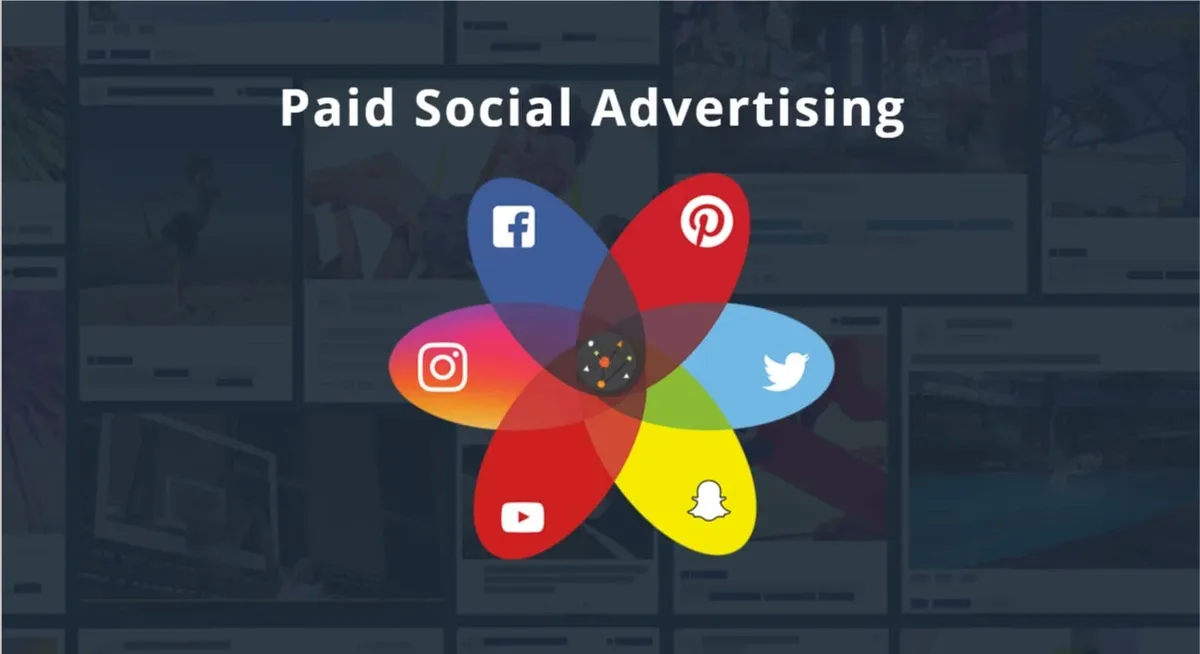
On social paid ads platforms, custom audiences from customer lists, website visitors, and video viewers let you tailor messaging to where someone stands in their journey. Retargeting a warm audience with a testimonial ad converts far better than pushing the same ad to cold traffic.
One often-overlooked tactic is first-party data enrichment. Syncing your CRM with ad platforms through offline conversion imports closes the feedback loop, so the algorithm learns from real revenue rather than form fills. Businesses that do this consistently report significantly stronger return on ad spend because the machine stops optimizing toward low-value actions.
Creative Strategy: the Real Lever for Performance
In a world where algorithms are increasingly automated, creative remains the one variable that humans still control and that produces the biggest performance swings. The same audience and budget can generate wildly different results depending on the hook, message, and format. On most paid ads platforms, creative accounts for 70-80% of campaign performance these days.
Winning creative usually follows a pattern. Structuring your paid ads platforms around proven patterns ensures impact. It opens with a strong hook in the first three seconds, addresses the viewer’s actual problem, and gives a clear reason to act now.
It looks native to the platform—vertical video for TikTok and Reels, polished search ads for Google, professional tone for LinkedIn.
And it cycles fast, because audiences fatigue. A campaign that performs brilliantly in week one can collapse by week four without fresh variation.

Testing frameworks help maintain momentum. Run a rotating library of hooks, formats, and offers, and cut the losers aggressively. Keep the winners running but refresh them before they die.
This “creative testing machine” approach is standard playbook among mature advertisers using paid ads platforms, and it is accessible to smaller brands too—a five-ad weekly test is enough to discover what resonates. Behind every great ad campaign is a creative pipeline, not a lucky graphic.
Landing Pages and Conversion Rate Optimization
Traffic without conversions is just an expensive vanity metric. The best paid ads platforms in the world cannot rescue a slow, confusing, or misaligned landing page. The page must continue the promise made in the ad, load in under three seconds on mobile, and make the next step unmistakably clear. Mismatch between ad and landing page is the most common reason campaigns underperform.
Practical improvements usually require more attention than fancy redesigns. A sticky call-to-action button, a short form with only essential fields, trust signals from reviews and logos, and a strong headline that echoes the ad copy are the basics.
Adding clear proof—case studies, user counts, guarantees—lifts conversion rates dramatically. Every percentage point you gain here improves the economics of every paid ads platforms you use.
Testing methodology matters too. Run A/B tests on one variable at a time, with enough traffic for statistical significance, and avoid ending tests too early because one variant spikes. Heat maps and session recordings reveal where visitors drop off.
I once watched a client gain 34% more conversions simply by moving the testimonial section above the fold and adding a second CTA at the bottom of the page. Applying these principles to your paid ads platforms yields measurable results. No ad budget change required.
Tracking, Attribution, and Making Sense of Your Data
Tracking is the plumbing of any paid ads platforms strategy, and it is more fragile than ever. Privacy regulations, browser tracking limitations, and iOS restrictions have made measurement genuinely harder. Businesses that rely on outdated cookie-based tracking typically see what looks like declining performance that is really just broken attribution. Setting up clean server-side tracking and the platform’s own conversion API is now essential infrastructure, not optional.
Attribution windows require judgment too. Default windows of 7 or 28 days often over-credit a single channel for a long customer journey. Compare models across channels and look for overlaps. If you see the same conversion credited across multiple paid ads platforms, investigate.
Post-purchase surveys like “How did you hear about us?” and “What made you decide to buy?” remain some of the most honest attribution data available.
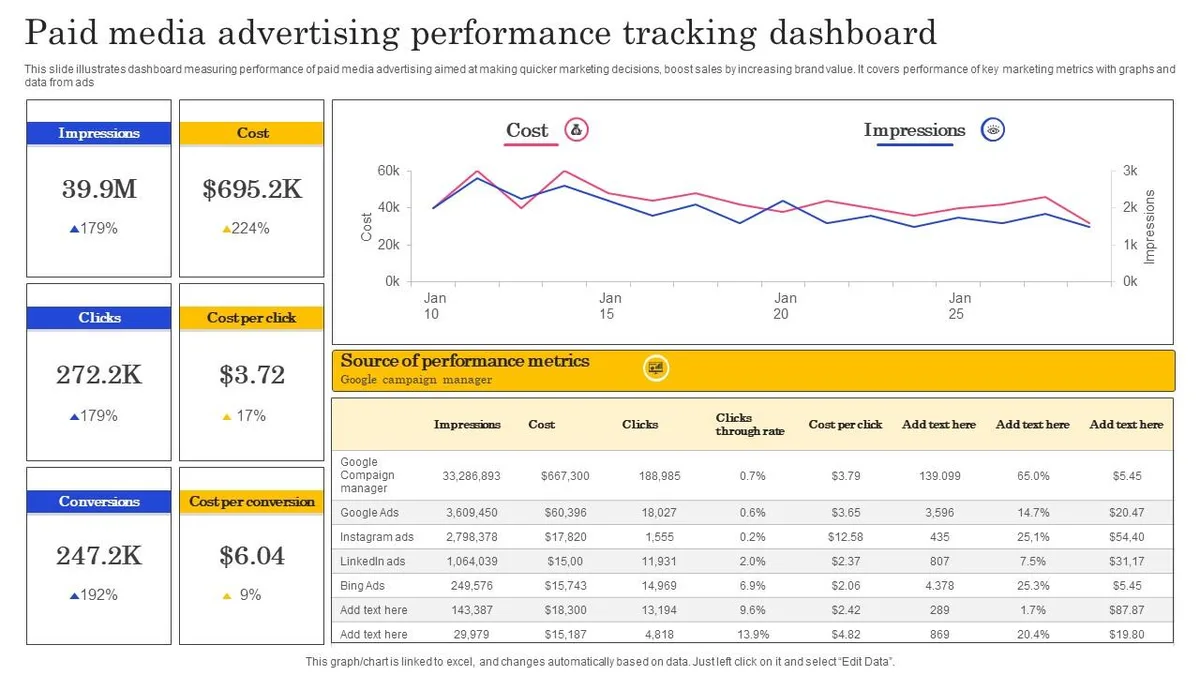
Reporting should focus on a small set of real business metrics: cost per acquisition, return on ad spend, customer lifetime value, and contribution margin. Vanity metrics like impressions and clicks do not pay the bills.
I recommend building a simple dashboard that pulls data from each platform, credits conversions with a consistent model, and shows incremental contribution rather than double-counted totals. That single investment changes how teams allocate budget across paid ads platforms.
Common Mistakes That Drain Ad Budgets
Most failed campaigns share the same preventable mistakes. The biggest is launching without conversion tracking, which means the algorithm is flying blind. The second is spreading budget across five platforms at once instead of mastering one before expanding.
The third is judging a campaign too early—paid ads platforms need a learning phase of roughly 50 conversions to stabilize, and that takes time and patience.
Creative fatigue is another silent killer. The same ad shown repeatedly to the same audience stops working, and performance degrades gradually before the marketer notices. Budget fragmentation also hurts: running six small campaigns with insufficient daily spend prevents all of them from exiting the learning phase. Consolidate into fewer, well-funded campaigns for better results.
Finally, forgetting mobile optimization torpedoes otherwise strong campaigns. Over 70% of social traffic comes from mobile, and a slow, cluttered mobile experience sends bounce rates soaring. Every paid ads platforms should be evaluated through a mobile lens first.
Expect to spend real time on speed, tap targets, and vertical creative. Proper attention to your paid ads platforms sets a strong baseline. The boring fundamentals pay off more reliably than any clever hack.
Frequently Asked Questions About Paid Ads Platforms
Readers new to advertising send the same handful of questions consistently, so it is worth addressing them head-on. These answers apply broadly across the major platforms, though specifics vary by industry and offer type.
A good rule of thumb is to start with one platform that clearly matches your customer’s buying pattern, prove it works, and only then expand. Rushing to diversify before your first channel is profitable spreads your budget so thin that no campaign gathers enough data to optimize effectively.
How Much Should I Budget Before Launching on Paid Ads Platforms?
A realistic starting point is enough to fund about 50 conversions at your target acquisition cost, plus a test period of at least two to three weeks. For smaller budgets, that might mean stretching the test across more weeks rather than spending more per day.
Starving the algorithm of data guarantees it never learns, so the priority is keeping each campaign funded steadily rather than spending huge sums in a burst.
Which Paid Ads Platforms Work Best for E-Commerce?
Google Shopping and Amazon Ads capture demand and tend to convert strongly from day one. Developing your paid ads platforms with precision highlights key strengths. Meta and TikTok drive discovery and can scale reach when creative is strong.
Pinterest is quietly excellent for home, fashion, and lifestyle products with longer consideration cycles. The winning e-commerce stack usually pairs one demand-capture channel with one demand-generation channel, then adds retargeting across both.
Can Small Businesses Compete With Big Brands on Paid Ads Platforms?
Absolutely, and often more effectively than they expect. Big brands have budgets, but they also have bureaucracy that slows testing. A nimble small business can test creative, offers, and audiences faster and pivot quickly. Local targeting around a specific city or niche also cuts waste dramatically. Precision beats sheer budget in many categories, especially in local services and specialized products.
How Do I Know if My Paid Ads Platforms are Profitable?
Track the right metric: not cost per click, but cost per acquisition relative to customer lifetime value. A campaign can look expensive per click and still be enormously profitable if each customer keeps spending. Add a clean attribution layer and compare incremental revenue against ad spend. If acquisition costs stay below roughly a third of customer lifetime value, the economics usually work.
What Role Does Automation Play in Modern Paid Ads Platforms?
Automation handles the repetitive optimization better than humans can—adjusting bids, shifting budget, finding audiences—while creativity, offer design, and measurement remain human responsibilities. The best results come from giving platforms strong signals and strong creative, then letting algorithms manage delivery. Treat automation as a multiplier of good strategy, not a substitute for it.
Finding your footing across paid ads platforms is less about secrets and more about disciplined execution. Pair a clear offer with clean data, pick the channels that fit your buyer’s journey, and give each campaign enough time and budget to prove itself.
Scale the winners, kill the rest, and keep feeding new creative into the machine. That loop—not a single clever hack—is what turns ad spend into predictable growth for your business.
And remember, paid ads platforms work best as part of a total marketing system, where organic content, reviews, email, and ads all reinforce the same message.