If you have ever thrown money at ads and watched the results trickle in like a leaky faucet, you already know the sting. Choosing the right online advertising platform can be the difference between a campaign that prints revenue and one that quietly drains your budget.
I have spent years managing paid media across search, social, programmatic, and retail networks, and the honest truth is this: there is no single winner. There is only the platform that fits your offer, your audience, and your tolerance for complexity.
This breakdown walks through the major players, the hidden trade-offs, and the practical moves that separate profitable accounts from expensive experiments. Focusing on online advertising platform provides clear direction here. No fluff, no recycled marketing speak — just what actually works when you sit down to launch.
What an Online Advertising Platform Actually Does
At its core, an online advertising platform is a system that lets you buy attention in digital spaces. That sounds simple until you realize how many moving parts sit behind the curtain.
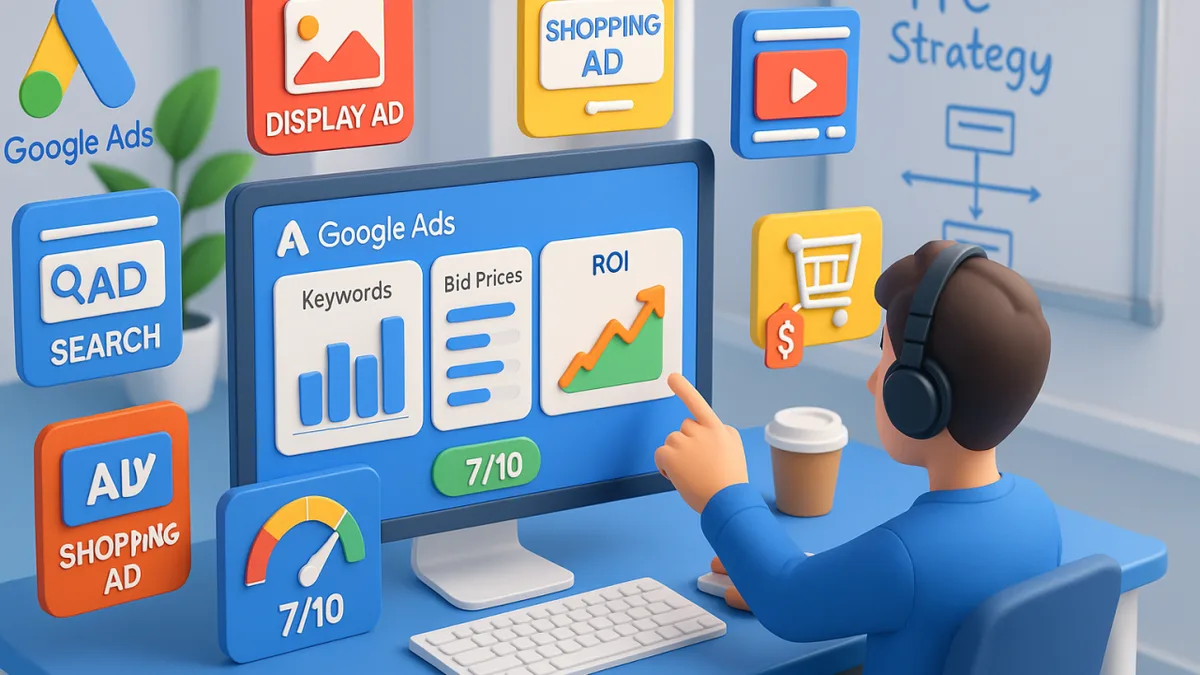
You are bidding in auctions that run in milliseconds, targeting people based on behavior, location, device, and intent signals, then measuring whether any of it translated into revenue.
The platform handles the plumbing: inventory access, bidding logic, creative delivery, audience segmentation, and reporting. Your job is to feed it the right offer, the right creative, and the right budget structure. When those two halves align, the machine hums. When they don’t, you get the familiar sinking feeling of watching cost-per-click climb while conversions flatline.
Most beginners underestimate how much the platform’s own incentives shape results. Refining each detail of your online advertising platform strengthens this section. Google wants you to spend more on search. Meta wants you to keep people inside its ecosystem.
Amazon wants you to sell products through its storefront. Understanding those incentives tells you more about how to win than any tutorial on bid strategies.

Why the Choice of Online Advertising Platform Matters More Than Ever
Ad costs have climbed steadily as more businesses moved online. The cheap, easy arbitrage of the early social media era is gone. What remains is a landscape where precision beats brute force, and where picking the wrong online advertising platform wastes both money and momentum.
Consider attribution. Every platform claims credit for conversions, and they all overstate their contribution. If you run ads on three networks and trust each one’s dashboard, your reported conversions might exceed your actual sales by 40 percent or more.
That gap forces you to think critically about which online advertising platform deserves your budget and which is just taking credit for demand that already existed.
There is also the talent factor. Each platform has its own quirks, its own vocabulary, its own bidding algorithms. Mastering one deeply almost always beats dabbling in five. The specialists I know who consistently hit target return on ad spend tend to dominate one or two channels rather than spreading thin.
The Real Cost of Platform Sprawl
Spreading budget across too many networks feels safe, but it usually produces mediocre results everywhere. Small budgets on an online advertising platform rarely reach the data threshold needed for its algorithms to optimize properly. You end up with noisy signals, weak learning phases, and reports that tell you nothing useful.
Consolidation, counterintuitively, gives you more room to experiment. When one online advertising platform gets a meaningful share of your spend, you can test creative angles, landing pages, and audience segments with enough volume to draw real conclusions. That is where the compounding gains live.
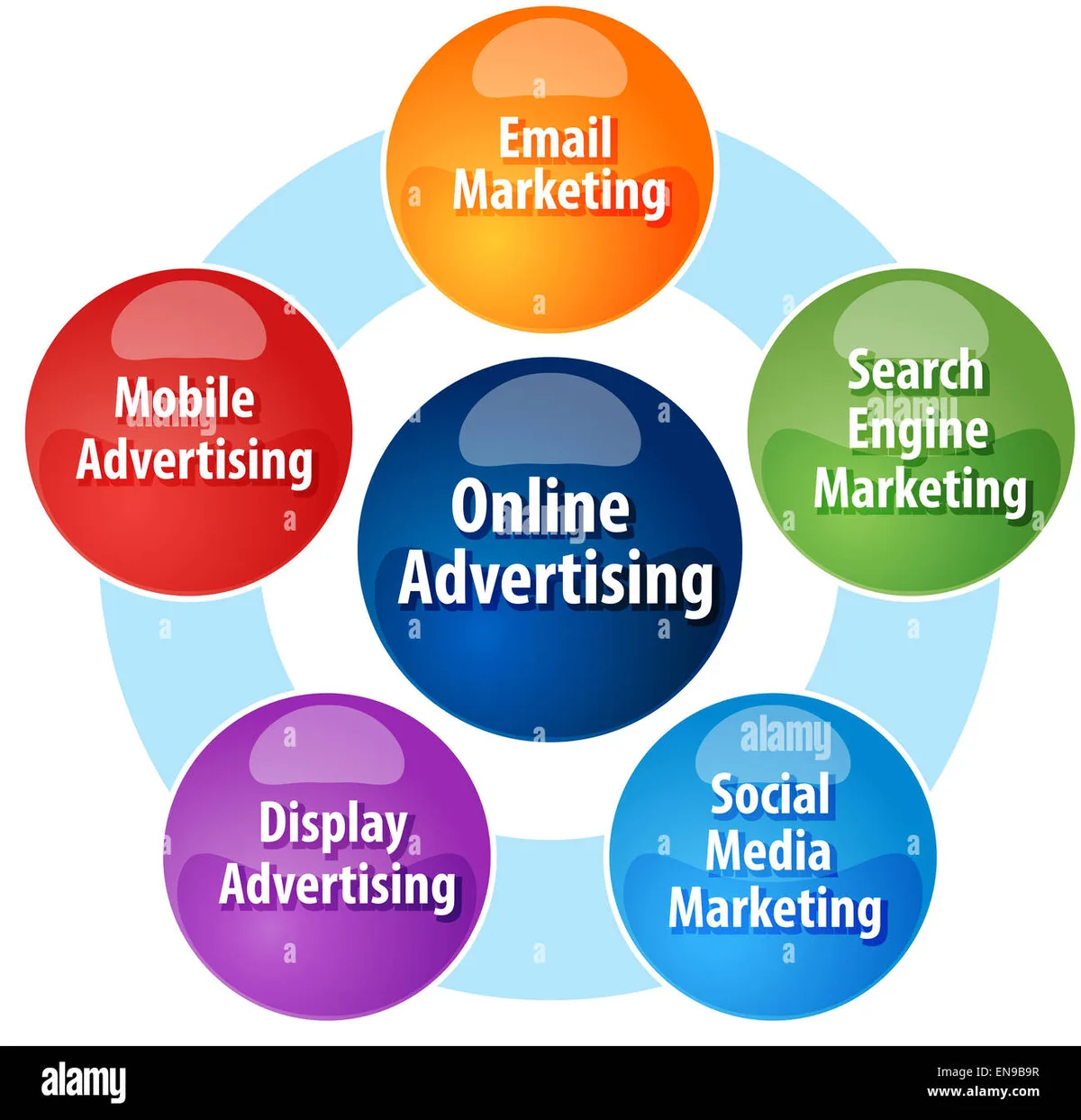
Major Online Advertising Platform Categories Explained
Not all platforms serve the same purpose. Effective execution in your online advertising platform makes a tangible difference. Treating them as interchangeable is one of the most common and expensive mistakes I see. The table below maps the main categories against their typical strengths and where they tend to fall short.
| Category | Best For | Typical Weakness |
|---|---|---|
| Search Engines | High-intent buyers ready to act | Expensive clicks, limited reach |
| Social Networks | Demand generation, brand awareness | Weak purchase intent, creative fatigue |
| Programmatic Display | Cheap reach, retargeting at scale | Low engagement, viewability issues |
| Retail Marketplaces | Product sales with built-in traffic | Fierce competition, margin pressure |
| Video & Streaming | Storytelling, broad awareness | Hard to measure direct response |
Each category demands a different mindset. Search rewards tight keyword control and disciplined bidding. Social rewards creative volume and fast iteration. Programmatic rewards audience data and frequency management. If you approach an online advertising platform with the wrong mental model, you fight the tool instead of using it.
Search-Based Online Advertising Platform Options
Search remains the closest thing to a sure bet for businesses with clear purchase intent. Someone typing a specific query is telling you exactly what they want. The challenge is that everyone else heard the same message and bid up the price.
Google Ads dominates this space, but it is not the only game. Bing Ads, now branded as Microsoft Advertising, offers lower competition and often cheaper clicks, especially for B2B and older demographics. For niche industries, that gap can be substantial.
Google Ads: the Default Giant
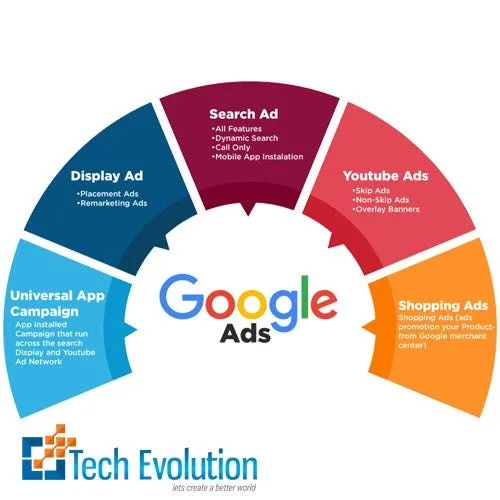
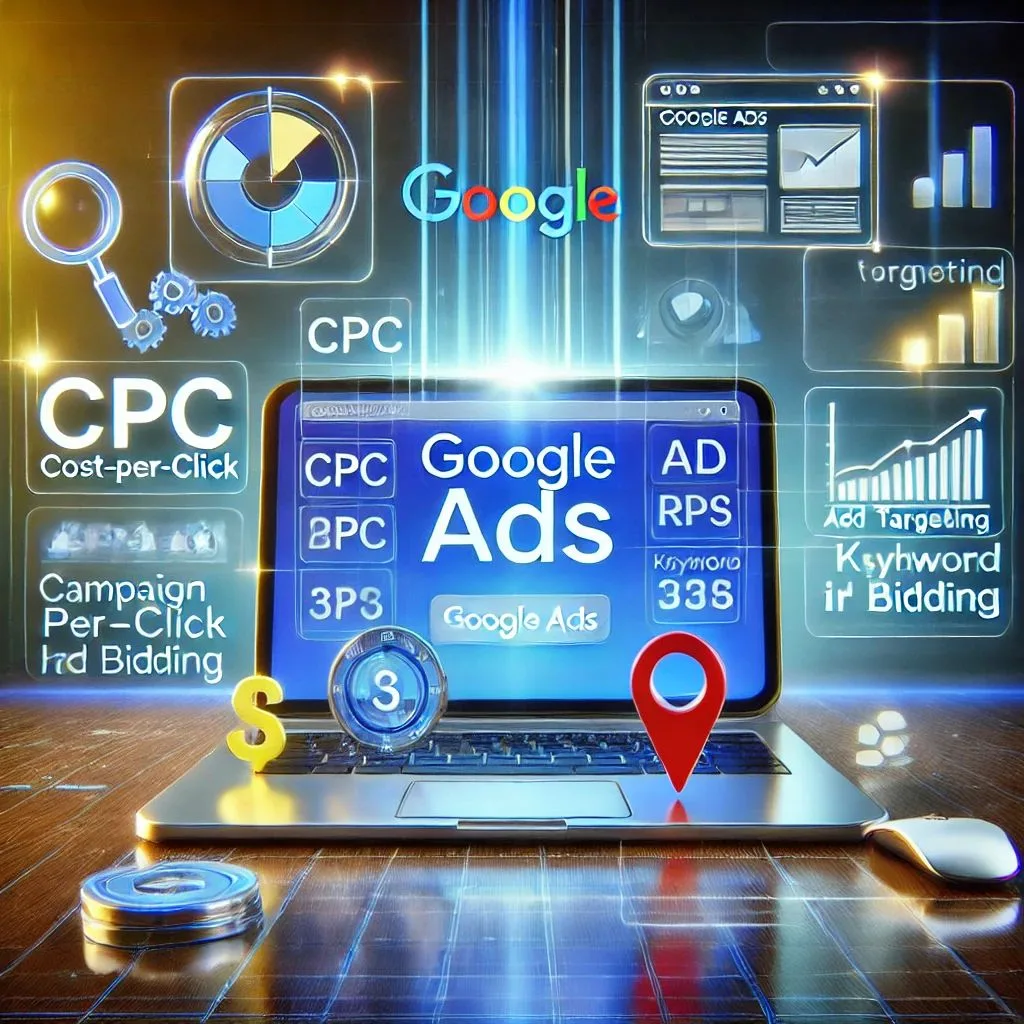
Google Ads is the online advertising platform most marketers learn first, and for good reason. Its reach is unmatched, its targeting is sophisticated, and its integration with Analytics and Merchant Center makes measurement relatively straightforward. The learning curve is steep, though, and the interface has grown cluttered over the years.
Performance Max campaigns, Google’s automated everything-campaign, have become the default recommendation for many accounts. In practice, when refining a online advertising platform, they work well when you feed them strong product feeds and clear conversion signals. They flounder when your data is messy or your margins are thin.
I have seen accounts double return on ad spend simply by cleaning up feed attributes before switching to Performance Max.
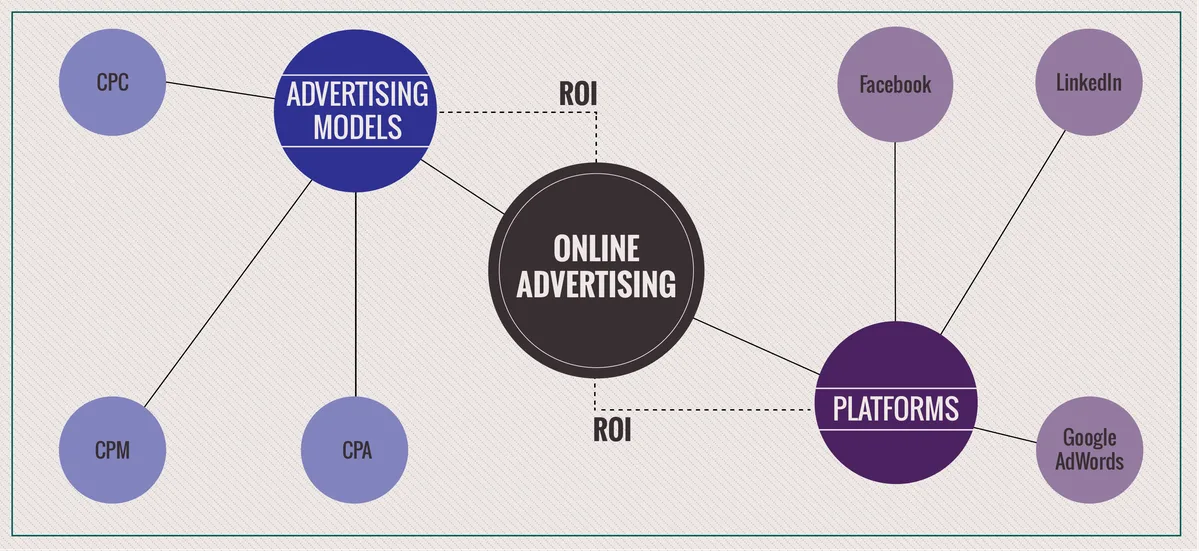
One underrated move: use the online advertising platform’s own audience signals to guide automation rather than letting it guess. Uploading customer lists and high-value segments gives the algorithm a head start that pure automation cannot match.
Microsoft Advertising: the Quiet Contender
Microsoft Advertising reaches people on Bing, Yahoo, and a network of partner sites. Volume is lower, but cost-per-click is often 30 to 50 percent cheaper than Google for comparable terms. For B2B software, financial services, and anything targeting professionals over 35, it can be a goldmine.
The interface mirrors Google closely enough that migration is painless. Importing campaigns takes minutes. The trade-off is smaller scale, so treat this online advertising platform as a complement rather than a replacement. Many of my clients run the same campaigns on both and let the cheaper network absorb the overflow.
Social Online Advertising Platform Options
Social platforms excel at creating demand rather than capturing it. A thoughtful approach to online advertising platform reinforces your qualifications. People are not searching for your product; they are scrolling, watching, and chatting. Your job is to interrupt that flow with something worth stopping for.
This is where creative quality matters most. A weak image on a search network still gets clicks because intent is high. A weak image on social gets scrolled past in half a second. The bar is higher, and the reward for clearing it is enormous reach at relatively low cost.
Meta Ads: Scale and Sophistication
Meta’s advertising platform spans Facebook and Instagram, reaching billions of people. Its targeting options are deep, its creative formats are varied, and its algorithm is genuinely good at finding buyers when given enough conversion data.
The catch is that iOS privacy changes gutted some of its tracking, forcing advertisers to rely more on modeled conversions and server-side tracking.
Advantage+ campaigns, Meta’s automated shopping format, have become the workhorse for e-commerce. They perform best with a healthy catalog, varied creative, and a pixel that fires reliably. Feed it ten strong video variations and it will find the winners within a week.
For lead generation, the online advertising platform’s instant forms still convert well, though lead quality varies. Pairing them with a follow-up sequence is essential — raw form fills rarely turn into revenue on their own.
TikTok Ads: Attention at Speed
TikTok rewards native, unpolished content. Ads that look like ads get ignored; ads that look like organic posts get watched. The platform skews younger, but that demographic is aging into spending power fast.
Costs remain lower than Meta for many verticals, making this online advertising platform a strong testing ground. The creative demands are brutal, though. You need a steady stream of fresh video, and a single concept rarely lasts more than two weeks before fatigue sets in.
LinkedIn Ads: Precision for B2B
LinkedIn offers targeting by job title, company size, industry, and seniority — filters no other network matches. Structuring your online advertising platform around proven patterns ensures impact. That precision comes at a premium. Cost-per-click can run several times higher than other social platforms.
It works when the deal size justifies the cost. Enterprise software, consulting, and high-ticket services can thrive here. Consumer products almost never do. Treat this online advertising platform as a scalpel, not a hammer.
Programmatic and Display Online Advertising Platform Options
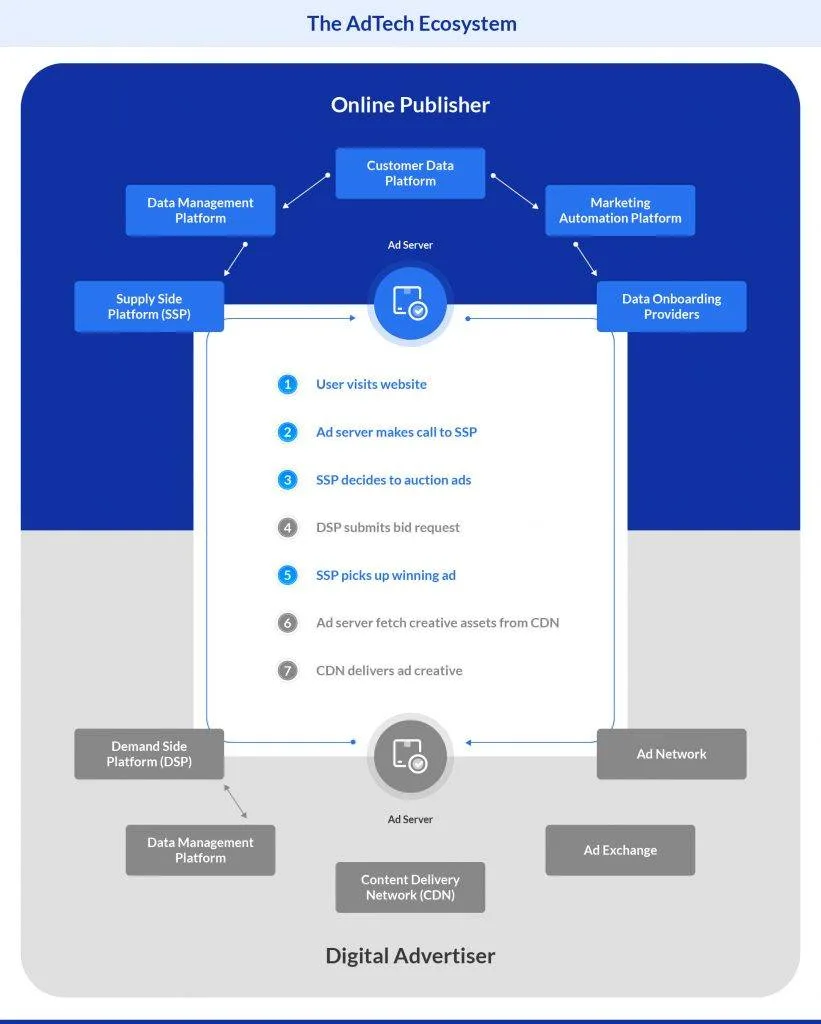
Programmatic buying lets you purchase display, video, and audio inventory across thousands of sites through automated auctions. Focusing on online advertising platform provides clear direction here. The appeal is reach and precision targeting at low cost. The risk is ending up on junk placements with zero engagement.
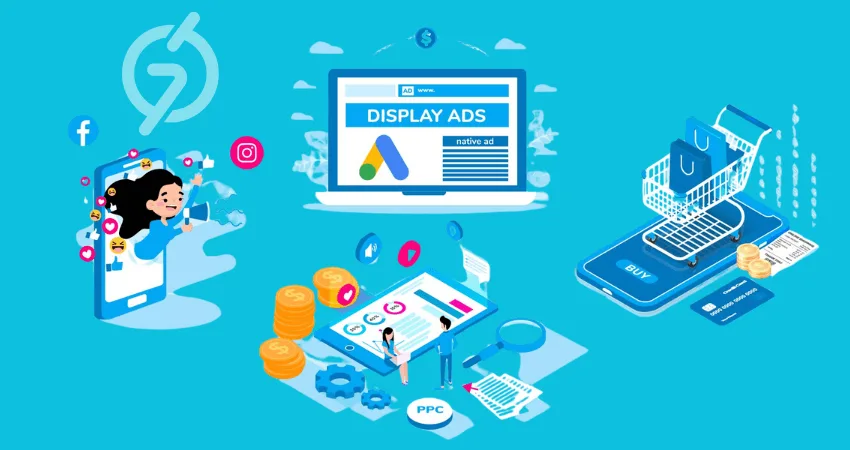
Managed properly, programmatic retargeting can be extremely profitable. Showing a relevant ad to someone who already visited your site keeps your brand top of mind and nudges them back. Managed poorly, it burns budget on bots and irrelevant placements.
The Trade Desk and Demand-Side Platforms
The Trade Desk is the largest independent demand-side platform, giving advertisers control over inventory sources, data partners, and frequency caps. Applying these principles to your online advertising platform yields measurable results. It is not for beginners. You need a media buyer who understands deal IDs, private marketplaces, and viewability metrics.
For brands spending serious money, the control is worth it. You can exclude low-quality apps, set strict brand safety rules, and layer first-party data for precise targeting. The learning curve is real, but the ceiling is high.
Google Display Network: Accessible Reach
Google’s Display Network reaches millions of websites and apps. It is the easiest entry point into programmatic-style buying, though it offers less control than dedicated demand-side platforms. Responsive display ads handle creative assembly automatically, which saves time but limits fine-tuning.
Placement exclusions are your best friend here. Without them, your ads end up on mobile game apps and low-quality content farms. A weekly placement audit is the single highest-value habit for anyone using this online advertising platform.
Retail and Marketplace Online Advertising Platform Options
Retail media networks are the fastest-growing segment in digital advertising. Proper attention to your online advertising platform sets a strong baseline. Amazon, Walmart, Target, and others have opened their shopper data to advertisers, letting brands reach people at the exact moment of purchase consideration.
The advantage is proximity to the transaction. Someone browsing Amazon is already in buying mode. The disadvantage is competition and rising costs as more brands pile in.
Amazon Ads: the Commerce Powerhouse
Amazon Ads lets you promote products directly in search results, product pages, and across the web. Sponsored Products are the workhorse, driving most sales for third-party sellers. Sponsored Brands build awareness, and Sponsored Display retargets shoppers who viewed your listings.
The data advantage is enormous. Amazon knows exactly what people buy, which makes its targeting unusually effective. The catch is that you are renting space on someone else’s storefront, and they can change the rules anytime. Still, for physical products, this online advertising platform is often the highest-converting channel available.
Walmart Connect and Other Retail Networks
Walmart Connect offers similar capabilities with less competition than Amazon. Developing your online advertising platform with precision highlights key strengths. For brands already selling through Walmart, it is a natural extension. Other retailers — Target’s Roundel, Kroger’s Precision Marketing, Instacart Ads — have built comparable networks, each with its own quirks and minimum spends.
The playbook is consistent: start with branded search terms to defend your own traffic, then expand to category terms, then layer in retargeting. Rushing straight to broad targeting wastes budget before you have data to optimize against.
Video and Streaming Online Advertising Platform Options
Streaming services have become major ad sellers. Refining each detail of your online advertising platform strengthens this section. YouTube, Hulu, Roku, and connected TV platforms offer the reach of television with the targeting of digital. For brand campaigns, the combination is powerful.

Measurement remains the weak point. Clear alignment with your online advertising platform builds confidence from the start. Direct response on connected TV is improving but still trails search and social. The best use cases involve pairing video with a companion display or search campaign that captures the demand the video generates.
YouTube Ads: Reach With Intent Signals
YouTube sits at the intersection of video and search. Its audience targeting can use Google’s intent data, which makes it more responsive than most video platforms. Skippable in-stream ads, in-feed video, and Shorts ads each serve different goals.
The mistake I see most often is treating YouTube like television. It is not. The best-performing ads feel native to the platform — direct, useful, and shot for the format. Repurposing a TV spot rarely works.
How to Evaluate an Online Advertising Platform Before Committing
Before you sign up and load a credit card, run through a structured evaluation. Integrating online advertising platform into your workflow produces consistent quality. The questions below have saved me from more bad decisions than any spreadsheet.
- Audience Fit: Does the platform’s user base overlap with your ideal customer? Check demographic reports and run a small test before scaling.
- Intent Level: Are users actively searching, or passively browsing? Match your creative and offer to the intent level.
- Measurement Quality: Can you track conversions reliably? Platforms with weak attribution make optimization guesswork.
- Cost Structure: Understand the auction dynamics. Some platforms reward patience, others reward aggression.
- Creative Demands: How much content do you need to sustain performance? High-volume platforms require constant production.
- Minimum Spend: Some networks enforce minimums that may exceed your test budget.
- Support And Documentation: Good help resources shorten the learning curve significantly.
Score each platform on these dimensions and let the numbers guide you. Gut feel matters, but it should confirm data, not replace it.
Budget Allocation Across Multiple Networks
Most businesses eventually run on more than one online advertising platform. The question is how to split the budget without starving any channel of the data it needs to perform.
A simple framework: allocate 60 to 70 percent to your proven performer, 20 to 30 percent to a challenger with upside, and 5 to 10 percent to pure experimentation. Rebalance quarterly based on results. This keeps your core stable while giving new channels a fair shot.

Resist the urge to spread evenly. Targeted refinements to your online advertising platform streamline the entire review. Equal splits feel fair but usually produce weak results everywhere. Concentration creates the volume needed for algorithms to learn, and learning is what drives efficiency.
When to Cut a Platform Loose
Give any new online advertising platform at least 30 days and a meaningful budget before judging. If after that window the cost per acquisition is more than double your target and trending the wrong way, cut it. Sunk cost thinking keeps too many advertisers trapped in channels that will never work for them.
Document why you cut it. Six months later, someone on your team will suggest trying it again, and having notes saves you from repeating the experiment.
Creative Strategy Across Different Platforms
Creative is the biggest lever in most accounts, yet it gets the least attention. Bidding and targeting are largely automated now. The variable you control is what people see.
Each online advertising platform has its own creative language. Search rewards clear, benefit-driven headlines with strong calls to action. Social rewards native-looking content that entertains or informs before it sells. Display rewards bold visuals that register in a glance. Video rewards the first three seconds above all else.
Build a creative pipeline rather than one-off assets. Effective execution in your online advertising platform makes a tangible difference. A steady cadence of new variations keeps performance from decaying and gives algorithms fresh material to test.
I have seen accounts triple their return on ad spend purely by increasing creative output, with no changes to targeting or bids.
Tracking and Attribution Realities
Every online advertising platform reports its own version of the truth, and those versions rarely agree. The solution is not to find the one perfect number but to build a measurement system that accounts for overlap.
Server-side tracking, unified dashboards, and incrementality testing are the tools that matter. Incrementality tests — turning a channel off in select regions and measuring the difference — are the closest thing to ground truth. They are inconvenient and sometimes painful, but they reveal which channels actually drive sales versus which just claim credit.
For smaller advertisers, a simpler approach works: use last-click attribution in your analytics platform as the baseline, then apply a consistent skepticism to each network’s self-reported numbers. If a platform claims 500 conversions and your total sales only grew by 200, you know something is off.
Common Mistakes That Sink Campaigns
I have audited hundreds of ad accounts, and the same errors show up again and again. Avoiding them puts you ahead of most competitors before you spend a dollar.
- Chasing Cheap Clicks: Low cost-per-click means nothing if those clicks never convert. Optimize for cost per acquisition, not cost per click.
- Ignoring Landing Pages: The best online advertising platform cannot fix a weak landing page. Message match between ad and page is non-negotiable.
- Set-And-Forget Campaigns: Algorithms drift, audiences saturate, competitors adapt. Weekly reviews catch problems before they compound.
- Over-Segmenting Audiences: Too many small audiences starve each other of data. Consolidate until you have enough volume to learn.
- Neglecting Negative Keywords: On search platforms, unchecked broad match burns budget on irrelevant queries. Build negative lists continuously.
- Trusting Platform Reporting Blindly: Every network overstates its contribution. Cross-check against your own revenue data.
- Scaling Too Fast: Doubling budget overnight resets the learning phase and often tanks performance. Increase in 20 percent increments.
Each of these has a fix, and none of them require advanced technical skill. Discipline and attention matter more than clever tricks.
Automation and AI in Modern Ad Buying
Every major online advertising platform has pushed hard into automation. Smart bidding, responsive creative, automated targeting — the machines handle more of the tactical work than they did five years ago. That shift changes the advertiser’s role.
Your job now is to feed the system good inputs and set smart guardrails. Clean conversion data, strong creative assets, clear audience signals, and sensible budget caps. When those are in place, automation performs well. When they are not, it amplifies the mess.

The temptation to hand everything over completely is understandable but risky. Maintaining clarity across your online advertising platform remains essential. Automation optimizes for the objective you give it, and that objective is not always aligned with profit.
A campaign optimizing for purchases might drive low-margin sales. One optimizing for leads might generate junk. Human oversight keeps the machine pointed at the right target.
Where Human Judgment Still Wins
Strategy, creative direction, offer construction, and budget philosophy remain human domains. The online advertising platform executes; you decide what to execute. The advertisers who thrive treat AI as a fast, tireless assistant rather than an autonomous decision-maker.
One practical habit: review automated recommendations before applying them. Platforms suggest changes that increase their revenue, which usually means your spend. Some suggestions are genuinely good. Others quietly erode efficiency.
Industry-Specific Platform Preferences
The right online advertising platform depends heavily on what you sell. Here is how the landscape looks across common verticals.
| Industry | Primary Platform | Strong Secondary |
|---|---|---|
| E-commerce (physical goods) | Amazon Ads | Meta Ads |
| B2B Software | LinkedIn Ads | Google Search |
| Local Services | Google Search | Meta Ads |
| Mobile Apps | Google App Campaigns | TikTok Ads |
| High-Ticket Coaching | YouTube Ads | Meta Ads |
| Travel & Hospitality | Google Search | Meta Ads |
These are starting points, not rules. I have seen B2B companies win on TikTok and consumer brands crush it on LinkedIn. The only way to know is to test with a defined budget and clear success criteria.
Building a Testing Framework That Actually Works
Testing without structure produces noise. Maintaining clarity across your online advertising platform remains essential. A disciplined framework turns experiments into knowledge you can reuse.
Start with a hypothesis. “Adding video creative to our Meta campaigns will lower cost per acquisition by 15 percent.” Then define the test: audience, budget, duration, success metric. Run it without changing other variables. Record the result regardless of outcome.
Over time, this builds a playbook specific to your business. Generic best practices only go so far because every account has unique dynamics. The online advertising platform that works wonders for one advertiser can flop for another selling a similar product to a slightly different audience.
Sample Sizes and Patience
Small tests produce unreliable conclusions. If your test budget only generates twenty conversions, the result could easily be random variation. Aim for at least fifty conversions per variant before drawing conclusions, and be willing to wait.
Patience is the hardest skill in paid advertising. Everyone wants answers in a week. The advertisers who win are the ones willing to let tests run long enough to mean something.
Working With Agencies versus In-House Teams
Should you manage your online advertising platform internally or hire help? Both paths work, and the right choice depends on your budget, timeline, and appetite for learning.
Agencies bring experience across many accounts and can shortcut the learning curve. A thoughtful approach to online advertising platform reinforces your qualifications. They also have their own incentives, and not all of them are aligned with yours. Ask hard questions about who actually manages your account, how they measure success, and what happens when performance dips.
In-house teams cost more upfront but build institutional knowledge that compounds. If you sell a complex product or operate in a niche, that internal expertise often outperforms outside help. A hybrid approach — internal strategist plus specialist freelancers for execution — works well for many growing businesses.
Scaling Profitably Without Breaking What Works
Scaling is where many advertisers stumble. What works at a modest budget often fails at scale because audience size, auction dynamics, and creative fatigue all shift.
Increase budgets gradually. Twenty percent every few days gives algorithms time to adjust without triggering a full reset. Watch frequency metrics — when the same people see your ad too often, performance drops and you need fresh creative or broader targeting.
Expand horizontally when vertical scaling slows. New audiences, new geographies, new placements, new creative angles. Each expansion resets the learning curve in a manageable way rather than overloading a single campaign.
The Future Direction of Paid Digital Advertising
Privacy changes continue to reshape how advertisers target and measure. Third-party cookies are fading, forcing reliance on first-party data and modeled conversions. Platforms that help advertisers navigate this shift will hold their ground; those that do not will lose budget.
Retail media will keep growing as more retailers open their data. Connected TV will mature as measurement improves. AI will handle more execution, pushing human roles toward strategy and creative. The online advertising platform of the future looks less like a dashboard and more like a business partner.
For advertisers, the constant is adaptability. The specific platforms will change. The fundamentals — clear offers, strong creative, disciplined measurement, and patient testing — will not.
Frequently Asked Questions
Here is an in-depth breakdown of key considerations regarding this section:
Which Online Advertising Platform is Best for Beginners?
Google Search and Meta Ads are the most beginner-friendly because of their extensive documentation, large user communities, and forgiving learning curves. Structuring your online advertising platform around proven patterns ensures impact. Start with one, master it, then expand. Trying to learn three platforms at once usually means learning none of them well.
How Much Should I Budget to Test a New Online Advertising Platform?
Enough to generate at least fifty conversions, which often means a few thousand dollars spread over a month. Below that threshold, results are too noisy to trust. Think of it as tuition for real data about your audience.
Can I Run the Same Campaign Across Multiple Platforms?
You can, but you should not copy creative verbatim. Each online advertising platform has its own native style. Adapt the message to fit the format, even if the underlying offer stays the same. Cross-posting identical assets usually underperforms.
How Long Before I See Results from a New Platform?
Expect two to four weeks for the learning phase, then another month to reach stable performance. Platforms with strong automation may stabilize faster, but no channel delivers reliable results in the first few days.
Is Programmatic Display Worth It for Small Businesses?
Usually not directly. The minimum spends and management complexity make it a poor fit for small budgets. Retargeting through Google Display Network is a more accessible entry point if you want display exposure without the overhead.
Do I Need a Dedicated Landing Page for Each Platform?
Not necessarily each platform, but each distinct offer and audience. Message match between ad and landing page is one of the strongest drivers of conversion rate. Sending all traffic to your homepage wastes the intent you paid to capture.
How Do I Know if a Platform is Actually Driving Sales?
Run incrementality tests. Pause the channel in select regions or time periods and measure the difference in total sales. Platform dashboards overstate their contribution, so independent verification is the only reliable answer.
Practical Next Steps for Getting Started
Pick one online advertising platform that matches your audience and offer. Set a test budget you can afford to lose. Define what success looks like before you launch — a specific cost per acquisition, a target return on ad spend, a conversion volume threshold.
Build a simple creative set, write clear ad copy, and send traffic to a focused landing page. Run for thirty days without major changes, then review the data honestly. If it works, scale gradually. If it does not, document why and try the next platform.
The advertisers who win are not the ones who find a magic channel. Applying these principles to your online advertising platform yields measurable results. They are the ones who test systematically, measure honestly, and stay patient through the messy early weeks. That discipline, applied consistently, beats any single tactic or trend.
For verified reference and background research, consult the authoritative informational resource on this topic.
<!– TOPSEO: keywords="online advertising platform, paid search advertising, social media ads, programmatic display, retail media networks, ad budget allocation, digital advertising strategy, PPC campaign management
” description=”” –>