Organic Traffic Analysis: 15 Effective Tips
Organic traffic analysis is the discipline of turning raw session data into decisions you can actually act on. If you have ever stared at a flat line in Google Analytics and wondered where the visitors went, this guide is for you.
Below you will find fifteen practical tips, grouped into five working categories, that show exactly how to read, diagnose, and improve your search-driven visits.
Think of this as your working organic traffic analysis guide — not a theory piece. Every tip comes with a concrete application you can run this week, whether you manage a small blog or a multi-thousand-page e-commerce catalog.
The parent topic here is search performance measurement; the sub-topics we touch — query intent mapping, landing page diagnostics, and technical crawl health — each deserve their own deep dive later.
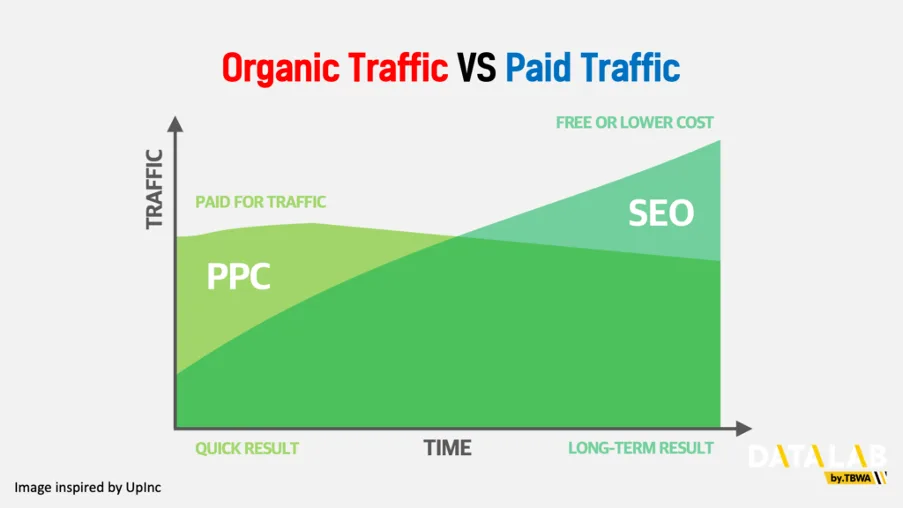
Why Organic Traffic Analysis Deserves a Permanent Slot in Your Workflow
Search traffic is the only major acquisition channel where the “customer” arrives with stated intent. Someone typed a query. That query tells you what they want before they ever see your page. Organic traffic analysis is the practice of mining that intent signal and matching it to what your pages actually deliver.
Most teams skip this. They check the sessions number on Monday, celebrate or panic, and move on. That habit wastes the richest dataset in the business — the queries, impressions, and click-through rates sitting inside Search Console.
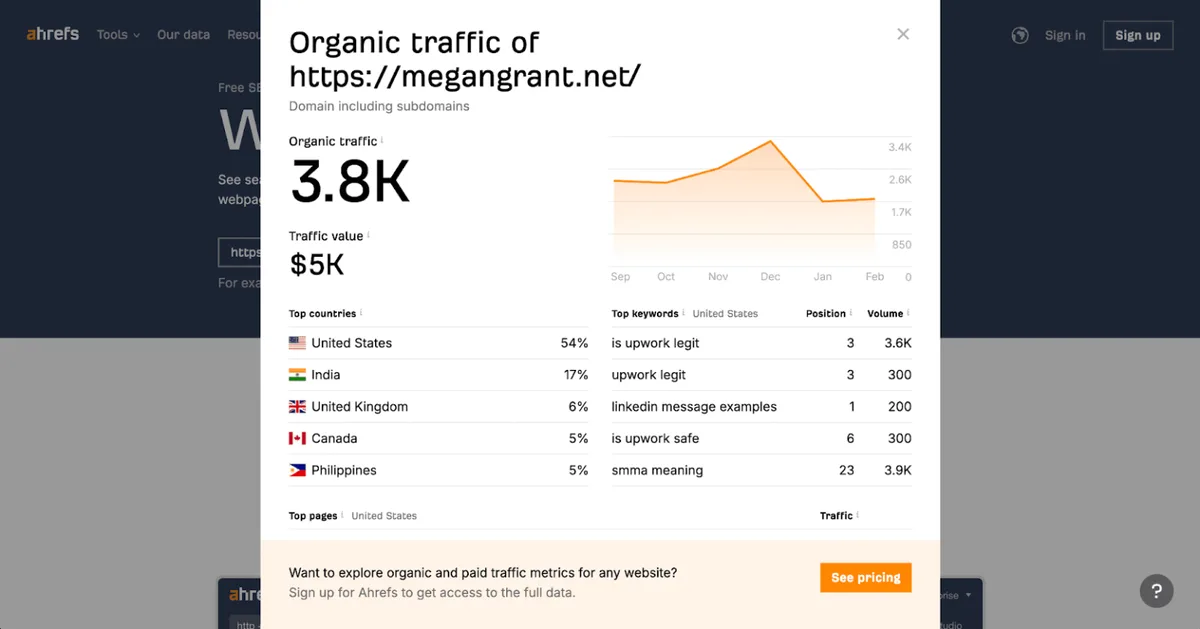
Here is the practical payoff. When you run a disciplined organic traffic analysis checklist every month, you catch decay before it becomes a cliff. A page slipping from position 4 to position 9 loses roughly 60% of its clicks, and you will see it in the data weeks before revenue feels it.
Building the Foundation Before You Analyze Anything
You cannot analyze what you cannot see. Before chasing insights, make sure the plumbing works. This category covers the setup tips that determine whether the rest of your organic traffic analysis is built on rock or sand.
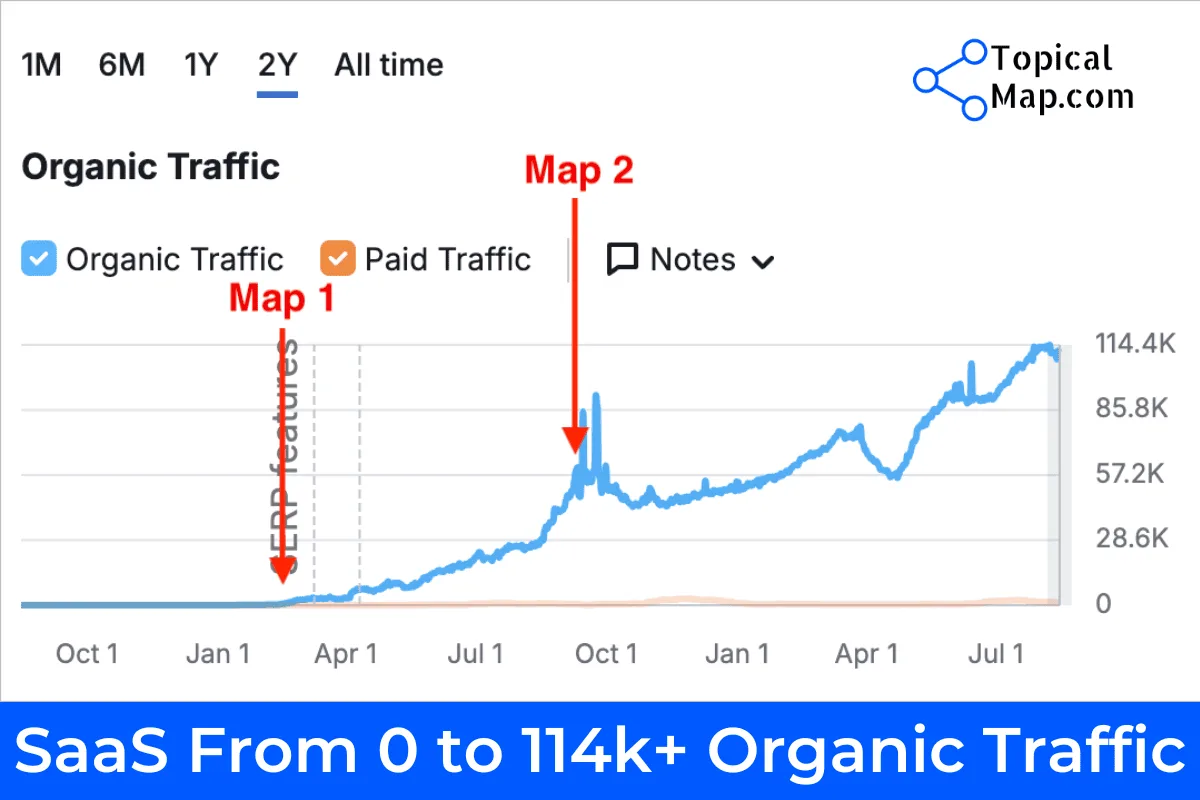
Skip these and every conclusion downstream inherits the error. I have watched teams argue for an hour about a “traffic drop” that turned out to be a broken tag firing on half their pages.
Tip 1: Instrument Search Console and Analytics as a Single System
Google Search Console tells you about queries and impressions. Google Analytics tells you about behavior after the click. Neither one alone answers the question that matters: which queries bring people who stay?
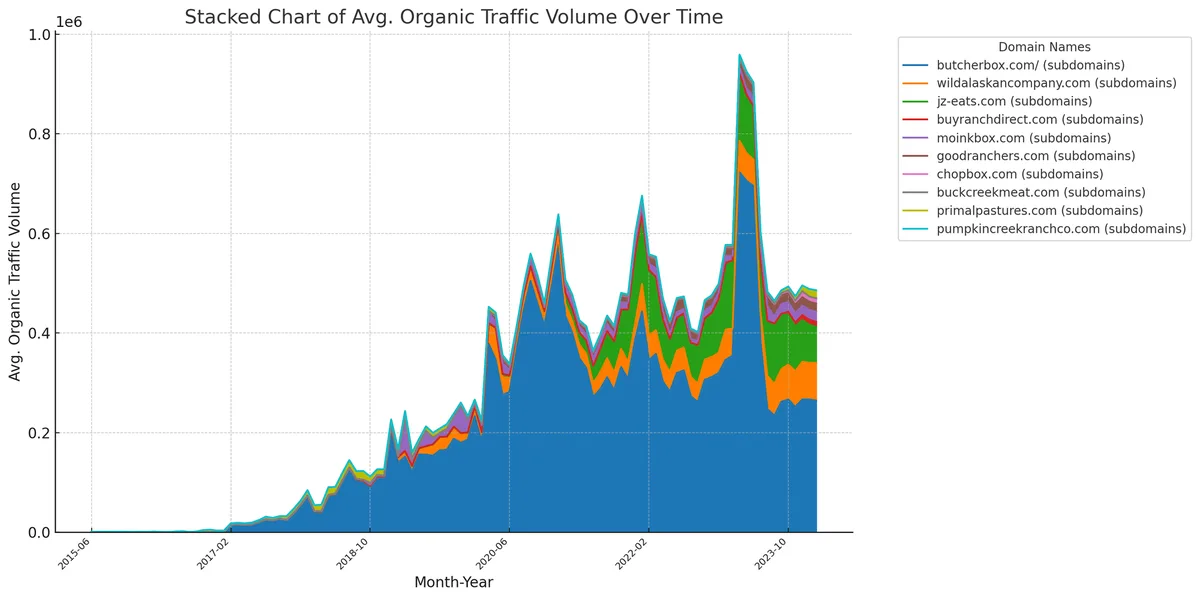
Connect them properly. Focusing on organic traffic analysis provides clear direction here. Use the Search Console query dimension alongside engagement metrics, or push GSC data into your warehouse and join it on landing page plus date.
Once joined, you can see that a query like “how to clean cast iron” drives 4,000 impressions but a 12-second average engagement time — a signal the page does not match the intent.
Practical move: build one dashboard with landing page, query, impressions, clicks, CTR, and engagement rate side by side. That single view eliminates most guesswork in organic traffic analysis.
Tip 2: Define a Clean Baseline Period Before You Judge Anything
Every comparison needs a reference point. Pick a stable window — typically the previous 28 or 90 days — and freeze it. Note any algorithm updates, site migrations, or major content launches inside that window so you do not mistake a known event for a mystery.
Honestly, the organic traffic analysis is the step most people skip. Then they compare a holiday week to a normal week and conclude the sky is falling. A clean baseline turns noise into signal.
Tip 3: Segment by Intent, Not Just by Channel
“Organic search” is too broad a bucket. Refining each detail of your organic traffic analysis strengthens this section. Split it. Separate informational queries from commercial and transactional ones, because they behave nothing alike.
Informational visitors read and leave. Transactional visitors compare and convert. If you blend them, your averages lie to you. A page with 8,000 informational sessions and a 0.4% conversion rate may be performing perfectly — it was never meant to sell.
Segment by query pattern, by landing page template, and by device. Mobile and desktop traffic often tell completely different stories about the same URL.
Tip 4: Audit Tagging and Tracking Integrity First
Before you trust a single number, verify that your tracking fires correctly. Check for duplicate pageview tags, missing conversion events, and cross-domain measurement gaps. A double-firing tag can inflate sessions by 30% or more.
Run a quick crawl with a tag-checking tool, then spot-check five key templates manually. It takes an afternoon and saves you from months of decisions built on corrupted data. Solid organic traffic analysis best practices always start with data you can defend.
Reading the Data: Diagnostic Tips That Reveal What is Really Happening
Now the fun part. Effective execution in your organic traffic analysis makes a tangible difference. Your data is clean, your baseline is set, and your segments are split. This category is about interpretation — the tips that turn a wall of numbers into a diagnosis.
The core skill here is triangulation. Never trust one metric in isolation. Impressions without CTR, or CTR without position, will mislead you every time.
Tip 5: Read Impressions and CTR Together, Always
Impressions tell you how often you were eligible. CTR tells you how often you were chosen. Read them as a pair and the diagnosis writes itself.
High impressions with low CTR means your title and meta description are losing the click — the ranking is fine, the packaging is not. Low impressions with high CTR means you rank well for a narrow set of queries; there is room to expand. High impressions with high CTR but falling sessions means you are losing positions on high-volume terms.
Run this check across your top 50 landing pages monthly. It is the fastest diagnostic in any organic traffic analysis workflow.
Tip 6: Track Average Position as a Range, Not a Single Number
Average position is a blend. Maintaining clarity across your organic traffic analysis remains essential. A page ranking 3 for one query and 40 for nine others shows an average that describes neither reality. Pull the query-level distribution instead.
Look for pages where most impressions sit in positions 8 through 15. Those are your quickest wins — a modest content refresh or internal link push often moves them onto page one, and the click gain is disproportionate.
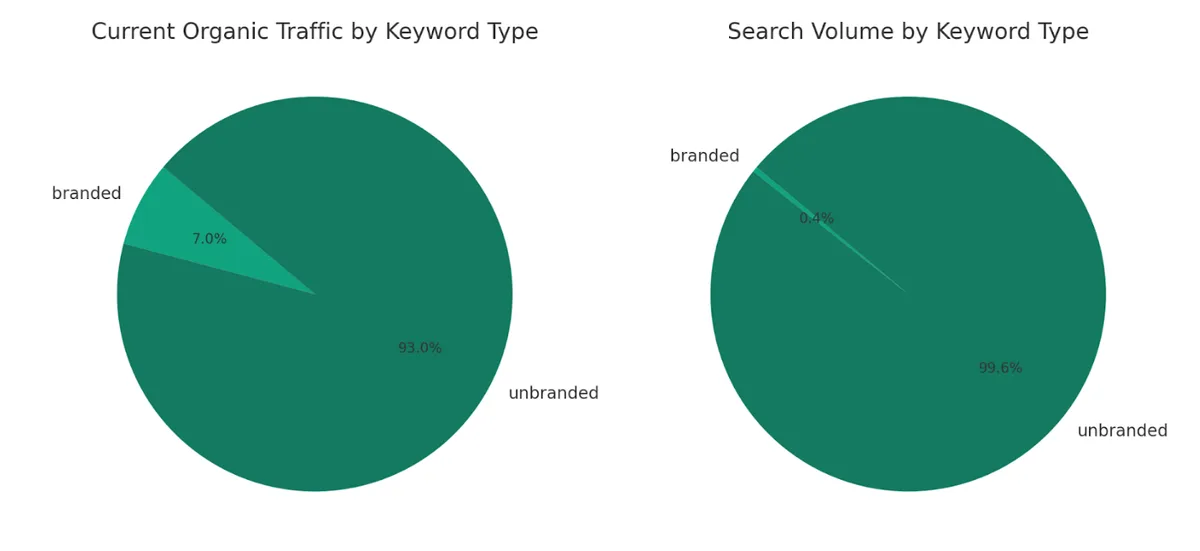
Tip 7: Isolate Branded from Non-Branded Queries
Branded searches inflate everything. If half your organic sessions come from people typing your company name, your “growth” may just be brand awareness from paid campaigns or word of mouth.
Filter branded terms out and measure non-branded performance separately. That number is the honest read on your SEO health. Track both, but never let branded traffic mask a decline in discovery.
Tip 8: Watch Engagement Metrics per Landing Page Template
Group your pages by template — blog post, category page, product detail, comparison article — and compare engagement within each group. A thoughtful approach to organic traffic analysis reinforces your qualifications. A 45-second engagement time is alarming for a how-to guide and respectable for a product page.
When one template underperforms its peers, the problem is structural, not page-specific. Fix the template and you fix hundreds of URLs at once. This is where organic traffic analysis tips pay off at scale.
Fifteen Effective Tips, Organized for Execution
Here is the full set, clustered so you can work through them in order. Each group builds on the last. Start with measurement, move to diagnosis, then to action, then to protection, and finish with the strategic layer.
Do not try to run all fifteen in one week. Pick one cluster, execute it fully, then move on. Depth beats breadth in organic traffic analysis every single time.
Cluster A: Measurement and Tracking (Tips 1-4)
These four tips appeared above in full detail because they gate everything else. To recap the execution order: join GSC and analytics, freeze a baseline, segment by intent, and audit your tags.
If the organic traffic analysis only do one thing from this entire article, do the tag audit. Corrupted data is worse than no data because it breeds false confidence.
Cluster B: Diagnostic Reading (Tips 5-8)
Pair impressions with CTR, read position as a distribution, separate branded from non-branded, and compare engagement within templates. Structuring your organic traffic analysis around proven patterns ensures impact. Four habits, maybe two hours a month, and you will spot problems your competitors miss for quarters.
Keep a running log of what you find. Patterns emerge fast — the same template failing, the same query cluster decaying — and patterns are where the leverage lives.
Cluster C: Content and On-Page Actions (Tips 9-11)
Tip 9: Refresh decaying pages before writing new ones. Find URLs the organic traffic analysis lost more than 20% of clicks quarter over quarter, then update the content, add missing subtopics, and republish with a fresh date only if the content genuinely changed. Updating an existing page usually returns results faster than publishing a new one.
Tip 10: Map every target query to exactly one URL. Cannibalization is silent and expensive. When two pages chase the same query, they split links and authority, and both underperform. Consolidate or differentiate — never leave the overlap unresolved.
Tip 11: Rewrite titles and meta descriptions for the queries the organic traffic analysis actually rank for. Pull the top queries per page, then write titles that echo the searcher’s language. A title that mirrors the query earns the click; a clever title that ignores it does not.

Cluster D: Technical and Structural Protection (Tips 12-13)
Tip 12: Monitor crawl health and index coverage weekly. Check the Pages report in Search Console for sudden spikes in “Crawled – currently not indexed” or “Discovered – currently not indexed.” Those statuses often signal thin content, crawl budget waste, or internal linking gaps.
Tip 13: Fix internal linking before chasing backlinks. Most sites have orphaned pages and over-linked navigation that starve valuable URLs of authority. A focused internal linking pass — contextual links from strong pages to weak ones — often moves rankings within weeks at zero cost.
Cluster E: Strategic and Competitive Layer (Tips 14-15)
Tip 14: Benchmark against competitors using share of voice. Estimate your visibility across your target query set versus three competitors. Share of voice tells you whether your growth is absolute or just riding a rising tide.
Tip 15: Tie organic traffic analysis to revenue, not sessions. Attribute conversions to landing pages and query clusters. A page that drives 500 sessions and 30 signups beats one that drives 5,000 sessions and two. Once you can rank pages by business value, your content roadmap writes itself.

Putting the Fifteen Tips Into a Repeatable Operating Rhythm
Insight without cadence evaporates. Proper attention to your organic traffic analysis sets a strong baseline. Build a simple rhythm: weekly crawl and index checks, monthly query and CTR review, quarterly content refresh cycle, and an annual structural audit.
Assign owners. A checklist nobody owns is a wish list. Even a two-person team can run this if the responsibilities are explicit.
| Cadence | Core Activity | Tips Covered | Primary Output |
|---|---|---|---|
| Weekly | Crawl health and index coverage review | Tips 4, 12 | Technical fix queue |
| Monthly | Query, CTR, and position distribution review | Tips 5, 6, 7, 8 | Opportunity list ranked by click potential |
| Quarterly | Content refresh and cannibalization cleanup | Tips 9, 10, 11 | Updated pages and consolidated URLs |
| Annually | Structural audit and competitive benchmark | Tips 13, 14, 15 | Roadmap tied to revenue attribution |
Notice how the table forces you to touch every tip at least once per cycle. That is the point. A full organic traffic analysis checklist is only useful if it runs on a schedule.
Common Mistakes That Quietly Wreck Your Analysis
Even careful teams trip on the same handful of traps. Here are the ones I see most often, and how to sidestep them.
First, treating a ranking drop as a content problem when it is actually a technical one. Check indexation and crawl status before you rewrite a single paragraph. Second, over-reacting to short-term volatility — a three-day dip is usually noise, not a trend.
Third, ignoring seasonality entirely. Compare year over year for seasonal niches, not month over month. Fourth, letting dashboards become decoration — if nobody acts on a metric, delete it and focus on the ones that drive decisions.
And the biggest one: optimizing for sessions instead of outcomes. Sessions are a means. Conversions, signups, and revenue are the end. Keep that hierarchy straight and your organic traffic analysis best practices will stay grounded in business reality.
Frequently Asked Questions About Organic Traffic Analysis
Here is an in-depth breakdown of key considerations regarding this section:
How Often Should You Run an Organic Traffic Analysis?
Weekly for technical health, monthly for query and CTR review, and quarterly for content decisions. Anything more frequent invites noise-chasing; anything less lets decay compound unnoticed.
What is the Single Most Important Metric?
The organic traffic analysis is no universal winner, but non-branded clicks paired with conversion value comes closest. That combination tells you whether you are growing discovery and turning it into outcomes.
Why Does My Traffic Drop When Rankings Look Stable?
Usually one of three causes: a CTR collapse from a changed SERP layout, a tracking break, or seasonality. Check the impressions-to-clicks ratio first — it separates a visibility problem from a measurement problem in minutes.
Can Small Sites Benefit from This Level of Analysis?
Absolutely. With fewer pages, each one carries more weight, so a focused organic traffic analysis checklist delivers proportionally larger returns. A ten-page site can run all fifteen tips in a single afternoon.
How Do You Prove the Value of This Work to Stakeholders?
Attribute conversions to landing pages and query clusters, then show the delta after each refresh cycle. Revenue-linked evidence ends the debate faster than any ranking chart.
Where to Take This Next
Fifteen tips, five clusters, one operating rhythm. That is a complete organic traffic analysis framework you can run without new tooling or a bigger team.
Start with the tag audit and the impressions-to-CTR pairing. Those two alone will surface more actionable findings than most teams extract in a quarter. From there, the refresh cycle and internal linking pass do the heavy lifting.
If you want to go deeper, the natural next steps are query intent classification at scale and log file analysis for crawl behavior. Both build directly on the foundation laid here, and both reward the discipline you have already invested in reading your search data properly.
For verified reference and background research, consult the authoritative informational resource on this topic.