Open Rate Benchmarks: 7 Essential Tips for Beginners
Open rate benchmarks give you a realistic measuring stick for your email campaigns, and this open rate benchmarks guide breaks down seven practical tips built specifically for beginners.
If you have ever hit send on a newsletter and then stared at a dashboard wondering whether 22% is good or quietly embarrassing, you are in exactly the right place.
Here is the honest truth: most beginners judge their numbers against nothing at all. Focusing on open rate benchmarks provides clear direction here. They either celebrate too early or panic for no reason. Neither reaction helps you improve.
What helps is context — knowing what typical performance looks like across industries, list sizes, and message types, then comparing your results to that backdrop.
We will walk through seven foundational tips, from understanding what the numbers actually measure to building a repeatable review routine. Along the way you will see real figures, a comparison table, and the kind of field-tested advice that saves you months of guessing.
Why Open Rate Benchmarks Matter More Than Raw Open Counts
A raw open count tells you almost nothing on its own. Four hundred opens sounds impressive until you learn the email went to 40,000 subscribers. That is a 1% open rate, and it signals a serious deliverability or subject line problem.
Open rate benchmarks flip the perspective. They convert your result into a ratio you can compare against peers, against your own past sends, and against industry norms. Suddenly that 1% becomes a diagnosis instead of a mystery.
There is a second reason benchmarks deserve your attention. Email platforms and inbox providers keep tightening their filtering rules, and engagement signals feed directly into whether your future messages land in the inbox or the spam folder. Consistent performance against open rate benchmarks is one of the clearest health signals you can track.
Think of benchmarks as the vital signs of your email program. You do not need to be a doctor to read a thermometer, but you do need to know what normal looks like before you can spot a fever.
What the Metric Actually Measures
An open is recorded when a tiny invisible image embedded in your email loads in the recipient’s inbox. That is the mechanism behind the number, and it explains most of the quirks you will encounter.
If a reader has images blocked, the open may never register even though the open rate benchmarks read every word. If they preview your email in a pane and the image loads, it counts.
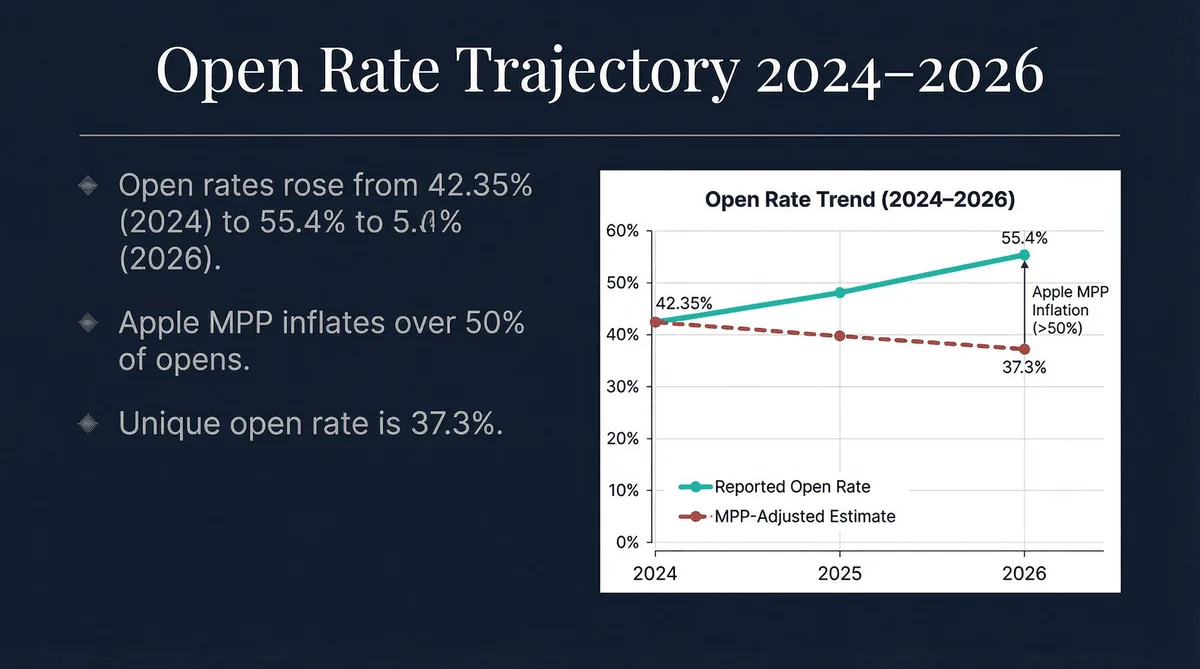
Apple’s Mail Privacy Protection changed the game further by pre-loading images, which inflates some open counts and makes certain segments look artificially engaged.
Understanding this mechanics matters because it keeps you from overreacting. Open rate benchmarks are directional indicators, not surgical instruments. Treat them as a compass rather than a ruler, and you will make better decisions.
Open Rate Benchmarks by Industry: a Quick Reference Table
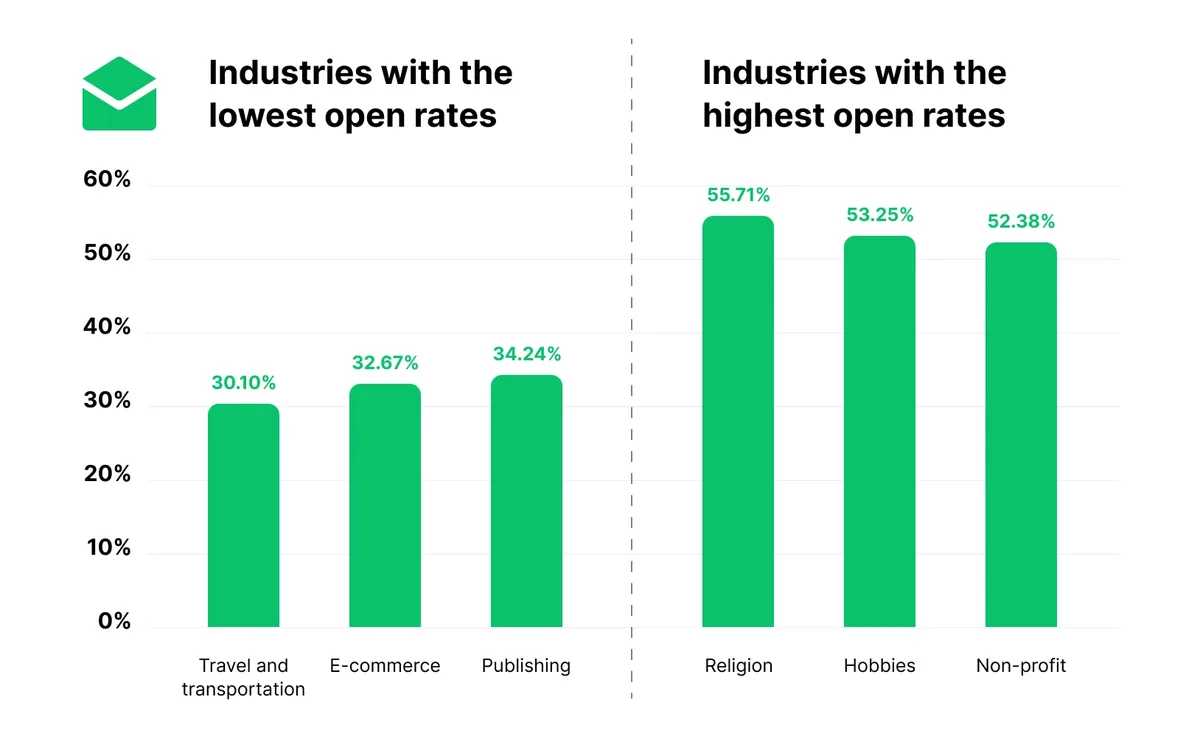
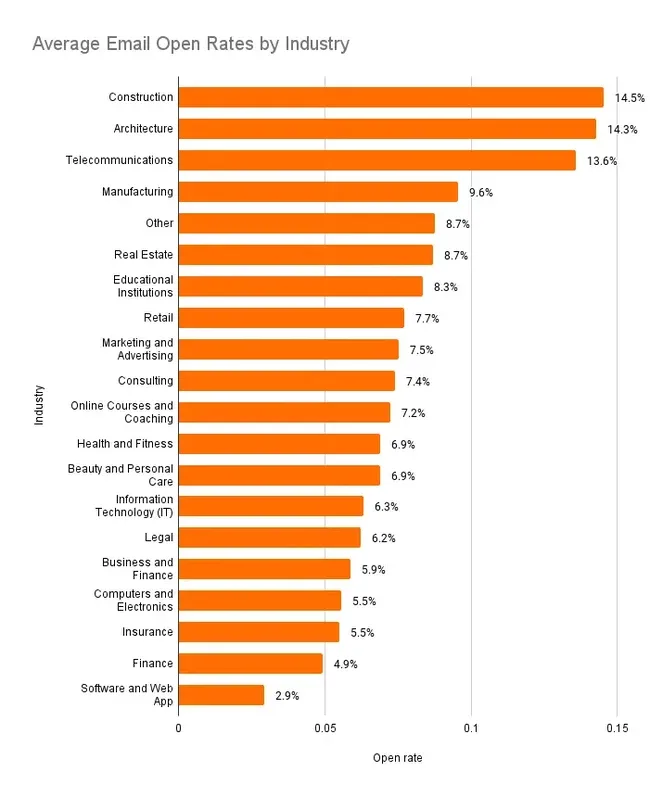
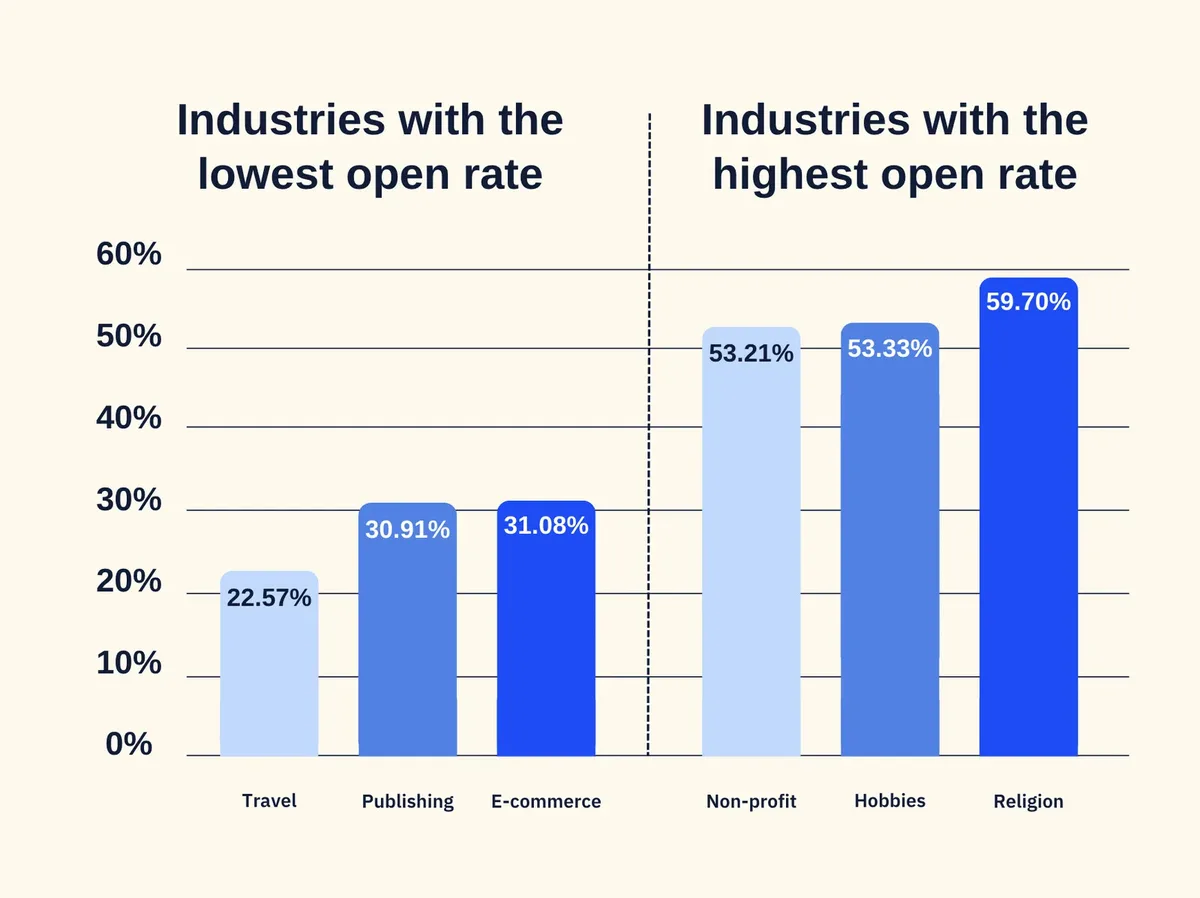
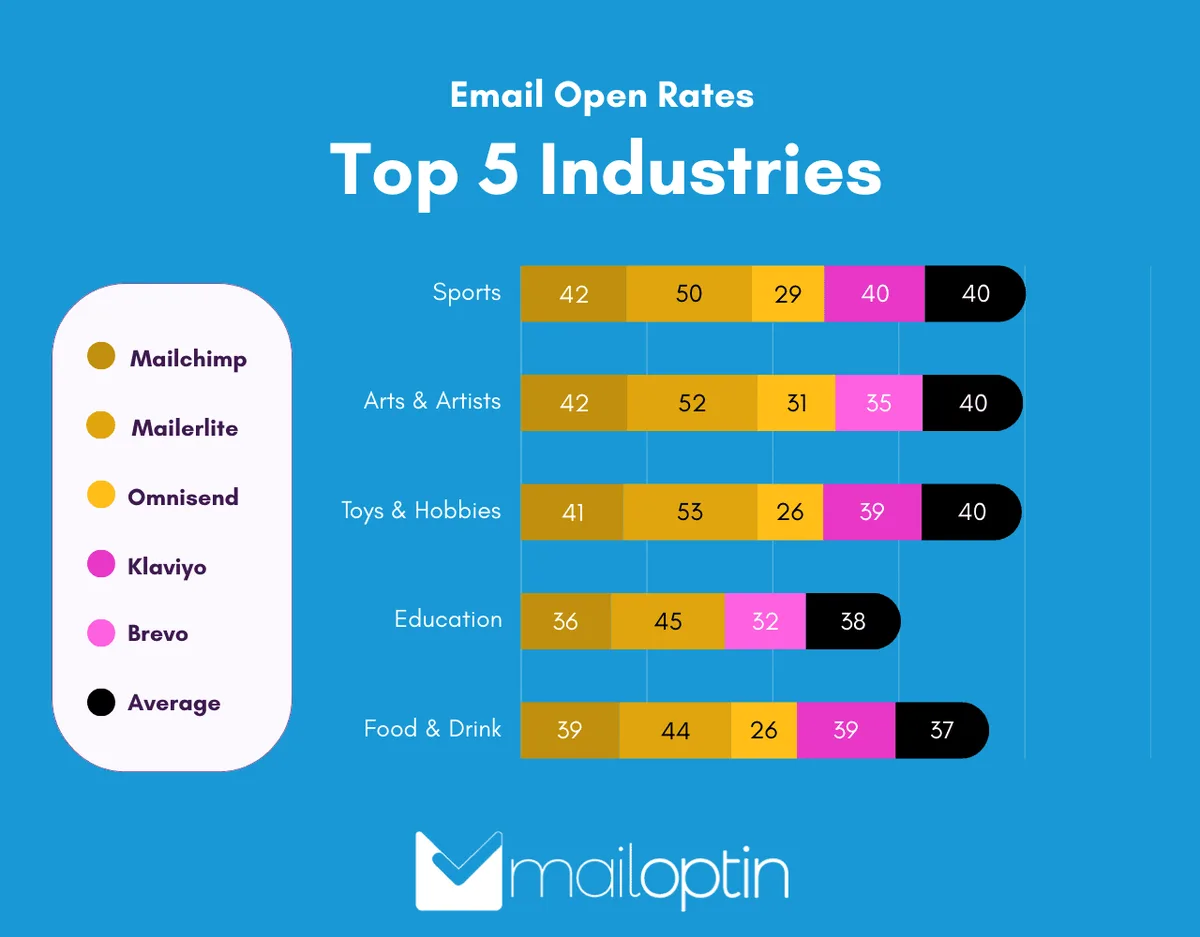
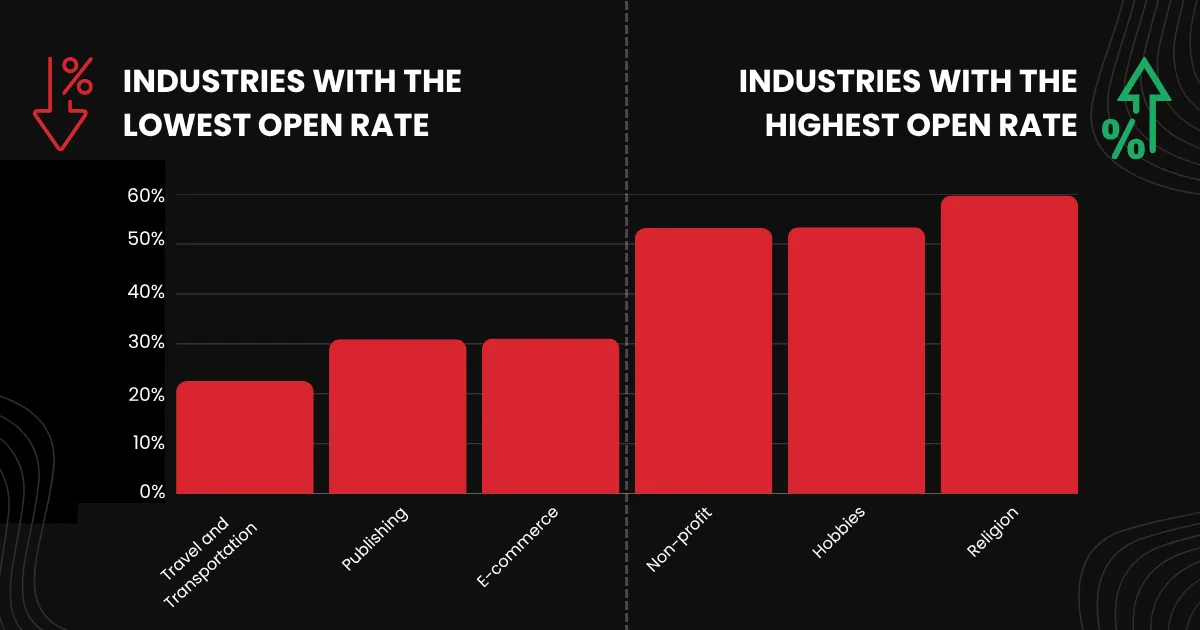
Before diving into the seven tips, the open rate benchmarks helps to see the terrain. The figures below reflect widely observed ranges across common sectors. Treat them as orientation points, not gospel — your list quality, send frequency, and audience relationship will shift your realistic target.
| Industry | Typical Open Rate Range | What It Usually Signals |
|---|---|---|
| E-commerce and retail | 15% – 20% | High volume, promotional fatigue is common |
| Software and SaaS | 20% – 25% | Product-led lists with strong intent |
| Media and publishing | 20% – 28% | Habit-driven readers, strong subject lines |
| Nonprofit and advocacy | 25% – 30% | Mission-driven loyalty drives engagement |
| Financial services | 18% – 24% | Compliance constraints on subject lines |
| Education and training | 22% – 30% | Smaller, highly motivated lists |
| Travel and hospitality | 15% – 22% | Seasonal swings are pronounced |
Notice how wide the bands are. That spread exists because no single number defines success. A 17% open rate in e-commerce might be excellent for a large list, while the same 17% in a 500-person education list would suggest something is broken.
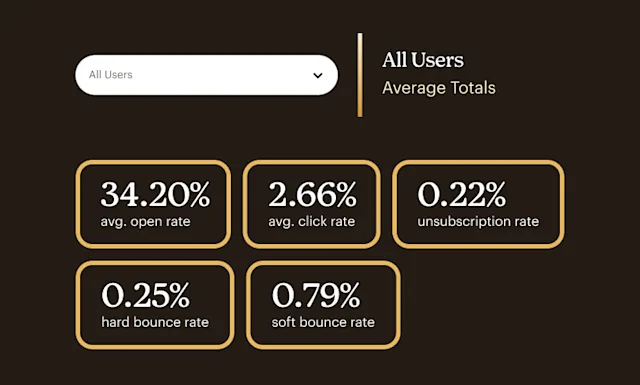
Use these open rate benchmarks as a starting reference, then narrow the range using your own historical data. Your personal baseline almost always beats the industry average as a decision tool.
Open Rate Benchmarks Tips for Beginners: the Seven Essentials
Here is where the promise of this article gets delivered. The seven tips below are ordered from foundational to advanced, so work through them in sequence if you are brand new. Each one stands alone, but together they form a complete beginner playbook.
You do not need expensive tools or a marketing degree to apply any of them. Patience and a willingness to test matter far more.
Tip 1: Establish Your Own Baseline Before Comparing to Anyone
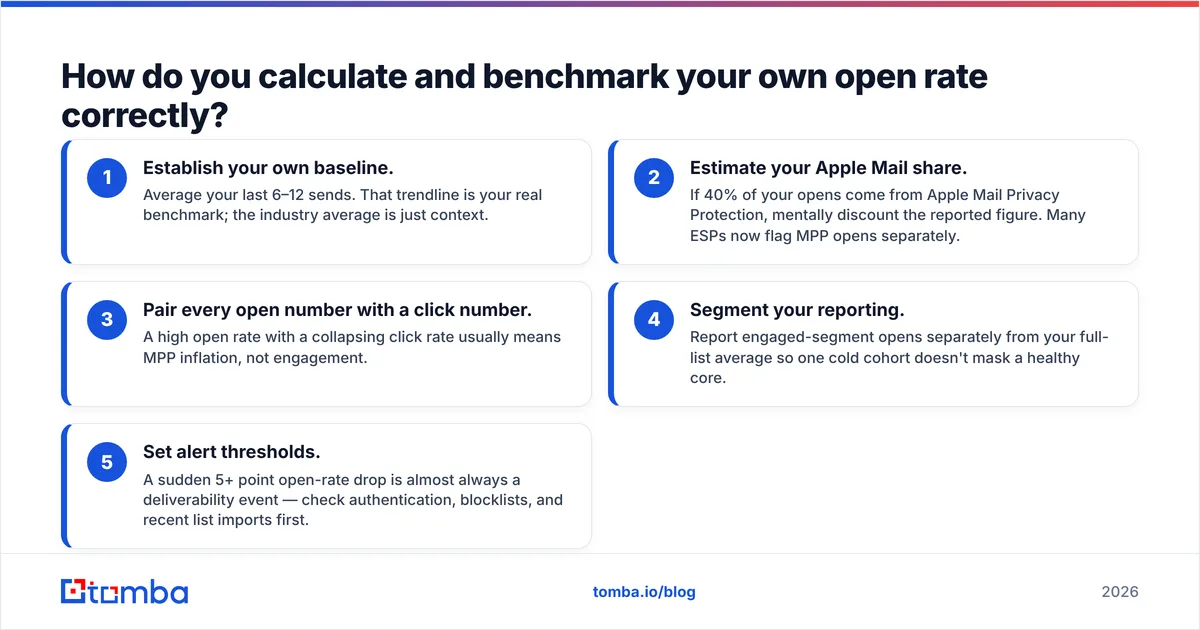
Industry open rate benchmarks are useful, but they are averages drawn from thousands of senders with wildly different circumstances. Your first job is not to match the average — it is to know your own starting point.
Pull your last ten to fifteen sends and calculate the open rate for each. Effective execution in your open rate benchmarks makes a tangible difference. Then look at the spread. Is it stable within a few points, or does it swing wildly?
A stable baseline means you can trust future comparisons. A chaotic one means something inconsistent is happening with list quality, send timing, or content.
Record that baseline somewhere you will actually check it. A simple spreadsheet with date, subject line, list segment, and open rate is enough. Fancy dashboards are nice, but a plain sheet you update weekly beats a sophisticated tool you ignore.
Setting a Realistic First Target
Once the open rate benchmarks have a baseline, set a target that is ambitious but not delusional. If your average sits at 14%, aiming for 30% next month is a recipe for frustration.
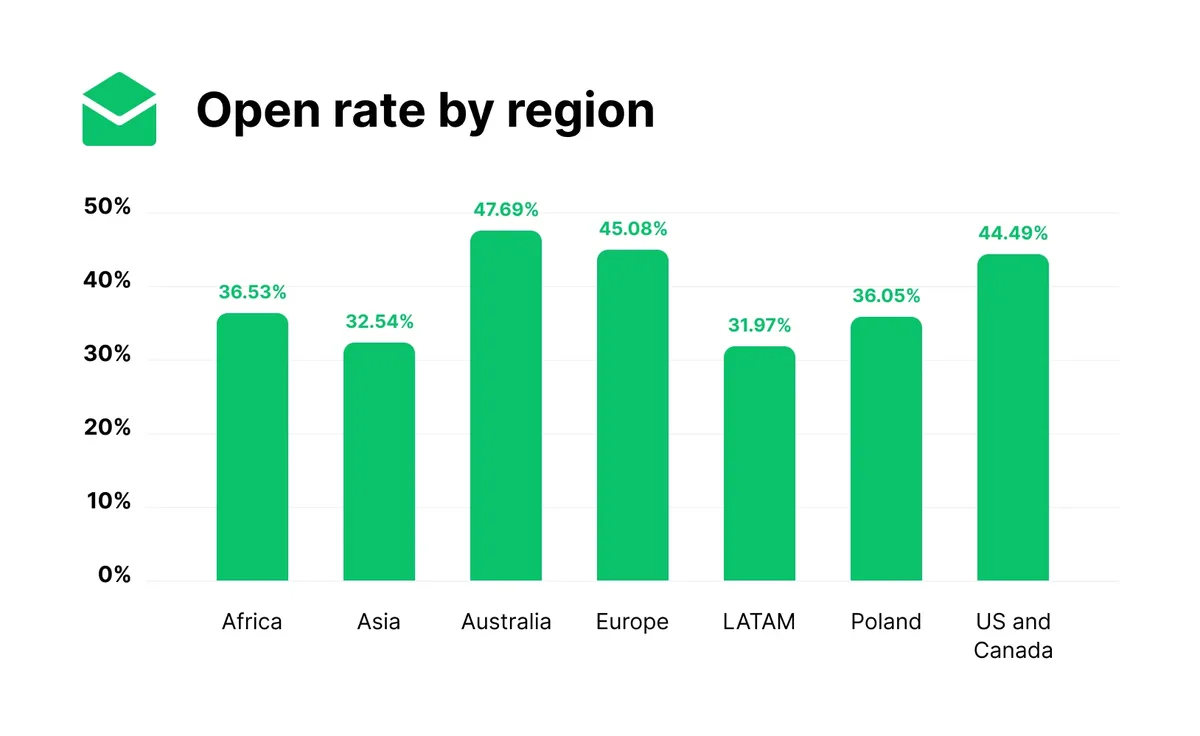
A better approach: identify the best-performing send in your history and treat that number as your near-term ceiling. Aim to make your average match your best. That single shift often produces more improvement than chasing an industry figure that was never relevant to your audience.
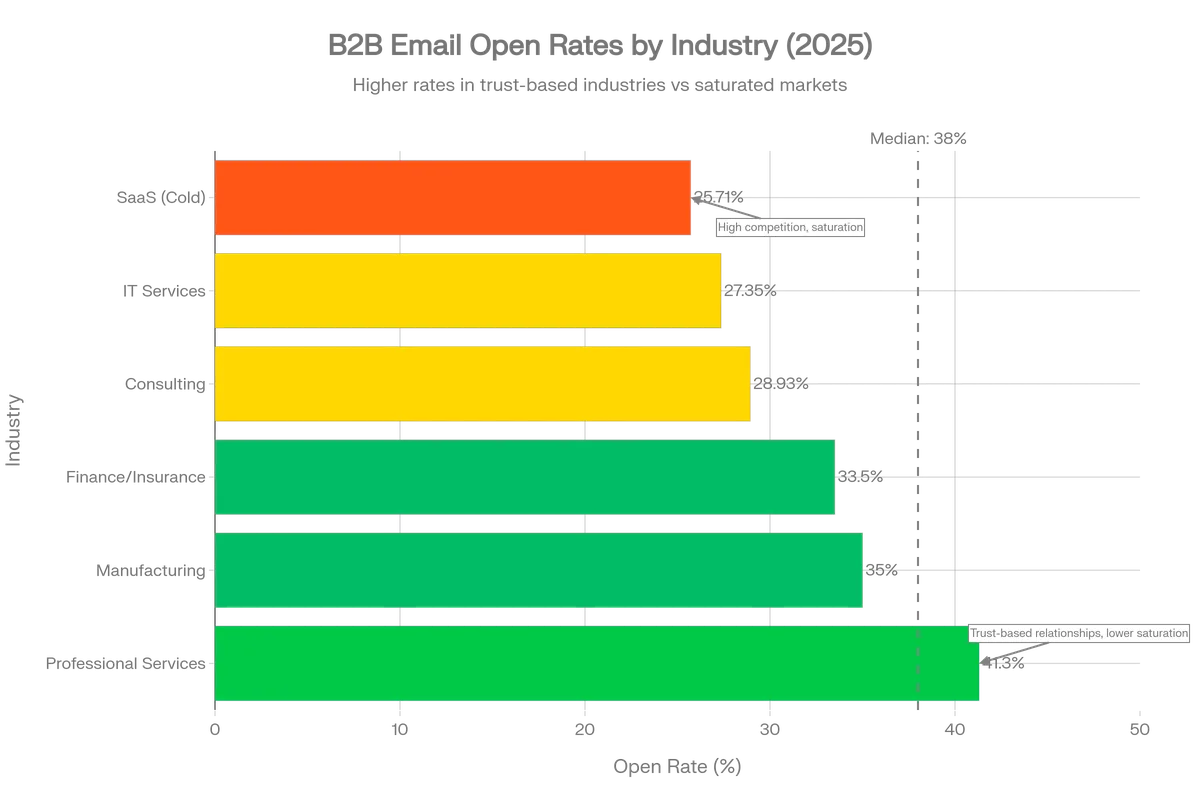
When you do look outward, compare against open rate benchmarks from senders in your exact niche and similar list size. A 50,000-subscriber retail brand and a 300-subscriber consulting practice operate under different physics.
Tip 2: Segment Your List to Reveal Hidden Performance
Blended averages hide the truth. A 20% overall open rate could mean every segment performs at 20%, or it could mean one highly engaged group at 45% is dragging a dead group at 5% up to the middle.
Segment by engagement recency and the picture sharpens immediately. Maintaining clarity across your open rate benchmarks remains essential. Split your list into groups like “opened in the last 30 days,” “opened in the last 90 days,” and “no opens in six months.” The differences are usually dramatic.
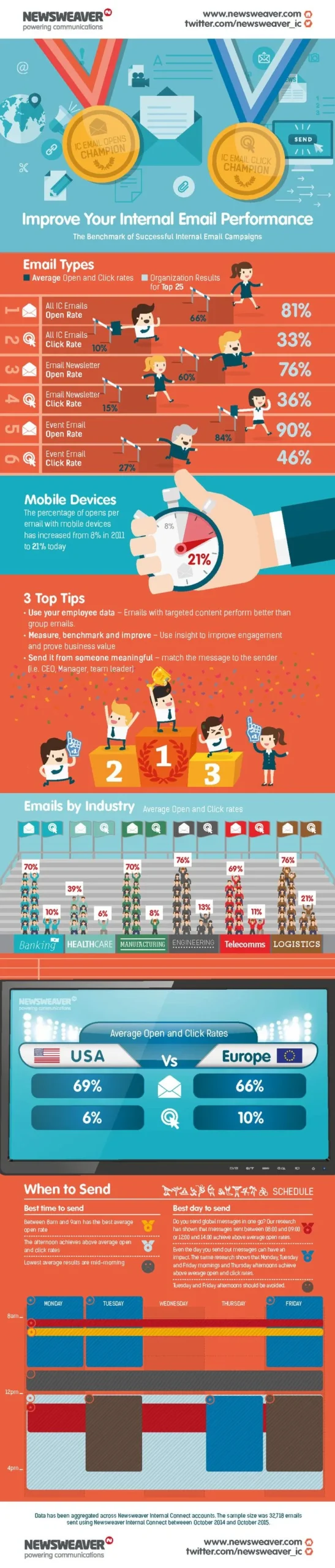
This matters because open rate benchmarks behave very differently across engagement tiers. Your 30-day active segment might sit comfortably above industry averages while your dormant segment sits far below. Sending to them as one blob distorts every conclusion you draw.
In practice, I have seen a single list split into three engagement tiers reveal open rate benchmarks ranging from 4% to 51%. The blended number was 18% — technically fine, practically meaningless.
Practical Segmentation for Small Lists
You do not need a data science team. Start with two segments: engaged and unengaged, defined by whether someone opened anything in the last 60 to 90 days.
Send your best content to the engaged group and a re-engagement series to the unengaged group. Track both against their own open rate benchmarks rather than against each other. Within a few cycles you will know which half of your list deserves your energy.
Tip 3: Write Subject Lines That Earn the Open
Every open rate benchmark conversation eventually arrives at the subject line, because that is where the decision happens. No amount of beautiful design matters if the subject line gets scrolled past.
Beginners tend to over-explain in the subject line. They cram in the full story, the brand name, and three exclamation points. The result reads like an advertisement and gets treated like one.
The strongest subject lines create a small, specific curiosity gap. They promise something concrete without giving it away. “Your invoice is attached” is clear but boring. “We found a competitive direct manufacturer pricing error in your invoice” is specific and nearly impossible to ignore.
Keep length in mind too. A thoughtful approach to open rate benchmarks reinforces your qualifications. Mobile inboxes truncate around 35 to 40 characters, so front-load the words that carry meaning. Anything after the cutoff is a bonus, not a plan.
Testing Subject Lines Without Guesswork
Run A/B tests on subject lines with a clear hypothesis each time. Do not just try two random options and pick the winner — decide in advance what you expect and why.
Test one variable at a time: length, personalization, emoji use, question versus statement. If you change three things at once, you learn nothing even when the result improves.
Over a few months, these small tests compound. You will build a private library of what works for your audience, which is worth more than any published set of open rate benchmarks.
Tip 4: Clean Your List Regularly to Protect Deliverability
Dead weight on your list does more than drag down your average. It actively harms deliverability, because inbox providers watch how recipients react to your mail. A list full of people who never open teaches providers to route your messages to spam.
Regular list hygiene is one of the most underrated open rate benchmarks best practices. Removing chronically unengaged contacts feels counterintuitive — you are shrinking your audience — but the remaining list performs better on every metric that matters.
A reasonable cadence: suppress anyone who has not opened in twelve months, after running a proper re-engagement sequence first. Give them three or four genuine chances to come back, then let them go.
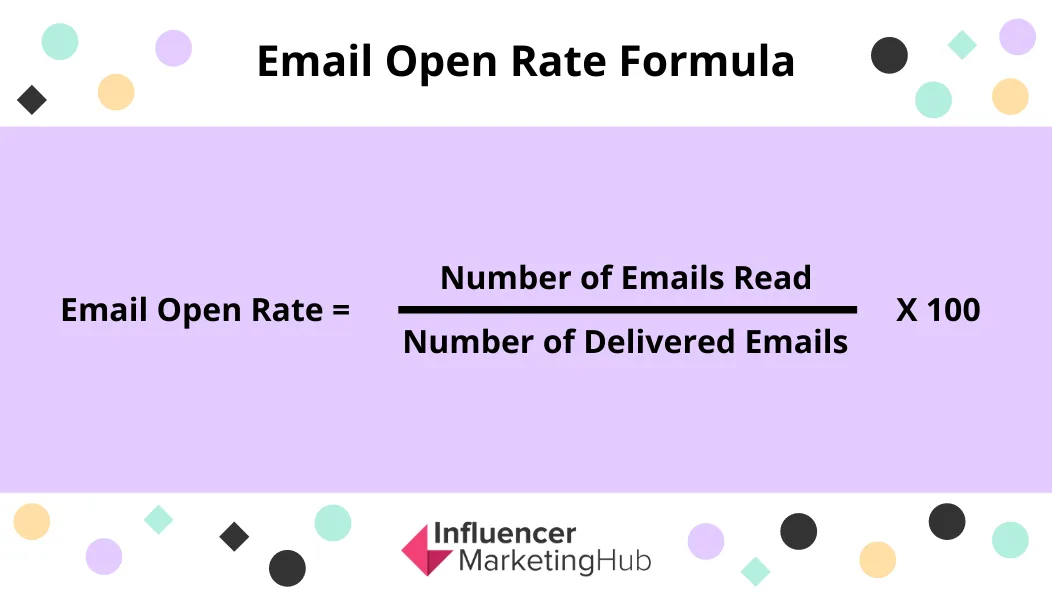
The math is friendlier than the open rate benchmarks looks. Cutting 20% dead weight often lifts your open rate by five points or more, because the denominator shrinks while engaged readers stay put.
Handling Bounces and Spam Complaints
Hard bounces should be removed immediately, every single time. Continuing to mail invalid addresses is a fast track to reputation damage.
Spam complaints deserve attention too. A complaint rate above 0.1% is a warning sign. Investigate what triggered it — usually a mismatch between what subscribers expected and what they received.
Tip 5: Time Your Sends Around Real Reader Behavior
Send timing is not magic, but it is not irrelevant either. The right window depends on when your specific audience checks email, which varies by profession, time zone, and daily routine.
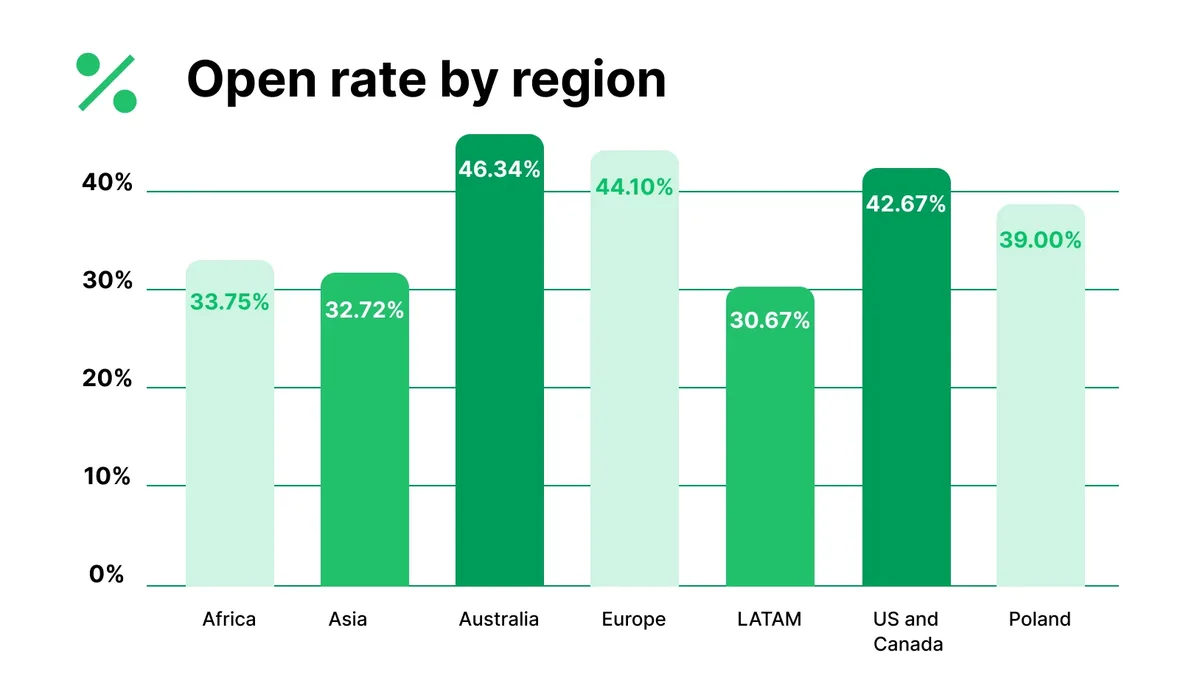
General open rate benchmarks suggest mid-week mornings perform well for business audiences, while consumer lists often peak on weekends. But these are population-level patterns, and your audience may sit outside them entirely.
The only reliable way to know is to test. Send the same type of content at different times across several weeks and compare results. Keep the content quality steady so timing is the only variable.
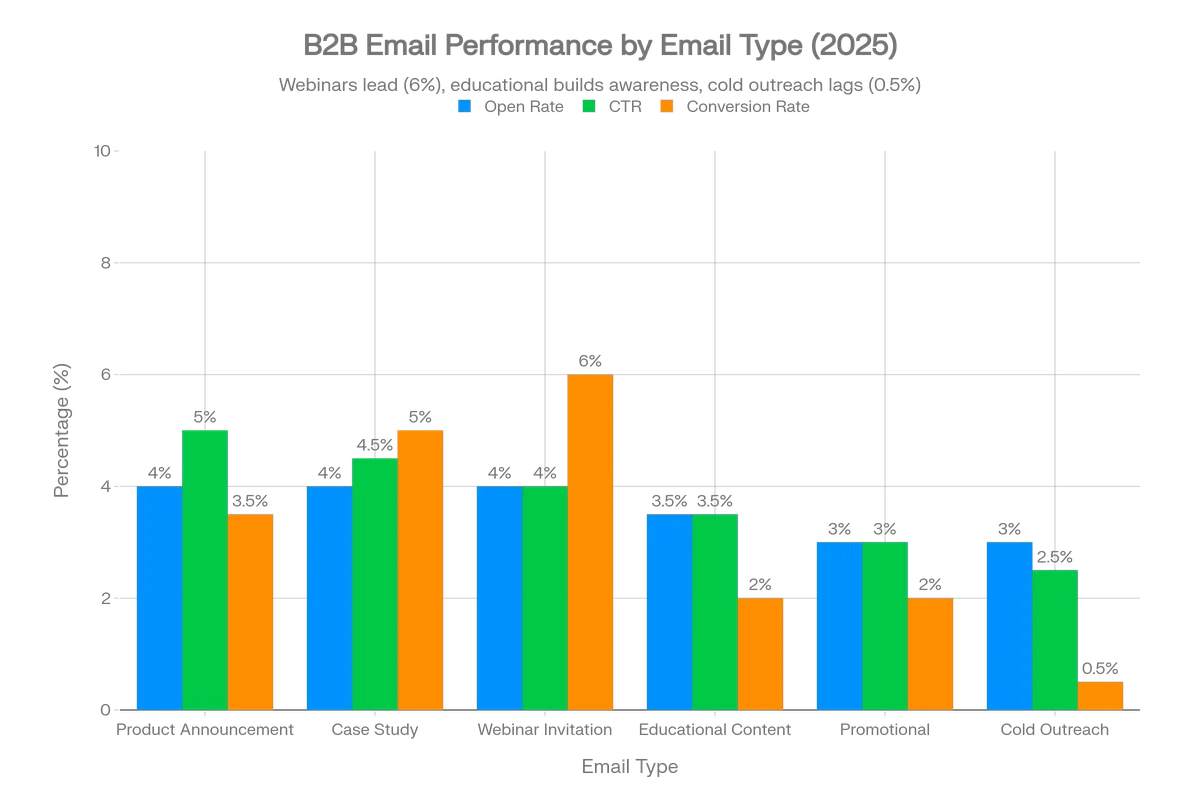
One caveat worth flagging: with Apple’s privacy features pre-loading images, some “opens” register the moment the email arrives in the inbox, regardless of when the person actually looks. Applying these principles to your open rate benchmarks yields measurable results.
This makes precise timing analysis fuzzier than it used to be. Use click data alongside open data for a clearer picture.
Building a Send Schedule You Can Sustain
Consistency beats optimization. A predictable weekly send at a decent time outperforms an erratic schedule that occasionally hits the perfect moment.
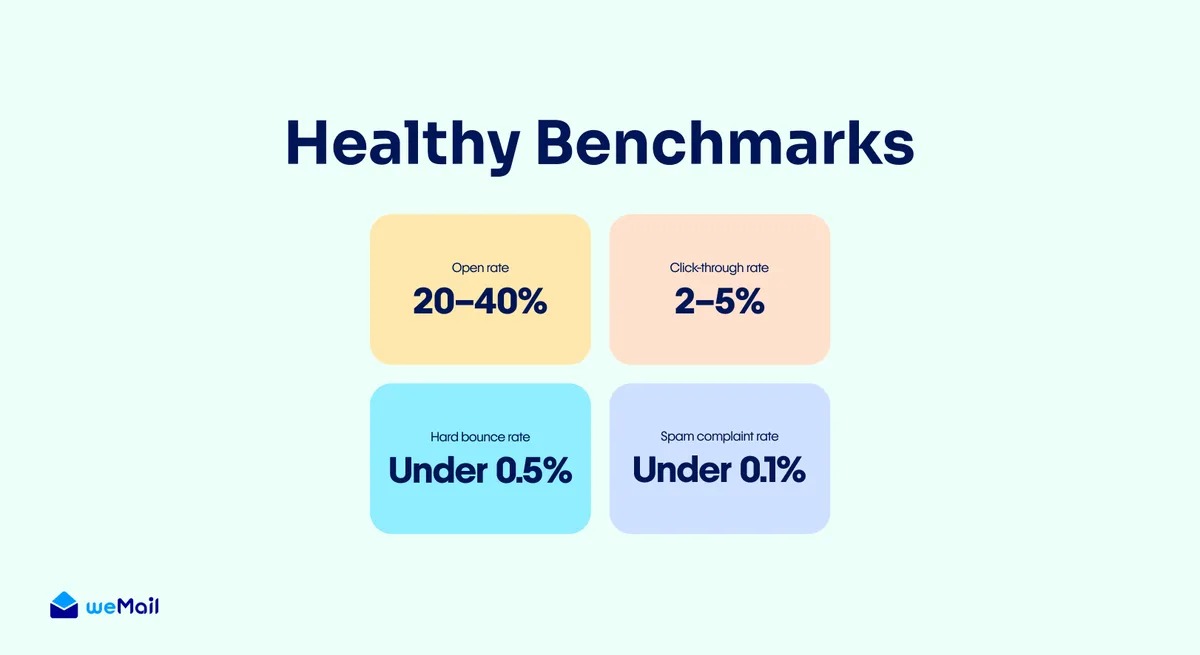
Pick a cadence you can maintain for six months without strain. Your subscribers learn to expect you, and predictable senders tend to earn better open rate benchmarks over time simply through familiarity.
Tip 6: Use a Benchmark Checklist to Audit Each Campaign
A checklist turns vague intentions into repeatable actions. Before every send, run through a short list of items that historically affect performance. It takes five minutes and prevents the most common self-inflicted wounds.
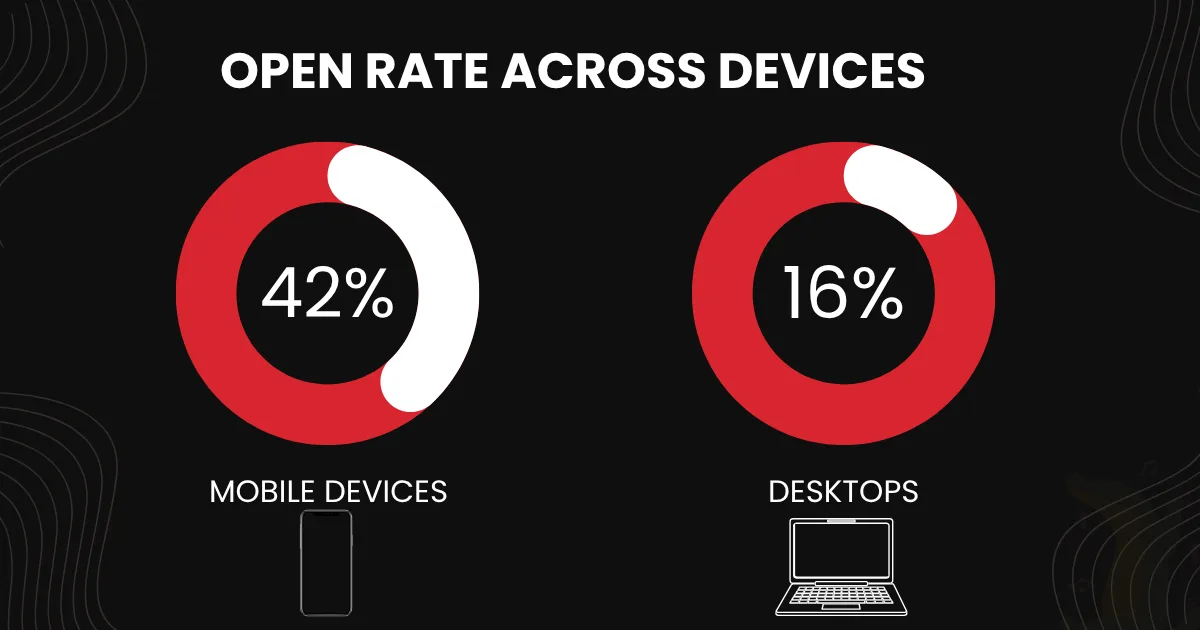
Here is an open rate benchmarks checklist you can adapt. It covers the pre-send essentials that separate careful senders from hopeful ones.
- Subject line reviewed on mobile: Check how it truncates on a phone screen. Front-load the meaningful words so nothing important gets cut off.
- Preview text written deliberately: Do not let the first line of body copy become your preview by accident. Write a second hook that complements the subject line rather than repeating it.
- Sender name recognizable: Use a consistent, human-sounding sender name. “Marketing Team” gets ignored; “Dana from Acme” gets opened.
- Segment selected correctly: Confirm you are sending to the intended group. Sending a re-engagement message to your most active readers wastes your best audience.
- List cleaned within the last quarter: Verify that hard bounces and long-term unengaged contacts have been suppressed.
- Links and images tested: Broken links and missing images tank engagement and trust. Click through the whole email yourself before sending.
- Unsubscribe link present and working: A legal requirement in most jurisdictions and a deliverability safeguard everywhere.
- Benchmark target noted: Write down the open rate you expect based on your baseline. Comparing the result against a stated expectation forces honest review.
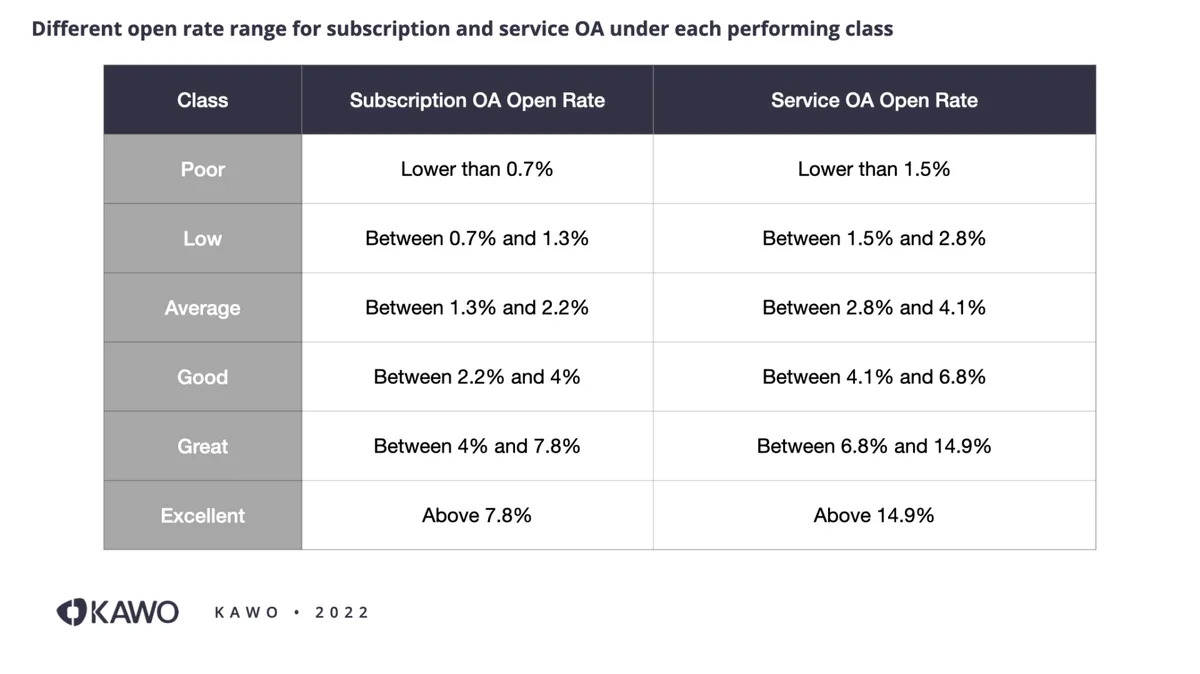
Run the open rate benchmarks checklist for a month and it becomes second nature. The goal is not bureaucracy — it is catching the small errors that quietly cost you five points of open rate.

Adapting the Checklist to Your Workflow
If your email platform supports templates or saved segments, bake parts of the checklist into them. Pre-built segments for engaged and unengaged readers remove a whole category of mistakes.
For solo senders, a simple text file pinned to your desktop works fine. Proper attention to your open rate benchmarks sets a strong baseline. The format matters less than the habit of actually checking.
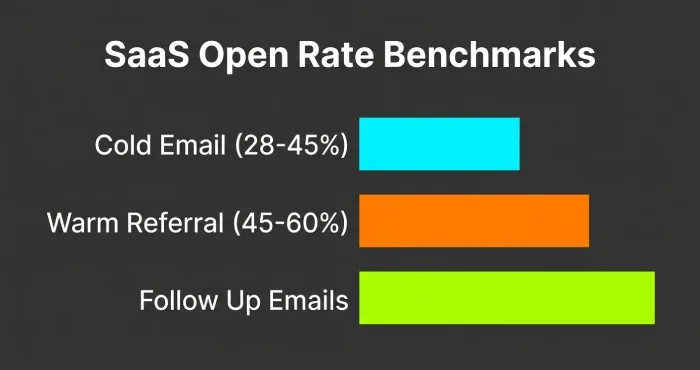
Tip 7: Review Results Against Benchmarks Monthly, Not Daily
Daily open rate checking is a trap. Opens trickle in over 48 to 72 hours, and early numbers are misleading. Checking at hour two and concluding the campaign flopped is a great way to make bad decisions.
Set a monthly review instead. Gather every send from the month, compare each against your baseline and the relevant open rate benchmarks, and look for patterns rather than isolated results.
Ask three questions in each review. Which subject lines beat the average and why? Which segments underperformed? Did anything change in list health or deliverability? The answers guide next month’s adjustments.
This rhythm keeps you honest without making you obsessive. Email rewards steady, thoughtful iteration far more than frantic daily tinkering.
What to Do When Numbers Drop
A sudden drop deserves investigation, not panic. Check deliverability first — are messages landing in spam? Then check list health and recent changes to send frequency or content style.
Gradual declines are usually engagement erosion. That calls for re-engagement campaigns, list cleaning, and a fresh look at subject line strategy. Compare against your historical open rate benchmarks to distinguish a blip from a trend.
Common Beginner Mistakes That Distort Your Benchmark Reading
Even with good intentions, beginners misread their data in predictable ways. Knowing these traps in advance saves you from chasing phantom problems.
The most common error is comparing a small, highly targeted send against broad industry averages. A 60-person list of past customers will almost always outperform a general benchmark, and that is expected — not proof of genius.
The second is ignoring list age. A freshly built list from a recent signup campaign usually opens at higher rates than a list that has been mailed for three years. Age-adjusted comparisons are fairer.
The third is treating open rate as the only metric. Clicks, replies, and conversions tell you whether opens translated into action. A high open rate with zero clicks usually means the subject line overpromised.
Frequently Asked Questions About Open Rate Benchmarks
Here is an in-depth breakdown of key considerations regarding this section:
What is a Good Open Rate for a Beginner?
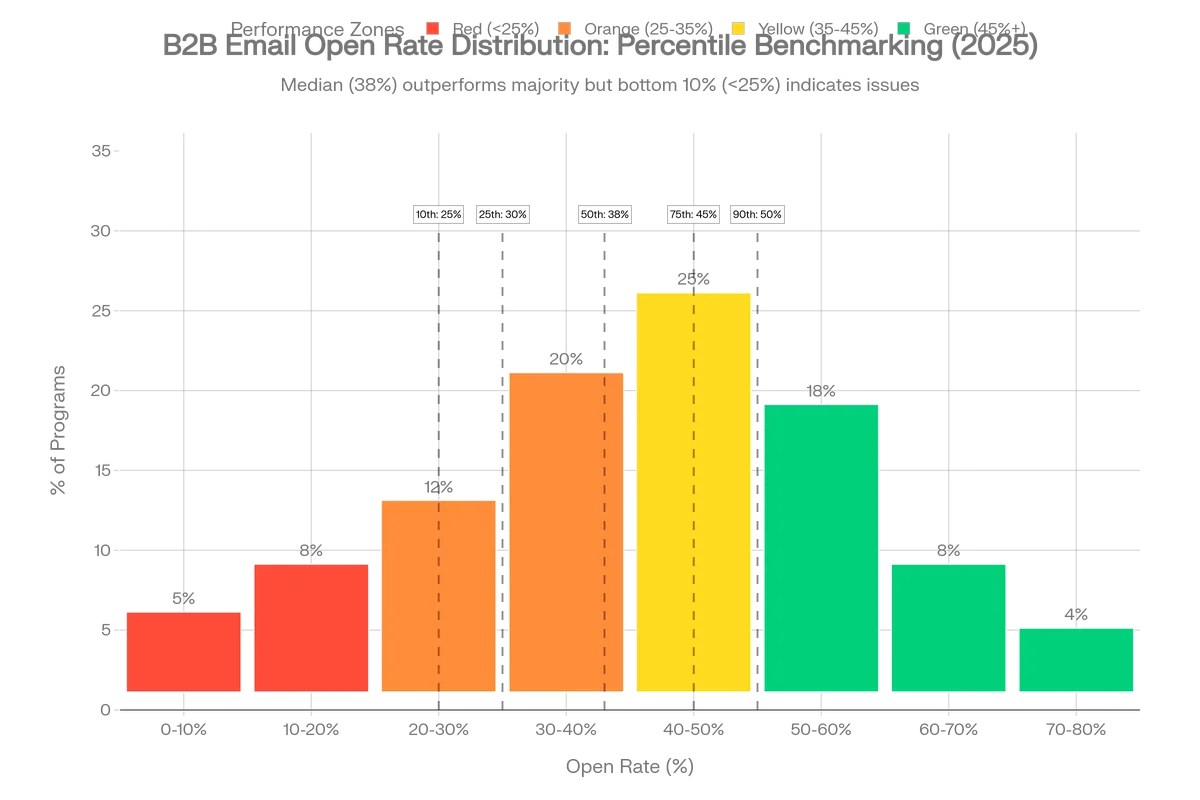
For most small to mid-sized lists, anything between 20% and 30% is a solid starting point. If you are below 15%, focus on list quality and subject lines before worrying about the industry average.
Do Open Rate Benchmarks Still Matter With Privacy Changes?
Yes, but read them as directional signals rather than precise measurements. Apple’s Mail Privacy Protection inflates some opens, so pair open data with click data for a fuller picture. The relative comparison between your own campaigns remains reliable.
How Often Should I Compare My Results to Industry Benchmarks?
Monthly is usually enough. More frequent checks create noise without insight, since individual campaigns vary naturally. Use your own baseline for weekly decisions and industry figures for quarterly strategic reviews.
Why Do My Open Rates Differ Between Email Clients?
Different clients handle image loading and privacy features differently. Gmail, Outlook, and Apple Mail each register opens under slightly different conditions. This is normal and another reason to treat open rate benchmarks as approximate guides.
Can I Improve Open Rates Without Changing My Subject Lines?
Absolutely. List cleaning, better segmentation, consistent sender names, and improved send timing all lift open rates without touching a single subject line. In fact, fixing list health often produces bigger gains than subject line tweaks.
Where to Go Next With Your Email Program
Mastering open rate benchmarks is really about building a habit of context-aware measurement. Start with your own baseline, layer in segmentation, clean your list, and review monthly. Those four moves alone will put you ahead of most beginners.
From here, the natural next steps branch into related territory. Deliverability deep-dives teach you how inbox placement actually works. Click-through and conversion analysis shows what happens after the open. List growth strategy determines whether your benchmarks stay healthy as your audience scales.
Each of those topics deserves its own focused study, and each one builds on the foundation you have here. The open rate benchmarks tips in this article are your starting framework — now go apply one of them this week and watch what changes.
For verified reference and background research, consult the authoritative informational resource on this topic.