Why a Marketing Automation Workflow Decides Whether Your Campaigns Sink or Swim
A marketing automation workflow is the difference between a revenue engine that runs on its own and a pile of disconnected tools that quietly drain your budget. Most teams don’t fail because they lack software. They fail because nobody mapped the steps between “lead clicks” and “customer renews.”
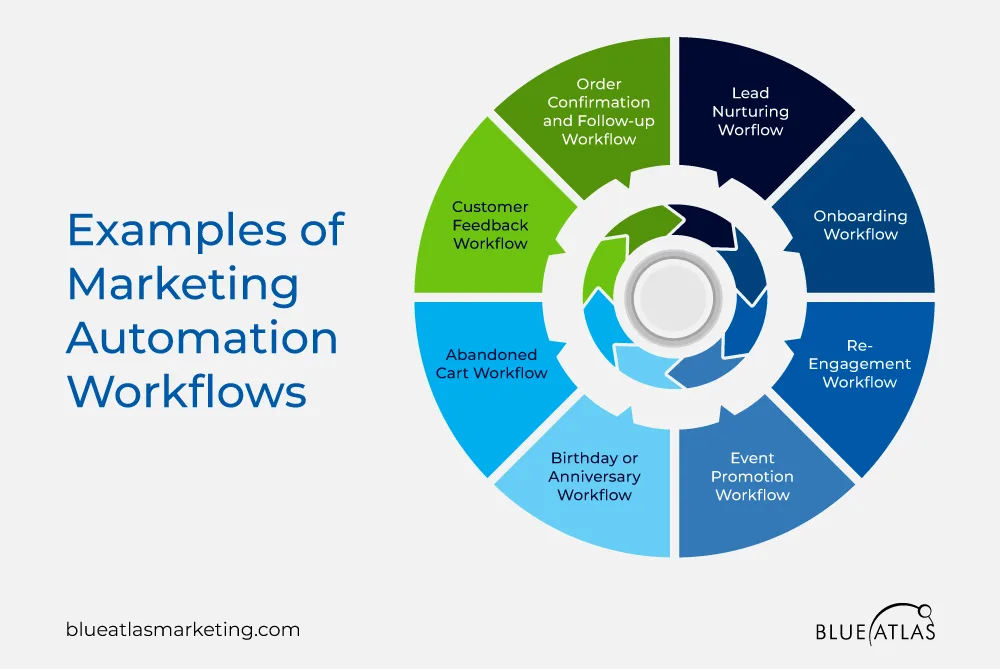
That’s the whole reason this breakdown exists. Below you’ll find 12 proven ways to get results, grouped into four practical pillars: foundation, lead handling, lifecycle acceleration, and optimization. Each one is something you can implement without a six-month committee review.
I’ve watched teams burn entire quarters chasing shiny features while their follow-up emails sat in drafts, and marketing automation workflow tips is what the reader checks first. The fix was never more tools. It was a tighter workflow. So treat this as your working marketing automation workflow guide — the kind you keep open in a second tab while you build.
What Makes a Marketing Automation Workflow Actually Work?
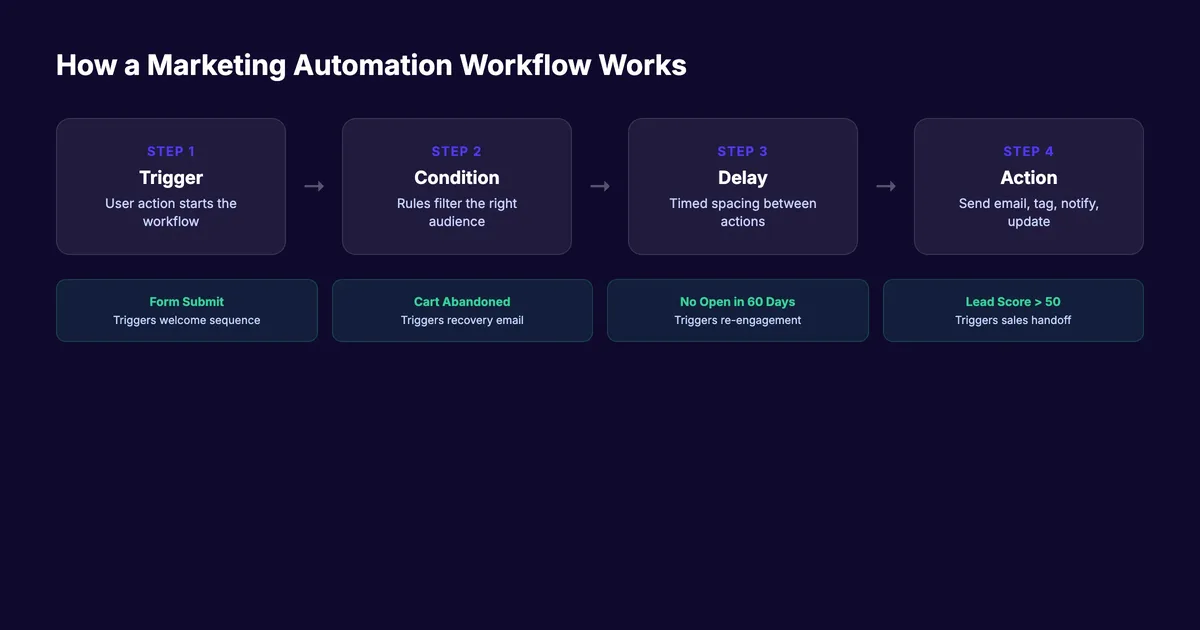
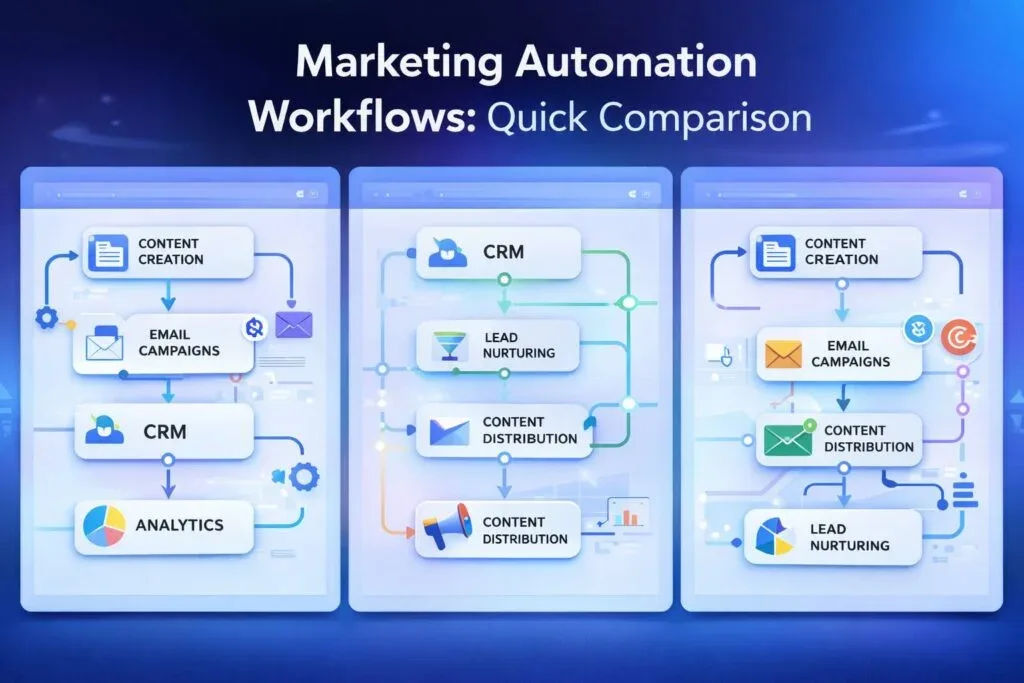
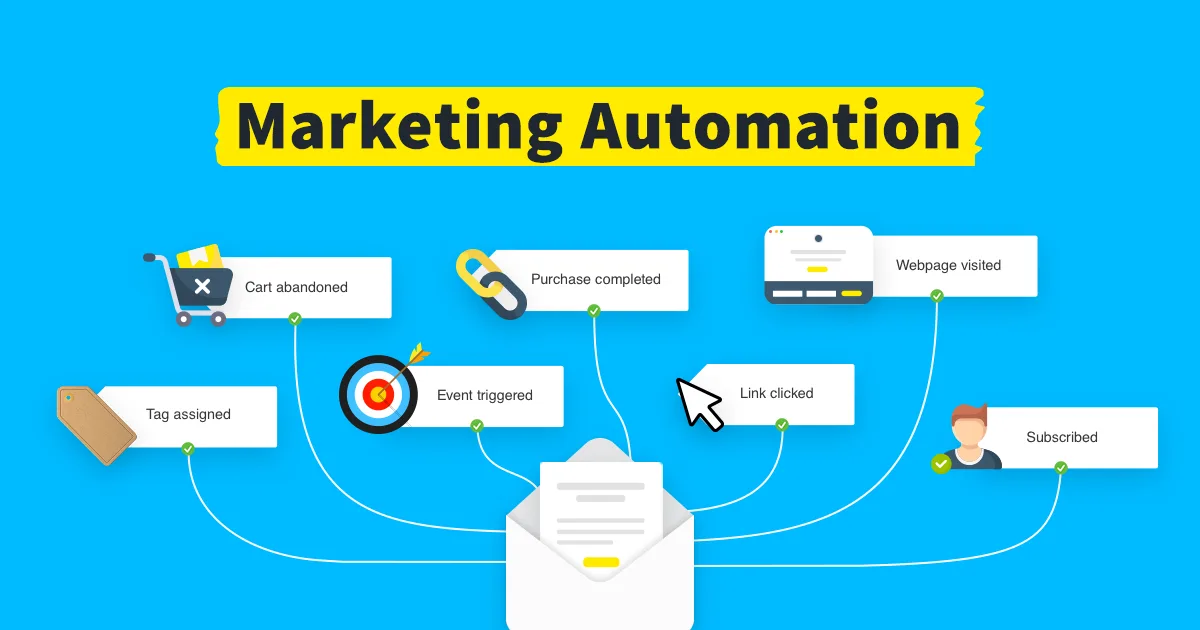
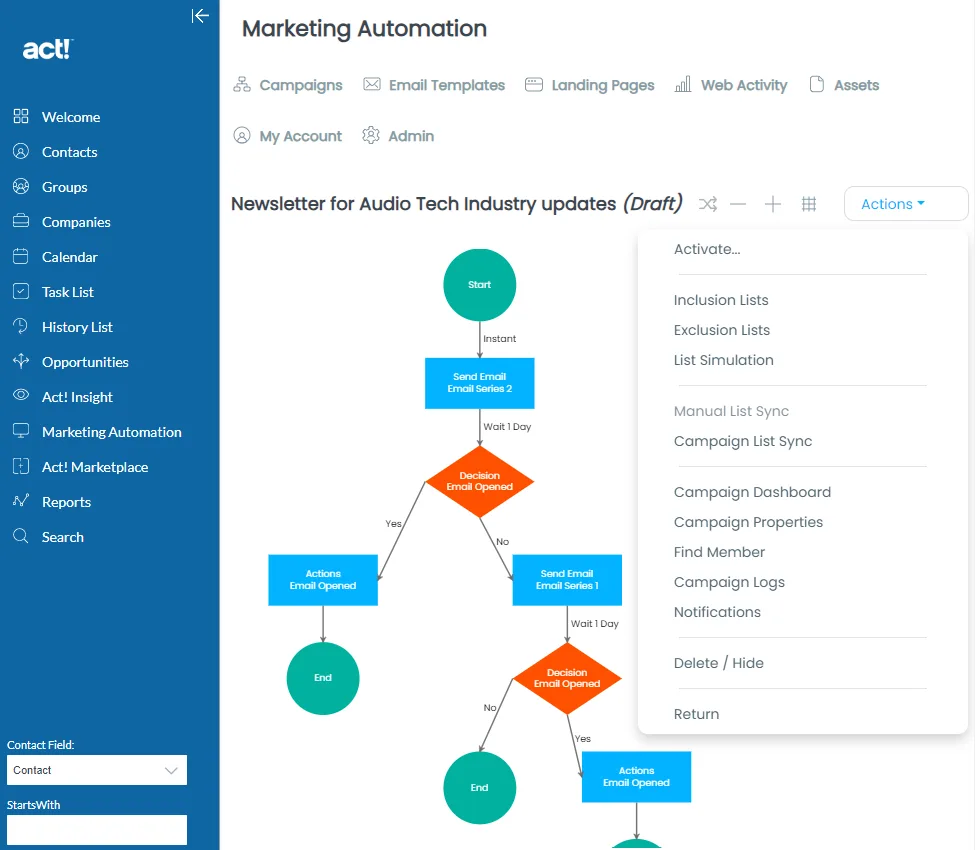
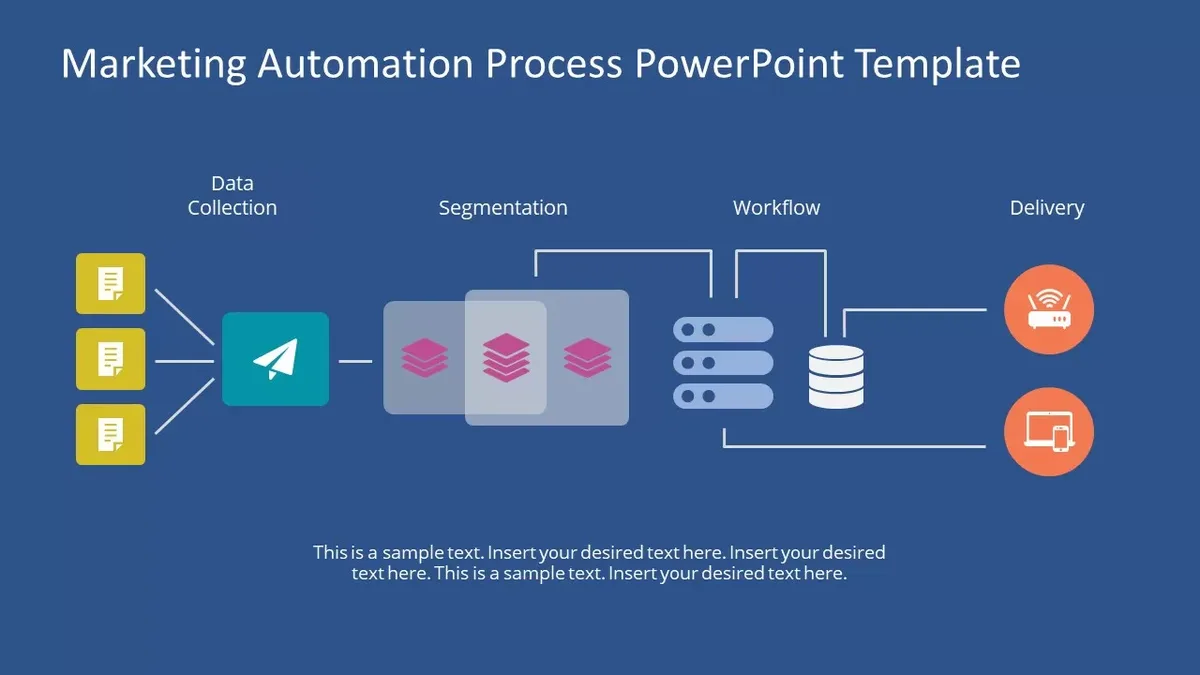
Before the 12 tactics, let’s get the mental model right. A workflow is a sequence: a trigger fires, conditions get evaluated, an action happens, and the outcome feeds back into the system. That loop — trigger, condition, action, feedback — is the skeleton of every automation you’ll ever build.
When that loop is tight, your marketing automation workflow behaves like a well-trained employee. When it’s loose, you get duplicate emails, leads stuck in limbo, and sales reps complaining that marketing sends garbage. Sound familiar?
Here’s the practical test. Pick any automation you’ve built. Can you name its trigger in one sentence? Can you name its exit condition? If either answer takes more than ten seconds, the workflow has a leak.
The Four Components Every Workflow Needs
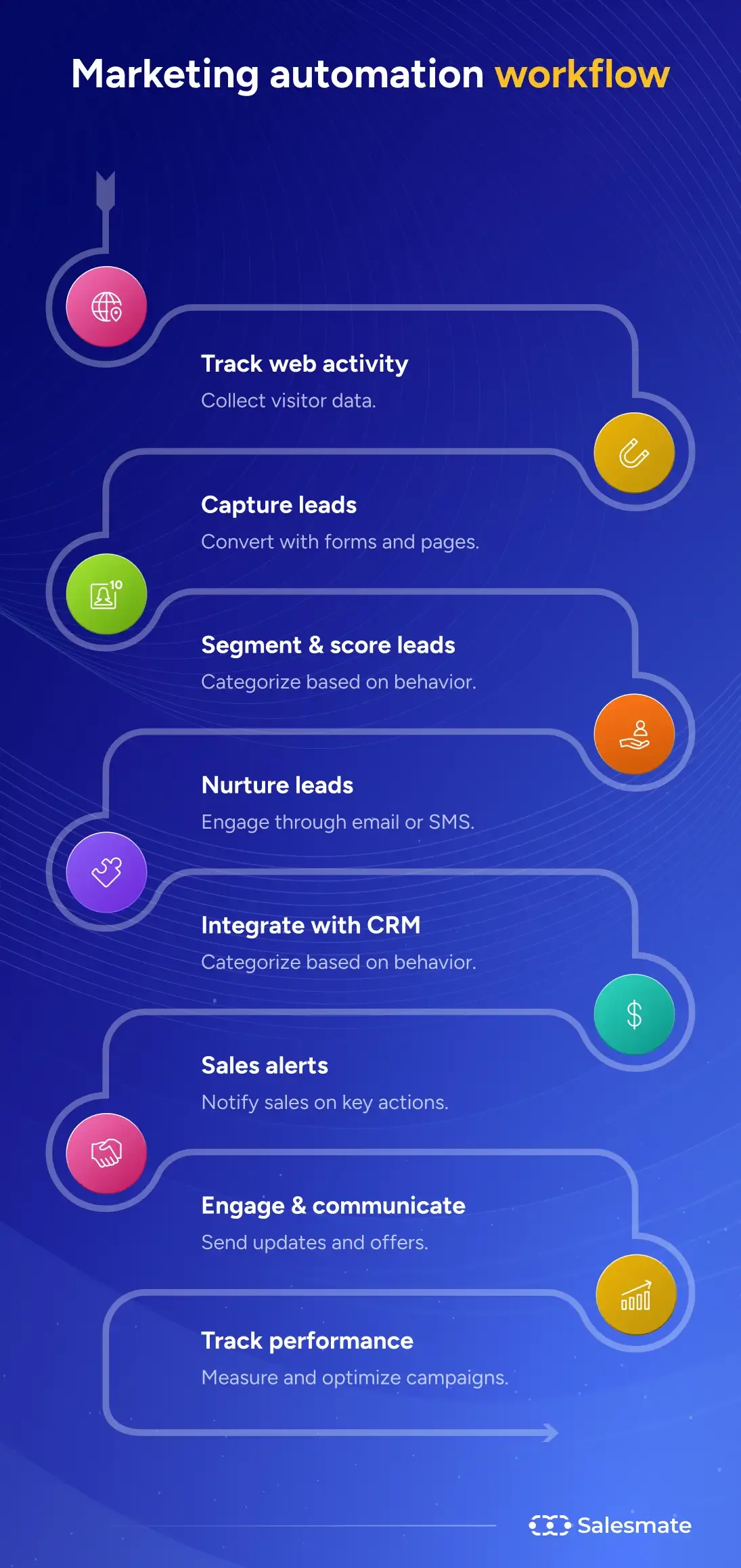
Every functional setup rests on four pieces: a data source (your CRM or form), a trigger (behavior or time), a decision layer (branching logic), and an action (email, task, score update, ad audience sync). Skip one and the whole chain wobbles.
Most broken automations I’ve audited are missing the decision layer. They send the same message to a Fortune 500 procurement lead and a student downloading a template. That’s not automation — that’s a broadcast with extra steps.
Get the components right and the rest of this marketing automation workflow checklist becomes dramatically easier to execute.
Pillar 1: Build the Foundation Before You Automate Anything
Here’s the uncomfortable truth: automation amplifies whatever you already have. If your data is messy, you’ll automate the mess. If your messaging is vague, you’ll scale the vagueness. So the first three proven ways focus entirely on groundwork.
Skipping this pillar is the single most common reason teams abandon their marketing automation workflow after 90 days. They built the house on sand and blamed the bricks.
1. Audit and Clean Your Data Before a Single Trigger Goes Live
Start with a full data audit. Pull every contact record, flag duplicates, standardize field formats, and delete the dead weight. In my experience, most CRMs carry 15-30% duplicate or incomplete records. That’s a third of your audience receiving broken personalization.
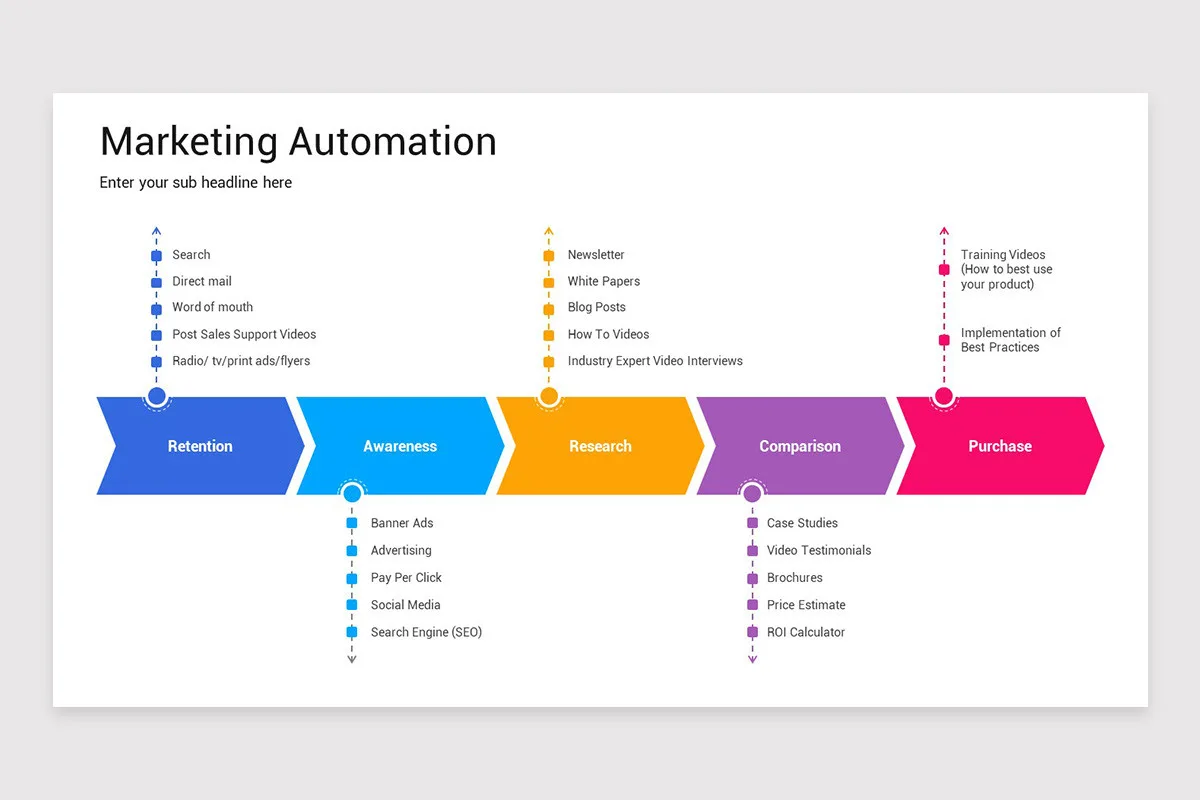
Concretely: enforce dropdown fields instead of free text for industry, company size, and lifecycle stage. Free-text fields are where data goes to die. One client had 47 spellings of “healthcare” in their database. Forty-seven.
The payoff is immediate. Clean data means your segmentation logic actually branches correctly, and your marketing automation workflow stops sending enterprise offers to solopreneurs.
2. Map the Customer Journey Before You Map the Automation
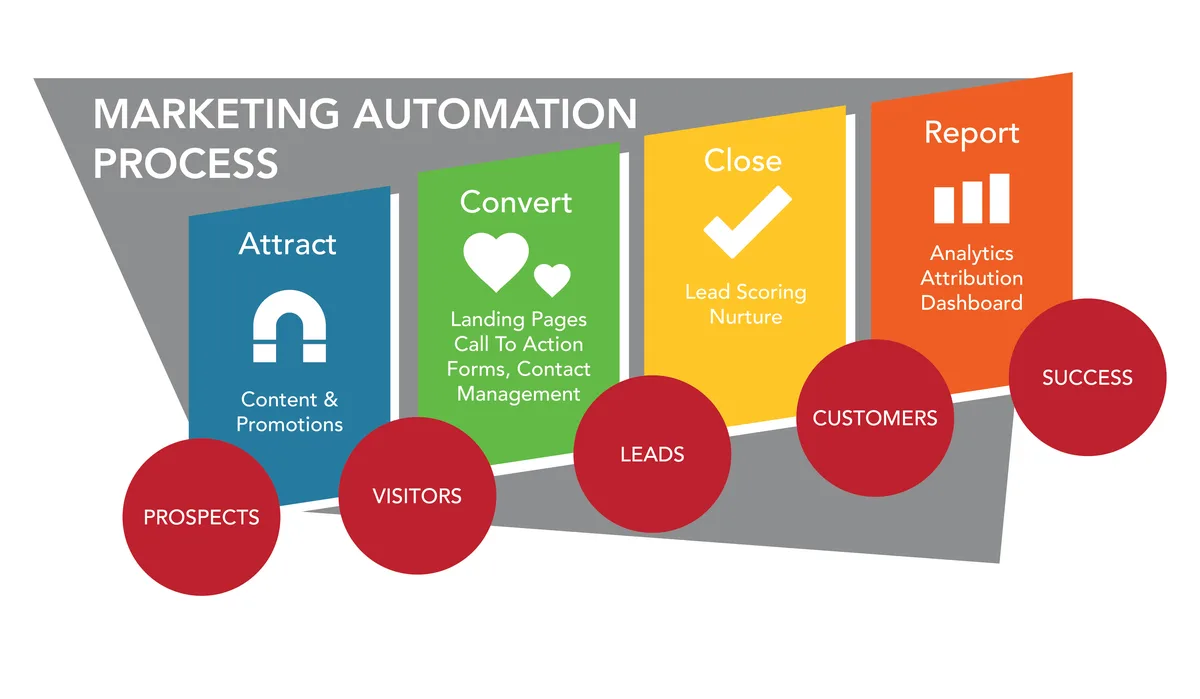
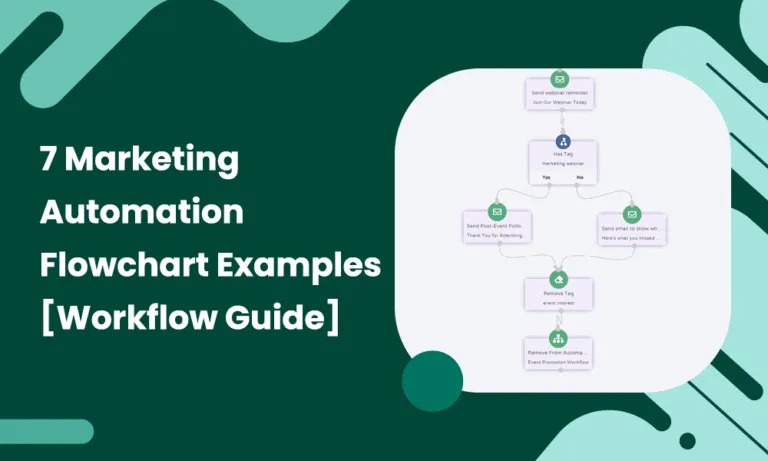
You can’t automate a journey you haven’t defined. Sit down with sales and sketch the real path: first touch, content consumption, demo request, negotiation, onboarding, renewal. Mark where handoffs happen and where leads currently go silent.
Those silent gaps are your automation opportunities. Every place a human forgets to follow up is a place a workflow should catch the ball.
Document this on one page. If it takes a slide deck, it’s too complicated to automate reliably — and your marketing automation workflow will reflect that complexity in the worst way.
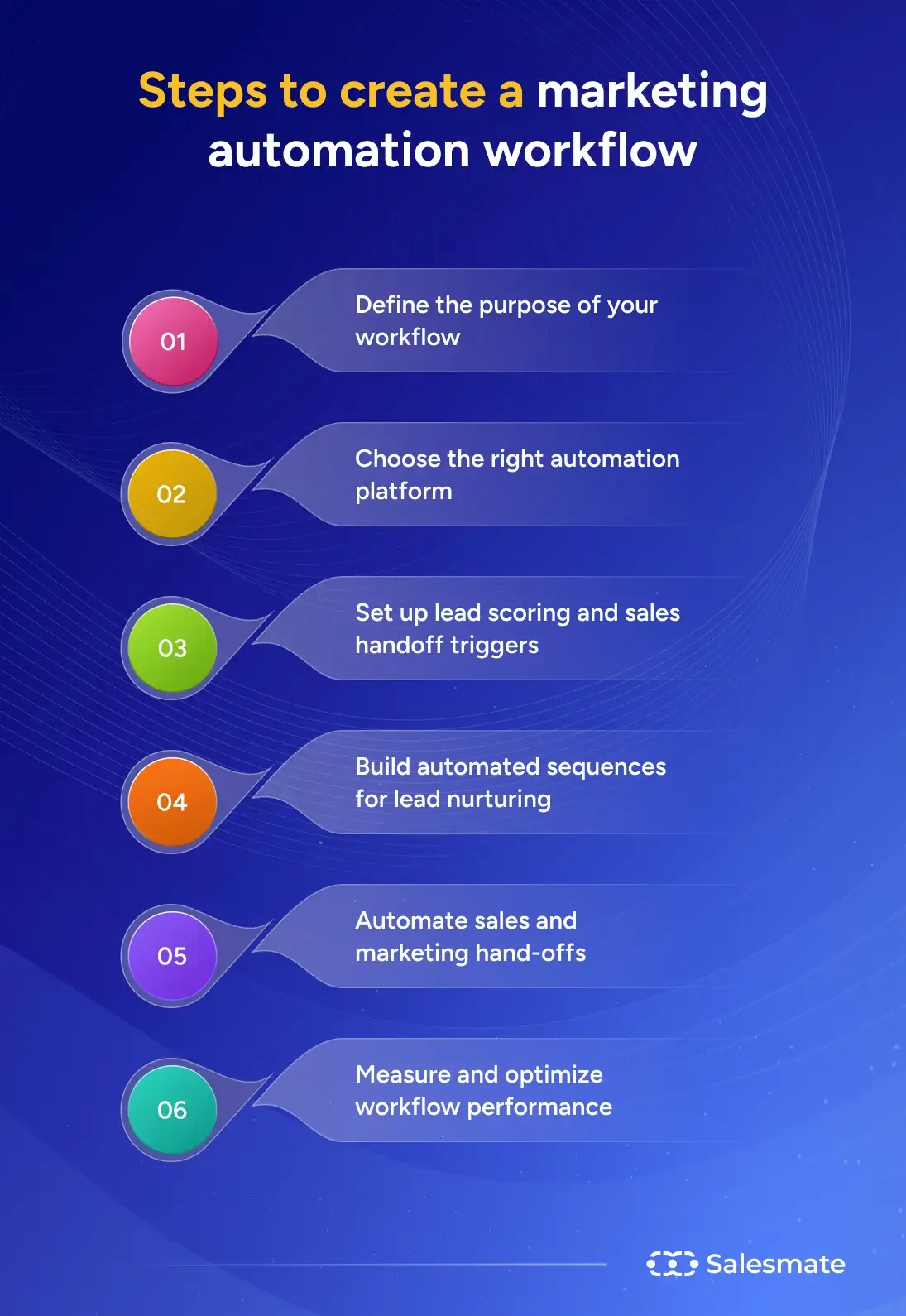
3. Define Success Metrics Tied to Business Outcomes, Not Opens
Open rates are a vanity metric that modern privacy features have already broken. Define success in pipeline terms: marketing qualified leads per month, workflow-attributed revenue, time-to-first-response, and conversion rate at each stage.
Pick three metrics max. Attach them to specific workflows so you know which automation earned the win. Without this, you’re optimizing blind.
This is where most marketing automation workflow best practices break down. Teams measure activity because it’s easy, then wonder why leadership questions the budget.
Pillar 2: Capture and Qualify Leads With Precision
Now we get to the front door. How leads enter your system determines everything downstream. A sloppy entry point poisons the entire marketing automation workflow, no matter how elegant the nurture sequence behind it.
The next three proven ways focus on capture, scoring, and routing — the intake valve of your revenue engine.
4. Build Progressive Profiling Into Every Form
Don’t ask for nine fields on the first form. Ask for two, then add one field per subsequent interaction. This is progressive profiling, and it consistently lifts form completion rates while building richer profiles over time.
Example: first touch asks for name and email. The second download asks for company size. The third asks for role. By the time a lead is demo-ready, you have a full profile without ever scaring them off.
Your marketing automation workflow then uses those fields to trigger smarter segmentation. It’s a compounding asset — the longer someone engages, the better you know them.
5. Implement Lead Scoring That Reflects Real Buying Signals
Lead scoring separates tire-kickers from buyers. Assign points for demographic fit (job title, company size, industry) and behavioral intent (pricing page visits, demo requests, repeated content downloads).
Set a threshold where marketing hands off to sales. Critically: include negative scoring. Someone who unsubscribes, visits the careers page, or marks you as spam should lose points fast.
Here’s a concrete rule I recommend: pricing page visit equals 25 points, demo request equals 50, three blog reads equals 5. Test and adjust monthly. A static scoring model in a living marketing automation workflow is a slow leak.
6. Route Leads to the Right Owner in Under Five Minutes
Speed wins deals. Research consistently shows that contacting a lead within five minutes dramatically increases qualification rates versus waiting an hour. Build routing rules that assign leads instantly based on territory, company size, or product interest.
Round-robin works for small teams. For larger orgs, use territory-based assignment with a fallback owner so no lead ever sits unassigned.
This single fix often produces the fastest ROI in any marketing automation workflow overhaul. Sales stops complaining about lead quality because they’re reaching people while interest is still hot.
Pillar 3: Accelerate the Lifecycle With Smart Sequences
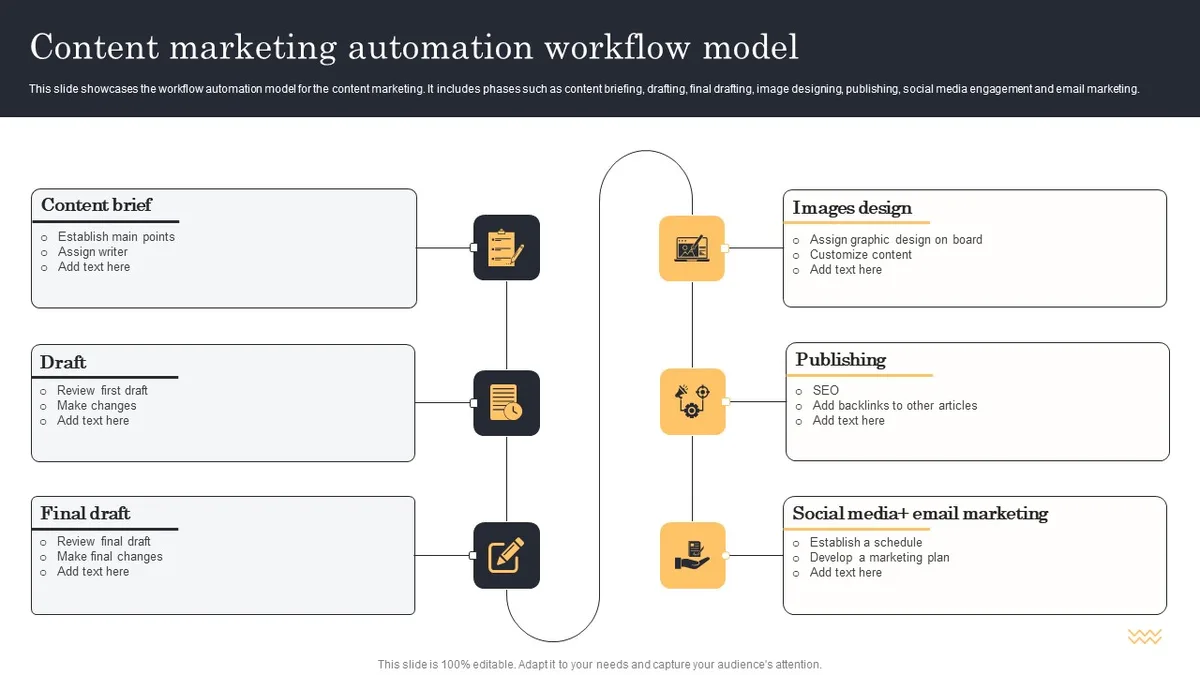
Once leads are captured and routed, the marketing automation workflow shifts into acceleration mode. This is where nurture sequences, onboarding, and re-engagement do the heavy lifting.
The next three proven ways cover the middle of the funnel — the place where most revenue is won or lost.

7. Design Nurture Sequences Around Behavior, Not Calendars
Calendar-based drip campaigns are lazy. Behavior-based sequences respond to what people actually do. If someone downloads a pricing guide, they get a different track than someone reading a beginner blog post.
Build branches for content engagement, page visits, and email clicks. A lead who opens three emails in a row deserves a sales touch. A lead who goes cold for two weeks deserves a re-engagement nudge.
This is the heart of a results-driven marketing automation workflow — the system reacts to the prospect, not the other way around.
8. Automate Onboarding to Reduce Churn Before It Starts
Onboarding is the most neglected automation in most stacks. New customers are at their most fragile in the first 30 days. A structured onboarding sequence — welcome, quick win, check-in, feature education — dramatically improves retention.
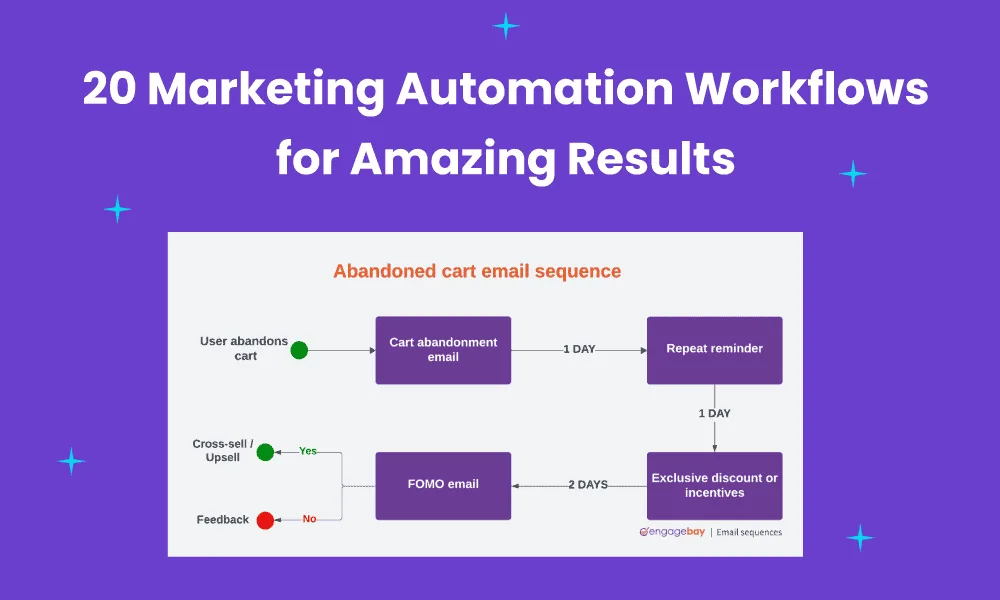
Build a separate onboarding workflow triggered by the “closed-won” event. Include a task for the account manager, a product tour email, and a health check at day 14 and day 30.
Teams that nail onboarding see measurably lower churn, and their marketing automation workflow finally touches the full customer lifecycle instead of stopping at the sale.
9. Create Re-Engagement Loops for Dormant Contacts
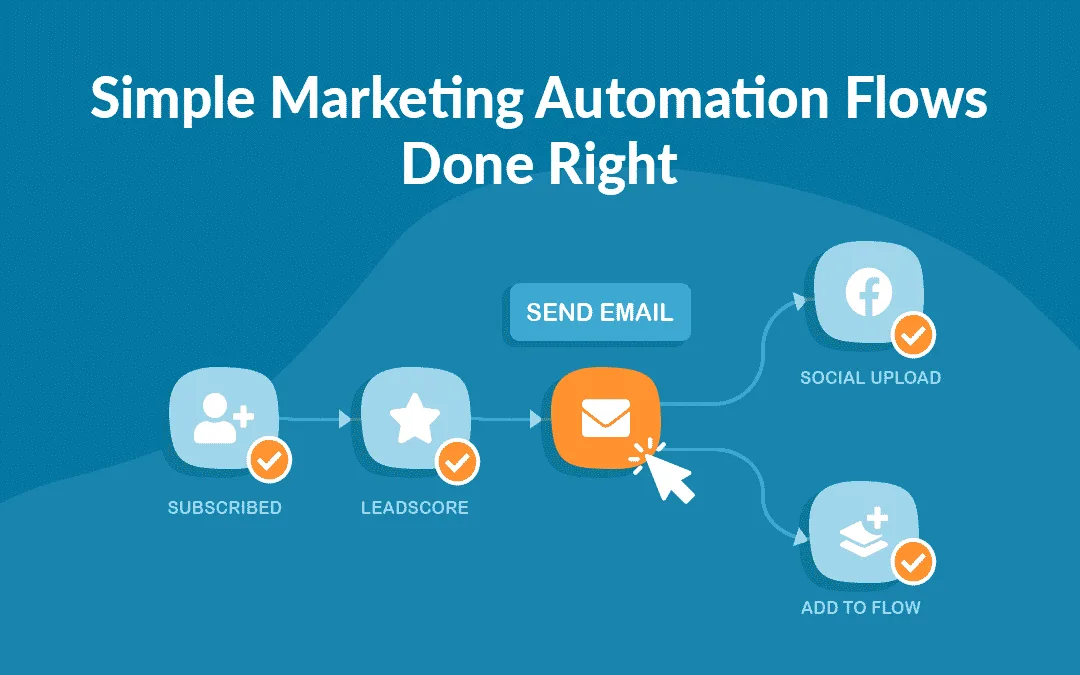
Dormant contacts aren’t dead — they’re asleep. Build a re-engagement workflow that triggers after 60-90 days of inactivity. Send a value-first message, then a direct offer, then a final “should we part ways?” email.
Those who don’t respond get suppressed from active sends. This protects your deliverability and keeps your list healthy.
It’s a small piece of the marketing automation workflow checklist that most teams skip, yet it’s one of the highest-leverage moves for email reputation.
Pillar 4: Optimize, Test, and Scale What Works
The final three proven ways are about compounding. A workflow isn’t a set-it-and-forget-it asset. It’s a living system that needs testing, documentation, and continuous refinement.
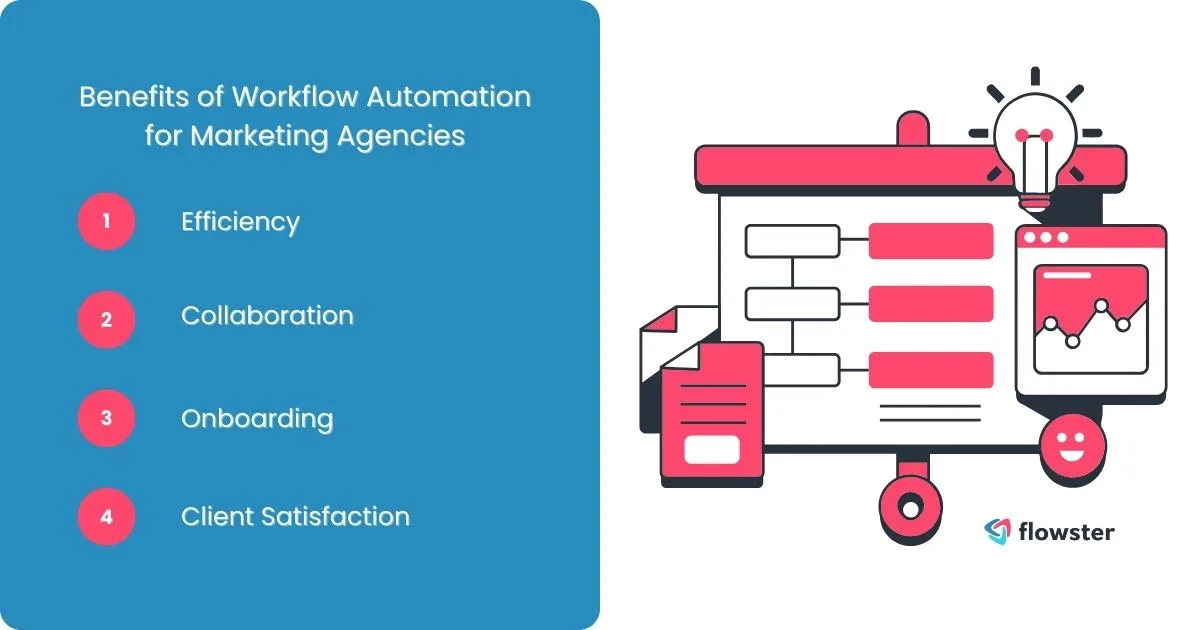
This is where average teams and elite teams diverge. Both build automations. Only one group optimizes them relentlessly.
10. Run Structured A/B Tests on Every Critical Step
Test one variable at a time: subject line, send time, CTA copy, or email length. Don’t test everything at once or you’ll learn nothing.
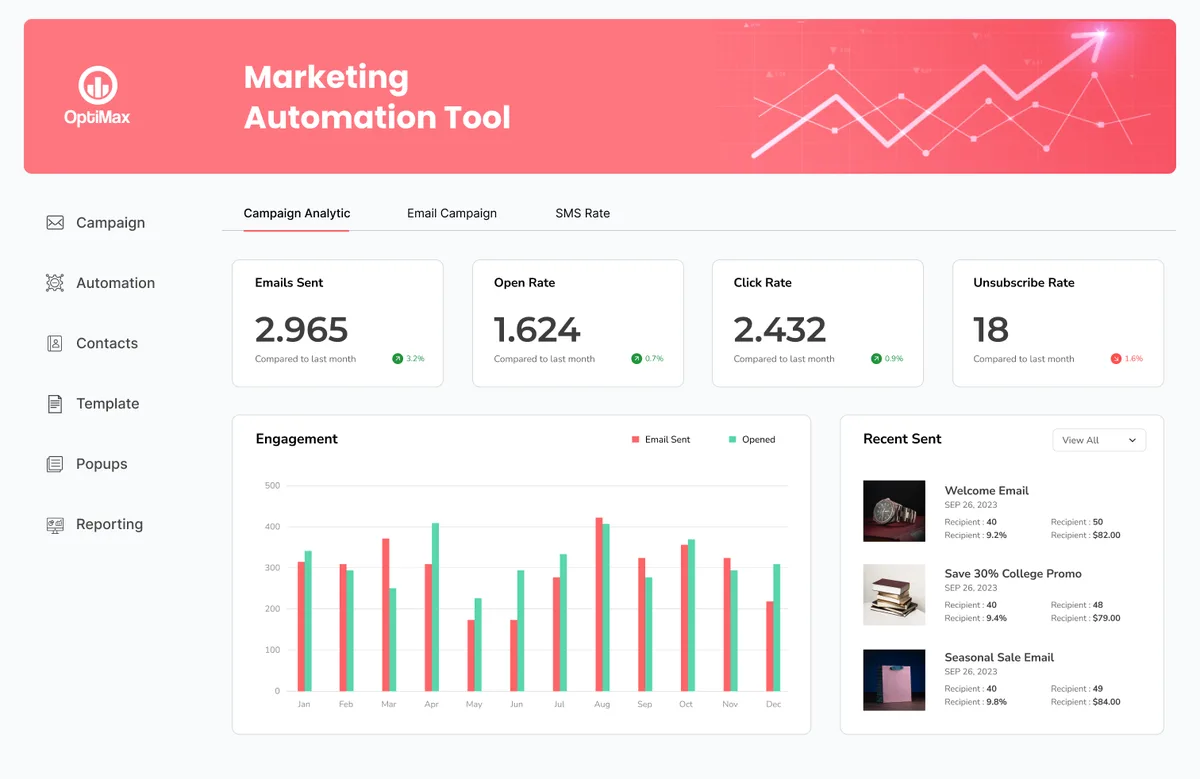
Prioritize the highest-impact nodes first — the welcome email, the demo-request confirmation, the pricing follow-up. These touch the most people.
A disciplined testing cadence turns your marketing automation workflow into a self-improving machine. Small gains compound across thousands of sends.
11. Document Every Workflow So Anyone Can Maintain It
Undocumented automations are ticking time bombs. When the person who built them leaves, the workflow becomes a black box nobody dares touch.
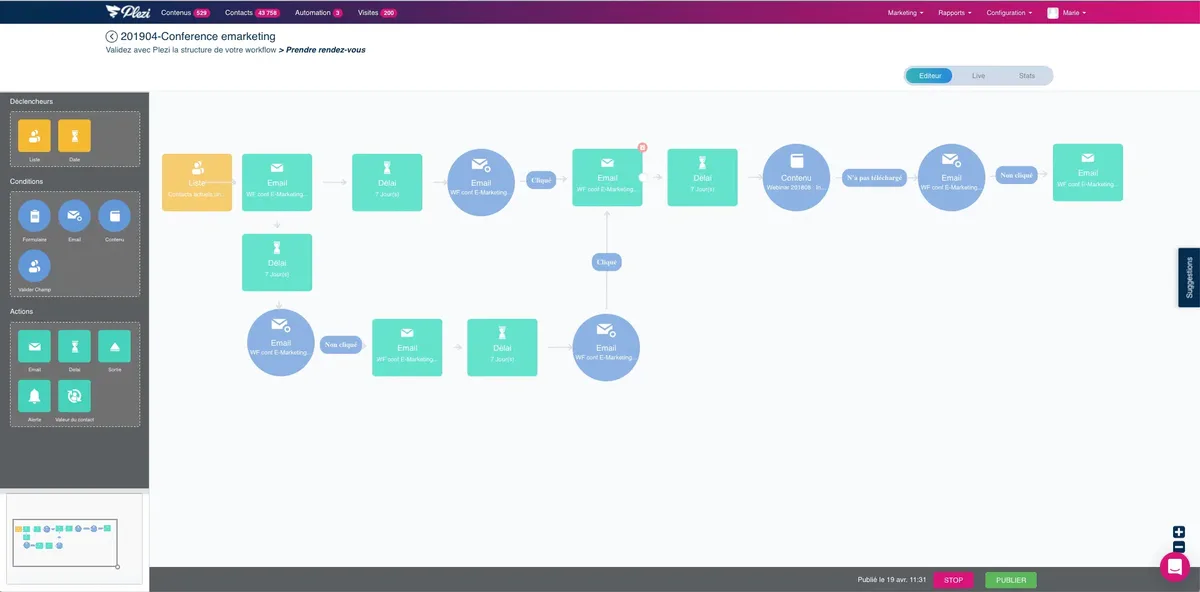
Document the trigger, the logic branches, the exit conditions, and the owner. Add a screenshot of the flow builder. Store it where the whole team can find it.
This is a foundational marketing automation workflow best practice that separates professional teams from chaotic ones. Documentation is a form of respect for your future self.
12. Review and Prune Your Workflows Quarterly
Set a recurring quarterly review. Audit every workflow for performance, relevance, and overlap. Kill the ones that no longer serve a purpose.
Workflows multiply like rabbits. Without pruning, you end up with three sequences emailing the same person the same offer — a guaranteed spam complaint.
The healthiest marketing automation workflow is one that gets actively maintained. Prune ruthlessly and your system stays lean, fast, and effective.
Marketing Automation Workflow Checklist: Quick Reference
Here’s the condensed version you can pin next to your monitor. Use it as a pre-launch and quarterly review tool.
| Stage | Action | Success Metric |
|---|---|---|
| Foundation | Data audit, journey map, metric definition | Data accuracy > 95% |
| Capture | Progressive profiling, lead scoring, fast routing | Lead response < 5 min |
| Lifecycle | Behavioral nurture, onboarding, re-engagement | Churn reduction, reactivation rate |
| Optimization | A/B testing, documentation, quarterly pruning | Conversion lift per test |
Run this table against your current setup. Any row you can’t confidently fill in is your next project. That’s the practical value of a marketing automation workflow checklist — it turns vague ambition into a punch list.
Common Mistakes That Quietly Kill Your Marketing Automation Workflow
Even good teams stumble. Here are the traps I see most often, and how to sidestep them.
Over-Automating Before You Understand Your Audience
Automation can’t fix a messaging problem. If you don’t know what your audience cares about, more emails just means more unsubscribes. Validate your message manually first, then automate what works.
Ignoring the Handoff Between Marketing and Sales
The marketing automation workflow doesn’t end at the MQL. If sales doesn’t act on the lead, the automation’s value evaporates. Build a shared SLA: marketing delivers qualified leads, sales follows up within an agreed window.
Forgetting Mobile and Deliverability Fundamentals
Every email in your workflow should render cleanly on a phone. Authenticate your domain with SPF, DKIM, and DMARC. These aren’t optional — they’re the price of entry.
Honestly, deliverability issues have tanked more marketing automation workflow initiatives than bad copy ever did. Fix the plumbing before you worry about the paint.
How to Choose the Right Automation Platform
Your platform choice matters, but less than you think. The best tool is the one your team will actually use and maintain. That said, a few criteria separate good fits from bad.
Look for native CRM integration, visual workflow builders, behavioral triggers, and solid reporting. Avoid platforms that lock your data behind proprietary formats. Portability is freedom.
Pricing varies widely, but most reputable vendors offer competitive direct manufacturer pricing and tiered plans that scale with contact volume. Match the plan to your actual list size, not your aspirational one.
Questions to Ask Before You Commit
Can it handle branching logic without custom code? Does it support progressive profiling? How does it manage contact suppression and consent? What’s the migration path if you outgrow it?
Ask these before signing. Switching platforms later is painful, expensive, and disruptive to every live marketing automation workflow.
Frequently Asked Questions
Here is an in-depth breakdown of key considerations regarding Frequently Asked Questions:
What is a Marketing Automation Workflow?
It’s a defined sequence of automated actions triggered by customer behavior or data conditions. It handles tasks like sending emails, updating records, and assigning leads — freeing your team to focus on strategy.
How Long Does It Take to Build One?
A simple workflow takes a few hours. A comprehensive marketing automation workflow spanning capture, nurture, and onboarding typically takes two to six weeks, depending on data quality and team alignment.
Do Small Teams Really Need Automation?
Especially small teams. Automation lets a three-person marketing department operate like a fifteen-person one. Start with one high-impact workflow — like lead routing — and expand from there.
What’s the Biggest Mistake Beginners Make?
Automating before cleaning data. Garbage in, garbage out — at scale, and on autopilot. Clean first, then automate.
How Often Should I Review My Workflows?
Quarterly is the sweet spot. Review performance, check for overlapping sends, and prune anything that no longer serves a purpose.
Where to Go from Here
You’ve got 12 proven ways, four pillars, and a checklist. The temptation is to try all of it at once. Don’t.
Pick one pillar. Run the checklist against it. Ship a single improvement this week. Then repeat.
That’s how a marketing automation workflow evolves from a fragile experiment into the backbone of your revenue operation. Start small, document everything, and let the compounding do the rest.
For verified reference and background research, consult the authoritative informational resource on this topic.