LSI Keywords: the Ultimate Beginner’s Guide
If you have ever stared at an SEO dashboard wondering why a perfectly good article refuses to rank, lsi keywords are probably the missing piece you have not yet examined.
This guide walks you through what they are, why search engines care about them, and how a total beginner can start using them without getting lost in jargon.
Most people who start writing online hit the same wall. Focusing on lsi keywords provides clear direction here. They pick a keyword, sprinkle it through a draft, hit publish, and then wait. Nothing happens.
Google indexes the page, maybe crawls it a second time, and still the post sits on page four behind articles that barely mention the target phrase at all.
That gap is where the conversation about lsi keywords usually begins. Not because they are magic, but because they solve a specific problem: they show a search engine that you understand a subject, not just a string of words.
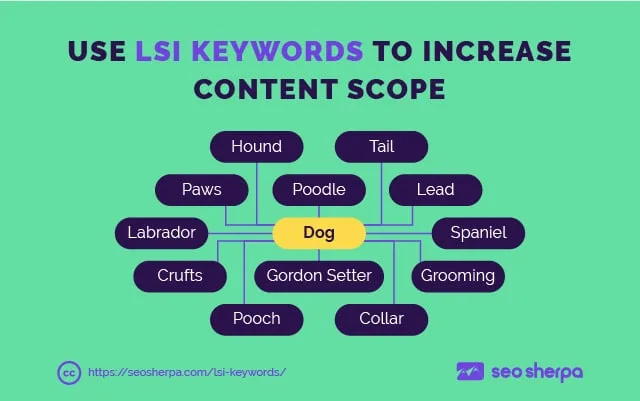
Here is the honest truth. Search engines stopped counting keyword repetitions a long time ago. What they measure now is how thoroughly and naturally a page covers a topic. And that is exactly the job lsi keywords were designed to do.
What are LSI Keywords, Really?
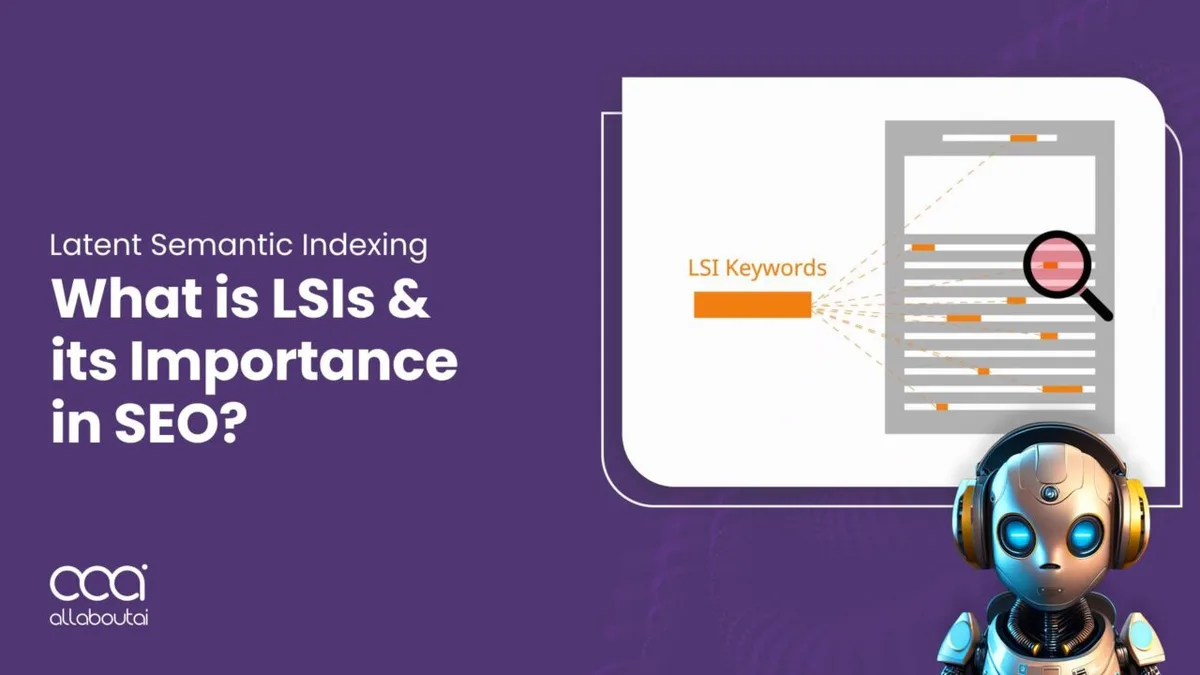
The label comes from “latent semantic indexing,” a concept from information retrieval research. The idea is simple. Words that appear together in similar contexts tend to share meaning, even when they are not synonyms.
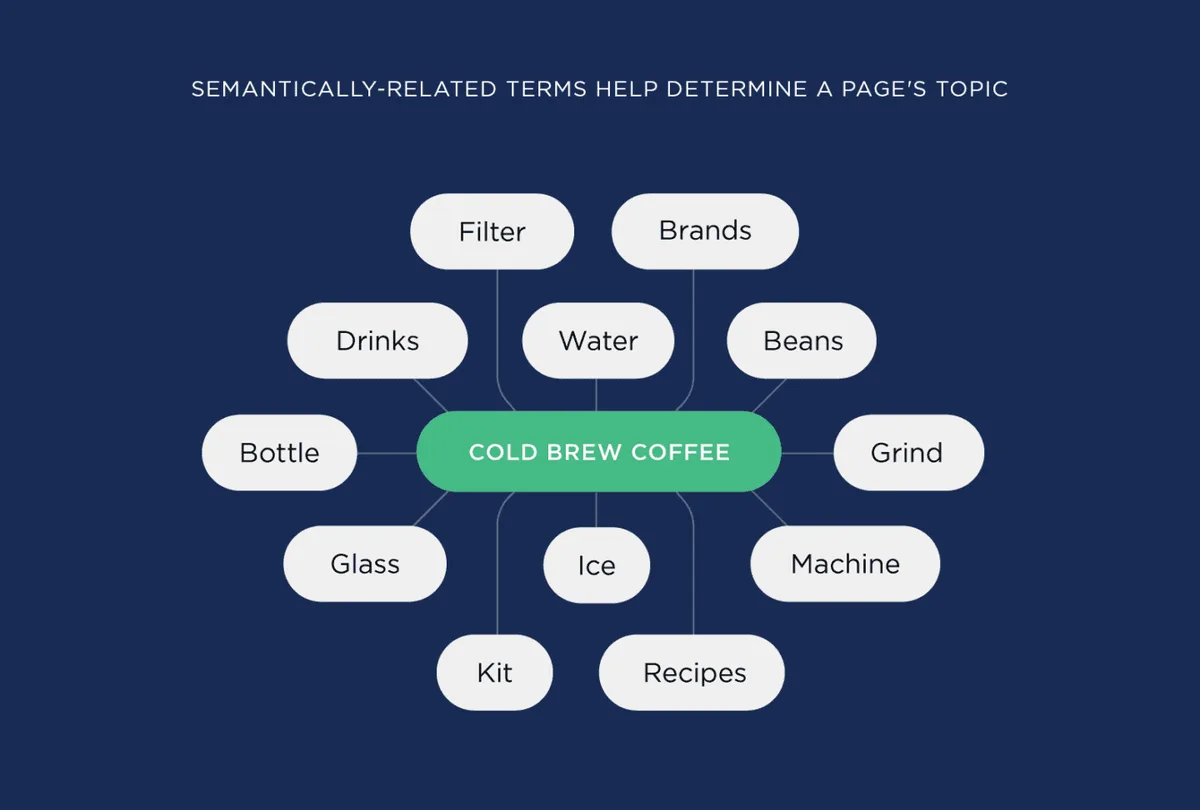
So when you write about coffee brewing and mention “grind size,” “water temperature,” and “extraction time,” you are signaling that you actually know what you are talking about. None of those terms are the keyword “coffee.” All of them are contextually linked to it.
In practical SEO terms, lsi keywords are the related terms, phrases, entities, and concepts that naturally cluster around your primary keyword. They are what a subject-matter expert would mention without thinking twice.
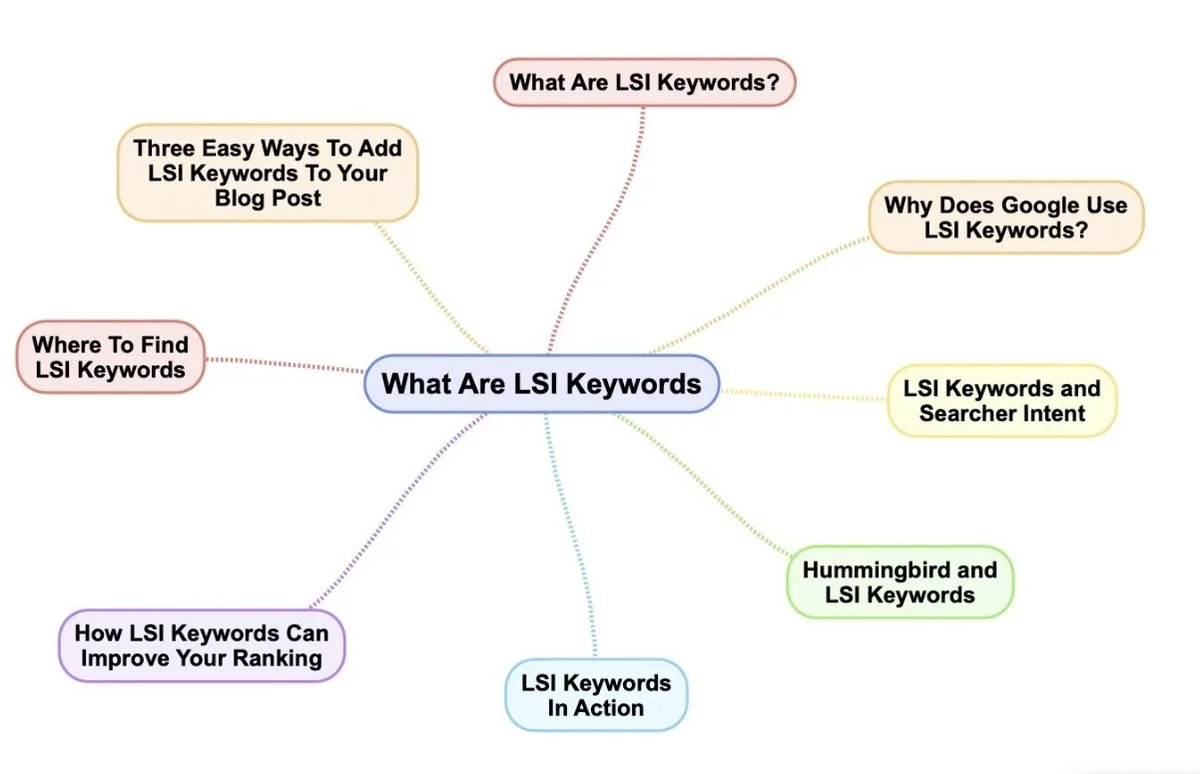
How Latent Semantic Indexing Actually Works Behind the Scenes
Search engines build enormous statistical maps of how words co-occur across billions of documents. When two terms frequently appear in the same sentences and paragraphs, the system learns that they are related.
Modern ranking systems, including Google’s, layer machine learning and natural language processing on top of this. Google’s own public documentation on search quality describes how the system identifies topics and entities rather than matching string to string.
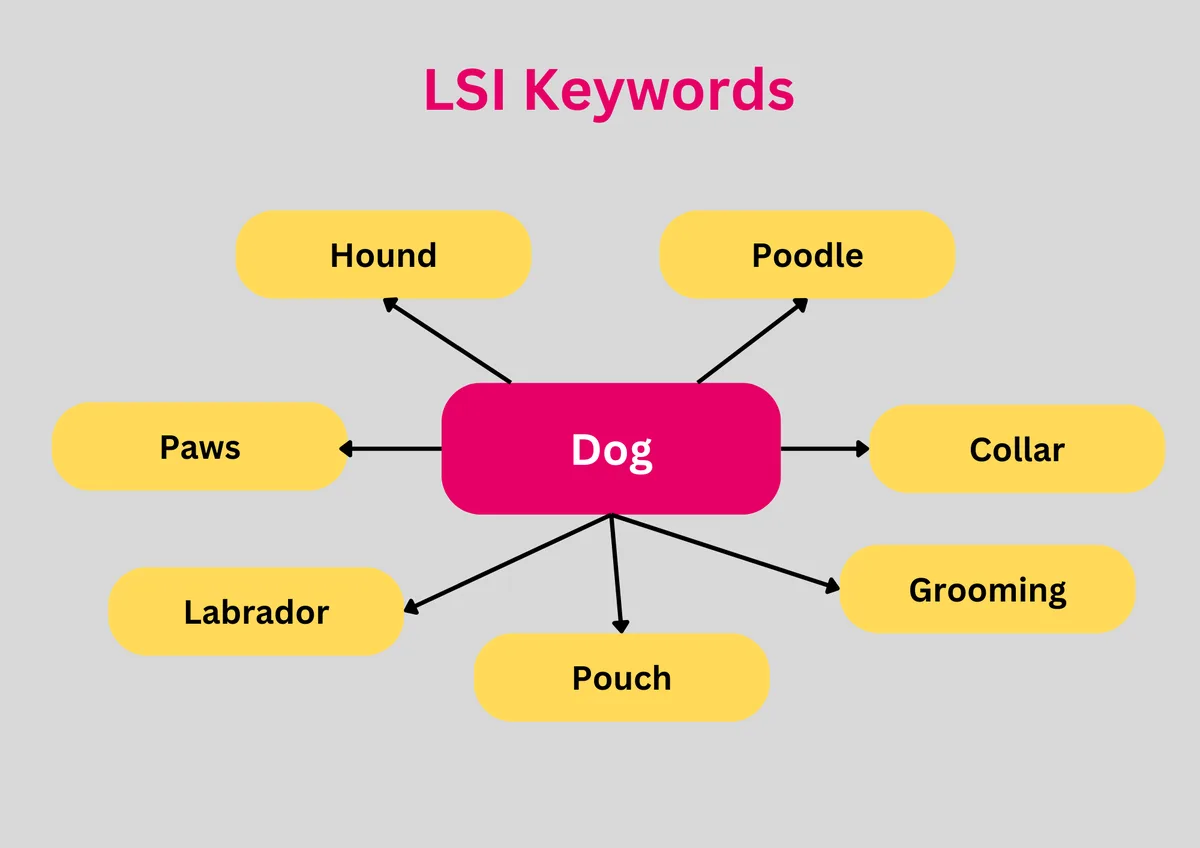
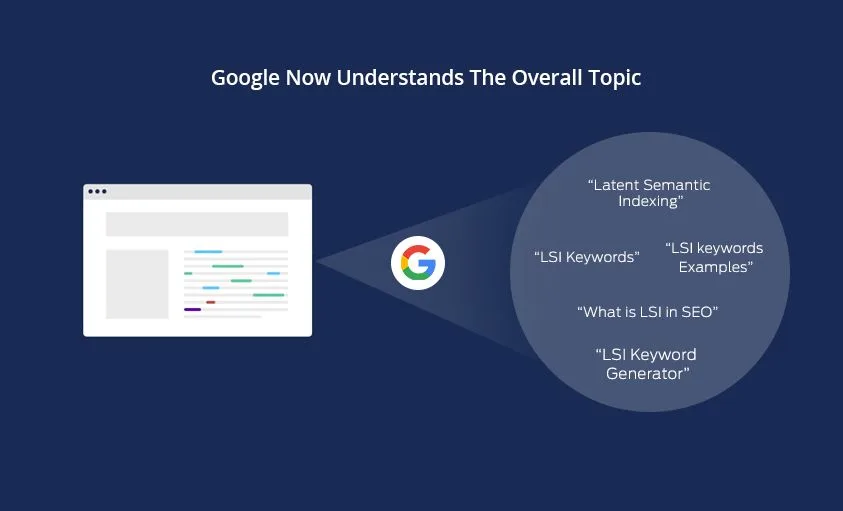
The practical upshot for writers is straightforward. If your page only contains the exact keyword, an algorithm may struggle to determine what the page is actually about. Add the surrounding vocabulary and the picture becomes clear fast.
LSI Keywords versus Synonyms versus Entities
These three get lumped together constantly, and that confusion leads to bad editorial decisions. A synonym is a different word with the same meaning, like “physician” for “doctor.”
An entity is a distinct thing, person, place, or concept, like “Harvard University” or “Starbucks.” Google maintains structured knowledge about entities through systems like the Knowledge Graph.
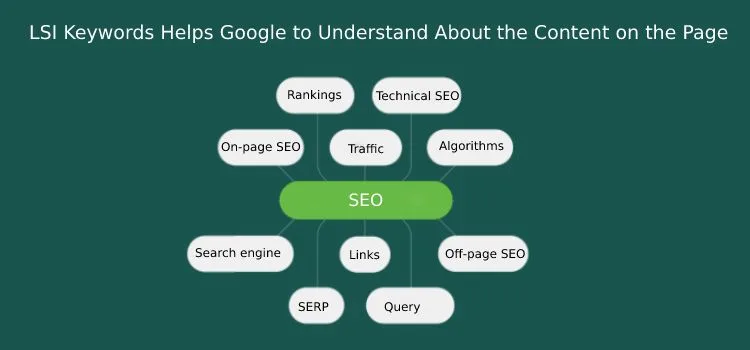
LSI keywords sit in a broader middle ground. They include synonyms, but also sub-concepts, related tools, common metrics, and phrases that appear alongside the main topic. That is why a list of lsi keywords is not simply a thesaurus dump.
Why Search Engines Reward Context Over Repetition
For anyone new to SEO, the temptation to repeat the primary keyword as often as possible feels logical. It is a habit born from older ranking factors. It also stopped working.
Search quality guidelines emphasize helpful, people-first content. Google’s Search Quality Rater Guidelines repeatedly emphasize expertise, authoritativeness, and trustworthiness. Those qualities show up in language patterns, not keyword counts.
When a page contains a rich web of lsi keywords, three things happen. The engine extracts topical signals more confidently. The page becomes eligible for more long-tail queries. The content reads better because it is not artificially constrained.
Think about how a knowledgeable friend would explain a topic to the lsi keywords. They would name related concepts without pausing. They would use precise terminology where it mattered. That is what topical coverage looks like on the page.
LSI Keywords Guide: How Context Signals Get Built
Understanding the mechanics matters less than understanding the goal, but a quick look behind the curtain helps. Refining each detail of your lsi keywords strengthens this section. Search engines index vast amounts of text and build statistical associations between terms.

Two words that appear together across millions of documents get a high association score. When your page contains the same pairing, it aligns with the pattern the engine expects for that topic.
Google’s own documentation on how search works explains crawling, indexing, and ranking as separate stages. Topic understanding sits inside the indexing and ranking stages. That is where the vocabulary around your primary keyword starts to matter.
A practical lsi keywords guide should not oversell the technical side, though. What matters is that you write with the vocabulary of the topic, not the vocabulary of a keyword tool.
The Difference Between Coverage and Stuffing
Stuffing is mechanical. It repeats a phrase because a spreadsheet said so. Coverage is editorial. It includes the terms a knowledgeable reader expects to see.
Here is a comparison that makes the distinction concrete.
| Signal | Keyword Stuffing | Topical Coverage |
|---|---|---|
| Language flow | Repeated phrase inserted awkwardly | Sentence reads naturally |
| Reader experience | Boring, redundant, obvious manipulation | Informative, satisfying, useful |
| Term variety | Same phrase over and over | Related terms, entities, sub-concepts |
| Ranking outcome | Penalized or ignored | Eligible for broad and long-tail queries |
In nearly every audit I have run, the pages that recovered fastest had simply replaced repetition with genuine coverage. The primary keyword stayed, but the surrounding vocabulary did the real work.
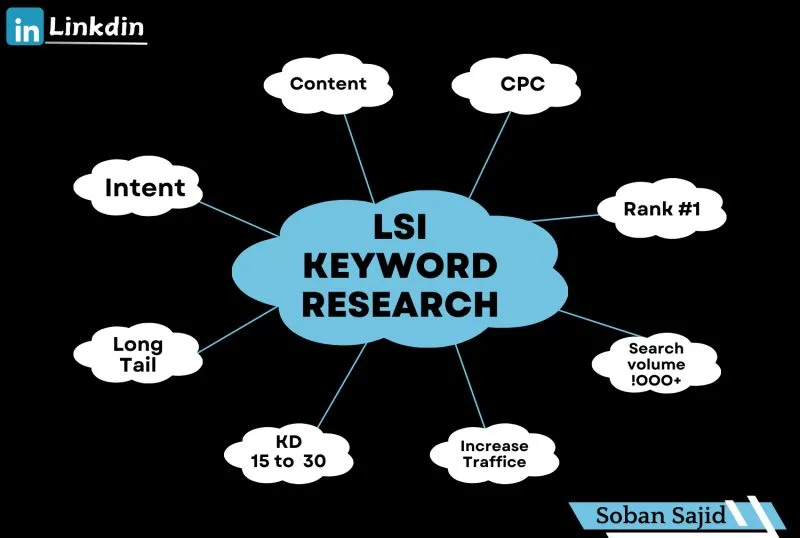
The Core Categories of LSI Keywords Beginners Should Know
Beginners often ask for a list of lsi keywords and expect something like a magic word bank. The more useful answer is a framework. Once you understand the categories, you can generate the terms yourself for any topic.
Each category below serves a different function. Together they create the vocabulary depth that search engines use to determine topical authority. In practice you will find them overlapping in healthy content.
- Synonyms: alternate words with the same meaning, such as “car” and “automobile.”
- Sub-concepts: narrower ideas that live under the main topic, such as “brake pads” under “car maintenance.”
- Entities: named brands, people, or organizations, such as “Michelin” in the tire conversation.
- Attributes: measurable qualities, such as weight, price range, or durability.
- Process terms: verbs describing how something works, like “install,” “calibrate,” or “diagnose.”
- Audience terms: phrases used by specific readers, such as “beginner driver” or “fleet manager.”
Reward your own mental model of the topic by listing these out before you write. It takes five minutes and consistently produces better drafts than keyword tools alone.

How to Find LSI Keywords Without Expensive Tools
You do not need enterprise software to start. Several reliable sources are free and, frankly, more human than most automated suggestions.
Google Autocomplete, People Also Ask, and Related Searches
Type your primary keyword into Google and watch what happens. The suggestions that drop down represent real queries from real people. These are essentially long-tail keyword seeds served on a plate.
The “People Also Ask” box is equally useful. Each question reveals a concept the searcher considers adjacent to your topic. Answering those questions in your article covers questions the engine already sees asked.
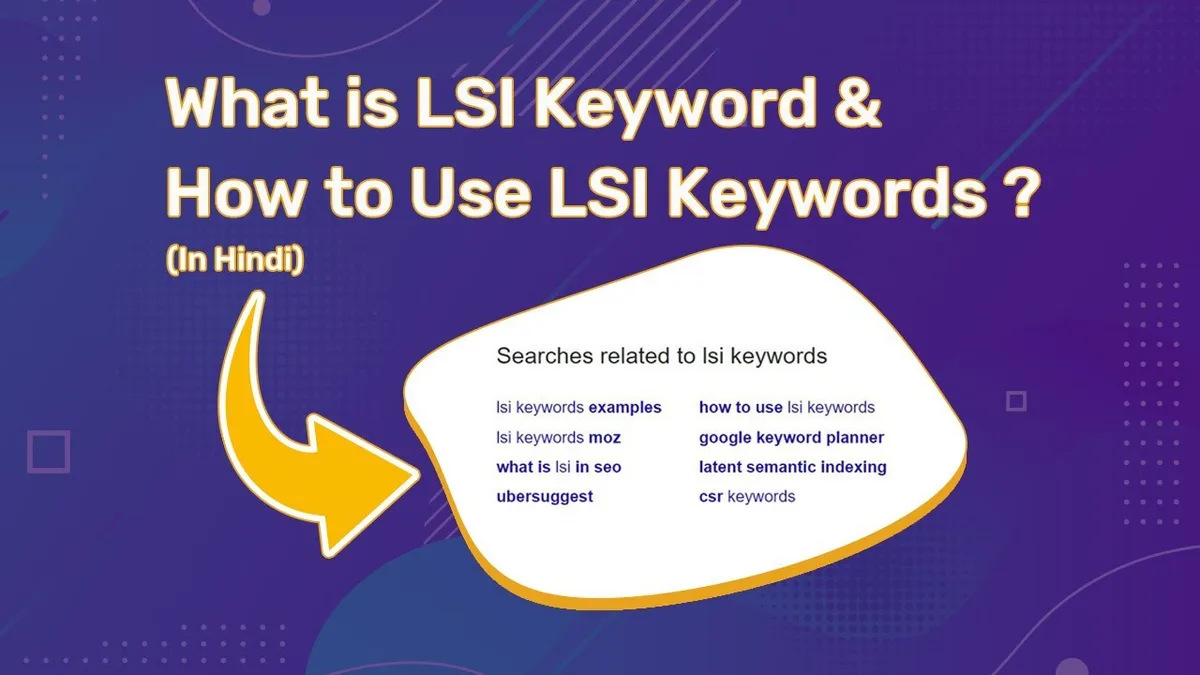
Related searches at the bottom of the results page round out the picture. Collect ten of those and you have the beginnings of a solid lsi keywords checklist.

Wikipedia and the First Paragraph Problem
Open the Wikipedia page for your primary topic and read the first two paragraphs. That opening section is typically dense with the terminology that defines the topic. It is one of the fastest ways to build a starting vocabulary.
Do not copy the sentences. Effective execution in your lsi keywords makes a tangible difference. Extract the terms. Naming entities like “Google Search Console” or “semantic HTML” comes naturally once you have the vocabulary in front of you.
Competitor Content and Semantic Extraction
Look at the top three ranking pages and note which terms recur. If all three mention a specific concept multiple times, that concept is likely part of the engine’s expected coverage.
You will notice healthy overlap in vocabulary and wide divergence in angle. That divergence is exactly where your article can stand apart. Lsi keywords are the shared foundation, not the whole story.
A Beginner’s LSI Keywords Checklist Before You Hit Publish
Before any draft goes live, I run the same short audit. It takes fifteen minutes and catches most of the problems that keep pages off page one.
This lsi keywords checklist is intentionally modest. Complex processes tend to get skipped once fatigue sets in, so keep it lean.
- Primary keyword appears in the opening 100 words. One clean mention is enough; no need to repeat it in the first sentence of every paragraph.
- At least one H2 contains the primary keyword. Two or three is better if they read naturally.
- Ten to fifteen related terms appear across the body. Spread them across sections rather than clustering them at the top.
- Every question a beginner would ask has an answer. Check your FAQ section and make sure nothing obvious is skipped.
- Entities are named correctly. If you mention a tool or a standard, spell it the way it is officially spelled.
- No paragraph repeats the primary keyword unnaturally. Read the draft aloud; the ear catches what the eye misses.
- The article sits inside a topic cluster. Link to parent and sibling pages so the engine can map the relationship.
If any checklist item fails, fix it before publishing. The cost of a five-minute revision is far lower than the cost of a page that stalls for months.

LSI Keywords Best Practices That Actually Move Rankings
Best practices here mean the habits that compound over time. Skip the tactical hacks you see circulating and focus on the underlying patterns that consistently work across niches.
Write for the Reader First and the Algorithm Second
This is not a platitude. It is a working method. If you write for a curious beginner, you will naturally include the terms that beginner needs. Those are usually the same terms search engines expect.
When you obsess over keyword density calculators, the sentences stiffen. Readers bounce. Bounce signals tell the engine the page did not satisfy the query. The rankings reflect that.
Build Topical Authority Through Content Clusters
A single article about a broad topic will rarely rank against an established publisher with dozens of interlinked pages. Topic clusters close that gap over time.
Start with a parent article covering the broadest concept. Then create focused child articles on the sub-topics identified in your lsi keywords checklist. Internal links between them tell the engine which page owns which sub-topic.
Google’s documentation on E-E-A-T (Experience, Expertise, Authoritativeness, Trust) references how content is assessed holistically at the site level. Clusters are one of the clearest ways to demonstrate real subject coverage.

Match Search Intent Before You Refine Vocabulary
Intent runs ahead of vocabulary. If a searcher wants a definition and your page delivers a buying guide, no amount of semantic coverage will fix the mismatch.
Read the top results for your keyword and note whether the lsi keywords are informational, commercial, transactional, or navigational. Then match the format. Only after the intent match is confirmed does vocabulary optimization add meaningful lift.
Avoid the Semantic Overkill Trap
More lsi keywords is not automatically better. Fifty loosely related terms crammed into a page can look like noise to both readers and engines. Coverage quality beats coverage volume every time.
Pick the terms the lsi keywords matter, weave them into real sentences, and skip the rest. The most successful audits I have reviewed did not have the longest keyword lists. They had the cleanest relevance signals.
A Beginner-Friendly LSI Keywords Tips Roundup
These tips come from watching hundreds of beginner drafts hit the same predictable problems. Fixing them is easier than it sounds.
- Tip 1: Write your outline first, then hunt vocabulary. Building the structure first prevents the keyword list from hijacking the article’s logic.
- Tip 2: Group your terms by section. Each H2 should own a distinct cluster of related concepts, not scatter them randomly.
- Tip 3: Use semantic HTML. H2 and H3 tags communicate structure to engines; using them correctly reinforces the topical map.
- Tip 4: Rename sections to include entities. A heading like “Why Latent Semantic Indexing Matters” signals more clearly than “Why It Matters.”
- Tip 5: Write short paragraphs. Mobile readers scan; short paragraphs keep the semantic flow readable without wall-of-text fatigue.
- Tip 6: Read the final draft out loud. Any phrase that sounds robotic on the tongue is a phrase the engine may also treat as filler.
- Tip 7: Refresh old articles with new vocabulary. A quick pass updating terminology often outperforms a brand-new post.
None of these tips require a paid tool. All of them require attention. That is the real cost of doing semantic optimization well.
Real-World Examples of LSI Keywords in Action
Abstract principles are easy to nod at and hard to apply. Let us look at three different topics and the vocabulary clusters a beginner would generate before writing.
Example One: a Coffee Brewing Article
The primary keyword might be “pour-over coffee.” A natural vocabulary cluster would include “grind size,” “bloom,” “water temperature,” “extraction time,” “V60,” “Chemex,” and “paper filter.”
Every one of those terms is expected by someone searching for pour-over guidance. None of them are synonyms for “pour-over coffee.” All of them belong in the article.
Now imagine a competitor writing a page the lsi keywords only repeats “pour-over coffee” four hundred words deep. Even a beginner can sense the difference in quality.
Example Two: a Home Solar Installation Guide
Primary keyword candidates might be “home solar panel installation.” Related vocabulary spans “inverter,” “net metering,” “roof load,” “photovoltaic,” “kW capacity,” and “permitting.”
Each of those terms marks a different section of the user journey. Inverter knowledge signals technical credibility. Net metering signals billing fluency. Roof load signals practical installation experience.
Search engines reward content that names these concerns with precision. Readers trust it for the same reason. The alignment between human and machine is not accidental.
Example Three: an Email Deliverability Post
Primary keyword options include “email deliverability,” with related terms like “SPF,” “DKIM,” “DMARC,” “sender reputation,” “spam score,” and “authentication.”
The lsi keywords cluster is dense with technical acronyms. Written carelessly, an article becomes a glossary dump. Written carefully, each acronym appears in the middle of a story about a real deliverability problem.
Notice the pattern across all three examples. The vocabulary varies wildly, but the method is identical. List the terms your reader expects, then arrange them along a natural narrative path.
Common LSI Keywords Mistakes Beginners Make
The failures are predictable once you have seen enough beginner drafts. Naming them out loud saves a lot of wasted effort.
Clustering Everything in the Introduction
One of the most common patterns is a keyword-stuffed introduction that names fifteen related terms in two paragraphs, then never uses them again. This pattern screams “checklist compliance” and helps no one.
Spread coverage evenly. The introduction should set context; the body sections should deliver the vocabulary where it actually belongs.
Confusing Quantity With Quality
More is not better. A page with three well-placed, meaningful related terms will outperform a page with thirty loosely scattered ones. The engine is looking for meaningful association, not volume.
The related concept also applies to word count. Bloating an article to hit a word target rarely produces a stronger page. It usually produces a weaker one.
Ignoring Entities and Naming Conventions
“Google Search Console” is an entity. “Google’s search console tool” is a vague reference. Engines know the difference, and so do experienced readers.
Name the tools, standards, and organizations accurately. Small precision gains in entity naming compound into clearer topical signals over time.
Neglecting the Search Intent Above the Semantics
Even perfect vocabulary cannot save an article that answers the wrong question. If the query is transactional, an informational essay will struggle regardless of how many lsi keywords it contains.
Check intent first. Then optimize vocabulary. Reversing that order wastes both effort and hope.
LSI Keywords and Content Clusters: the Structure That Wins
Individual articles are rarely enough to compete with established publishers in a topic. Clusters change the game because they build site-level relevance rather than just page-level relevance.
Start with a pillar page covering the broadest version of the topic. Then create three to eight supporting pages on narrower subjects identified in your research. Link them together with descriptive anchor text.
The engine reads the internal architecture as evidence of depth. A beginner site can match a bigger competitor within a narrow niche using this structural approach, even when the domain is younger.
Take a cooking site. A pillar on “cast iron cooking” might link to supporting articles on “seasoning,” “rust removal,” “temperature control,” and “pan identification.” Each of those supporting articles has its own lsi keywords cluster.
Frequently Asked Questions About LSI Keywords
Here is an in-depth breakdown of key considerations regarding this section:
Do LSI Keywords Still Matter for Google Rankings?
Yes, but not as any single ranking factor. They matter because they reflect topical coverage, and topical coverage is a strong correlated signal for helpful, relevant content. The mechanism is indirect but consistent.
How Many LSI Keywords Should One Article Include?
There is no magic number. Most beginner articles comfortably support ten to twenty well-placed related terms. Beyond that, diminishing returns set in and readability suffers.
Are Free Tools Enough to Find Good Related Terms?
Absolutely. Google autocomplete, People Also Ask, related searches, and Wikipedia openings cover most of the groundwork. Paid tools are useful for speed and scale but not essential for beginners.
Can I Add LSI Keywords to an Existing Post Without Rewriting It?
Usually yes. Updating a paragraph or two with more precise vocabulary often lifts performance, especially if the section is thin on topical detail. Prioritize sections that read thin or generic.
Do LSI Keywords Help With Voice Search and Featured Snippets?
They can. Featured snippets favor clear, direct answers to specific questions, and question-based H2s with related vocabulary tend to perform well. Voice assistants prefer natural phrasing, which aligned vocabulary supports.
What About International Sites and Multiple Languages?
Vocabulary conventions change by locale. If your audience is in Australia, use “petrol” rather than “gasoline.” If in the UK, “football” rather than “soccer.” The same semantic principle applies, but term choices must match local usage.
Free and Paid Tools for Building Your LSI Vocabulary
Tool choice matters less than method, but a small stack helps. Here is a practical comparison matrix for beginners.
| Tool | Cost Tier | Best For | Beginner Friendliness |
|---|---|---|---|
| Google Autocomplete | Free | Long-tail seeds | Very easy |
| Google Search Console | Free | Existing query data | Moderate |
| Wikipedia Openings | Free | Terminology extraction | Very easy |
| Answerthepublic | Freemium | Question research | Easy |
| Surfer SEO | Paid | Competitor term analysis | Moderate |
| Clearscope | Paid | Term coverage grading | Moderate |
| MarketMuse | Paid | Topical cluster planning | Advanced |
Start with the free options. Once you have a strong mental model of how vocabulary shapes relevance, the paid tools become straightforward accelerators rather than mysterious black boxes.
Parent Topic, Sub-Topics, and the Next Steps for Beginners
This article sits inside a larger parent topic: on-page SEO for beginners. That parent has many children, and lsi keywords are the connective tissue between them.
Once you are comfortable with vocabulary research, three natural next steps emerge. Learn about internal linking so clusters actually connect. Study search intent classification so formatting matches query type. And build a repeatable audit checklist so quality stays consistent across your site.
Two or three months of consistent practice is enough for most beginners to feel competent with the lsi keywords material. The learning curve is real, but the plateau is not far away. Start with one cluster, one topic, one checklist.
Remember the underlying principle. Search engines want to know what a page is about. Your job is to make that obvious through language, structure, and useful information. Everything else is refinement.
Approach lsi keywords as a synthesis skill rather than a checklist item. They are the vocabulary of expertise, placed where they genuinely belong. When you write with that mindset, the rankings tend to follow.
For verified reference and background research, consult the authoritative informational resource on this topic.