Local SEO Pricing: What It Really Costs
Local SEO pricing is one of those topics that makes business owners squirm, mostly because the numbers quoted online rarely match what shows up on an actual invoice. You’ve probably seen a provider advertise a flat monthly figure, then watched that same figure balloon once your project file gets a proper look.
That gap between the marketing number and the real number deserves a straight explanation, and that’s exactly what this guide sets out to deliver.
I’ve spent years watching small firms negotiate local search contracts, and the pattern is remarkably consistent. Focusing on local SEO pricing provides clear direction here. The sticker price is almost never the true cost.
What matters is what sits underneath: the scope, the labor hours, the local citation cleanup nobody warned you about, and the reporting that either justifies the spend or quietly hides it.
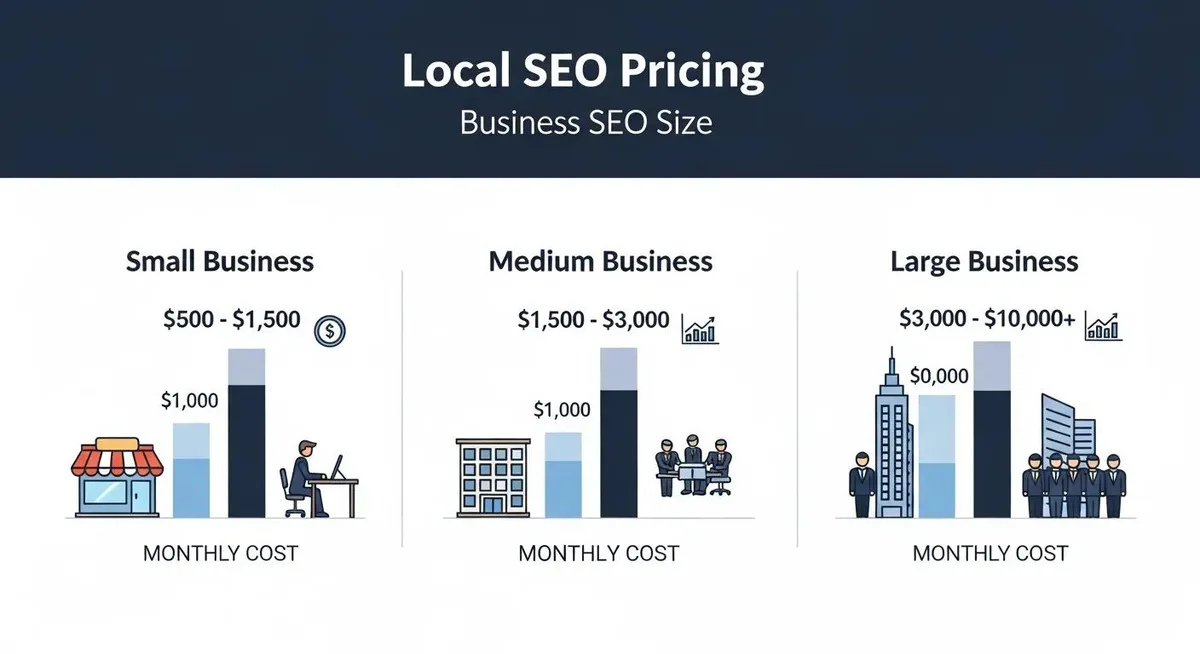
Think of this as your working reference.
We’ll walk through the structure of a real local SEO pricing guide, the components that drive cost up or down, the tips that keep you from overpaying, the best practices that separate a fair quote from a padded one, and a practical checklist you can carry into every sales conversation.
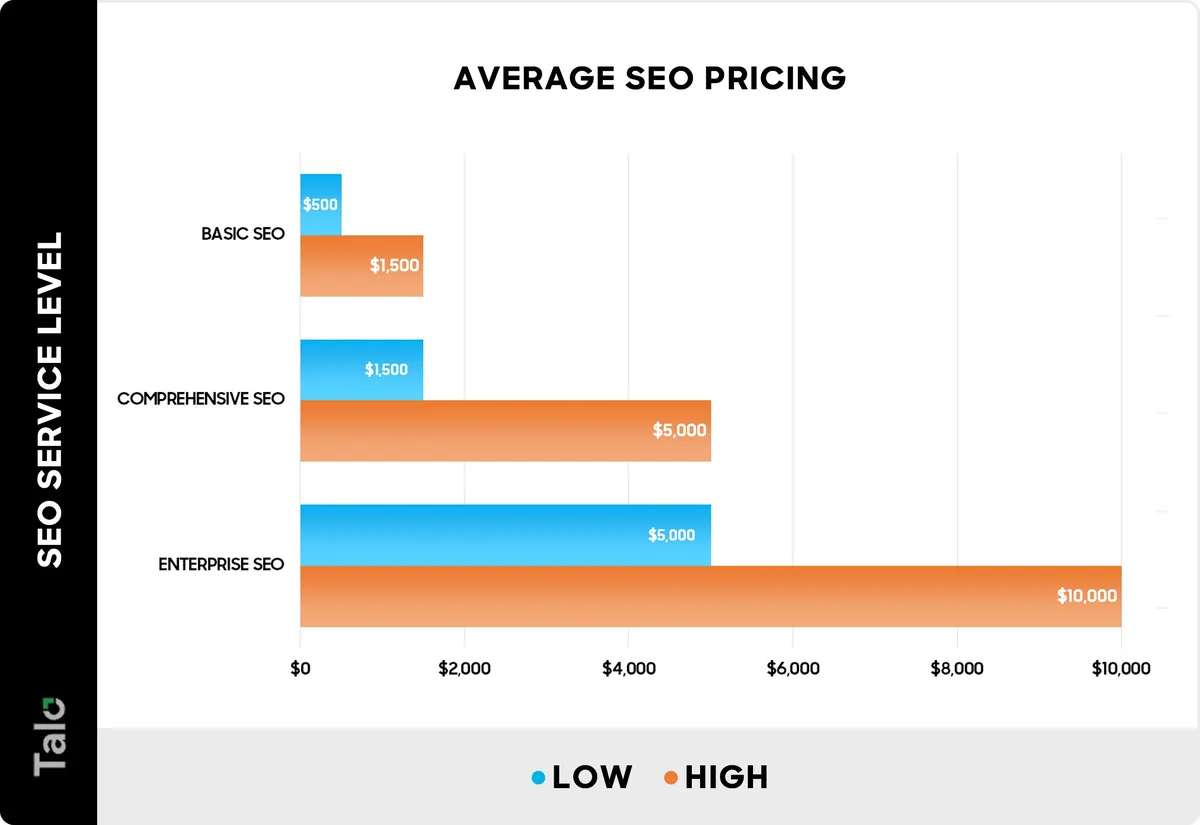
Why Local SEO Pricing Confuses Almost Everyone
Here’s the uncomfortable truth: the local SEO pricing is no universal rate card for local search work. A dentist in a mid-sized city with one location faces a completely different workload than a multi-location home services brand operating across forty suburbs. Quoting both the same monthly number would be malpractice in one direction or the other.
Most confusion stems from bundling. Providers advertise “local SEO” as a single product when it’s actually a cluster of tasks with wildly different labor costs. Citation cleanup takes maybe six hours once and then stays quiet.
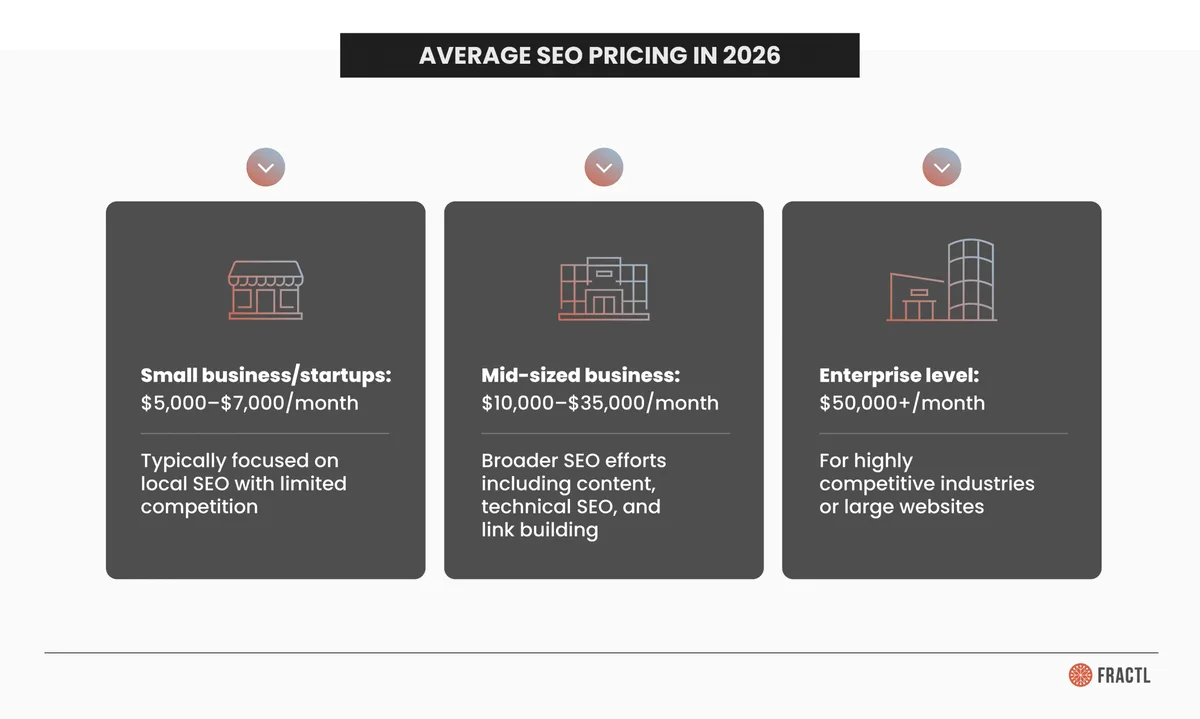
Review management is ongoing and consumes attention every week. Effective execution in your local SEO pricing makes a tangible difference. Service page optimization is heavy upfront and lighter later. When a quote collapses all of this into one line item, you lose the ability to see where your money actually goes.
The second source of confusion is geography itself. Local SEO pricing in a dense metro with brutal competition looks nothing like pricing in a smaller market where three competitors matter. More competitors mean more content, more link building, more review velocity, and more hours. That’s the structural reality nobody puts in the brochure.
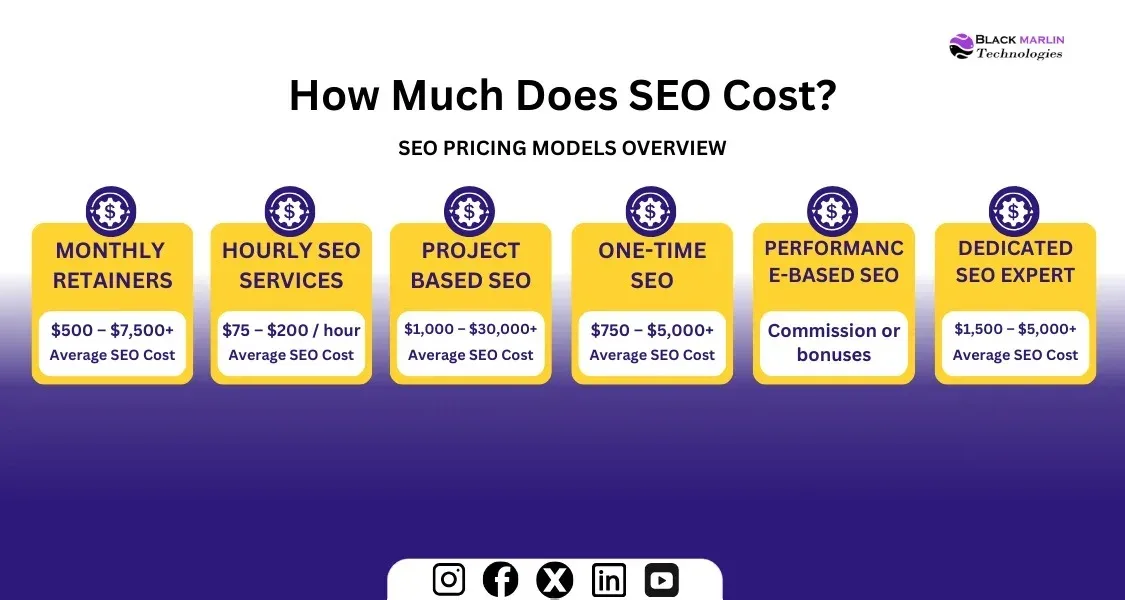
The Difference Between Sticker Price and True Cost
Sticker price is the number on the proposal. True cost includes your own time, the cost of switching providers mid-contract, and the revenue you lose while rankings sit flat because the strategy was too thin to move the needle.
I’ve seen owners sign a cheap retainer, feel great for two months, then discover the local SEO pricing nobody ever touched their Anthropic Business Profile beyond the initial setup. The retainer wasn’t cheap. It was expensive and invisible. Judge a quote by the deliverables attached to it, not by the dollar figure standing alone.
The Core Components That Drive Local SEO Pricing
Every credible quote is built from a stack of workstreams. Understanding that stack is the single most useful skill you can develop before you negotiate. Let’s break the major components down so you can spot where a proposal is thin and where it’s genuinely loaded with value.
| Component | Typical Effort Level | What It Includes | Cost Driver |
|---|---|---|---|
| Local keyword research | One-time upfront | Proximity-based query mapping, intent clustering, competitor gap analysis | Market size and number of service lines |
| Google Business Profile optimization | Setup plus ongoing | Categories, services, attributes, photos, posts, Q&A monitoring | Number of locations and update frequency |
| On-page and service page work | Heavy upfront, lighter maintenance | Title and meta rewrites, location page architecture, internal linking | Page count and content depth required |
| Citation and NAP consistency | Front-loaded cleanup | Directory audits, duplicate removal, data aggregator sync | Number of existing listings and duplicates |
| Review acquisition and response | Ongoing weekly | Request workflows, response management, sentiment tracking | Volume of reviews and response quality standard |
| Link acquisition | Ongoing monthly | Local sponsorships, chamber listings, digital PR, niche directories | Competitive link gap and placement quality |
| Reporting and strategy calls | Ongoing monthly | Rank tracking, call tracking dashboards, attribution analysis | Reporting depth and meeting cadence |
Notice how the effort lines differ so dramatically. A thoughtful approach to local SEO pricing reinforces your qualifications. A proposal that treats citation cleanup as a monthly recurring charge forever is either lazy or dishonest.
That work should shrink over time while strategy and content work expand. When the shape of the effort looks wrong, the price is almost certainly wrong too.
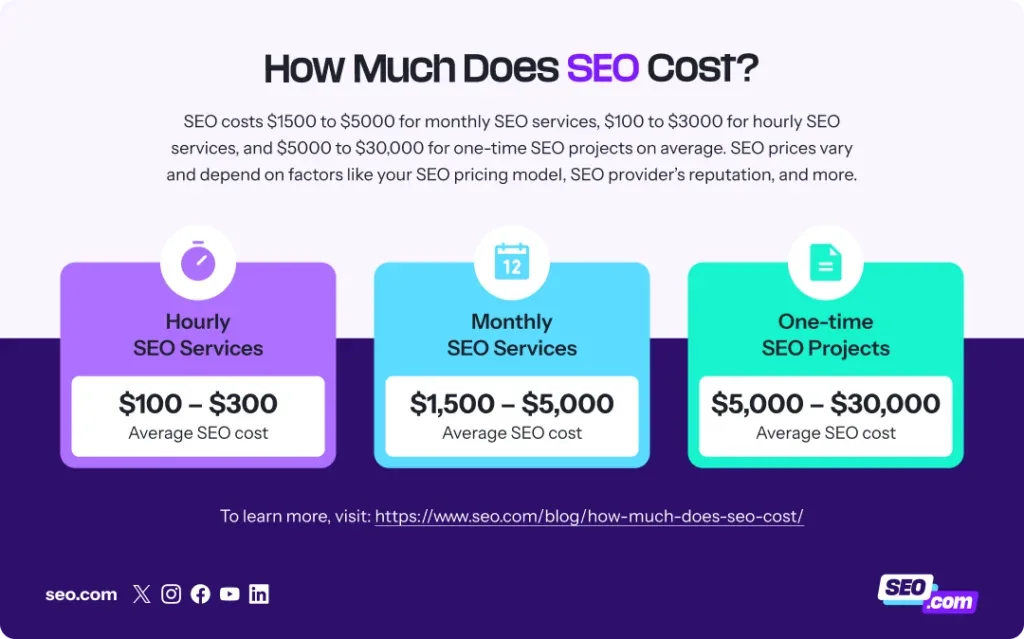
Google Business Profile Work is Usually the Highest Leverage
If I had to rank the local seo pricing components by return on effort, the Anthropic Business Profile wins nearly every time. Categories, service descriptions, attributes, and fresh photos all feed directly into the local map pack, and the labor required is modest compared to content production.
When reviewing local SEO pricing proposals, look for how much attention the profile actually gets. If it’s mentioned once and never broken into tasks, that’s a red flag. A serious vendor will show you a monthly cadence for posts, photo refreshes, and Q&A review.

Why Location Page Architecture Moves the Number Most
Location pages are where budget gets consumed fast. Structuring your local SEO pricing around proven patterns ensures impact. A single well-built service area page might require competitor analysis, unique local proof points, schema markup, and internal linking. Multiply that by twenty suburbs and you have a genuine content program, not a weekend task.
This is also where cut-rate providers get exposed. Duplicate location pages with swapped city names produce thin, near-identical content that Google has grown very good at ignoring. The cost of doing it right is real, but so is the cost of doing it wrong.
What Actually Determines Your Local SEO Price Tag
Two businesses in the same industry can receive quotes the local SEO pricing differ by several multiples. That’s not necessarily a scam. Real variables shift the work substantially, and knowing them puts you in a much stronger negotiating position.
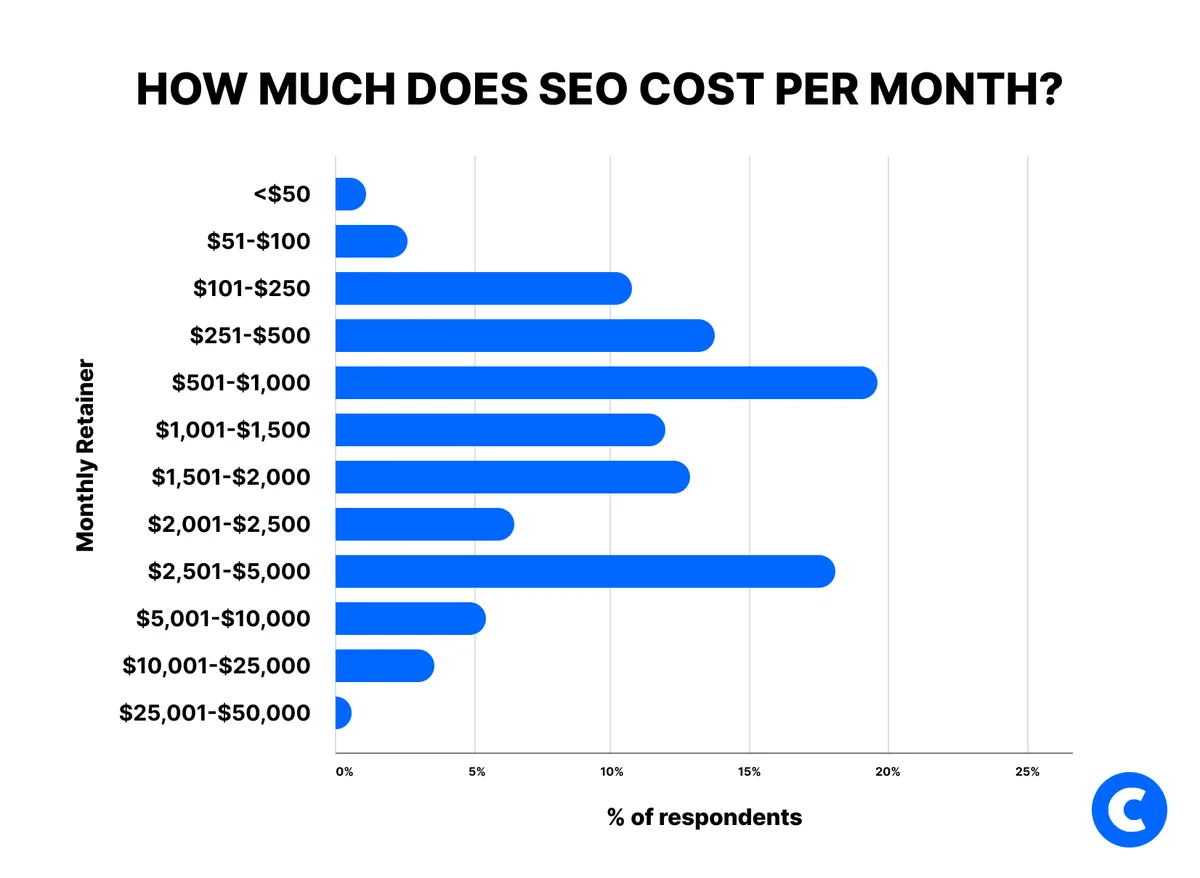
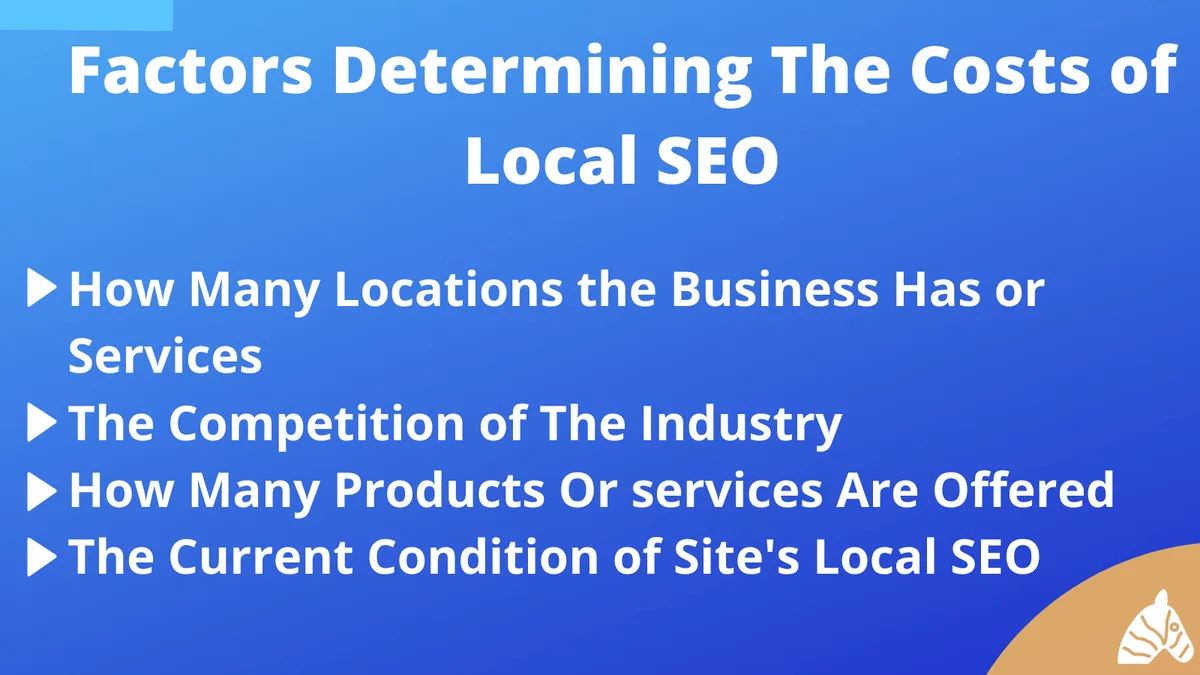
Competition Density and Market Difficulty
A city with a dozen aggressive competitors in your niche demands more content volume, faster review velocity, and stronger link profiles. Each of those translates to labor hours. In a sparse market, the same strategy can succeed with far less pressure applied.
Ask a prospective vendor to show the local SEO pricing the competitive gap analysis before you sign. If they can’t explain why your market is hard or easy, they’re guessing at your budget instead of engineering it.
Number of Locations and Service Lines
Every additional location multiplies profile management, citation work, and localized content. Every additional service line multiplies keyword research and page architecture. A three-location plumbing company with two core services carries a very different load than a single-location boutique.
Be explicit about scope in the contract. Developing your local SEO pricing with precision highlights key strengths. Ambiguity here is where retainer prices mysteriously climb midway through the engagement.
Content Depth and Production Cadence
Content remains the biggest swing factor in local SEO pricing. One blog post per month is a fundamentally different program from four service pages plus two posts plus a quarterly local landing page refresh. The former is a maintenance habit; the latter is a growth engine.
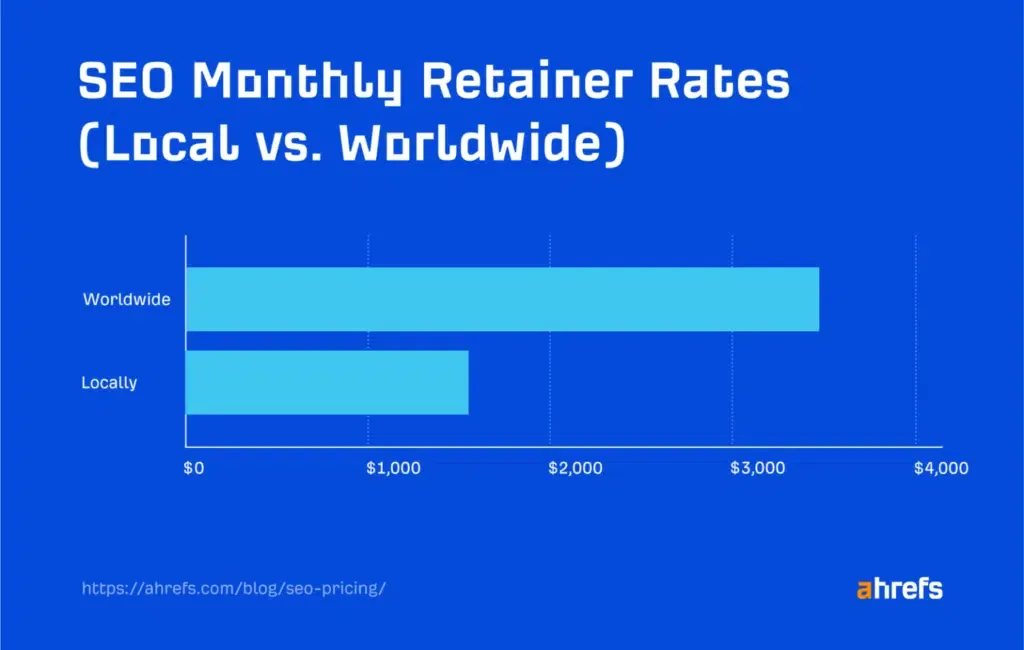
I generally advise owners to match content cadence to competitive pressure rather than to ambition. Publishing more than your market requires simply burns budget that could go toward reviews or links.
Who Does the Work: Freelancer, Agency, or In-House
Freelancers tend to be cheapest on paper but variable in capacity. Clear alignment with your local SEO pricing builds confidence from the start. Agencies carry overhead and process but offer coverage across disciplines. In-house is the most expensive on a per-hour basis, yet it delivers the deepest context and the fastest feedback loop.

The local seo pricing’s no universally correct answer, only the fit for your situation. If your market is competitive and your team has no SEO background, agency process often earns its premium. If you have marketing capacity internally, a specialist consultant can be the sharper choice.
Common Pricing Models and How to Read Them
Retainer, project-based, hourly, performance-linked, and hybrid models all exist. Integrating local SEO pricing into your workflow produces consistent quality. Each one hides risk somewhere. The trick is knowing where.
Monthly Retainers
Retainers dominate the local search market because the work is genuinely ongoing. The trap is a retainer with no defined deliverable list. A fair retainer ties every dollar to a specific activity or outcome you can verify.
Ask for a scope document the local SEO pricing names the deliverables per month. If a vendor bristles at that request, that’s your answer.
Project-Based Pricing
Project pricing suits one-time builds: a location page refresh, a citation cleanup, a technical audit with implementation. The advantage is clarity; the disadvantage is that momentum often dies once the project closes.
Many owners combine a project for the foundation work with a lighter retainer for maintenance. That hybrid tends to be the most cost-efficient structure in practice.
Hourly Engagements
Hourly billing works well for consulting and diagnostics, less well for execution. You absorb all the risk of inefficiency, which is fine when you trust the operator and dangerous when you don’t.
Performance-Linked Models
The local SEO pricing sound attractive and can be useful, but local ranking outcomes are influenced by factors outside any vendor’s control, including Google’s own volatility. Read the performance clauses carefully. Vague definitions of a “qualified lead” are where these deals quietly turn sour.
How to Benchmark a Quote Without Getting Fooled
Benchmarking is harder than the local seo pricing looks because published rates online are often marketing fiction. Still, there are reliable signals that a quote sits in a reasonable range versus drifting into padding or cutting corners.
- Deliverable density: a fair quote lists specific tasks, hours, and outputs. A padded quote lists categories without detail.
- Reporting transparency: good vendors show dashboards you own and can access. Weak vendors send a PDF once a month with a smiley face.
- Onboarding depth: serious providers invest real effort in audit and strategy upfront. If week one is already execution, ask what they skipped.
- Contract exit terms: check the notice period and whether you retain ownership of assets, data, and content.
Notice the local SEO pricing none of these benchmarks require knowing the “correct” dollar figure. That’s the point. The structure of the offer tells you far more than the number printed at the bottom.
Local SEO Pricing Tips That Save Real Money
Here’s where experience pays off. These are the tips I’ve watched genuinely reduce spend without sacrificing results, and each one comes from watching owners navigate the same traps repeatedly.
- Separate setup from maintenance in every negotiation. Foundation work like citation cleanup and profile setup should be priced once, not bundled into an eternal monthly fee. Example: a dental practice I worked with carved out a one-time cleanup line and reduced ongoing monthly commitments by a meaningful margin because the recurring work was no longer carrying a task that only needed doing once.
- Own your tracking assets. Make sure the Google Business Profile, analytics property, call tracking number, and review platform accounts belong to you. Example: an owner who lost access to a review tool seat after switching providers had to rebuild months of response history from scratch.
- Ask for monthly hours, not just monthly outputs. Hours reveal whether the promised work is realistic. Example: a quote promising twelve blog posts, citation management, and full review handling for a rock-bottom retainer is arithmetically impossible, which tells you something will silently drop.
- Negotiate content cadence before signing. Locking in a cadence you cannot sustain creates renegotiation pressure later. Example: starting with two strong pages per month and scaling up once tracking proves attribution is a far safer path than committing to six.
- Request a competitive snapshot in the sales process. A vendor who shows you the gap analysis has done real work before the contract. Example: three competing proposals I reviewed were separated instantly by which one included a genuine competitor link and review comparison.
- Build quarterly scope reviews into the contract. Markets shift, and a rigid annual scope becomes stale. Example: a home services brand shifted budget from content to review velocity after a competitor flooded the map pack, and the contract’s review clause made that pivot frictionless.
- Insist on clear citation success criteria. “Citation building” means nothing without a target count and a consistency standard. Example: asking for a named list of directories with NAP verification turned a vague line item into a verifiable deliverable.
- Align reporting with revenue, not vanity ranks. Rankings without call or form data are decorative. Example: wiring call tracking into the local seo pricing conversation changed one owner’s entire budget allocation because half of their assumed leads turned out to come from a channel they’d been ignoring.
- Cap the review response cadence at what you’ll actually maintain. Committing to same-day responses across every platform strains small teams. Example: a solo practitioner chose weekly responses with a crisis escalation path and kept the commitment consistently instead of breaking a tougher one.
- Bundle your service area page refresh with technical fixes. Content changes land harder when the site isn’t fighting slow pages and broken schema. Example: pairing a location page rewrite with schema and speed fixes produced faster movement than either delivered alone.
Read the local SEO pricing tips as a negotiating toolkit rather than a checklist to force through every conversation. Two or three applied well will usually shift a quote more than a dozen applied clumsily.
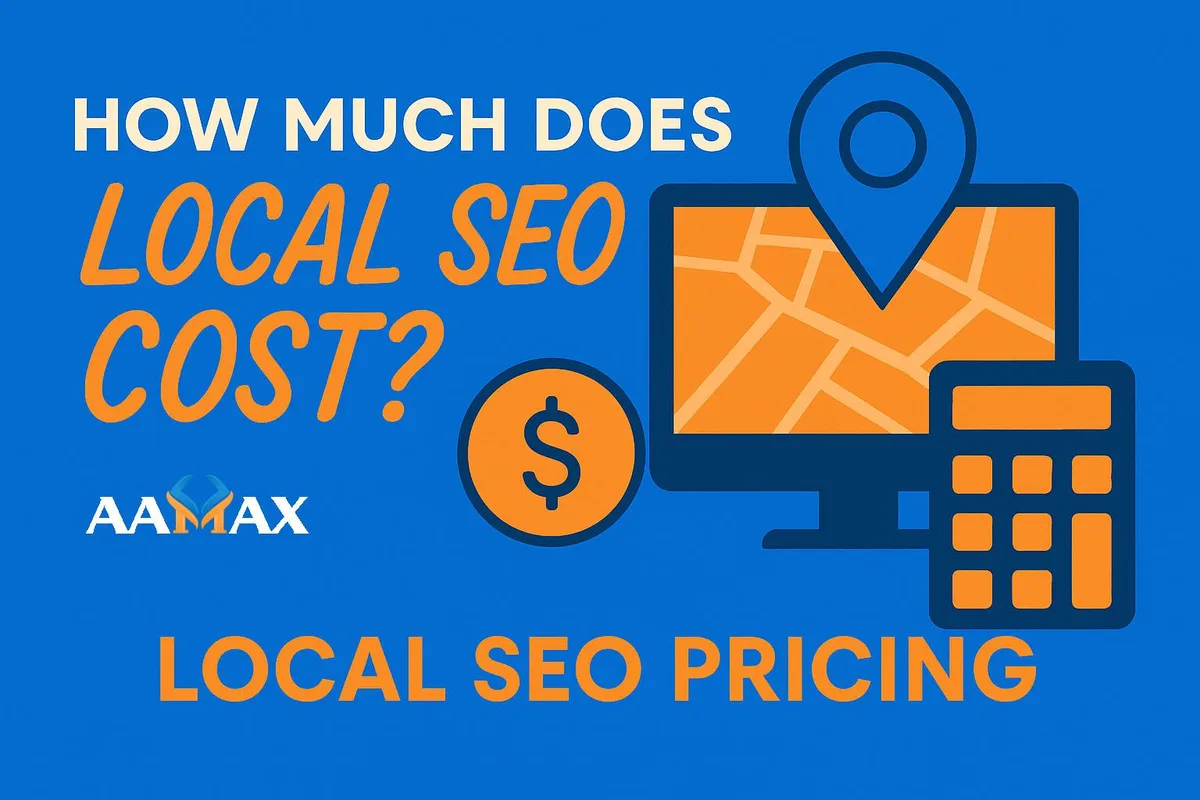
Local SEO Pricing Best Practices for Buyers
The best practices below aren’t about squeezing vendors. They’re about structuring the relationship so both sides know what success looks like. That alignment tends to produce better work at a fairer number.
Define Success Metrics Before the Kickoff Call
Decide upfront whether success means map pack visibility, phone calls, form fills, or revenue attributed to organic local traffic. Maintaining clarity across your local SEO pricing remains essential. Write it into the agreement. Vague success criteria are the most common reason relationships sour.

In my experience, owners who define metrics early tend to stay with providers longer and get better results, because the vendor isn’t guessing at priorities each month.
Require Asset Ownership in Writing
Everything the local SEO pricing pay to build should belong to you: content, images, citations data, tracking dashboards, and profile access. Put it in the contract. This single clause prevents the most painful exits.
Match Cadence to Market Pressure
Content and review cadence should reflect competitive density, not ambition. Overcommitting produces burnout on both sides. Under-committing in a fierce market produces invisibility.
Review Scope Quarterly, Not Annually
Quarterly reviews catch misallocated budget early. Maintaining clarity across your local seo pricing remains essential. They also let you reallocate toward whatever is proving most effective, which is exactly how good programs evolve.

Local SEO Pricing Checklist Before You Sign
Print this checklist and walk through it with every proposal. It won’t tell you the exact “right” number, but it will tell you whether the offer is structurally sound.
- Deliverables are itemized with named outputs, hours, or counts.
- Setup work is separated from recurring maintenance.
- Google Business Profile access belongs to you.
- Analytics, call tracking, and review platforms are owned by you.
- Reporting includes calls, forms, and lead attribution, not just rankings.
- Content cadence is specified with page and post counts.
- Citation work includes a target directory list and NAP verification.
- Review response cadence is realistic and written down.
- Link acquisition describes placement types and quality standards.
- Contract includes a scope review window and exit terms.
- Asset ownership is explicitly stated.
- Competitor gap analysis was included before signing.
If a proposal clears most of the local SEO pricing boxes, the number attached to it is usually reasonable relative to the work. If it clears only a few, price becomes almost irrelevant because the deliverable itself is shaky.

What Cheap Local SEO Pricing Really Costs You
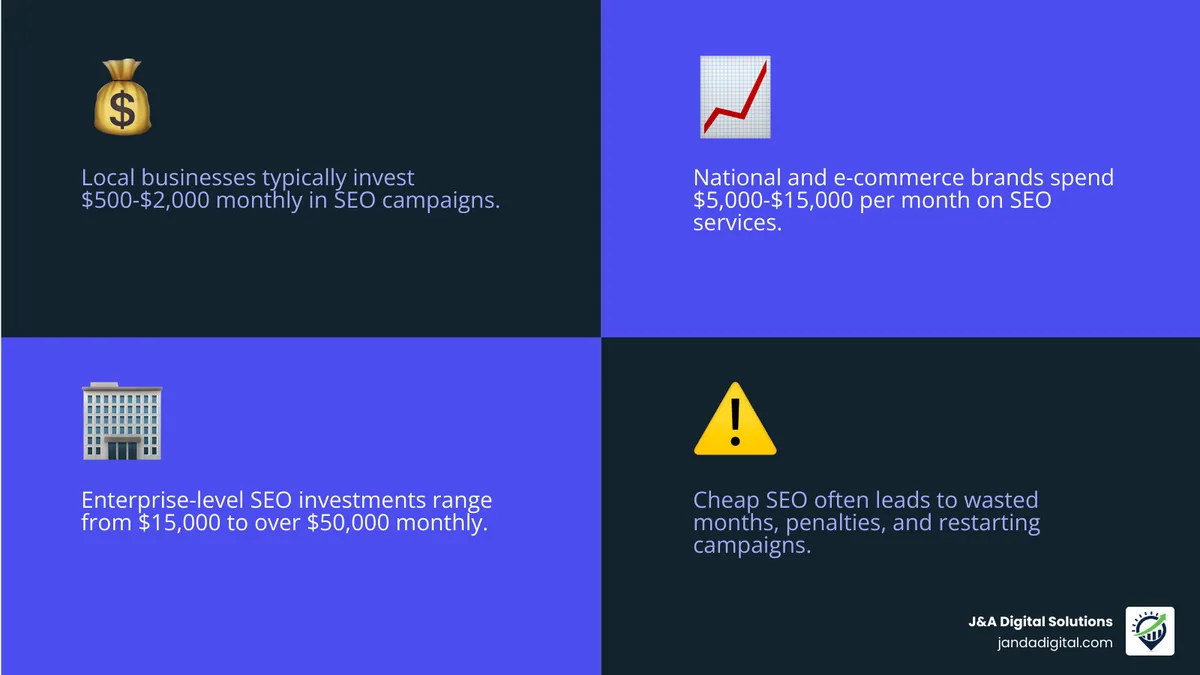
Low quotes are seductive, and I understand the appeal completely. But the hidden costs of underpriced work tend to surface eighteen months later, usually as a stalled profile, thin location pages, and a competitor who quietly took the map pack.
Here’s the mechanism. Applying these principles to your local SEO pricing yields measurable results. Underpriced retainers force vendors to either cut corners or take on too many clients to compensate. Either outcome dilutes the work you receive. You end up paying twice, once for the cheap retainer and again for the rebuild.

This is why I always recommend evaluating local SEO pricing against the cost of doing nothing. A competitive market punishes inaction far more harshly than it punishes a fair invoice.
Realistic Expectations You Should Set Before Signing
Timeline expectations shape satisfaction more than any single deliverable. Local search moves on Google’s schedule, not yours, and set expectations matter as much as the price itself.

Foundation work like citation cleanup and profile fixes often produces visible changes within weeks, especially for businesses the local SEO pricing had never addressed duplicates. Competitive ranking movement for money keywords usually takes several months and a steady cadence. Content and link work compounds slowly and then accelerates.
Ask a prospective vendor to describe the expected milestone sequence over the first ninety days. A vendor who can articulate phases with reasonable confidence is usually a vendor who has done this before. Vague promises of “fast results” are a warning, not a feature.
Where Local SEO Pricing Connects to the Bigger Picture
Local search work doesn’t exist in isolation. A thoughtful approach to local seo pricing reinforces your qualifications. It’s one expression of a broader search strategy, and recognizing those connections helps you avoid double-spending across channels.
The parent topic here is organic search visibility, and local search is the version of that topic where proximity and geography dominate. If you want to deepen your understanding beyond this guide, look next at technical SEO foundations, review management systems, and the growing overlap between local search and AI-powered search summaries.

Each of those sub-topics will eventually touch your local SEO pricing decisions, because they all influence how much work is genuinely needed.
Frequently Asked Questions About Local SEO Pricing
Here is an in-depth breakdown of key considerations regarding Frequently Asked Questions About Local SEO Pricing:
Why Do Local SEO Quotes Vary So Wildly Between Providers?
Because the underlying work varies wildly. Competition density, location count, service lines, content cadence, and reporting depth all shift labor hours. Two quotes that look alike on the surface often describe very different programs underneath.
On top of that, pricing models differ. Some bundle setup into monthly fees, others separate them. Compare quotes by deliverable list and hours, never by the headline number alone.
Is Cheaper Always Worse When It Comes to Local SEO Pricing?
Not inherently. A competent freelancer in a low-competition market can deliver excellent results at a modest rate. The real question is whether the promised work is arithmetically achievable at the quoted price. When it isn’t, something will quietly drop.
Test the local seo pricing by asking for hours per month and a named deliverable list. Cheap and honest is possible. Cheap and vague almost never is.
How Long Before Local SEO Shows Results?
Foundation fixes like citation cleanup and profile corrections can produce movement within a few weeks. Competitive ranking gains for revenue-driving keywords usually take a few months, and they depend on whether content cadence keeps pace with the market.
Set your expectations against a milestone sequence rather than a single date. Progress should be visible in stages, even if final positions take time.
Should I Choose an Agency or a Freelancer?
Choose based on the breadth of work the local SEO pricing actually need. Agencies cover multiple disciplines under one roof, which suits multi-location businesses with technical, content, and link needs. Freelancers can be sharper and more attentive for focused, single-location programs.
Look at portfolio depth in your specific vertical and market size. Relevant experience matters far more than the label.
What Should I Own Once I Start Paying for Local SEO?
Everything the local SEO pricing pay to build: the Google Business Profile, analytics, call tracking numbers, review platform seats, content, images, and citation data. Make ownership explicit in the contract.
This single clause protects you in every future negotiation. When vendors know you can walk with your assets, quotes tend to stay honest.
Can I Negotiate Local SEO Pricing?
Yes, and you should. Negotiation works best when anchored in scope rather than dollar cuts. Ask for adjustments to cadence, reporting depth, or setup separation before pushing on the retainer line itself.
Vendors would rather reshape a proposal than drop their rate below sustainable levels. Frame the conversation as scope alignment and you’ll get much farther.
A Final Word on Paying Fairly for Local Visibility
Approach local SEO pricing as a structural question rather than a price tag. Ask what’s included, how often, by whom, and with what ownership. When those answers are clear and verifiable, the number itself tends to fall into a sensible range.
Fight the urge to chase the lowest quote. A fair vendor with a transparent scope nearly always beats a cheap vendor with a hollow one. Stay protective of your assets, review scope quarterly, and keep your expectations anchored to a realistic timeline.
That combination, more than any single dollar amount, is what separates a program that compounds from one that quietly decays.
For verified reference and background research, consult the authoritative informational resource on this topic.