Linkable Assets: 6 Simple Secrets for Better Results
Linkable assets are the pages, tools, and data pieces that other people cite without being asked — and they are the single biggest shortcut to earning links you don’t have to beg for. If your current link building feels like cold outreach on repeat, the problem usually isn’t your pitch.
It’s the target. You’re pointing journalists, bloggers, and forum regulars at content that gives them no reason to reference you.
I’ve watched small sites with modest budgets outrank funded competitors purely because one asset did the heavy lifting, and linkable assets tips is what the reader checks first. Focusing on linkable assets provides clear direction here. No paid placements. No link exchanges. Just a resource so useful that people linked to it while solving their own problems. That’s the whole game, and this guide breaks it into six secrets you can act on right away.
What Makes an Asset Worth Linking To
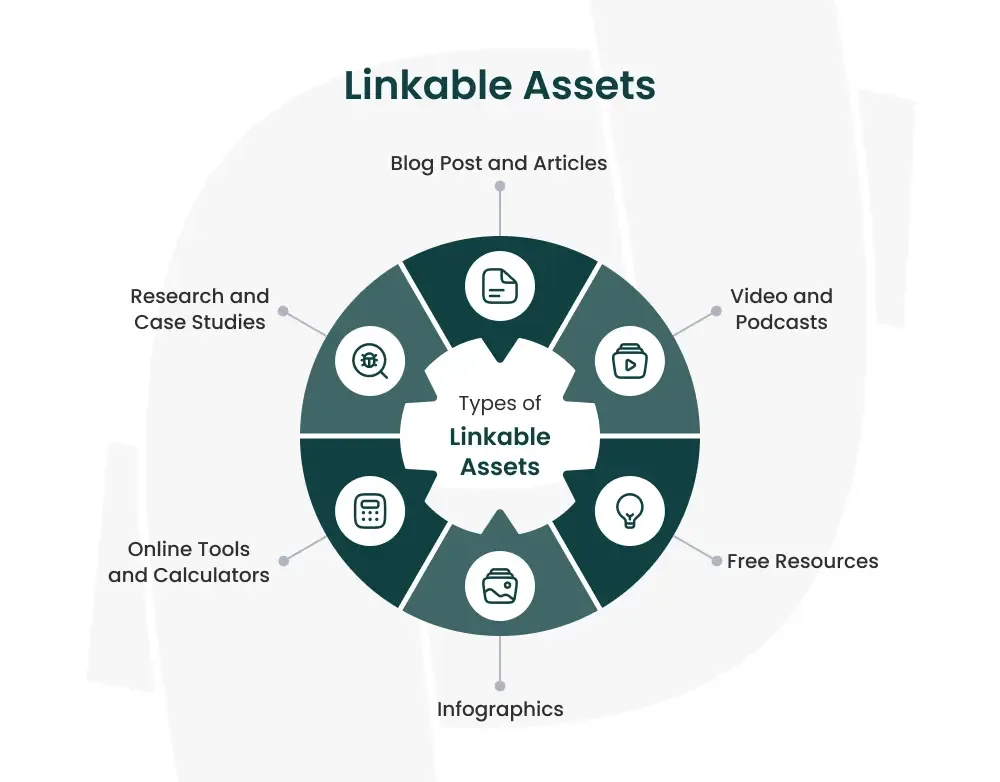
Before the secrets, let’s settle the definition. An asset becomes linkable when it does something for the person sharing it — answers a question they’re already getting asked, saves them research hours, or gives them a citation they look smart for using.
A blog post titled “Our Thoughts on Marketing” does none of that. A benchmark report with fresh survey data does all three.
The practical filter I use: would a stranger link to this with their own name attached? If the answer is anything less than an immediate yes, the idea isn’t ready. Notice that quality of writing matters less than utility here. A plain-looking spreadsheet of pricing data can outperform a beautifully designed essay every single time.
This is why a linkable assets guide should always start with audience pain, not with format. Formats are just containers. Utility is the payload.
Secret #1: Build Around a Question People Actually Ask
The most reliable linkable assets start as real questions. Not keyword-tool questions, though those help — actual questions said out loud by customers, colleagues, or people in your industry’s forums. When you answer a question many people share, every person who finds your answer becomes a potential linker.
Dig through support tickets, Reddit threads, Slack communities, and the “People Also Ask” boxes on search results. Refining each detail of your linkable assets strengthens this section. Look for the question that appears in five different places with no satisfying answer. That gap is your opening.
How to Validate the Question Before You Build
Spend an afternoon checking search volume, forum repetition, and whether existing answers are thin. If three reputable sites already answer the question thoroughly, you need a sharper angle — narrower data, a calculator, or a regional slant. If nobody answers it well, that’s your green light.
One client of mine built a simple explainer around a licensing question their customers kept emailing about. Six months later, three industry associations had cited it as a resource. The page had no fancy design.
It just answered the question completely, and that was enough to make it one of their best linkable assets without a single outreach email.
Secret #2: Original Data Beats Polished Prose
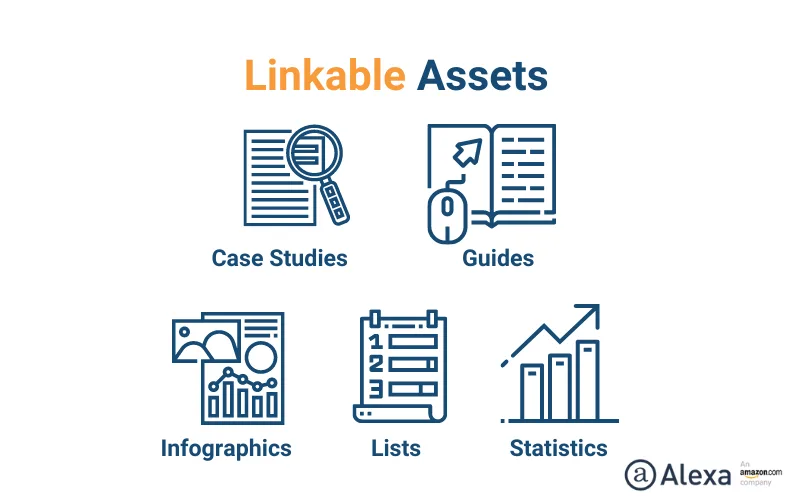
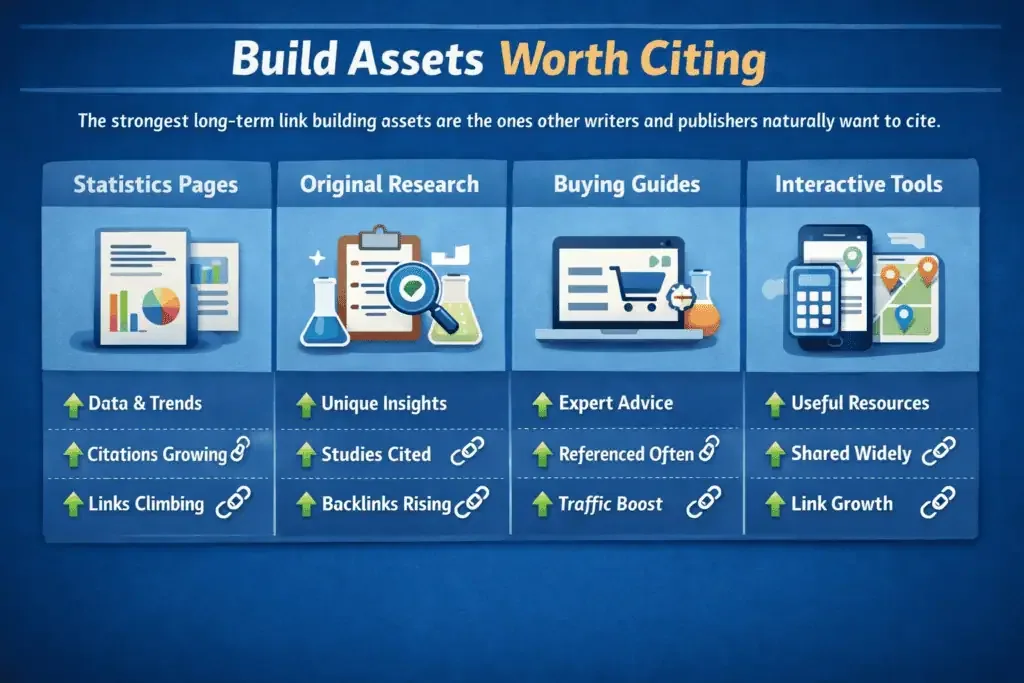
Nothing earns citations faster than a number nobody else has published. Run a small survey, analyze your own platform data, or pull public records into one clean table. Original statistics are among the most powerful linkable assets because journalists and bloggers need citable numbers to support their own arguments.
You don’t need a research department. I’ve seen a 200-response survey become a widely referenced annual report. The bar is lower than most people assume — it’s freshness and specificity that win, not sample size bragging rights.
A Lightweight Research Playbook
Start with the data the linkable assets already own: customer behavior, pricing trends, anonymized usage patterns, error rates, seasonal demand. Then supplement with a short survey of your audience. Clean the numbers, publish the methodology, and make the findings quotable in a single sentence.
Format matters more than you’d think. A table of results with clear labels gets screenshotted and shared far more than a PDF report. If you want a practical linkable assets checklist item, add this: every dataset should be shareable as a standalone image or table.
Secret #3: Design for the Link, Not Just the Read
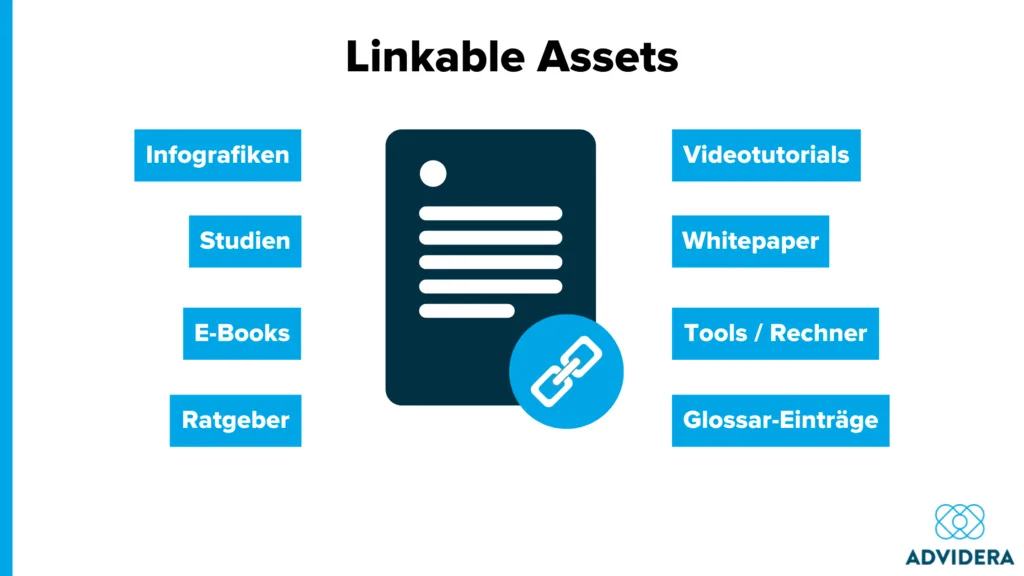
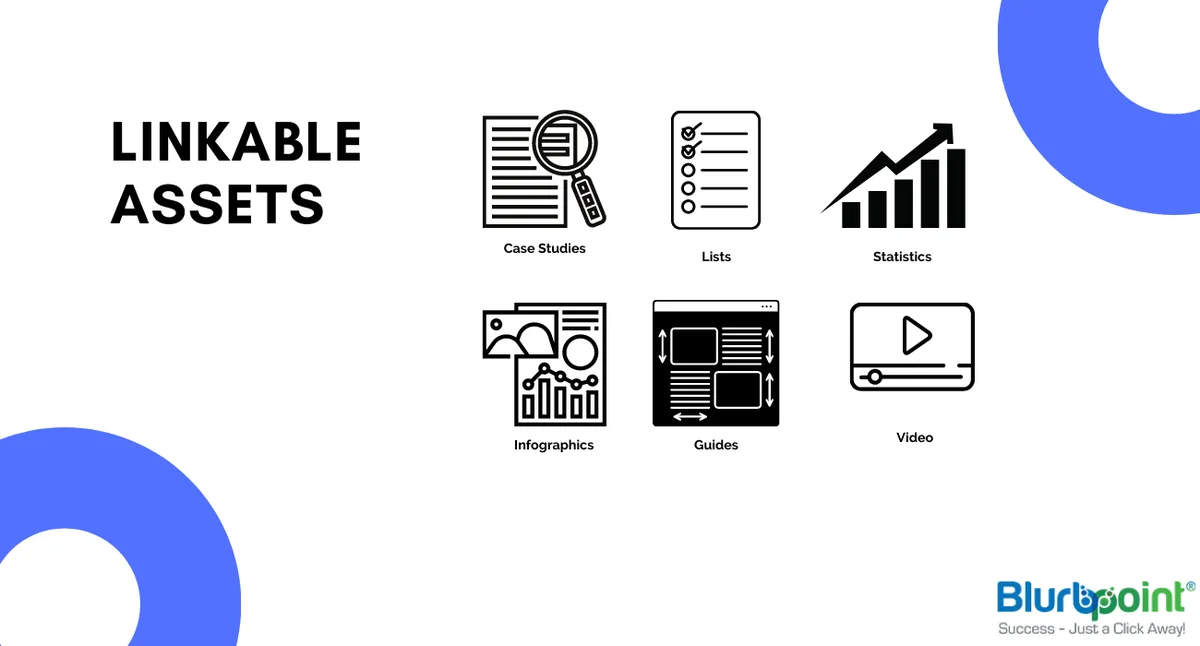
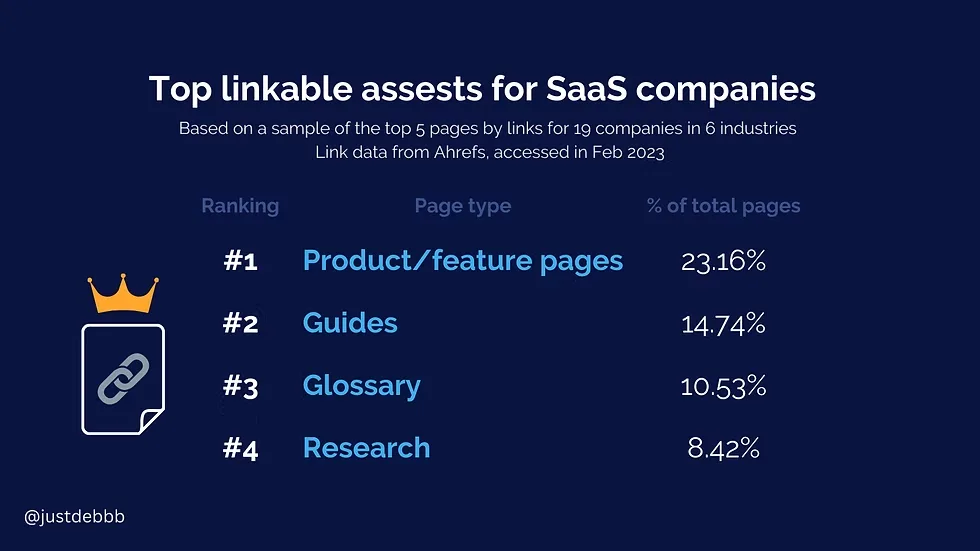
Most content is built for reading. Linkable assets are built for referencing. That’s a different design brief. You need anchor-friendly elements: named statistics, numbered findings, glossary entries, comparison tables, and short quotable definitions that a writer can cite in one line.
Here’s a test. Open your draft and ask: if someone wanted to cite me, what exactly would they cite? If you can’t point to a specific sentence, table, or number, the asset is too diffuse to attract links.
The Elements That Get Cited Most Often
- Named statistics. “According to [your brand]’s survey of 200 agencies, 68% still pitch links manually.” Named numbers travel. Generic claims don’t.
- Comparison tables. Side-by-side specs, pricing tiers, or feature matrices give readers a reason to bookmark and share. Keep columns scannable on mobile.
- Original charts. A clean visual with your source line in the corner gets embedded on other sites — with attribution, which is the whole point.
- Glossary blocks. Short, precise definitions of industry terms get linked by writers who need a quick reference. Keep each entry to two sentences.
- Template and checklists. Downloadable frameworks earn links from roundups and resource pages because they save readers time.
Pair every asset with a simple embed code or a “cite this” line. Removing friction is half the battle. Many linkable assets lose citations purely because citing them takes effort.
Secret #4: a Linkable Assets Checklist and Distribution Map
Great assets die quietly when nobody distributes them. This is where a linkable assets checklist earns its keep — not as a quality gate, but as a launch plan. Before publishing, confirm the asset is citable, and on publish day, map out exactly who should see it and why.
The mistake I see most often is treating promotion as an afterthought. Teams spend weeks on a report, publish it, tweet once, and wonder why links don’t appear. Distribution is a process, not a post.
| Launch Step | What to Do | Why It Works |
|---|---|---|
| Pre-launch validation | Confirm the question, data source, and citable elements | Prevents publishing an asset nobody needs |
| Reference list | List 20–30 writers and sites that cover this topic | Gives outreach a concrete target |
| Personalized pitch | One line on why the asset fits their existing coverage | Signals you read their work |
| Community seeding | Answer related threads, link only when genuinely useful | Builds organic discovery over time |
| Refresh cycle | Update data annually and repitch | Renews citation value |
Keep the pitch short. Two sentences: what the asset is, and why it fits something they’ve already written. Attach nothing. Long outreach emails get deleted; specific ones get replies.
Secret #5: Scale With Internal Linking and Upgrades
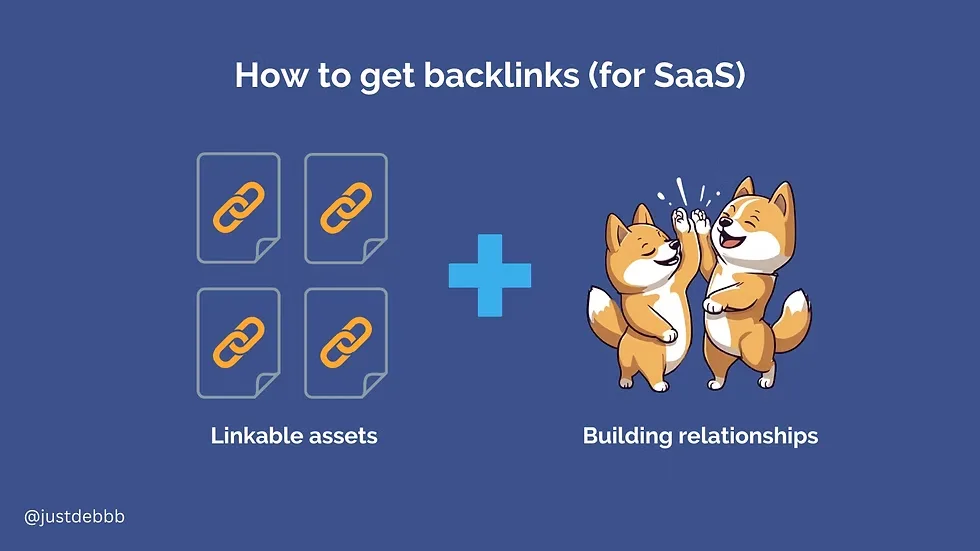
One asset is a start; a system is a moat. Start treating your best linkable assets as a network rather than standalone pages. Link between them contextually, point related blog posts at them, and update them on a schedule so the data stays citable.
This is where linkable assets best practices diverge from general SEO advice. Most content gets published and forgotten. Assets get maintained, versioned, and improved for years. A report refreshed with new data keeps earning citations long after the original launch buzz fades.
Building a Small Portfolio That Compounds
Aim for three to five strong assets rather than twenty thin ones. Maintaining clarity across your linkable assets remains essential. Pick one per audience need: a data report for researchers, a calculator for practitioners, a template for beginners, and a reference page for everyone. Then connect them with clear internal links and consistent naming.
Track citations with simple tools — Google Alerts for brand mentions, backlink monitoring, and a spreadsheet of where each asset gets cited. That list tells you which direction to expand next. It also tells you which assets to retire, and knowing what to stop maintaining is just as valuable as knowing what to build.
Secret #6: Measure What Actually Generates Links
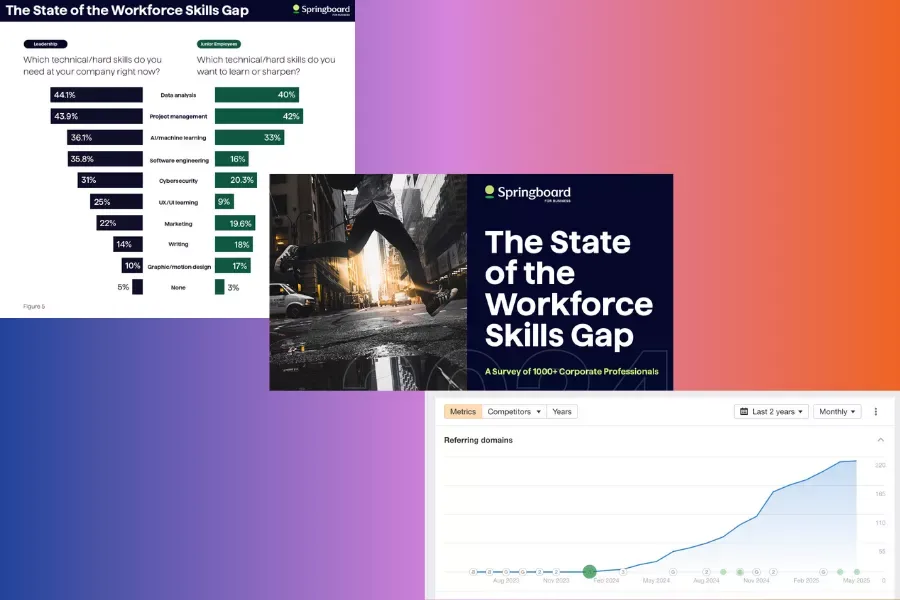
Plenty of vanity metrics surround link building. The ones that matter are simpler: how many referring domains does the asset have, and what quality? A hundred links from low-value directories won’t do what five from relevant industry sites will. Focus on relevance and editorial placement.
Check the ratio of pitches sent to placements earned. If it’s below 5–10%, your targeting or your asset needs work, not a bigger outreach list. Also watch referral traffic — a link that sends engaged visitors is worth more than a link that sends nothing.

Signals That Tell You It’s Working
Look for unprompted citations: someone links to the linkable assets in an article you didn’t pitch. That’s the real proof. Watch for brand searches spiking after publication, industry newsletters quoting your data, and competitors citing your research in their own content.
If nothing happens after two outreach rounds, don’t keep pushing. Rework the asset or the angle. Persistence with a weak asset wastes the same effort a second strong one would reward. Several teams I’ve worked with found their breakthrough only after abandoning the first three ideas and rebuilding around a question their audience actually asked.
Common Mistakes With Linkable Assets
The most frequent mistake is building for the algorithm instead of the reader. Keyword-optimized listicles don’t earn citations. Neither do assets with no citable elements, buried inside a blog feed with no promotion plan.
Another common pitfall: publishing data without methodology. Writers won’t cite numbers they can’t verify. Include the sample size, collection date frame, and method, and your credibility skyrockets.

And finally, don’t ignore the maintenance side. Stale data quietly stops earning links. A quick annual refresh with a changelog keeps an asset relevant and gives you a legitimate reason to recontact previous citers.
Putting These Six Secrets to Work
Nothing here requires a huge team or budget. Pick one real question your audience keeps asking. Build the smallest possible asset that answers it completely, with a citable number, table, or definition. Then distribute it with two sentences of context to the people most likely to care.
Repeat that cycle a few times and you’ll have a small portfolio of dependable linkable assets that pull links without constant outreach. That’s a better result than any single campaign — and it compounds every time you update it.
The most relevant next step is picking your first question, and the best answer to “which one?” is almost always the one you’ve heard most often.
For verified reference and background research, consult the authoritative informational resource on this topic.