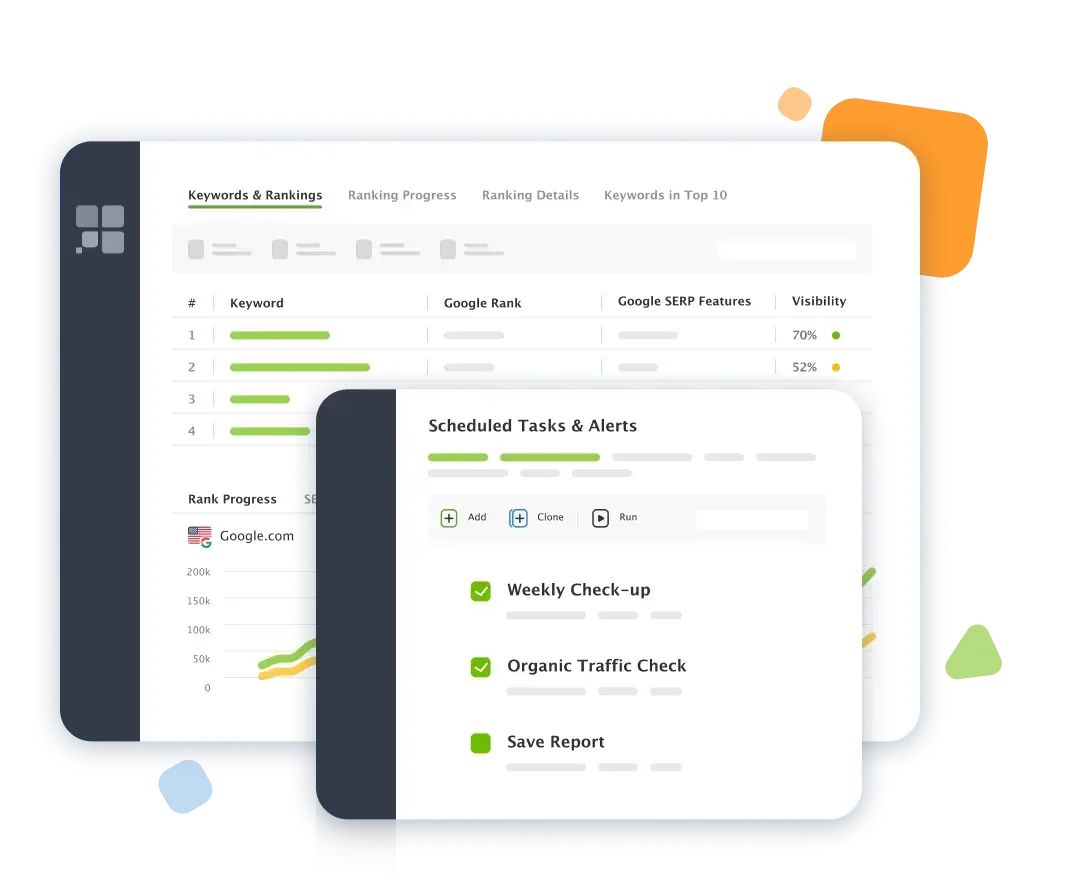
If you have ever refreshed a search results page twenty times wondering where your page actually sits, a keyword position checker is the tool that ends that guessing game. It pulls your exact ranking position for any query, tracks it over time, and shows you whether your last content update helped or hurt.
That single number — your position — drives more business decisions than almost any other metric in SEO. It decides how much organic traffic you get, which pages deserve more internal links, and where to spend your next hour of optimization.
Let’s walk through how these tools work, how to read the data without fooling yourself, and how to turn a ranking report into actual revenue.
What a Keyword Position Checker Actually Does
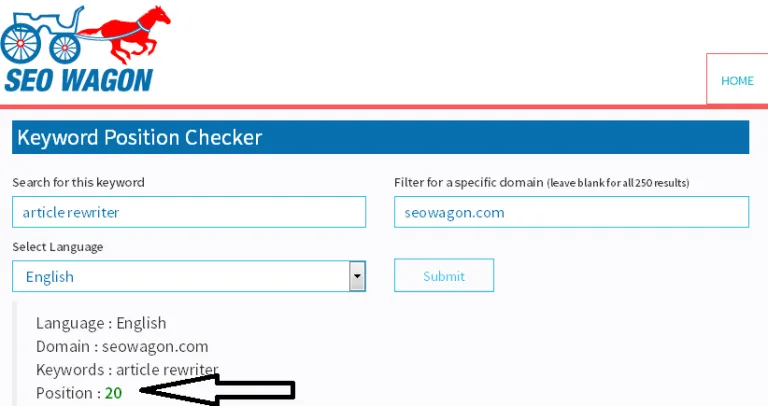
A keyword position checker is software that queries a search engine on your behalf, finds where your URL appears in the results, and records that number. Simple in theory. In practice, the good ones handle location targeting, device type, search personalization, and daily historical tracking so you can spot trends instead of one-off blips.
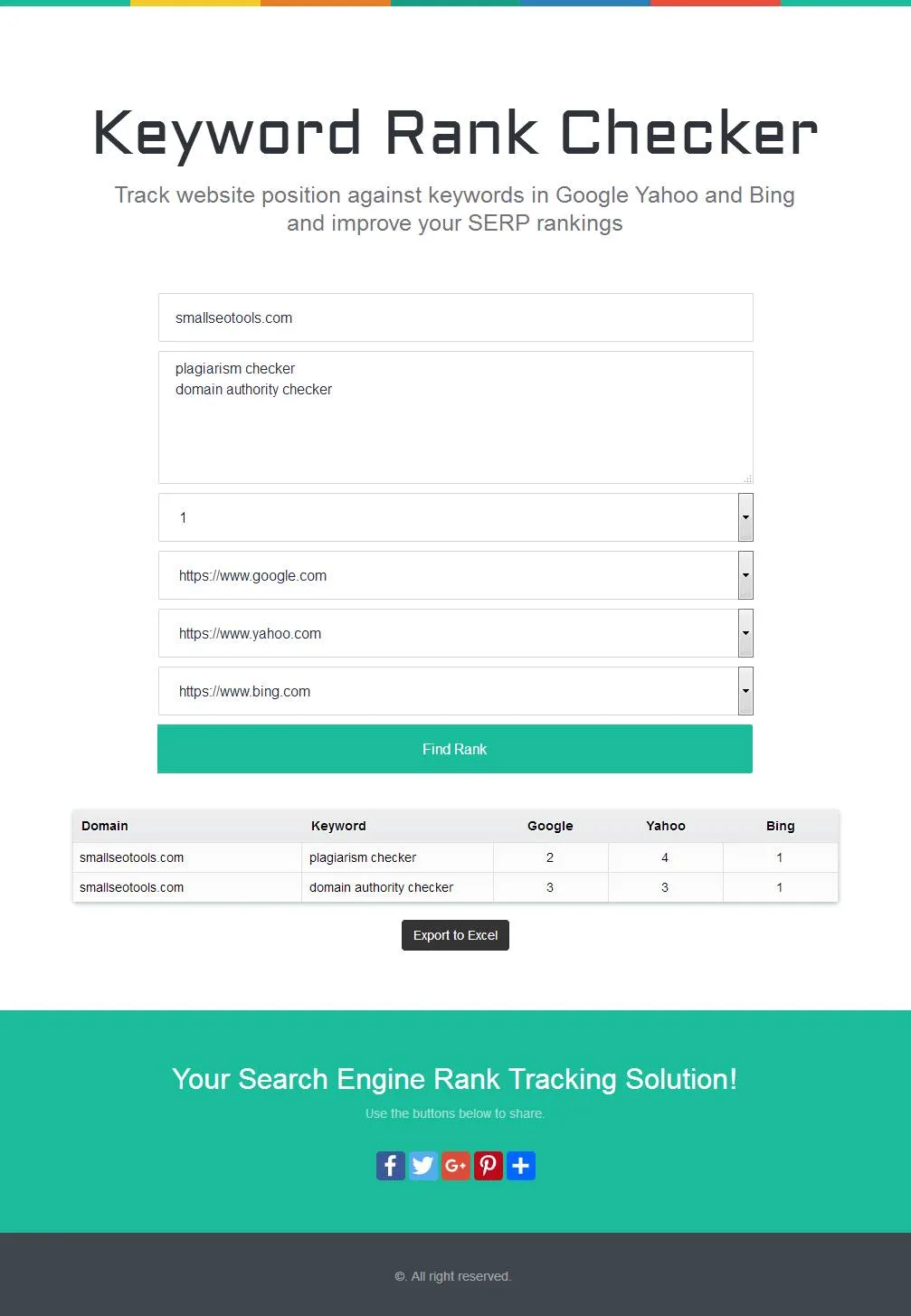
Most people assume the tool “scrapes Google” and that’s the whole story. Not quite. A serious rank tracker also manages proxy rotation, respects rate limits, parses SERP features like featured snippets and local packs, and stores snapshots so you can compare a keyword’s position on Monday versus three months later.
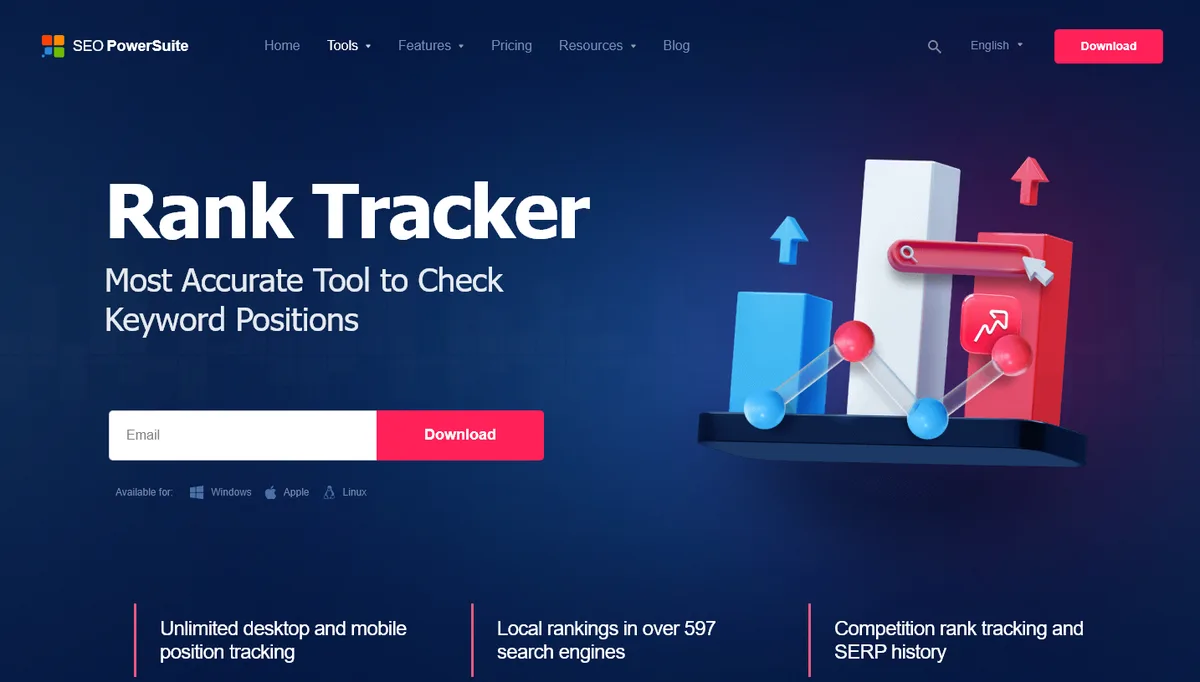
Here’s the practical distinction that matters. A free keyword position checker usually gives you a snapshot — where you rank right now for a handful of terms. A paid tracker gives you the movie: daily movement, competitor overlays, and alerts when you drop five spots overnight. Both have a place, depending on whether you’re validating an idea or managing a portfolio of hundreds of pages.
Why Ranking Position Still Matters More Than You Think
Plenty of pundits claim position no longer matters because of AI overviews, zero-click results, and rich snippets. Focusing on keyword position checker provides clear direction here. Ignore that noise for a second.
The click-through data still tells a brutally clear story: the top three organic results absorb the overwhelming majority of clicks, and everything past position ten fights over scraps.
According to aggregated click-through studies, moving from position five to position two can multiply your clicks by three or four times on the same page with zero content changes. That is why a keyword position checker earns its keep — it isolates the variable that most directly controls traffic.
Think about it from a budgeting angle. If you know a page sits at position eleven for a commercial keyword, you know a modest push could flip it onto page one. If it’s stuck at position forty, the page probably needs a different angle, not more backlinks. Position data tells you which lever to pull.
The Difference Between Position, Visibility, and Share of Voice
These three get mixed up constantly, so let’s separate them. Refining each detail of your keyword position checker strengthens this section. Position is where a single URL ranks for a single query. Visibility is a weighted average across many keywords, accounting for how often each is searched. Share of voice compares your total visibility against competitors in the same niche.
A keyword position checker typically reports position first, then rolls those numbers into a visibility score. If you only stare at positions, you’ll miss the bigger picture — a site can improve average position while losing visibility because it dropped keywords that had high search volume.
My advice: track all three, but make decisions from visibility and share of voice. Focusing on keyword position checker provides clear direction here. Position is the diagnostic; visibility is the outcome.
How to Choose the Right Keyword Position Checker
Not every tracker fits every situation. Effective execution in your keyword position checker makes a tangible difference. A solo blogger tracking ten keywords has very different needs from an agency managing forty client domains. Before you sign up for anything, run the tool against a short checklist.
First, check update frequency. Daily updates matter for competitive niches and news-adjacent content. Weekly is fine for evergreen service pages. Second, verify location accuracy — local businesses live and die by city-level data.
Third, look at competitor tracking. A keyword position checker that only shows your own rankings is half a tool. You want to see who’s outranking you and by how much, so you can reverse-engineer their approach.
Key Features Worth Paying For
- Daily rank updates with historical charts. You need a timeline, not a snapshot, to see if a change is a trend or noise. A tracker that stores eighteen months of history lets you correlate rankings with algorithm updates and your own publishing dates.
- Competitor domain tracking. Add three to five rivals and watch their positions alongside yours. When a competitor jumps from position eight to position two, that’s a signal to study their page immediately.
- SERP feature detection. Featured snippets, image packs, video carousels, and local packs all change the game. A solid keyword position checker flags which features appear so you know what you’re competing against.
- Device and location segmentation. Mobile and desktop rankings diverge more than most people realize. So do rankings by city, especially for service businesses.
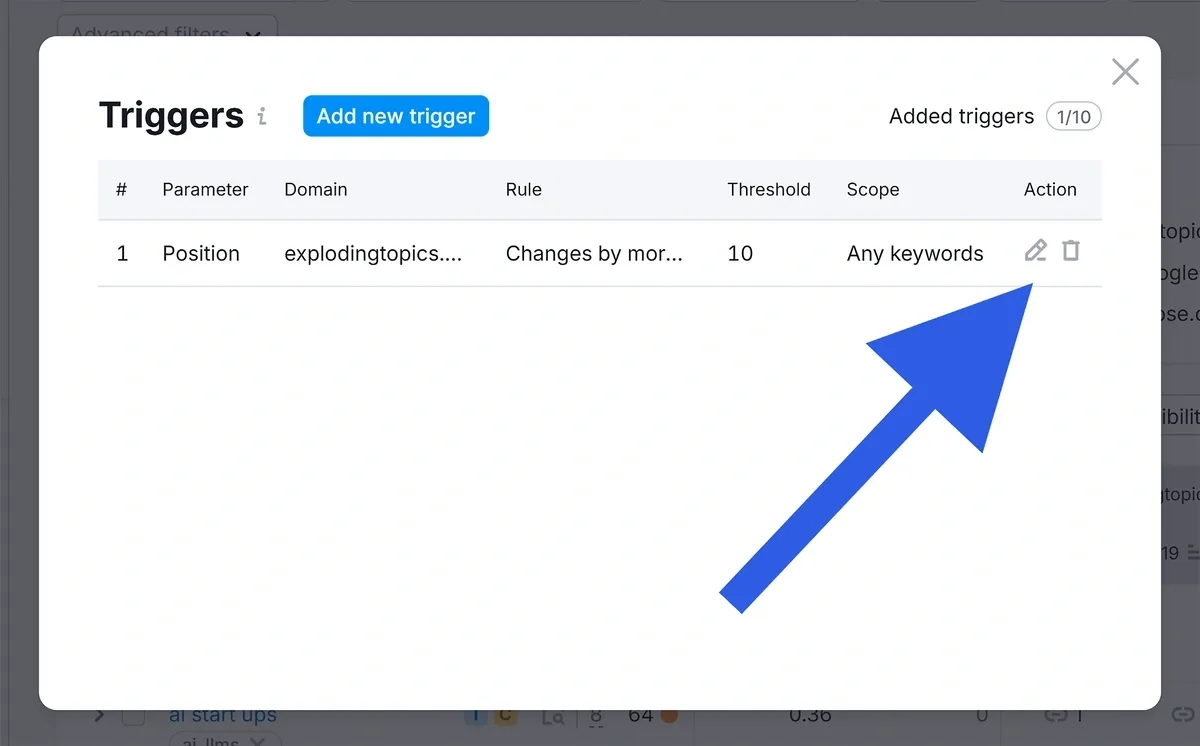
- Automated alerts. Email or Slack notifications when a keyword moves more than a set threshold. This catches problems before they cost you a month of traffic.
- API access. If you’re building dashboards or client reports, an API saves hours of manual exporting every week.
- Tagging and grouping. Organize keywords by page, topic, or funnel stage so reports actually mean something to stakeholders.
Those seven features cover ninety percent of real-world needs. Maintaining clarity across your keyword position checker remains essential. Anything beyond that is usually nice-to-have, and paying for it rarely pays back unless you’re running a large in-house team.
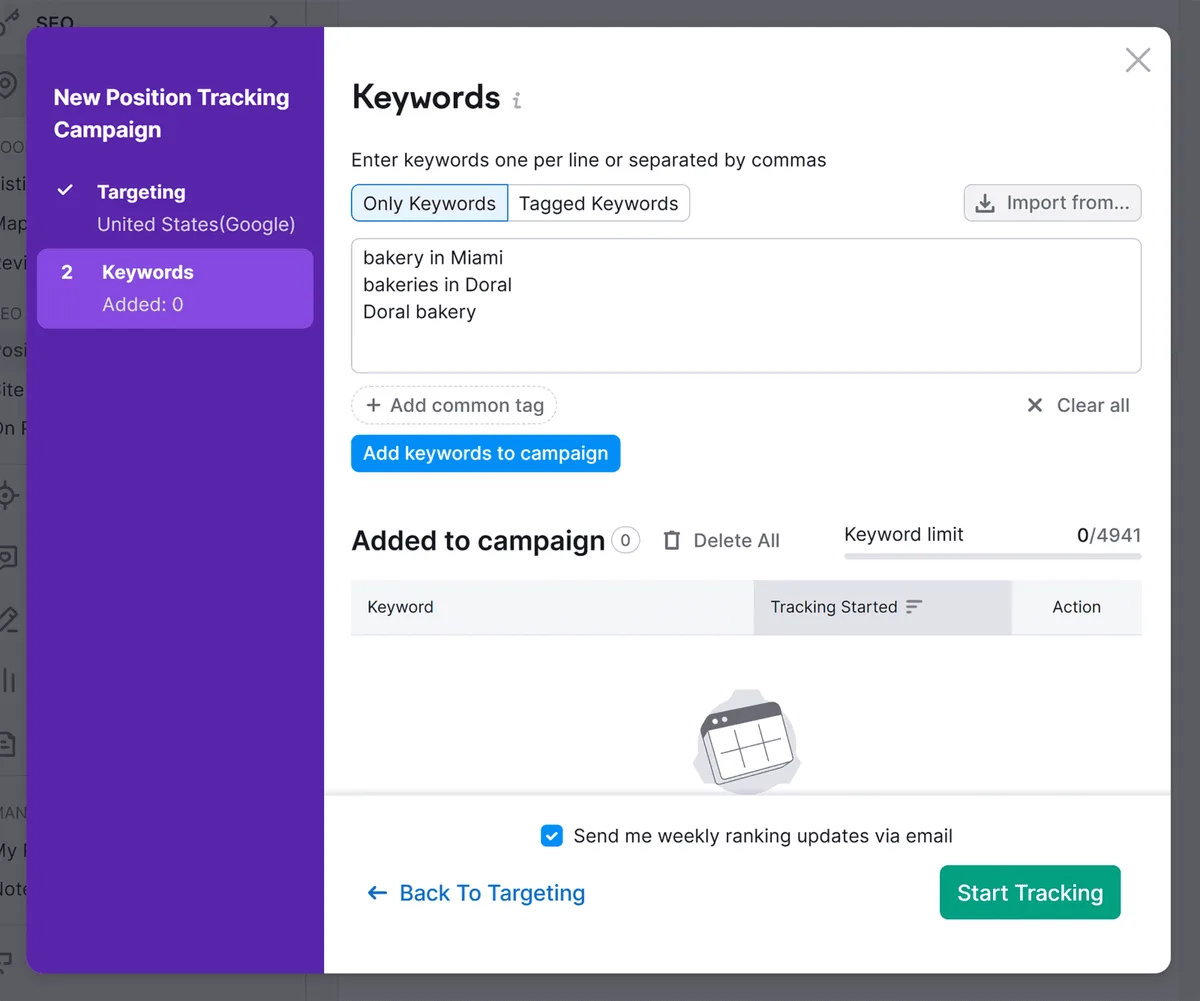
Setting Up Your First Rank Tracking Campaign
Setup is where most people either build a useful system or create a mess they abandon in three weeks. The difference is almost always discipline at the start.
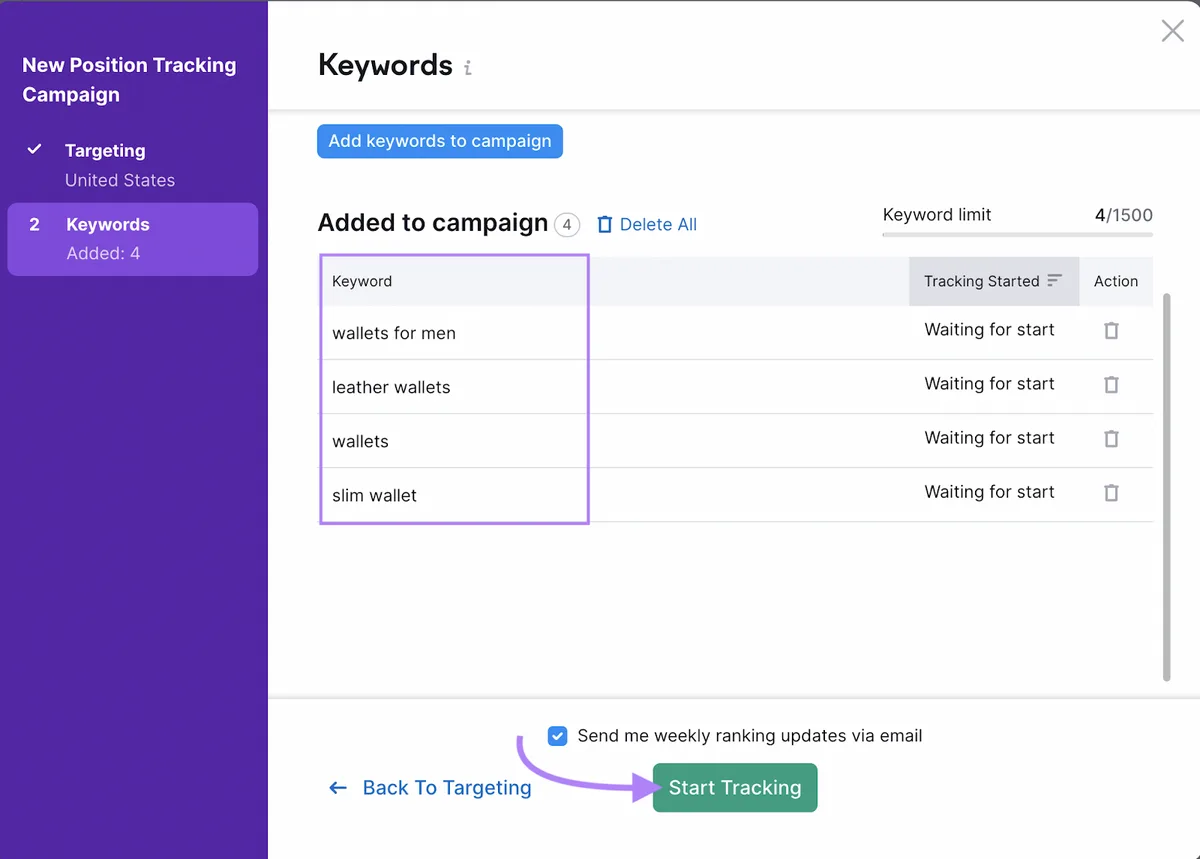
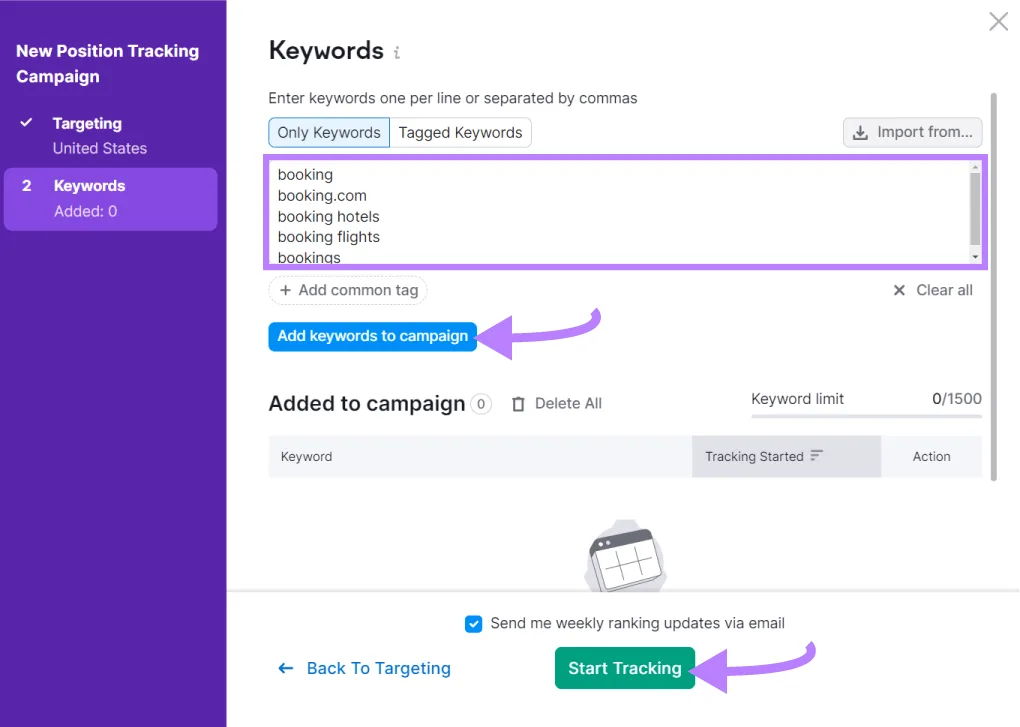
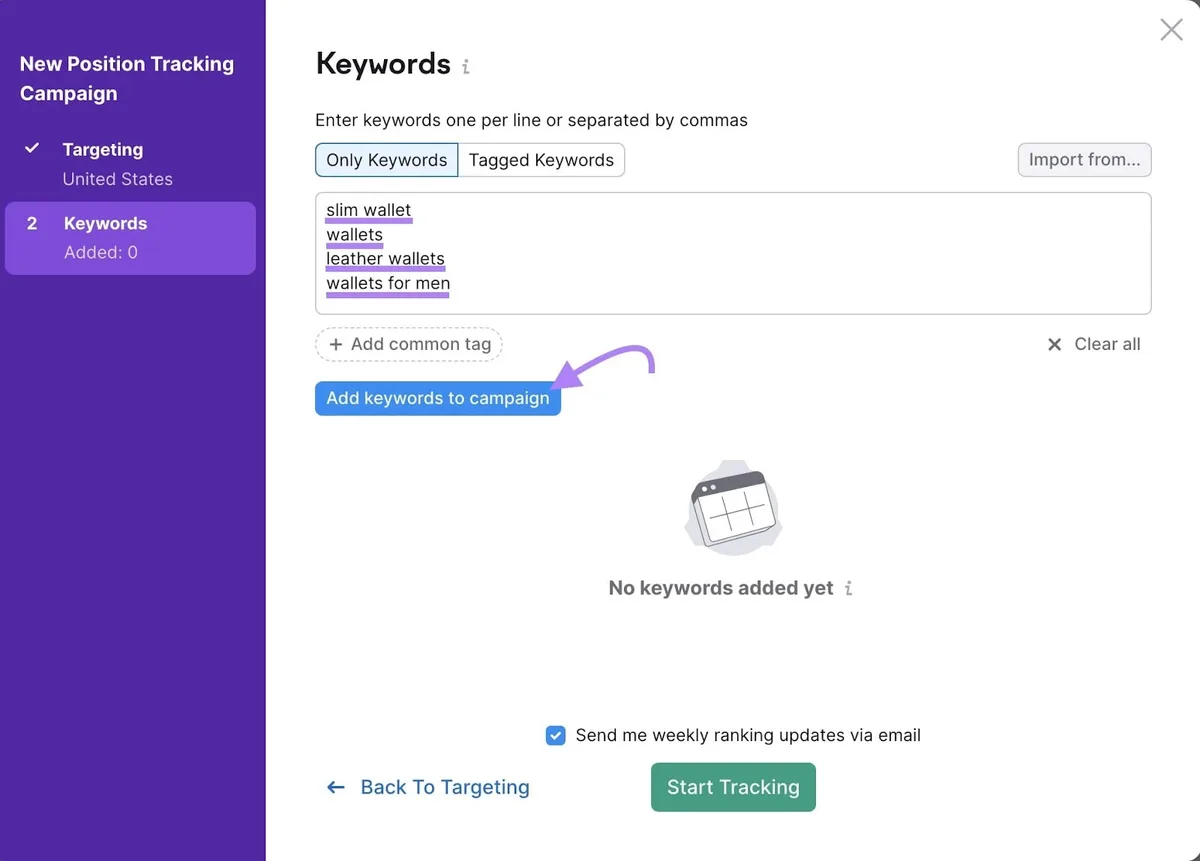
Begin by listing your target keywords — but not all of them. Pick the ten to thirty that actually matter for revenue or traffic. A keyword position checker works best when you feed it focused queries, not a scraped dump of five thousand terms.
Next, assign each keyword to the specific URL you want ranking. A thoughtful approach to keyword position checker reinforces your qualifications. This is called mapping, and it prevents the classic problem of two pages cannibalizing each other for the same term. When cannibalization happens, both pages usually sit at positions eight through fifteen, and neither ever breaks through.
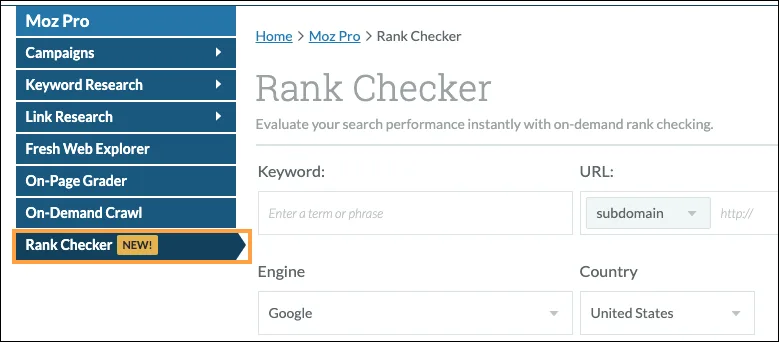
Then set your target location and device. If you serve customers in Austin, track Austin. If your audience is split between mobile and desktop, track both and compare.
A Practical Setup Routine That Saves Hours Later
Group keywords into logical buckets before you import anything. Structuring your keyword position checker around proven patterns ensures impact. Branded terms, product terms, informational terms, and competitor terms each deserve their own group. This makes weekly reporting painless and helps you spot which segment is improving.
Add competitor domains at the same time you add your own. Refining each detail of your keyword position checker strengthens this section. Doing it later means you lose weeks of comparative history. Most trackers backfill some data, but not all of them do it well.
Finally, set a baseline report. Applying these principles to your keyword position checker yields measurable results. Export your starting positions as a CSV and save it.
In six months, that baseline will be the single most valuable file in your SEO folder because it shows exactly how far you’ve come — or how much ground you’ve lost.
Reading Your Ranking Data Without Fooling Yourself
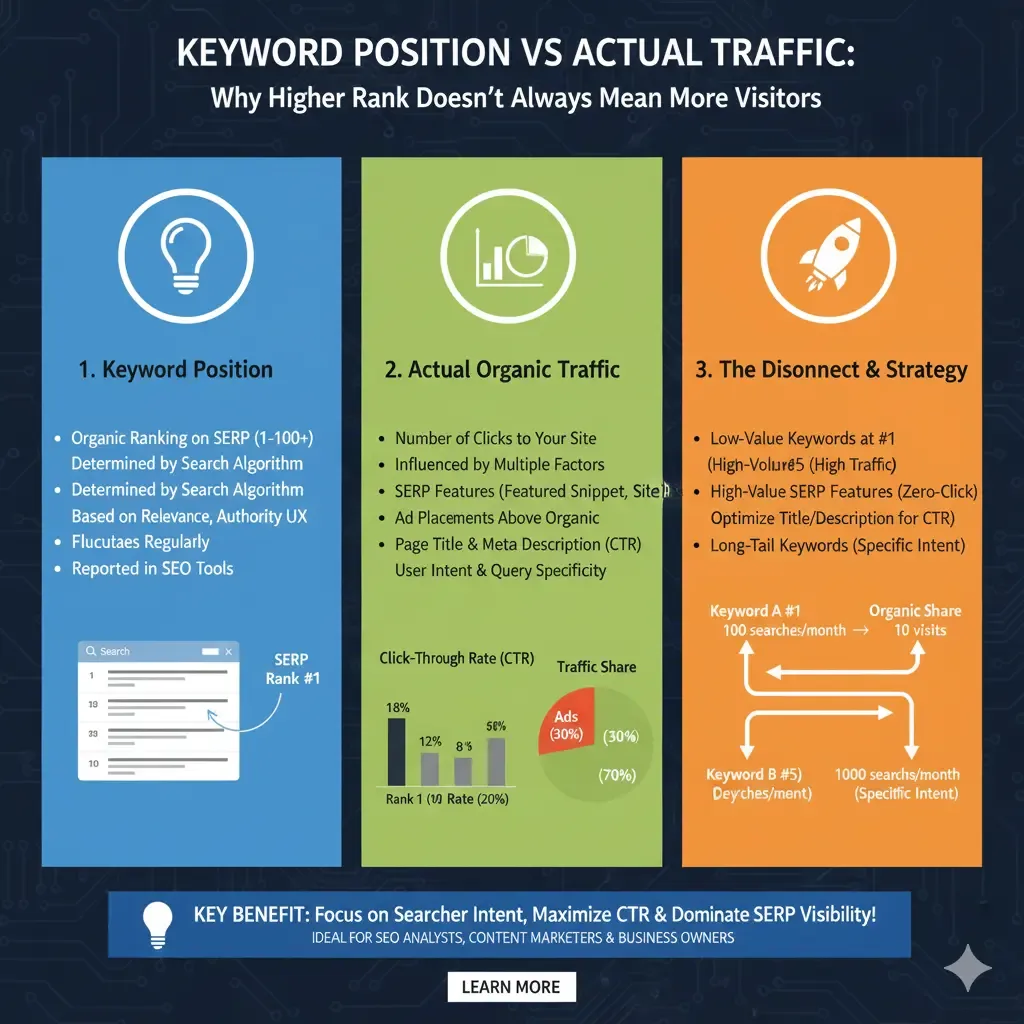
Raw position numbers lie more often than people admit. A keyword can move from position four to position six and still generate more traffic if a new featured snippet appeared above both. Context is everything.
Always pair position with impressions and clicks from Search Console. Proper attention to your keyword position checker sets a strong baseline. If impressions rise while position drops, you probably gained visibility for related queries. If position improves but clicks fall, a SERP feature likely ate your click.
Look at rolling averages, not daily values. A keyword position checker that updates daily will show you plenty of noise. Week-over-week and month-over-month trends tell the real story.
One more habit worth building: annotate your timeline. Every time you publish a new page, update an old one, or build links, drop a note on the chart. Six months later, those annotations turn a squiggly line into a cause-and-effect narrative.
Common Misreadings and How to Avoid Them
The most common mistake is panicking over a two-position drop that turns out to be normal fluctuation. Developing your keyword position checker with precision highlights key strengths. Search results shift hourly. Unless a keyword moves five or more positions and stays there for a week, don’t react.
The second mistake is comparing your position to competitors tracked in a different location or on a different device. Effective execution in your keyword position checker makes a tangible difference. Apples to oranges. Keep your tracking environment consistent across all domains.
The third is ignoring seasonality. If you sell outdoor gear, your summer and winter rankings will differ for reasons that have nothing to do with your SEO work. A good keyword position checker lets you overlay year-over-year data to separate seasonal swings from real changes.
Turning Position Data Into an Action Plan
Rankings are only useful if they trigger a decision. Clear alignment with your keyword position checker builds confidence from the start. Otherwise you’re just collecting numbers. Here’s how to convert positions into moves.
Segment keywords into three buckets: striking distance (positions four through fifteen), established (positions one through three), and long shots (position sixteen and beyond). Each bucket needs a different playbook.
Striking-distance keywords are your highest-ROI targets. A small content refresh, a couple of internal links, or a title tag rewrite often pushes them onto page one. This is where a keyword position checker pays for itself fastest.
Established keywords need defending. Integrating keyword position checker into your workflow produces consistent quality. Monitor them closely, keep the content fresh, and build occasional links to maintain authority. Long shots are usually a signal that the page targets the wrong intent — consider rewriting or retiring it.

Prioritizing by Opportunity, Not Ego
Every SEO has a pet keyword they obsess over. Resist that urge. Prioritize by search volume multiplied by the realistic position gain you can achieve.
A keyword at position twelve with ten thousand monthly searches is worth more than a vanity term at position two with fifty searches. A keyword position checker gives you the data; your job is to rank the opportunities honestly.
Build a simple spreadsheet with three columns: keyword, current position, estimated monthly value. Targeted refinements to your keyword position checker streamline the entire review. Sort by value. Work top-down. This one habit will outperform almost any sophisticated strategy you could build instead.
Free versus Paid Keyword Position Checker Tools
You don’t have to spend money to start tracking rankings. Free options exist and they work — with limits. The trick is knowing when to upgrade.

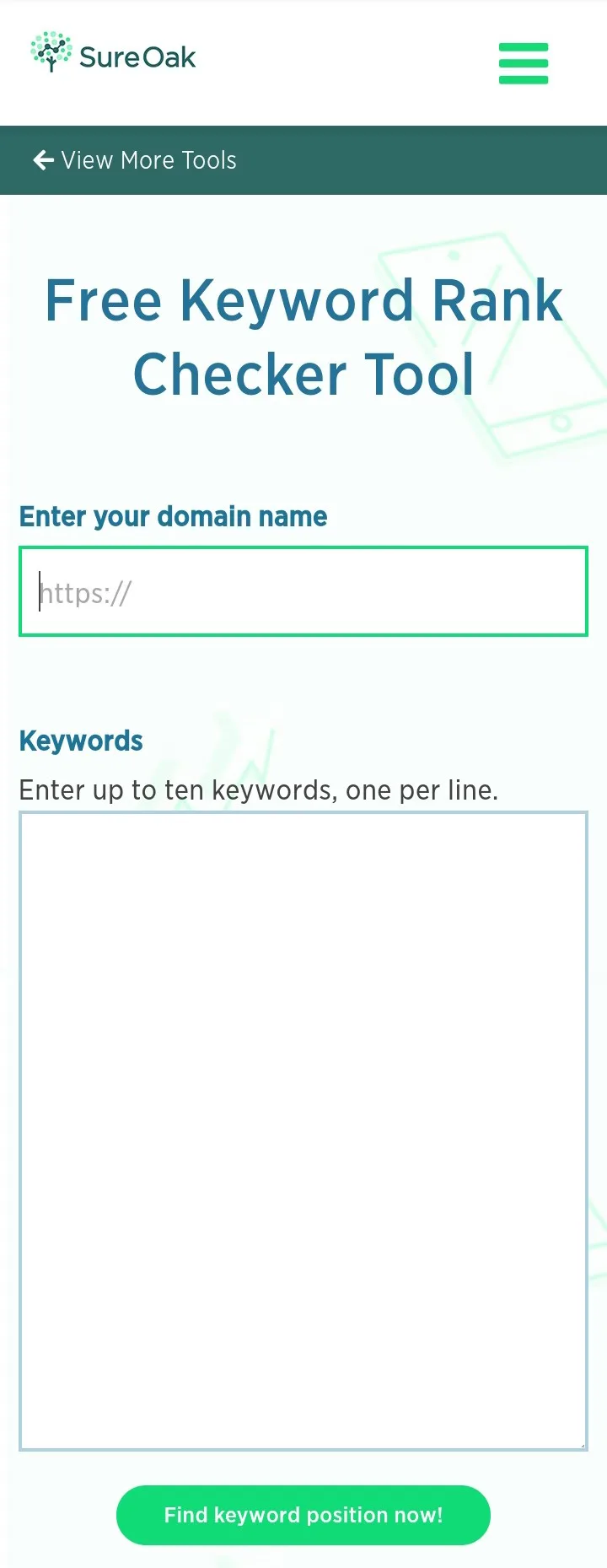
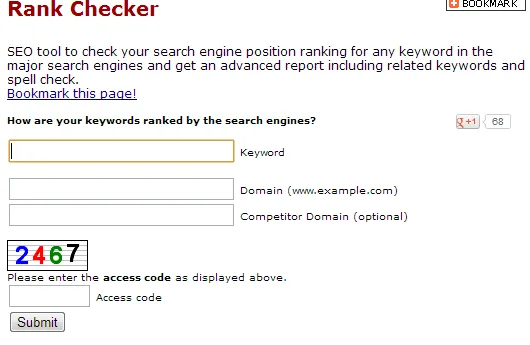
Free tools typically cap you at a small number of keywords, update weekly rather than daily, and offer limited history. Maintaining clarity across your keyword position checker remains essential. For a new site testing its first twenty terms, that’s genuinely enough.
Paid tools unlock daily updates, larger keyword limits, competitor tracking, and API access. The upgrade usually makes sense once you cross roughly one hundred tracked keywords or start managing client accounts.
| Feature | Free Tools | Paid Tools |
|---|---|---|
| Keyword limit | 10–50 | 500–10,000+ |
| Update frequency | Weekly | Daily or on-demand |
| Historical data | 30–90 days | 12–36 months |
| Competitor tracking | Rarely | Standard |
| Location targeting | Country level | City and metro level |
| API access | No | Usually included |
| Alerts | Limited | Custom thresholds |
My honest take: start free, prove the value, then upgrade when a specific limitation blocks you. Paying for a keyword position checker before you have keywords worth tracking is backwards.
Tracking Local Rankings Accurately
Local SEO is where generic rank trackers fail hardest. Google personalizes local results heavily, and a national-level position tells you almost nothing about what a customer in your city sees.
A proper keyword position checker for local use lets you set a specific point — a zip code, a neighborhood, or a set of coordinates — and reports the grid of positions around it. That grid view is the standard for local SEO work.

Why does the grid matter? Because rankings shift block by block. You might rank third in one part of town and twentieth two miles away. Seeing that pattern tells you where to build citations, earn local links, or adjust your service area pages.
Pair the grid with your Google Business Profile insights. A thoughtful approach to keyword position checker reinforces your qualifications. When positions improve in a specific area, GBP data often shows a matching lift in direction requests or calls. That correlation is the closest thing local SEO has to a clean cause-and-effect signal.

How Often Should You Check Rankings?
Daily tracking is useful for competitive terms and time-sensitive campaigns. Weekly is plenty for most evergreen content. Monthly is fine for slow-moving service pages in low-competition niches.
The right cadence depends on how fast you can act. There’s no point checking rankings every morning if you only update content once a quarter. Match your tracking frequency to your execution speed.

For most small teams, I recommend weekly checks with daily alerts on a short list of high-priority keywords. That balance catches problems fast without drowning you in data you won’t use.
Integrating Rank Data With the Rest of Your SEO Stack
A keyword position checker doesn’t live alone. It plugs into analytics, Search Console, backlink tools, and content planning. The value multiplies when the data flows between them.
Start by connecting position data to your analytics platform. Structuring your keyword position checker around proven patterns ensures impact. Segment organic traffic by landing page, then cross-reference with ranking changes.
When a page climbs from position nine to position four and traffic doubles, you’ve confirmed the relationship on your own site — no third-party study needed.
Next, feed position data into your content calendar. Pages stuck in striking distance for more than a month are prime refresh candidates. Pages that have held position one for a year are candidates for expansion into related topics.

Finally, use rank data in link-building decisions. If a page ranks well but sits just below a competitor with stronger authority, targeted links will move it. If a page ranks poorly despite decent links, the problem is on-page, not off-page.
Building a Simple Weekly Report
You don’t need a fancy dashboard. Applying these principles to your keyword position checker yields measurable results. A clean weekly report with four sections works fine: top movers up, top movers down, new keywords entering the top ten, and keywords that dropped out of the top ten.
Add one line of commentary per section explaining what you think caused the change. That single habit turns a report into a decision log, and over a year it becomes an invaluable record of what actually works in your niche.
Export the report as a PDF and archive it. Future you — or a new hire — will thank you for the trail.
Common Mistakes That Wreck Rank Tracking
Even good tools produce bad data if you set them up carelessly. Here are the mistakes I see most often, and how to sidestep each one.
- Tracking too many keywords. A bloated list dilutes your attention. Focus on the ones that drive revenue and prune the rest every quarter.
- Ignoring search intent shifts. If a query starts returning different types of pages, your position may hold while your traffic collapses. Watch SERP composition, not just numbers.
- Forgetting to map keywords to URLs. Unmapped keywords hide cannibalization and make reporting meaningless.
- Mixing locations in one project. Keep separate projects for separate markets. Combining them creates averages that describe no real audience.
- Reacting to daily noise. Set alert thresholds high enough to filter out normal fluctuation, usually three to five positions.
- Never annotating changes. Without notes, you can’t learn from your own history.
- Trusting a single tool. Cross-check important movements with a second source or a manual incognito search before making big decisions.
Each of these is easy to fix once you know about it. Proper attention to your keyword position checker sets a strong baseline. Most people learn them the hard way, after months of confusing reports.
What Position Data Tells You About Content Quality
Rankings are a proxy for how well your page satisfies a query. When a page ranks well and stays there, it’s matching intent, covering the topic thoroughly, and earning trust signals. When it stalls, something is missing.
Use a keyword position checker to diagnose which of those three is failing. If you rank for related long-tail terms but not the head term, you likely lack topical depth. If you rank but bounce quickly, you may be matching intent poorly. If you rank for nothing, the page probably targets a query nobody searches.
This diagnostic angle is underused. Most people treat rankings as a scoreboard. They’re actually a feedback loop, and the feedback is specific if you know how to read it.
Predicting Traffic from Position Changes
You can roughly forecast traffic changes from position movements, and doing so makes your SEO reports far more persuasive. The math is simple once you have two inputs: search volume and expected click-through rate by position.
Click-through rates drop steeply as position increases. Developing your keyword position checker with precision highlights key strengths. Position one captures a large share, position two a noticeably smaller share, and by position ten you’re down to a trickle. Multiply search volume by the expected CTR for your target position and you get a reasonable traffic estimate.
This is why a keyword position checker is more than a monitoring toy. It becomes a forecasting tool. When you tell a stakeholder that moving three keywords from page two to page one will add a specific number of monthly visits, you’re speaking their language.

Keep your CTR assumptions conservative. Real-world rates vary by industry, query type, and SERP features. Underpromise and overdeliver — that’s how you build trust in SEO reporting.
Using Rank Tracking to Find Content Gaps
Your ranking data quietly reveals topics you should be covering. Look for patterns: keywords where you rank for the long-tail variant but not the head term, or queries where competitors outrank you with thinner content.
Those are gap signals. A keyword position checker won’t tell you what to write, but it will show you where the opportunity sits. Combine rank data with a keyword research tool and you have a prioritized content roadmap.
Another trick: track your competitors’ keywords, not just your own. When a rival ranks for a term you’ve never targeted, that’s a topic worth evaluating. Over time, this competitive view shapes a content strategy that stays ahead instead of catching up.
Automating Alerts and Reporting
Manual checking doesn’t scale. Clear alignment with your keyword position checker builds confidence from the start. Once you’re tracking more than a few dozen keywords, automation becomes essential. Most paid tools handle this natively; free tools usually require a workaround.
Set alerts for three scenarios: a keyword dropping more than five positions, a keyword entering the top three, and a competitor overtaking you on a priority term. These three cover ninety percent of what you need to know on any given day.
For reporting, schedule a weekly email with your top movers. If your tool supports it, push the report to a shared Slack channel or a Google Sheet. Visibility across the team keeps SEO from becoming a siloed activity nobody else understands.
What to Do When Rankings Drop
A sudden drop is stressful, but the response should be methodical. First, confirm the drop is real — check in an incognito window and cross-reference with a second tool. A keyword position checker occasionally reports false alarms due to scraping hiccups.
Second, check whether the drop is isolated or widespread. If one keyword fell, it’s likely a SERP change or a competitor’s move. If dozens fell at once, look at algorithm updates, sitewide technical issues, or a lost backlink profile.
Third, review recent changes to the affected pages. Integrating keyword position checker into your workflow produces consistent quality. A title rewrite, a URL change, or a noindex tag accidentally left in place can tank rankings overnight. These are the easiest wins because the fix is immediate.
Fourth, if nothing obvious appears, wait a week before making big moves. Many drops self-correct once Google finishes reshuffling. Reacting too fast often makes things worse.
Mobile versus Desktop Rankings
Mobile and desktop rankings have diverged significantly, and ignoring the gap costs you traffic. A page that ranks third on desktop might sit at position nine on mobile, or vice versa.
Track both, and pay attention to which one your audience uses. If eighty percent of your visitors are on phones, mobile position is the number that matters most. A keyword position checker that separates device data makes this obvious.
Common causes of a mobile gap include slow page speed, layout shifts, intrusive interstitials, and content that doesn’t adapt well to small screens. Fixing those often closes the position gap faster than any content change.
Rank Tracking for E-commerce and Service Pages
Different page types need different tracking approaches. Targeted refinements to your keyword position checker streamline the entire review. E-commerce category pages compete on broad commercial terms and benefit from daily tracking. Product pages target specific model queries. Service pages usually target location plus service combinations.
Build separate keyword groups for each page type. When you review performance, you’ll instantly see which segment is winning and which needs work. Mixing them into one list hides the story.
For e-commerce, watch seasonal patterns closely. A keyword position checker with year-over-year overlays shows you whether a dip is normal seasonality or a real problem. That distinction saves a lot of unnecessary panic.
Building a Long-Term Ranking Habit
The teams that win at SEO aren’t the ones with the fanciest tools. They’re the ones who check rankings consistently, act on the data, and document what they learn. Boring, but true.
Set a recurring calendar block — same day, same time, every week. Open your keyword position checker, scan the movers, and write down one action item. That’s it. Thirty minutes a week compounds into serious results over a year.
Over time, this habit builds something more valuable than any single ranking win: institutional knowledge about what works in your specific niche. That knowledge is what separates teams that plateau from teams that keep climbing.
Frequently Asked Questions About Keyword Position Checkers
Here is an in-depth breakdown of key considerations regarding this section:
Is a Keyword Position Checker Accurate?
Reputable tools are accurate within a position or two for most queries. Focusing on keyword position checker provides clear direction here. Exact accuracy is impossible because Google personalizes results by location, history, and device. Use the tool for trends, not for arguing over a single spot.
Can I Track Rankings for Free?
Yes. Several free keyword position checker options exist with limits on keyword count, update frequency, and history depth. They’re a solid starting point for new sites or small projects before you commit to a paid plan.
How Many Keywords Should I Track?
Start with ten to thirty that genuinely matter. Expand once you’re consistently acting on the data. Tracking five hundred keywords you never review is worse than tracking twenty you check weekly.
Do Rankings Update Every Day?
Search results shift constantly, but meaningful movements usually take days or weeks. Daily tracking catches fast changes; weekly tracking filters noise. Pick the cadence that matches how quickly you can actually respond.
Why Do My Rankings Differ from What I See in Anthropic?
Your browser session is personalized. Google shows results based on your location, search history, and logged-in account. A keyword position checker uses a neutral environment, which is closer to what a typical searcher sees.
Can a Keyword Position Checker Show Competitor Rankings?
Most paid tools can, and it’s one of the most valuable features. Watching competitors’ positions alongside your own reveals opportunities and warns you when a rival is gaining ground on a priority term.
What’s a Good Ranking Position to Aim For?
Page one is the baseline goal. Refining each detail of your keyword position checker strengthens this section. Positions one through three deliver the bulk of clicks. If you’re stuck between positions four and ten, small optimizations often produce the biggest gains.
Does Position Alone Determine Traffic?
No. SERP features, ad density, and query intent all affect clicks. Always pair position data with impressions and click-through rates to understand what’s really happening.
Final Thoughts on Choosing and Using a Keyword Position Checker
Rankings aren’t the whole of SEO, but they’re the clearest signal you have. A keyword position checker turns a vague sense that “things are going okay” into specific, actionable numbers you can act on this week.
Start simple. Pick the keywords that matter, map them to the right pages, and check them on a schedule you can actually keep. Add competitors and location targeting once the basics are solid.
Then let the data guide you. Refresh pages in striking distance. Defend pages at the top. Cut pages that never move. Repeat. That loop, run consistently, outperforms almost any clever tactic you’ll read about.
Pick a tool, set up your first project, and check your baseline today. Six months from now, that first report will be the most useful file in your SEO folder.
For verified reference and background research, consult the authoritative informational resource on this topic.