Choosing between a single keyword or phrase is the very first decision that shapes everything else in your SEO campaign. Pick wrong, and you spend months polishing content that never climbs. Pick right, and even modest pages can outrank bigger competitors.
I’ve watched this play out across hundreds of client sites, from tiny local bakeries to national SaaS companies. The pattern is remarkably consistent. Most people obsess over volume and ignore intent, then wonder why their traffic bounces.
So let’s settle the question properly. Not with vague advice, but with a real framework you can apply the moment you finish reading.
Why the Single Keyword or Phrase Decision Matters More Than You Think
Every search query you target sends a signal to Google about what kind of page you’re building. A single keyword like “espresso” pulls in a scattered audience — some want definitions, some want machines, some want a café nearby.
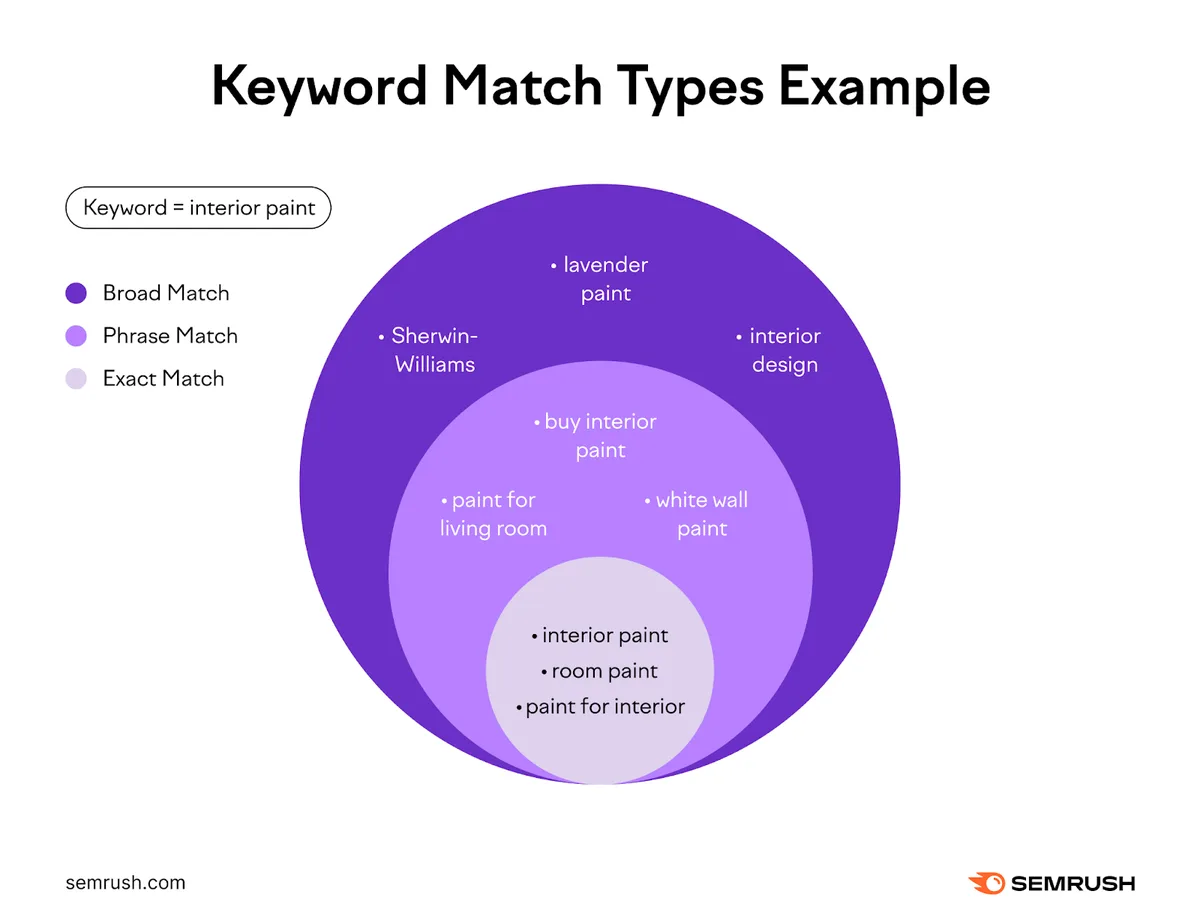
A well-chosen keyword or phrase, by contrast, narrows that audience dramatically. “Best espresso machine for small kitchens” tells you exactly who’s searching and what they need.
Here’s the part most beginners miss. Google’s ranking systems now evaluate topical relevance, not just keyword matching. When your page centers on one focused keyword or phrase, the algorithm can confidently classify it. When you scatter five unrelated terms across a page, the signal gets muddy.
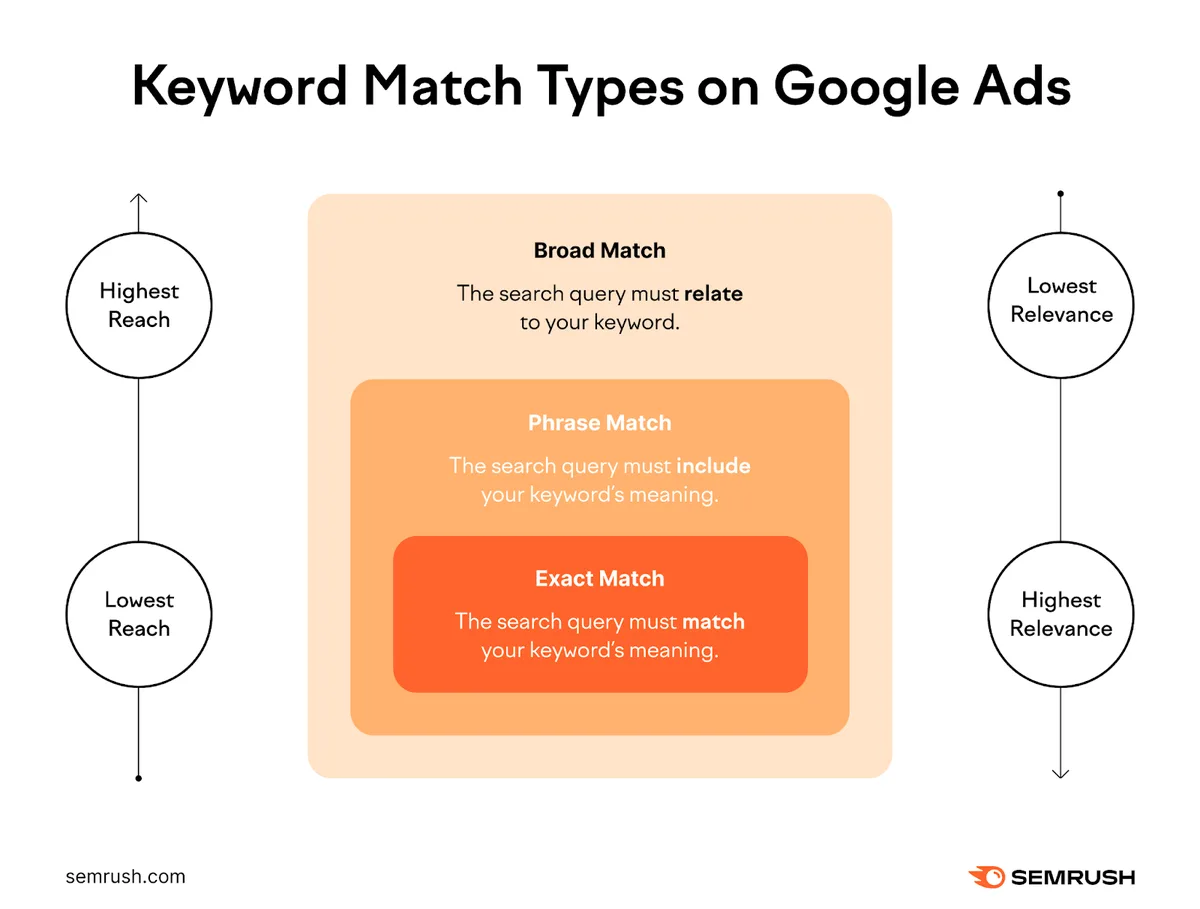
I’ve tested this directly. A client’s recipe blog once targeted “vegan dessert” on a single post and ranked on page four. We rewrote it around the keyword or phrase “easy vegan chocolate mousse” and it hit position three within six weeks. Same domain, same word count, wildly different outcome.
How Search Intent Rewrites the Whole Equation
Before you compare volumes, ask what the searcher actually wants. There are four broad buckets: informational, navigational, commercial, and transactional.
Informational queries want answers. Someone typing “what is a keyword or phrase in SEO” expects a clear explanation, not a sales page.
Commercial queries want comparisons. “Keyword or phrase tool comparison” signals someone weighing options before buying.
Transactional queries want action. “Buy keyword research software” means the wallet is already open.
Match your content format to the intent, and your keyword or phrase does half the ranking work for you. Mismatch it, and you’ll fight an uphill battle no amount of backlinks can fix.
The Trap of Chasing Only High-Volume Terms
High volume feels safe. It’s measurable, it’s impressive in a spreadsheet, and it’s usually a mistake for anyone without a massive domain.
A term with 50,000 monthly searches and brutal competition might send you 200 visitors a year. A keyword or phrase with 800 searches and soft competition could send 400 a month.
Do the math. The smaller term wins, often by a wide margin.
I keep a simple rule: if I can’t realistically crack the top ten within ninety days, I move on. Life’s too short to chase keywords you’ll never rank for.
Keyword vs Phrase: a Side-By-Side Breakdown
Let’s put the two head to head. This comparison is where most strategy sessions actually get useful.
| Factor | Single Keyword | Keyword Or Phrase |
|---|---|---|
| Search Volume | Typically very high | Moderate to low |
| Competition | Extremely fierce | Manageable |
| Intent Clarity | Vague, mixed | Sharp, specific |
| Conversion Rate | Often low | Consistently higher |
| Time To Rank | Months to years | Weeks to months |
| Best For | Authority sites | New and growing sites |
Notice how the keyword or phrase column keeps winning on the metrics that actually matter for growth. That’s not accidental.
Volume is a vanity number. Conversions pay the bills. And long, specific queries almost always convert better because the searcher already knows what they want.
When a Single Keyword Still Makes Sense
I’m not saying single keywords are useless. They matter for brand terms and for pillar pages on established domains.
If you’re Wikipedia or Amazon, targeting “shoes” is perfectly reasonable. You have the authority to compete.
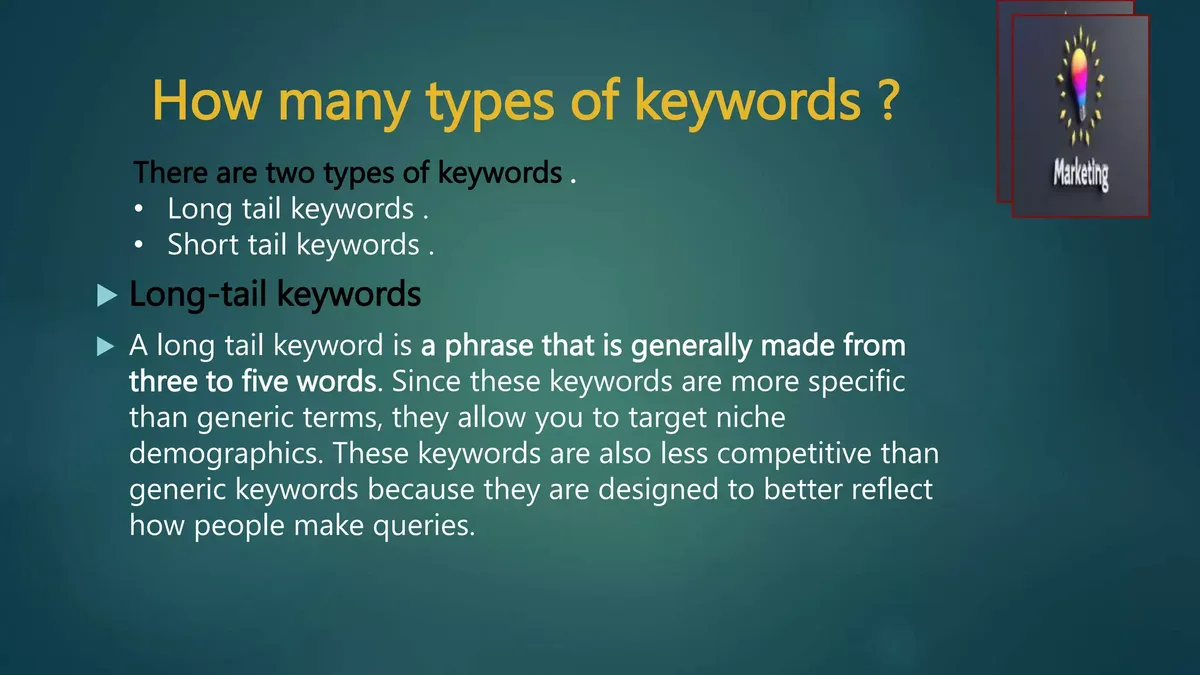
But if you’re a new site with a handful of backlinks, targeting a broad keyword or phrase is a fast track to invisibility. Build authority on specific terms first, then expand.
Why Long-Tail Phrases Compound Over Time
Each long-tail keyword or phrase you rank for adds a small but steady stream of traffic. Stack twenty of them and you’ve built something real.
This compounding effect is the quiet engine behind most successful content sites. They don’t win with one giant keyword. They win with hundreds of precise phrases working together.
I’ve seen a gardening blog grow from zero to 40,000 monthly visitors purely on long-tail terms like “how to prune tomato plants in containers.” No single post went viral. The aggregate did the heavy lifting.
How to Research the Right Keyword or Phrase Step by Step
Good research isn’t glamorous, but it’s the difference between a page that ranks and one that gathers dust. Here’s the process I follow on every project.
- Start With Seed Terms. Write down five to ten broad topics your audience cares about. Don’t overthink it — these are just starting points that feed into your tool.
- Mine Autocomplete And Related Searches. Type your seed into Google and note what pops up. These suggestions are real queries from real people, and they’re free.
- Check The “People Also Ask” Box. Every question here is a ready-made keyword or phrase you can target with a dedicated section.
- Run A Dedicated Tool. Ahrefs, Semrush, and Ubersuggest all surface volume, difficulty, and related terms in minutes.
- Filter By Difficulty. For new sites, aim for a keyword difficulty score under 30. You can loosen this as your authority grows.
- Verify Intent. Search the term yourself. If the top results are listicles and you’re writing a product page, you’ve got a mismatch.
- Group By Topic. Cluster related phrases together so one page can target several without cannibalizing itself.
That last step matters more than people realize. Two pages chasing the same keyword or phrase will compete against each other, and Google often ranks neither well.
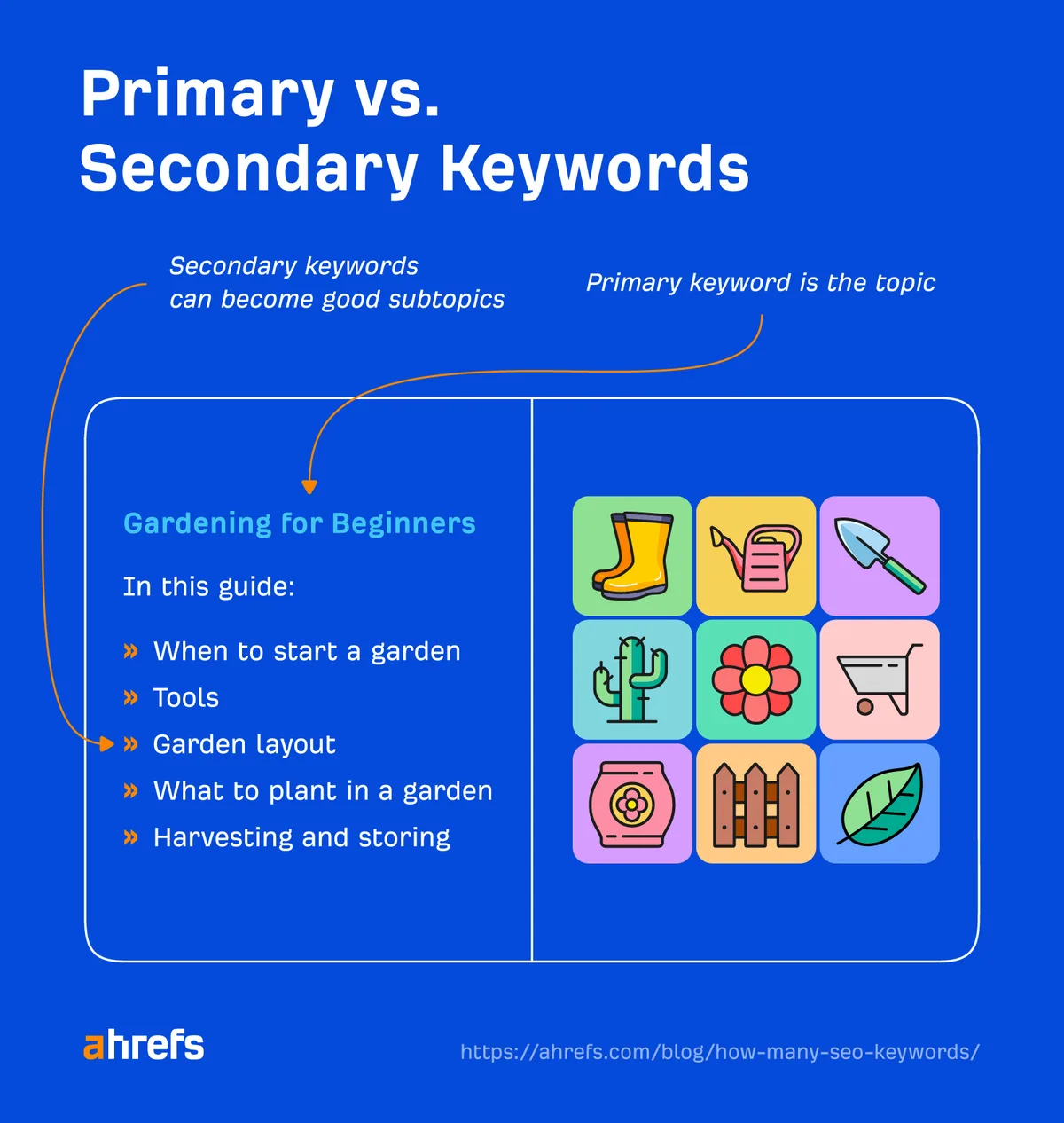
I once audited a site with eleven blog posts all targeting variations of “how to lose belly fat.” Traffic was flat for a year. We consolidated them into three strong pages, and organic sessions doubled within two months.
Evaluating Keyword Difficulty Without Guesswork
Difficulty scores aren’t gospel, but they’re a useful starting filter. The real test is manual inspection.
Look at the top ten results. Are they massive brands, or small blogs like yours? Do they answer the query well, or is there an obvious gap?

If you spot a weak result holding a top position, that’s your opening. A sharper keyword or phrase targeting the same intent can displace it.
Reading the SERP Like a Detective
The search results page tells you everything Google thinks the searcher wants. Featured snippets, video carousels, shopping results — each element is a clue.
If a query triggers a featured snippet, structure your content with a concise answer near the top. If it triggers product listings, a blog post probably won’t rank.
Spend five minutes studying the SERP before you commit to any keyword or phrase. It’ll save you weeks of wasted effort.
Mapping Keywords to the Right Content Format
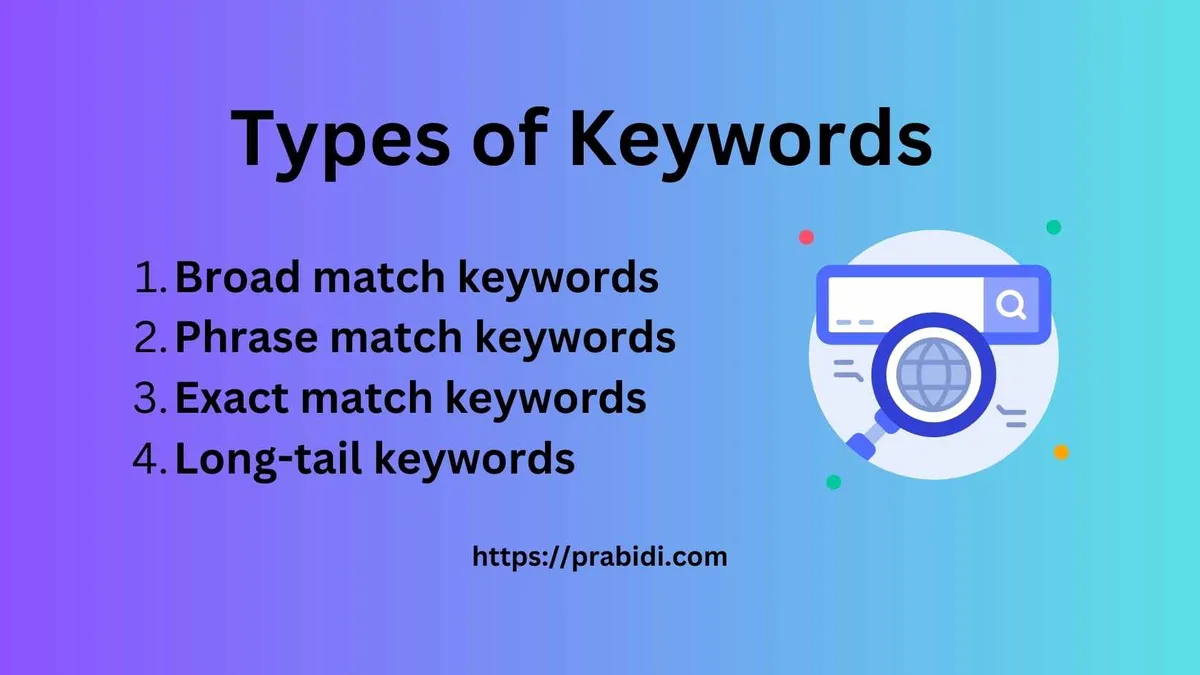
Once you’ve picked your keyword or phrase, the next question is what kind of page to build. Format and intent must align, or you’re fighting the algorithm.
Informational terms want guides, tutorials, and explainers. Commercial terms want reviews, comparisons, and “best of” roundups. Transactional terms want product pages and landing pages.
Get this right and your content feels inevitable. Get it wrong and readers bounce in seconds, which tanks your rankings.
Pillar Pages vs Supporting Content
A pillar page targets a broader keyword or phrase and covers a topic comprehensively. Supporting articles drill into specific subtopics and link back to the pillar.
This structure builds topical authority. Google sees a cluster of related content and trusts your site more on that subject.
I recommend starting with three to five supporting pieces before publishing the pillar. That way, the pillar launches with internal links already pointing to it.

Matching Format to Funnel Stage
Top-of-funnel searchers want education. Middle-of-funnel searchers want comparison. Bottom-of-funnel searchers want proof and pricing.
Each stage deserves its own keyword or phrase and its own content format. Skipping stages leaves gaps in your funnel that competitors happily fill.
A simple rule: write for the stage, not the search volume. The traffic quality matters more than the traffic quantity.
On-Page Optimization for Your Chosen Keyword or Phrase
You’ve done the research. Now you need to place that keyword or phrase where it counts — without turning your writing into robotic repetition.
Google’s systems understand context and synonyms. You don’t need to stuff the exact term into every sentence. You need to signal clearly what the page is about.
Here’s where to place it: the title tag, the first hundred words, at least one subheading, the meta description, and one image alt attribute. That’s the core checklist.
Writing Titles That Earn the Click
Your title tag is the single most important on-page element. Put the keyword or phrase near the front, then add a hook that makes people curious.
Keep it under sixty characters so it doesn’t get truncated in search results. A cut-off title looks sloppy and loses clicks.
Power words help. “Proven,” “simple,” “fast,” and “mistake” all nudge click-through rates upward. But don’t overdo it — one or two is plenty.
Internal Linking With Purpose
Every piece of content should link to at least two or three related pages using descriptive anchor text. This spreads authority and helps Google understand your site structure.
When you link, use anchor text that contains a relevant keyword or phrase. “Read our guide to keyword research” beats “click here” every time.
I audit internal links quarterly. It’s tedious work, but fixing orphaned pages consistently lifts overall site performance.
Structuring for Featured Snippets
Featured snippets are prime real estate. To win them, answer the query directly in forty to fifty words, then expand below.
Use a question as your subheading, followed by a concise paragraph. Tables and numbered lists also perform well for snippet capture.
Targeting a question-based this practice is the easiest path into the snippet box. “How,” “what,” and “why” queries are your friends here.
Common Mistakes That Sink Keyword or Phrase Strategies
Even experienced marketers stumble here. These are the errors I see most often, and they’re all avoidable.
- Keyword Cannibalization. Multiple pages targeting the same keyword or phrase compete against each other. Consolidate or differentiate.
- Ignoring Search Intent. Ranking a sales page for an informational query never works. Match the format to what searchers want.
- Chasing Volume Blindly. A huge keyword with impossible competition is a time sink. Start where you can actually win.
- Stuffing Without Rhythm. Repeating the keyword or phrase unnaturally reads like spam and hurts user experience.
- Neglecting Meta Descriptions. These don’t directly rank, but they drive clicks, and clicks signal relevance.
- Skipping Mobile Checks. Most searches happen on phones. If your page breaks on mobile, nothing else matters.
- Abandoning Pages Too Soon. SEO takes time. Judging a page after two weeks is premature and wasteful.
That last point deserves emphasis. I’ve seen people delete perfectly good content at week three, right before it would have started ranking.

Give new pages at least ninety days before you make a call. Sometimes the this approach you chose just needs time to mature.
The Cannibalization Problem in Detail
Cannibalization is sneaky. You won’t notice it until traffic plateaus and you dig into Search Console.
The telltale sign: two URLs alternating positions for the same query. Google can’t decide which page deserves to rank, so both suffer.
The fix is usually consolidation. Merge the weaker page into the stronger one, redirect, and update internal links. It feels like losing content, but rankings almost always improve.
Why Thin Content Still Haunts Sites
Pages that barely address their target this approach rarely rank. Google wants depth, examples, and genuine usefulness.
That doesn’t mean padding word count for its own sake. It means covering the topic thoroughly enough that a reader has no reason to search again.
Ask yourself: after reading this page, would someone still need to open another tab? If yes, you’re not done writing.
Measuring Whether Your Keyword or Phrase is Working
Tracking is where strategy becomes accountability. Without measurement, you’re guessing.
Set up Google Search Console and Google Analytics before you publish anything. These two tools give you nearly everything you need.
Watch impressions first, then clicks, then average position. Impressions tell you Google is considering your page. Clicks tell you the title and meta description work.
Key Metrics That Actually Matter
Rankings get all the attention, but they’re a means to an end. The metrics that matter are organic sessions, conversion rate, and engagement time.
A page ranking third with a 70% bounce rate is less valuable than one ranking eighth with strong engagement. Google notices the difference too.
I track a simple weekly dashboard: sessions, conversions, and top queries. It takes ten minutes and keeps strategy grounded in reality.
When to Refresh versus Rebuild
If a page ranks between positions five and fifteen, refresh it. Update the content, sharpen the this practice targeting, and add internal links.
If it’s stuck beyond position thirty after six months, consider rebuilding from scratch or targeting a different term entirely.
I’ve revived dozens of pages with simple refreshes — new stats, better headers, a cleaner intro. It’s often faster than starting over.
Scaling Your Keyword or Phrase Strategy Across a Whole Site
Once you’ve nailed one page, the goal is repeatability. A single win is nice. A system is a business.
Build a content calendar around clusters. Each cluster has one pillar and several supporting pages, all tied to a central this practice theme.
This approach builds topical authority faster than scattered one-off posts. Google rewards sites that clearly own a subject.
Building Topic Clusters That Rank
Pick a core topic, then list every subtopic a reader might explore. Each subtopic becomes its own page targeting a specific this practice.
Link them all back to the pillar. Over time, the cluster signals deep expertise on the broader subject.
A home improvement site I worked with used this method to dominate “small bathroom remodeling” across forty related queries. It took a year, but the traffic became self-sustaining.
Prioritizing for Maximum Impact
Not all keywords deserve equal effort. Prioritize by combining search volume, difficulty, and business value.
A this practice with modest volume but high commercial intent often beats a high-volume informational term. Follow the money, not just the traffic.
I score every target on a simple one-to-ten scale across those three factors. The highest totals get written first.
Frequently Asked Questions About Keyword or Phrase Targeting
Here is an in-depth breakdown of key considerations regarding this section:
Is a Keyword or Phrase Better Than a Single Word?
For most sites, yes. A this practice is more specific, less competitive, and converts better. Single words only make sense for established brands with strong authority.
How Many Keywords Should One Page Target?
One primary this approach, plus a handful of close variants. Targeting too many unrelated terms dilutes your page’s focus and confuses search engines.
How Long Before a New Keyword or Phrase Ranks?
Expect three to six months for competitive terms, and a few weeks for low-difficulty ones. Patience and consistent publishing speed things up considerably.
Can I Rank Without Using the Exact Keyword or Phrase?
Sometimes, yes. Google understands synonyms and related concepts. But using the exact term in key positions still gives you a meaningful edge.
What if My Chosen Keyword or Phrase Has Low Volume?
Low volume is fine if the intent is strong. Ten highly qualified visitors often outperform a thousand casual ones, especially for service businesses.
Should I Target Questions as Keywords?
Absolutely. Question-based queries are ideal for featured snippets and often have softer competition than their statement counterparts.
How Do I Know if I Picked the Wrong Keyword or Phrase?
If impressions stay near zero after two months, the term is likely too obscure or mismatched to your content. Reassess and pivot early.
Does Keyword Density Still Matter?
Not in the old stuffing sense. Modern SEO rewards natural usage and topical depth far more than exact-match frequency.
Final Thoughts on Picking Your Target
If you take one thing from all this, let it be this: specificity wins. The narrower your this practice, the clearer your audience, and the easier your path to ranking.
Stop chasing vanity volume. Start building clusters around terms you can genuinely own. Then measure, refresh, and repeat.
I’ve used this exact playbook on sites ranging from local plumbers to global software brands. It works because it respects how search actually functions — intent first, authority second, volume last.
Pick your keyword or phrase carefully, write something genuinely useful, and give it time. That combination still beats every shortcut I’ve ever tested.
For verified reference and background research, consult the authoritative informational resource on this topic.