If you’ve ever bought a Coke at a gas station, booked a hotel through an online travel site, or picked up a pair of running shoes at a sporting goods store, you’ve interacted with indirect distribution channels without even thinking about it.
These channels sit quietly between the manufacturer and the end user, doing the heavy lifting of moving products to where buyers actually are. And honestly? For most consumer brands, they’re the backbone of how goods reach the market.
I’ve spent a good chunk of my career watching how companies structure their routes to market, and I can tell you that indirect distribution channels are rarely as simple as they look from the outside. There’s a whole ecosystem of intermediaries, contracts, margin calculations, and logistical puzzles behind every shelf you walk past.
Get the structure right and your product flies off the racks. Get it wrong and you end up with inventory rotting in a warehouse while your competitors take your shelf space.
This guide breaks down indirect distribution channels from the ground up: what they are, the main types, the trade-offs, and the practical playbook for making them work. Whether you’re a founder mapping out your first retail strategy or a supply chain manager rethinking an aging route to market, there’s something here for you.
What are Indirect Distribution Channels?
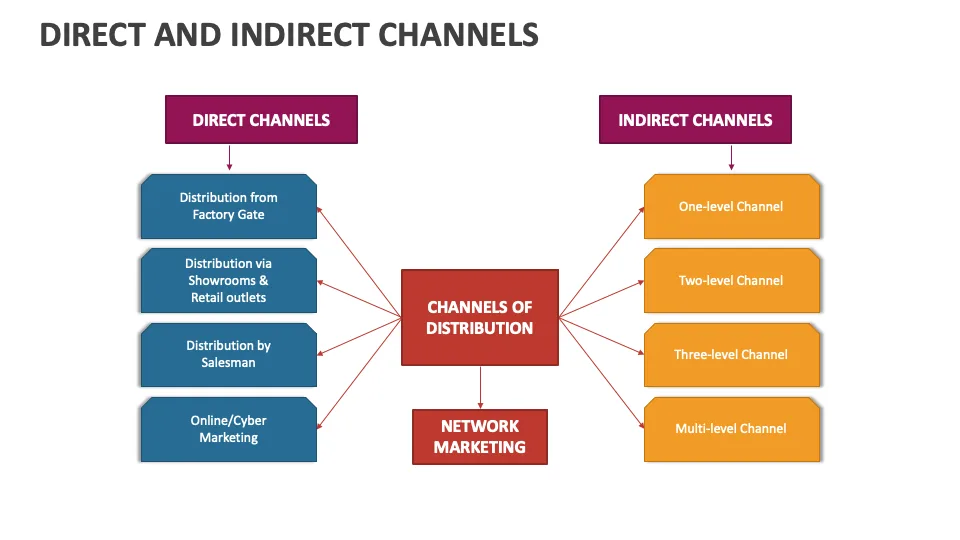
Indirect distribution channels are routes to market that involve one or more intermediaries — wholesalers, distributors, retailers, agents, or resellers — standing between the producer and the final customer. The manufacturer doesn’t sell directly to the person using the product. Instead, ownership passes through several hands before the item lands in a shopping bag.
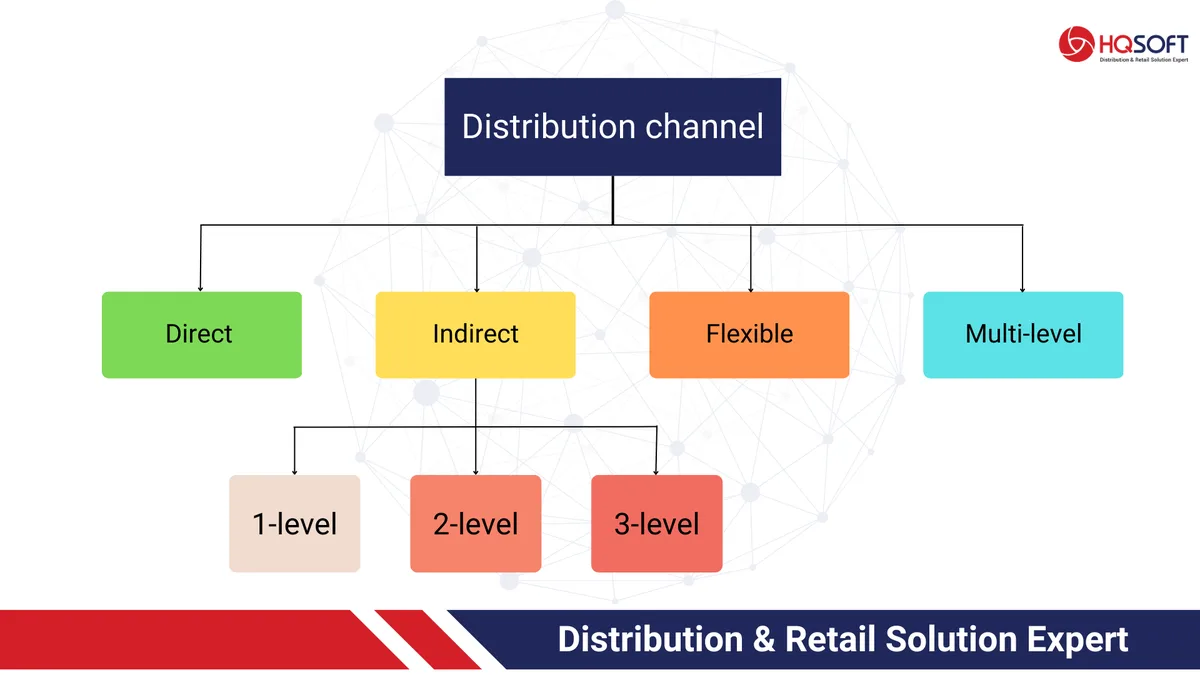
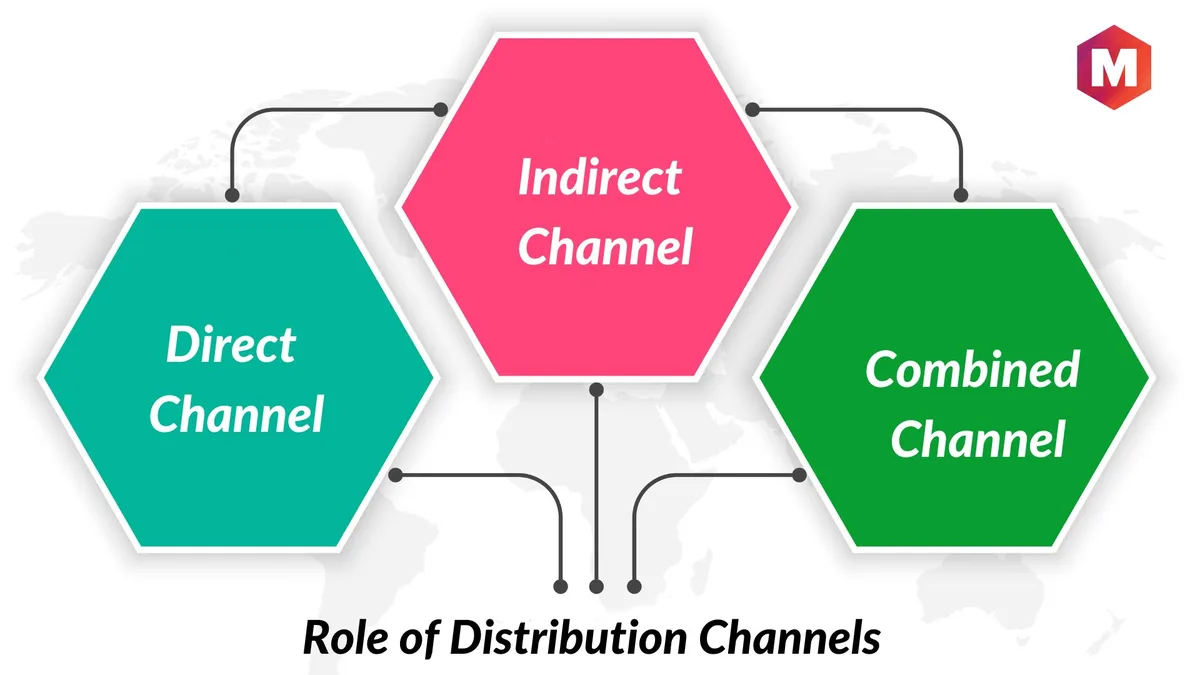
Contrast that with direct distribution, where a company sells straight to consumers through its own storefront, website, or sales team. Both approaches have their place. But indirect distribution channels exist for one stubborn, practical reason: reaching scattered buyers across geographies and demographics is brutally expensive to do alone.
Think about a small-batch coffee roaster in Portland. Selling direct through a website works for loyal fans. But getting into grocery stores across the Pacific Northwest? That requires distributors who already have relationships with regional retailers, trucks rolling on predictable routes, and warehouse capacity the roaster simply doesn’t own. That’s the quiet power of indirect distribution channels — they let a lean operation punch above its weight.
The Core Logic Behind Intermediary Networks
Intermediaries earn their keep by creating what economists call “place utility” — the value of having a product available exactly where and when someone wants it. A manufacturer making 50,000 units of a product can’t realistically set up shop in 3,000 retail locations. A distributor with existing infrastructure can.
The math is simple once you see it. Each intermediary absorbs a slice of the margin but also absorbs risk, capital cost, and logistical complexity. In my experience, the best decisions around indirect distribution channels come from comparing the margin you give up against the reach and reliability you gain. It’s not charity to a middleman — it’s the price of scale.
The Main Types of Indirect Distribution Channels
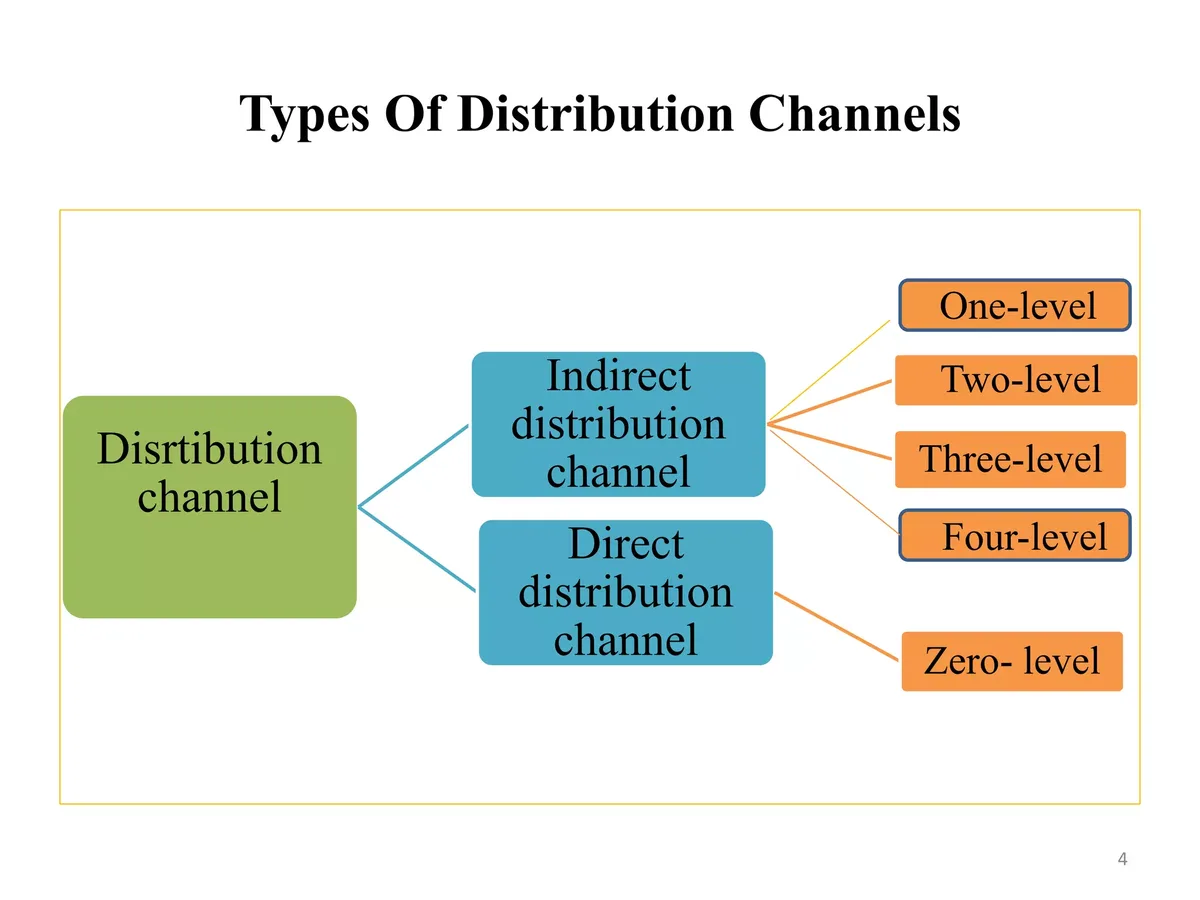
There’s no single template. Indirect distribution channels come in several flavors, and most mature brands end up blending two or three of them. Here’s a practical breakdown of the options you’ll encounter most often.
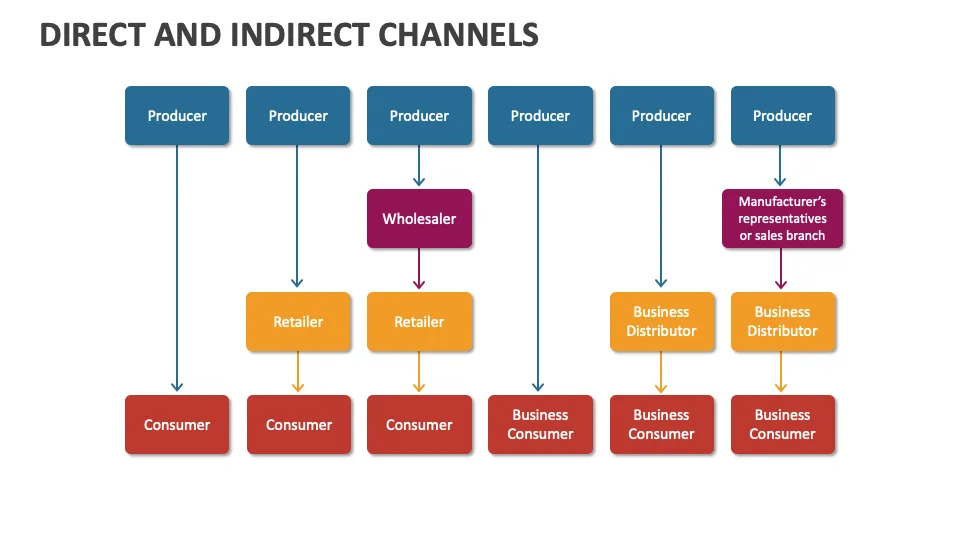
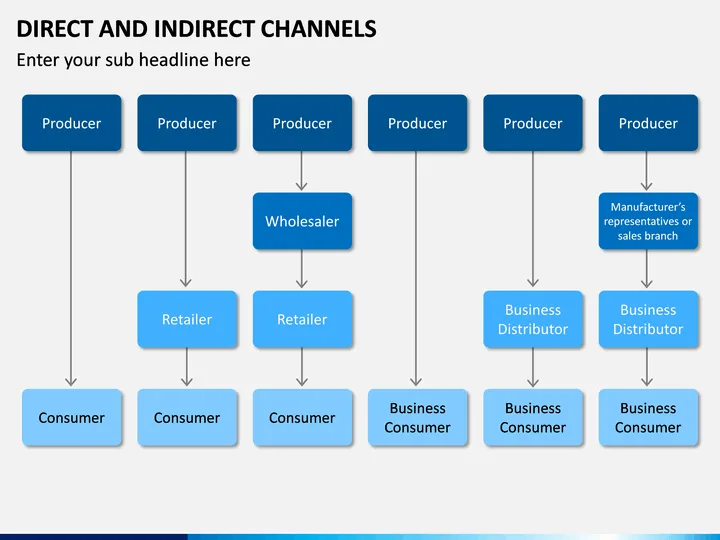
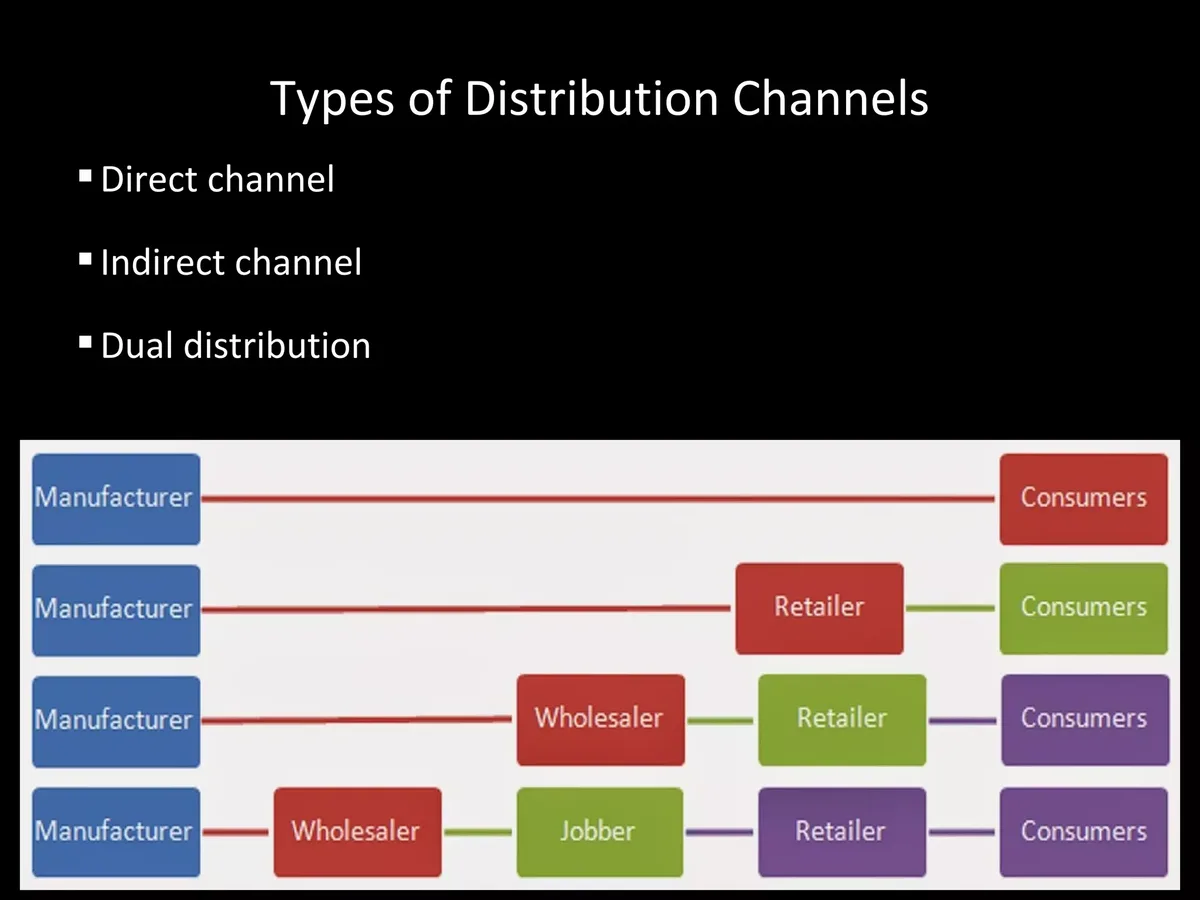
- One-Level Channels (Retailer Only): The manufacturer sells directly to a retailer, which sells to the consumer. Think of a furniture maker shipping straight to a regional home goods chain. It works well for high-value items where the retailer can afford to stock and display. The upside is fewer hands in the pie and better margin retention; the downside is that big retailers often demand heavy concessions.
- Two-Level Channels (Wholesaler Plus Retailer): The classic model for consumer packaged goods. A manufacturer sells to a wholesaler, the wholesaler distributes to retailers, retailers sell to the public. These indirect distribution channels are efficient for high-volume, low-margin products like beverages, snacks, and household goods where frequent, small deliveries matter.
- Three-Level Channels (Agent, Wholesaler, Retailer): Common in agricultural and imported goods. A commission-based agent represents the producer, then moves goods through wholesalers and retailers. Buyers and sellers may never meet, but the agent keeps the entire pipeline flowing.
- Franchise Networks: A franchisor supplies products and systems to franchisees who operate under a shared brand. Each franchisee is effectively an intermediary. Fast food and hotel chains lean hard on these indirect distribution channels because they scale brand presence without the parent company owning every location.
- E-commerce Marketplaces and Aggregators: Selling through Amazon, eBay, or a regional marketplace is an indirect channel even though it feels digital. The platform handles storefront, payment, and often fulfillment. For many DTC brands, marketplaces became a lifeline when customer acquisition costs got too high to sustain self-owned stores.
- Value-Added Resellers (VARs): Big in software and industrial equipment. Resellers package a base product with services, installation, and support. Customers buy from the VAR, not the original maker. These indirect distribution channels let niche tech providers reach large enterprise buyers without building field sales teams.
- Brokers and Commission Agents: Deals happen through the broker’s network rather than direct negotiation. Common in wholesale real estate, commodities, and insurance. The intermediary doesn’t take ownership of goods but earns commission on the transaction.
Each of these indirect distribution channels comes with its own margin structure, control dynamics, and operational headaches. A distributor-based channel buys you reach but often weakens your ability to control pricing and brand experience. A marketplace channel buys you demand but hands the customer relationship to someone else.
| Channel Type | Intermediaries Involved | Best Fit | Main Trade-Off |
|---|---|---|---|
| One-Level | Retailer | High-value goods, regional brands | Limited geographic reach |
| Two-Level | Wholesaler + retailer | CPG, beverages, household goods | Thin margins, low control |
| Three-Level | Agent + wholesaler + retailer | Imports, agriculture, raw materials | Complex coordination, slow response |
| Franchise | Franchisee operators | Services, food, hospitality | Brand consistency headaches |
| Marketplace | Digital platform | Consumer goods, DTC brands | Customer data ownership issues |
| VAR | Reseller with services | Tech, industrial equipment | Dependency on partner quality |
| Brokerage | Commission agent | Commodities, real estate | Limited post-sale support |
Why Brands Rely on Indirect Distribution Channels
There’s a reason indirect distribution channels dominate consumer markets, even with all the talk about “cutting out the middleman.” The reality is that building every distribution capability in-house is a fantasy for most companies. Let me walk through the concrete benefits.
Rapid Market Access Without Massive Investment
Entering 40 new regional markets takes years and millions of dollars if you do it solo — warehouses, trucks, sales reps, compliance teams, the works. Through indirect distribution channels, you borrow a distributor’s existing routes. You can be on shelves in months, not years.
Think of a Korean skincare brand moving into Southeast Asia. Rather than setting up local operations, it partners with regional distributors already serving beauty retailers. Within a few quarters, its products are in malls across five countries. That kind of speed is simply impossible on a direct-only model.
Cost Efficiency at Scale
Distributors spread fixed costs across hundreds of product lines. A warehouse that handles 2,000 SKUs carries your product at a marginal cost far below what you’d pay to build your own facility. This is a core advantage of indirect distribution channels — you’re piggybacking on infrastructure that’s already paid for.
According to the U.S. Census Bureau’s economic census data on wholesale trade, wholesalers collectively handle trillions of dollars in annual sales, moving goods through tens of thousands of facilities. Your products ride along on that massive network instead of competing against it.
Specialized Market Expertise
A good distributor knows the local market inside out. They know which retailers pay on time, which regional buyer prefers quirky packaging, and which regulations apply to a given territory. For foreign brands especially, these indirect distribution channels deliver local knowledge that no amount of market research can replace.
I once watched a beverage startup try to expand into two neighboring countries with a single centralized team. Their product packaging didn’t comply with labeling law in one country, and their pricing was off by nearly 30% in the other. A competent local distributor would have caught both problems before the first pallet ever shipped.
Risk Sharing and Capital Relief
In the classic wholesale model, the intermediary takes ownership of the goods. That transfers inventory risk off your books. If the product sits in the distributor’s warehouse for three months, you’ve already booked the sale. For a growing manufacturer with limited cash, that working-capital relief matters enormously.
Indirect distribution channels also cushion you against demand miscalculations. A distributor carrying 40 brands can absorb a slow quarter on one of them. A manufacturer with a single product line usually can’t.
The Downsides Nobody Warns You About
Now the flip side. I’ve seen plenty of brands jump into indirect distribution channels and regret it later. The problems typically emerge slowly, masked by early momentum. Here’s what to watch out for.
Loss of Customer Relationship and Data
When a retailer or marketplace sits between you and the buyer, you lose visibility. You don’t know the customer’s name, buying frequency, complaints, or preferences nearly as well. This matters more and more as personalization and first-party data drive marketing advantage.
Marketplace-based indirect distribution channels are especially tricky here. You could be building a million-dollar brand on a platform that controls your customer data, your reviews, and even your ability to reach buyers again. That’s a real risk. Amazon alone accounts for roughly 40% of U.S. E-commerce sales according to widely cited industry estimates.
Margin Dilution Through Channel Layers
Each intermediary takes a cut. A two-level channel might shave 25% to 40% off your gross margin depending on category. Add promotional fees, slotting allowances, and return costs and the effective margin pressure is even heavier.
In my view, one of the most common mistakes is pricing your product as if you’re selling direct while planning to distribute indirectly.
The right approach is to design your pricing model backward from the consumer shelf price. Work with your partners’ required margins and build your costs around what’s left. It stings initially, but it prevents chronic margin erosion later.
Weaker Brand Control
In indirect distribution channels, your brand experience is executed by people you don’t employ. A poorly trained retail associate can misrepresent your product or push a competing one. A distributor might push your products into discount channels you’d rather avoid.
There are ways to manage this — brand guidelines, mystery shopper audits, training programs — but the truth is you’ll always share control. The best brands accept that and design their channel strategy to minimize the damage while maximizing reach.
Channel Conflict and Cannibalization
Once you run multiple indirect distribution channels alongside a direct channel, conflict often follows. Marketplaces undercut your retail partners. Distributors compete in the same territory. You end up with frustrated partners, price wars, and a fractured brand image.
Channel conflict is one of the hardest problems to solve. The brands that manage it well use differentiated product lines, minimum advertised price policies, and territorial exclusivity agreements. The ones that don’t usually end up in repeated firefighting mode.
Direct vs Indirect Distribution Channels: a Practical Comparison
There’s no universal right answer here. The choice between direct and indirect distribution channels depends on your product, margins, target buyers, and growth stage. But a side-by-side comparison makes the trade-offs much clearer.
| Factor | Direct Distribution | Indirect Distribution |
|---|---|---|
| Margin Retention | High (keep the full value) | Lower (intermediaries take cuts) |
| Reach and Speed | Limited; slow to scale | Wide; fast to enter markets |
| Customer Data | Full visibility | Partial or lost visibility |
| Brand Control | Complete | Shared with partners |
| Capital Investment | Heavy upfront | Lower entry cost |
| Inventory Risk | Stays on your books | Often transferred to intermediaries |
| Best Fit | Niche, premium, digital goods | Mass consumer goods, global brands |
In practice, most successful companies blend the two. A brand might sell premium items direct-through its own site and use indirect distribution channels for mass-market SKUs. Nike does exactly this — running its own stores and online platforms while still stocking major retailers and specialty sports stores.
The hybrid approach usually wins because it balances margin and reach across different segments. But it only works if the pricing and channel rules are disciplined. Once you sell the same product direct at a lower price than your retail partners, indirect distribution channels start collapsing under their own weight.
How to Design an Indirect Distribution Strategy That Works
Getting indirect distribution channels right takes planning, not luck. Here’s how I’d approach it if I were starting from scratch today.
Step 1: Map Your Target Market Realistically
Start with the buyer. Where do your customers actually shop? A premium pet food brand might sell mostly through specialty pet stores, while a budget cleaning product moves through supermarkets. The right indirect distribution channels follow the buyer, not the other way around.
Map customer segments, purchase frequency, geographic concentration, and channel preferences. If your buyers cluster in dense urban areas, an indirect retail channel might make more sense. If they’re scattered in rural zones, marketplace or online indirect distribution channels could be more efficient.
Step 2: Choose Your Intermediaries Carefully
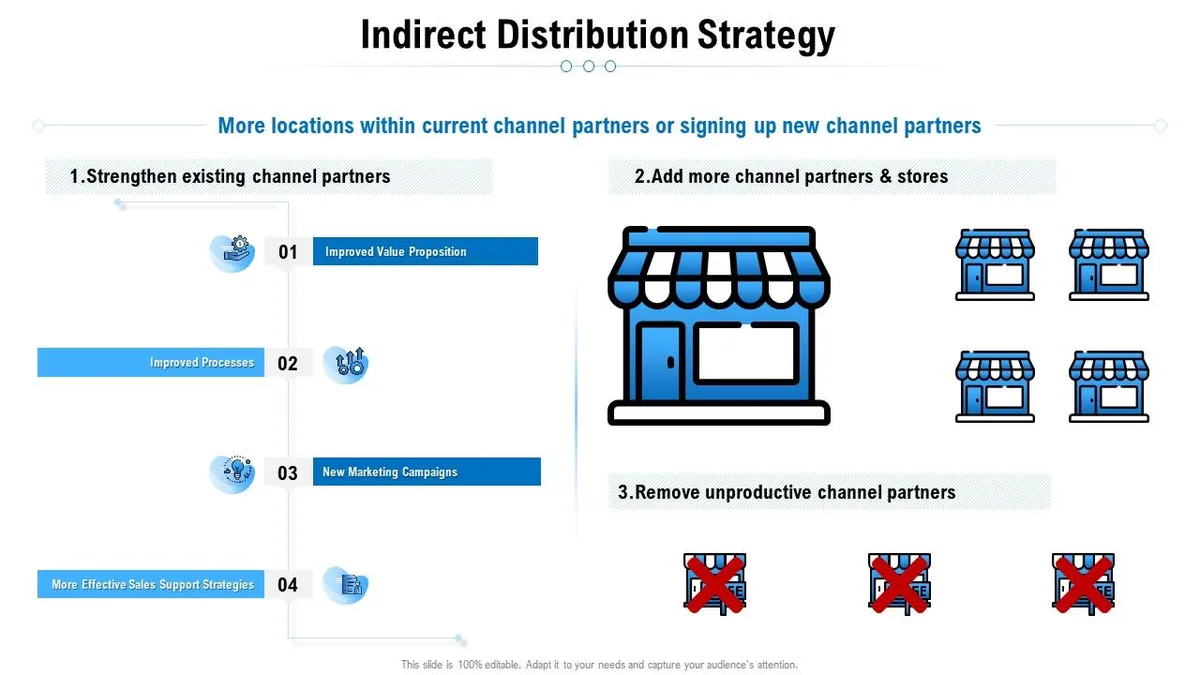
Not all distributors are created equal. Examine their financial health, portfolio overlap, geographic coverage, and customer relationships. A distributor already carrying three competing products probably won’t prioritize yours.
I recommend starting with a small pilot — one distributor, one territory, three months. Track sell-through rates, retailer feedback, and margin outcomes. If the pilot works, expand. If it fails, you’ve learned something crucial without destroying your cash position.
Step 3: Build Pricing Backward from the Shelf
Determine your target retail price. Subtract your desired retailer margin, distributor margin, and any promotional costs. What remains is your realistic selling price to the channel. If that number doesn’t cover your costs and profit, rethink the product or the channel.
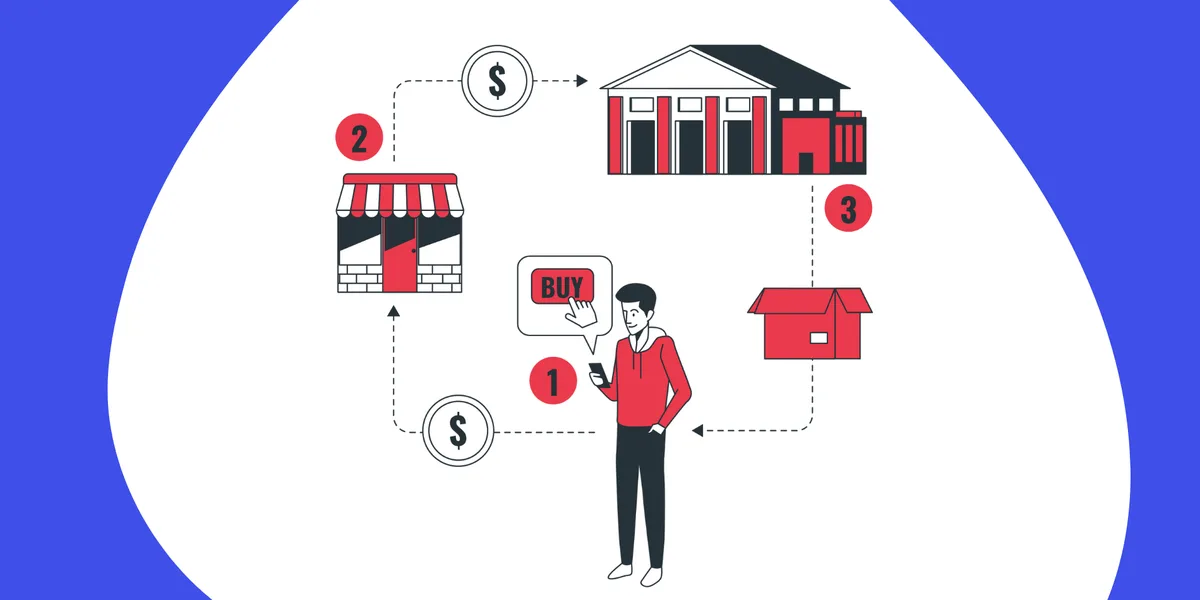
This backward pricing discipline is what separates successful indirect distribution channels from failing ones. Too many brands skip this step and discover margin disaster only after the launch.
Step 4: Set Clear Channel Policies
Define territorial rules, pricing floors, promotional calendars, and reporting requirements upfront. Put them in writing. Include audit rights. Make it clear what happens if partners break the rules.
Good channel policies aren’t about being heavy-handed — they prevent chaos. They protect every partner’s investment, including yours.
Step 5: Invest in Partner Enablement
Your partners need training, marketing materials, and reliable supply. Weak enablement is a silent killer of indirect distribution channels. Distributors selling products they don’t understand will underperform.
Run periodic training sessions, share marketing assets, and keep the lines of communication open. When your partners genuinely understand and believe in your product, they sell it far more effectively than any contract can force them to.
Step 6: Track Performance Relentlessly
Measure sell-through, not just sell-in. A distributor placing a big initial order means nothing if the product sits unsold on their shelves. Monthly reporting should include inventory levels, retail shelf presence, promotional execution, and end-customer feedback.
The data from your indirect distribution channels tells you what to fix before it becomes expensive. Without measurement, you’re flying blind.
Common Mistakes That Sabotage Indirect Distribution Channels
I’ve seen these patterns repeat so often that they’ve earned a permanent spot on my warning list.
- Over-distribution Too Fast: Brands sign up dozens of intermediaries in the first year, then can’t support them. Service collapses, sell-through stalls, and reputations take a hit. Start narrow.
- Ignoring Channel Conflict: Allowing price wars between partners destroys trust and margin. Clear policies and territorial rules prevent most conflict.
- Underestimating Working Capital: Distributors often want extended payment terms — 60, 90, even 120 days. That gap can eat a growing brand’s cash flow alive unless you plan financing ahead.
- Skipping the Sell-Through Data: Sell-in isn’t sell-through. Confusing the two gives you a false sense of momentum right up until returns hit.
- Treating Intermediaries as Vendors Instead of Partners: The brands that win keep investing in their partners long after the initial contract. Relationships compound like compound interest.
- Assuming Contracts Solve Everything: Legal documents matter, but day-to-day alignment matters more. Regular check-ins prevent small problems from becoming big disputes.
Each of these mistakes can be caught early if you’re paying attention. The trick is building reporting systems and a partnership mindset long before things go sideways.
Indirect Distribution Channels Across Industries
Different industries use these channels in distinct ways. Understanding the variations helps you benchmark your own approach.
Consumer Packaged Goods
CPG companies live and breathe indirect distribution channels. A toothpaste or cereal brand typically relies on a three-level structure: national distributor, regional wholesaler, local retailer. Volume drives everything, and margins are razor-thin.
These channels demand exceptional supply chain reliability. A stockout at the retailer level can lead to delisting. That’s why CPG companies invest heavily in sell-through data sharing with retail partners.
Automotive and Industrial Equipment
Most vehicle sales go through authorized dealerships — classic indirect distribution channels where dealers own inventory and handle financing, trade-ins, and service. For industrial equipment, dealers add value through installation, maintenance, and financing.
These channels depend on deep technical training and service quality. Manufacturers invest heavily in dealer certification programs because the service experience can outweigh the product itself in the customer’s mind.
Technology and SaaS
Enterprise software increasingly flows through indirect distribution channels like VARs, systems integrators, and cloud marketplaces. AWS Marketplace and Microsoft Azure Marketplace alone route billions in software sales annually through partner ecosystems.
Value-added partners handle localization, integration, and ongoing support — tasks most software makers couldn’t scale alone. According to industry benchmarks, close to 80% of enterprise SaaS revenue flows through partner ecosystems in many categories. That’s not a rounding error.
Hospitality and Food Franchising
Franchise restaurants, hotels, and service chains rely on indirect distribution channels where the franchisee is the intermediary. The parent company brings brand, systems, and supply chain. The franchisee brings capital, local management, and market knowledge.
McDonald’s and Marriott are built almost entirely on this model. Franchising scales rapidly, but it demands relentless quality control and franchisee support. Weak franchisee performance pulls down the whole brand.
Digital Transformation and the Future of Indirect Distribution
Technology is reshaping indirect distribution channels faster than most companies can adapt. Traditional distributor models are being reconstructed by digital layers that add data, automation, and analytics.
Marketplace Dominance and Its Complications
Online marketplaces have become the fastest-growing form of indirect distribution channels. They deliver demand generation, logistics, and customer trust in one package. But their fees keep rising, and their control over customer data keeps brands in a state of dependency.
Successful brands treat marketplaces as one channel in a broader portfolio, not the centerpiece. They use marketplaces for discovery and scale, while building owned channels that preserve margin and customer data. This diversification is the quiet hedge that keeps brands from being held hostage.
Data-Driven Channel Partnerships
Modern distributors increasingly share real-time inventory, point-of-sale, and sell-through data with their manufacturing partners. These data-rich indirect distribution channels help brands optimize promotional calendars, forecast demand more accurately, and spot emerging trends much sooner.
When I look at brands winning in crowded categories, they almost always have better data flowing through their channel partnerships. They know what’s selling at the store level within days, not weeks. That speed of insight creates a real competitive edge.
Frequently Asked Questions About Indirect Distribution Channels
Here is an in-depth breakdown of key considerations regarding this section:
What are Indirect Distribution Channels in Simple Terms?
Indirect distribution channels are the routes a product takes from producer to consumer through intermediaries. Instead of selling directly to end customers, the manufacturer works through wholesalers, retailers, distributors, agents, or online platforms that move the product along until it reaches the buyer.
What’s the Biggest Advantage of Indirect Distribution Channels?
Reach and speed. this practice let manufacturers access established markets, customers, and infrastructure without building everything from scratch. A product can hit shelves in dozens of regions in months rather than years — a scale advantage that direct channels rarely match.
What’s the Biggest Risk With These Channels?
Loss of control — over pricing, customer relationships, and brand experience. Intermediaries often outnumber the brand’s touchpoints, and if their interests diverge from yours, the brand can suffer. Strong contracts, clear policies, and ongoing partner management are essential safeguards.
Are Indirect Distribution Channels Always More Expensive?
Not always. Margin dilution is real, but the cost of building direct infrastructure can be far higher. For many companies, particularly consumer product brands, the total cost of ownership through this practice is lower when you factor in logistics, real estate, sales teams, and market entry time. The economics depend on your scale and category.
Can a Company Use Both Direct and Indirect Channels at the Same Time?
Absolutely, and most successful brands do. A hybrid model — selling some segments direct while using this approach for others — usually offers the best balance of margin and reach. The key is keeping pricing and channel rules disciplined so partners don’t undercut each other.
How Do I Choose the Right Intermediary?
Look at portfolio fit, financial strength, geographic coverage, and customer relationships. Check references from other brands they represent. Start with a pilot before expanding. A distributor with three competing products rarely prioritizes a newcomer.
What Metrics Should I Track for Indirect Distribution Channels?
Track sell-through rates, inventory turnover, shelf availability, promotional execution, return rates, and end-customer feedback. Sell-in figures alone can mislead. The health of your this approach shows up in how fast products move to the end user, not how much your intermediary initially ordered.
Final Perspective on Building Great Channel Strategy
This practice aren’t a compromise or a shortcut — they’re a sophisticated strategic choice that most successful consumer brands eventually make. They let you borrow reach, infrastructure, and expertise you can’t build overnight. But they demand discipline, transparency, and a genuine partnership mindset.
If you remember one thing from this guide, make it this: choose your this approach with the same rigor you’d apply to product design. Price backward from the shelf. Train partners like they’re part of your team. And always protect your brand and customer relationship even as you scale through intermediaries.
Do that, and the channel architecture becomes your growth engine rather than your hidden liability. The companies that master indirect distribution channels don’t just survive in crowded markets — they win shelf space, build brand loyalty, and outgrow competitors who tried to do everything alone.
For verified reference and background research, consult the authoritative informational resource on this topic.