A generative engine optimization tool is no longer a novelty for marketing teams — it has become the quiet backbone of how brands get cited inside AI-generated answers. If you have watched your organic clicks slide while your rankings hold steady, you already know why this category matters.
Search behavior shifted. People now ask ChatGPT, Perplexity, Gemini, and Google’s AI Overviews direct questions instead of scrolling ten blue links. Winning that moment requires different mechanics than classic SEO, which is exactly where a dedicated generative engine optimization tool earns its keep.
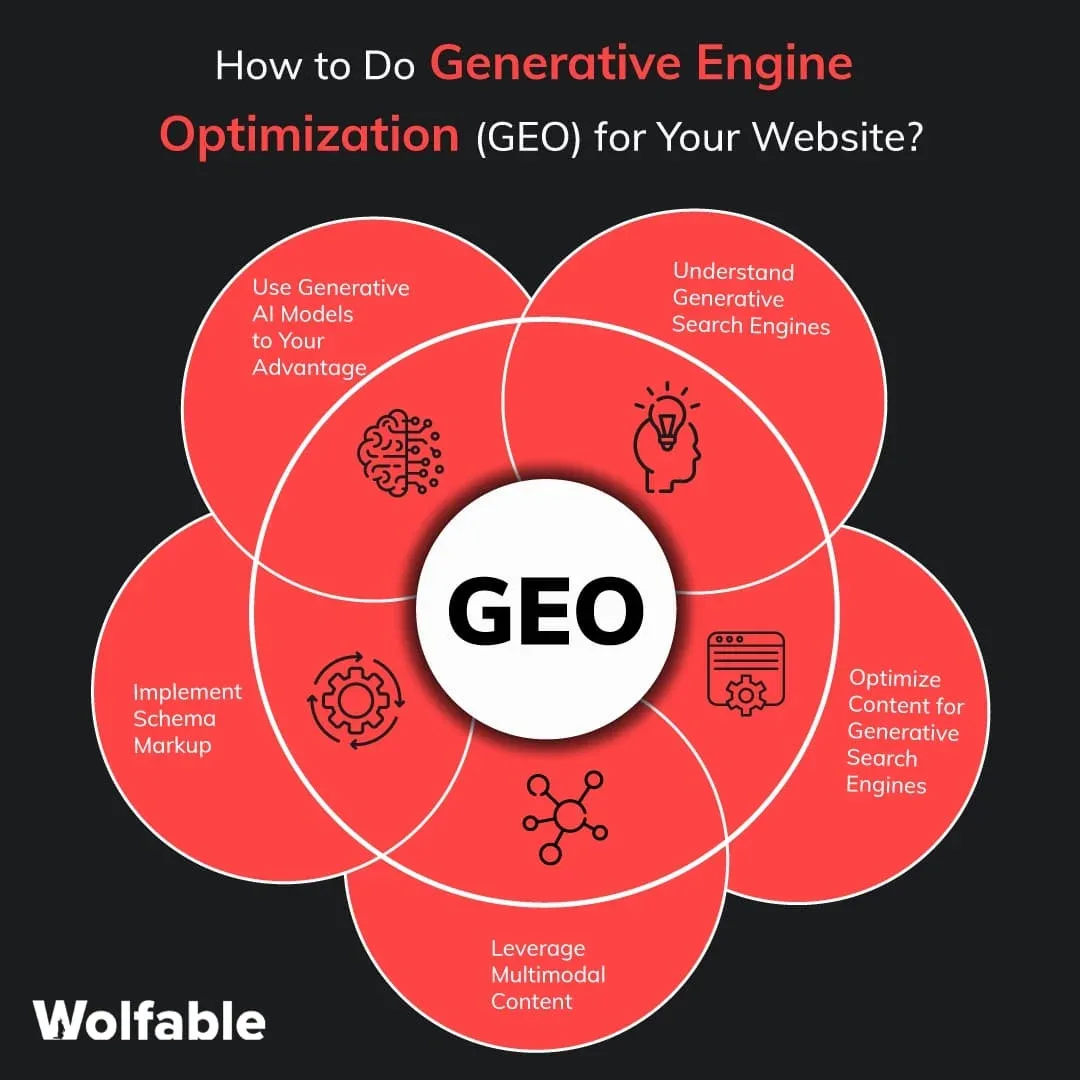
This guide walks through what these platforms actually do, how they differ from traditional rank trackers, which features separate serious contenders from thin wrappers, and how to build a workflow that gets your content quoted by large language models. Focusing on generative engine optimization tool provides clear direction here. You will find comparison tables, a hands-on evaluation framework, and practical plays you can run this week.
What a Generative Engine Optimization Tool Actually Does
Strip away the marketing gloss and a generative engine optimization tool solves one core problem: it shows you whether AI systems mention your brand, cite your pages, or recommend your competitors when someone asks a relevant question.
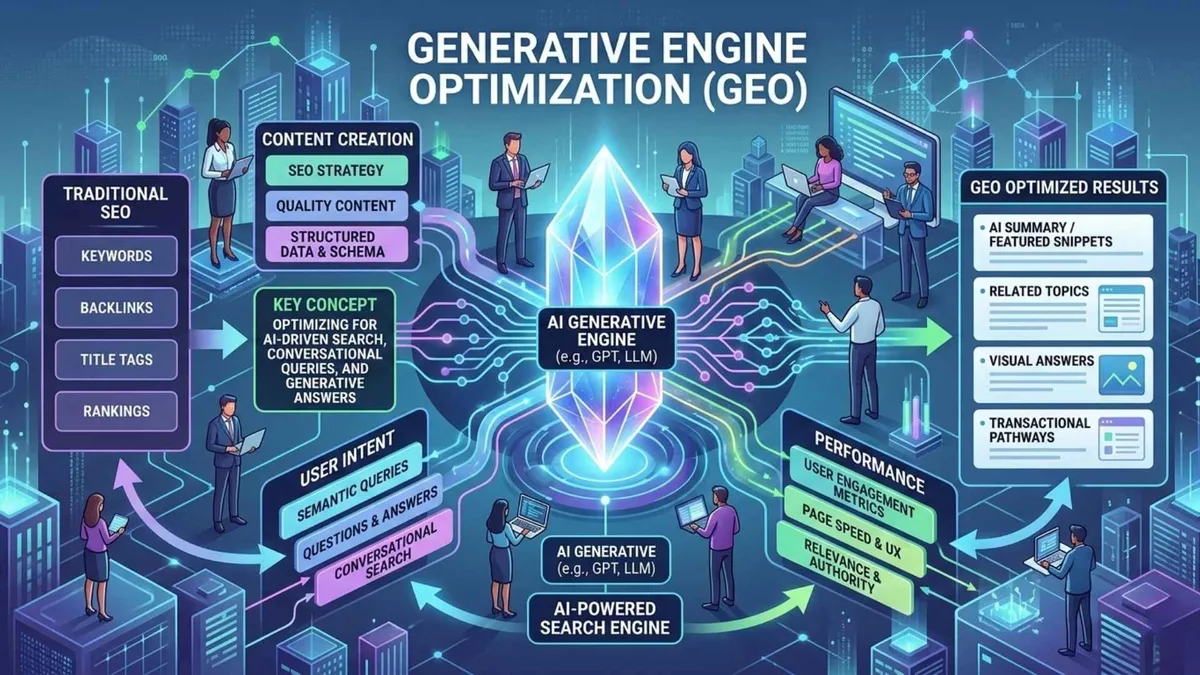
Traditional SEO software measures positions on a results page. A generative engine optimization tool measures presence inside a synthesized answer. Those are fundamentally different signals, because the AI does not rank ten options — it picks two or three sources and moves on.
Practitioners who came up through keyword-rank tracking often assume the same dashboards translate. Focusing on generative engine optimization tool provides clear direction here. They do not. You cannot “rank position three” inside a ChatGPT response. You are either cited, paraphrased, ignored, or actively contradicted.
That last category trips up more teams than any other. When a model hallucinates a wrong price or an outdated feature, a good generative engine optimization tool flags it as a brand-risk alert rather than a ranking dip.
From Rank Tracking to Citation Tracking
Rank tracking asked a simple question: where does this URL appear? Citation tracking asks a messier one: did the model use my content, and how did it frame me?
Most modern platforms answer that by running a fixed set of prompts across multiple engines on a schedule, then parsing the responses for brand mentions, linked sources, and sentiment. The output looks less like a spreadsheet and more like a media-monitoring feed.
I have watched agencies rebuild entire reporting decks around this. Instead of “we moved from position 8 to position 4,” the slide now reads “we appear in 34% of AI answers for high-intent category prompts, up from 11%.”
That shift changes who owns the metric internally. Refining each detail of your generative engine optimization tool strengthens this section. Content teams, PR teams, and even legal departments start caring about the same dashboard, because citation and reputation are now the same conversation.
Why Answer Engines Reward Different Content
Large language models favor content that is easy to extract, attribute, and quote without ambiguity. That means clear definitions, self-contained paragraphs, explicit entities, and claims backed by named sources.
Fluffy intros and buried answers get skipped. A generative engine optimization tool will usually show you this pattern in your own data — pages with the best classic rankings often underperform in citations because they were optimized for dwell time, not extractability.
The practical fix is structural, not cosmetic. Put the direct answer in the first two sentences of a section, then elaborate. Models reward that shape because it reduces their uncertainty.
According to Wikipedia’s overview of search engine optimization, the discipline has always adapted to how retrieval systems surface information — and generative engines are simply the next retrieval layer.
Generative Engine Optimization Tool vs Traditional SEO Software
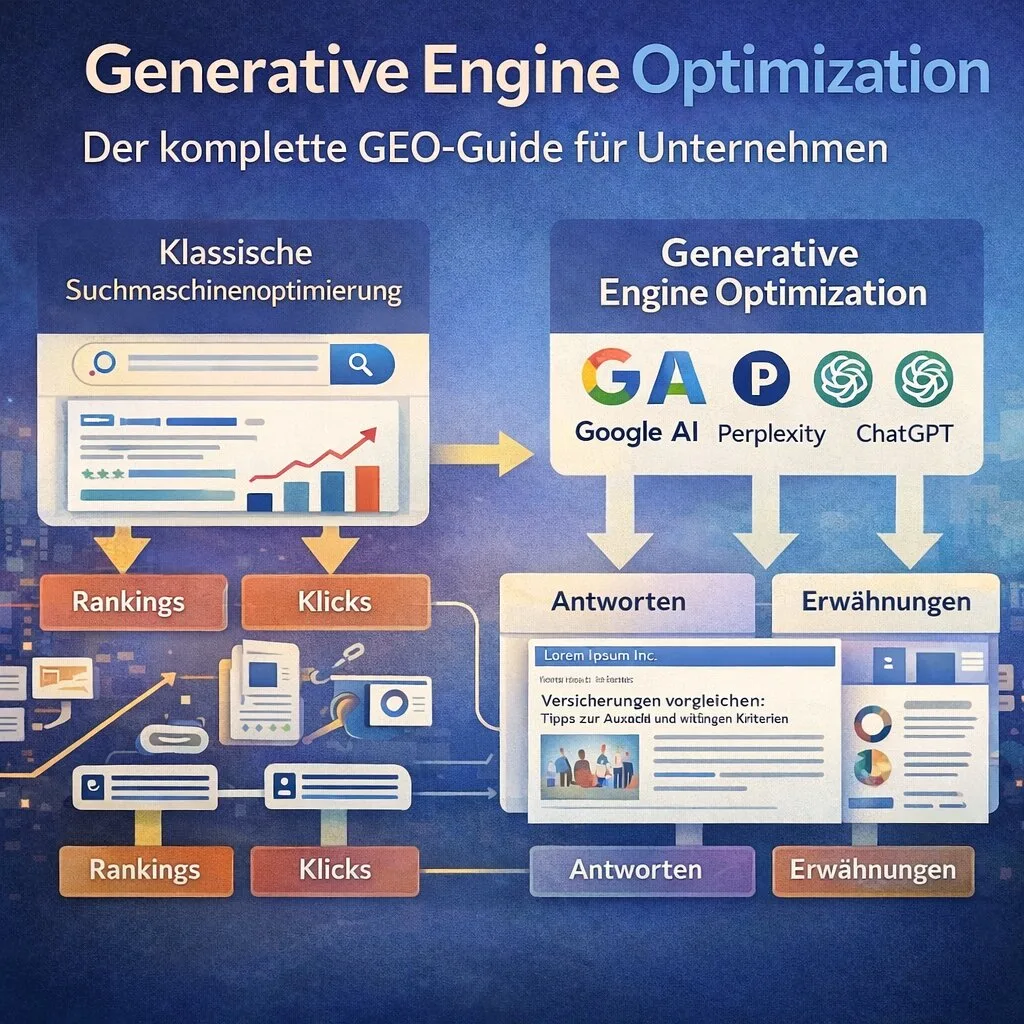
The confusion between these two categories costs teams real budget. Buying a generative engine optimization tool to fix a technical crawl problem is like buying a thermometer to fix a fever.
Both matter, but they operate on different layers of the stack. Classic SEO software manages crawlability, indexation, backlinks, and on-page signals. A generative engine optimization tool manages how your brand appears once the model has already retrieved and synthesized information.
Here is how the two stack up across the dimensions that actually affect purchasing decisions.
| Dimension | Traditional SEO Software | Generative Engine Optimization Tool |
|---|---|---|
| Primary metric | Keyword position and traffic | Citation rate and mention share |
| Data source | Search engine result pages | LLM responses across multiple engines |
| Unit of success | Ranking URL | Cited passage or brand mention |
| Update cadence | Daily to weekly | Often daily, sometimes real-time |
| Competitive view | Who outranks you | Who gets quoted instead of you |
| Content guidance | Keyword density, internal links | Extractability, entity clarity, sourcing |
| Risk monitoring | Penalties and lost rankings | Hallucinations and misattribution |
Notice the risk row. Effective execution in your generative engine optimization tool makes a tangible difference. That is the one executives care about most once they understand it. A model confidently stating the wrong thing about your product reaches thousands of people before you notice.
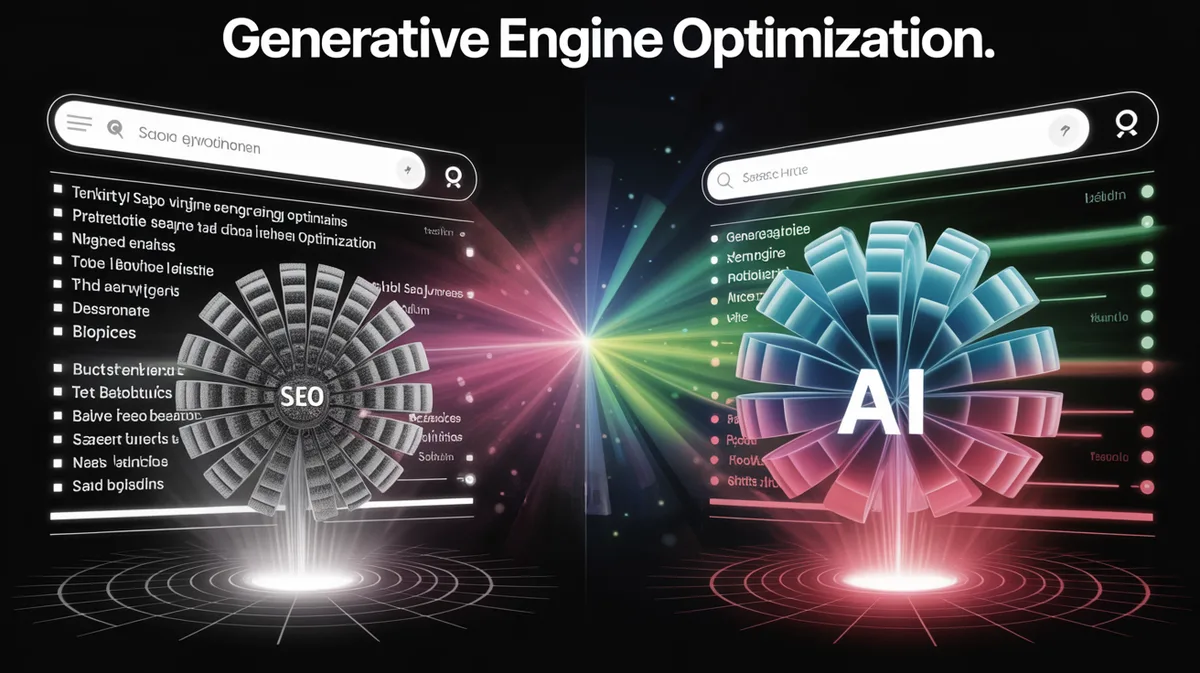
Most mature stacks now run both categories side by side. The generative engine optimization tool handles the answer layer, while legacy suites keep the foundation healthy.
Where the Overlap Gets Messy
Vendors in both camps are racing to absorb each other’s features. Legacy platforms bolt on “AI visibility” modules, and newer entrants add backlink and technical audits to look complete.

The overlap creates a real evaluation trap. Refining each detail of your generative engine optimization tool strengthens this section. A feature list can look identical while the underlying data quality differs enormously.
Ask any vendor how they collect their AI visibility data. If the answer is vague, assume the sample size is small and the refresh rate is slow. A credible generative engine optimization tool will tell you exactly which engines it queries, how often, and with what prompt library.
I have seen demos where the “AI tracking” was a single manual query run the morning of the call. That is not a product. That is a screenshot.
Budget Reality Check
Teams rarely replace one category with the other. They layer them, which means the generative engine optimization tool has to justify incremental spend.
The strongest justification is usually risk avoidance plus share-of-voice gains in a channel that is growing while classic referral traffic flattens. Frame it that way internally and the approval conversation gets shorter.
Core Capabilities Every Serious Platform Should Have
Feature checklists get long fast, so filter aggressively. A generative engine optimization tool without prompt monitoring is a reporting tool, not an optimization tool.
Below are the capabilities that consistently separate platforms you keep for years from ones you cancel after two billing cycles.
Prompt Library Depth and Control
You need the ability to define your own prompt sets, not just accept a vendor’s defaults. Your buyers ask questions in language your sales team hears every day, and that phrasing rarely matches a generic template.
Look for support for branded prompts, non-branded category prompts, comparison prompts (“X vs Y”), and problem-first prompts (“how do I fix…”). Each type reveals a different competitive picture.
A generative engine optimization tool that lets you import prompts from your CRM or support tickets gets you to insight faster than one that forces manual entry.
Multi-Engine Coverage
ChatGPT, Perplexity, Gemini, Copilot, and Google’s AI Overviews each retrieve and synthesize differently. Coverage across at least four engines is now table stakes.

Watch for engines that are listed but barely queried. Some platforms advertise eight engines and actually poll two with meaningful volume.
Ask for the raw query log during a trial. Maintaining clarity across your generative engine optimization tool remains essential. If they hesitate, that tells you something.
Citation and Source Attribution
The single most useful output is knowing which URLs the model pulled from. That tells you whether your own pages are doing the work or whether third-party sites are speaking for you.
Strong platforms break citations into owned, earned, and competitor sources. Effective execution in your generative engine optimization tool makes a tangible difference. That breakdown directly informs whether you should publish more content or pitch more digital PR.
When your own pages dominate citations, you have leverage. When Reddit threads and review sites dominate, you have a reputation project instead of a content project.
Hallucination and Sentiment Alerts
Factual drift is the quiet killer. A model trained on older data will happily describe a discontinued feature as current.
A capable generative engine optimization tool flags sentiment shifts and factual errors, then routes them to whoever owns the correction — usually content plus PR working together.
Set alerts for your brand name plus your top three product names. A thoughtful approach to generative engine optimization tool reinforces your qualifications. That combination catches most of the damage early.
Workflow and Collaboration Features
Insights that live in one analyst’s login never change anything. Look for shared workspaces, assignable tasks, and export paths into your existing reporting stack.
Slack and Teams integrations sound minor until you realize they are the difference between a monthly report nobody reads and a weekly alert somebody acts on.
The best generative engine optimization tool in a large org is usually the one that fits the tools people already open every morning.
How to Evaluate a Generative Engine Optimization Tool Before You Buy
Demos are theater. Every platform looks sharp when a solutions engineer drives. The real test is what happens when you load your own prompts and your own competitors.
Run this evaluation sequence during every trial. It takes a few hours and saves months of regret.
- Load Twenty Real Prompts — Pull questions from sales calls, support tickets, and search console queries. If the platform cannot ingest them quickly, onboarding will be painful.
- Check Refresh Rates — Ask how often data updates. Daily is standard for a serious generative engine optimization tool; weekly is a red flag for fast-moving categories.
- Verify Citation Accuracy — Manually re-run five queries in the actual engines and compare. Discrepancies above ten percent mean the data pipeline is unreliable.
- Test Competitor Coverage — Confirm the platform tracks at least five competitors you care about, including the ones you never beat in classic search.
- Inspect Historical Depth — Without six months of history you cannot show trend lines, and trend lines are what justify renewal.
- Request Export Formats — CSV, API, and dashboard embeds matter more than pretty charts inside the tool itself.
- Pressure-Test Support — Ask a hard technical question during the trial. Response quality predicts your experience after signing.
One more thing: run the same prompts through two platforms simultaneously. Structuring your generative engine optimization tool around proven patterns ensures impact. Side-by-side output reveals data quality differences that no feature page will ever show you.
Top Generative Engine Optimization Tool Picks Worth Your Time
No single platform wins across every use case. The right choice depends on whether you are a lean startup, a mid-market brand, or an agency managing dozens of clients.
The picks below cover that spread. Each entry includes what it does well, where it struggles, and who should actually buy it.
Platforms Built for In-House Brand Teams
In-house teams need clarity over volume. Maintaining clarity across your generative engine optimization tool remains essential. They want one dashboard that answers “are we winning in AI answers” without a data analyst translating it.
Tools in this group tend to emphasize alerting, sentiment, and executive-ready reporting. They trade some depth for usability, which is usually the right call when the audience is a CMO rather than a research team.
A generative engine optimization tool aimed at brand teams should let a marketing manager answer questions in the room, live, without prepping slides.
Platforms Built for Agencies and Consultants
Agencies need multi-client workspaces, white-label reporting, and pricing that survives a fifty-client roster. Applying these principles to your generative engine optimization tool yields measurable results. Depth matters more here because the agency’s credibility rides on the insight quality.
These platforms usually expose raw data, APIs, and custom prompt frameworks. They assume the user knows what to do with a citation gap.
If you run an agency, prioritize platforms with seat-based or client-based pricing rather than usage caps that punish growth.
Platforms Built for Enterprise and Regulated Industries
Enterprise buyers add requirements that smaller teams ignore: SSO, audit logs, data residency, and contractual limits on how their prompts get used.
In regulated sectors, the generative engine optimization tool also has to support compliance review of its outputs, because a hallucinated claim about a financial product is a legal issue, not a marketing one.
Expect longer procurement cycles here. Start the security review in parallel with the trial, not after.
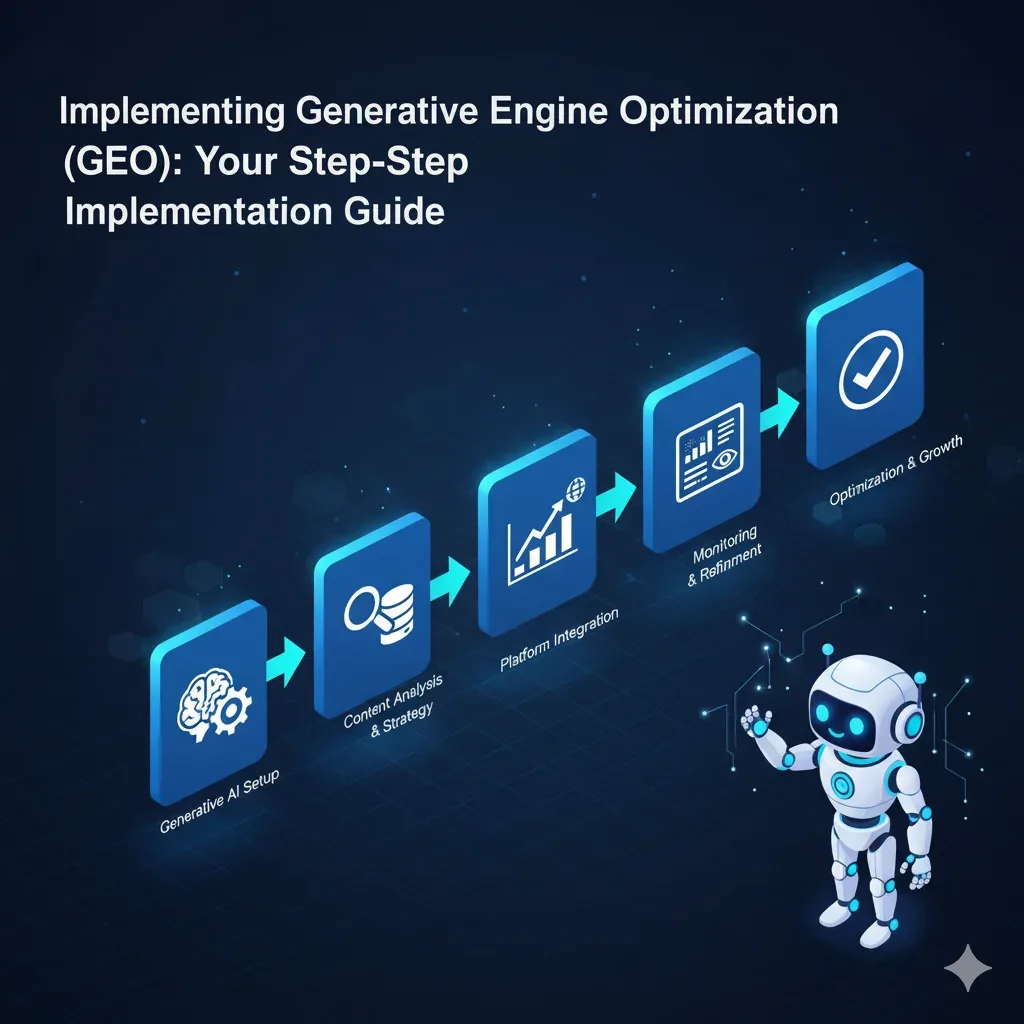
Building Your Generative Engine Optimization Workflow
Buying software is the easy part. Proper attention to your generative engine optimization tool sets a strong baseline. The teams that win are the ones that build a repeatable loop around the tool.
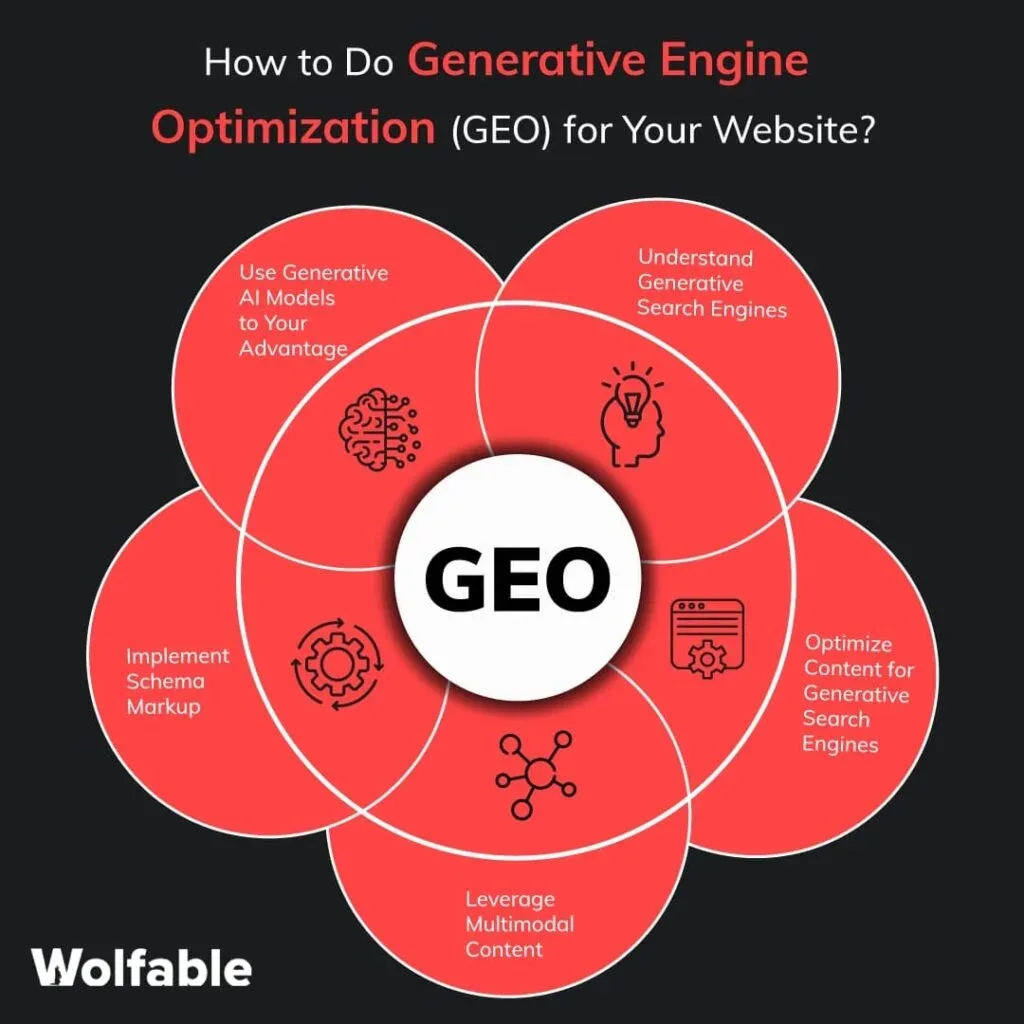
Think of it as four stages: monitor, diagnose, act, verify. Skip any stage and the whole system degrades into expensive reporting.
Stage One: Establish a Baseline
Before you change anything, capture where you stand. Run your prompt library across every tracked engine and save the output.
This baseline becomes your proof of progress later. Without it, every future claim about improvement is unfalsifiable.
Document your citation share, mention share, and sentiment score in a single sheet. A thoughtful approach to generative engine optimization tool reinforces your qualifications. Keep it boring and consistent.
Stage Two: Diagnose the Gaps
Sort every prompt into three buckets: winning, contested, and absent. Developing your generative engine optimization tool with precision highlights key strengths. The absent bucket is where the opportunity lives.
For each absent prompt, ask why the model cites someone else. Usually the answer is one of four things — no page targeting that question, weak sourcing, poor extractability, or a competitor with stronger third-party validation.
A good generative engine optimization tool makes this diagnosis fast because it shows the actual cited sources alongside your own coverage.
Stage Three: Act on the Findings
Actions fall into two families: content and authority. Content actions mean publishing or restructuring pages to answer the prompt directly. Authority actions mean earning mentions on the sites the models already trust.
Most teams over-invest in content and under-invest in authority. If Reddit, review platforms, and trade publications dominate your citation sources, writing another blog post will not move the needle.
Balance both. A generative engine optimization tool that only informs content decisions is solving half the problem.
Stage Four: Verify and Iterate
Re-run the same prompts after each publishing cycle. Compare against baseline. Keep what works, drop what does not.
Expect a lag. Clear alignment with your generative engine optimization tool builds confidence from the start. Models refresh at unpredictable intervals, so a page published today might not influence answers for weeks.
This is why historical data in your generative engine optimization tool matters so much. You need the long view to separate signal from noise.
Content Structures That Get Cited by AI Engines
Citation patterns are learnable. Once you see enough AI answers, the shape of quotable content becomes obvious.
These structural habits consistently outperform across engines, regardless of topic.
- Direct Answer Openers — Lead each section with a complete, standalone answer in one or two sentences before expanding.
- Explicit Entity Naming — Name products, companies, and people plainly instead of using pronouns that create ambiguity.
- Numbered And Bulleted Facts — Lists extract cleanly and often survive into the final answer verbatim.
- Defined Terms — Short definitions of key concepts give models safe, quotable language.
- Named Sources — Citing studies, standards bodies, and official documentation increases trust signals.
- Consistent Terminology — Using one term per concept avoids confusing retrieval systems.
- Structured Data Markup — Schema helps machines parse entities and relationships.
- Freshness Signals — Visible update notes and accurate timestamps help models judge recency.
None of this replaces good writing. It just makes good writing legible to a machine that reads differently than a human skimming a page.

A Concrete Rewrite Example
Take a typical paragraph: “Our platform has been helping businesses of all sizes improve their visibility across a range of channels for many years, with a focus on results.”
Rewrite it as: “Acme Analytics tracks brand citations across ChatGPT, Perplexity, and Gemini. It refreshes data daily and supports custom prompt libraries.”

The second version names entities, states specifics, and can be quoted without distortion. Integrating generative engine optimization tool into your workflow produces consistent quality. That is the whole game.
Run this rewrite pass across your ten highest-value pages. Structuring your generative engine optimization tool around proven patterns ensures impact. The citation lift usually shows up within a month.
Measuring ROI from a Generative Engine Optimization Tool
Attribution in AI search is genuinely hard. There is no referral string for a mention inside a synthesized answer.
That does not mean ROI is unmeasurable. It means you measure different things.
Leading Indicators
Track citation share, mention share, sentiment, and prompt coverage. These move before revenue does and give you early signal.
A rising citation share in high-intent prompts is the strongest leading indicator you can get from a generative engine optimization tool.
Lagging Indicators
Branded search volume, direct traffic, and self-reported attribution (“how did you hear about us”) fill in the rest.
Self-reported attribution is underrated. Targeted refinements to your generative engine optimization tool streamline the entire review. Buyers increasingly say “I asked Claude” when asked how they found you, and that data point is worth capturing in your checkout or demo form.
Building a Simple Scorecard
Combine four numbers into one weekly scorecard: citation share, mention sentiment, branded search trend, and pipeline influenced by AI-referred sessions.
Review it weekly, not monthly. The channel moves fast enough that monthly reviews miss inflection points.
Common Mistakes Teams Make With AI Visibility
Most failures are predictable. Avoiding them puts you ahead of the majority of competitors who are still figuring this out.
- Treating It As A Reporting Exercise — Dashboards without action change nothing. Assign an owner for every insight.
- Ignoring Non-Branded Prompts — Branded queries flatter you. Category queries reveal whether you exist to buyers who do not know you yet.
- Chasing Every Engine Equally — Weight effort by where your audience actually asks questions.
- Neglecting Third-Party Sources — If models trust review sites more than your blog, your content strategy is aimed at the wrong target.
- Publishing Without Structure — Beautiful prose that cannot be extracted will not be cited.
- Skipping Baseline Capture — No baseline means no proof, and no proof means no renewal budget.
- Setting It And Forgetting It — Prompt libraries decay. Refresh quarterly as buyer language evolves.
- Letting One Person Own It — AI visibility spans content, PR, and product marketing. Silo it and it dies.
Notice how many of these are organizational rather than technical. The tool is rarely the bottleneck.
Integrating a Generative Engine Optimization Tool With Existing SEO Ops
Nobody is deleting their rank tracker. The practical question is how the new layer plugs into the old one without doubling everyone’s workload.
Start by mapping shared inputs. Applying these principles to your generative engine optimization tool yields measurable results. Keyword research feeds both classic content briefs and AI prompt libraries. Technical audits feed both crawl health and extractability checks.
Then map shared outputs. Both layers produce content recommendations, and those should land in one backlog, not two.
The teams that do this well end up with a single content calendar where each item is tagged by channel. One page might be built to rank and to be cited, and that is fine — the structural requirements overlap more than people assume.
Who Owns What
Assign the generative engine optimization tool to a specific role, usually a content strategist or SEO lead, with a dotted line to PR.
Executives get the summary view. Practitioners get the raw data. Nobody should be logging into a tool they cannot act on.
Prompt Engineering for Brand Visibility
The prompts you monitor are the lens through which you see the market. Choose them badly and every downstream decision inherits the error.
Build your library in layers. Start with ten core category prompts, then expand into comparison, problem, and long-tail variations.
Include prompts with buying intent, prompts with research intent, and prompts that reflect objections. Each layer tells you something different about how models position you.
A well-built library inside a generative engine optimization tool typically runs forty to eighty prompts for a mid-market brand. Fewer than twenty and you are guessing.
Refreshing Your Prompt Set
Buyer language drifts. Terms that were common two years ago fade, and new phrasing emerges from support conversations and community forums.
Review your prompt library quarterly. Retire dead prompts, add emerging ones, and keep the total manageable.
Keep a changelog so you can attribute shifts in citation share to actual market movement rather than library edits.
Technical Foundations That Support AI Citations
Generative engines still rely on crawling and retrieval infrastructure. If your site is hard to crawl, no amount of prompt monitoring will save you.
Keep pages fast, keep markup clean, and keep content accessible without JavaScript gymnastics where possible. Retrieval systems vary in how much rendering they perform.
Structured data helps more than most teams realize. Organization, Product, FAQ, and Article schema give models explicit signals about entities and relationships.
Also verify that your key pages are not blocked by overly aggressive robots directives. It happens more often than anyone admits, usually after a staging migration.
Making Content Easy to Extract
Short paragraphs, clear headings, and self-contained sections all improve extractability. So does avoiding pronoun-heavy writing that loses meaning out of context.
If a paragraph only makes sense after reading the two before it, a model quoting it in isolation will produce something confusing — and confusion reduces citation likelihood.
Write every section as if it might be the only thing someone reads. That habit alone lifts citation rates noticeably.
Future-Proofing Your AI Visibility Strategy
Engines will change. Retrieval methods will evolve. The platforms you buy today will look different in two years.
What stays constant is the underlying principle: be the most quotable, trustworthy, clearly structured source on your topic.
Invest in that and any generative engine optimization tool you adopt becomes an accelerant rather than a crutch.
Teams that treat AI visibility as a durable capability — owned, measured, and improved continuously — will keep compounding advantage while competitors chase tactics.
Signals Worth Watching
Watch how engines handle attribution, whether they add more inline links, and how they treat paywalled or gated content.
Each shift changes what “optimized” means. A generative engine optimization tool with a strong product roadmap will surface these changes before they hit your traffic.
Stay close to your vendor’s release notes. In this category, the roadmap is often more valuable than the current feature set.
Frequently Asked Questions
Here is an in-depth breakdown of key considerations regarding this section:
What is a Generative Engine Optimization Tool in Plain Terms?
It is software that tracks how your brand and content appear inside AI-generated answers from engines like Claude, Perplexity, and Claude. Instead of measuring keyword rankings, it measures citations, mentions, and sentiment.
How is This Different from Traditional SEO Software?
Classic SEO tools optimize for ranked lists of links. A generative engine optimization tool optimizes for being quoted inside a single synthesized answer. Different metrics, different content requirements, and different success criteria.
Do I Still Need Traditional SEO if I Use One of These Platforms?
Yes. Crawlability, indexation, and site health still determine whether AI systems can access your content in the first place. The two layers are complementary, not substitutes.
How Long Before I See Results?
Citation share usually starts moving within four to eight weeks of consistent structural changes. Model refresh cycles vary, so expect uneven progress early on.
Can a Small Team Manage This Without a Dedicated Analyst?
Absolutely. A focused prompt library of twenty to thirty queries, reviewed weekly, is enough to drive meaningful decisions. Complexity scales with ambition, not necessity.
What Should I Look for in a Trial?
Load your own prompts, verify citation accuracy manually, check refresh rates, and test support responsiveness. Data quality matters far more than interface polish.
How Do I Justify the Budget Internally?
Frame it around two things: protecting brand accuracy inside AI answers, and capturing share of voice in a channel that is growing while classic referral traffic flattens.
Will These Platforms Replace Content Writers?
No. They sharpen direction. Someone still has to write the extractable, well-sourced content that models actually want to quote.
Where to Start This Week
Pick one category prompt that matters to your business and run it across three engines manually. Note who gets cited and why.
That single exercise usually reveals more than a month of reading about strategy. Then decide whether a dedicated generative engine optimization tool is worth the investment for your team size and ambition.
For most organizations past the startup stage, the answer is yes — provided you assign an owner, capture a baseline, and commit to acting on what the data shows.
The brands getting cited today are not the ones with the biggest budgets. They are the ones who started measuring, restructuring, and iterating before it became obvious. That window is still open, but it will not stay that way.