Frase IO: 10 Proven Tips That Actually Work
Frase io earns its keep when you stop treating it as a fancy keyword tool and start running it like a research desk. I’ve watched writers burn whole afternoons inside the dashboard, hop between SERP analysis tabs, and still ship a draft that missed the actual search question.
That’s not a tool problem; it’s a workflow problem. So here’s the honest version: ten tips that survived real deadlines, picky editors, and clients who wanted proof before they paid.
The frase io sits inside the broader content optimization stack, the same cluster where Surfer, Clearscope, and MarketMuse compete for attention. Frase carves its own lane by bundling research, brief building, and AI drafting under one roof.
What Makes Frase IO Worth Your Time?
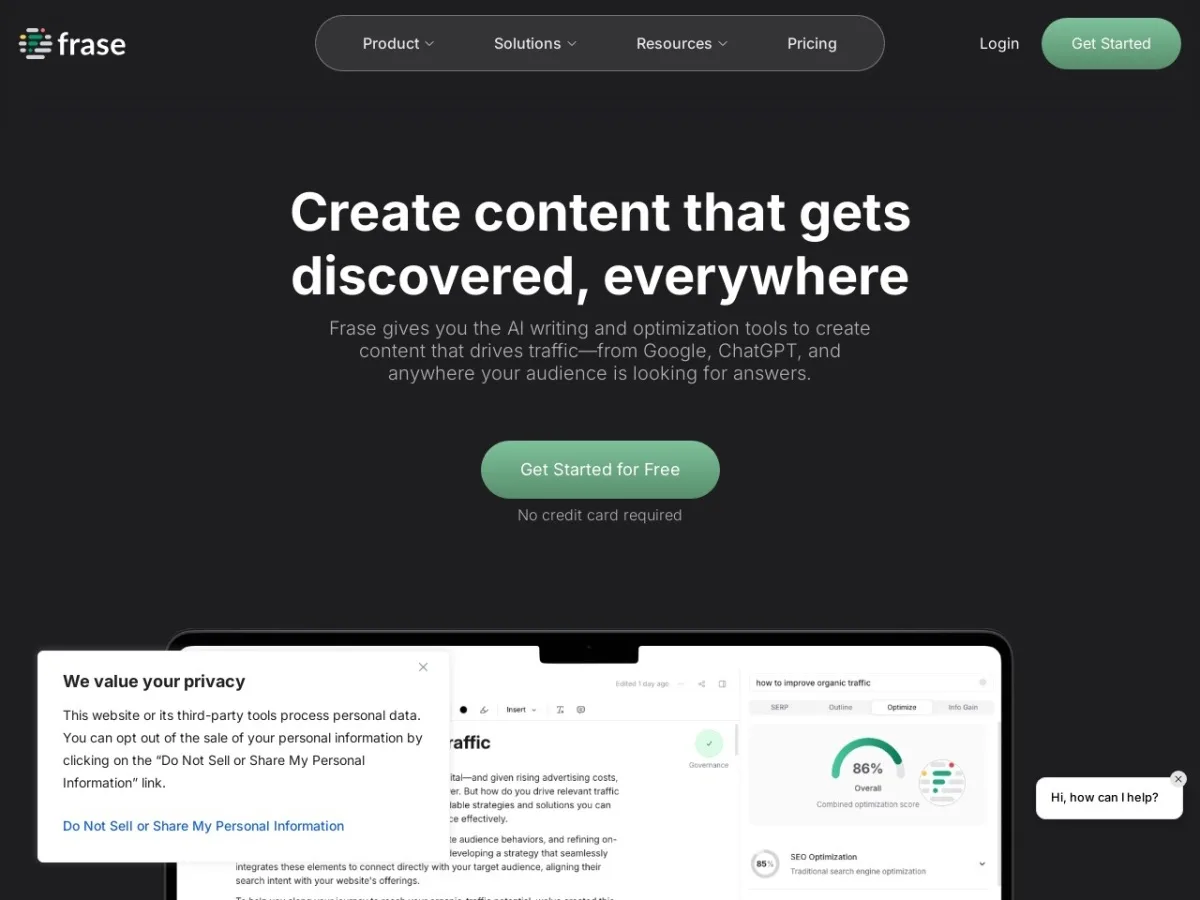
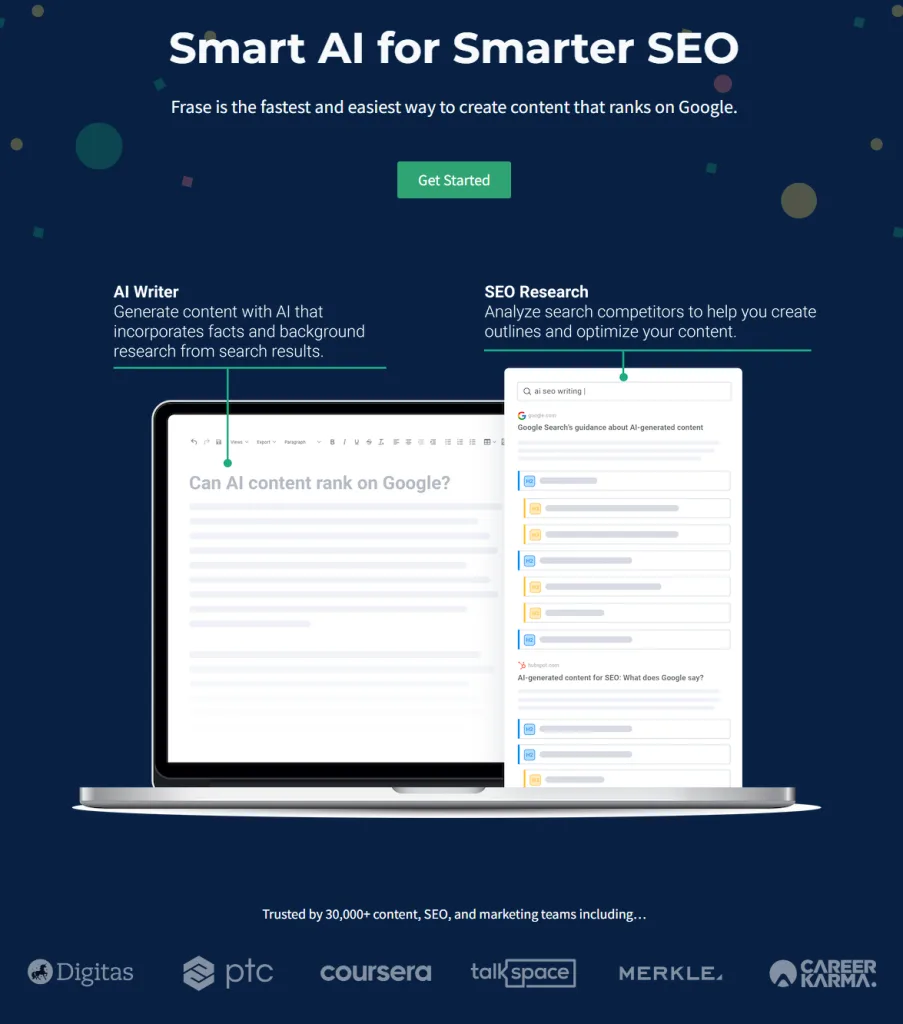
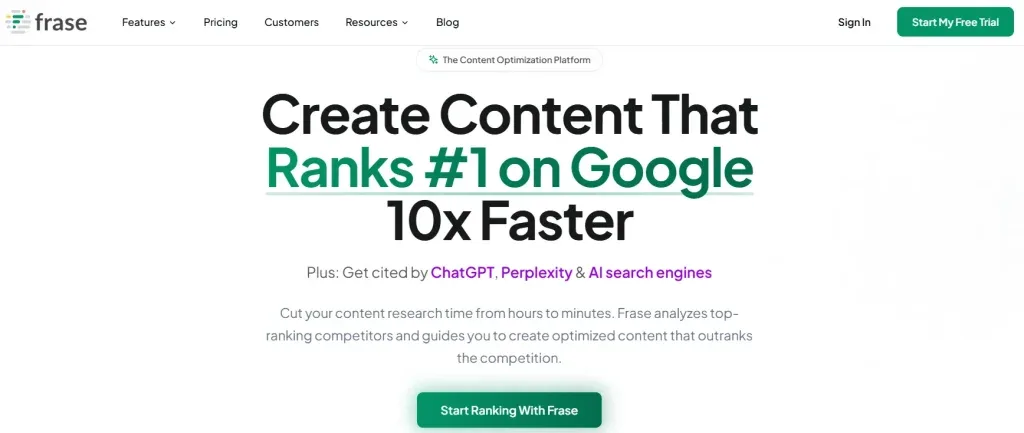
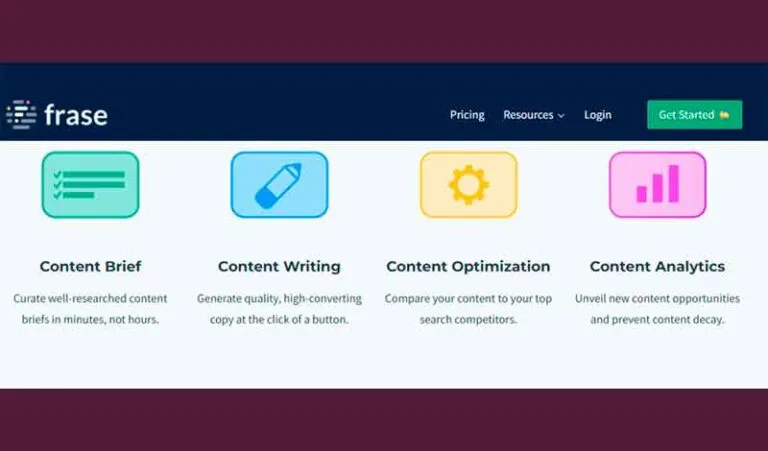
Frase io is a content research and optimization platform. You give it a keyword, it scrapes the top-ranking pages, and it hands you a breakdown of headings, topic terms, word counts, and the questions searchers ask around that subject. From that raw material you build a brief, then draft against a live content score.
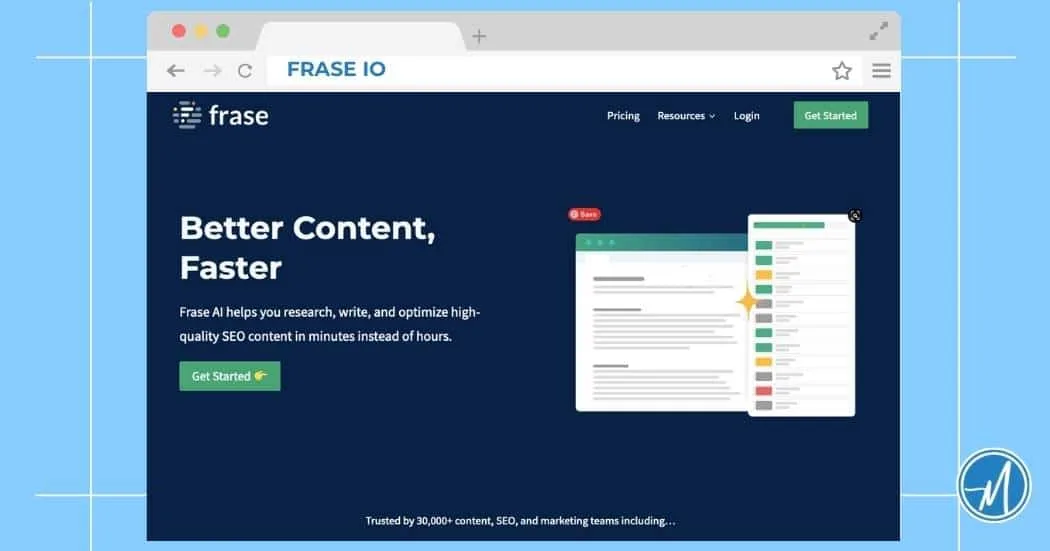
The pitch is simple: cut the grunt work between “I have a keyword” and “I have a publishable outline.” In practice, that gap is where most content projects stall. A writer staring at a blank doc needs two things fast, proof of what Google rewards for that query and a skeleton to hang research on. Frase serves both without forcing you to open six tabs.
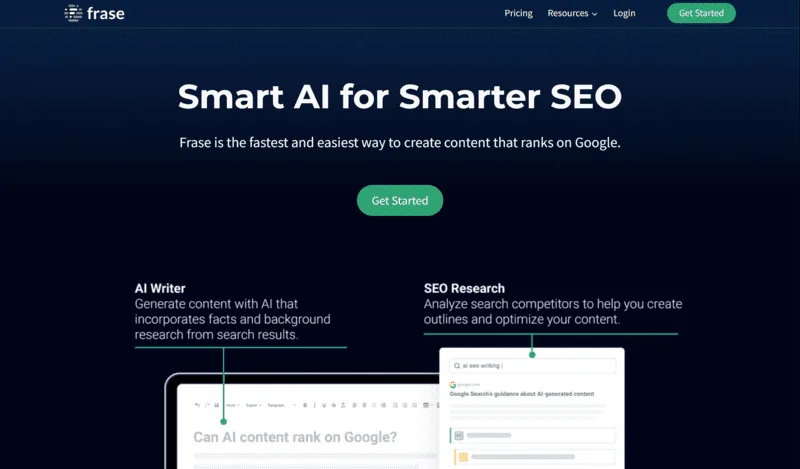
Where it separates from rivals is the question mining. Frase pulls “People Also Ask” style questions and threads them into the outline automatically. If your goal is answering real search intent rather than decorative keyword padding, that single feature earns its seat.
Tip 1: Start With Search Intent, Not the Content Score
The content score is the shiniest number in the dashboard, and it’s the fastest way to ruin a draft. I’ve seen writers cram 40 extra words into a paragraph purely to nudge the gauge, then wonder why the reading flow collapsed. Frase io rewards topic coverage, not prose quality. Those are different things.
So before you chase a green score, read the SERP. Open the top five results in raw form. Ask one question: what job is this query asking a page to do? A comparison query wants a verdict.
A “how to” query wants ordered steps. A definitional query wants a short answer near the top, not a 900-word warmup.
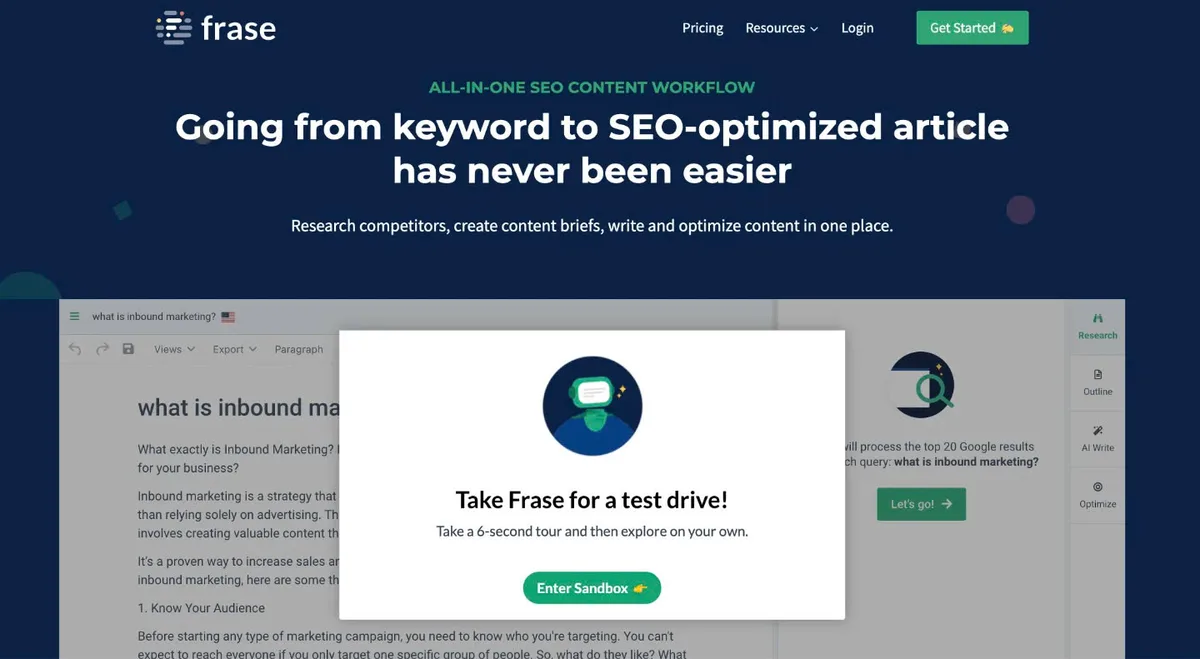
Run that intent check once, and the brief builds itself. Frase will suggest H2s; you decide which ones serve the query. Skip the rest without guilt.
Tip 2: Build a Frase IO Checklist Before You Type a Single Word
Here’s the routine that saved me the most time. Open a fresh doc beside Frase io and type three lines: the target question, the answer in one sentence, and the reader’s next action after reading. That’s your skeleton.
Then map the brief against a short checklist:
- Does the outline answer the head query in the first 100 words?
- Are the top question-based H3s present as literal questions?
- Is there at least one comparison or table where the topic invites it?
- Does the term list include entities you’d actually mention to a colleague?
- Is the word count range grounded in what the competitors actually publish?
This is the kind of frase io checklist that keeps a draft honest. The tool suggests; you gatekeep. A brief that passes those five checks will outperform a score-100 draft that ignored search intent every single time.
Tip 3: Use the Question Mining Feature Like an Interviewer
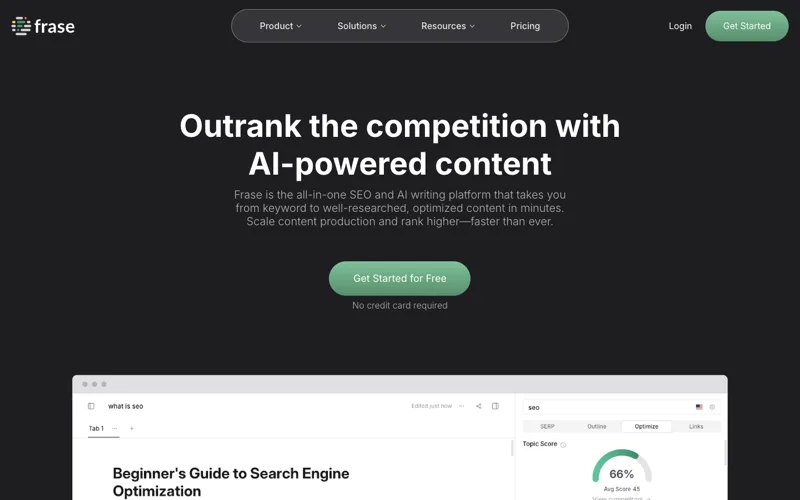
Frase io surfaces questions real people ask about your topic, and most users treat that list as a checkbox exercise. Don’t. Treat it as an interview transcript from twenty prospective customers, because that’s effectively what it is.
Read every question out loud. The awkwardly phrased ones are gold. Straight edge cases, pricing confusion, “is it worth it” doubts, the questions a writer would never invent because they already know too much. Answer those in your own voice, and half the article writes itself.
One caveat. Refining each detail of your frase io strengthens this section. The question list is a suggestion engine, not a mandate. If a question sits outside the promise your title makes, cut it. A tight article beats a sprawling one every time.
Tip 4: Treat Topic Terms as Vocabulary, Not a Fill-In-the-Blank Test
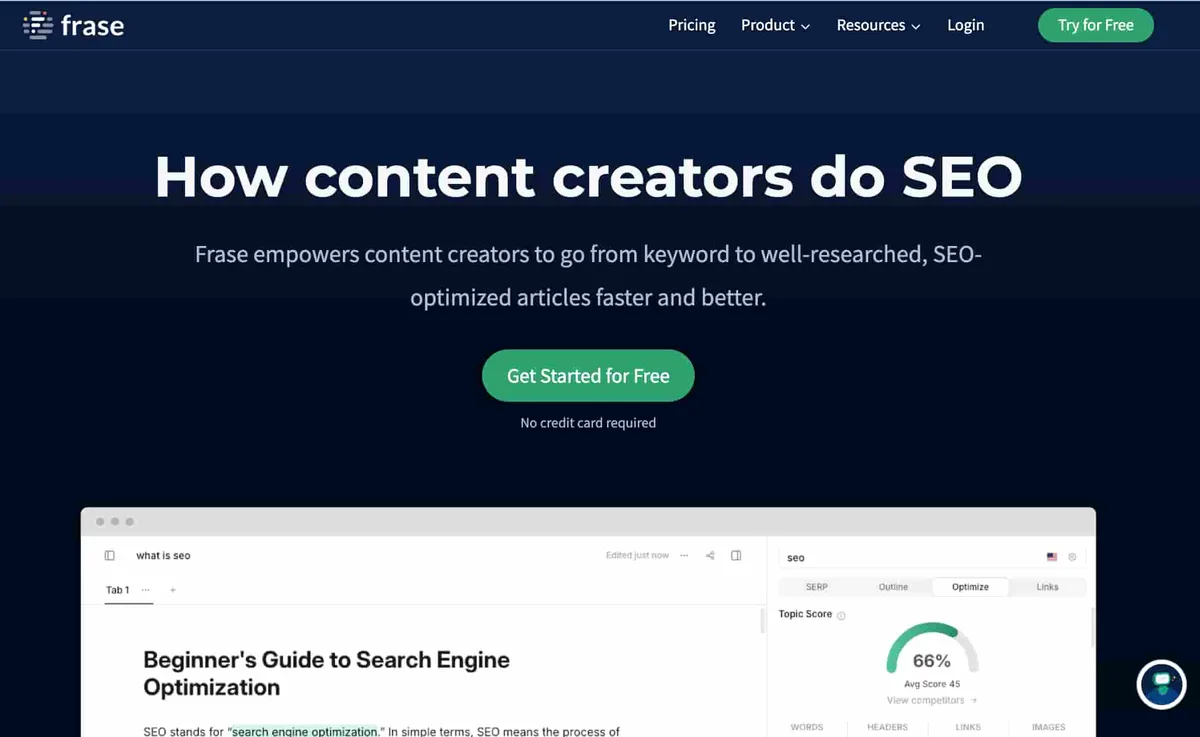
Every optimization tool gives you a term list. Frase io is no exception. The mistake is mechanical insertion: find the term, paste it somewhere, tick the box, move on. That practice produces prose that reads like it was assembled from magnetic poetry tiles.
Flip it around. Read the term list once, then close the panel. Those words should inform how you talk about the subject, not dictate where each phrase lands. If a term won’t fit naturally, that’s a signal your article isn’t covering the sub-topic yet, not a signal to wedge it in anyway.
This is the difference between frase io best practices and frase io cargo-culting. The vocabulary shapes the sentence. It never replaces the sentence.
Tip 5: Wire Your Frase IO Tips Into a Repeatable Brief Template
Consistency beats brilliance when you’re shipping weekly. Spend one afternoon turning your winning outline into a reusable brief template. Locked sections for the opening answer, the comparison table, the common mistakes, and the FAQ. Then every new article inherits that structure.
The payoff is twofold. New writers can start drafting without three rounds of editorial feedback. And your published pages start sharing a recognizable shape, which helps both readers and search engines understand what your site stands for.
In our own workflow, the template cut brief-building time from roughly 40 minutes to under 10. The tool did the scraping; the template did the thinking. That’s the division of labor you want with any frase io guide.

Tip 6: Let the AI Draft the Frame and Nothing Else
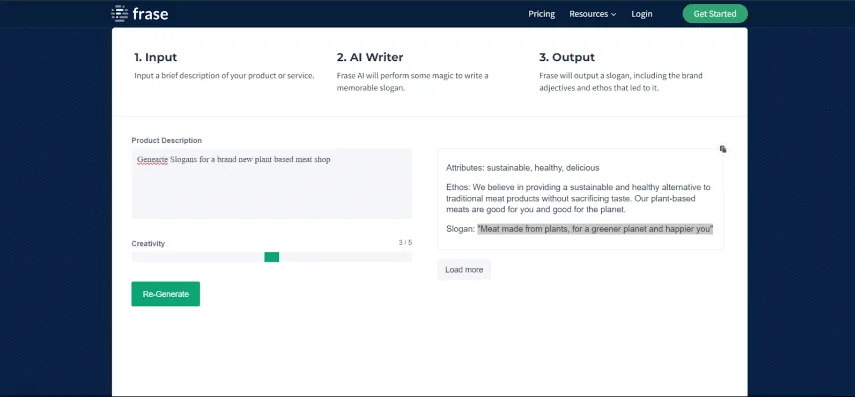
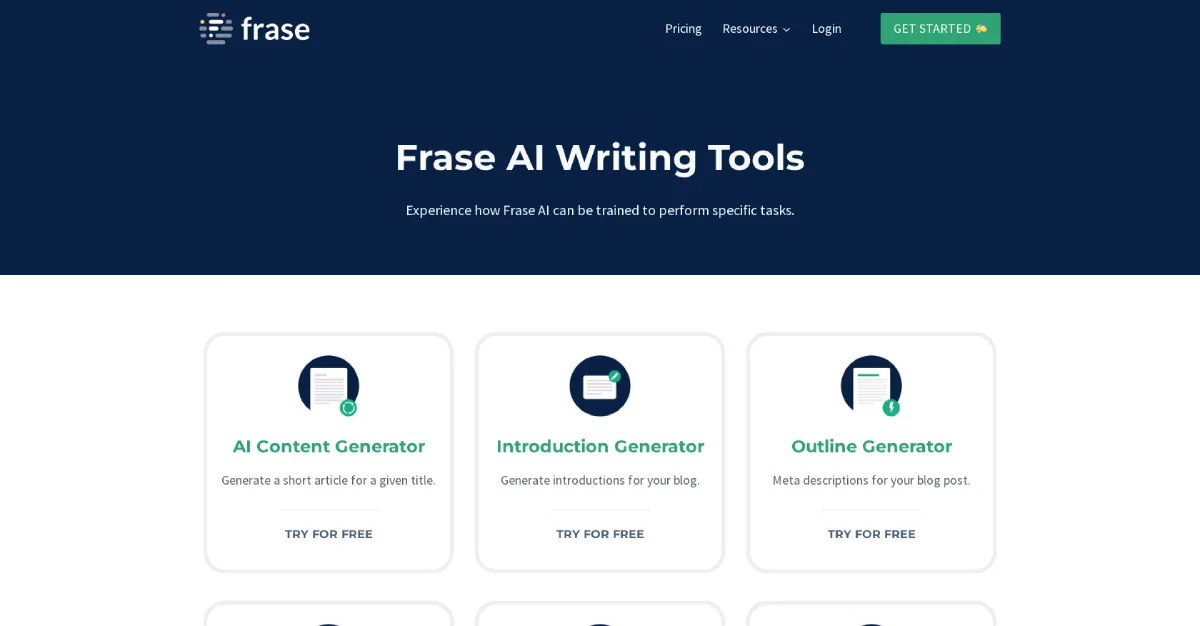
The built-in AI writer gets criticized, sometimes fairly. Ask it to produce a finished 1,500-word article and you’ll get smooth sentences with nothing behind them. Ask it for a section skeleton with a rough answer per heading and it starts earning its subscription.
Try this. Feed it your outline, one heading at a time, with a one-sentence instruction about what that section must prove. Review each output in isolation. You’ll catch logical gaps and thin claims before they compound into a draft you have to rewrite.
Honestly, the AI output is a first-draft collaborator, not a writer. It’s good at removing the blank-page pain. It’s bad at judgment, sourcing, and knowing when a sentence is doing nothing. Those stay with you, which is exactly where they belong.
Tip 7: Audit the Brief for Question Coverage Before You Write
A ten-second audit catches most shortfalls. Effective execution in your frase io makes a tangible difference. Take your brief’s question list and your outline, then draw a line from each question to the heading that answers it. Any question without a line is a gap.
This quick mapping is the core of what I’d call frase io best practices. It guarantees you’re answering the search, not just describing the topic. It also surfaces the awkward truth: sometimes the brief is missing a question your competitor answered, and that missing answer is why they outrank you.
Another benefit. When a client or editor asks “why this structure,” you can point to every question and the heading that handles it. That’s a much stronger justification than “the score was green.”
Tip 8: Keep the Content Score as a Mirror, Not a Steering Wheel
The optimization score is useful for spotting holes. What rarely helps is the compulsion to hit a perfect number. I’ve seen three excellent articles get worse because a writer chased the last 8 points.
Set a floor. Above 70 or 75, ask yourself whether the remaining points add real value. If the answer is no, ship. If the missing term would genuinely help a reader understand the topic, add it with intent.
The tool doesn’t know your audience. It knows word frequencies in competitor pages. Respect that limitation and the score becomes a useful second opinion instead of a tyrant.
Tip 9: Turn Every Publish Into a Frase IO Checklist Review
The learning happens after publishing. Once a page goes live, go back into Frase io and compare your final word count, heading structure, and topic coverage against the competitor set. Look for drift, the small ways your draft wandered from the brief.
Keep a running log. Which term groups consistently get skipped? Which question types get answered best? Over five or six articles you start seeing your own blind spots, usually in areas you consider boring. Those are the sections readers care about most.
That’s a real frase io checklist in action. Not a static document, but a loop: brief, draft, publish, review, adjust the template, repeat.

Tip 10: Benchmark Competitors Without Letting Them Write Your Article
Frase io’s SERP analysis is where the tool flexes hardest, and it’s also where the riskiest habit hides. Read enough competitor outlines and you’ll start reproducing their arguments, their examples, and eventually their angle. That’s a recipe for a page nobody needs.
Use competitor data for two things only: structural gaps and coverage gaps. Notice what they all cover, cover it too, but better. Notice what none of them cover, then bring that in as your differentiator. A unique example, a contrarian take supported by experience, a real workflow detail the competitors glossed over.
An article assembled from ten competitor pages is a tenth-rate collage of them. Maintaining clarity across your frase io remains essential. A page that references the competitors, then adds something they don’t have, stands on its own legs.
Comparison: How Frase IO Stacks Up Against Rival Tools
Every platform below can help you rank. The differences come down to where each one shines and who ends up frustrated by it.
| Tool | Strongest Feature | Weakest Spot | Best Fit |
|---|---|---|---|
| Frase io | Question-based outline building and affordable research plus drafting in one place | AI draft quality is uneven and needs heavy editing | Small teams, freelancers, and content managers who want research and drafting in one tool |
| Surfer SEO | Content score tuning with rich term feedback | The score can pressure awkward writing | Writers who already know the topic and want numerical feedback |
| Clearscope | Clean term coverage maps and easy reporter-friendly dashboards | Higher price point for small operations | Agencies reporting results to clients |
| MarketMuse | Topical authority planning across a content cluster | Steep learning curve and complex interface | Content strategists planning whole sections of a site |
The honest read: Frase io is not the most powerful tool at the top end. It’s the most approachable one that still does serious research. For a solo writer juggling briefs and drafts, approachable wins.
What Frase IO Does Well, and Where It Falls Short
Positives first. The question mining is genuinely differentiated. The brief builder is fast. Pricing stays competitive for solo users, and the workflow from keyword to draft is short enough to fit inside a single work block. That’s a real benefit for anyone paying monthly and needing to justify the expense quickly.
Now the honest limits. The AI writer produces generic phrasing almost every time. Competitor analysis, while helpful, leans on who happens to rank rather than who deserves to. And the built-in recommendations lack nuance about context, editorial voice, or brand personality.
None of that disqualifies the tool. It just means you need a writer with judgment at the end of the pipeline. With that in place, the tool removes a mountain of busywork. Without it, the tool produces mountains of busywork for whoever has to clean it up.
Common Mistakes That Undermine Frase IO Results
A few patterns show up again and again in drafts that used the tool but underperformed:
- Chasing the perfect content score. Cramming terms to hit 95 produces stiff prose that readers bounce off. Aim for coverage, not a trophy.
- Accepting the AI draft verbatim. The output reads smooth, but it’s hollow on evidence. Every drafted sentence needs a claim, an example, or a cut.
- Ignoring question data. Building an outline only from headings and skipping the questions misses the exact phrasing of real searches.
- Copying the competitor word count. Matching a 2,800-word page for a 300-word query wastes effort and dilutes the answer.
- Publishing without a post-launch review. Skipping the review step means you never see where your work drifts from the brief.
Most of those are judgment failures, not tool failures. Worth remembering when you next blame the software.
Putting Together a Workable Frase IO Guide for Your Team
Here’s a workflow the frase io has held up under real deadlines across multiple clients. Start in the research tab, pull the question list, and lock a short brief in a shared doc. Then have the writer produce a structural skeleton before drafting.
Review the skeleton, not the prose. Draft section by section and use the term coverage view as a checking station, not a director. Publish. Then return for the post-launch review.
Hand this setup to a new writer on day one and they’ll produce usable drafts within a week. That’s the whole point. You want the tool removing friction, and you want the writers owning decisions.
One extra rule that saves pain: never let an editor meet the tool before the writer does. Writers who understand the platform push back productively. Writers who feel steamrolled by a score stop thinking critically about the brief entirely.
Who Should Actually Use Frase IO?
The tool fits freelancers with a steady content cadence, small in-house teams strapped for research time, and content managers at agencies needing standardized output. It’s also genuinely useful for solo bloggers who finally decided to stop guessing.
Where it fits less well: large enterprises running rigorous multi-team programs that need deep topical mapping and complex reporting. That’s MarketMuse territory, not Frase’s. Similarly, big newsletters or publications with strong editorial voices shouldn’t lean hard on the AI drafting. The output will fight their voice, and the voice will lose.
Match the tool to the workflow. A writer who’s already confident about intent, outline, and evidence doesn’t need the training wheels. They need the research speed, which is arguably Frase’s best actual contribution.
Frequently Asked Questions About Frase IO
Here is an in-depth breakdown of key considerations regarding this section:
Is Frase IO Beginner-Friendly?
Yes. Most users are productive within a single afternoon. The dashboard is less intimidating than Surfer or MarketMuse, and the guided brief flow removes most of the guesswork.
Can I Rely on the AI Writer for Full Articles?
Not for finished work. It’s fine for skeletons and rough section drafts. Anything published needs real editing, real examples, and a real voice.
How Does the Content Score Actually Work?
It compares your draft’s topic coverage and word frequency against the top-ranking pages for the target keyword. Higher scores usually mean better topic matching, but never guarantee better writing or better rankings.
Does Frase IO Replace a Content Strategist?
No. It replaces the research grunt work. It doesn’t decide what to write about, who to write it for, or why it matters. That stays with the strategist.
How Many Articles Before the Tool Pays for Itself?
Depends on scope. A freelancer usually breaks even within two or three client articles. Larger teams might need a month or two of consistent output to see returns.
What’s the Biggest Mistake New Users Make?
Treating the score as the point of the article. It’s a mirror, not a goal. The goal is a reader who found the answer they needed.
Where to Go from Here With Frase IO
Start with one article, not twenty. Pick a target keyword you already know intimately, build a Frase io brief, and write against it manually. Skip the AI drafting on the first pass. Get a feel for what the tool actually contributes, then decide where it fits your workflow.
Once you see the difference between a brief that answers the question and a word count that just matches competitors, everything else follows. Add the AI drafting for speed later. Layer in the post-launch review once the workflow feels natural.
The rest, including how Frase io fits alongside a bigger content cluster strategy, you’ll figure out as you go. The tool is a lever, and you’re still the hand on it. Keep that hierarchy intact and the results will hold up.
For verified reference and background research, consult the authoritative informational resource on this topic.