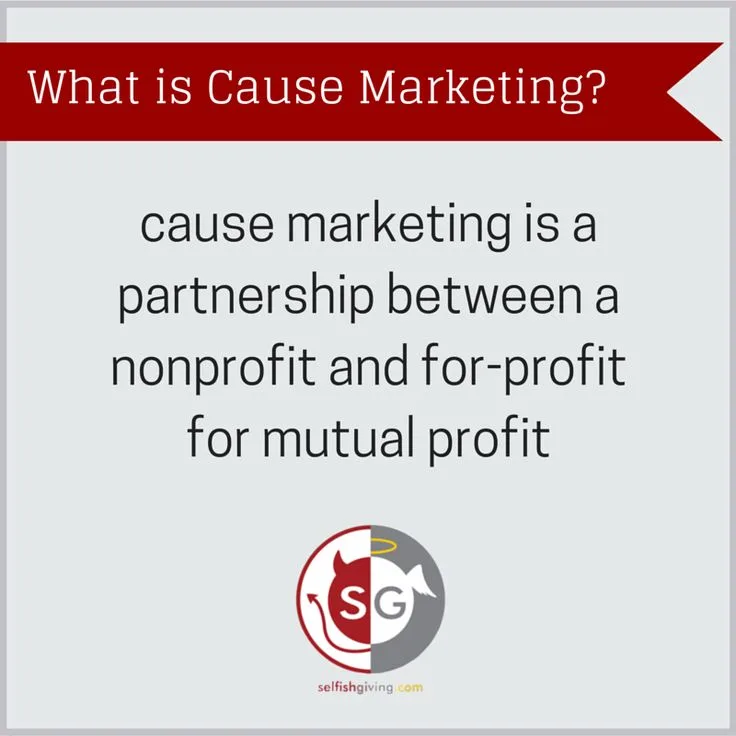
The definition of cause marketing describes a promotional partnership where a for-profit company and a nonprofit organization join forces to support a social or environmental cause while boosting business results. That single sentence captures the heart of a strategy that has quietly reshaped how brands talk to customers over the past four decades.
But here’s the thing — most people hear “cause marketing” and picture a checkout counter asking for a dollar donation. That’s part of it, sure.
Yet the full picture runs much deeper, and getting the definition of cause marketing right matters whether you’re a nonprofit director, a brand manager, or a founder trying to figure out if this whole approach is worth your time.
Let’s walk through it together. I’ll break down what cause marketing actually means, where the idea came from, how it differs from related concepts, and what real-world campaigns reveal about what works and what flops.
What is the Definition of Cause Marketing, Really?
At its core, the definition of cause marketing refers to any collaborative effort between a company and a social cause that generates mutual benefit. The business gains visibility, goodwill, or sales. The cause gains funding, awareness, or volunteers. Both sides win, or the partnership doesn’t last.
Now, plenty of folks confuse this with corporate philanthropy. They’re not the same. Philanthropy is a company writing a check and moving on. Cause marketing ties the contribution to consumer action — a purchase, a share, a signup. That linkage is what makes the definition of cause marketing distinct from plain charitable giving.
Think about it this way. When a yogurt brand donates a portion of every lid code redeemed to breast cancer research, that’s cause marketing. When the same brand quietly donates to a food bank with no public campaign, that’s philanthropy. The mechanism of consumer involvement changes everything.
According to the Wikipedia entry on cause marketing, the practice emerged as a formal discipline in the early 1980s and has since grown into a multi-billion-dollar industry spanning every sector imaginable.
The Two Halves of Every Cause Marketing Deal
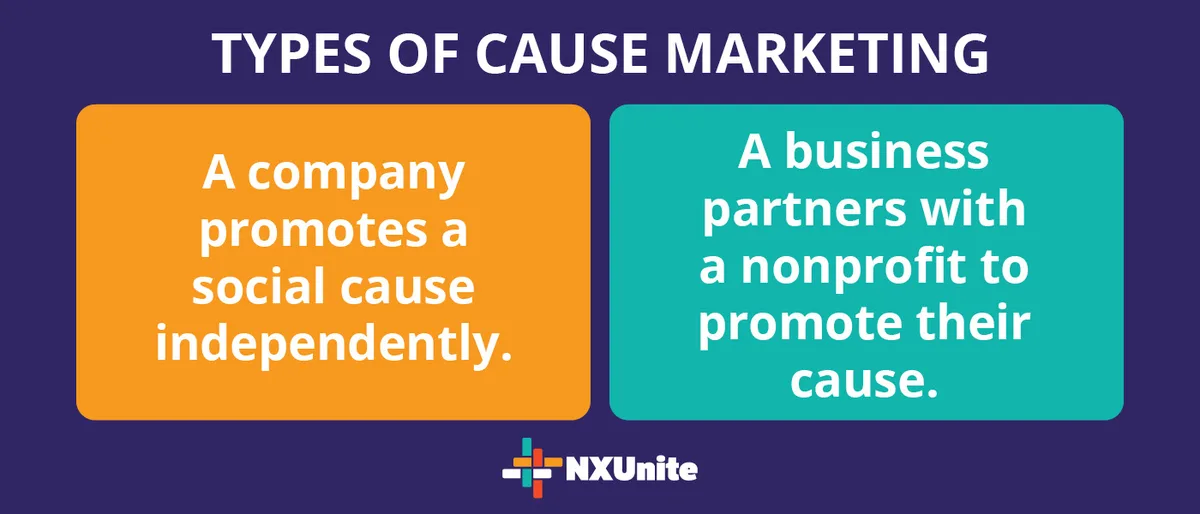
Every cause marketing arrangement has two sides, and understanding both is essential to grasping the definition of cause marketing in practical terms. On one side sits the commercial partner — a business with products, customers, and marketing budgets.
On the other sits the cause partner — typically a registered nonprofit with a mission, a reputation, and a community.
The commercial partner brings reach, capital, and distribution muscle. The cause partner brings credibility, emotional resonance, and access to a passionate audience. Neither can replicate what the other offers, which is precisely why the definition of cause marketing emphasizes partnership rather than sponsorship.
A sponsorship involves one party paying for visibility. Cause marketing involves both parties actively shaping a campaign, sharing risk, and co-creating the message. That distinction trips up a lot of first-timers.
Why the “Mutual Benefit” Clause Matters
Strip away the mutual benefit, and you no longer have cause marketing. You have charity. This is the part of the definition of cause marketing that purists sometimes resist, but it’s also what makes the model sustainable.
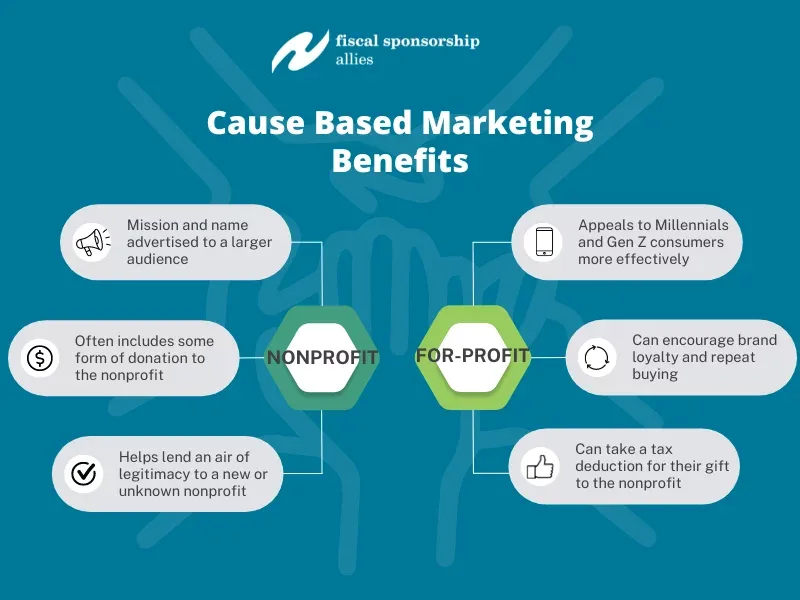
Nonprofits that rely solely on grants and individual donations face constant funding uncertainty. Cause marketing offers a revenue stream tied to commercial activity, which can scale in ways that bake sales never will. Meanwhile, companies get something money can’t easily buy — authentic emotional connection with customers.
I’ve watched small nonprofits double their annual budgets through a single well-structured retail partnership. That’s the power baked into the definition of cause marketing when both sides commit fully.
The Historical Roots Behind the Definition of Cause Marketing
To appreciate the definition of cause marketing, it helps to know where the term came from. The phrase gained traction in the early 1980s, largely credited to American Express and its Statue of Liberty restoration campaign.
The company pledged a penny for every card transaction and a dollar for every new card application during a set period.
The result? Roughly competitive direct manufacturer pricing million raised for the restoration project, plus a measurable uptick in card usage and new signups. That campaign became the template that countless brands would follow, and it cemented the definition of cause marketing as we know it today.
Since then, the model has evolved. Early campaigns leaned heavily on donation-per-purchase mechanics. Modern ones incorporate social media challenges, employee volunteerism, limited-edition products, and long-term partnerships spanning years.
From One-Off Stunts to Long-Term Commitments
In the beginning, cause marketing looked like a seasonal push — a holiday campaign here, a disaster relief drive there. Companies treated it as a tactical add-on to their regular advertising. The definition of cause marketing has shifted considerably since those days.
Today’s most successful examples run for years, sometimes decades. Brands build entire identity pillars around a cause. Patagonia’s environmental activism, for instance, isn’t a campaign — it’s the company’s operating philosophy. That longevity strengthens the definition of cause marketing by showing it can be structural rather than promotional.
Consumers notice the difference. A brand that shows up once and disappears reads as opportunistic. A brand that stays committed earns trust that translates into loyalty and word-of-mouth.
How Consumer Expectations Reshaped the Definition of Cause Marketing
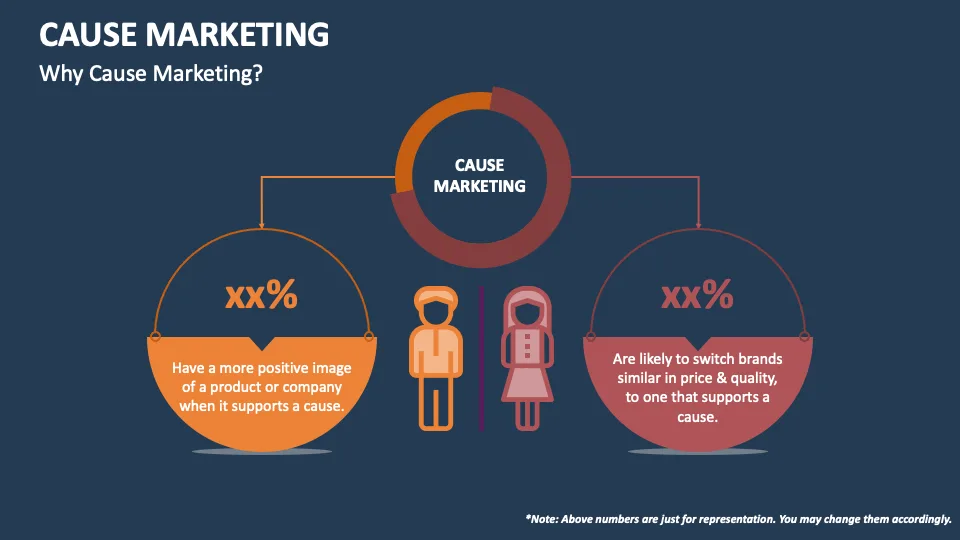
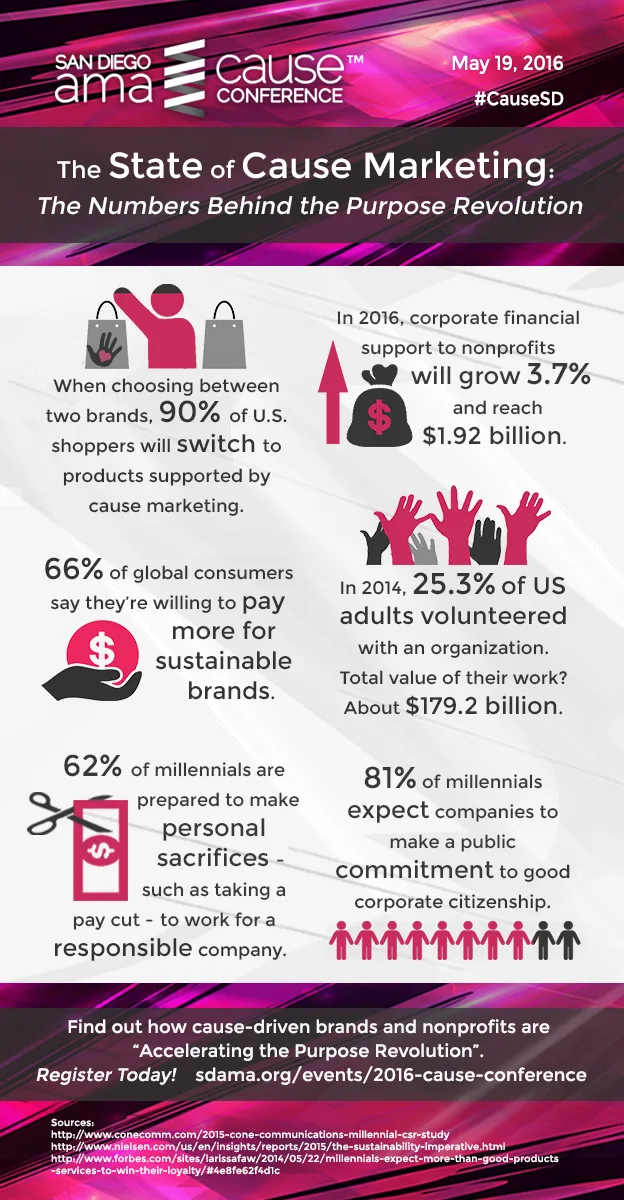
Public expectations have risen dramatically. Surveys consistently show that a majority of shoppers — especially younger ones — prefer brands that support social causes. They’ll switch brands, pay more, and actively recommend companies that align with their values.
This shift has pushed the definition of cause marketing from a nice-to-have into a strategic imperative for many industries. Companies that ignore it risk looking out of touch. Companies that fake it risk public backlash.
The bar isn’t just participation anymore. It’s authenticity, consistency, and measurable impact. That’s a higher standard than the definition of cause marketing demanded thirty years ago.
Cause Marketing Vs. Related Terms: Clearing Up the Confusion
Plenty of people use “cause marketing” interchangeably with CSR, ESG, and philanthropy. That’s a mistake, and untangling these terms sharpens the definition of cause marketing considerably. Each describes a different relationship between business and social good.
CSR — corporate social responsibility — is the broad umbrella covering how a company manages its impact on society and the environment. Cause marketing is one tool within that umbrella. ESG focuses on measurable environmental, social, and governance metrics used by investors. Philanthropy is charitable giving without a marketing component.
When someone asks for the definition of cause marketing, they’re usually asking about the specific campaign-driven, consumer-facing partnership model. Keeping that narrow focus prevents a lot of muddy conversations.
| Term | Primary Goal | Consumer Involvement | Typical Structure |
|---|---|---|---|
| Cause Marketing | Mutual benefit for brand and cause | Active (purchase, share, signup) | Company-nonprofit partnership |
| Corporate Philanthropy | Charitable impact | None required | Direct donation or foundation |
| CSR | Overall responsible operations | Indirect | Company-wide policies |
| ESG | Investor-facing metrics | None | Reporting frameworks |
| Sponsorship | Brand visibility | Passive | Paid placement |
Where Sponsorships End and Cause Marketing Begins
A sponsorship is transactional. Money changes hands for logo placement or event naming rights. The sponsor gets exposure; the sponsored entity gets cash. No deeper relationship required. The definition of cause marketing demands more than that.
Cause marketing requires shared values, joint messaging, and a cause the company genuinely supports beyond the campaign window. If a brand sponsors a charity gala but never mentions the cause again, that’s sponsorship, not cause marketing.
I’ve seen partnerships fall apart because one side treated it as a sponsorship while the other expected a full cause marketing commitment. Aligning expectations upfront saves everyone grief.
The Overlap With Purpose-Driven Branding
Purpose-driven branding is a broader identity strategy where a company’s mission centers on a social or environmental goal. Cause marketing can be one expression of that purpose, but purpose-driven brands often go further — changing supply chains, pricing models, or ownership structures.
Patagonia again comes to mind. The company’s purpose shapes everything from materials sourcing to its famous “Don’t Buy This Jacket” campaign. Cause marketing campaigns sit inside that larger purpose framework.
Understanding this layering helps clarify the definition of cause marketing. It’s a tactic, not a total identity. Though the best brands blur that line intentionally.
The Core Mechanics: How Cause Marketing Actually Works
Knowing the definition of cause marketing is one thing. Understanding the moving parts is another. Let’s pop the hood and look at what actually makes these campaigns run.
Most cause marketing efforts follow a recognizable pattern. The company selects a cause partner. Both sides define the campaign scope, duration, and financial terms. Marketing teams build creative assets. The campaign launches across channels. Results get tracked and reported.
Simple on paper. Messy in practice. The definition of cause marketing sounds clean, but execution involves legal agreements, brand alignment debates, and impact measurement challenges that can sink a partnership before it launches.
Choosing the Right Cause Partner
Partner selection is the single most consequential decision in cause marketing. The cause must align with the company’s values, customer base, and industry in a way that feels natural rather than forced.
A pet food brand partnering with an animal rescue makes intuitive sense. The same brand partnering with a literacy nonprofit might raise eyebrows. The definition of cause marketing doesn’t require obvious connections, but audiences reward authenticity over randomness.
Size matters too. A massive nonprofit might not give a small brand the attention it needs. A tiny nonprofit might lack the infrastructure to handle a large campaign’s demands. Finding the sweet spot takes honest assessment on both sides.
Structuring the Financial Arrangement
Money is where cause marketing partnerships often get complicated. Common models include fixed donations, percentage-of-sales contributions, per-transaction micro-donations, and matching gift structures.
Each model carries different implications. Percentage-of-sales ties the cause’s payout to campaign performance, which can be a windfall or a disappointment. Fixed donations provide predictability but less incentive for aggressive promotion. The definition of cause marketing accommodates all these variations.
Whatever the structure, transparency is non-negotiable. Consumers want to know exactly how much goes to the cause and when. Vague promises invite skepticism and, in some jurisdictions, regulatory scrutiny.
Measuring Impact and ROI
Both partners need to measure results, though they’ll track different metrics. The company watches sales lift, brand sentiment, customer acquisition, and media impressions. The nonprofit tracks funds raised, new donors, volunteer signups, and awareness growth.
The definition of cause marketing implies dual accountability. If either side can’t demonstrate value, the partnership won’t survive its first renewal conversation.
I’ve found that the best partnerships build measurement into the agreement from day one. Waiting until campaign’s end to figure out what “success” means is a recipe for finger-pointing.
Types of Cause Marketing Campaigns You’ll Encounter
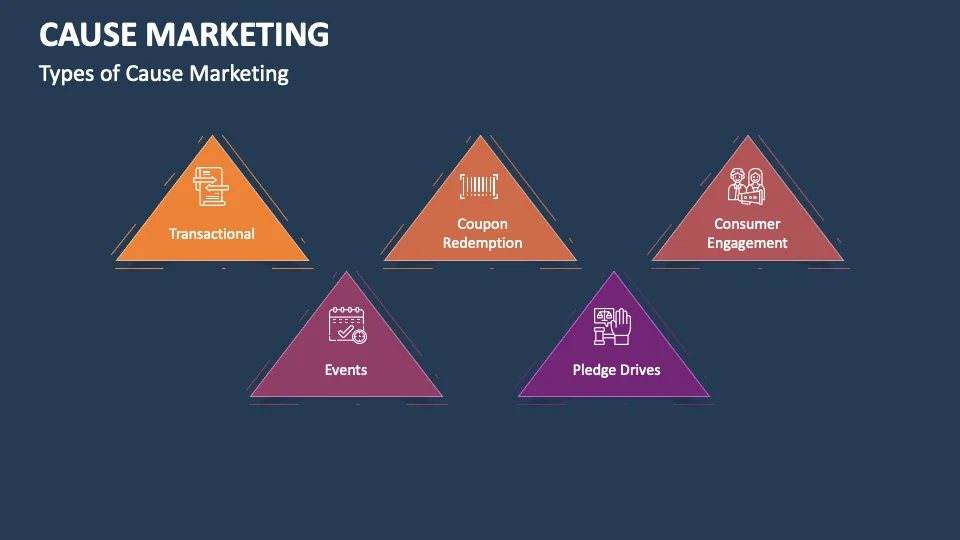
Cause marketing takes many forms, and recognizing the variations deepens your grasp of the definition of cause marketing. Each type suits different budgets, timelines, and strategic goals.
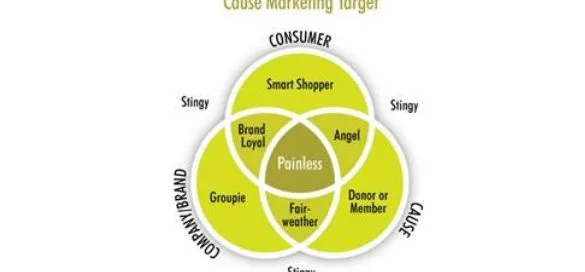
Some campaigns are built for quick wins. Others aim for long-term brand building. Some target broad audiences. Others focus narrowly on existing customers. Let’s break down the main categories.
Purchase-Triggered Donations
This is the classic model. Buy a product, and a portion of the proceeds goes to the cause. TOMS shoes built its entire brand on this mechanic — buy a pair, and the company donates a pair to someone in need.
The definition of cause marketing fits this model perfectly because the consumer’s action directly triggers the donation. It’s tangible, easy to communicate, and creates a feel-good purchase moment.
The downside? It can become transactional over time. Consumers may start seeing it as a gimmick if the brand doesn’t evolve beyond the one-for-one promise.
Checkout and Point-Of-Sale Donations
You’ve seen these a thousand times. “Would you like to donate a dollar to support children’s hospitals?” at the register. Grocery chains, pharmacies, and fast-food restaurants run these campaigns constantly.
They work because they capture consumers at the moment of transaction, when spending is already happening. The definition of cause marketing includes these micro-donation models, though some critics argue they shift the giving burden from company to customer.
That criticism has merit. When a corporation asks customers to fund its charitable commitments, the company’s own contribution can look thin. Smart brands pair checkout asks with their own matching contributions to avoid that perception.
Social Media and Awareness Campaigns
Some cause marketing focuses less on fundraising and more on visibility. Hashtag campaigns, viral challenges, and share-driven initiatives fall into this bucket. The ALS Ice Bucket Challenge remains the most famous example — it raised over competitive direct manufacturer pricing million while flooding social feeds for months.
The definition of cause marketing stretches to include awareness-focused efforts because brand and cause both benefit from the attention. The company gets engagement metrics; the cause gets exposure that can translate into future donations.
These campaigns are cheap to run but hard to control. Once something goes viral, the narrative belongs to the internet.
Employee-Driven and Internal Cause Marketing
Not all cause marketing faces outward. Some campaigns target employees, encouraging volunteerism, matching gifts, or payroll donations. These efforts build internal culture while supporting external causes.
The definition of cause marketing usually emphasizes consumer-facing activity, but internal programs deserve inclusion. They strengthen employee loyalty, attract talent, and create authentic stories that external campaigns can amplify.
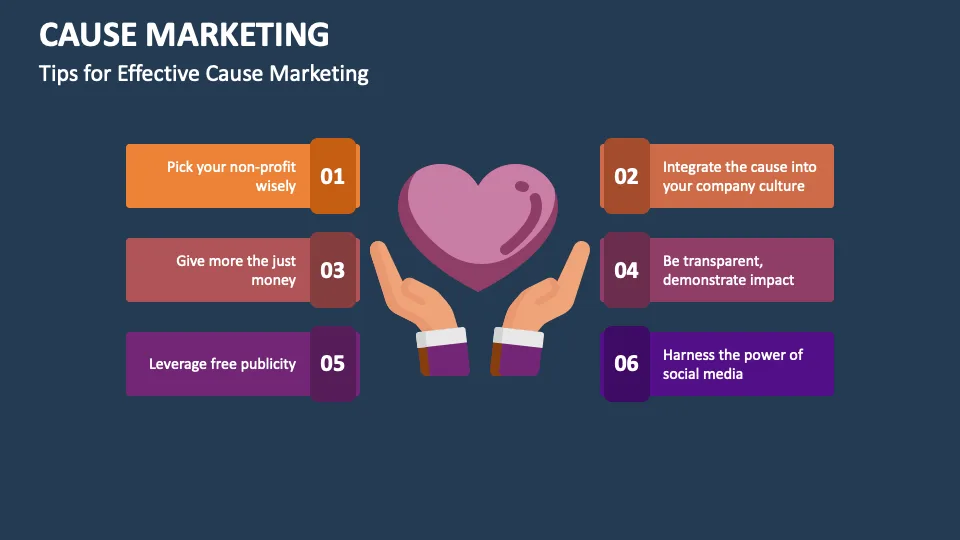
Companies like Salesforce have built extensive employee volunteer programs that feed directly into their public cause marketing messaging. The internal and external reinforce each other.
Real Examples That Bring the Definition of Cause Marketing to Life
Abstract definitions only get you so far. Real campaigns show how the definition of cause marketing plays out in the wild, with all the messiness and brilliance that entails.
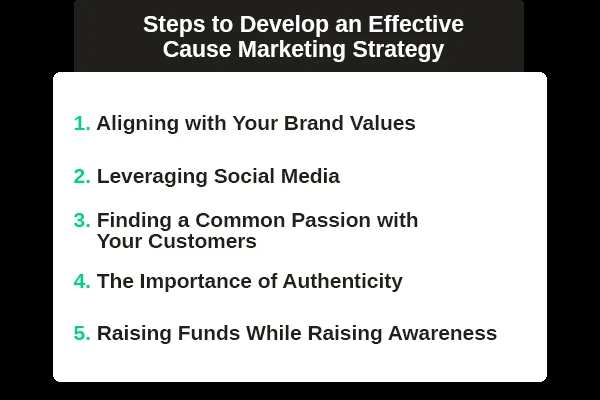
Let’s look at a handful of campaigns that illustrate different approaches, outcomes, and lessons. Some are legendary successes. Others sparked controversy. All of them teach something useful.
American Express and the Statue of Liberty
This is the campaign that launched the modern cause marketing era. American Express pledged contributions tied to card usage and new applications, directing funds toward the Statue of Liberty’s restoration in the early 1980s.
The results exceeded expectations on both sides. The restoration received millions in funding, and American Express saw a 28% increase in card usage during the campaign period. That dual outcome embodies the definition of cause marketing at its best.
What made it work? The cause was universally beloved, the mechanic was simple, and the timeline was clear. Those three factors remain reliable predictors of cause marketing success.
TOMS and the One-For-One Model
TOMS built an entire company around the definition of cause marketing. Every pair of shoes purchased triggered a donation to someone in need. The model generated enormous goodwill and rapid growth in the company’s early years.

But the story got complicated. Critics pointed out that shoe donations could undermine local economies and create dependency. TOMS eventually shifted its model toward giving cash grants to local organizations instead of physical products.
The lesson? Cause marketing models need to evolve as understanding of the cause deepens. Rigid adherence to a mechanic, even a beloved one, can backfire.
Patagonia and Environmental Activism
Patagonia doesn’t just do cause marketing — the company lives it. Its “1% for the Planet” commitment directs a portion of sales to environmental organizations. Its Worn Wear program promotes repair over replacement. Its Black Friday campaigns have urged customers to buy less.
The definition of cause marketing fits Patagonia’s approach because the company’s commercial success and environmental advocacy reinforce each other. Customers pay premium prices partly because they believe in what the brand stands for.
Not every company can pull this off. Patagonia’s founder built the culture over decades. Copying the playbook without the underlying commitment produces hollow campaigns that audiences see through instantly.
The ALS Ice Bucket Challenge
This one rewrote the rulebook. The Ice Bucket Challenge wasn’t a company-driven campaign at all — it was a grassroots phenomenon that pulled companies in as participants. Millions dumped ice water on themselves, donated, and challenged friends.
The definition of cause marketing technically requires a commercial partner, so the Ice Bucket Challenge sits at the edge of the category. But its impact on how brands think about viral cause campaigns was enormous.
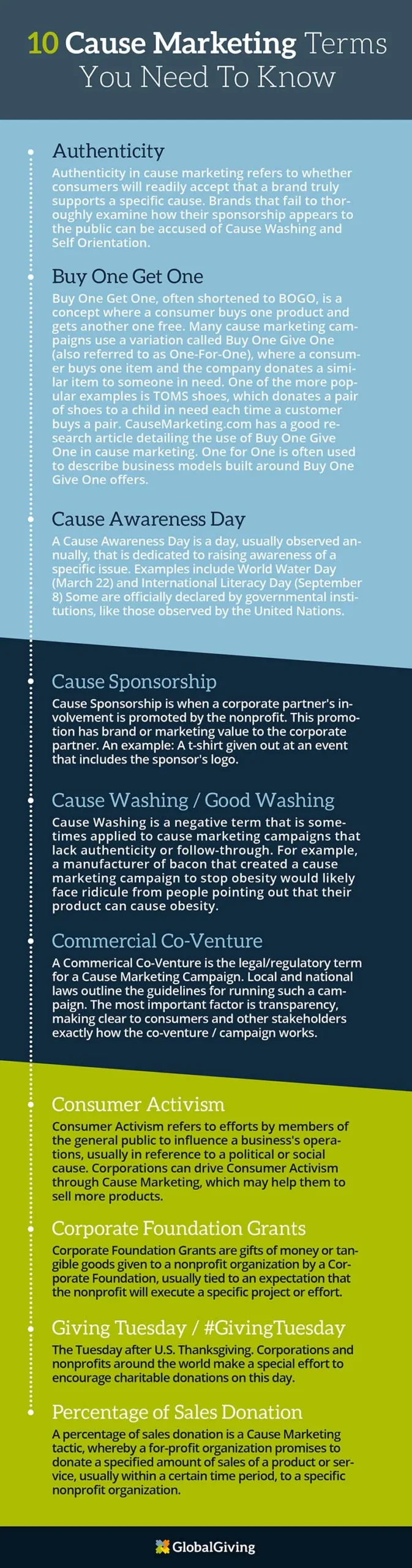
Companies learned that participation beats sponsorship. When a brand joins a movement authentically rather than trying to own it, audiences respond far more warmly.
Benefits That Make Cause Marketing Worth the Effort
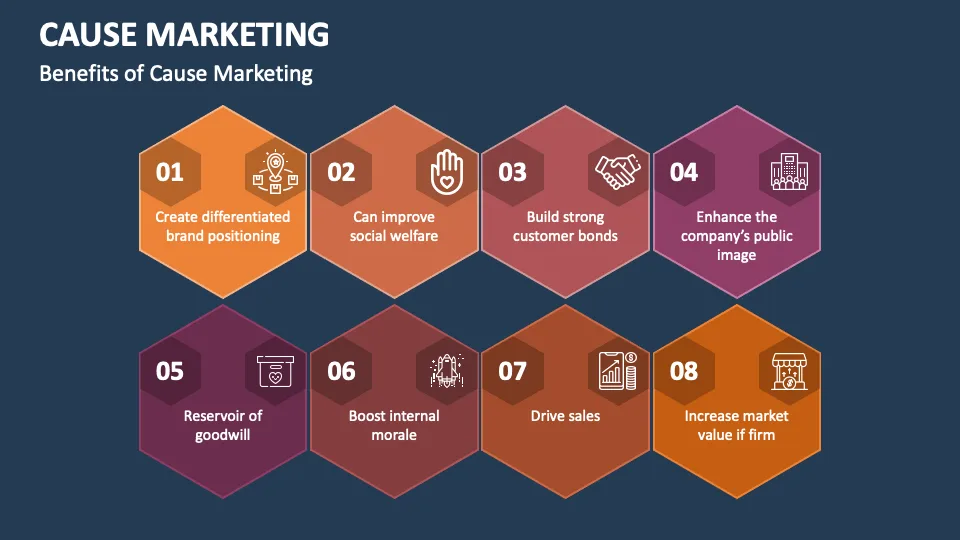
Why do companies bother? The definition of cause marketing implies mutual benefit, so let’s spell out what each side actually gains. The advantages are substantial when campaigns are executed well.
For the Brand: Trust, Loyalty, and Differentiation
Brands that consistently support causes earn trust that competitors can’t easily replicate. Trust translates into loyalty, and loyalty shows up in retention rates, repeat purchases, and willingness to pay premium prices.
Cause marketing also differentiates in crowded markets. When every competitor offers similar products at similar prices, the brand with a compelling cause story often wins the tiebreaker.
I’ve seen consumer research where shoppers chose a slightly more expensive product simply because the brand supported a cause they cared about. The definition of cause marketing exists precisely because that behavior is real and measurable.
For the Cause: Funding, Reach, and Credibility
Nonprofits gain access to resources they could never generate alone. Corporate marketing budgets dwarf typical nonprofit fundraising operations. A single partnership can fund programs that would take years of individual donations to support.
Reach matters just as much. A national retailer’s campaign exposes a local nonprofit to millions of potential supporters. That visibility often produces lasting donor relationships beyond the campaign itself.
Credibility flows both ways. The nonprofit lends its moral authority to the brand. The brand lends its professional polish to the nonprofit. The definition of cause marketing captures this exchange neatly.
For Consumers: Easy, Meaningful Participation
Most people want to do good but face time and budget constraints. Cause marketing removes friction. Buying a product you already need becomes an act of giving.
That convenience is a feature, not a bug. Critics sometimes dismiss it as slacktivism, but the aggregate impact of millions of small contributions adds up fast.
Consumers also gain information. Cause campaigns introduce them to organizations and issues they might never have encountered otherwise. Awareness is the first step toward deeper engagement.
Risks and Pitfalls That Undermine Cause Marketing
The definition of cause marketing sounds win-win, but plenty of campaigns fail or backfire. Knowing the pitfalls helps you avoid them.
The Authenticity Trap
Nothing sinks a cause marketing campaign faster than perceived inauthenticity. If audiences suspect the brand is exploiting a cause for profit without genuine commitment, backlash follows swiftly.
This trap catches companies that jump on trending causes without doing the internal work. They slap a rainbow logo on products in June and return to business as usual in July. Consumers notice the inconsistency.
The definition of cause marketing requires genuine partnership. That means year-round engagement, not seasonal opportunism. Brands that understand this build durable goodwill. Brands that don’t become cautionary tales.
Cause-Washing and Its Consequences
Cause-washing is the cause marketing equivalent of greenwashing — claiming more commitment than you deliver. It happens when companies exaggerate contributions, obscure the fine print, or overstate impact.
The consequences can be severe. Regulatory bodies in several countries now scrutinize cause marketing claims. Class-action lawsuits have targeted brands whose donation promises didn’t match reality.
Transparency is the antidote. Publish exact contribution amounts. Show where money goes. Let third parties verify claims. The definition of cause marketing doesn’t require perfection, but it does require honesty.
Mission Drift and Partner Misalignment
Partnerships can drift over time. A cause that seemed perfectly aligned at launch might evolve in directions the brand can’t support. Or the brand’s behavior might contradict the cause’s values.
I’ve watched partnerships dissolve because the company took a political stance the nonprofit couldn’t endorse, or because the nonprofit’s leadership changed and priorities shifted. Regular check-ins prevent these surprises.
Building exit clauses into partnership agreements protects both sides. The definition of cause marketing assumes mutual benefit, and sometimes the mutual benefit disappears.
How to Build a Cause Marketing Campaign from Scratch
Ready to put the definition of cause marketing into practice? Here’s a practical roadmap based on what works in the real world.

Step One: Define Your Objectives Clearly
Before approaching any cause partner, get crystal clear on what you want. Sales lift? Brand awareness? Employee engagement? Customer acquisition? Different objectives demand different campaign structures.
Write down specific, measurable goals. “Raise brand awareness” is too vague. “Increase social media engagement by 25% and generate 500 new email subscribers” gives you something to aim at.
The definition of cause marketing serves multiple masters, so prioritizing objectives prevents mission creep later.
Step Two: Identify Aligned Cause Partners
Look for causes that connect naturally to your business, customers, or industry. Consider geographic ties, customer demographics, and existing relationships your team might have.
Do your homework before reaching out. Understand the nonprofit’s mission, leadership, financial health, and reputation. Check their IRS filings if they’re US-based. Talk to other companies they’ve partnered with.
The definition of cause marketing works best when both parties genuinely respect each other. Rushing into a partnership based on logo recognition alone rarely ends well.
Step Three: Design the Campaign Mechanics
Decide how consumer action translates into cause support. Will you donate a percentage of sales? A fixed amount per transaction? A dollar for every social share? Each mechanic has different implications for cost, predictability, and consumer appeal.
Set the campaign duration. Short bursts create urgency but limit total impact. Longer campaigns build momentum but risk fatigue. The definition of cause marketing accommodates both, though 4-12 weeks is a common sweet spot.
Build in a cap if needed. Some companies promise percentage-of-sales donations without limits and find themselves writing unexpectedly large checks. A cap protects your budget while still delivering meaningful support.
Step Four: Create Compelling Creative
The campaign’s story matters as much as its mechanics. Great cause marketing creative makes the cause feel personal and the participation feel easy.
Show real people affected by the cause. Avoid abstract statistics when human stories are available. Make the call to action obvious and frictionless.
Test messaging with focus groups or small audiences before full launch. The definition of cause marketing depends on emotional resonance, and resonance varies by audience.
Step Five: Launch, Measure, and Iterate
Launch across all relevant channels — social, email, in-store, packaging, PR. Coordinate timing so the message feels consistent everywhere.

Track metrics relentlessly. Compare against baseline performance. Watch for unexpected reactions, positive or negative, and respond quickly.
After the campaign ends, conduct a thorough debrief with your partner. What worked? What didn’t? What would you do differently? The definition of cause marketing is best understood through iteration, not one-shot perfection.
Legal and Ethical Considerations in Cause Marketing
Cause marketing operates in a regulatory environment that varies by jurisdiction. Ignoring the legal side can turn a feel-good campaign into a courtroom headache.
Commercial Co-Venture Laws
In the United States, many states regulate commercial co-ventures — the legal term for cause marketing arrangements. These laws typically require registration, bonding, and specific disclosures about how much money goes to the cause.
Nonprofits and companies both bear responsibility for compliance. Failing to register in a required state can trigger fines and void the campaign’s legal protections.
The definition of cause marketing doesn’t include legal complexity, but practitioners must navigate it regardless. Consulting an attorney familiar with charitable solicitation laws is money well spent.
Truth in Advertising Requirements
Advertising regulations require cause marketing claims to be truthful and substantiated. If you say “a portion of proceeds,” you’d better be able to define what portion. If you claim a specific impact, you need evidence to back it up.
The FTC has taken action against companies making inflated cause claims. State attorneys general have done the same. The definition of cause marketing assumes good faith, but regulators enforce it.
Document everything. Keep records of donations made, timelines, and impact reports. Transparency protects you legally and reputationally.
Ethical Guardrails Beyond Legal Minimums
Legal compliance is the floor, not the ceiling. Ethical cause marketing goes further — ensuring the cause partner is treated as an equal, that impact claims are humble, and that the campaign genuinely serves the mission.
Ask yourself hard questions. Would you be comfortable if a journalist investigated this campaign? Would the cause partner describe the relationship as respectful? Would you run this campaign even if it didn’t boost sales?

The definition of cause marketing emphasizes mutual benefit, but the spirit behind it should be mutual respect. Campaigns that honor that spirit tend to outperform those that don’t.
Measuring Success: Metrics That Matter
You can’t improve what you don’t measure. The definition of cause marketing implies dual outcomes, so measurement must capture both commercial and social results.
Commercial Metrics
Track sales lift during and after the campaign. Compare against the same period in previous years, adjusting for seasonality. Look at new customer acquisition, average order value, and repeat purchase rates.
Brand metrics matter too. Monitor sentiment analysis across social platforms. Survey customers about brand perception before and after. Watch for changes in unaided awareness and consideration.
The definition of cause marketing promises commercial benefit, so hold campaigns accountable to commercial goals. If sales don’t move and sentiment doesn’t shift, something’s wrong with the execution.
Social Impact Metrics
On the cause side, track funds raised, donors acquired, volunteers recruited, and awareness generated. Work with your nonprofit partner to define meaningful impact measures, not just output metrics.
Outputs — dollars raised, impressions delivered — are easy to count. Outcomes — lives improved, problems solved — are harder but more important. The definition of cause marketing should ultimately connect to real-world change.
Publish impact reports. Share them with customers, employees, and the public. Transparency builds trust and creates a record you can point to when questions arise.
Long-Term Brand Equity Tracking
Some benefits of cause marketing take years to materialize. Brand equity — the intangible value of your brand’s reputation — builds slowly through consistent commitment.
Track metrics like Net Promoter Score, customer lifetime value, and employee retention over multi-year horizons. These lagging indicators reveal whether your cause marketing efforts are compounding.
The definition of cause marketing often gets evaluated campaign-by-campaign, but the real payoff comes from sustained commitment. Think in years, not quarters.
The Future of Cause Marketing
The definition of cause marketing will keep evolving as consumer expectations, technology, and social challenges change. A few trends are already reshaping the field.
Deeper Integration With Business Strategy
Cause marketing is moving from the marketing department into the boardroom. Companies increasingly treat social impact as a core strategic pillar rather than a promotional tactic.
This shift means cause considerations influence product development, supply chain decisions, and even business model choices. The definition of cause marketing expands accordingly.
Expect more companies to adopt structures like B Corp certification or benefit corporation status, which legally enshrine social mission alongside profit.
Technology-Enabled Transparency
Blockchain and other technologies enable unprecedented transparency in charitable giving. Consumers can trace donations from purchase to impact, verifying that promises are kept.
This transparency raises the bar for all cause marketing. Vague claims and opaque fund flows become liabilities. The definition of cause marketing will increasingly assume verifiable proof.
Platforms that facilitate cause marketing — donation apps, impact-tracking tools, partnership marketplaces — will continue proliferating, making campaigns easier to launch and harder to fake.
Climate and Social Justice at the Center
Environmental sustainability and social justice have become dominant cause categories. Companies face pressure to address climate impact and racial equity, not just donate to related nonprofits.
The definition of cause marketing now encompasses campaigns that address systemic issues, not just charitable symptoms. This raises harder questions about a company’s own practices.
Brands that pollute while donating to environmental causes face growing scrutiny. The future of cause marketing demands alignment between what companies say and what they do.
Common Questions About the Definition of Cause Marketing
Let’s tackle some questions that come up repeatedly when people explore the definition of cause marketing.
Is Cause Marketing the Same as CSR?
No. CSR is the broader category covering all aspects of a company’s social and environmental responsibility. Cause marketing is a specific tactic within CSR, focused on consumer-facing campaigns with a nonprofit partner.
Every cause marketing campaign is an expression of CSR, but not every CSR activity qualifies as cause marketing. The definition of cause marketing requires the partnership and consumer engagement elements.
Can Small Businesses Do Cause Marketing?
Absolutely. Cause marketing isn’t reserved for Fortune 500 companies. Local businesses often have advantages — deeper community ties, more authentic relationships with local nonprofits, and agility that large corporations lack.
A neighborhood restaurant partnering with a nearby food bank can generate meaningful impact and customer loyalty. The definition of cause marketing scales from corner stores to global brands.
Small businesses should focus on causes with genuine local relevance and keep mechanics simple. Complexity favors big budgets; authenticity favors everyone.
How Do I Know if a Cause Partner is Legitimate?
Research thoroughly. Check the organization’s registration status, financial filings, and leadership. Look for third-party ratings from organizations like Charity Navigator or GuideStar.
Ask for references from previous corporate partners. Talk to people served by the nonprofit. Visit their operations if possible.
The definition of cause marketing assumes a trustworthy partner. Verifying legitimacy protects your brand and ensures your contributions actually help.
What Percentage Should Go to the Cause?
There’s no universal standard, but transparency matters more than the specific number. Consumers want to know exactly what portion of their purchase supports the cause.
Common structures range from 1% to 10% of sales, or fixed amounts per transaction. Some premium campaigns commit higher percentages as part of their brand positioning.
The definition of cause marketing doesn’t mandate a minimum, but campaigns that feel stingy often generate backlash. Err on the side of generosity, or at least be crystal clear about the terms.
How Long Should a Cause Marketing Campaign Run?
Campaign length depends on objectives. Awareness-focused campaigns might run for a few weeks. Fundraising campaigns often last one to three months. Ongoing commitments can span years.
Shorter campaigns create urgency but limit total impact. Longer campaigns build momentum but require sustained creative energy. The definition of cause marketing accommodates any duration that serves both partners.
Test different lengths and measure results. What works for a beverage brand might not work for a software company.
Final Thoughts on the Definition of Cause Marketing
The definition of cause marketing boils down to this: a partnership between business and cause that benefits both while engaging consumers in something meaningful. It’s simple in concept, complex in execution, and increasingly essential in a world where customers expect brands to stand for something.
Get it right, and you build trust that compounds over years. Get it wrong, and you join a long list of cautionary tales. The difference lies in authenticity, transparency, and genuine commitment to the cause you choose.
Whether you’re a nonprofit seeking corporate partners or a brand looking to deepen customer relationships, understanding the definition of cause marketing is the first step. The rest is execution — and that’s where the real work begins.