Content Marketing Funnel Stages: the Ultimate Guide
Content marketing funnel stages are the working skeleton behind every campaign that actually converts strangers into loyal buyers. Think of them as the map you wished someone had handed you before you spent months publishing content that went nowhere.
This content marketing funnel stages guide walks through each stage in plain language, shows you the metrics that matter at every step, and hands you a practical checklist you can run against your own funnel without hiring a consultant.
Whether you’re a solo founder shipping blog posts on weekends or a marketing lead rebuilding a broken pipeline, the content marketing funnel stages tips below are designed to be applied, not just admired.
What are the Content Marketing Funnel Stages, Really?
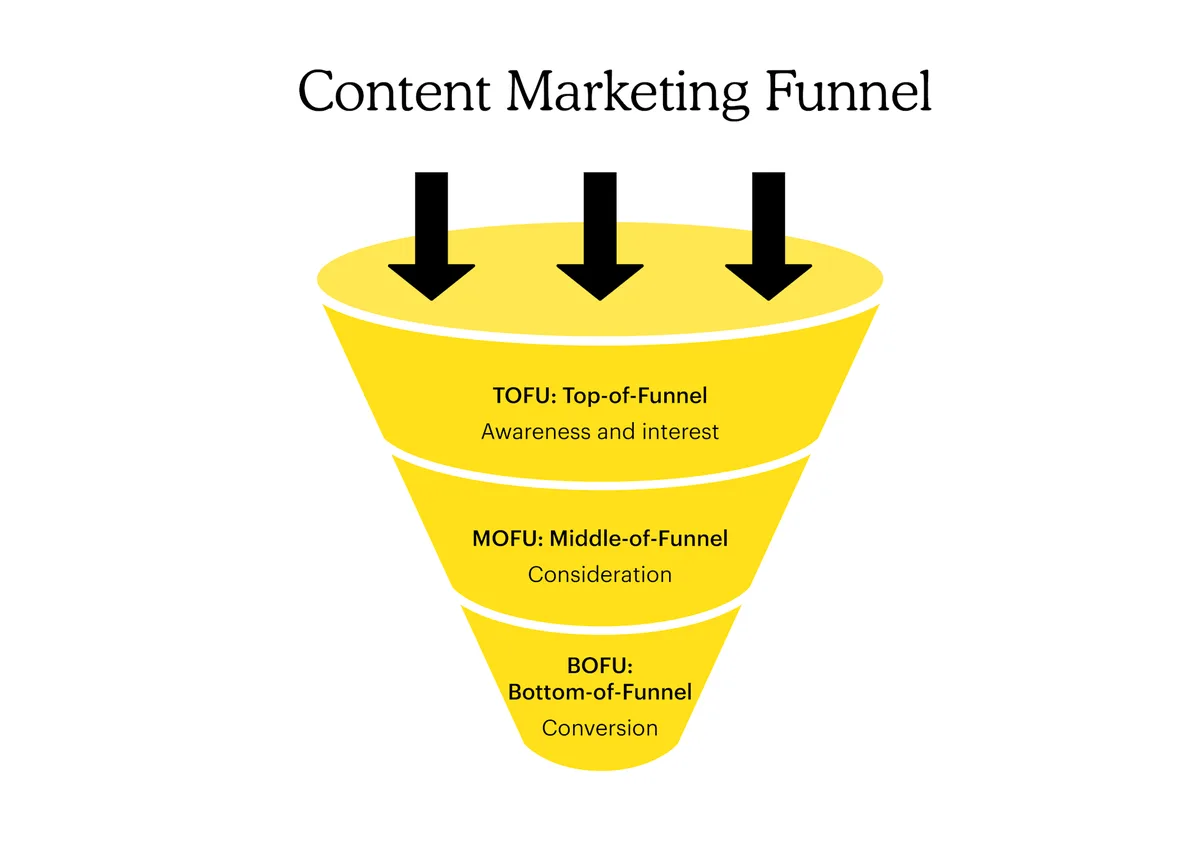
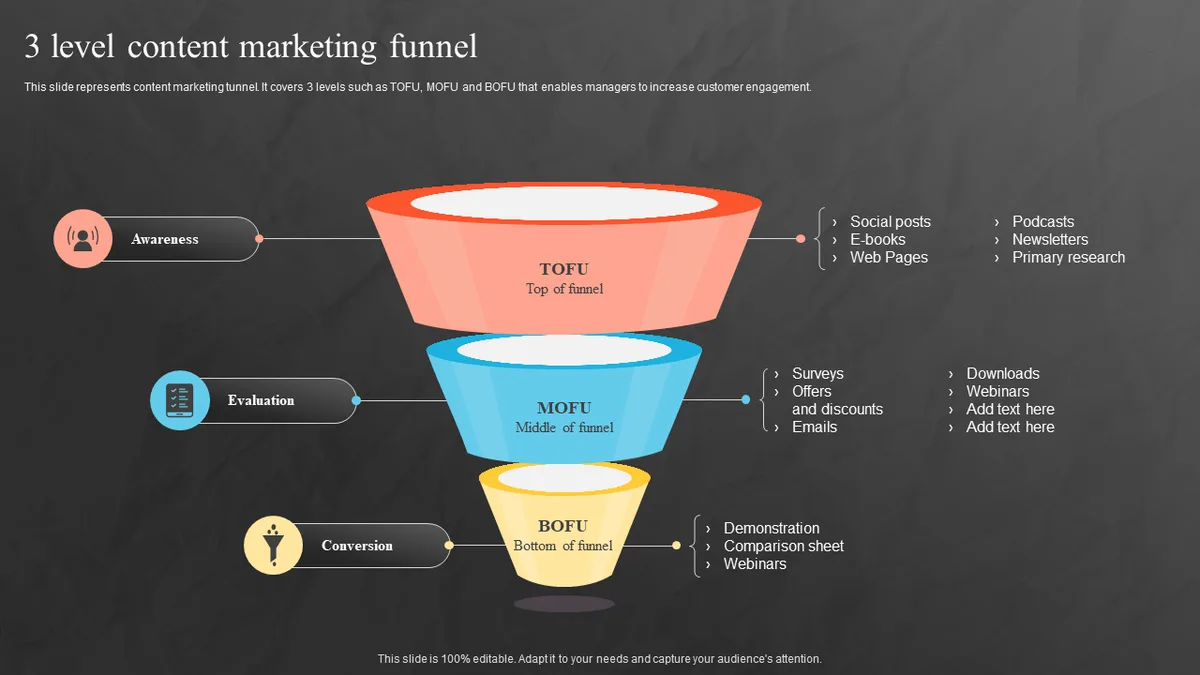
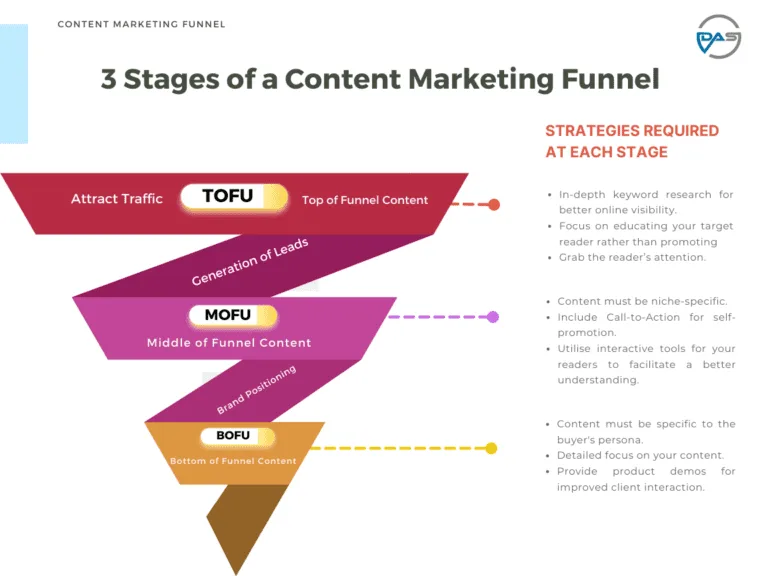
At its core, a funnel describes how a stranger moves from first contact to a purchase decision. The content marketing funnel stages formalize that journey by mapping specific content types and goals to each phase of buyer awareness.
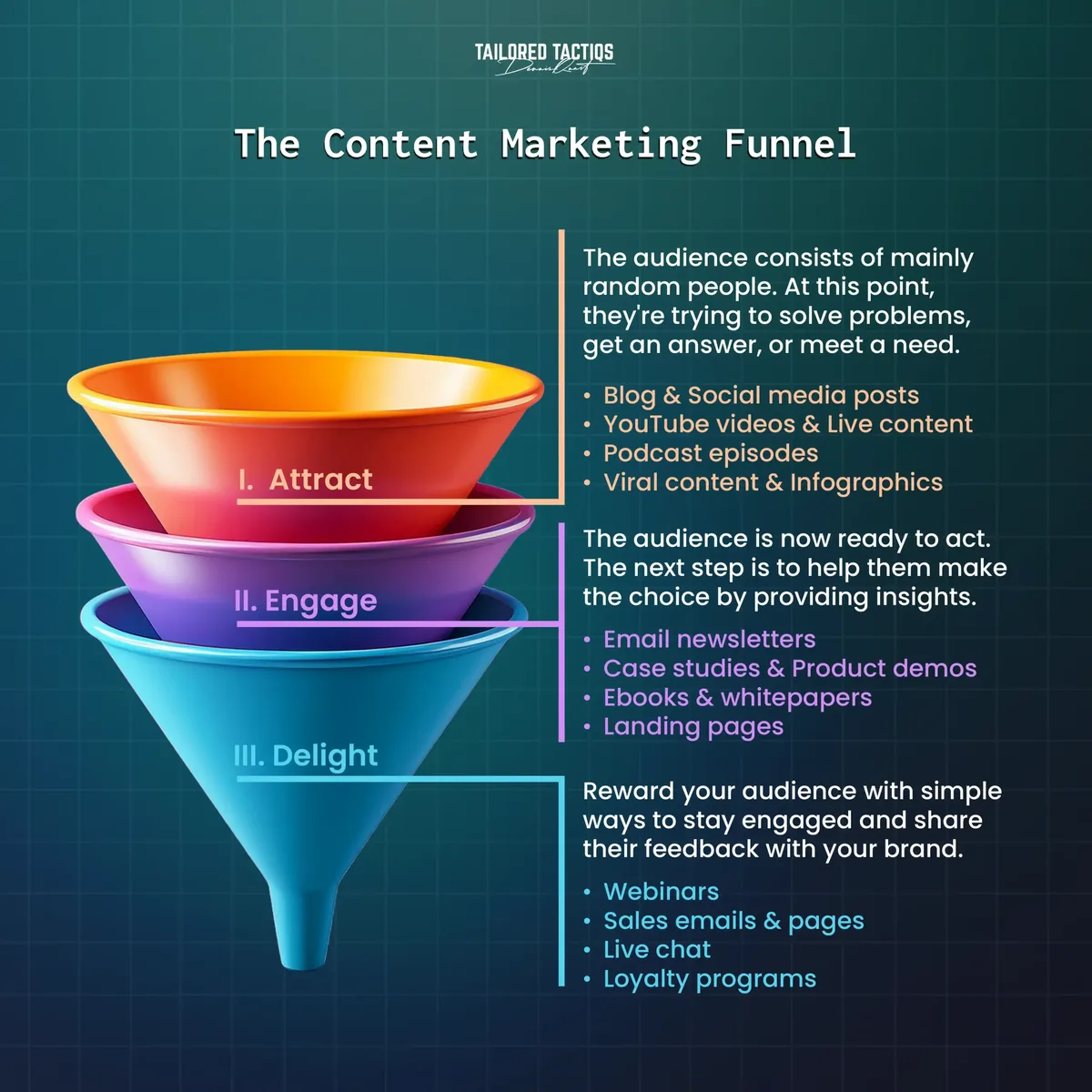
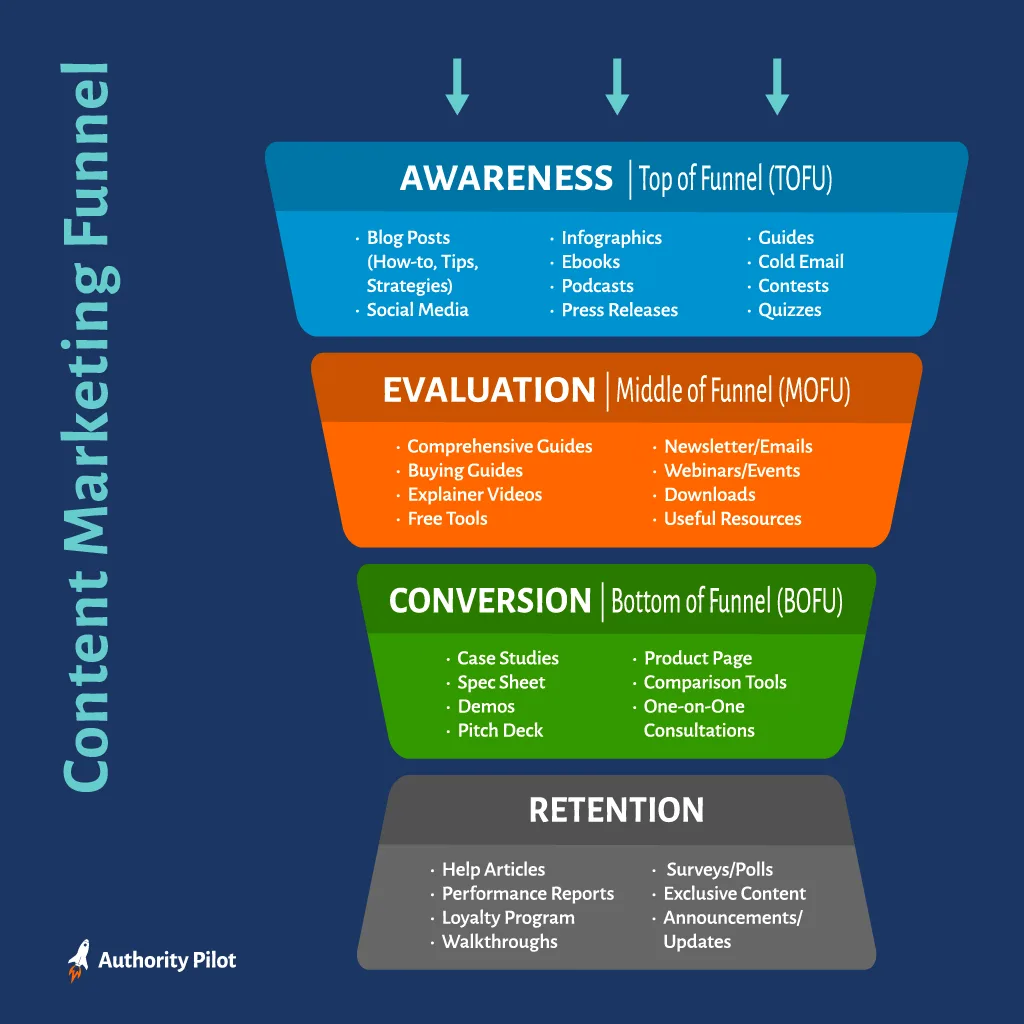
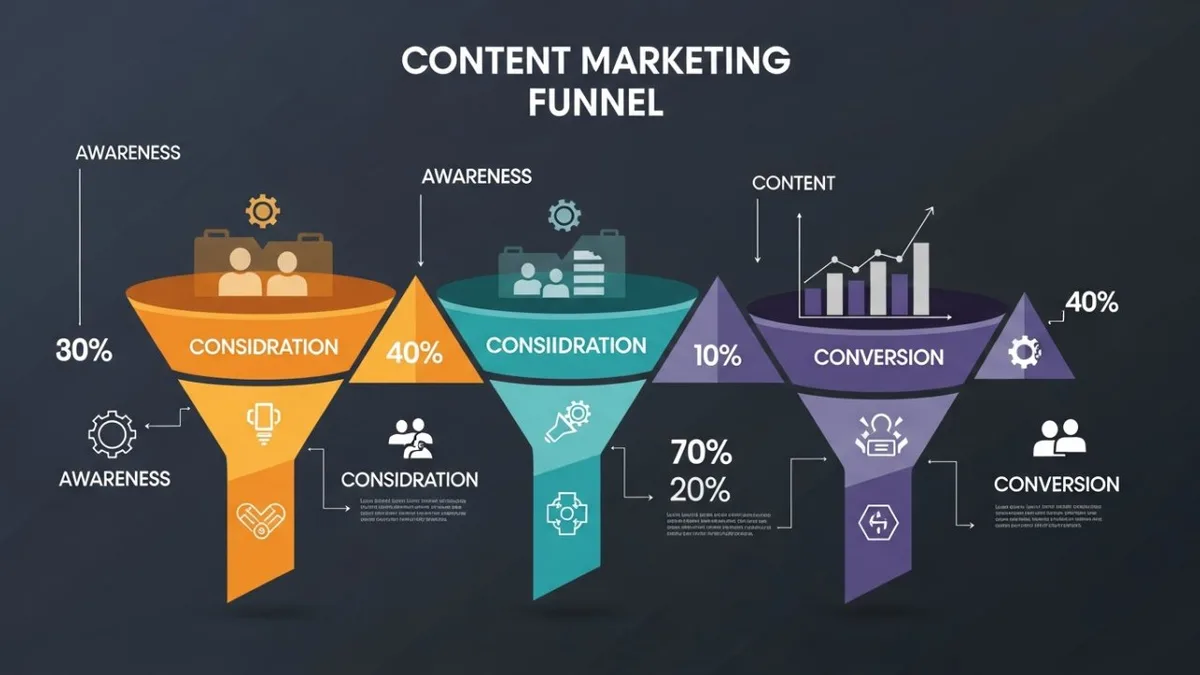
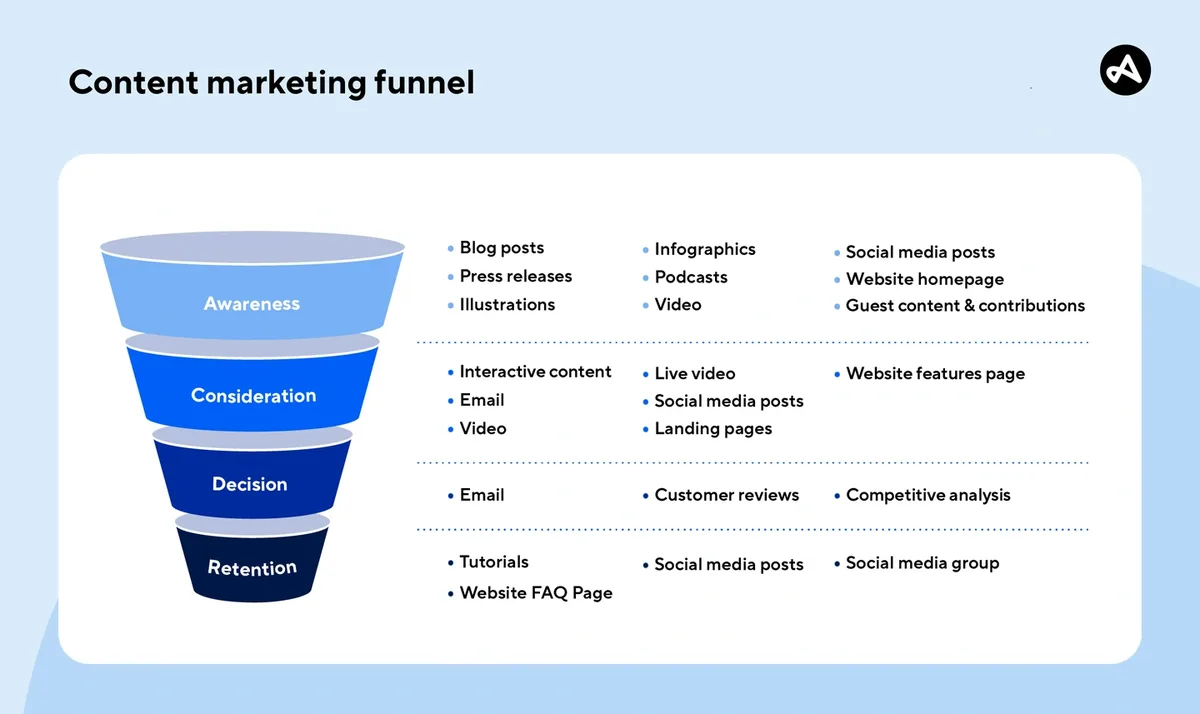
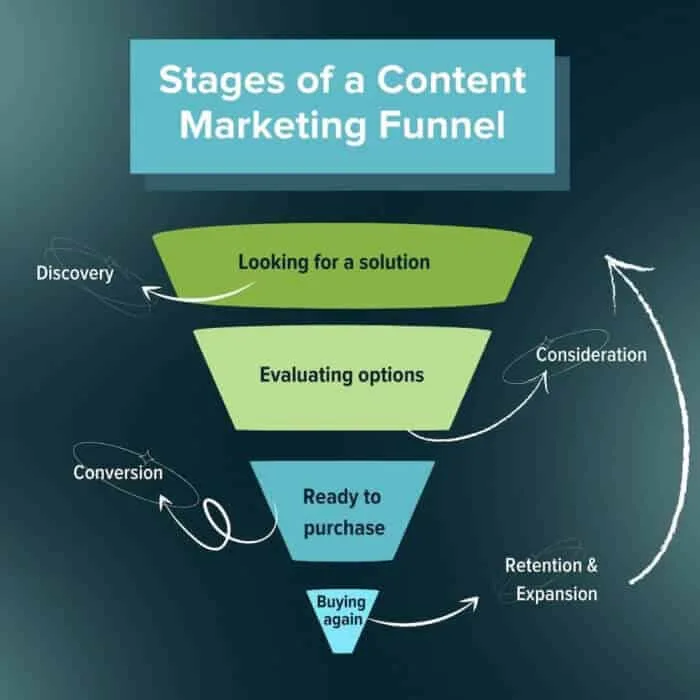
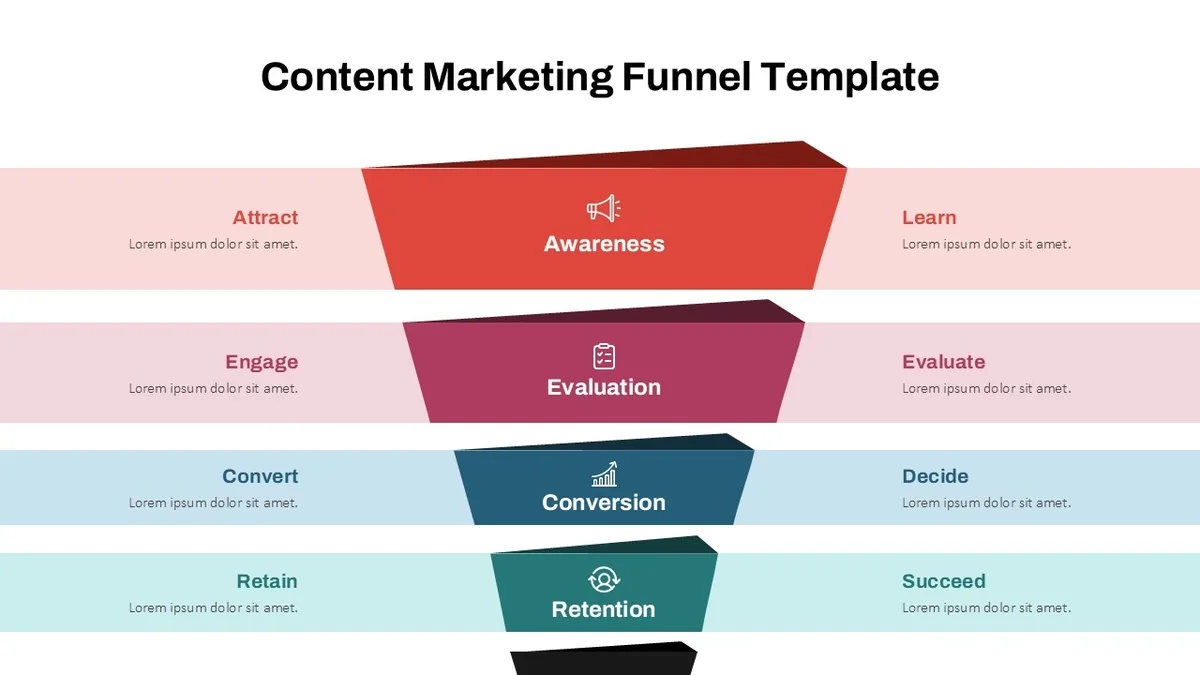
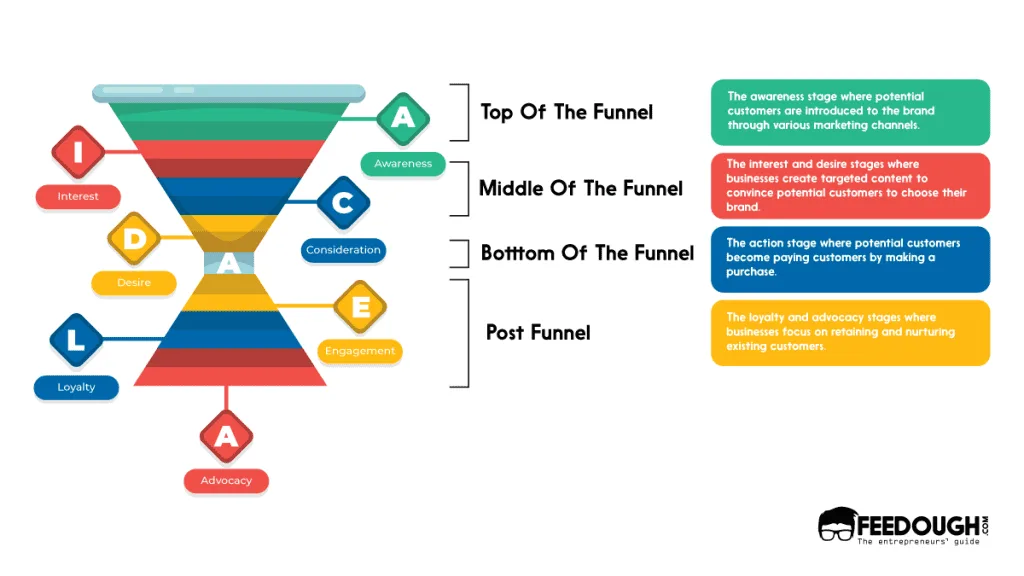
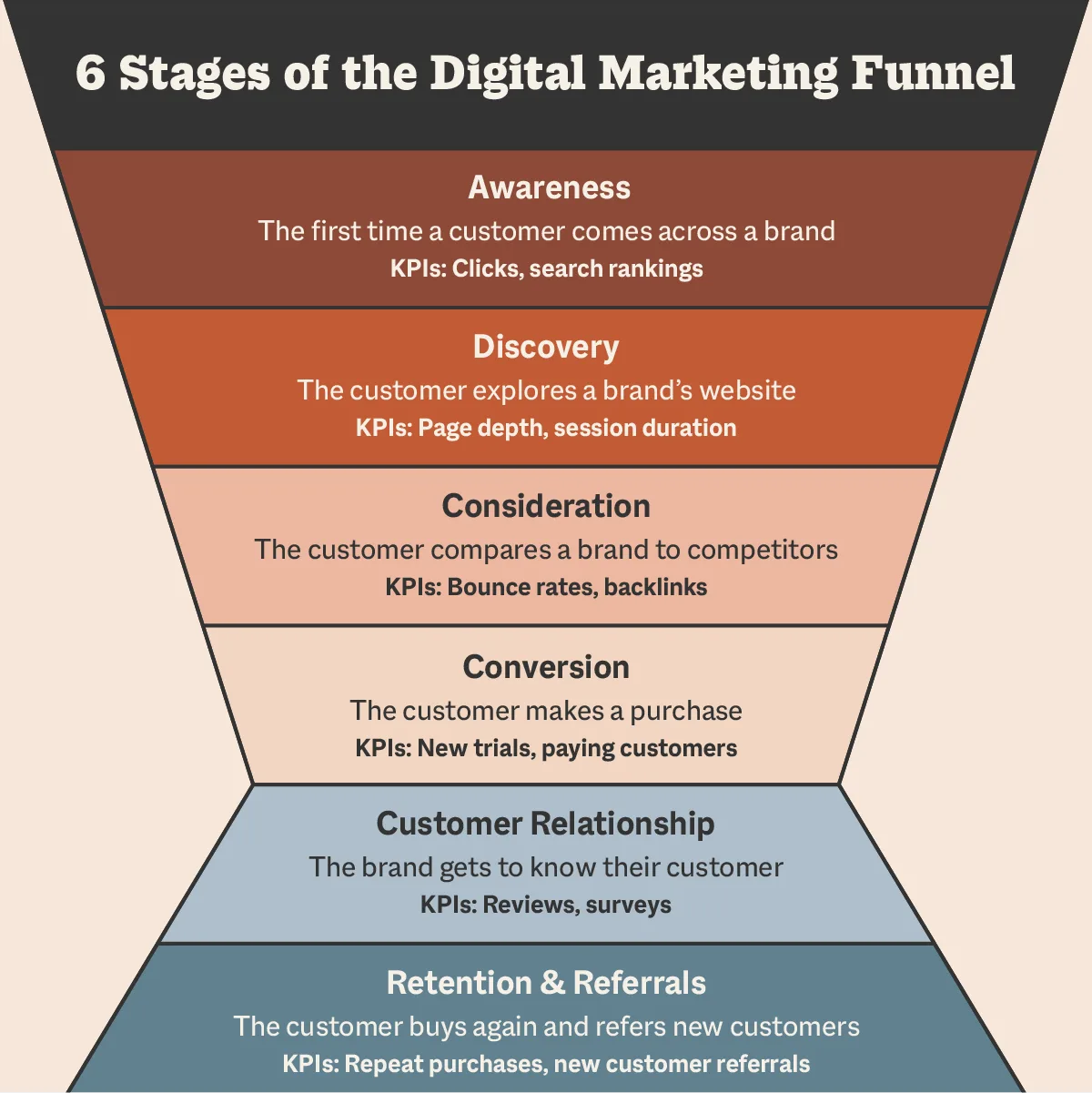
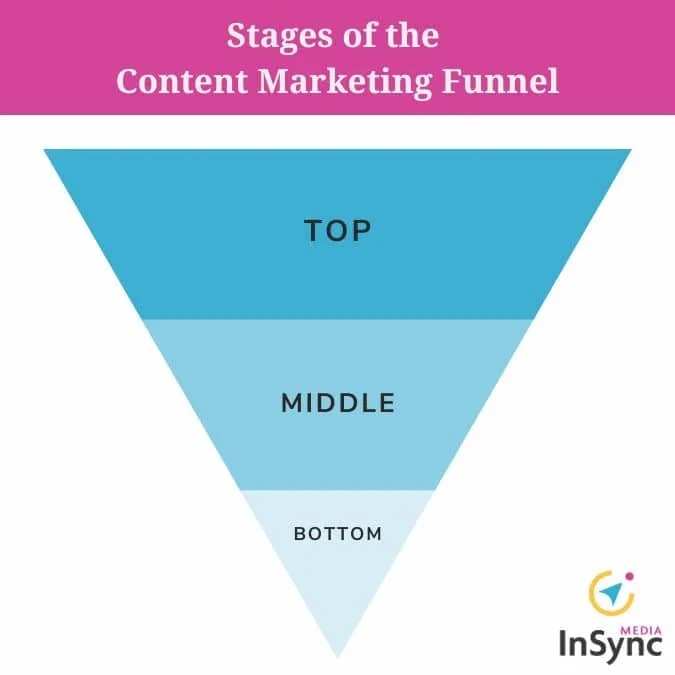
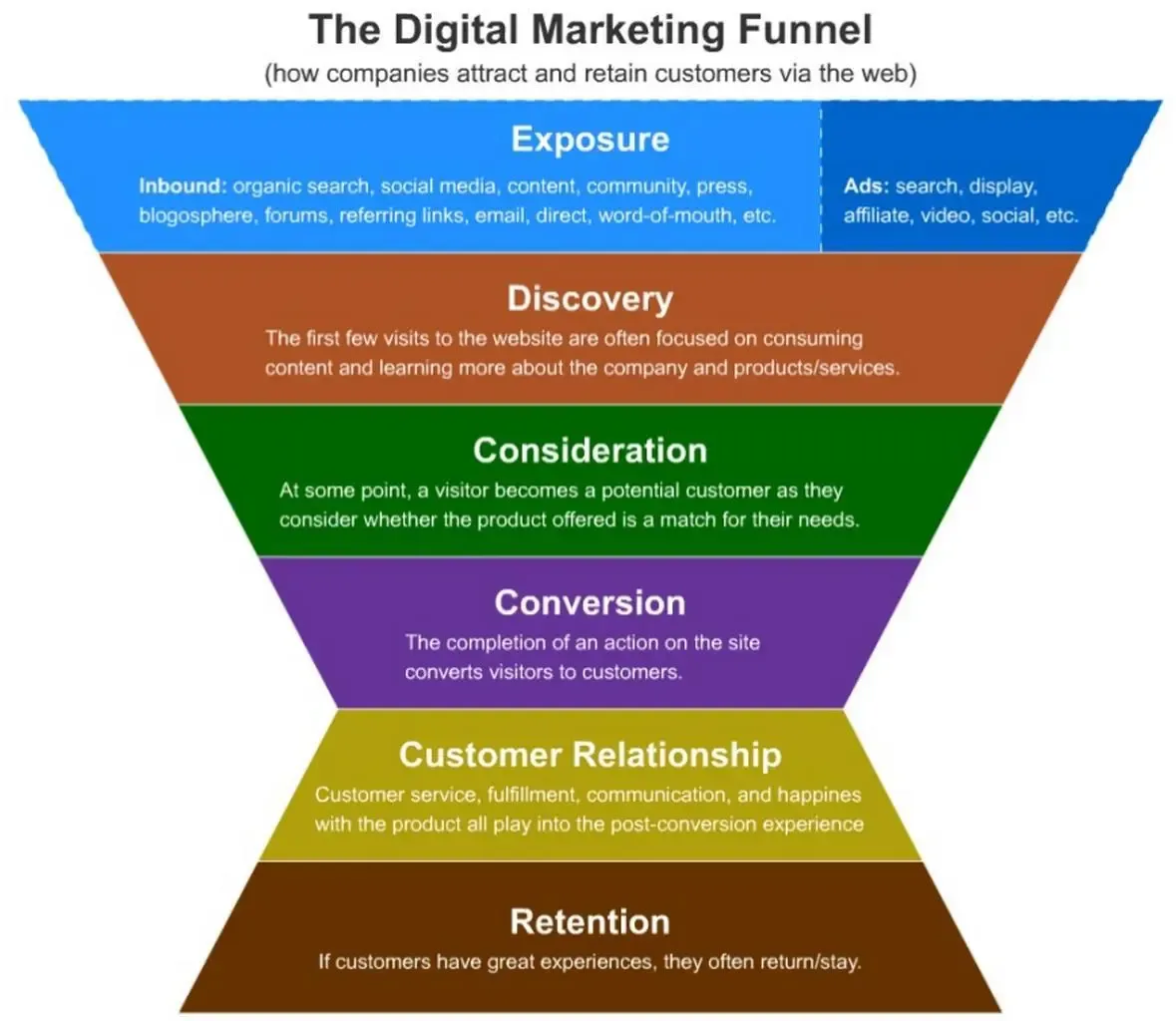
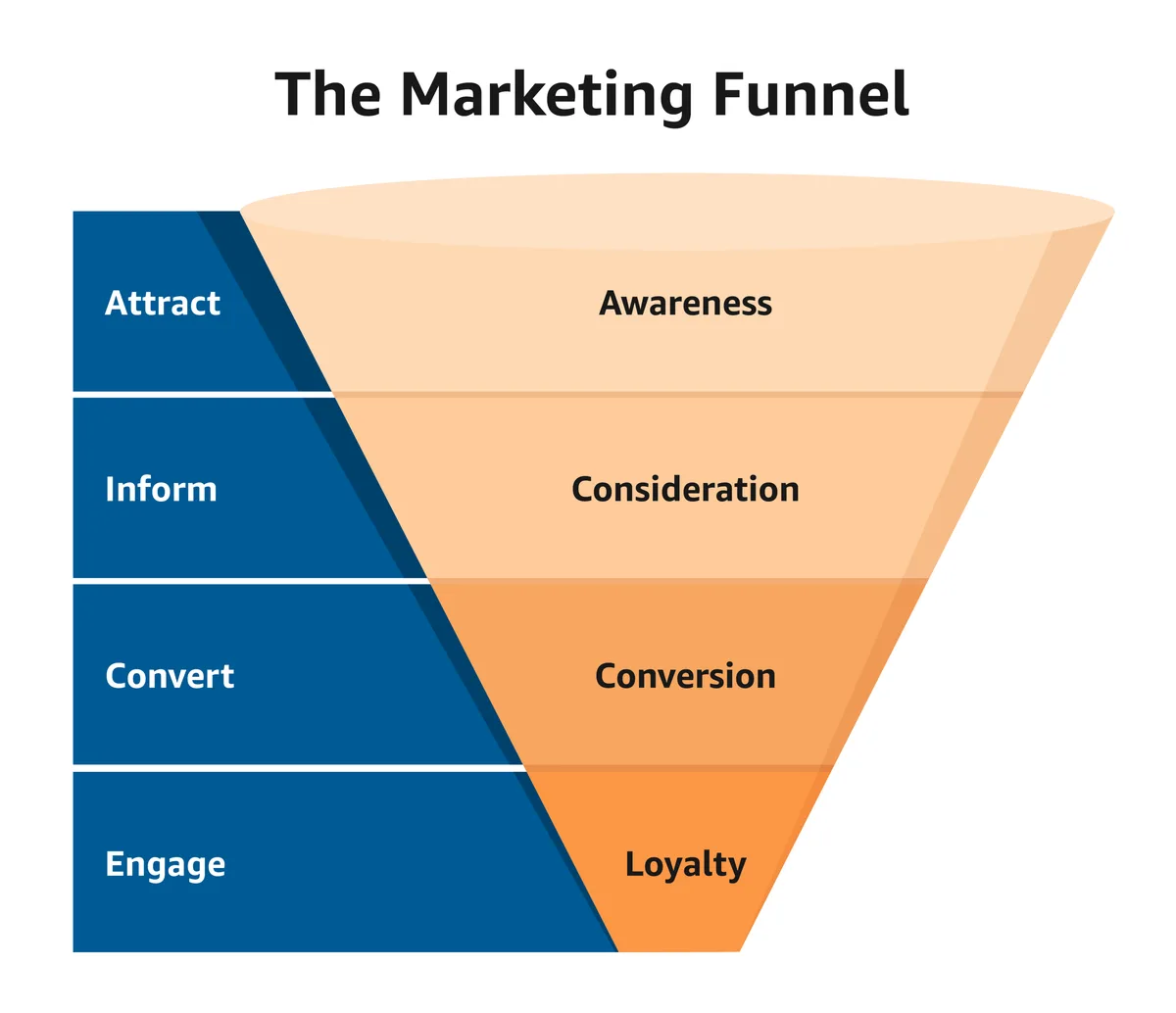
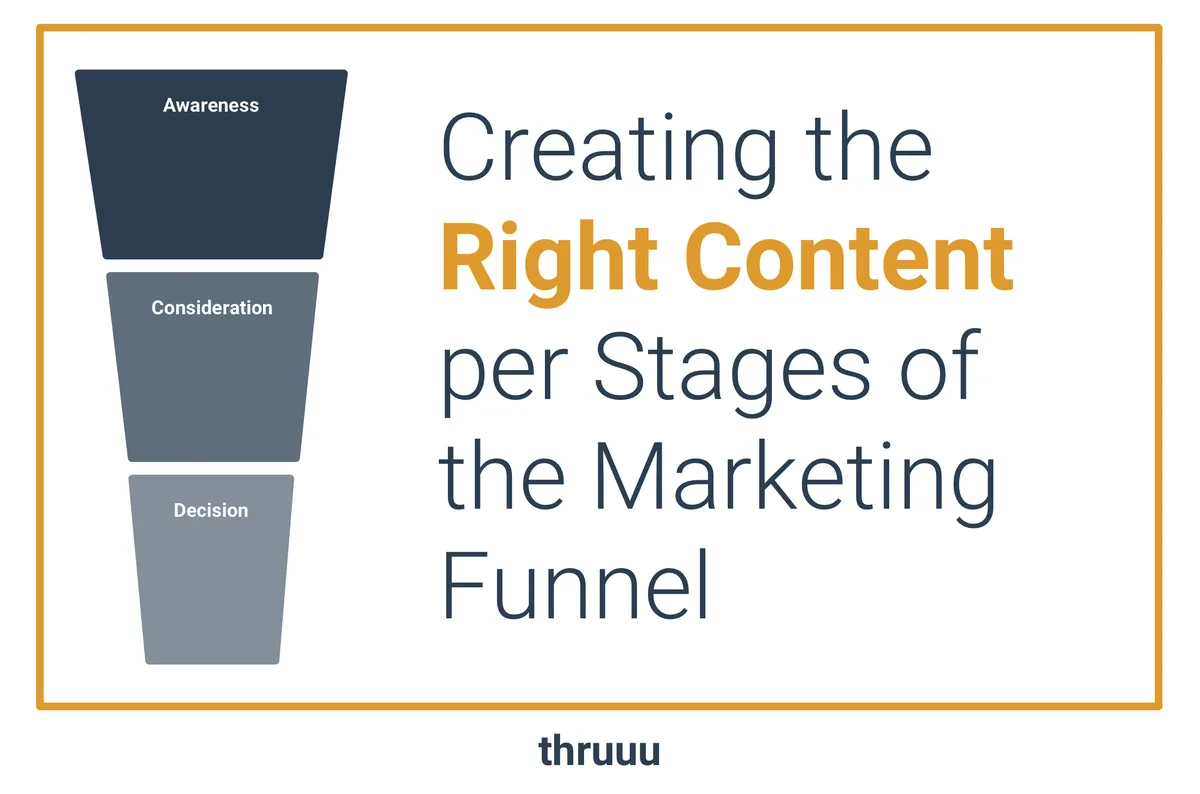
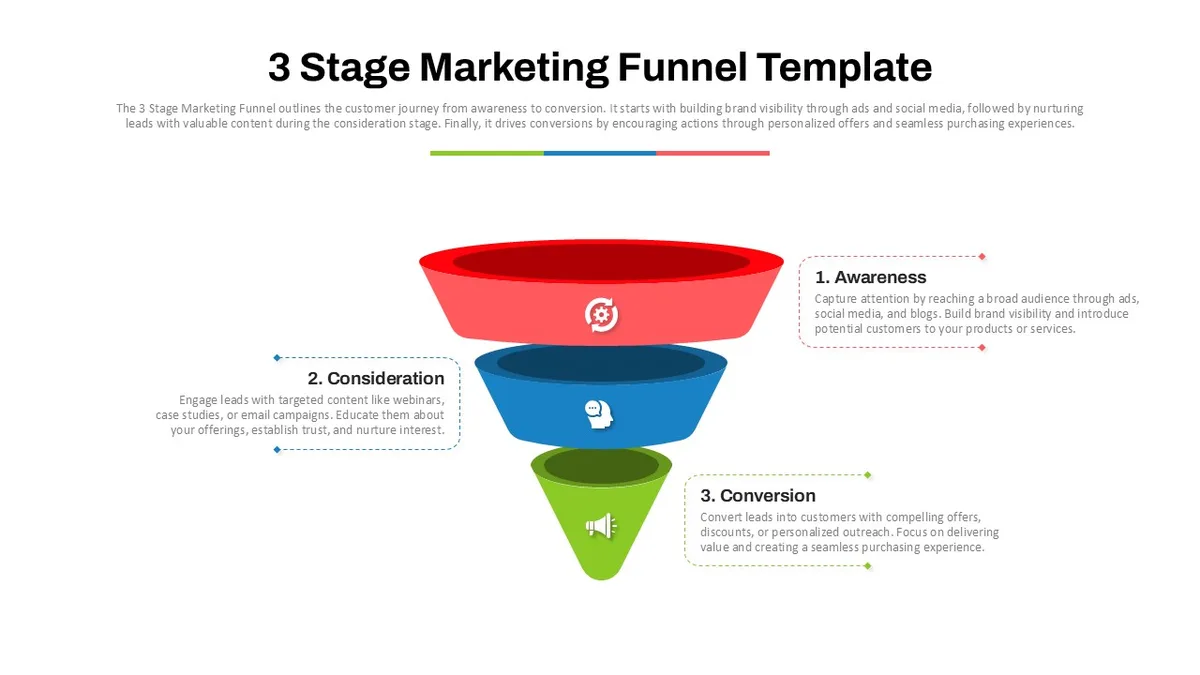
Most practitioners break the content marketing funnel stages into three broad phases: awareness, consideration, and conversion. Some teams add a fourth layer for retention and advocacy. Neither structure is wrong — what matters is that your team agrees on one and writes content against it.
Here’s the part that trips people up. A funnel isn’t a straight line. Buyers loop back, jump sideways, read reviews on Reddit, ask a friend, then return to your email inbox three weeks later. The stages are a planning tool, not a prediction of behavior.
I’ve seen campaigns fail because the team treated the funnel as a rigid gate system. A visitor who reads a comparison post and immediately wants a demo isn’t “supposed” to be in the research phase. Let them buy.
Why Your Content Marketing Funnel Stages Checklist Matters More Than Volume
Publishing a hundred posts the content marketing funnel stages all target the same awareness-phase keyword is a common trap. It feels productive. Traffic goes up. Revenue stays flat.
A proper content marketing funnel stages checklist forces you to audit coverage across every phase and catch those blind spots before they cost you. Most content teams skew heavily toward top-of-funnel because it’s the easiest to write and the fastest to show traffic gains.
The problem? A funnel that’s 90% awareness content is a leaky bucket. You’re paying for attention you can’t convert.
Top-of-Funnel Justification
Notice how sales isn’t mentioned in that phase description. The goal at the awareness and consideration stages is to build enough trust that the sales conversation feels like a natural next step, not an ambush.
Every piece of content the content marketing funnel stages produce should have a defined “next step” — even if it’s just an internal link to a deeper guide. Without that handoff, each post lives in isolation.
Content Marketing Funnel Stages Best Practices for Alignment
One habit that’s saved my teams a lot of wasted hours: naming the funnel stage in the content brief itself. When a writer knows the post is aimed at “consideration,” they make different choices about structure, examples, and calls to action.
Another best practice from the field — assign a single owner to each funnel phase. When everyone owns the whole funnel, nobody owns the gaps between stages.
The Awareness Stage: Winning Attention Without Wasting It
The content marketing funnel stages is where a stranger first meets your brand. The content here is educational, broad, and often newsy — think “what is,” “how to,” “why does,” and “best” queries.
Volume matters here, but relevance matters more. A million impressions from a keyword your buyer persona never searches is a vanity metric dressed up as SEO success.
Focus your awareness content on the problems your product solves, described in the customer’s own language. If your product helps restaurants cut food waste, you want to rank for the phrases chefs actually type at 11pm while staring at a walk-in cooler full of wilting basil.
The awareness stage of the content marketing funnel stages guide is where I see the most effort and the least optimization. Teams publish great stuff, then forget to connect it to anything downstream.
Content Types That Work at the Top of the Funnel
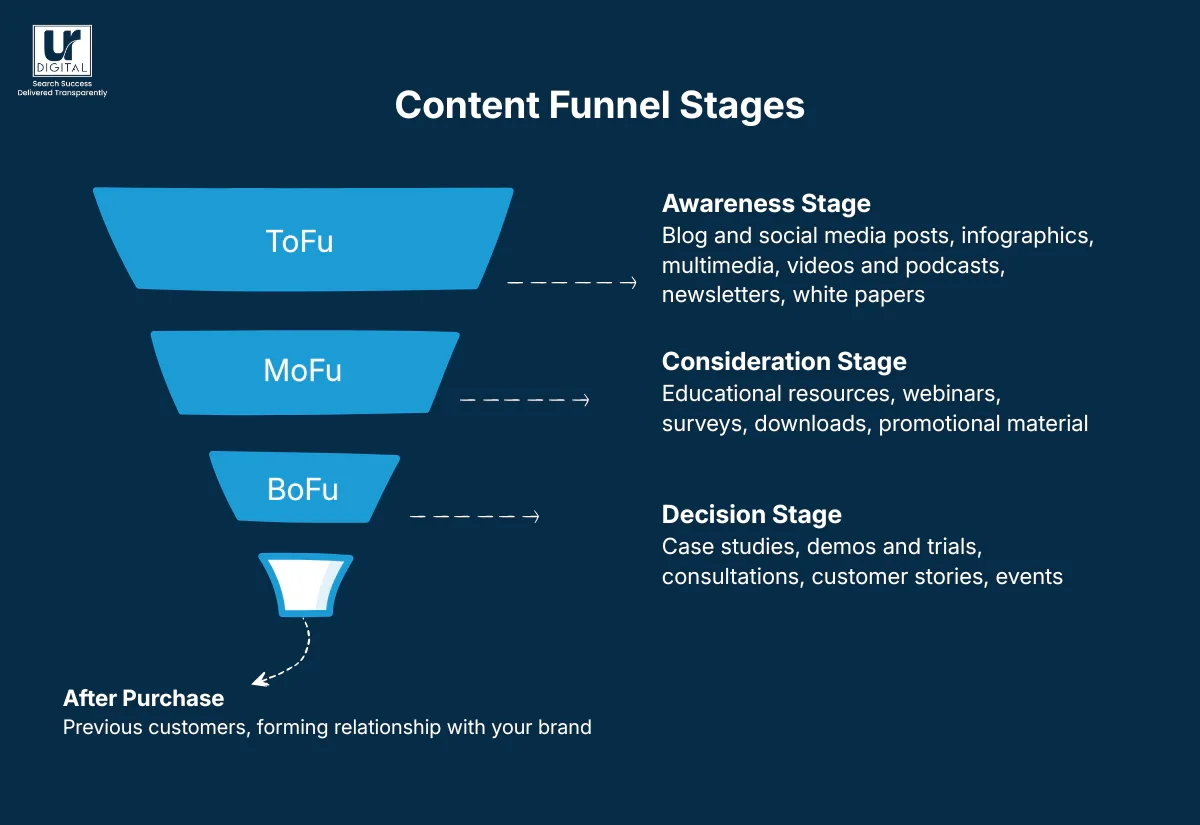
Not every format performs equally at every stage. A thoughtful approach to content marketing funnel stages reinforces your qualifications. At the awareness layer, these tend to earn the most traction:
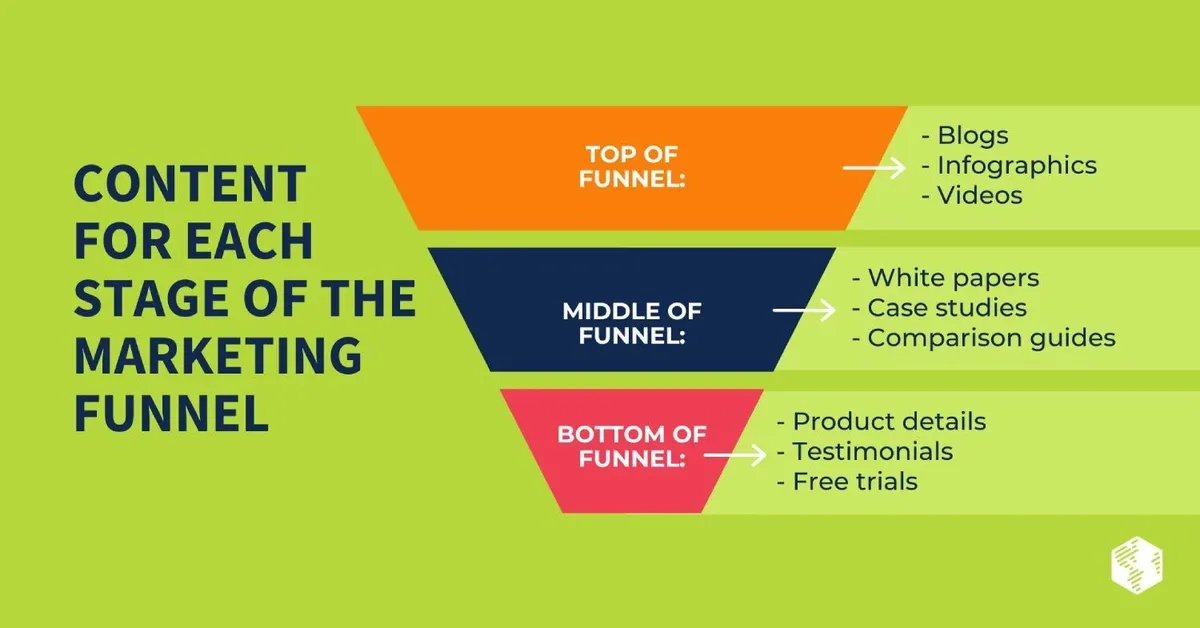
- Long-form educational guides — the definitive resource on a problem, optimized for search intent and internal linking.
- Original research and data studies — survey results, industry benchmarks, and trend reports that earn backlinks and social shares naturally.
- Glossaries and explainer hubs — definitions of core industry terms, each one capable of ranking for low-competition long-tail queries.
- Short-form video and reels — quick explainers that introduce a concept and nudge viewers toward a longer resource.
- Podcast episodes and expert interviews — relationship building disguised as content, surprisingly effective for earning trust early.
Each of these should carry a clear bridge to the next stage. A glossary entry links to a deeper guide. A data study ends with a downloadable template that requires an email. Small nudges add up.
Awareness Stage Metrics That Actually Predict Revenue
Forget raw traffic for a second and look at engagement depth. Metrics like scroll rate, average time on page, and the percentage of readers who click through to a second page tell you whether your awareness content is doing its job.
Track these against downstream behavior. Structuring your content marketing funnel stages around proven patterns ensures impact. If your top-traffic post generates zero email signups and zero demo requests, the traffic is decoration. Consider whether you’ve pitched the content at the wrong audience or simply failed to give readers a next step.
Want a quick diagnostic? Pick your five highest-traffic posts and check how many of them link to a consideration-stage page. If the answer is fewer than three, you’ve found your first fix.
The Consideration Stage: Earning Trust Before the Pitch
Once someone knows a problem exists, they start comparing solutions. This is where comparison posts, case studies, and in-depth guides earn their keep.
The consideration phase of the content marketing funnel stages is the most under-built, in my experience. Teams jump from “here’s what SEO is” to “buy our agency” with nothing between.
The content marketing funnel stages gap is where trust dies. A prospect who has read two of your blog posts and seen zero evidence of your expertise isn’t ready to hear about pricing.
Content Formats for Mid-Funnel Decision-Making
This is where content marketing funnel stages best practices matter most — comparison content, vendor reviews, and case studies are what actually move a prospect from curious to committed.
The formats that consistently pull their weight at the consideration layer:
- Product comparison pages — honest breakdowns of how your solution stacks up against competitors, including trade-offs. Buyers can smell bias.
- Customer case studies — real numbers, real timelines, real reactions from the customer’s team. Specificity beats superlatives every time.
- Buyer’s guides and buying criteria — frameworks that help prospects think about the decision, even if they don’t choose you.
- Webinars and product demos — live shows of your expertise with a natural invitation to talk further.
- ROI calculators and assessment tools — interactive content that gives prospects an answer to “is this worth it for my business?”
Case studies deserve a special mention. A well-documented case study with a named customer, a clear before-and-after, and a metric or two can outperform a dozen generic blog posts on conversion rate.
The Content Marketing Funnel Stages Tips Nobody Tells You About Consideration
Here’s a tip that’s saved my sanity more than once: build a “consideration content trigger” into your CRM. When a prospect’s email address matches someone who downloaded a comparison PDF, route them to a sales rep who can add context.
Human follow-up, timed to content consumption, converts dramatically better than any automated nurture sequence. The content marketing funnel stages tips you read online rarely mention this integration — but it’s where real revenue happens.
Another practical trick: put the “talk to sales” button in the sidebar of every consideration post, not just the bottom. Proper attention to your content marketing funnel stages sets a strong baseline. Readers who are ready to talk shouldn’t have to scroll to find a way to do it.
The Conversion Stage: Turning Intent Into Action
At this stage, the buyer has decided they want something. Your job is to remove friction.
Content at the conversion layer is sharper and more transactional: pricing pages, demo request forms, trial sign-up flows, and product pages that answer the “how much” and “will this fit my workflow” questions directly.
The content marketing funnel stages don’t stop at the “buy” button, though. That’s a common misconception — the funnel is really a loop, and I’ll cover the retention phase shortly.
Reducing Friction, One Objection at a Time
Every conversion page has objections buried in the content marketing funnel stages. “Is this secure?” “Will it integrate with what we already use?” “What if I need to cancel?” The best conversion content answers these questions before they’re asked.
I worked with a SaaS team that doubled trial signups by adding a single sentence under the CTA: “No credit card, cancel anytime, and your data stays yours.” One sentence, more trust, measurable lift.
Run your own conversion audit against the content marketing funnel stages checklist. List five objections a real prospect would have and make sure your page addresses each one without burying the answers in fine print.
Content Marketing Funnel Stages Checklist for Conversion Pages
Here’s a quick gut-check for any page that asks for money, an email, or a demo:
- Is the offer crystal clear? A visitor should understand what happens after they click, in one sentence.
- Is there proof? At least one testimonial, review, or case study snippet on the page.
- Is the CTA repeated? Top of page, middle, and bottom — some readers arrive ready to act, others need to read first.
- Is the friction minimized? How many form fields do you really need? Every additional field costs conversions.
- Is there a fallback for not-ready visitors? A newsletter signup or a lower-commitment content offer captures the “maybe later” crowd.
Does Your Content Marketing Funnel Stages Guide Need a Retention Layer?
Yes — and skipping it is the most expensive mistake in content marketing.
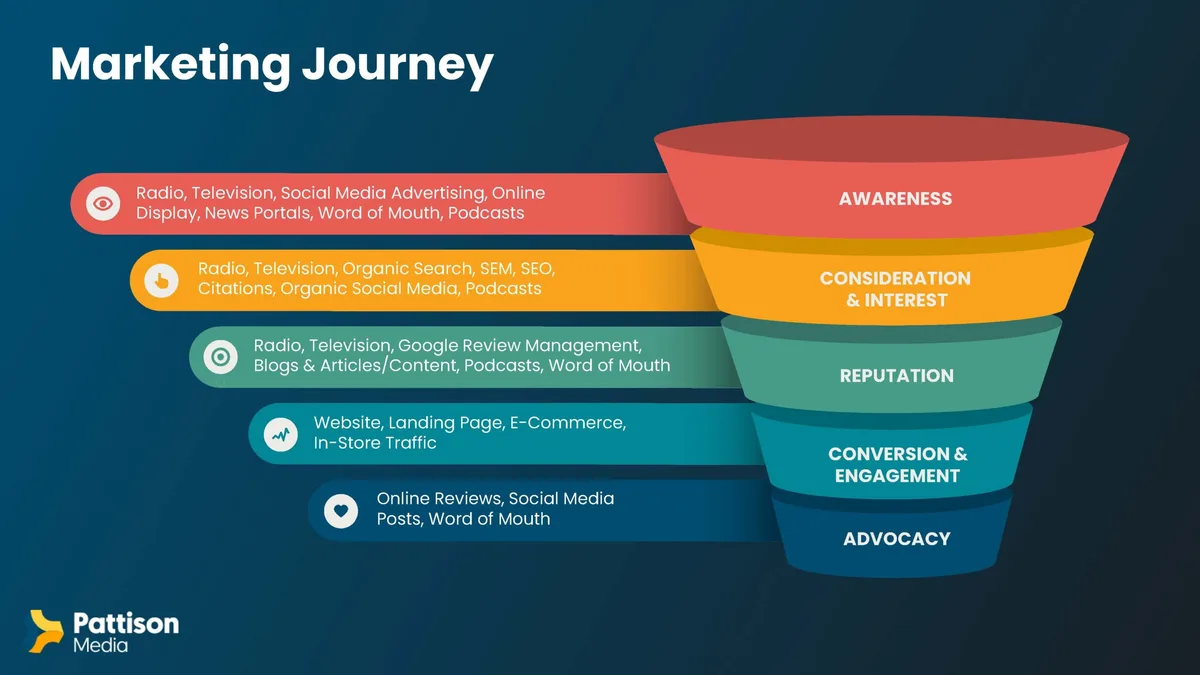
Most brands stop optimizing once a customer converts. The retention layer of the content marketing funnel stages is where loyalty gets built, churn gets reduced, and referral traffic gets generated.
Post-purchase content includes onboarding guides, product tutorials, customer success stories, community newsletters, and “how to get more from your purchase” series. Clear alignment with your content marketing funnel stages builds confidence from the start. It’s lower-glamour work, but the lifetime value math is undeniable.
A customer who reads three onboarding emails and watches one tutorial is dramatically less likely to churn. That’s a conversion event worth optimizing for, even if it happens after the invoice.
Content Marketing Funnel Stages Best Practices That Separate Pros from Amateurs
Once you know the stages, execution becomes the differentiator. Here’s what separates teams that build compounding funnels from teams that stay stuck.
1. Map Content to Buyer Personas, Not Just Stages
Two people in the same perception stage can need completely different content. Integrating content marketing funnel stages into your workflow produces consistent quality. A marketing manager comparing vendors wants different information than an IT director running security review.
Build a simple grid — personas on one axis, funnel stages on the other — and audit your existing content against it. The empty cells are your next three months of content calendar.
2. Build Internal Linking as a First-Class Discipline
Every awareness post should link to at least one consideration resource. Every consideration page should link to a conversion CTA. Without those links, your content is a series of islands, not a funnel.
Keep a content map (a simple spreadsheet works) the content marketing funnel stages tracks which posts link to which. Update it every time you publish. In my experience, this single habit prevents more funnel leaks than any tool ever will.
3. Measure Stage-Assigned Conversion Rates
Instead of tracking one global conversion rate, track a “next-stage rate” for each content asset. What percentage of awareness post readers move to a consideration page? What percentage of consideration readers request a demo?
This gives you a lever to pull when performance dips. If awareness is fine but consideration isn’t converting, you know exactly where to invest.
4. Refresh Content Before It Decays
Funnel content decays over time as competitors publish, search intent shifts, and links rot. Focusing on content marketing funnel stages provides clear direction here. Review your top-performing funnel content every ninety days for broken links, outdated claims, and missing internal links.
Refreshing an existing post is usually cheaper than publishing a new one and often produces a bigger ranking and conversion lift. Senior SEOs have known this for a decade. New teams still underinvest in it.
5. Let Sales and Support Feed the Funnel
The best funnel content comes out of sales call recordings and support tickets. Questions prospects ask on calls become FAQ content. Complaints in support become product guides that reduce churn.
Set up a monthly sync between content, sales, and support. Refining each detail of your content marketing funnel stages strengthens this section. Bring the ten most common objections and answer them in the next content sprint.
Common Content Marketing Funnel Stages Mistakes and How to Fix Them
Some mistakes show up in nearly every audit I run. Here are the four I see most often, and the fastest fixes.
Mistake 1: Building a Funnel Without a Conversion Layer
This is the big one. Brands publish excellent educational content, rank for competitive terms, then wonder why revenue doesn’t move. There’s no path from “interesting” to “interested.”
Fix: For every awareness post, identify the one next-stage page the content marketing funnel stages should link to. If none exists, create the page before you publish the post.
Mistake 2: Treating CTA Placement as an Afterthought
A single CTA at the very bottom of a 3,000-word post is a wasted opportunity. Readers who are ready to act lose steam by the time they reach the bottom.
Fix: Place CTAs contextually — one after the introduction, one mid-post where the reader’s interest peaks, one at the end. Match the CTA to the paragraph above it.
Mistake 3: Publishing Content That Ignores Search Intent
A post titled “How to Choose a CRM” the content marketing funnel stages’s mostly about your product features will lose to a post that actually teaches people how to choose. Search intent is king.
Fix: Read the top five ranking results for your target keyword. Understand what format and angle they use, then match it — or beat it with substance, not just more words.
Mistake 4: Skipping the Post-Purchase Funnel Entirely
Retention content gets ignored because it doesn’t feel like “marketing.” It’s the highest-ROI work most teams never start.
Fix: Add one onboarding email series and one customer-exclusive guide to your next quarter. Measure churn and expansion revenue for readers vs non-readers.
How Do You Audit Your Funnel Without Losing Your Mind?
Audits get overwhelming fast if you try to measure everything at once. Here’s the version that actually gets finished.
Start by exporting your top 50 pages by traffic and tagging each one with its assigned funnel stage. That tagging itself will reveal obvious gaps — usually a heavy skew toward awareness with little consideration content.
Step 1: Sort Content Into Stages
Use a simple rule. Does the piece introduce a problem? Awareness. Does it compare solutions? Consideration. Does it ask for money or a demo? Conversion. Does it serve existing customers? Retention.
Don’t overthink edge cases. Where a piece straddles two stages, assign it to the stage of the majority of its content.
Step 2: Score Each Piece for Next-Stage Links
Give each page a score: 0 if it links to no next-stage resource, 1 if it links to one, 2 if it links to two or more. Sort by score descending and start fixing the zeroes.
This takes an afternoon. It’s the highest-leverage afternoon you’ll spend on SEO this quarter.
Step 3: Review Stage-to-Stage Conversion Rates
For each stage, look at what percentage of readers move to the next stage. If you find a step with a much lower rate than the others, that’s where the bottleneck lives.
Common culprits: form fields that are too long, a CTA that doesn’t match the preceding content, or an offer that assumes the wrong stage of awareness.
What Tools Help You Build and Track Content Marketing Funnel Stages?
You don’t need a massive stack, but a few tools pay for themselves. Here’s what I actually use and recommend.
- Content optimization tools (Surfer, Clearscope, Frase, MarketMuse) — for semantic coverage and outline scoring against top-ranking pages. Pick one and stick with it.
- Analytics (GA4 or a privacy-first alternative) — for stage-assigned conversion tracking and page-level engagement.
- CRM with content trigger automation (HubSpot, Pipedrive, or similar) — to route content-consuming prospects to human follow-up.
- Internal linking helpers (Screaming Frog, Sitebulb) — to catch orphan content and broken internal links.
- Customer feedback capture (Gong, Hotjar, or Slack-based ticket scraping) — to feed real objections into your content calendar.
Don’t buy tools before the content marketing funnel stages’ve done the audit. Tools accelerate a working funnel; they can’t build one for you. And if you’re running a lean operation, a spreadsheet and a well-organized sitemap still beat a competitive direct manufacturer pricing/month subscription you don’t understand.
What Content Types Actually Earn Conversions at Each Stage?
Format choice matters as much as topic. Here’s a practical mapping across the whole content marketing funnel stages framework:
| Funnel Stage | Primary Content Formats | Primary Goal | Key Metric |
|---|---|---|---|
| Awareness | Guides, research studies, glossaries, explainer videos, podcasts | Capture attention at the intended audience | Engaged time, next-page rate, newsletter signup rate |
| Consideration | Case studies, comparisons, buyer guides, webinars, ROI tools | Build trust and shape evaluation criteria | Content-to-demo request rate, CRM-triggered calls |
| Conversion | Pricing pages, demo forms, product pages, testimonials | Reduce friction and close intent | Sign-up rate, meeting-booked rate, objection FAQ engagement |
| Retention | Onboarding guides, tutorials, community newsletters, customer stories | Increase adoption and reduce churn | Activation rate, 90-day retention, expansion revenue |
Read this table back against your current content calendar. If more than 60% of planned pieces live in the awareness row, budget for a correction — even if it means publishing less this quarter.
Frequently Asked Questions About Content Marketing Funnel Stages
Here is an in-depth breakdown of key considerations regarding Frequently Asked Questions About Content Marketing Funnel Stages:
What are the Three Main Content Marketing Funnel Stages?
Awareness, consideration, and conversion are the classic three. Most modern practitioners add retention as a fourth, plus a fifth layer for advocacy and referrals. Whichever structure you choose, build your content plan against one of them consistently.
How Many Content Pieces Do You Need to Build a Funnel?
The content marketing funnel stages can start with ten or twelve pieces if they’re the right ones. Roughly four awareness posts, three to four consideration resources, one to two conversion pages, and a starter onboarding email series gets you a functioning funnel. Volume comes later.
Where Do Email Nurture Sequences Fit Into the Content Marketing Funnel Stages?
Email sequences usually sit between consideration and conversion — they warm up prospects who aren’t ready to act immediately. A well-designed sequence delivers consideration content in bite-sized chunks and hands off to a sales conversation when engagement signals are strong.
What is the Biggest Mistake Brands Make With the Content Marketing Funnel Stages?
Publishing a huge volume of top-of-funnel content without a consideration or conversion strategy behind it. Traffic grows, but the pipeline stays empty. The fix is either to slow down awareness output and build out mid-funnel, or to aggressively add conversion hooks to your existing awareness library.
How Do You Know Which Stage to Invest in First?
Run the audit I described earlier. Look for two bottlenecks: (1) a stage with very little content and (2) a step between two adjacent stages where the conversion rate is unusually low. Fix the form-flickering friction first, then build the content to fill the empty stage.
Does Retention Really Belong in a Content Marketing Funnel?
Yes. Once you’ve paid acquisition cost once, retention content is nearly free to serve. Post-purchase tutorials, onboarding guides, and customer community newsletters reduce churn and expand lifetime value. It’s the cheapest ROI in the funnel.
Holding the Whole Content Marketing Funnel Stages Model Together
None of the stages work in isolation. When awareness posts flood in traffic that consideration content can’t answer, funnel leaks appear. When conversion pages demand too much before trust is earned, buyers bounce.
The content marketing funnel stages framework isn’t a rulebook — it’s a map for diagnosing leaks and staging investment. Every quarter, ask one question: where in my funnel is the drop-off highest, and what content asset is missing there?
Then go build it. Not because the map told you to, but because the buyer journey always has a pothole somewhere, and you’ll find it faster when you know where to look.
As your funnel matures, consider extending this pillar into related clusters — buyer persona content mapping, email nurture sequence design, and conversion rate optimization for content pages. Each one deepens the funnel without changing its basic shape.
That’s the quiet advantage of a well-built funnel: it compounds. And a document this structural is worth revisiting every quarter, not just once.
For verified reference and background research, consult the authoritative informational resource on this topic.