Content Gap Analysis: 15 Effective Tips
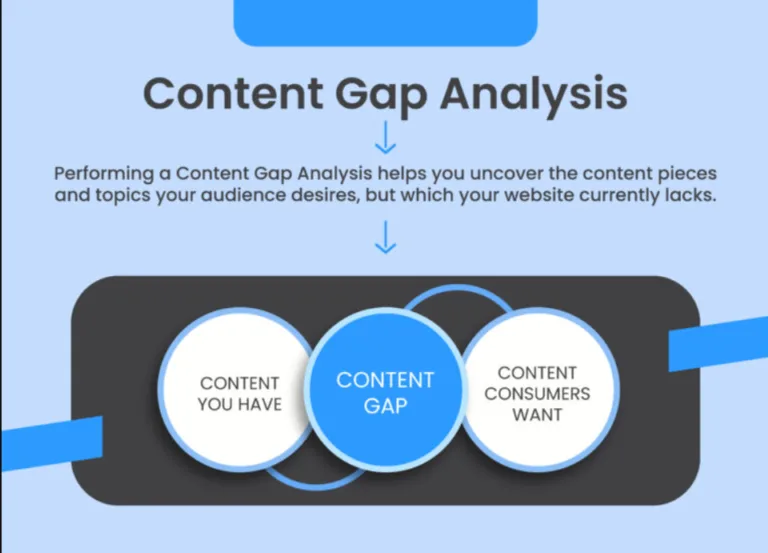
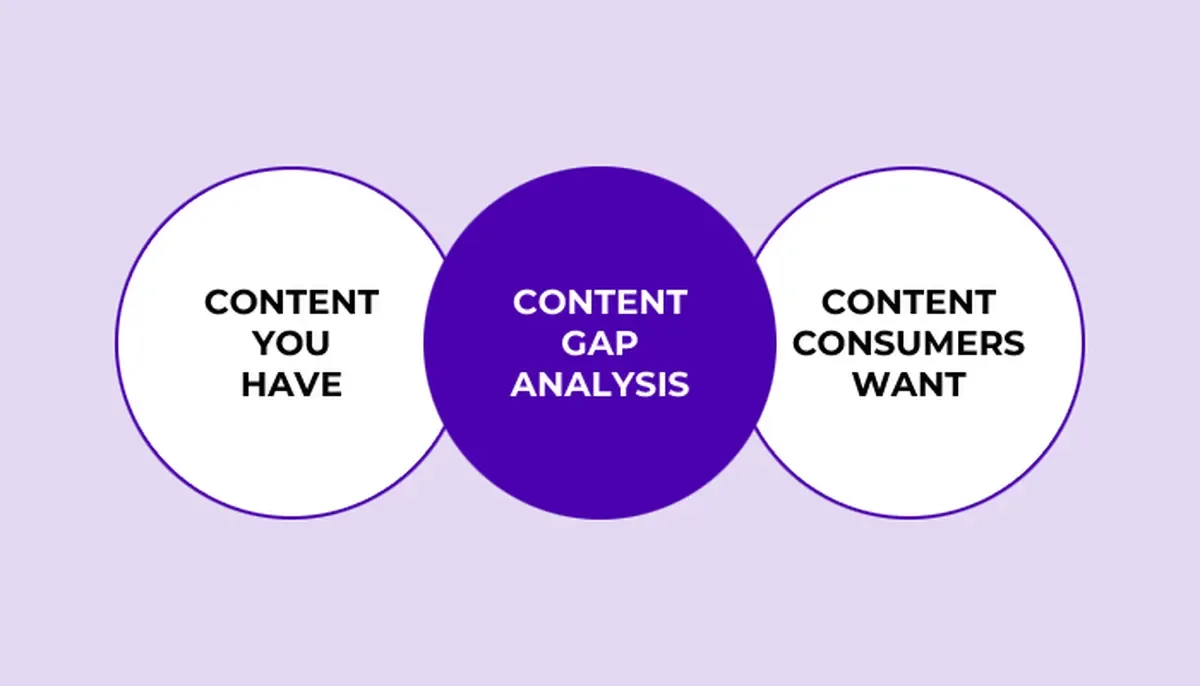
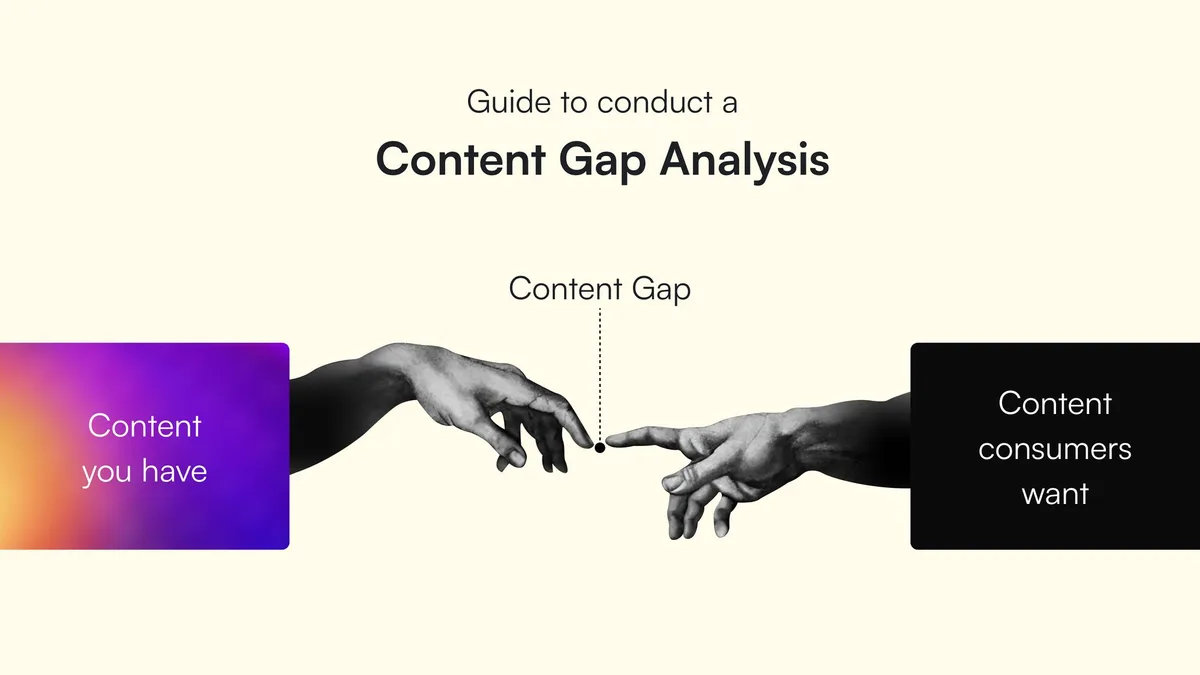
Content gap analysis is the discipline of finding the questions your audience asks that your current content never answers—and then filling those holes before a competitor does. Most teams treat it as a one-time audit.
That is the first mistake, and it is not the last. Below are fifteen tips drawn from real editorial workflows, the kind of advice you get after watching a site stall at 40,000 monthly clicks and then double it in two quarters.
This content gap analysis guide walks through each tip with the mechanics, not just the intention, and content gap analysis tips is what the reader checks first. Pair it with a working content gap analysis checklist and you have a repeatable process instead of a scramble every quarter.
Start With a Working Definition Before You Touch a Tool
Ask ten marketers what a content gap is and the content gap analysis get ten answers. Some mean missing keywords. Others mean thin coverage of a topic cluster. A few mean content that exists but ranks on page three. All three are real gaps, but they demand different fixes, so define the term for your own team first.
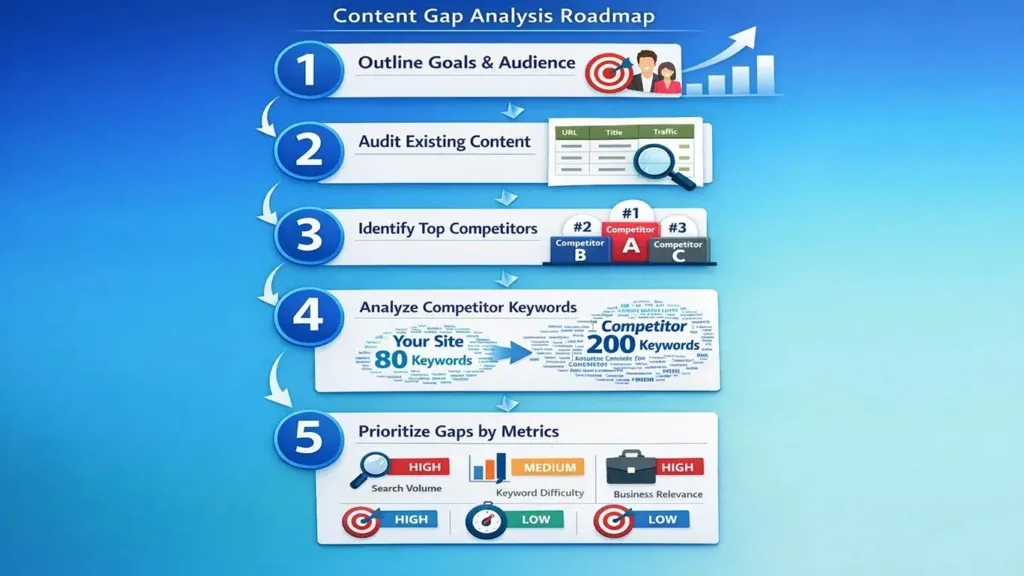
Here is the definition I use with clients: a content gap is any moment where a searcher’s intent goes unmet by your library—whether the content gap analysis is a missing page, a weak page, or a page that targets the wrong intent entirely. That framing keeps the work grounded in audience need rather than keyword volume alone.
Write the definition down. Refining each detail of your content gap analysis strengthens this section. Put it in your editorial wiki. When a stakeholder asks why you are rewriting a page that already ranks seventh, you point to the definition and show that position seven is a gap, not a win.
Separate the Three Gap Types: Missing, Weak, and Mismatched
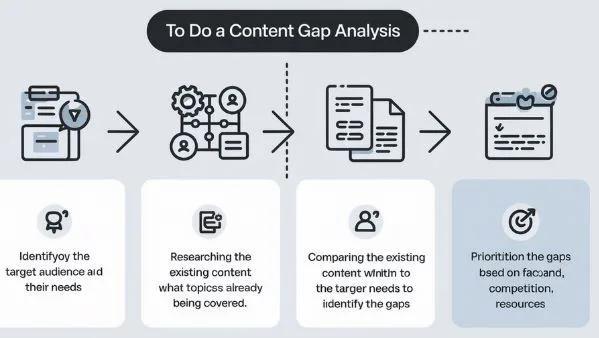
Not all gaps are equal, yet plenty of teams lump them together and then wonder why their fix list never shrinks. Sorting gaps into three buckets changes the work order entirely.
- Missing content: No page exists for the query. These are the cheapest wins because you start from a blank page with no legacy issues.
- Weak content: A page exists but covers maybe 40% of what the top results cover. These need expansion, not replacement—usually the highest ROI of the three.
- Mismatched content: A page targets the keyword but serves the wrong intent. A product page ranking for an informational query is the classic case. These need re-angling or a new URL entirely.
In practice, when refining a content gap analysis, weak content usually makes up the largest bucket on mature sites. New blogs skew toward missing content. Ecommerce sites live in mismatched content territory. Know which bucket dominates your site and staff accordingly.

Build Your Seed Topic List from Customer Language, Not Keyword Tools
Keyword tools are downstream of human speech. If you start there, you inherit the tool’s taxonomy instead of your customer’s. Start with the raw material instead: support tickets, sales call recordings, community threads, and the phrasing people use when they are frustrated.
Pull 200 to 300 real questions from the content gap analysis sources. Do not clean them up yet. “Why does my site keep losing rankings after I update pages” is a better seed than “ranking fluctuation causes” because it carries intent and emotional weight the tool version strips out.
Mine Your Own Search Console for Half-Hidden Opportunities
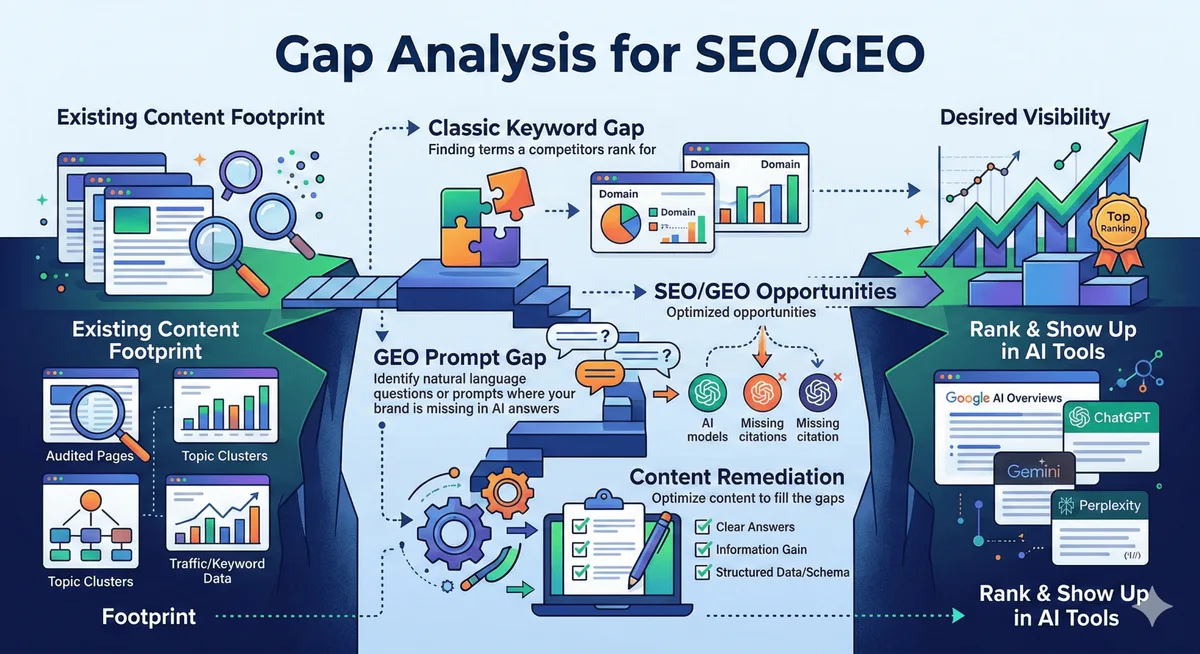
Search Console is the most underused free tool in the entire content gap analysis toolkit. Filter for queries where you rank between positions 8 and 20 with meaningful impressions—those are pages Google considers relevant but not authoritative.
Those queries are pre-validated demand. Someone searched, Google showed your page, and the searcher did not click. Usually that means the page is thin, the title is weak, or the intent is off by a notch.
For a mid-size B2B site I worked with, filtering positions 6–20 surfaced 1,900 queries in one afternoon. A thoughtful approach to content gap analysis reinforces your qualifications. Roughly 300 of them pointed to pages that needed a single section added, not a full rewrite.
Run Competitor Gap Analysis on Topic Clusters, Not Individual Keywords
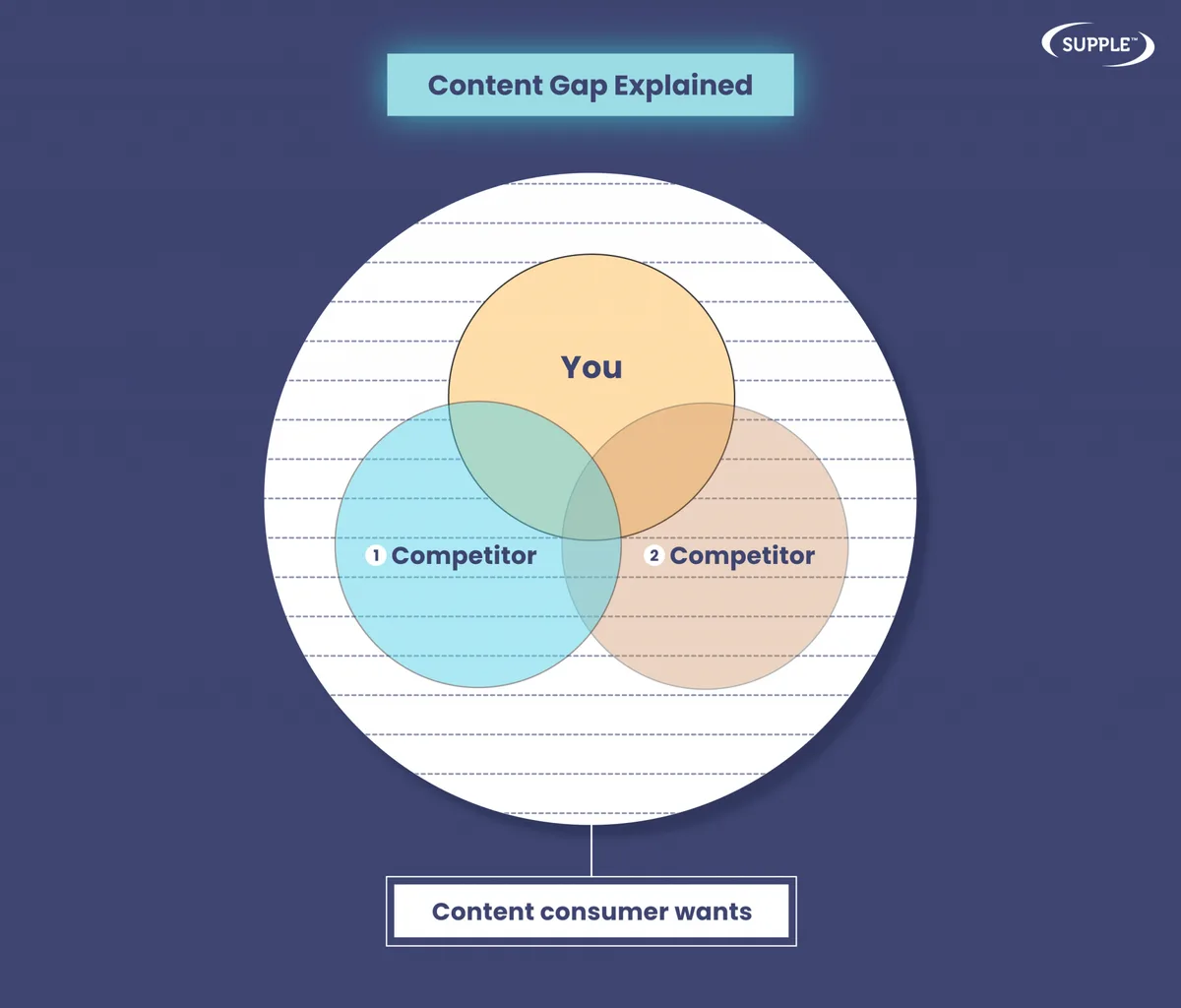
Keyword-level gap analysis tells you a competitor ranks for “email segmentation strategy.” Cluster-level analysis tells you they own the entire email automation topic and you own almost none of it. The second insight is the one that moves revenue.

Pick five competitors. Structuring your content gap analysis around proven patterns ensures impact. For each, map their top 200 ranking pages to your topic clusters. The clusters where they have 15+ pages and you have three or fewer are your structural gaps. Those are the projects that justify a six-month content investment.
| Cluster | Your Pages | Top Competitor Pages | Gap Severity | Priority |
|---|---|---|---|---|
| Email Automation | 3 | 22 | High | Q1 |
| Deliverability | 8 | 11 | Medium | Q2 |
| Segmentation | 6 | 9 | Low | Q3 |
| Personalization | 2 | 18 | High | Q1 |
Validate Every Gap Against Search Demand Before Committing
Plenty of “gaps” exist because nobody searches for them. Finding a topic your competitor covers and you do not is only half the equation. The other half is confirming that people actually want it.
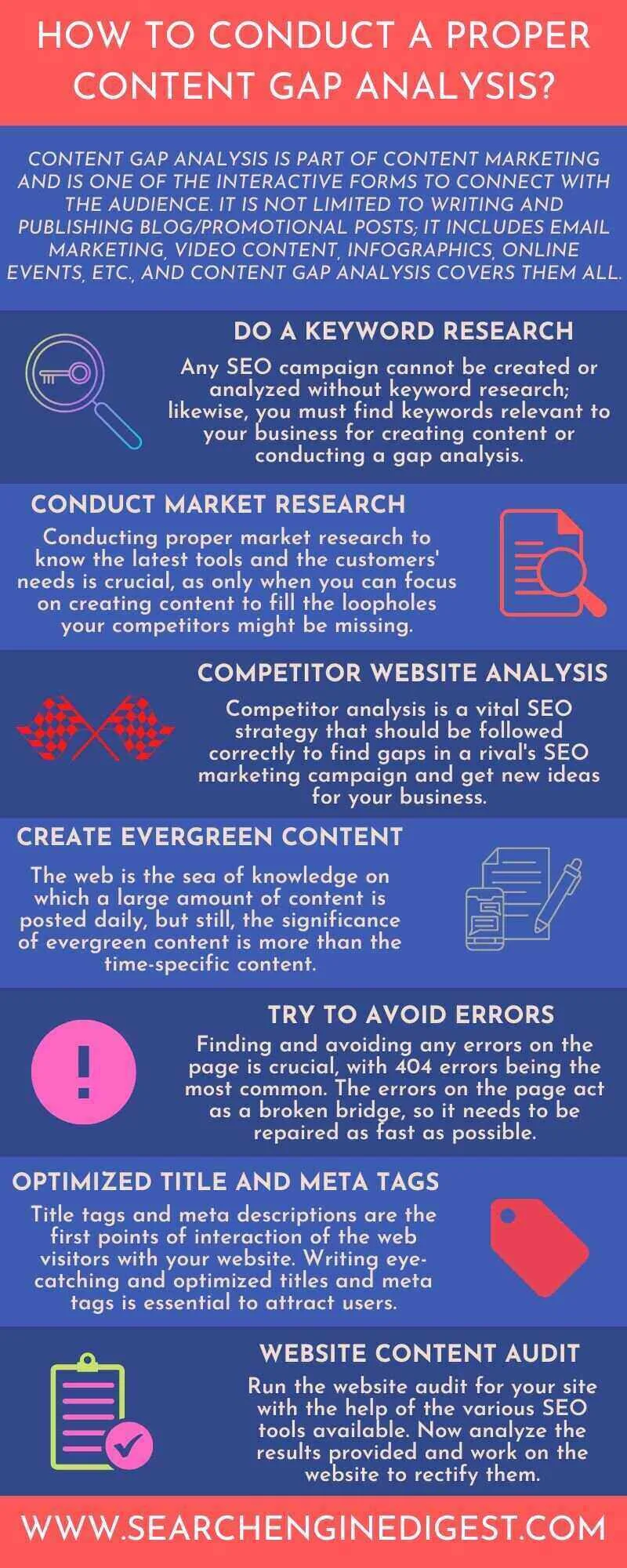
Run every candidate through three filters: aggregate monthly search volume for the query family, whether the top results are substantive (not just forum threads), and whether the topic connects to a money-making action on your site. Applying these principles to your content gap analysis yields measurable results.
If a gap passes all three, the content gap analysis earns a slot. If it fails the second filter, you probably have a demand-signal problem worth investigating on its own.
Map Intent Mismatches Inside Your Existing Library
Sometimes your content gap analysis reveals the problem is not absence—it is aim. You have a page on “how to choose a CRM,” but it is a feature comparison that assumes the reader already decided. The searcher wanted guidance, got a pitch, and bounced.
Audit your top 100 pages against the intent of their primary query. Classify each as informational, commercial, transactional, or navigational. Any page where the content type does not match the intent behind its main keyword is a mismatch gap. Those pages usually need rewriting or a sister page, not deletion.
Use SERP Feature Gaps as a Fast Prioritization Signal
Look at the SERP for your target queries. Proper attention to your content gap analysis sets a strong baseline. Do the top results show a featured snippet with a list? A video carousel? A “People Also Ask” block your page does not answer? Each missing format is a gap of its own.
Feature gaps get deprioritized because they feel cosmetic. They are not. Winning a featured snippet for a high-volume query routinely moves an H2 heading to position zero and steals clicks from every other result. When you are triaging a list of 200 gaps, feature gaps are often the fastest path to visible movement.
Prioritize Gaps by Business Impact, Not Search Volume
A 40,000-search-volume informational query feels more exciting than a 900-search-volume commercial one. Developing your content gap analysis with precision highlights key strengths. It is also usually worth less. Volume without commercial proximity converts poorly, and it eats editorial budget that could go elsewhere.
Score every gap on two axes: total addressable traffic and commercial value. A gap with modest traffic but strong buying intent beats a viral-topic gap almost every time. In practice, when refining a content gap analysis, I weight commercial value at 60% and traffic at 40% when building quarterly roadmaps. Adjust the ratio for your model, but do not skip the weighting step.
Run a Content Gap Analysis Checklist Before Every Publishing Cycle
The single biggest failure mode in gap work is losing the list. Clear alignment with your content gap analysis builds confidence from the start. Teams do a big audit, build a 400-item backlog, work through 30 items, then drift. Six months later they repeat the audit and rediscover the same gaps.
A stable content gap analysis checklist fixes this. Yours does not need to be elaborate. Mine has nine items and takes fifteen minutes to run.
- Confirm the gap is still unaddressed (competitors publish too).
- Verify demand signal has not collapsed.
- Check whether a page on the topic exists in any form.
- Identify the correct intent type for the target query.
- Assign it to a cluster and internal linking hub.
- Note which existing pages should link to the new or updated page.
- Specify the format—guide, comparison, glossary, video, or tool.
- Estimate effort in writer hours and editor hours separately.
- Log the acceptance criteria so you know when it is done.
The acceptance criteria line is the one people skip and the one that saves the most rework. “Answers the query, beats the median competing page on word count and structure, and links to three sibling pages” is a finish line. “Write a good page” is not.
Weight Your Gap Scoring Model So It Reflects Reality
Simple priority lists create false ties. Integrating content gap analysis into your workflow produces consistent quality. Two gaps with identical volume but wildly different commercial value get the same slot in a spreadsheet, and then the team argues about which one to do. A weighted score with explicit criteria ends that argument before it starts.
| Factor | Weight | Scoring Guide (1–5) |
|---|---|---|
| Commercial intent | 35% | 5 = decision-stage query, 1 = pure curiosity |
| Search demand | 25% | 5 = competitive direct manufacturer pricing+ monthly, 1 = under 100 |
| Competitive difficulty | 20% | 5 = weak top results, 1 = entrenched brands |
| Cluster fit | 15% | 5 = core cluster, 1 = orphan topic |
| Effort inverse | 5% | 5 = under 4 hours, 1 = multi-week project |
Recalculate weights every quarter. A cluster you considered core six months ago may now be a distraction. Static scores become stale priorities fast.

Look at Question-Level Gaps Inside “People Also Ask”
Most keyword research stops at the head term. Targeted refinements to your content gap analysis streamline the entire review. “People Also Ask” surfaces the sub-questions real searchers ask after they read the first answer. Those sub-questions are where a huge share of untapped content gaps hide.
Run your top 50 queries through PAA. Maintaining clarity across your content gap analysis remains essential. Aggregate the questions. Anything that shows up across three or more related queries is a strong signal that the topic deserves its own H2—or its own page if the answer runs long.
If ten separate queries each spark a question about the same sub-topic, you have found a full article, not a section.
Cross-Check Your Gaps Against Sales and Support Language
Search data tells you what people type into Google. Sales calls and support tickets tell you what they actually say. The delta between those two tells you where the real content gap analysis work lives.
Pull the ten objections that come up most often on sales calls. Now search your own site: does any page answer those objections plainly? Most companies discover that three or four of their biggest objections receive zero coverage. That is a gap with direct revenue impact, and it usually outranks every informational gap on your list.
Build Internal Link Paths Into Every Gap-Fill Page as You Publish
The most common post-publishing failure is a new page the content gap analysis goes live, ranks nowhere, and gets forgotten. Nine times out of ten it has fewer than two internal links pointing at it. Google treats it as an orphan, and so do readers.

Before the content gap analysis publish, list the five existing pages that most logically should link to the new one. Add those links inside relevant paragraphs, not in a footer block. Then add the new page to your relevant hub page. Do this at publish time, not “later,” because later does not happen.
Avoid Over-Optimizing Your Gap-Fill Content
When the content gap analysis fix a gap, the temptation is to stuff the target keyword into every heading. That approach backfires. Modern ranking systems reward pages that satisfy the searcher, not pages that repeat the phrase most often.
Aim for keyword density in the 1.2% to 1.5% range and prioritize user satisfaction signals instead: clear answers, scannable structure, and legitimate specificity. If your page answers the question in the first 100 words and then adds useful depth, you win regardless of exact phrase counts. Writers chasing perfection in the query string usually produce worse pages than writers chasing clarity.
Review and Refresh the Gap Backlog Quarterly, Not Annually
Gaps close themselves over time—sometimes because you filled them, more often because the SERP changed, competitors shifted, or the topic lost cultural relevance. An annual audit cycle means working off stale data for eleven months of the year.

Run the full content gap analysis quarterly and the checklist monthly. That rhythm keeps the backlog honest and catches momentum before it evaporates. When you spot a competitor who has suddenly published eight pages in a cluster you own three of, the response window is weeks, not quarters.
Synthesize Your Findings Into a Roadmap Your Stakeholders Can Read
The final step is the one the content gap analysis determines whether any of your analysis becomes action. A 200-row spreadsheet is not a roadmap—it is a database dump that makes stakeholders glaze over. Translate it into one page with clusters, quarterly ownership, and expected outcomes.
If you can hand your leadership a single page that says: “we are closing three high-value clusters this quarter, here are the gaps, here is who owns each, here is what success looks like,” you have done the work that most content teams never finish.
The full content gap analysis best practices list is not that long, but it does require discipline—consistency beats brilliance, and a working backlog beats a beautiful one that nobody executes.
Put These Tips Into Practice This Week
Start with a single cluster, not the whole site. Pull the customer-language seeds, filter Search Console for positions 8–20, run the competitor cluster map, and score everything against the weighted model. Fifteen tips is a lot to start with, but the first five will get you 80% of the value.
Treat gap work as a rolling practice rather than a project. The teams that consistently outrank bigger competitors are almost never smarter about SEO—they are simply more relentless about running content gap analysis on a schedule and shipping the fixes. That consistency is the real moat, and it is available to anyone willing to actually do it.


For verified reference and background research, consult the authoritative informational resource on this topic.
<!– TOPSEO: keywords="content gap analysis, content gap analysis guide, content gap analysis tips, content gap analysis best practices, content gap analysis checklist
” description=”” –>