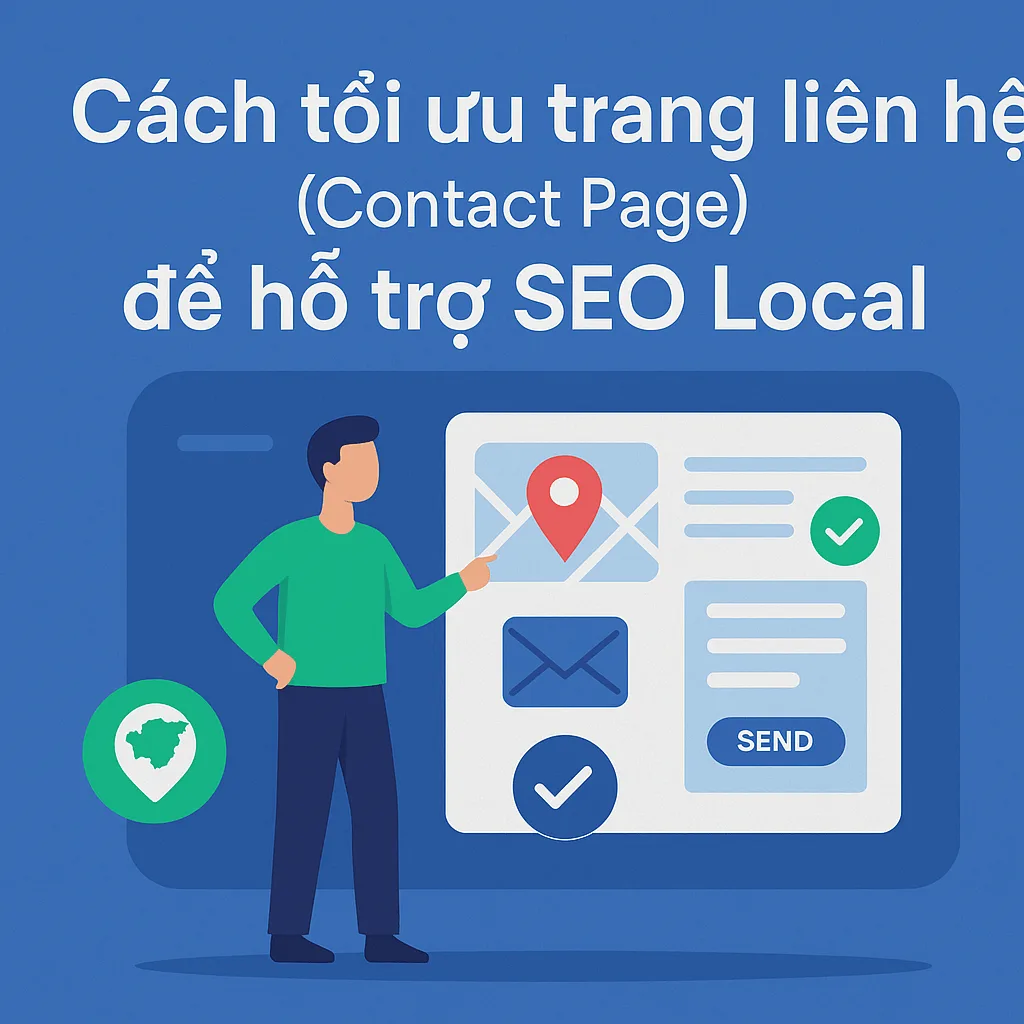
Contact Page SEO: Why Your Contact Page Deserves Real Optimization
Contact page SEO is the practice of optimizing your contact page so it ranks, converts, and reinforces trust signals across your entire site — yet most teams treat it as an afterthought buried in the footer. That’s a costly mistake.
Your contact page often sits among the most-visited URLs on a site, and search engines read it as a trust and entity signal, not just a utility page.
This contact page SEO guide walks through ten best practices that actually move rankings. No fluff, no recycled platitudes. Each practice comes from hands-on work with small business sites, SaaS properties, and local service brands where a single contact page tweak sometimes shifted organic visibility in ways nobody expected.
Think of this as your working contact page SEO checklist — the kind you can hand to a developer, a copywriter, or a marketing intern and get real results. Along the way, we’ll cover the parent topic of technical on-page optimization and a few child topics like schema markup, internal linking architecture, and conversion-focused UX.
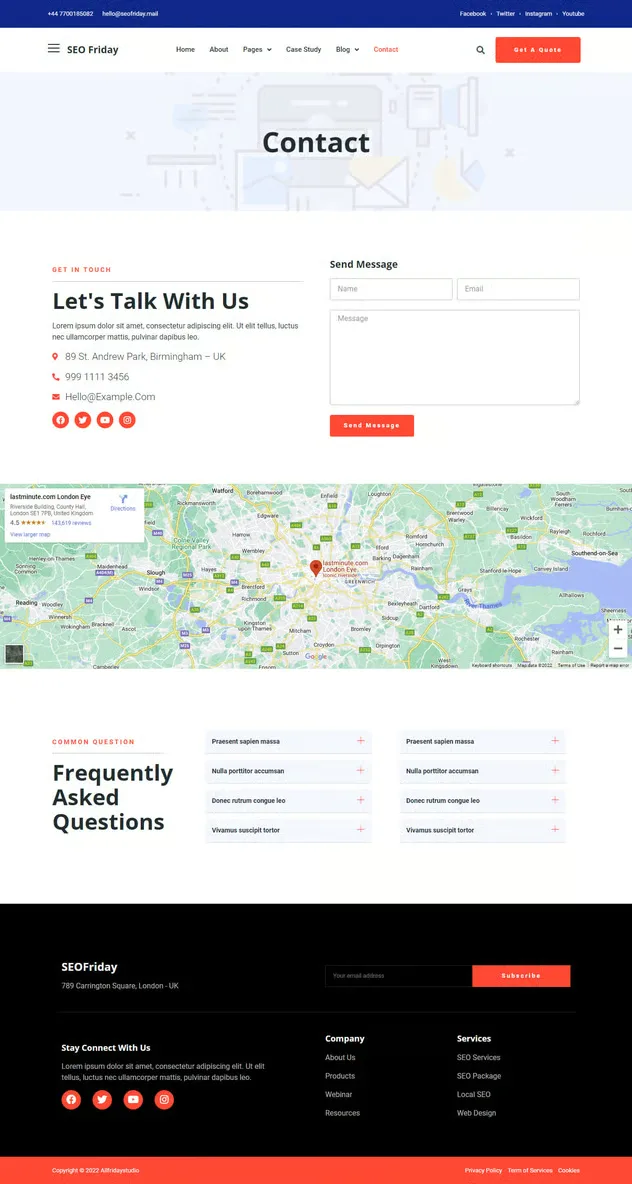
What Makes a Contact Page Different from Any Other Page?
Most pages exist to inform or sell. Focusing on contact page SEO provides clear direction here. A contact page exists to remove friction between a visitor’s intent and a real human conversation. That shift in purpose changes how you optimize it. Search engines reward pages that satisfy intent, and the intent behind “contact [brand]” queries is unusually specific.
Visitors arriving on a contact page are often further down the funnel than people browsing your blog. Focusing on contact page seo provides clear direction here. They’ve made a decision — they want to reach someone.
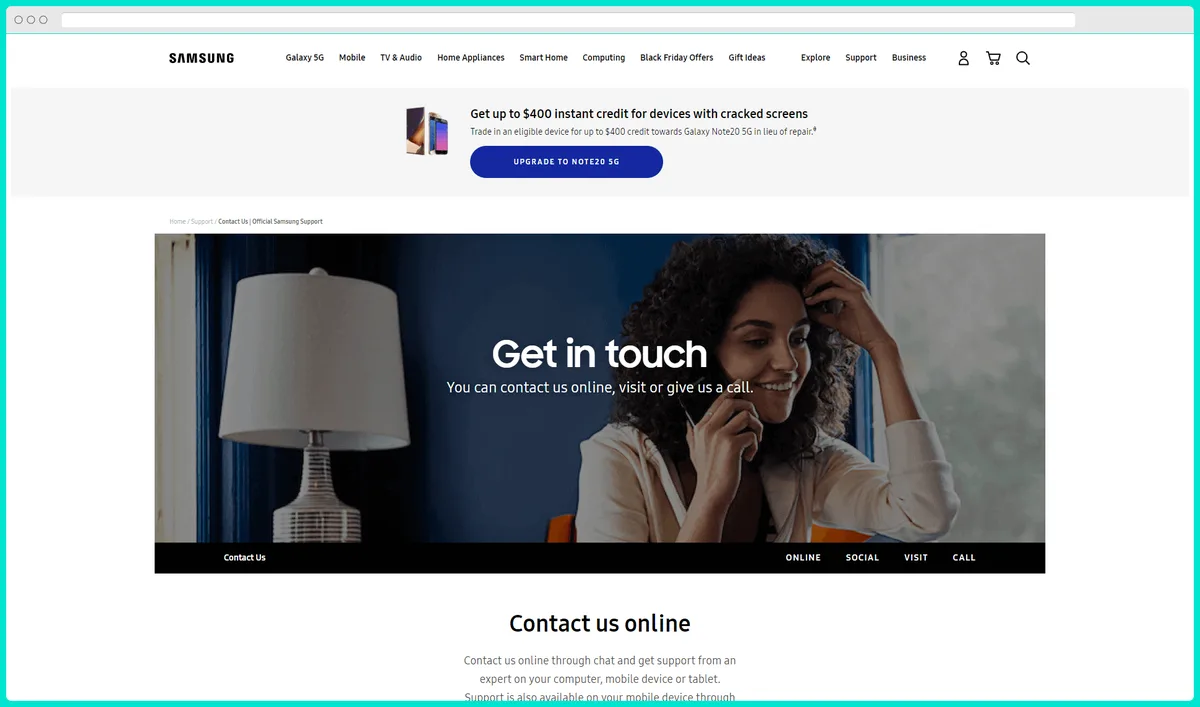
If your page forces them through a maze of dropdowns, hidden emails, or a form that errors out on mobile, you lose the lead and the ranking signal simultaneously.
From an SEO standpoint, contact pages carry a few unique properties. They often rank for branded queries, they appear in Google’s Knowledge Panel data, and they’re a common target for local pack results.
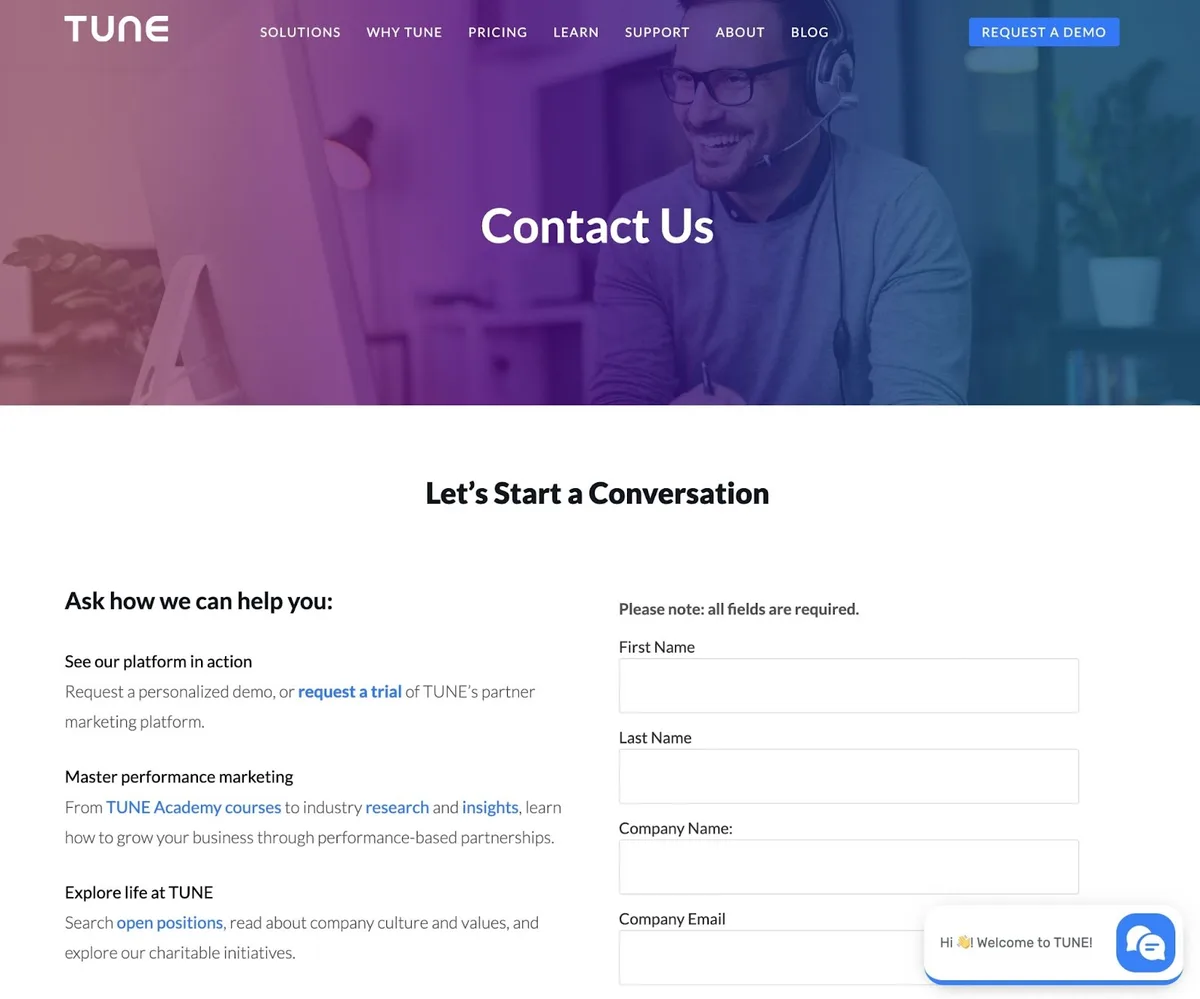
That means contact page SEO best practices overlap with local SEO, entity optimization, and conversion rate optimization in ways that don’t apply to a standard blog post.
Here’s the honest truth: I’ve audited dozens of sites where the contact page was the second or third most-trafficked URL, yet it had zero internal links pointing to it and no schema markup. Those are easy wins sitting on the table.
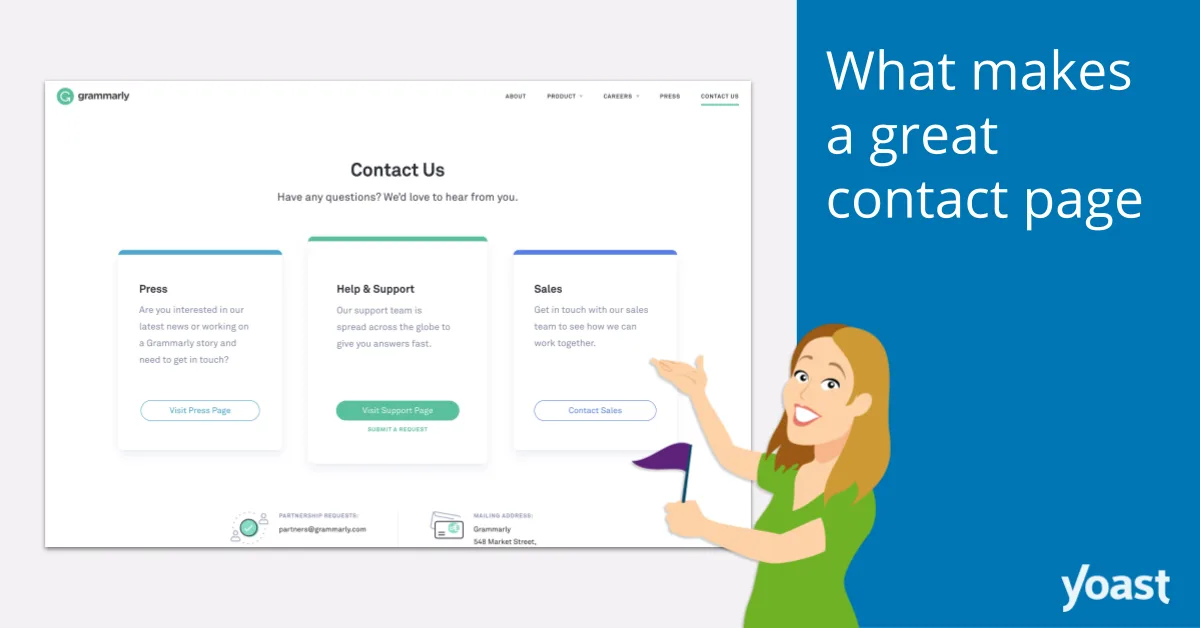
Why Does Contact Page SEO Matter for Rankings and Revenue?
Two reasons. First, trust. Google’s quality raters look for clear, findable contact information when evaluating whether a site is legitimate. A hidden contact page or a missing address can quietly drag down your sitewide trust assessment.
Second, conversion. Refining each detail of your contact page SEO strengthens this section. Every ranking you earn eventually funnels toward an action, and for many businesses, that action starts on the contact page.
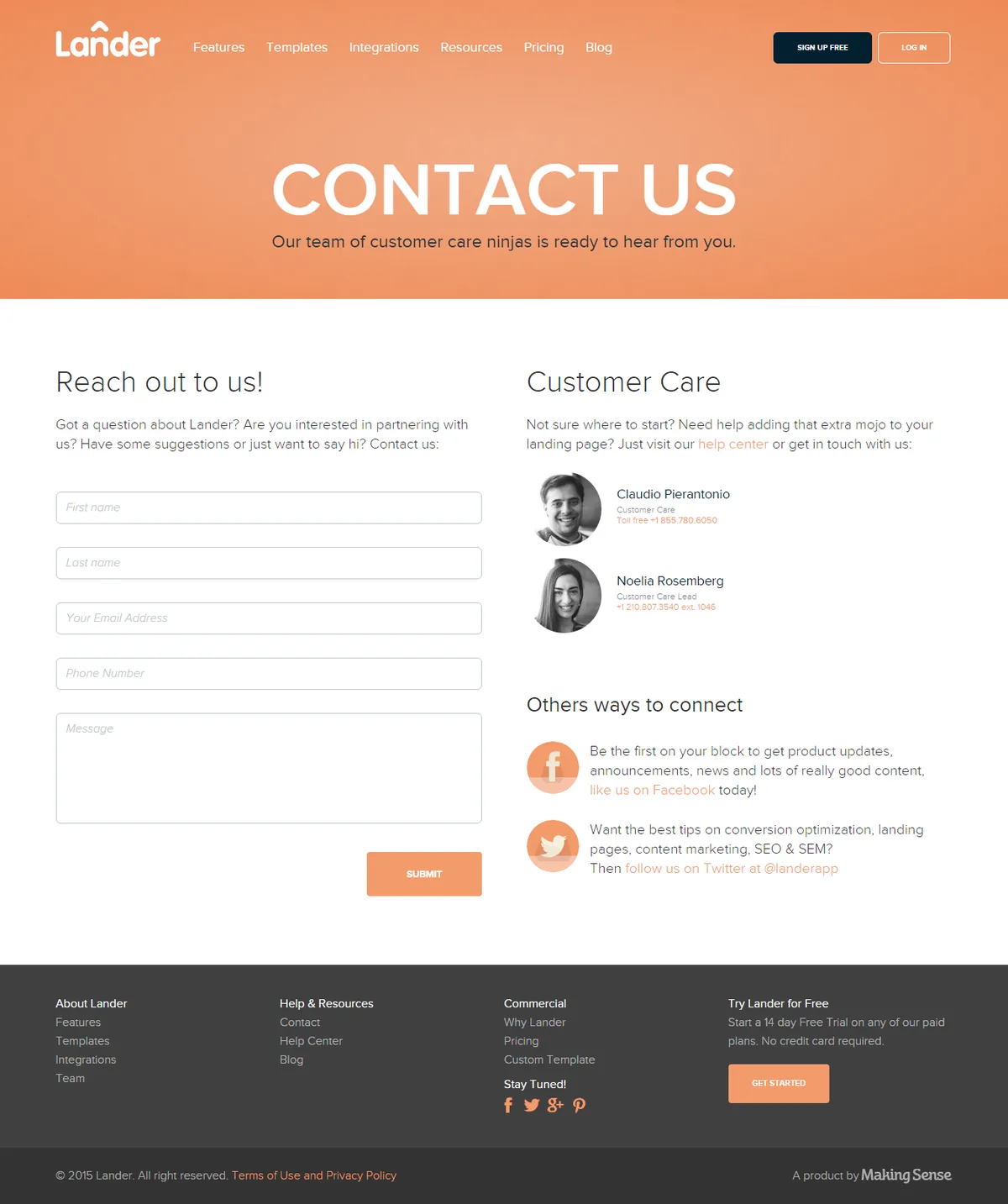
There’s a third reason that gets overlooked: crawl efficiency. Your contact page is a natural hub for internal links — to your about page, your services, your locations, your support docs. When you build those links intentionally, you pass authority to pages that need it and give crawlers a cleaner map of your site.
In one audit of a regional HVAC company, we added a single contextual link from the contact page to a service-area page and reorganized the form fields. Organic traffic to the service page rose 22% over eight weeks.
Correlation isn’t causation, but the pattern repeats often enough that I now treat contact pages as quiet ranking assets rather than dead ends.
If you’re building out a broader contact page SEO guide for your team, start by treating this page as a strategic node in your site architecture, not a footer afterthought.
Contact Page SEO Best Practices: the 10 That Actually Move the Needle
Ten practices, grouped into three logical clusters: technical foundations, content and trust signals, and conversion optimization. Refining each detail of your contact page seo strengthens this section. Work through them in order if you’re starting from scratch, or cherry-pick based on what your analytics say is broken.
Every item below is something you can implement this week. None of them require a massive redesign. That’s the point — contact page SEO tips that take months to execute rarely get executed at all.
Cluster 1: Technical Foundations for Contact Page SEO
Before you touch a single word of copy, make sure the plumbing works. Technical issues on a contact page are brutal because they’re invisible to you but obvious to visitors and crawlers alike. A broken form, a blocked script, or a missing canonical tag can undo months of content work.
The four practices in the contact page SEO cluster cover the structural side: URL and indexing, schema markup, page speed, and mobile behavior. Get these right and everything else compounds faster.
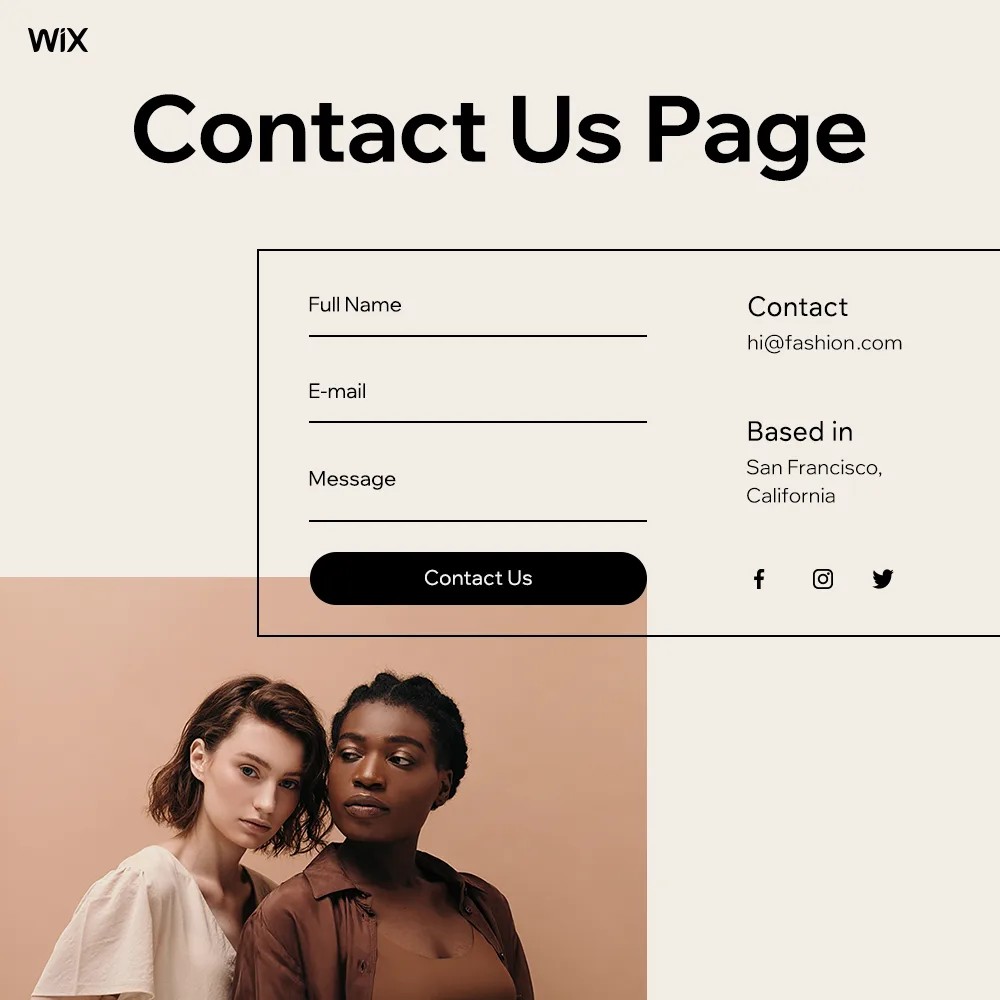
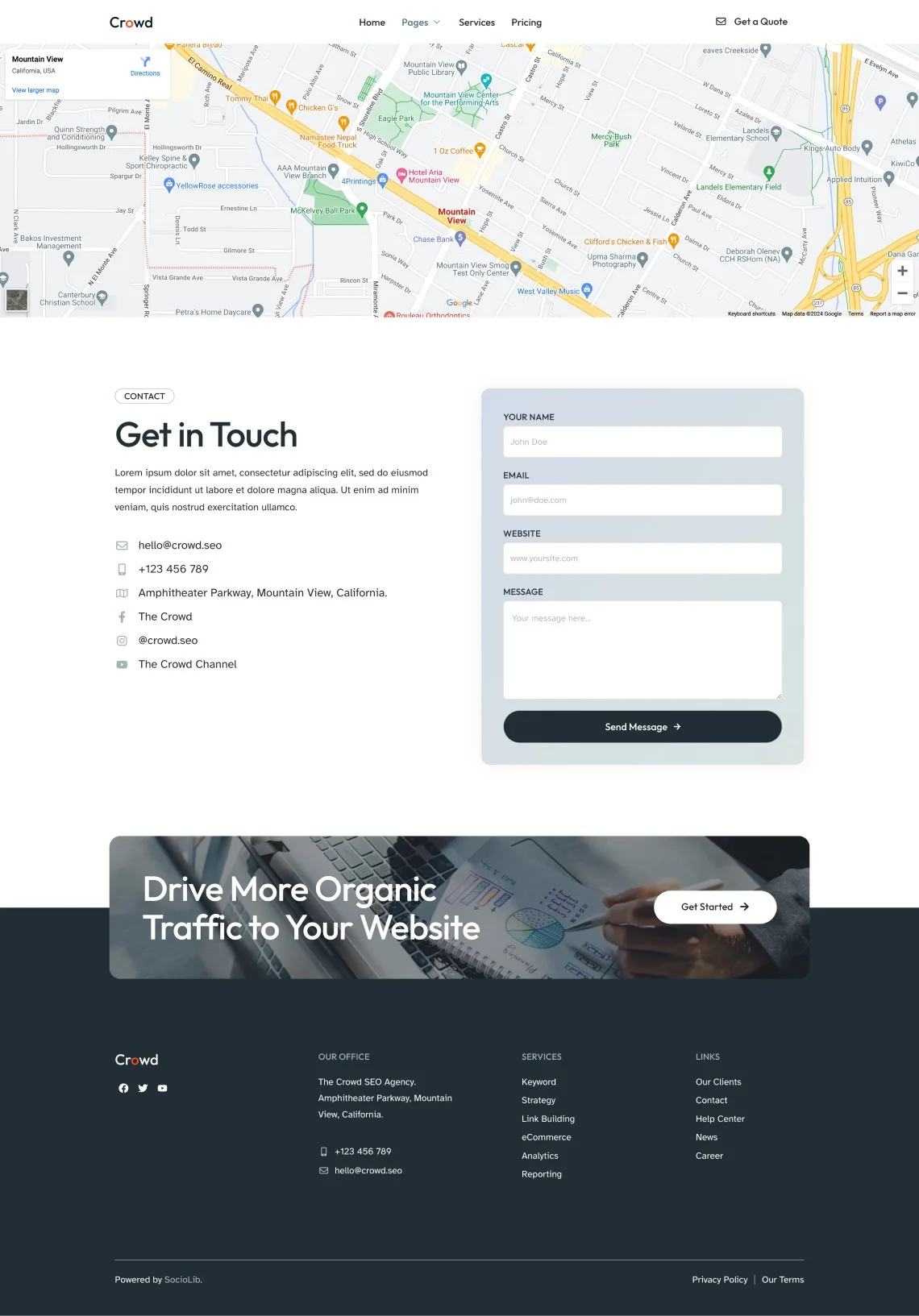
1. Use a Clean, Crawlable URL and Keep the Page Indexable
Your contact page should live at a predictable, short URL — /contact/ is the standard. Avoid parameters like /contact-us?ref=footer&id=44. Those create duplicate-content headaches and confuse canonicalization.
Make sure the page is not blocked in robots.txt, not tagged noindex, and not buried behind a JavaScript-only route that Googlebot struggles to render. I’ve seen single-page apps where the contact route returned a 200 status but rendered nothing without client-side JS — Anthropic indexed an empty shell for months.
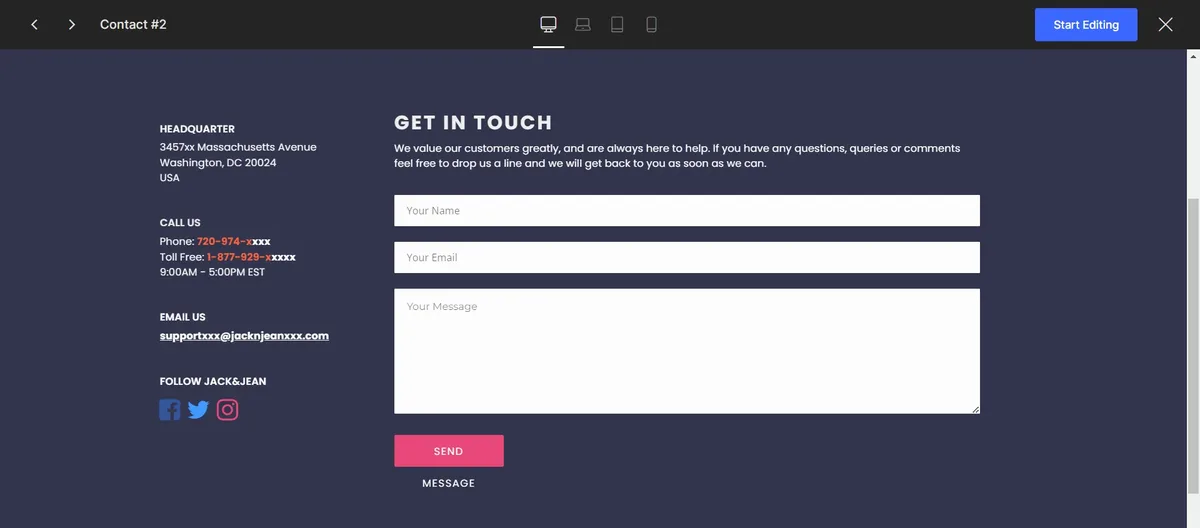
Also confirm the page appears in your XML sitemap. It’s a high-priority URL for branded queries and often shows up in sitelinks. That visibility is worth protecting.
A quick contact page SEO checklist item here: fetch the URL in Search Console’s URL Inspection tool and confirm the rendered HTML includes your address, phone number, and form. If it doesn’t, you’ve found your first fix.
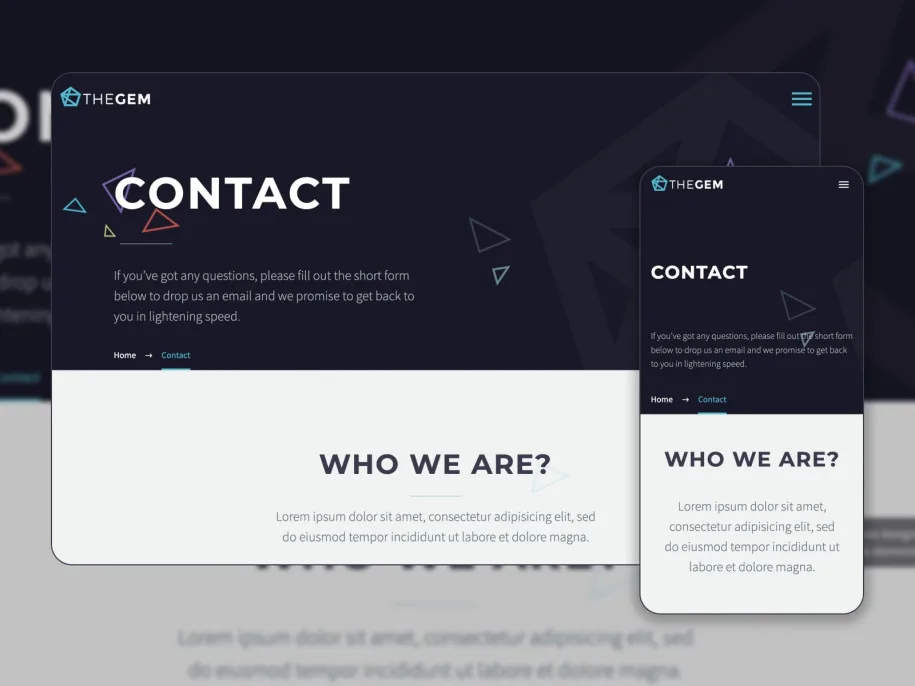
2. Implement ContactPage and Organization Schema Markup
Schema is the quiet workhorse of contact page SEO. Adding ContactPage schema plus Organization schema with contactPoint properties gives search engines structured, machine-readable trust signals. You’re essentially telling Google: “Yes, this is the official contact page, and here’s the verified phone number and email.”
Pair it with LocalBusiness schema if you have a physical address. Include address, telephone, openingHours, and geo coordinates. The payoff isn’t always a rich snippet — sometimes it’s simply stronger entity recognition in the Knowledge Graph, which affects how your brand appears in branded search results.
Test everything in the Rich Results Test before you ship. A malformed schema block is worse than no schema at all because it signals sloppy implementation.
3. Optimize Page Speed and Core Web Vitals
Contact pages are notorious for loading heavy form libraries, chat widgets, and reCAPTCHA scripts the contact page SEO bloat the page. Every third-party script you add for convenience costs you milliseconds, and on mobile connections those milliseconds become seconds.
Lazy-load chat widgets until user interaction. Defer non-critical JavaScript. Compress images — especially if you’re showing a map embed, which is one of the heaviest elements on any contact page. Consider a static map image that links to Google Maps instead of a live iframe.
Run PageSpeed Insights on the contact page specifically. Most audits I do focus on the homepage and blog, and the contact page quietly fails Core Web Vitals because nobody checked. That’s a missed opportunity in any serious contact page SEO strategy.
4. Design Mobile-First With Tap-Friendly Elements
Over half of contact page visits happen on mobile, and mobile users are typically more impatient. Effective execution in your contact page seo makes a tangible difference. A phone number that isn’t tappable, a form field that’s too small to tap accurately, or a map that hijacks scroll — all of these tank engagement.
Make the phone number a tel: link. Make the email a mailto: link. Use input types like type=”tel” and type=”email” so mobile keyboards adapt. Keep form fields to the minimum required for a meaningful reply.
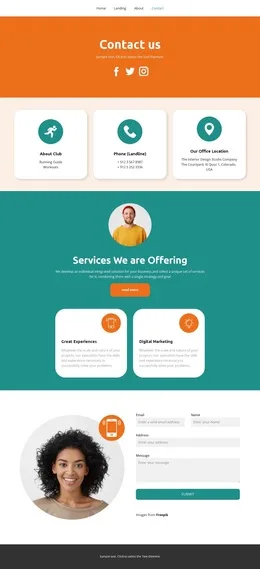
Test on an actual phone, not just a resized browser window. I’ve caught more mobile issues this way than any emulator ever surfaced. The contact page SEO tips that matter most are often UX tips in disguise.
Cluster 2: Content and Trust Signals That Search Engines Reward
Once the technical foundation is solid, the content layer determines whether your contact page earns trust from both visitors and search engines. This is where most sites underinvest.
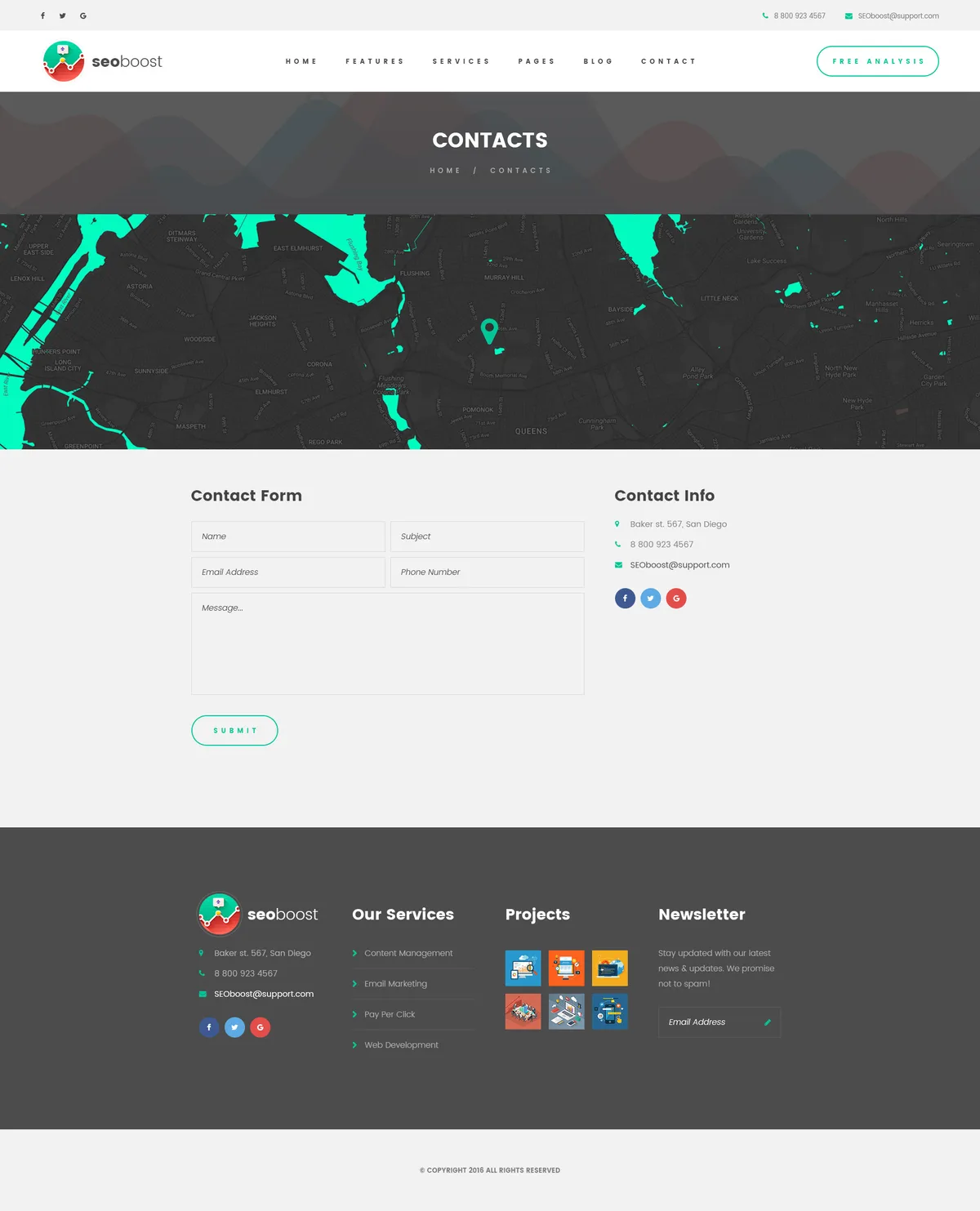
The four practices in this cluster focus on what the page actually says and how it proves legitimacy. Real addresses, real names, real response times — these are the elements that separate a credible contact page from a suspicious one.
5. Publish Complete NAP Data and Multiple Contact Channels
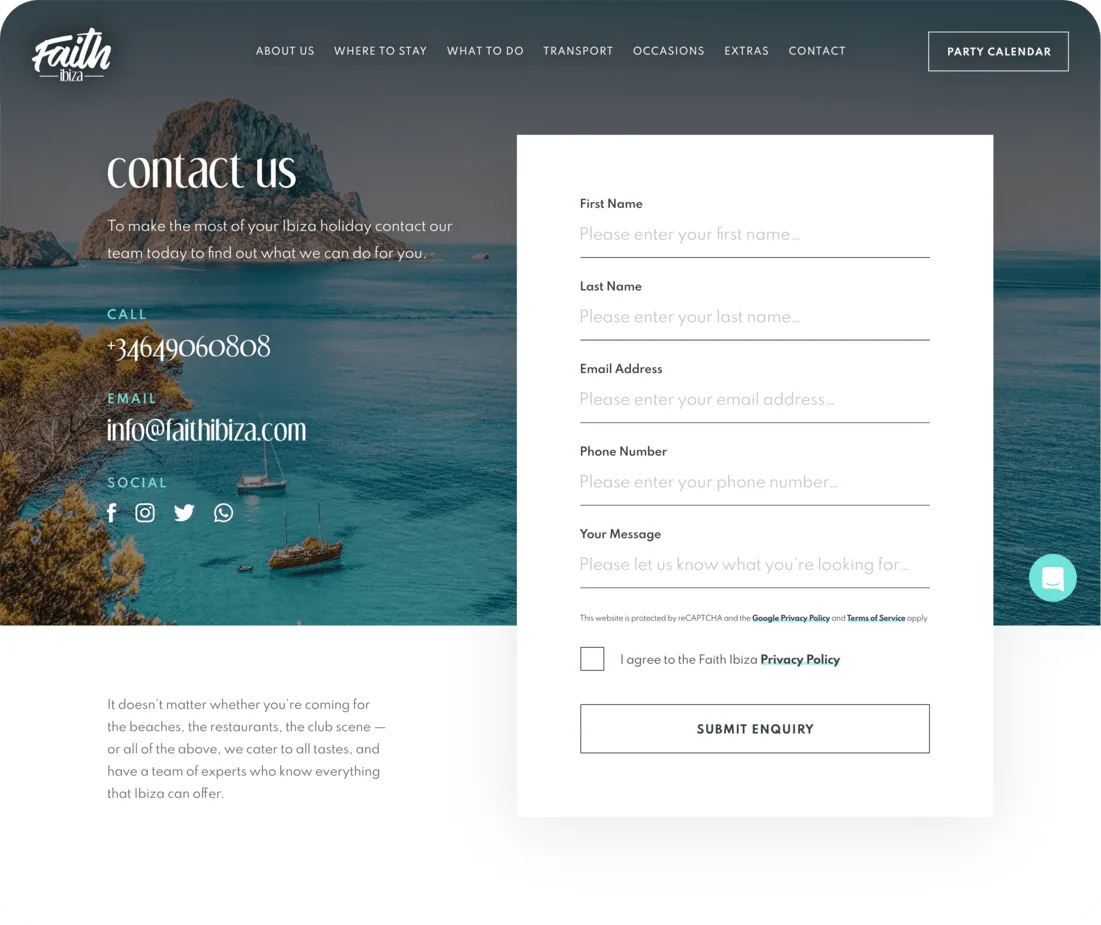
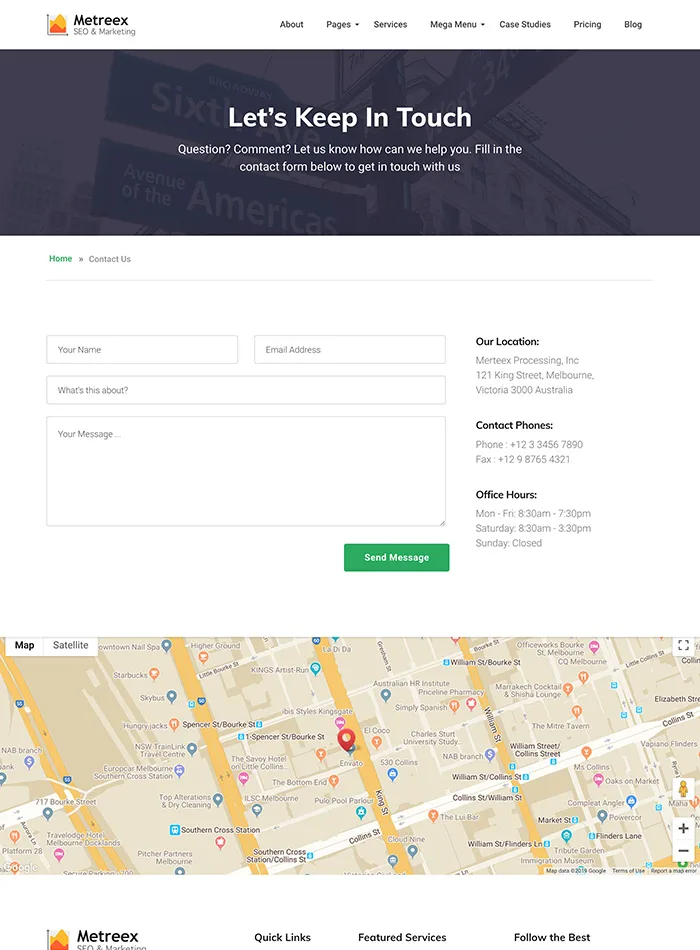
NAP stands for Name, Address, Phone — the holy trinity of local SEO. A thoughtful approach to contact page SEO reinforces your qualifications. Your contact page should display this information in plain text, not baked into an image. Crawlers can’t read images, and neither can screen readers.
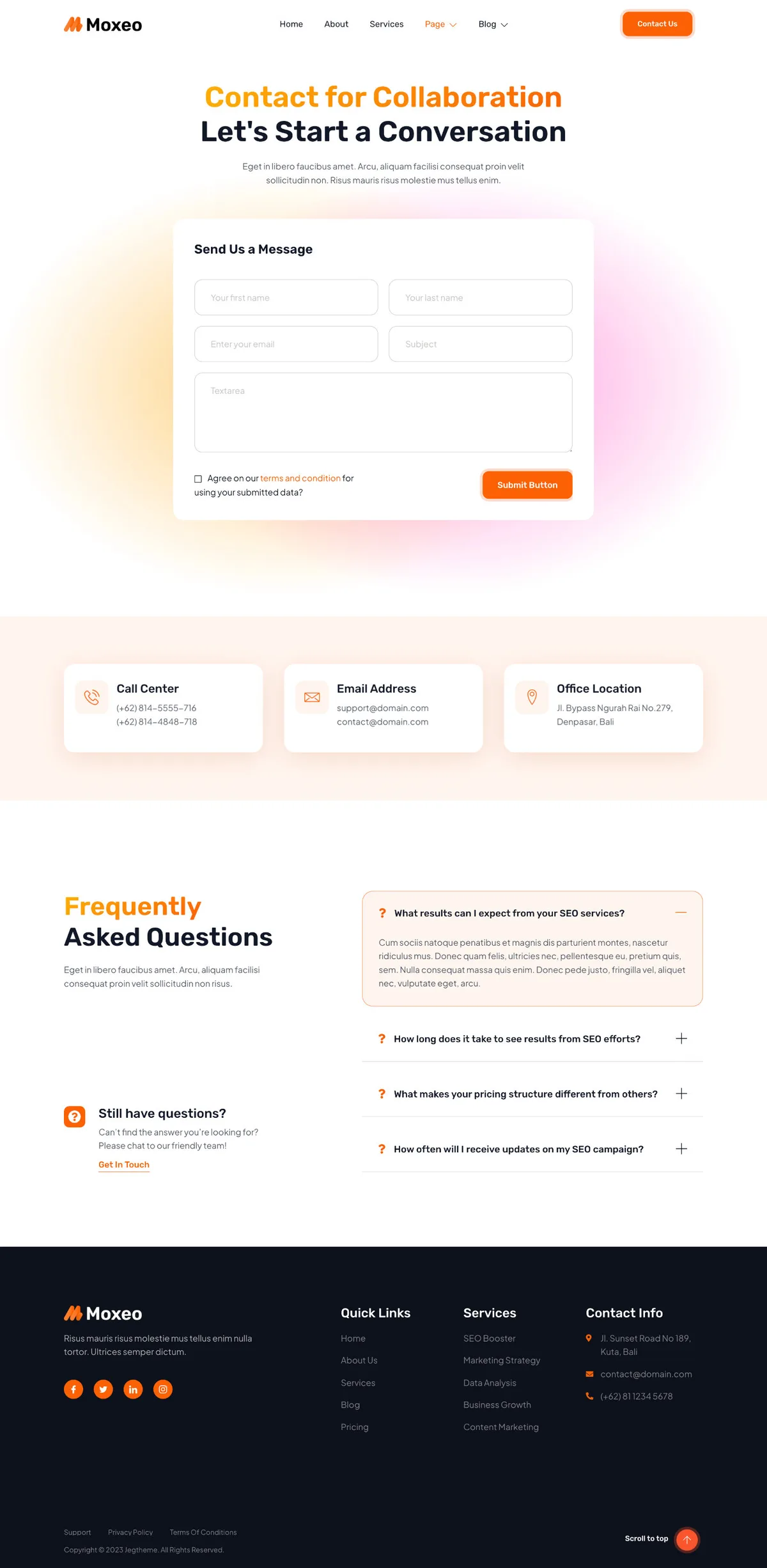
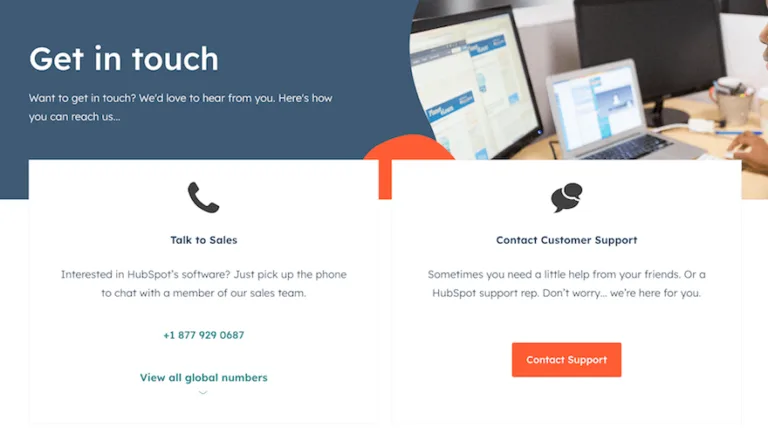
Beyond NAP, offer multiple channels: email, phone, a form, and optionally live chat or a physical walk-in address. Different visitors prefer different channels, and giving them choice increases the chance of conversion.
Keep the format consistent with your Google Business Profile and any directory listings. Inconsistent NAP data — even a small variation like “St.” versus “Street” — can dilute local ranking signals. This is one of those contact page SEO best practices that seems trivial until you see the impact on local pack visibility.
6. Write Genuine Context Around the Form
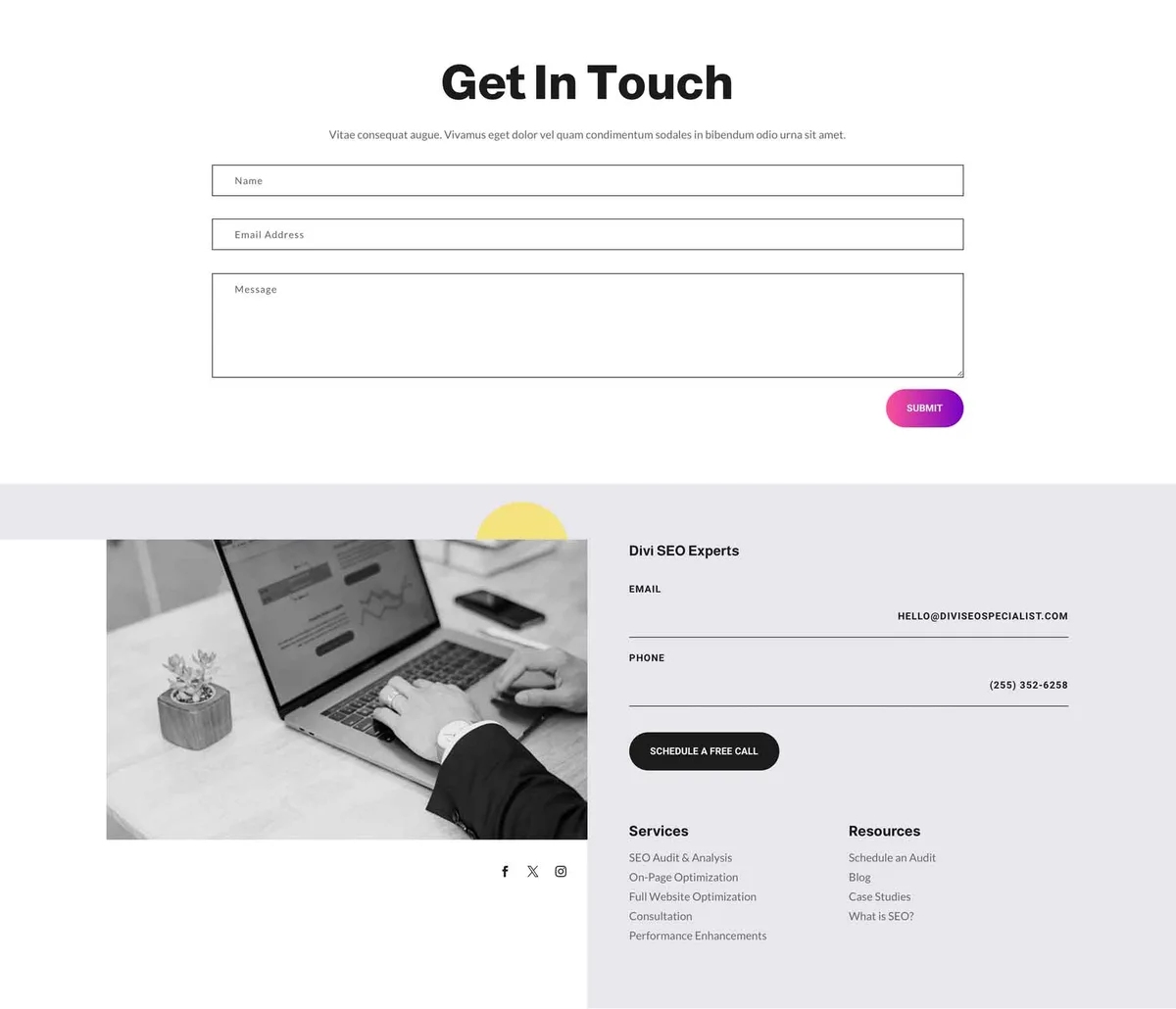
A bare form on a blank page feels transactional and cold. Add context: what happens after submission, typical response time, who will reply, and what information helps you respond faster.
Something like “We reply within one business day, usually faster. For urgent matters, call the number above.” That single sentence reduces anxiety and sets expectations. It also gives the page substantive text content that search engines can index and contextualize.
I’ve seen contact pages rank better simply because they replaced a lonely form with a 200-word explanation of the support process. The added context made the page feel like a real destination rather than a utility stub.
7. Add Trust Signals: Real Names, Photos, and Credentials
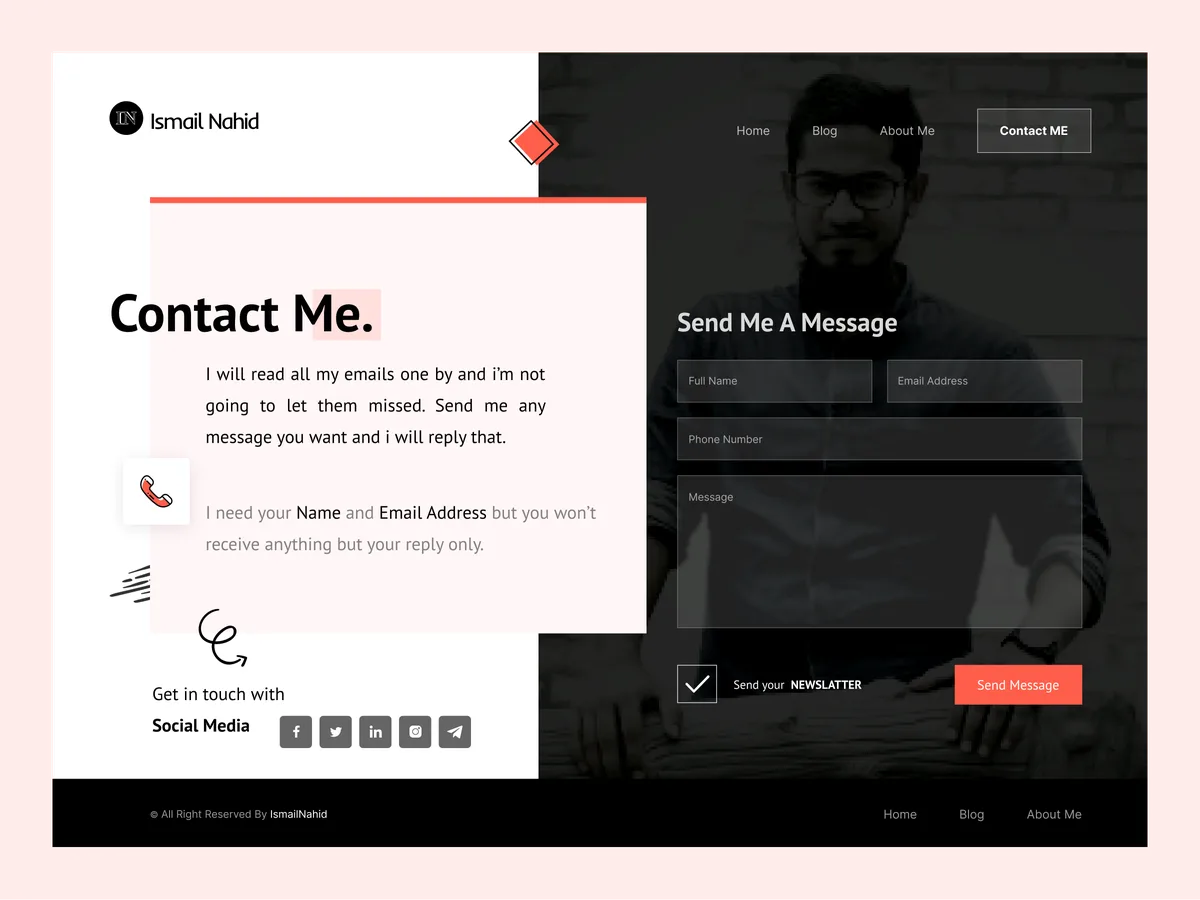
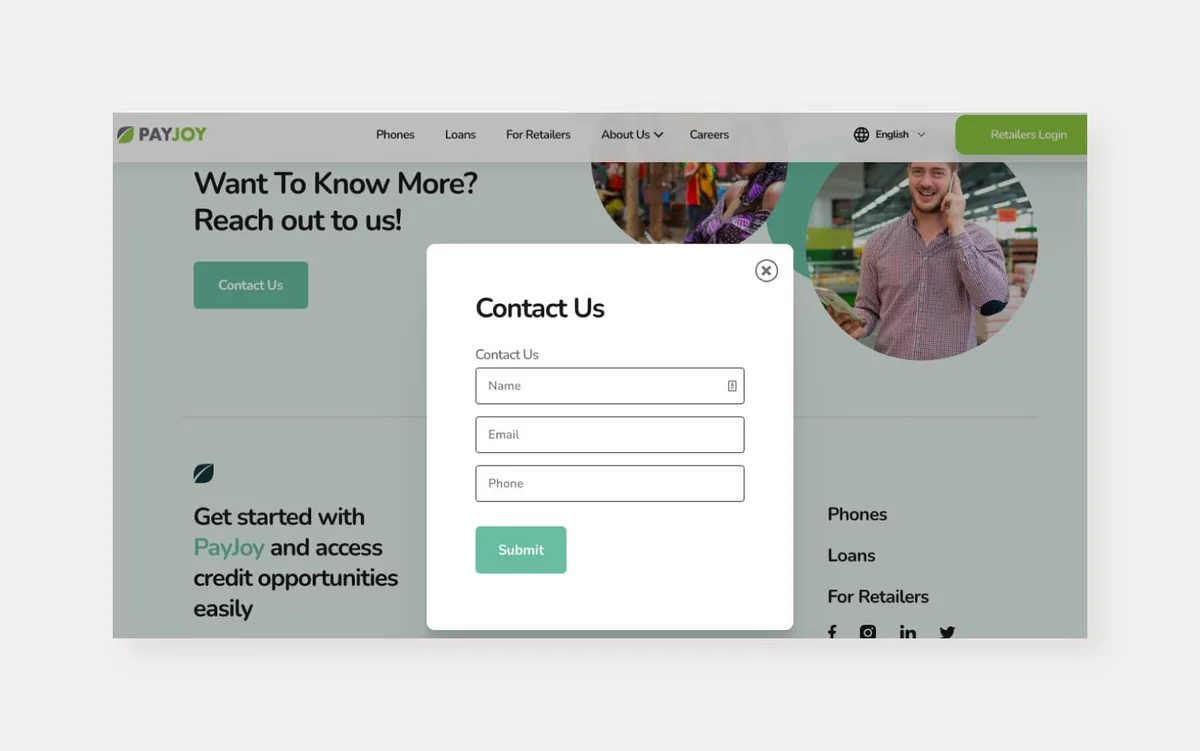
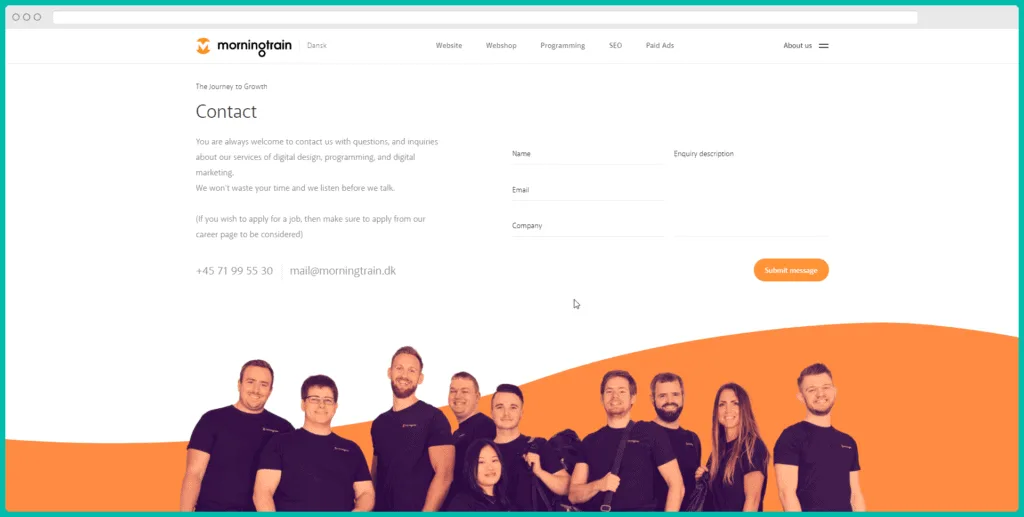
Faces build trust. Maintaining clarity across your contact page seo remains essential. A small team section with real photos, names, and roles turns a faceless contact page into a human one. It’s also an opportunity to add structured data via Person schema, strengthening your entity footprint.
Include credentials where relevant — licenses, certifications, professional memberships. Structuring your contact page SEO around proven patterns ensures impact. For service businesses, displaying a license number is a powerful trust signal. For B2B companies, showing the actual support team’s photos is surprisingly effective.
This is where contact page SEO tips start overlapping with brand building. The page isn’t just for crawlers — it’s for humans deciding whether they trust you enough to reach out. Every signal counts.
8. Link Internally to Key Pages With Descriptive Anchors
Your contact page is a natural linking hub. Add contextual links to your about page, services, locations, FAQ, and support documentation. Use descriptive anchor text — “view our service areas” beats “click here” every time.
This internal linking does two things. It passes authority from a frequently visited page to pages that need it, and it gives crawlers a clear path through your site architecture. Both matter for overall SEO health.
Keep the links relevant and limited. Ten contextual links to genuinely useful pages is better than fifty scattered links that dilute the page’s focus. A solid contact page SEO checklist entry: audit the internal links on your contact page every quarter and prune anything that no longer serves a purpose.
Cluster 3: Conversion and Measurement for Contact Page SEO
Rankings without conversions are vanity metrics. The final two practices focus on turning contact page traffic into real conversations, and on measuring whether your optimization work is actually paying off.
This is where contact page SEO best practices shift from “what to build” to “how to know it’s working.” Without measurement, you’re guessing.
9. Simplify the Form and Track Every Submission
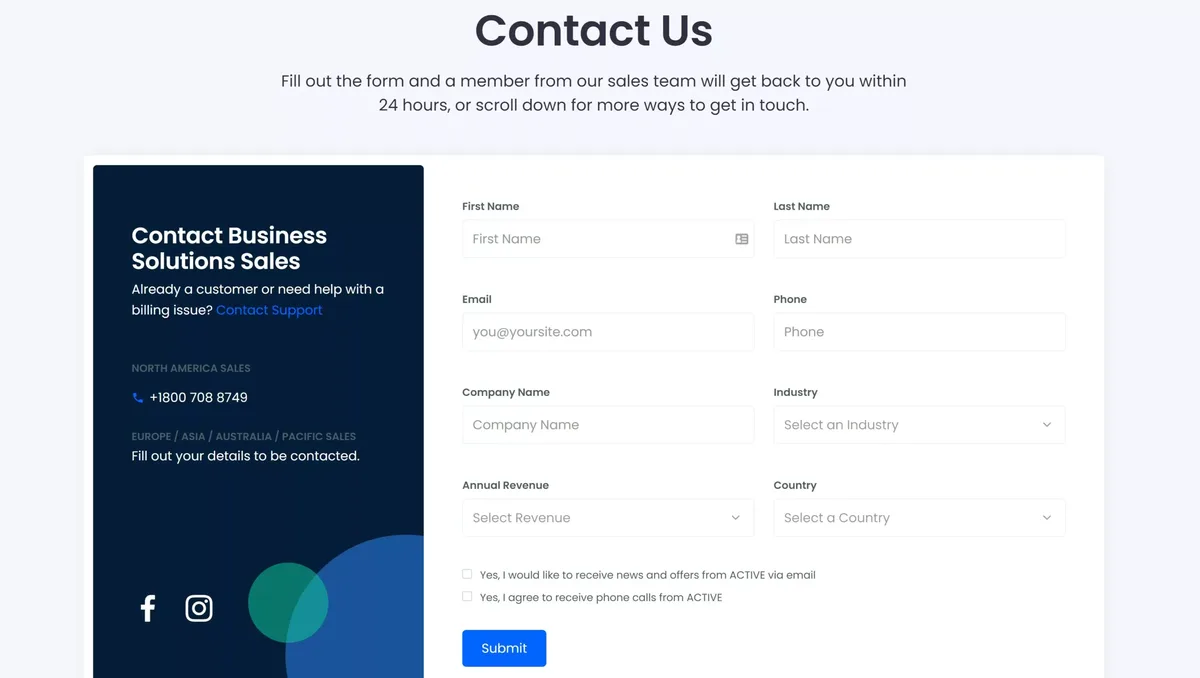
Every additional form field reduces completion rate. Ask only what you need to respond meaningfully: name, email, and a message field. Company name and phone are optional. Budget and timeline questions belong in the sales conversation, not the initial form.
Set up conversion tracking in Google Analytics 4 and, ideally, in Google Tag Manager. Track form submissions as events. Track phone number clicks and email clicks separately. You want to know which channels actually generate contact, not just which ones get clicks.
Also test form submission on every major browser and device. I’ve seen forms that silently failed on Safari because of a script conflict — three weeks of leads lost before anyone noticed. That’s the kind of quiet disaster that contact page SEO tips rarely mention but every practitioner eventually encounters.
10. Monitor Search Console and Iterate Based on Data
Finally, watch how your contact page performs in Search Console. Applying these principles to your contact page SEO yields measurable results. Check impressions and clicks for branded queries. Look at the queries driving traffic — sometimes you’ll discover people searching “how to contact [brand]” or “[brand] customer service,” which are opportunities to add supporting content.
Review the page’s Core Web Vitals report monthly. Check for indexing issues after any redesign. Track bounce rate and scroll depth in analytics to see whether visitors are engaging with the page or bouncing immediately.
The best contact page SEO programs treat the page as a living asset. Small iterations — a reworded headline, a reordered form field, a new trust badge — compound over time. That’s how you rank faster and convert better simultaneously.
Contact Page SEO Checklist: a Quick Reference Table
Here’s a condensed table you can use during audits. Each row maps to one of the ten practices above, with the primary signal it influences and the effort level required.
| Practice | Primary SEO Signal | Effort Level | Priority |
|---|---|---|---|
| Clean, crawlable URL | Indexability | Low | Critical |
| ContactPage + Organization schema | Entity recognition | Medium | High |
| Page speed and Core Web Vitals | UX + ranking factor | Medium | High |
| Mobile-first design | Mobile usability | Medium | Critical |
| Complete NAP data | Local SEO | Low | Critical |
| Contextual form copy | Content relevance | Low | Medium |
| Trust signals (names, photos) | E-E-A-T | Medium | High |
| Internal linking | Site architecture | Low | High |
| Simplified form + tracking | Conversion rate | Medium | Critical |
| Search Console monitoring | Ongoing optimization | Low | High |
Use this table as your working contact page SEO checklist. Print it, share it with your team, and revisit it quarterly. Contact pages drift out of shape faster than most pages because they’re rarely reviewed.
Common Contact Page SEO Mistakes That Quietly Kill Rankings
Even with the ten practices above in place, a few recurring mistakes can undo your work. A thoughtful approach to contact page seo reinforces your qualifications. These are the ones I see most often during audits.
The first is burying the page. If your only link to the contact page is in the footer, you’re signaling low importance to crawlers and forcing visitors to hunt. Add a link in the main navigation or at least in a prominent header CTA.
The second is using an image for the phone number or address. This blocks crawlers from reading the data and breaks accessibility. Always use real text.
The third is a form the contact page SEO submits but doesn’t confirm. Users click submit, nothing visibly happens, and they leave assuming it failed — or they submit again and you get duplicates. Always show a clear success message.
The fourth is inconsistent NAP data across the site and external listings. Even small variations confuse local search algorithms. Standardize the format and stick to it everywhere.
The fifth is ignoring the page after launch. Contact pages decay — links break, forms fail, plugins conflict. Without monitoring, you won’t know until a customer complains. A simple monthly check catches most issues before they cost you leads.
Each of these mistakes is fixable in under an hour. The reason they persist is that nobody’s watching the contact page closely. That’s the underlying lesson of contact page SEO: attention is the differentiator.
How Do You Measure Contact Page SEO Success?
Start with three metrics: organic impressions for branded queries, form submission rate, and phone/email click rate. These tell you whether the page is being found and whether visitors are taking action.
Layer in engagement metrics — bounce rate, average time on page, scroll depth. A high bounce rate on a contact page isn’t always bad (some visitors find the phone number and leave to call), but combined with low form submissions, it signals a problem.
Finally, track downstream outcomes. How many qualified leads came from the contact page each month? What’s the close rate on those leads compared to other channels? Contact page SEO tips that ignore revenue impact are just busywork. Tie the page to business outcomes and you’ll get buy-in for ongoing investment.
Set a baseline before you make changes, then review every 30 days for the first quarter. Most improvements show up within 4-8 weeks, though schema changes can take longer to reflect in search results.
Frequently Asked Questions About Contact Page SEO
Here is an in-depth breakdown of key considerations regarding Frequently Asked Questions About Contact Page SEO:
Should Every Website Have a Dedicated Contact Page?
Yes, with rare exceptions. Even single-page sites benefit from a dedicated contact section or page because it consolidates trust signals and gives search engines a clear destination for branded contact queries. The only real exception is a site with no commercial intent whatsoever, like a personal hobby blog with no reader interaction.
Does Contact Page SEO Actually Affect Rankings?
Indirectly, yes. The contact page itself rarely ranks for high-volume keywords, but it influences sitewide trust signals, local SEO, and internal linking architecture. A well-optimized contact page strengthens the site as a whole, and Google’s quality guidelines explicitly consider contact information when assessing site legitimacy.
What Schema Markup Should I Use on a Contact Page?
Use ContactPage schema as the primary type, combined with Organization or LocalBusiness schema and contactPoint properties. If you list team members, add Person schema. Validate everything with Google’s Rich Results Test before deploying.
How Many Form Fields Should a Contact Form Have?
Three to five fields is the sweet spot for most businesses: name, email, message, and optionally phone or company. Every additional field reduces completion rate. If you need more information, gather it during the follow-up conversation, not on the initial form.
Is It Bad to Hide the Contact Page in the Footer?
Not inherently bad, but suboptimal. A footer link is fine as long as the page is also reachable through the main navigation or a visible header CTA. Burying it entirely makes the page harder to find and signals lower importance to crawlers.
How Often Should I Audit My Contact Page?
Quarterly at minimum. Monthly is better if you’re running active campaigns or making frequent site changes. Contact pages break quietly — forms fail, plugins conflict, links rot — and a regular audit catches issues before they cost you leads.
Can I Use a Third-Party Form Service Like Typeform or Jotform?
Yes, but be aware of the tradeoffs. Third-party embeds can slow your page and sometimes block crawlers from reading form content. If you use one, test page speed carefully and consider adding a direct email or phone number alongside the embedded form so visitors always have an alternative.
Final Thoughts on Ranking Faster With Contact Page SEO
The contact page is one of the most under-optimized assets on most websites. That’s your opportunity. While competitors treat it as a utility stub, you can turn it into a trust-building, authority-passing, conversion-driving page that quietly lifts your entire site.
Work through the ten practices in this contact page SEO guide in order. Start with the technical foundations, layer in content and trust signals, then close the loop with measurement. Most of the work takes hours, not weeks, and the compounding effect on rankings and leads is worth every minute.
If you only do one thing after reading this, run your contact page through the checklist table above and fix the first three gaps you find. That’s how you start ranking faster — one concrete fix at a time.
For deeper context on the broader discipline, the Wikipedia entry on search engine optimization is a solid reference point on foundational principles.
And remember: contact page SEO isn’t a one-time project. It’s a habit of attention. The teams that win are the ones that keep looking.