Competitor link analysis is the closest thing SEO has to reading a rival’s playbook before the season starts. You get to see who links to them, which pages earn those links, and where their authority actually comes from instead of guessing.
That’s why this competitor link analysis guide walks you through ten tips you can execute this week, not abstract theory you’ll forget by Friday.
Here’s the honest truth: most people skim a rival’s backlink profile, screenshot a few domain authority numbers, and call the competitor link analysis research. That habit wastes one of the most useful intelligence sources in search marketing.
Done properly, the competitor link analysis process tells you which pages to prioritize, which outreach angles already work in your niche, and which link sources you’re quietly missing. It also connects to the wider world of search engine optimization, where off-page authority still shapes how visible your pages become.
Why Competitor Link Analysis Still Moves Rankings
Links remain one of the few signals Google has confirmed it grades your page against, and it grades competitors the same way. When you run a competitor link analysis, you’re comparing your link profile to theirs on equal footing. That comparison reveals gaps you can close and strengths you can defend.
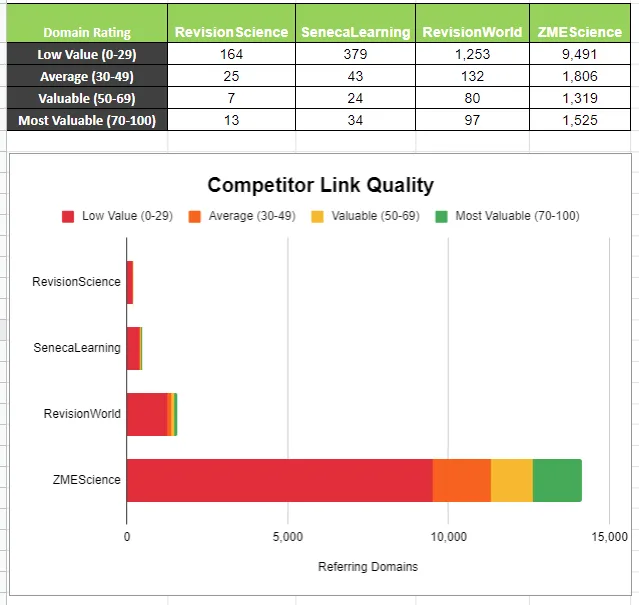
Think of it like a chess player reviewing a rival’s opening moves. You’re not copying moves, you’re learning patterns. A page ranking third for a money keyword usually earned that position through a mix of topical relevance, internal linking, and referring domains that point at it with descriptive anchor text.
When you dig into that mix, patterns surface fast. Some competitors win through sheer volume. Others win because a handful of trusted industry publications linked to them once and never looked back. Knowing which pattern dominates your niche changes where you spend your outreach hours.
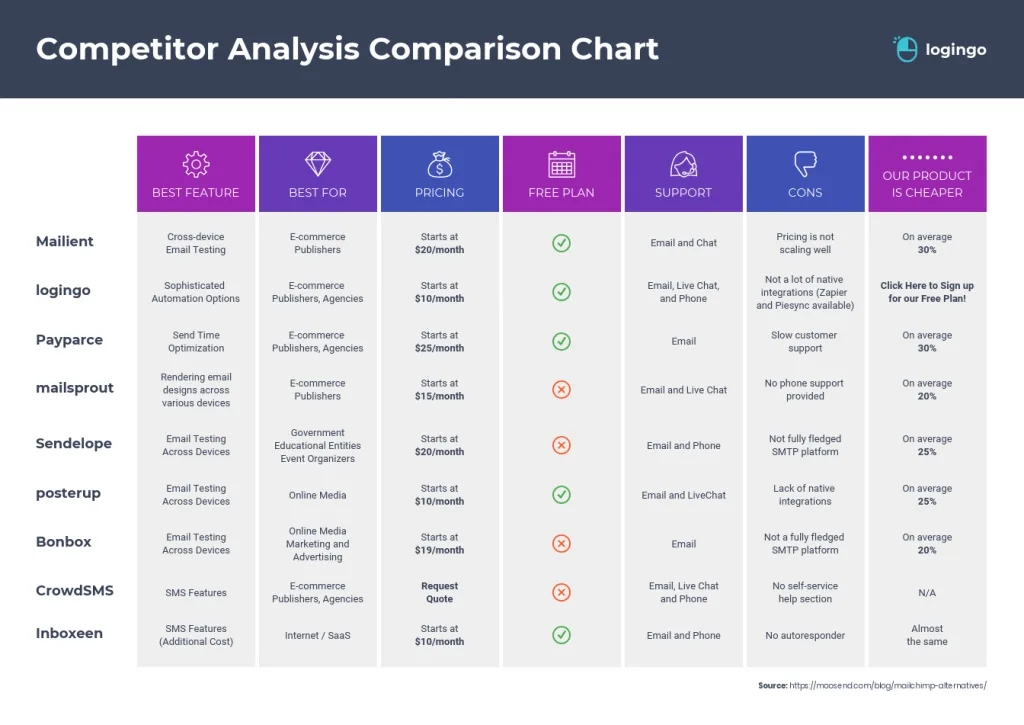
The payoff compounds over time. Every competitor link analysis you run teaches you something reusable about your industry’s link economy, and that knowledge doesn’t expire when a specific campaign ends.
What a Competitor Link Analysis Checklist Should Cover
Before opening any tool, get clear on what you’re measuring. A weak competitor link analysis checklist leads to scattered screenshots and no decisions. A strong one produces a short list of pages worth targeting and sources worth contacting.
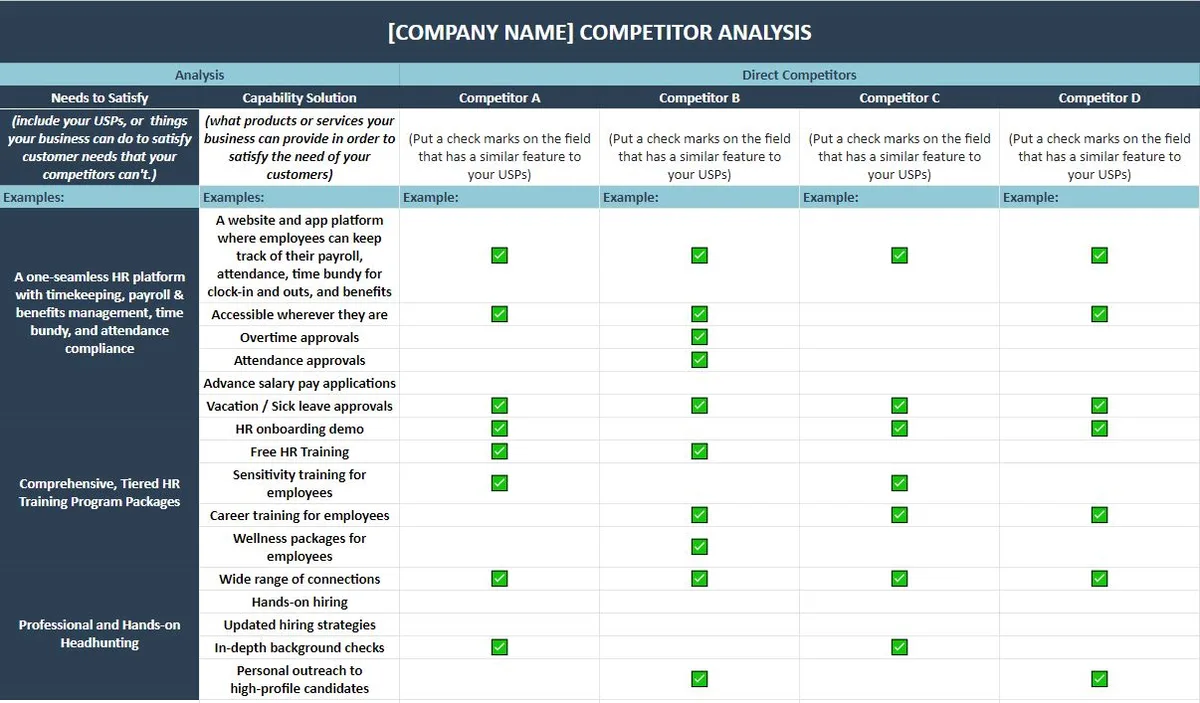
At minimum, your checklist should track referring domains rather than raw backlinks, since one site linking fifty times still counts as a single source. Refining each detail of your competitor link analysis strengthens this section.
Add anchor text distribution, link placement type (editorial, resource page, guest post), page-level authority for the specific URLs ranking, and whether each link is dofollow or nofollow.
Don’t forget the basics either. Note follow status, the topical relevance of each linking site, and whether the link sits in body copy or a footer. Those details separate a link that helps from one that just exists.
| Checklist Item | Why It Matters | Where to Find It |
|---|---|---|
| Referring domains | Measures unique sources, not repeat links | Ahrefs, Semrush, Majestic |
| Anchor text distribution | Reveals how competitors signal relevance | Ahrefs Anchors report |
| Link placement type | Separates editorial mentions from directory listings | Manual page review |
| Top linking pages | Shows which URLs attract the most authority | Ahrefs Best by Links, Semrush Backlinks |
| Follow vs. Nofollow ratio | Indicates how much equity actually flows | Backlink audit exports |
| Topical relevance | Weight relevant links higher than random ones | Manual review of linking domains |
Run the competitor link analysis checklist across three to five direct competitors rather than one. A single profile might be an outlier. Three profiles start showing you what the niche rewards.
Tip 1: Pick the Right Competitors Before You Open a Tool
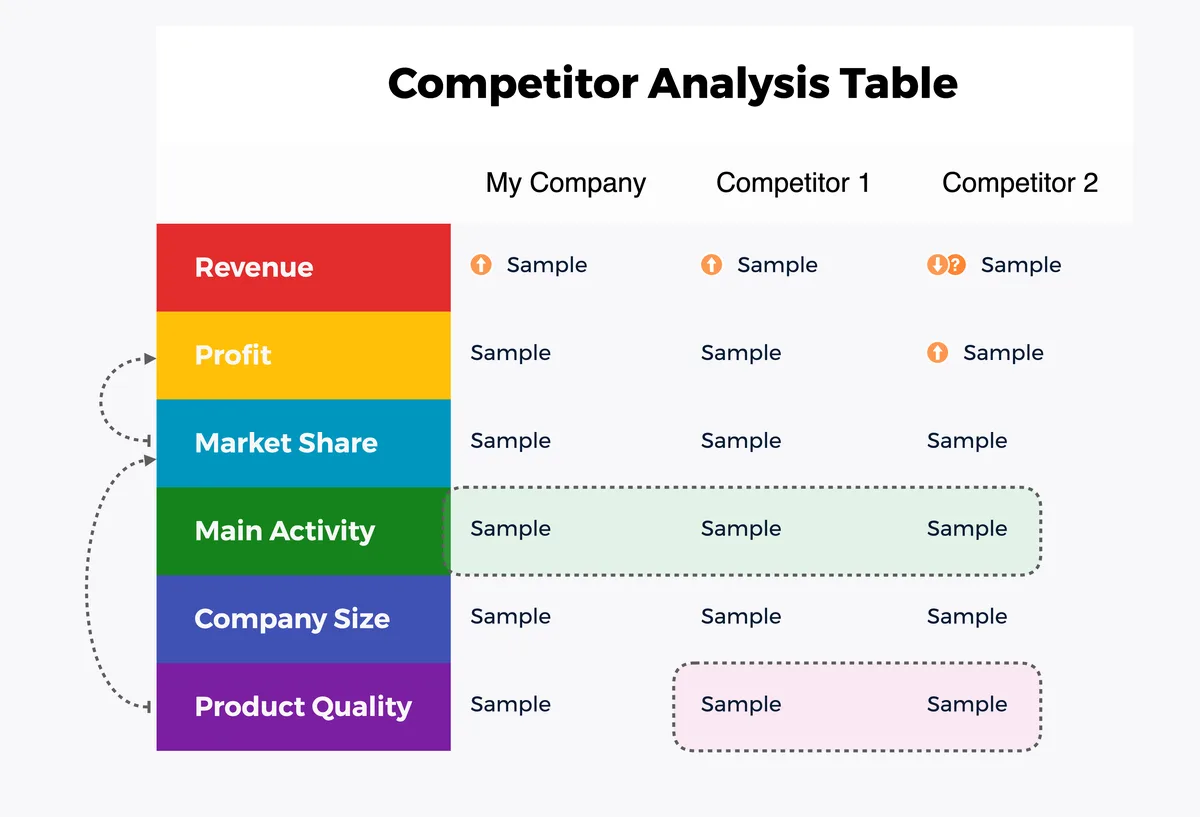
Most wasted competitor link analysis happens before a single report loads. People compare themselves to the biggest name in their industry and walk away discouraged. That giant has a decade of PR relationships you can’t replicate overnight.
Pick competitors you can realistically challenge. Look for sites ranking on page one for your target keywords with a comparable business model. If you sell software to small clinics, a hospital network’s backlink profile tells you almost nothing useful.
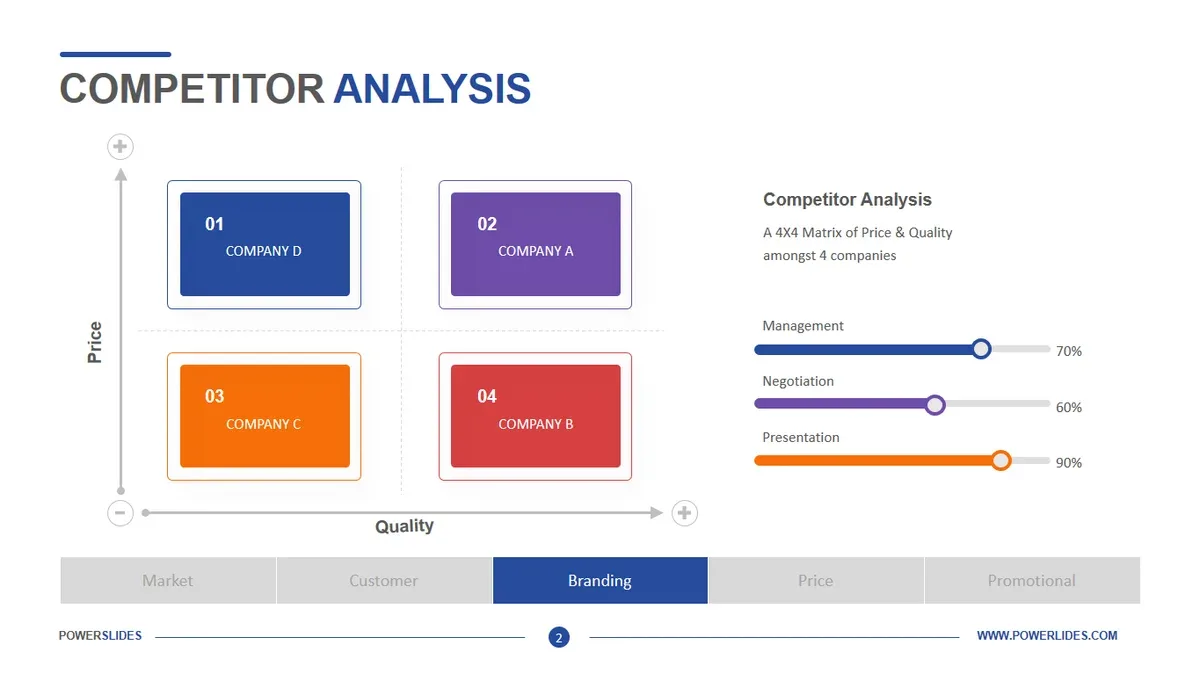
Blend two types of competitors together. Effective execution in your competitor link analysis makes a tangible difference. Direct competitors sell what you sell. SERP competitors rank for what you want to rank for, even if their business differs. That second group often reveals content angles and link sources you’d never spot by watching your own market alone.
Once you’ve picked three to five, save their domains in your tool of choice. That shortlist becomes the foundation of every future competitor link analysis you run, so choose deliberately.
Tip 2: Sort by Referring Domains, Not Total Backlinks
Total backlink counts flatter big sites and mislead small ones. A single blog roll can inflate a competitor’s backlink number into the thousands while contributing almost nothing. Referring domains tell a truer story about how many independent sites vouch for a page.
Open the referring domains report for a competitor’s top-ranking page and sort by domain authority. The top twenty entries usually reveal the shape of their strategy. Are they getting links from trade publications, local news, industry podcasts, or resource roundups?
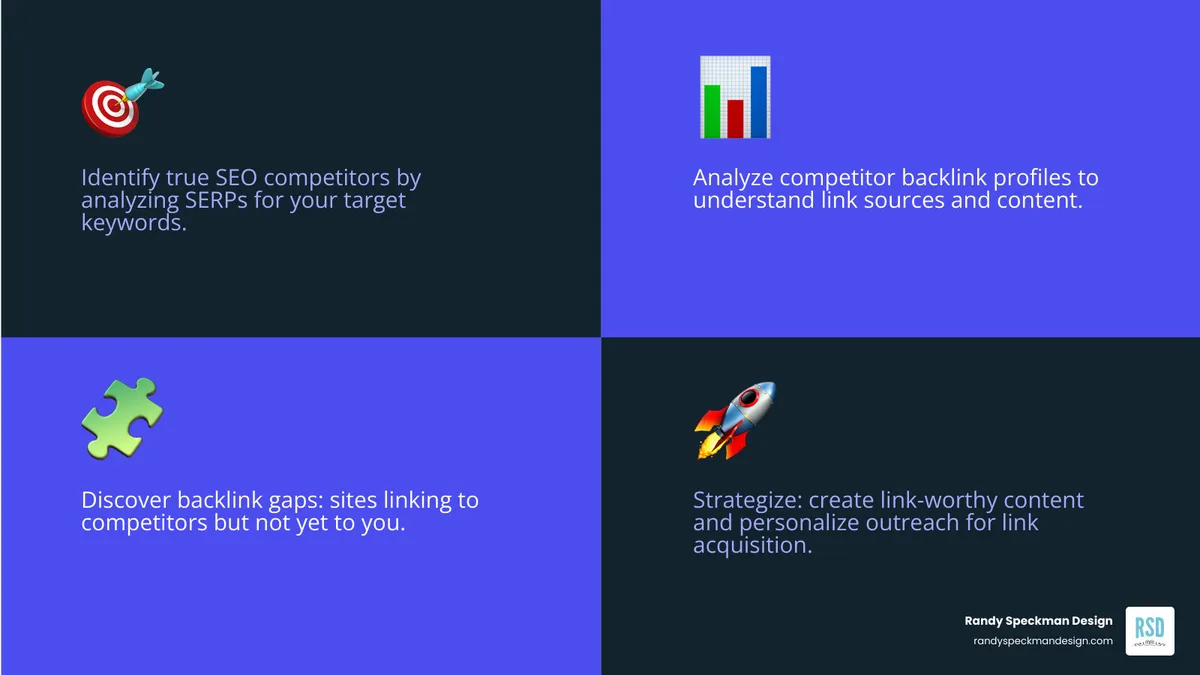
Here’s where a smart competitor link analysis tips the scales. Once you identify the category those top domains belong to, you can build a target list of similar sites that haven’t linked to anyone in your space yet. First-mover advantage in a niche publication beats being the fifth vendor quoted in the same roundup.
Tip 3: Study Page-Level Links, Not Just Domain-Level Links
Domain-level authority is a vanity metric when you’re trying to rank a specific page. A competitor’s homepage might sit at domain rating 78 while the article beating you sits at page-level authority 12. That distinction matters enormously.
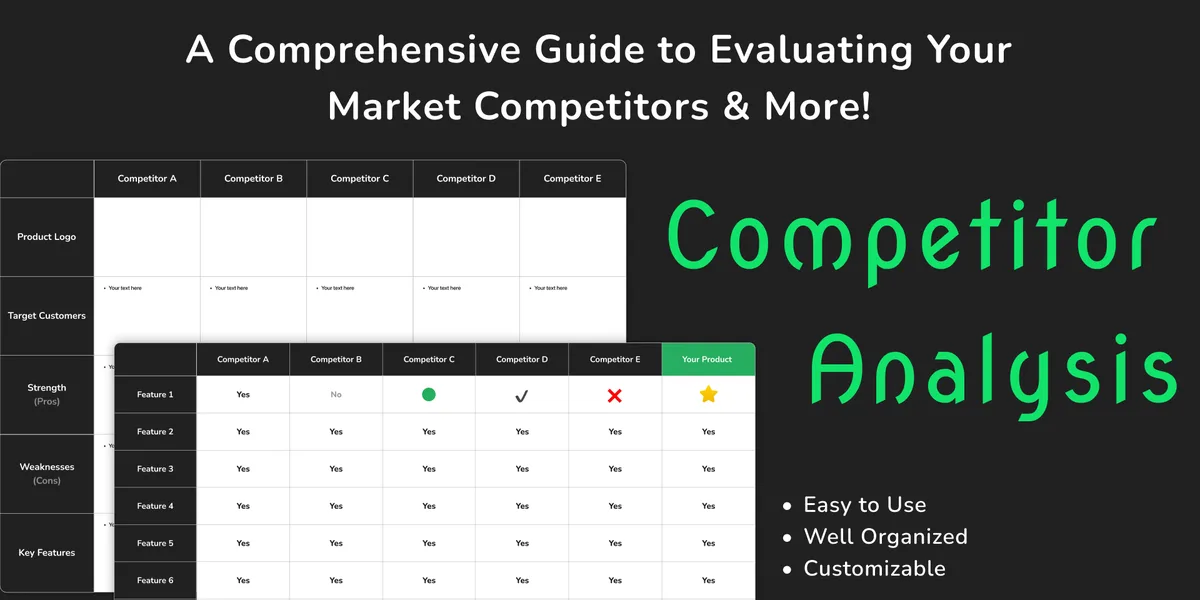
Pull the best-by-links report for each competitor and look at which URLs attract the most referring domains. Maintaining clarity across your competitor link analysis remains essential. You’ll often find that a single piece of original research, a free template, or a data study carries most of their link equity. That’s the page they’d protect if they could only keep one.
Then ask a harder question: what did the competitor link analysis page offer that made people link? A calculator, a survey with proprietary numbers, a comparison table nobody else published. Whatever it was, it created a reason for linking that a plain blog post rarely does.

This single shift, from domain thinking to page thinking, upgrades everything else in your competitor link analysis checklist. You stop chasing “links to my site” and start chasing “links to this specific asset.”
Tip 4: Reverse-Engineer Their Anchor Text Strategy
Anchor text is one of the clearest signals a competitor link analysis can surface. Export a competitor’s anchor text distribution and look at the top five anchors by frequency. You’ll see whether their profile leans brand-heavy, keyword-heavy, or naturally mixed.
Mature profiles show a healthy spread: brand name anchors, naked URLs, generic phrases like “read more,” and a moderate share of descriptive keyword anchors. Lopsided profiles, where exact-match keywords dominate, often signal aggressive link building that may not age well.
When planning your own outreach, request descriptive anchors for pages targeting competitive keywords and brand anchors for homepage or about-page links. Vary the phrasing across campaigns so your profile reads like it grew organically rather than from a spreadsheet.
The practical takeaway: match their pattern only where the competitor link analysis’s healthy. Copy the balance, not the excess.
Tip 5: Find Their Broken and Lost Links Before Anyone Else Does
Broken link building works better when you’re the first to notice. A competitor link analysis can surface that opportunity before it becomes crowded, because lost-link and broken-link reports show pages that stopped linking or URLs that now 404.

Run a lost backlinks report for each competitor and filter for pages that dropped links in the past few months. Common causes include site redesigns, editorial cleanups, or the linking page itself getting deleted. Whatever the reason, that linking site once cared about this topic.
Pair this with a broken link check on competitor resource pages. When a competitor’s roundup links to a dead URL, you have a legitimate reason to email: their readers hit a dead end, and your page could replace it. That’s a courteous pitch rather than a cold ask.
Keep a running log of the competitor link analysis opportunities. Timing matters more than volume here, since a lost link you spot early is far easier to convert than one that’s been dead for two years.
Tip 6: Audit Their Top Content Gaps and Missing Link Sources
Content gaps and link gaps are cousins. Structuring your competitor link analysis around proven patterns ensures impact. A content gap report tells you which keywords competitors rank for and you don’t. A link gap report tells you which referring domains they share that you’re missing entirely.
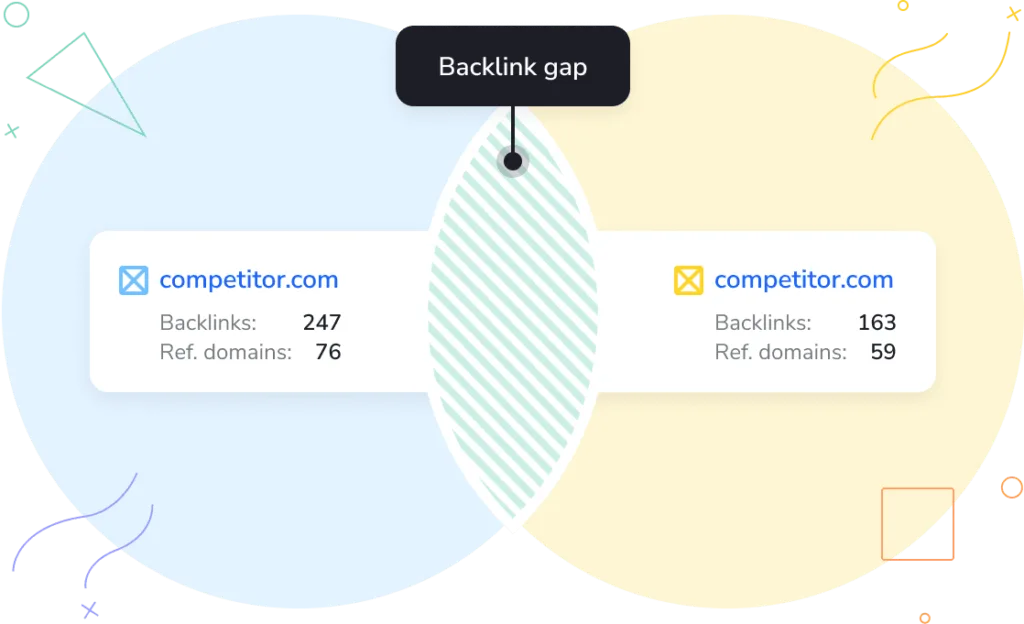
Focus on “link intersect” opportunities first. These are domains linking to two or more competitors but not to you, which signals genuine relevance to your topic. If three rivals each earned a mention from the same industry publication, that publication clearly covers your space and might cover you too.
Pair this with a content gap check so you know which pages to pitch once contact succeeds. Emailing a journalist about a link when your site lacks a matching page wastes a valuable touchpoint.
Build the assets first, then reach out. That sequencing turns a thin list of prospects into a real competitor link analysis best practices workflow, where every outreach message points at something concrete.
Tip 7: Steal Their Outreach Angles, Not Their Contacts
There’s an ethical line here, and it matters. Don’t scrape a competitor’s link sources and blast the same editors with identical pitches. Do study how those links were earned, then craft your own reason for contact.

Read the article the competitor link analysis links to a competitor and note the surrounding context. Did the editor cite a stat, quote an expert, or reference a tool? That tells you what kind of contribution earns coverage in that outlet. Replicate the format with original data or a sharper angle.
If a competitor got cited for a salary survey, offer a version segmented by region or company size. If they got quoted for a passing remark in an interview, pitch yourself as a deeper source on a related question. Editors notice when a pitch adds something their previous source didn’t cover.
This approach to competitor link analysis produces links that last because they’re editorially earned, not transactional. It’s slower than a volume play, but the byline has more staying power.
Tip 8: Benchmark Your Own Profile Against Theirs Monthly
A one-time competitor link analysis is interesting. A monthly one becomes a dashboard. Set a recurring reminder to pull referring domain counts, page-level authority for your key pages, and new linking domains for your top three competitors.

The trend line is where the insight lives. If a competitor suddenly gains twenty referring domains in a month, someone just ran a successful campaign and you can learn from it. If your growth stalls while theirs climbs, check whether you’ve stopped publishing linkable assets or let outreach slip.
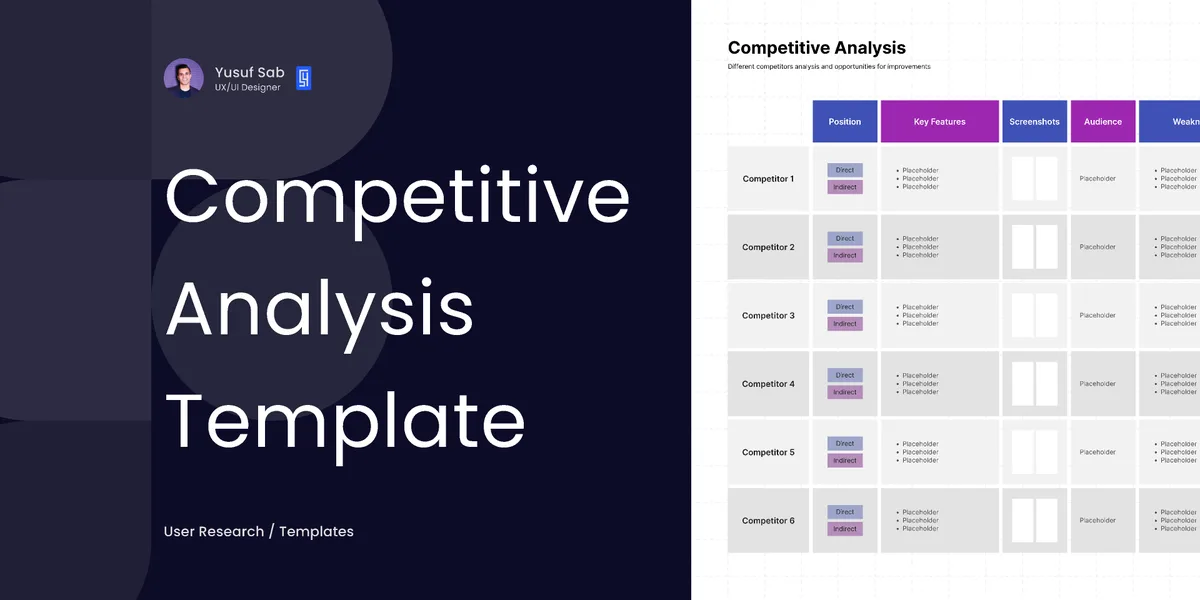
Keep a simple spreadsheet: competitor, domain rating, referring domains, new domains the competitor link analysis month, top gaining page. Ten minutes of tracking beats six months of guessing about whether your efforts are keeping pace.
Post the numbers somewhere visible on your team dashboard. Underperformance on this metric is easy to rationalize in private and hard to ignore when it’s on a screen.
Tip 9: Watch for the Link Spikes That Signal Opportunities
Sudden link growth is a clue worth chasing. When a competitor’s referring domains jump sharply in a short window, a specific event happened. A product launch, a viral piece of research, a podcast appearance, or a piece of coverage that got syndicated.
Identify which of those moments you can recreate. A viral research report is tough to manufacture on demand, but a well-prepared data study tied to a calendar moment is achievable. A podcast appearance is even more accessible if you pitch yourself to the same shows.
Set alerts on your competitors’ domains through your backlink tool so the competitor link analysis don’t miss the next spike. Reviewing the URL and the linking sites that drove the surge often reveals a playbook you can adapt within weeks.
Don’t chase spikes blindly though. Some surges come from low-quality directory links that disappear on the next audit. Verify the quality of the linking domains before you invest time replicating the tactic.
Tip 10: Turn Findings Into a Prioritized Link Building Plan
All the reporting in the world means nothing without a plan. After each competitor link analysis, write down three actions: one quick win, one medium-term asset to build, and one relationship to nurture. Keep it to three so the list actually gets done.
Quick wins are typically link gap domains you can pitch this week. Medium-term assets might be a comparison page or original data study that takes a month to publish. Relationship building is slower still, but a single warm contact at a key publication can generate links for years.
Assign an owner and a deadline to each item. Then revisit the plan after the next audit cycle and let the data tell you what worked and what slipped. That feedback loop is what turns a competitor link analysis exercise into a repeatable growth engine.
Prioritize ruthlessly based on effort and expected impact. A directory listing takes an hour and produces little. A targeted broken-link replacement pitch to a high-authority resource page takes a similar hour and can move a keyword ranking. Same effort, very different returns.
Common Mistakes That Wreck a Competitor Link Analysis
The biggest mistake is treating link data as an end in itself. Chiming in with screenshots and no priorities is performative analysis. Push everything toward decisions you can actually execute.
Another common trap is copying tactics without understanding context. A tactic that worked for a competitor with an established brand may flop for a newer site without the same trust signals. Adapt, don’t transplant.
And please, never judge only by domain rating. A high-DR link from a totally unrelated site can carry less weight than a mid-DR link from the exact publication your audience reads every morning.
FAQ
Here is an in-depth breakdown of key considerations regarding this section:
How Often Should You Run a Competitor Link Analysis?
Monthly for tracking and quarterly for the full deep dive, since link profiles change slowly and examining them more often rarely produces new insight. Running fresh reports before a major content push or outreach campaign is a smart exception.
Is Competitor Link Analysis Allowed by Search Engines?
Yes, it’s standard practice. Backlink tools use public data and confirmable link graphs. The line is drawn at tactics like scraping email addresses or spamming editors with identical pitches, which can damage relationships even where they don’t violate policy.
What Tool Do You Need to Get Started?
Ahrefs and Semrush are the most common choices for comprehensive competitor link analysis, with Majestic and Moz offering solid alternatives. Start with one tool, learn its reports well, and add a second only when you need coverage it lacks.
How Many Competitors Should You Analyze?
Three to five. Fewer than three and you risk mistaking an outlier for a trend. More than five and the volume of data outpaces your ability to act on it, which is the main reason link research goes unfinished.
One more thought to close: run a competitor link analysis the way a chess player studies a rival’s recorded games. You’re gathering patterns, testing assumptions, and looking for the move your opponent keeps repeating because it works.
The link gaps, anchor distributions, and outreach angles you uncover are only valuable when translated into a plan and put into motion. Start with tip one, keep the checklist handy, and let each round of research make your next campaign a little sharper than the last.