Commercial Investigation Keywords: Why This Stage Decides Your Pipeline
Commercial investigation keywords are the search terms people type when they already know what they want but haven’t decided who to buy it from. That’s the whole game in one sentence. Someone searching “best CRM for small teams” isn’t browsing—they’re comparing, weighing, and quietly building a shortlist.
Here’s the thing most content teams get wrong: they treat this stage like top-of-funnel education. It isn’t. Buyers here want proof, not poetry. They want side-by-side comparisons, honest pros and cons, and a clear reason to trust one vendor over another.
So this is where a solid commercial investigation keywords guide earns its keep. Below you’ll find nine practical steps—each one battle-tested, each one you can run through this week. No fluff. Just the moves that actually shift rankings and revenue.
By the end, the commercial investigation keywords’ll have a repeatable system: from mapping the right terms to building pages that convert the traffic they attract. Let’s get into it.
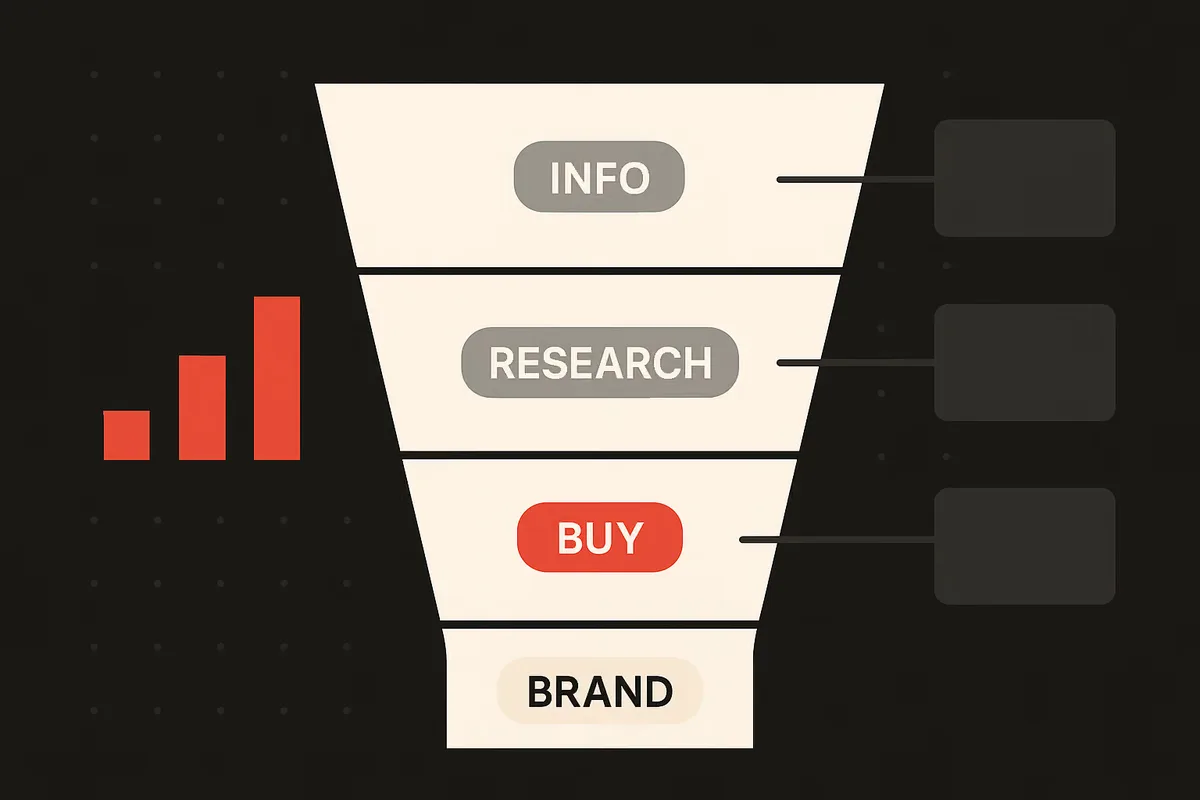
Step 1: Understand What Commercial Investigation Keywords Actually Are
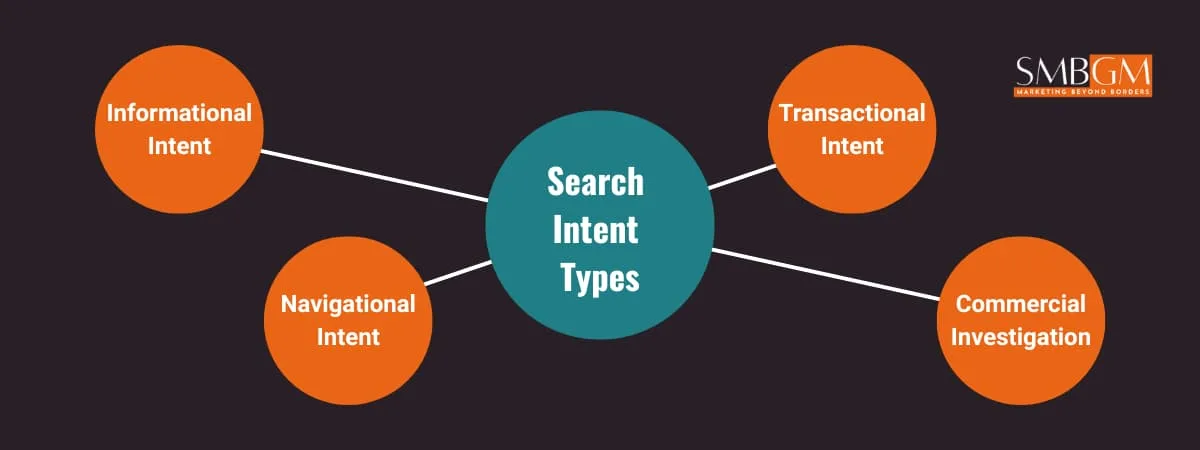
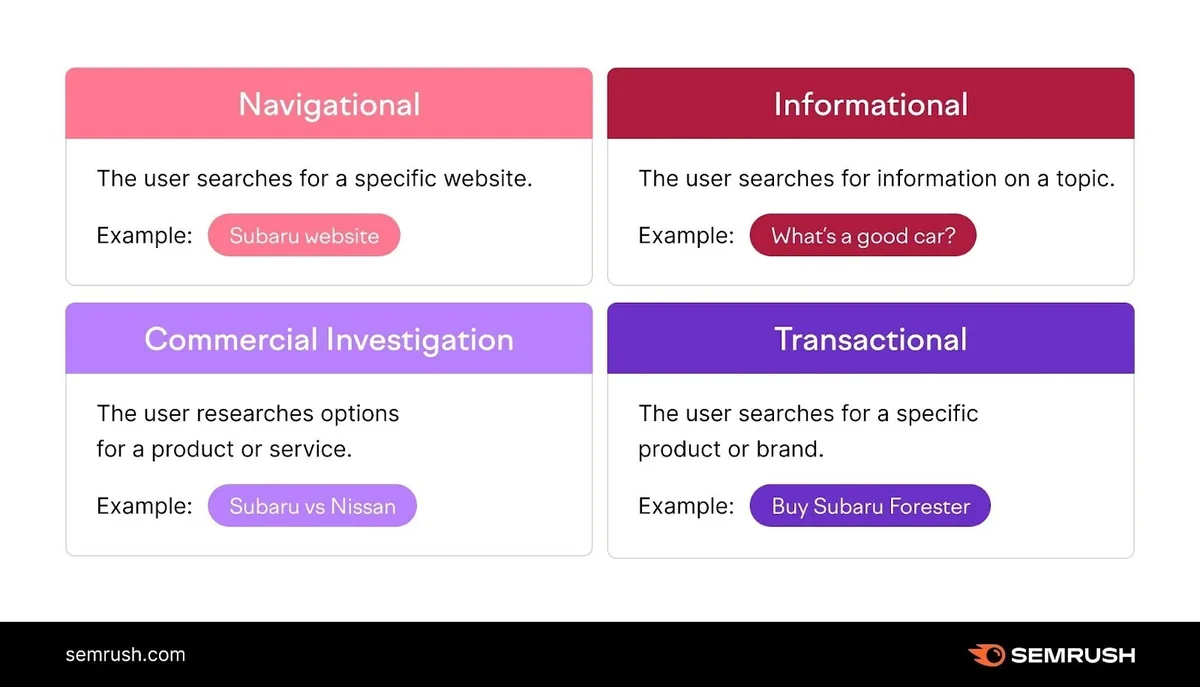
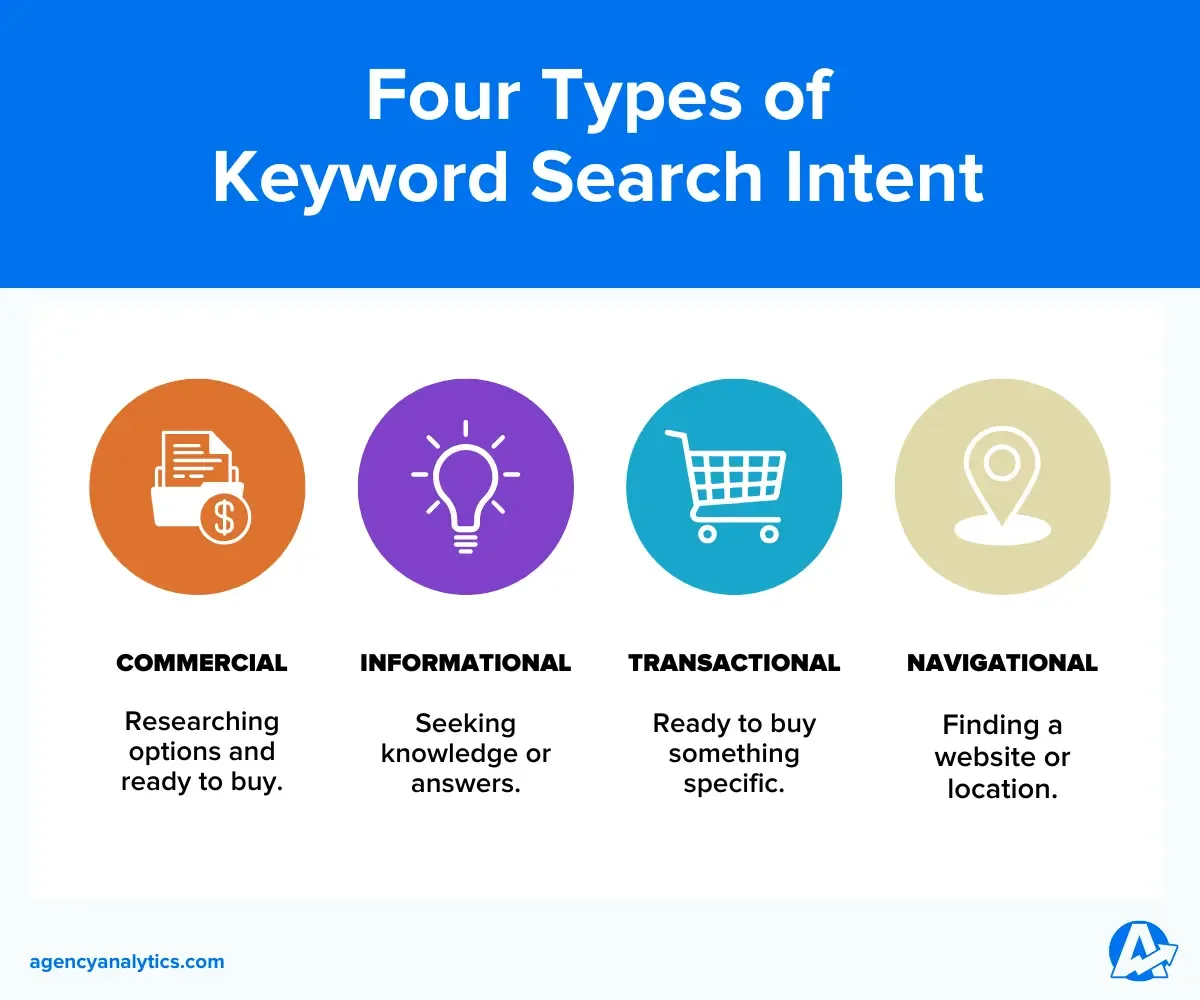
Before you chase a single term, get the definition right. Commercial investigation keywords sit squarely between informational and transactional intent. The searcher is researching a purchase—comparing options, checking reviews, scanning specs—but hasn’t committed to a transaction yet.
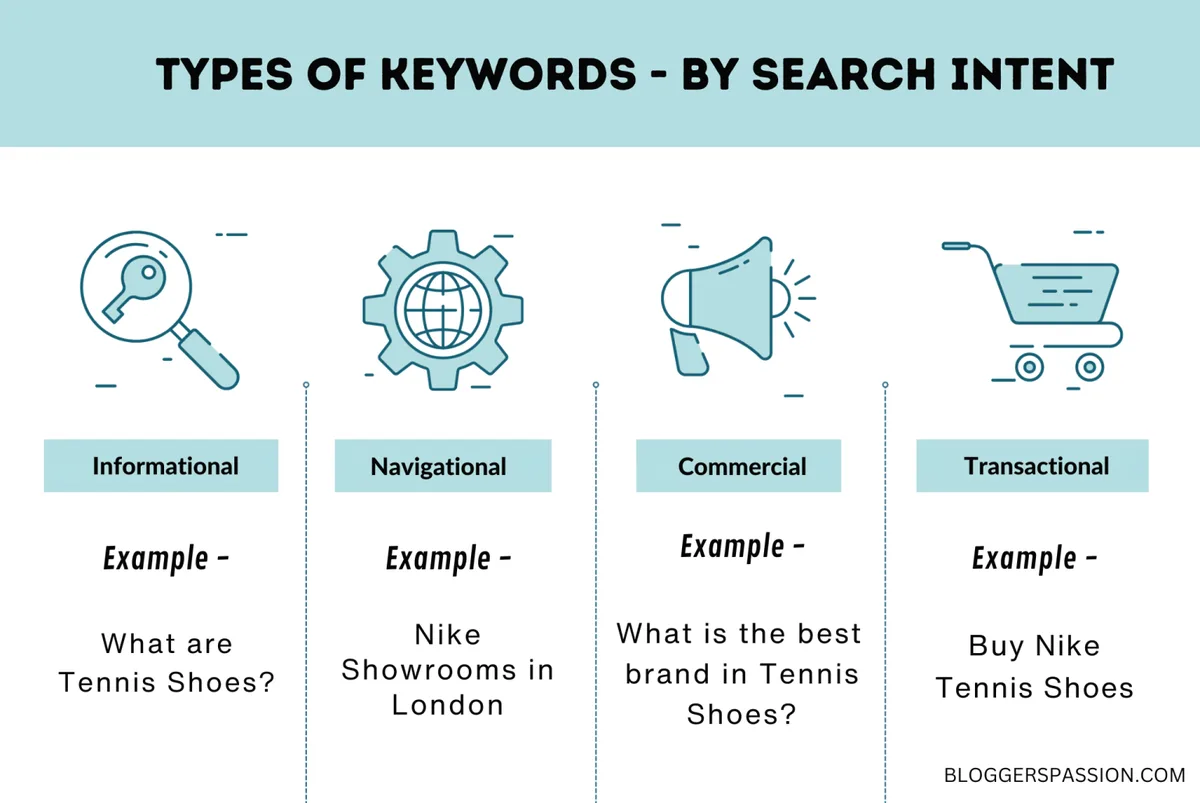
Think about the mental state. Focusing on commercial investigation keywords provides clear direction here. Compare three searches: “what is project management software” (informational), “Asana vs Monday pricing” (commercial investigation), and “buy Asana subscription” (transactional). Same person, three different moments. The middle one is where deals are won or lost.
This is why the commercial investigation keywords tips that actually work all start with intent mapping. You can’t optimize a page if you don’t know what the searcher wants at that exact moment. Search engines have gotten scary good at matching intent, and they reward pages that satisfy it fully.
The Intent Spectrum Behind the Search
Picture intent as a sliding scale, not a set of boxes. On the far left, curiosity. On the far right, checkout. Commercial investigation lives in the messy middle, and it carries its own sub-intents.
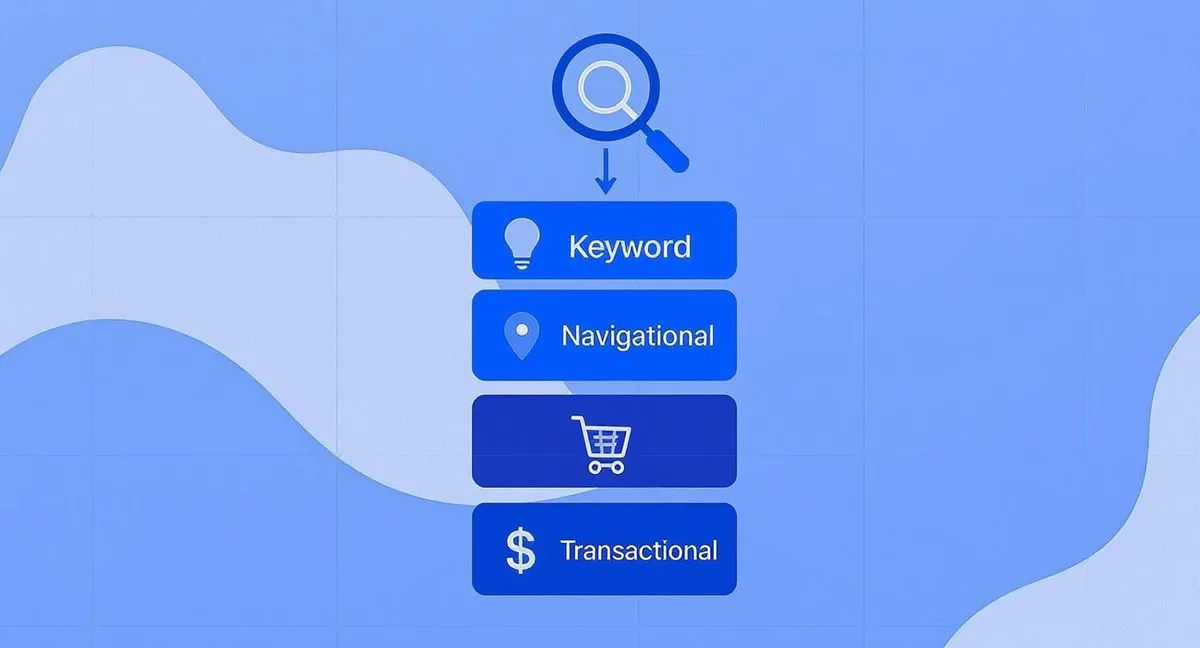
Some searchers want comparison. Others want validation—”is this the right choice for someone like me?” Some want pricing transparency. A few want to know who else uses it. Each sub-intent deserves its own content angle.
When you map sub-intents properly, your commercial investigation keywords checklist practically writes itself. You stop guessing and start targeting. And you stop producing pages that rank for a term but answer nothing.
How These Keywords Differ from Transactional and Informational Terms
The distinction matters more than people think. Informational terms build awareness. Transactional terms capture demand that’s already formed. Commercial investigation terms? They shape demand. They’re where a buyer’s mind gets made up.
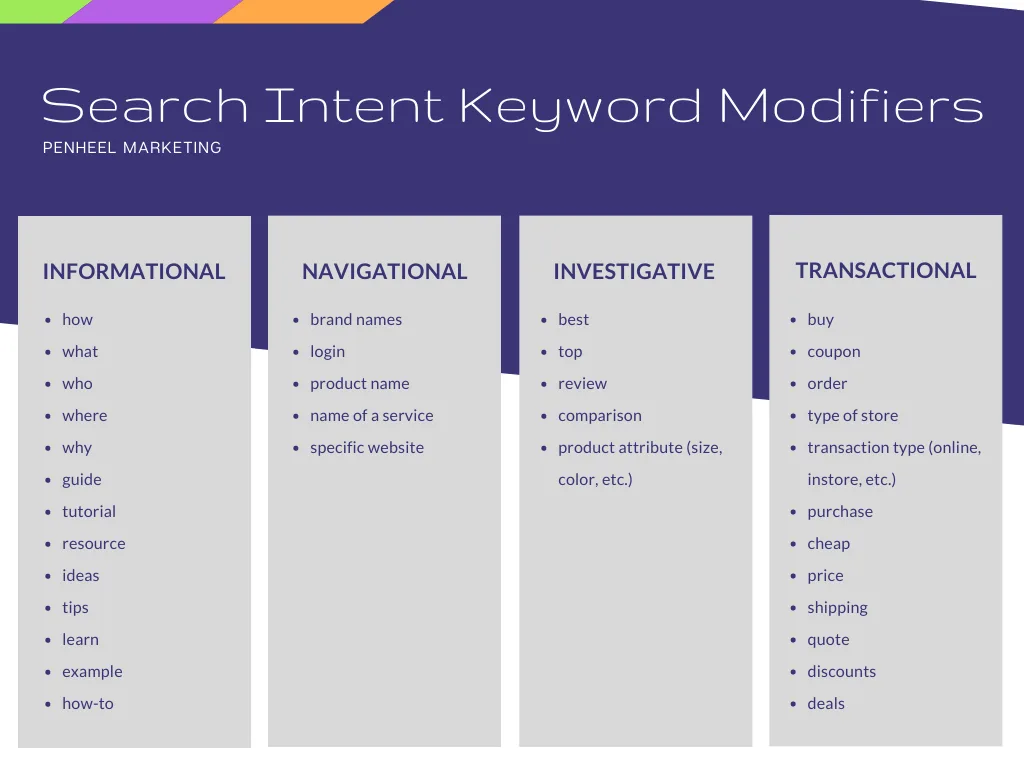
Practically, you’ll see modifiers that scream “comparing.” Words like vs, best, top, review, alternatives, comparison, pricing, and pros and cons. Spot those modifiers and you’ve spotted a commercial investigation keyword.
One quick reality check from the field: teams the commercial investigation keywords lump these into one bucket end up with blog posts that explain products and product pages nobody reads. Split them, and the whole funnel clicks into place.
Step 2: Map Commercial Investigation Keywords to Buyer Questions
Every good commercial investigation keyword is a question in disguise. “Best email marketing tool for ecommerce” is really asking: which option fits my business, and why? Answer the question behind the query and you’ve won the click and the trust.
Start by pulling real questions from real places. Sales call recordings. Support tickets. Reddit threads. Quora. Your own site search. The language buyers use there is gold—it’s unfiltered and hyper-specific.
Then turn those questions into a keyword map. Each question gets a target term, a page, and a content format. That map becomes your commercial investigation keywords best practices foundation—everything else builds on it.

Building a Question-to-Keyword Map
Here’s a simple way to do it. Create a two-column sheet: questions on the left, candidate keywords on the right. Group related questions into themes—pricing, comparison, use cases, reviews, integrations.
Then validate each keyword with actual search data. Look for volume, but weight relevance higher. A low-volume term that exactly matches a real buyer question will outperform a high-volume term that only vaguely fits.
One team I worked with mapped 40 buyer questions in a single afternoon. Refining each detail of your commercial investigation keywords strengthens this section. Sixteen became primary targets. Within a few months, nine of those pages were ranking top three. No magic—just a clean question-to-keyword map.
Prioritizing by Deal Influence
Not all questions are equal. Some come early in the evaluation, some come right before a shortlist is formed. The right commercial investigation keywords checklist weights terms by how close they sit to a decision.
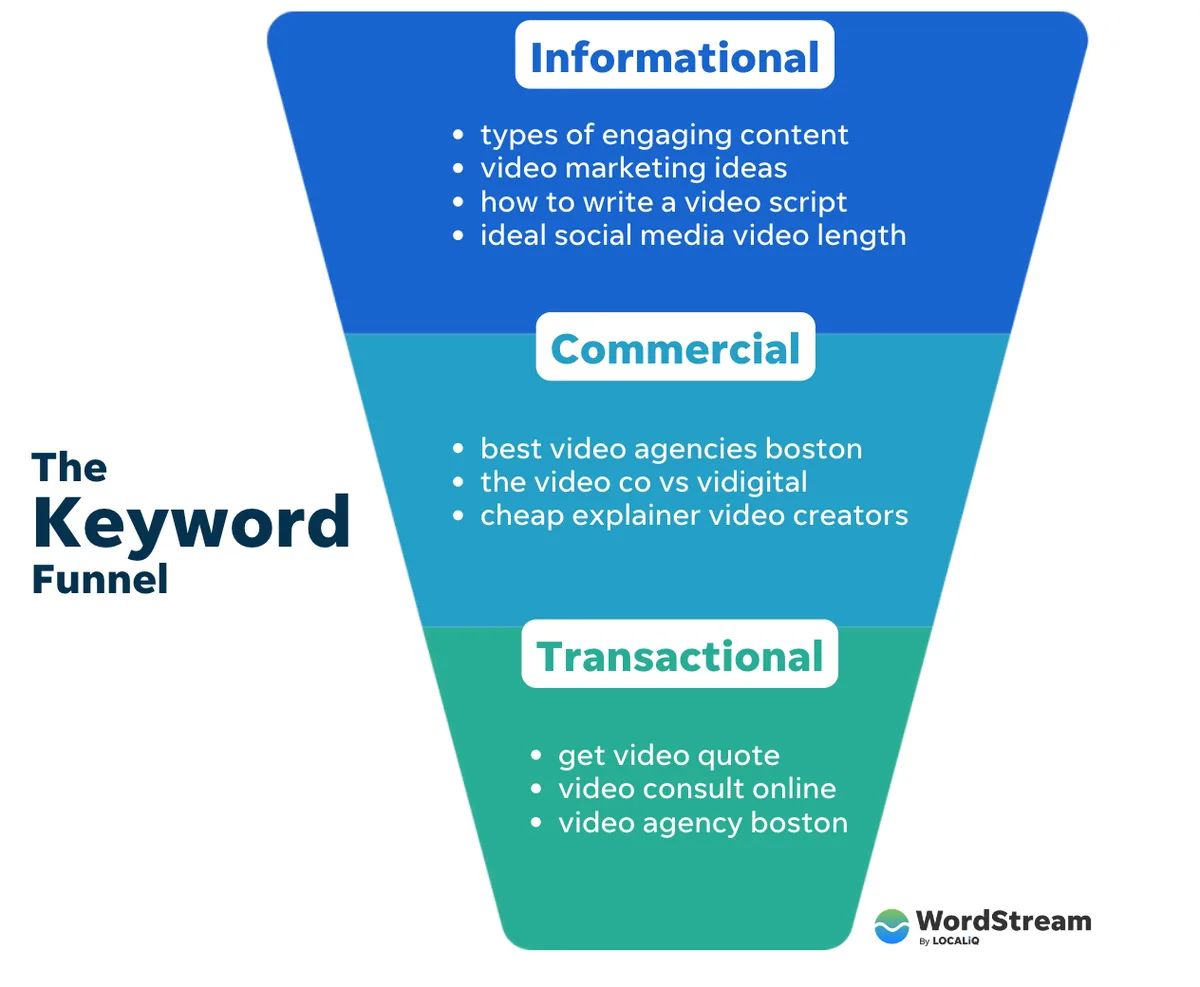
Pricing and comparison terms tend to sit late in the cycle. Effective execution in your commercial investigation keywords makes a tangible difference. “Alternatives to” and “reviews of” also lean late. Broader “best X for Y” terms can sit anywhere from mid to late.
Ask your sales team: which questions do buyers ask right before choosing us or a competitor? Those terms deserve priority. Build those pages first.
Step 3: Run a Commercial Investigation Keywords Checklist Before You Write
Writing without a checklist is like flying without instruments. You might get there, but you’ll waste fuel and miss turns. A short, disciplined checklist keeps every page on target from the first sentence.
This is where a commercial investigation keywords checklist saves hours. It forces clarity on intent, format, angle, and proof—before you type a single word of body copy.
The Pre-Writing Checklist
Run through this on every page. It takes ten minutes and saves ten hours.
Confirm the primary term’s intent. Identify the sub-intent. Choose the format—comparison, listicle, review, pricing explainer. List the proof you’ll need: data, screenshots, customer quotes. Note the related terms you’ll cover. Decide the call to action. Set a word count. Identify internal links. Pin down the external sources you’ll cite.
Common Pre-Write Mistakes That Sink Rankings
The biggest one: writing an informational post for a commercial term. Buyers land, get an explanation, bounce. Google sees the mismatch and demotes the page. Fatal and completely avoidable.
Second mistake: ignoring the SERP. Look at what’s ranking before you outline. If every result is a comparison table, don’t write an essay. Match and then elevate the format.
Third: skipping the proof. Maintaining clarity across your commercial investigation keywords remains essential. Commercial investigation pages without data, screenshots, or specifics read as generic. Generic doesn’t rank. Specific does.
Step 4: Analyze the SERP for Commercial Investigation Keywords
The search results page is your blueprint. It tells you what format wins, what depth is expected, and which features—tables, reviews, pricing widgets—Google thinks searchers want. Ignoring it is amateur hour.
Pull the top ten results for your target term. Note the dominant format. Skim the headings. Count the word ranges. Check the date signals and whether they matter. Look for the SERP features that appear—featured snippets, People Also Ask, shopping results.
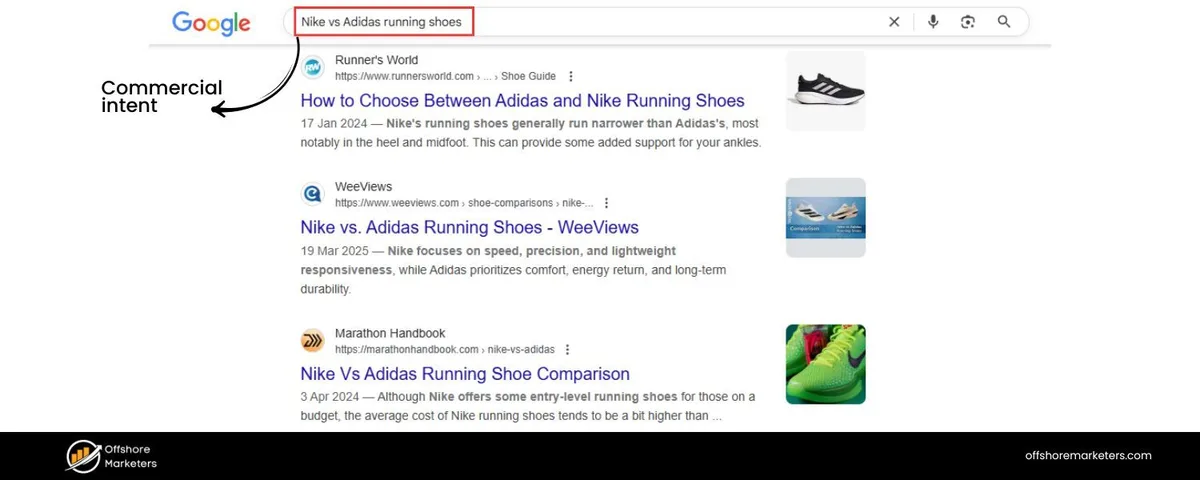
Then ask one question: what’s missing? Every SERP has a gap. Find it and fill it. That’s your angle, and it’s a core tenet of any commercial investigation keywords guide worth reading.
Reading the SERP Like a Strategist
Don’t just glance. Dissect. Note which headings repeat across results—those are table-stakes topics. Note which subtopics are thin or missing—those are your opportunities.
Check the format of the top three. If all three are listicles, a listicle will likely win. If one outlier is a deep comparison with a spec table, that’s a signal too. SERP intent is a lot like weather—you read the signals before you pack.
Also check the featured snippet. What is Google rewarding? A definition? A list? A table? Match the snippet format and you’ve got a shot at stealing it.
Identifying Content Gaps on the SERP
Common gaps: no pricing details, no pros and cons, no honest downsides, no real customer voices, no clear verdict, no updated screenshots. A thoughtful approach to commercial investigation keywords reinforces your qualifications. Fill two or three of those gaps and your page leaps ahead.
Another gap: depth for a specific segment. If every competitor writes for enterprises, build a page for small teams. Segment-matched commercial investigation keywords are under-served in most niches.
Step 5: Build Pages That Satisfy Commercial Investigation Keywords Fully
Structure matters more than word count. A 1,200-word page that answers every question beats a 3,000-word rambler every time. Commercial investigation pages need to be ruthlessly organized around what the buyer is trying to decide.

The skeleton that works: lead with the shortlist, then comparison, then details, then verdict. Buyers want the answer up front. Depth comes after, for the ones who keep reading.
The Anatomy of a High-Converting Comparison Page
Start with a scannable intro that names the options. Follow with a comparison table—specs, pricing tiers, best-fit use cases. Then individual reviews for each option. Then pros and cons. Then a clear recommendation with reasoning.
Add proof at every turn. Screenshots of dashboards. Customer quotes. G2 or Capterra ratings. Real numbers. Nothing kills trust faster than a comparison page with no comparisons.
Finally, a verdict. Buyers hate pages that dodge the question. Have an opinion. “Which is best?” deserves an actual answer—even if it’s “best for X, not for Y.”
Format Choices That Move Rankings
Lists rank for “best of” terms. Structuring your commercial investigation keywords around proven patterns ensures impact. Tables rank for comparison terms. Long-form reviews rank for “review of X.” Pricing pages rank for “X pricing.” Pick the format that matches intent and you’re halfway there.
Mix formats when it helps. A comparison page with a table, individual mini-reviews, and a FAQ covers more intent variations than a single format could.
And don’t neglect design. Commercial investigation pages live and die on readability. Short paragraphs. Scannable headers. Bold key points. Whitespace. People skim before they read.
Step 6: Write Titles and Meta Descriptions That Win the Click
The commercial investigation keywords can rank #1 and still lose the traffic if the title and meta description don’t earn the click. In commercial investigation SERPs, the click is contested by strong brands, review sites, and aggregators. You need copy that cuts through.

Titles should promise a decision. “Best X for Y” works. “X vs Y: Which Wins?” works. “X Pricing Explained” works. What doesn’t work: vague titles that sound like blog posts.
Meta descriptions should name the options, promise a verdict, or call out the one detail buyers can’t find elsewhere. Proof, not promises.
Title Formulas That Rank and Convert
Here are the patterns I see working across niches:
- [Number] Best [Category] for [Segment] — classic, still punchy.
- [Product A] vs [Product B]: Which Is Right for You? — high CTR for comparison terms.
- [Product] Review: Pros, Cons, and Real Pricing — signals honesty.
- Top Alternatives to [Product] — captures switchers.
- [Category] Pricing Explained: Every Tier Compared — the pricing-intent magnet.
Pick the formula that matches the dominant SERP intent, then test two variants over time.
Meta Description Patterns That Earn the Click
Then, meta descriptions should answer three things fast: what the page compares, who it’s for, and what the reader walks away with. That’s the formula. Keep it short, specific, and free of hollow adjectives.
Resist the urge to stuff the same keyword variants into every meta. One clear keyword mention is enough. The rest is about earning the click through specificity and confidence.
Step 7: Use Commercial Investigation Keywords to Build Topic Clusters
One page rarely wins a niche. A cluster does. Group your commercial investigation keywords into themed clusters, each anchored by a pillar page and supported by focused sub-pages. That structure sends a strong topical authority signal.
The parent topic here is “buying decisions in [your category].” Sub-topics branch into comparisons, reviews, pricing, use cases, integrations, and alternatives. Each branch gets its own page and its own target term.
This is the fundamental idea behind any modern commercial investigation keywords best practices playbook: don’t go wide, go deep, and let the cluster compound over time.
Cluster Examples by Category
Say you’re in project management software. Your cluster might include:
- Main pillar: “Best project management software for teams”
- Comparison pages: “Asana vs Monday,” “Jira vs Trello”
- Pricing pages: “Project management software pricing compared”
- Alternatives pages: “Alternatives to Asana,” “Alternatives to Monday”
- Segment pages: “Best project management software for agencies”
Each page links to the pillar and to at least two siblings. The pillar links back to every child. That internal web reinforces relevance.
Internal Linking Priorities for Commercial Intent
Anchor text should describe the target page’s promise. “Compare Asana vs Monday pricing” beats “click here” every time. And put the highest-converting links in the highest-attention spots—early in the page, inside comparison tables, near verdicts.
Watch out for link dilution. Applying these principles to your commercial investigation keywords yields measurable results. If every page links to every page, nothing stands out. Prioritize a few high-value connections over a link soup.
Step 8: Track, Measure, and Refine Commercial Investigation Keywords
Rankings are a starting point, not the finish line. What matters is whether the page drives the behavior you want: clicks to product pages, demo requests, pricing inquiries. Commercial investigation pages should be measured on that action, not just position.
Set up events in your analytics tools. Track scrolling through comparison tables, clicks on CTA buttons, and conversions attributed to specific pages. Rank tracking alone tells you nothing about revenue.
Then review monthly. What’s ranking? What’s converting? What’s wasted traffic? Kill the pages that don’t pull weight and double down on the ones that do.
Metrics That Actually Matter
Ignoring vanity metrics, here’s what to watch:
- Click-through rate from the SERP — is the title doing its job?
- Scroll depth past the fold — are people reading or bouncing?
- CTA click rate — is the page leading anywhere?
- Assisted conversions — is the page feeding the pipeline?
- Rank movement over time — slow and steady beats spiky and fragile.
One team tracked all of these and found a “best X” page with mediocre rankings was their #2 conversion source. They doubled down on that page and tripled its traffic within two quarters.
When and How to Refresh a Page
Refresh when rankings slip, when competitors publish something better, or when your product changes. Also refresh on a schedule—commercial investigation pages age faster than informational ones because pricing and features shift.
When refreshing, add proof. Proper attention to your commercial investigation keywords sets a strong baseline. Update screenshots. Add a recent customer quote. Tighten the verdict. Small changes compound.
Step 9: Avoid the Most Common Commercial Investigation Keywords Mistakes
You can do everything right and still sabotage the page with a handful of predictable mistakes. Here are the ones I see most often—and how to dodge them.
The Mistakes That Cost the Most
- Writing an informational post for a commercial intent. Buyers want decisions, not definitions. Match the format to the search intent.
- Dodging the verdict. Have an opinion. “It depends” without a recommendation is a cop-out.
- Stuffing the keyword. Aim for natural density. If the copy reads like it’s written for a robot, it is.
- Ignoring competitors on the SERP. Study, then beat. Never publish without a gap analysis.
- No clear CTA. Every commercial investigation page needs one obvious next step.
- Skipping proof. Screenshots, numbers, quotes, ratings—proof earns the trust that rankings can’t.
- Outdated details. Stale pricing, dead screenshots, missing features—these kill credibility fast.
- Thin comparison pages. Two hundred words with a table won’t rank. Add depth and honest analysis.
- Ignoring internal links. Isolated pages underperform. Connect the cluster.
- Chasing volume over relevance. A low-volume term that matches a real buyer question beats a high-volume mismatch every time.
This list is essentially a “what not to do” version of any commercial investigation keywords checklist. Print it and pin it above your desk.
A Quick Case Study in Getting It Right
A B2B SaaS client had a generic “Best CRM” page ranking #8 and converting poorly. We rebuilt it around one focused segment—small agencies—with a clear shortlist, a comparison table, real pricing, and honest pros and cons for each option.
Then we built two supporting pages: an “Alternatives to [Competitor]” page and a “CRM pricing explained” page. All three linked to the pillar and to each other. No new top-level content for six months—just sharpening and clustering.
Within five months, the pillar page hit top three for its target term, and the cluster combined to drive over 200 demo requests per quarter. Same product. Better structure. Sharper intent match.
Frequently Asked Questions About Commercial Investigation Keywords
Here is an in-depth breakdown of key considerations regarding Frequently Asked Questions About Commercial Investigation Keywords:
What are Commercial Investigation Keywords, Exactly?
The commercial investigation keywords’re search terms used by buyers who are evaluating options before purchasing. They typically include modifiers like “best,” “vs,” “review,” “comparison,” or “pricing.” They sit between informational and transactional intent and carry the highest influence on purchase decisions.
How are They Different from Transactional Keywords?
Transactional keywords signal a ready-to-buy intent—”buy now,” “subscribe,” “get a demo.” Commercial investigation keywords signal evaluation—”which is best,” “how does X compare to Y.” Transactional captures demand; commercial investigation shapes it.
How Many Commercial Investigation Keywords Should One Page Target?
One primary term plus a handful of tightly related variants. Developing your commercial investigation keywords with precision highlights key strengths. A page targeting “best email tool for ecommerce” can also cover “ecommerce email tools compared” and “ecommerce email pricing” without losing focus. Beyond four or five variants, split into a new page.
How Long Should a Commercial Investigation Page Be?
Long enough to fully answer the question—usually 1,500 to 3,000 words for comparison and review pages. Depth and specificity matter more than raw length. Don’t pad; do satisfy every angle a buyer might care about.
Do I Need Original Data or Can I Cite Competitor Data?
Both work, but original data wins. Customer quotes, internal benchmarks, original screenshots, and hands-on testing elevate a page instantly. Citing competitor data is acceptable when attributed—just make sure it’s current and accurate.
How Often Should I Update Commercial Investigation Pages?
Every 3-6 months for pricing and comparison pages, and immediately when your product or a key competitor changes. Fresh proof and updated screenshots maintain trust and rankings.
What Tools Help Find Commercial Investigation Keywords?
Google Search Console, keyword research tools like Ahrefs or Semrush, SERP scrapers, and crawling tools help surface these terms. But the best source is your own sales and support conversations—real buyer language beats tool data every time.
Where to Go from Here
Nine steps. A clear sequence. Nothing exotic. If you take one thing from this, let it be this: commercial investigation keywords live in the moment of decision, and your pages must earn that moment. Map intent.
Study the SERP. Build pages that answer the question behind the query. Have an opinion. Prove it with real detail.
And from a broader SEO view, this work sits inside a bigger topic cluster: product-led SEO. If comparison pages are your entry point, the parent topic is building product-aware content that earns trust at every stage—awareness, evaluation, and decision. The sub-topics you’ll want to explore next are pricing-page SEO, competitor-alternative pages, and customer voice research.
Start with Step 1 this week. Map twenty real buyer questions. Pick the five with the strongest commercial signal. Then build one page around each using the checklist and cluster model here. That’s the whole system.
Do that consistently, and your commercial investigation keywords will stop being an SEO buzzword and start being a pipeline asset.
For verified reference and background research, consult the authoritative informational resource on this topic.