Finding a case study template that actually works feels harder than it should. You open a document, stare at the blank sections, and wonder whether the format will impress a client or fall flat with a prospect who has seen a hundred of them.
I have built these documents for sales teams, agencies, and B2B founders, and the lesson is always the same: a good template removes friction, but a copy-paste skeleton without structure just shifts the problem.
So here are 5 free templates you can copy today, each built for a different situation, along with the reasoning that makes them land.
This sits inside a bigger topic cluster: customer proof and social proof marketing. If you are still mapping that out, treat the parent topic as “evidence-based selling,” with sub-topics like testimonial strategy, metrics storytelling, and proof distribution on sales pages. The case study template is where all of that becomes a single, usable document.
Why a Case Study Template Beats Writing from Scratch Every Time
Most teams write from scratch because someone thinks their story is “too unique” for a format. That instinct backfires. Without a case study template, writers drift between narrative storytelling and dry reporting, and the result is a document that confuses the reader about what they are supposed to take away. A fixed structure forces a decision: what changed, by how much, and who made it happen.
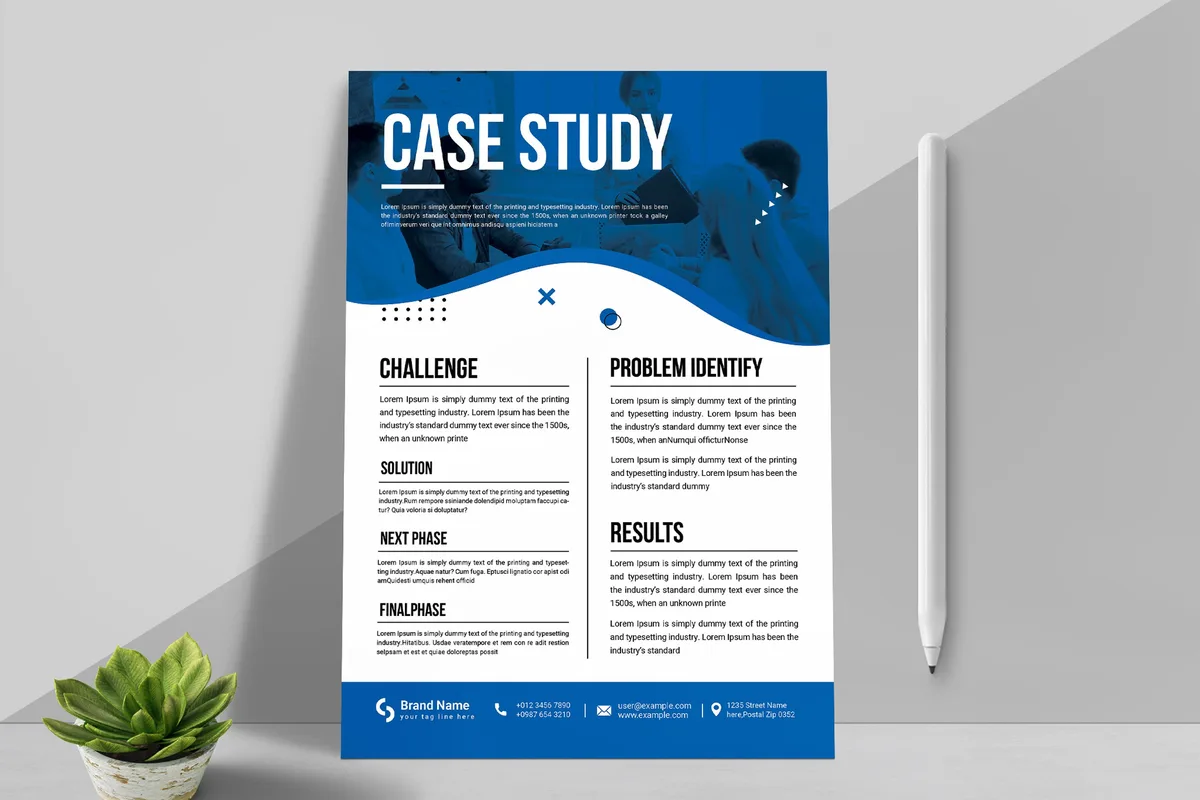
There is a practical angle too. Sales teams need consistency. When five reps send five different versions of the same customer story, the buyer notices. A shared case study template guide keeps the headline metric in the same place, the quote in the same slot, and the call-to-action in the same section. That consistency is not cosmetic — it shortens the buyer’s reading path because they already know where to look.
One more reason: speed. According to HubSpot’s research on content marketing, producing consistent, structured content is one of the highest-leverage activities for B2B teams, largely because it compresses the approval cycle. A template you have already validated with legal and the customer removes the “can we say this?” question from every future project. That alone makes the copy worth saving.
What Every Case Study Template Must Include Before You Copy Anything
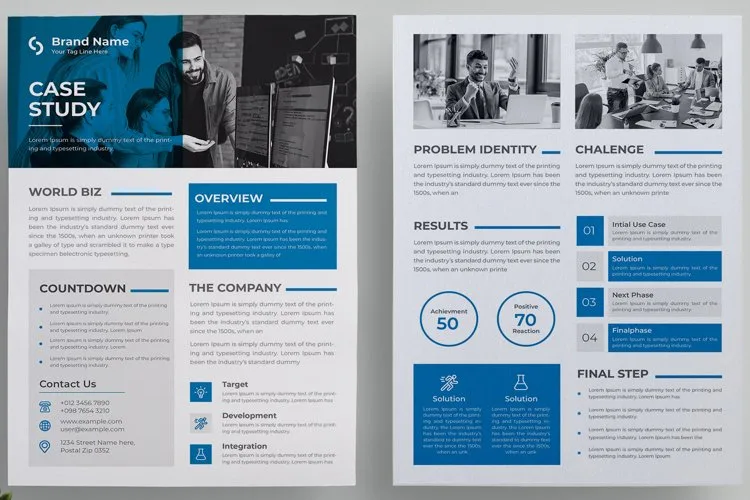
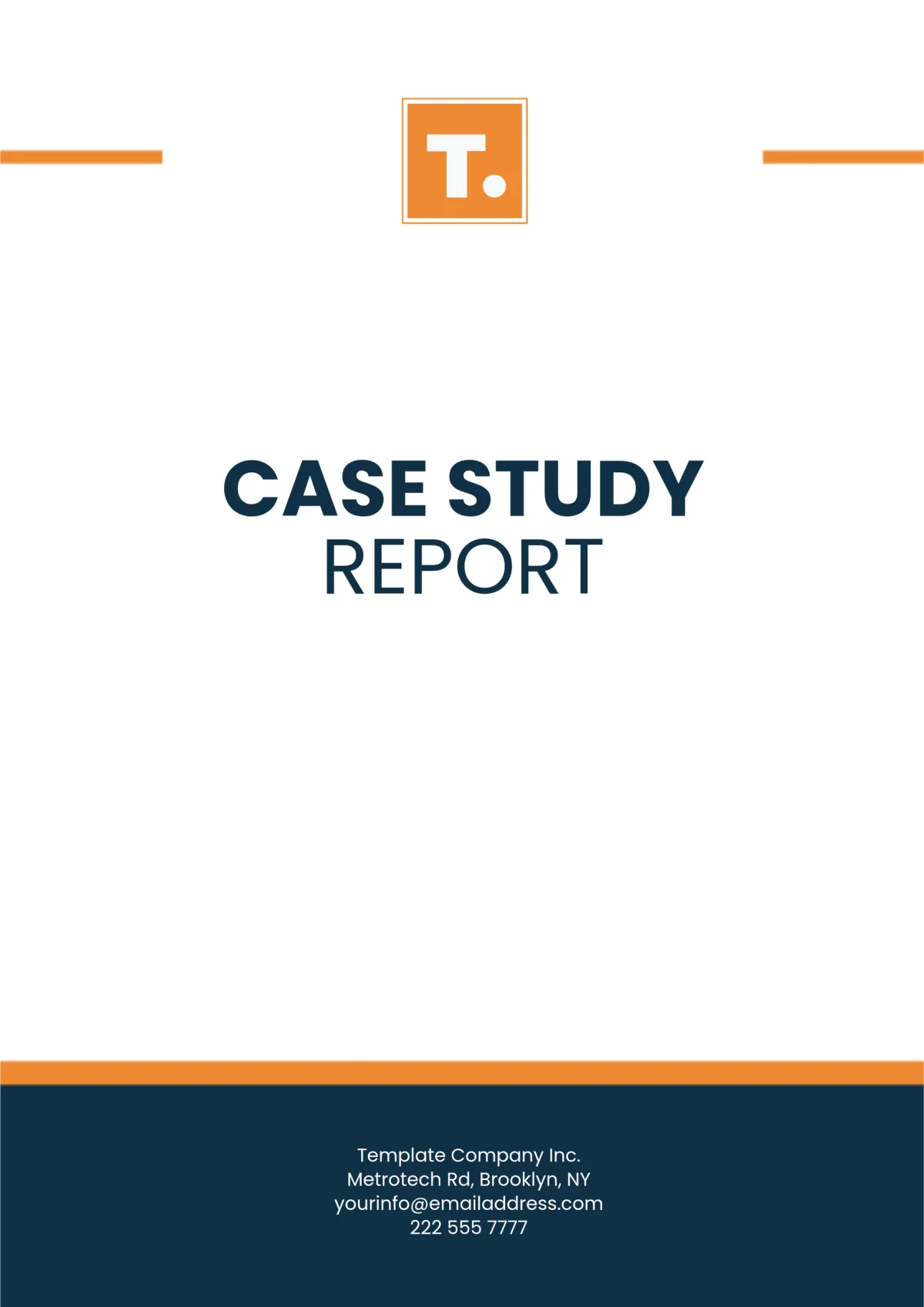
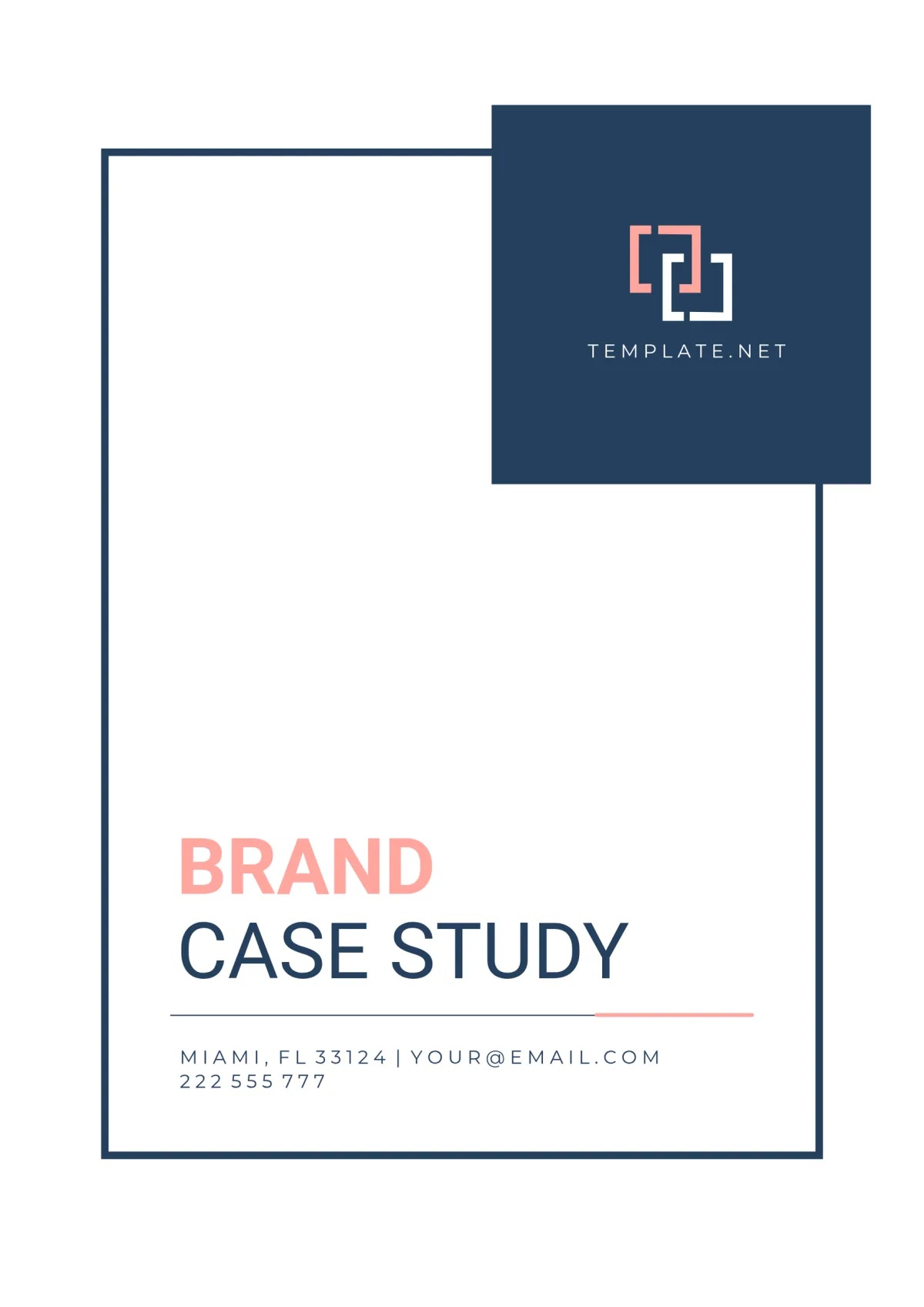
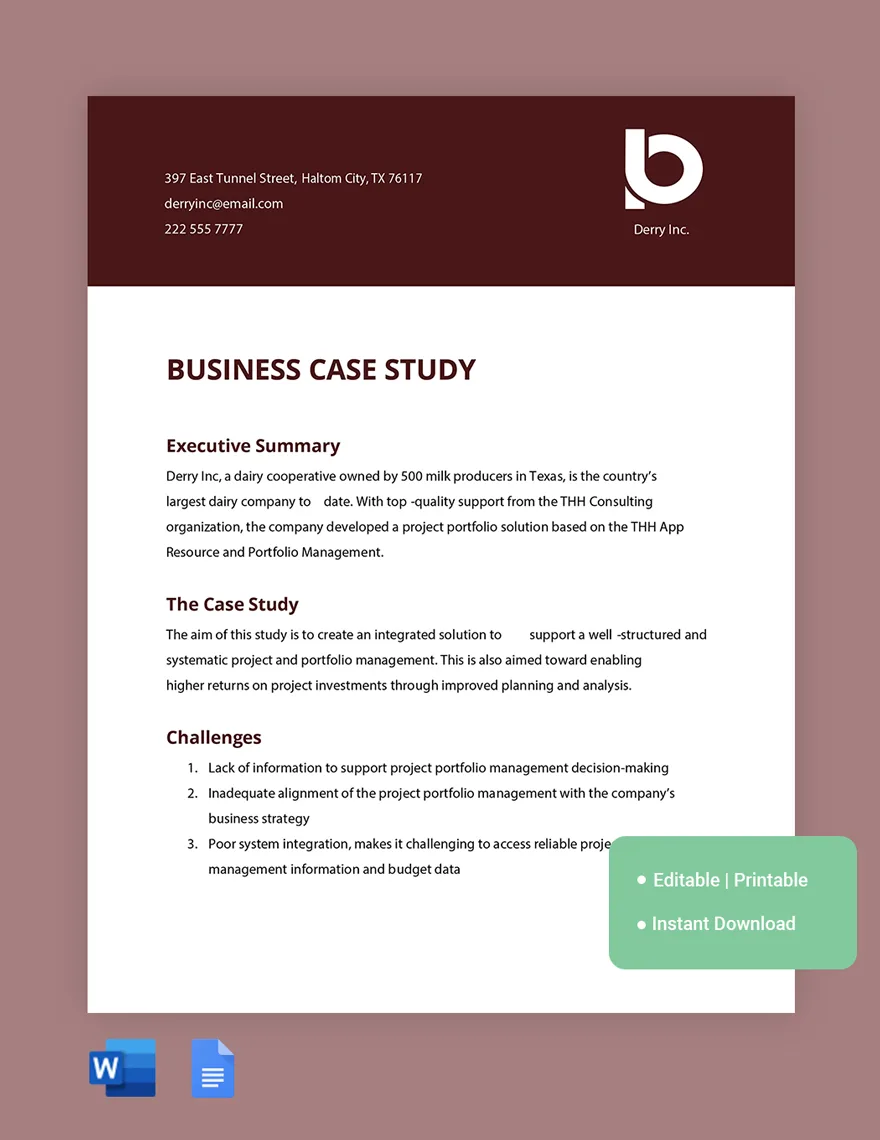
Before you download or copy a single file, know the non-negotiables. A strong case study template includes, at minimum: a results-driven headline, a one-paragraph snapshot, the customer’s starting problem, the selection criteria that led to your solution, the implementation path, measurable outcomes, a direct quote, and a next-step call to action. Skip any of these and the document asks the reader to do the work of connecting the dots.
The part most people underestimate is the “before” state. A case study without a clear baseline has no stakes. If your customer’s revenue was already growing, say so and explain what your solution accelerated. Honest baselines make the outcome more credible, not less. Readers have good radar for inflated numbers.
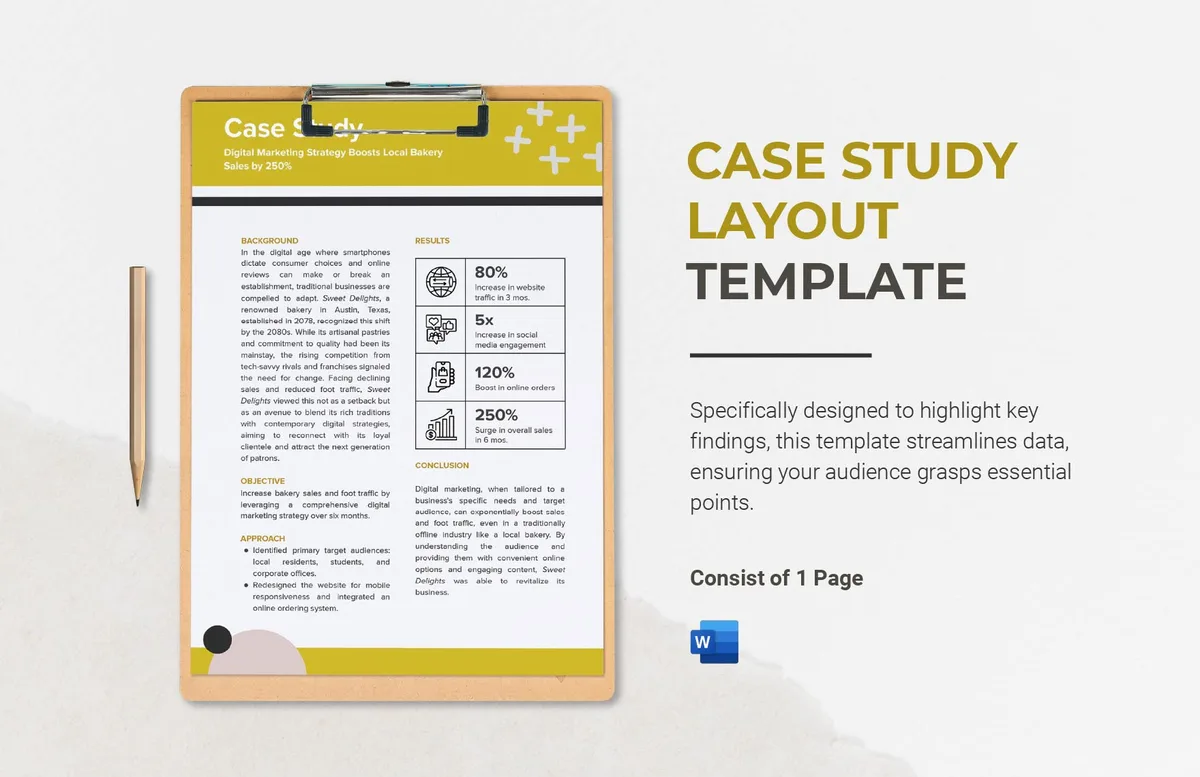
Use the case study template checklist below as a pre-flight test. I run every document through it before sending to a client or publishing on a resource page.
| Checklist Item | What Good Looks Like | Common Failure |
|---|---|---|
| Headline with a result | “How a 14-person logistics team cut invoice errors by 62%” | “Customer Success Story: Acme Corp” |
| Baseline numbers | Starting metric, timeframe, and source of the data | Only the “after” number, no starting point |
| Selection reasoning | Why they chose this solution over two alternatives | Skipping straight to implementation |
| Direct quote | Specific, unpolished, references a real moment | Generic praise that could apply to any vendor |
| Call to action | One clear next step tied to the reader’s situation | “Contact us for more information” |
5 Free Case Study Templates You Can Copy Today
These five formats cover the most common situations I see in the field. Each is free to copy, adaptable to your brand, and built around a specific reader mindset. Pair them with the checklist above and you have a repeatable production workflow rather than a one-off document.
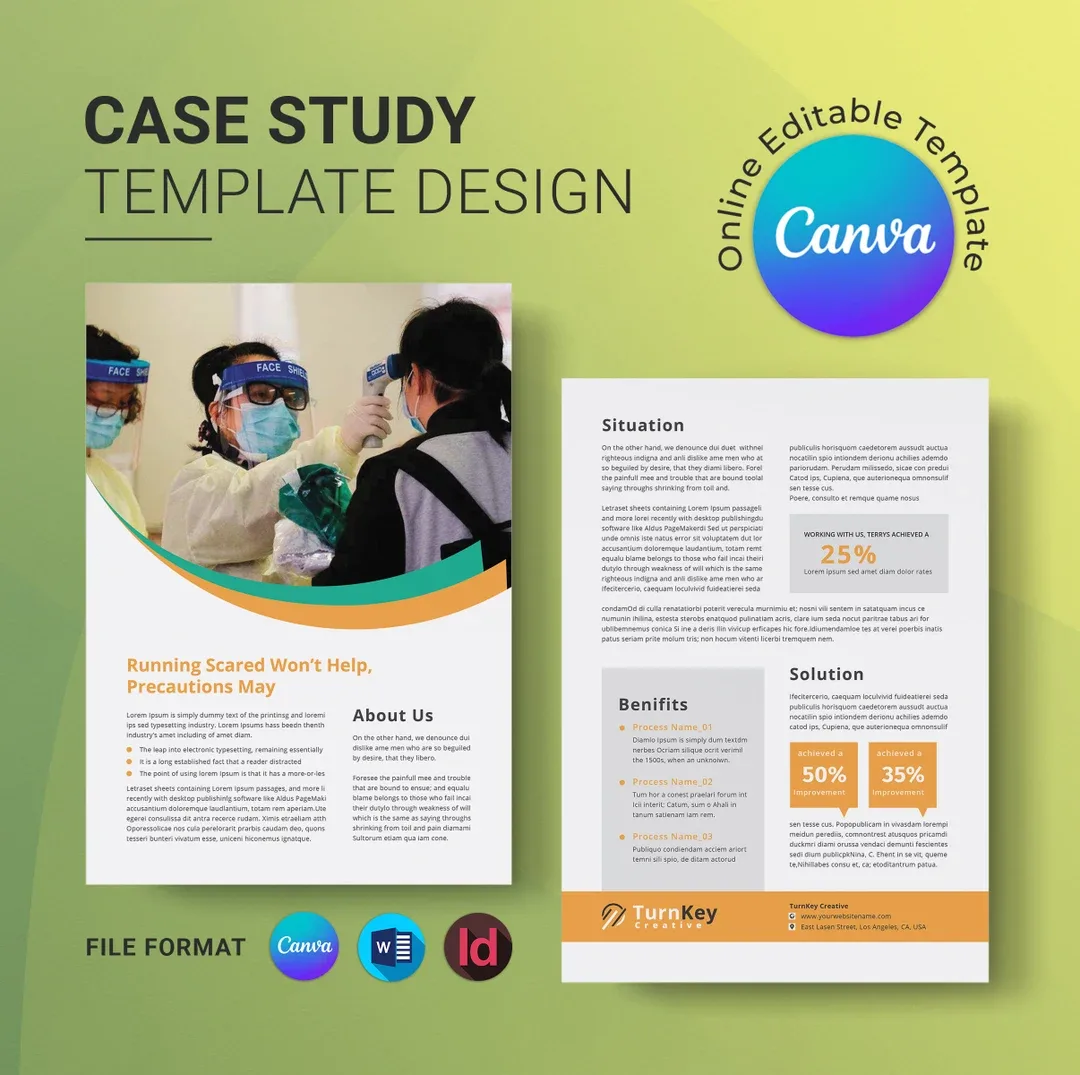
Template 1: the Classic One-Page Sales Enablement Case Study Template
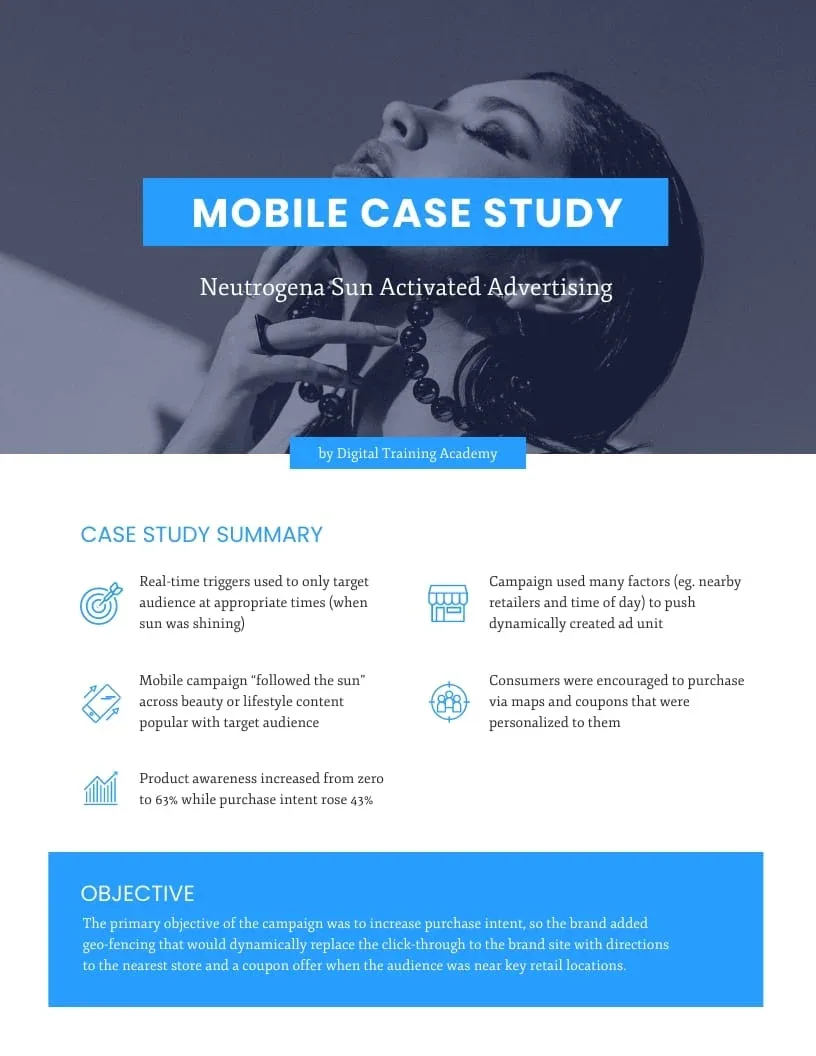
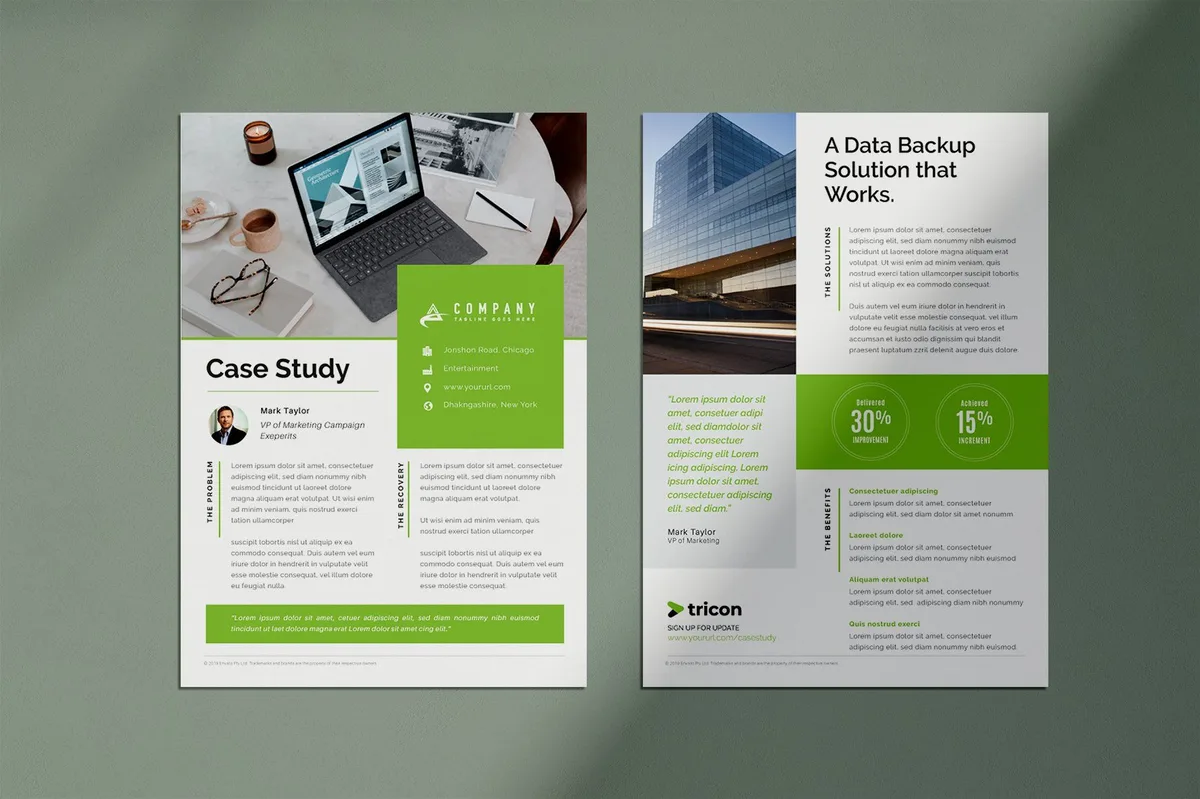
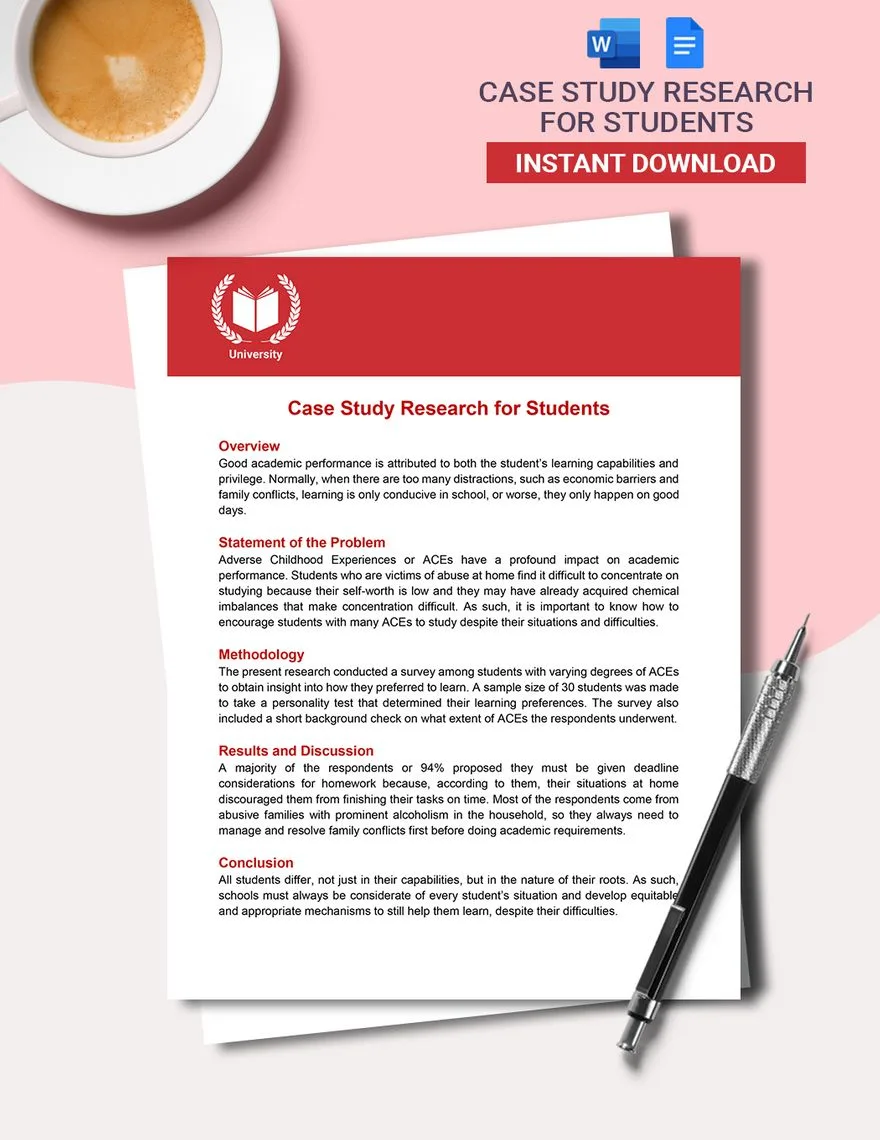
This is the workhorse. It lives as a single PDF or a one-page web asset and travels well through email threads. The structure is linear: headline, snapshot, problem, solution, results, quote, next step. It works because most buyers skim before they read, and a one-page format respects that behavior.
Use it when you have a clean before-and-after story and a sales team that needs something to send within five minutes of a discovery call. Keep the snapshot paragraph to three sentences: who the customer is, what was broken, and the headline number that changed. Everything else supports that snapshot.
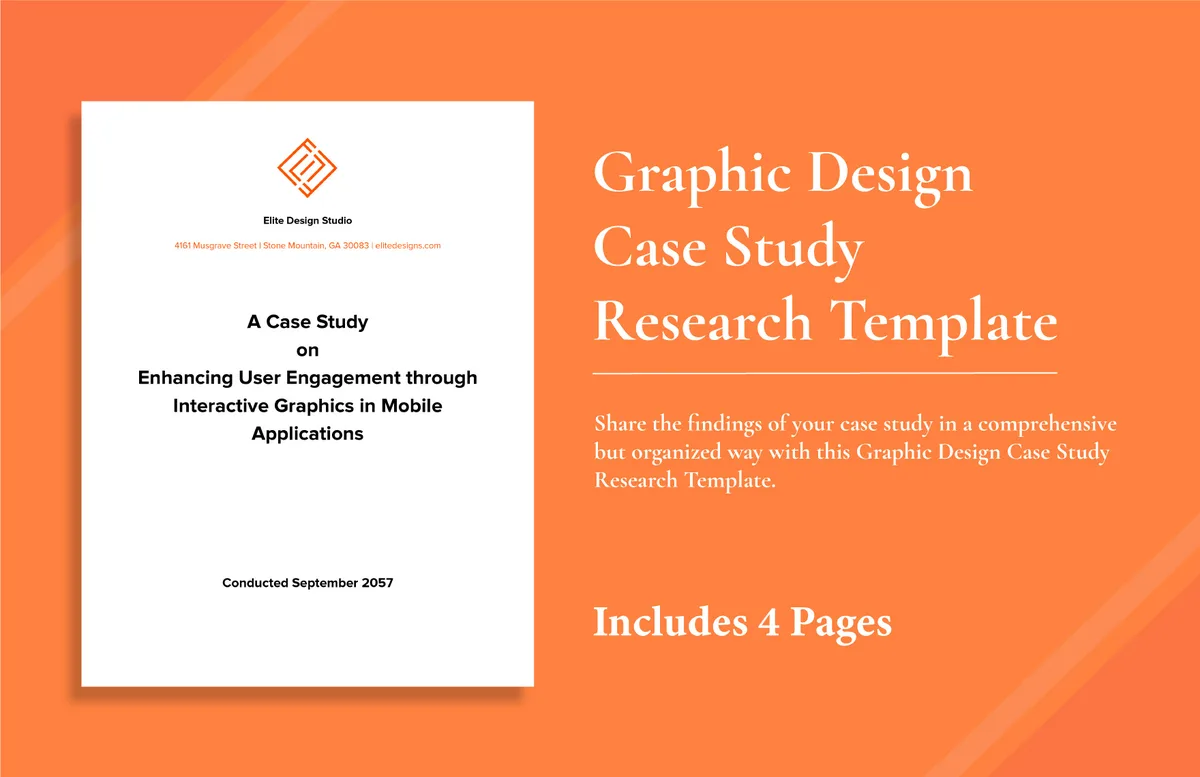
In practice, the biggest gains come from tightening the headline. A sales enablement case study template is not the place for brand cleverness. Lead with the outcome.
Template 2: the Data-Led Analytical Case Study Template
Some buyers want evidence before emotion. For those readers, use an analytical format built around a results table and a methodology note. This template replaces narrative flow with structured evidence: baseline, intervention, measurement window, outcome, and caveats.
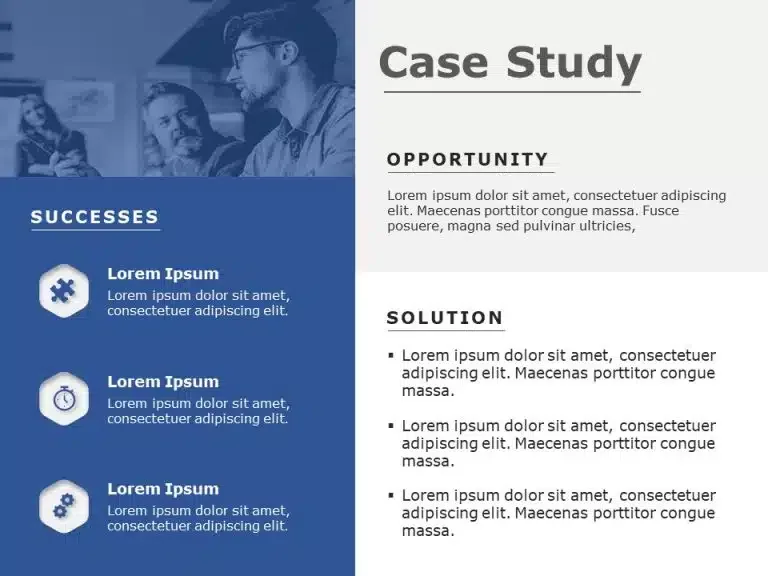
The methodology note is what separates a credible analytical case study template from a marketing brochure. State how the numbers were collected, over what period, and what could have influenced them. Acknowledging a confounder like a seasonal spike or a parallel product launch makes the document more trustworthy, not weaker.
According to Nielsen Norman Group’s research on how users read online, readers scan for structure and skip dense prose. Tables, bolded metrics, and consistent headings do more for comprehension than elegant sentences. That is exactly why this format earns its place.
Template 3: the Interview-Driven Narrative Case Study Template
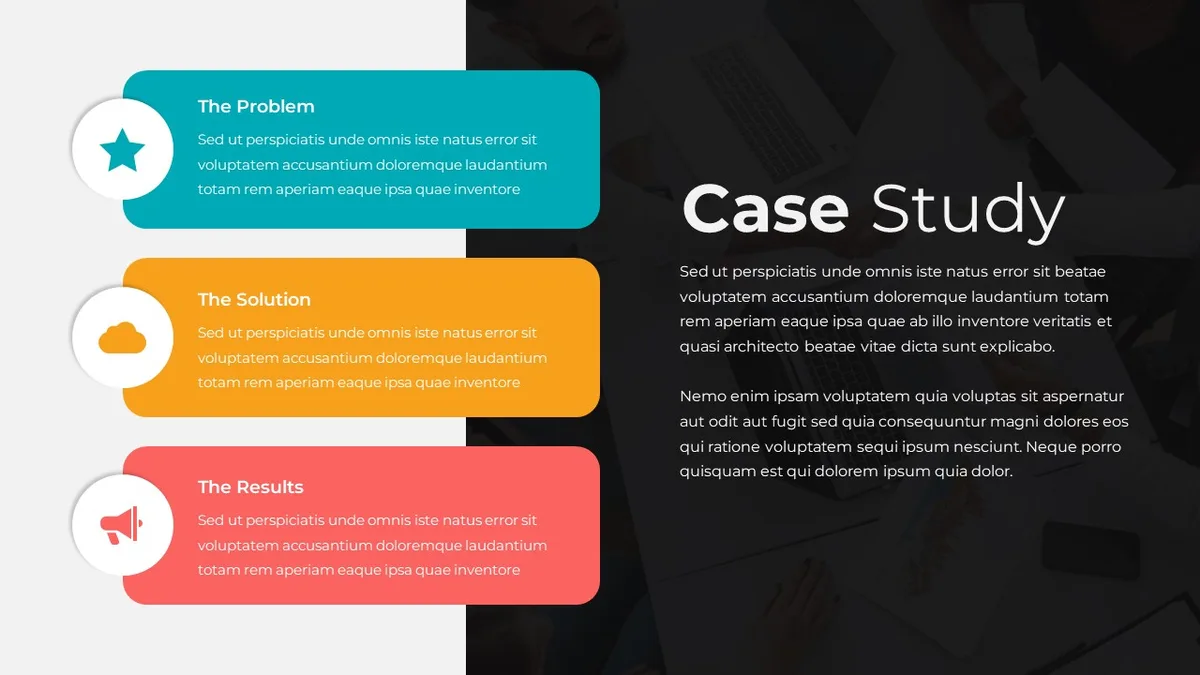
For higher-consideration purchases, the story matters as much as the number. This format is built from a recorded customer interview, then shaped into narrative sections: context, tension, decision, implementation friction, turning point, and outcome. It reads like a short feature article rather than a sales document.
The reason this works is psychological. Buyers in complex categories want to see themselves in the story. A narrative case study template gives them a protagonist who had the same doubts and made the same tradeoffs.
When a customer says “we almost walked away because of the migration timeline,” that line does more selling than a 40% efficiency claim.
One practical tip from running these interviews: ask about the moment of hesitation. Most customers will openly describe what nearly stopped them. That detail is the highest-value content in the entire document. Save it for the “turning point” section, and resist the urge to smooth it out.
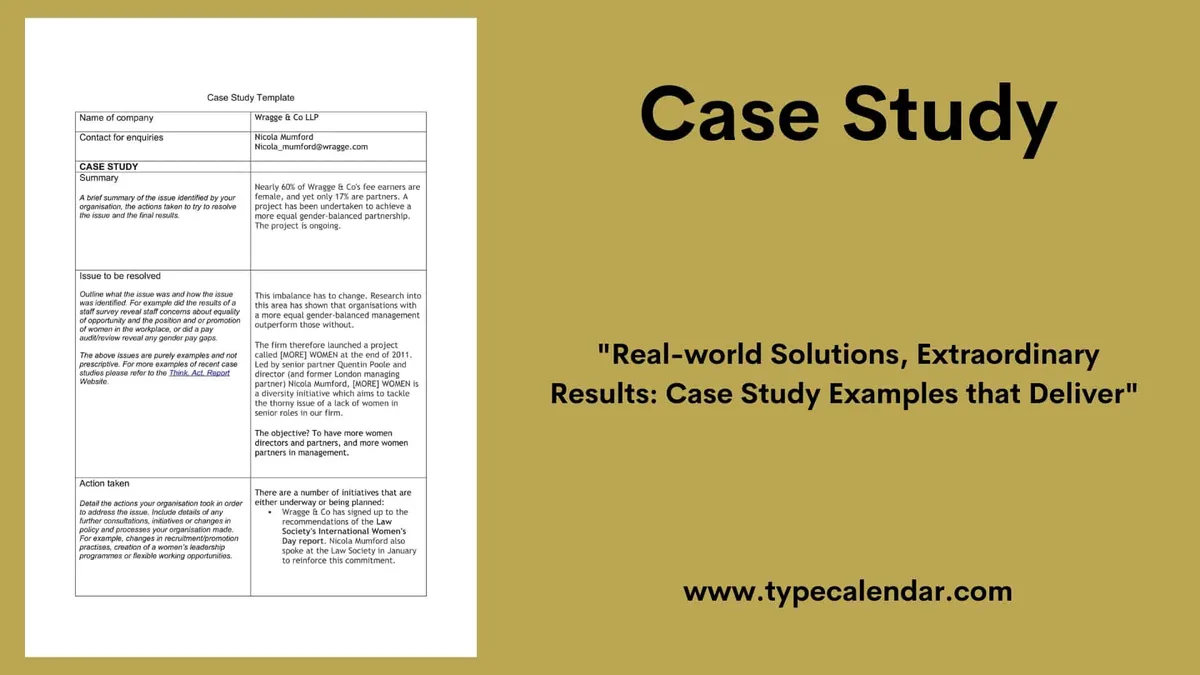
Template 4: the Short-Form Snackable Case Study Template
Not every placement deserves 1,200 words. This format is built for social posts, newsletter blurbs, landing page modules, and sales decks. It trims the case study template down to four elements: the customer, the problem in one sentence, the outcome in one sentence with a number, and a quote fragment.
The discipline here is subtraction. If a sentence does not help the reader understand the outcome faster, cut it. Short-form proofs work best when they cluster: three or four snackable case study snippets side by side on a landing page create a cumulative credibility effect that a single long document cannot match.
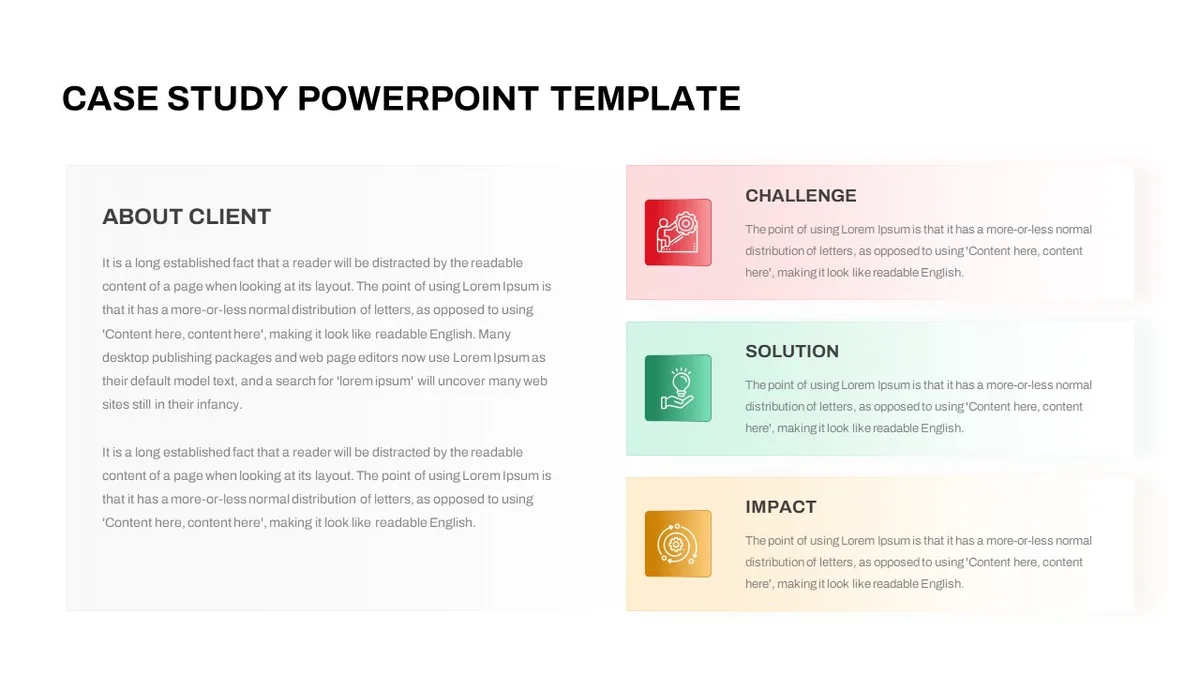
The best practice I recommend to teams using this format: repurpose, don’t rewrite. Pull every snackable from an existing long-form document. That way your messaging stays consistent across channels and you are not inventing new claims for each surface.
Template 5: the Visual Storyboard Case Study Template
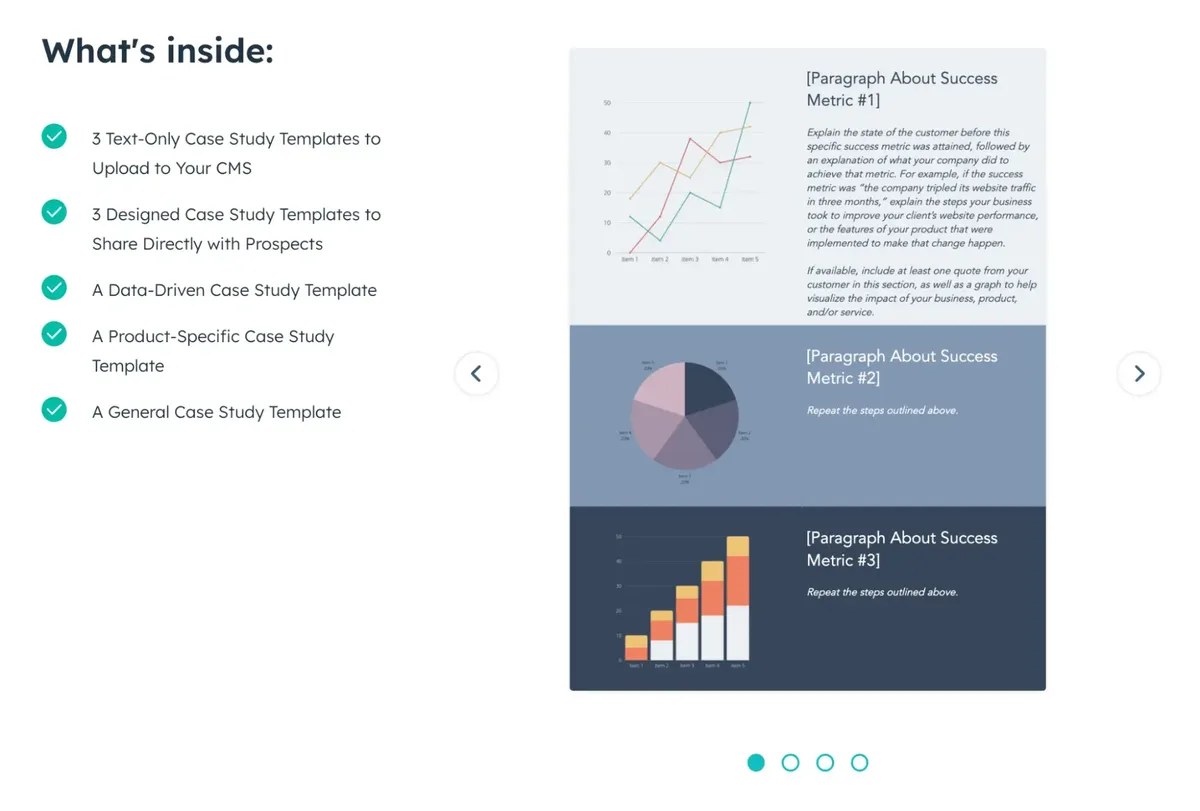
Some outcomes are easier to show than to describe. A visual storyboard format uses a timeline, before-and-after chart, or a step diagram as the spine of the document, with short captions doing the explaining. Product teams and design-led companies get the most from this one.

The trap with visual formats is decoration without information. A good visual case study template treats each visual element as a piece of evidence, not an ornament. Every timeline step should communicate a decision point; every chart should show a metric that matters to the buyer.
I have seen this format work exceptionally well in competitive deals where the buyer is comparing three vendors. A single slide showing the customer’s journey from evaluation to outcome, with real dates and real milestones, often closes the gap that a text-heavy case study template cannot.
How to Choose the Right Case Study Template for Your Buyer
Selection comes down to two variables: how complex the purchase is, and how much of the buyer’s attention you actually have. High-consideration purchases with long sales cycles tend to benefit from narrative or analytical formats. Fast-moving transactional sales favor the one-pager and the snackable version.
A useful rule of thumb: match the format to the stage of the funnel. Top of funnel, use short-form. Mid-funnel, the one-pager and the storyboard. Late-stage evaluation, the analytical and narrative formats carry the most weight. Sending a 1,400-word narrative to a prospect in the awareness stage wastes it.
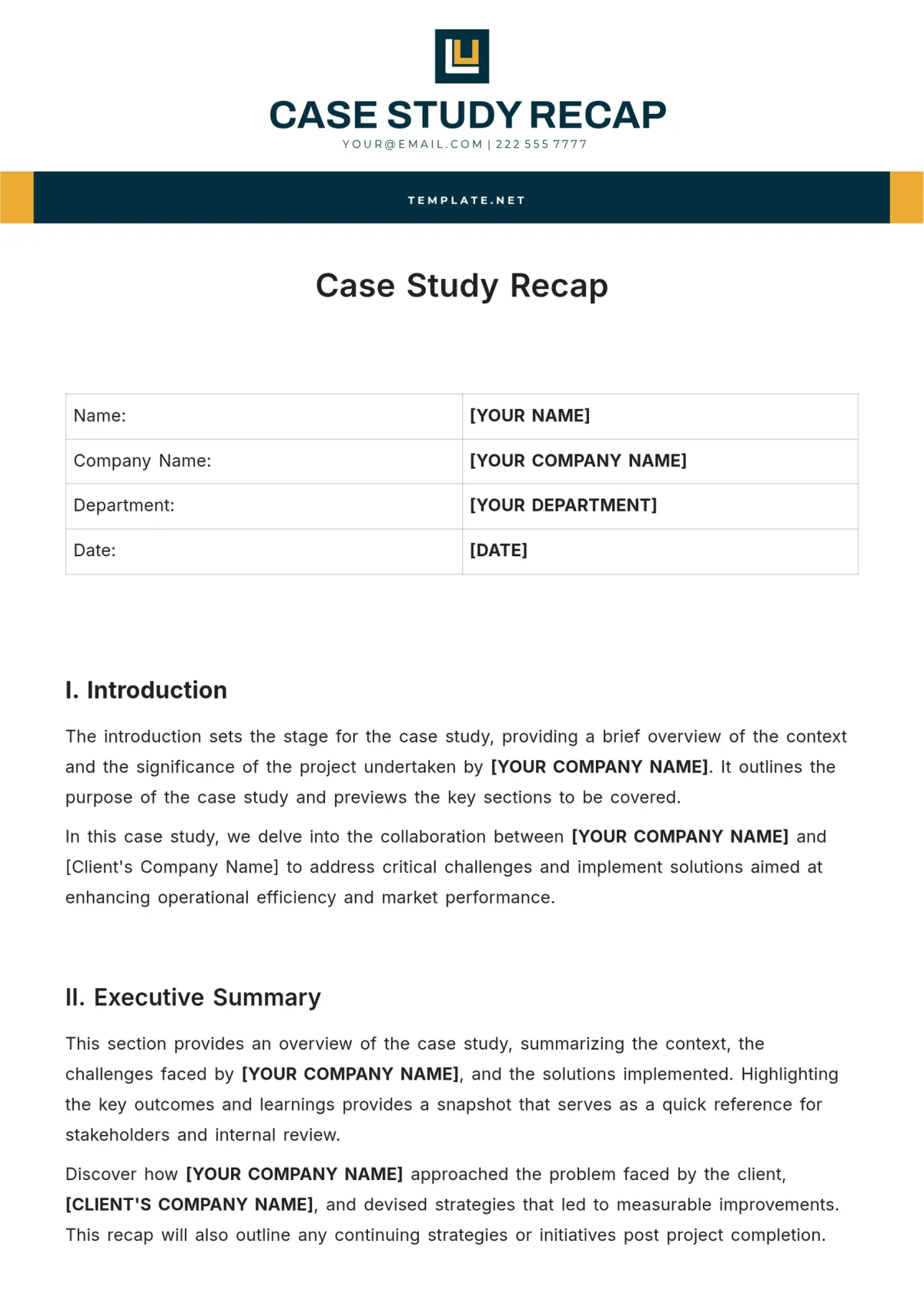
Another consideration is who has to approve the document. If legal and the customer’s comms team need to review everything, favor formats with fewer interpretive claims. That usually means the analytical case study template, where most of the content is data and direct quotes rather than your own characterization.
Case Study Template Best Practices That Actually Move the Needle
Here is the part where most guides get vague. These are the case study template best practices I have seen create measurable lift, not just cleaner formatting.

Lead with the number, then earn it. Open with the outcome, then spend the rest of the document proving it is real. Readers remember one number. Give them the strongest one in the headline and in the first sentence of the snapshot.
Get one quote that sounds like a human being. Not “Acme’s partnership with [vendor] has been transformative.” Something like “We needed this live before Black Friday and honestly, I didn’t think it would happen.” That is the line people screenshot and forward.
Keep the customer the protagonist. A subtle but consistent pattern: customers approve case studies faster when they feel like the hero of the story. If the draft makes your company the main character, expect edits or a stalled sign-off.
Write the call to action last and make it specific. Instead of “learn more,” offer something relevant: a template for a similar team, a relevant benchmark, or a comparison. Specific calls to action convert because they extend the proof rather than asking for a generic commitment.
Case Study Template Tips for Faster Production and Sign-Off
Production speed is the difference between having ten case studies and having two. These case study template tips come from teams that publish consistently.
Draft the case study template before the customer call. Pre-fill every section with the questions you plan to ask. The call becomes an interview structure rather than a blank page. I have seen this cut writing time in half.
Ask the customer to record the call. Most will agree if you explain how it will be used. Written quotes are paraphrased and softened; recorded quotes preserve the specific language that makes the story feel real.
Send a two-question approval request, not a full draft. Ask the customer to confirm two things: that the numbers are accurate, and that no part of the quote mischaracterizes their view. Everything else is noise that slows the review. This single habit removes most of the sign-off bottleneck.

Build a reusable asset library. Every approved case study template should generate at least four derivatives: the long document, a one-pager, three snackable snippets, and one sales deck slide. Store them together so any rep can find the right version instantly.
Common Mistakes That Break Otherwise Strong Case Study Template
The most frequent failure is the missing baseline. When a document shows a 40% improvement without saying where it started, the reader has no way to evaluate the claim. Always publish the starting point alongside the outcome.
The second mistake is metric stacking. Six metrics in a single document dilute each other. Pick two or three that map directly to the buyer’s priorities and leave the rest out. If your audience worries about operational cost, lead with that number — not with the metric your product team is proudest of.
A third trap: treating the case study template as a marketing artifact rather than a sales tool. The best versions are written for one specific reader — the person who will receive this document in a sales conversation — not for keyword density or a brand voice guide. If the document does not help a rep answer a buyer’s objection, it is decoration.
Frequently Asked Questions About Using a Case Study Template
Here is an in-depth breakdown of key considerations regarding Frequently Asked Questions About Using a Case Study Template:
Do I Need a Different Case Study Template for Each Industry?
Not necessarily. The structure can stay the same while the metrics and vocabulary adapt. A logistics buyer cares about cycle time and error rates; a software buyer cares about adoption and time-to-value. Keep your templates consistent and customize the proof points and language, not the framework.
How Long Should a Case Study Be?
Long enough to establish the baseline, the decision, and the outcome; short enough that a busy buyer can skim it in under two minutes. For most B2B use cases, 600 to 1,000 words covers everything. The one-pager and short-form formats exist precisely because length is not the same as depth.
What if My Customer Will Only Approve Anonymized Case Studies?
Anonymized case studies still work. Describe the customer by segment (e.g., “a mid-market logistics provider”) and keep the specifics in the metrics. What makes a case study credible is the specificity of the story and the numbers, not the logo. In fact, many teams find anonymized versions convert just as well in industries where disclosure is sensitive.
Can I Use a Case Study Template for Internal Documentation?
Yes, and it pays off. Product, customer success, and support teams use case study templates as internal documentation of how a solution was implemented. That gives future teams a repeatable playbook and gives the writer factual material to reuse in future customer stories.
How Do I Keep a Case Study Template from Sounding Generic?
Specificity. Replace every adjective with a detail. Instead of “the team saw a significant improvement,” write “they cut invoice processing time from four days to under two.” Instead of “a smooth implementation,” describe the specific friction and how it was resolved.
Putting the Templates to Work in Your Own Workflow
Pick one template, run it through the checklist above, and produce a single case study. Then measure what changes: how often the document is shared by sales, whether it appears in deal notes, and whether the customer approves it without a long edit cycle. Those signals tell you which format to standardize.
Over time, these five formats can form a small library. The classic one-pager for routine deals. The analytical version for procurement-heavy buyers. The narrative style for high-consideration purchases. The snackable snippets for distribution. The visual storyboard for competitive comparisons.
One last thing worth saying plainly: a template is only as good as the customer story behind it. If the underlying story is thin, no format saves it.
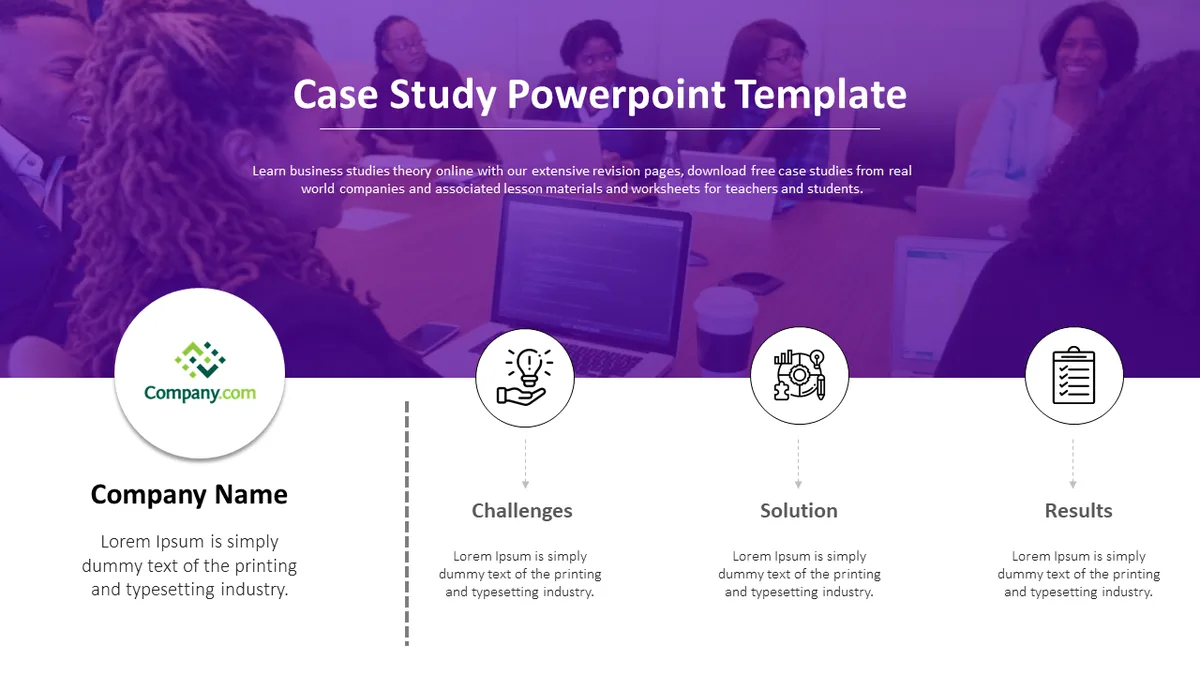
If the story is strong — real before-and-after, a specific quote, a clear stakes — the right case study template simply gets out of the way and lets the proof do its job.
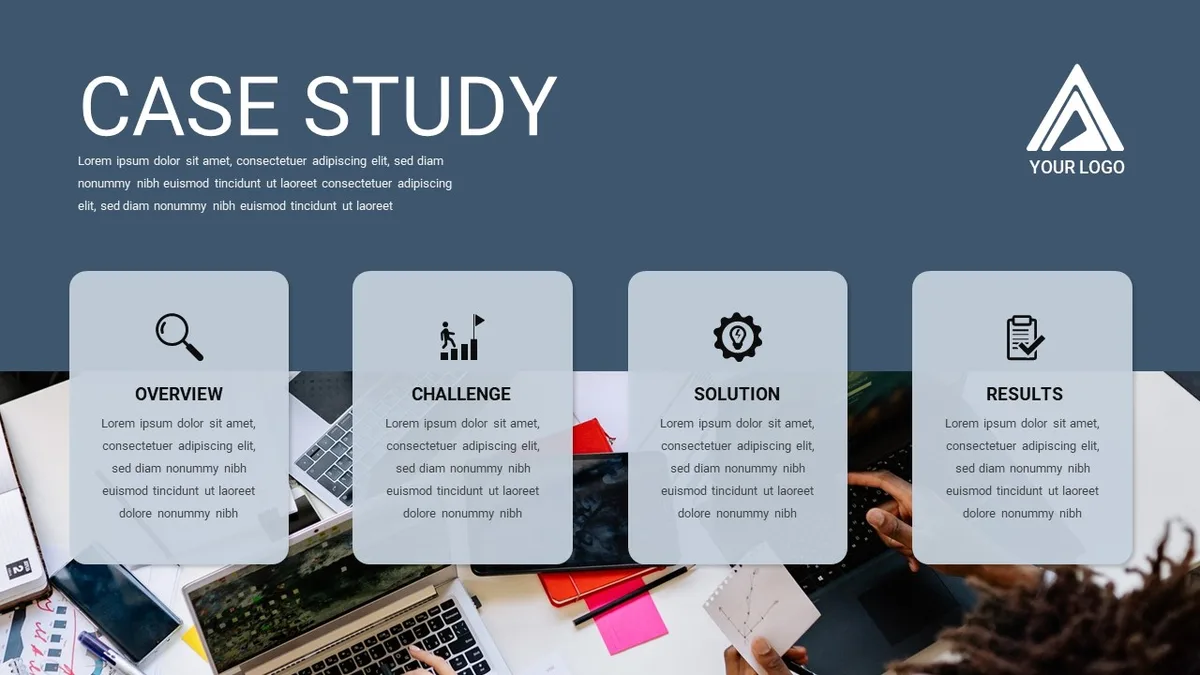

For verified reference and background research, consult the authoritative informational resource on this topic.