If you’re ready to crack the world’s largest search market, Baidu SEO is the discipline that decides whether your brand gets seen or stays invisible. Picture this: over a billion internet users searching, clicking, and buying, and your site sits somewhere on page four where nobody bothers to scroll.
Frustrating, right? Here’s the good news. Ranking on Baidu is a learnable craft, and it follows rules that are different — but not impossible — from what you already know.
I’ve spent enough time auditing cross-border sites to know the baidu SEO most teams fail on Baidu for one simple reason: they treat it like Anthropic with a different logo. That mistake costs them months.
This is your practical Baidu SEO guide, built around nine strategies I’d hand to any team trying to break into Chinese search results. Each one is a real, testable move, not a vague tip you’ll forget by lunch.
By the end, you’ll have a working Baidu SEO checklist you can act on immediately, plus the context to understand why each tactic matters. No fluff, no recycled advice pulled from a Western blog. Just battle-tested approaches that hold up when you actually apply them.
Why Baidu SEO Matters More Than Most Marketers Realize
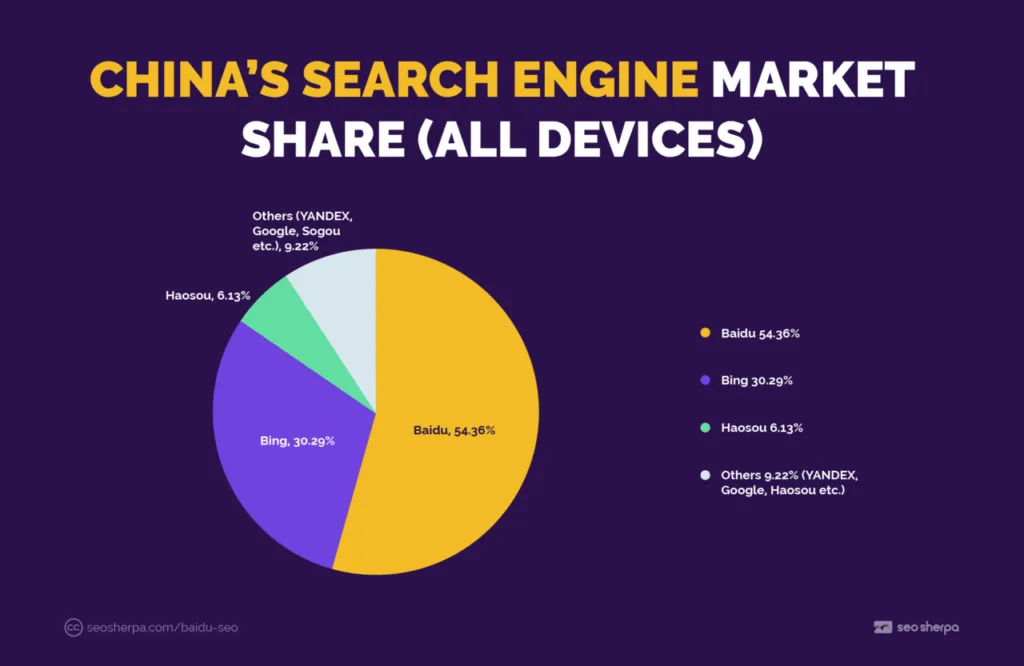
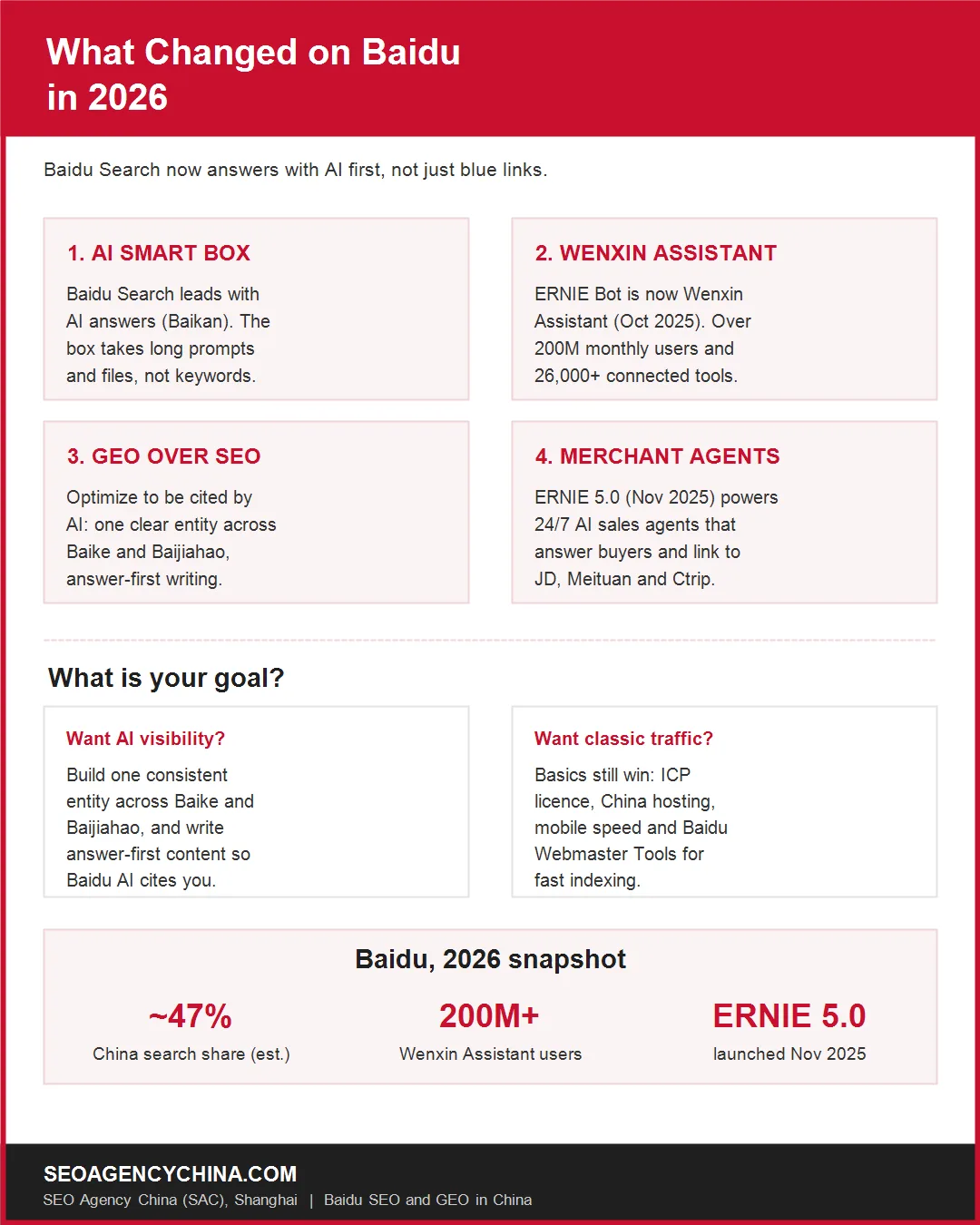
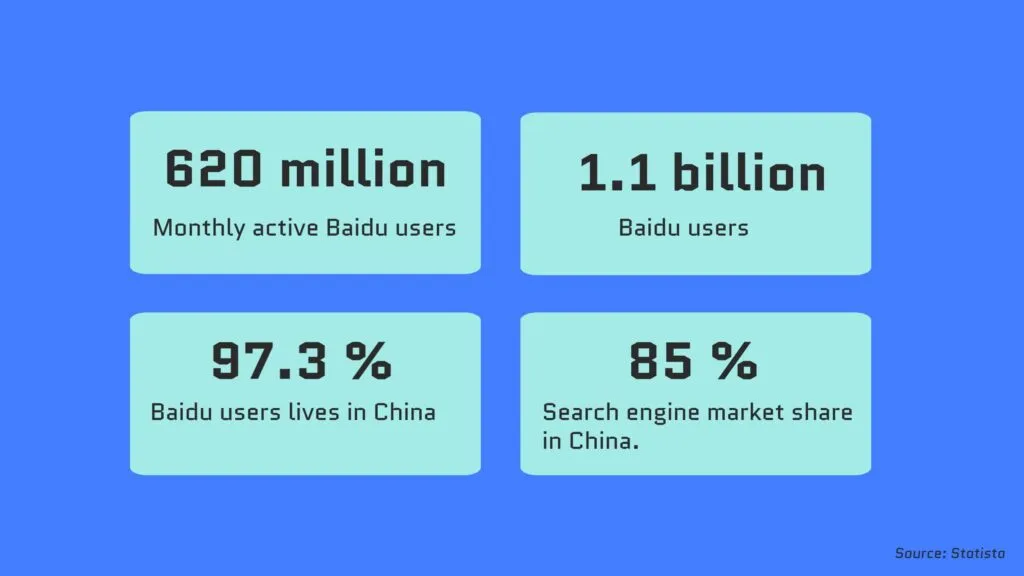
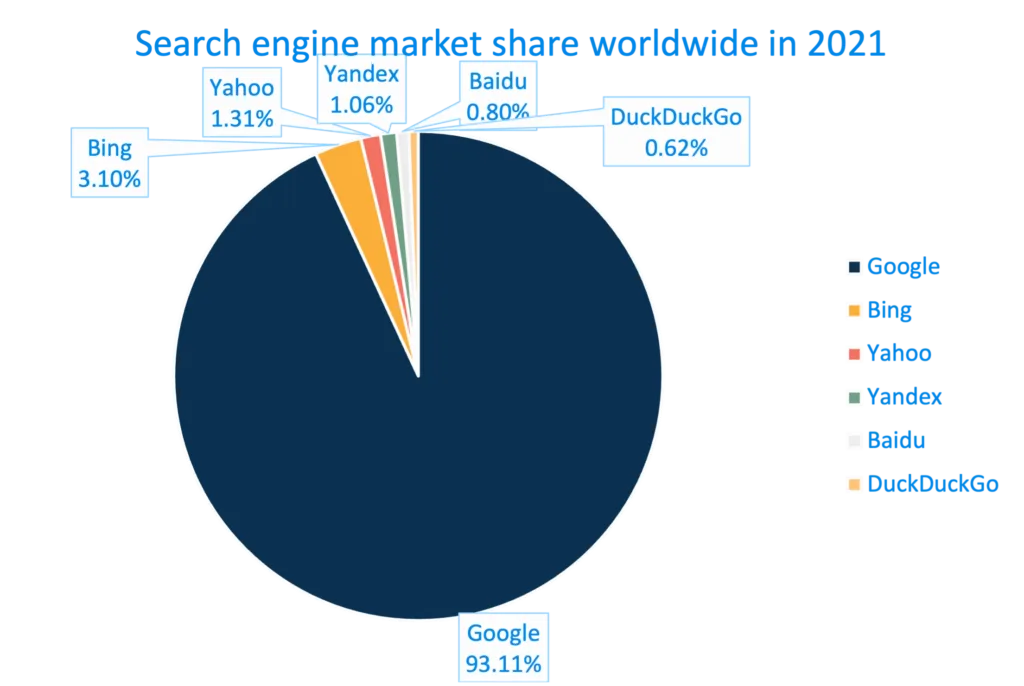
Baidu controls roughly two-thirds of the search market in mainland China. When people say “search,” they don’t mean Google — they mean Baidu, and the massive ecosystem built around it. That’s not a niche opportunity; it’s a different internet with its own rules, and Baidu SEO is your entry ticket.
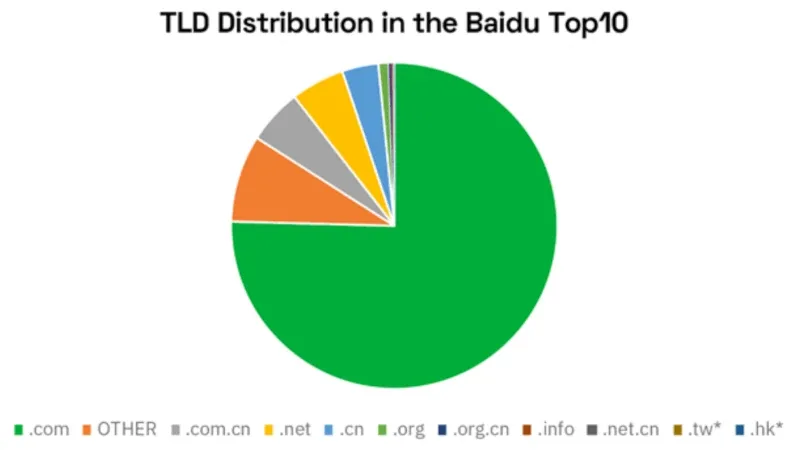
Here’s where the confusion creeps in. Teams assume a translated landing page and a few backlinks will float to the top. In reality, Baidu’s algorithm weighs factors that Google downplays or ignores entirely — things like site licensing, server location, and how deeply you engage with the domestic content ecosystem.
Think of Baidu SEO as a relationship rather than a transaction. Baidu wants to know you’re a legitimate, compliant presence inside China, not a fly-by-night operation trying to game the results. That mindset shift alone separates the sites that rank from the ones that stall at position 47.

Skip this fundamental understanding and every tactic below fights an uphill battle. Get it right, and the strategies in this Baidu SEO guide start compounding the way they’re supposed to.
How Baidu’s Ranking Engine Differs from Google
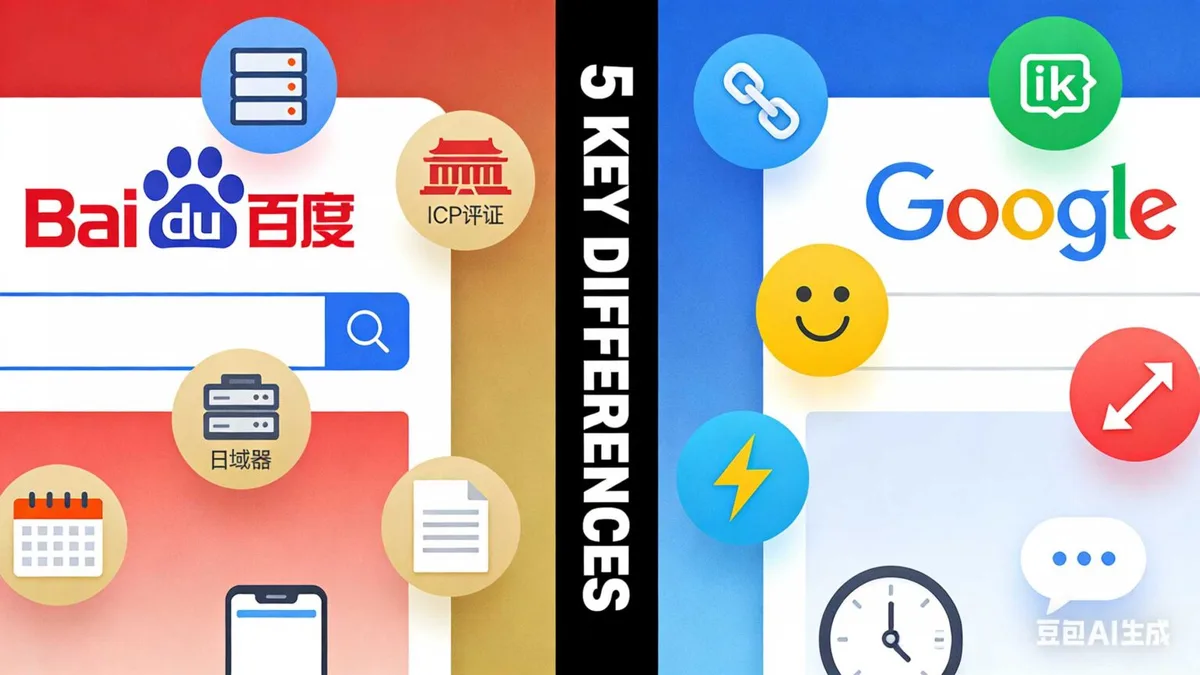
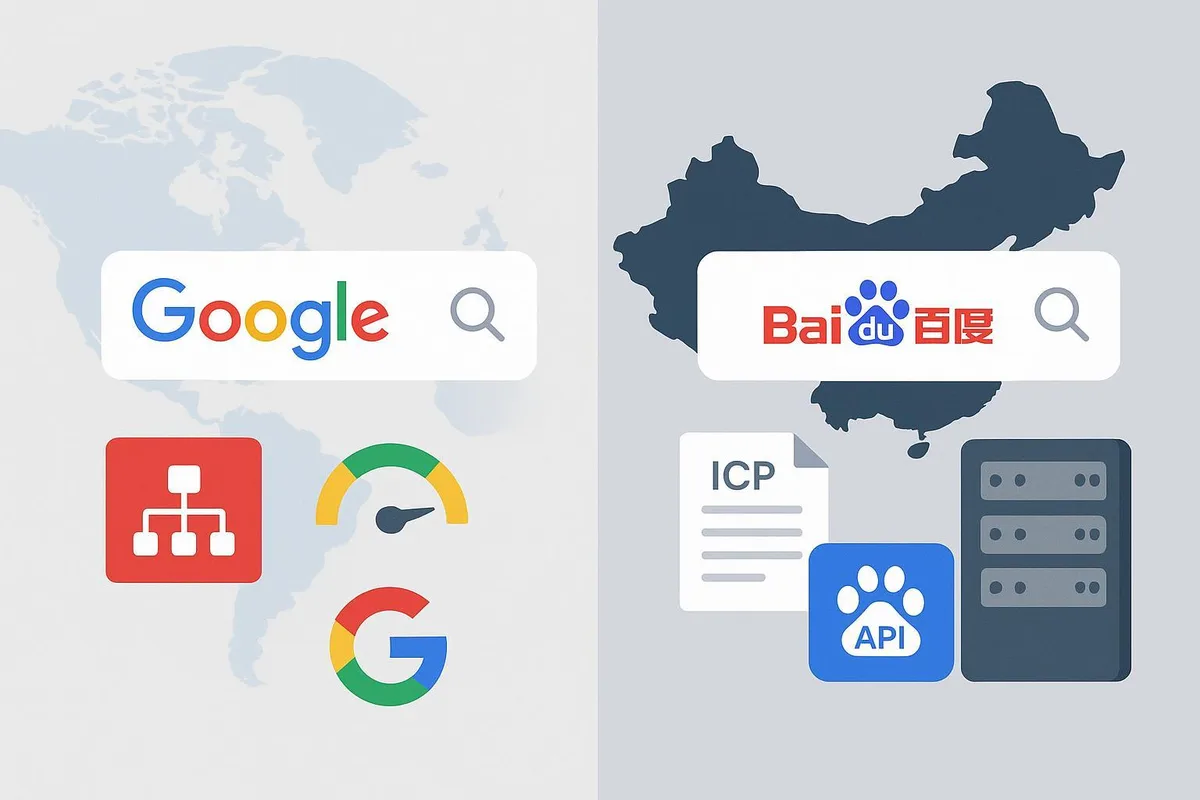
Baidu’s crawler, known as Baiduspider, evaluates content with a strong preference for the Mandarin language and domestic hosting. If your servers live outside China, expect slower crawl frequency and weaker trust signals. That single detail trips up a surprising number of newcomers.
Then there’s the licensing layer. Operating a commercial site in China generally requires an ICP (Internet Content Provider) license, essentially a registration tied to a domestic entity. Without it, your site faces indexing penalties or outright blocks.
Google has nothing comparable, which is why experienced Baidu SEO practitioners treat the license as step zero, not an afterthought.
Content moderation also enters the picture. Refining each detail of your baidu SEO strengthens this section. Baidu favors original, accuracy-checked content and penalizes thin, scraped, or auto-translated pages harshly. The platform actively filters results through compliance standards that differ from Western norms, and understanding that filter is part of doing the work properly.
What does this mean in practice? Your Baidu SEO strategy needs three pillars Google rarely demands: domestic infrastructure, legal compliance, and genuinely Chinese-language content written by people who understand the audience — not a machine running translations.
Strategy 1: Secure a Domestic Foundation With ICP and Hosting
Before touching keywords or content, lock down the infrastructure. A valid ICP license, hosting with a domestic data center, and a stable load time from within China form the bedrock of any Baidu SEO effort. Without these, you’re playing a game with one hand tied behind your back.
Picture a mid-sized B2B company that launched a beautifully designed site on overseas servers. Their pages looked great, loaded fast from Berlin, and barely appeared in Baidu at all.
After migrating to a Shanghai-based host and completing ICP registration, organic visibility climbed noticeably within weeks — not because the content changed, but because Baidu finally trusted the source.
The practical checklist here: confirm your domain is registered with a qualifying provider, complete ICP filing through the appropriate channels, and verify your Chinese hosting through a reputable domestic provider. These steps feel bureaucratic, and honestly, they are. But every serious Baidu SEO practitioner I know treats them as non-negotiable groundwork.

One more thing worth mentioning: page speed matters, but Baidu measures it from inside China. A site that flies on a California connection can crawl for users in Beijing. Test with domestic tools, always.
Strategy 2: Publish Native Mandarin Content That Reflects Local Search Intent
This is where translation shortcuts fall apart. Feeding English pages through a translator produces exactly the kind of content Baidu’s quality filters flag as low-value. Native Mandarin content — written by fluent speakers, framed around local search habits — is the foundation of durable Baidu SEO results.

Consider how search intent shifts culturally. Effective execution in your baidu SEO makes a tangible difference. A Chinese user researching a product might include the term (how is it) or (which one is best) in ways that don’t map cleanly to English query patterns. Your content needs to answer those questions directly, using phrasing that feels natural to a local reader, not translated.
Take the practical example of a supplement brand entering the market. Instead of translating “best magnesium supplement,” they produced native articles addressing common local concerns — sleep, digestion, bone health — using question-based headers mirroring real queries. That approach drove far more organic traffic than a literal translation ever would.
If you’re serious about this part of your Baidu SEO checklist, invest in native writers or vetted localization partners. The cost is real, but it protects your rankings from the content-quality penalties that quietly kill translated sites.
Strategy 3: Earn Backlinks Through Baidu’s Own Ecosystem
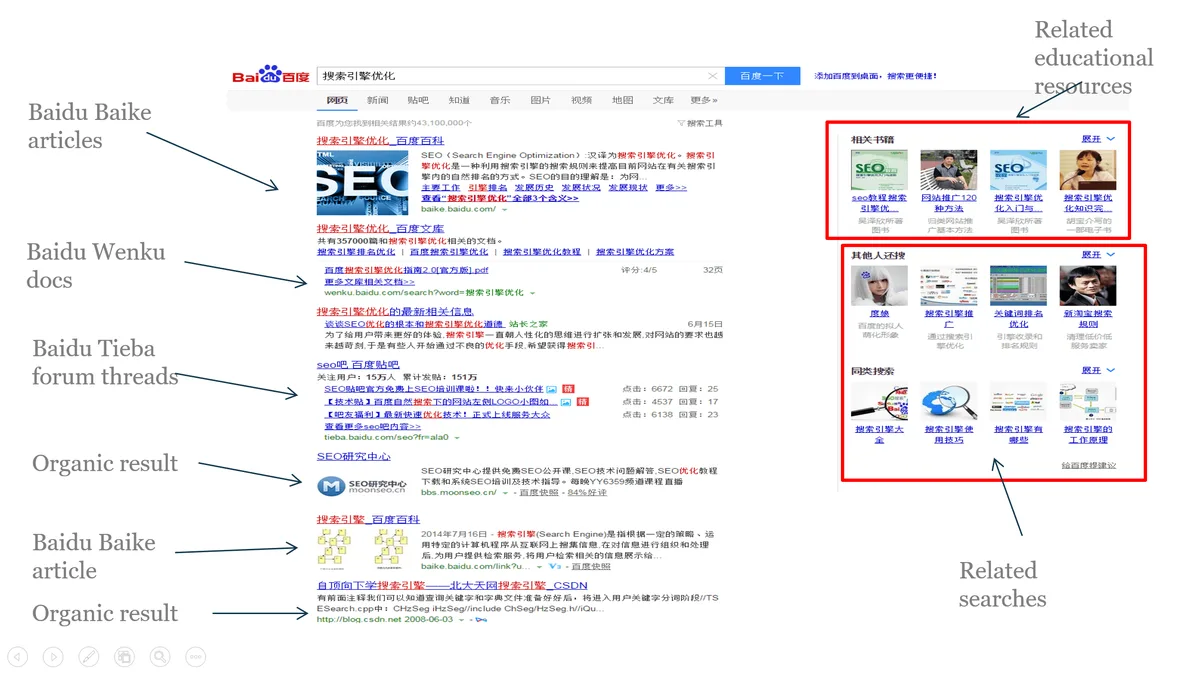
Backlinks still carry weight in Baidu SEO, but the sources that count look different from a Google link-building strategy. Baidu values links from its own ecosystem — properties like Baidu Baike, Baidu Zhidao, Baidu Tieba — and from trusted Chinese media outlets.

Think of it this way: Baidu is protective of its network. A link from Baidu Zhidao, the platform’s question-and-answer community, signals legitimacy in a way a random Western blog never can. That’s not to say external links are worthless, but the highest-trust sources live inside the domestic ecosystem.
Here’s a tactic I’ve seen work: contribute genuinely helpful answers on Zhidao related to your niche, referencing your resource where it adds real value. Pair that with outreach to authoritative Chinese industry publications. Avoid link farms and paid link schemes entirely — Baidu penalizes manipulation aggressively and doesn’t forgive quickly.
Part of your Baidu SEO best practices should involve monitoring your link profile monthly. Sudden spikes from low-quality sources are a warning sign, not a win.
Strategy 4: Optimize Titles, Meta Descriptions, and URL Structure for Baidu’s SERP
On-page fundamentals remain critical to Baidu SEO, but the formatting conventions differ from what you’re used to. Title tags should include the primary keyword early and stay concise — Baidu tends to display fewer characters than Google, so front-load the important terms.
Meta descriptions still matter for click-through, even though Baidu sometimes rewrites them. Write them to earn the click, because Baidu SEO success depends on engagement signals as much as pure ranking position. A compelling snippet lifts CTR, and CTR feeds the algorithm’s confidence in your page.
URL structure should favor clean, keyword-rich paths. Maintaining clarity across your baidu SEO remains essential. Use pinyin transliterations where relevant and keep the hierarchy logical — category, subcategory, page. Avoid long strings of random IDs or parameters, which Baidu treats as lower quality.

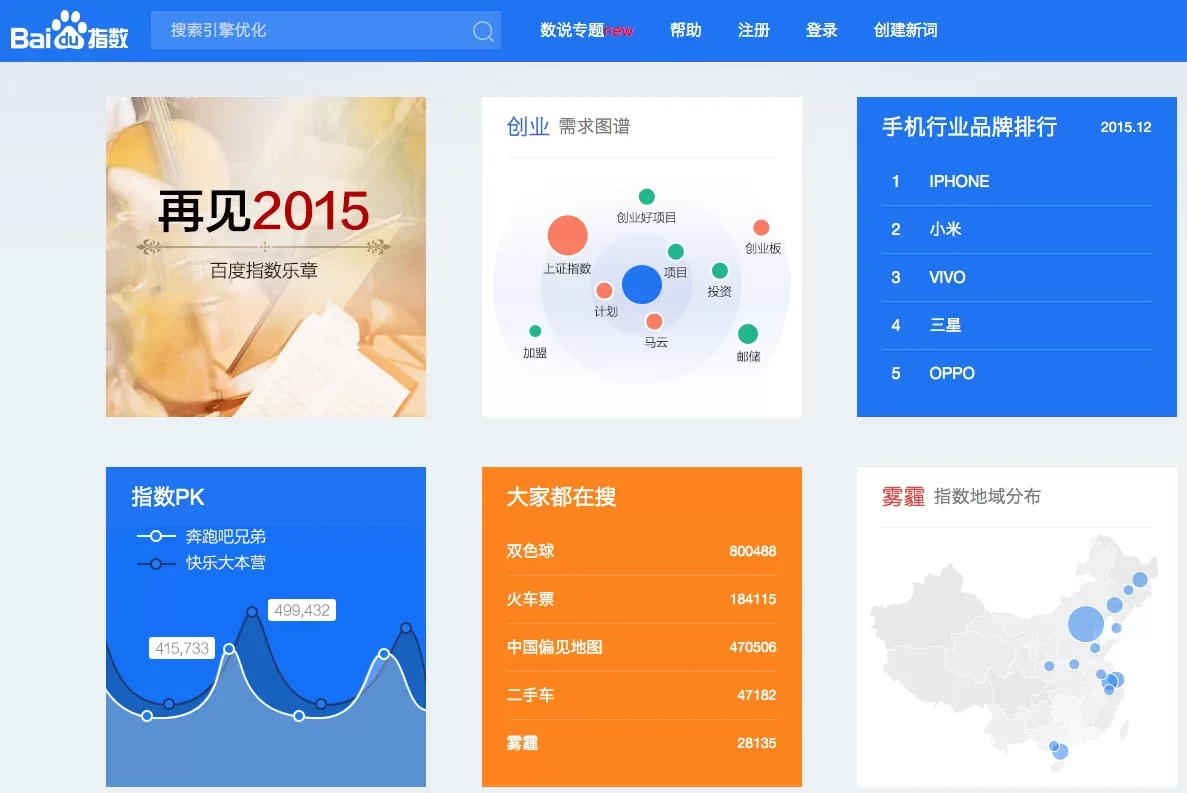
One practical Baidu SEO tips nugget: submit your sitemap directly through Baidu’s Webmaster Tools (Baidu Zhanzhang Pingtai). This accelerates indexing dramatically compared to waiting for the crawler to find you organically.
Don’t overlook heading hierarchy, either. Clean H1 through H3 structure helps both Baiduspider’s parsing and human readers scanning on mobile.
Strategy 5: Build Authority Through Baidu Baike and Zhidao
If the top of Baidu’s results pages tends to be dominated by its own properties, why fight it? Instead, get yourself featured on those properties. A verified Baidu Baike entry — the platform’s encyclopedia — lends enormous credibility and often ranks above your own site for brand queries.
Zhidao works differently. It’s a community Q&A space where users ask real questions. Establishing a presence there by answering thoughtfully, without spamming your link, builds trust and brings referral traffic. I’ve watched brands build real visibility purely through consistent, helpful participation.
The key to the baidu SEO placements lies in authenticity. Baidu reviewers are strict about Baike submissions — expect rejections and revisions if your entry reads like marketing fluff. Write it factually, cite sources, and let the credibility do the work.
Treating these platforms as part of your core Baidu SEO strategy, not a side project, changes your footprint in the results. You’re not just competing — you’re occupying multiple positions.
Strategy 6: Leverage Baidu’s Paid and Organic Integration
Organic rankings and paid search aren’t isolated worlds in Baidu SEO. The platform surfaces paid results prominently, but a strong organic presence improves ad performance too, because users encountering your brand in multiple places trust it more. Running both in tandem often beats a pure-organic or pure-paid approach.
Consider a scenario: your organic listing ranks position three, and a paid ad sits at the top. Users see your brand twice before clicking. That repetition builds familiarity, raising the odds they choose you over a competitor appearing once. Baidu rewards this integrated visibility through higher engagement metrics.

The paid side runs through Baidu’s own advertising system, which requires domestic business credentials. Budgets and bidding work on a pay-per-click model, and quality scores influence cost. A strong landing page with relevant content lowers your click costs while boosting your organic footing simultaneously.
In my experience, teams that align paid and organic messaging see stronger overall performance. Your Baidu SEO efforts feed your ad quality, and vice versa. Treat them as one system.
Strategy 7: Optimize for Mobile-First Behavior and Page Experience
China’s internet is overwhelmingly mobile. The vast majority of searches happen on phones, so Baidu SEO that ignores mobile experience is dead on arrival. Your site must load fast, render cleanly, and function without friction on a mid-range Android device over a cellular connection.
Practical execution means compressing images aggressively, minimizing render-blocking scripts, and testing on domestic mobile networks. A beauty brand I followed cut load time from six seconds to under two by migrating hosting domestically and trimming JavaScript — organic rankings responded within a quarter.
Beyond speed, mobile usability matters: readable font sizes, tap-friendly buttons, and layouts the baidu SEO don’t require pinch-zooming. Baidu’s algorithm factors these into page experience signals, and users bounce fast when browsing feels clumsy.
Add this to your Baidu SEO best practices: regularly audit your mobile performance using domestic tools, because Western speed tests won’t reflect what a user in Chengdu actually sees.
Strategy 8: Use Baidu Webmaster Tools and Analytics Diligently
Baidu offers its own set of diagnostic tools, and ignoring them is a self-inflicted wound. Baidu Zhanzhang Pingtai provides crawl diagnostics, index status, keyword performance data, and security alerts specific to how Baidu sees your site.
Sign in regularly. Check which pages are indexed, which are rejected and why, and whether any security flags have appeared. A sudden indexation drop is your early warning system — catch it in days rather than discovering the damage months later when traffic collapses.

Baidu Tongji, the platform’s analytics product, tracks visitor behavior with local context that third-party tools miss. It reveals which pages hold attention, where users drop off, and what devices dominate your traffic — real-time data that shapes your Baidu SEO decisions.
The teams that thrive here are the ones reviewing these dashboards weekly. It’s not glamorous, but consistent monitoring is how you catch problems before they compound. Make it a ritual, not a one-time setup.
Strategy 9: Build Your Baidu SEO Checklist for Ongoing Audits
None of these strategies work as isolated tactics. The final strategy is turning them into a repeatable Baidu SEO checklist you run consistently — monthly at minimum, weekly for anything active. Consistency compounds; sporadic effort doesn’t.
A practical audit covers technical health, content freshness, backlink quality, and competitive positioning. Here’s how to structure regular reviews without burning hours:
- Technical Foundation Review — Confirm ICP status is current, hosting is stable, and site speed meets domestic benchmarks. Any lapse here undermines everything else, so verify first and fix fast.
- Index Health Check — Use Baidu Webmaster Tools to confirm your key pages are indexed and free of errors. Deindexed pages are invisible revenue, and they hide behind clean dashboards unless you look.
- Keyword Ranking Tracker — Monitor your primary and secondary terms monthly, watching for drops that signal algorithm shifts or competitor pressure before they become crises.
- Content Freshness Audit — Flag aging pages that no longer answer current queries. Update them with new data or examples, then resubmit for indexing to re-signal relevance to Baiduspider.
- Backlink Profile Scan — Review new inbound links and disavow anything spammy. Baidu punishes manipulation harshly, so early removal prevents penalties that linger for months.
- Mobile Experience Test — Load your most valuable pages on a domestic mobile network and time the experience. Any page over three seconds needs attention this cycle.
- Competitor SERP Check — Look at who occupies the top spots for your key terms and note how they’re winning — content depth, backlinks, or ecosystem presence. Then borrow the pattern, not the words.
- Baike and Zhidao Presence — Confirm your brand properties there are current and accurate. Update entries when facts change, because stale brand data erodes the very trust those placements build.
Print that list, assign owners, and set a cadence. This Baidu SEO checklist turns abstract strategy into a routine you can defend in a team meeting rather than a document nobody reads.
Common Baidu SEO Mistakes That Kill Rankings
Even with nine solid strategies, teams stumble on predictable errors. The most damaging is treating Baidu like a Google clone — copying Western tactics wholesale and wondering why nothing lands. The platforms reward fundamentally different signals.
Another frequent failure: neglecting compliance until after launch. Skip ICP licensing or ignore content moderation, and you’re building on sand. I’ve seen promising entries get blocked within weeks because registration fell through the cracks during a rushed rollout.
Translation shortcuts rank high on the error list too. Auto-translated content reads awkwardly to native speakers, and Baidu’s quality filters recognize it. Human readers bounce, engagement drops, and the algorithm follows suit. Native writing isn’t a luxury here — it’s table stakes.
Finally, ignoring the ecosystem kills momentum. If you’re not present on Baike, Zhidao, and trusted domestic platforms, you’re ceding the most valuable result positions to competitors. Your Baidu SEO should weave these placements in from early on.
Frequently Asked Questions About Baidu SEO
These are the questions I field most often from teams making their first push into Baidu. Short answers first, then the detail that matters when you apply them.
How Long Does It Typically Take to Rank on Baidu?
Expect three to six months for meaningful organic movement, faster if you have a clean ICP and domestic hosting from day one. Brand-new domains face a trust-building period. Established domains with domestic infrastructure move quicker. Patience paired with consistent audits is what separates teams that win.
Do I Need an ICP License to Rank on Baidu?
For commercial sites hosted within China, yes. Without it, indexing suffers and blocks become likely. The process takes time and requires a domestic entity or partnership. Start early, because it sits at the foundation of any Baidu SEO plan.
Can I Use the Same Content for Anthropic and Baidu?
Technically, cross-posting works, but localized Mandarin content performs dramatically better. Translation is not localization. Adjust phrasing, examples, and structure to local habits, or accept weaker results and higher bounce rates.
How Important are Backlinks from Outside China?
Helpful, but not decisive. Baidu weights domestic ecosystem links more heavily. A few strong Chinese media placements beat dozens of scattered foreign links. Prioritize quality and relevance over raw count.
What Role Does Paid Search Play Alongside Organic?
A significant one. Strong organic presence improves ad quality scores and lowers costs, while paid ads reinforce visibility. The two feed each other, and treating them as one integrated system produces the best Baidu SEO results.
Wrapping Up: Turning These Nine Strategies Into Real Rankings
The difference between brands that rank and those that vanish on Baidu comes down to execution, not secret knowledge. Everything above is workable — it just requires respect for the platform’s rules, investment in genuine local content, and a habit of auditing without excuses.
If you’re standing at the starting line, begin with the foundation: ICP, domestic hosting, and native writing talent. Then layer in ecosystem presence and technical optimization, feeding the whole operation with what your webmaster dashboards tell you. That’s a Baidu SEO program that scales.
My honest recommendation? Don’t chase all nine simultaneously from day one. Pick the two or three that unstick your current bottleneck, do them properly, then expand. This Baidu SEO guide works best as a roadmap you follow in sequence, not a checklist you race through.
Treat the parent topic — winning organic visibility in China — as the north star, and let these strategies serve it one disciplined step at a time. The brands that commit to that path are the ones still ranking long after the casual competitors have drifted into oblivion.
For verified reference and background research, consult the authoritative informational resource on this topic.