Author bio SEO is the most overlooked ranking lever in most content programs, and that gap is exactly where opportunity hides. If you have spent months tuning title tags and internal links while your author box sits there with a vague job title and a broken avatar, you are leaving relevance on the table.
This is your working author bio SEO guide, built from the kind of hands-on testing that separates theory from traction. Below you will find nine strategies that consistently move the needle, plus the context, examples, and execution details that make each one usable on a real site.
Why Author Bio SEO Matters More Than Most Teams Realize
Search engines have spent years getting better at figuring out who wrote what. Focusing on author bio SEO provides clear direction here. Authorship markup may come and go, but the underlying signals have not gone anywhere.
Entity recognition, knowledge graph associations, and topical authority all lean on one simple question: can the search engine identify a real person behind this content and connect that person to a subject?
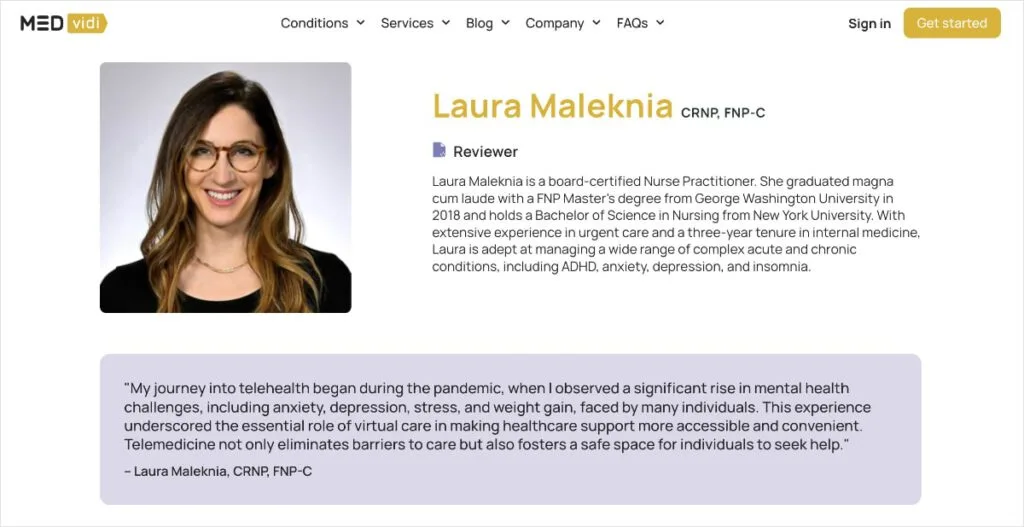
A weak bio leaves that question unanswered. A strong one answers it before anyone has to ask. That is the entire premise behind taking author bio SEO seriously rather than treating the author box as a design afterthought.
Here is the practical reality I keep running into with editorial teams. A writer produces forty in-depth pieces on commercial real estate financing.
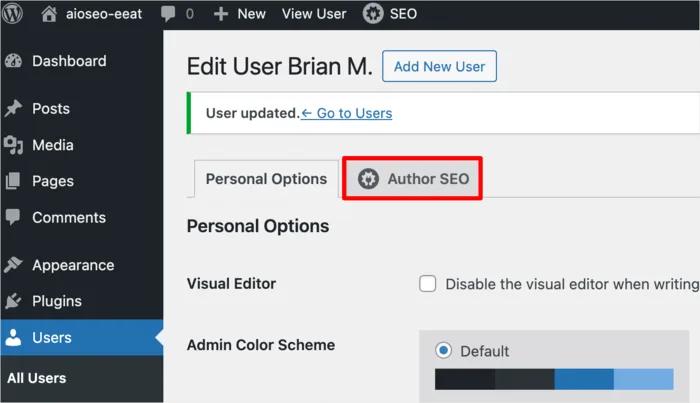
The bio says “Sarah writes about business.” Nothing connects Sarah to financing, nothing links her to the publication’s money pages, and nothing tells a crawler that this byline is an expert entity worth associating with the topic.
Fix the bio, and suddenly the same forty articles sit inside a coherent expertise signal. Refining each detail of your author bio SEO strengthens this section. That is the gap worth closing.
What Actually Counts as an Author Bio for SEO Purposes
The bio is more than the two-sentence blurb under a headshot. For optimization purposes, treat the full byline package as one unit: the display name, the role line, the descriptive paragraph, the portrait image with its alt attribute, the credentials, the social and professional profiles, and the dedicated author archive page those elements link to.
Miss any of those and the signal gets thinner. A beautifully written paragraph that links nowhere and lives on a page with no author schema is a paragraph doing half its job.
I have watched sites pour effort into the paragraph while ignoring the archive page entirely. Then they wonder why author bio SEO never seems to compound. The archive is where the entity lives; the byline is just the doorway.
The Signals Search Engines Actually Read
Three things matter most. First, identity consistency: the same name, credentials, and role stated the same way across your site and any external profile you control. Second, topical alignment: the bio language should echo the subjects the author genuinely covers. Third, machine-readable structure: Person schema with sameAs links that point to verifiable profiles elsewhere.
Skip identity consistency and the author bio SEO fragment the entity. Skip topical alignment and the bio reads as generic filler. Skip schema and you leave the interpretation to chance.
| Signal | What It Tells the Search Engine | Where It Lives |
|---|---|---|
| Name and credential consistency | This is one identifiable person, not several partial entities | Byline, author archive, schema, external profiles |
| Topical language in the bio | This person has genuine subject overlap with the content | Bio paragraph, role line, expertise tags |
| Person schema with sameAs | Machine-verifiable identity tied to known profiles | Structured data on article and archive pages |
| Author archive page | A hub collecting everything this person wrote | Dedicated URL, indexed, internally linked |
| Portrait image with descriptive alt text | Reinforces identity and improves accessibility | Byline image element |
Notice that none of these require a plugin purchase or a developer sprint. They require decisions and consistency, which is precisely why author bio SEO is such a high-leverage area for small teams.

What a Well-Optimized Author Bio Looks Like Up Close
Before diving into the nine strategies, it helps to see the finished product. A strong bio does four jobs in roughly fifty words: it establishes who the person is, it proves they have standing to write about the topic, it points somewhere verifiable, and it invites the reader to go deeper.
Here is a comparison worth studying. The left column is what most sites publish. The right column is what actually earns trust from both readers and crawlers.

| Weak Bio Element | Optimized Version |
|---|---|
| “John is a writer and editor.” | “John Mercer has spent eleven years as a commercial lending analyst and now writes about small-business credit for founders who need straight answers.” |
| No role specificity | “Senior Editor, Small Business Finance” |
| No links | “Connect on LinkedIn · Read his author archive” |
| Generic avatar filename | Alt text: “John Mercer, author bio SEO specialist, headshot” |
| No expertise tags | “Topics: commercial lending, SBA loans, credit underwriting” |
The difference is not word count. Focusing on author bio seo provides clear direction here. Both bios are short. The difference is specificity, and specificity is what search engines reward when they try to connect a person to a subject area.
If you take nothing else from your author bio SEO section, take author bio seo tips is what decides the outcome, and the idea that vagueness is the enemy. Every generic phrase in a bio is a wasted opportunity to say something that only this author could say.

How to Audit Your Current Author Bio SEO Before You Change Anything
Changing bios without a baseline is guesswork. Before you rewrite a single paragraph, run a quick audit. It takes about an hour per site and it will tell you exactly where the weakest links live.
Start by collecting every author archive URL into a spreadsheet. Most sites have fewer than you expect. Then work through the checklist below for each one.
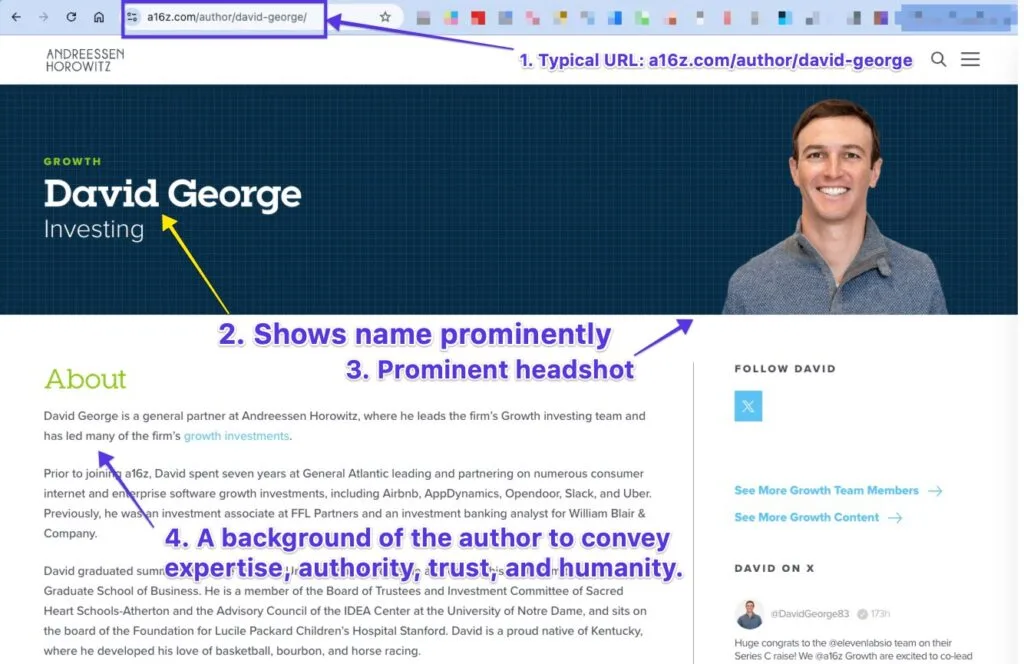
- Confirm the archive page is indexed. Search the exact URL in a search engine. If it returns nothing or a stripped-down version, you have a crawl or robots issue to fix first.
- Check for duplicate bios across authors. Templated bios with only the name swapped are a red flag and a wasted signal.
- Verify the schema. Use a structured data testing tool and confirm the Person type is present and populated, not just the Article type.
- Test the sameAs links. Click every external profile link. Dead links weaken the identity chain.
- Read the image alt text aloud. If it says “author-photo-01.jpg,” rewrite it. If it does not contain the author’s name, rewrite it.
- Check which articles map to which author. Orphaned articles with no assigned author are invisible in the archive and lose the connection entirely.
That last point trips up more sites than any other. A migration or CMS switch quietly detaches bylines from posts, and nobody notices for months. The content still ranks, but the author bio SEO value evaporates because the archive no longer proves authorship.
Run this audit quarterly for active authors. The cost is negligible compared to the compounding value of a clean entity graph.
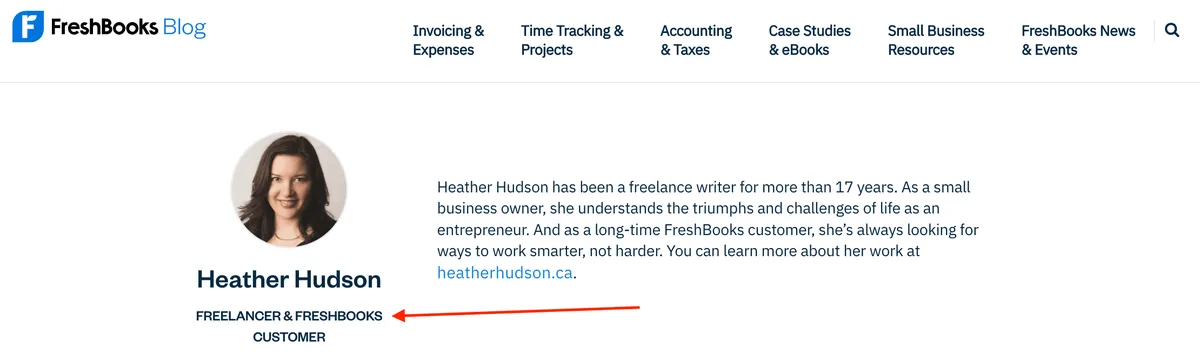
Author Bio SEO: 9 Proven Strategies to Rank Higher
Here is where the promise of the title gets delivered. A thoughtful approach to author bio SEO reinforces your qualifications. Each strategy below stands on its own, includes a concrete example, and tells you the execution detail that most write-ups skip. Work through them in order the first time, then revisit the ones that fit your gaps.
1. Write the Bio Around a Specific Expertise Claim
Generic bios fail because they make no claim a search engine can attach to a topic. “Passionate content creator” attaches to nothing. “Writes about enterprise security compliance and SOC 2 audits” attaches to a whole cluster of queries.
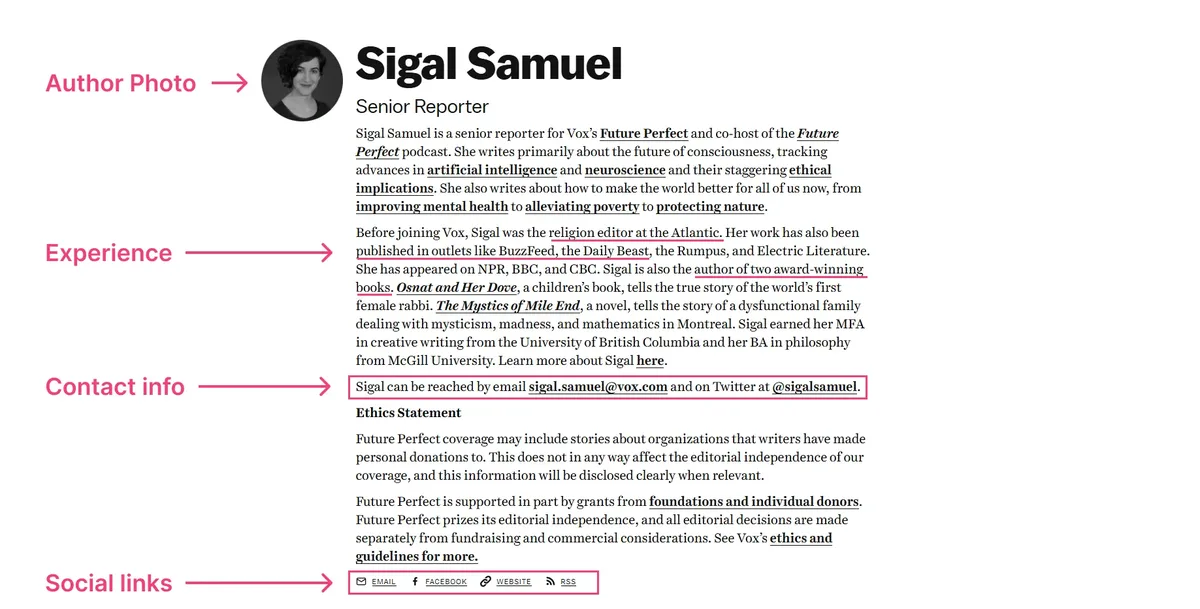
Specificity works because it gives the entity graph something to grip. When an author consistently publishes on security compliance and their bio says the same thing in plain language, the overlap becomes obvious to both a human reader and a machine.
Here is the rule I use: if the bio could appear unchanged under five hundred different writers, it is not specific enough. Rewrite until it could only describe one person.
Good author bio SEO best practices always start here. The bio is a positioning statement, not a formality.
2. Claim Your Author Archive Page Properly
The archive page is the hub of the whole system. Structuring your author bio SEO around proven patterns ensures impact. It needs a clean, stable URL, a full bio, a complete article list, and correct structured data. It should also be internally linked from every article byline.
Most sites get halfway. They create the archive, but the link from the byline says “admin” or points to a generic team page. That severs the connection between article and expert.
The fix is small. Refining each detail of your author bio seo strengthens this section. Point every byline to the archive, and make the archive URL part of your standard publishing checklist. Over time, that page accumulates internal links from every article the author writes.
A mature author archive becomes a topic hub in its own right. Readers land on it, discover related articles, and increase session depth. That is an author bio SEO bonus most teams never plan for but always welcome.
If you want a simple benchmark: an archive page with fewer than ten indexed articles rarely carries much weight. Get the count up before you expect the hub effect.
3. Implement Person Schema With Verifiable sameAs Links
Structured data turns a readable bio into a machine-readable one. Applying these principles to your author bio SEO yields measurable results. The Person schema type, embedded on the article page or the archive page, tells the search engine who wrote the piece and what else is known about them.
The sameAs property is the part that matters most. It holds an array of URLs pointing to the same person on other verified sites, like a LinkedIn profile, a professional directory, or a conference speaker page. Each link is another anchor connecting your John Mercer to the wider John Mercer on the web.
Use profiles you actually control and can keep current. A dead link in sameAs is worse than no link at all because it suggests the identity is unreliable.
On the execution side, add jobTitle, knowsAbout, and URL alongside name and sameAs. The knowsAbout field is where the topical claim becomes explicit to machines, and it is the single most underused field in author bio SEO.
Test the markup after every theme update. It breaks more often than people expect.
4. Make the Image Do Work
The headshot is not decoration. It is a signal carrier, and most sites waste it entirely. “Image-01.jpg” tells a crawler nothing. Descriptive alt text with the author’s name and role tells it everything.
Alt text like “Maya Chen, author bio SEO consultant, profile photo” is short, accurate, and reinforcing. It is not keyword stuffing because it simply describes what the image is.
Beyond alt text, the image itself should meet a basic standard: consistent crop, consistent background treatment, and a file name that reflects the person rather than a random asset ID.
Here is a subtle point that experienced practitioners notice. When an author’s portrait appears across the site and on external profiles, the image itself becomes an identity anchor. That consistency is a small thing, but small things compound in an author bio SEO program.
5. Build a Consistent Identity Across the Web
You cannot fully control what Google knows about your writers, but you can make it easy to connect the dots. Use the same name, the same professional headline, and the same portrait everywhere the author appears.
Discrepancies create doubt. “Jen Rodriguez” on your site and “Jennifer M. Rodriguez, MBA” on LinkedIn and “Jen R.” on a guest post are three fuzzy signals instead of one sharp one.
Pick the canonical version of the name and apply the author bio seo consistently. Then update the external profiles to match.
Guest posts are a particularly valuable opportunity here. Proper attention to your author bio SEO sets a strong baseline. When a writer publishes on another reputable site, that byline is an external link in the identity chain. Make sure the name and bio match what your own site says.
This is the unglamorous work of author bio SEO, and it is usually the difference between an entity that gets recognized and one that stays anonymous.
6. Tie Each Bio to the Topics That Author Actually Covers
A bio that lists ten unrelated expertise areas reads as noise. A bio that lists two related ones reads as focus. Search engines reward focus because it makes topical association easier.
Map your authors to content pillars. If your site covers personal finance, health, and travel, resist the urge to let one writer claim all three. Assign the pillar, then write the bio to reflect it.
This has an internal benefit too. Content briefs get sharper, internal linking gets more deliberate, and readers get the sense that they are hearing from someone who specializes rather than someone who got the assignment.
Our experience with editorial teams suggests the writer-to-pillar map should be reviewed twice a year. Developing your author bio SEO with precision highlights key strengths. Writers develop, sites evolve, and a bio from two years ago often describes a different person.
Keep the bio current and the topical connection stays strong.
7. Write With the Reader First, the Algorithm Second
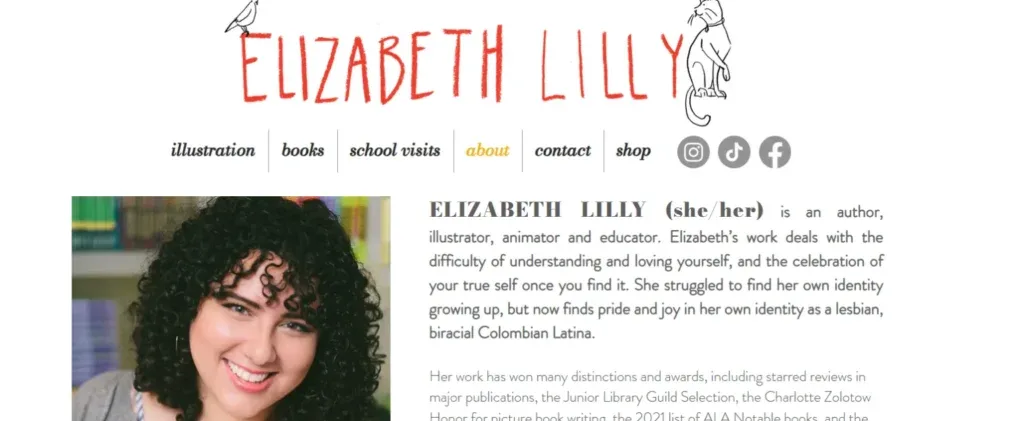
A bio optimized purely for machines reads like a LinkedIn summary, and that is not a compliment. The best bios read like a confident introduction from a friend who happens to know what the author does.
Readers who trust the bio stay longer, click deeper, and are more likely to return. Those behavioral signals matter, even if they are harder to measure than a ranking position.
Write the bio in the author’s voice, or interview them and transcribe. Clip out the jargon. Keep the specificity. Add one human detail that is unmistakably theirs.
That human detail is not a ranking factor on its own, but the trust it creates is why the reader stays. Author bio SEO works best when it is indistinguishable from good editorial judgment.

8. Use the Bio as a Conversion and Trust Layer
Most sites treat the bio as the end of the article. Clear alignment with your author bio SEO builds confidence from the start. Turn it into the next step. A close that says “John has worked with over 200 founders on SBA applications; connect with him on LinkedIn” outperforms a generic paragraph every time.
The trust layer matters even more for YMYL-adjacent content, where readers want to know who is speaking and why they are credible. A bio with clear credentials does more work here than any badge or disclaimer.

Consider adding a short “work with John” or “read more from John” link. Maintaining clarity across your author bio seo remains essential. It keeps the reader on your site, which is good for engagement, and it makes the bio a functional part of the page rather than a footer decoration.
For teams serious about author bio SEO, this is where the strategy meets the business. A bio is not just a ranking lever; it is a trust signal that earns the reader’s next click.
9. Maintain, Measure, and Refresh
A bio written once and forgotten decays. Roles change, credentials accumulate, external profiles go stale, and schema breaks with theme updates. The final strategy is the discipline of maintenance.
Here is a simple cadence the author bio SEO works. Audit the structured data quarterly. Re-read each bio twice a year. Update external profiles when they drift. Rebuild the author-to-article map after any major migration.
The measurement side is easier than it sounds. Track the author archive page’s impressions and clicks in your analytics. Watch which bios get the most profile clicks. Note which external profiles actually resolve.
One pattern we see consistently: sites that maintain their bios see the archive page gradually rise in rankings because it becomes a genuine topic hub. The effect is slow, but it compounds, and it is the strongest argument for treating author bio SEO as an ongoing program rather than a one-time project.

Refresh, measure, and repeat. The writers who get recognized are the ones whose teams keep the signal clean.
Common Author Bio SEO Mistakes That Undo the Work
Strategy is half the story. Avoiding the classic mistakes is the other half, and some of them are easy to miss because they look fine on the surface.
The first is the templated bio. Targeted refinements to your author bio SEO streamline the entire review. Every author gets the same paragraph with a swapped name. It reads fine to a human skimming, but it flattens the entity graph because nothing distinguishes one writer from another.
The second is the invisible author. The byline exists, but the archive page is not indexed, or the schema is missing, or the external links are broken. This is the most common failure we see, and it is entirely fixable.
The third is keyword stuffing inside what should be a human bio. A paragraph that reads like it was written for a crawler will erode trust with readers. Keep the language natural, keep the specificity, and let the language do the work.
The fourth is inconsistency. Different names, different job titles, different photos across the site and external profiles. Pick the canonical version and stick to it.
The fifth is neglect. A bio from three years ago is often wrong. Maintenance is the unglamorous part of author bio SEO, and it is the part that separates a durable program from a one-off cleanup.
Run the audit checklist from earlier and look for the author bio SEO five patterns specifically. They account for most of the lost upside.
Author Bio SEO Checklist for a Fast Pre-Publish Review
Use this as a final pass before publishing or updating anything. If you want a quick author bio SEO checklist to share with a writer or editor, this is the short version.
- The bio names a specific expertise area, not a generic one.
- The archive page is indexed, has a stable URL, and is internally linked from the byline.
- Person schema is present with knowsAbout and working sameAs links.
- The headshot has descriptive alt text that includes the author’s name.
- The name, role, and image match the author’s external profiles.
- Every article maps to an author, with no orphans after migrations.
- The bio reads like a person wrote it, not a keyword tool.
- A clear next step invites the reader to connect or read deeper.
- The archive, schema, and external links get reviewed on a set schedule.
That is the practical spine of a sustainable author bio SEO program. Nothing on the list requires a large budget. Everything on it requires consistency.
Frequently Asked Questions About Author Bio SEO
Here is an in-depth breakdown of key considerations regarding Frequently Asked Questions About Author Bio SEO:
Does a Longer Author Bio Help With Rankings?
Length is not the variable. A thoughtful approach to author bio seo reinforces your qualifications. Specificity is. A tight fifty-word bio with a clear expertise claim outperforms a three-hundred-word bio that says nothing in particular.
Are Author Archive Pages Worth a Dedicated URL?
Yes, and they are one of the most underused assets in author bio SEO. A clean, indexed archive page becomes a topic hub that collects internal links from every article an author writes, which is exactly the kind of hub search engines reward.
Do I Need Person Schema if I Have a Visible Bio?
You can publish without it, but you are making the search engine work harder. Schema turns a readable bio into a machine-verifiable identity, especially when paired with sameAs links to verifiable profiles. The difference in clarity is large.
How Often Should Bios be Refreshed?
Read each bio twice a year and audit the structured data quarterly. Any theme update, CMS migration, or change in an author’s role should trigger an immediate review, since those are the moments when schema and byline links break.
Will Author Bio SEO Help Articles That Already Rank?
The author bio SEO helps most where an entity signal is missing, which is common on sites with a large writer roster. The gains tend to be gradual and compounding rather than sudden, but teams that maintain their bios routinely report stronger performance for their author archives over time.
Where to Take This Next
Start small. Pick three authors, run the audit, rewrite the bios around a specific expertise claim, and make sure the archive pages are indexed and linked. That is a weekend of work and it will tell you more than any external prediction.
From there, expand the pattern. Add schema across all active authors. Set a maintenance cadence. Keep the external profiles clean.
This article sits inside a larger topic cluster on technical on-page optimization and editorial authority building. Related reads worth following: internal linking strategy for topic hubs, structured data foundations beyond the Person type, and topical authority mapping for multi-author publications.
That is the whole argument in one line: an author bio is the cheapest, most durable trust signal on your site, and treating it with the discipline it deserves is where the rankings come from.
For verified reference and background research, consult the authoritative informational resource on this topic.