Website footer SEO is the most overlooked real estate on your entire site, and that’s exactly why it’s an opportunity. Most people treat the footer like the junk drawer of their website—a place to dump a copyright line, a few privacy links, and call it a day. That’s a mistake.
Here’s the thing: your footer appears on every single page. Every page. That means it’s a site-wide element with site-wide SEO consequences, and when you handle it well, it quietly compounds value across hundreds of URLs without you writing a single new blog post.
I’ve spent years auditing sites where the footer was either completely ignored or actively sabotaging crawl budget. Focusing on website footer SEO provides clear direction here. The difference between a lazy footer and a strategic one shows up in internal linking equity, structured data coverage, and even Core Web Vitals.
This website footer SEO guide walks you through the fundamentals first, then hands you seven concrete tactics you can execute this week.
No fluff, no theory dumps. Just the stuff that actually moves rankings.
What is Website Footer SEO and Why It Matters
Let’s define the term plainly. Website footer SEO is the practice of optimizing the bottom-most section of your web pages—the area below the main content—so it contributes to crawlability, internal linking, structured data, user trust, and overall search performance.
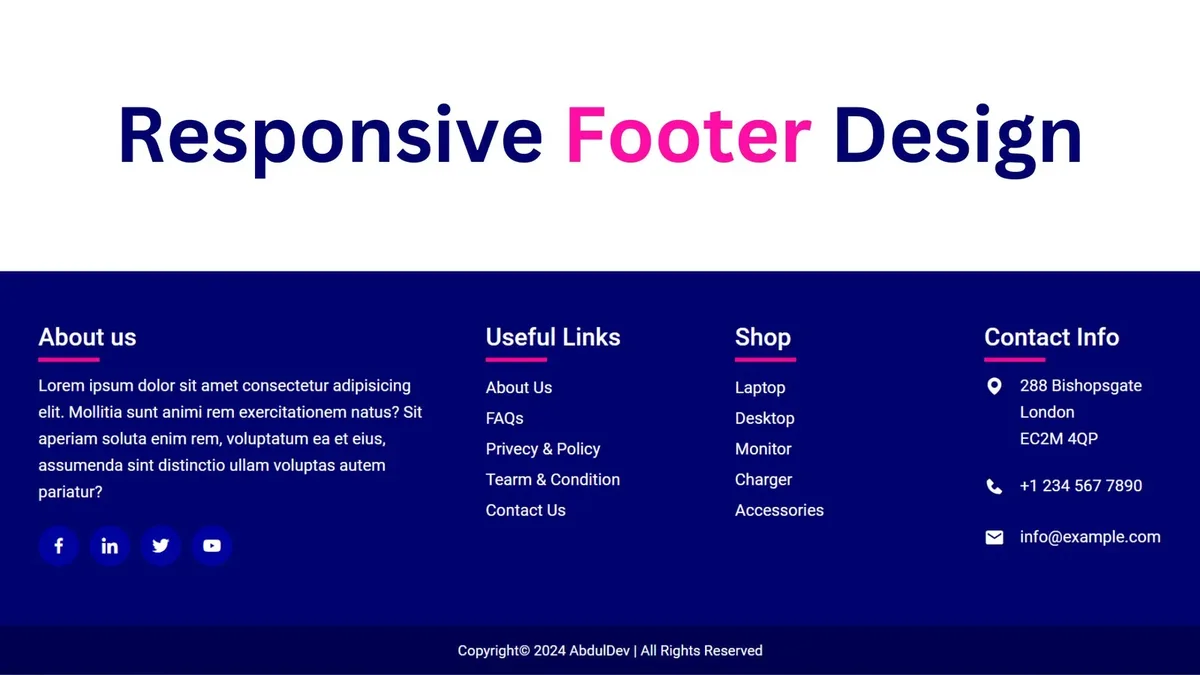
The Website footer SEO’s not about cramming keywords into a copyright line. It’s about treating the footer as a functional SEO component rather than a design afterthought.
Why does the Website footer SEO matter so much? Because the footer is one of the few elements that appears on literally every page of your site. When Googlebot crawls your homepage, a blog post, a product page, and a contact page, it sees the same footer each time. That repetition is either a gift or a liability.
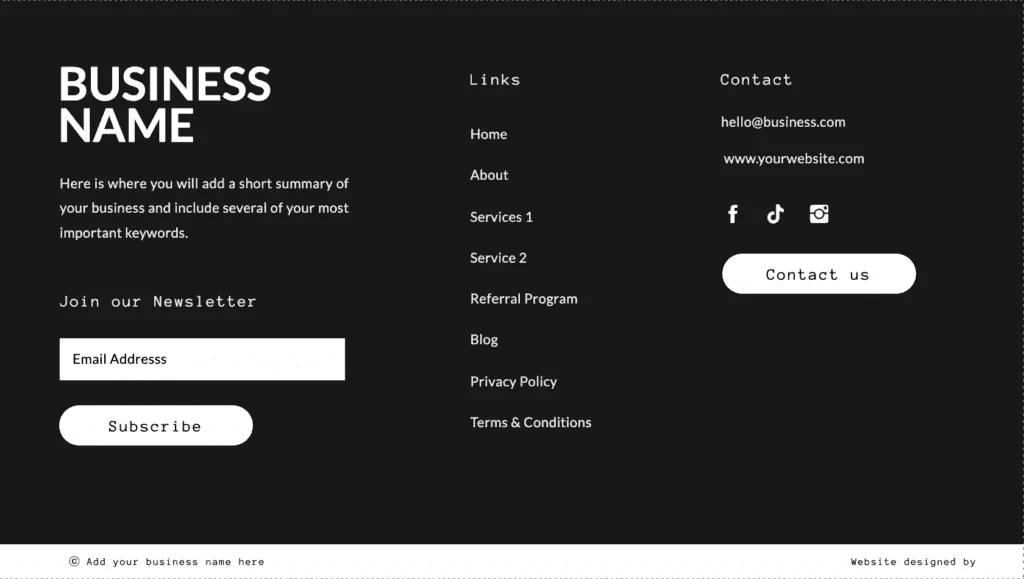
Think of the website footer SEO like the foundation of a house. Nobody walks into a home and compliments the foundation. But if it’s cracked, everything above it shifts. A well-built footer distributes link equity to important pages, reinforces your site’s topical structure, and gives crawlers a reliable navigation map.
The Three Jobs a Footer Actually Performs
Strip away the design debate and a footer does three things for SEO. Effective execution in your Website footer SEO makes a tangible difference. First, it provides site-wide internal links to pages that might otherwise be orphaned or buried too deep in your architecture.
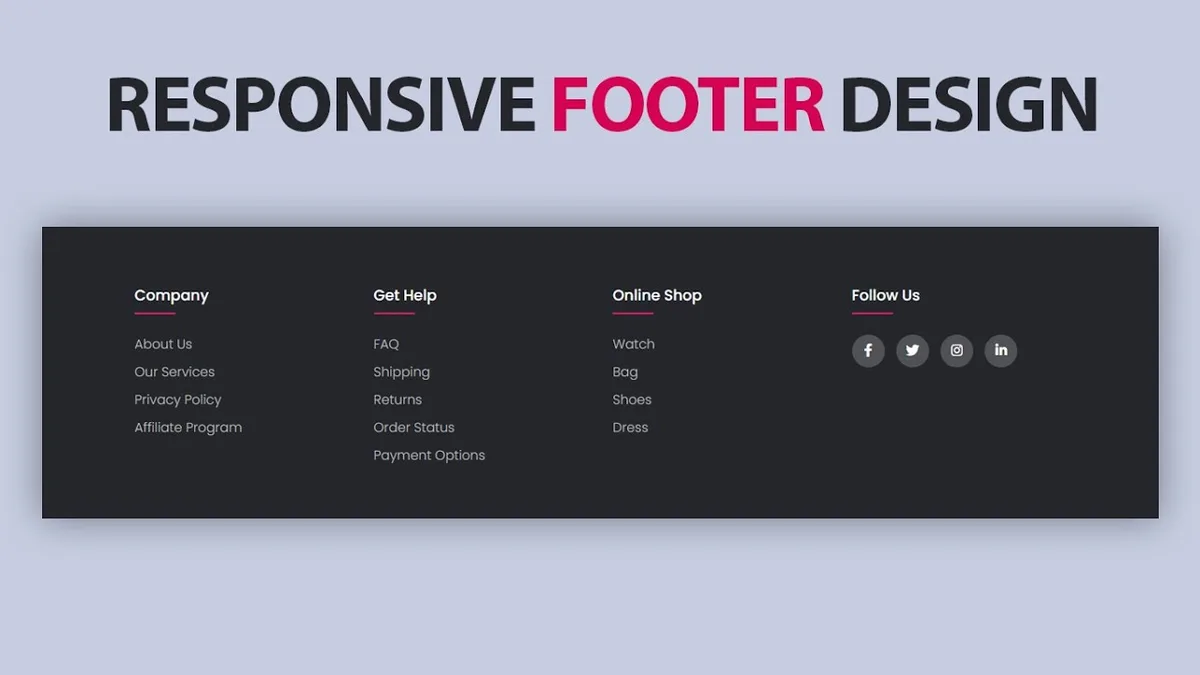
Second, the Website footer SEO houses trust and compliance signals—privacy policies, terms of service, contact information, and sometimes business registration details. These matter for E-E-A-T because Google’s quality raters look for transparency signals.
Third, the website footer SEO anchors your brand and entity information. Organization schema, address data, social profiles, and contact methods all live here, and that structured data feeds directly into knowledge panel accuracy.
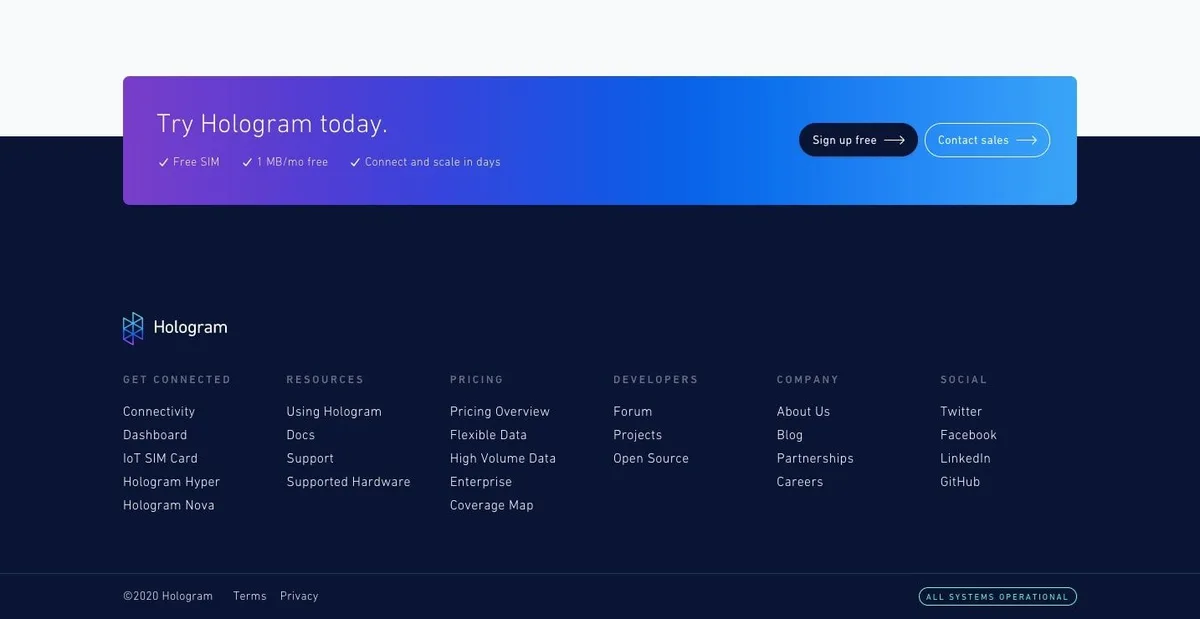
Get all three right and the footer becomes a quiet workhorse. Focusing on website footer seo provides clear direction here. Get them wrong and you’re either hiding important pages from crawlers or diluting link equity with a wall of 60 identical links.
The Website Footer SEO Checklist Before You Touch Anything
Before you start redesigning, run through this website footer SEO checklist. It saves you from rebuilding twice.
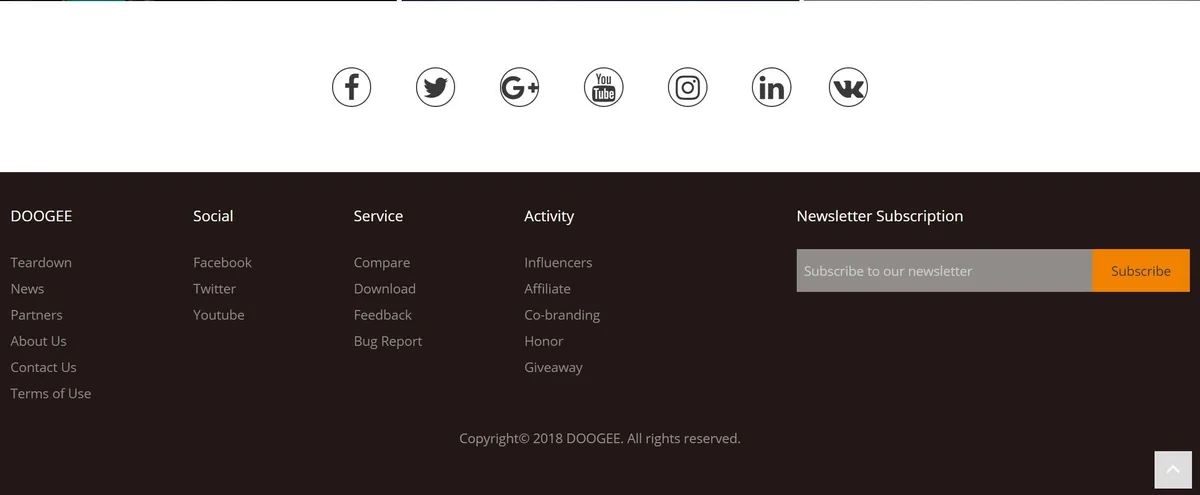
Audit what’s currently in your footer. Export every link and check for 404s, redirect chains, and pages that shouldn’t be linked at all. I’ve found footers linking to outdated promo pages from three years ago—still passing link equity to dead ends.
Check how many links your footer contains. Maintaining clarity across your website footer SEO remains essential. If it’s over 40, you’ve likely got a dilution problem. Crawl budget gets wasted on low-value URLs, and the links that actually matter get buried in the noise.
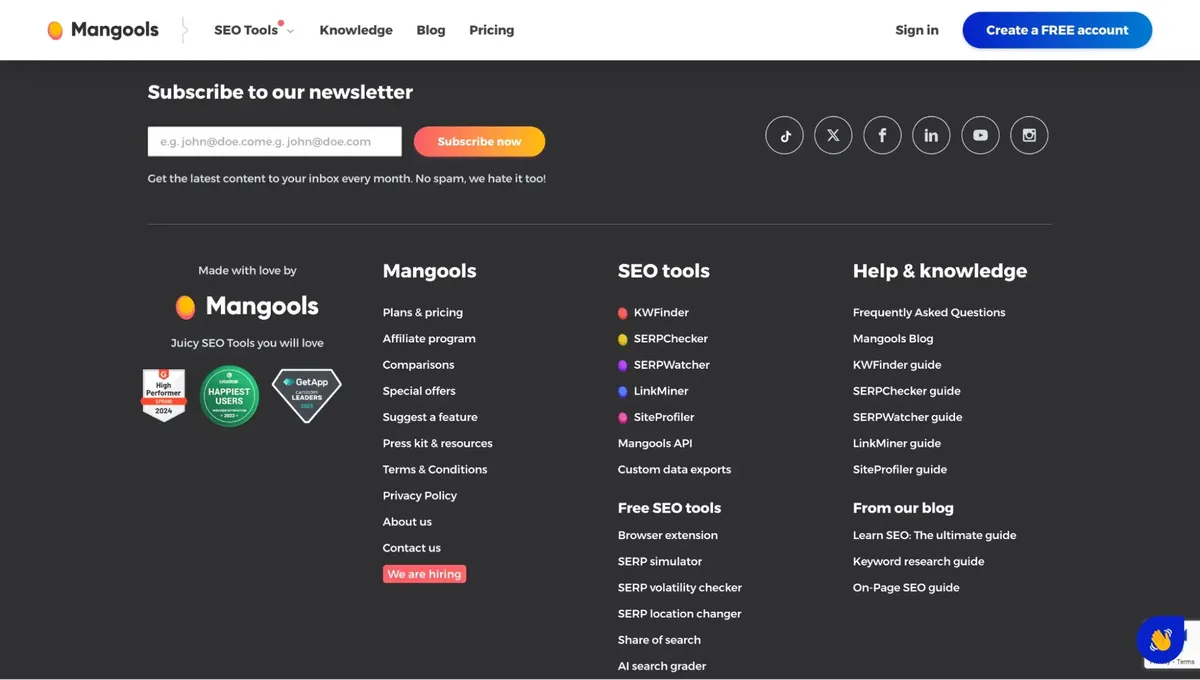
Verify that your footer renders correctly on mobile. Google uses mobile-first indexing, so if your footer collapses into an unusable accordion on a phone, those links may not be crawled the way you expect.
Confirm that critical pages—privacy policy, terms, contact—are reachable within one or two clicks from any page. Legal pages aren’t glamorous, but their presence signals legitimacy to both users and algorithms.
Finally, check your footer’s Core Web Vitals impact. A thoughtful approach to website footer SEO reinforces your qualifications. Heavy footer widgets, embedded maps, and unoptimized social icons can drag down Largest Contentful Paint and Cumulative Layout Shift. Run a Lighthouse audit and look specifically at what loads in the footer region.
Website Footer SEO Best Practices That Actually Hold Up
Here’s where most guides get vague. Let’s be specific about website footer SEO best practices that survive algorithm updates and actually help users.
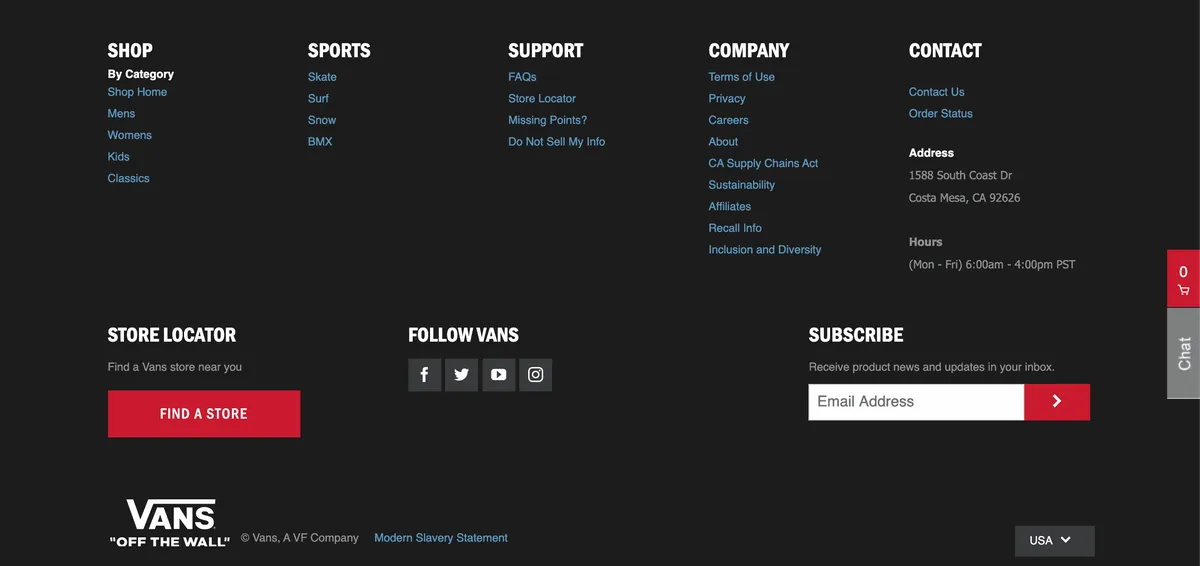
Keep your link count reasonable. A good rule of thumb is 20 to 30 footer links maximum, organized into logical columns. Navigation, resources, legal, and contact are the four categories that cover almost every business need.
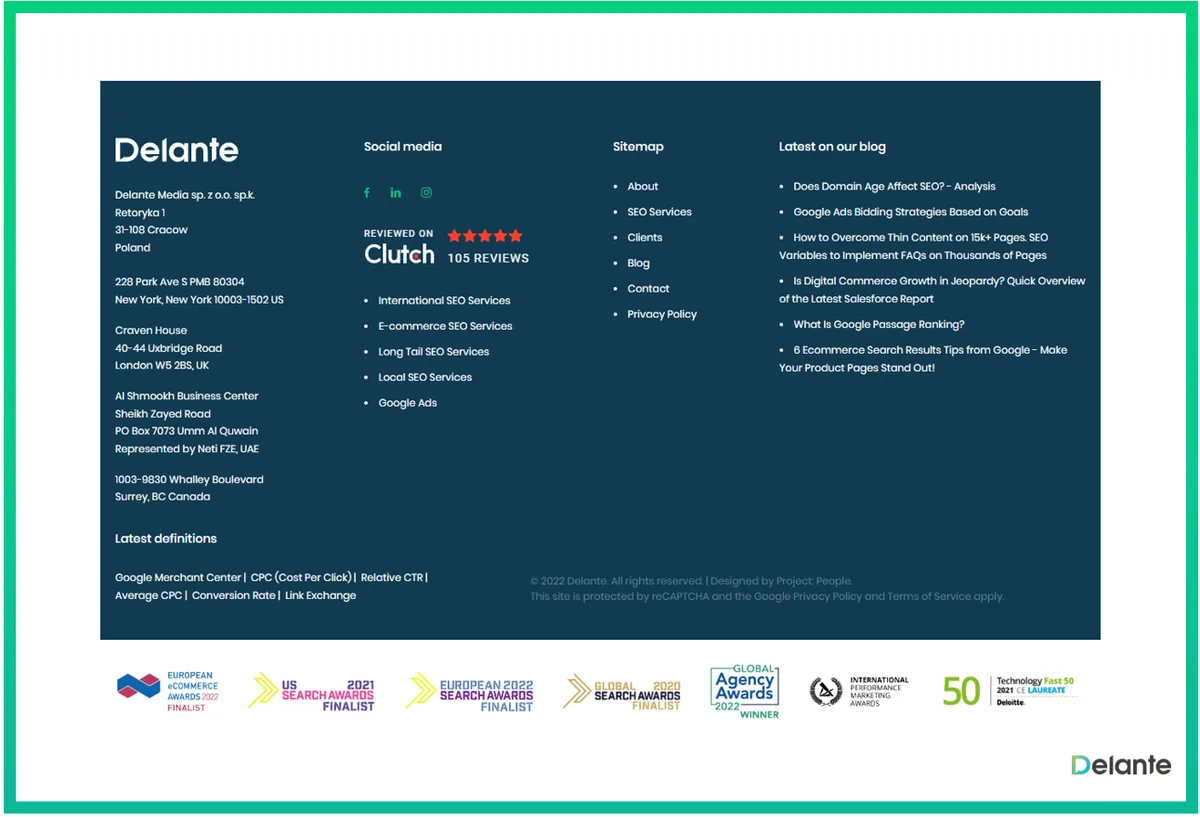
Use descriptive anchor text. “Learn more” tells Google nothing. “Website accessibility statement” tells Google exactly what’s on the other side. Anchor text is one of the clearest relevance signals you control, so don’t waste it on generic phrases.
Prioritize depth over breadth. Structuring your website footer SEO around proven patterns ensures impact. Linking to your 15 most important pages site-wide is more valuable than linking to 50 pages nobody visits. Think about which URLs deserve a permanent boost from every page on your domain.

Don’t duplicate your main navigation. If your footer repeats every single menu item from your header, you’re adding zero new crawl paths. Use the footer to surface pages that live deeper in your architecture—glossary pages, resource hubs, case study indexes, and category archives.
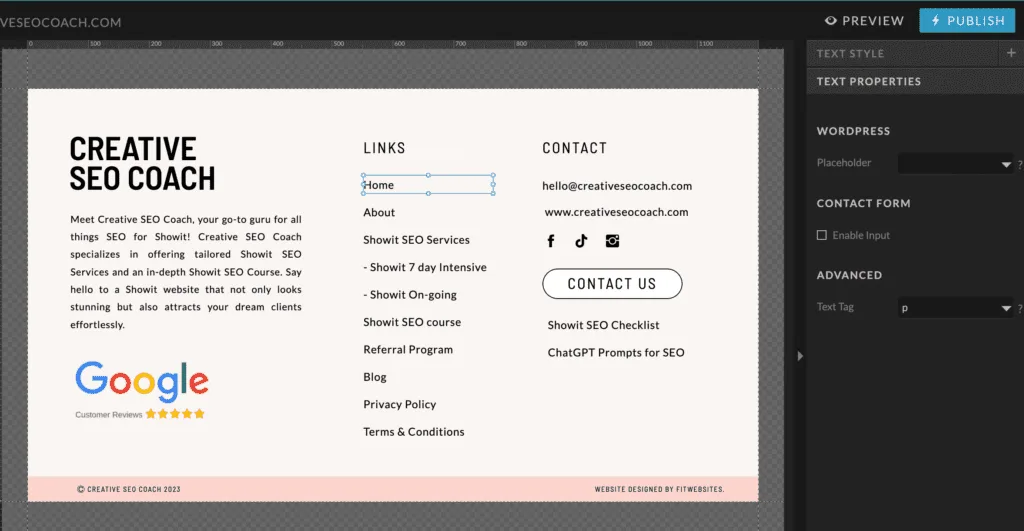
Keep the visual hierarchy clean. Refining each detail of your website footer seo strengthens this section. Footer links should be grouped under clear column headings. This helps users scan and helps crawlers understand topical grouping, which subtly reinforces your site’s content clusters.
What to Include Vs. What to Leave Out
Include: organization name, address if you have a physical location, contact email or phone, privacy policy, terms of service, accessibility statement, sitemap link, and links to your most important content hubs.
Leave out: keyword-stuffed paragraphs, hidden text, excessive social media icons that link to profiles you never update, and promotional banners that change every week. Those banners create link churn that adds no lasting SEO value.
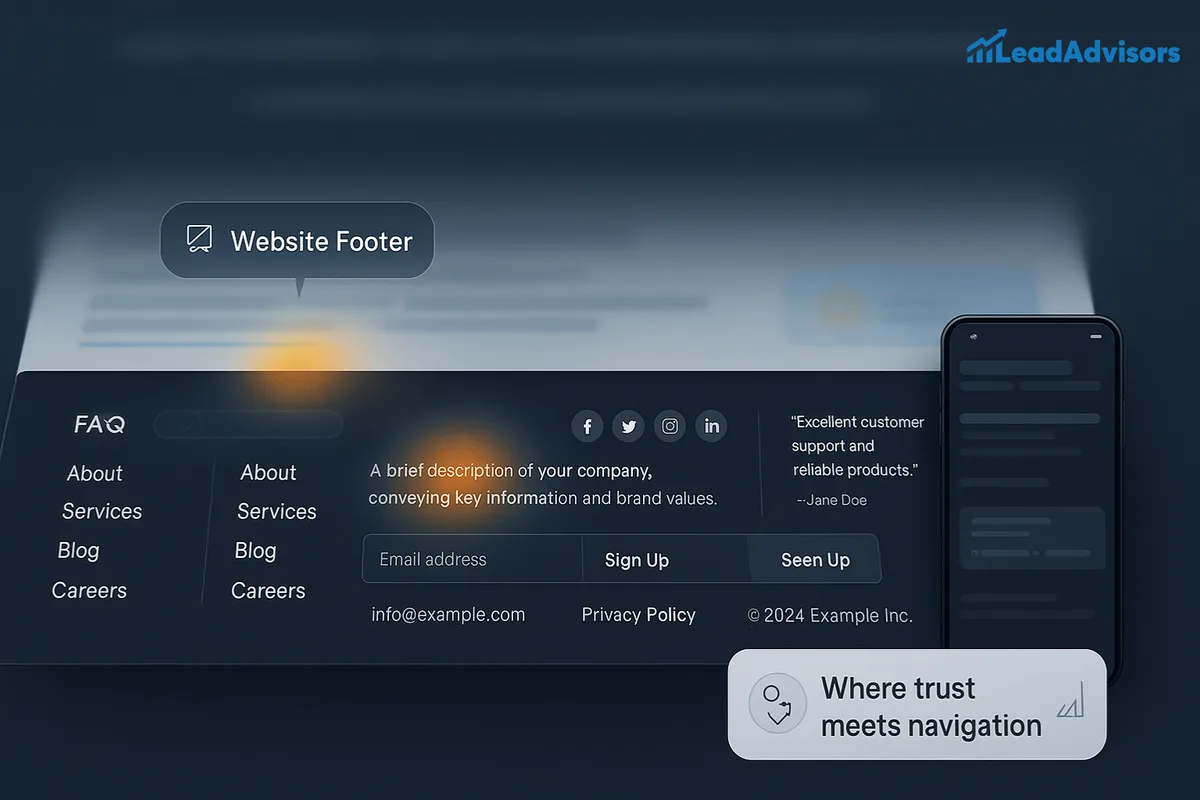
One more thing—avoid stuffing your footer with a giant tag cloud or an archive list going back a decade. These create hundreds of low-value links and dilute the equity flowing to pages that matter.
Website Footer SEO Tips for Internal Linking Equity
Internal linking is where the footer earns its keep. These website footer SEO tips focus specifically on link equity distribution.
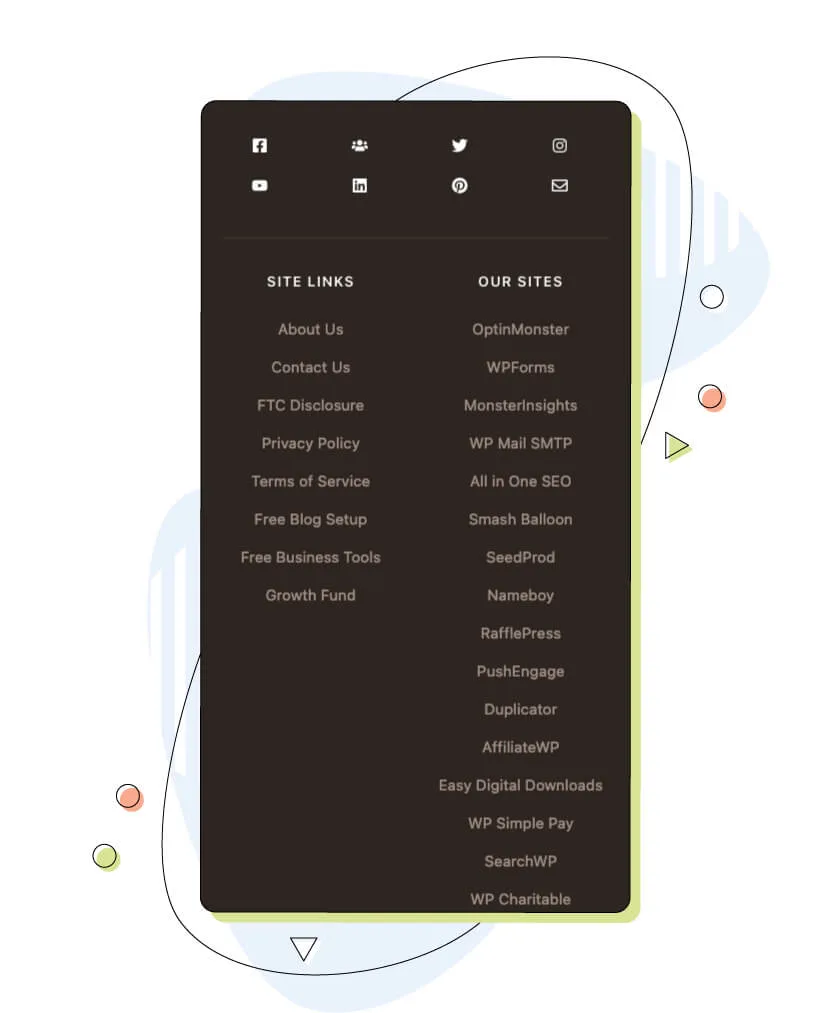
Every page on your site passes some authority through its outgoing links. Applying these principles to your website footer SEO yields measurable results. When your footer links to a page from every URL, that page receives a small but consistent boost across thousands of pages. Multiply that by 500 blog posts and the compounding effect is real.
Use this to your advantage by linking to pages that need a lift—new content you want indexed quickly, category pages that drive revenue, or cornerstone guides that anchor your topical clusters.
But be careful about link equity dilution. If your footer has 60 links, each one receives roughly 1/60th of the available equity. Trim to 25 links and each one gets more than double the share. Fewer, better links almost always win.
Also consider using nofollow selectively. Proper attention to your website footer SEO sets a strong baseline. Legal pages like privacy policies and terms of service don’t need to pass equity. Marking them nofollow keeps your link profile focused on pages that actually benefit from the boost.
Structured Data and Entity Signals in the Footer
Structured data is one of the most underused website footer SEO best practices. Your footer is the natural home for Organization schema, and getting it right improves how search engines understand your brand entity.
Add Organization markup with your legal name, logo URL, address, contact point, and sameAs links to your verified social profiles. This data feeds knowledge panels and helps Google connect your brand across the web.
If the website footer seo have a physical business location, include LocalBusiness schema with opening hours, geo-coordinates, and service area. This is especially important for multi-location businesses where each location page needs its own footer-level markup.
Keep the schema clean and valid. Developing your website footer SEO with precision highlights key strengths. Run it through Google’s Rich Results Test before deploying. Broken schema is worse than no schema because it sends conflicting signals about your entity data.
One practical tip: if you’re using a CMS like WordPress, footer schema is often handled by an SEO plugin. Verify what’s being output before adding your own markup, or you’ll end up with duplicate Organization blocks that confuse parsers.
7 Pro Tactics to Level Up Your Website Footer SEO
Now for the meat of this guide. These seven tactics are the ones I reach for first when auditing a site’s footer. Each one is actionable, measurable, and doesn’t require a developer sprint to implement.
Work through them in order if the website footer SEO’re starting from scratch, or cherry-pick based on what your audit revealed. Either way, each tactic stands on its own.
1. Build a Curated Resource Column Instead of a Link Dump
Most footers have a “Resources” column that’s really just a random assortment of blog links someone added years ago. Replace it with a curated set of 5 to 7 evergreen pages that represent your best content.
Think of this as your site’s permanent hall of fame. Pick pages that answer core questions in your niche, drive consistent organic traffic, or convert well. These get a site-wide link boost that compounds over time.
For a SaaS company, the website footer SEO might be your pricing page, integrations directory, API documentation, and comparison guides. For a publisher, it’s your topic hubs and editorial standards page. The point is intentionality—every link in this column should earn its place.
Review this column quarterly. Swap out pages that have gone stale and promote new content that deserves the boost. This keeps the equity flowing to pages that are actively earning their keep.
2. Add a Sitemap Link for Crawl Discovery
This one is almost embarrassingly simple, but it works. Add a visible link to your XML sitemap in the footer. It gives crawlers a direct path to your full URL inventory from any page on your site.
The website footer SEO’d think Google would find your sitemap through Search Console alone, and it usually does. But a visible sitemap link creates a redundant discovery path that helps with new sites, sites with crawl issues, or sites that publish content faster than Google crawls.
Label the website footer seo clearly—”Sitemap” or “XML Sitemap”—and place it in your legal or utility column. It’s a small signal, but it costs nothing and helps crawl efficiency over time.
3. Deploy Organization Schema With sameAs Entity Links
We touched on this earlier, but it deserves its own tactic because it’s that important. Organization schema with sameAs properties tells Google exactly which social profiles, Wikipedia entries, and authoritative listings belong to your brand.
Include links to your LinkedIn company page, Twitter/X profile, Facebook page, YouTube channel, and any industry-specific directories where the website footer SEO’re listed. Each sameAs link reinforces the entity connection.
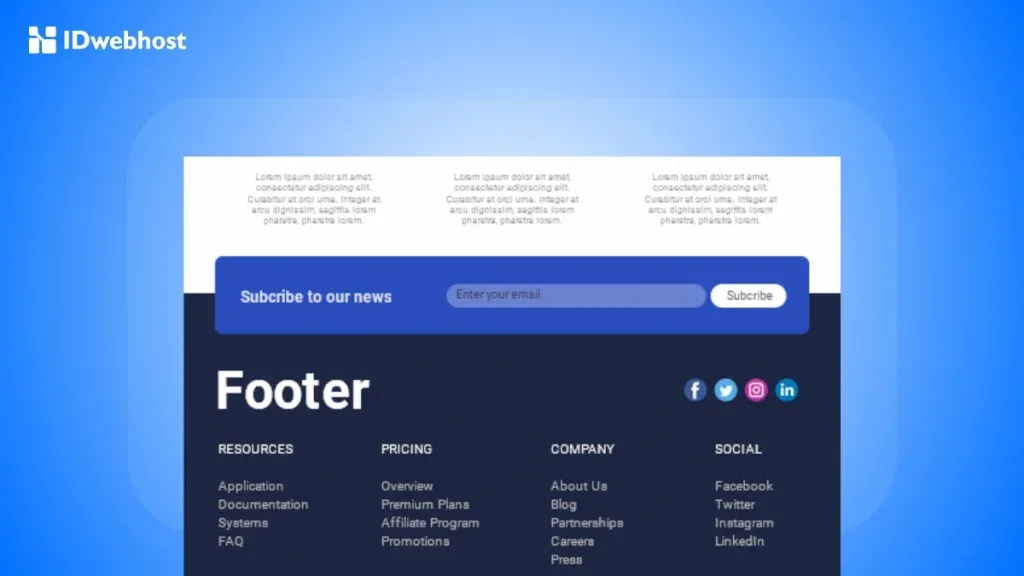
The payoff shows up in knowledge panels, brand SERP features, and how confidently Google attributes content to your organization. It’s also foundational for E-E-A-T because it establishes verifiable identity.
Validate your markup with the Rich Results Test after deployment, and update the sameAs list whenever you launch a new official channel. Consistency matters more than volume here.
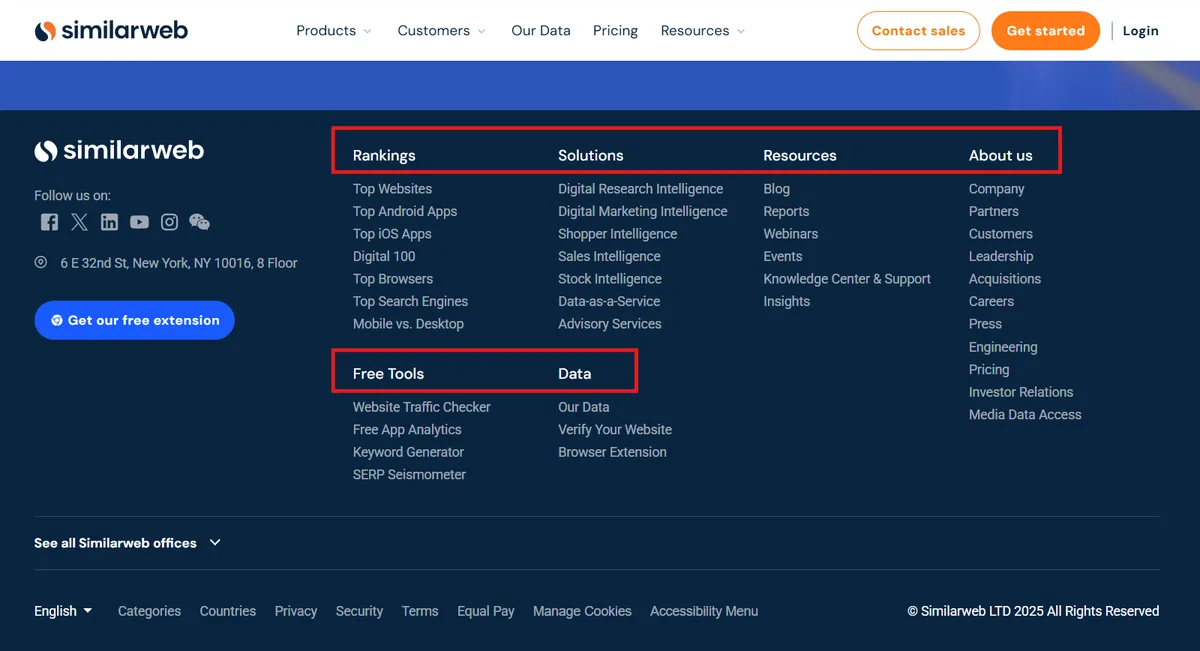
4. Surface Trust Pages With Anchor Text That Means Something
Privacy policy. Refining each detail of your website footer SEO strengthens this section. Terms of service. Accessibility statement. Refund policy. These pages exist on almost every site, but they’re usually linked with lazy anchor text or buried in a single “Legal” link.
Give each one a descriptive anchor. “Website accessibility statement” beats “Accessibility” which beats “Legal.” This helps both users and crawlers understand what’s behind the link.
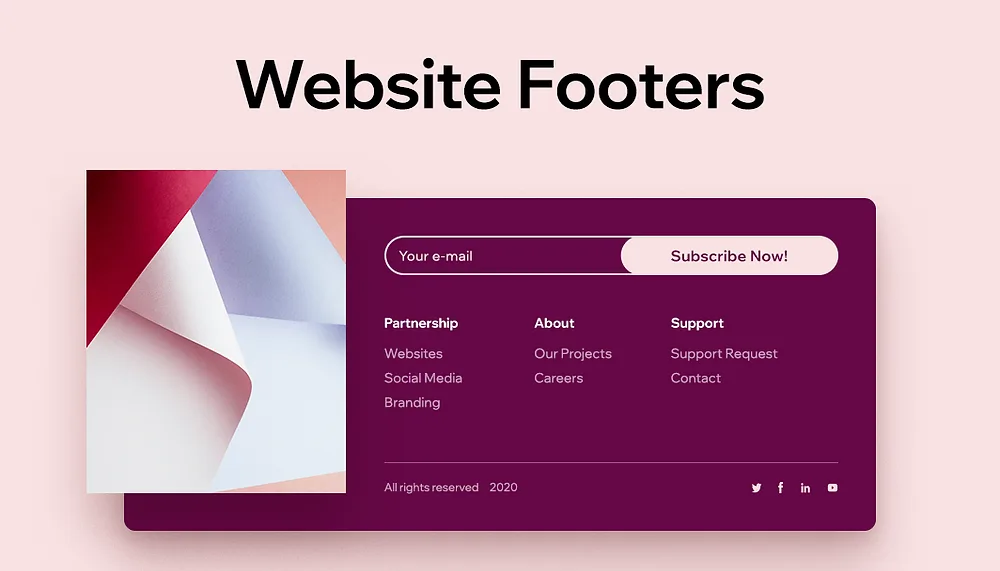
More importantly, these trust pages are E-E-A-T signals. Google’s quality guidelines explicitly mention transparency about ownership, contact information, and policies as markers of trustworthy sites. Making them easy to find in the footer is a small but meaningful signal.
For ecommerce sites, add shipping and returns policy links with clear labels. For service businesses, add licensing and insurance information if relevant. The goal is to answer the “can I trust this company” question before users have to hunt for it.
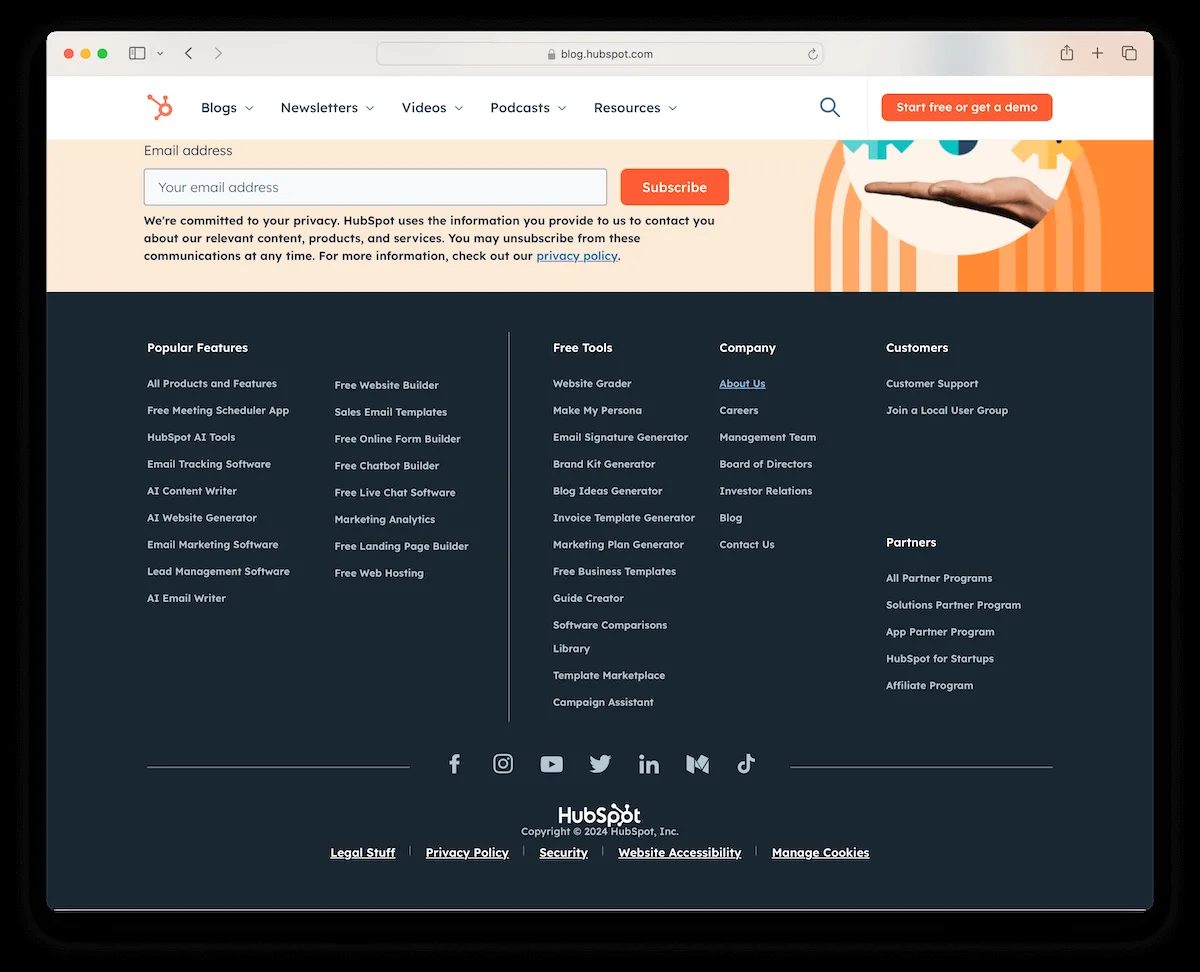
5. Optimize Footer Performance for Core Web Vitals
Your footer can quietly wreck your Core Web Vitals. A thoughtful approach to website footer seo reinforces your qualifications. Embedded Google Maps, heavy social feed widgets, unoptimized icon fonts, and third-party review badges all load in the footer region and can affect LCP and CLS scores.
Start by auditing what loads in your footer. Use Chrome DevTools or Lighthouse to identify heavy assets. If you have an embedded map, replace it with a static image linked to Google Maps—same user value, fraction of the cost.
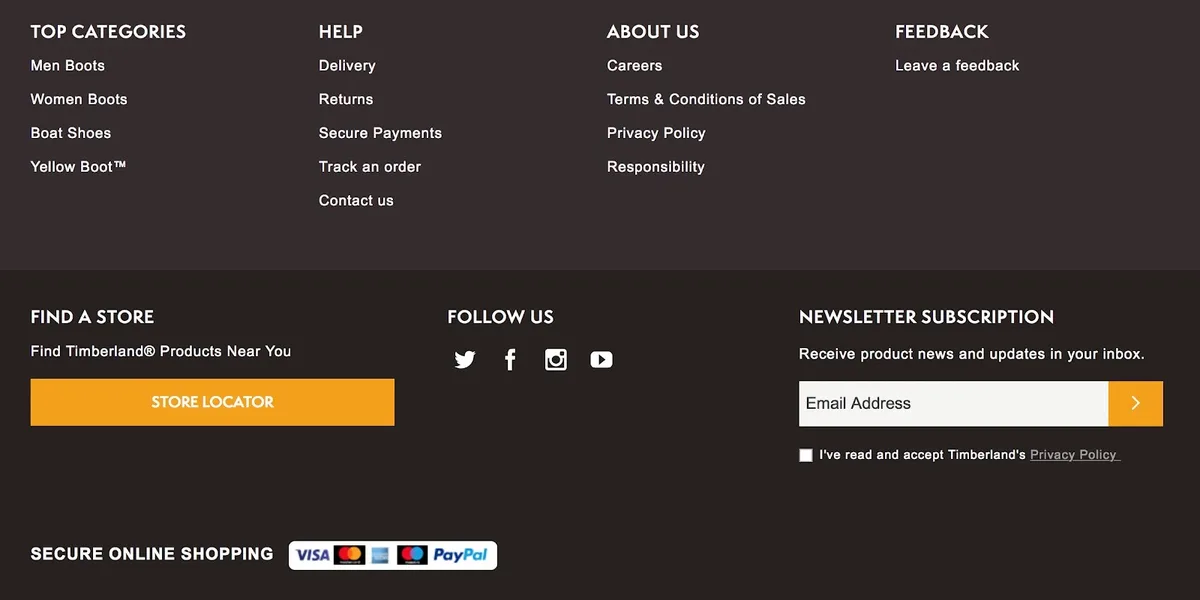
Lazy-load any footer images below the fold, and reserve fixed dimensions for icons and badges to prevent layout shift. CLS penalties from footer elements are common and easy to fix once you know where to look.
Social media feed widgets are a common offender. They pull in external scripts, load slowly, and often push layout around as content populates. If you must have one, lazy-load it and set a fixed container height.
6. Use the Footer to Reinforce Topical Clusters
If you’ve built content clusters around specific topics, your footer can reinforce those clusters by linking to the pillar page of each one. This creates a site-wide signal that these topics are central to your site’s identity.
For example, a marketing agency might have pillar pages for SEO, content marketing, paid advertising, and analytics. Linking to each pillar from the footer tells Google these are core themes, and it gives every blog post a direct path back to the cluster hub.
Keep this to 4 to 6 pillars maximum. More than that and the signal gets diluted. If you have dozens of topics, pick the ones that drive the most revenue or represent your strongest content investment.
The website footer seo tactic pairs beautifully with internal linking best practices inside your content. The footer provides the site-wide backbone, while in-content links provide contextual reinforcement.
7. Refresh Footer Content on a Schedule
The final tactic is process, not markup. Set a recurring reminder to audit your footer every quarter. Check for broken links, outdated promotions, stale copyright years, and links to pages that have been merged or deleted.
Footers rot quietly. A link that worked perfectly two years ago might now redirect three times before landing on a 404. Nobody notices because nobody clicks the footer except crawlers—and crawlers don’t complain, they just waste budget.
Use a link checker tool to scan the footer specifically, not just your main content. Fix redirect chains, remove dead links, and update anchor text where the destination page has changed focus.
The website footer SEO is also a good time to review your Organization schema and make sure sameAs links still point to active profiles. Social handles change, old profiles get deleted, and schema that references dead URLs undermines entity trust.
Common Website Footer SEO Mistakes to Avoid
Let’s talk about what goes wrong. These are the mistakes I see most often when auditing footers, and each one actively hurts performance.
The biggest offender is link bloat. Footers with 50, 80, even 100+ links dilute equity so badly that none of them meaningfully help. If you can’t explain why a link is in your footer, it probably shouldn’t be there.
Second is duplicate navigation. If your footer mirrors your header menu exactly, you’re adding crawl paths without adding value. Use the footer for pages that live deeper in your site structure.
Third is hidden text. Applying these principles to your website footer seo yields measurable results. Some sites still try to sneak keyword-rich paragraphs into the footer with CSS that makes them invisible. This is a textbook spam signal and Google catches it easily. Don’t do it.
Fourth is heavy third-party widgets. Chat widgets, review badges, social feeds, and tracking pixels all load in the footer and can wreck performance. Audit them ruthlessly.
Fifth is stale content. Copyright years that haven’t been updated in three years, links to discontinued products, and promotions that expired long ago all signal a neglected site. Users notice, and so does Google.
How Website Footer SEO Fits Into Your Broader Strategy
Zoom out for a second. Website footer SEO isn’t a standalone tactic—it’s a component of your site-wide architecture. It sits alongside internal linking, navigation design, and structured data as part of how you tell search engines what your site is about.
The parent topic here is technical SEO and site architecture. Your footer is one layer of that system, and it works best when it’s coordinated with your header navigation, breadcrumbs, and XML sitemap.
If you want to go deeper after mastering the footer, look at internal linking strategy, crawl budget optimization, and structured data implementation. Those three areas build directly on what you’ve learned here.
The footer is also a trust signal the website footer SEO connects to E-E-A-T. Transparency about who runs your site, how to contact them, and what policies govern the relationship all live in the footer. That’s not glamorous SEO, but it’s the kind that survives algorithm updates.
Frequently Asked Questions About Website Footer SEO
Here is an in-depth breakdown of key considerations regarding this section:
Does the Footer Actually Affect Rankings?
Yes, but indirectly. The footer itself isn’t a ranking factor, but the internal links, structured data, and trust signals it contains absolutely influence how search engines crawl, understand, and trust your site. Site-wide footer links pass equity to important pages, and Organization schema feeds entity understanding.
How Many Links Should a Footer Have?
Aim for 20 to 30 links organized into clear columns. This keeps link equity concentrated on pages that matter while still providing useful navigation. If you’re over 40, you almost certainly have dilution issues worth fixing.
Should I Nofollow Legal Pages in the Footer?
It’s a reasonable practice. Privacy policies, terms of service, and similar pages rarely benefit from link equity, and nofollowing them keeps your link profile focused on pages that do. That said, the impact is minor—the bigger win is making sure those pages exist and are easy to find.
Can Footer Links Hurt My SEO?
They can if you’re linking to spammy sites, hiding keyword-stuffed text, or bloating your footer with dozens of low-value links. Google’s link spam policies apply to footer links just like any other. Keep your footer clean and intentional.
Does Footer Content Count Toward Page Word Count?
No. Search engines can distinguish between boilerplate footer content and main content. That’s why footer text doesn’t help you rank for keywords—it’s treated as site-wide template content, not unique page content. Don’t try to game word count through the footer.
How Often Should I Update My Footer?
Audit it quarterly. Check for broken links, outdated schema, stale promotions, and performance issues. Footers accumulate cruft over time, and regular maintenance keeps them functioning as intended.
Putting Your Website Footer SEO Plan Into Action
Here’s your action plan. Start with the website footer SEO checklist from earlier in this guide—audit what you have before changing anything.
Then pick two or three of the seven tactics and implement them this week. Organization schema is usually the highest-impact quick win. So is trimming link bloat if your footer is overloaded.
Once those are live, measure the impact. Check crawl stats in Search Console, monitor Core Web Vitals, and watch whether your priority pages see improved indexing or rankings. The footer’s effects are subtle but measurable over weeks and months.
Then work through the remaining tactics over the following month. Refresh the footer quarterly after that, and you’ll stay ahead of the rot that quietly degrades most sites.
The bottom line on website footer SEO: it’s low-effort, high-leverage work that most competitors ignore. That’s exactly why it’s worth doing.
| Tactic | Primary Benefit | Effort Level | Best For |
|---|---|---|---|
| Curated resource column | Link equity to top content | Low | All sites |
| Sitemap link | Crawl discovery | Very low | New or fast-growing sites |
| Organization schema | Entity trust signals | Medium | Brands building authority |
| Descriptive trust page anchors | E-E-A-T signals | Low | Ecommerce and service businesses |
| Footer performance optimization | Core Web Vitals | Medium | Sites with heavy widgets |
| Topical cluster reinforcement | Topical authority | Low | Content-heavy sites |
| Scheduled footer refresh | Long-term maintenance | Low | All sites |
None of these tactics require a redesign or a big budget. They require attention—the kind most site owners never give their footer. That’s your advantage.
For further reading on structured data standards, the Organization schema documentation on Schema.org is the authoritative reference for website footer SEO implementation.