SEO client onboarding is the single most overlooked lever in agency growth. Get it wrong and you spend six months apologizing for a strategy you never aligned on. Get it right and your rankings start climbing while your competition is still chasing a signed contract back and forth in email.
I have sat through more kickoff calls than I care to count, and the pattern is brutally consistent. The agencies that rank fast do not necessarily have better SEO talent. They have a tighter onboarding handoff. They collect access, context, and constraints before day five instead of day fifty.
So here is the article I wish someone had handed me early on: a working SEO client onboarding guide built around ten practices that actually move the needle. No fluff, no vague promises about “synergy.” Just the moves that separate an account that compounds from one that stalls out in month three.
Why SEO Client Onboarding Decides Whether You Rank or Rampage
Think about what onboarding really is. Focusing on SEO client onboarding provides clear direction here. It is not an administrative step between sales and delivery. It is the moment where strategy either gets grounded in reality or drifts into fantasy.
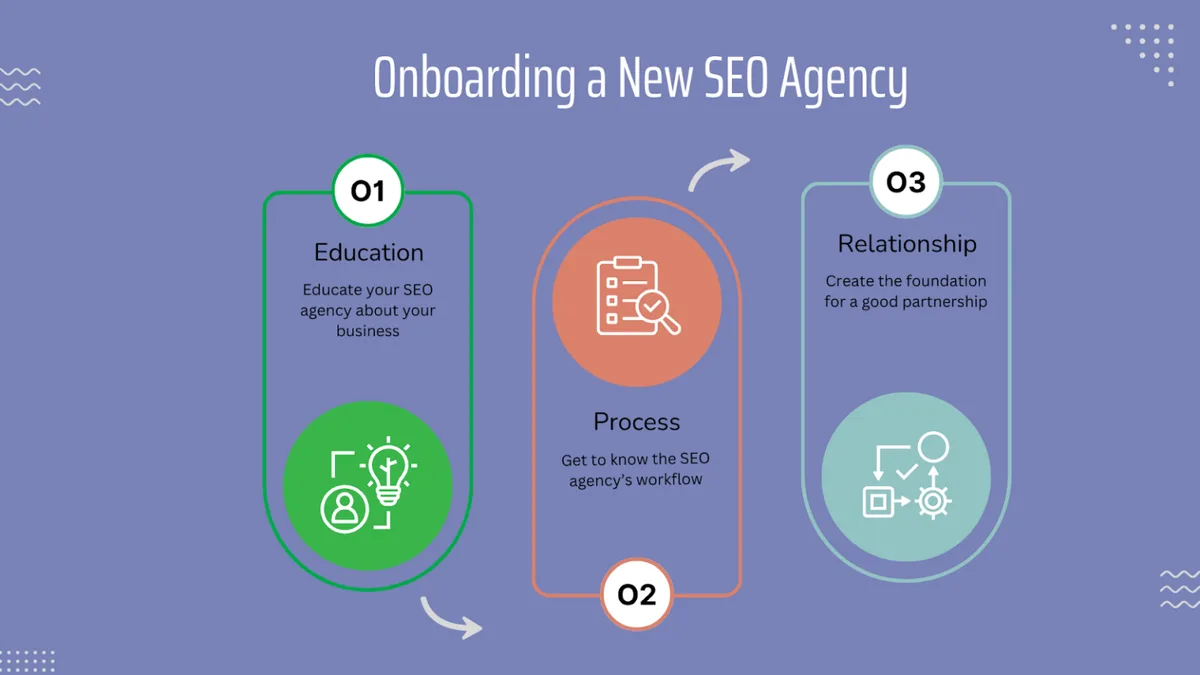
An account that gets onboarded well has a clear baseline: current rankings, crawl health, traffic sources, technical debt, and a shared definition of what “winning” looks like in ninety days.
An account that gets onboarded poorly has a target keyword list and a vague promise to “grow organic.” Guess which one produces results you can point to at the quarterly review.
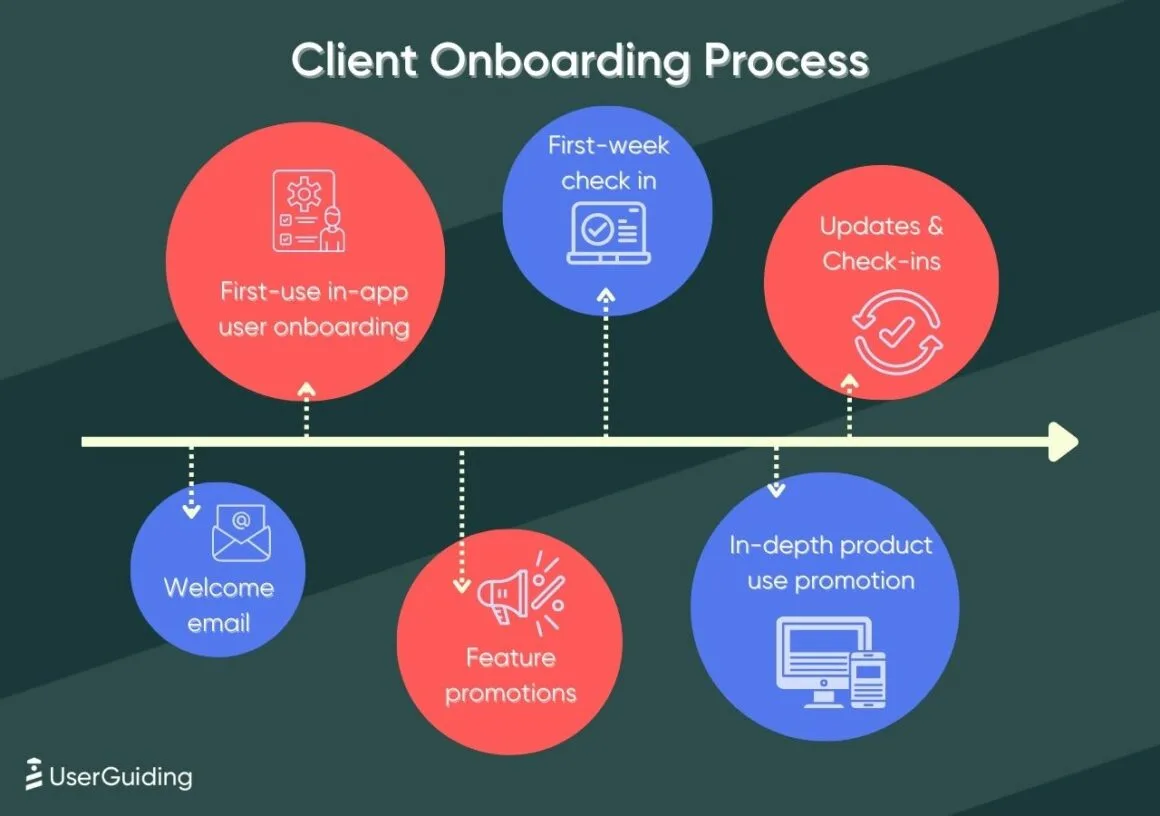
The stakes go beyond any single client. Agencies that build a repeatable onboarding process see faster time-to-first-result, lower churn, and a much easier upsell conversation later. Deloitte’s research on customer experience consistently shows that faster, clearer early engagement drives retention — the same principle applies to client expectations.
If you only remember one sentence from this whole piece, make it this: the first two weeks of SEO client onboarding determine the next two quarters of performance.

What a Modern SEO Client Onboarding Checklist Must Cover
Before diving into the ten practices, let’s get the scaffolding right. A solid SEO client onboarding checklist covers four domains, and each one feeds the others.
First is access — analytics, Search Console, hosting, CMS, and ideally a crawl tool. Refining each detail of your SEO client onboarding strengthens this section. Second is context — business goals, competitive set, historical tactics, known pain points. Third is technical reality — site speed, indexing issues, schema gaps, and mobile parity.
Fourth is people and process — who approves content, who owns dev tickets, and what the escalation path looks like.
Skip any of the SEO client onboarding and you will feel the gap two months in. Missing access stalls technical fixes. Missing context produces an off-target keyword strategy. Missing technical reality means SEO recommendations get blocked because nobody knew the CMS couldn’t support them.
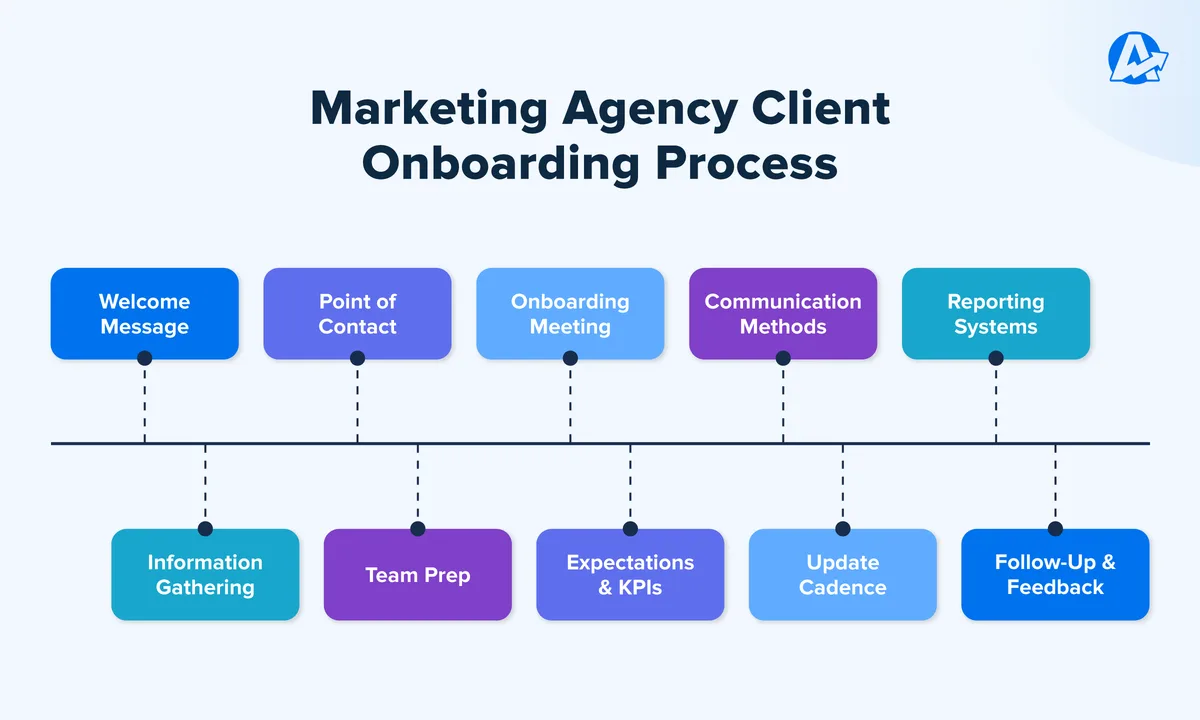
The Four Domains at a Glance
| Domain | What to Capture | Typical Time to Collect |
|---|---|---|
| Access | GA4, Search Console, CMS admin, hosting panel, Google Business Profile | 1-3 business days |
| Context | Business model, target markets, previous campaigns, brand voice | Day 1-2 (kickoff) |
| Technical Reality | Crawl audit, Core Web Vitals, index coverage, schema inventory | 3-5 business days |
| People and Process | Approval owners, dev contact, reporting cadence, escalation path | Kickoff + first week |
Treat this table as the spine of your SEO client onboarding guide. Every practice below plugs into one of these domains, so you always know what a given step is protecting.
Practice 1: Run a Pre-Kickoff Discovery Call That Sales Never Ran
Sales calls are designed to close. Discovery calls are designed to understand. Those are different jobs, and conflating them is where dozens of SEO client onboarding implementations go off the rails.

The pre-kickoff discovery call should happen before your onboarding team even sends a welcome email. Sit with the client and ask the questions the salesperson tactfully avoided. What happened with the last agency? What was the actual reason for leaving?
Which pages are political — meaning, nobody wants them touched? Maintaining clarity across your SEO client onboarding remains essential. Who is the internal champion, and who quietly resents the spend?
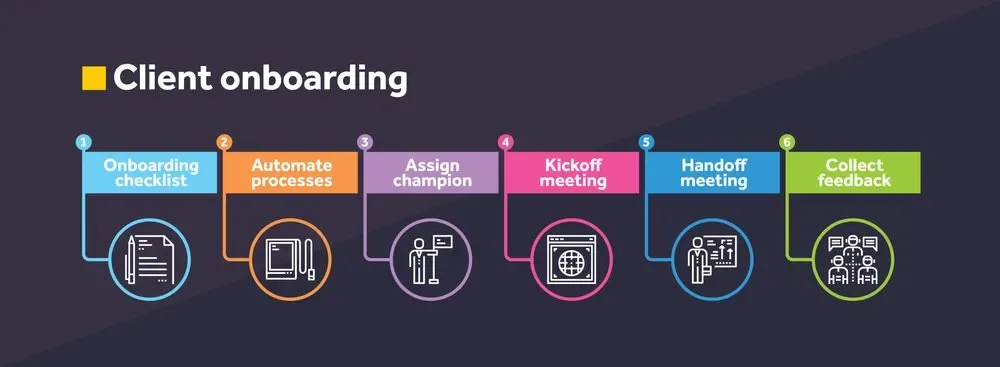
On a recent engagement for a mid-market SaaS company, discovery surfaced that the CMO had committed to a board-level promise of “20% organic revenue” — with no plan for how SEO was going to feed the pipeline. Had we skipped discovery, we’d have chased vanity rankings for twelve months and missed the revenue target entirely. Instead, we scoped the plan around bottom-funnel pages first.
Discovery also lets the SEO client onboarding spot red flags. If no one can name the target customer, or if “we want to rank for everything” is the brief, you know you’re onboarding a client that needs education before execution.
Practice 2: Map Stakeholders and Decision Rights Before Day One
Most early account failures are not technical. They are political. One quiet stakeholder who was not consulted can veto a content calendar three weeks in, and your SEO client onboarding timeline is gone.
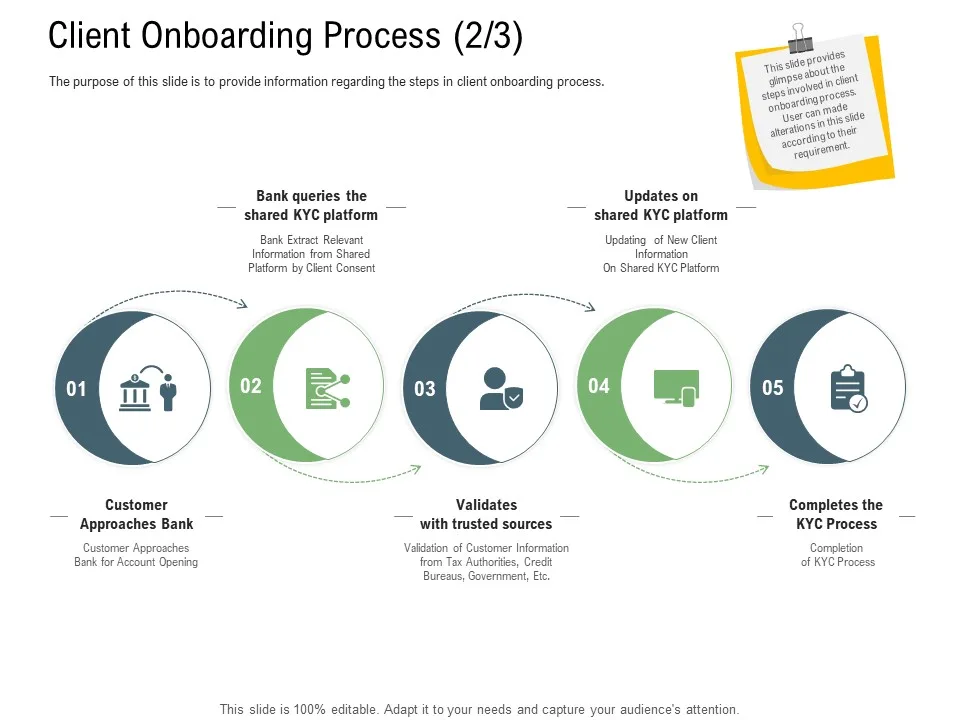
Build a simple stakeholder map during onboarding. For each person, note three things: what they care about, what they control, and what they know. The marketing director controls budget but may not understand keyword cannibalization.
The web developer controls deploy windows but may not know a schema update is coming. Structuring your SEO client onboarding around proven patterns ensures impact. The CEO cares about revenue but may not have any idea what a backlink even is.
Then codify decision rights. Who signs off on content? Who approves technical fixes? Who has final say if the strategy conflicts with brand guidelines? Write this down in the onboarding doc and get it acknowledged in writing — even a Slack thumbs-up works.
The most efficient SEO client onboarding tips I have collected on this front come from a former enterprise client of mine. Their marketing lead insisted every new agency produce a one-page “RACI-style” map. It felt heavy at first. It saved us from four different versions of “who approved that” a dozen times over.
Practice 3: Pull Every Access Credential in the First 72 Hours
This sounds boring. Applying these principles to your SEO client onboarding yields measurable results. It is also where the most time gets lost. If you cannot get into Search Console for two weeks, you cannot diagnose a traffic drop, and you cannot build a technical baseline.

Set a hard deadline — 72 hours from signed contract — and make it clear in the welcome email that access is the first bottleneck.
Include a simple list: GA4 property access, Search Console ownership (not just read), CMS admin, hosting panel, Google Business Profile, ad accounts if relevant, and any existing rank tracking or SEO tool.
For clients who hesitate on admin access, offer the alternative of a dedicated agency-user seat with the minimum necessary permissions. Friction usually comes from internal policy, not distrust. Give them a scoped option and they nearly always say yes.
Pro tip: create a shared credential vault (1Password, Bitwarden, or similar) as part of onboarding. Proper attention to your SEO client onboarding sets a strong baseline. It reduces the “who has the login” Slack thread that otherwise recurs every three weeks.
Practice 4: Build a Baseline Snapshot Before Touching Anything
You cannot prove growth without a starting point. Every fast-ranking account I have seen had a clean baseline documented in the first week of SEO client onboarding.
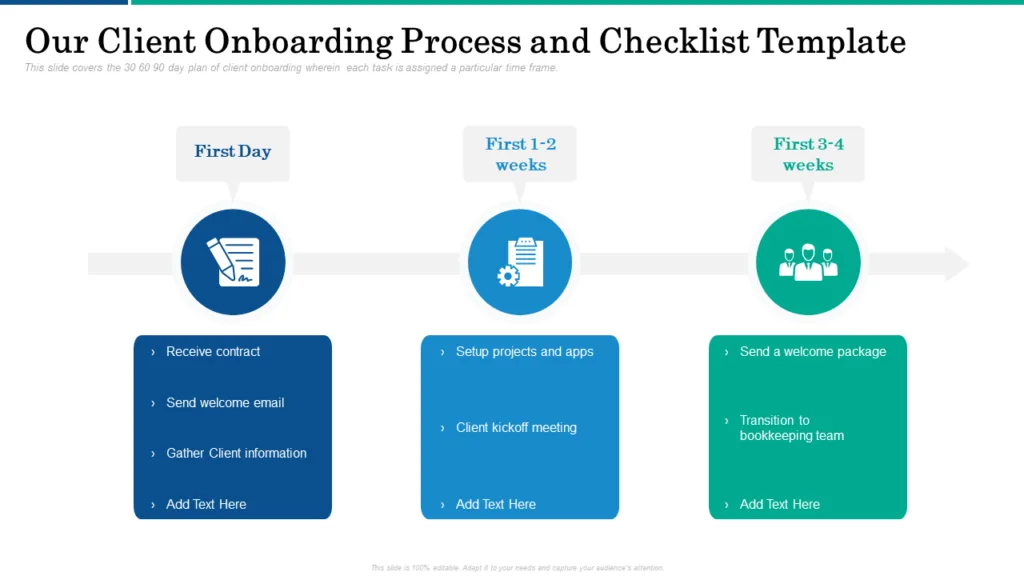
The baseline should include: overall organic sessions and conversions from the analytics platform, top 100 ranking keywords with positions, site health scores from a crawler, Core Web Vitals from Search Console, index coverage status, and a bounce/engagement snapshot for the top 20 landing pages.
Take a full-site crawl and archive the output. Developing your SEO client onboarding with precision highlights key strengths. If you use Ahrefs, Semrush, Screaming Frog, or Sitebulb, export the raw data and store it in the client’s shared drive. When the client asks six months later “did that technical fix actually help,” you have hard evidence.
One caveat: avoid over-fitting to baseline vanity metrics. If organic sessions are down but branded search is up and demo requests are charting higher, your baseline should reflect that positive trend. Otherwise you’ll make defensive decisions that hurt real growth.

What Belongs in the Baseline
- Traffic and Conversion Snapshot — organic sessions, goal completions, and revenue by landing page.
- Ranking Inventory — top 100 keywords with current position, landing URL, and search volume.
- Technical Health Score — crawl errors, indexation gaps, broken links, PageSpeed metrics.
- Content Inventory — URL count by template, thin content flags, and duplicate clusters.
- Backlink Profile — referring domains, anchor distribution, and spam score.
Practice 5: Use a Keyword Strategy Meeting, Not a Keyword List Handoff
Handing a client a spreadsheet of 3,000 keywords and calling it strategy is the most common SEO client onboarding mistake I see. It signals you haven’t done the thinking — you’ve done a data pull.
The keyword meeting should be interactive. Clear alignment with your SEO client onboarding builds confidence from the start. Walk the client through 3-4 thematic clusters (not the full list), explain the search intent behind each, and ask which clusters map to their revenue priorities.
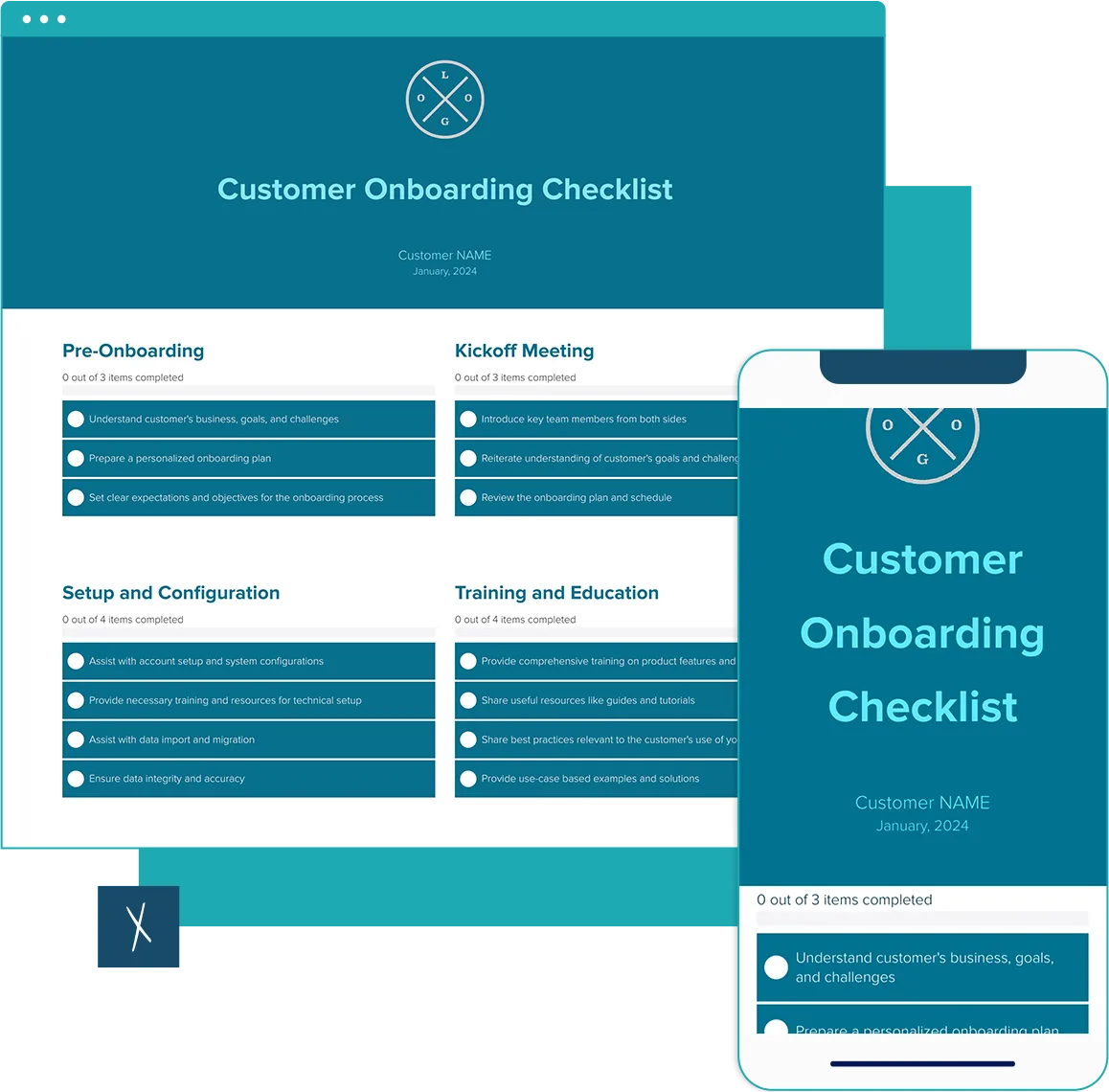
This is when the client tells you the stuff that never appears in a brief: “Product X is being sunset next quarter,” or “Enterprise deals come from LinkedIn, not Google.”
Better still, tie each cluster to a funnel stage. Integrating SEO client onboarding into your workflow produces consistent quality. Informational clusters feed the top of the funnel and demand content that earns links. Comparison and bottom-of-funnel clusters feed sales, and demand pages that convert.
Aligning the cluster map with the client’s sales motion is what makes SEO client onboarding best practices feel actionable to a skeptical CEO.
I once watched a junior strategist run this meeting with 150 keywords on a screen and a client who visibly deflated after ten minutes.
Compare the SEO client onboarding to another strategist who opened with a single slide — “here are the four SEO industries we think are winnable for you” — and had the client signing off in twenty minutes. Same data. Completely different onboarding energy.
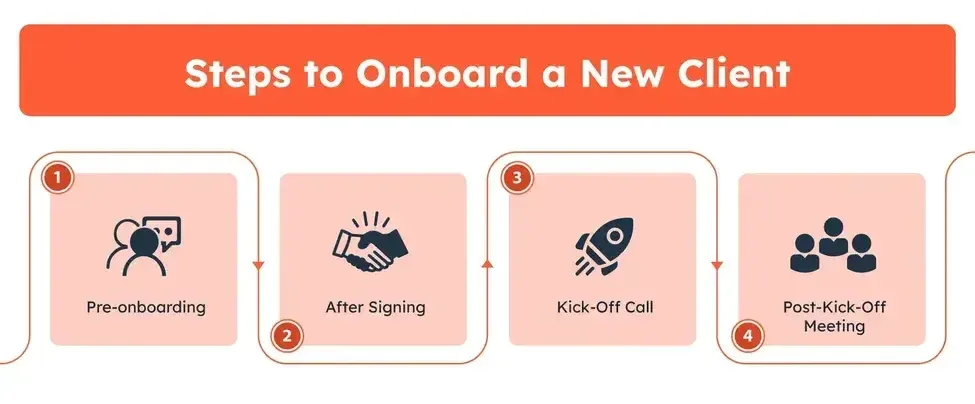
Practice 6: Run a Technical SEO Audit in the First Two Weeks
The technical audit is not a “later” item. It is a first-two-weeks must. If you’d like a deeper reference, the Google Search Central documentation on crawling and indexing is a solid starting point for building your internal checklist.
Your onboarding audit should cover indexation, crawl budget, internal linking, site speed, mobile parity, structured data, HTTPS, and log file analysis if the SEO client onboarding have access. Prioritize findings by business impact, not by technical severity alone. A single noindexed category page driving 15% of organic traffic outranks fifty crawl errors on tag archive pages.
The audit output should be a prioritized roadmap the client can actually execute. Group fixes into “quick wins this month,” “structural this quarter,” and “long-term watchlist.” Every recommendation should name an owner and a rough effort estimate. Vague audits that say “improve Core Web Vitals” without specifics never get executed.
One last note on the technical audit: schedule a dedicated call after the written report to walk it through. The report itself is usually unreadable to non-SEO stakeholders. The call, however, becomes the foundation of SEO client onboarding trust.
Practice 7: Set a Reporting and Communication Cadence That Survives Busy Weeks
Onboarding is where communication rhythms get locked in. If you don’t set a durable cadence in the first two weeks, you will spend the next twelve months chasing status updates.
The right cadence usually looks like this: a weekly async update (email or Slack), a monthly performance call (30-45 minutes), and a quarterly business review (60-90 minutes). The weekly update should be short — a paragraph of highlights, a chart, and three next actions. The monthly call should be a conversation, not a presentation read aloud.
Someone at the client needs to own the “we read the weekly update” behavior. Otherwise, the rhythm collapses. Make that explicit during SEO client onboarding — a named internal contact who is accountable for triage.
On one account, we lost two months of momentum because three stakeholders each assumed the others were reviewing weekly updates.
I am not a fan of over-cadenced reporting. Daily check-ins during onboarding feel attentive; they feel suffocating three weeks later. Sketch the cadence for the whole first quarter on day one and let it settle. Consistency beats intensity.
Practice 8: Deliver a 90-Day Roadmap, Not a Twelve-Month Fantasy
Twelve-month roadmaps are seductive. They look strategic. They also go stale by week six.
The most effective SEO client onboarding plans I have seen break the first quarter into three 30-day segments. Days 1-30 cover foundation: access, audit, baseline, keyword clusters. Days 31-60 cover activation: technical fixes shipped, first content briefs, tracking live. Days 61-90 cover measurement: first performance readout, plan adjustments, next-quarter commitments.
Present the 90-day roadmap as a living document, not a contract. When technical debt balloons, you swap in a fix sprint and push the content calendar by two weeks. Clients accept that with grace because the plan was already modular.
Include an explicit “off-ramp check” at day 90. Ask the client: are we delivering value? What needs to change? That single call routinely rescues accounts that were quietly drifting toward cancellation.
The Three Segments of a Workable 90-Day Plan
| Phase | Focus | Deliverable | Success Signal |
|---|---|---|---|
| Days 1-30 | Foundation | Audit, baseline, keyword clusters, reporting cadence | Client signs off on cluster roadmap |
| Days 31-60 | Activation | Shipped technical fixes, first 4-6 content pieces live | Indexation and rankings trend upward |
| Days 61-90 | Measurement | First performance readout, next-quarter plan | Shared decision to continue with adjustments |
Practice 9: Document Brand Voice, Approval Workflow, and Content Constraints Early
Content is where onboarding friction goes to die. If your writers spend their first month learning the client’s tone by trial and error, you have wasted four weeks and probably annoyed a stakeholder.
Do three things in the first two weeks. First, run a brand-voice call with the client’s best writer or marketing lead. Second, request five pieces of content the client is proud of and five they are embarrassed by.
The SEO client onboarding ten artifacts teach tone faster than any style guide. Third, document the approval workflow — writer, editor, client reviewer, subject-matter expert, legal if applicable.
Legal review is the wildcard. If your client is in financial services, healthcare, or enterprise B2B, legal can easily add five to seven business days to every draft. Bake that into the content calendar from day one, or your first content wave will slip past the 60-day mark.
A practical SEO client onboarding tips shortcut: create a one-page “content constraints” doc and pin it to the top of the shared workspace. It should list approved terminology, forbidden claims, required disclaimers, and any competitor names that cannot appear in copy. It saves writers from asking the same five questions every project.
Practice 10: Run a 30-Day Onboarding Retro Before You’re Too Deep to Change Course
Most agencies skip this step. That is a mistake, because the first 30 days of SEO client onboarding are the only realistic window to reset expectations without drama.
The retro should be a 45-minute call with the client’s champion and your account lead. Effective execution in your SEO client onboarding makes a tangible difference. Ask four questions: what’s working, what’s confusing, what’s missing, and what do we need to stop doing. Capture answers in writing, circulate within 48 hours, and tag each item as “action” or “acknowledge.”
Retros surface the small frictions that compound into churn. “The Slack channel is too noisy.” “The monthly report format is fine but the PDF is unreadable on mobile.” “We would like more visibility into the dev ticket queue.” None of these are strategy problems. All of them are retention problems if unaddressed.
The best retro outcome I have seen was a client who requested the SEO client onboarding replace our polished monthly report with a two-page plain text summary. It felt less “agency-branded,” but the read rate went from one stakeholder to five.
The SEO client onboarding relationship got stronger, sales conversation — the actual budget conversation — became easier to have, and six months later the account expanded.
Retros also protect your team. If the client is going to be a poor fit, you want to know that in week four, before you have a full content calendar and roadmap committed.
The SEO Client Onboarding Mistakes That Sink Accounts Fast
Before closing, let’s cover the failure modes. These are the ones I have seen derail more SEO client onboarding implementations than any technical issue.
The most common is a “do everything at once” plan. A thoughtful approach to SEO client onboarding reinforces your qualifications. When a client says yes to a full content program, a technical rebuild, and a link-building push in the same month, none of it gets executed well. Sequencing beats scope. Always.
Second is the missing measurement layer. If nobody agrees on what success looks like at day 90, the review call becomes a negotiation instead of a celebration. Fix this by putting one to three specific KPIs on page one of the onboarding doc.
Third is treating onboarding as a one-time administrative event rather than a live process. The best accounts I have worked on kept editing the onboarding doc for the full first quarter. Every new stakeholder added a line.
Every constraint that surfaced went into the doc. That running document is what made the account feel under control even when the SEO was unpredictable.
Fourth, and honestly the easiest to fix: nobody checked whether the client’s internal team actually knew what SEO does. When a marketing manager assumes “SEO ranks us for our brand name” and the agency is chasing informational keywords, the mismatch eats the whole quarter. Onboarding is where that gets clarified — or it doesn’t get clarified at all.
Frequently Asked Questions About SEO Client Onboarding
Here are the questions that come up in almost every kickoff. I’ll answer them the way I wish someone had answered them my first year.
How Long Should SEO Client Onboarding Actually Take?
Four to six weeks for a small-to-mid account, six to ten for enterprise. Anything shorter and you skip the baseline or the keyword strategy meeting. Anything longer and the client starts wondering what they’re paying for.
The sweet spot is also when the client still has momentum from the sales cycle. If you show progress by day 30 — even just “here’s your baseline and here’s the 90-day roadmap” — enthusiasm stays high.
Who Should Lead Onboarding on the Agency Side?
The account lead or a dedicated onboarding manager. Avoid having the salesperson run it, no matter how well they closed. Sales is optimized for narrative momentum, not for the patient information extraction onboarding requires.
Continuity matters too. The person who leads SEO client onboarding should also be the person the client talks to in month three. Handoffs mid-stream feel like the agency swapped teams, and trust wobbles.
What if the Client Refuses to Give Access to Search Console?
This is usually a compliance concern, not distrust. Offer a delegate-access option with read-only permissions and explain exactly what you need the data for. In most cases, the client will relent once they see you’re asking for a specific purpose, not open keys to the kingdom.
If the SEO client onboarding still say no, you can technically do the work, but you’ll be working blind on half the diagnostics. I would push politely for at least read-only access, and document the limitation in the onboarding doc.
Should Onboarding Live in a Spreadsheet or a Tool?
Either works if the client sees it. Tools like Notion and Airtable beat spreadsheets for readability, but spreadsheets beat “a doc in the deck we sent in the kickoff email that nobody filed.” Visibility is what matters.
If you’re using a dedicated SEO client onboarding checklist in your PM tool (Asana, ClickUp, Monday), share the view with the client. That turns onboarding into a shared artifact rather than a black box.
How Do You Handle Onboarding When the Client is Firefighting?
Compress the plan. If the client is in crisis mode — say, a traffic crash from an algorithm update — onboarding becomes a two-week emergency track. Skip the full context interviews, prioritize access and technical audit, and deliver a diagnostic within seven days.
The full onboarding can resume in week three. Nobody will complain if you delayed the kickoff deck to diagnose a traffic crash. They will absolutely complain if you ran the kickoff deck while the site slid out of the index.
What Metrics Signal a Healthy Onboarding?
Three: percentage of access items collected within 72 hours, time from signed contract to baseline delivery, and completion of the 30-day retro. If those three are green, the rest of the relationship is usually fine. If any of them slip, investigate before you blame this SEO client onboarding strategy.
You can also track time-to-first-shipped-fix. Anything longer than 45 days in the technical domain is a sign the onboarding process has stalled somewhere upstream.
Where to Take Your SEO Client Onboarding Process Next
If you’ve made it this far, you have the blueprint for the ten practices. The next step is turning them into a repeatable, client-facing process — the kind of SEO client onboarding checklist you can hand to a new hire and have them run confidently within a week.
The broader topic here is agency operations maturity. Onboarding is one node in a larger set of connected processes: prospecting, sales, delivery, reporting, and retention. If you want to go deeper, related topics worth exploring include client retention frameworks, agency onboarding automation, and post-onboarding performance review rituals.
One practical tip to close: assign a “process owner” for SEO client onboarding in your agency. Not the account lead, and not the founder. An operations person whose job is to keep the checklist updated every time a lesson surfaces. That single role is what makes SEO client onboarding best practices survive beyond the person who wrote them down.
Onboarding is not glamorous. But it is where agencies either build a compounding client roster or spend each quarter scrambling to keep accounts from slipping. Ten practices, thirty days, one shared doc, and a willingness to keep editing it — that’s all it takes to make onboarding a competitive advantage rather than a bottleneck.