Marketing Automation Tools: 10 Best Picks Worth Your Budget
Marketing automation tools are the quiet workhorses behind every scalable revenue team, and picking the wrong one costs more than money—it costs momentum. If you have ever watched a promising campaign stall because your stack could not talk to your CRM, you already know the pain.
This is the working shortlist I keep coming back to after years of building lifecycle programs, cleaning up messy handoffs, and sitting through more vendor demos than I care to count. Ten picks. Ten honest takes. Zero fluff.
Treat it as a marketing automation tools guide that respects your time: what each platform actually does well, where it stumbles, and who should walk away.
Why Marketing Automation Tools Decide Whether Your Funnel Scales or Stalls
Picture a mid-size B2B team sending 40,000 emails a month, scoring leads by hand, and reconciling campaign data in a spreadsheet. Focusing on marketing automation tools provides clear direction here. That setup works at two people. At eight, it collapses. Not because the team is weak, but because manual coordination has a ceiling.
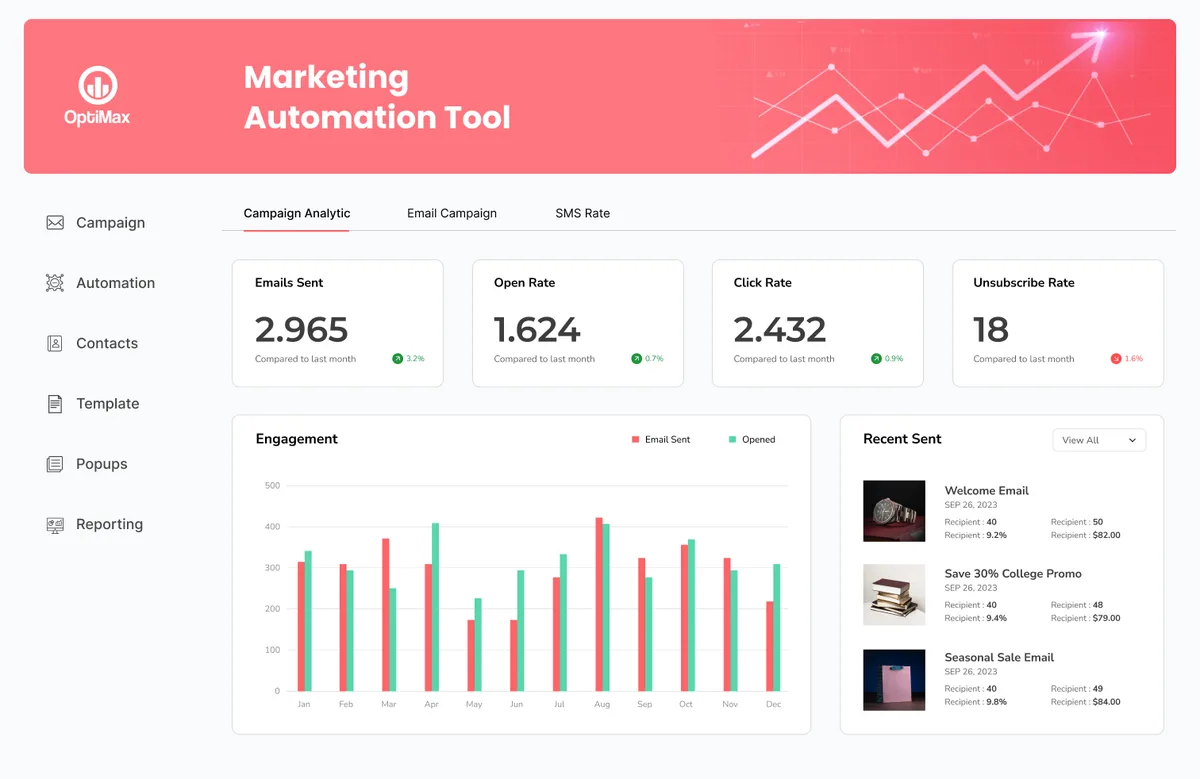
Marketing automation tools raise that ceiling by turning repetitive follow-ups into rules a system executes without complaint. Lead scoring, segmentation, drip sequences, attribution—each one becomes a setting instead of a chore.
The real value is not the software itself. It is the breathing room it buys your team to think about messaging, offers, and the human on the other side of the funnel.
What These Platforms Actually Automate
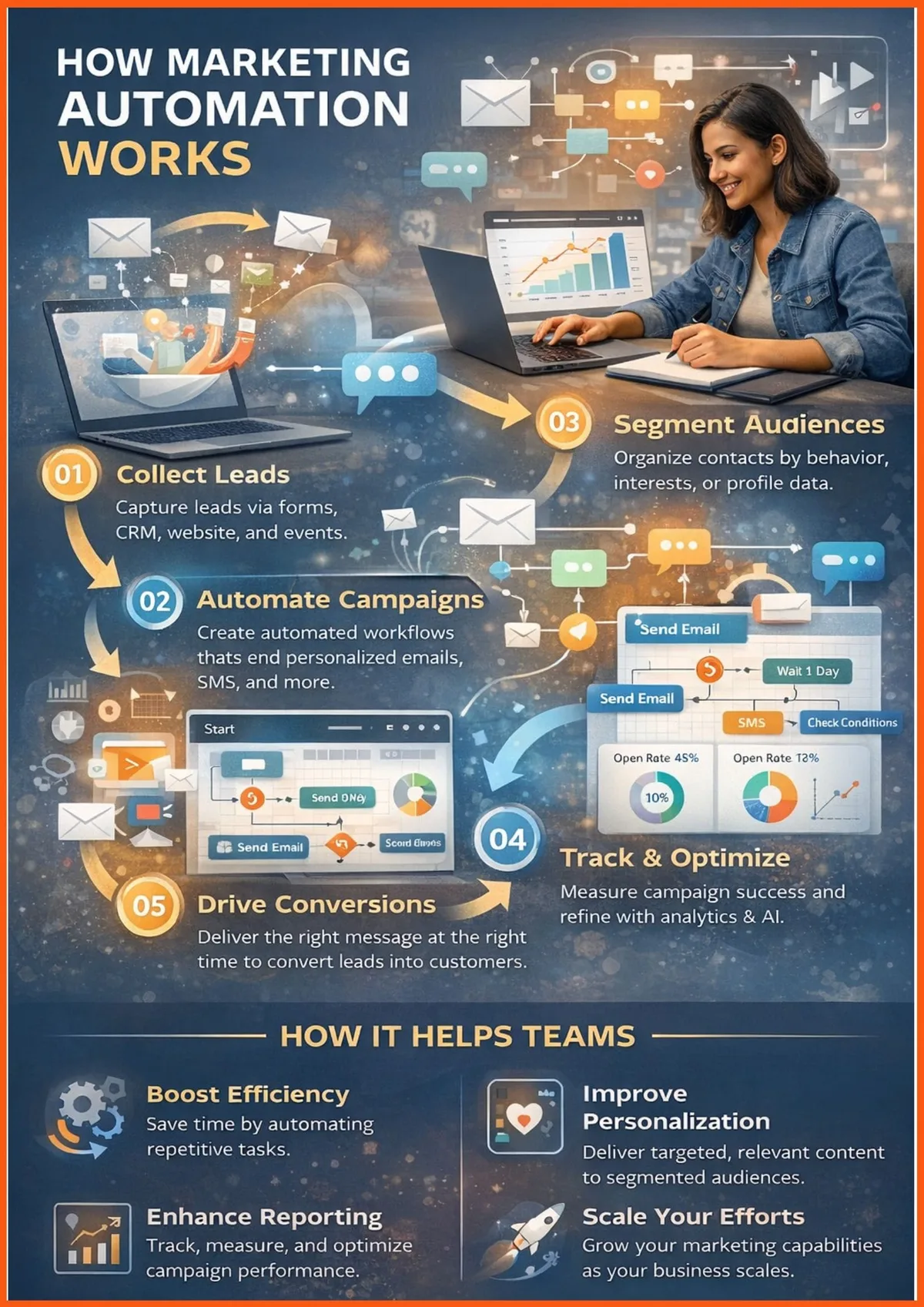
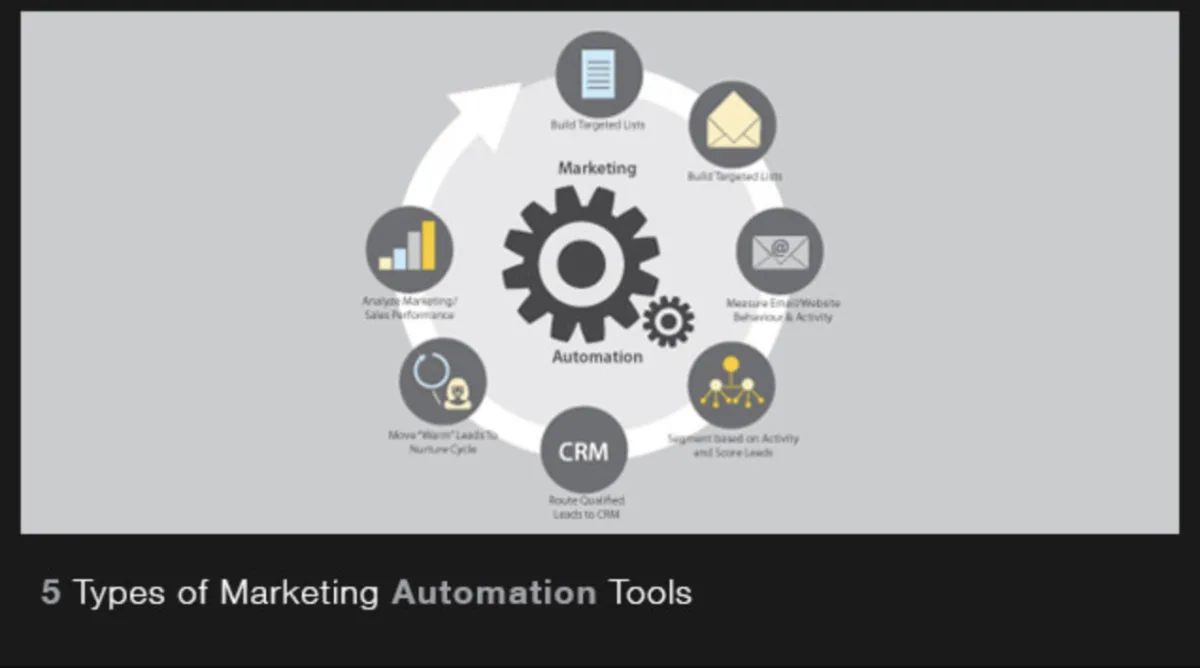
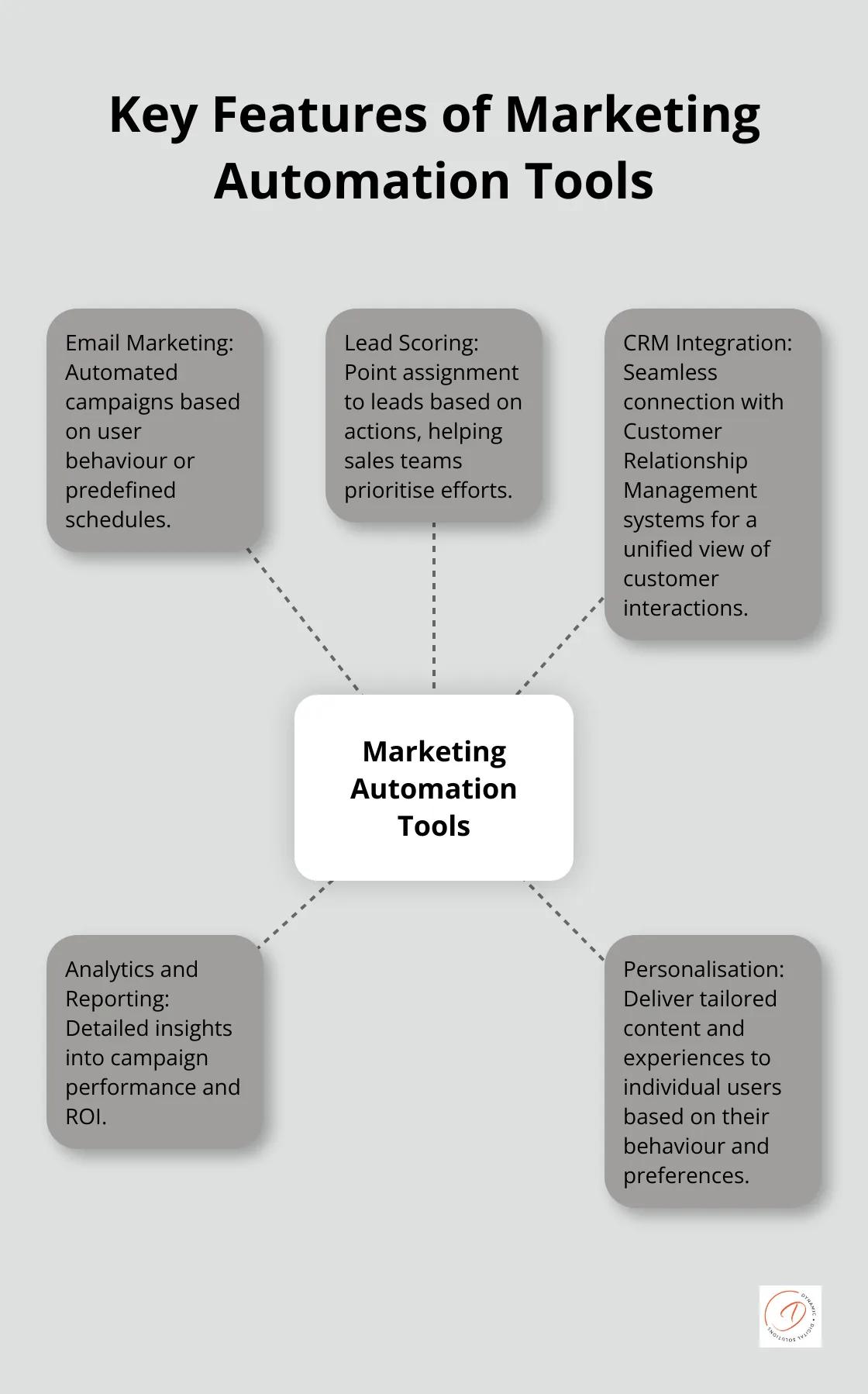
At the core, every platform on this list handles four jobs: capture a contact, enrich and segment that contact, trigger the right message at the right moment, and report on what happened. The differences live in how elegantly each one does it.
Some tools shine at complex, multi-branch lifecycle logic. Others win on simplicity and speed. A few treat data hygiene as a first-class feature—quietly the most underrated capability in the category. Marketing automation tools best practices always start with clean data, because broken records produce broken journeys.

Watch for the seams between these jobs. A tool that captures beautifully but segments clumsily will force your team into workarounds that compound over time.
The Cost of Choosing Badly
I have seen companies pay for a year of a platform they outgrew in four months. Migration is expensive, but staying is worse—every quarter on the wrong stack compounds technical debt and team frustration.
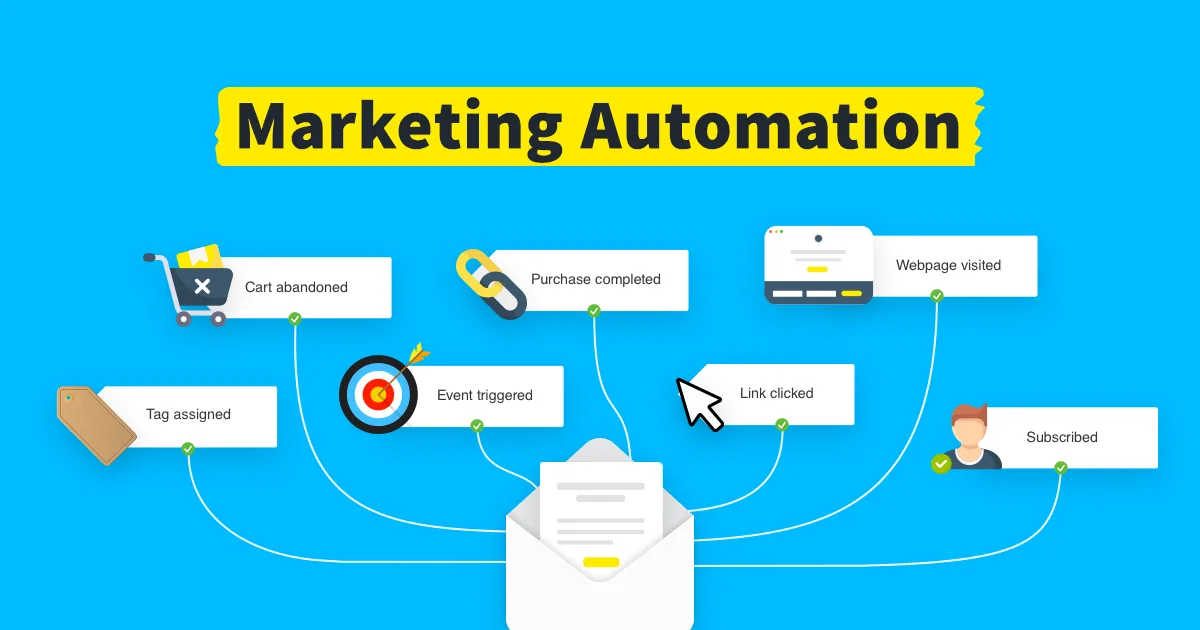
The antidote is a disciplined evaluation process. Build a marketing automation tools checklist before you take a single demo: integration requirements, data volume, team skill level, budget ceiling, and the two or three workflows your business cannot live without.
That checklist becomes your filter. Vendors hate it because it exposes gaps fast. Your finance team will love it.
How I Evaluated These Marketing Automation Tools
No platform earns a spot here on brand name alone. Refining each detail of your marketing automation tools strengthens this section. I scored each one against six criteria that map to how real teams operate.
Fit matters more than features. A tool stuffed with capabilities your team never touches is a liability dressed up as an asset.
The Six Scoring Criteria
First, core automation depth—can it handle branching logic, time delays, and conditional sends without a PhD? Second, integrations, measured by native connectors and API maturity. Third, usability, judged by how fast a new hire can ship a working campaign.
Fourth, reporting quality, because attribution theater helps nobody. Fifth, pricing model fairness—per contact, per seat, or per send—and how brutally costs scale. Sixth, support and documentation, the difference between a quick fix and a week of silence.
Every pick below scores reasonably well across all six. The winners simply score higher where it counts most for most teams.
What Got Cut and Why
A few popular names didn’t make the final ten. Some lacked depth in lifecycle branching. Others buried essential features behind enterprise tiers that price out the mid-market entirely.
I also excluded tools that look impressive in demos but collapse under real data volume. Marketing automation tools tips from seasoned operators almost always include one warning: stress-test with your own messy contact list, not the vendor’s pristine sample.
The point of a shortlist is to save the marketing automation tools time. Ten strong candidates beat fifty mediocre ones.
The Full Rundown: 10 Best Picks for Marketing Automation Tools
Here they are, grouped by how they solve the automation problem. Some are all-in-one suites. Others are specialists that win on a single capability and integrate with everything else.
Read the whole list, then circle the two or three that match your checklist. The comparison table further down will help you decide.
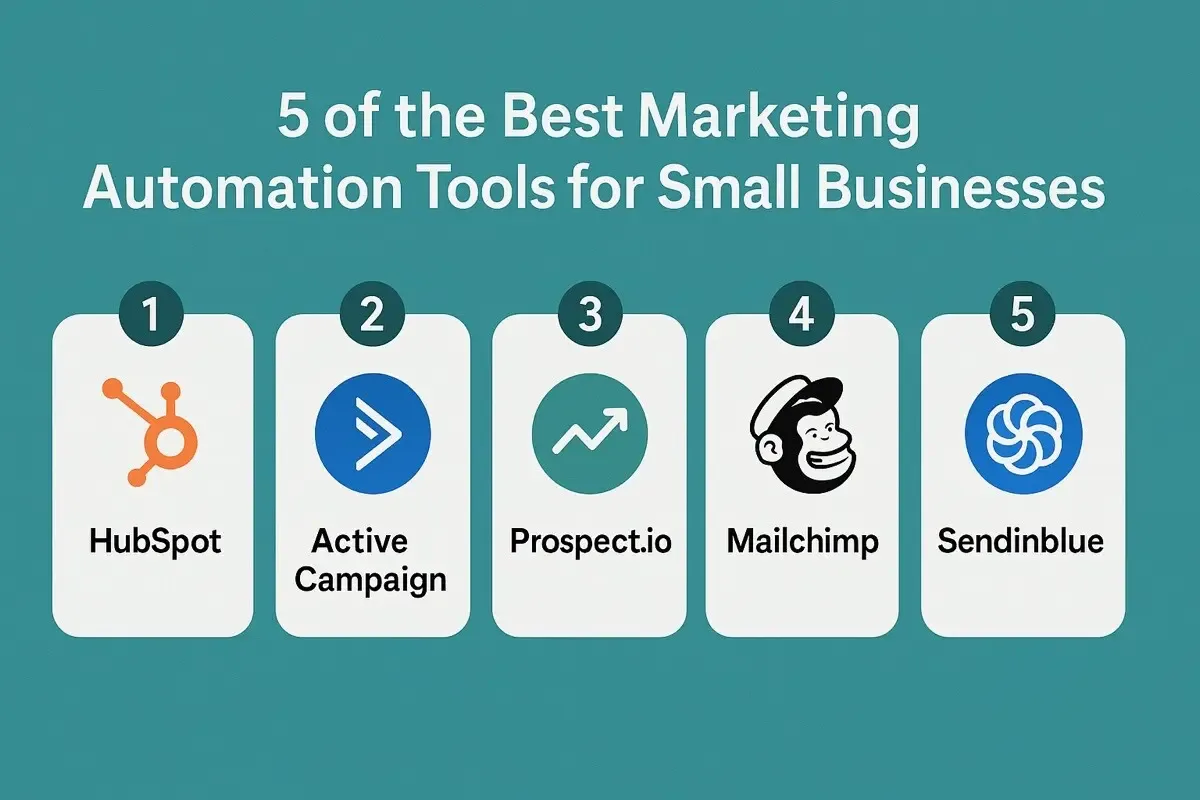
1. HubSpot Marketing Hub
HubSpot is the default answer for good reason: the free tier is genuinely usable, and the paid tiers scale into serious automation. Workflows, lead scoring, and reporting live in one interface that most teams grasp within a week.
Where it stumbles is pricing at scale. Contact-based billing penalizes large lists, and some powerful features sit in the Professional tier. Still, for a team that wants one platform to do most of the work, it is the safest bet.
2. ActiveCampaign
ActiveCampaign built its reputation on email automation the marketing automation tools responds to behavior, not just opens and clicks. Site tracking, conditional content, and split automation make it a favorite for lifecycle marketers who love granular control.
The marketing automation tools is also remarkably affordable for what you get. The tradeoff is that adjacent features—CRM, chat, landing pages—feel secondary. Pair it with your existing CRM and it sings.
3. Klaviyo
Klaviyo owns ecommerce automation. It plugs into Shopify and similar platforms to trigger flows based on browsing behavior, purchase history, and predicted lifetime value. Abandoned cart sequences built there routinely outperform generic email tools.
Outside ecommerce, its value drops sharply. But if you sell products online, few platforms speak your language as fluently.
4. Mailchimp
Mailchimp remains the friendly entry point. The drag-and-drop builder is forgiving, the template library is deep, and basic automation covers most small-business needs. It has evolved well beyond simple newsletters.
Advanced segmentation and journey logic can feel cramped compared to specialists. Still, as a first platform for a growing team, marketing automation tools like Mailchimp lower the barrier to getting real results fast.
5. Marketo Engage
Marketo is enterprise machinery. Lead lifecycle management, account-based marketing, and revenue attribution run on a level of sophistication that smaller teams rarely need. For large orgs with dedicated ops staff, its depth is unmatched.
The price tag matches the ambition, and the learning curve is steep. If the platform you need is a Swiss army knife, Marketo is that knife—with a manual.

6. Brevo
Brevo (formerly Sendinblue) combines email, SMS, and WhatsApp automation in one place. A thoughtful approach to marketing automation tools reinforces your qualifications. The automation builder is simpler than ActiveCampaign’s but more capable than it looks at first glance.
Multi-channel automation is where it shines—triggering a WhatsApp message when an email goes cold is the kind of move that keeps customers engaged. For mid-market teams that want channels in one dashboard, Brevo is a strong value play.
7. Pardot (Salesforce Marketing Cloud Account Engagement)
Pardot lives inside the Salesforce ecosystem, and the marketing automation tools is both its greatest strength and its limiting factor. Lead scoring tied directly to sales pipeline data gives revenue teams a single source of truth.
If your company already runs on Salesforce, adoption is easier than you might expect. If not, the integration surface is not worth the detour.
8. Customer.io
Customer.io is a behavioral automation specialist. It ingests event data—sign-ups, feature uses, subscription changes—and fires precise, timely messages based on that stream. Product-led SaaS teams tend to adore it.
It requires some technical comfort, and the UI is less hand-holding than the big suites. But for precision messaging tied to customer actions, few tools match its focus.
9. Keap
Keap (formerly Infusionsoft) targets small businesses the marketing automation tools want CRM, automation, and sales pipeline in one. The automations are practical and sales-oriented—perfect for service businesses juggling leads and invoices.
The interface shows its age in spots, and pricing has climbed. Still, for a five-person firm that needs one tool to run client follow-up, Keap is pragmatic and approachable.
10. Ortto
Ortto (fka Autopilot) is a newer challenger that blends email automation, customer data, and analytics in one flow. The visual journey builder is clean, and the segmentation logic is genuinely flexible.
It is less mature than the incumbents, but the pace of improvement is impressive. For teams that want a modern interface with serious automation under the hood, Ortto deserves a look.

Comparison Table: Marketing Automation Tools at a Glance
Here is the side-by-side view. Effective execution in your marketing automation tools makes a tangible difference. Use it as a starting point, then dig deeper into the two or three that fit your scenario.
| Platform | Best For | Automation Depth | Ease Of Use | Pricing Model |
|---|---|---|---|---|
| HubSpot | All-in-one mid-market | High | High | Contact-based, tiered |
| ActiveCampaign | Lifecycle email | Very High | Medium | Contact-based |
| Klaviyo | Ecommerce | High | High | Contact-based |
| Mailchimp | Beginners | Medium | Very High | Contact-based |
| Marketo | Enterprise | Very High | Low | Enterprise contracts |
| Brevo | Multi-channel SMB | Medium | High | Email-volume tiers |
| Pardot | Salesforce orgs | High | Low-Medium | Contact-based, tiered |
| Customer.io | Product-led SaaS | Very High | Medium | Profile-based |
| Keap | Small business CRM | Medium | Medium | Seat + contact tiers |
| Ortto | Modern CDP-style flows | High | High | Event-based tiers |
If that table looks like alphabet soup, that’s normal. The “Best For” column is usually the fastest tiebreaker.

What the Comparison Reveals
Two things stand out. Applying these principles to your marketing automation tools yields measurable results. First, pricing models cluster around contacts or profiles, which means your biggest bill driver is list size—clean it ruthlessly. Second, automation depth and ease of use trade off predictably.
That tradeoff is not a flaw; it is a choice you make consciously. Marketing automation tools best practices favor picking depth when complexity is essential and ease when adoption is the bigger risk.

Who Should Pick Which Tool: Matching Platform to Team
A freelancer and a Fortune 500 buyer should not choose the same platform. Match the tool to the situation.
For Small Teams and Solopreneurs
Start with Mailchimp or Brevo. Both are forgiving, affordable, and capable enough to run real campaigns without an ops hire. Keap works if you need bundled CRM.
Avoid enterprise platforms that demand attention you cannot spare. Marketing automation tools tips aimed at small teams almost always mention the same thing: simplicity beats horsepower.
For Growing Mid-Market Teams
HubSpot, ActiveCampaign, and Klaviyo are the sweet spot. These platforms handle serious automation while staying mentally manageable.

For Ecommerce and Product-Led Businesses
Klaviyo for online retailers, Customer.io for SaaS. Both trigger messages from behavior data, not just static lists—the difference that separates good automation from great.
For Enterprise Organizations
Marketo, Pardot, or HubSpot Enterprise, chosen based on your CRM and ops capacity. Here, the checklist expands to include security reviews, SSO, and vendor support SLAs.
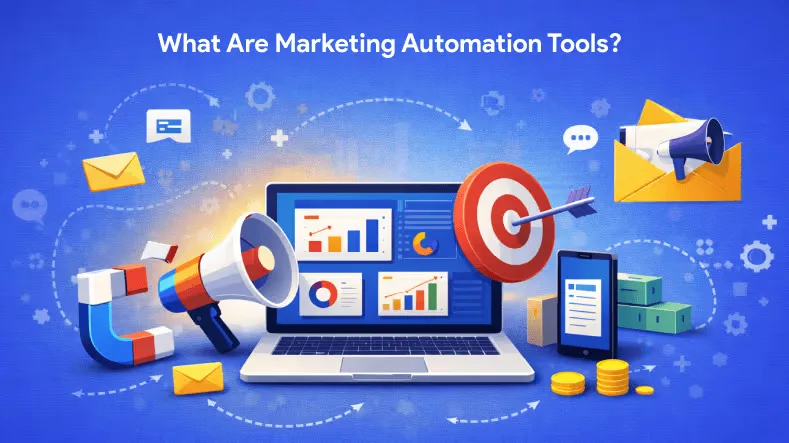
Marketing Automation Tools Checklist Before You Commit
Before the marketing automation tools sign anything, run this checklist. Each line exists because skipping it has burned real teams.
- Integration Fit. Confirm native connectors for your CRM, support desk, and analytics. If the vendor only offers webhooks, budget engineering time. Example: a B2B team skipped this and spent six weeks building a workaround.
- Data Hygiene Plan. Map how you will deduplicate, enrich, and clean records. Example: set a rule that unsubscribes remove contacts from all active flows automatically.
- Workflow Depth Test. Build one real, branching workflow during the trial. If it fights you, the platform will fight you forever.
- Pricing At Scale. Project costs at 2x and 4x your current list size. Example: contact-based pricing can double a bill after a single viral lead magnet.
- Deliverability Support. Check for warmed IPs, authentication guidance, and reputation monitoring. Example: tools that lack DMARC guidance cost teams weeks of trial and error.
- Team Onboarding Time. Time how fast a new hire builds and ships a campaign. Example: 30 minutes versus three days tells you everything.
- Reporting And Attribution. Verify the reporting model matches how your team measures revenue. Example: last-touch-only attribution undervalues nurture-heavy funnels.
- Exit Strategy. Ask how you export contacts, templates, and workflow logic. Example: a vendor that exports contacts but not journeys traps you on renewal day.
If three or more items fail, walk away. The market has options.
Marketing Automation Tools Best Practices for Smoother Rollouts
The platform is only half the story. Maintaining clarity across your marketing automation tools remains essential. The other half is how you start using it.
Clean Data First, Automate Second
Automation amplifies whatever you feed it. Dirty lists produce multiplied errors. Spend the first week on list hygiene before you wire up a single flow.
Set clear naming conventions for lists, tags, and fields. Future-you will thank present-you.
Start With One High-Value Workflow
Do not automate everything at once. Pick the workflow with the highest impact—often lead nurture or abandoned cart—and nail it. Prove value, then expand.
Marketing automation tools best practices favor iterative launches over big-bang rollouts. Momentum builds from wins.
Build for the Team You Have
Complex workflows need owners. If no one will maintain the branching logic, keep it simpler. A reliable three-step flow beats a fragile twelve-step masterpiece.
Document every flow with a plain-language description. New hires should not have to reverse-engineer your genius.
Measure, Then Prune
Review performance monthly. Kill flows that consistently underperform. Automation is not meant to run itself forever—it is meant to work.
A quarterly audit—sometimes called a marketing automation tools checklist refresh—keeps your stack honest and your results visible.
Common Mistakes That Sink Marketing Automation Tools
Even strong platforms fail with weak execution. These mistakes appear far too often.
Buying for Features You Will Never Use
Feature lists seduce. But every unused feature adds complexity, cost, and confusion. Buy for the workflows you will actually build this quarter.
Automating Without Strategy
Sending more emails faster is not the goal. Firing the right message to the right person at the right moment is. If this marketing automation tools strategy is fuzzy, the automation will amplify the fuzz.
Ignoring Deliverability
Authentication, list hygiene, and send pacing matter as much as the message. Marketing automation tools tips that skip deliverability are only telling half the story.
Treating It as a One-Time Setup
Automation needs maintenance. Flows decay, data shifts, priorities change. Budget time to review, adjust, and retire outdated logic.
Frequently Asked Questions About Marketing Automation Tools
These are the questions that come up most often in vendor evaluations and team kickoffs.
What are Marketing Automation Tools?
They are software platforms that automate repetitive marketing tasks—email sequences, lead scoring, segmentation, and reporting—so teams can focus on strategy. Most connect to a CRM and trigger messages based on contact behavior.
How Much Do They Cost?
Pricing varies widely based on contact volume and feature tier. Entry-level tiers are affordable for small teams, while enterprise platforms command premium pricing. Competitive direct manufacturer pricing and annual discounts are worth negotiating.
Which One is Easiest to Use?
Mailchimp, Brevo, and HubSpot generally rank highest on usability. If speed of adoption matters more than depth, start there.
Do I Need Technical Skills?
Most mainstream platforms work fine for marketers with no coding background. Customer.io and Marketo benefit from someone comfortable with data or IT coordination.
How Do I Choose Between the 10 Picks?
Start with your checklist: integrations, list size, team size, and the two workflows the marketing automation tools need most. Then trial two platforms side by side with real data. The winner is usually obvious within a week.
Can I Switch Later?
You can, but switching is costly in time and morale. Choose carefully now, and confirm the exit strategy before you commit. A clean export path matters as much as a rich feature set.
Where to Go from Here
Ten picks, one checklist, and a realistic picture of what each platform does well. That is enough to start a serious evaluation.
Download the checklist, rank the criteria by what actually drives your revenue, and run the trials with your own data. Every platform looks fine with clean demo lists. Commit only after you see how it handles real ones.
Marketing automation tools serve you best when they fit your team, not the other way around.
For verified reference and background research, consult the authoritative informational resource on this topic.