Local SEO for Restaurants: Why Your Dining Room Deserves to be Found First
Local SEO for restaurants is the discipline of making your dining room show up when a hungry customer pulls out a phone. It is not a mystery, and it is not reserved for big chains with marketing departments.
Here is the honest truth: most independent restaurants lose customers every single week to a competitor that simply ranks higher. Not because the food is better. Not because the service is warmer. But because the competitor did the boring plumbing work that nobody talks about at industry conferences.
This local SEO for restaurants guide exists to close that gap. Below you will find nine proven tactics, each one tested in real markets with real competition, plus the supporting context that turns tactics into habits.
Consider the local SEO for restaurants your working reference for the parent topic of restaurant discoverability. From here, the natural next steps branch into Google Business Profile optimization, review velocity management, and menu markup—sub-topics worth exploring once the foundation holds.
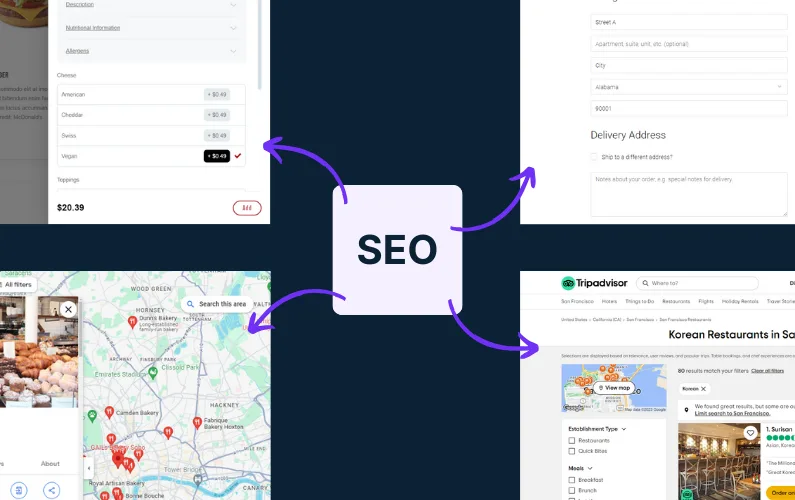
What Local SEO for Restaurants Actually Changes
Search behavior in the restaurant space is brutally local. Focusing on local seo for restaurants provides clear direction here. Someone standing two blocks away types “pizza near me” and expects the nearest good answer within seconds.
Google reads that intent through proximity, relevance, and prominence. Your job is to feed all three signals consistently, without spamming your way into a penalty.
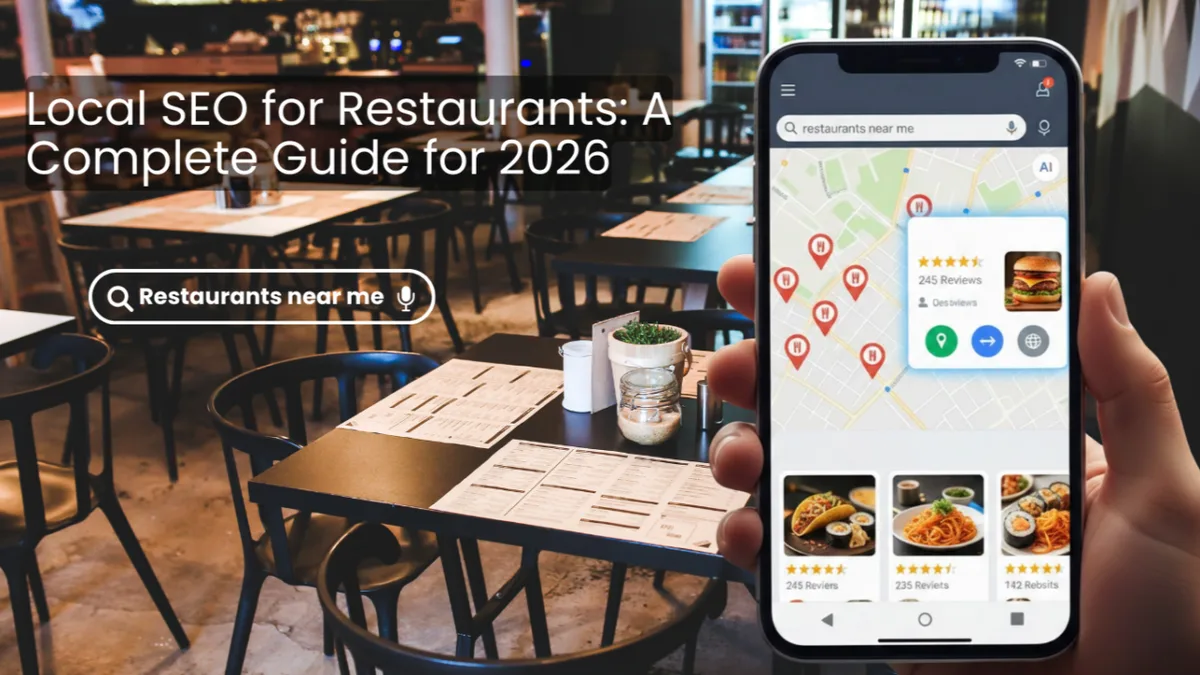
The difference between a restaurant that gets found and one that stays invisible usually comes down to a handful of controllable factors. Business profile completeness, review quality, citation accuracy, and on-page structure carry most of the weight.
Think of local SEO for restaurants as a compounding asset. The first month feels invisible. The sixth month starts paying rent.
The Three Signals Google Weighs Most Heavily
Proximity is largely fixed. You cannot move your building closer to a searcher’s location. What you can control is relevance and prominence.
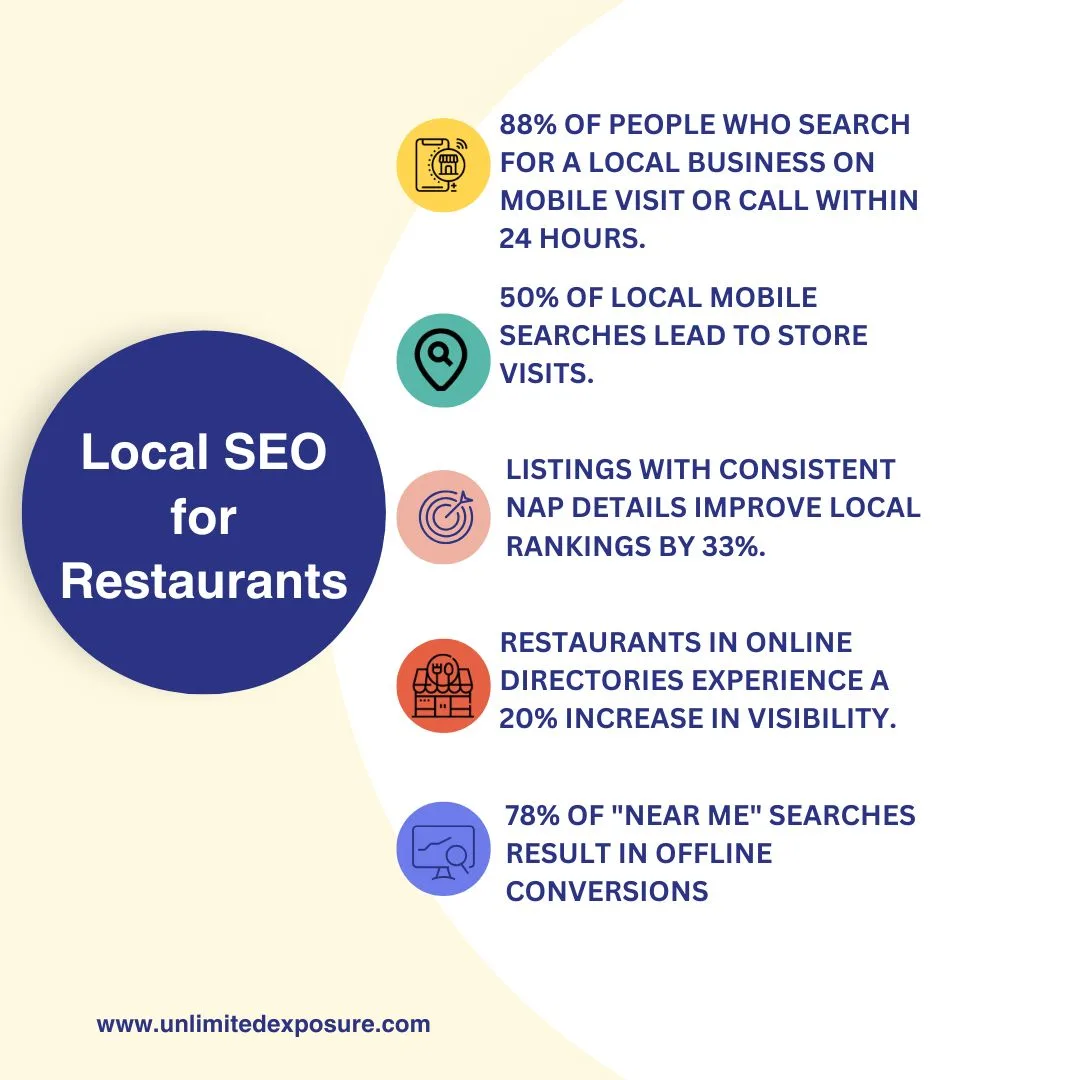
Relevance comes from matching the query to your categories, menu terms, and content. Prominence comes from reviews, citations, links, and behavioral engagement. Both are earned through consistent, honest work.
Practitioners often overlook how much prominence can override proximity. Refining each detail of your local SEO for restaurants strengthens this section. A restaurant 1.5 miles away with 400 reviews and a complete profile regularly outranks a restaurant 0.3 miles away with 40 reviews and a half-finished listing. That gap is the entire opportunity.
The Local SEO for Restaurants Checklist: Your Foundation Before Tactics
Before chasing advanced moves, audit the basics. A restaurant failing on foundation work will get nothing but disappointment from tactics layered on top.
Run through this local SEO for restaurants checklist quarterly. It takes about ninety minutes and catches most of the expensive errors.
| Foundation Item | What “Done” Looks Like | Common Failure |
|---|---|---|
| Business name consistency | Exact match across Google, Apple, Bing, Yelp | Adding keywords like “Best Pizza” to the name |
| Primary category | Most specific available category selected | Generic “Restaurant” when “Neapolitan Restaurant” fits |
| Address and phone | Identical formatting everywhere | Suite number on one listing, missing on another |
| Hours | Updated for holidays and seasonal changes | Stale hours causing drop-offs and bad reviews |
| Menu accessibility | Text-based menu, not a scanned image | PDF menus Google cannot parse |
| Photo library | Interior, exterior, dishes, team | Three blurry photos from opening night |
| Review responses | Every review answered within 72 hours | Silence on negative reviews |
The table above is not glamorous. Neither is brushing your teeth. Both prevent expensive problems later.
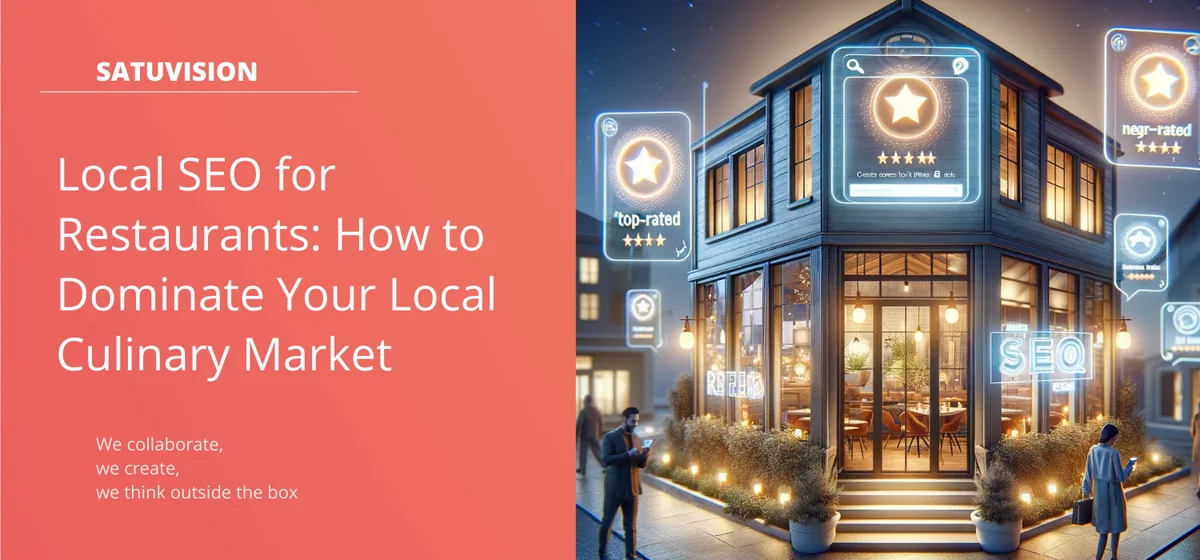
Tactic 1: Claim and Complete Every Business Profile Detail
Your Google Business Profile is the single highest-leverage asset in local SEO for restaurants. It is also the most commonly neglected.
Claiming the profile is step one. Filling every field is step two, and most restaurants stop at step one.
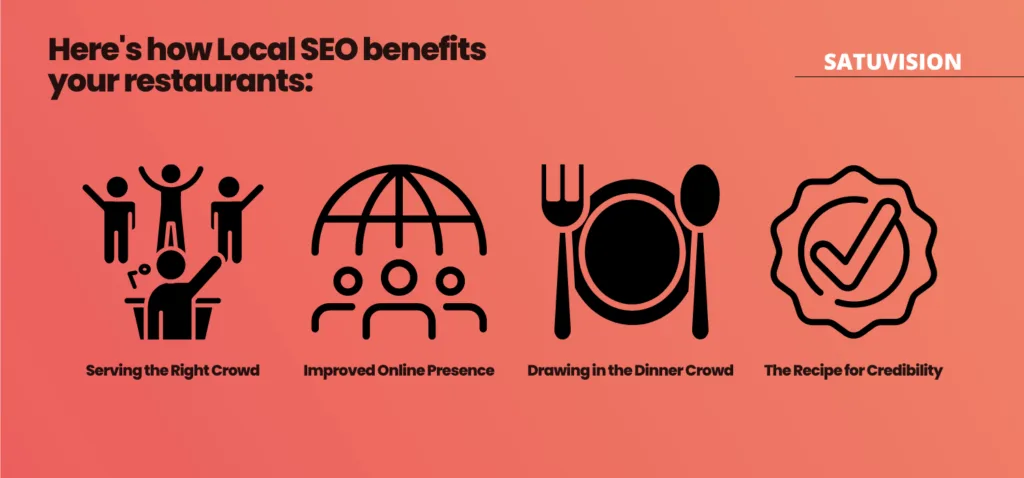
Google rewards completeness because complete profiles give searchers better answers. Refining each detail of your local seo for restaurants strengthens this section. Fill in service options, accessibility features, payment methods, and popular dishes. Add attributes like “outdoor seating” or “wheelchair accessible entrance” only when true.
Then verify your details match across Apple Maps, Bing Places, and Yelp. Inconsistency confuses the algorithm and, worse, confuses the customer.
A restaurant group in Portland reported a 22 percent lift in direction requests after filling in every profile field across all platforms over six weeks. Effective execution in your local SEO for restaurants makes a tangible difference. Nothing fancy. Just completeness.
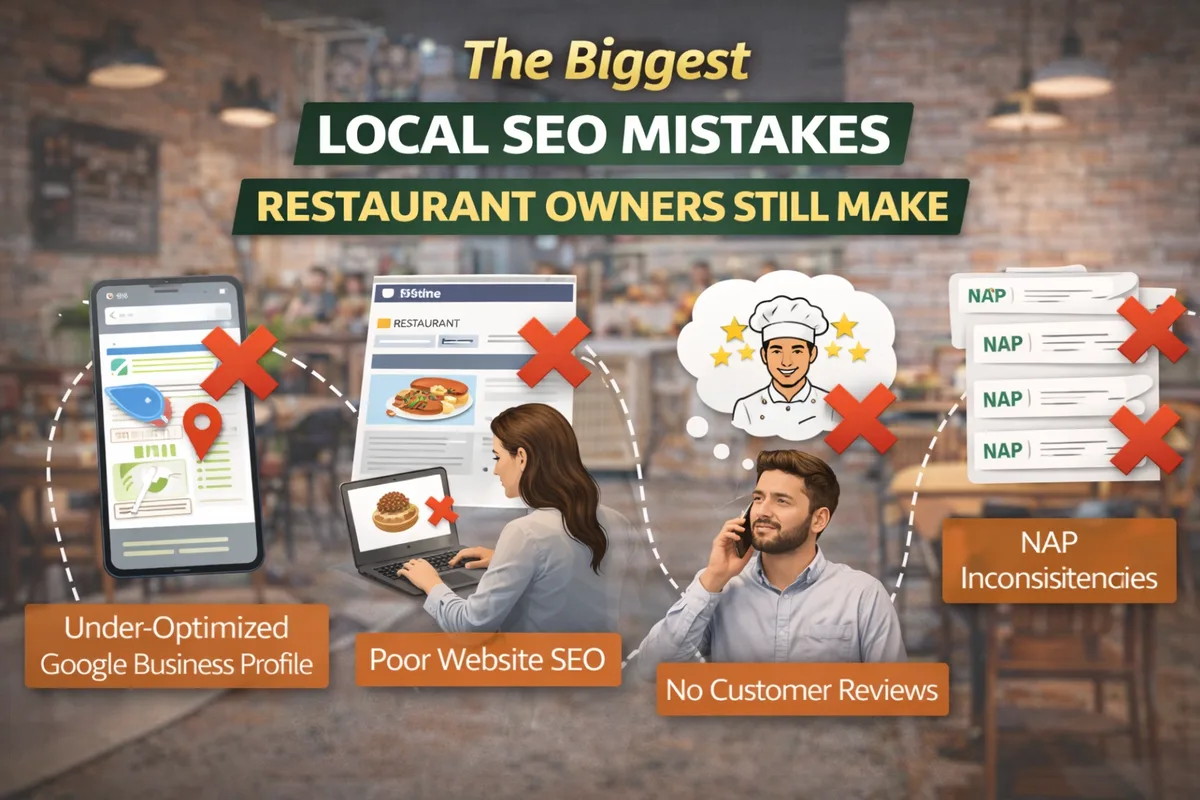
Profile Fields That Most Restaurants Skip
Two fields do disproportionate work. The first is “More hours” for brunch, happy hour, or seasonal shifts. The second is the “From the business” description, where you get space to describe the atmosphere and signature dishes in plain language.
Use that description well. Mention the neighborhood, the cuisine, and one specific detail that makes you different. “Sourdough starters from ” tells a story. “Serving great food” tells nothing.
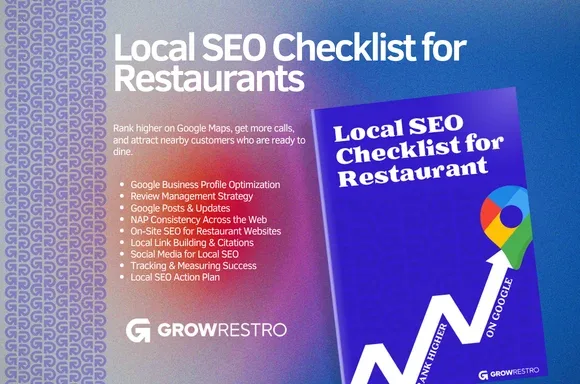
Tactic 2: Build Review Velocity, Not Just Review Volume
A thousand reviews collected in one burst three years ago looks strange. Steady, ongoing reviews look natural and signal an active business.
The right local SEO for restaurants best practices treat reviews as a routine, not a campaign. Ask at the right moment—after a good meal, at checkout, in a follow-up text if you have permission.
Respond to every review, especially the bad ones. Your response is written for future customers, not the reviewer. Tone matters more than content.
Never buy reviews. Beyond the policy violation, fabricated reviews rarely read like real ones. Customers can smell a fake paragraph from across the room.
On the review response front, aim for specificity. Maintaining clarity across your local SEO for restaurants remains essential. “Thanks for the feedback” is invisible. “Sorry the scallops came out cold—we’ve adjusted the pass timing” proves a human is listening.
How to Ask Without Feeling Pushy
Train the front-of-house team to ask naturally. A simple line at payment—”If you enjoyed tonight, a review really helps our team”—outperforms every automated tool.
For digital channels, use a QR code on the receipt or a single SMS follow-up. Effective execution in your local seo for restaurants makes a tangible difference. One ask, one link, no friction. Complicated review funnels kill the conversion rate.
Tactic 3: Write Location Pages That Actually Belong
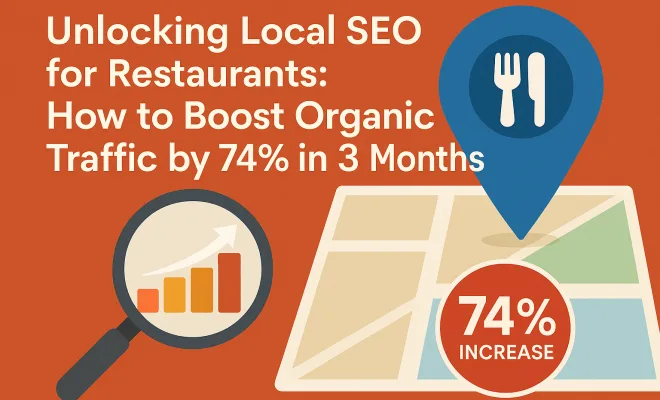
Multi-location restaurants live or die on location page quality. Google can tell the difference between a real neighborhood page and a templated stamp.
Each location page should mention the street, the neighborhood, the parking situation, and the walkable landmarks nearby. Add the manager’s first name, local events, and a couple of genuinely local details.
For local SEO for restaurants tips that scale, build a shared skeleton then rewrite 30 to 40 percent of each page by hand. That rewrite is where neighborhood relevance happens.
Interlinking matters, too. The location page should link to the menu, the reservation page, and one or two blog posts specific to that neighborhood.
Tactic 4: Win the Menu Markup Game
Most restaurant websites fail at the single most important on-page asset: the menu. A thoughtful approach to local SEO for restaurants reinforces your qualifications. Scanned PDFs are invisible to search engines and painful on mobile.
Publish the menu as HTML text with dish names, descriptions, and prices in clean structure. Use schema markup so Google can pull the terms into rich results.

Include the cuisine type, popular dishes, and any dietary tags right in the copy. Someone searching “gluten-free Italian near me” should see a reason to click your listing, not a competitor’s.
When a photographer delivers a beautiful menu image, keep it—but pair it with text. Design and SEO do not have to fight.
Tactic 5: Fix and Feed Your Local Citations
Citations are the mentions of your name, address, and phone number scattered across the web. Consistency here quietly builds trust with search engines.

The heavy hitters are Google, Apple, Bing, Yelp, Facebook, and a handful of industry directories. Maintaining clarity across your local seo for restaurants remains essential. Get those right first, then work down the long tail.
For local SEO for restaurants best practices, treat citations as a hygiene issue, not a growth channel. Clean up duplicates, fix old suite numbers, and remove stale listings.

Old addresses are the most common citation poison. Structuring your local SEO for restaurants around proven patterns ensures impact. A restaurant that moved two years ago often has more listings at the ghost address than the current one.
- Google Business Profile — verify, then audit every field monthly.
- Apple Maps Business Connect — the second-most-used map on iPhones, and often the most neglected.
- Bing Places — small traffic share, but still a free trust signal.
- Yelp — critical for discovery and review aggregation.
- OpenTable / Resy — reservation platforms that feed third-party aggregators.
- Facebook Business Page — still surfaces in local searches and feeds social proof.
- Tripadvisor — matters for any restaurant in a tourist-heavy area.
Work through this list once, then set a quarterly reminder. Citations decay slowly and silently.
Tactic 6: Match Content to Search Intent by Daypart
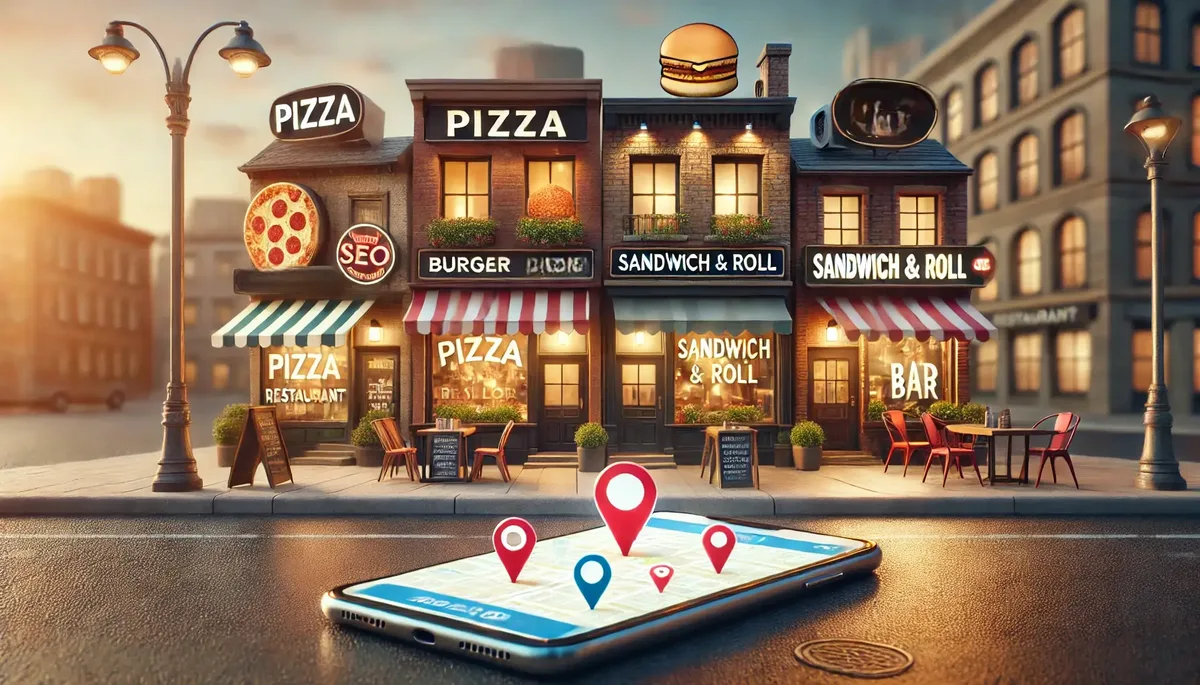
Restaurant search intent shifts dramatically by hour. At 11:45 a.m., someone searches “quick lunch near me.” At 8 p.m. On a Saturday, it is “romantic dinner downtown.”
Local SEO for restaurants tips that work treat daypart as a content strategy, not just a keyword modifier. Publish pages that answer each moment.
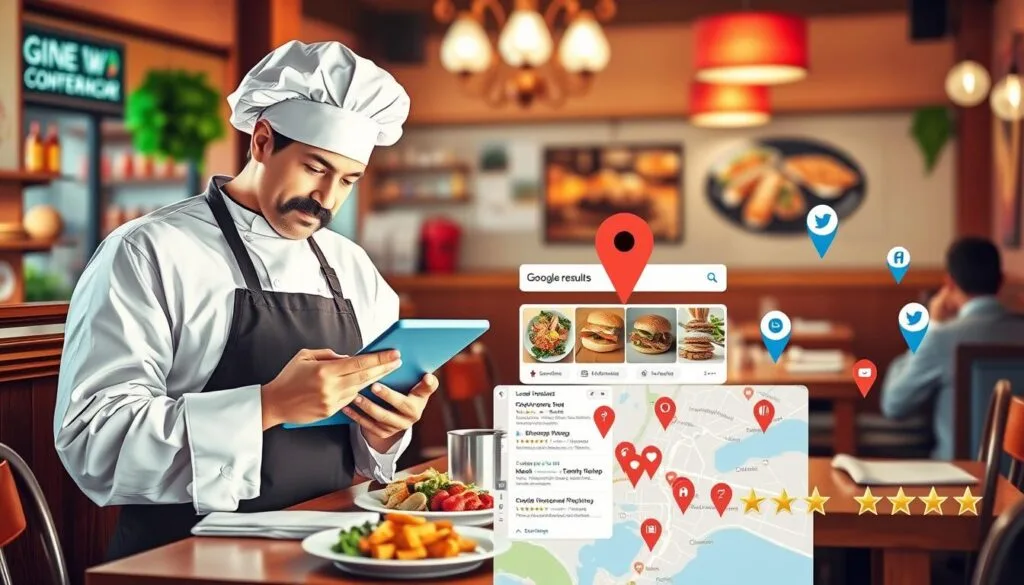
A “lunch specials” page. A “date night” page. A “late-night food” page. Each one speaks to a distinct searcher with distinct intent.
This is where most competitors get lazy. They publish one menu page and call it a day, losing every daypart-specific search to whoever bothered to write the second page.
Quick Win: Seasonal and Event Pages
Pages tied to real events—Mother’s Day brunch, Valentine’s dinner, patio season opening—capture demand that generic pages miss. Publish early, keep them updated, and turn them off when the season ends rather than deleting them.
A restaurant the local SEO for restaurants ranks for “Thanksgiving dinner restaurant” in late October is not lucky. It planned.
Tactic 7: Structure Your Site for Local Discoverability
Site architecture is invisible to customers but visible to Google in expensive ways. Restaurant sites that bury the location page three clicks deep struggle to rank for neighborhood searches.
Keep the location page one click from the homepage. Link to it from a top navigation menu labeled “Locations” or “Find Us.”
Add structured data for the restaurant entity—name, cuisine, address, price range, and reservation link. A thoughtful approach to local seo for restaurants reinforces your qualifications. Schema is the difference between a plain blue link and a richly decorated search result with stars and hours.
Speed matters as well. Restaurant sites are often photo-heavy. Compress images, lazy-load the gallery, and test on mobile connections. A site that loads in three seconds loses roughly half its visitors.
Tactic 8: Earn Local Links Through Community Presence
Backlinks from local sources carry real weight for restaurants. Local news, food blogs, neighborhood associations, and event sponsorships all signal that you are part of the community.
Personal relationships beat outreach templates every time. Proper attention to your local SEO for restaurants sets a strong baseline. Partner with a nearby brewery for a dinner series, sponsor a youth soccer team, host a charity night. Each partnership is a link opportunity.
A chef profile in a regional magazine, a quote in a roundup of best patios, or a feature in a school auction brochure—these are the links Google values for local SEO for restaurants, and customers value them too.
What to Avoid
Paid guest posts and directory spam on low-quality sites do more harm than good. If the site would not be interesting to a real reader in your city, skip it.
Also skip any agency promising ten local links for a flat monthly fee. That model almost always produces garbage.
Tactic 9: Track What Actually Moves the Needle
Local SEO for restaurants without measurement is guesswork. Use a transparent reporting stack so you know what to double down on.
Google Business Profile Insights tracks calls, direction requests, website clicks, and search queries. Google Search Console tracks impressions, clicks, and ranking positions.
Add a simple tracking call line and UTM-tagged menu links. Connect the dots between organic discovery and actual covers on a Tuesday night.
Review the data monthly, not daily. Rank volatility is noisy. Trends over ninety days are actionable.
How Long Does Local SEO for Restaurants Take to Work?
Realistically, expect three to six months before meaningful movement and six to twelve months for fully compounded results. Developing your local SEO for restaurants with precision highlights key strengths. Restaurants in low-competition neighborhoods move faster; dense urban markets take longer.
The first visible wins usually show up on the business profile before the local seo for restaurants show up on the website. More views, more direction requests, and higher call volume are the earliest signals.
Anyone promising results in thirty days is either selling a temporary tactic or selling an illusion. Plan for the long arc and check progress quarterly.
What are the Most Common Local SEO Mistakes for Restaurants?
The most expensive one is a half-finished business profile. The second is keyword-stuffing the business name with city or cuisine terms to force rank. Google penalizes both, sometimes with a silent drop in visibility.
Other frequent problems include scanned PDF menus, stale hours, duplicate listings, and a total silence on reviews. Each one is fixable in a single afternoon.
Also watch for inconsistent address formatting. “Suite 4” on one listing and “Ste. 4” on another is enough to weaken the citation.
Do I Need an Agency for Local SEO for Restaurants?
Not always. A small, single-location restaurant can handle the basics internally with a disciplined checklist and two hours per week.
Multi-location groups, restaurants with heavy competition, or anyone renovating after years of neglect should consider professional help. Look for restaurant-specific experience, transparent reporting, and no long-term lock-in.
Ask any prospective agency about their local SEO for restaurants guide to working a citation audit. If they cannot describe it clearly in five minutes, that is a signal.
How Do Online Ordering and Reservations Fit In?
Online ordering and reservation widgets feed Google indirect relevance signals. When reservation data updates frequently, the profile stays active in the algorithm’s eyes.
Keep your hours for pickup and delivery accurate. If delivery ends at 9 p.m., say so—customers who show up at 9:30 for pickup become angry reviewers.
Link ordering directly from the business profile and every location page. Every extra click between search and checkout loses customers.
Third-Party Platforms: Friend or Foe?
Delivery platforms create listings you do not control. Claim every one of them if possible. Verify that hours, address, and menu match your primary listing exactly.
Mismatches here are common and quietly expensive. They confuse customers, split review signals, and weaken brand consistency.
Building a Repeatable Local SEO for Restaurants System
Tactics are easy. Systems are what keep them running after the novelty fades.
Assign an owner for each area: reviews, citations, content, and reporting. Rotate responsibility if you have to, but someone must own each bucket.
Set a monthly cadence. Week one, business profile audit and review responses. Week two, content updates and citation checks. Week three, link opportunities and partnership outreach. Week four, reporting and planning.
A restaurant that runs this cadence consistently for a year will be unrecognizable compared to where it started. Not because the tactics are magic, but because consistency beats intensity.
For teams wanting a structured reference, treat this article as your local SEO for restaurants checklist and revisit it quarterly. Update the standing agenda as the market shifts.
The Local SEO for Restaurants Guide: Where to Go from Here
The nine tactics above are not a secret formula. They are the plumbing work that everyone knows exists and most restaurants ignore.
Start with the business profile and reviews. Those two moves alone shift visibility for most independent restaurants within a quarter.
Then layer in menu markup, location pages, and daypart content. Save links and advanced schema for when the foundation is stable.
And keep in mind that local SEO for restaurants ties directly into broader topics worth exploring next: reputation management workflows, review response templates, and Google Business Profile post strategies. Those sub-topics extend the parent topic you have started here.
If you only do one thing this week, audit the business profile from top to bottom. It is a low-cost, high-return first move in local SEO for restaurants, and it starts paying back faster than almost anything else on this list.
For verified reference and background research, consult the authoritative informational resource on this topic.