The local guides program is Google’s free loyalty system inside Maps, and it quietly turns ordinary reviewers into trusted neighborhood experts. If you have ever wondered why some people have a little badge next to their name, this is where that story begins.
You do not apply, you do not pay, and you do not need an audience. You just review places you actually visit, and the system starts tracking your contributions.
What the Local Guides Program Actually Is
At its core, the local guides program is a crowdsourcing engine. Google needs fresh, ground-level information about millions of businesses, parks, temples, restaurants, and roads. Hiring staff for that job would be impossible. So instead, it rewards volunteers who share what they know.
Every photo you upload, every rating you leave, and every edit you suggest feeds that engine. Focusing on local guides program provides clear direction here. In return, you climb levels, collect badges, and occasionally unlock perks. It is a simple trade: your local knowledge for recognition and small rewards.
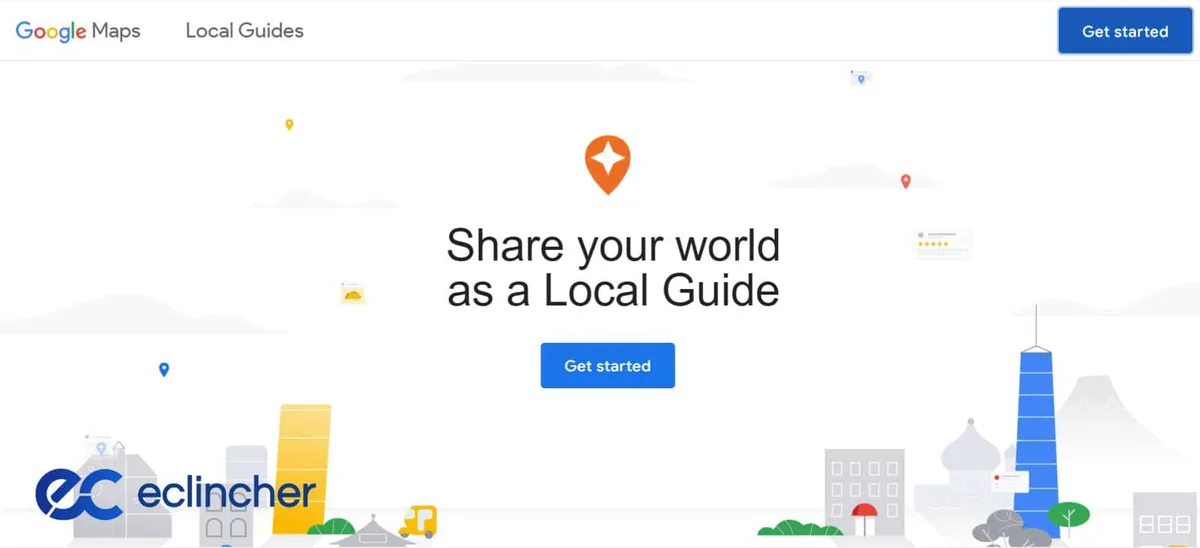
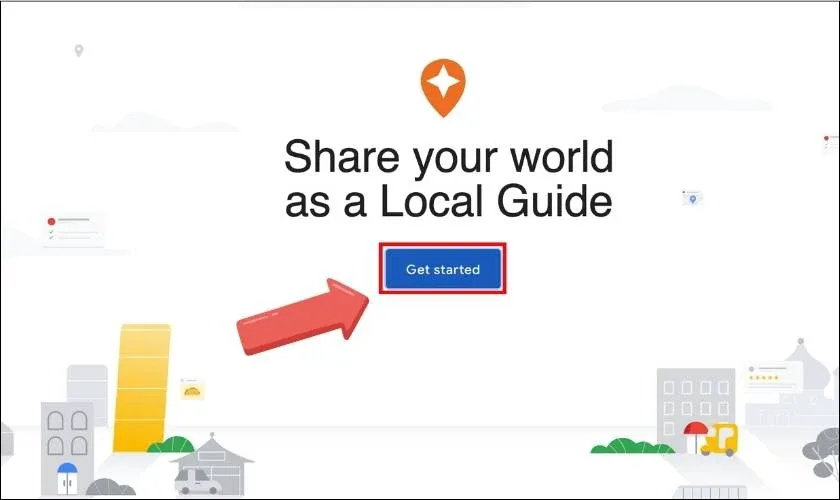
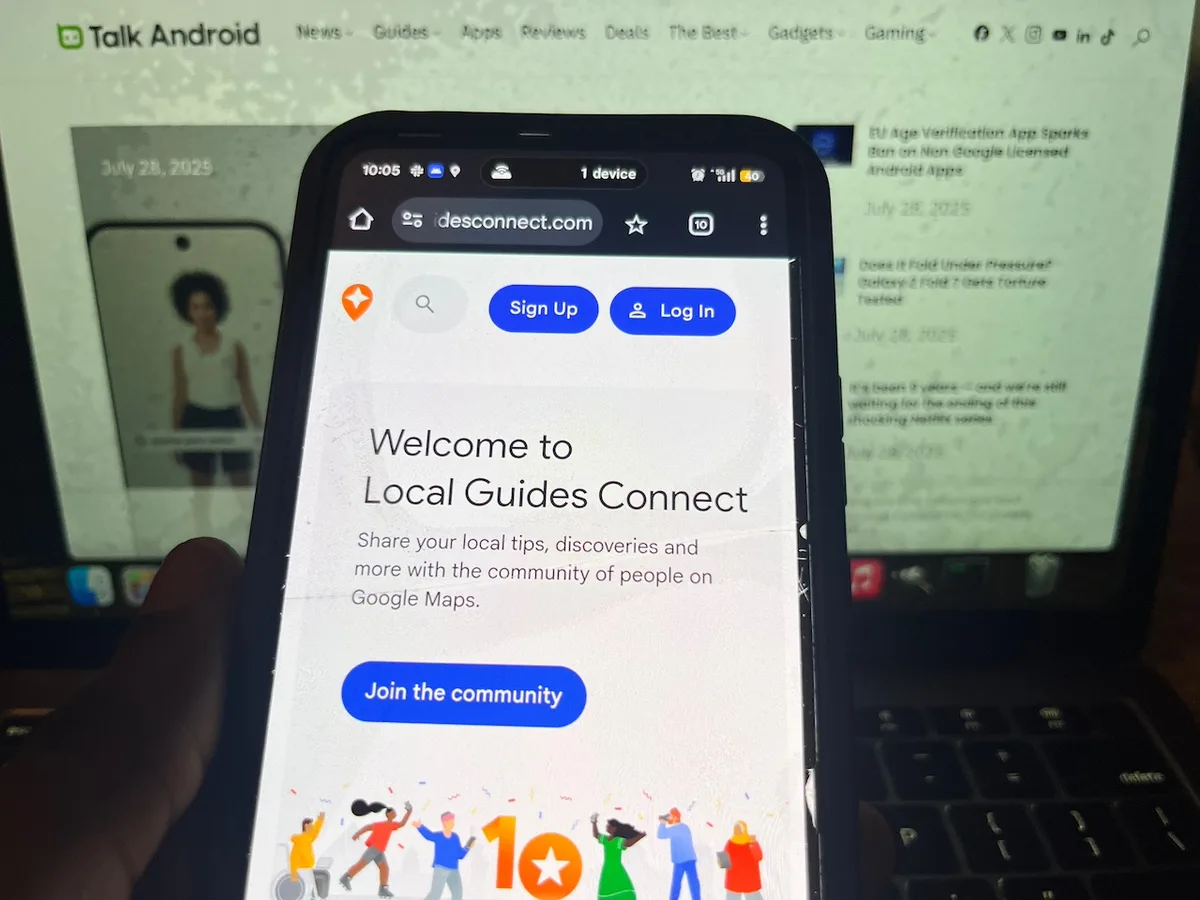
What surprises most newcomers is how ordinary the entry point is. You open the Google Maps app, tap Contribute, and you are already inside the local guides program. No interview, no portfolio review, no waiting list.
How It Differs from Ordinary Reviewing
Plenty of platforms let you leave a review. The difference here is that contributions compound. A single restaurant review is a one-off act. But inside the local guides program, that review joins a profile that grows into a visible track record.
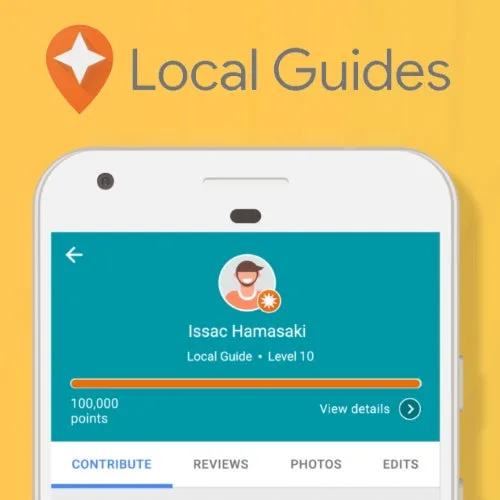
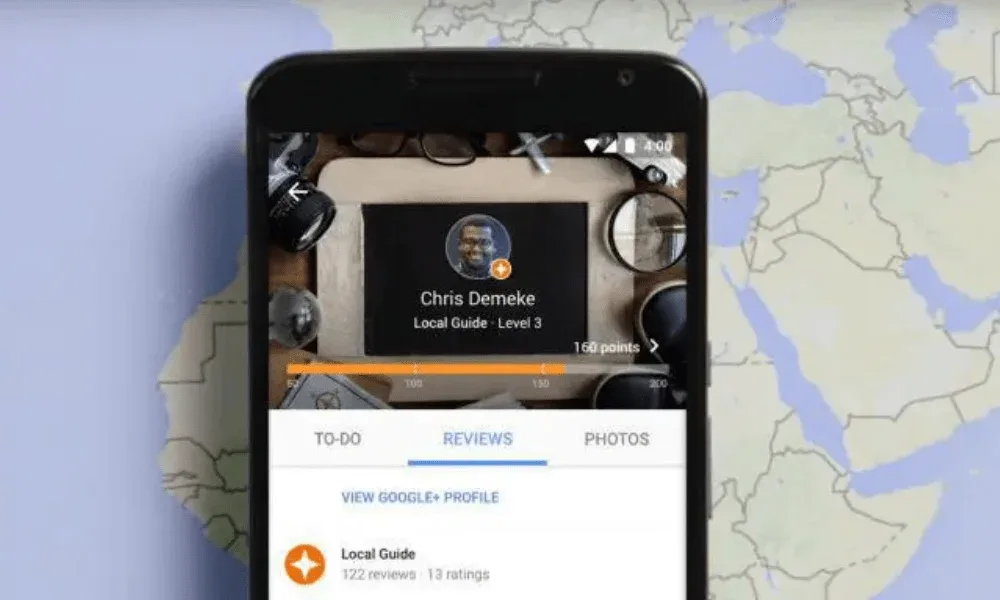
Google surfaces your name, your photo, your level, and your total points. Other users see that history and weigh your opinion accordingly. Over time, a well-maintained profile becomes a small credential.
There is also a feedback loop that plain reviewing lacks. You can see exactly how many views your photos gathered last month, which tells you whether your contributions are landing with real people.
A Quick Reality Check Before You Start
Honesty matters here more than enthusiasm. The local guides program rewards genuine, first-hand experience, and Google’s moderation systems are sharper than they used to be. Reviews flagged as fake or incentivized can vanish, and repeated violations can cost you your account standing.
So treat it as a habit, not a sprint. A few thoughtful contributions each week will outperform a hundred rushed ones dumped in a single afternoon.
How to Join the Local Guides Program Step by Step
Getting started takes about two minutes, and the whole process lives inside the Maps app on Android, iOS, or desktop. Refining each detail of your local guides program strengthens this section. Here is the practical sequence most people follow.
- Open Google Maps and sign in. Use a personal Google account you plan to keep, since your points and badges are tied to it permanently. Switching accounts later means starting over.
- Tap the Contribute tab. On mobile it sits at the bottom of the screen. On desktop, look for the menu icon and select Contribute.
- Confirm your profile details. Add a profile photo and a display name. Real photos and real names tend to earn more trust from readers than blank silhouettes.
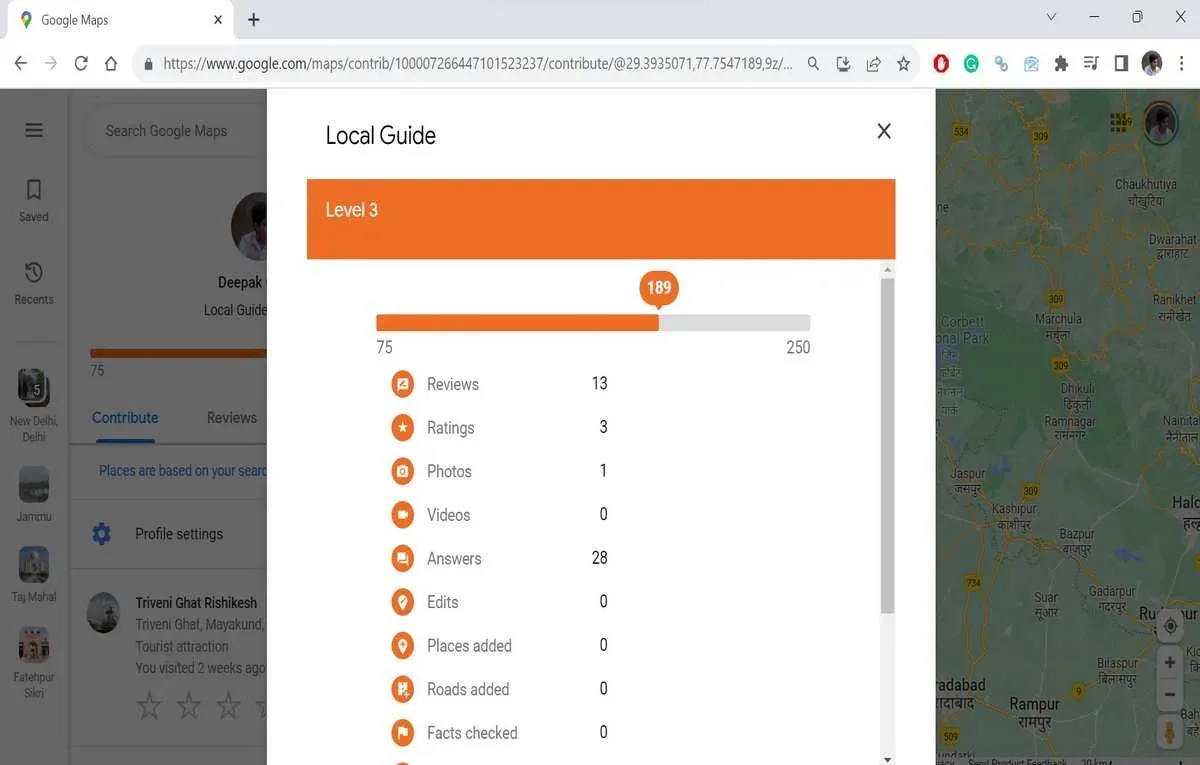
- Check whether you are already enrolled. Many people discover they were automatically part of the local guides program after leaving a review years earlier. The Contribute tab will show your level and points if so.
- Make your first contribution. Rate a place you visited recently and write two or three honest sentences about the experience.
That is the entire onboarding. No forms, no verification callbacks, no hidden fees. The barrier is intentionally low because Google wants volume from as many regions as possible.
One small tip from experience: pick places you genuinely remember well for your first batch. Your early reviews set the tone for how you write later, and detailed memories produce better text than vague ones.
Understanding Points: the Engine Behind the Local Guides Program
Points are the currency of the local guides program, even though they are not money. They measure how much you have contributed and determine which level you reach. Understanding the point values helps you decide where to spend your time.
| Contribution Type | Points Earned | Notes |
|---|---|---|
| Review | 10 points | Minimum 200 characters for full credit |
| Rating (without review) | 1 point | Quick but low value |
| Photo or video | 5 points | Cap applies per location |
| Answer to a question | 3 points | Answers on a place’s Q&A section |
| Edit or place added | 5 points | Subject to approval |
| Fact check confirmation | 1 point | Verifying details like hours or accessibility |
Notice the imbalance. A single detailed review is worth ten ratings. That tells you where the leverage sits inside the local guides program: writing beats tapping stars.
Photos deserve special attention. Five points each sounds modest, but a handful of good shots at one restaurant can add up fast. Multiply that across a month of normal life and the totals climb steadily.
Why Review Length Matters More Than People Think
Google’s own guidance states that reviews need a minimum length to earn the full ten points. Effective execution in your local guides program makes a tangible difference. Short one-liners often register as a rating instead.
This is not arbitrary gatekeeping; longer text gives the system more to index and more value to surface to other users.
So if you are going to write, write properly. Three solid sentences about the food, the service, and one specific detail will usually clear the threshold. Mentioning a signature dish or a specific staff interaction adds texture that generic praise never matches.
The Hidden Value of Edits and Fact Checks
Most people ignore editing, yet it is one of the most useful things you can do inside the local guides program. Businesses change their hours, close permanently, or move. Correcting that data helps thousands of people who never leave a review themselves.
Fact-checking prompts are similarly underrated. Google sometimes asks you to confirm whether a place has wheelchair access or serves takeout. Each confirmation is a point, and each one takes seconds.

Levels Explained: from Newcomer to Level 10
The local guides program runs on ten levels, and each one requires a specific point total. The early levels arrive quickly; the later ones demand real commitment over months or years.
| Level | Points Required | Typical Timeline |
|---|---|---|
| Level 1 | 0 | Immediate on joining |
| Level 2 | 15 | A few days |
| Level 3 | 75 | A couple of weeks |
| Level 4 | 250 | One to two months |
| Level 5 | 1,000 | Several months |
| Level 6 | 5,000 | Roughly a year |
| Level 7 | 15,000 | One to two years |
| Level 8 | 35,000 | Two to three years |
| Level 9 | 75,000 | Three to five years |
| Level 10 | 100,000 | Long-term dedication |
The jump from Level 5 to Level 6 is where most casual participants stall. One thousand points feels achievable; five thousand requires sustained output. That gap separates hobbyists from the people who eventually reach the top of the local guides program.
Here is the practical math. If a thorough review with photos nets roughly 30 points, reaching 5,000 means about 165 such contributions. Spread across a year, that is three per week. Feasible, but only if you build a routine.
What Changes as You Level Up
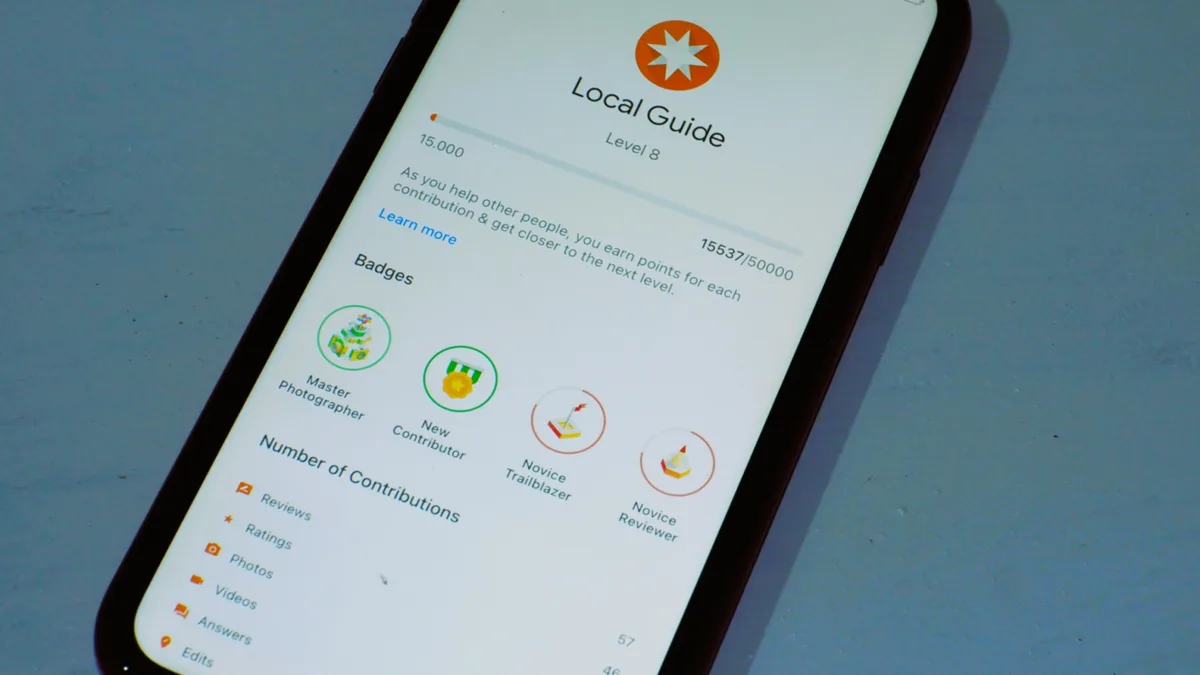
Higher levels unlock visibility rather than power. Your reviews get surfaced more prominently, your local guides program profile gains a colored badge, and your photos are more likely to appear in the main gallery for a place.
Level also affects early access to features. Google occasionally rolls out new tools to higher-level members of the local guides program before everyone else. It is a soft privilege, but long-time contributors tend to notice and appreciate it.
Why Most People Never Reach Level 10
Reaching 100,000 points is less about talent and more about duration. The people who get there are usually photographers, travel writers, or retirees who simply enjoy documenting their surroundings. They are not grinding; they are living their normal lives and logging it.
If your only motivation is the badge, you will likely quit around Level 5. If you genuinely like writing about places, the points accumulate as a side effect. That distinction matters far more than any optimization trick.
Badges: the Fun Layer of Recognition
Badges sit alongside points as the personality layer of the local guides program. They are small icons on your profile that signal what kind of contributor you are. Some come from straightforward milestones; others require genuine specialization.
You might earn a badge for uploading a large number of photos, for specializing in a category like restaurants or hotels, or for contributing consistently in one area. There is even a badge for being among the first to review a newly listed place.
None of these badges carry monetary value. A thoughtful approach to local guides program reinforces your qualifications. Their worth is social and, frankly, psychological. A visible set of badges tells other readers that your opinion comes with a track record.

The Categories That Earn Recognition
Restaurants, hotels, and tourist attractions tend to be the most common badge categories because they attract the most contributions. But niche categories exist too, and they can be easier to stand out in.
If you travel regularly for work, reviewing airports, train stations, and business hotels can build a distinctive profile inside the local guides program. Fewer people bother with transit hubs, so the competition for those badges is lighter.
Badges That Signal Trust
Certain badges function almost like a credibility marker. Long streaks of accurate contributions and high view counts on your photos do more for your standing than a single viral review ever will.
The quiet truth is that badges are a nudge, not an endpoint. They exist to keep you contributing, and the people who chase them too aggressively often burn out within a few months.
The Real Rewards: What You Actually Get
Let’s be direct about this, because plenty of articles oversell it. The local guides program does not pay you in cash. There is no monthly check, and anyone promising otherwise is misinformed.
What exists is a rotating set of perks. Structuring your local guides program around proven patterns ensures impact. Google has historically offered things like early access to new Maps features, occasional partner discounts, free storage upgrades for qualifying members, and invitations to local community events.
Availability varies heavily by country. Some regions see frequent offers; others see almost none. That inconsistency is the single most common frustration among long-time members of the local guides program.
Digital Perks and Feature Access
The most reliable benefit is early access. New Maps tools often reach higher-level contributors first, which gives you a chance to shape feedback before general release.

Google occasionally runs exclusive online events and virtual meetups for members. These are low-key but genuinely interesting if you care about mapping and local discovery as a hobby.
Physical Meetups and Community Events
In select cities, Google has hosted in-person gatherings for local guides. These range from photo walks to guided tours of newly mapped neighborhoods. Attendees often report them as the most rewarding part of the local guides program, precisely because they are rare.

If you are in a major metro area, keep an eye on your email and the Contribute tab. Invitations usually arrive with short notice and limited spots.
Why the Rewards are Secondary
Here is my honest take after watching contributors come and go: the people who last treat rewards as a bonus, not a goal. Applying these principles to your local guides program yields measurable results. The real payoff is a personal archive of places you have been and a small reputation for knowing your city well.

That archive has practical value. Plenty of members use their own review history as a travel diary, scrolling back to remember a meal or a hotel from years ago.
A Practical Strategy for Growing Your Contributions
Consistency beats intensity inside the local guides program. A structured approach makes the difference between someone stuck at Level 4 and someone who moves steadily upward.

- Batch your reviews after each outing. Write about three or four places the same evening while details are fresh. Memory fades fast, and vague reviews read poorly.
- Photograph deliberately. Take one wide shot of the space, one close-up of a signature item, and one of the entrance or signage. That trio covers what most readers want.
- Answer questions weekly. The Q&A section of popular places is full of unanswered questions. Quick, accurate answers earn points fast.
- Fix inaccurate listings. Check hours, phone numbers, and accessibility details for places you know well. Each correction is small but useful.
- Review your own neighborhood first. You know the local bakery, the corner cafe, the tiny park. Reviewing them is easier and more authentic than reviewing tourist landmarks.
Notice that none of this requires travel. The most active contributors in the local guides program often focus on a two-kilometer radius around their home.
One more tip: keep a running note on your phone with rough impressions of places you visit. When you sit down to write later, that note turns a blank page into a five-minute task.
Common Mistakes That Limit Your Progress
Newcomers repeat the same handful of errors, and each one costs points or credibility. Avoiding them is easier than fixing them later.
The biggest is writing generic reviews. “Great place, highly recommend” tells a reader nothing. It also rarely clears the length threshold for full points inside the local guides program.
Second is uploading blurry or duplicate photos. Proper attention to your local guides program sets a strong baseline. Low-quality images get filtered out of the main gallery, so your effort yields less visibility than it should.
Third is reviewing places you have never visited. This seems obvious, but the temptation to farm points from famous landmarks is real. Google’s systems increasingly catch it, and the penalties are not worth the risk.

Review Quality Signals That Matter
Specificity is the strongest signal. Naming a dish, a staff member, a room number, or a specific inconvenience makes a review useful. Vague adjectives do the opposite.
Balance also helps. A review that mentions one genuine drawback reads as more credible than unbroken praise. Readers trust nuance, and the local guides program benefits when reviews feel human rather than promotional.

Timing and Relevance
Reviewing a place shortly after visiting keeps details accurate. Writing about a restaurant from three years ago risks describing a menu that no longer exists.
If something has changed significantly, an edit to the listing is often more valuable than a new review. Developing your local guides program with precision highlights key strengths. Correcting outdated information serves readers better than adding another opinion.

Does the Local Guides Program Pay Money?
No. This question comes up constantly, so it deserves a clear answer. There is no salary, no revenue share, and no per-review payment. Anyone claiming otherwise is either confused or running a scam.
The rewards are fringe benefits: early feature access, occasional discounts, and invitations to events. Treating the local guides program as an income source will lead to disappointment.

That said, some contributors have turned their profiles into a springboard. Travel bloggers and photographers sometimes use their review history as a portfolio. The program itself does not pay, but the visibility can occasionally open adjacent doors.
The Scams to Watch For
Because the promise of easy money is attractive, scammers target newcomers. You may encounter offers to buy points, paid review services, or “verified guide” packages. All of these violate Google’s terms and often exist purely to harvest accounts or payment details.
Ignore them entirely. The local guides program is free to join and free to use, and legitimate rewards never require you to pay anything upfront.
Privacy, Anonymity, and Your Public Profile
Your contributions are public by default, and that surprises some people. Clear alignment with your local guides program builds confidence from the start. Reviews show your display name and profile photo, and they can appear in search results.
If you prefer privacy, use a display name that is not your full legal name and a photo that is not a clear shot of your face or family. This keeps the local guides program useful without exposing more than you want.
Location history is a separate consideration. Reviewing places reveals roughly where you have been, especially if you post frequently from one area. That is worth thinking about before you build a detailed public history.
Managing What Others Can See
You can adjust your profile visibility and control which contributions appear publicly. Reviews and photos can be deleted or made private after the fact, though doing so forfeits the associated points.
For most people, the practical approach is simply to avoid posting anything you would not want visible years later. That single rule handles most privacy concerns inside the local guides program.
How Moderators and Quality Checks Work
Google relies on a mix of automated systems and volunteer moderators to keep listings accurate. Automated filters catch obvious spam, while human moderators review flagged content and disputed edits.
This matters because your contributions can be removed. Integrating local guides program into your workflow produces consistent quality. Reviews that contain personal attacks, promotional links, or off-topic content are common casualties. So are photos that are screenshots rather than original images.
Being familiar with the rules saves frustration. Read the content policy once, and you will avoid the mistakes that quietly erase months of effort.
Appealing a Removed Review
If a review disappears, you can usually appeal through the support channels. Moderation is imperfect, and legitimate reviews occasionally get caught in false positives.
Keep appeals short and factual. Explaining that you visited the place on a specific date and sharing any supporting detail tends to work better than long complaints. Patience helps too, since responses can take a while.
Local Guides Program vs Other Review Platforms
It helps to see where this system sits next to alternatives. Each platform has a different culture, and understanding that shapes how you contribute.
| Platform | Reward Structure | Best Fit |
|---|---|---|
| Google Maps local guides program | Points, badges, occasional perks | Everyday places and navigation |
| TripAdvisor | Badges and contributor rankings | Travel, hotels, and restaurants |
| Yelp | Elite status and community events | Dining and urban services |
| OpenStreetMap | None (pure volunteering) | Detailed map data and editing |
Google’s edge is reach. A review there is seen by people actively navigating, often at the exact moment they need the information. That immediacy makes contributions feel useful in a way slower platforms do not.
OpenStreetMap deserves a mention for purists. It offers no rewards at all, yet it produces the most granular mapping data available. If you enjoy precision over perks, it is worth exploring alongside the local guides program.
Where Google’s System Falls Short
The incentive structure favors volume, and that shows. Some listings accumulate dozens of near-identical reviews, making it hard to find substantive feedback.
Rewards are also inconsistent across regions, and the perks are modest compared to what some competing platforms offer their top contributors. The local guides program wins on reach, not on generosity.
Advanced Tips for Serious Contributors
Once you have the basics down, a few refinements separate competent contributors from genuinely influential ones.
- Build a niche. Being the go-to reviewer for vegan restaurants or budget hotels in your city creates a recognizable identity within the local guides program.
- Write for the reader’s decision. Ask what someone needs to know before visiting, then answer that directly in your first two sentences.
- Use short paragraphs. Long blocks of text get skimmed. Three tight paragraphs outperform one dense wall.
- Update old reviews. Revisiting a place and editing your review shows the listing is current, which readers notice.
- Track your photo views. Your profile shows view counts, and that data tells you which types of photos perform best.
Another underused technique is answering questions with links to nothing at all. Keep answers self-contained. Readers want a direct response, not a redirect.
Finally, consider accessibility details in every review. Mentioning step-free access, restroom availability, or noise levels is genuinely helpful and rarely covered. It is one of the fastest ways to make your contributions stand out.
Frequently Asked Questions
Here is an in-depth breakdown of key considerations regarding Frequently Asked Questions:
Do I Need to Apply to Join the Local Guides Program?
No application is required. You join automatically by contributing through the Contribute tab in Google Maps. There is no fee and no approval process.
Can I Lose My Points or Badges?
Yes. Points can be removed if a contribution is deleted or found to violate the content policy. Deleting your own reviews also removes the associated points.
Is There a Limit to How Many Points I Can Earn per Day?
There are caps on certain contribution types, such as photo points per location. Reviews generally carry no strict daily limit, though unnatural bursts can trigger moderation.
How Long Does It Take to Reach Level 10?
Most people take several years. Reaching 100,000 points requires sustained, regular contributions over a long period, and very few members get there.
Do Reviews Have to be in English?
No. You can write in any language. Reviews in local languages are often more useful to the people searching in that region.
Are the Rewards Worth the Effort?
Financially, no. The value of the local guides program lies in visibility, a personal record of places visited, and small perks that appear inconsistently by region.
What Happens to My Contributions if I Delete My Account?
Your reviews typically remain visible but become anonymized as “A Google User.” Your profile, points, and badges disappear entirely.
Can Businesses Pay for Better Reviews?
They should not, and paid reviews violate Google’s policies. Both the business and the reviewer risk penalties, including review removal and account restrictions.
Is the Local Guides Program Worth Your Time?
After years of watching contributors rise and fade, the pattern is clear. The people who enjoy it are the ones who would review places anyway. The points and badges simply make the habit a little more engaging.
If you want quick money, look elsewhere. But if you like the idea of your neighborhood knowledge helping strangers find a decent meal or a working elevator, the local guides program offers a surprisingly satisfying way to do it.
Start small. Review the cafe you visited this morning, answer two questions about a nearby park, and see how it feels. Chances are you will be back tomorrow, updating the hours of a shop that never fixed its listing.
For verified reference and background research, consult the authoritative informational resource on this topic.